16GB Memory Cards
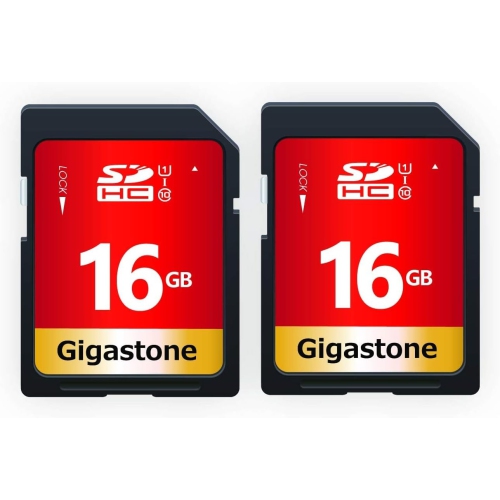
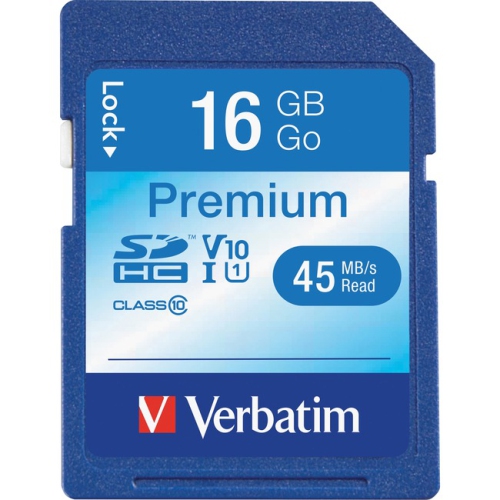
Looking to expand the storage capacity of your device? Look no further than our selection of 16-GB memory cards. Whether you need extra space for photos, videos, music, or documents, these versatile memory cards offer ample room to store and transfer your digital content. With their compact size and reliable performance, 16-GB memory cards are an essential accessory for photographers, videographers, gamers, and anyone who wants to keep their files organized and accessible. Here are some great options available.
Sort
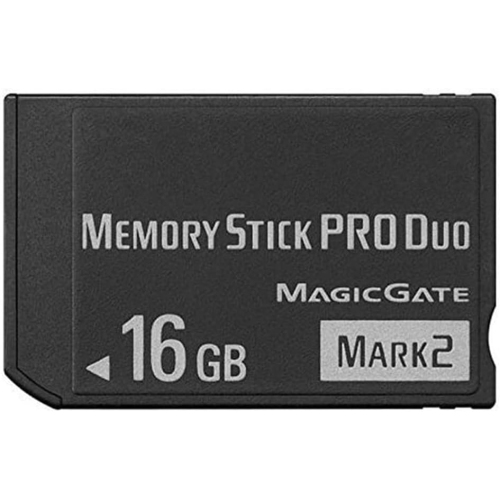
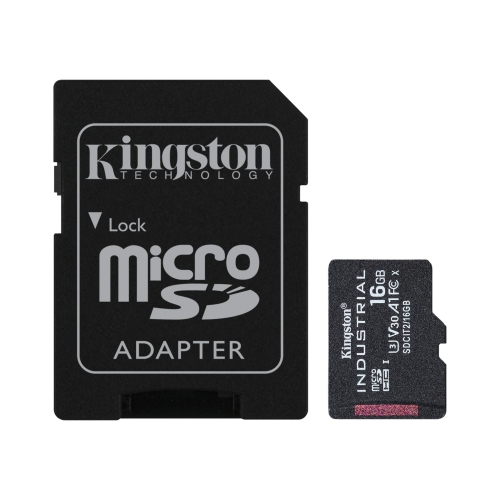

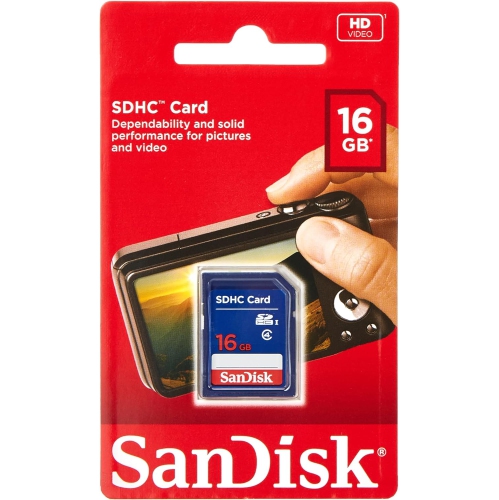
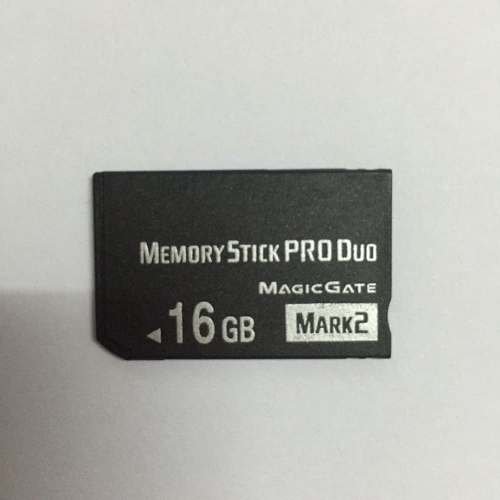


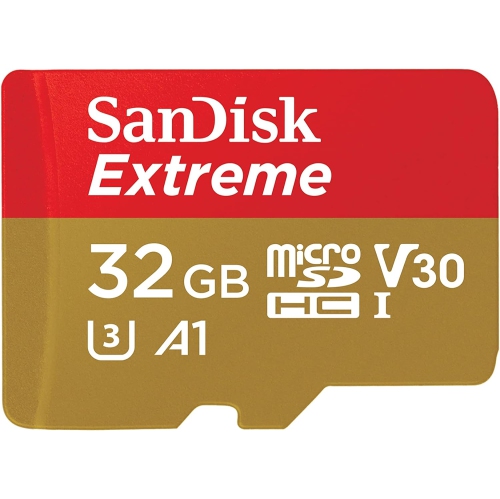
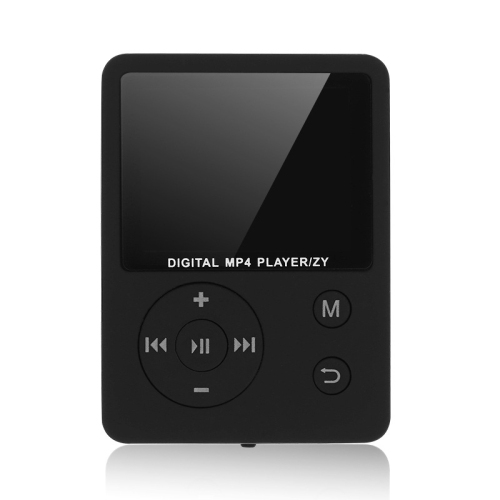
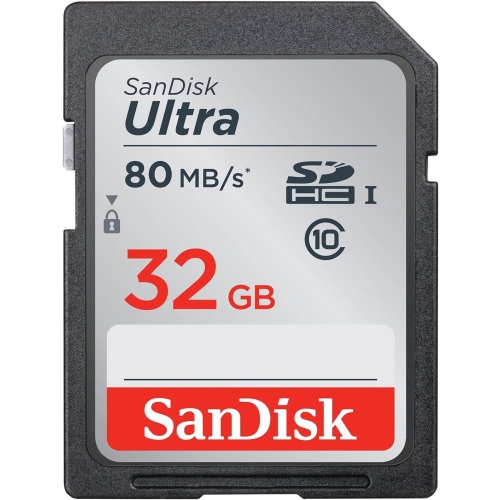
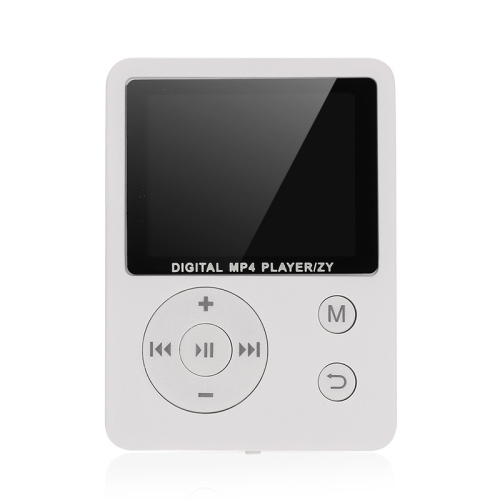
Practical removable storage for cameras and everyday electronics
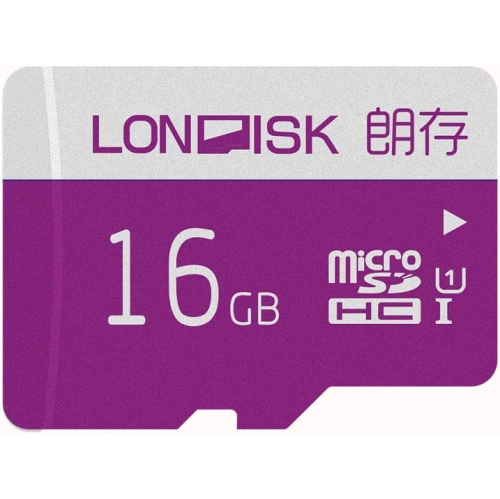
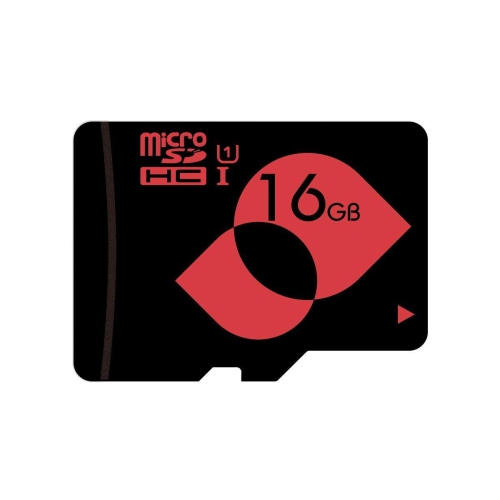
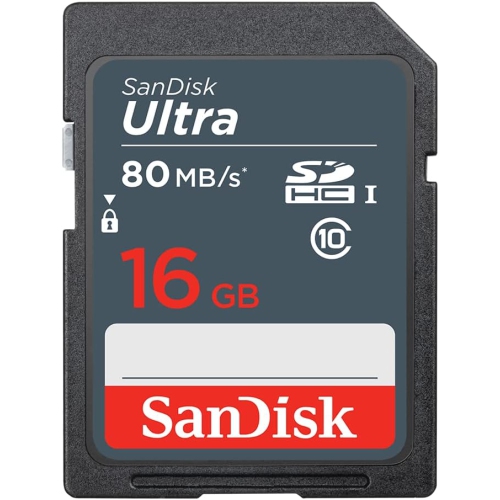
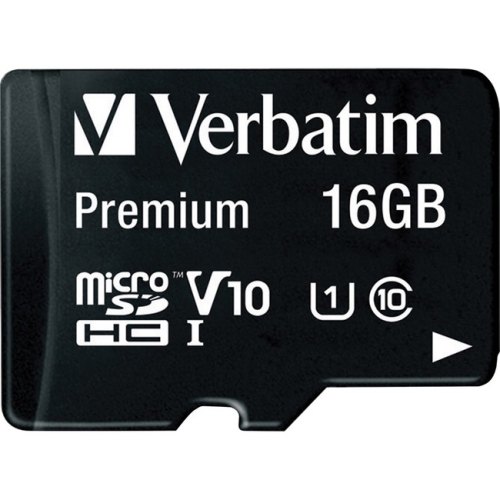
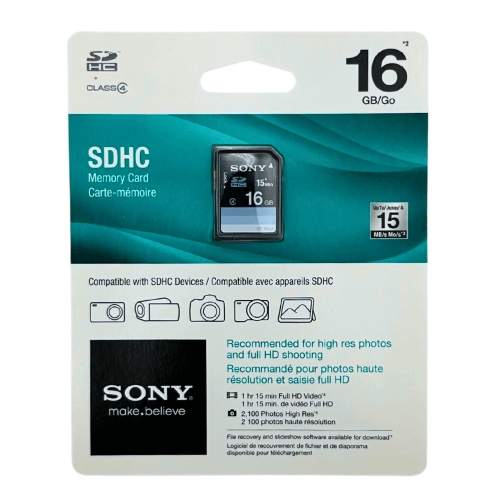
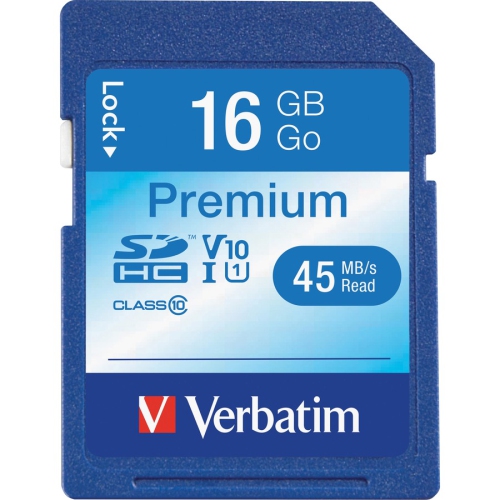
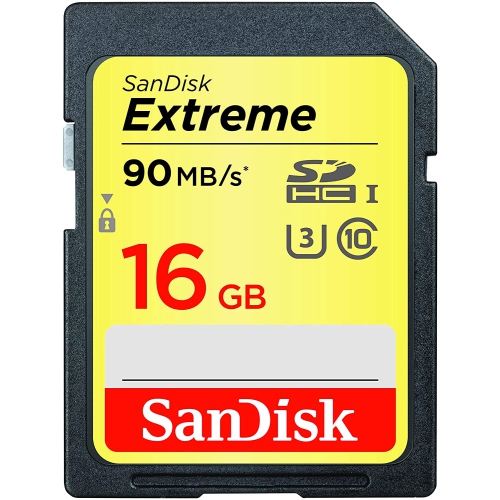
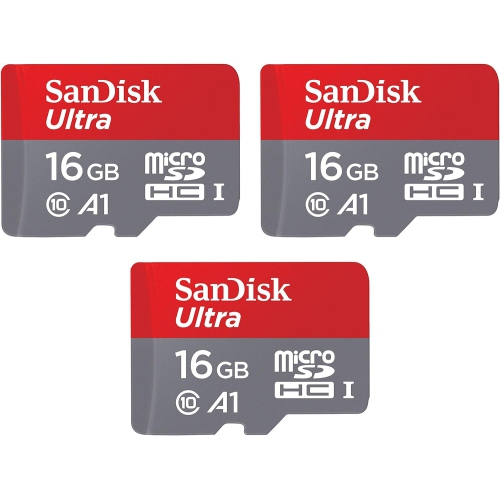
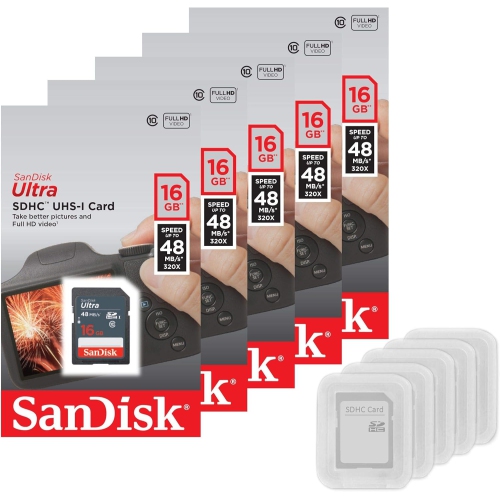
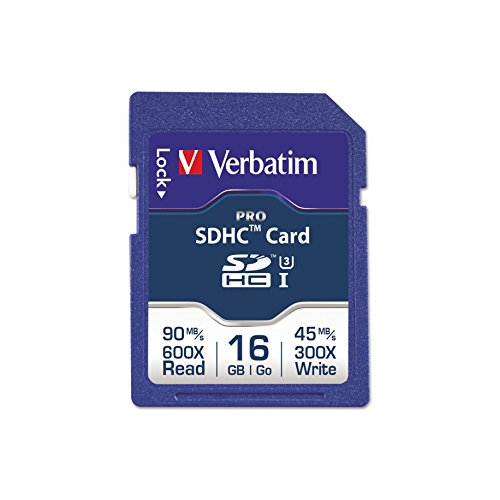
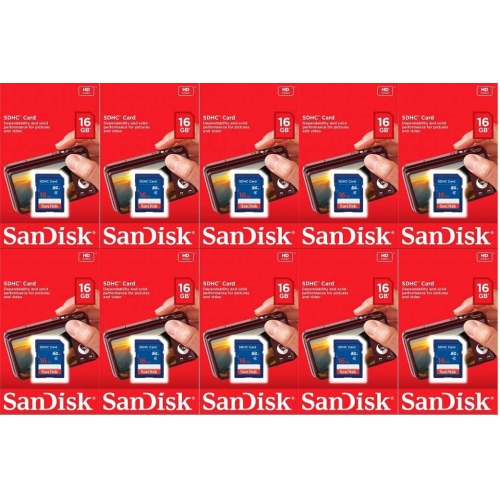
16GB memory cards offer a practical amount of removable storage for devices that do not need a large media library or extensive video recording space. They are commonly used with digital cameras, older point-and-shoot cameras, camcorders, dash cams, trail cameras, portable audio equipment, and other compatible electronics. A 16GB card can hold a useful collection of photographs, short video clips, music files, or documents while keeping files easy to organize and transfer. For many people, the appeal is simplicity: insert the card, format it in the device, and begin saving content without relying on cloud storage or filling the device’s built-in memory. Capacity varies depending on the file type and recording settings. A camera capturing high-resolution images or a device recording high-definition video will use storage more quickly than one saving smaller files. Continuous recording, burst photography, and higher-quality video settings can also reduce the number of files a card can hold. A 16GB card may be especially suitable for occasional photography, everyday snapshots, short trips, basic dash cam recording, or a secondary card kept in a camera bag as a dependable backup. It can also be a thoughtful gift for someone receiving a camera, updating an older device, or preparing for travel during the warmer season and cooler months alike.
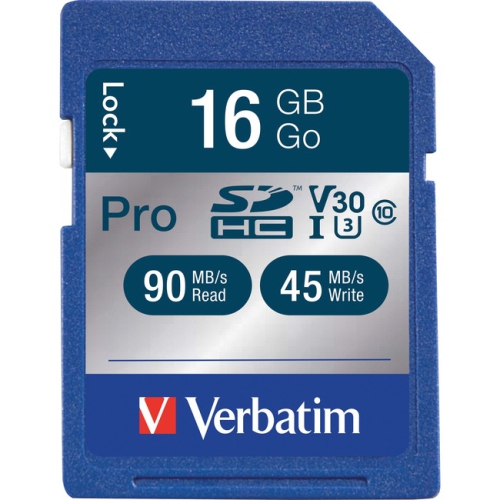
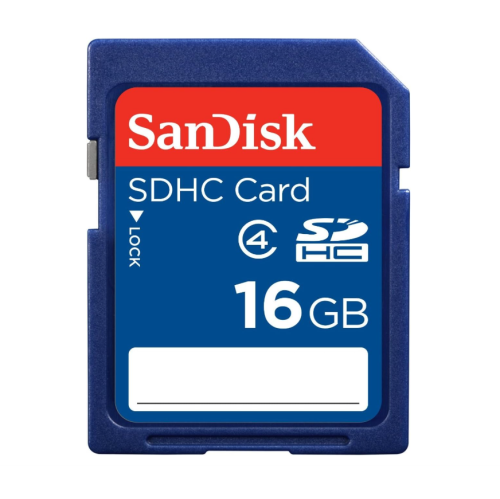
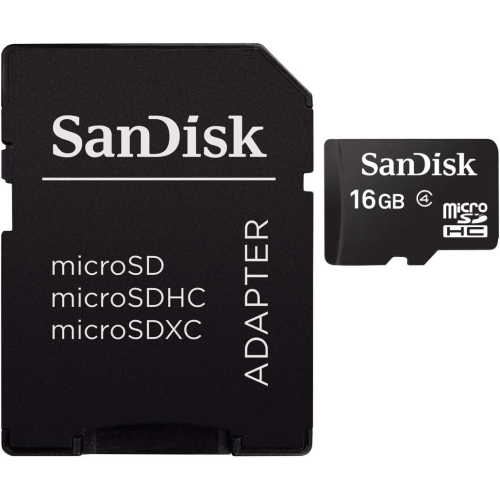
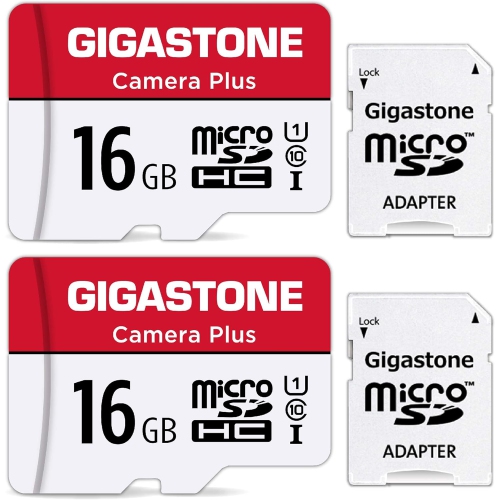
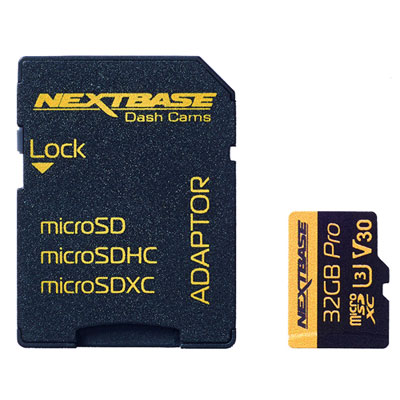
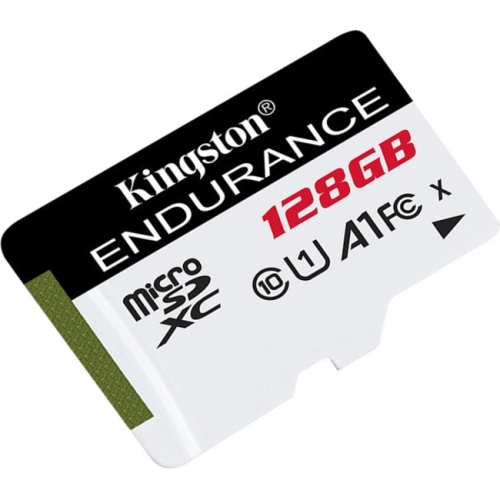
Compatibility should be confirmed before purchasing, because memory cards are available in different physical formats and performance classes. Full-size SD cards are commonly used in digital cameras and some camcorders, while microSD cards are designed for smaller devices such as action cameras, dash cams, handheld electronics, and select mobile devices. Many microSD cards include a full-size SD adapter, which allows the smaller card to fit a standard SD slot; however, the adapter does not change the card’s storage capacity or speed. It is important to check the device manual or manufacturer specifications for the supported card type, maximum capacity, file system, and recommended speed rating. A device may accept only a particular generation of card or may work best with a card formatted in the device itself. Speed markings provide useful guidance as well. Class 10 indicates a minimum sequential write speed suitable for many everyday recording tasks, while UHS speed symbols and video speed classes can provide additional information for cameras and video equipment. Read speed affects how quickly files can be copied to a computer, tablet, or other host device, whereas write speed is particularly important when capturing continuous video or a rapid series of photographs. The fastest card is not always necessary for an older camera, but a card that is too slow may interrupt recording, reduce performance, or produce an error message. Reviewing the required format and speed before checkout helps avoid the familiar frustration of arriving at a scenic viewpoint, inserting a new card, and discovering that the device cannot recognize it.
When comparing 16GB memory cards, consider how and where the card will be used, how often files will be transferred, and whether a spare is worth keeping close at hand. A compact card case can help protect unused cards from dust, moisture, and accidental damage, while a reliable card reader makes it easier to move photos and videos to a computer. Always eject the card properly before removing it, particularly after recording or transferring files, and format it using the intended device when recommended. Regularly copying important photos and recordings to another location is also wise, since a memory card should not be the only place valuable files are stored. Cards designed for frequent recording, such as those used in dash cams or security equipment, may need to be checked for the manufacturer’s guidance on repeated writing and automatic overwriting. For older cameras and electronics, a 16GB capacity can be a sensible match because it provides room for everyday use without exceeding the device’s supported limits. Smaller-capacity cards can sometimes be harder to find in local shops as retailers focus on larger capacities, and their pricing may be similar to or higher than newer, larger options, so checking compatibility and comparing value is worthwhile. If a device needs more room for longer recordings or a larger collection of files, browsing options such as 32GB MicroSD Cards may be helpful. Whether selected for a first camera, a dependable spare, a dash cam, or a practical gift for a photography enthusiast, the right 16GB card combines the correct form factor, suitable speed, and dependable capacity for the device it will serve.
Compatibility should be confirmed before purchasing, because memory cards are available in different physical formats and performance classes. Full-size SD cards are commonly used in digital cameras and some camcorders, while microSD cards are designed for smaller devices such as action cameras, dash cams, handheld electronics, and select mobile devices. Many microSD cards include a full-size SD adapter, which allows the smaller card to fit a standard SD slot; however, the adapter does not change the card’s storage capacity or speed. It is important to check the device manual or manufacturer specifications for the supported card type, maximum capacity, file system, and recommended speed rating. A device may accept only a particular generation of card or may work best with a card formatted in the device itself. Speed markings provide useful guidance as well. Class 10 indicates a minimum sequential write speed suitable for many everyday recording tasks, while UHS speed symbols and video speed classes can provide additional information for cameras and video equipment. Read speed affects how quickly files can be copied to a computer, tablet, or other host device, whereas write speed is particularly important when capturing continuous video or a rapid series of photographs. The fastest card is not always necessary for an older camera, but a card that is too slow may interrupt recording, reduce performance, or produce an error message. Reviewing the required format and speed before checkout helps avoid the familiar frustration of arriving at a scenic viewpoint, inserting a new card, and discovering that the device cannot recognize it.
When comparing 16GB memory cards, consider how and where the card will be used, how often files will be transferred, and whether a spare is worth keeping close at hand. A compact card case can help protect unused cards from dust, moisture, and accidental damage, while a reliable card reader makes it easier to move photos and videos to a computer. Always eject the card properly before removing it, particularly after recording or transferring files, and format it using the intended device when recommended. Regularly copying important photos and recordings to another location is also wise, since a memory card should not be the only place valuable files are stored. Cards designed for frequent recording, such as those used in dash cams or security equipment, may need to be checked for the manufacturer’s guidance on repeated writing and automatic overwriting. For older cameras and electronics, a 16GB capacity can be a sensible match because it provides room for everyday use without exceeding the device’s supported limits. Smaller-capacity cards can sometimes be harder to find in local shops as retailers focus on larger capacities, and their pricing may be similar to or higher than newer, larger options, so checking compatibility and comparing value is worthwhile. If a device needs more room for longer recordings or a larger collection of files, browsing options such as 32GB MicroSD Cards may be helpful. Whether selected for a first camera, a dependable spare, a dash cam, or a practical gift for a photography enthusiast, the right 16GB card combines the correct form factor, suitable speed, and dependable capacity for the device it will serve.
Top selling and popular products
-
 Your price for this item is $479.99
 -
 Your price for this item is $124.99
 -
 Your price for this item is $56.99
 -
 Your price for this item is $56.99
 -
 Your price for this item is $52.77
 -
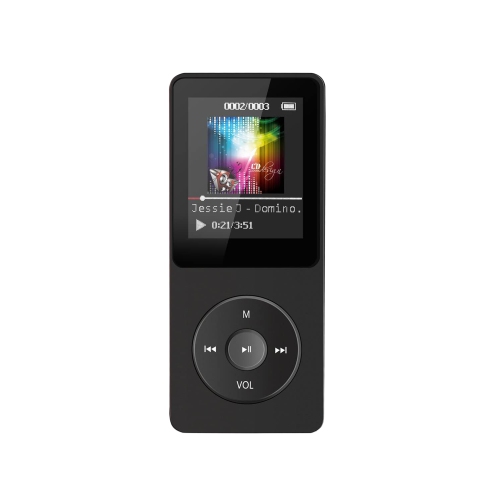 Your price for this item is $52.99
 -
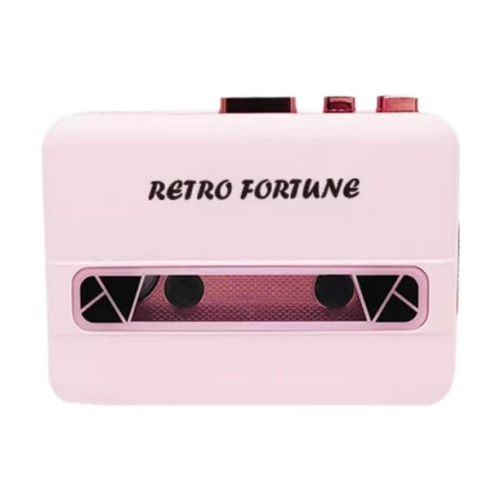 Your price for this item is $65.99
 -
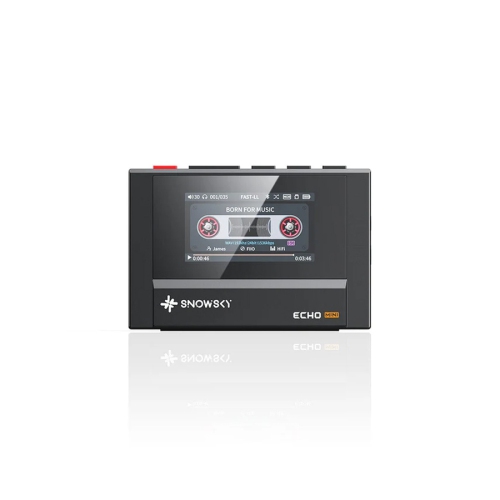 Your price for this item is $79.99
Discover more categories related to 16GB Memory Cards
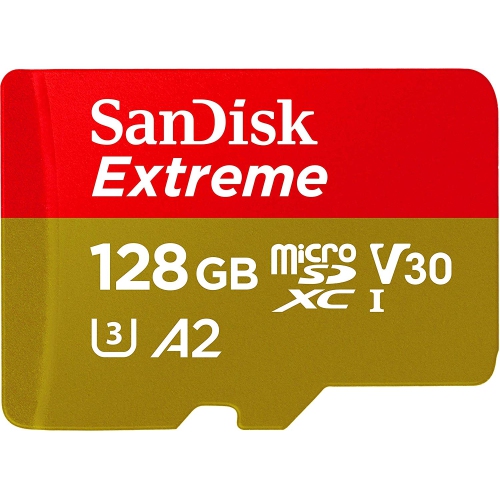
Top Collections:
Best Laptops for Video Editing, Pokemon Centers, Samsung Z Fold, Kindle Devices, Best Cell Phones Under $300, Best Laptops for Writers, Best Budget Office Chairs, Best Cell Phones Under $500, Best Laptop Computers for Students, iPhone 15 Apple
Some products may be subject to Environmental Handling Fees
(EHF) depending on your province.
Learn more about EHFs.