32GB MicroSD Cards
Expand your device’s storage effortlessly with 32GB microSD cards, the ideal solution for storing photos, videos, apps, and more. Perfect for smartphones, tablets, cameras, and other compatible devices, these compact memory cards offer a convenient way to keep your important files close at hand. Find the right 32GB microSD card to suit your needs and enjoy reliable performance for everyday use.
Sort
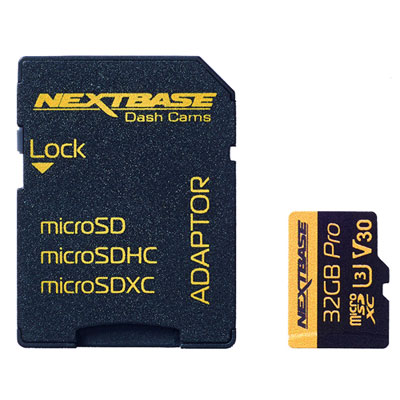

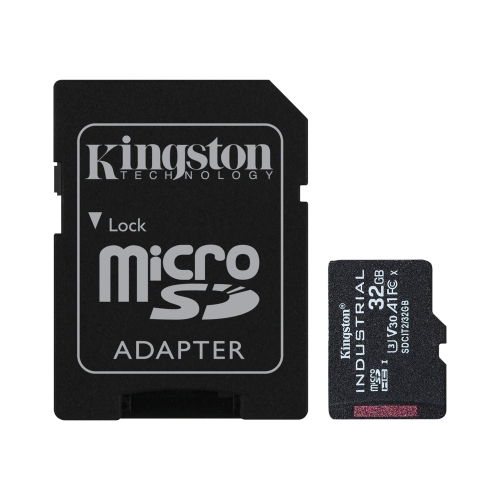
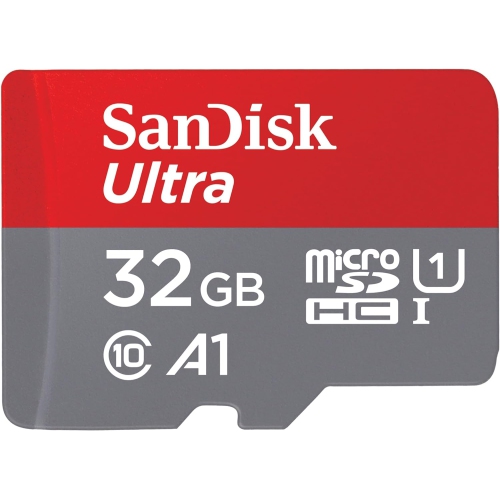
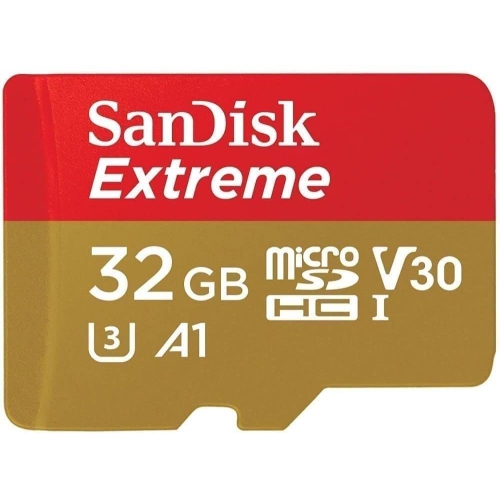

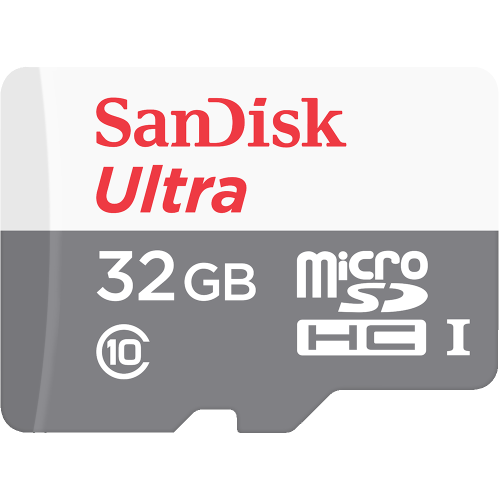


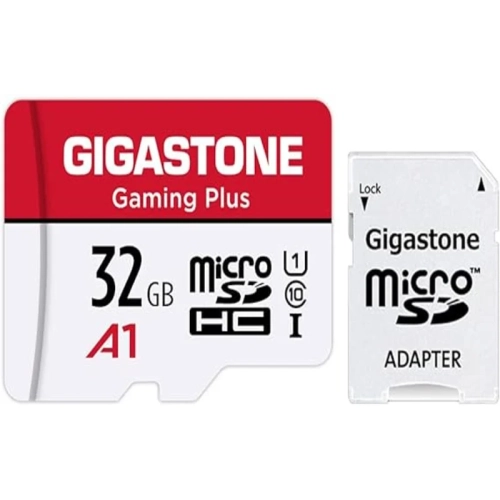


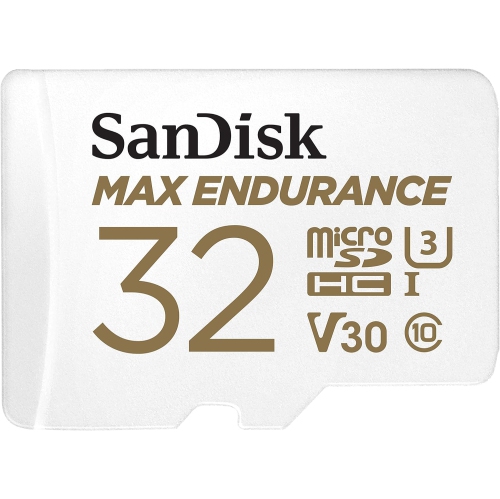
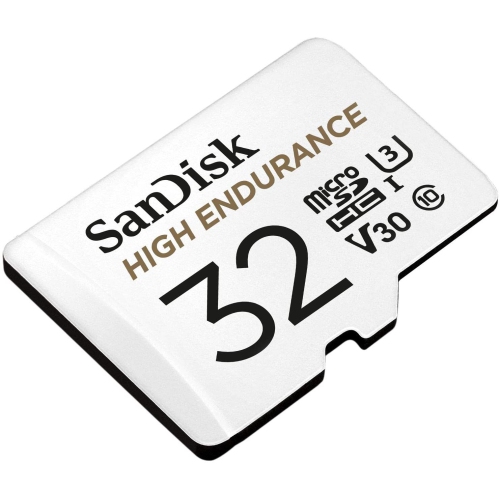
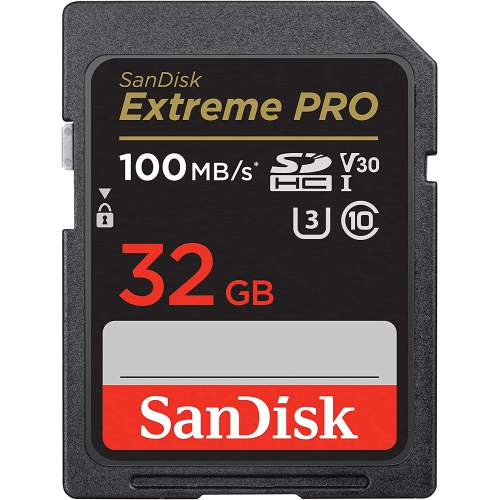


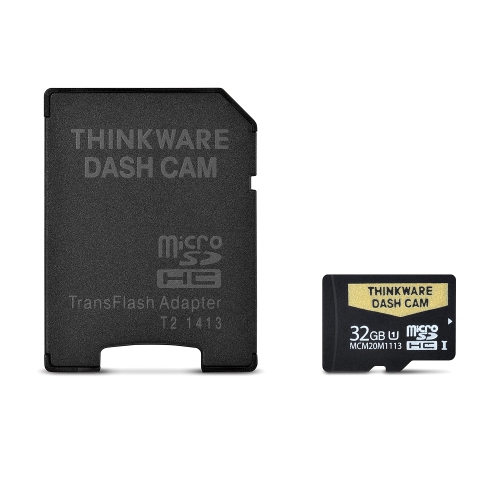


Compatible storage for everyday devices and continuous recording
A 32GB microSD card is a practical way to add removable storage to compatible electronics without taking up much space. These cards are commonly used in dash cams, compact cameras, action cameras, smartphones, tablets, portable gaming devices, GPS units, digital voice recorders, security cameras and older car stereos. Their small size makes them easy to install and carry, while 32GB provides useful room for photos, music, documents and Full HD video. A card with this capacity is particularly well suited to devices that do not support larger cards or that require the FAT32 file system. Many older electronics, car stereos and dash cams are designed around FAT32, and they may not recognize cards formatted with exFAT. Checking the device manual or manufacturer specifications before buying helps confirm the supported capacity, file system and card type. MicroSDHC is the format commonly associated with capacities from 4GB through 32GB, and a microSDHC card may also be labelled with a UHS-I interface and a speed class. Class 10 and U1 ratings are typical for everyday use, with read speeds that can reach up to 100MB/s depending on the card, device and connection. This level of performance is generally suitable for Full HD 1080p recording, saving bursts of photos and playing stored media, although actual results depend on the host device. A fast rating does not make an incompatible card work, so confirm that the device accepts microSD or microSDHC cards rather than full-size SD cards. If the product includes an SD adapter, the card can also be used in equipment with a standard SD slot, such as some cameras and laptops. Before transferring important files, format the card using the device that will use it, following the device’s recommended settings. Formatting removes existing content, so save photos, recordings and documents elsewhere first. It is also worth checking the maximum supported card capacity, because some older electronics may accept only smaller cards even when the physical slot looks the same. For everyday storage, a 32GB microSD card can be a convenient choice for keeping a collection of music in a vehicle, carrying reference files on a tablet or giving a camera extra room for a day of shooting. For devices that support more storage and are used for larger photo libraries, extended video collections or downloaded games, consider browsing 128GB Memory Cards as another capacity option.
The right 32GB microSD card depends on how data will be recorded and how often the card will be overwritten. For a phone, tablet, handheld gaming device or camera used for occasional snapshots, a standard Class 10, UHS-I or U1 card is often a sensible match for photos, music, apps and Full HD video. Devices that record continuously need a more specialised choice. A dash cam may save footage in short clips and repeatedly overwrite the oldest files, while a home security camera can record for long periods with little interruption. In these situations, look for a high-endurance card designed for continuous or loop recording. High-endurance construction is intended to handle repeated write cycles more reliably than a card meant mainly for occasional file transfers, making it a valuable consideration for dash cams and security systems. Capacity also affects recording time: 32GB can hold a useful amount of standard-definition or Full HD footage, but loop recording, video resolution, frame rate and the camera’s file settings all influence how quickly the card fills. Once full, a dash cam typically replaces older clips, so review and protect important footage before it is overwritten. A card used in a camera should be removed carefully, and the device should be switched off or the card safely ejected before taking it out. Keeping the card’s contacts clean, avoiding extreme heat or moisture and storing it in a protective case when not in use can help preserve reliable operation. A 32GB microSD card can also make a thoughtful, useful gift for someone setting up a dash cam in a new vehicle, preparing for a road trip, learning photography or adding storage to a child’s compatible tablet or gaming device. It is small enough to tuck into a camera bag, glove compartment or travel pouch, and its usefulness is easy to appreciate when a device’s internal storage fills at an inconvenient moment. For travellers, the card can hold maps, music, clips and photos without relying on an internet connection, while photographers may use it for a day of casual shooting when their camera supports the capacity. Always verify the required card speed, maximum capacity and format before purchasing, particularly for older electronics and recording equipment. Also remember that memory cards are storage accessories rather than a substitute for backup: copy irreplaceable photos, videos and documents to another location so a lost or damaged card does not mean losing important memories.
The right 32GB microSD card depends on how data will be recorded and how often the card will be overwritten. For a phone, tablet, handheld gaming device or camera used for occasional snapshots, a standard Class 10, UHS-I or U1 card is often a sensible match for photos, music, apps and Full HD video. Devices that record continuously need a more specialised choice. A dash cam may save footage in short clips and repeatedly overwrite the oldest files, while a home security camera can record for long periods with little interruption. In these situations, look for a high-endurance card designed for continuous or loop recording. High-endurance construction is intended to handle repeated write cycles more reliably than a card meant mainly for occasional file transfers, making it a valuable consideration for dash cams and security systems. Capacity also affects recording time: 32GB can hold a useful amount of standard-definition or Full HD footage, but loop recording, video resolution, frame rate and the camera’s file settings all influence how quickly the card fills. Once full, a dash cam typically replaces older clips, so review and protect important footage before it is overwritten. A card used in a camera should be removed carefully, and the device should be switched off or the card safely ejected before taking it out. Keeping the card’s contacts clean, avoiding extreme heat or moisture and storing it in a protective case when not in use can help preserve reliable operation. A 32GB microSD card can also make a thoughtful, useful gift for someone setting up a dash cam in a new vehicle, preparing for a road trip, learning photography or adding storage to a child’s compatible tablet or gaming device. It is small enough to tuck into a camera bag, glove compartment or travel pouch, and its usefulness is easy to appreciate when a device’s internal storage fills at an inconvenient moment. For travellers, the card can hold maps, music, clips and photos without relying on an internet connection, while photographers may use it for a day of casual shooting when their camera supports the capacity. Always verify the required card speed, maximum capacity and format before purchasing, particularly for older electronics and recording equipment. Also remember that memory cards are storage accessories rather than a substitute for backup: copy irreplaceable photos, videos and documents to another location so a lost or damaged card does not mean losing important memories.
Top selling and popular products
-
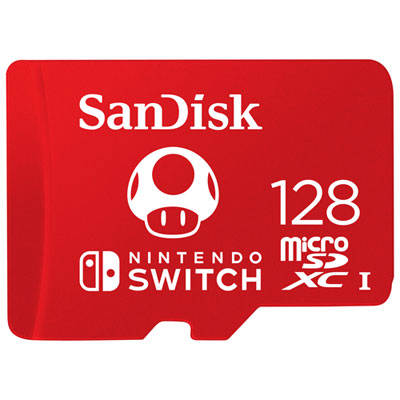 Your price for this item is $69.99
-
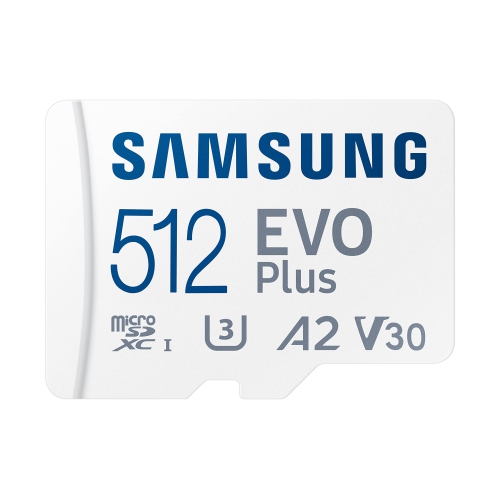 Your price for this item is $159.5
-
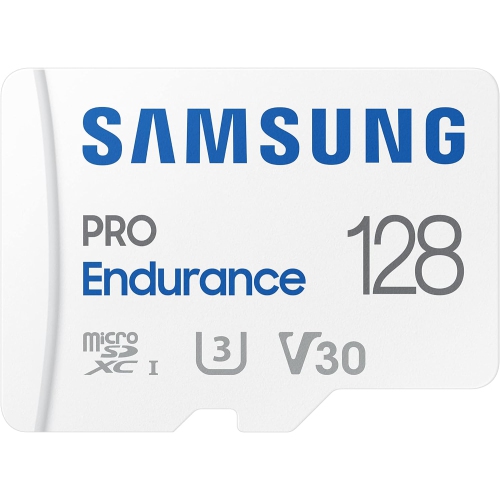 Your price for this item is $120.22
-
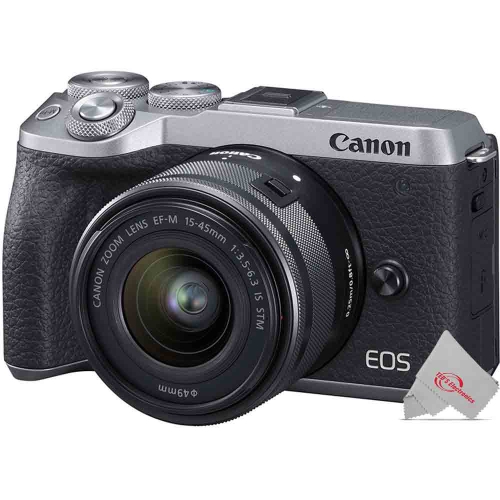 Your price for this item is $130.95
-
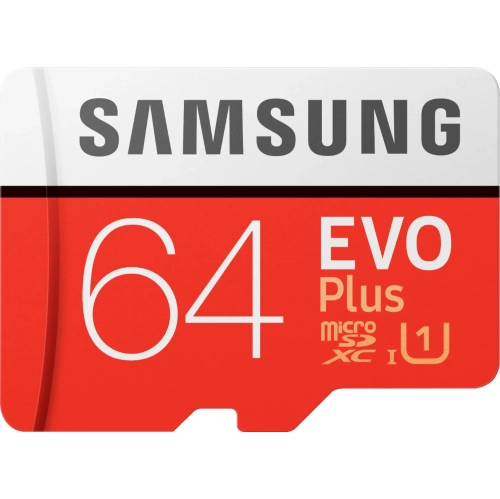 Your price for this item is $53.99
-
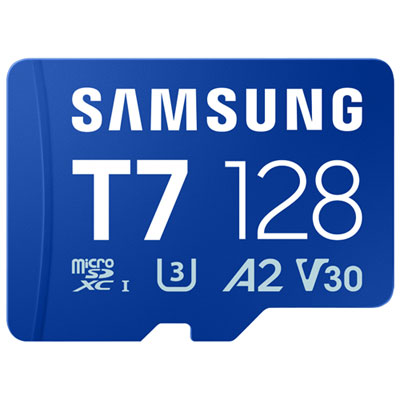 Your price for this item is $64.98
-
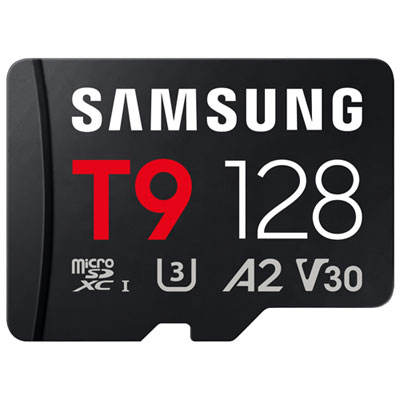 Your price for this item is $84.99
-
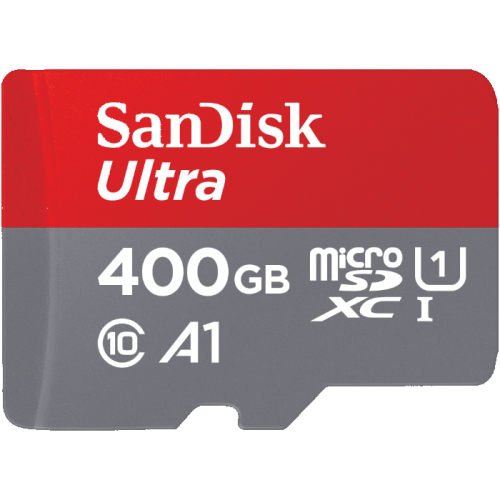 Your price for this item is $113.99
Discover more categories related to 32GB MicroSD Cards

Top Collections:
Pokemon Centers, Best Cameras for Sports Photography, Kindle Devices, Samsung Galaxy Phones, Canon G7X Cameras, Pokémon 30th Celebration Cards, Refurbished Apple Laptops, iPhone 15 Apple, Laptops for Students, Budget Smartphones
Some products may be subject to Environmental Handling Fees
(EHF) depending on your province.
Learn more about EHFs.