256gb Sdxc Cards
Looking to expand your device's storage capacity? Look no further than our wide selection of 256GB SDXC cards. Whether you're a professional photographer in need of ample space for high-resolution images, a videographer capturing stunning 4K footage, or simply looking to store all your favorite movies and music on the go, these SDXC cards offer the perfect solution. With their impressive storage capacity and fast transfer speeds, you'll never have to worry about running out of space again. Explore our range of 256GB SDXC cards and find the perfect one to meet your storage needs today.
Sort

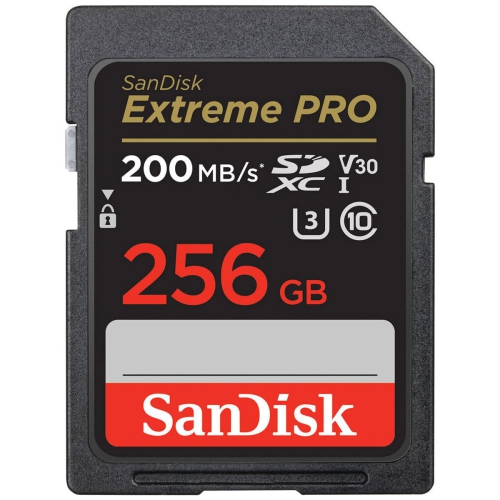
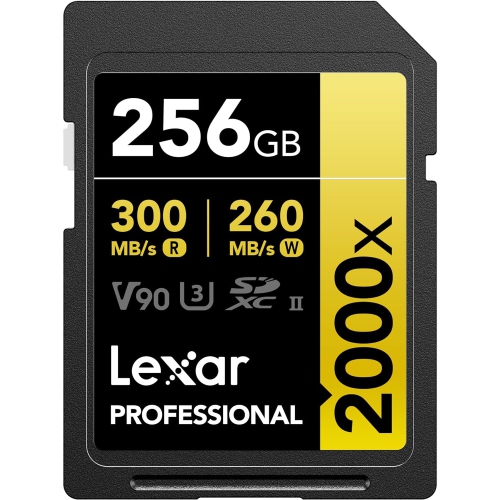

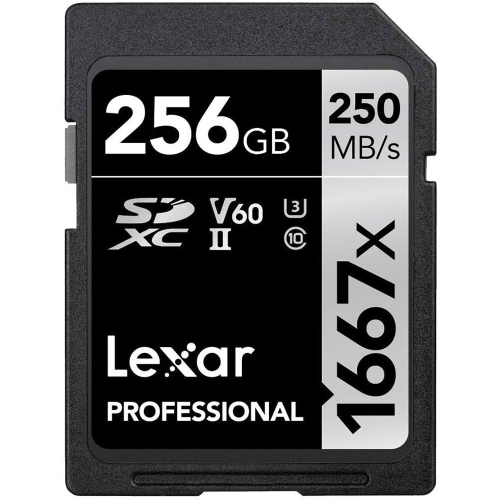
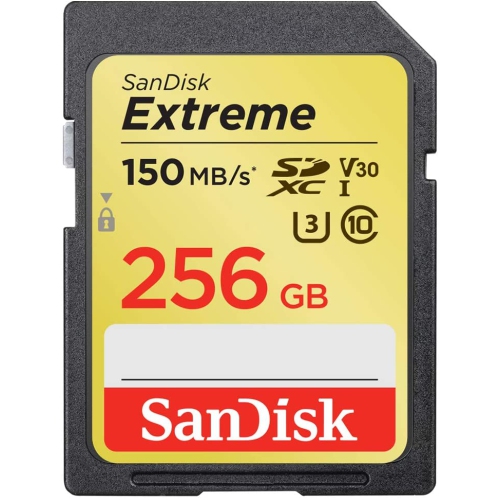
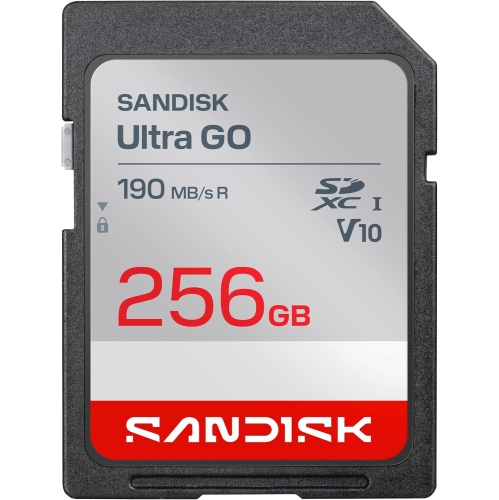

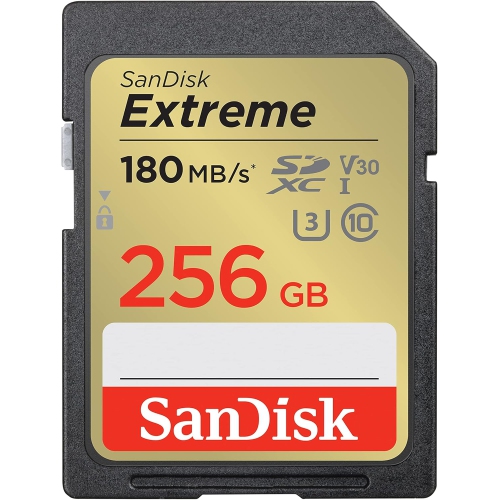


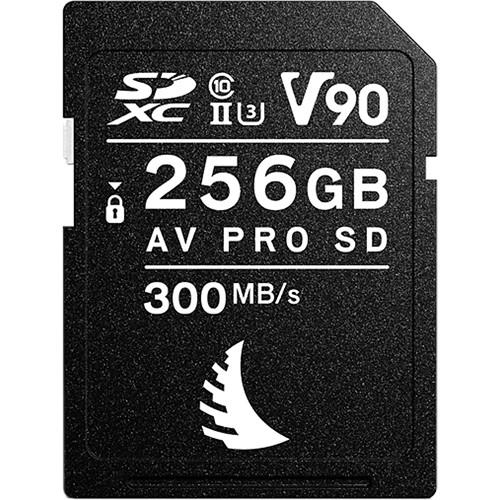


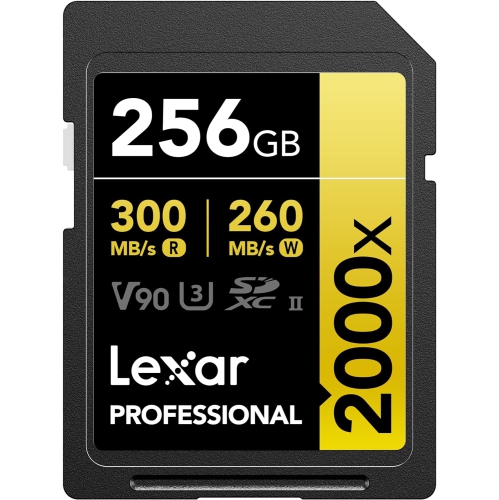

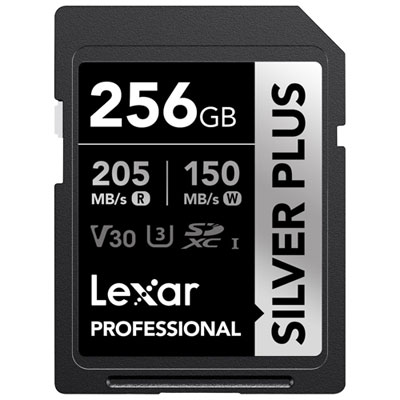

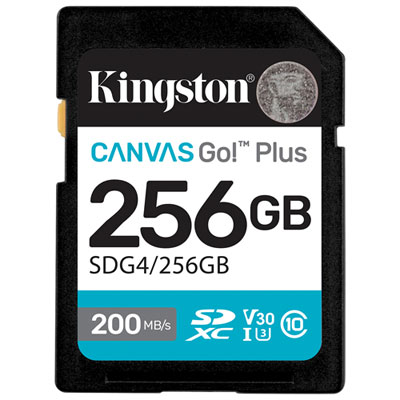

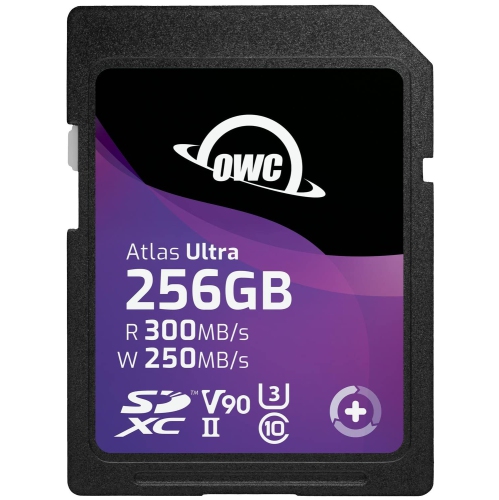

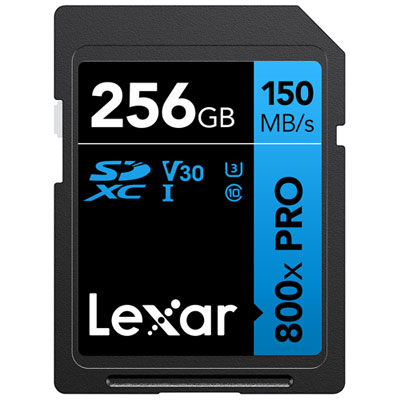

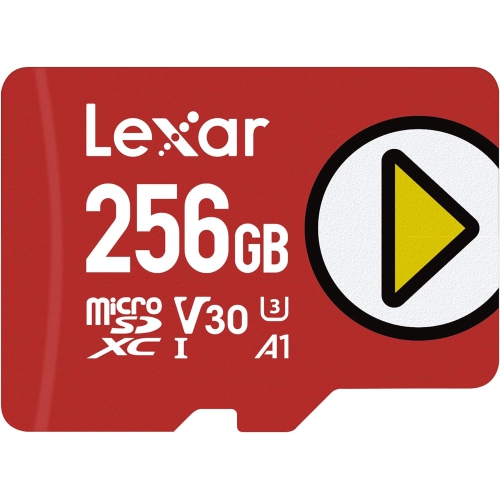
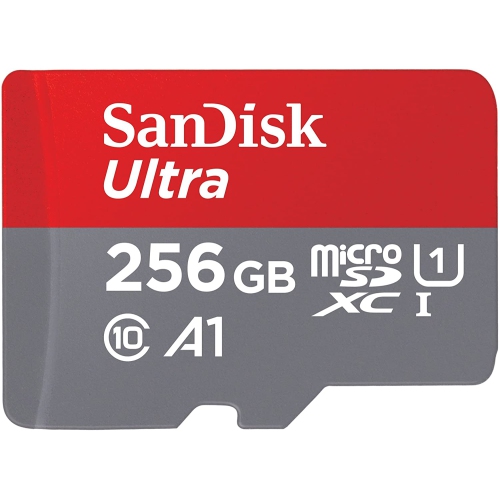
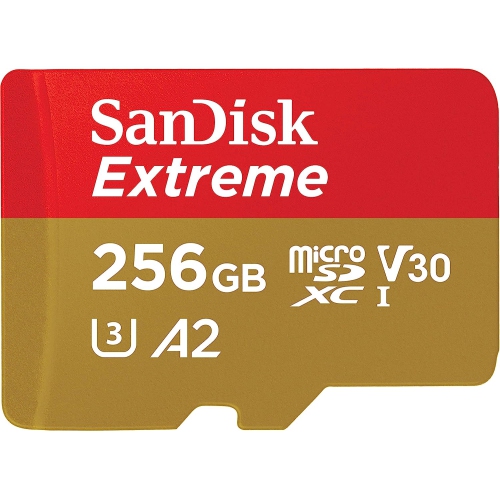


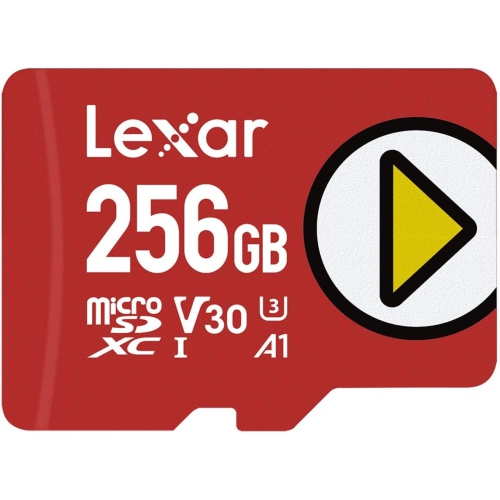
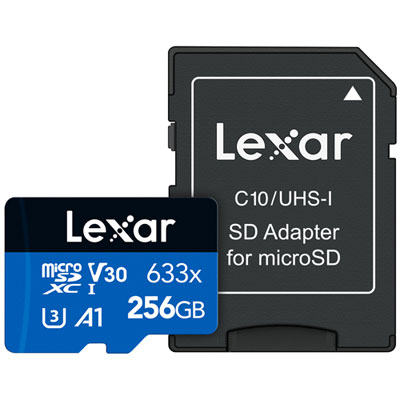

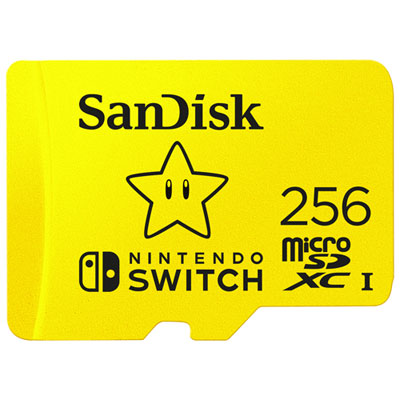
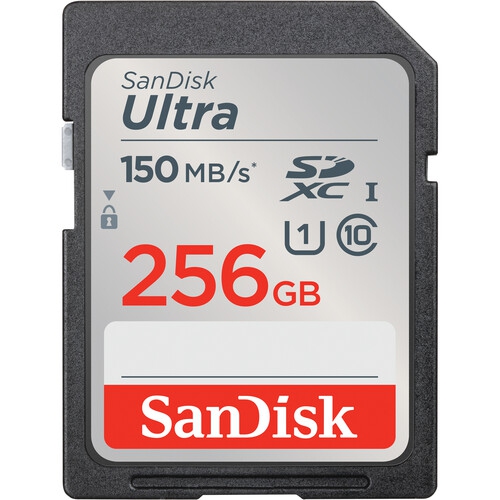

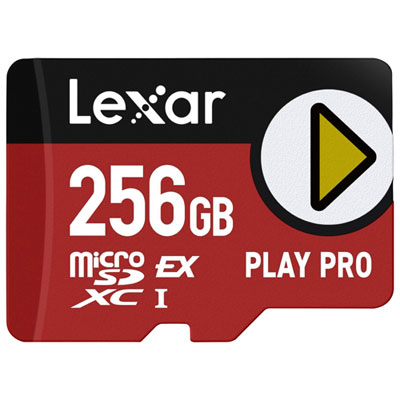
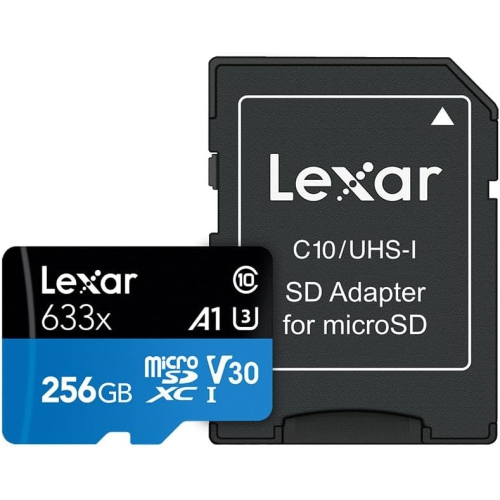
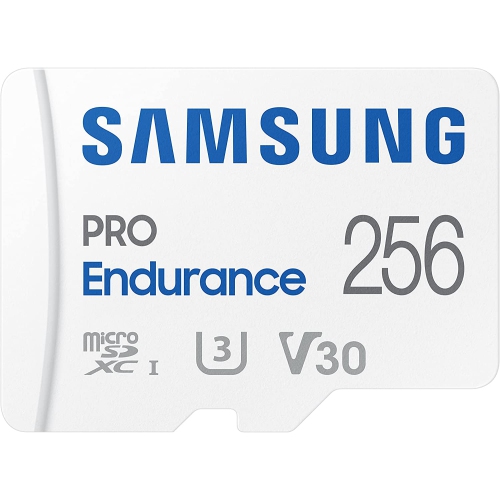
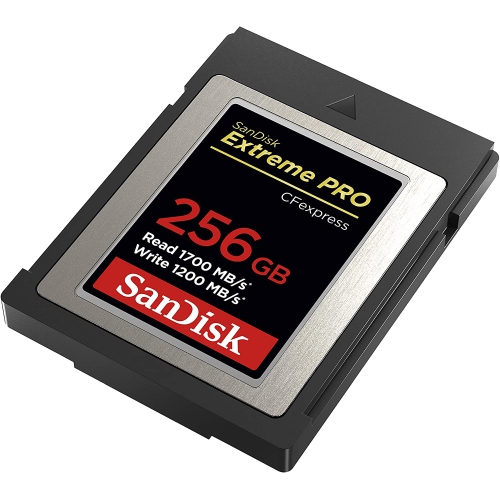


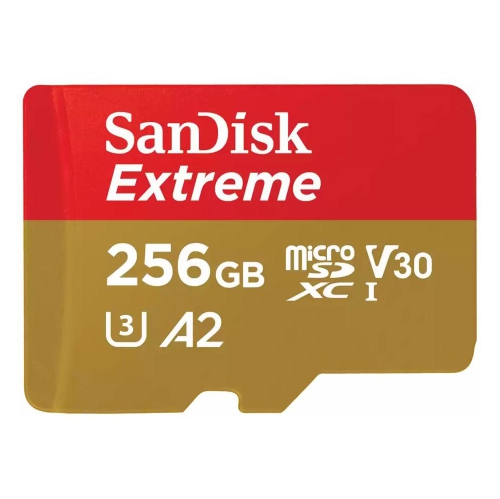
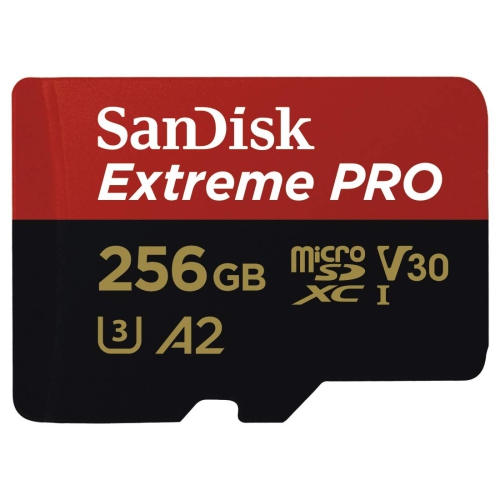

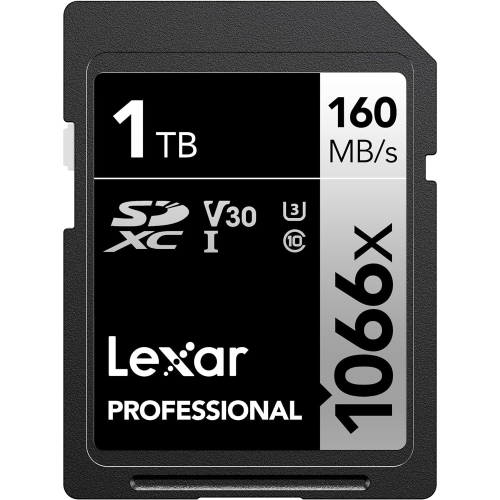

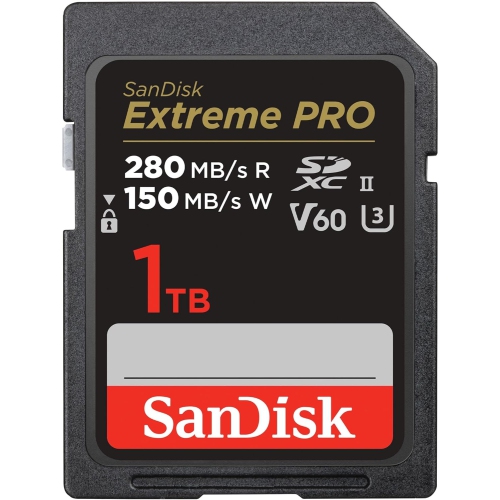
More room for long shoots and large files
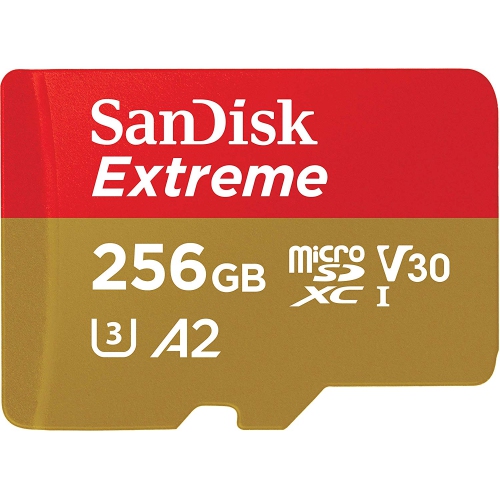
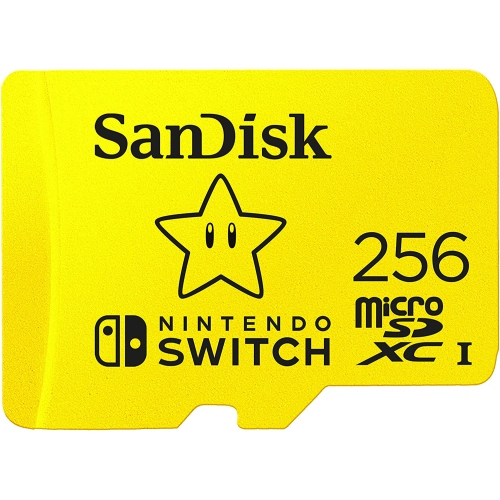
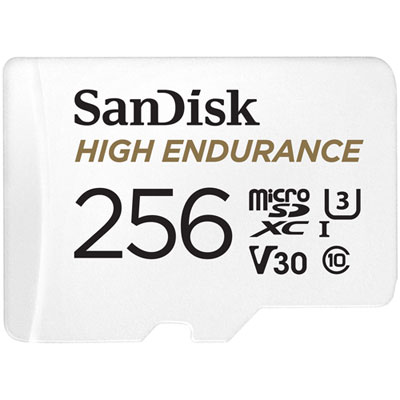
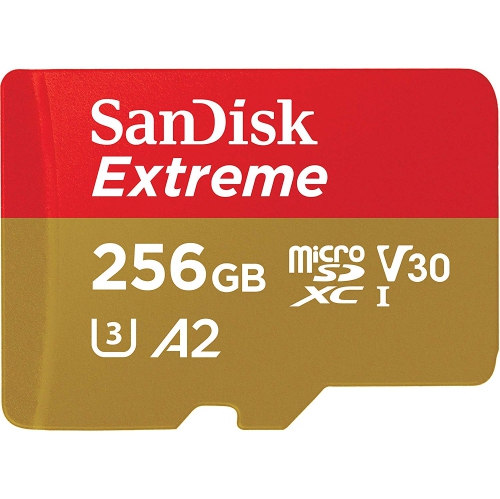
256GB SDXC cards provide removable storage for photos, video, audio, and other files on compatible devices, with enough capacity to support substantial shooting sessions without frequent card changes. SDXC stands for Secure Digital Extended Capacity, a memory card standard that covers capacities above 32GB and up to 2TB. A 256GB card belongs to this extended-capacity family and typically uses the exFAT file system, which supports individual files larger than 4GB. That matters for lengthy video clips and other large files, although a camera or recorder may still divide recordings into separate files by design. For photographers, this capacity offers room for a mix of RAW images and JPEGs; for videographers, it can accommodate sizeable collections of Full HD or 4K footage. The actual amount it holds depends on image resolution, compression, video bitrate, audio settings, and the space used by formatting. As a rough illustration, 256GB could hold about 10,000 photos averaging 25MB each, before accounting for formatting and other files. Video recorded at 100 megabits per second uses approximately 45GB per hour, so the same capacity represents roughly five and a half hours at that bitrate before overhead. Higher-bitrate footage fills the card much faster, making capacity only one part of the match between storage and a recording device. This size can suit family photographers capturing a school performance, students collecting footage for a project, and creators working through interviews or product demonstrations. It also leaves room to keep shooting when a session includes both still images and video. The capacity printed on the card is expressed in decimal gigabytes; some devices calculate or label storage differently, so the displayed capacity may be lower than 256GB without indicating a fault. For everyday use, the appeal is straightforward: generous storage in a small, removable format that moves easily between a compatible camera and a card reader.
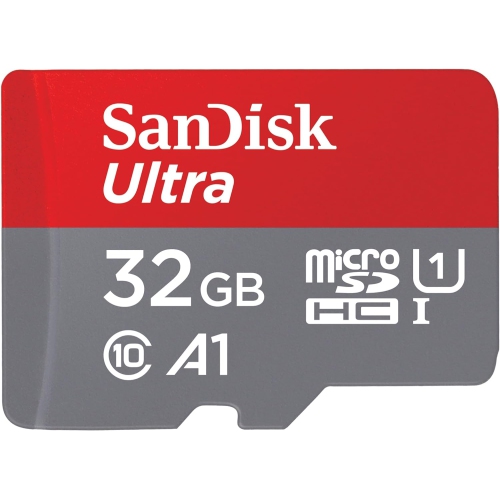
Compatibility and speed distinguish 256GB SDXC memory cards just as much as capacity does. Full-size SDXC cards fit devices with a full-size SD slot, while microSDXC cards use a smaller physical format commonly found in action cameras, drones, and some handheld devices. A microSDXC card can fit certain full-size slots with an appropriate SD adapter, but the adapter does not increase its speed or give an older device SDXC support. A full-size card cannot fit a microSD slot. Devices designed only for SD or SDHC cards may not accept SDXC, and some equipment sets a maximum supported capacity, so the device specifications remain important even when the card physically fits. Performance markings describe different aspects of operation. Read speed affects how quickly footage and photos can transfer to a computer, while write speed affects how quickly a device saves new data. Advertised maximum speeds are not the same as guaranteed sustained performance, and reaching them depends on the card, host device, reader, and connection working together. For video, the speed-class markings offer a more useful baseline: U3 and V30 indicate a minimum sequential write speed of 30MB/s under the applicable standard, while V60 and V90 indicate 60MB/s and 90MB/s respectively. Many devices use V30 cards for particular 4K recording modes, but more demanding formats can require V60 or V90; resolution alone does not determine the requirement. UHS-I and UHS-II describe bus interfaces rather than capacity. UHS-II cards have an additional row of contacts and can deliver faster transfers when paired with compatible equipment, though they generally operate at lower interface speeds in UHS-I hosts. For burst photography, faster sustained writes can help clear the camera buffer sooner, depending on the camera. For occasional JPEG snapshots, that extra performance may make less difference than it does when capturing a long sequence of RAW images. Matching these characteristics to the device helps keep storage suited to the actual workload.
The construction and handling of a memory card matter because it often holds files that cannot easily be recreated. A 256GB SDXC card stores data in flash memory with no moving parts, enclosed in a compact shell with exposed electrical contacts. Full-size cards typically include a sliding write-protection tab that compatible readers can detect; it is a useful safeguard against accidental changes, not a security lock or a substitute for a backup. Durability features vary, and any resistance to water, impact, or X-rays should be confirmed in the card’s specifications rather than assumed from its appearance. A fitted card case protects the contacts from dirt and keeps cards from bending or getting lost among cables and batteries. Clean, dry handling and a light touch during insertion help preserve both the card and the device slot. Contacts are best kept free of fingerprints, and cards should never be forced into a slot that does not match their shape or orientation. During use, allowing the activity light to finish before removing the card or switching off the device reduces the risk of an interrupted write. Safely ejecting it from a computer serves the same purpose. After files have been copied and checked, formatting the card in the intended camera or recorder generally helps maintain the file structure that device expects, provided its instructions recommend doing so. A separate backup remains essential: a spacious memory card is working storage, not a permanent archive. Keeping photographs or footage in another location protects against accidental deletion, loss, and card failure. For a photography student or someone building a video kit, a compatible card can be a practical gift when its format, capacity, and speed match their equipment. Larger collections or longer recording sessions may also make 1TB SDXC Memory Cards relevant, subject to the same compatibility checks. For many everyday photo and video tasks, 256GB offers substantial working space while remaining easy to organize into a routine of capturing, transferring, and backing up files.
Top selling and popular products
-
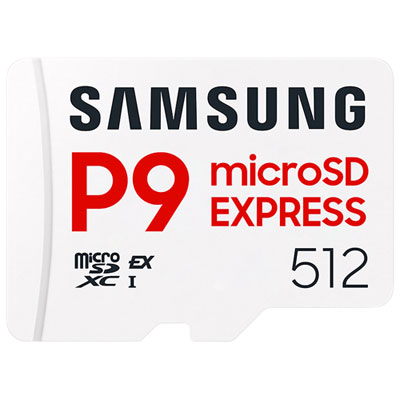 Your price for this item is $219.99
-
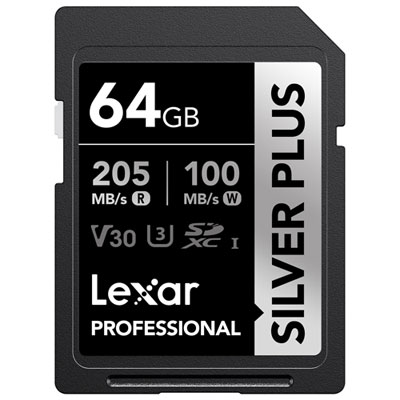 Your price for this item is $59.99
-
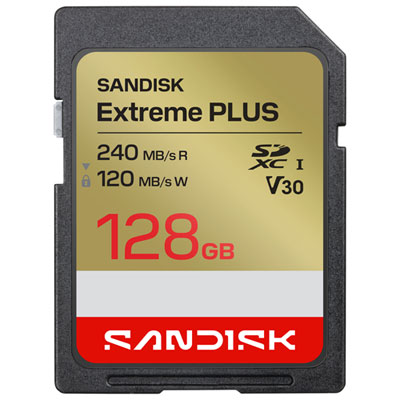 Your price for this item is $84.99
-
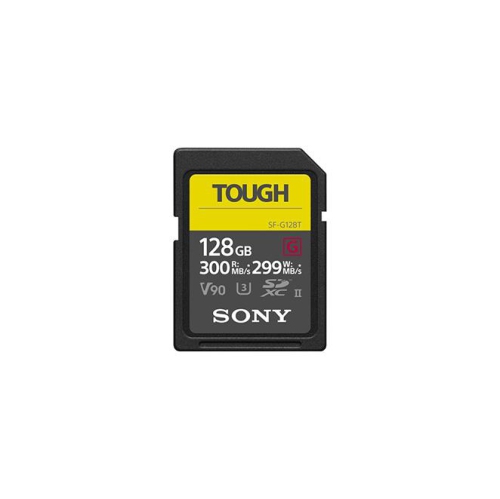 Your price for this item is $489
-
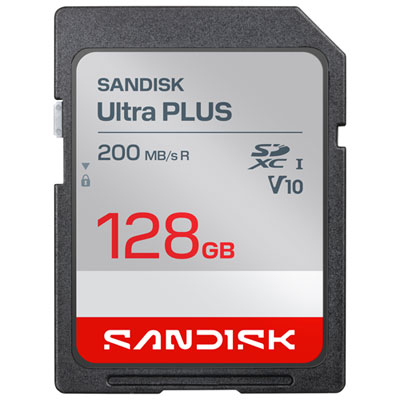 Your price for this item is $69.99
-
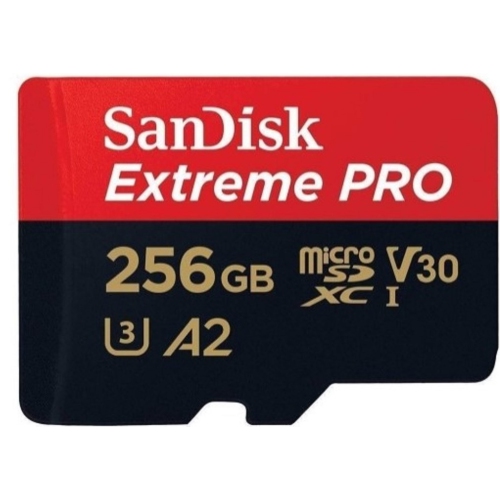 Your price for this item is $94.99
-
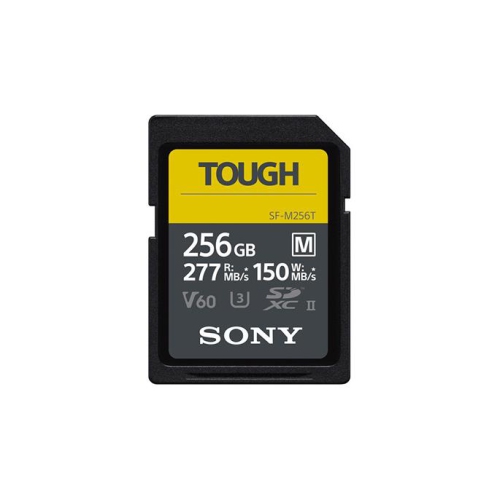 Your price for this item is $359
-
 Your price for this item is $74.99
Discover more categories related to 256gb Sdxc Cards
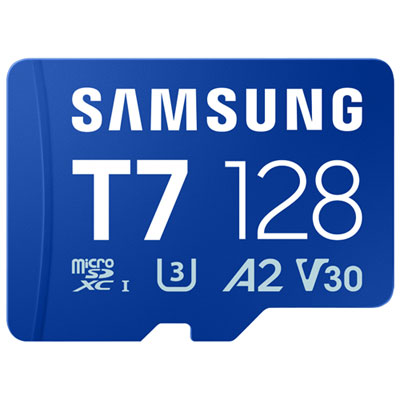
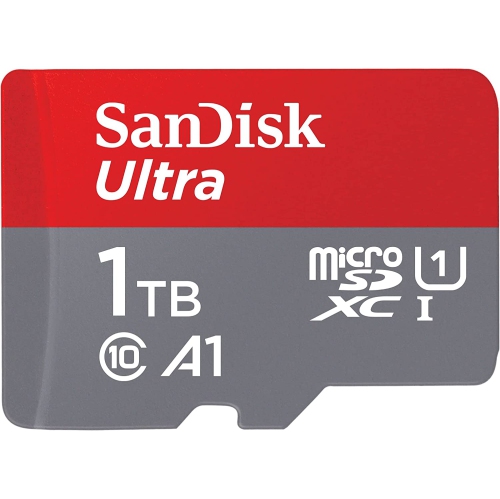
Top Collections:
Pokemon Centers, Best Cameras for Sports Photography, Kindle Devices, Samsung Galaxy Phones, Canon G7X Cameras, Pokémon 30th Celebration Cards, Refurbished Apple Laptops, iPhone 15 Apple, Laptops for Students, Budget Smartphones
Some products may be subject to Environmental Handling Fees
(EHF) depending on your province.
Learn more about EHFs.