360 Cameras for Motorcycle
Capture every angle of your ride with a 360 Camera for Motorcycle, designed to record your journeys in stunning detail. Whether you're commuting through the city or exploring scenic routes, these cameras offer a unique way to document and relive your adventures. Enhance your on-road experience by easily sharing immersive footage with friends and fellow riders. Find the ideal 360 Camera for Motorcycle to suit your needs and enjoy a new perspective on every trip.
Sort
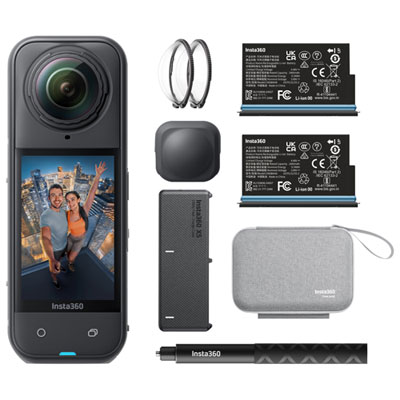
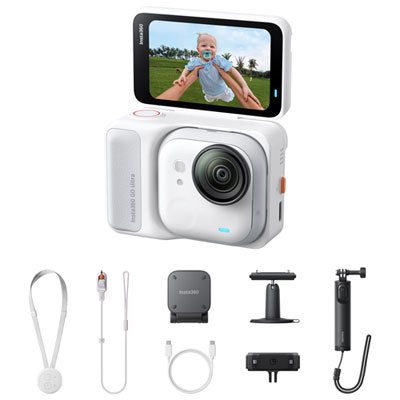
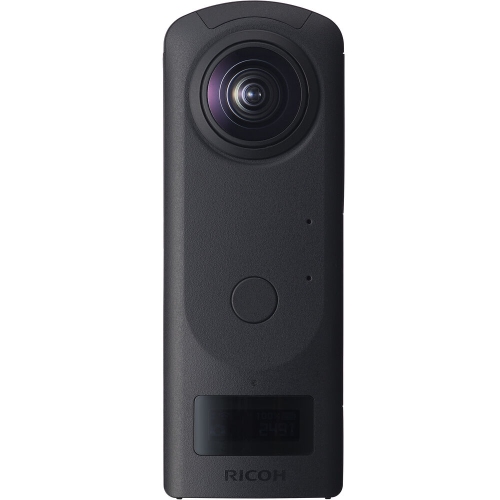
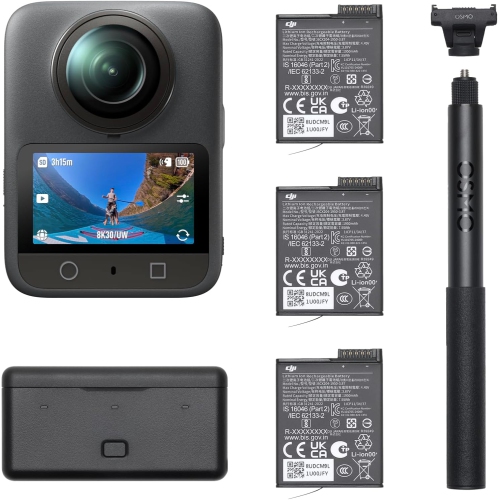
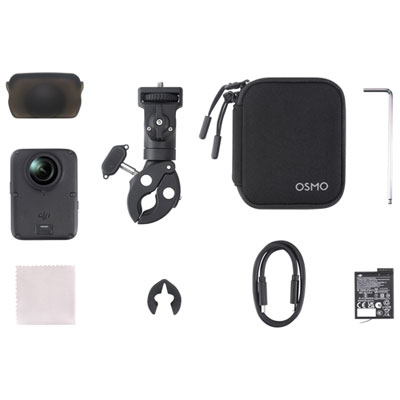
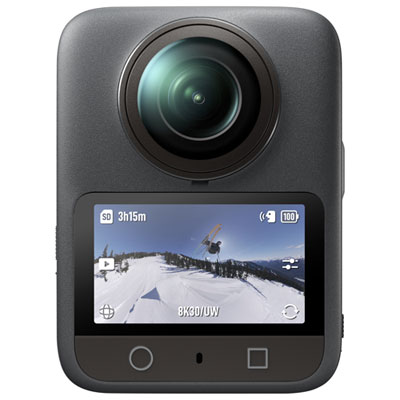
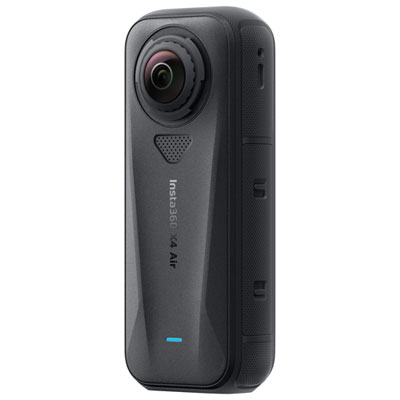
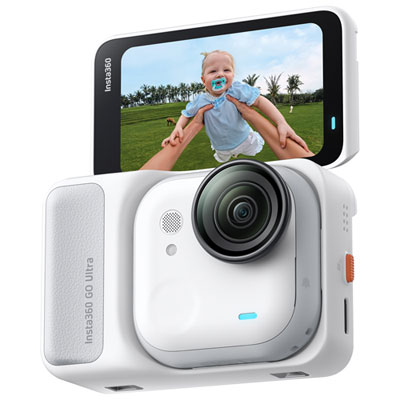

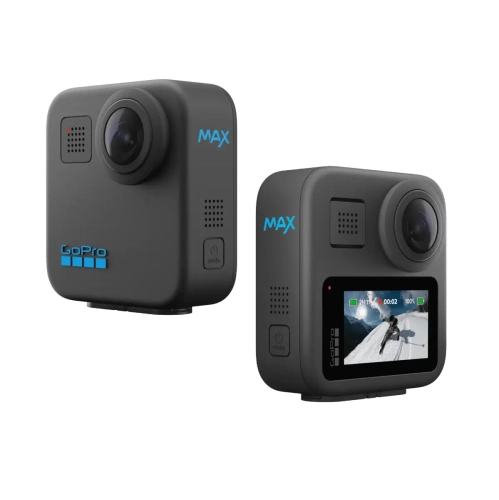
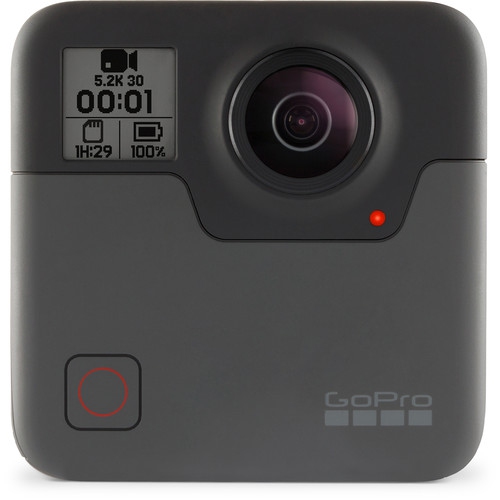
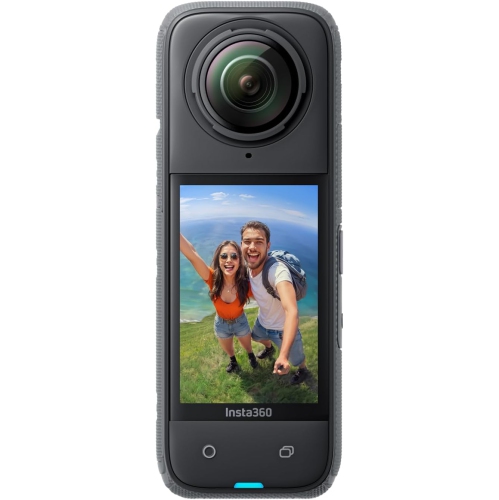
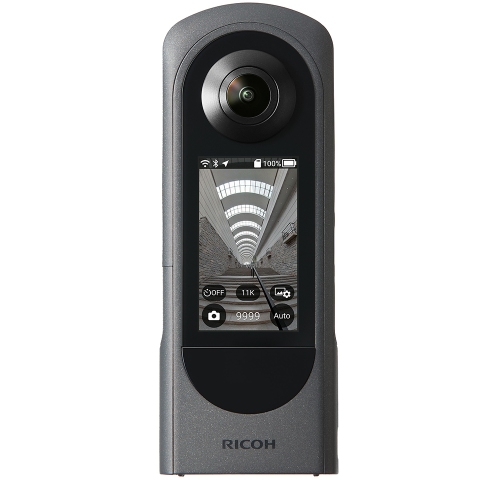
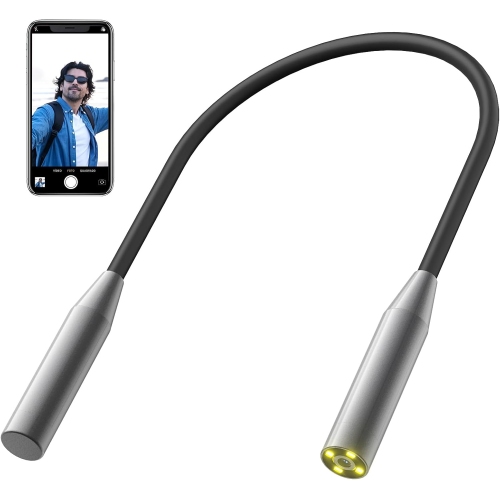
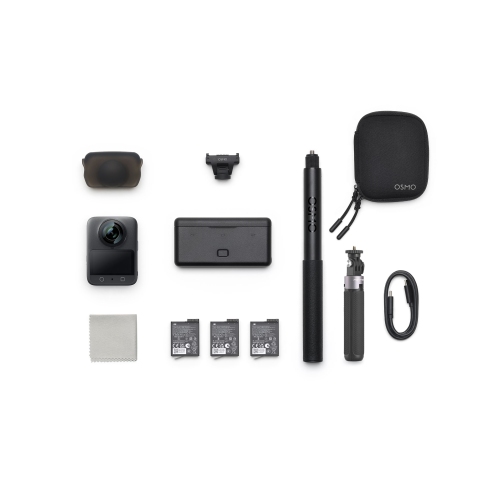
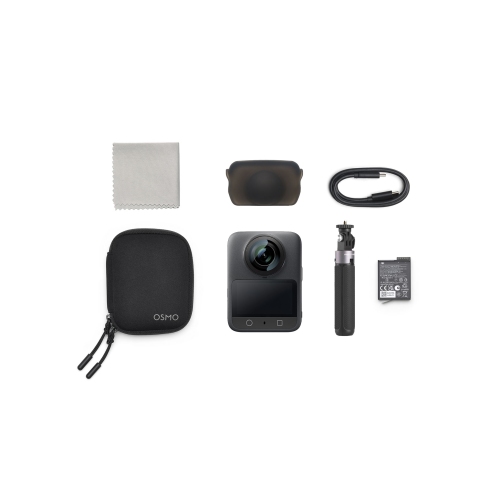
The ride comes first and the framing comes later
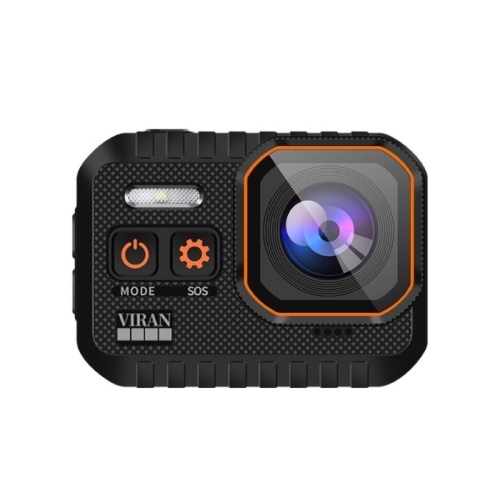
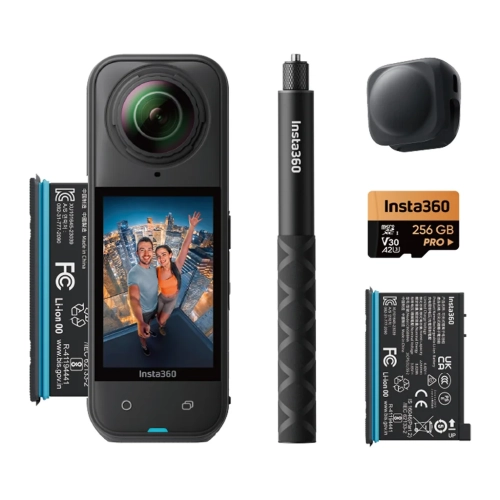
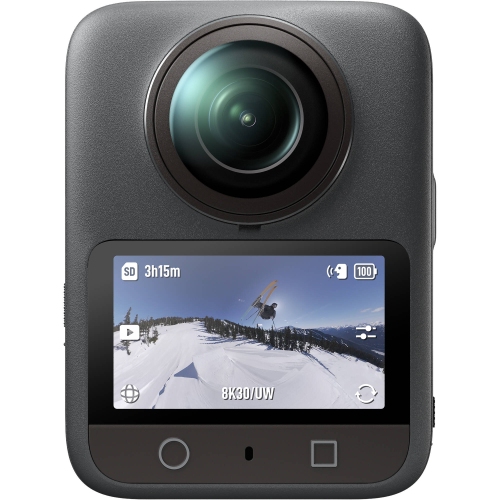
360 cameras for motorcycles capture a wide view around the bike, giving riders the freedom to choose camera angles after a ride rather than committing to one direction before setting off. Most use two wide-angle lenses to create a spherical image, with software joining the views into footage that can be explored or reframed into a conventional video. A single recording can provide a forward-facing view of a winding road, a side view of the rider leaning through a bend, or a rearward look at the route just travelled, depending on camera placement and obstructions. That flexibility makes the category appealing to touring riders, everyday commuters, motorcycle vloggers, and anyone who wants a visual record of memorable journeys. Reframing can also turn the same footage into a horizontal video for a television and a vertical clip for a phone, provided the editing software supports those formats. Image quality involves more than the largest resolution number on the packaging: a 360 video spreads its pixels across the entire surrounding view, so a tightly cropped angle will not retain the full resolution of the original spherical recording. Fine details such as distant signs, road markings, and roadside scenery can look different depending on resolution, compression, lighting, and the amount of cropping applied. Higher frame rates can help capture fast movement and support slow-motion playback, although available combinations of resolution and frame rate vary. Stabilization can make footage easier to watch by reducing visible shake, while horizon levelling can keep the image upright as the motorcycle leans. Neither feature replaces a secure mounting setup, and results depend on the camera’s capabilities and recording mode. For riders who enjoy sharing a route as much as riding it, the main attraction is creative freedom: the camera can capture several perspectives in one pass, leaving decisions about framing, pacing, and the finished story until the bike is parked. The most suitable balance is one that matches the rider’s usual trips, preferred editing style, and expectations for the final video.
Mounting fit is especially important for a motorcycle 360 camera because the position of the camera affects both the view and the forces acting on the attachment. A compact setup near the handlebars can be convenient, but the fairing, mirrors, rider, or luggage may block parts of the scene. A position farther from the bike can reveal more of the motorcycle and its surroundings, though a longer mounting arm creates additional leverage and may need more support. Clamp dimensions, mounting interfaces, camera weight, and the shape of the attachment point all matter; a mount described for motorcycle use is not automatically suitable for every handlebar or body style. Metal clamps and mounting arms can provide rigidity, while padded contact surfaces help protect finishes and improve grip when used as directed. Durable polymer housings can help keep camera weight manageable, but the complete assembly is only as dependable as its connections and suitability for the intended use. Mounts should not interfere with steering, controls, instrument visibility, lights, or the rider’s movement. Helmet mounting also requires particular care and should follow the helmet and mount manufacturers’ instructions without drilling or otherwise altering protective equipment. An appropriately secured tether can offer an additional attachment where supported, but its routing must avoid moving parts and controls. Some editing systems can hide a compatible support pole from the finished image when the pole is aligned correctly, although this does not mean every mounting arm or attachment will disappear. The exposed lenses on many 360 cameras deserve close attention because scratches, fingerprints, and grit can affect a large portion of the image. Lens guards, protective caps, and suitable carrying cases can be useful, with compatibility and any effect on image quality worth considering. Water-resistance ratings also need to be read alongside the manufacturer’s conditions, including requirements for closed battery doors, intact seals, and accessory housings. For longer rides or frequent use, easy-to-inspect fasteners, accessible camera controls, and a mounting position that does not need constant adjustment can be more valuable than an elaborate arrangement that is difficult to secure.
Everyday usability often determines how much footage makes it from the camera to a finished video. Battery life varies with recording resolution, frame rate, screen use, wireless connections, and processing features, so a quoted maximum runtime may not reflect a rider’s preferred settings. Replaceable batteries can be helpful for recording separate sections of a longer journey, while external power requires a supported connection and careful cable routing that leaves the motorcycle’s controls unobstructed. Continuous recording is not always necessary for a useful trip video; shorter clips of a distinctive stretch of road, a scenic approach, or a group departure can be easier to organize and edit. High-resolution 360 footage can use substantial storage space, making supported memory-card capacity and write-speed requirements important details. A compatible phone or computer also matters, since stitching, reframing, and exporting large files can be demanding. App compatibility, desktop software support, export options, and any account or subscription requirements are useful considerations for riders who want a straightforward workflow. Wi-Fi transfers can be convenient for reviewing clips on a phone, while a supported wired connection or card reader may suit larger batches of footage. Wind can overwhelm built-in microphones at riding speeds, so riders interested in spoken commentary may prefer support for a compatible microphone or a separate audio setup. Recording settings and attachments are best checked while safely stopped, with filming kept secondary to operating the motorcycle. After a ride, gentle cleaning with suitable lens-care materials, inspection of mounts, and protected storage help keep the equipment ready for its next outing. For a gift, compatibility with the recipient’s motorcycle, existing mounts, and preferred editing device is more meaningful than choosing by resolution alone. The broader selection of Motorcycle Cameras can also help distinguish the flexible framing of a 360 camera from other motorcycle recording formats. A well-matched setup combines a clear view, secure fit, manageable footage, and controls that suit the way the rider actually travels.
Top selling and popular products
-
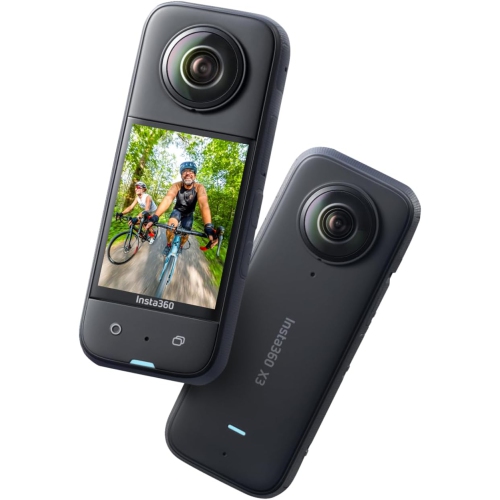 Your price for this item is $434.68
-
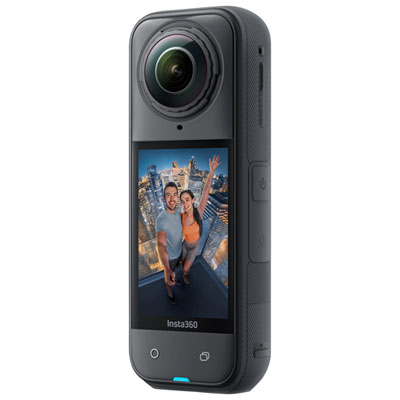 Your price for this item is $739.99
-
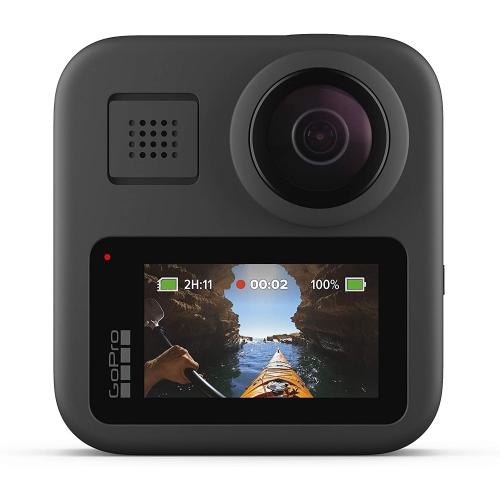 Your price for this item is $700
-
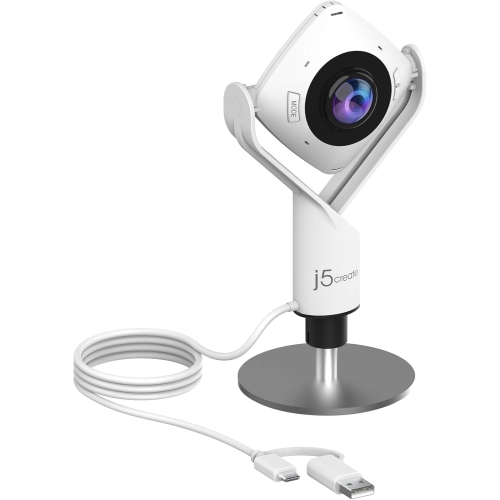 Your price for this item is $196.97
-
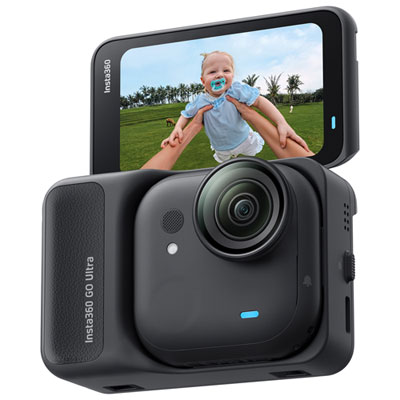 Your price for this item is $599.99
-
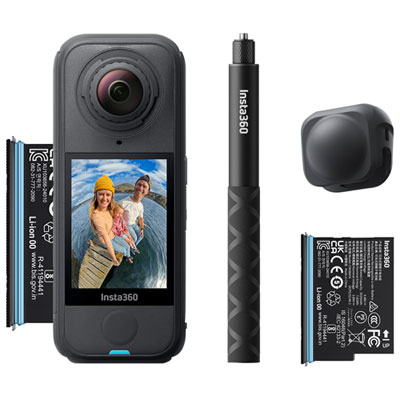 Your price for this item is $549.99
-
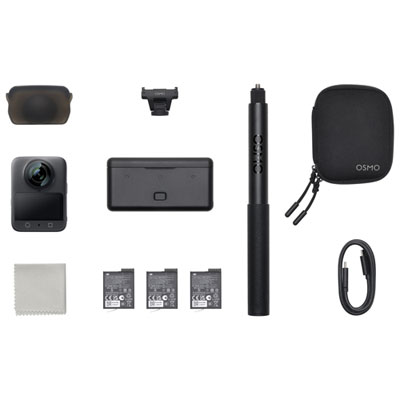 Your price for this item is $819.99
-
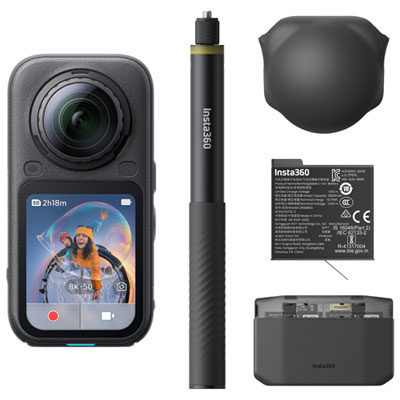 Your price for this item is $1039.99
Discover more categories related to 360 Cameras for Motorcycle


Top Collections:
Best Black Friday Deals This Year, Best Black Friday Deals On Electronics, Kindle Devices, Pokemon Centers, Best Black Friday Deals On Apple Products, Best Cameras for Sports Photography, Dyson Airwrap, Pokémon 30th Celebration Cards, Apple iPhone 17 Pro, Canon G7X Cameras
Some products may be subject to Environmental Handling Fees
(EHF) depending on your province.
Learn more about EHFs.