Action Cameras for Motorcycle
Capture every thrilling moment of your ride with an action camera for motorcycle enthusiasts. Perfect for documenting scenic routes, capturing high-speed adventures, or sharing your journey with friends and family, these cameras are designed to withstand the rigors of the open road. With a range of options available, you can find the ideal camera to suit your needs, whether you're cruising through cityscapes or exploring rugged terrains. Elevate your riding experience by preserving unforgettable memories with an action camera that keeps up with your passion for adventure.
Sort


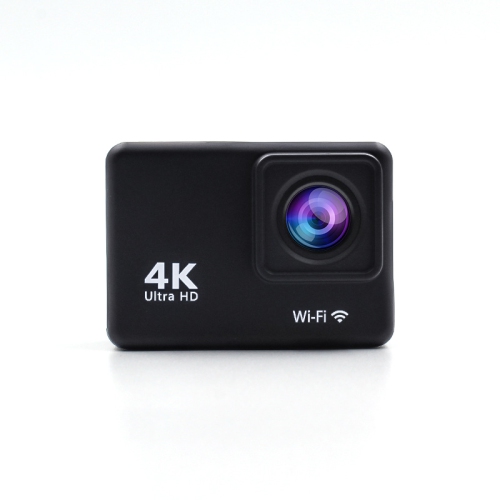
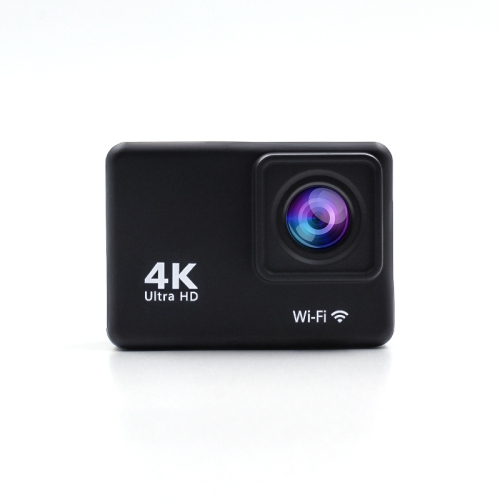
Why resolution isn’t everything when filming a ride
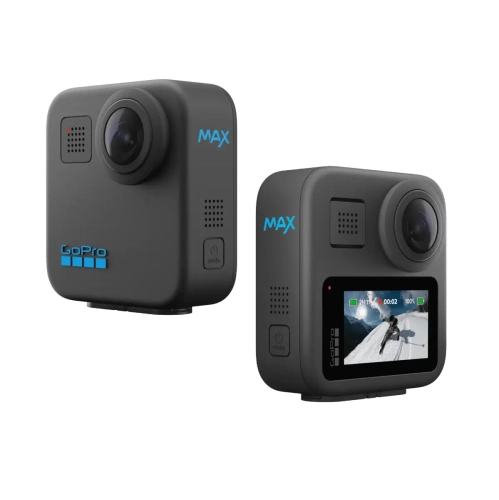
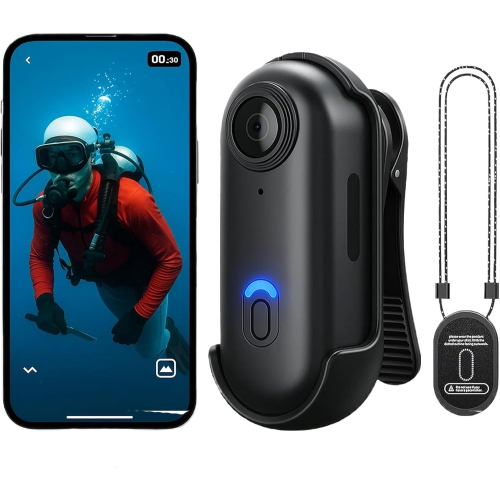
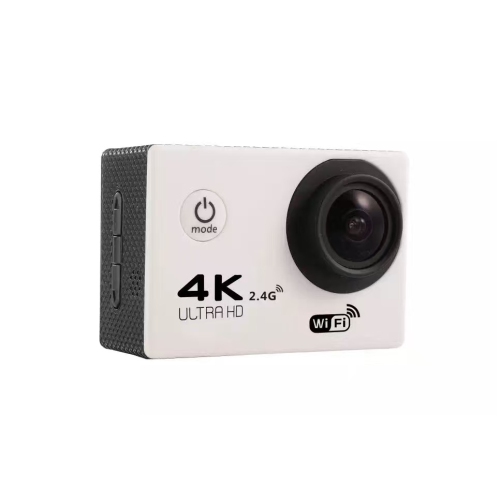
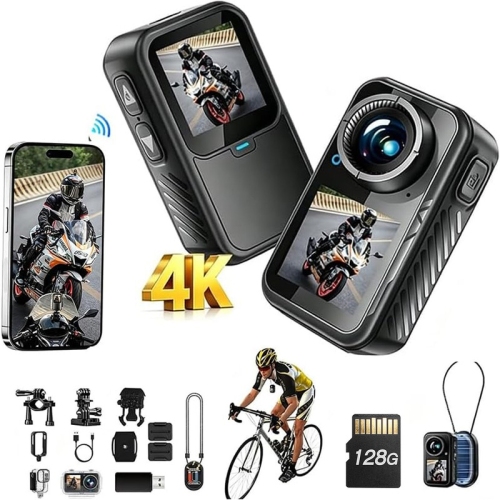
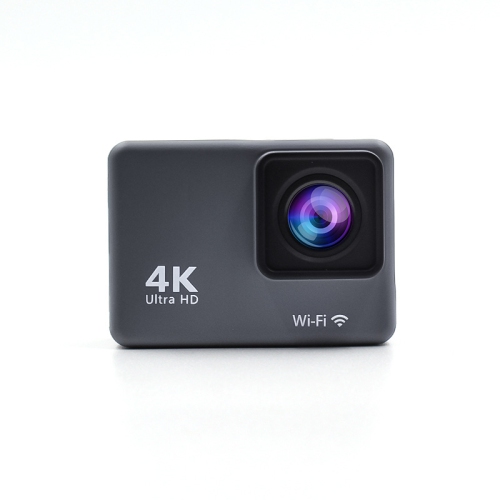
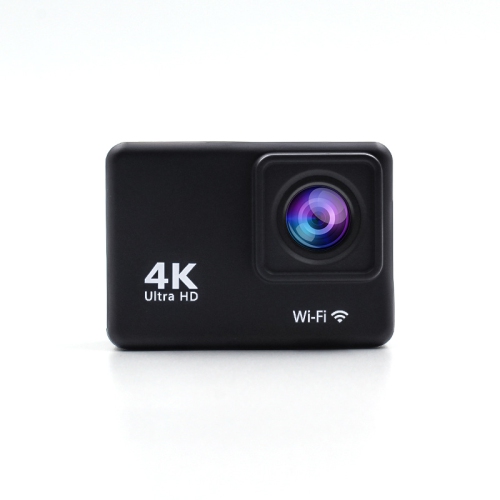
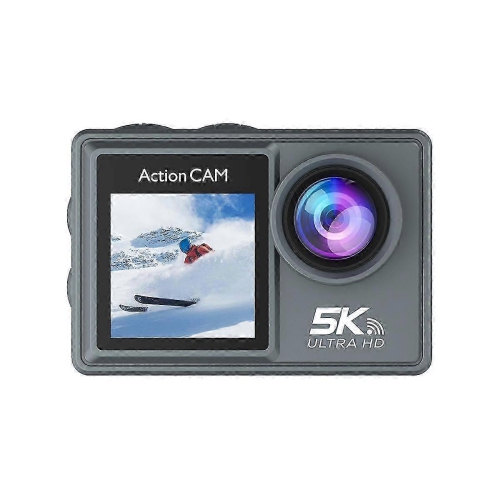
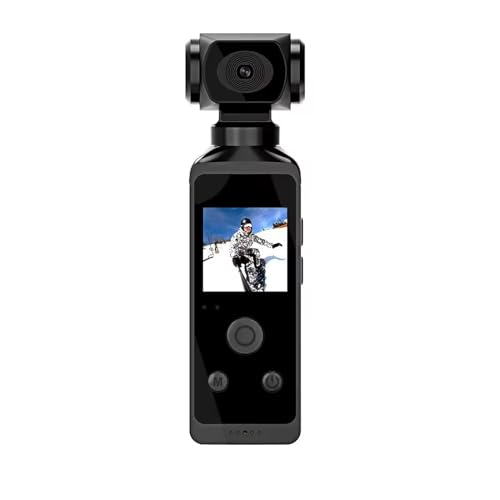
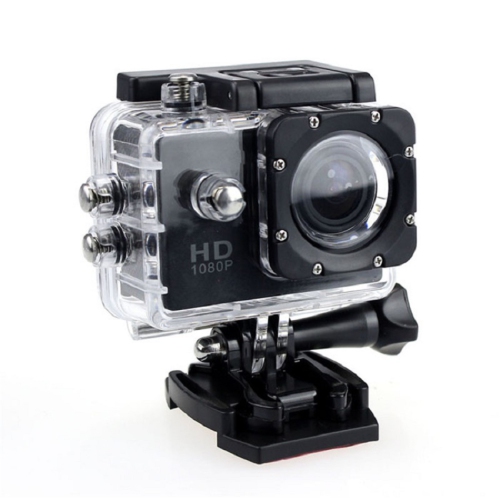
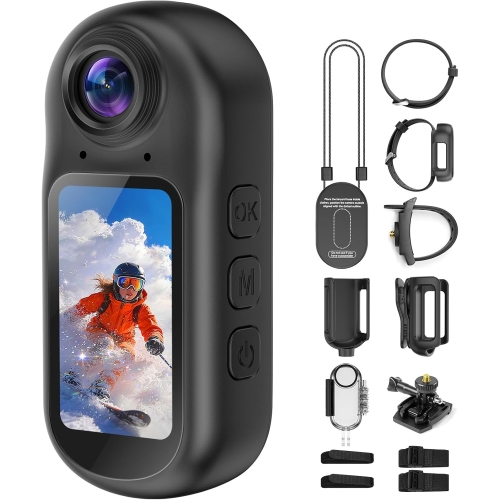
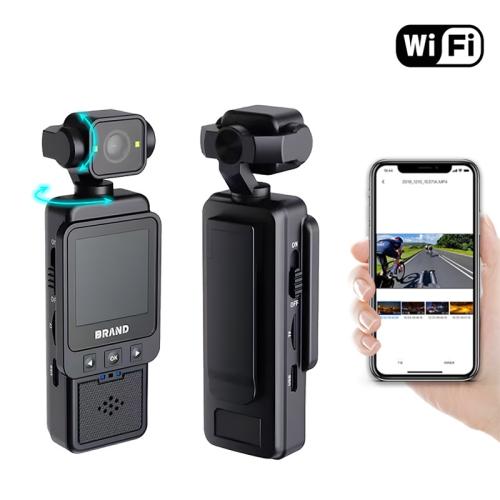
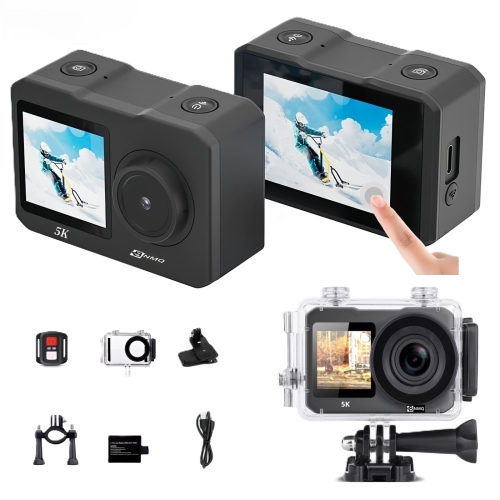
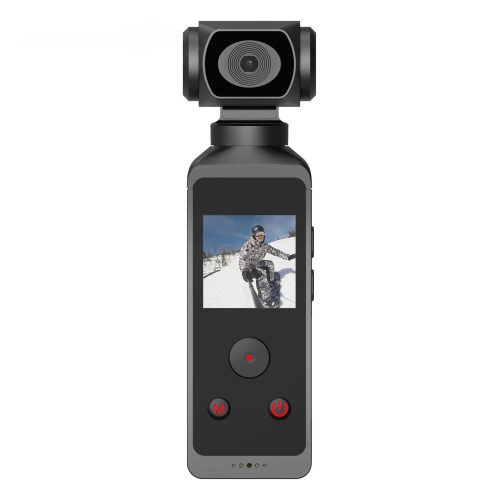
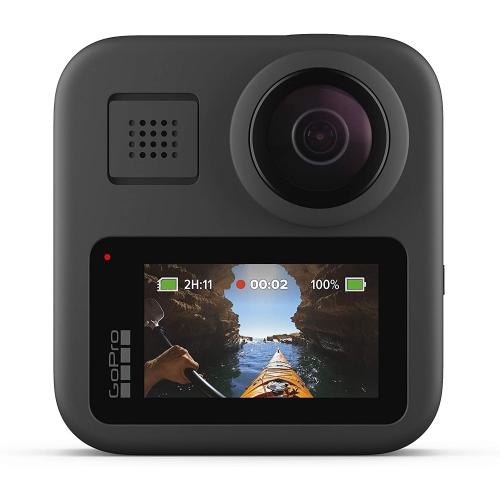
Action cameras for motorcycles capture hands-free footage from a rider’s point of view or from a fixed spot on the bike. Strong image stabilization, wind-resistant audio and a secure mount can make more difference to the finished clip than resolution alone. On a motorcycle, the camera has to contend with fine vibration from the engine as well as larger jolts from pavement seams. Electronic image stabilization helps smooth those movements so the horizon and roadside details are easier to follow. Stronger settings often crop the edges of the picture, so it helps to check the framing with stabilization turned on. A wide field of view can take in the road, mirrors and a slice of the instrument cluster, though it can also make vehicles ahead look farther away than they are. A narrower view puts more emphasis on what’s directly ahead without giving as much space to the sides of the road. Resolution and frame rate affect the footage in different ways: 4K can leave room to crop a shot later, while 60 frames per second can make fast-moving scenery look smoother and give riders more flexibility for slow-motion clips. Higher settings can also fill a memory card faster and shorten battery life. For a rider who mainly shares short clips, a steady shot with a clear view through a bend can be more useful than a large file that needs trimming before it can be shared. Someone putting together a longer ride video might value the flexibility to crop a shot without losing too much detail. Footage can serve different purposes even on the same ride: a stretch of open road might be worth keeping for the scenery, while a few minutes of uninterrupted footage can help a rider and an instructor talk through a training session afterward. The camera angle that makes a route enjoyable to watch isn’t always the one that gives the best view of what the rider was doing.
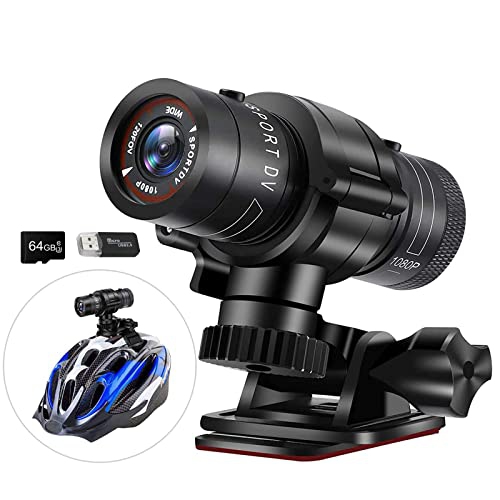
The mounting position determines what the camera sees and how much movement it picks up. A helmet-chin mount can give a view close to the rider’s line of sight, with the picture following each glance toward a bend or mirror. Fit depends on the shape of the chin bar and the space around the vents and visor. A helmet mount should use an attachment method permitted by the helmet maker without altering the shell or interfering with the visor or chin strap. A handlebar mount gives a view tied to the bike rather than the rider’s head, which suits footage that keeps the road and instruments in the same frame. Bar diameter and available space matter, especially where a clamp sits near switches, cables or levers. With the motorcycle parked, there should be room to turn the bars fully in both directions without the camera or mount catching on anything. A short mounting arm generally flexes less than a long extension, and a snug connection helps limit the small shakes that can make footage hard to watch even with stabilization turned on. Many compact camera bodies use rigid plastic to keep weight down, while clamps and mounting joints may use reinforced plastic or metal. On a helmet, the weight of the camera and its mount can be more noticeable than it would be on the bike. On the bars, a clamp that matches the shape and diameter of the mounting point matters more than the material alone. Road grit can work its way into joints and around the lens cover, so a soft cloth and a check for loose fasteners help keep the setup ready for another ride. A replaceable lens cover can be useful if grit leaves a scratch in the camera’s field of view. That scratch may be barely visible on the cover itself yet show up as a soft patch across every clip. A brief test clip can also reveal a stray mirror edge or a mount that shifts when the engine is running, before either spoils a longer stretch of footage.
Wind resistance matters most when the sound is part of the clip. Air moving past an exposed microphone can drown out a rider’s voice or turn the sound of the engine into a steady rush. Built-in wind-noise reduction can make that rush less intrusive, although a strong setting may also soften some of the engine note a rider wants to keep. A compatible wind cover or external microphone may help when spoken commentary matters, provided any cable can be secured clear of the controls and moving parts. Riders who plan to add music or narration later may care more about steady footage and straightforward controls than about capturing every sound along the route. A button that’s easy to find with gloves on and a clear capture indicator are useful at a stop, particularly when a small screen is difficult to see from the saddle. Longer rides also bring battery run time and card capacity into play. Taking a few short clips at planned stops puts different demands on a camera than filming an extended stretch without interruption. A compatible memory card with the right write speed for the chosen video setting helps the camera save footage without missing frames or stopping unexpectedly. Riders who also cycle can browse Action Cameras for Bike for bicycle setups, where bar fit and helmet mounting options may differ. A motorcycle action camera can make a thoughtful gift for a touring rider who likes to share the view from the road, a rider who edits clips from designated track sessions or someone who wants to revisit footage after a training day. For a gift that includes a mount, knowing the recipient’s helmet model or the dimensions of the intended mounting point is more useful than knowing how often they ride. The setup is most useful when it fits the way the rider already uses the bike: secure once mounted, easy to start while parked and positioned to capture the view or sound that makes the footage worth keeping.
Top selling and popular products
-
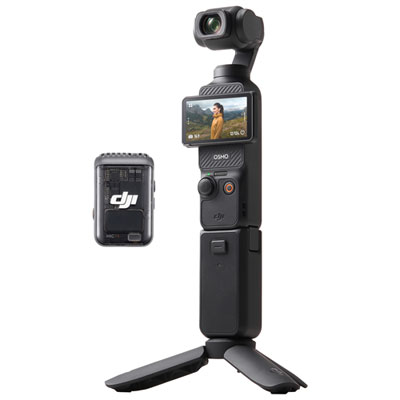 Your price for this item is $649.99
-
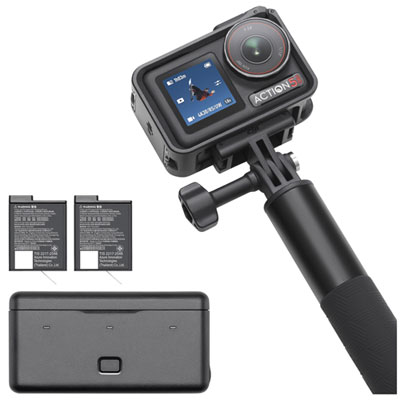 Your price for this item is $585.99
-
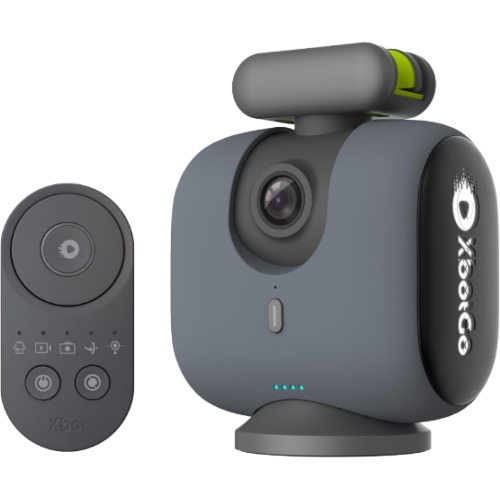 Your price for this item is $489.99
-
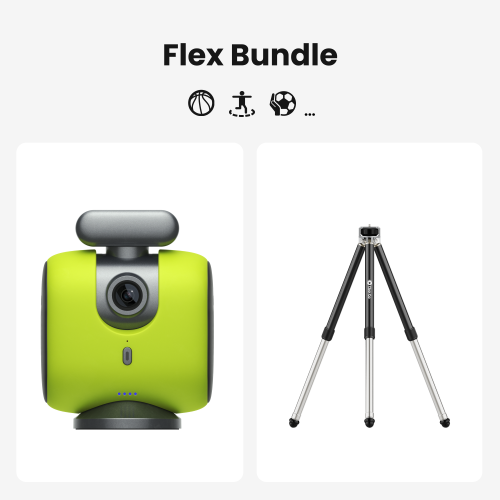 Your price for this item is $433.99
-
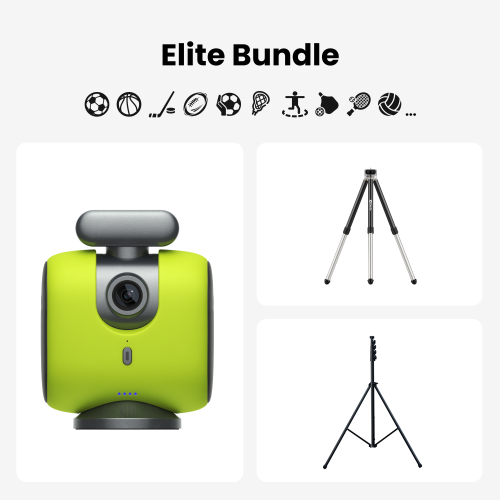 Your price for this item is $653.99
-
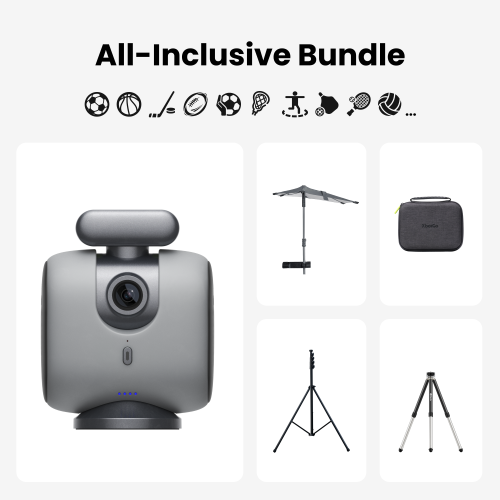 Your price for this item is $859.99
-
 Your price for this item is $653.99
-
 Your price for this item is $719.99
Discover more categories related to Action Cameras for Motorcycle

Top Collections:
Best Black Friday Deals This Year, Best Black Friday Deals On Electronics, Kindle Devices, Pokemon Centers, Best Black Friday Deals On Apple Products, Best Cameras for Sports Photography, Dyson Airwrap, Pokémon 30th Celebration Cards, Apple iPhone 17 Pro, Canon G7X Cameras
Some products may be subject to Environmental Handling Fees
(EHF) depending on your province.
Learn more about EHFs.