4k Quality Cameras
Capture every detail with the stunning clarity of 4K quality cameras. Whether you're a professional photographer, an aspiring filmmaker, or simply a passionate enthusiast, these cutting-edge cameras offer unrivaled resolution and breathtaking image quality. With four times the pixels of full HD, 4K technology delivers incredibly sharp and lifelike visuals, allowing you to relive your memories in stunning detail. From capturing awe-inspiring landscapes to preserving precious moments with loved ones, these 4K quality cameras are your gateway to creating truly unforgettable images and videos. Explore our wide selection of 4K cameras and unlock a world of limitless creative possibilities.
Sort

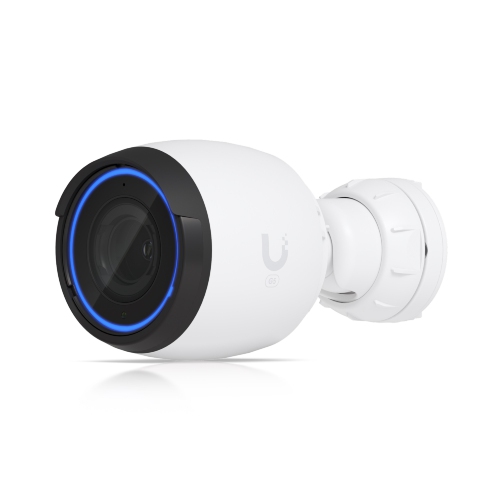
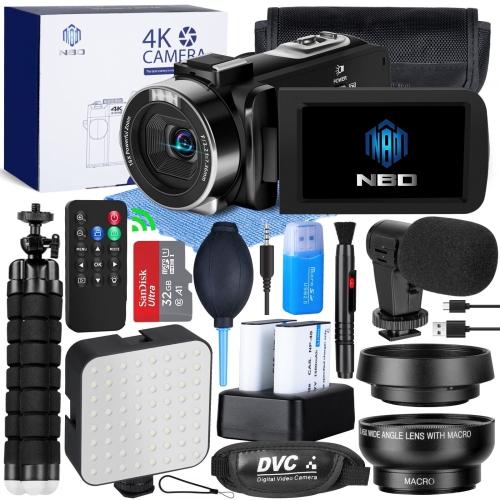
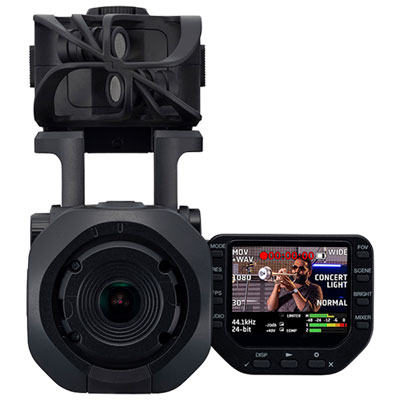
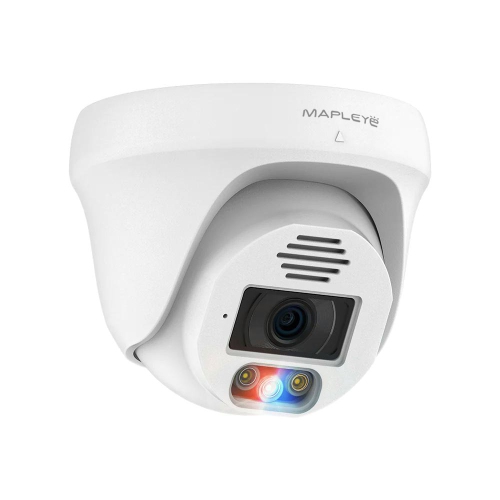
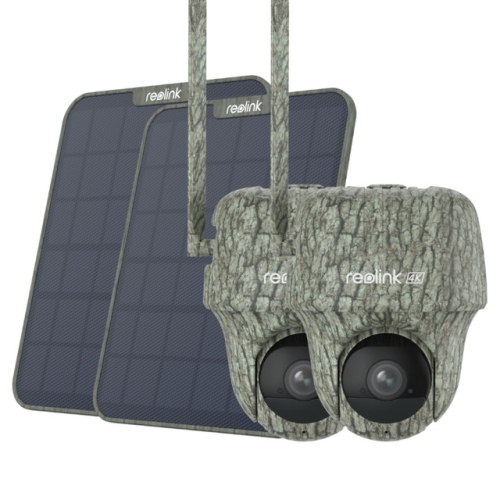
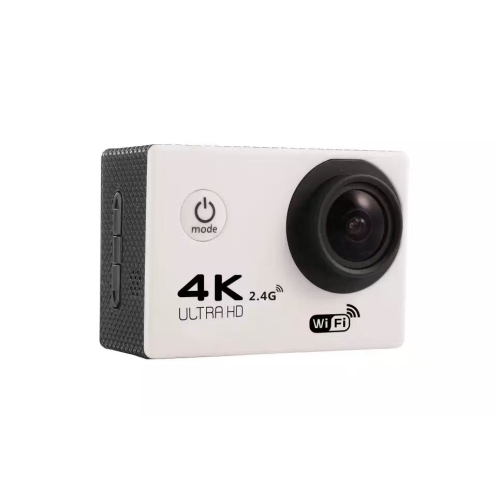
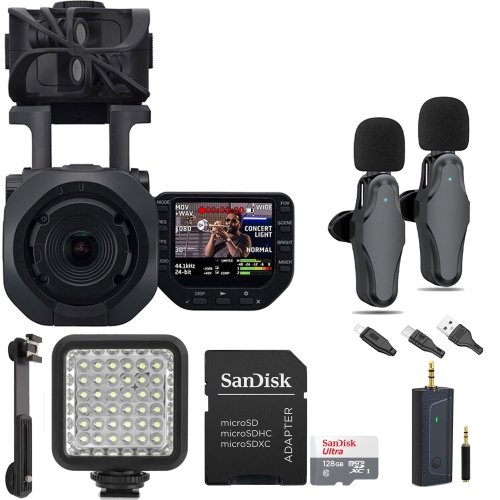
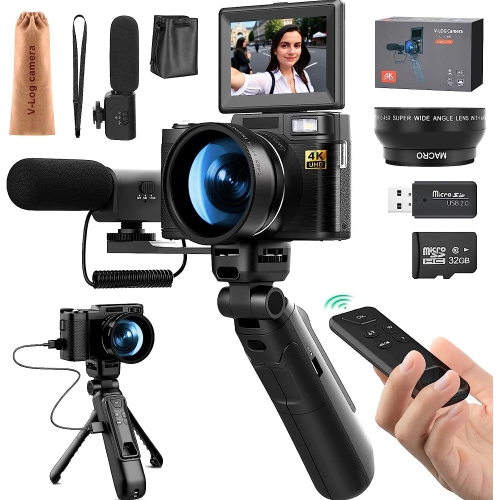

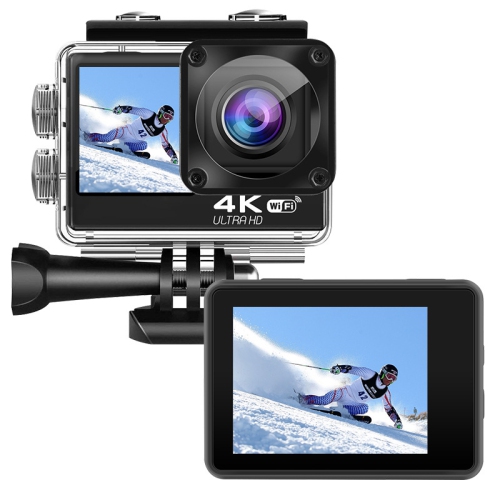
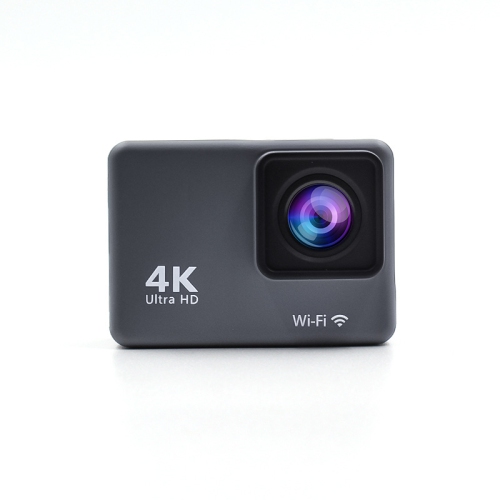

Why detailed footage takes more than 4K resolution
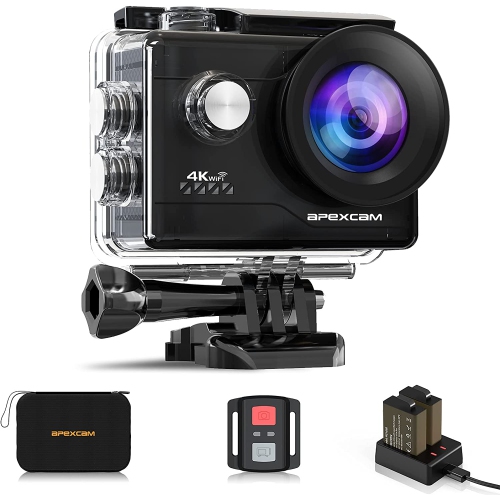
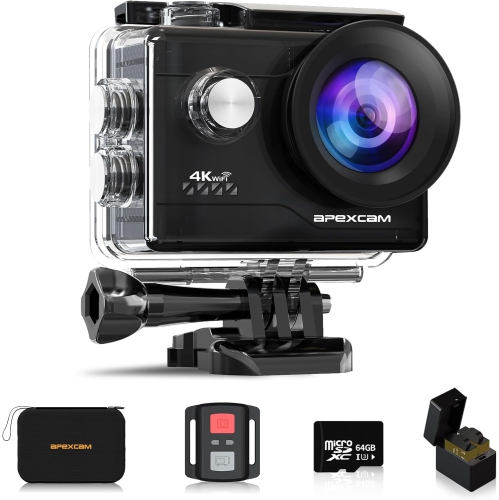
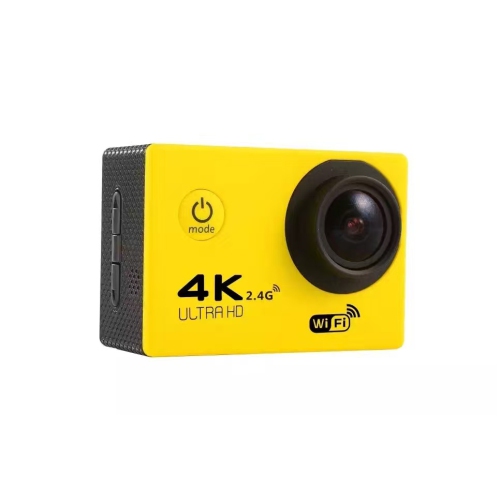
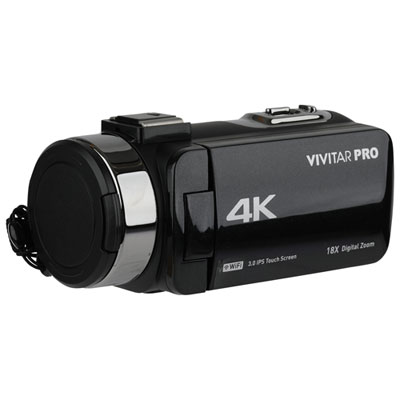
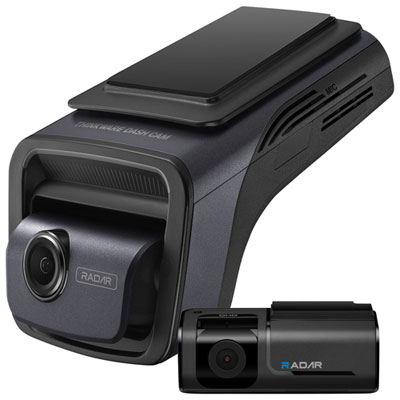
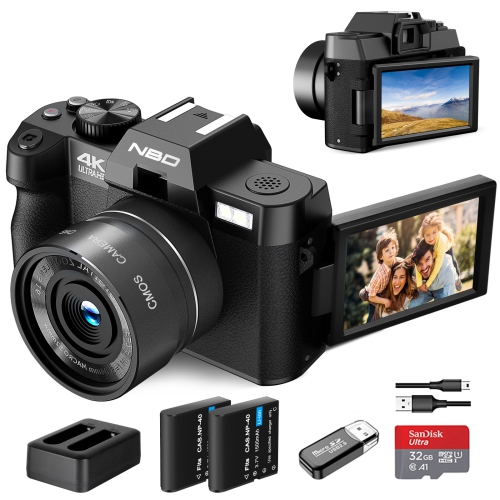
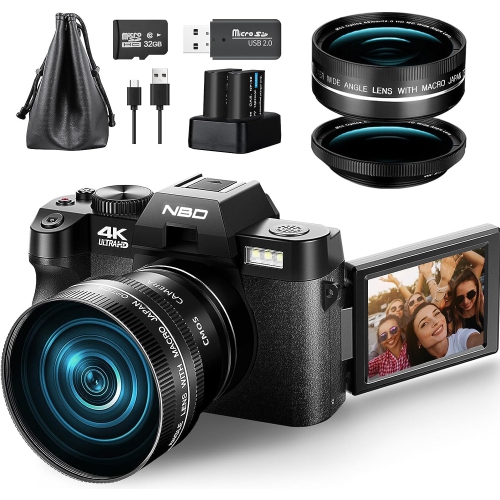
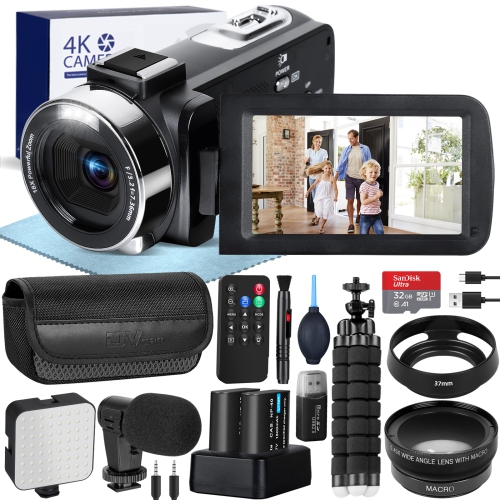
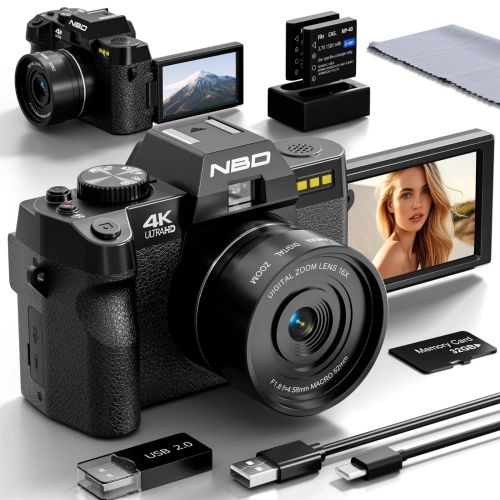
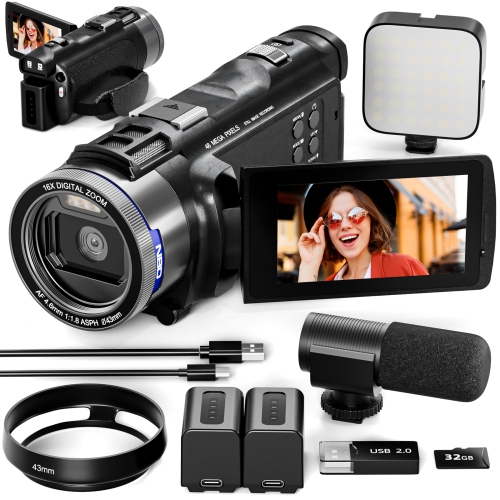
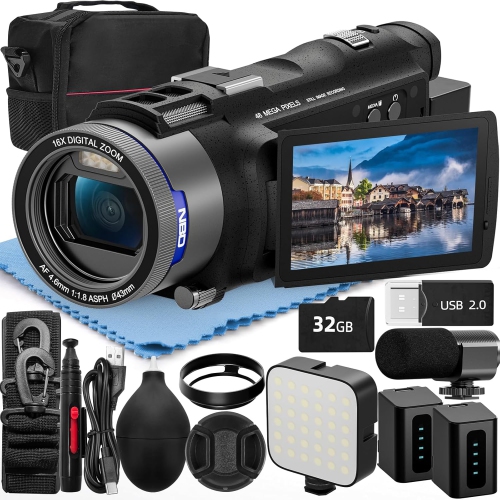
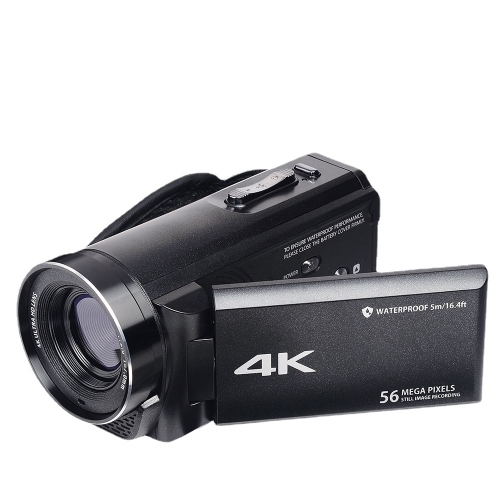
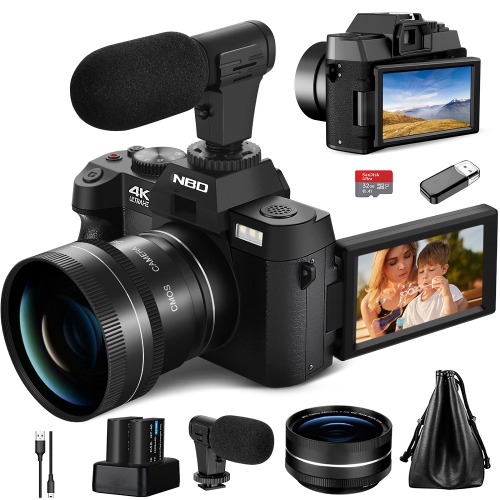
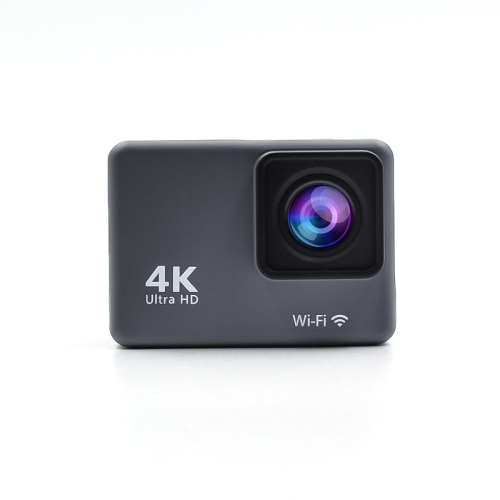
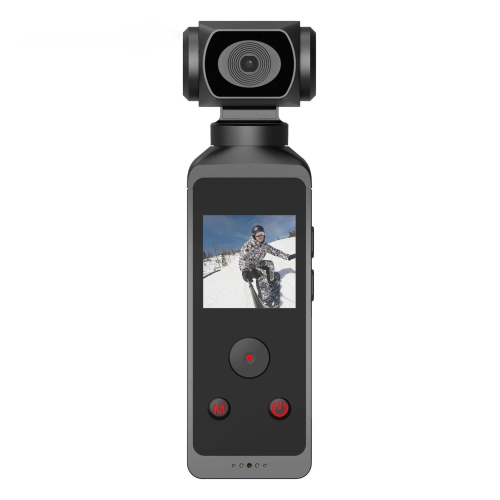
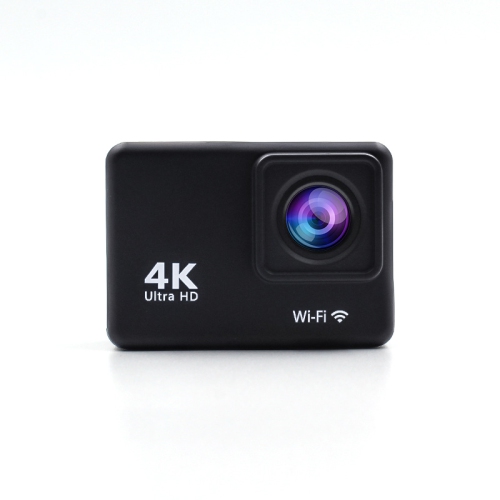
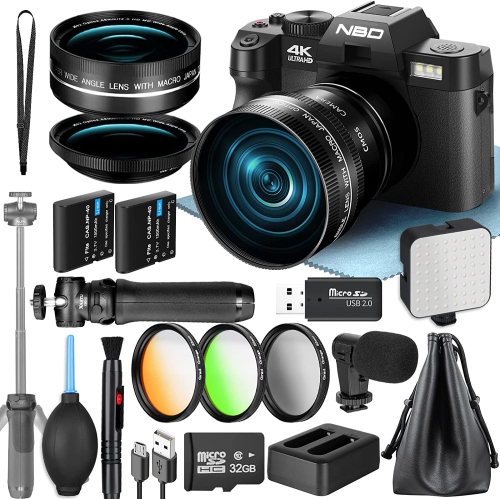
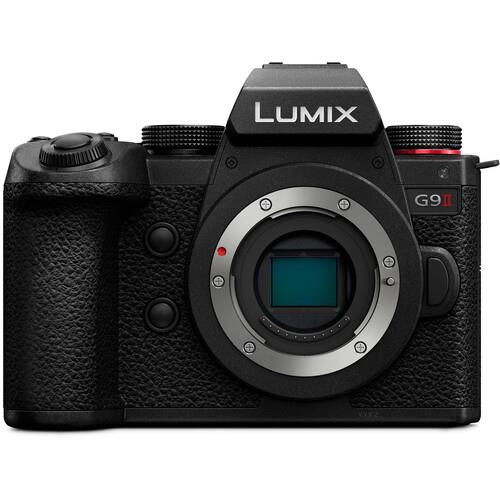
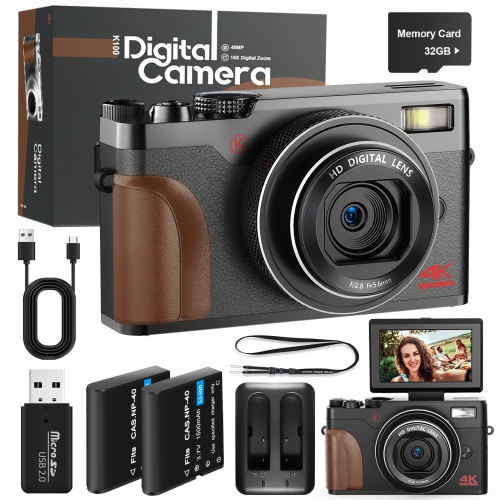
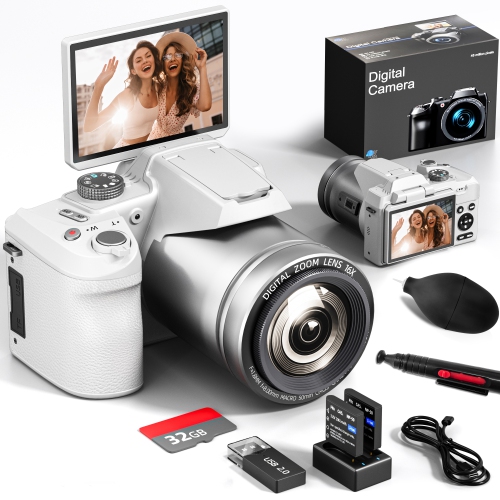
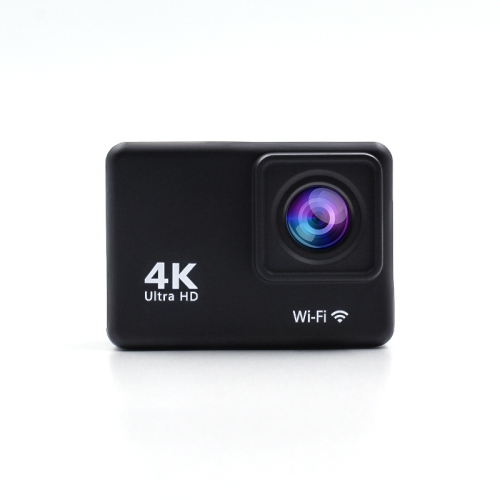
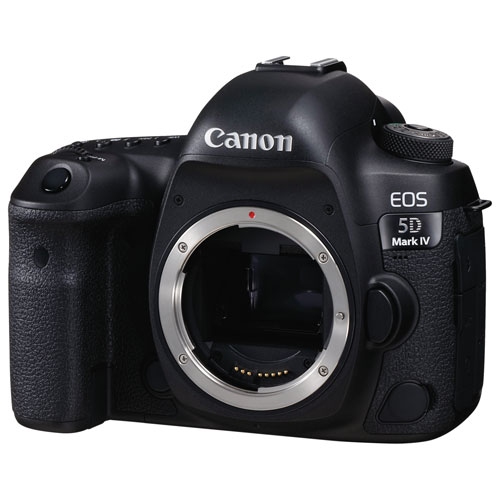
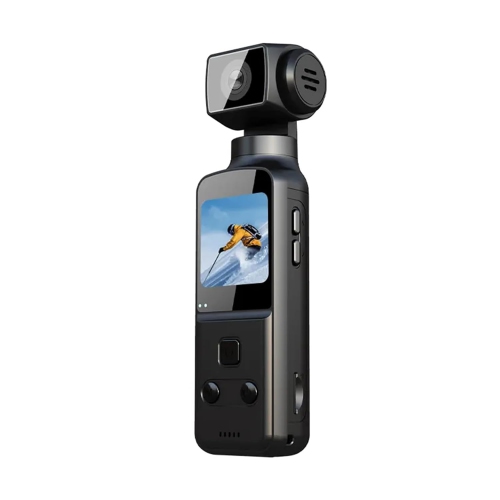
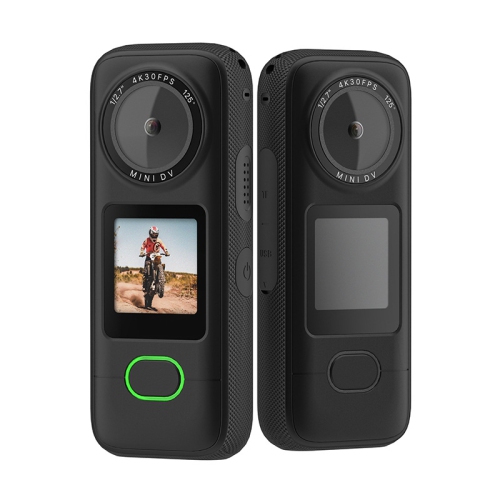
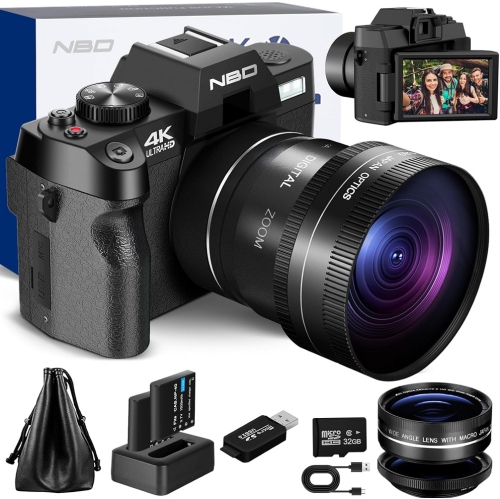
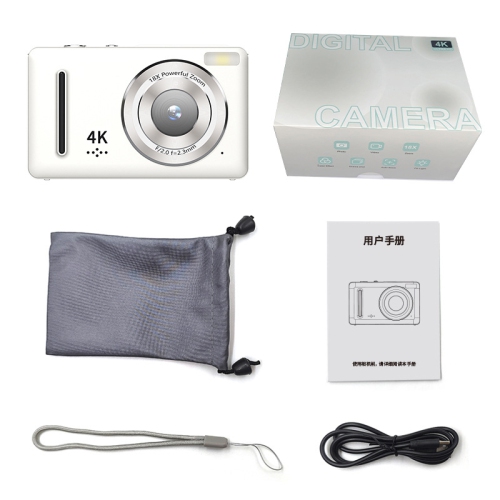
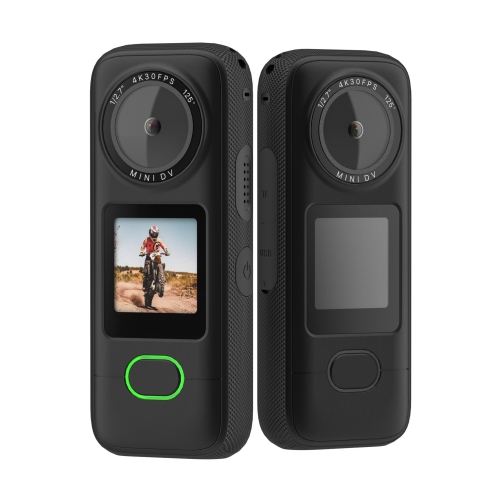
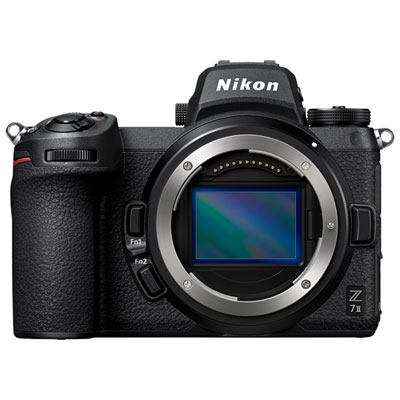
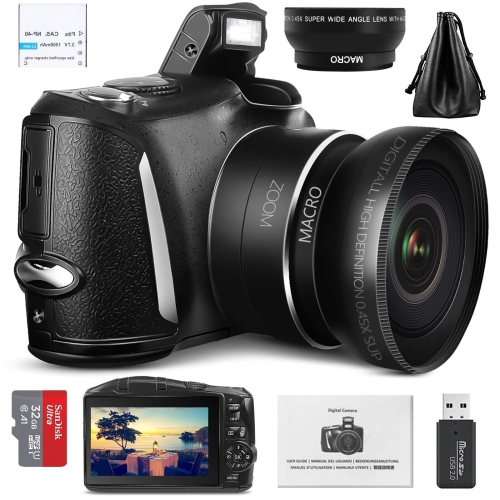
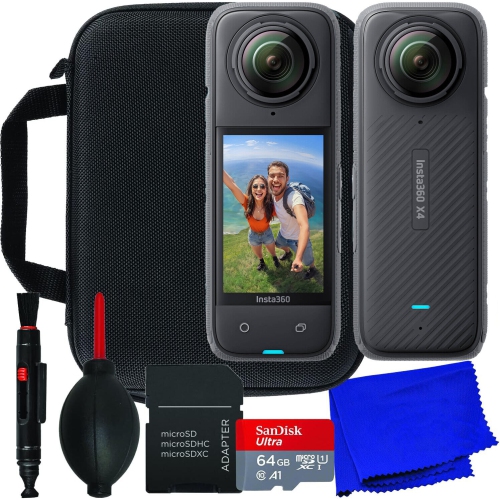
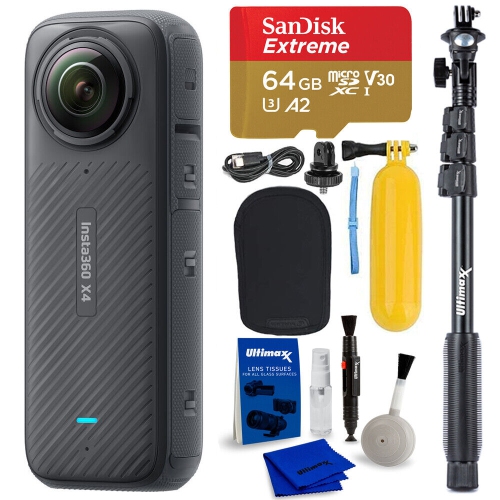
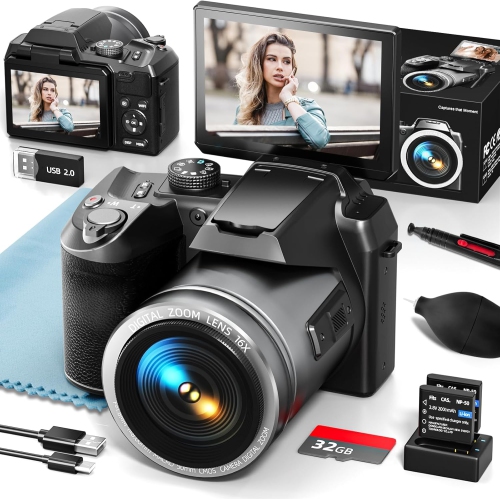
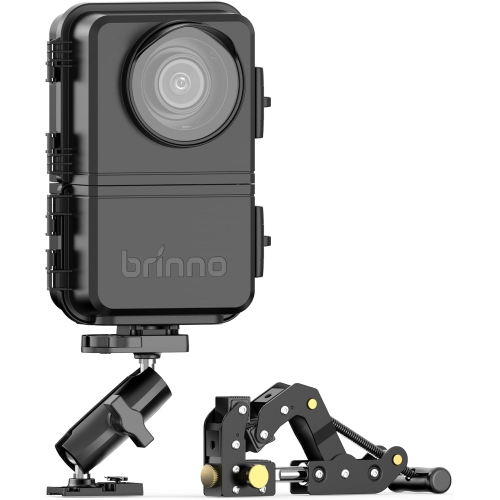
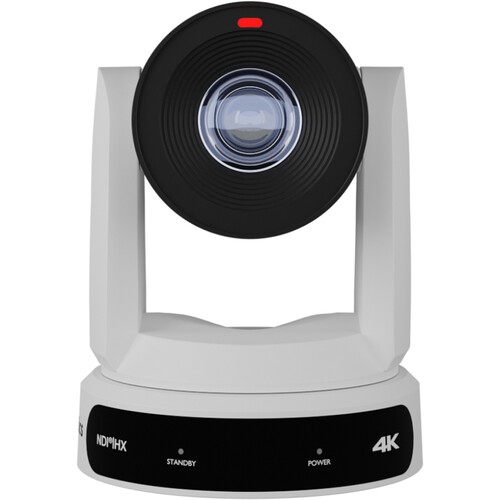
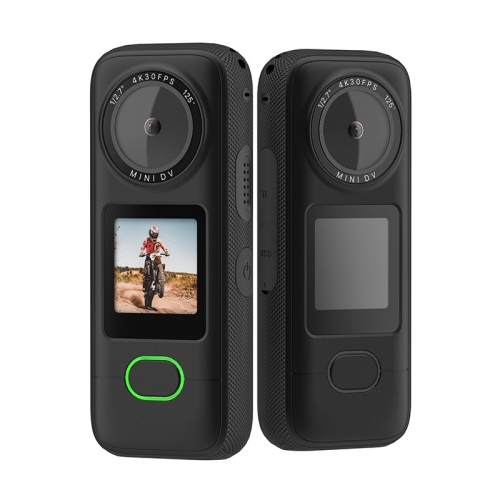
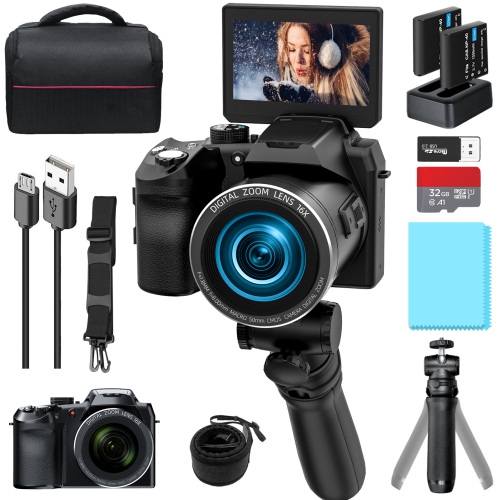
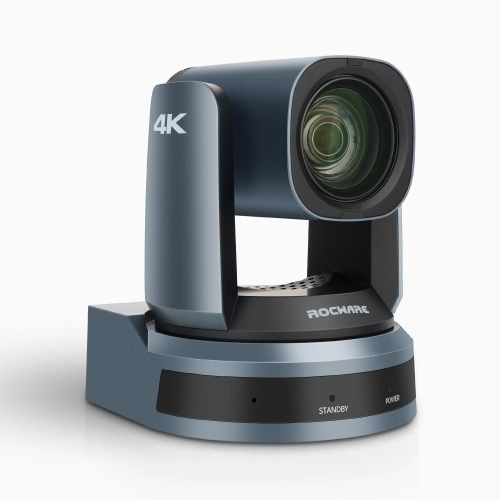
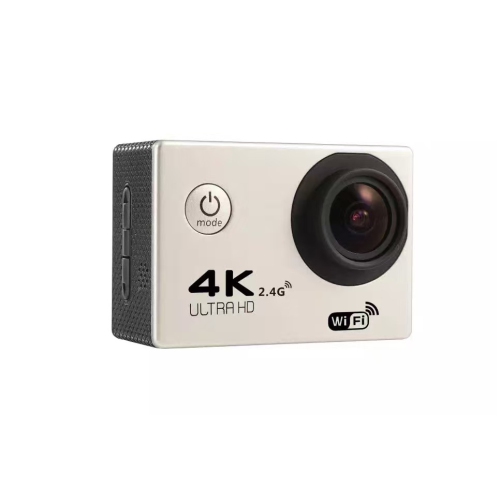
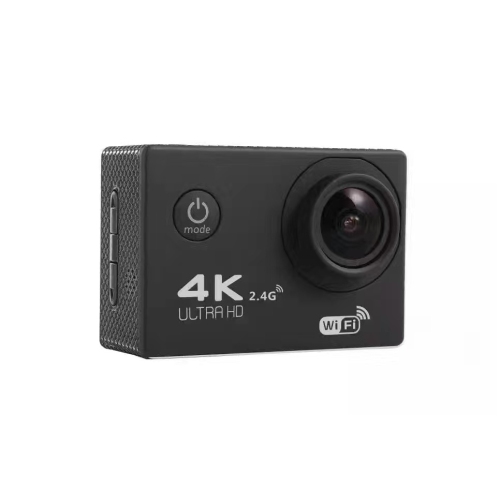
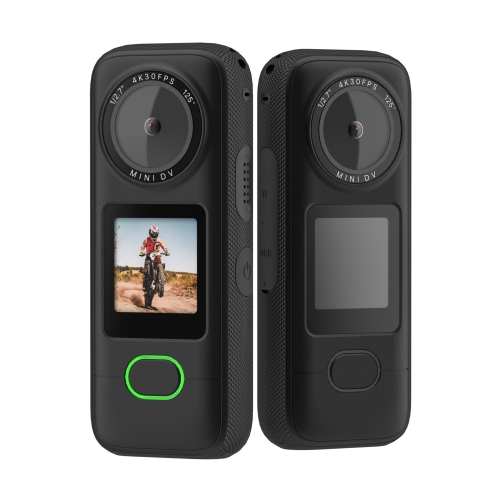
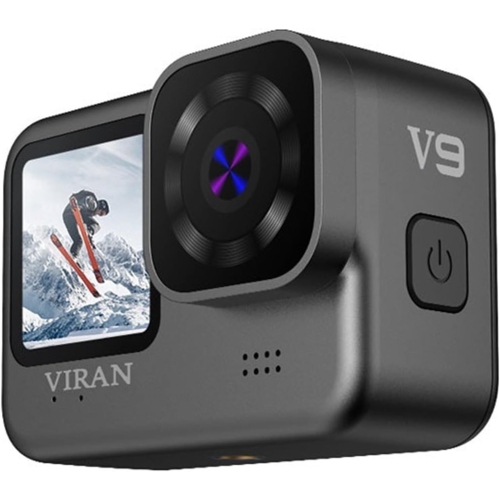
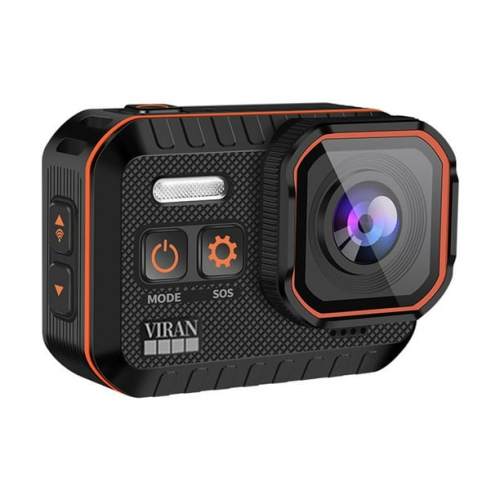
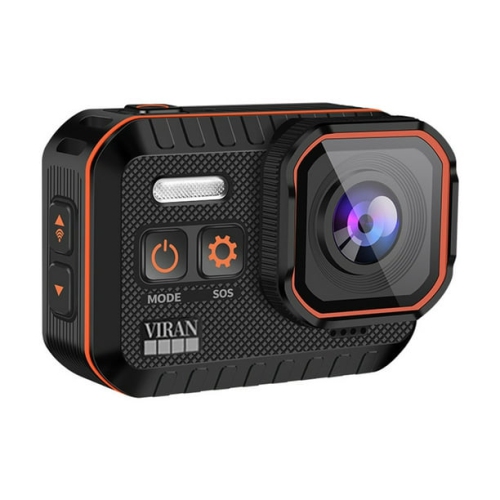
Cameras with 4K video capture bring fine detail to everyday moments, from the texture of a knitted scarf in a family portrait session to distant trees behind a hiker on a ridge. Most consumer 4K cameras capture video at 3840 × 2160 pixels, commonly called 4K UHD, which contains four times as many pixels as Full HD. That resolution can produce crisp footage on a compatible screen and leaves room to crop or reframe video when the finished project is delivered in Full HD. However, 4K resolution alone does not determine picture quality. Sensor size, lens quality, autofocus, image processing and lighting all influence how natural and detailed a scene looks. Footage captured at native 4K generally preserves more genuine detail than lower-resolution footage enlarged to a 4K output, while some cameras use higher-resolution sensor data to create particularly detailed 4K video through oversampling. Compact cameras, pocket-sized stabilized cameras, action cameras and interchangeable-lens mirrorless cameras each suit different ways of shooting. A compact design slips easily into a day bag for family outings, while a camera with a built-in gimbal helps smooth movement when following someone along a walking trail. An action camera is suited to mounting on compatible equipment for hands-free footage, with weather protection and mounting requirements varying by model. Mirrorless cameras offer lens flexibility for portraits, travel, wildlife and more deliberate video projects. Many also capture high-resolution still photographs, although still-image resolution is a separate specification from 4K video resolution. For someone who wants photographs of a gathering as well as short video clips, a hybrid camera can handle both without requiring two separate devices. The most useful format depends on how the camera will be carried and operated: a lightweight body encourages spontaneous shooting, while a larger grip, viewfinder and direct controls can make longer sessions more comfortable. A camera that feels secure in the hand and fits alongside its accessories is easier to bring along when an ordinary afternoon turns into something worth capturing.
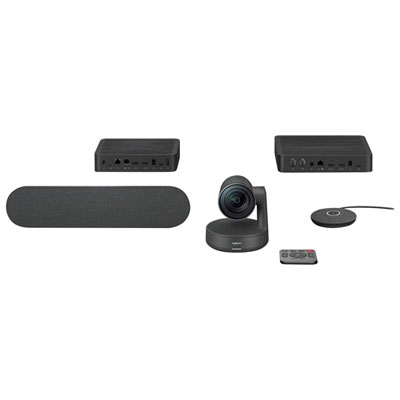
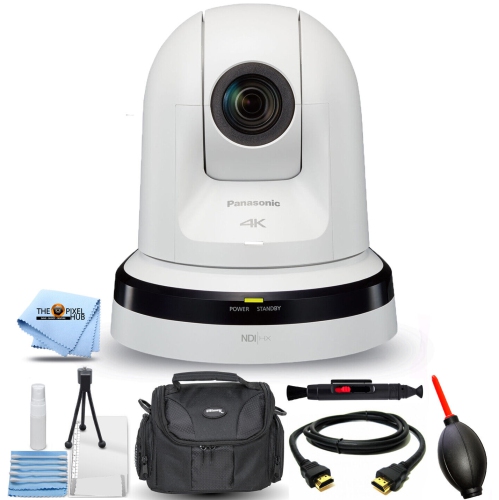
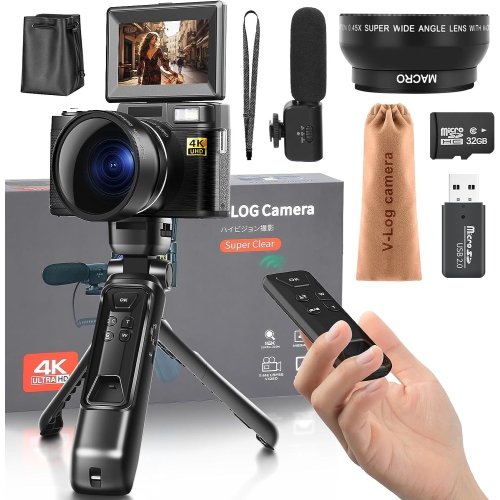
The differences between 4K cameras become especially noticeable when subjects move, light fades or a scene contains both bright highlights and deep shadows. Larger sensors can offer advantages in low light and provide greater control over background blur, though lens aperture, sensor design and exposure settings also matter. A bright lens can help capture an indoor gathering without relying entirely on high sensitivity settings, while a wider lens makes it easier to frame several people in a small room. Optical zoom changes framing through the lens; digital zoom crops or processes the image and may reduce visible detail. For children running across a yard or pets moving unpredictably, responsive autofocus with suitable subject tracking can help keep faces sharp. Stabilization serves a different purpose: it reduces the appearance of camera shake rather than freezing a moving subject. Depending on the camera, stabilization may be optical, sensor-based, electronic or provided by a mechanical gimbal, and electronic stabilization often narrows the field of view. Frame rate also affects the character of footage. Rates of 24 or 30 frames per second are common for everyday video, while 60 frames per second can render movement more smoothly. Higher frame rates can support slow-motion playback when captured and edited appropriately, but not every camera offers them at full 4K resolution. Some modes apply a crop, limit autofocus options or require more light. For creators who edit colour extensively, 10-bit capture and suitable picture profiles provide more flexibility than basic recording modes, although they also introduce workflow and compatibility considerations. Clear sound is equally important for spoken videos, interviews and family messages. A microphone input allows compatible external audio equipment, while a headphone connection, where provided, makes monitoring easier. A forward-facing screen helps with framing when filming alone, and accessible controls reduce interruptions during a demonstration or presentation. These practical details often matter more in daily use than a resolution label, particularly when the camera needs to capture a complete moment without repeated takes.
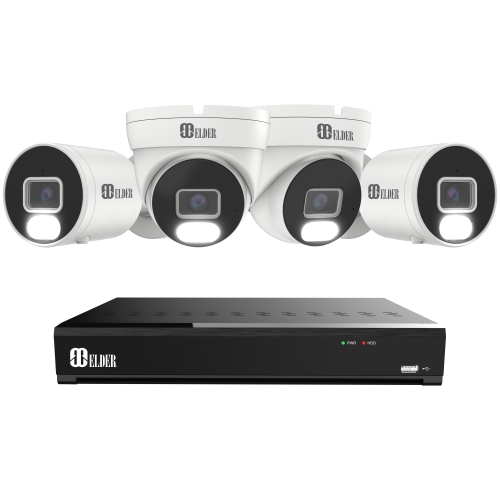
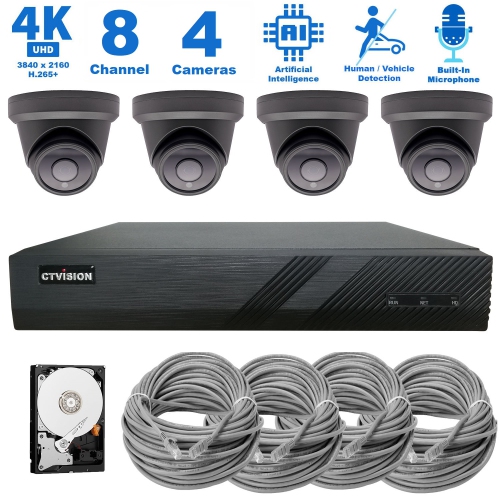
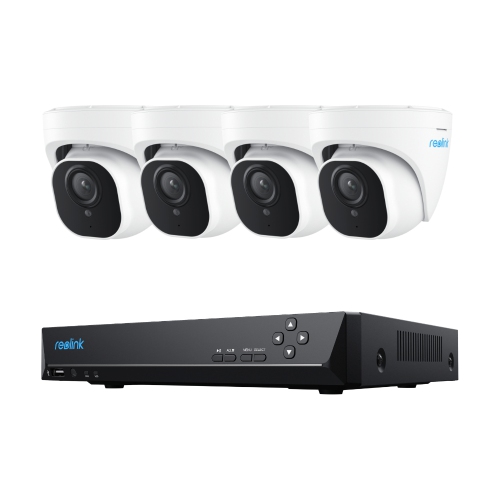
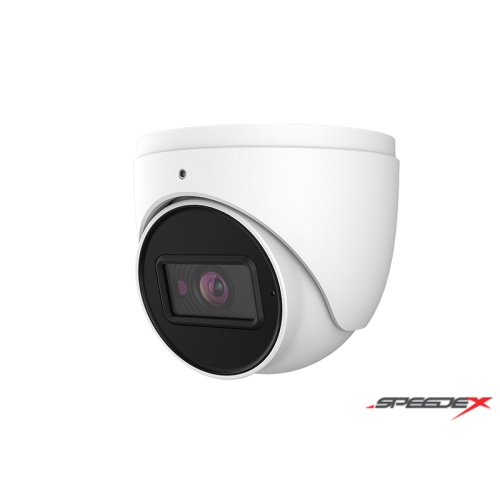
Living with a 4K camera also involves the accessories, care and storage that keep it ready for the next outing. Body construction ranges from lightweight composite materials to metal alloys, but material alone does not establish durability or water resistance. Weather sealing varies, and protection may depend on using a suitably sealed lens and keeping port covers closed. Waterproof use requires an explicit depth rating or an appropriate housing; ordinary weather resistance should not be treated as permission to submerge a camera. During the cooler months, batteries can lose usable capacity more quickly, and moving a cold camera into a warm room can cause condensation. Allowing it to warm gradually inside a closed bag can help limit sudden exposure to warm, moist air. A padded case, secure strap and lens cap protect against routine knocks and scratches, while careful cleaning with suitable lens tools helps preserve optical surfaces. Fit matters for accessories as well as handling: lens mounts, batteries, microphone connections, mounting plates and housings need to match the camera. Video storage deserves attention because 4K files can be large, particularly at higher bitrates. Memory cards must meet the camera’s specified capacity and sustained write-speed requirements, and longer shooting sessions may call for spare batteries or supported external power. Continuous recording capability can also depend on temperature, power supply and the selected video mode. Wi-Fi transfer, where supported, can simplify sharing short clips, while a card reader or wired connection may be more practical for larger projects. A separate backup helps protect footage after it leaves the camera. For a gift recipient, compatibility with lenses or accessories they already own can be especially valuable, whether they enjoy travel photography, school performances or creating videos at home. Cameras intended for creative recording serve a different purpose from 4K Surveillance Cameras, which are designed around monitoring spaces rather than handheld photography and filmmaking. Matching the camera’s design to its intended role helps keep everyday operation straightforward, whether that means a small companion for weekend outings or a flexible system for carefully planned shoots.
The differences between 4K cameras become especially noticeable when subjects move, light fades or a scene contains both bright highlights and deep shadows. Larger sensors can offer advantages in low light and provide greater control over background blur, though lens aperture, sensor design and exposure settings also matter. A bright lens can help capture an indoor gathering without relying entirely on high sensitivity settings, while a wider lens makes it easier to frame several people in a small room. Optical zoom changes framing through the lens; digital zoom crops or processes the image and may reduce visible detail. For children running across a yard or pets moving unpredictably, responsive autofocus with suitable subject tracking can help keep faces sharp. Stabilization serves a different purpose: it reduces the appearance of camera shake rather than freezing a moving subject. Depending on the camera, stabilization may be optical, sensor-based, electronic or provided by a mechanical gimbal, and electronic stabilization often narrows the field of view. Frame rate also affects the character of footage. Rates of 24 or 30 frames per second are common for everyday video, while 60 frames per second can render movement more smoothly. Higher frame rates can support slow-motion playback when captured and edited appropriately, but not every camera offers them at full 4K resolution. Some modes apply a crop, limit autofocus options or require more light. For creators who edit colour extensively, 10-bit capture and suitable picture profiles provide more flexibility than basic recording modes, although they also introduce workflow and compatibility considerations. Clear sound is equally important for spoken videos, interviews and family messages. A microphone input allows compatible external audio equipment, while a headphone connection, where provided, makes monitoring easier. A forward-facing screen helps with framing when filming alone, and accessible controls reduce interruptions during a demonstration or presentation. These practical details often matter more in daily use than a resolution label, particularly when the camera needs to capture a complete moment without repeated takes.
Living with a 4K camera also involves the accessories, care and storage that keep it ready for the next outing. Body construction ranges from lightweight composite materials to metal alloys, but material alone does not establish durability or water resistance. Weather sealing varies, and protection may depend on using a suitably sealed lens and keeping port covers closed. Waterproof use requires an explicit depth rating or an appropriate housing; ordinary weather resistance should not be treated as permission to submerge a camera. During the cooler months, batteries can lose usable capacity more quickly, and moving a cold camera into a warm room can cause condensation. Allowing it to warm gradually inside a closed bag can help limit sudden exposure to warm, moist air. A padded case, secure strap and lens cap protect against routine knocks and scratches, while careful cleaning with suitable lens tools helps preserve optical surfaces. Fit matters for accessories as well as handling: lens mounts, batteries, microphone connections, mounting plates and housings need to match the camera. Video storage deserves attention because 4K files can be large, particularly at higher bitrates. Memory cards must meet the camera’s specified capacity and sustained write-speed requirements, and longer shooting sessions may call for spare batteries or supported external power. Continuous recording capability can also depend on temperature, power supply and the selected video mode. Wi-Fi transfer, where supported, can simplify sharing short clips, while a card reader or wired connection may be more practical for larger projects. A separate backup helps protect footage after it leaves the camera. For a gift recipient, compatibility with lenses or accessories they already own can be especially valuable, whether they enjoy travel photography, school performances or creating videos at home. Cameras intended for creative recording serve a different purpose from 4K Surveillance Cameras, which are designed around monitoring spaces rather than handheld photography and filmmaking. Matching the camera’s design to its intended role helps keep everyday operation straightforward, whether that means a small companion for weekend outings or a flexible system for carefully planned shoots.
Top selling and popular products
-
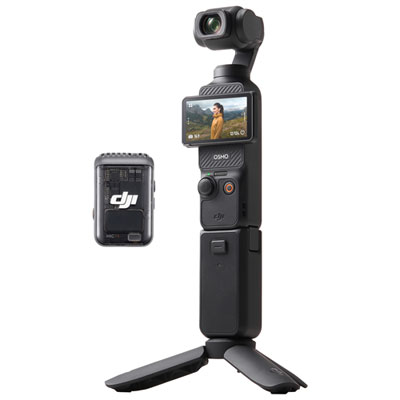 Your price for this item is $649.99
 -
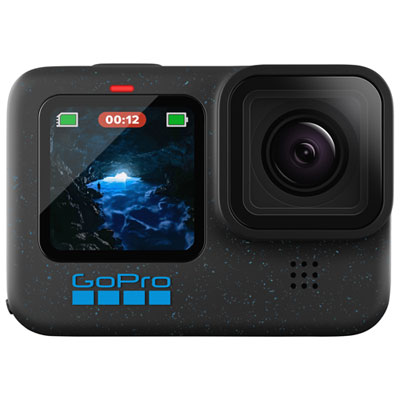 Your price for this item is $479.97
 -
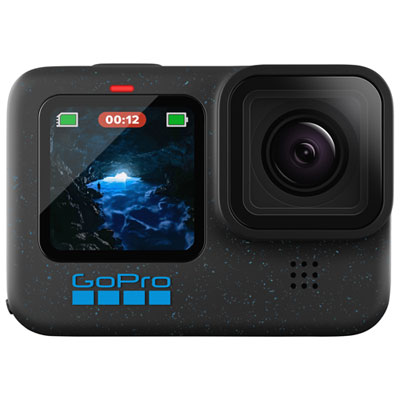 Your price for this item is $399.97
 -
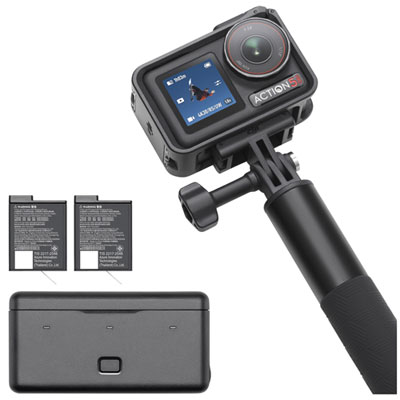 Your price for this item is $585.99
 -
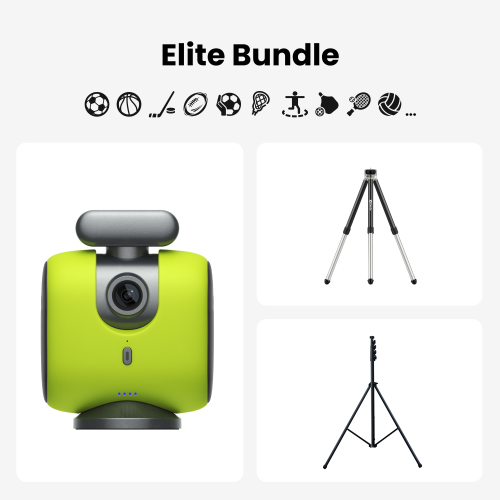 Your price for this item is $719.99
 -
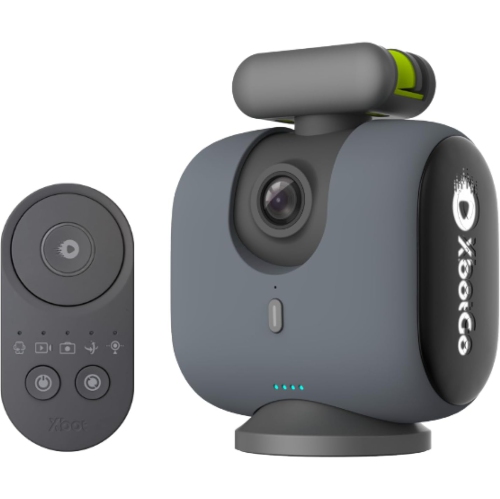 Your price for this item is $439.99
 -
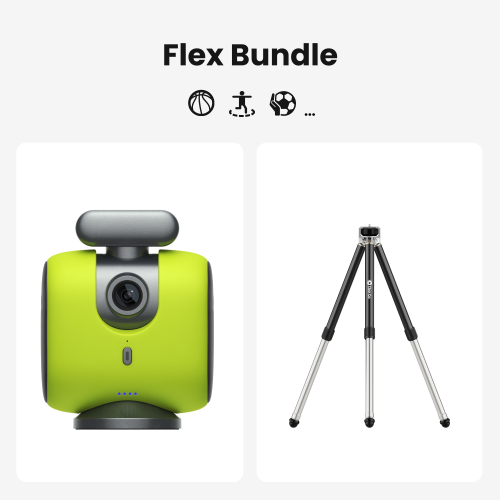 Your price for this item is $499.99
 -
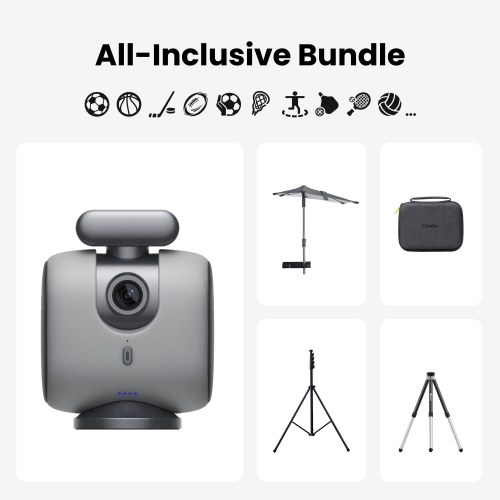 Your price for this item is $859.99
Discover more categories related to 4k Quality Cameras
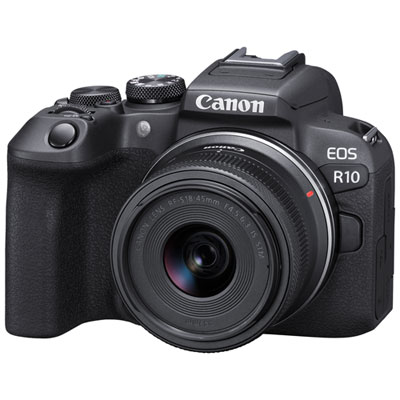
Top Collections:
Pokemon Centers, Kindle Devices, Best Budget Office Chairs, Apple iPhones 16, Best Laptops for Writers, iPhone 15 Apple, Canon G7X Cameras, Refurbished Apple Laptops, Alarm Clock, Motorola Razr Phones
Some products may be subject to Environmental Handling Fees
(EHF) depending on your province.
Learn more about EHFs.