Advanced DSLR Cameras
DSLRs are some of the most popular types of cameras for photography enthusiasts and professionals alike. They're also some of the most versatile, with interchangeable lenses that can be used for almost everything from macro shots to wide-angle landscapes. But with so many features, it can be hard to know where to start when choosing a DSLR. To help you pick out the best camera for your needs, we've put together this list of advanced DSLR cameras.
Sort
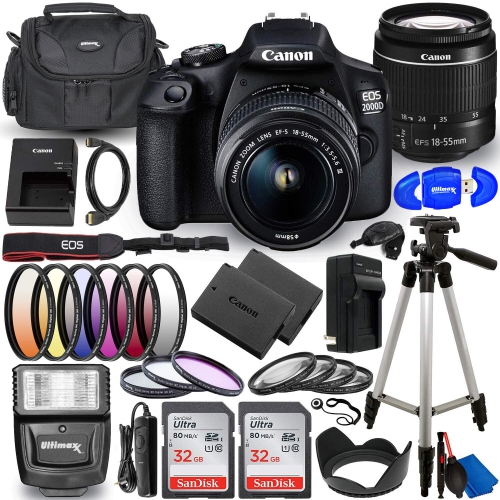
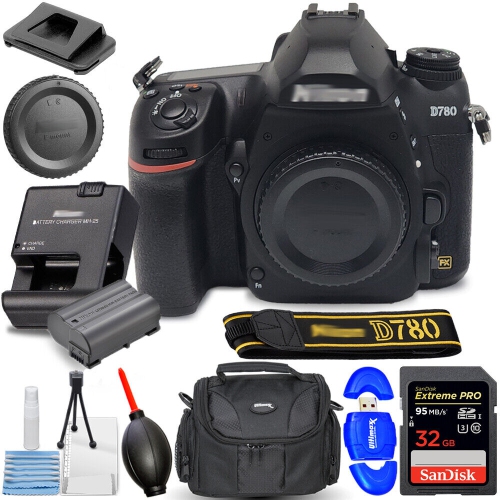
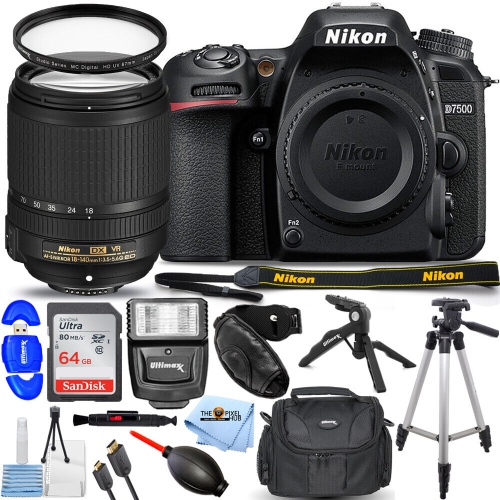
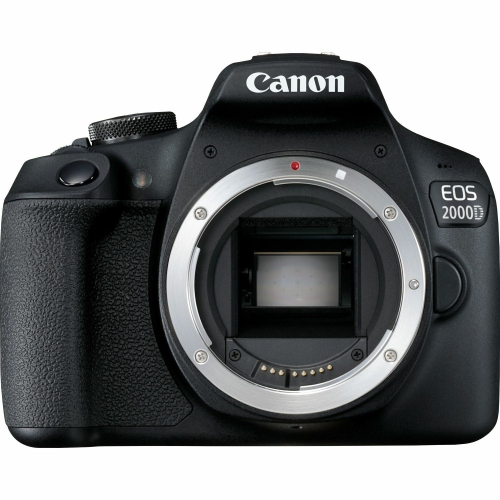
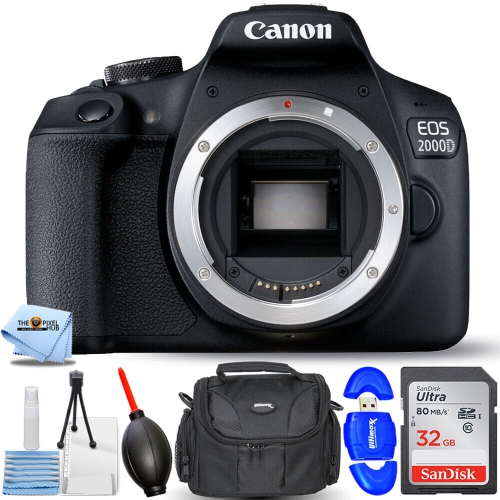
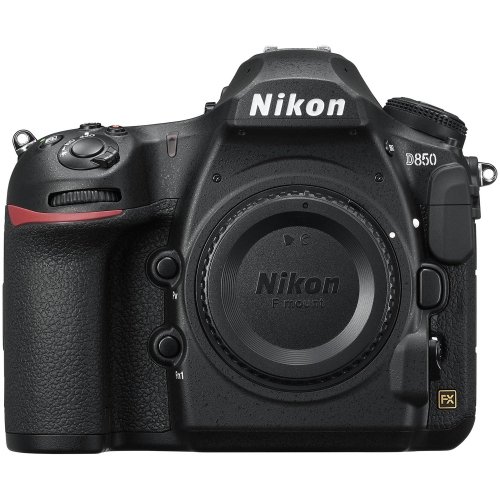
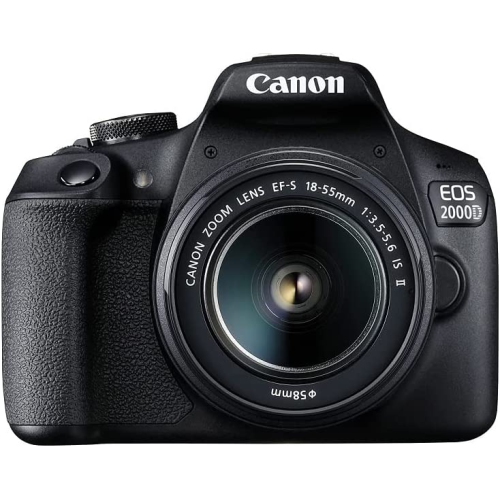
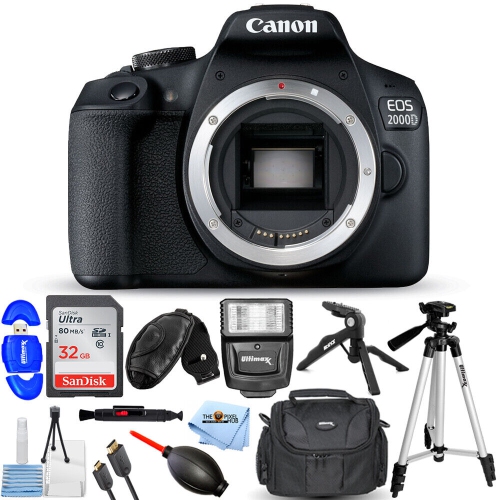

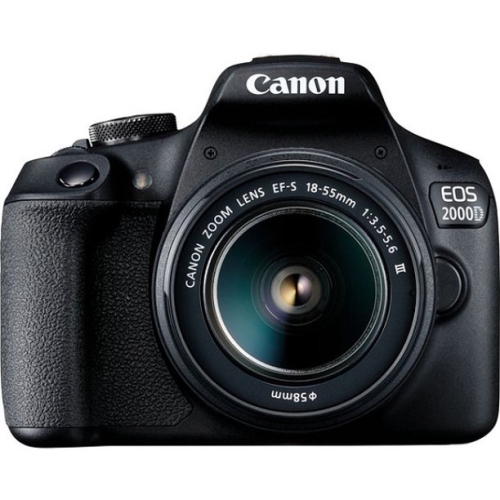
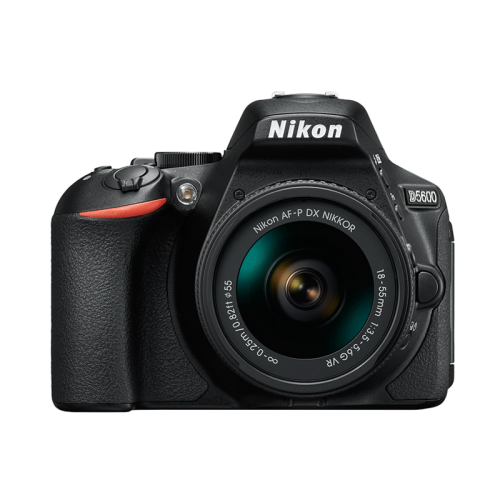
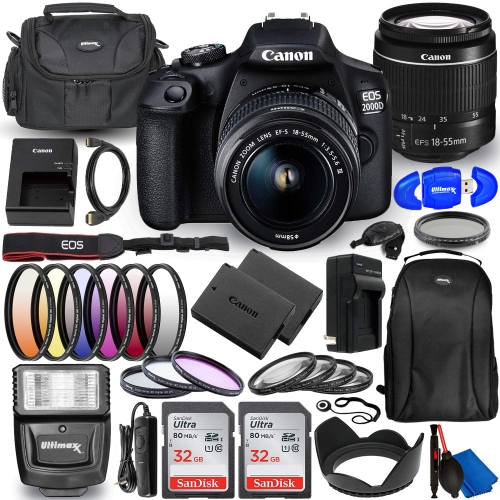
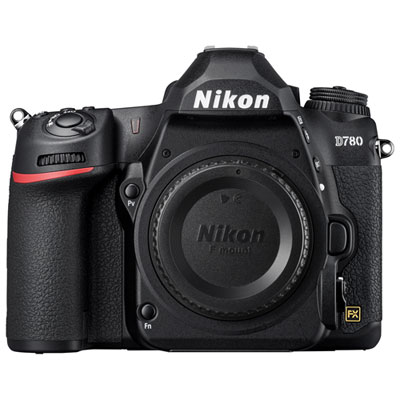
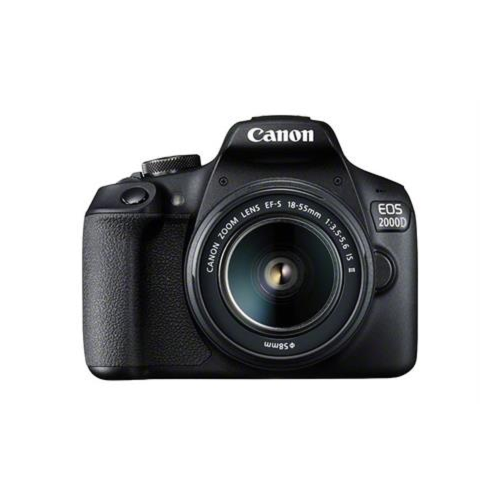
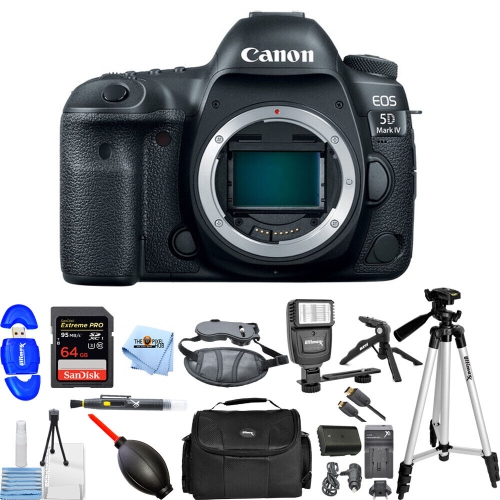
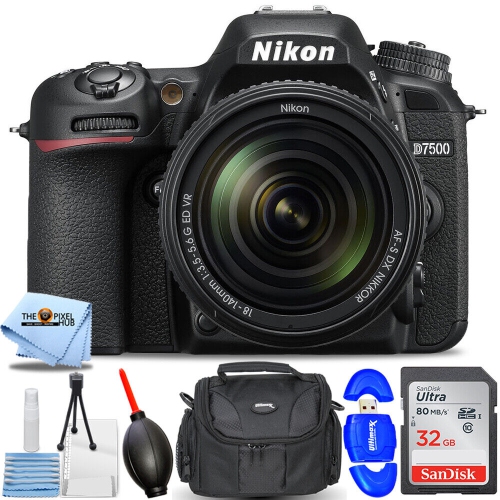
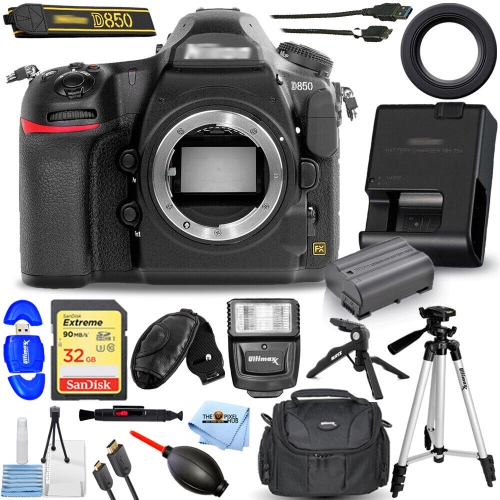
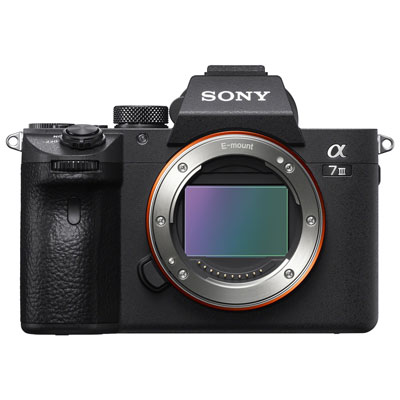
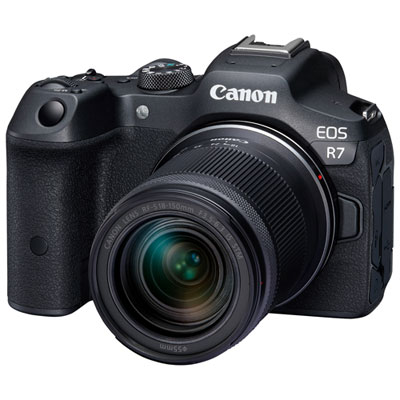
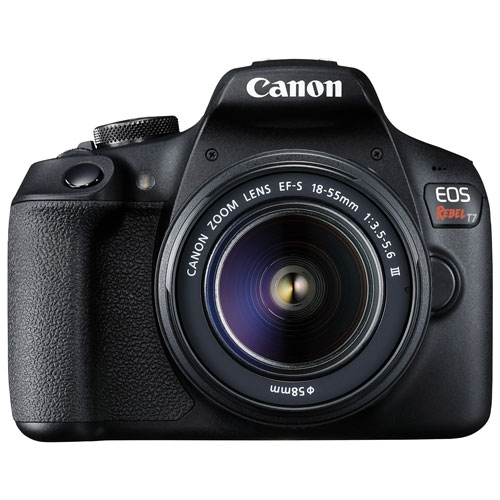
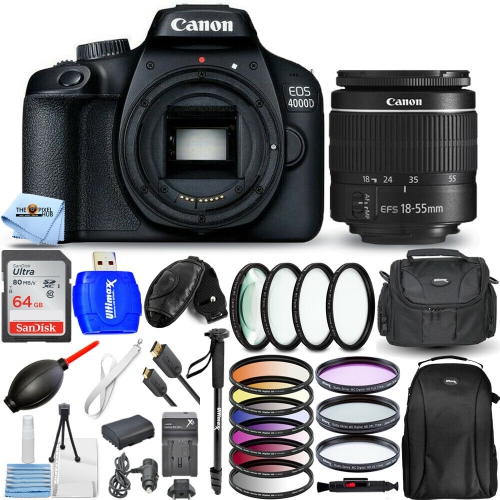

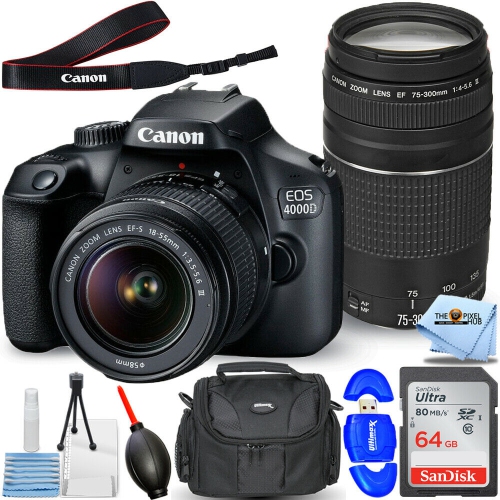
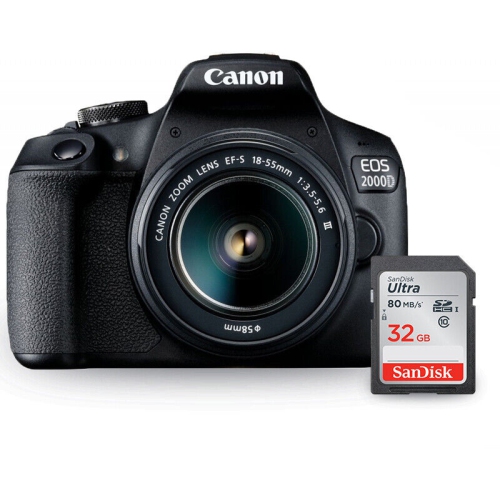
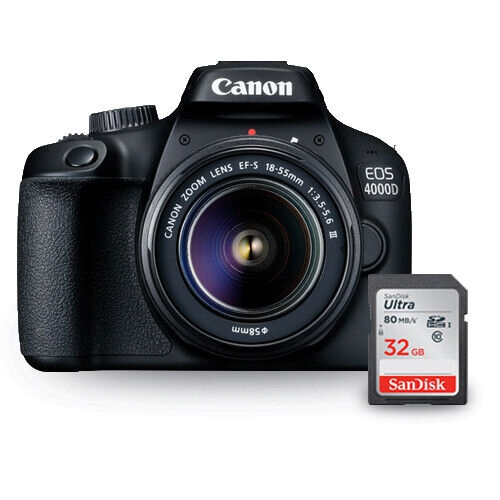
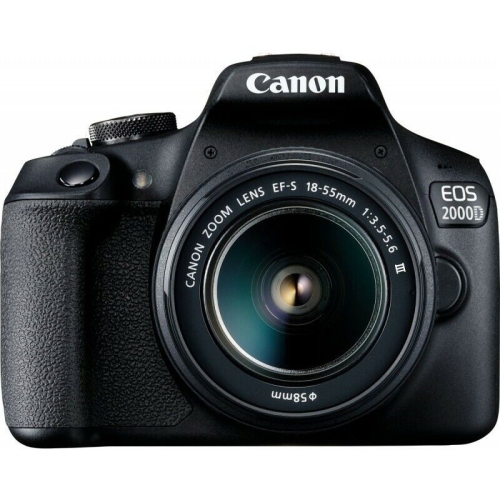
Hands-on control meets optical clarity and lasting battery life
Advanced DSLR cameras are designed for photographers who want a highly capable, hands-on shooting experience with the dependable feel of a traditional camera body. Unlike a smartphone or a basic point-and-shoot, an advanced DSLR gives you direct access to interchangeable lenses, a large image sensor, a bright optical viewfinder, and physical controls for settings such as shutter speed, aperture, ISO, focus mode, and exposure compensation. Looking through an optical viewfinder shows the scene as it is, with no digital lag between you and your subject, which can be especially helpful when following a runner, bird, pet, or fast-moving player. Many experienced photographers also appreciate that the viewfinder continues to work without drawing significant battery power, allowing an advanced DSLR to capture hundreds of images and, depending on the camera, potentially more than a thousand on a single charge. This combination of control, responsiveness, and endurance makes these cameras a strong choice for landscape photography, wildlife, sports, portraits, weddings, travel, and demanding everyday use. A large full-frame sensor can produce detailed images with natural depth and clean results in dim indoor spaces, evening streets, or shaded forests, while an APS-C sensor can offer an effective reach for distant subjects in a comparatively compact system. Resolution is another consideration: a higher-megapixel sensor can preserve fine detail and provide more flexibility when cropping, while moderate resolutions can make file storage and editing more manageable. Advanced DSLR cameras may also include fast continuous shooting, sophisticated autofocus systems, multiple memory card slots, durable shutter mechanisms, and high-quality video modes. These features are useful for photographers who need dependable performance rather than a camera that simply looks impressive on a specification sheet. Build quality matters as well. A solid, weather-sealed body can be reassuring when a landscape session begins under light rain, when dust blows across a prairie trail, or when a long day of outdoor photography brings repeated changes in temperature and conditions.
The lens system is one of the most important parts of choosing an advanced DSLR camera, because the body determines what the camera can do while the lens determines how the scene is rendered. A wide-angle lens can include a sweeping shoreline, mountain ridge, or architectural interior; a standard zoom can cover family gatherings, travel scenes, and casual portraits; and a telephoto lens can bring wildlife, field sports, or performers closer without requiring you to stand near the action. Prime lenses with wide apertures are valued for their ability to create soft backgrounds and gather more light, making them useful for portraits, indoor events, and expressive still-life images. Before purchasing, check the camera’s lens mount and consider which compatible lenses, flashes, battery grips, and other accessories are available. Photographers moving from an older DSLR system may already own valuable lenses, while someone building a first interchangeable-lens kit may prefer a versatile zoom before adding specialized options. The camera’s autofocus coverage, low-light performance, burst speed, buffer capacity, and image stabilization features should match the subjects you plan to photograph. A landscape photographer may place greater importance on resolution, dynamic range, and a strong tripod connection, while a sports photographer may prioritize tracking autofocus, quick frame rates, and responsive controls. For portraits, skin tones, eye-detection performance, and lens selection may matter most. If video is part of the plan, review the available recording resolutions, frame rates, microphone connections, headphone monitoring, and autofocus behaviour during recording. Physical comfort should not be overlooked: a deep grip, well-positioned dials, a clear top display, and a tilting rear screen can make a noticeable difference during a full afternoon behind the camera. Those comparing a full-size advanced DSLR with a smaller body can also browse Compact DSLR Cameras when portability is a higher priority, while still looking for interchangeable lenses and familiar DSLR controls.
Advanced DSLR cameras can be a rewarding choice for serious hobbyists, working photographers, students developing a portfolio, and anyone who enjoys slowing down to make deliberate images. They also make thoughtful gifts for a photographer who has outgrown a starter camera and wants more room to develop a personal style. The right gift depends less on choosing the most expensive body and more on understanding how the recipient photographs. Someone who spends weekends on hiking trails may value weather resistance, battery life, and a light general-purpose lens. A parent photographing indoor performances or school sports may appreciate fast autofocus and a telephoto zoom. A budding portrait photographer may be happiest with a comfortable body and a bright prime lens, while a traveller may prefer a flexible zoom and extra batteries for long days away from an outlet. It is wise to consider the total kit, including lenses, memory cards, a camera bag, spare batteries, a charger, and a protective filter where appropriate. File size and workflow are also worth planning for, since high-resolution photographs can require more storage and a computer with enough capacity for editing. RAW capture provides greater control over highlights, shadows, colour, and white balance, but it also creates larger files and benefits from a dedicated editing routine; JPEG capture is simpler for sharing and everyday use. During the warmer seasons, an advanced DSLR can record golden-hour portraits, backyard celebrations, water-side landscapes, and long evenings outdoors. As the weather turns cooler, its optical viewfinder, strong battery performance, and tactile controls remain useful for autumn colour, indoor gatherings, dramatic skies, and city scenes after dark. With the right lens and a little practice, these cameras encourage photographers to notice the direction of light, wait for an expressive gesture, and return to a favourite location as conditions change. That lasting flexibility is what makes an advanced DSLR suitable for both carefully planned assignments and the unrepeatable moments that happen between them.
The lens system is one of the most important parts of choosing an advanced DSLR camera, because the body determines what the camera can do while the lens determines how the scene is rendered. A wide-angle lens can include a sweeping shoreline, mountain ridge, or architectural interior; a standard zoom can cover family gatherings, travel scenes, and casual portraits; and a telephoto lens can bring wildlife, field sports, or performers closer without requiring you to stand near the action. Prime lenses with wide apertures are valued for their ability to create soft backgrounds and gather more light, making them useful for portraits, indoor events, and expressive still-life images. Before purchasing, check the camera’s lens mount and consider which compatible lenses, flashes, battery grips, and other accessories are available. Photographers moving from an older DSLR system may already own valuable lenses, while someone building a first interchangeable-lens kit may prefer a versatile zoom before adding specialized options. The camera’s autofocus coverage, low-light performance, burst speed, buffer capacity, and image stabilization features should match the subjects you plan to photograph. A landscape photographer may place greater importance on resolution, dynamic range, and a strong tripod connection, while a sports photographer may prioritize tracking autofocus, quick frame rates, and responsive controls. For portraits, skin tones, eye-detection performance, and lens selection may matter most. If video is part of the plan, review the available recording resolutions, frame rates, microphone connections, headphone monitoring, and autofocus behaviour during recording. Physical comfort should not be overlooked: a deep grip, well-positioned dials, a clear top display, and a tilting rear screen can make a noticeable difference during a full afternoon behind the camera. Those comparing a full-size advanced DSLR with a smaller body can also browse Compact DSLR Cameras when portability is a higher priority, while still looking for interchangeable lenses and familiar DSLR controls.
Advanced DSLR cameras can be a rewarding choice for serious hobbyists, working photographers, students developing a portfolio, and anyone who enjoys slowing down to make deliberate images. They also make thoughtful gifts for a photographer who has outgrown a starter camera and wants more room to develop a personal style. The right gift depends less on choosing the most expensive body and more on understanding how the recipient photographs. Someone who spends weekends on hiking trails may value weather resistance, battery life, and a light general-purpose lens. A parent photographing indoor performances or school sports may appreciate fast autofocus and a telephoto zoom. A budding portrait photographer may be happiest with a comfortable body and a bright prime lens, while a traveller may prefer a flexible zoom and extra batteries for long days away from an outlet. It is wise to consider the total kit, including lenses, memory cards, a camera bag, spare batteries, a charger, and a protective filter where appropriate. File size and workflow are also worth planning for, since high-resolution photographs can require more storage and a computer with enough capacity for editing. RAW capture provides greater control over highlights, shadows, colour, and white balance, but it also creates larger files and benefits from a dedicated editing routine; JPEG capture is simpler for sharing and everyday use. During the warmer seasons, an advanced DSLR can record golden-hour portraits, backyard celebrations, water-side landscapes, and long evenings outdoors. As the weather turns cooler, its optical viewfinder, strong battery performance, and tactile controls remain useful for autumn colour, indoor gatherings, dramatic skies, and city scenes after dark. With the right lens and a little practice, these cameras encourage photographers to notice the direction of light, wait for an expressive gesture, and return to a favourite location as conditions change. That lasting flexibility is what makes an advanced DSLR suitable for both carefully planned assignments and the unrepeatable moments that happen between them.
Top selling and popular products
-
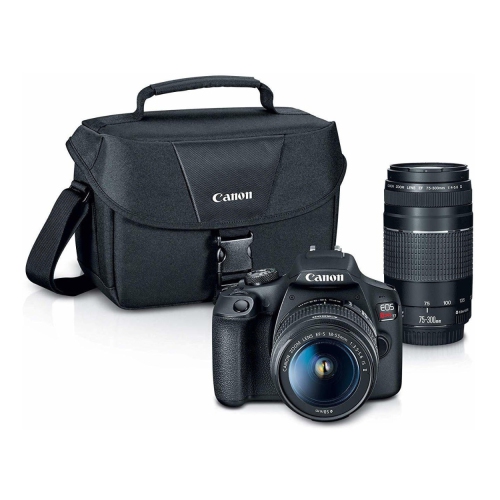 Your price for this item is $1039.95
 -
 Your price for this item is $549.99
 -
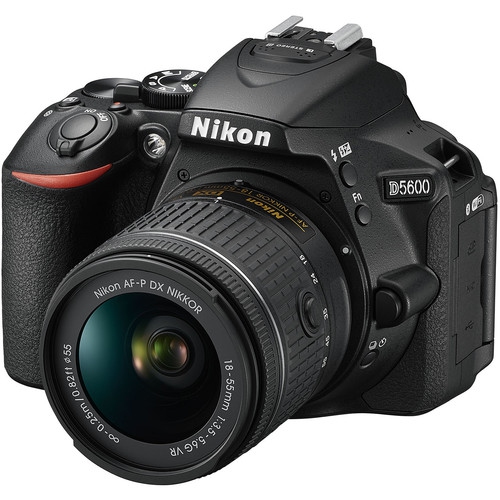 Your price for this item is $1309.95
 -
 Your price for this item is $1199.95
 -
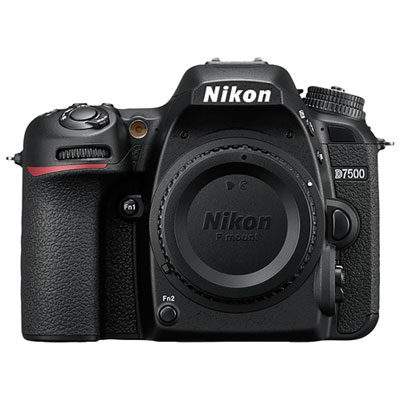 Your price for this item is $1279.99
 -
 Your price for this item is $1909.95
 -
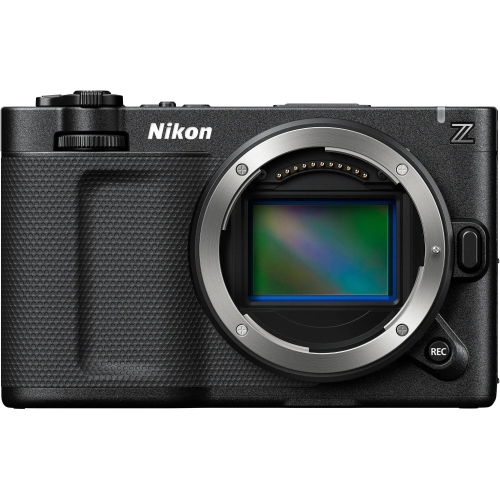 Your price for this item is $2889.99
 -
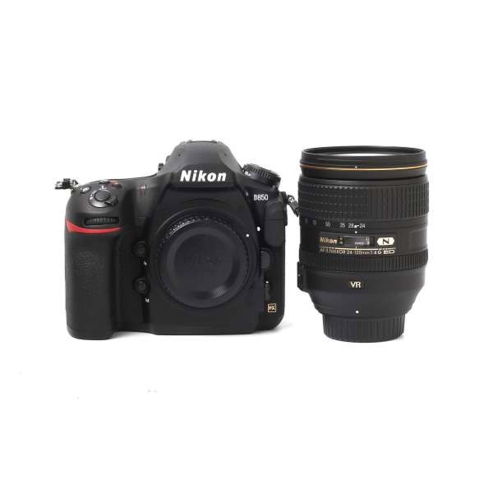 Your price for this item is $3144.99
Discover more categories related to Advanced DSLR Cameras
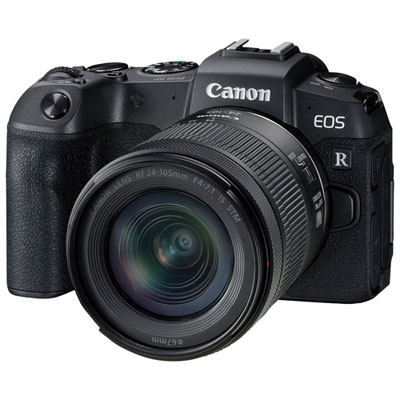
Top Collections:
Pokemon Centers, Kindle Devices, Best Budget Office Chairs, Apple iPhones 16, Best Laptops for Writers, iPhone 15 Apple, Canon G7X Cameras, Refurbished Apple Laptops, Alarm Clock, Motorola Razr Phones
Some products may be subject to Environmental Handling Fees
(EHF) depending on your province.
Learn more about EHFs.