Aerial Drones
Looking to take your photography and videography skills to new heights? Look no further than our collection of aerial drones. These cutting-edge devices allow you to capture stunning aerial shots, whether you're a professional photographer looking to add a unique perspective to your portfolio or an adventure enthusiast wanting to document your thrilling escapades. With their advanced features and capabilities, these drones are the perfect companions for capturing breathtaking moments from above.
Sort
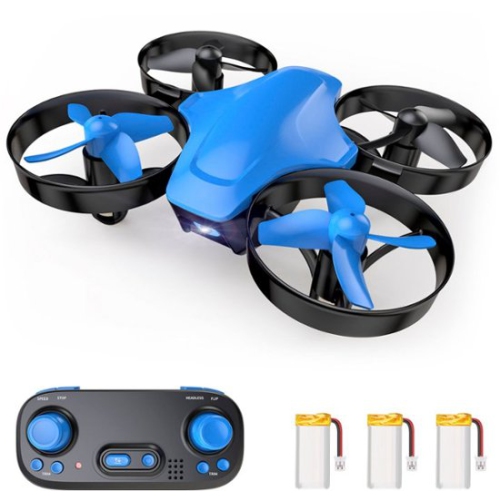

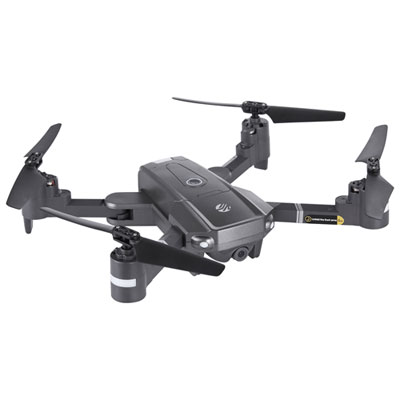
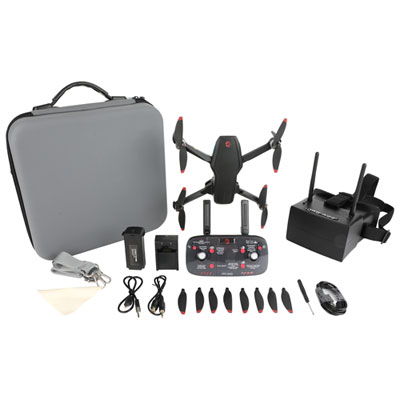
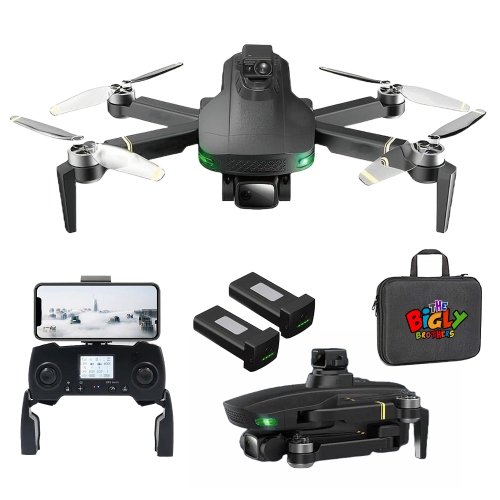

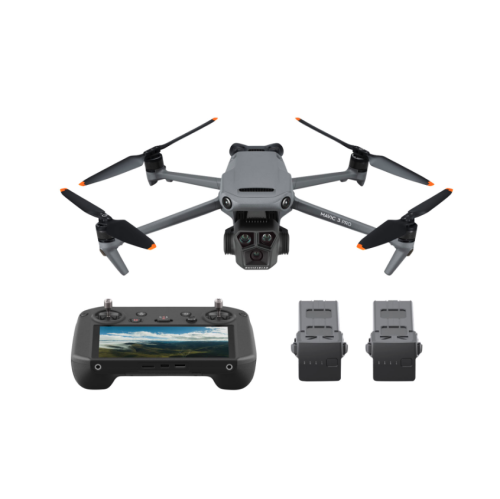
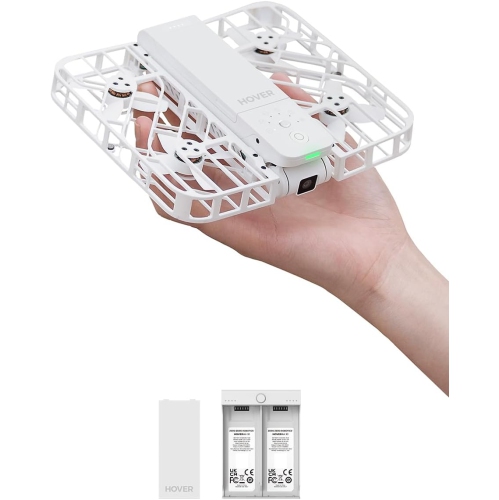
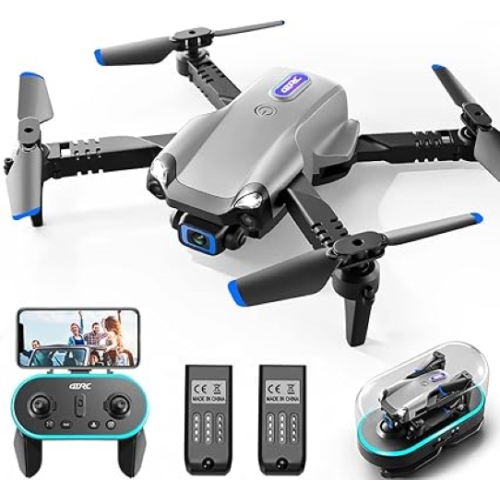

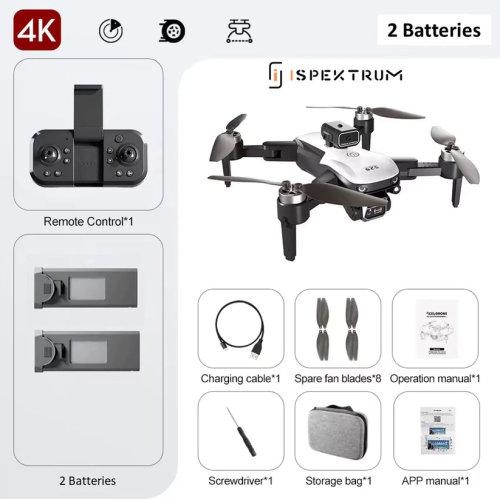
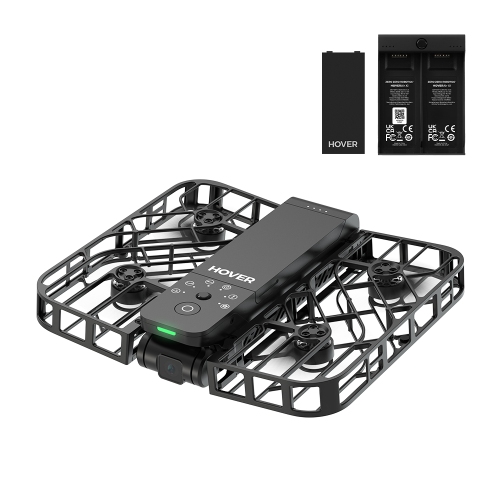
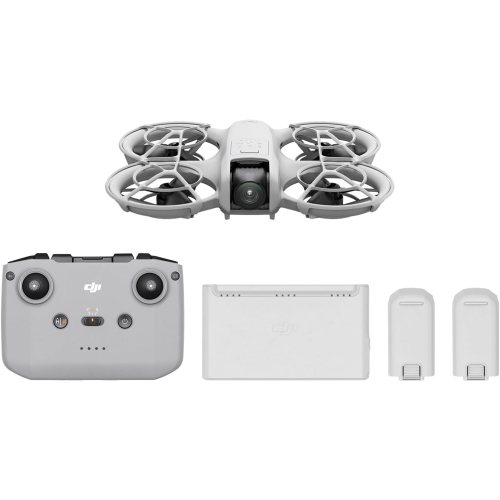
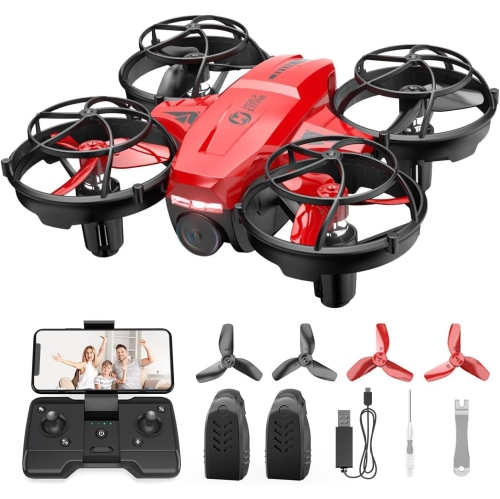
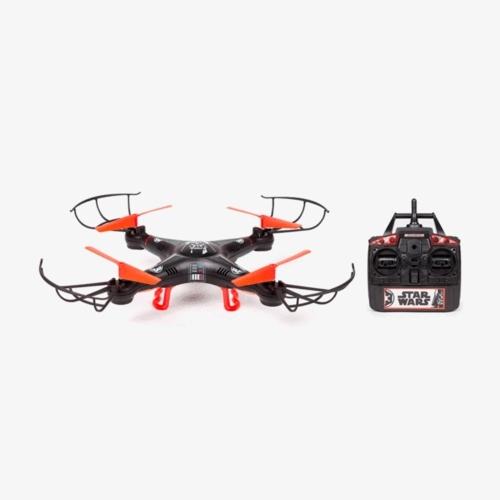
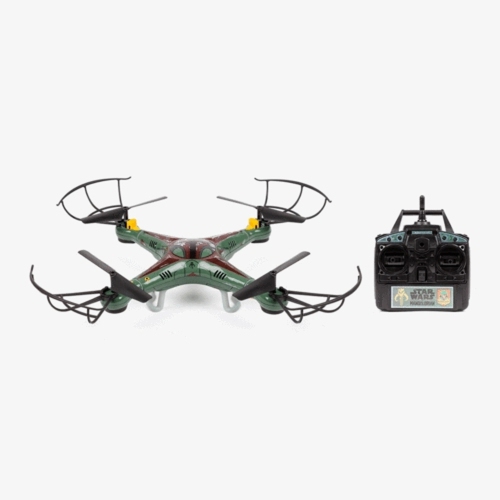
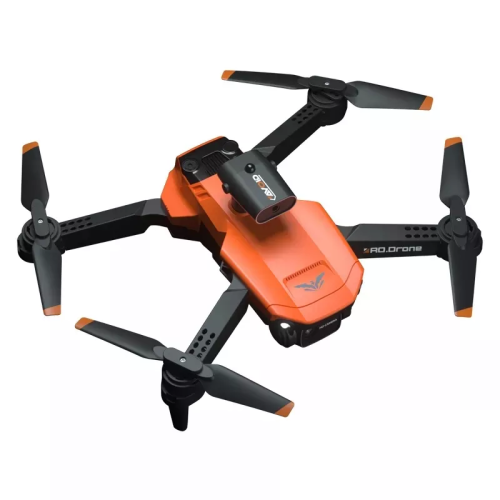
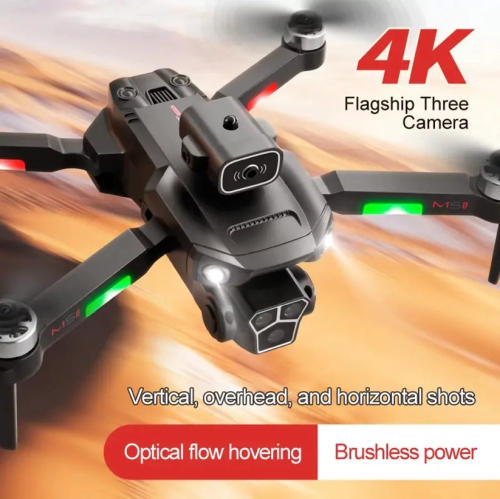
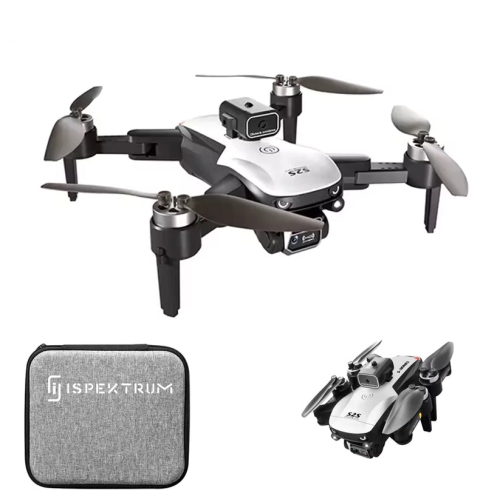
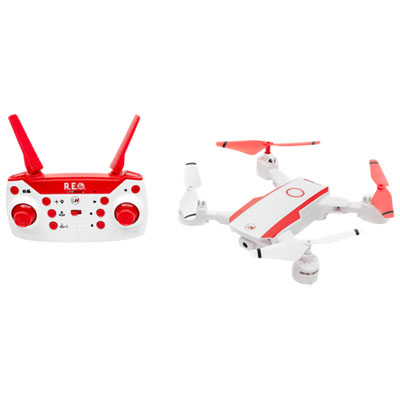
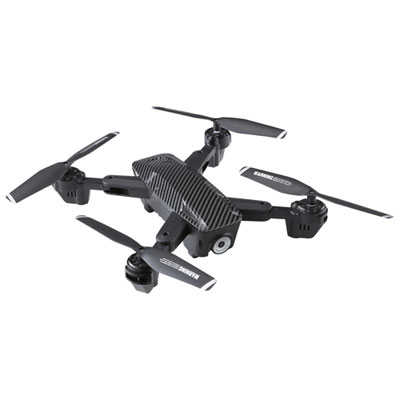
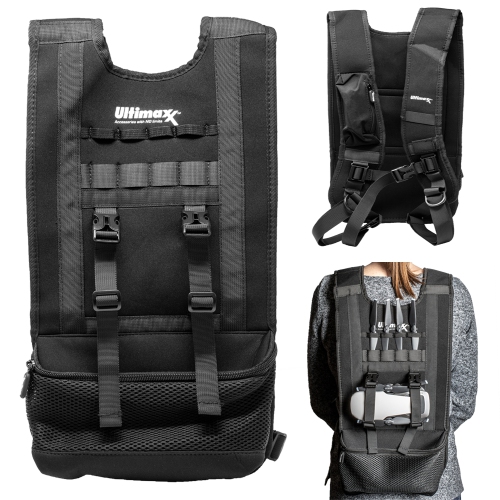
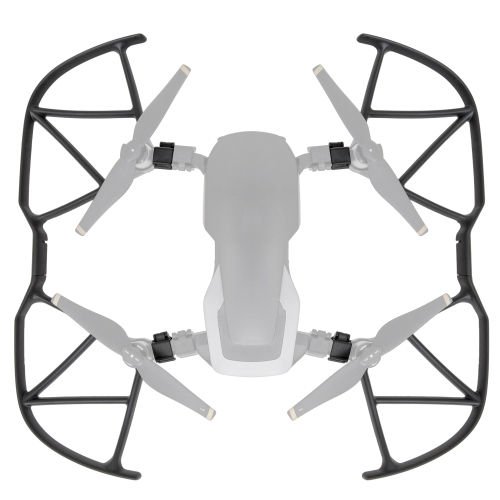
How hovering and camera features shape aerial footage
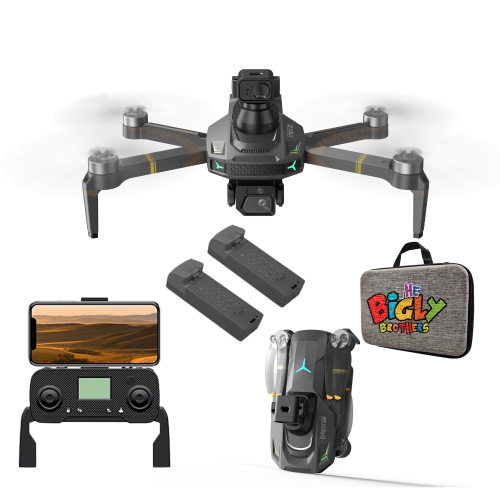
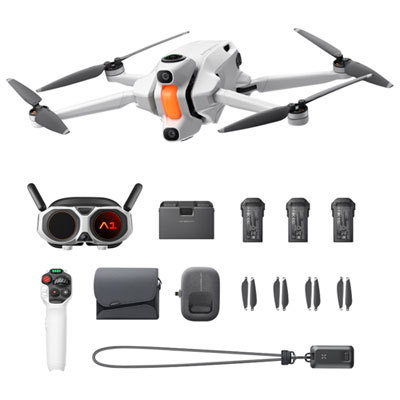
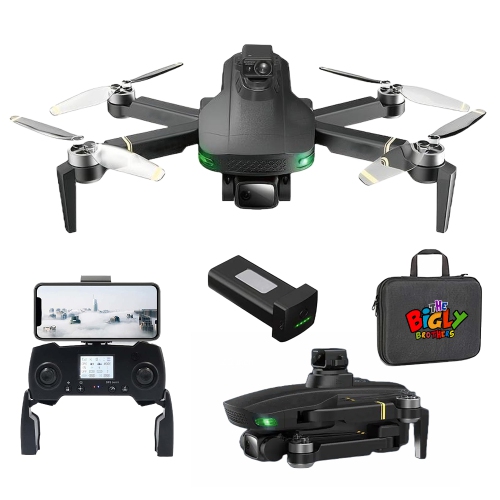
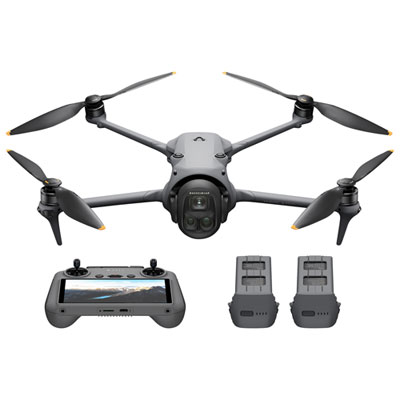
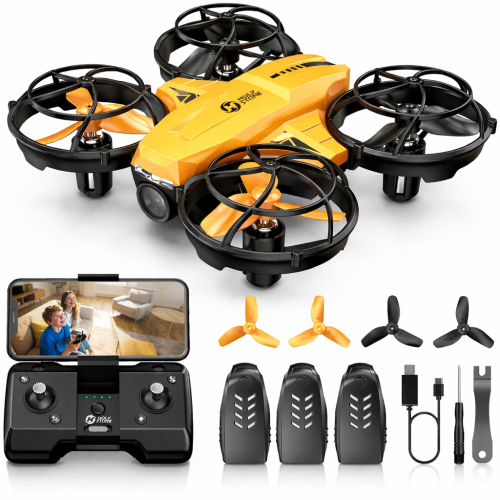
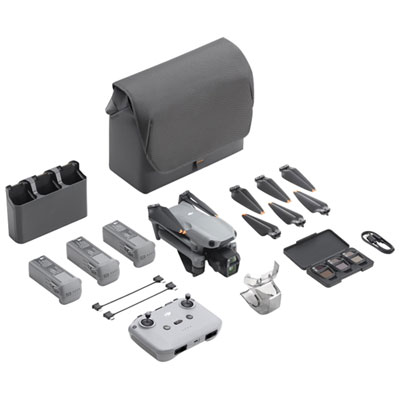
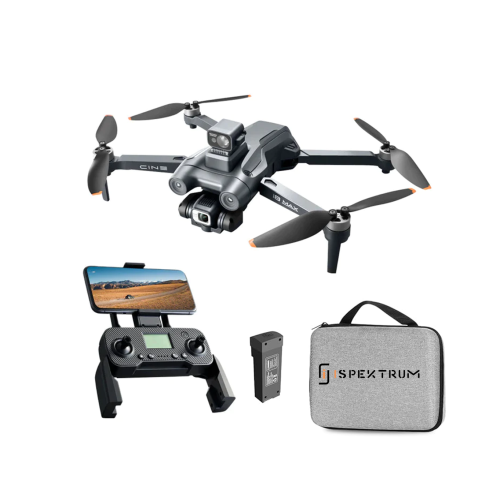
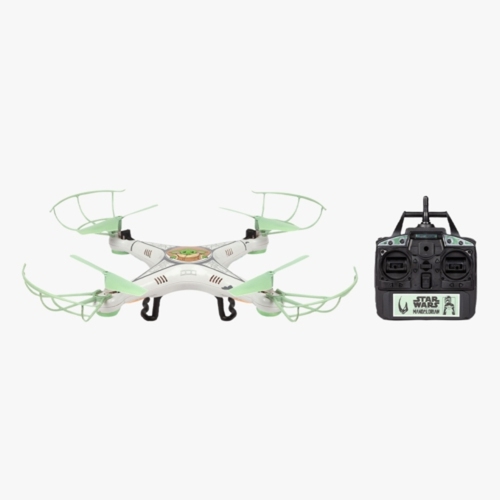
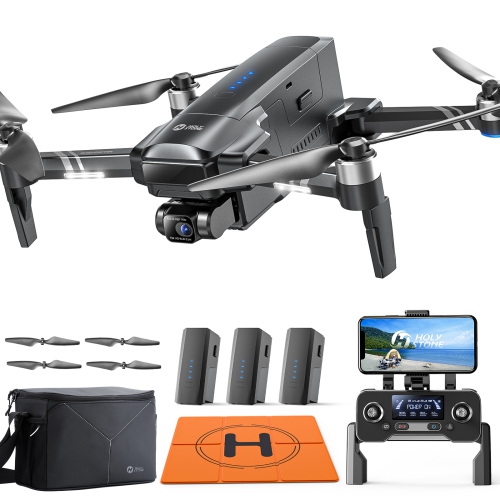
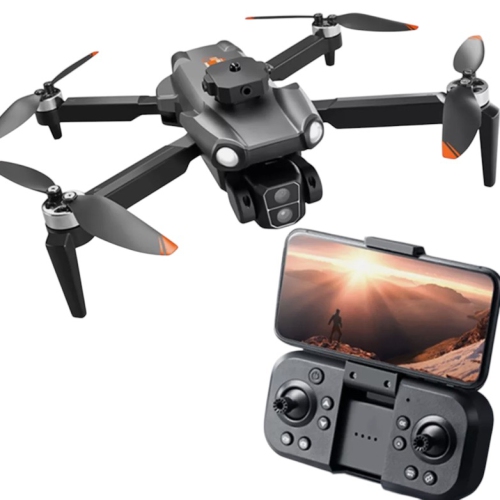
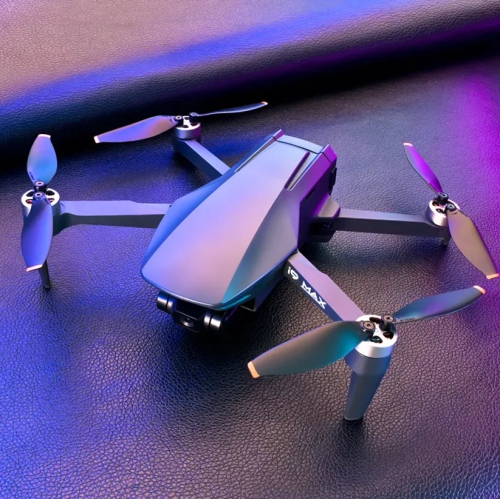
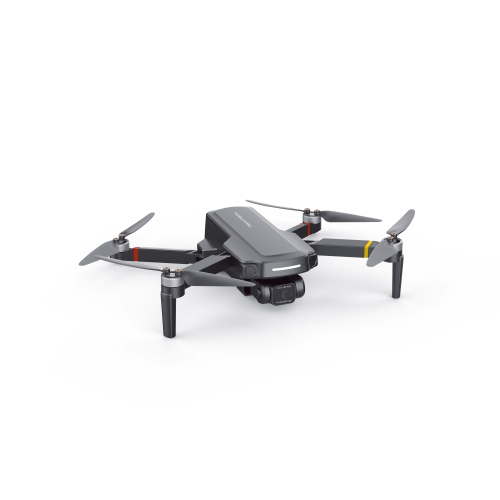
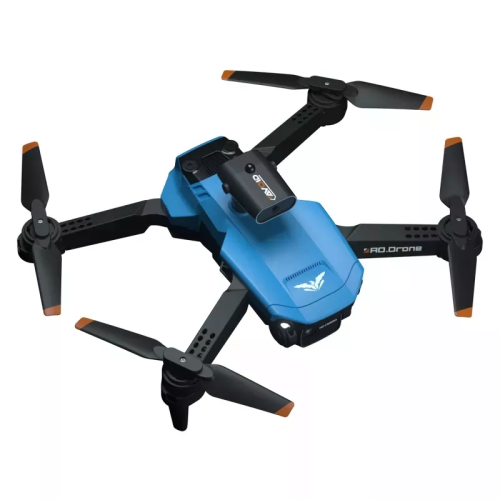
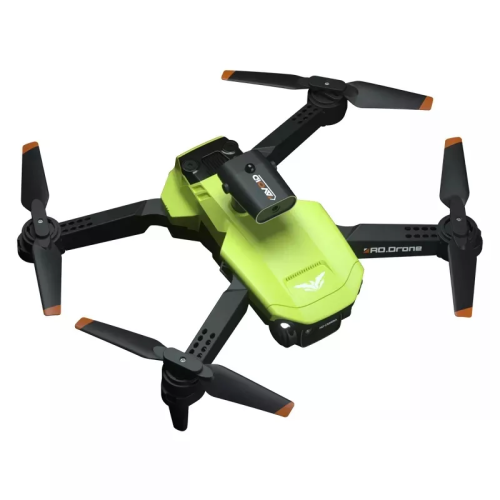
Aerial drones are unmanned aircraft that use remote controls, onboard flight systems, or a combination of both to fly without a pilot inside. Often called unmanned aerial vehicles, or UAVs, they bring an elevated perspective to photography, video, recreation, and specialized work such as mapping and visual inspections. Most consumer camera drones use a multirotor design, with several propellers providing lift and allowing the aircraft to hover, turn, and move precisely. That ability to hold a position makes them useful for framing a wide landscape, capturing the shape of a winding trail, or filming a slow reveal above a permitted filming location. The right type depends on what matters most to the person flying it: a compact folded size for travel, straightforward controls for learning, detailed images for creative projects, or responsive handling for recreational flight. Camera-focused drones generally emphasize steady footage and predictable movement, while first-person view, or FPV, drones emphasize the experience of seeing from the aircraft’s perspective through a compatible display or goggles. Racing and freestyle designs have different handling characteristics and may require considerably more practice than a camera drone with assisted hovering. For everyday photography and recreational use, personal drones offer a related way to explore aircraft intended for individual pilots. These products can appeal to photographers expanding beyond ground-level compositions, travellers who want a different view of places where flight is permitted, and hobbyists who enjoy the connection between technology and hands-on skill. They can also make thoughtful gifts for someone with an established interest in photography or remote-controlled aircraft, provided the aircraft suits the recipient’s age, experience, and access to suitable flying spaces. A lightweight airframe is convenient to carry, but size alone does not establish whether a drone is a toy, how easy it is to operate, or which rules apply. Intended use, control features, and total takeoff weight all deserve attention.
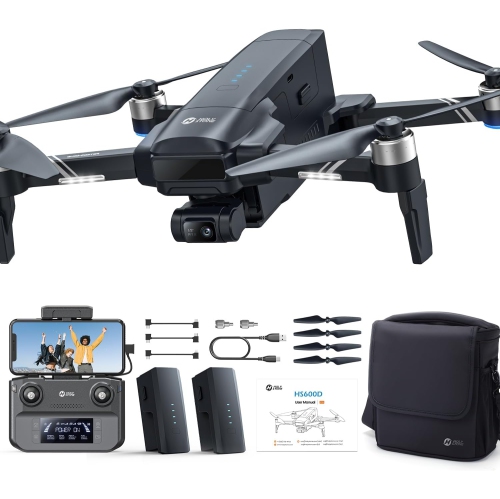
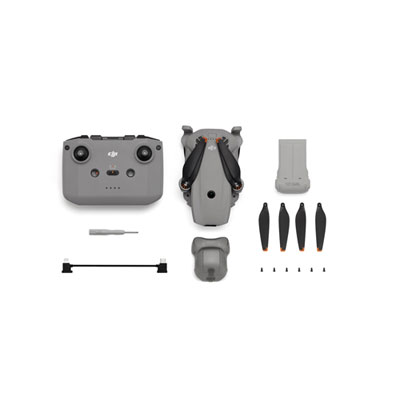
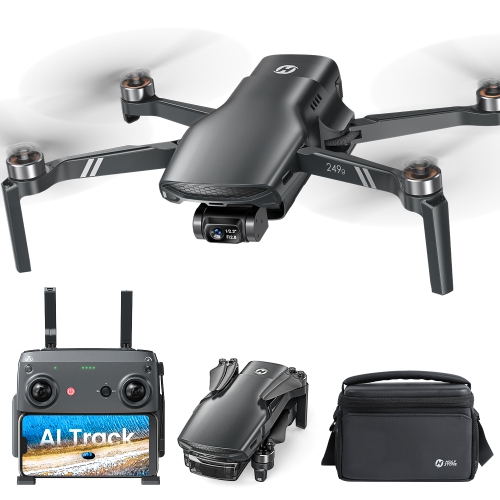
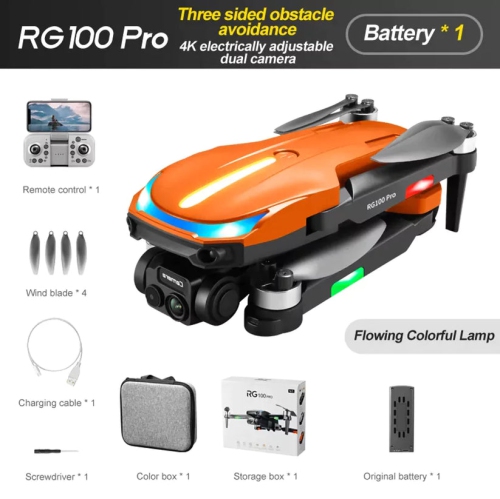
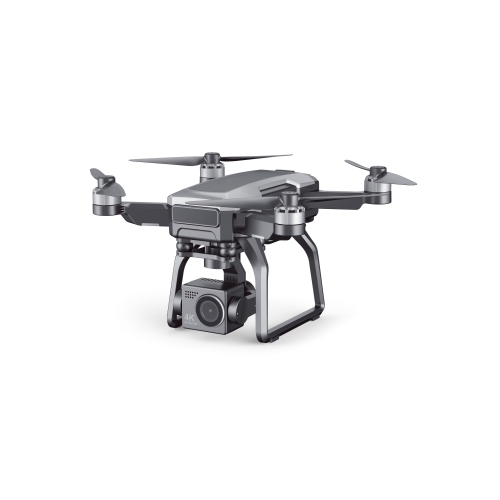
Camera quality involves more than the resolution printed in a specification. A drone that captures 4K video can provide detailed footage, but sensor size, lens quality, image processing, and stabilization also affect the finished result. A mechanical gimbal physically steadies the camera as the aircraft moves, helping keep a horizon level during a tracking shot or a gradual turn. Electronic stabilization works differently and may crop the image, so the distinction matters when a wide field of view is important. Still photographers may value RAW capture for editing flexibility, while video creators may look for suitable frame rates, colour controls, and recording formats that work with their editing software. A vertical shooting option can simplify footage intended for a phone screen, whereas a wider horizontal frame may better suit a television or a longer travel video. Flight features influence how comfortably those images can be captured. Satellite positioning and vision sensors can support stable hovering under suitable conditions, while subject tracking and programmed camera movements can help repeat a particular type of shot. These aids do not replace an attentive pilot, and obstacle sensing varies by direction, distance, lighting, and the type of object in the flight path. Thin branches, wires, and transparent surfaces may be difficult for a sensing system to identify. Return-to-home functions also have operating requirements, making their settings and limitations an important part of ownership. Advertised flight time is typically measured under defined test conditions; actual usable time varies with flight style, payload, battery condition, and the reserve needed for a safe landing. The controller deserves just as much consideration as the aircraft. Some controllers use a compatible smartphone for the live camera view, while others have an integrated screen. Phone fit, supported operating systems, app requirements, screen visibility, and comfortable access to the control sticks all affect the flying experience. A long transmission-range specification is not permission to fly beyond applicable limits or without the required visual contact with the aircraft.
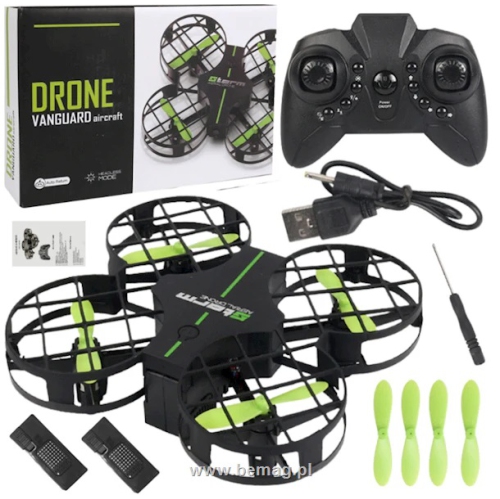
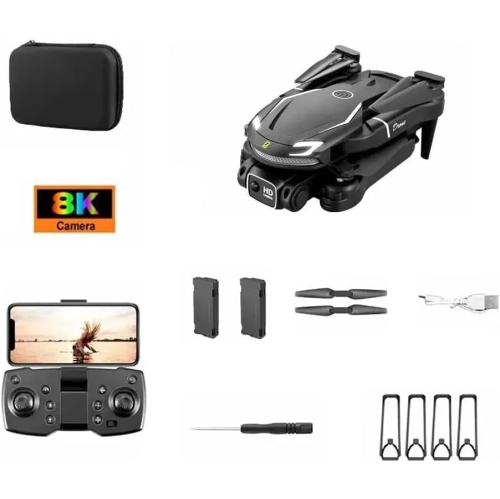
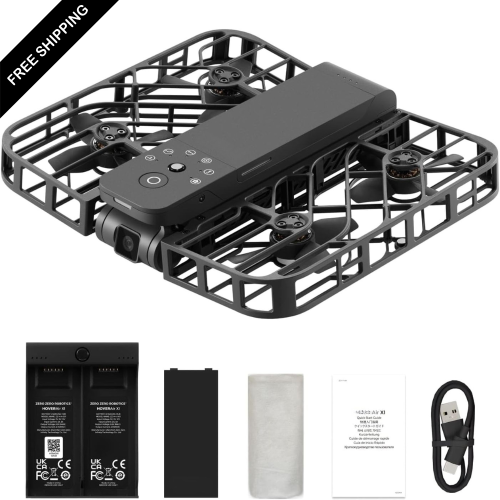
Portability, construction, and care help determine how well an aerial drone fits into regular use. Many compact aircraft use lightweight moulded plastics, while some performance-oriented frames incorporate carbon fibre for stiffness without excessive weight. Neither material makes an aircraft immune to damage: propellers, folding joints, camera mounts, and landing points remain vulnerable to knocks and rough handling. Folding arms can make a drone easier to pack beside a camera, but a fitted case with separate spaces for the aircraft, controller, and batteries helps prevent pressure on delicate parts. A gimbal cover protects the camera assembly during transport and should be removed before operation as directed by the manufacturer. Propeller guards may be useful for certain compatible aircraft and controlled practice spaces, though they add weight and do not make close flight around people safe. Routine care includes checking for cracked or distorted propellers, keeping lenses and sensors clean with suitable materials, and inspecting the aircraft after an impact rather than assuming it is ready for another flight. Rechargeable flight batteries need compatible charging equipment and storage practices that follow the manufacturer’s instructions; swollen or damaged batteries should not remain in use. Removable memory cards also need the capacity and write speed required by the chosen recording settings. For Canadian pilots, practical ownership includes understanding Transport Canada requirements before taking off. Registration and pilot certification generally apply to drones weighing 250 g or more, with requirements depending on the aircraft and operation. Drones below 250 g are not free from safety obligations, and added accessories can change takeoff weight. Airspace restrictions, proximity to airports, permissions for takeoff and landing locations, privacy, and rules set by parks or property owners may all affect where a flight is possible. A nearby open field is not automatically an approved flying location. Matching the aircraft to realistic places to fly, the footage desired, and the care it requires makes the choice more meaningful than focusing on a single headline specification.
Camera quality involves more than the resolution printed in a specification. A drone that captures 4K video can provide detailed footage, but sensor size, lens quality, image processing, and stabilization also affect the finished result. A mechanical gimbal physically steadies the camera as the aircraft moves, helping keep a horizon level during a tracking shot or a gradual turn. Electronic stabilization works differently and may crop the image, so the distinction matters when a wide field of view is important. Still photographers may value RAW capture for editing flexibility, while video creators may look for suitable frame rates, colour controls, and recording formats that work with their editing software. A vertical shooting option can simplify footage intended for a phone screen, whereas a wider horizontal frame may better suit a television or a longer travel video. Flight features influence how comfortably those images can be captured. Satellite positioning and vision sensors can support stable hovering under suitable conditions, while subject tracking and programmed camera movements can help repeat a particular type of shot. These aids do not replace an attentive pilot, and obstacle sensing varies by direction, distance, lighting, and the type of object in the flight path. Thin branches, wires, and transparent surfaces may be difficult for a sensing system to identify. Return-to-home functions also have operating requirements, making their settings and limitations an important part of ownership. Advertised flight time is typically measured under defined test conditions; actual usable time varies with flight style, payload, battery condition, and the reserve needed for a safe landing. The controller deserves just as much consideration as the aircraft. Some controllers use a compatible smartphone for the live camera view, while others have an integrated screen. Phone fit, supported operating systems, app requirements, screen visibility, and comfortable access to the control sticks all affect the flying experience. A long transmission-range specification is not permission to fly beyond applicable limits or without the required visual contact with the aircraft.
Portability, construction, and care help determine how well an aerial drone fits into regular use. Many compact aircraft use lightweight moulded plastics, while some performance-oriented frames incorporate carbon fibre for stiffness without excessive weight. Neither material makes an aircraft immune to damage: propellers, folding joints, camera mounts, and landing points remain vulnerable to knocks and rough handling. Folding arms can make a drone easier to pack beside a camera, but a fitted case with separate spaces for the aircraft, controller, and batteries helps prevent pressure on delicate parts. A gimbal cover protects the camera assembly during transport and should be removed before operation as directed by the manufacturer. Propeller guards may be useful for certain compatible aircraft and controlled practice spaces, though they add weight and do not make close flight around people safe. Routine care includes checking for cracked or distorted propellers, keeping lenses and sensors clean with suitable materials, and inspecting the aircraft after an impact rather than assuming it is ready for another flight. Rechargeable flight batteries need compatible charging equipment and storage practices that follow the manufacturer’s instructions; swollen or damaged batteries should not remain in use. Removable memory cards also need the capacity and write speed required by the chosen recording settings. For Canadian pilots, practical ownership includes understanding Transport Canada requirements before taking off. Registration and pilot certification generally apply to drones weighing 250 g or more, with requirements depending on the aircraft and operation. Drones below 250 g are not free from safety obligations, and added accessories can change takeoff weight. Airspace restrictions, proximity to airports, permissions for takeoff and landing locations, privacy, and rules set by parks or property owners may all affect where a flight is possible. A nearby open field is not automatically an approved flying location. Matching the aircraft to realistic places to fly, the footage desired, and the care it requires makes the choice more meaningful than focusing on a single headline specification.
Top selling and popular products
-
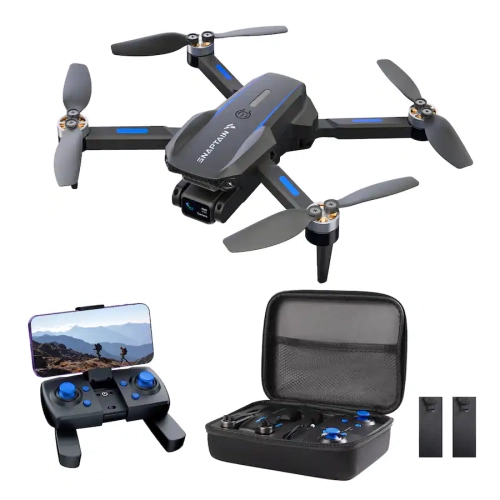 Your price for this item is $109.98
 -
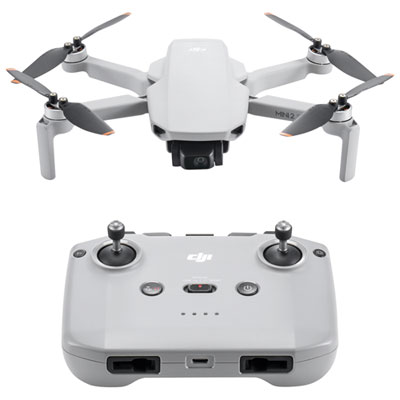 Your price for this item is $359.99
 -
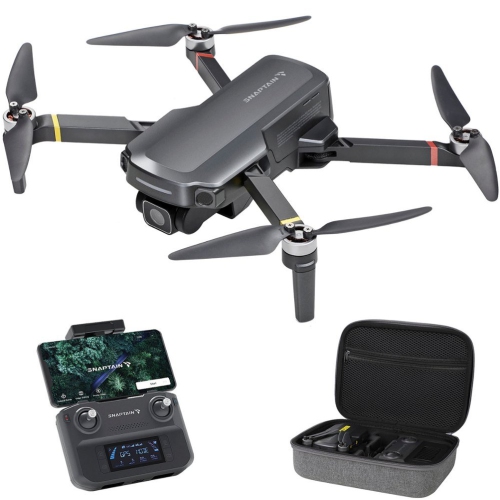 Your price for this item is $279.9
 -
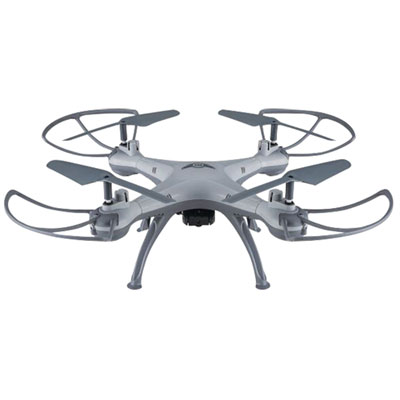 Your price for this item is $49.99
 -
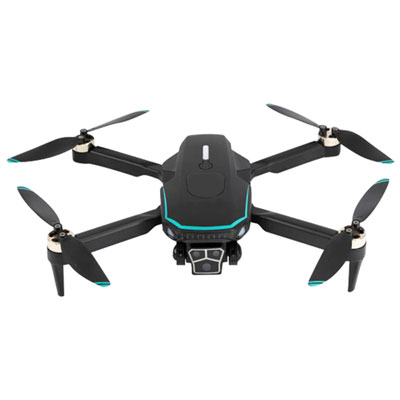 Your price for this item is $79.99
 -
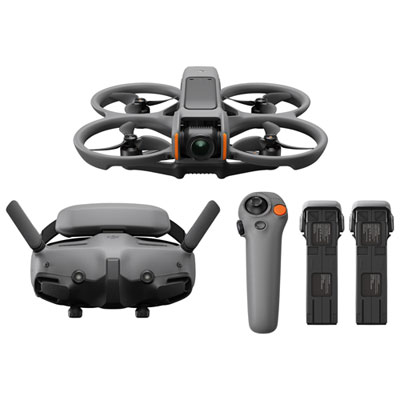 Your price for this item is $1279.99
 -
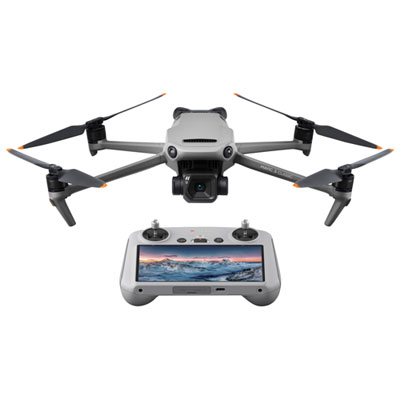 Your price for this item is $1759.99
 -
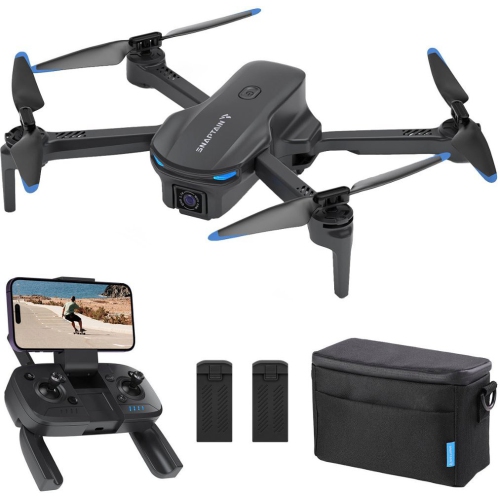 Your price for this item is $189.9
Discover more categories related to Aerial Drones
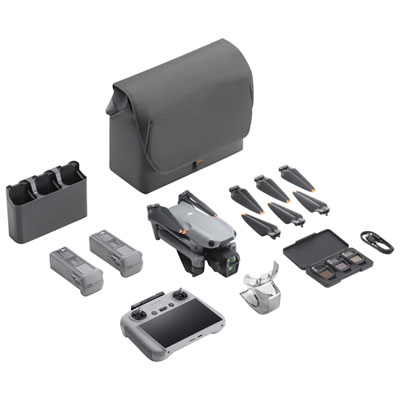
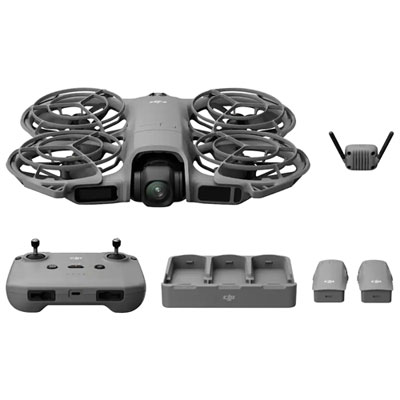
Top Collections:
Pokemon Centers, Kindle Devices, Best Budget Office Chairs, Apple iPhones 16, Best Laptops for Writers, iPhone 15 Apple, Canon G7X Cameras, Refurbished Apple Laptops, Alarm Clock, Motorola Razr Phones
Some products may be subject to Environmental Handling Fees
(EHF) depending on your province.
Learn more about EHFs.