Professional Aerial Photography Drones
Professional Aerial Photography Drones open up a new world of creative possibilities, delivering the advanced technology and precision control needed for capturing stunning images and video from above. Designed for photographers, videographers, and content creators, these drones make it easier than ever to achieve dynamic aerial perspectives for any project. Explore a wide range of options suited for both seasoned professionals and those looking to elevate their craft with high-quality aerial shots. Find the right Professional Aerial Photography Drone to take your visual storytelling to new heights.
Sort
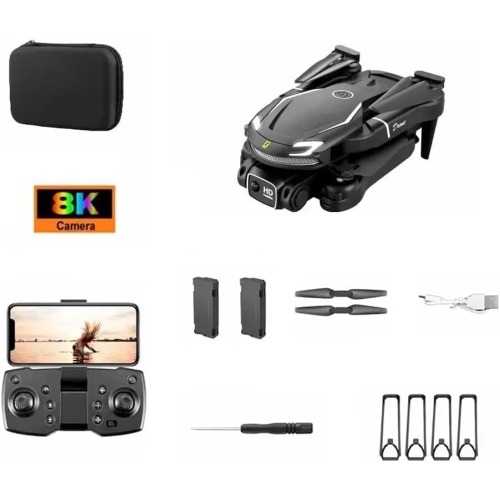
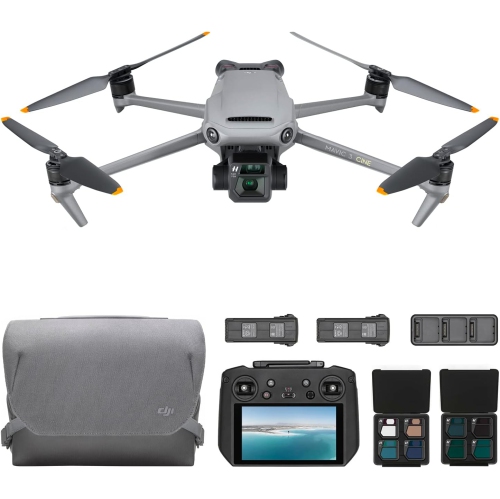
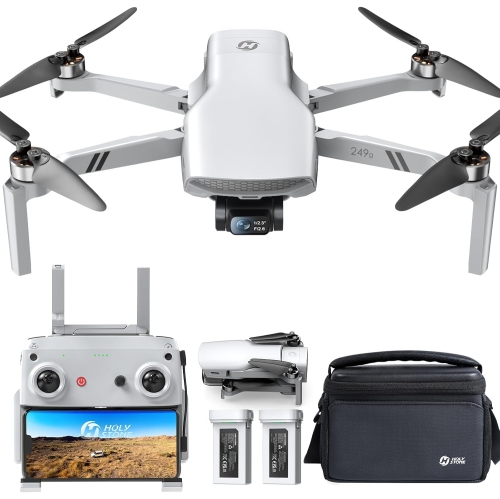
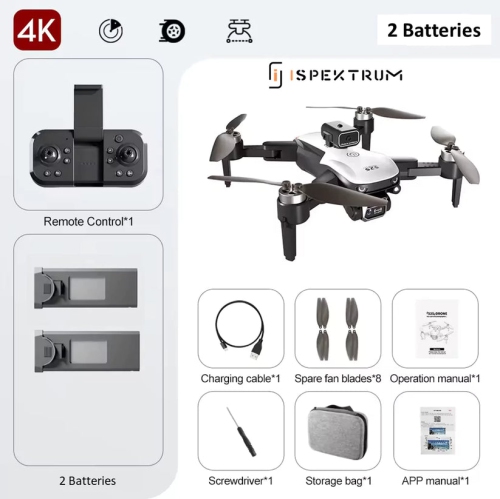
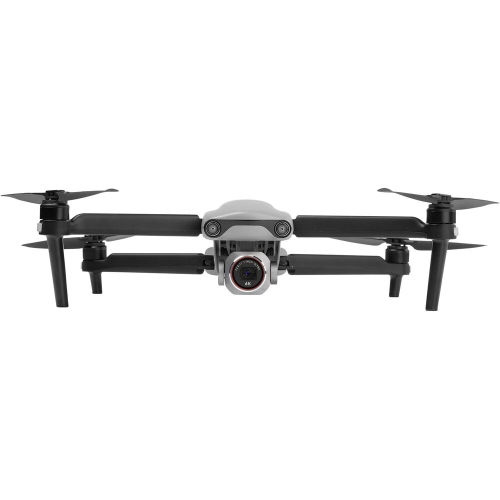
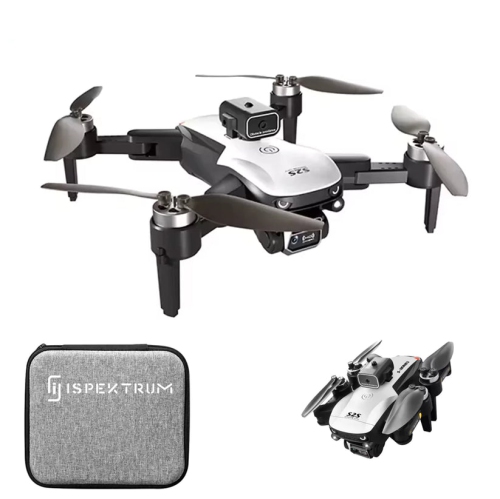
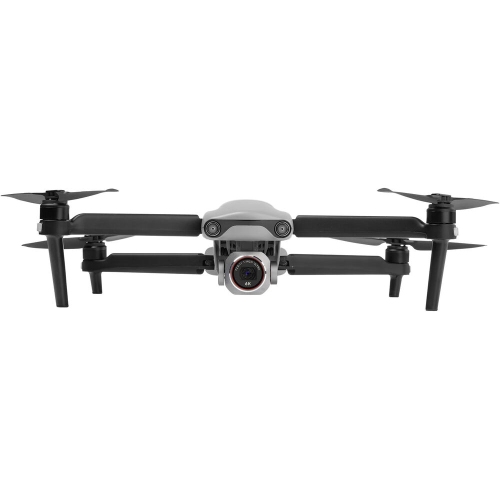
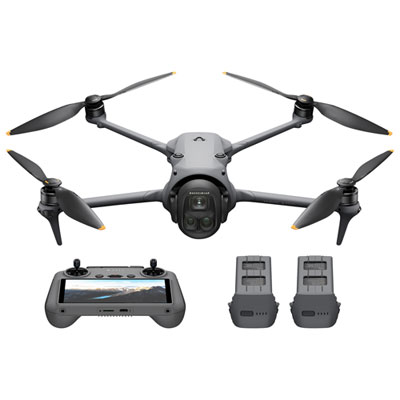
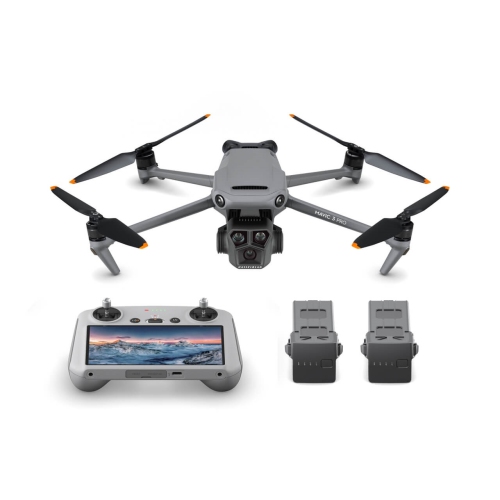
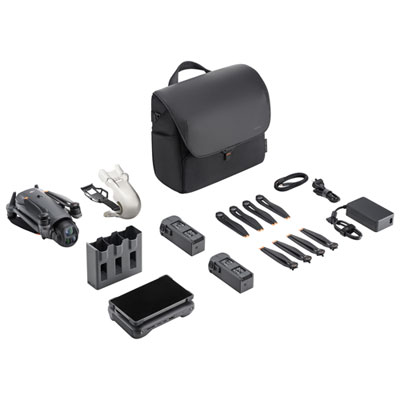
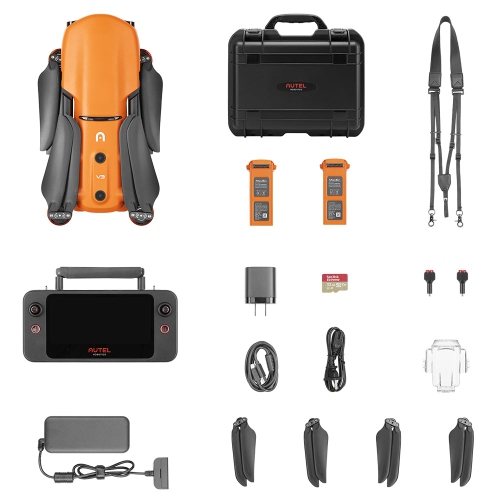
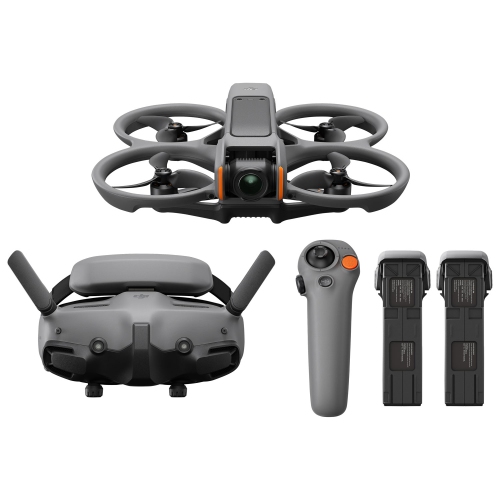

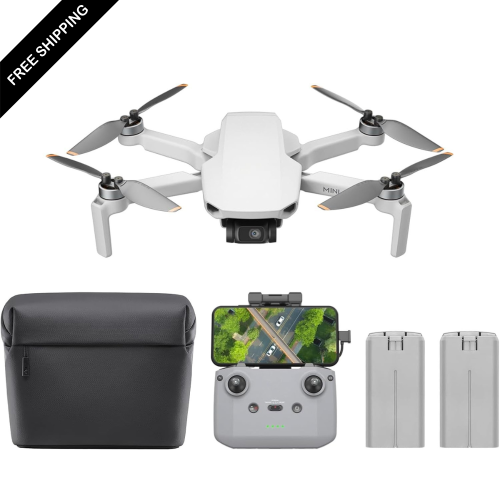
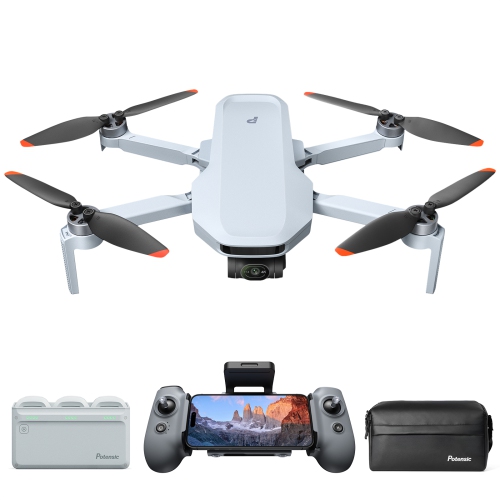
Why great aerial photographs take more than megapixels
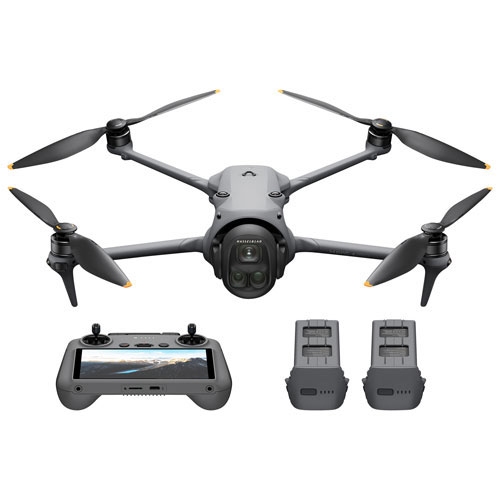
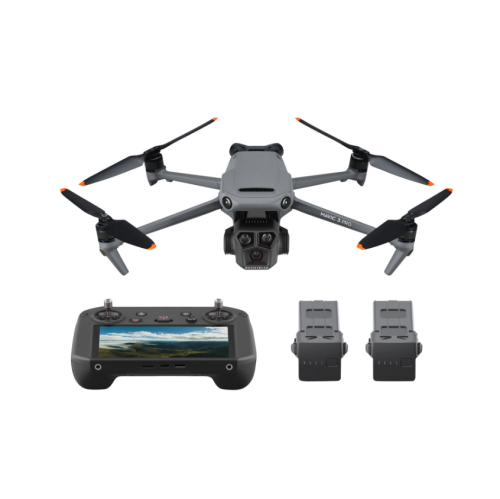
Professional aerial photography drones are camera-equipped aircraft designed to capture detailed still images from viewpoints that ground-based equipment cannot easily reach. For photography-focused work, the most useful features include a capable image sensor, a sharp lens, stable camera support, manual exposure controls, and reliable flight control. Their value is not defined by megapixels alone: sensor size, lens quality, dynamic range, and file flexibility all influence how an image holds up through editing, cropping, and large-format printing. A real estate photographer might need to show a property’s layout, driveway, and relationship to neighbouring streets in one balanced frame. An architectural photographer may be more concerned with clean rooflines, accurate colour, and retaining detail across bright façades and shaded courtyards. Landscape and fine-art photographers often look for subtle tonal transitions and enough image information to make thoughtful adjustments without losing texture. Larger sensors can offer advantages in image quality, although results also depend on exposure, optics, and processing. RAW capture provides more flexibility for adjusting white balance and recovering tonal detail than a finished JPEG alone, while adjustable aperture and manual shutter settings give photographers greater control over the final image. A stabilized gimbal helps maintain a consistent camera angle as the aircraft moves, making careful framing easier. Wide-angle lenses suit expansive compositions, while a longer focal length can isolate architectural details or create a different sense of distance between foreground and background. Optical zoom and separate camera modules provide different shooting options; digital zoom primarily crops or enlarges the captured image and can reduce usable detail. For assignments that include motion footage, video resolution, frame rates, colour profiles, and recording formats also matter, but strong video specifications do not automatically mean stronger still photographs. The best fit for professional aerial photography is an aircraft whose camera capabilities match the intended deliverables, whether those are property listings, commercial campaign images, editorial photographs, or gallery prints. Consistent results and manageable files are often more valuable than a feature list that adds complexity without improving the finished work.
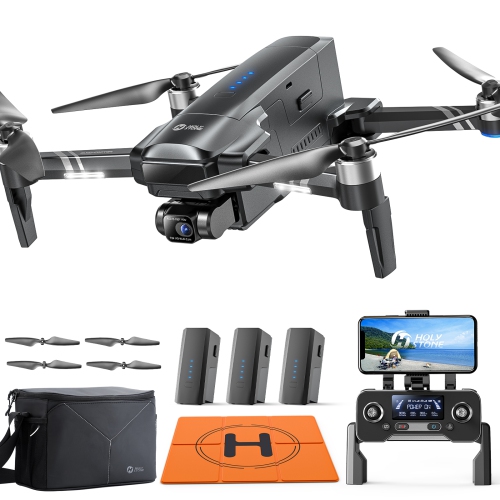
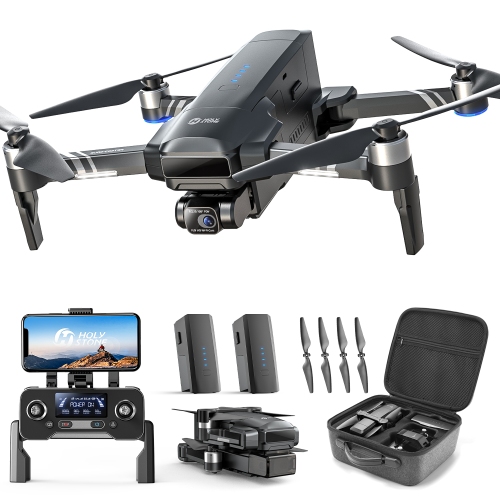
The aircraft itself plays an equally important role in producing usable photographs. Precise hovering and responsive controls help hold a composition while the photographer adjusts exposure or waits for a clear view of the subject. Positioning systems, return-to-home functions, and obstacle-sensing features can support flight management, but their capabilities vary and none replaces attentive piloting or a clear understanding of the surroundings. Overhead cables, narrow gaps between structures, and obstacles outside a sensor’s field of view can still present hazards. A controller with a clear live camera view makes it easier to judge framing, monitor flight information, and spot distractions near the edges of an image. Screen readability, comfortable controls, and the layout of camera settings affect how smoothly an assignment runs, especially when several compositions must be captured at the same location. Battery endurance matters in practical terms: a photographer needs enough working time to position the aircraft, refine the shot, and return with an appropriate reserve, rather than planning around an advertised maximum alone. Foldable designs can simplify transport between locations, while larger aircraft may require more space for carrying, setup, and safe operation. Neither size automatically determines image quality, so portability should be considered alongside camera performance and the demands of the work. Airframes may combine lightweight polymers and metal components, with hinges, motor mounts, and gimbal assemblies forming important points to assess for durability. A protective carrying case with fitted compartments helps keep the camera, propellers, controller, and batteries secure in transit. Equipment fit extends to the full kit: replacement propellers, batteries, chargers, filters, and storage media need to be compatible with the aircraft and camera system. Neutral-density filters can be useful for controlling exposure during video capture, but they are not a universal requirement for still photography. For photographers travelling between client sites, an organized kit with clearly separated charged batteries and empty memory cards can make the difference between a smooth setup and time lost sorting equipment.
Professional use also depends on what happens before and after the flight. A commercial photographer may need a repeatable sequence of wide establishing images, closer views, and detail photographs that fit an existing portfolio or client brief. A construction documentarian may need consistent viewpoints across several visits, while a tourism photographer may prioritize compositions that show the scale and character of a destination without making every image look like a straight-down aerial view. Some aircraft support saved routes or repeatable camera movements, although the precision and flexibility of those functions differ. Mapping work adds further requirements, such as planned image overlap, suitable positioning information, and compatible processing software; a high-resolution camera alone does not make an aircraft suitable for every measurement task. For a broader range of working applications, Best Professional Drones offers a related starting point, while photography-focused choices remain centred on image quality, framing control, and dependable operation. File handling deserves similar attention. High-resolution photographs and demanding video formats require suitable storage media, sufficient computer storage, and an editing workflow that supports the camera’s file types. Straightforward transfer options and reliable backups help keep a completed shoot organized from capture to delivery. Regular care protects that investment: lenses benefit from appropriate optical cleaning tools, propellers should be checked for damage, and gimbal restraints should be used as directed during transport. Batteries require charging, storage, and inspection practices that follow the manufacturer’s instructions, and worn or damaged components should not be treated as cosmetic issues. In Canada, registration, pilot certification, airspace permissions, and other operating requirements may apply depending on the aircraft and the flight. Site access, privacy, and permission to capture or publish images also deserve attention when photographing homes, businesses, or people. These drones can suit working photographers, creative studios, and experienced hobbyists developing a more demanding aerial practice. As a gift, compatibility with the recipient’s editing setup, existing accessories, and piloting experience matters as much as the camera specifications. A well-matched aircraft supports a practical photographic workflow, bringing distinctive perspectives into a body of work without making the equipment the centre of every image.
Top selling and popular products
-
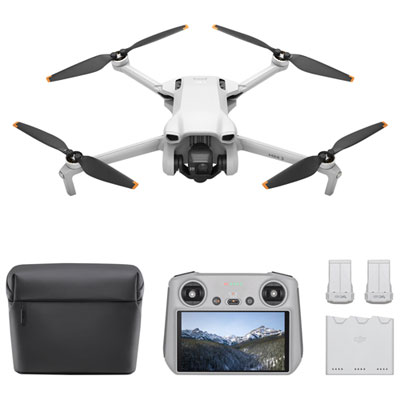 Your price for this item is $689.97
-
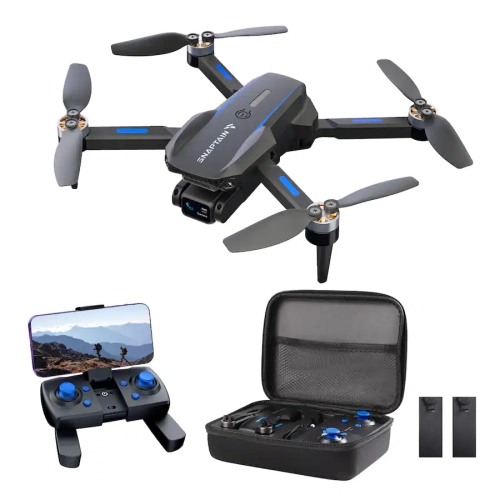 Your price for this item is $109.98
-
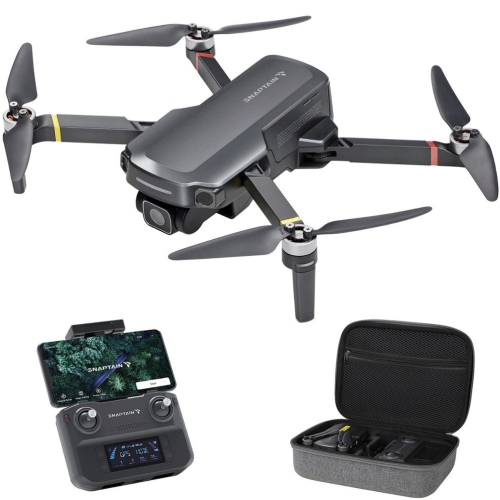 Your price for this item is $279.9
-
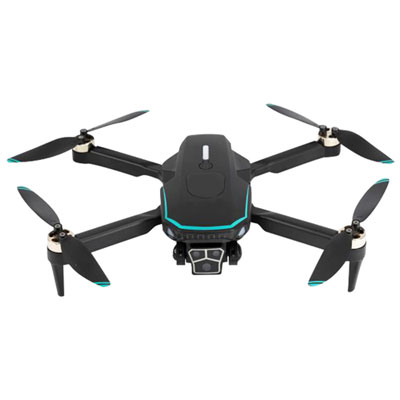 Your price for this item is $79.99
-
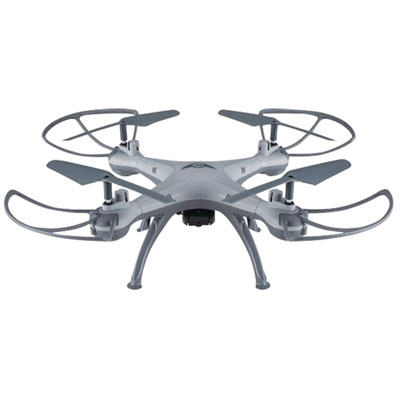 Your price for this item is $49.99
-
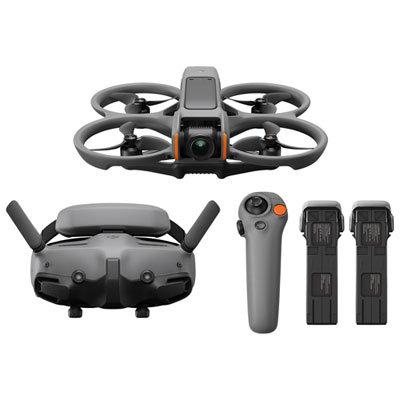 Your price for this item is $1279.99
-
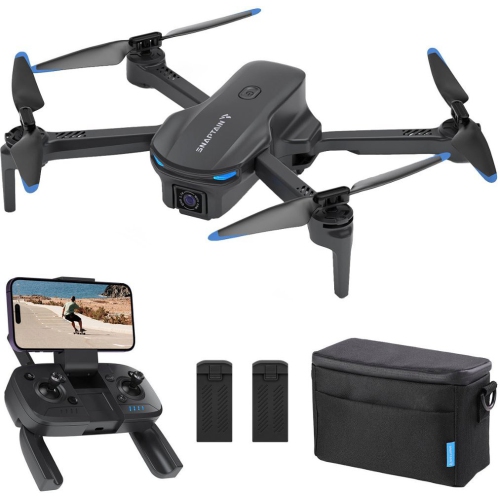 Your price for this item is $189.9
-
 Your price for this item is $205.99
Discover more categories related to Professional Aerial Photography Drones
Top Collections:
Best Black Friday Deals This Year, Best Black Friday Deals On Electronics, Kindle Devices, Best Black Friday Deals On Apple Products, Best Budget Office Chairs, Best Cameras for Sports Photography, Dyson Airwrap, Canon G7X Cameras, Best Laptops for Writers, Samsung Galaxy Phones
Some products may be subject to Environmental Handling Fees
(EHF) depending on your province.
Learn more about EHFs.