Affordable Camera Drones
Capture stunning aerial shots without breaking the bank with our collection of affordable camera drones. Whether you're an aspiring photographer, a tech enthusiast, or simply looking to explore the world from a different perspective, these budget-friendly drones are perfect for beginners and seasoned pilots alike. With advanced features, intuitive controls, and high-quality cameras, these drones offer an incredible value for money. Elevate your photography and videography skills with ease, as you soar through the skies and capture breathtaking moments from angles you've never imagined. Discover the perfect affordable camera drone that suits your needs and take your creativity to new heights.
Sort

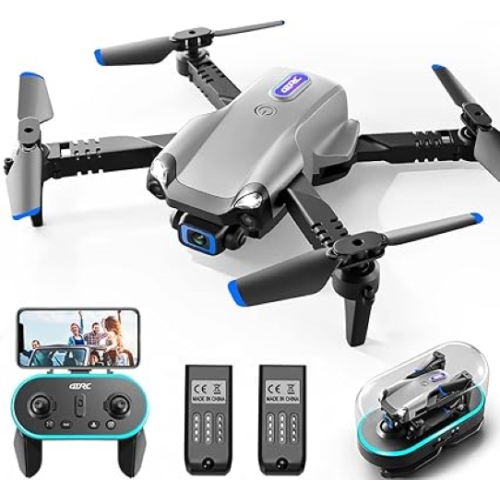
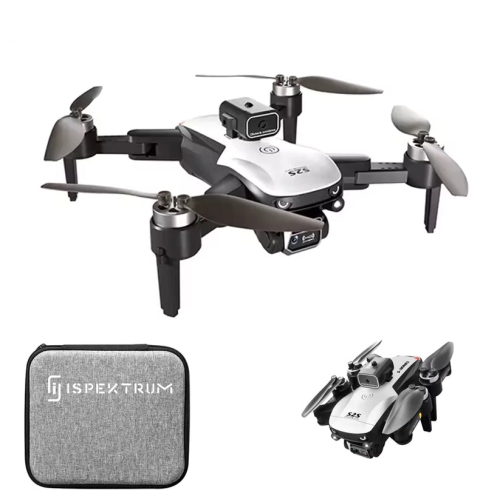
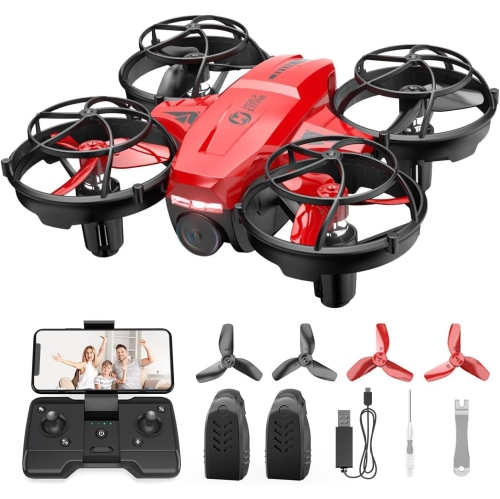
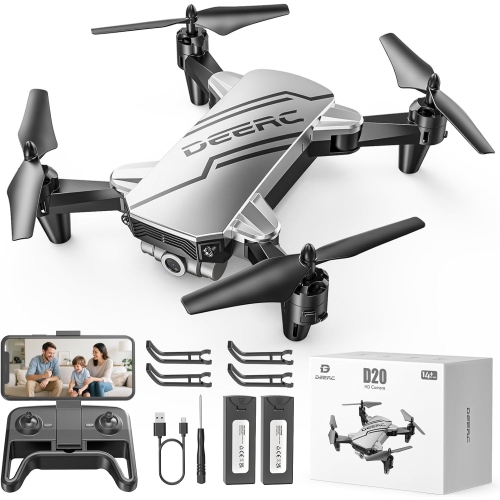
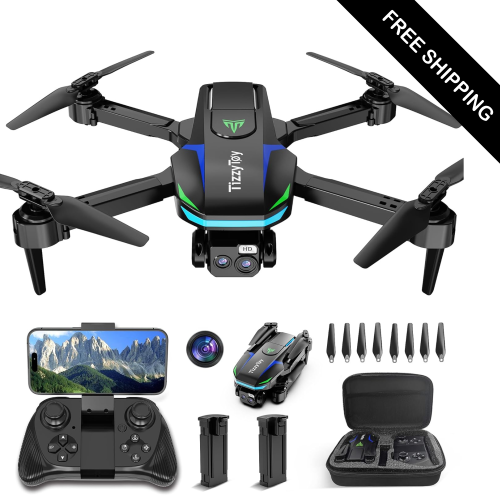
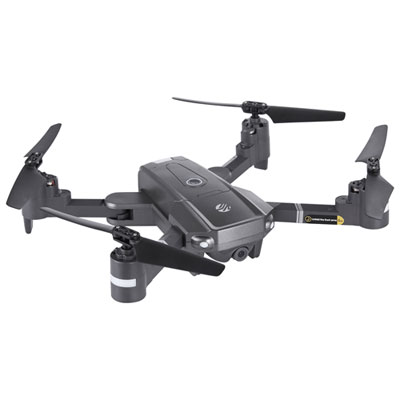
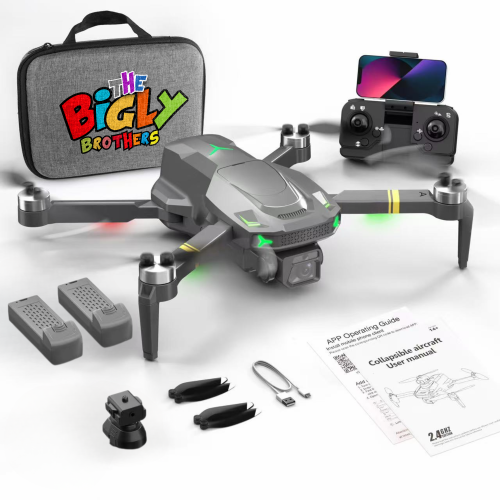
Why steadier aerial footage takes more than 4K
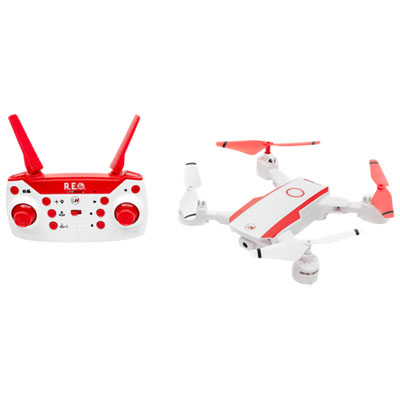
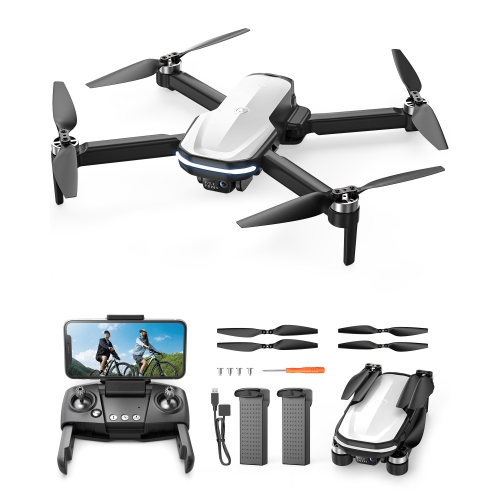
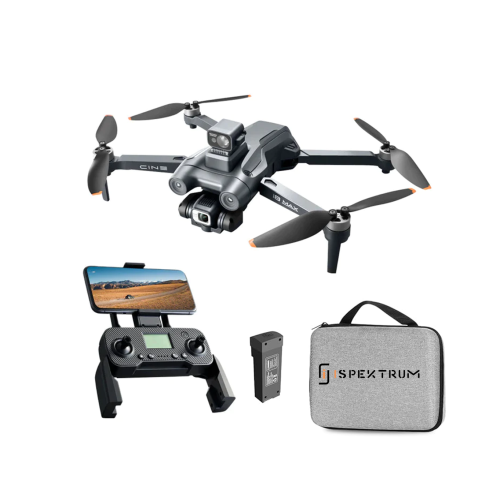
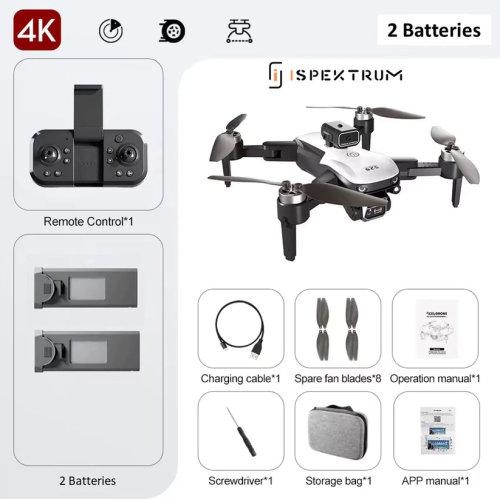
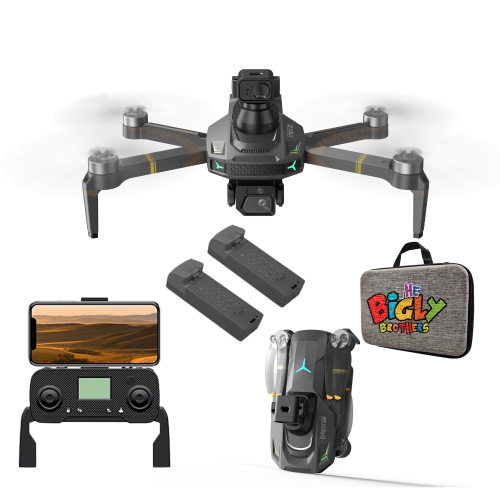
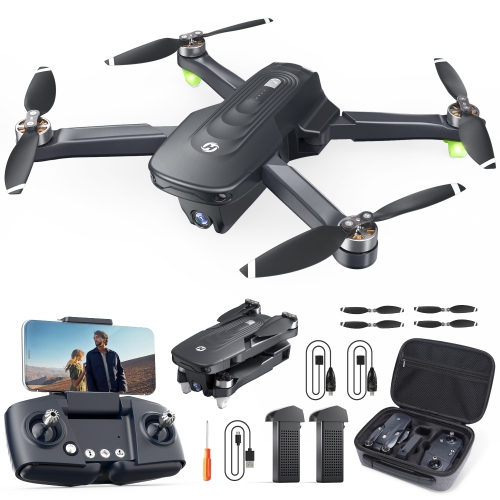
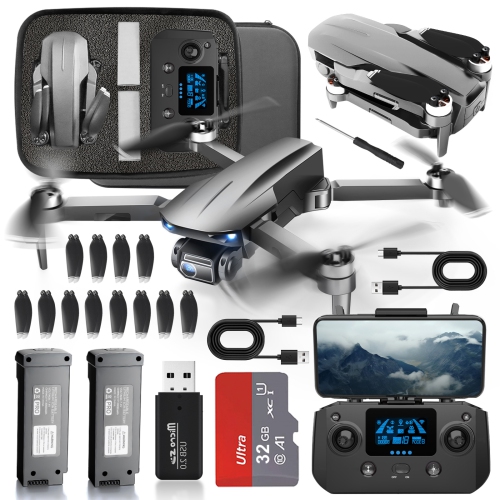
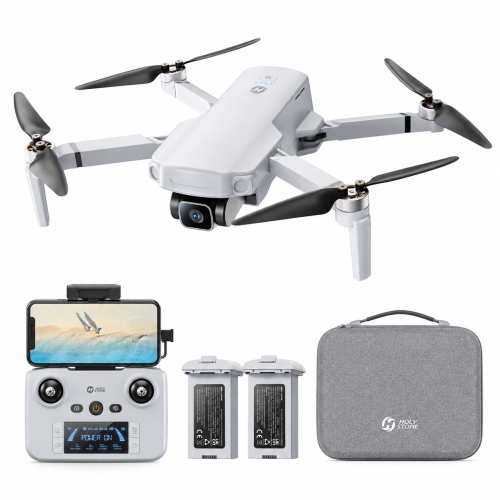
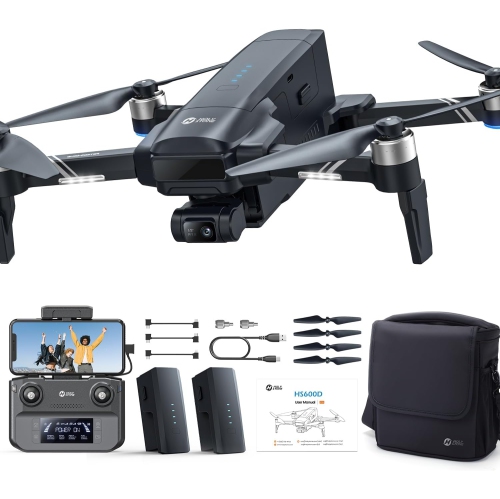
Affordable camera drones bring aerial photography and everyday flying into a compact, approachable format, giving beginners and casual creators a way to capture views that a handheld camera cannot easily reach. These camera-equipped aircraft can suit someone learning to frame a landscape from above, a hobbyist practising controlled movements in an open flying area, or a traveller adding a few aerial clips to a personal video. Their appeal lies in the combination of manageable controls, useful imaging features, and a design that is easy to carry and set up. The most suitable choice depends on whether the main interest is learning to fly, taking still photos, or making smoother video footage. Camera resolution is one consideration, but it does not tell the whole story: lens quality, image processing, stabilization, and the way footage is saved all affect the finished result. A camera described as 4K may capture more detail than one limited to 1080p, but a higher resolution alone does not guarantee clearer images or steadier movement. Mechanical gimbals physically adjust the camera to help keep the horizon level, while electronic stabilization processes the image and may crop the frame. Some entry-level designs use a fixed camera with little or no stabilization, making them better suited to casual snapshots and flight practice than polished moving shots. An adjustable camera angle can make framing easier, whether the goal is a broad view towards the horizon or a downward view of a permitted flying area. It is also worth distinguishing the resolution of saved footage from the quality of the live preview on a phone or controller, since these can differ. For someone who mainly wants to learn takeoff, hovering, and gentle turns, predictable handling may matter more than the highest camera specification. For someone who enjoys editing videos, supported file formats, frame rates, and onboard storage deserve closer attention. A short, steady clip with deliberate framing can be more useful than a long flight filled with abrupt turns.
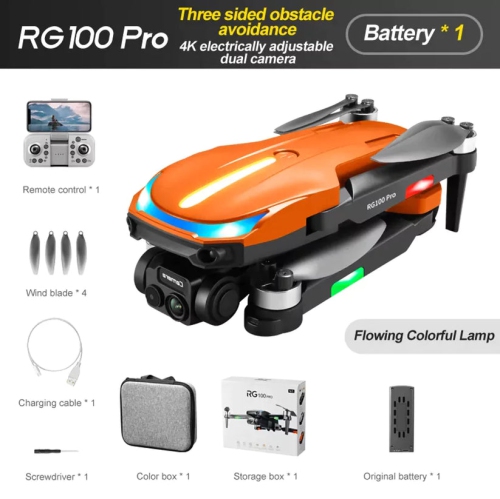
Flight controls and positioning features shape how comfortable a camera drone feels in use. Altitude hold can help maintain height, though it does not necessarily stop sideways drift, while GPS-assisted positioning can support a steadier hover when satellite reception and other operating requirements are met. Downward-facing visual sensors may also help with positioning, but their performance can depend on lighting and the texture of the surface below. One-touch takeoff and landing can simplify those parts of a flight, and adjustable speed settings let a new pilot practise small inputs before attempting quicker movements. Return-to-home features can be helpful, but their behaviour varies by model and may depend on a correctly established home point, sufficient battery power, and suitable positioning signals. Obstacle sensing is another feature to examine carefully rather than assume: detection may cover only certain directions, and thin branches, wires, or other difficult-to-detect objects can still present hazards. These aids support attentive flying rather than replace it. A dedicated controller offers physical sticks for precise movement, while phone-based controls may appeal to someone who prefers carrying fewer accessories. Where a phone provides the camera view, screen visibility, device compatibility, app requirements, and the fit of the phone holder all influence day-to-day use. Wi-Fi connectivity may carry a live image or control signal, but it does not mean the drone needs a home internet connection during flight. Connection methods differ, so compatible phone software and any setup requirements are important details. Published transmission distance is not permission to fly that far; keeping the aircraft within visual line of sight remains central to safe operation. Battery endurance also needs context, because stated flight times are usually measured under defined test conditions rather than every possible use. Time spent taking off, positioning the camera, and returning to land leaves less time for capturing footage. Removable batteries can make separate flying sessions more convenient, while charging method, charge time, and whether a suitable charger is included affect how easily the equipment fits into a routine.
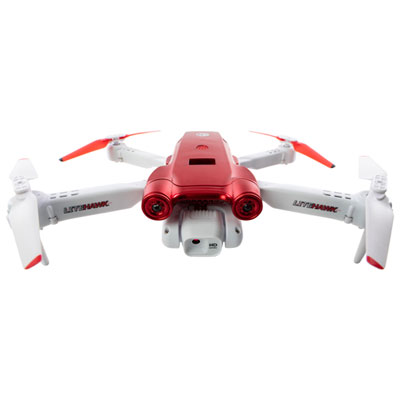
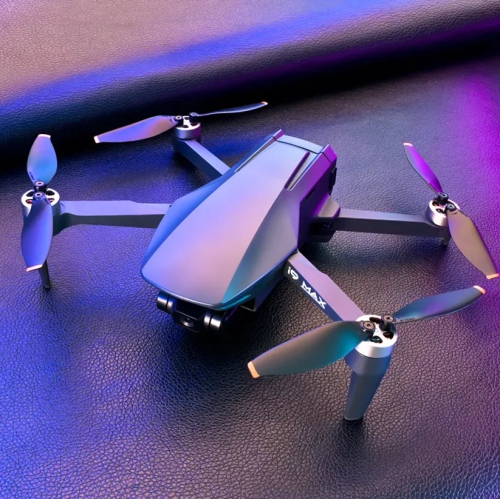
Physical design matters just as much as camera and control features, particularly for a drone that will be packed away after each outing. Many small camera drones use lightweight plastic housings, with folding arms that reduce their packed size. A compact body is convenient, but hinges, motor mounts, and exposed camera assemblies still need careful handling. For shoppers who place a particular emphasis on portability, Lightweight Camera Drones offers a closely related category to explore. Weight should be considered alongside folded dimensions, controller size, and the space needed for batteries and protective storage. Propeller guards can reduce contact with the spinning blades on compatible designs, although they do not make a drone harmless or suitable for flying close to people and pets. Indoor use should be limited to aircraft intended for it, with adequate clearance and permission to use the space. A fitted case helps protect delicate parts during transport, while replaceable propellers make routine upkeep more practical. Before each flight, check blades for chips or bends, confirm that folding arms are fully extended, and make sure the battery is securely seated. After use, remove dust with a soft brush and clean the camera lens with an appropriate lens cloth rather than a rough fabric that could scratch it. Batteries need the manufacturer’s specified charging and storage practices, and damaged or swollen packs should not be used. As a gift, a camera drone can suit a photography enthusiast, a curious adult beginner, or an older teen with appropriate supervision, provided the intended flying location and skill level are considered. Age ratings and required phone access are useful details to confirm before choosing. In Canada, aircraft weight and the type of operation affect registration and pilot certification requirements; drones below 250 g still carry safety responsibilities and are not permitted everywhere. Transport Canada rules, airspace restrictions, local takeoff and landing rules, and the privacy of nearby people all matter. Matching the aircraft to a legal place to practise, a comfortable control setup, and a realistic creative goal helps make camera-drone ownership enjoyable beyond the first flight.
Flight controls and positioning features shape how comfortable a camera drone feels in use. Altitude hold can help maintain height, though it does not necessarily stop sideways drift, while GPS-assisted positioning can support a steadier hover when satellite reception and other operating requirements are met. Downward-facing visual sensors may also help with positioning, but their performance can depend on lighting and the texture of the surface below. One-touch takeoff and landing can simplify those parts of a flight, and adjustable speed settings let a new pilot practise small inputs before attempting quicker movements. Return-to-home features can be helpful, but their behaviour varies by model and may depend on a correctly established home point, sufficient battery power, and suitable positioning signals. Obstacle sensing is another feature to examine carefully rather than assume: detection may cover only certain directions, and thin branches, wires, or other difficult-to-detect objects can still present hazards. These aids support attentive flying rather than replace it. A dedicated controller offers physical sticks for precise movement, while phone-based controls may appeal to someone who prefers carrying fewer accessories. Where a phone provides the camera view, screen visibility, device compatibility, app requirements, and the fit of the phone holder all influence day-to-day use. Wi-Fi connectivity may carry a live image or control signal, but it does not mean the drone needs a home internet connection during flight. Connection methods differ, so compatible phone software and any setup requirements are important details. Published transmission distance is not permission to fly that far; keeping the aircraft within visual line of sight remains central to safe operation. Battery endurance also needs context, because stated flight times are usually measured under defined test conditions rather than every possible use. Time spent taking off, positioning the camera, and returning to land leaves less time for capturing footage. Removable batteries can make separate flying sessions more convenient, while charging method, charge time, and whether a suitable charger is included affect how easily the equipment fits into a routine.
Physical design matters just as much as camera and control features, particularly for a drone that will be packed away after each outing. Many small camera drones use lightweight plastic housings, with folding arms that reduce their packed size. A compact body is convenient, but hinges, motor mounts, and exposed camera assemblies still need careful handling. For shoppers who place a particular emphasis on portability, Lightweight Camera Drones offers a closely related category to explore. Weight should be considered alongside folded dimensions, controller size, and the space needed for batteries and protective storage. Propeller guards can reduce contact with the spinning blades on compatible designs, although they do not make a drone harmless or suitable for flying close to people and pets. Indoor use should be limited to aircraft intended for it, with adequate clearance and permission to use the space. A fitted case helps protect delicate parts during transport, while replaceable propellers make routine upkeep more practical. Before each flight, check blades for chips or bends, confirm that folding arms are fully extended, and make sure the battery is securely seated. After use, remove dust with a soft brush and clean the camera lens with an appropriate lens cloth rather than a rough fabric that could scratch it. Batteries need the manufacturer’s specified charging and storage practices, and damaged or swollen packs should not be used. As a gift, a camera drone can suit a photography enthusiast, a curious adult beginner, or an older teen with appropriate supervision, provided the intended flying location and skill level are considered. Age ratings and required phone access are useful details to confirm before choosing. In Canada, aircraft weight and the type of operation affect registration and pilot certification requirements; drones below 250 g still carry safety responsibilities and are not permitted everywhere. Transport Canada rules, airspace restrictions, local takeoff and landing rules, and the privacy of nearby people all matter. Matching the aircraft to a legal place to practise, a comfortable control setup, and a realistic creative goal helps make camera-drone ownership enjoyable beyond the first flight.
Top selling and popular products
-
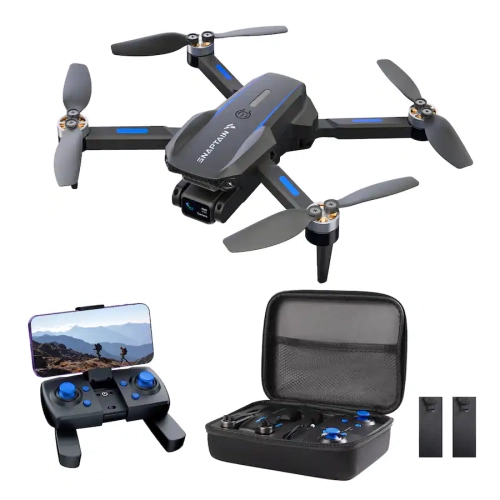 Your price for this item is $109.98
 -
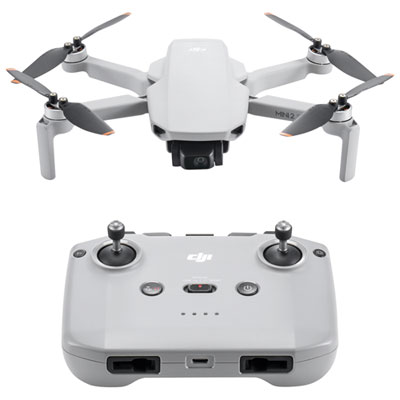 Your price for this item is $359.99
 -
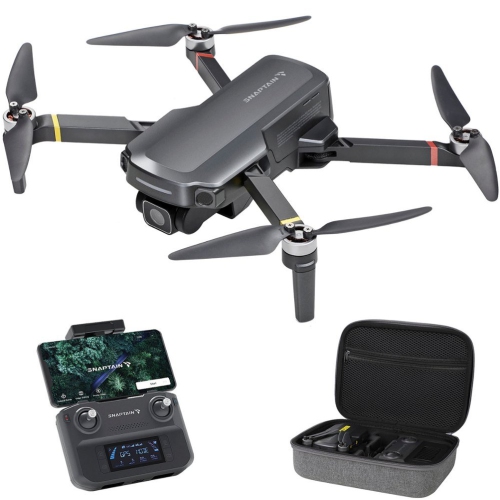 Your price for this item is $279.9
 -
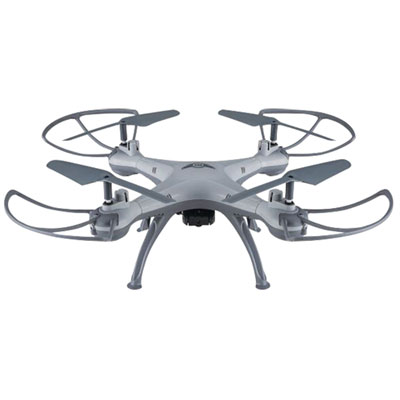 Your price for this item is $49.99
 -
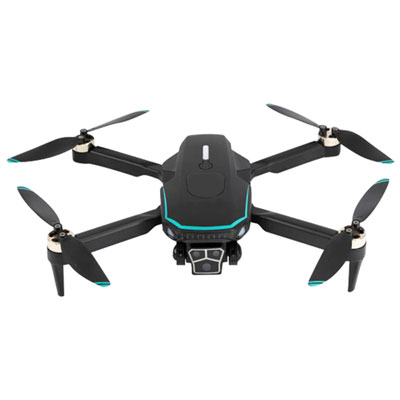 Your price for this item is $79.99
 -
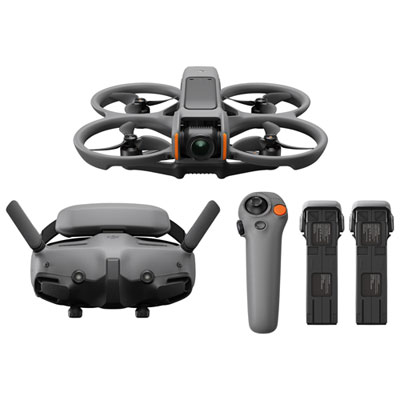 Your price for this item is $1279.99
 -
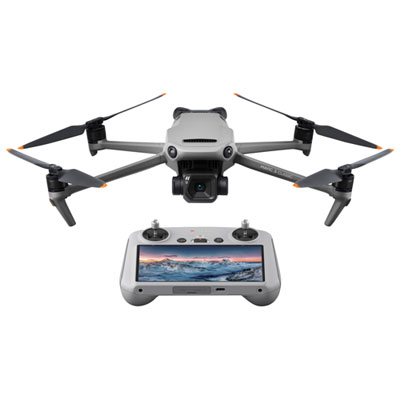 Your price for this item is $1759.99
 -
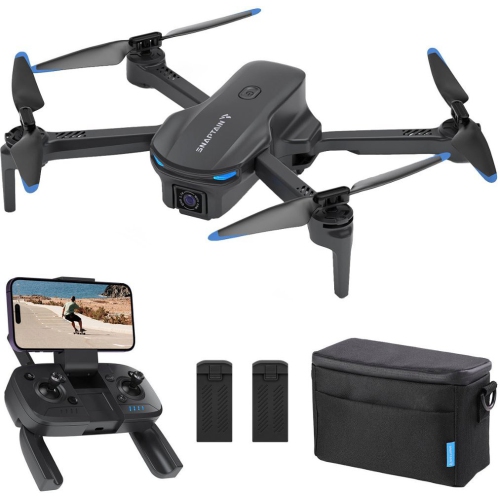 Your price for this item is $189.9
Discover more categories related to Affordable Camera Drones
Top Collections:
Pokemon Centers, Kindle Devices, Best Budget Office Chairs, Apple iPhones 16, Best Laptops for Writers, iPhone 15 Apple, Canon G7X Cameras, Refurbished Apple Laptops, Alarm Clock, Motorola Razr Phones
Some products may be subject to Environmental Handling Fees
(EHF) depending on your province.
Learn more about EHFs.