Drone Cameras Under $500
Looking to capture stunning aerial shots? Look no further than our selection of drone cameras under $500. Whether you're a beginner or a seasoned pro, these affordable options offer impressive features and capabilities that will take your photography and videography to new heights. With advanced technology and user-friendly controls, these drones are perfect for capturing breathtaking landscapes, documenting outdoor adventures, or simply exploring the world from a different perspective. Discover the perfect drone camera to suit your budget and unleash your creativity today.
Sort

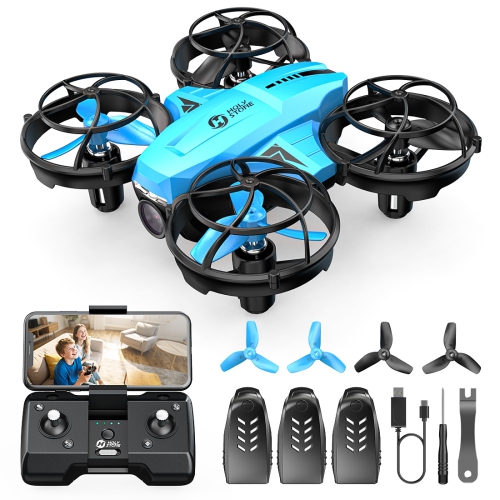
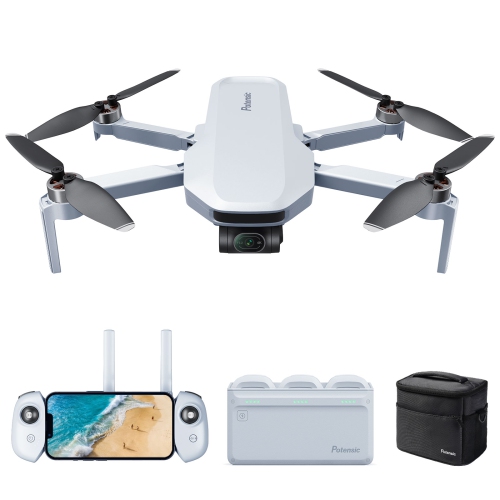
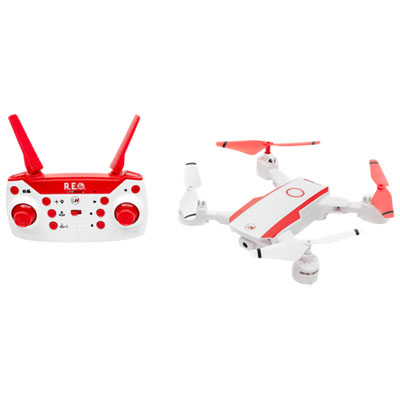
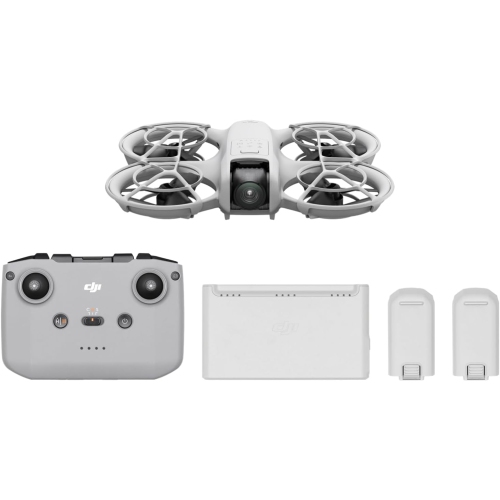
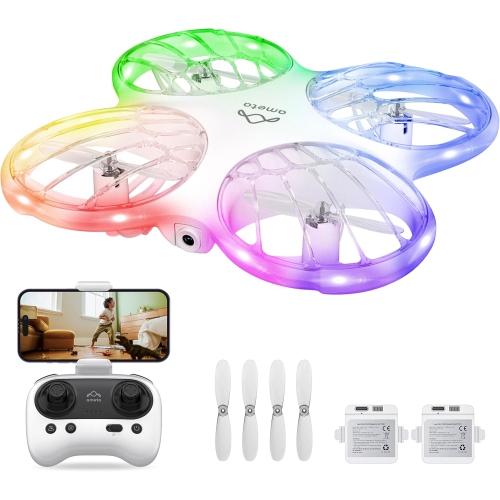
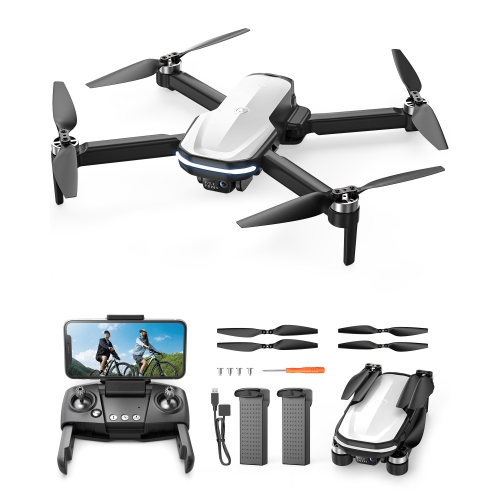
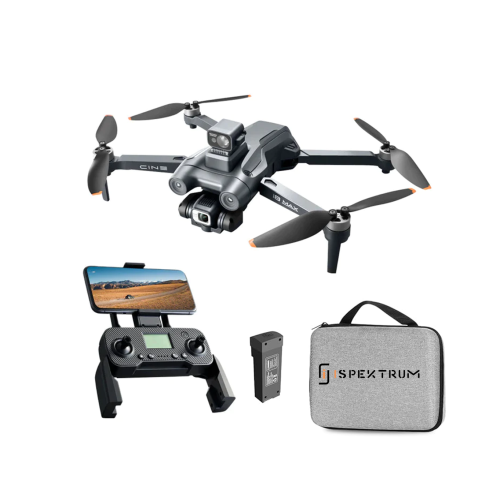
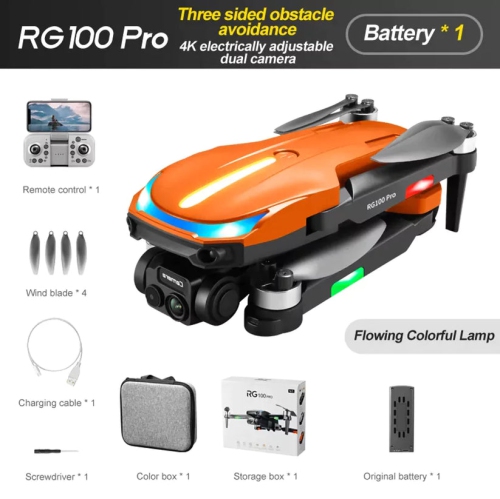
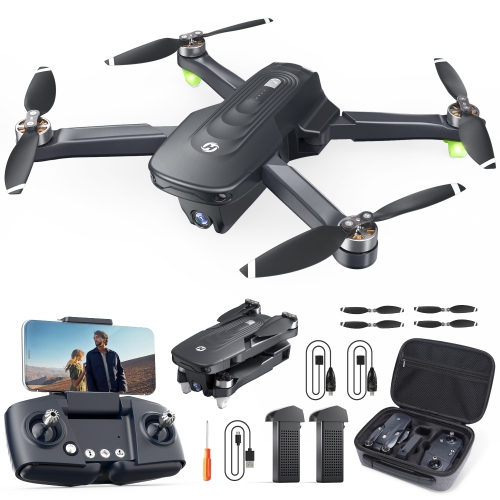
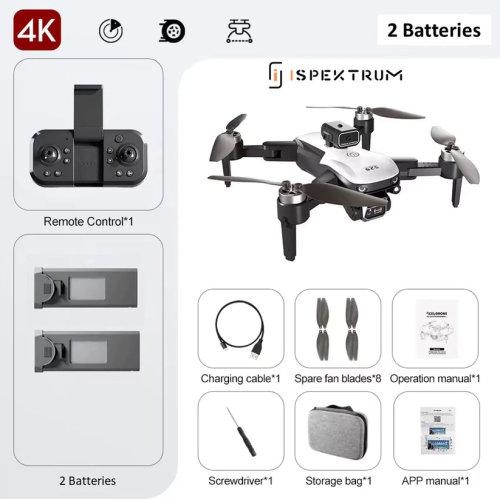
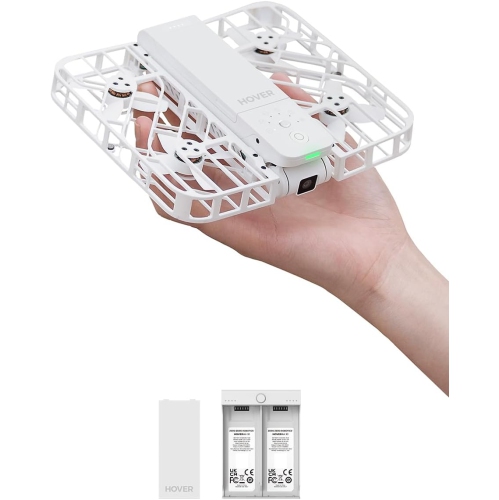
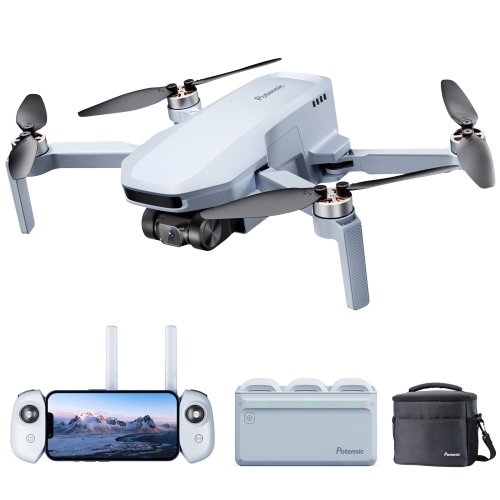
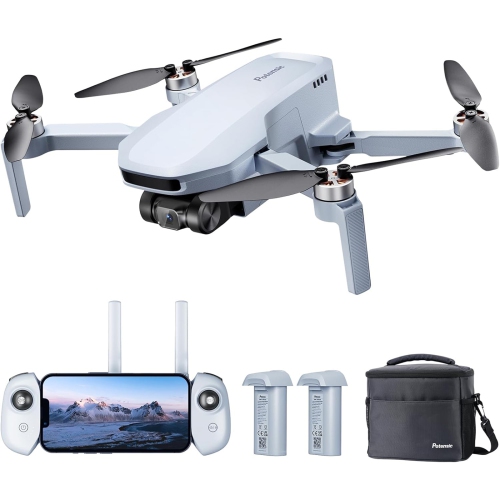
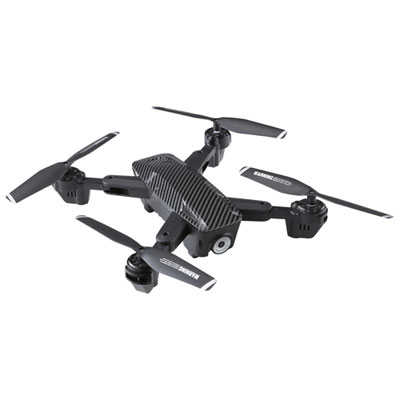
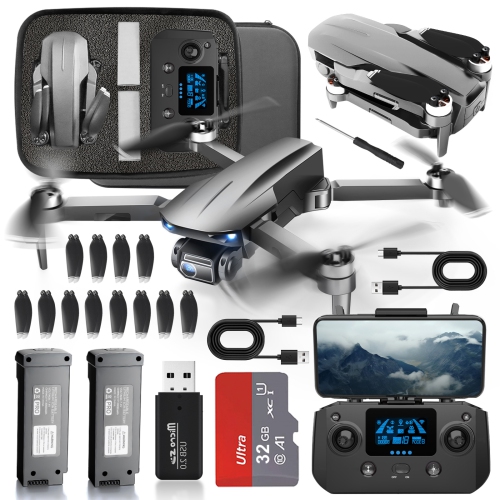
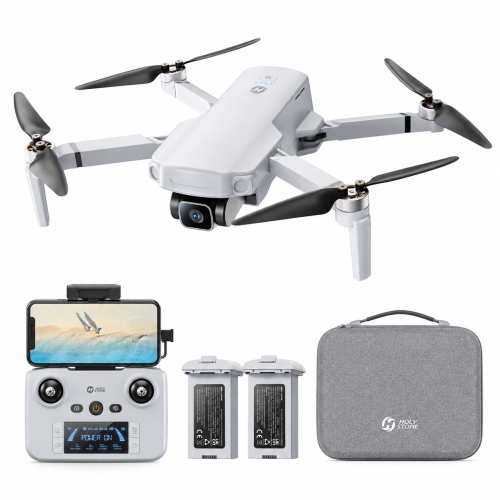
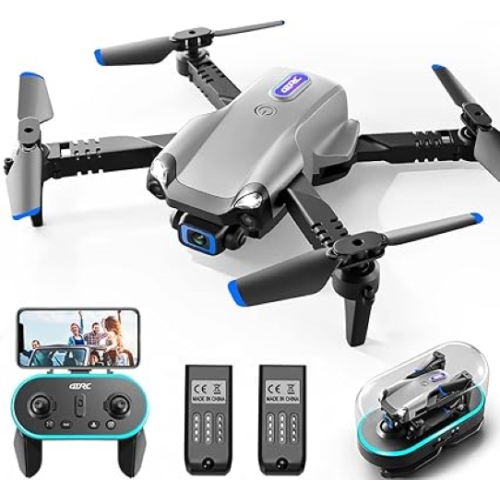
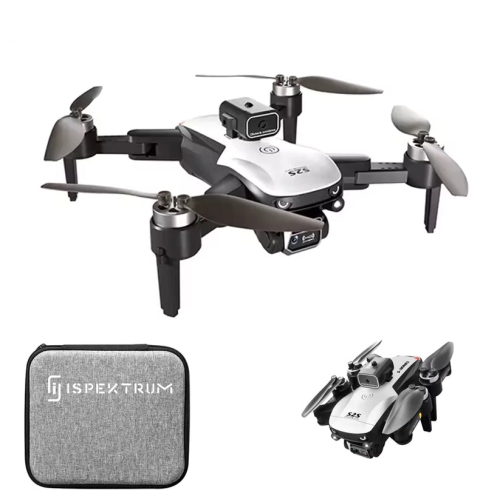
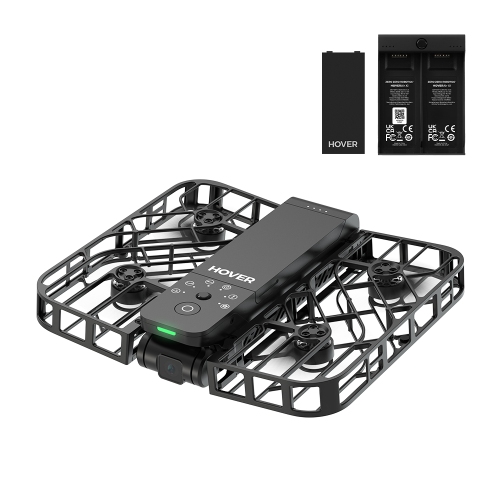

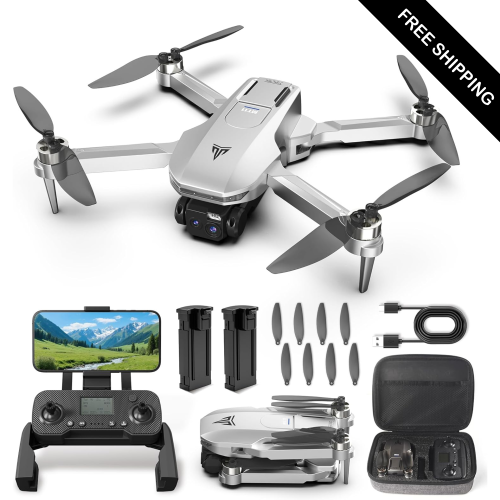
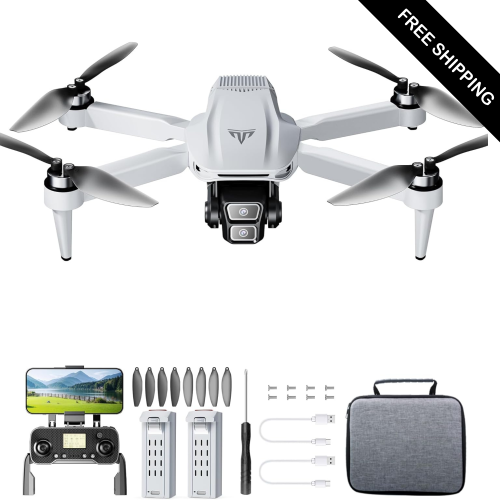
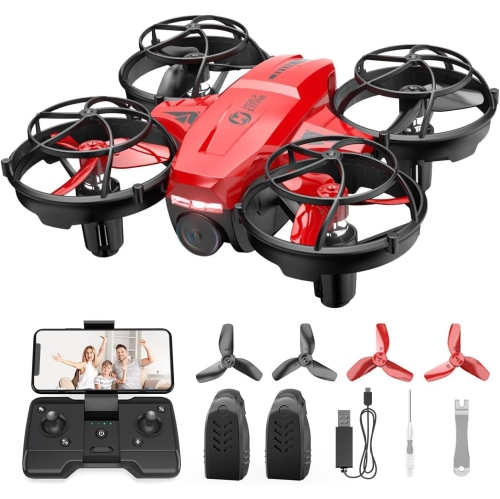
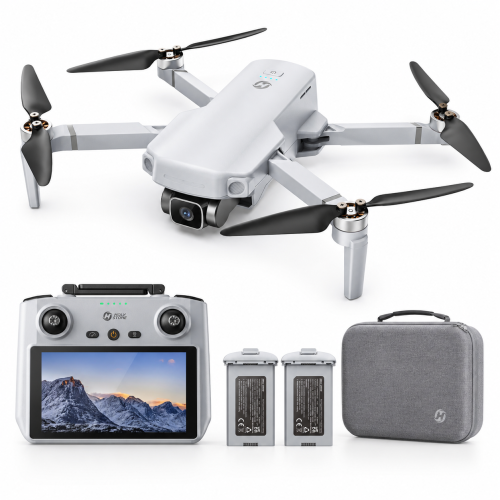
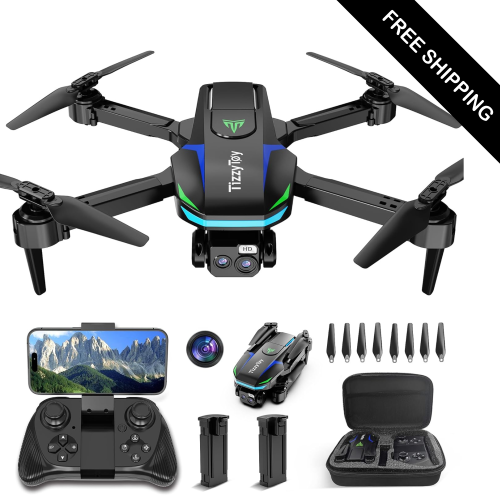
Key features for safer, steadier aerial footage
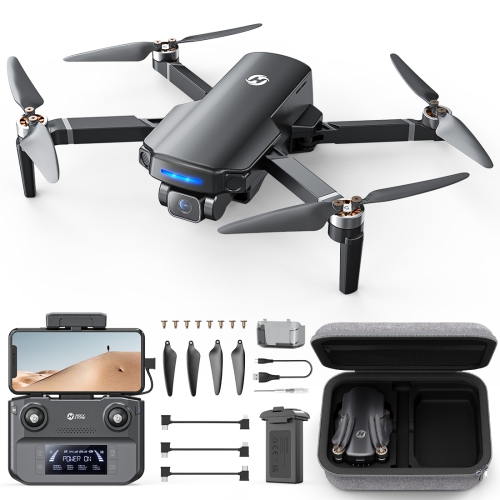
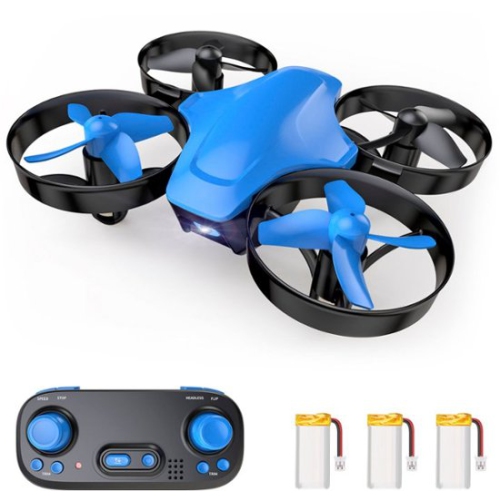
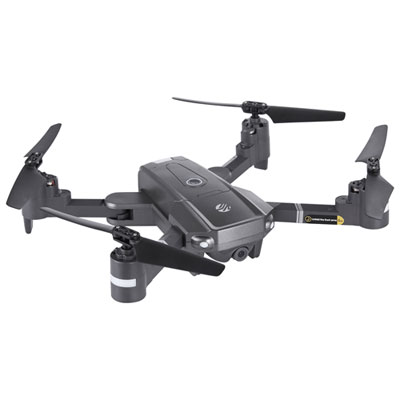
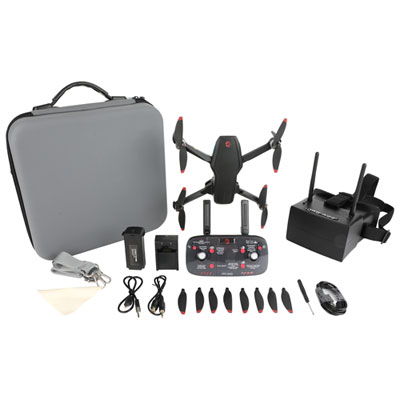
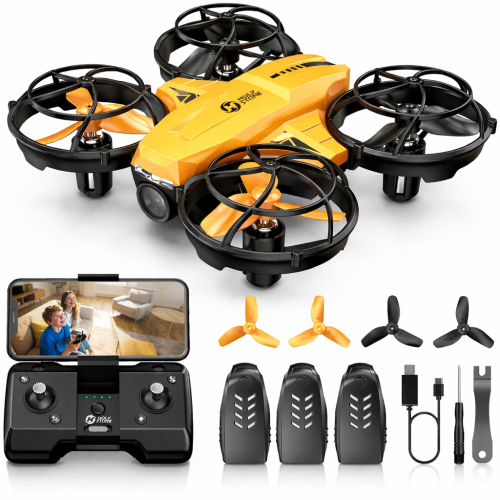
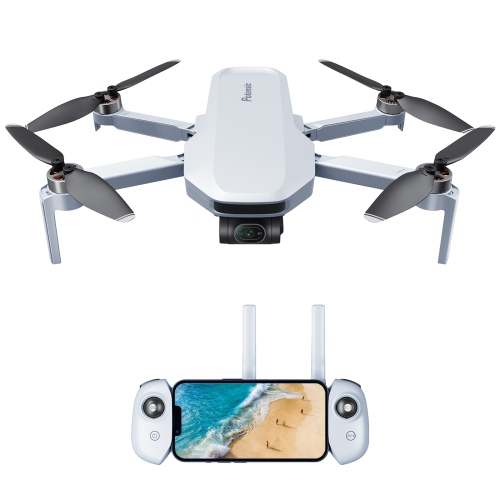
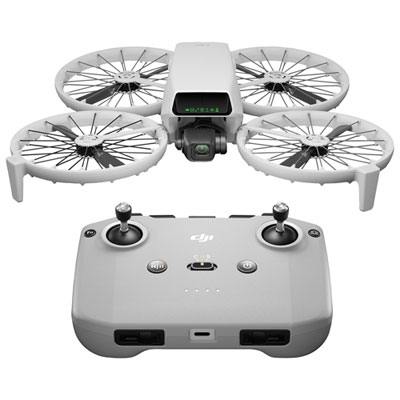
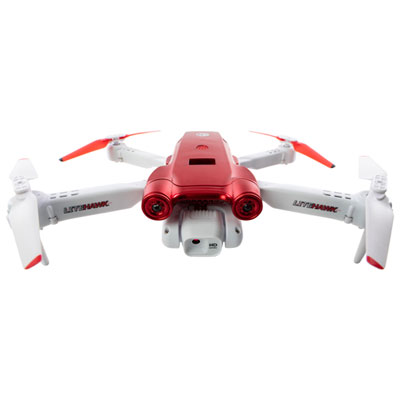
Drone cameras under $500 offer an accessible way to capture elevated photographs and smooth aerial video without moving into professional-level equipment. They can be used to document hiking routes, cottage weekends, road trips, sports practices, family gatherings and everyday scenery from a fresh perspective. Many models in this price range feature high-resolution video, including 4K recording, photo modes for detailed still images and electronic or mechanical stabilization to help reduce the effects of vibration and movement. A three-axis mechanical gimbal generally provides the smoothest footage by physically keeping the camera level as the drone moves, while electronic image stabilization can also help produce steadier clips in a compact design. GPS positioning is another useful feature, particularly for new pilots, because it helps the aircraft hold its position, record its location and use functions such as return-to-home when the battery is low or the connection is interrupted. Flight times commonly range from about 20 to 30 minutes per battery, although wind, temperature, flight speed, camera use and battery age can affect actual results. If you plan to spend several hours outdoors, look for a package with additional batteries and a charging hub, or confirm that compatible accessories are available separately. Extra power can make a noticeable difference during a long walk, when a single battery may be used up before you reach the overlook you intended to film. Compact folding designs are convenient for travel and storage, while obstacle-sensing systems, automated takeoff and landing, altitude hold and beginner flight modes can make the first few sessions easier to manage. Some lightweight drones can also capture footage in a vertical format for phone-friendly social media posts, while tracking modes can help follow a moving person, cyclist or vehicle. These automated features are useful creative tools, but they still require close supervision and a clear understanding of the aircraft’s surroundings.
When comparing drone cameras under $500, consider the type of footage you want to create as well as the specifications listed on the box. A larger image sensor can help capture more detail and perform better in lower light, while a wide-aperture lens may produce brighter-looking images during the softer light of early morning or late afternoon. Resolution is only one part of image quality; bitrate, frame-rate options, dynamic range, colour controls and the quality of the camera’s stabilization all influence the final clip. A drone that records 4K video may offer sharper footage for cropping or editing, while a model with several frame-rate choices gives you more flexibility for fast action or slow-motion effects. Transmission range can also be important, but advertised distances are measured in ideal conditions and may be reduced by buildings, trees, hills, radio interference and local restrictions. Look for a dependable live view, responsive controls and a controller or app that is easy to understand at a glance. Storage is another practical detail. Some cameras use a microSD card, and higher-resolution recording can fill a card quickly, so check the supported capacity and speed before heading out. Battery charging time, spare propellers, protective guards, carrying cases and repair support are worth considering as well. A beginner may appreciate a quieter, lighter aircraft with simple controls and automatic landing, while a more experienced flyer may prefer manual camera adjustments, smoother cinematic movements and more flexible shooting modes. Drones weighing less than 250 grams can be appealing for recreational users because they may be subject to different Canadian requirements than heavier aircraft, but weight alone does not remove the need to fly safely or follow applicable rules. Transport Canada requirements can depend on the drone, the operation and where you fly, so check the latest guidance before launch, including rules about registration, pilot certificates, airspace, distances from people and airports, and whether your intended flight is considered basic or advanced. Always keep the drone within sight, avoid crowded areas and respect privacy by not recording people in situations where they would reasonably expect not to be filmed.
A drone camera can be a thoughtful gift for a curious teenager with responsible adult supervision, a traveller who enjoys documenting landscapes, a new homeowner interested in recording property views or a content creator developing outdoor video skills. It can also suit families who want an activity that gets everyone outside during the warmer part of the year, with plenty of opportunities to practise gentle turns over an open field and review the results together afterwards. During the cooler months, a compact drone may be useful for photographing changing landscapes, snow-covered trails or architectural details, provided the operating temperature, battery guidance and local conditions are suitable. Wind, rain, snow and cold can affect flight stability and battery performance, so pilots should choose calm, dry conditions and allow batteries to reach the recommended temperature before takeoff. Beginners will benefit from starting in a wide, open location away from trees, wires, roads, buildings and people, then practising short flights at a low altitude before attempting tracking shots or long-distance routes. It is wise to plan the flight first: check the weather, inspect the propellers, charge every battery, confirm the home point, test the controls and identify a safe landing area. A return-to-home feature is helpful, but it should be treated as a backup rather than a substitute for attentive piloting, since obstacles and changing surroundings can affect the return path. Think about the complete experience when choosing from this selection, including how easy the drone is to carry, how quickly it can be ready to fly, whether the camera angle suits your projects and whether replacement parts are available. If your budget is lower or you are buying a first aircraft for casual practice, explore Drones Under $200 for additional options. With sensible preparation, respectful flying habits and realistic expectations about battery life and weather, a drone camera under $500 can turn a familiar shoreline, backyard or trail into an engaging new video project.
When comparing drone cameras under $500, consider the type of footage you want to create as well as the specifications listed on the box. A larger image sensor can help capture more detail and perform better in lower light, while a wide-aperture lens may produce brighter-looking images during the softer light of early morning or late afternoon. Resolution is only one part of image quality; bitrate, frame-rate options, dynamic range, colour controls and the quality of the camera’s stabilization all influence the final clip. A drone that records 4K video may offer sharper footage for cropping or editing, while a model with several frame-rate choices gives you more flexibility for fast action or slow-motion effects. Transmission range can also be important, but advertised distances are measured in ideal conditions and may be reduced by buildings, trees, hills, radio interference and local restrictions. Look for a dependable live view, responsive controls and a controller or app that is easy to understand at a glance. Storage is another practical detail. Some cameras use a microSD card, and higher-resolution recording can fill a card quickly, so check the supported capacity and speed before heading out. Battery charging time, spare propellers, protective guards, carrying cases and repair support are worth considering as well. A beginner may appreciate a quieter, lighter aircraft with simple controls and automatic landing, while a more experienced flyer may prefer manual camera adjustments, smoother cinematic movements and more flexible shooting modes. Drones weighing less than 250 grams can be appealing for recreational users because they may be subject to different Canadian requirements than heavier aircraft, but weight alone does not remove the need to fly safely or follow applicable rules. Transport Canada requirements can depend on the drone, the operation and where you fly, so check the latest guidance before launch, including rules about registration, pilot certificates, airspace, distances from people and airports, and whether your intended flight is considered basic or advanced. Always keep the drone within sight, avoid crowded areas and respect privacy by not recording people in situations where they would reasonably expect not to be filmed.
A drone camera can be a thoughtful gift for a curious teenager with responsible adult supervision, a traveller who enjoys documenting landscapes, a new homeowner interested in recording property views or a content creator developing outdoor video skills. It can also suit families who want an activity that gets everyone outside during the warmer part of the year, with plenty of opportunities to practise gentle turns over an open field and review the results together afterwards. During the cooler months, a compact drone may be useful for photographing changing landscapes, snow-covered trails or architectural details, provided the operating temperature, battery guidance and local conditions are suitable. Wind, rain, snow and cold can affect flight stability and battery performance, so pilots should choose calm, dry conditions and allow batteries to reach the recommended temperature before takeoff. Beginners will benefit from starting in a wide, open location away from trees, wires, roads, buildings and people, then practising short flights at a low altitude before attempting tracking shots or long-distance routes. It is wise to plan the flight first: check the weather, inspect the propellers, charge every battery, confirm the home point, test the controls and identify a safe landing area. A return-to-home feature is helpful, but it should be treated as a backup rather than a substitute for attentive piloting, since obstacles and changing surroundings can affect the return path. Think about the complete experience when choosing from this selection, including how easy the drone is to carry, how quickly it can be ready to fly, whether the camera angle suits your projects and whether replacement parts are available. If your budget is lower or you are buying a first aircraft for casual practice, explore Drones Under $200 for additional options. With sensible preparation, respectful flying habits and realistic expectations about battery life and weather, a drone camera under $500 can turn a familiar shoreline, backyard or trail into an engaging new video project.
Top selling and popular products
-
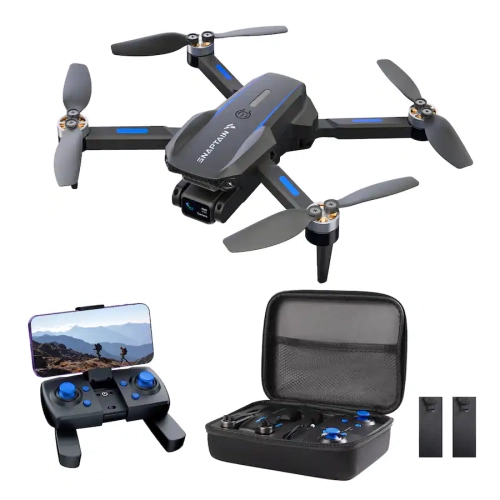 Your price for this item is $109.98
 -
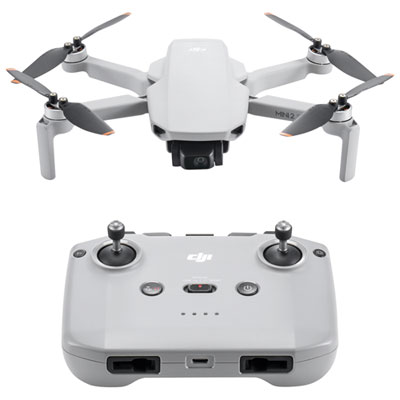 Your price for this item is $359.99
 -
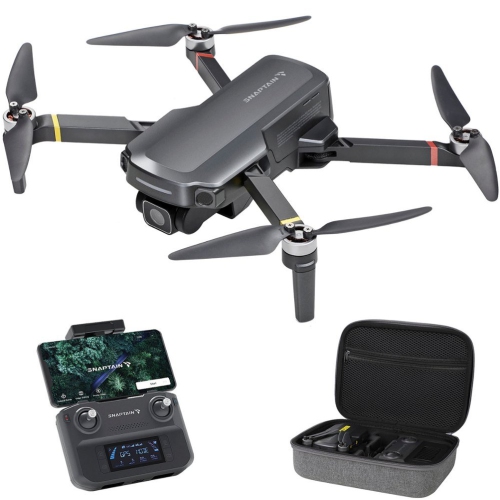 Your price for this item is $279.9
 -
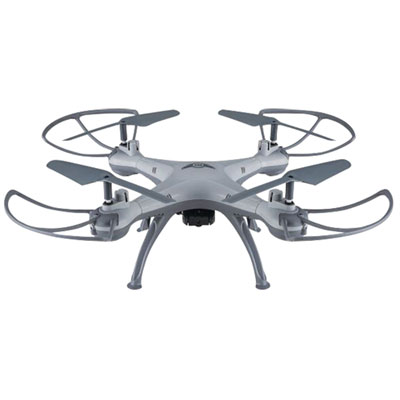 Your price for this item is $49.99
 -
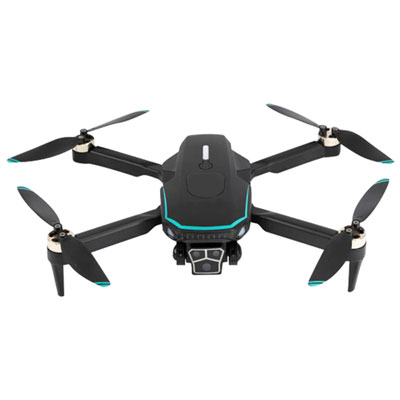 Your price for this item is $79.99
 -
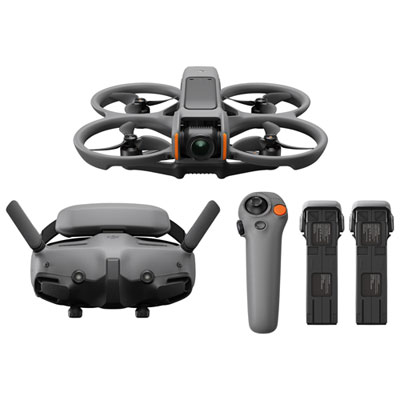 Your price for this item is $1279.99
 -
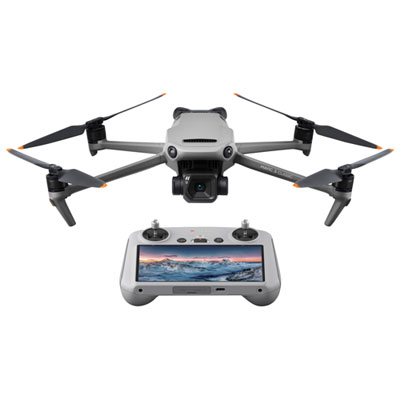 Your price for this item is $1759.99
 -
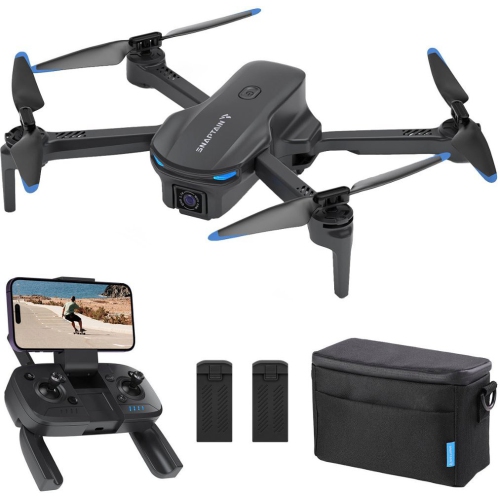 Your price for this item is $189.9
Discover more categories related to Drone Cameras Under $500
Top Collections:
Pokemon Centers, Kindle Devices, Best Budget Office Chairs, Apple iPhones 16, Best Laptops for Writers, iPhone 15 Apple, Canon G7X Cameras, Refurbished Apple Laptops, Alarm Clock, Motorola Razr Phones
Some products may be subject to Environmental Handling Fees
(EHF) depending on your province.
Learn more about EHFs.