Affordable Compact Cameras
Affordable compact cameras make it easy to capture memories without stretching your budget. Perfect for travel, everyday moments, or creative projects, these cameras offer a convenient and portable way to take high-quality photos wherever you go. Explore a wide selection of affordable compact cameras designed to fit your lifestyle and help you preserve special moments with ease.
Sort
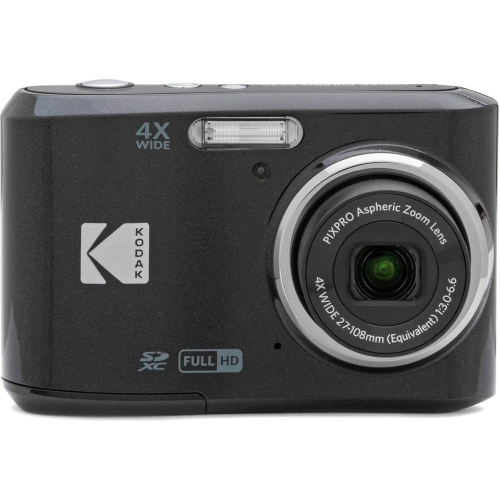
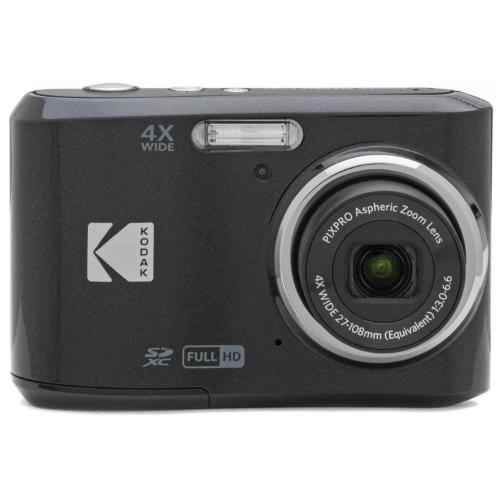
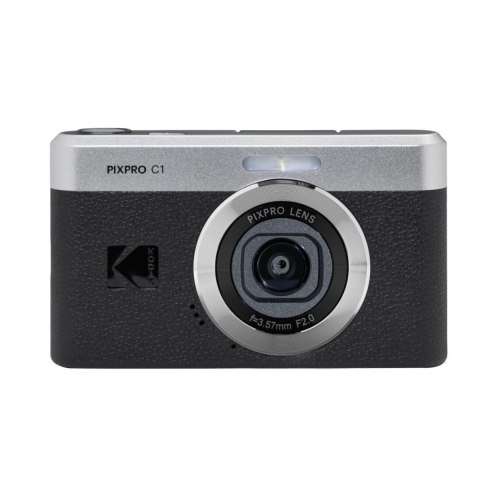
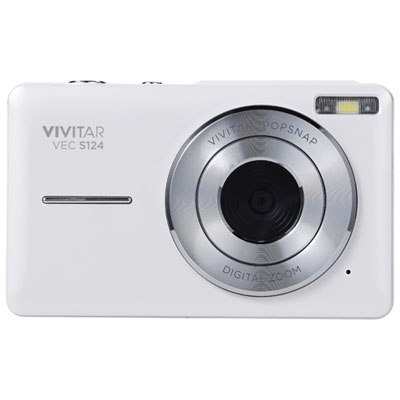
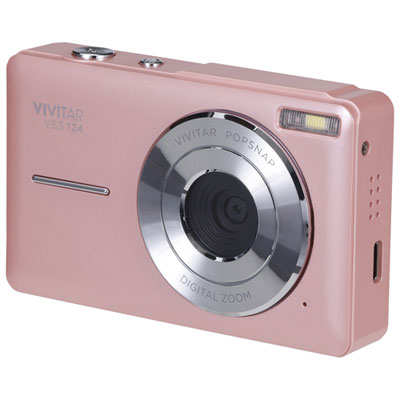
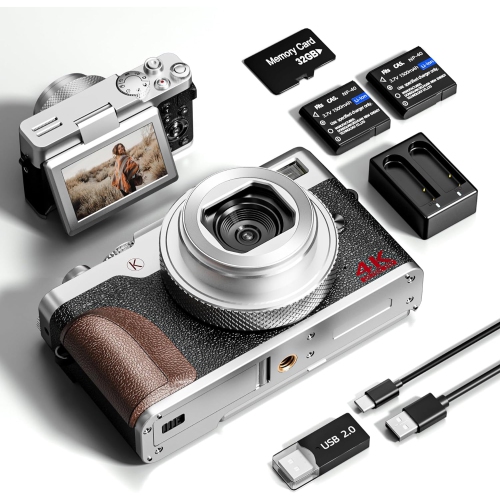
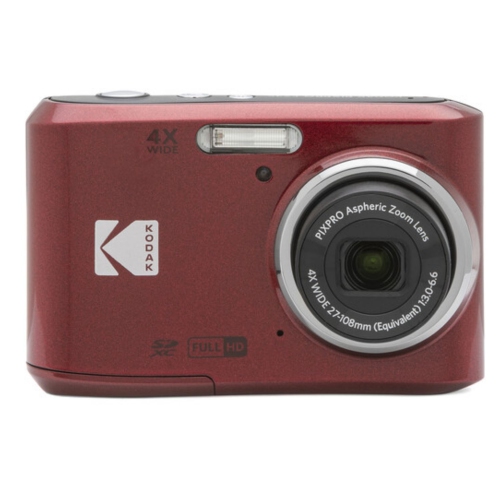
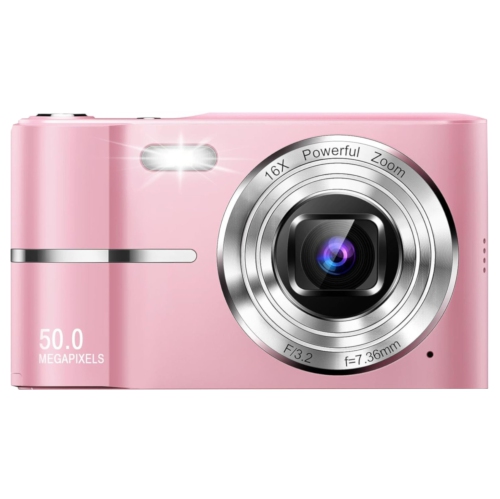
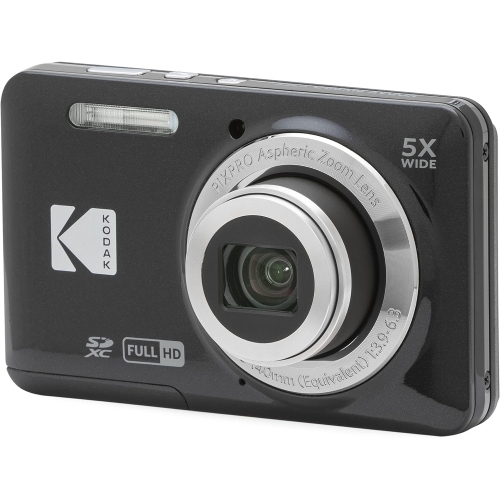
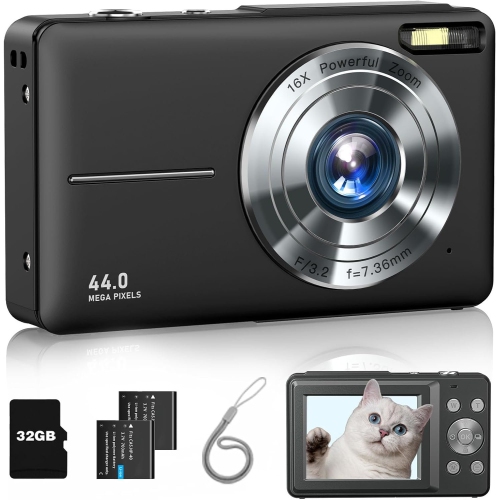
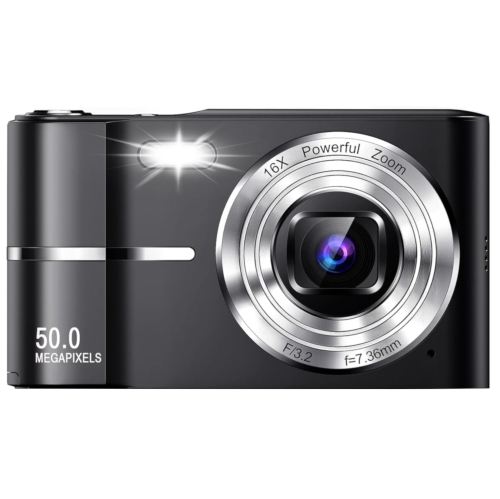
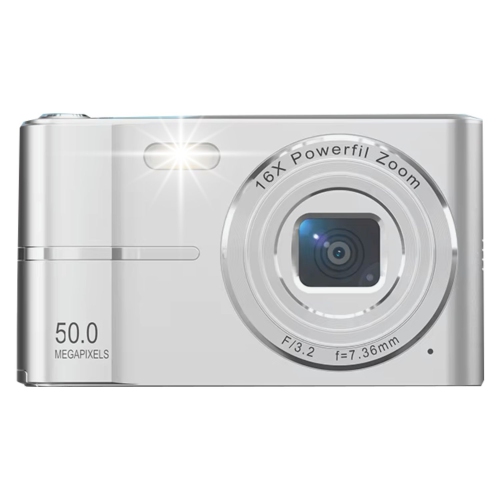
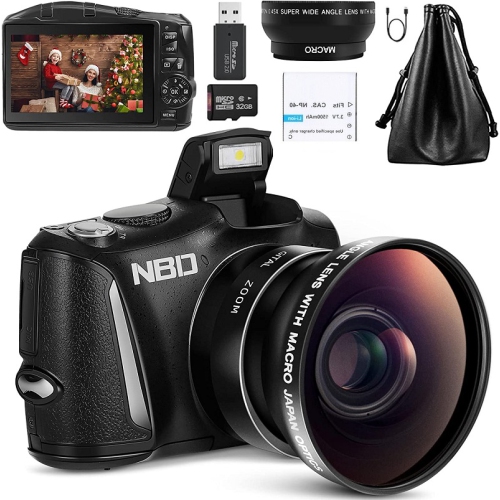
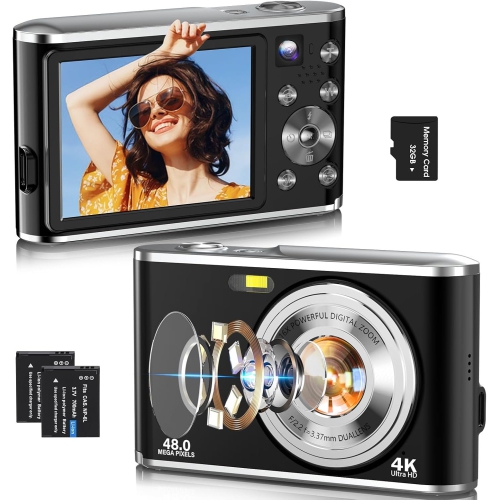
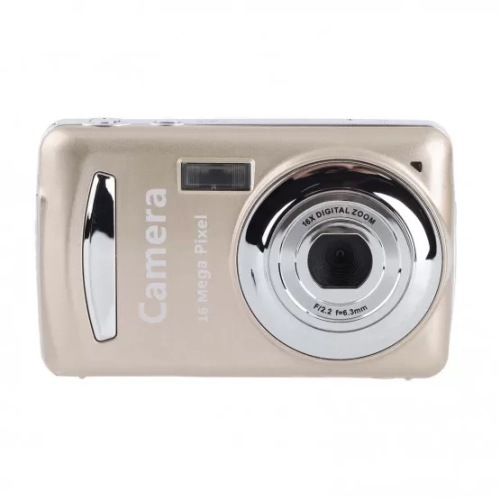
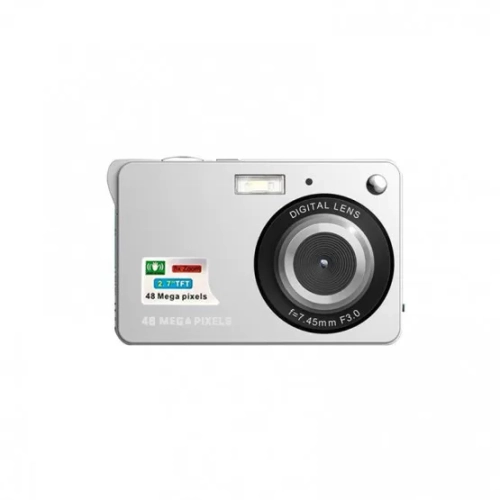
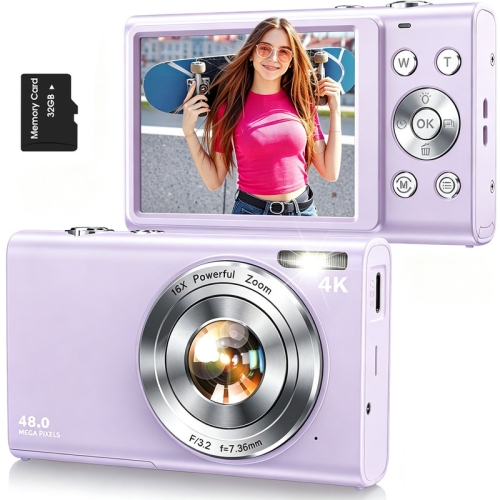
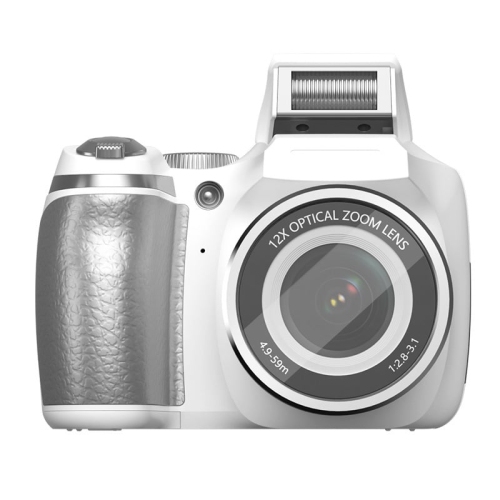
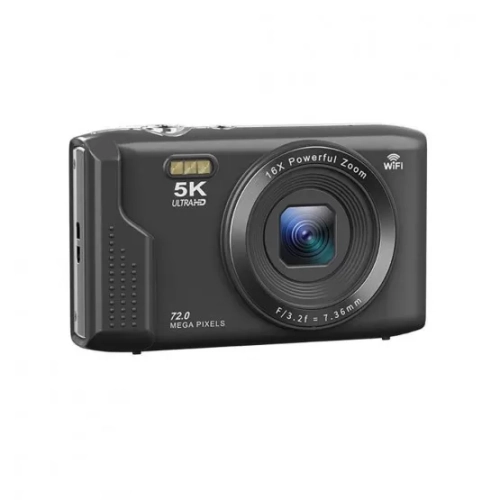
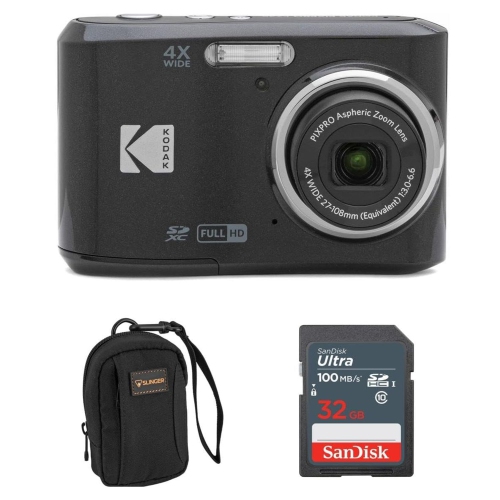
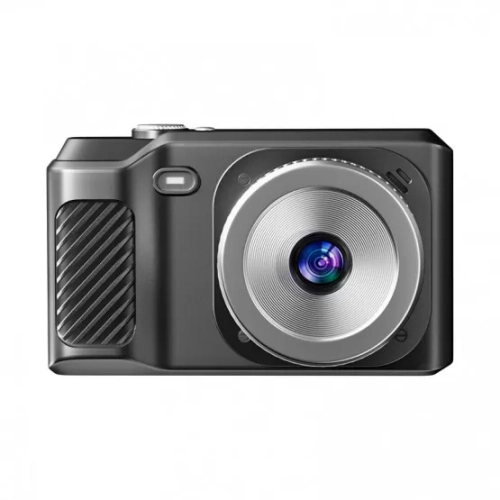
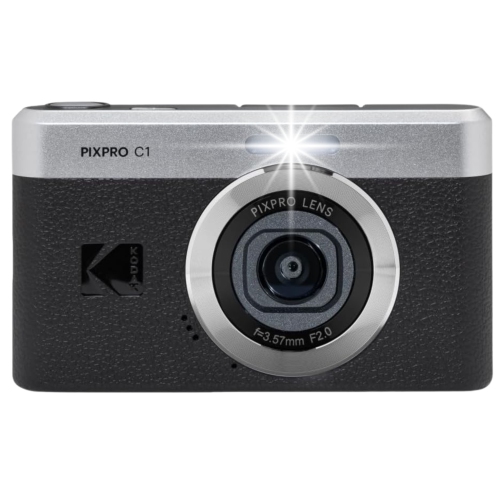
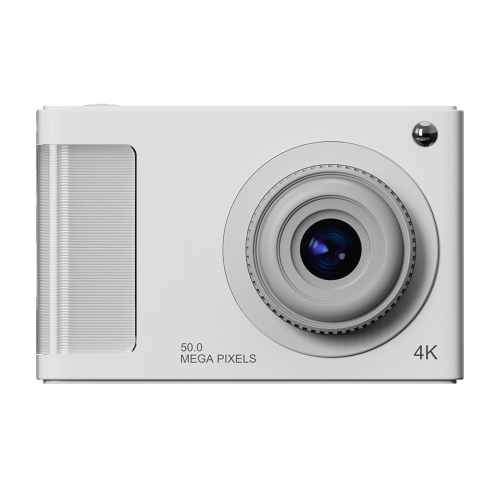
Small cameras are about more than megapixels
Affordable compact cameras bring everyday photography into a small, self-contained format that is easy to carry to a family gathering, pack for a city break or keep close for spontaneous portraits. A compact camera typically has a built-in lens rather than an interchangeable lens system, keeping the setup straightforward and reducing the number of separate pieces to manage. Many use automatic exposure and autofocus to handle the technical settings, while some also offer scene modes, exposure compensation or other controls for experimenting with different results. Their appeal is as much about the experience as the photograph: a dedicated shutter button, a wrist strap and a screen reserved for framing pictures can make taking photos feel deliberate without requiring a complicated setup. Image quality depends on the lens, sensor, processing and available light, not just the megapixel count printed in the specifications. Higher resolution can leave room for cropping or making prints, but a large number alone does not guarantee crisp detail or natural colour. Some resolution figures may also describe images enlarged through software rather than additional detail captured by the sensor. Optical zoom changes the framing through the lens, making it useful for photographing a performer across a room or picking out architectural details from a distance. Digital zoom generally enlarges or crops the captured image and can reduce visible detail. A wider lens setting helps fit friends around a table into the frame, while a longer zoom setting gives distant subjects more presence. Close-focusing capability matters for small subjects such as a handmade ornament, a flower arrangement or details in a collection. For casual snapshots, a clear focus point and a steady hold often contribute more to a pleasing result than an impressive-looking specification. Compact cameras suit people who want a separate device for photographs, whether that means keeping a phone tucked away during an outing or giving a beginner a simple way to practise composition.
The way a camera feels in the hand can be just as important as its dimensions. A slim body may slip neatly into a small bag, while a slightly deeper grip can feel more secure during longer stretches of shooting. Lightweight plastic housings keep many compact designs easy to carry; metal panels or trim can add a different feel without making a camera resistant to drops or moisture. Button spacing, the position of the shutter release and the ease of navigating menus all affect everyday comfort. A clearly marked mode control can make switching between photos and video less fiddly, especially when an expression or moment lasts only briefly. Screen size and clarity influence how easily faces, framing and focus can be checked before taking another shot. Touch controls, tilting screens and viewfinders are model-dependent features rather than standard parts of every compact camera. Autofocus performance also varies, particularly when a child turns away mid-picture or a pet moves across the frame. Face detection can help with portraits, while continuous shooting provides several frames from which to choose a favourite expression. In dim interiors, smaller sensors may produce more visible grain or lose fine detail as the camera raises its sensitivity. Flash can brighten a nearby subject, although its reach is limited and direct light can create strong shadows. Optical image stabilization helps reduce blur from small hand movements, but it cannot freeze a moving person; subject movement still calls for a sufficiently fast shutter speed. Video adds another way to capture a birthday message, a school presentation or a short travel memory. Resolution, frame rate, autofocus behaviour and microphone placement all influence the result. A camera that records sharp footage may still pick up handling noise, and not every model offers a microphone connection. Simple controls and dependable focusing can be more useful for casual clips than advanced recording settings that rarely get used.
Everyday convenience extends beyond taking the photograph. Battery type affects how the camera fits into a day out: some designs use a removable rechargeable pack, others accept standard replaceable batteries, and charging through a USB connection is supported only on compatible models. A spare charged battery can be useful during a long event, while a battery indicator that is easy to read helps prevent interruptions. Memory card compatibility matters too, since card format, capacity and speed requirements vary. Video generally needs more storage than still photographs, and higher-resolution files take longer to transfer. Moving pictures to a computer or phone may involve a memory card reader, a cable or a wireless connection where supported; Wi-Fi and Bluetooth should not be assumed. Copies stored separately help protect meaningful photos from an accidentally deleted file or a misplaced camera. A small padded case keeps the body and screen from rubbing against keys and other belongings, while a wrist strap adds security when framing a shot over a railing or passing the camera between family members. Lens care is simple but worthwhile: loose dust is best removed before gently wiping fingerprints with a clean, lens-safe microfibre cloth. Excess pressure and abrasive fabrics can damage delicate surfaces. Retracting lenses need clear space to extend, and a camera should be switched off before being placed in a close-fitting case. Standard compact bodies are not automatically sealed against dust or moisture, so protective handling remains important even when a camera feels sturdy. These practical details make compact cameras appealing gifts for a teenager developing an interest in photography, a relative who prefers dedicated controls or a traveller who enjoys collecting images throughout a trip. The strongest match comes from familiar needs: comfortable handling, understandable menus, useful framing options and an easy route from camera to shared album or printed photograph. For a broader selection beyond compact formats, explore Affordable Digital Cameras.
Top selling and popular products
-
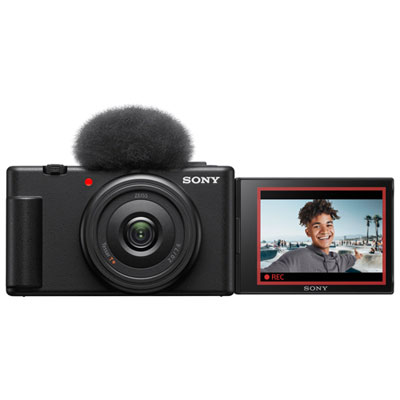 Your price for this item is $599.99
-
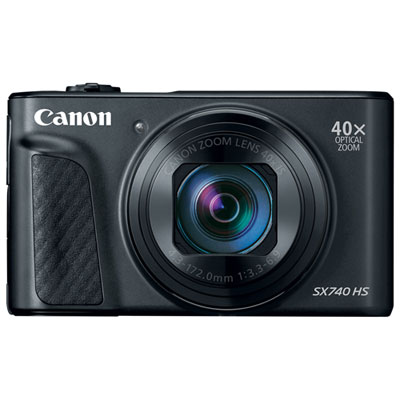 Your price for this item is $799.99
-
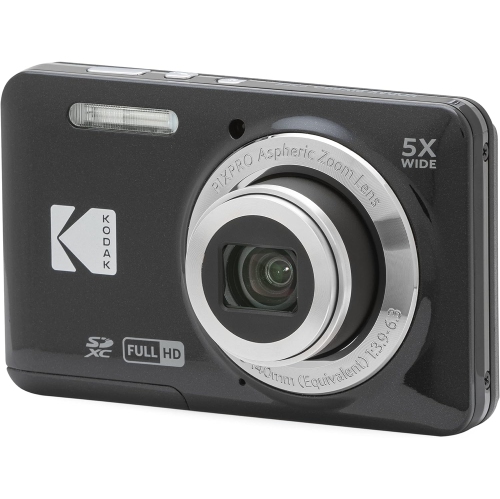 Your price for this item is $255
-
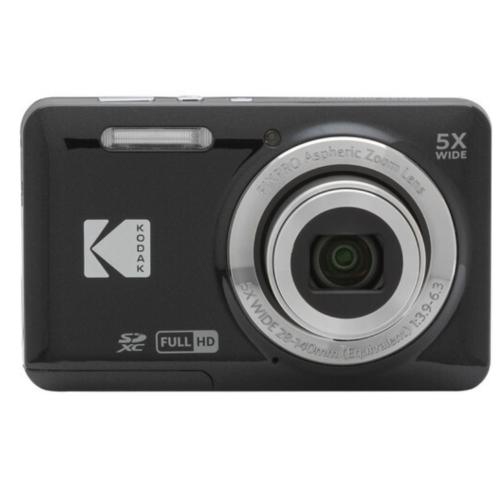 Your price for this item is $253
-
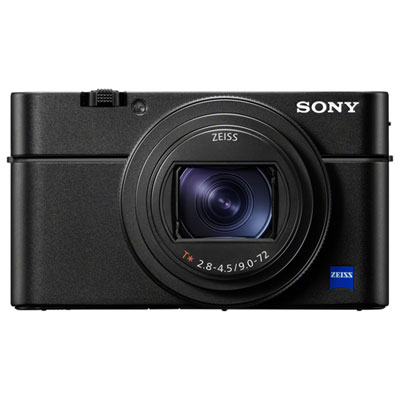 Your price for this item is $1799.99
-
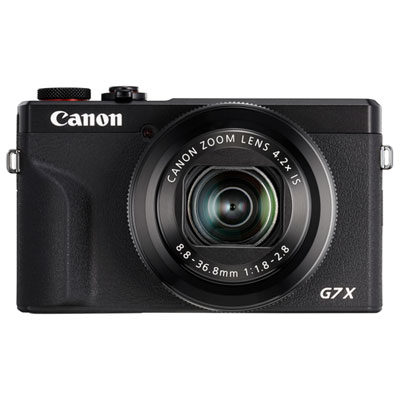 Your price for this item is $1999.99
-
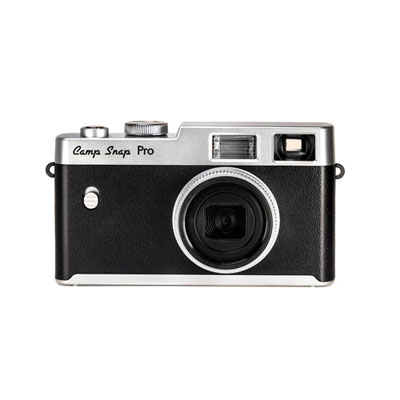 Your price for this item is $149.99
-
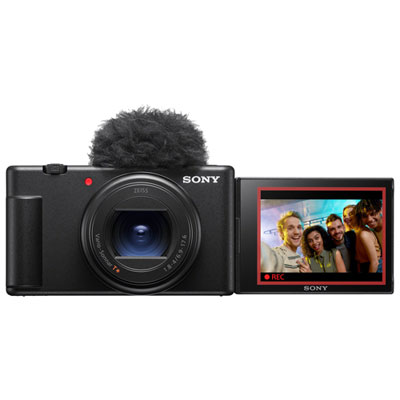 Your price for this item is $1099.99
Discover more categories related to Affordable Compact Cameras
Top Collections:
Best Black Friday Deals This Year, Best Black Friday Deals On Electronics, Kindle Devices, Pokemon Centers, Best Black Friday Deals On Apple Products, Best Cameras for Sports Photography, Dyson Airwrap, Pokémon 30th Celebration Cards, Apple iPhone 17 Pro, Canon G7X Cameras
Some products may be subject to Environmental Handling Fees
(EHF) depending on your province.
Learn more about EHFs.