Automatic Cameras
Capture life's moments effortlessly with automatic cameras. Whether you're a seasoned photographer or just getting started, these innovative devices make it easy to snap stunning photos without the need for manual adjustments. Designed to simplify the photography process, automatic cameras are perfect for anyone looking to enhance their skills and enjoy a hassle-free shooting experience. Explore our selection of automatic cameras to find the perfect match for your needs and start creating beautiful memories today.
Sort
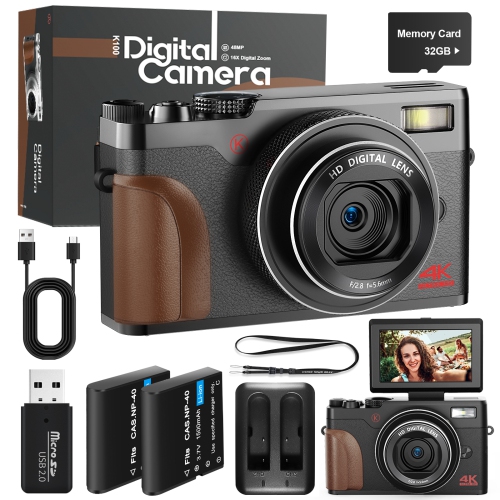
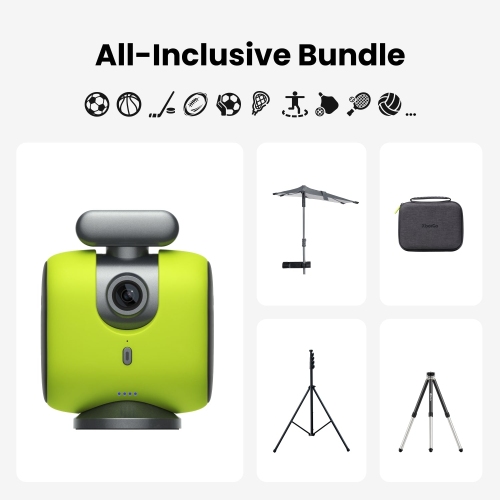
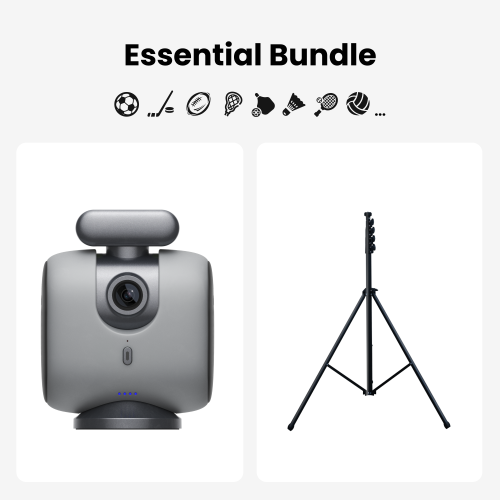
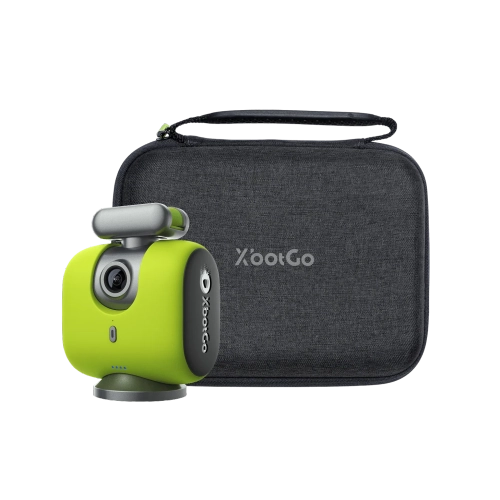
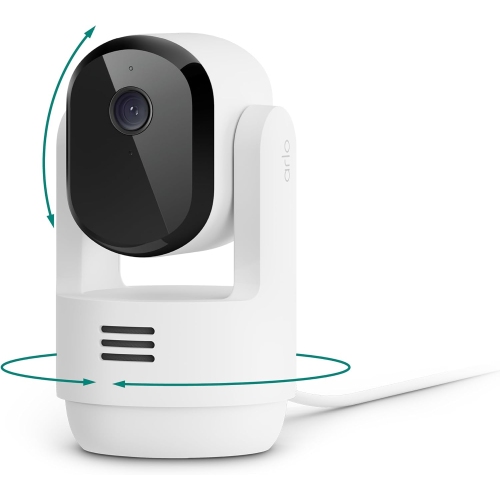
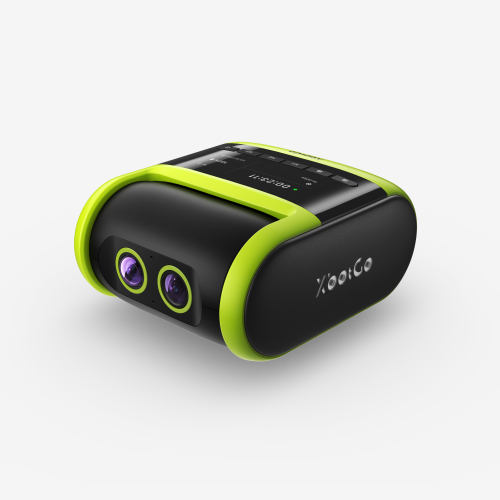

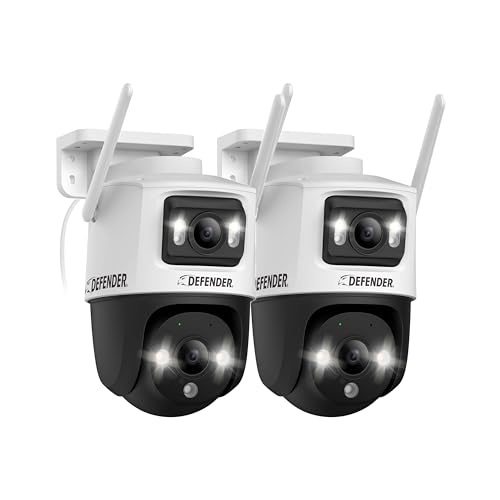
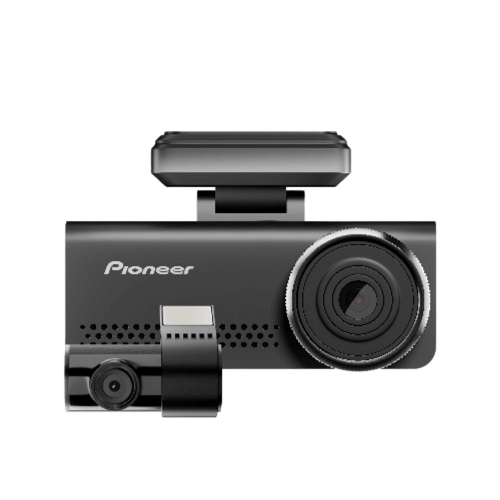

Less time adjusting settings, more focus on the moment
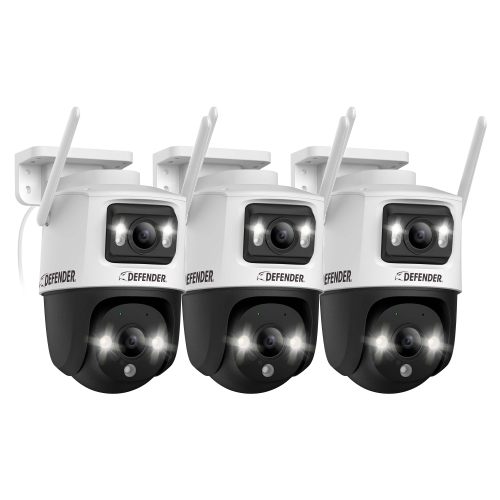
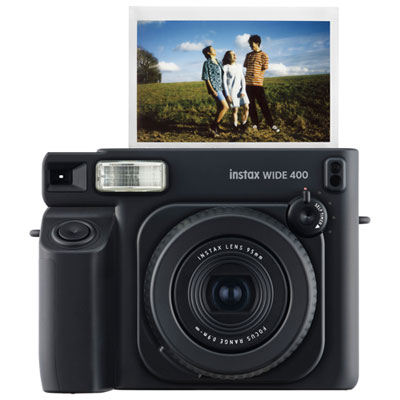
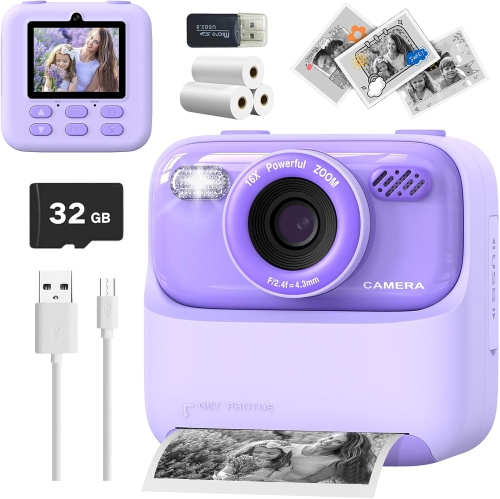
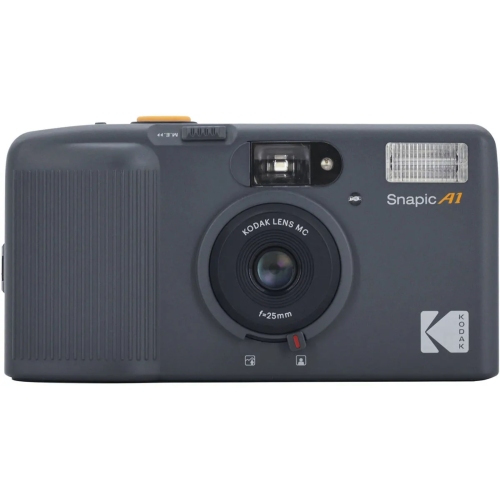
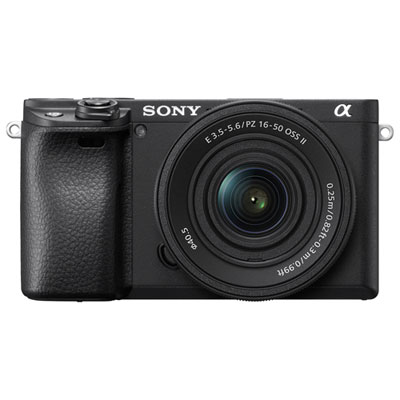
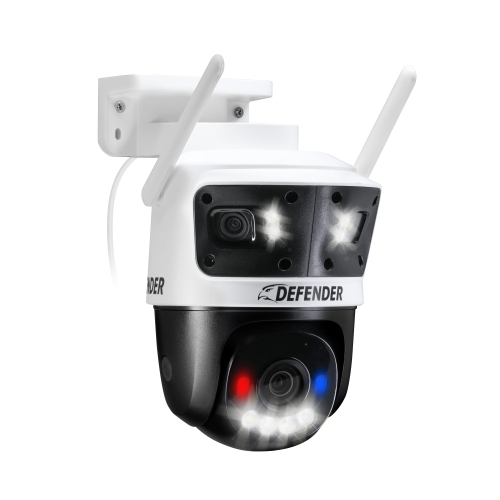
Automatic cameras handle some or all of the settings needed to take a photograph, making them useful for capturing everyday moments without adjusting every control by hand. Depending on the camera, automatic functions can manage exposure, focus, flash, and subject detection. Automatic exposure adjusts the lens aperture, shutter speed, or both to control how much light reaches the film or digital sensor; many digital cameras can also adjust ISO sensitivity. Autofocus brings a subject into focus, while scene modes apply settings suited to subjects such as portraits, landscapes, or moving pets. Not every automatic camera has autofocus, however: some simple models use a fixed-focus lens designed for subjects within a particular distance range. The category includes compact digital cameras, point-and-shoot film cameras, instant cameras, and more advanced interchangeable-lens cameras with fully automatic shooting modes. Each offers a different experience, from reviewing an image immediately on a screen to waiting for developed film or watching an instant print appear. For family gatherings, sightseeing, birthdays, and casual photography, the appeal is often the same: less time adjusting settings and more attention on the person, place, or expression in front of the lens. Automatic operation can also make a dedicated camera approachable for someone moving beyond phone photography, especially when a comfortable grip, a clear viewfinder, or an optical zoom suits their shooting habits. A compact body slips easily into a small bag, while a larger camera may offer more room for physical controls and a steadier two-handed hold. The term automatic camera can also refer to security cameras with motion-triggered capture or video cameras with automated subject tracking. Those functions serve monitoring or filming needs rather than simply automating still photography, so the intended use helps distinguish between otherwise very different camera types. Across these categories, automatic features reduce hands-on adjustments, but their exact capabilities depend on the camera and its supported modes.
For photographic cameras, lens design, sensor size, focusing performance, and handling all influence the experience alongside automatic settings. An optical zoom changes the lens’s focal length to frame a subject more tightly, which can be useful when photographing a child on a stage or architectural details across a square. Digital zoom generally crops or enlarges the image instead, so it does not provide the same optical reach. A wider lens can fit more of a room or group into the frame, while a longer focal length makes distant subjects appear closer. Larger digital sensors can offer advantages in dim light and in separating a sharp subject from a softer background, although the lens and camera settings also matter. Image stabilization helps reduce blur caused by camera movement, particularly when shooting handheld, but it cannot freeze a person moving through the frame. Fast autofocus and subject tracking can be helpful for a dog running towards the camera or a child changing direction during play; face and eye detection, where supported, can help keep attention on the intended person. Automatic modes still have practical limits. A bright window behind a face may leave the person too dark, and an automatic flash can create reflections when aimed through glass. Cameras with exposure compensation, selectable focus areas, or an option to disable flash allow small adjustments without requiring fully manual operation. A tilting screen can make low-angle photographs easier, while a viewfinder offers another way to compose an image and hold the camera steady. For video, useful distinctions include supported resolution, autofocus behaviour during filming, microphone connections, and stabilization. Wi-Fi or Bluetooth connections may simplify transfers to a compatible phone, though supported functions vary. For shoppers drawn to unusual perspectives, expressive effects, or a more playful approach to photography, Creative Cameras offers a related direction alongside the convenience of automatic shooting.
The physical details of an automatic camera can matter as much as its shooting features, particularly when it will be carried frequently or shared by several people. Camera bodies may use moulded plastic, metal, or a combination of materials; construction, weight, and grip shape all affect how a camera feels in the hand. A lightweight model can be comfortable for day trips and everyday carrying, while a more substantial body may feel better balanced with a larger lens. Clearly marked buttons, readable menus, and controls that are easy to reach can make regular use more comfortable. A wrist strap or neck strap provides a secure way to carry the camera, and a padded case helps protect it from knocks and scratches inside a bag. Durability claims are model-specific: a sturdy-looking body is not necessarily protected against dust, splashes, or drops, and any stated protection should be understood according to the manufacturer’s limits. Basic care includes removing loose dust gently, using suitable lens-cleaning materials, keeping fingers away from exposed glass and sensor surfaces, and storing the camera in a clean, dry place. Battery type and charging method also shape day-to-day use. Some cameras use removable rechargeable batteries, some charge through a cable, and others use replaceable batteries; compatibility and charging requirements vary. Digital models may require a compatible memory card, while film and instant cameras need the correct film format. Film speed can affect exposure options, and instant prints require handling according to the film maker’s directions as they develop. These practical differences also matter when an automatic camera is a gift. A beginner may appreciate simple controls and dependable automatic modes, a frequent traveller may value a compact body and useful zoom range, and someone who enjoys keeping tangible mementos may prefer film or instant prints. More experienced photographers can also enjoy an automatic camera as an easy-carry companion for everyday pictures. A camera suited to its user’s hands, habits, and preferred way of sharing photographs is more likely to become part of ordinary life, ready for a candid smile at the dinner table or a striking detail noticed on a walk.
Top selling and popular products
-
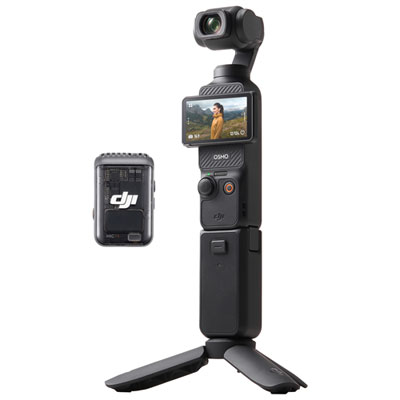 Your price for this item is $649.99
-
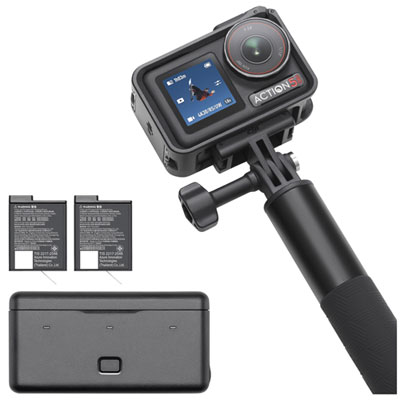 Your price for this item is $585.99
-
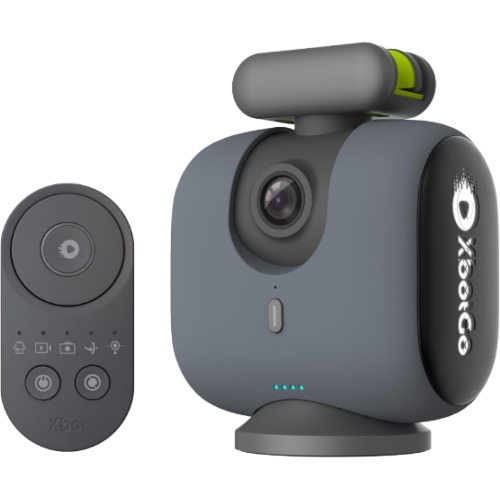 Your price for this item is $489.99
-
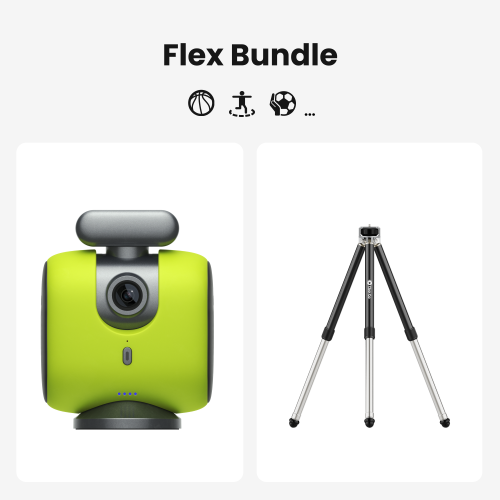 Your price for this item is $433.99
-
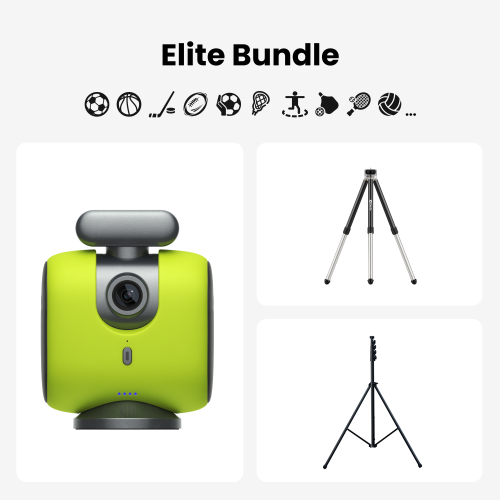 Your price for this item is $653.99
-
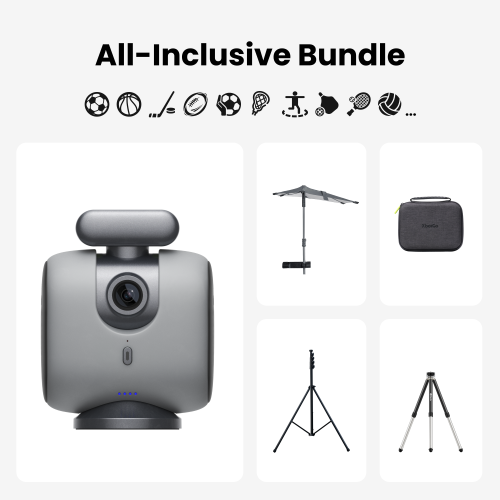 Your price for this item is $859.99
-
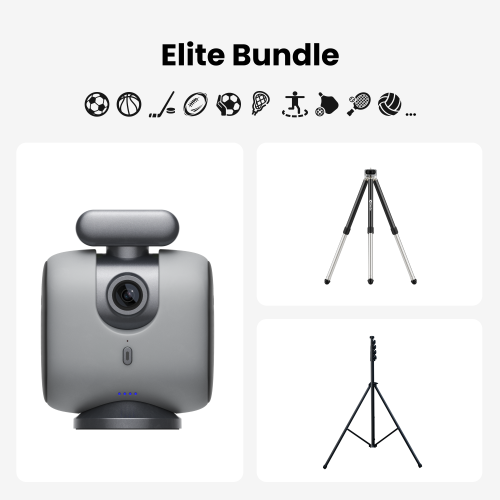 Your price for this item is $653.99
-
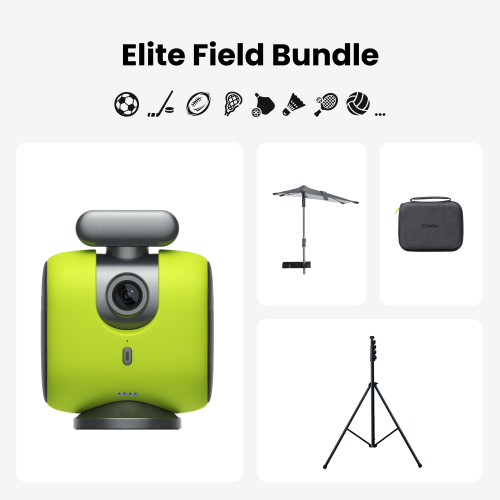 Your price for this item is $719.99
Discover more categories related to Automatic Cameras

Top Collections:
Best Black Friday Deals This Year, Best Black Friday Deals On Electronics, Kindle Devices, Pokemon Centers, Best Black Friday Deals On Apple Products, Best Cameras for Sports Photography, Dyson Airwrap, Pokémon 30th Celebration Cards, Apple iPhone 17 Pro, Canon G7X Cameras
Some products may be subject to Environmental Handling Fees
(EHF) depending on your province.
Learn more about EHFs.