Best Cameras for Macro Photography

Capture intricate details with the best cameras for macro photography, from delicate flower petals to the tiny textures of everyday objects. Ranked based on user review ratings, this selection can help you find a camera for exploring the world up close. Compare features such as close-focusing capabilities, manual controls, and macro lens compatibility to find the right fit for your photography style.

Read More

What to look for in cameras for macro photography

1. Macro Lens Compatibility

Check that the camera supports macro lenses with the magnification you need; a 1:1 lens can project a subject at life size onto the sensor. Consider working distance, too, as more space between the lens and subject can make lighting easier and help avoid disturbing insects.

2. Sensor and Image Quality

Look for a camera that captures fine detail and offers RAW shooting for greater editing flexibility. Higher resolution can give you more room to crop, while good image quality at higher ISO settings can help when you need faster shutter speeds.

3. Precision Focusing Tools

Magnified live view and focus peaking can help you place focus accurately when depth of field is very shallow. Focus bracketing captures a series of images at different focus distances for blending in compatible software, while some cameras also offer in-camera focus stacking.

4. Stability and Lighting Support

Image stabilization can help with handheld shots, though a tripod is useful for precise framing and focus-stacked images. An articulating screen makes low-angle shooting easier, and compatibility with external flashes gives you more options for lighting tiny subjects.
Citrus catapult arrow
  1. 1

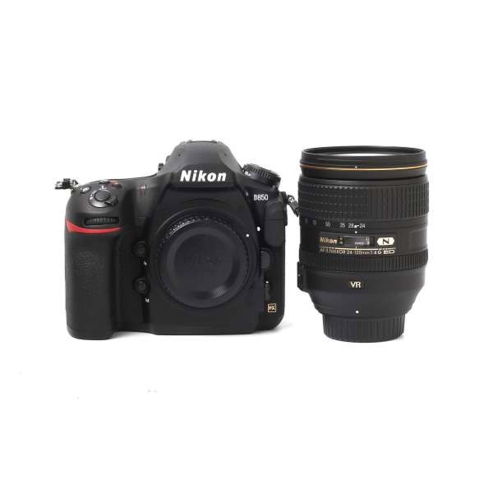
    NIKON D780 Dslr Camera With 24-120MM Lens

    About this product

    A powerful DSLR camera with 24.5MP sensor, 4K video, and 51-point AF system.

    (14)
    $3,144.99 Your price for this item is $3144.99
  2. 2

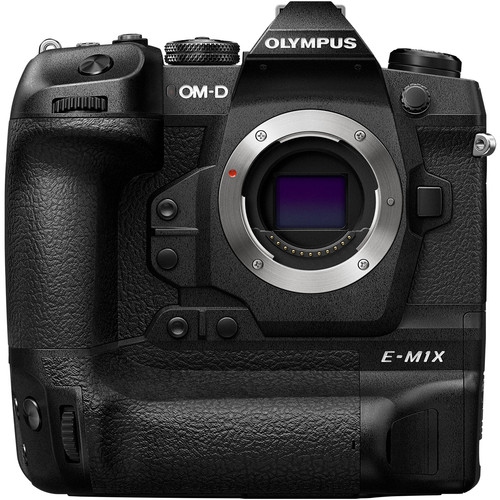
    OM SYSTEM Om-D E-M1X Body In Black

    About this product

    A professional black mirrorless camera featuring a 20.4MP sensor, 4K video, and 5-axis stabilization.

    (3)
    $3,899.99 Your price for this item is $3899.99
  3. 3

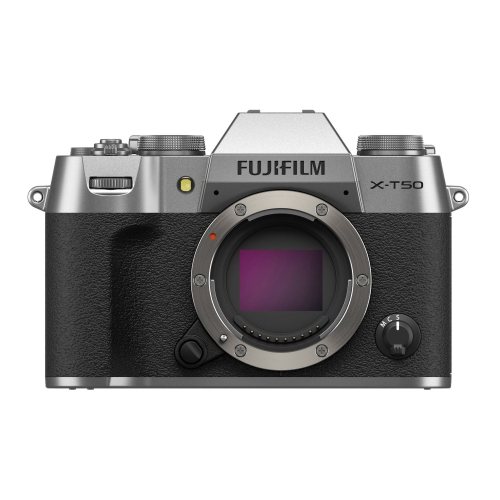
    FUJIFILM X-T50 Mirrorless Camera (Silver)

    About this product

    A silver mirrorless camera featuring a 40.2MP sensor, high-speed processor, and advanced video recording capabilities.

    (3)
    $1,943.99 Your price for this item is $1943.99
  4. 4

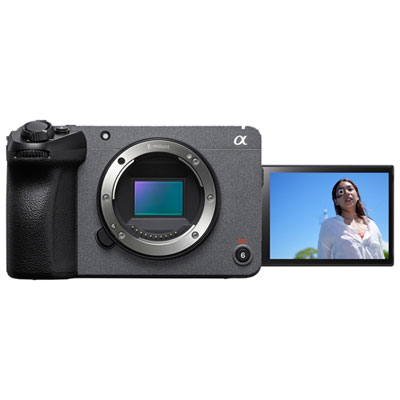
    Sony Cinema Line FX30 Mirrorless Camera (Body Only)

    About this product

    A professional mirrorless camera featuring a 20.1MP APS-C sensor for cinematic 4K video and detailed images.

    What customers like

    • Versatile and user-friendly features
    • Great value for price
    • Strong low-light performance
    • Excellent image and video quality
    • Compact and lightweight design
    (218)
    $2,399.99 Your price for this item is $2399.99
  5. 5

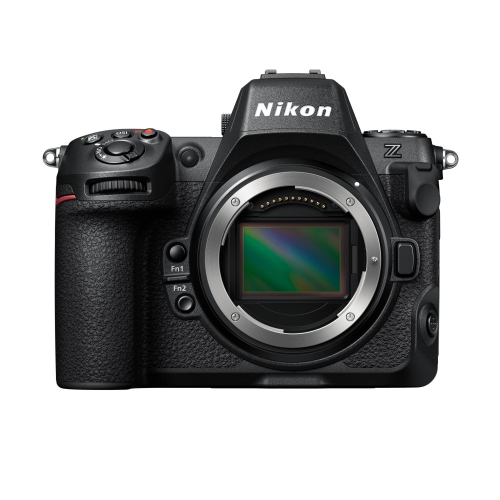
    NIKON Z8 Mirrorless Camera Body

    About this product

    A high-performance mirrorless camera offering 45.7MP stills, 8K video, and advanced subject detection autofocus.

    What customers like

    • Durable, weather-sealed, and ergonomic design
    • Impressive low-light performance
    • Versatile and customizable controls
    • Exceptional image and video quality
    • Fast, accurate, and reliable autofocus
    (180)
    $4,692.11
    SAVE $997
    Your price for this item is $4692.11
  6. 6

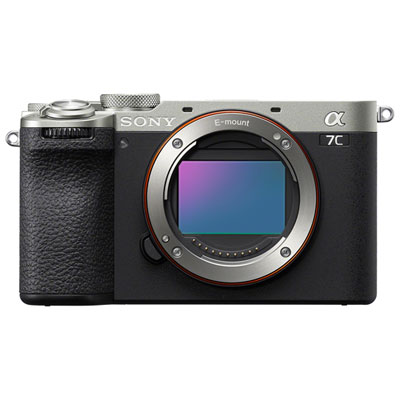
    Sony Alpha 7C II Full-Frame Mirrorless Camera (Body Only) - Silver/Black

    About this product

    A compact and powerful full-frame mirrorless camera with advanced image stabilization for stunning photos and videos.

    What customers like

    • Excellent low light performance
    • Versatile for photo and video
    • High-quality image output
    • Compact and portable
    • User-friendly interface
    (62)
    $2,999.99 Your price for this item is $2999.99
  7. 7

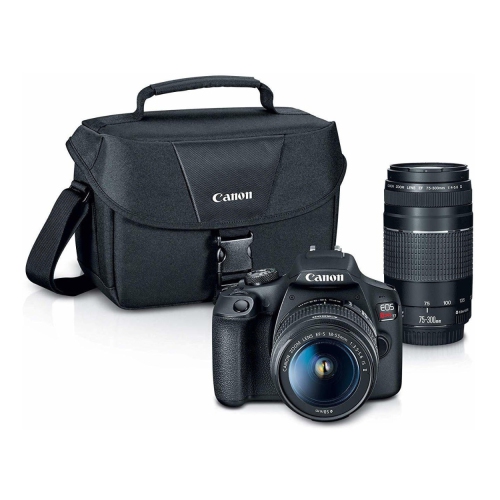
    CANON Eos Rebel T7 / 2000D Ef-S 18-55MM Is Ii Usm & 75-300MM Iii Kit With Case - Us Version W/ Seller Warranty

    About this product

    A 24.1 Megapixel CMOS camera with built-in Wi-Fi, 9-point AF system, and Full HD 30p video capabilities.

    What customers like

    • Good value for the price
    • Great image quality and sharpness
    • Versatile camera with multiple lens options
    • Easy to use and learn for beginners
    • Durable and long battery life
    (4,796)
    $1,039.95
    SAVE $158
    Your price for this item is $1039.95
  8. 8

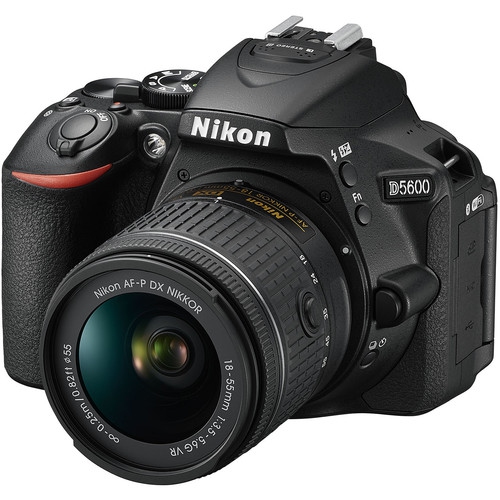
    NIKON D5600 Dslr Camera With 18-55MM Vr Lens - Us Version W/seller Warranty

    About this product

    A 24.2 megapixel DSLR camera with EXPEED 4 processor for high image quality and speed.

    What customers like

    • Compact size with good battery life and affordability
    • Versatile camera with easy settings and auto features
    • Great for learning and growth with online education and close-up lens
    • Excellent picture quality with multiple lens options and snapbridge feature
    • Easy to use for beginners with potential for professional-looking photos
    (1,451)
    $1,309.95
    SAVE $189
    Your price for this item is $1309.95
  9. 9

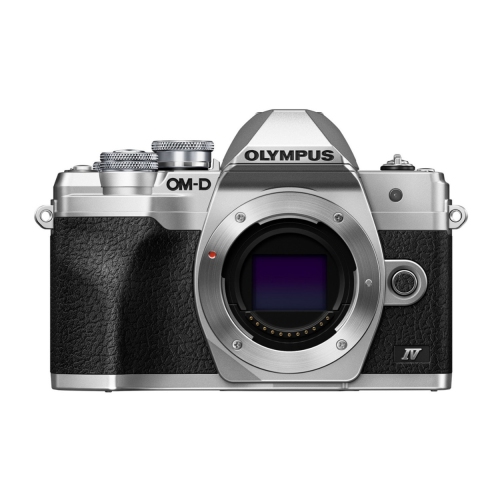
    OM SYSTEM Olympus Om-D E-M10 Mark Iv Camera Body (Silver)

    About this product

    A silver OLYMPUS camera with Micro Four Thirds lens mount, 20.3 MP resolution, and 5-axis image stabilization.

    (4)
    $999.99 Your price for this item is $999.99
  10. 10

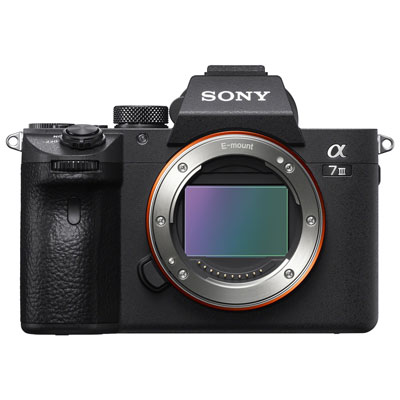
    Sony Alpha a7 III Full-Frame Mirrorless Vlogger Camera (Body Only)

    About this product

    A feature-rich mirrorless camera with a 24.2MP full-frame sensor, 4K video, and advanced autofocus.

    What customers like

    • Long battery life
    • Versatile and user-friendly features
    • Excellent image and video quality
    • Outstanding low light performance
    • Fast and accurate autofocus
    (1,498)
    $1,899.99
    SAVE $500
    Your price for this item is $1899.99

Why sharp close-ups need more than a camera

The best cameras for macro photography combine detailed image capture, precise focusing, and compatibility with lenses that can reproduce small subjects at high magnification. A flower’s fine pollen grains, the facets of a gemstone, or the woven threads in a piece of fabric can fill the frame, revealing patterns that are easy to miss with the naked eye. For this kind of photography, the camera body and lens work together: the body captures the image, while the lens determines how closely a subject can be focused on and how large it appears on the sensor. True macro capability is commonly associated with a 1:1 reproduction ratio, meaning a subject is projected onto the sensor at its actual physical size. A camera’s close-up mode alone does not guarantee that level of magnification. Mirrorless cameras and DSLRs with interchangeable lenses offer flexibility for dedicated macro work, while compact cameras with strong close-focusing capabilities can suit casual detail photography and a lighter carrying setup. The most useful features depend on the subject. A photographer following an insect across a leaf benefits from responsive operation, a clear viewfinder, and a manageable handheld setup. Someone photographing jewellery, miniature models, or handmade goods may place greater importance on resolution, accurate colour, and precise adjustments from a tripod. High pixel counts can preserve fine texture and leave room for cropping, but they cannot replace a sharp lens, accurate focus, or controlled lighting. RAW image capture provides more flexibility when adjusting white balance and recovering tonal detail, which is helpful with pale petals, polished metal, and other subjects with subtle variations. For hobbyists, collectors, artists, and online sellers, a capable macro camera can serve both creative and practical purposes, from making a small object feel monumental to showing a customer the stitching, finish, or surface texture of a handmade piece.

Sensor format influences how a macro camera fits into a complete setup, rather than determining image quality on its own. Micro Four Thirds cameras can offer a compact system and greater depth of field at comparable framing and aperture settings, making it easier to keep more of a small subject acceptably sharp. APS-C cameras provide another balance of body size, resolution, and lens choice. Full-frame cameras can offer strong image quality and substantial detail, although keeping an entire close-up subject in focus may require careful aperture selection or multiple exposures. At high magnification, depth of field can be extremely shallow regardless of format: an insect’s eye may look crisp while its antennae fall out of focus. Cameras with focus bracketing can capture a sequence of images at slightly different focus distances for merging in compatible software. In-camera focus stacking goes a step further by combining supported sequences within the camera, though lens compatibility, output options, and operating limits vary. These features are particularly useful for still subjects such as coins, shells, and small mechanical parts; movement between exposures can create merging errors. A magnified live view and focus peaking help with manual focus, while an articulating or tilting screen makes it easier to compose near a tabletop or at ground level without an awkward viewing position. Image stabilization can reduce blur from camera shake during handheld shooting, but its effectiveness varies at close distances, and it does not stop subject movement. Lens choice remains central to the result. Compatible Camera Lenses for Macro Photography can provide the magnification and working distance needed for a particular subject. A longer focal length generally allows more space between the lens and subject at similar magnification, leaving room for lighting and reducing the chance of disturbing a small creature. Shorter macro lenses can feel more manageable for tabletop compositions where space is limited. The lens mount, supported focusing functions, and combined camera-and-lens weight all matter as much as the body’s headline specifications.

Comfort, construction, and lighting support make a noticeable difference when a macro session involves many small adjustments. A well-shaped grip and accessible controls help keep the camera steady, particularly with a heavier lens attached. A body that feels comfortable on its own may balance differently once a macro lens, flash, or mounting plate is fitted. Reinforced polymer bodies can keep carrying weight down, while metal-alloy construction can provide a rigid chassis for frequent use; neither material alone guarantees durability. Secure lens mounts, dependable controls, and a sturdy tripod connection are useful qualities for repeated close-up work. For a still-life setup, a tripod helps maintain framing, and a remote shutter release or self-timer reduces disturbance when taking the shot. A focusing rail can make tiny forward-and-back positioning changes easier without repeatedly moving the tripod. Lighting compatibility is equally important because the camera or lens can cast a shadow when positioned close to a subject. Support for an external flash and suitable triggering accessories gives photographers more control over illumination. A diffuser can soften the light across reflective beetle shells or glossy ceramics, while an adjustable continuous light makes highlights and shadows visible before the exposure. With suitable settings, a brief flash pulse can also help freeze small movements. Photographers making close-up video may favour reliable manual-focus aids, an adjustable screen, and convenient external power options for longer sessions. Care is straightforward but important: lens and body caps help protect exposed surfaces, a padded bag limits knocks during transport, and a blower and suitable lens-cleaning materials help remove dust without scraping optical coatings. Sensor cleaning should follow the camera manufacturer’s directions, especially when lenses are changed frequently. For a gift recipient, compatibility with existing lenses and accessories is often more useful than a larger body or a higher pixel count. A beginner exploring textures around the home may appreciate simple controls and a light setup, while an experienced macro photographer may get more use from focus bracketing, dependable flash integration, and precise handling. The right combination makes detailed photography easier to repeat, whether the subject is a carefully arranged collection or a tiny discovery just beyond everyday view.
Read More

FAQ

Some products may be subject to Environmental Handling Fees (EHF) depending on your province. Learn more about EHFs.