Mirrorless Cameras for Macro Photography
Macro photography is a fun way to get close to the world around you. It can be used to capture images of flowers, insects, animals, and other small objects. Macro lenses are designed for extreme close-up work. Here are some great mirrorless cameras perfect for macro photography.
Sort
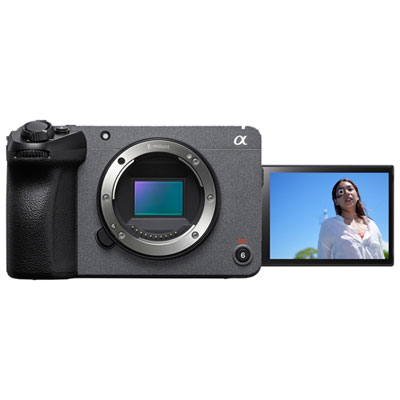
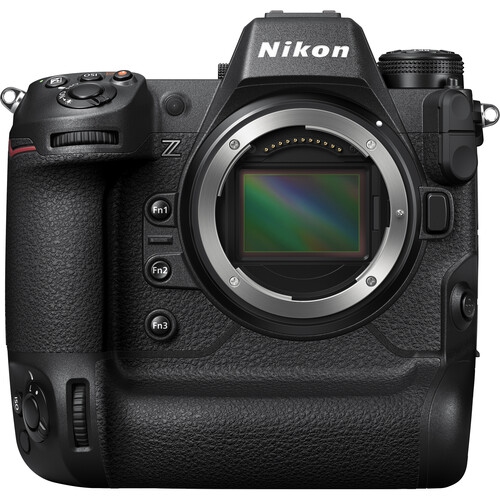
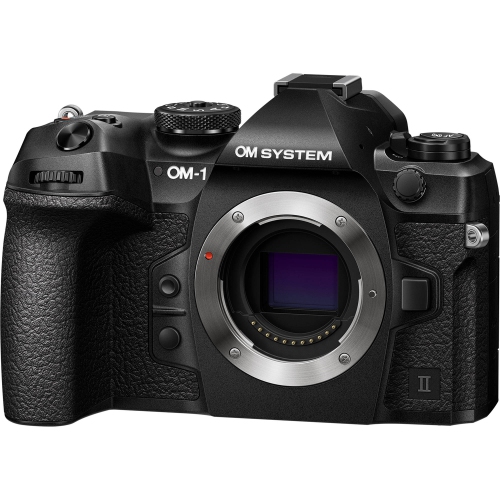
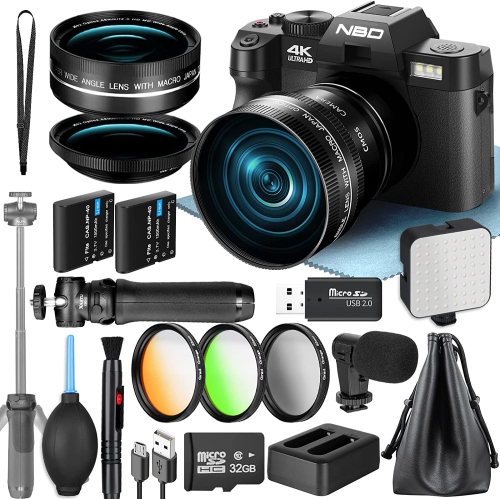
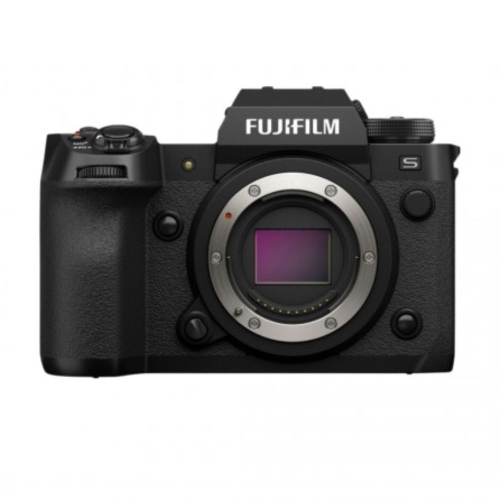
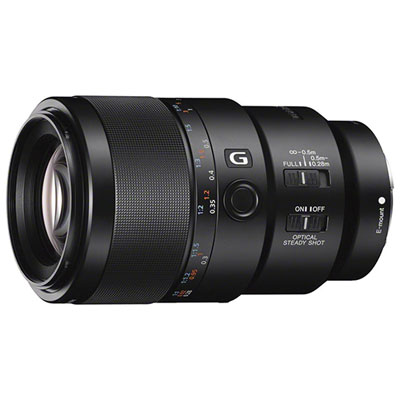
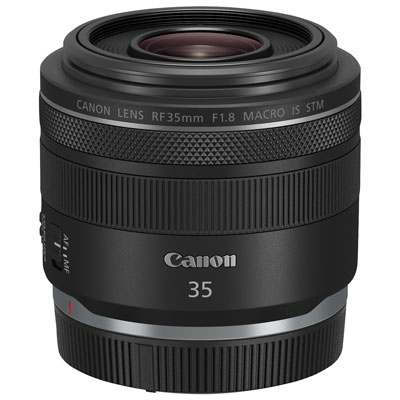
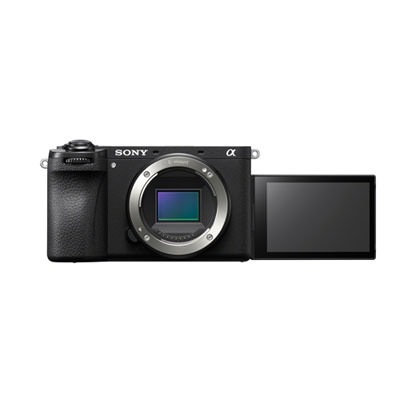
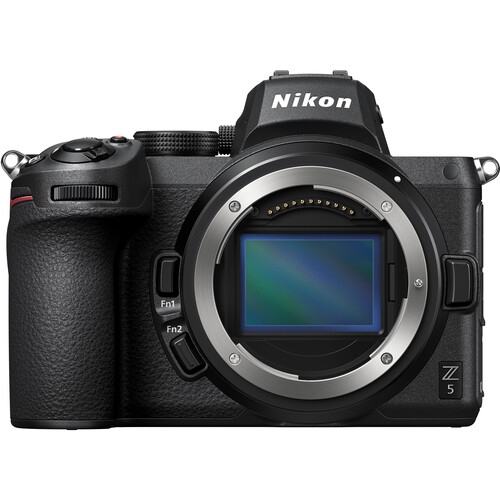
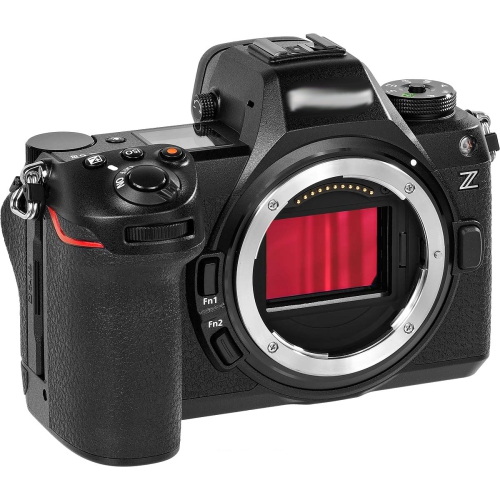
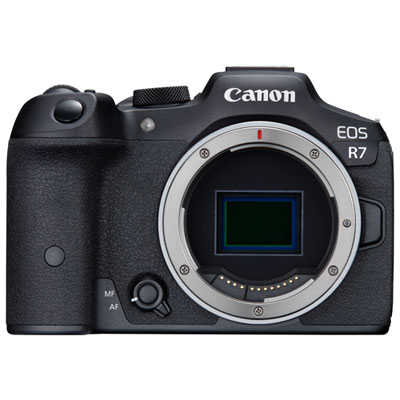
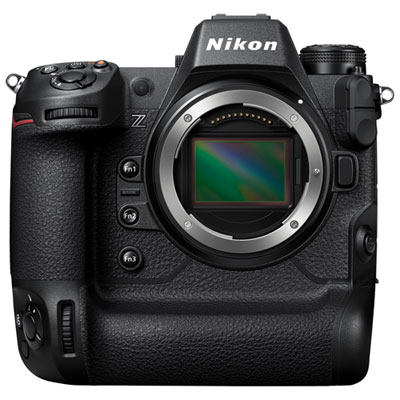
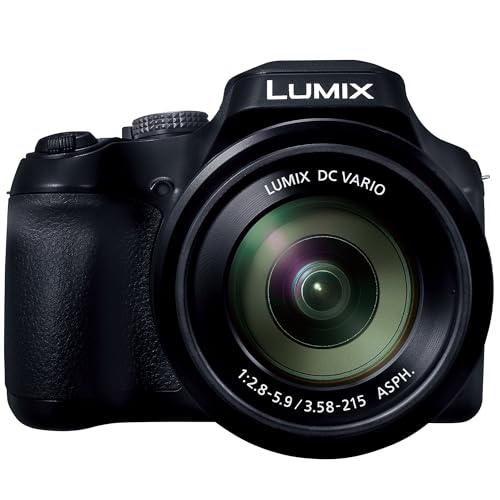
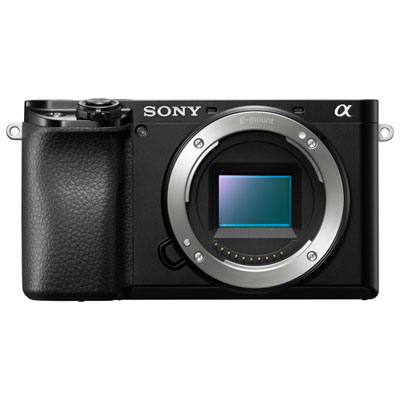
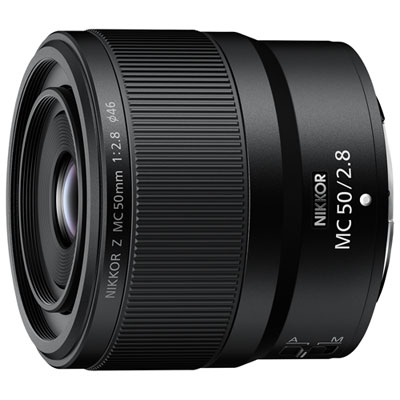
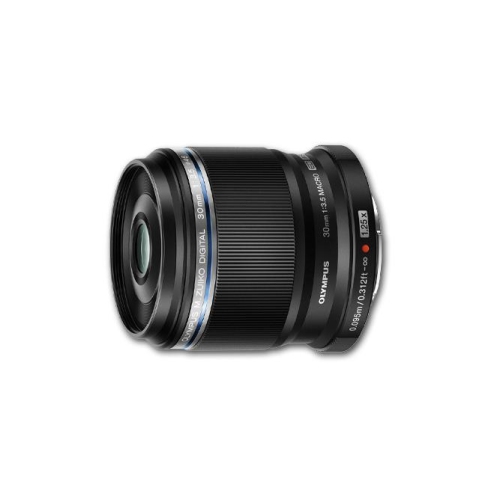
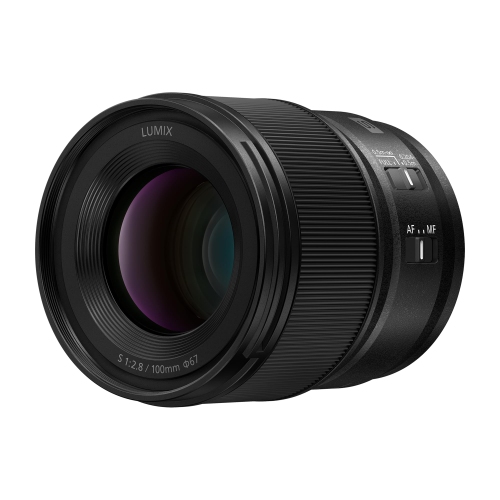
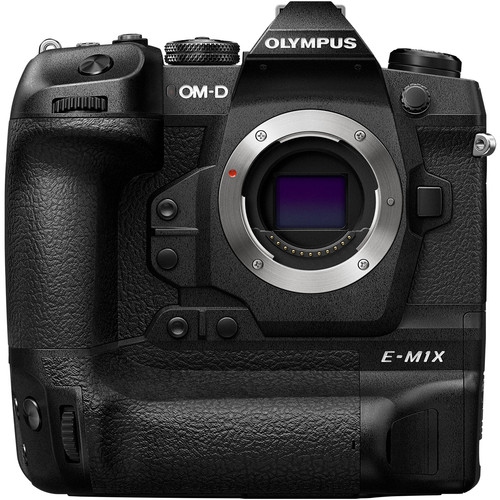
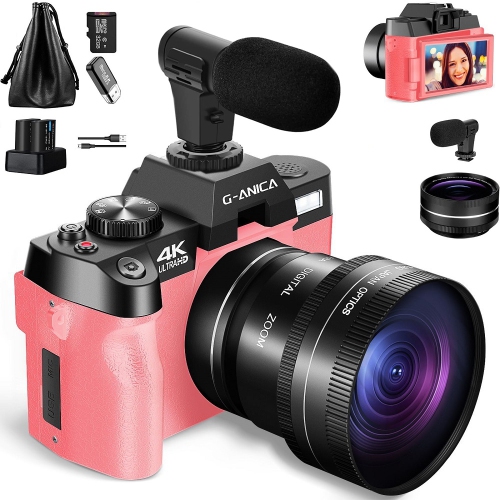
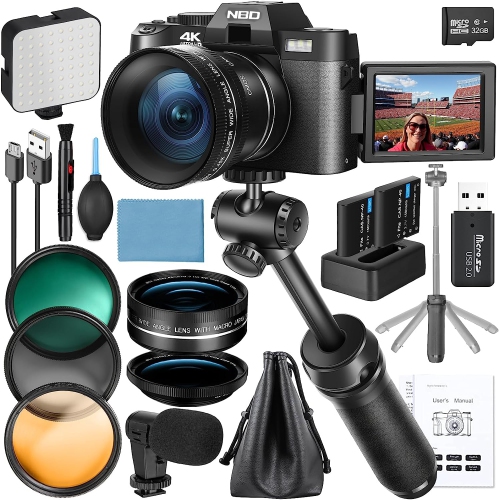
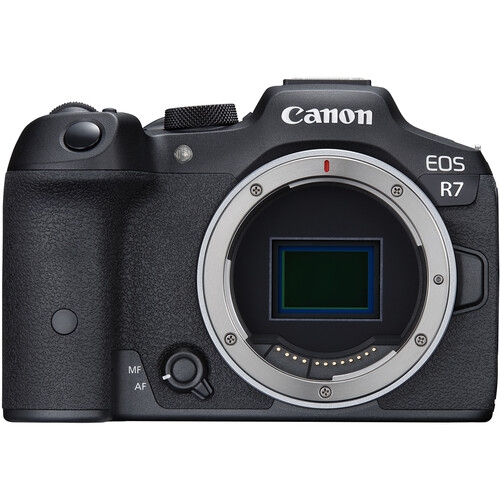
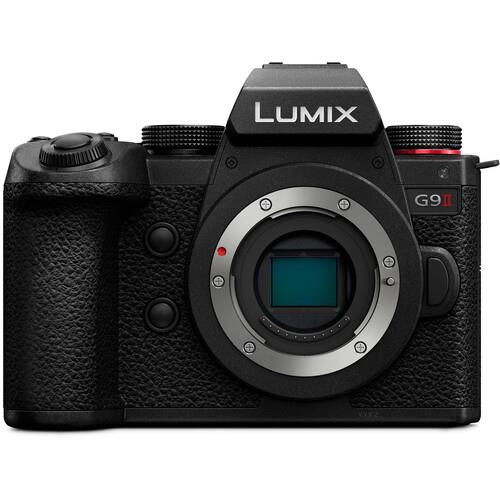
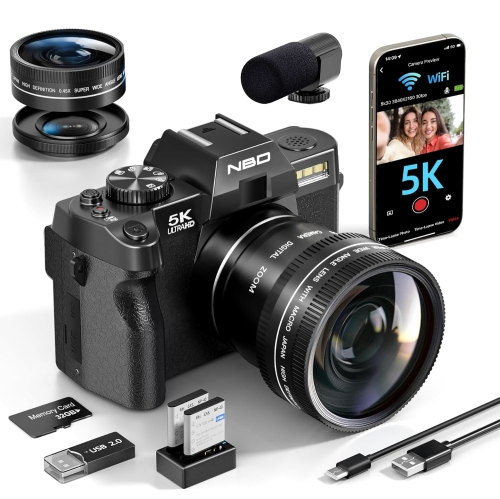
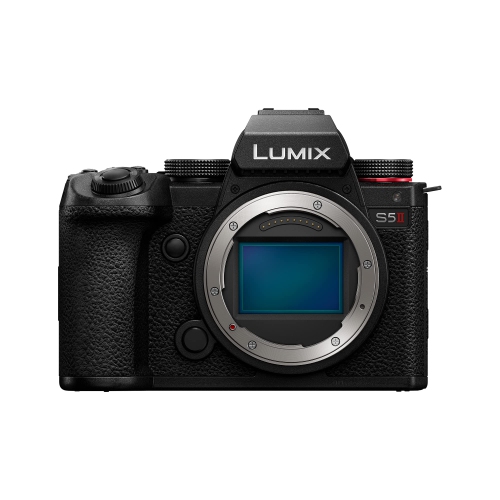
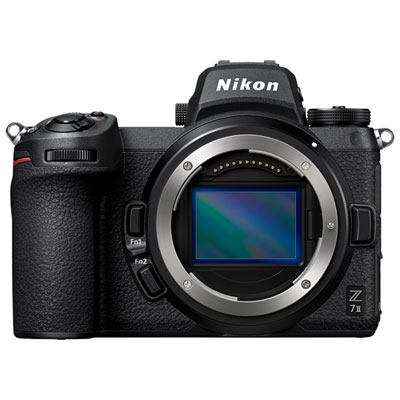
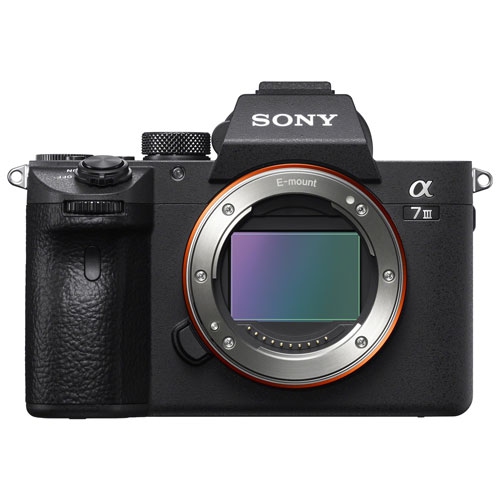
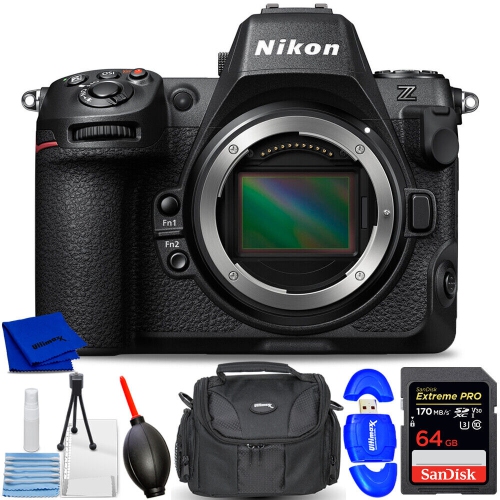
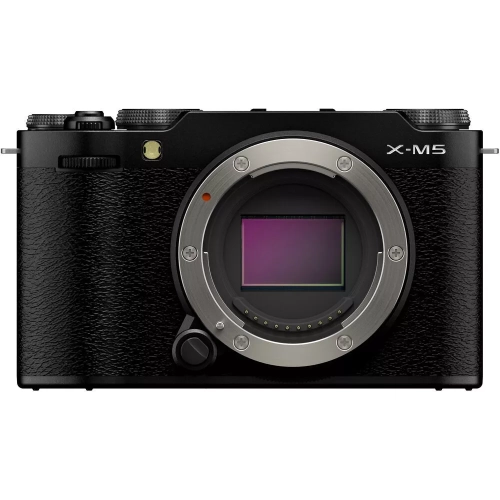
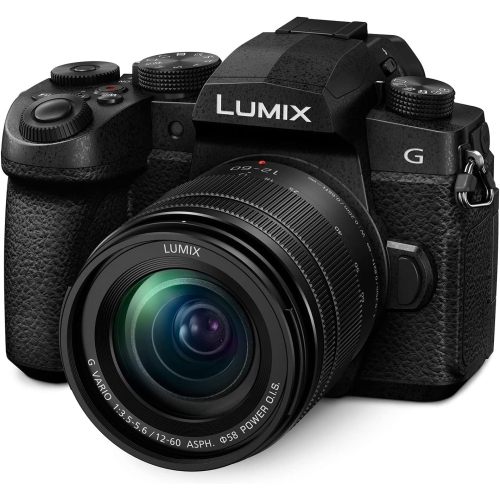

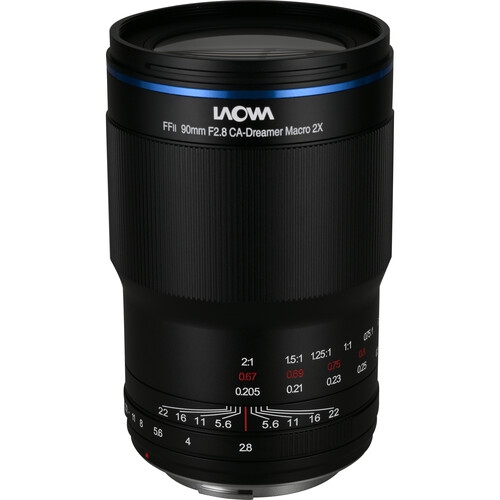
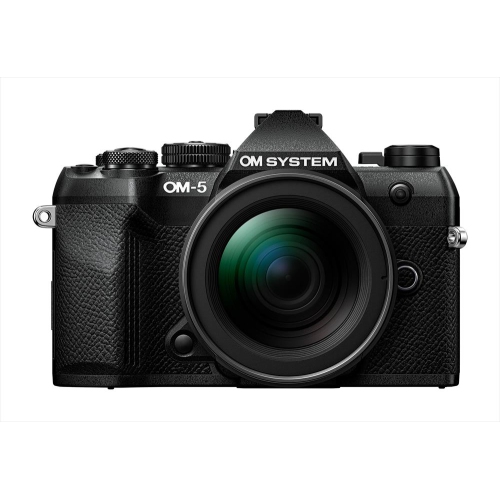
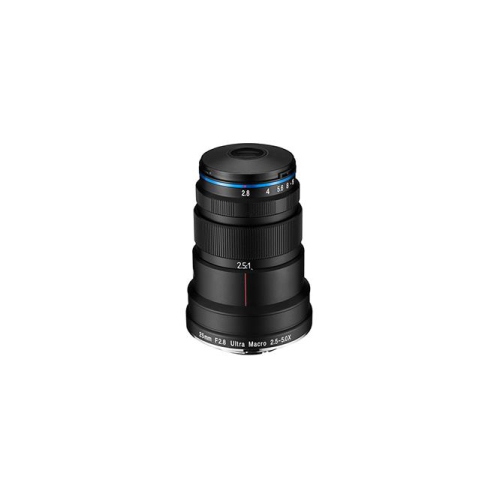
Features that help reveal detail at close range
Mirrorless cameras for macro photography give close-up photographers a flexible way to record fine textures, delicate colours, and small details that are easy to miss with the unaided eye. They are suitable for photographing flowers, insects, leaves, food, jewellery, artwork, collectibles, and small products, whether the camera is used at home, in a studio, on a balcony, or outdoors during the warmer and cooler seasons. A mirrorless design keeps the camera relatively compact while providing an electronic viewfinder and live preview, allowing you to see how exposure, white balance, and depth of field may appear before pressing the shutter. This can be especially helpful at high magnification, where a slight change in focus or camera position can transform an image. When comparing cameras, consider the complete system rather than the camera body alone. Lens compatibility, available macro lenses, close-focusing performance, flash options, batteries, memory cards, and the comfort of the grip can all influence the experience. Dedicated macro lenses are built to focus at short distances and reproduce subjects at high magnification, while a general-purpose lens with close-focusing capability may suit casual flower, craft, or food photography. A camera with a tilting or fully articulating screen can make it easier to compose images close to the ground, above a workbench, or around an awkward subject without crouching or putting your face against the viewfinder. This practical advantage is easy to appreciate after spending several minutes trying to photograph a tiny mushroom beneath a fern or a small object arranged on a tabletop.
The most important camera features for macro work depend on the subject, lighting, and shooting style. In-body image stabilization, often called IBIS, helps reduce the effect of small hand movements and can make handheld shooting more comfortable, particularly when working with natural light. Stabilization does not freeze a moving insect or compensate for a subject that shifts in the breeze, but it can help maintain sharpness when the camera itself moves. A high-resolution sensor provides room to crop into a frame while retaining useful detail, which is valuable when the subject is too delicate or distant to approach closely. Sensor size also affects the look and handling of macro photographs. Micro Four Thirds systems can provide greater inherent depth of field at close focusing distances, helping more of a flower, insect, or miniature object appear sharp at the same framing and aperture. APS-C cameras offer a useful balance of detail, reach, size, and lens choice, while full-frame cameras can deliver strong low-light performance, smooth tonal transitions, and additional flexibility for cropping. At close range, however, depth of field becomes extremely narrow regardless of sensor size. The front of a beetle may be sharp while its wings soften just a few millimetres behind it. This is where focus bracketing and focus stacking can be valuable. Focus bracketing automatically captures a sequence of photographs at different focus distances, and compatible software or in-camera processing can combine those frames into one image with a larger area of apparent sharpness. It is particularly useful for stationary subjects such as flowers, coins, models, food, and product details. Look for controls that make the number of frames, focus increment, and exposure settings easy to adjust. Manual focus aids, focus peaking, magnified live view, and responsive autofocus can also make the final image easier to refine. For more information about choosing a camera around these features and use cases, browse Best Cameras for Macro Photography.
The right mirrorless camera for macro photography should also suit the person using it. A beginner may appreciate straightforward menus, guided controls, dependable autofocus, and a comfortable automatic mode while learning how distance, aperture, and lighting affect a close-up image. An enthusiast who photographs insects or garden subjects may prioritize fast subject detection, strong stabilization, weather-resistant construction, a quiet shutter mode, and a screen that can be positioned for low-angle compositions. Someone photographing handmade goods, stamps, watches, food, or online listings may value consistent colour, tethering support, high resolution, and reliable operation on a tripod. A camera with a microphone input and capable video features can also appeal to creators recording close-up demonstrations, nature clips, or behind-the-scenes craft projects. For moving subjects, shutter speed and autofocus tracking can matter more than maximum resolution; for a flower arranged in a vase, a stable tripod, a remote shutter release, and focus stacking may have a greater impact. Lighting deserves equal attention. Natural window light can produce soft shadows on a still life, while a compact flash, continuous light, reflector, or diffuser can reveal texture without creating harsh highlights. When shooting outdoors, a small tripod or beanbag can steady the camera, and a windbreak can help keep leaves and petals still. Macro photography often rewards patience: focusing manually, adjusting the camera by a few centimetres, and taking several frames can produce a more successful result than relying on a single exposure. These cameras can make thoughtful gifts for gardeners, nature lovers, artists, collectors, crafters, students, and anyone who enjoys noticing the tiny details in everyday surroundings. During the cooler months, they can bring a rewarding creative project indoors for photographing minerals, fabric, model scenes, baked goods, or treasured keepsakes; when the weather warms, the same setup can travel outdoors for garden subjects and small wildlife. Comparing sensor size, stabilization, focus controls, screen design, resolution, lens compatibility, and overall handling helps match the camera to the subjects and settings that will inspire the most use.
The most important camera features for macro work depend on the subject, lighting, and shooting style. In-body image stabilization, often called IBIS, helps reduce the effect of small hand movements and can make handheld shooting more comfortable, particularly when working with natural light. Stabilization does not freeze a moving insect or compensate for a subject that shifts in the breeze, but it can help maintain sharpness when the camera itself moves. A high-resolution sensor provides room to crop into a frame while retaining useful detail, which is valuable when the subject is too delicate or distant to approach closely. Sensor size also affects the look and handling of macro photographs. Micro Four Thirds systems can provide greater inherent depth of field at close focusing distances, helping more of a flower, insect, or miniature object appear sharp at the same framing and aperture. APS-C cameras offer a useful balance of detail, reach, size, and lens choice, while full-frame cameras can deliver strong low-light performance, smooth tonal transitions, and additional flexibility for cropping. At close range, however, depth of field becomes extremely narrow regardless of sensor size. The front of a beetle may be sharp while its wings soften just a few millimetres behind it. This is where focus bracketing and focus stacking can be valuable. Focus bracketing automatically captures a sequence of photographs at different focus distances, and compatible software or in-camera processing can combine those frames into one image with a larger area of apparent sharpness. It is particularly useful for stationary subjects such as flowers, coins, models, food, and product details. Look for controls that make the number of frames, focus increment, and exposure settings easy to adjust. Manual focus aids, focus peaking, magnified live view, and responsive autofocus can also make the final image easier to refine. For more information about choosing a camera around these features and use cases, browse Best Cameras for Macro Photography.
The right mirrorless camera for macro photography should also suit the person using it. A beginner may appreciate straightforward menus, guided controls, dependable autofocus, and a comfortable automatic mode while learning how distance, aperture, and lighting affect a close-up image. An enthusiast who photographs insects or garden subjects may prioritize fast subject detection, strong stabilization, weather-resistant construction, a quiet shutter mode, and a screen that can be positioned for low-angle compositions. Someone photographing handmade goods, stamps, watches, food, or online listings may value consistent colour, tethering support, high resolution, and reliable operation on a tripod. A camera with a microphone input and capable video features can also appeal to creators recording close-up demonstrations, nature clips, or behind-the-scenes craft projects. For moving subjects, shutter speed and autofocus tracking can matter more than maximum resolution; for a flower arranged in a vase, a stable tripod, a remote shutter release, and focus stacking may have a greater impact. Lighting deserves equal attention. Natural window light can produce soft shadows on a still life, while a compact flash, continuous light, reflector, or diffuser can reveal texture without creating harsh highlights. When shooting outdoors, a small tripod or beanbag can steady the camera, and a windbreak can help keep leaves and petals still. Macro photography often rewards patience: focusing manually, adjusting the camera by a few centimetres, and taking several frames can produce a more successful result than relying on a single exposure. These cameras can make thoughtful gifts for gardeners, nature lovers, artists, collectors, crafters, students, and anyone who enjoys noticing the tiny details in everyday surroundings. During the cooler months, they can bring a rewarding creative project indoors for photographing minerals, fabric, model scenes, baked goods, or treasured keepsakes; when the weather warms, the same setup can travel outdoors for garden subjects and small wildlife. Comparing sensor size, stabilization, focus controls, screen design, resolution, lens compatibility, and overall handling helps match the camera to the subjects and settings that will inspire the most use.
Top selling and popular products
-
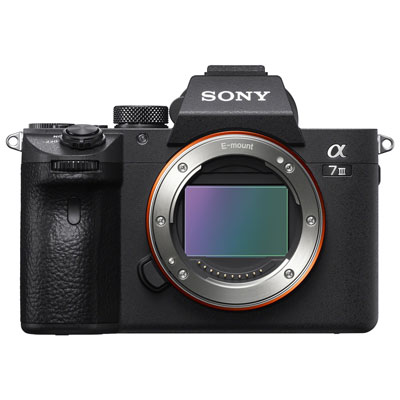 Your price for this item is $1899.99
 -
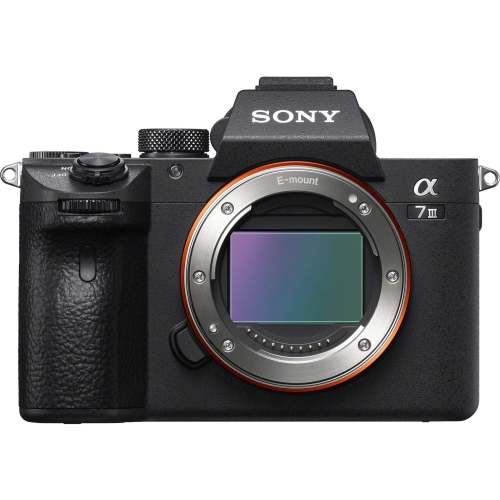 Your price for this item is $1899
 -
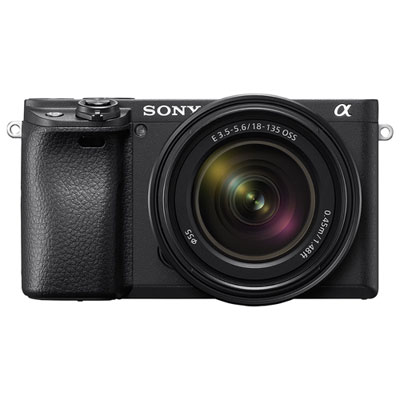 Your price for this item is $1749.99
 -
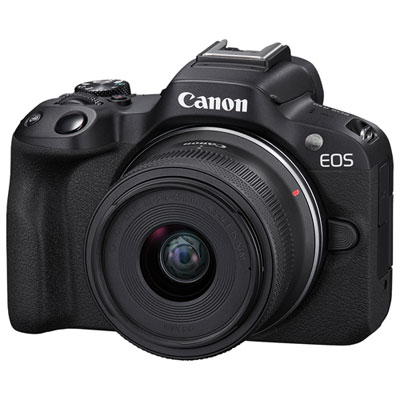 Your price for this item is $999.99
 -
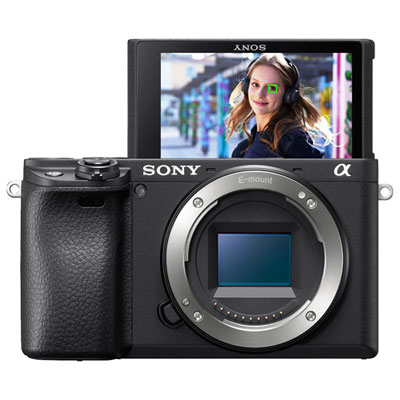 Your price for this item is $1249.99
 -
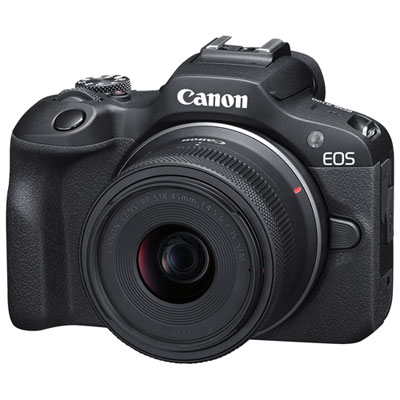 Your price for this item is $749.99
 -
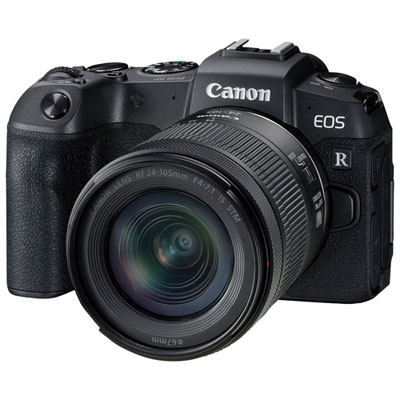 Your price for this item is $1499.99
 -
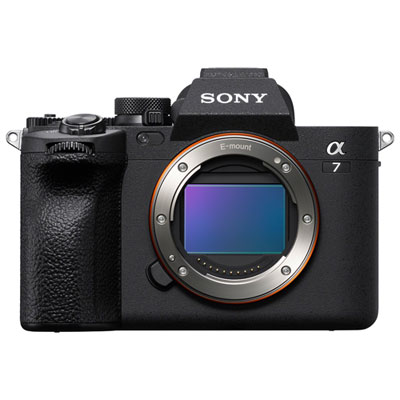 Your price for this item is $2699.99
Discover more categories related to Mirrorless Cameras for Macro Photography
Top Collections:
Pokemon Centers, Kindle Devices, Best Budget Office Chairs, Apple iPhones 16, Best Laptops for Writers, iPhone 15 Apple, Canon G7X Cameras, Refurbished Apple Laptops, Alarm Clock, Motorola Razr Phones
Some products may be subject to Environmental Handling Fees
(EHF) depending on your province.
Learn more about EHFs.