Best Cameras for Astrophotography

Capture the beauty of the night sky with the best cameras for astrophotography, ranked by customer review ratings. Whether you’re photographing constellations, the Milky Way, or star trails, explore options for your setup and skill level. Look for strong low-light performance, manual exposure controls, and long-exposure capabilities to help bring distant details into focus.

Read More

What to look for in cameras for astrophotography

1. Sensor Performance

Look for a camera that captures detail with low noise at higher ISO settings. Full-frame sensors generally offer strong low-light performance, while APS-C and Micro Four Thirds cameras can also deliver impressive results with suitable lenses and shooting techniques.

2. Lens and Telescope Compatibility

For wide views of the Milky Way, look for compatibility with wide-angle lenses featuring a maximum aperture of f/2.8 or wider. If you plan to photograph through a telescope, check which camera adapters are required and whether your setup can reach focus.

3. Long-Exposure Controls

Manual exposure controls and Bulb mode let you adjust settings for faint night-sky subjects. RAW capture gives you more flexibility when editing, while a built-in interval timer or support for an external intervalometer helps you capture sequences for image stacking or star trails.

4. Focusing and Night-Time Usability

Magnified live view helps you manually focus on stars when autofocus struggles in the dark. An articulating screen makes upward-facing shots easier to frame, and support for spare batteries or external power is useful during long sessions.
  1. 1

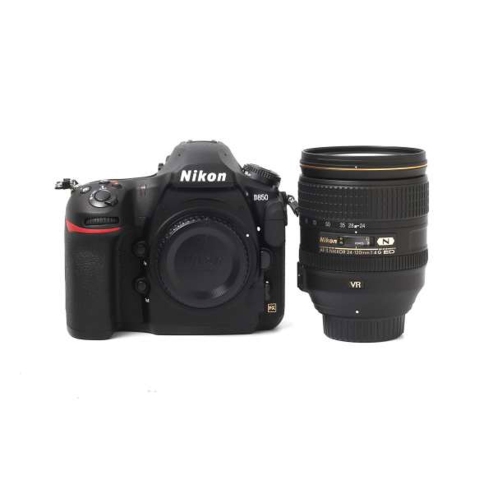
    NIKON D780 Dslr Camera With 24-120MM Lens

    About this product

    A powerful DSLR camera with 24.5MP sensor, 4K video, and 51-point AF system.

    (14)
    $3,144.99 Your price for this item is $3144.99
  2. 2

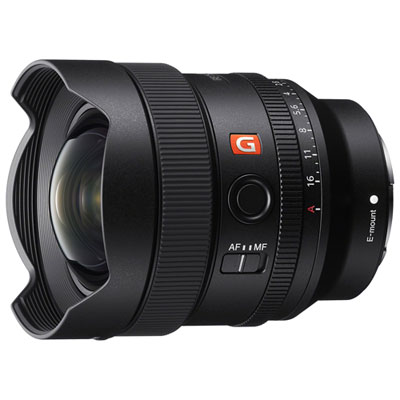
    Sony FE 14mm f/1.8 GM G Master Full-Frame Lens

    About this product

    A compact and lightweight black lens with F1.8 aperture for high-resolution wide-angle/fisheye photography and videography.

    What customers like

    • Fast aperture and low light performance
    • Great image quality
    • Versatile and lightweight
    • Minimal distortion and fisheye effect
    • Excellent wide-angle capabilities
    (27)
    $2,099.99 Your price for this item is $2099.99
  3. 3

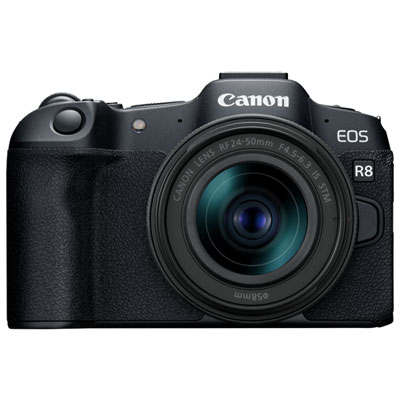
    Canon EOS R8 Mirrorless Camera with 24-50mm IS STM Lens Kit

    About this product

    A lightweight mirrorless camera kit featuring fast autofocus, advanced subject tracking, and professional video functions.

    What customers like

    • User-friendly and easy to use
    • Strong low-light performance
    • Lightweight and compact design
    • Excellent image quality
    • Fast and accurate autofocus
    (283)
    $2,199.99 Your price for this item is $2199.99
  4. 4

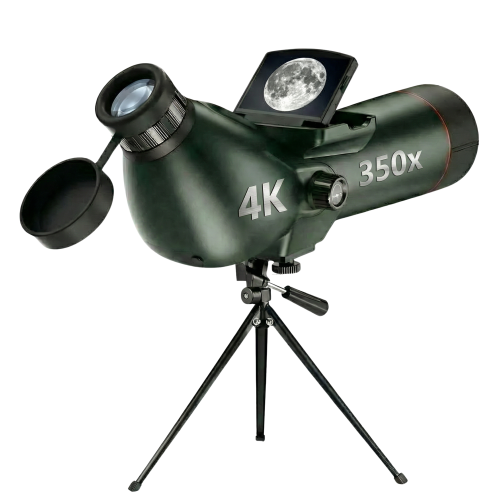
    TUTT Telescope, Recording Spotting Scope 350X | External Screen & Night Vision | 30Mp HD Microsd Astronomical Ip54 Waterproof Star0Ne

    About this product

    An advanced telescope with 350× zoom, night vision, 30MP imaging, 4K video, and IP54 water resistance.

    (3)
    $389.90
    SAVE $110
    Your price for this item is $389.90
  5. 5

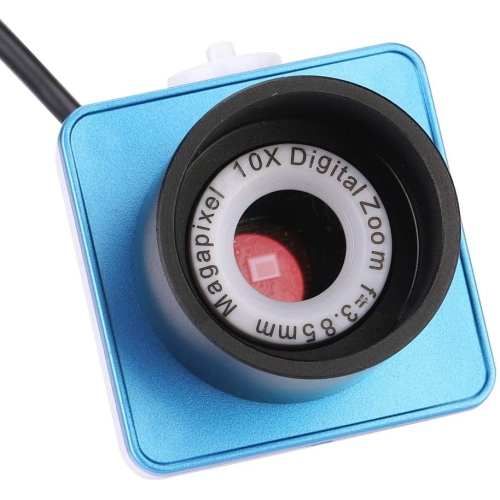
    ALBERTATECH Monocular Telescope, 1.25 Inch Digital Telescope With Electronic Eyepiece Camera, for USB Port

    About this product

    A digital monocular telescope with a 1.25-inch electronic eyepiece camera and 640x480 pixel resolution.

    (1)
    $11.89 Your price for this item is $11.89
  6. 6

    GOODLUCK TECH 8K Digital Cameras for Photography Professional 88Mp Wifi Camera With Autofocus And Dual 16X Lens In Black

    About this product

    An advanced black camera featuring 8K video, 88MP sensor, Wi-Fi, autofocus, and dual 16x lenses.

    $240.95
    SAVE $192
    Your price for this item is $240.95
  7. 7

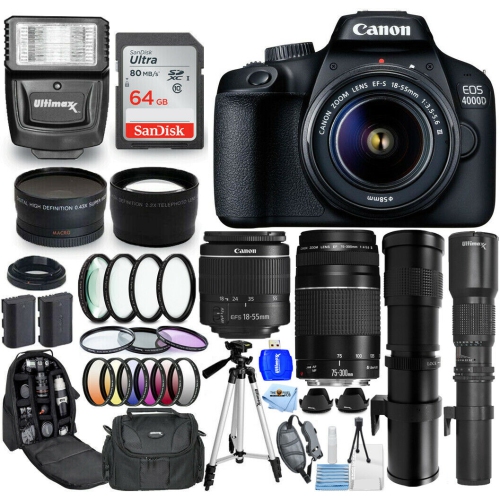
    CANON Eos 4000D/rebel T100 18-55MM Iii + 75-300MM + 500MM + 420-800MM - 64GB Kit

    About this product

    A versatile DSLR kit featuring an 18MP sensor, multiple lenses, Full HD video, and 64GB storage.

    $1,279.95
    SAVE $95
    Your price for this item is $1279.95
  8. 8

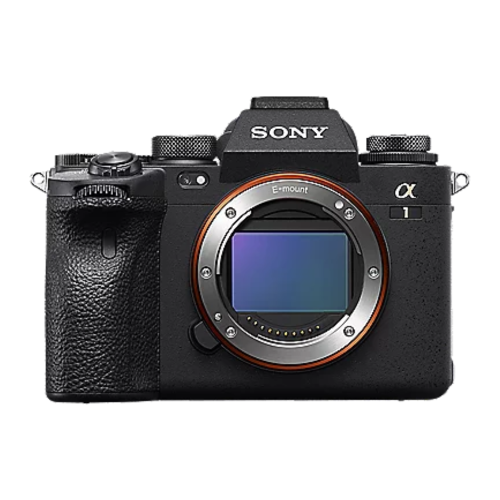
    SONY (Refurbished Good) - A1 - Body - Mirrorless Camera

    About this product

    A high-performance mirrorless camera offering a 50.1MP full-frame sensor, 8K video, and advanced autofocus.

    $4,759.99
    SAVE $960
    Your price for this item is $4759.99
  9. 9

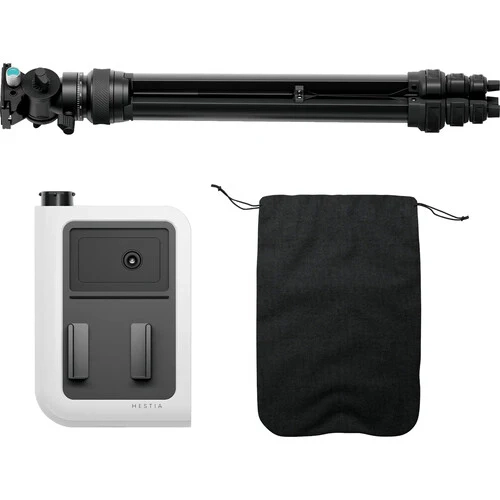
    VAONIS Hestia Telescope With Tripod Solar Filter Carry Case Sun Cap & Solar Pointer

    About this product

    A smartphone-based telescope kit with tripod, solar filter, carry case, sun cap, and solar pointer.

    $319.00 Your price for this item is $319
  10. 10

    VAONIS Vespera Ii Telescope Station With Star Field Recognition Technology

    About this product

    A smart, portable telescope with star field recognition that captures and shares high-resolution cosmic images to your phone.

    $2,249.00 Your price for this item is $2249

Nightscapes and distant galaxies call for different camera setups

The best cameras for astrophotography combine strong low-light image quality, dependable manual controls, and compatibility with the lenses or telescopes suited to the subject. A camera for a sweeping nightscape has different demands from one used to photograph a distant galaxy. For stars above a lakeshore, a moonlit mountain range, or the Milky Way stretching across a dark sky, mirrorless and DSLR cameras offer the flexibility of interchangeable lenses and familiar photographic controls. They can also handle daytime landscapes, travel, and family photography, making them practical for photographers whose interests extend beyond astronomy. Full-frame sensors are often attractive for wide-field night photography because they can offer strong image quality in low light and a broad field of view with a suitable lens. APS-C and Micro Four Thirds cameras can also produce detailed astrophotography images, particularly when paired with bright lenses, accurate focus, and well-controlled exposures. Sensor size alone does not determine the result: sensor design, lens quality, tracking accuracy, and processing all contribute. Dedicated astronomy cameras serve a different purpose, typically connecting to a telescope and computer rather than working as self-contained everyday cameras. Cooled models designed for deep-sky imaging can reduce thermal noise during long exposures, helping preserve faint detail in nebulae and galaxies. Planetary cameras place more emphasis on fast image capture, allowing many frames of the Moon or planets to be combined into a sharper final image. These differences make intended use more useful than a single universal ranking. A compact mirrorless body may suit someone carrying a tripod along a wooded trail, while a dedicated cooled camera may suit an experienced telescope owner building a backyard imaging setup. The most suitable choice balances image quality with the complete kit, the time available for each session, and the type of sky photograph the photographer wants to bring home.

For interchangeable-lens cameras, useful astrophotography features include RAW capture, manual exposure, magnified live view, and a way to make exposures longer than the standard shutter settings allow. RAW files retain more image information for adjusting white balance, lifting shadow detail, and processing a series of exposures together. High-ISO performance matters, but the largest ISO number printed in a specification is not a reliable measure of night-sky image quality. Clean shadows, useful dynamic range, and manageable noise at the settings actually used are more relevant. A bright wide-angle lens is a natural match for broad star fields, while longer focal lengths bring smaller celestial subjects closer and place greater demands on tracking. Lens behaviour near the corners matters as well: good control of coma helps stars remain compact points rather than appearing stretched or wing-shaped. Camera and lens fit includes the mount, any required adapter, and clearance for accessories, not just whether two parts can physically connect. Photographers exploring an optical-viewfinder system can find related options among DSLR Cameras for Astrophotography, with particular attention to lens compatibility and live-view focusing features. On either a DSLR or mirrorless body, an articulating screen can make framing more comfortable when the camera points steeply upward. Tactile controls and a secure grip are valuable when making adjustments in darkness, especially during the cooler months. An interval timer or compatible remote release supports repeated exposures without touching the camera, while external power support can help with longer sessions when the manufacturer permits it. For telescope use, the connection requires closer attention to adapters, focus travel, back-focus spacing, and the weight the mount can carry accurately. A colour astronomy camera captures colour data in a single setup; a monochrome model generally needs separate filters and exposures to build a colour image. Neither approach replaces stable tracking or careful focus, but each suits a different level of involvement and a different imaging workflow.

Construction, handling, and care become especially noticeable when a camera spends hours outdoors rather than a few minutes taking handheld photographs. Bodies made with metal alloys or reinforced composite materials can offer a useful balance of rigidity and manageable weight, though durability depends on the overall design rather than the shell material alone. Weather sealing provides added protection on suitably equipped cameras and lenses, but it does not make a setup waterproof or prevent dew from forming on exposed glass. A properly fitted lens hood and a compatible dew heater can help keep moisture from interrupting a session, while a padded bag protects the body, lenses, and small adapters during transport. Published operating-temperature limits deserve attention for Canadian night photography, and spare batteries are useful because cold conditions can reduce battery performance. When moving cold equipment indoors, keeping it in a closed bag while it gradually warms can help limit condensation on the equipment; once temperatures have equalized, any damp gear should dry before storage. Gentle lens care, clean mounting surfaces, and a body cap when no lens is attached help keep an imaging kit ready for its next outing. Portability is another practical consideration: a lighter camera can leave more carrying capacity for a sturdy tripod, tracking mount, or extra power. For a beginner photographing constellations over a cottage roof, straightforward controls and a familiar lens system may matter more than specialized capture software. For someone collecting hours of data on a faint nebula, regulated cooling, reliable computer connections, and compatibility with existing telescope accessories become more important. Cameras for astrophotography can also make thoughtful gifts for landscape photographers, astronomy enthusiasts, and people who enjoy quiet evenings under dark skies, provided the camera fits the recipient’s lenses, telescope, and experience. Across these uses, a well-matched setup makes the practical work easier, from finding sharp focus on a bright star to capturing the faint structure that only emerges after multiple exposures are combined.
Read More

FAQ

Some products may be subject to Environmental Handling Fees (EHF) depending on your province. Learn more about EHFs.