DSLR Cameras for Astrophotography
DSLR Cameras for Astrophotography open up a world of stunning night sky images, capturing the beauty of stars, planets, and distant galaxies with remarkable clarity. Whether you’re a seasoned astronomer or just beginning your journey into astrophotography, choosing the right DSLR camera can make all the difference in your results. Explore a wide selection designed to help you shoot breathtaking celestial scenes and bring the wonders of the universe closer than ever before. Find the perfect match for your creative vision and start capturing unforgettable moments under the stars.
Sort

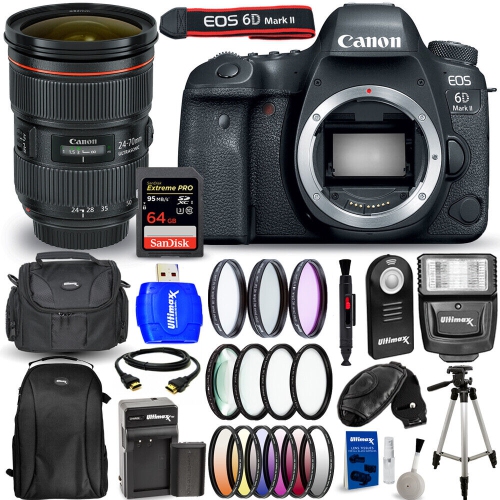
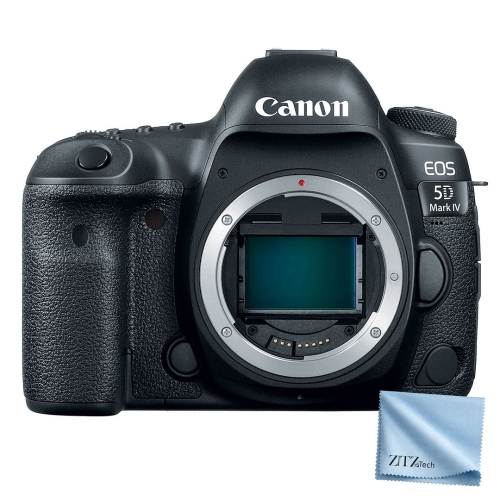
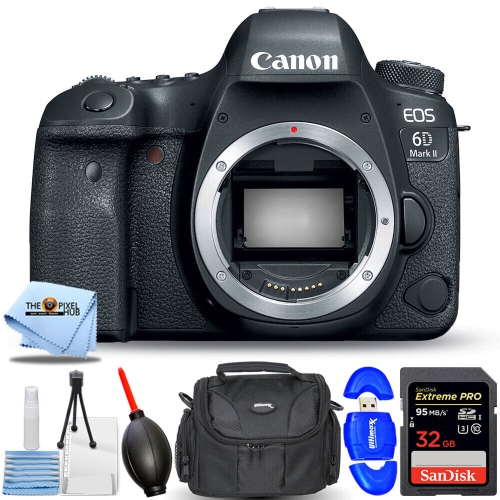
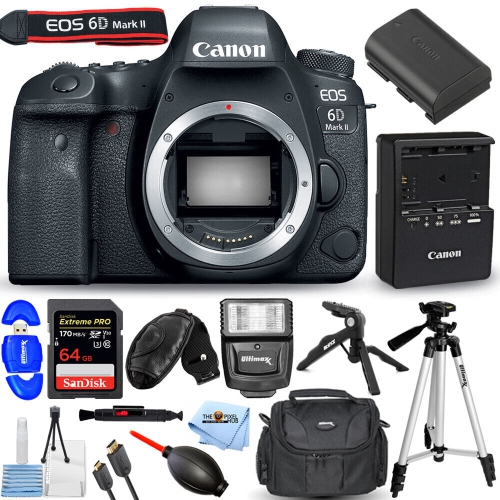
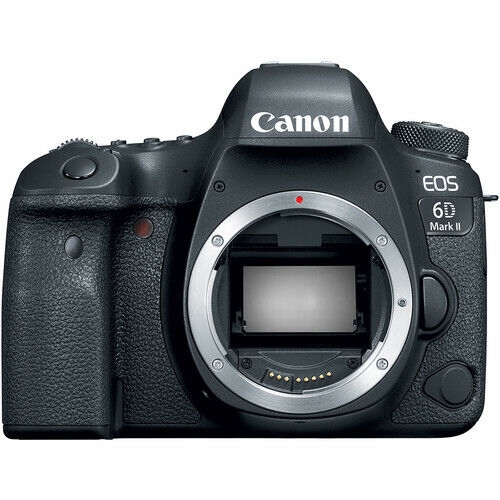
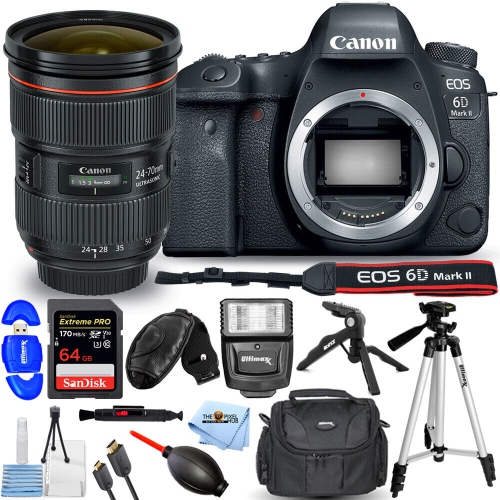
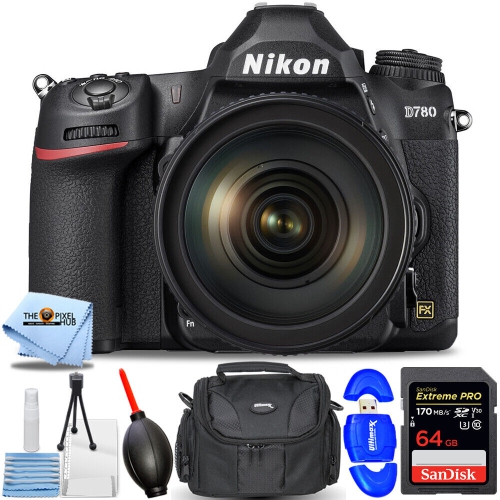
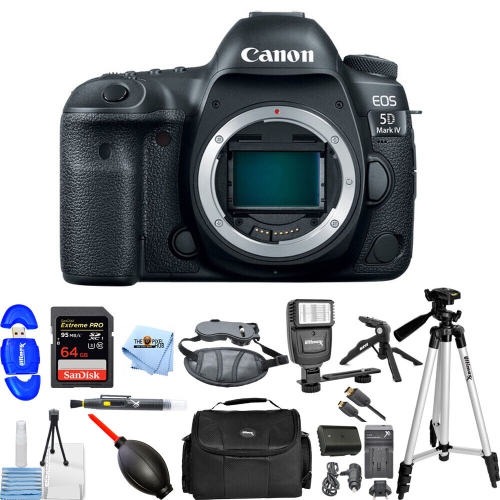
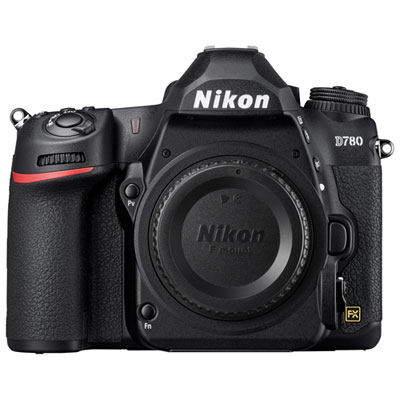


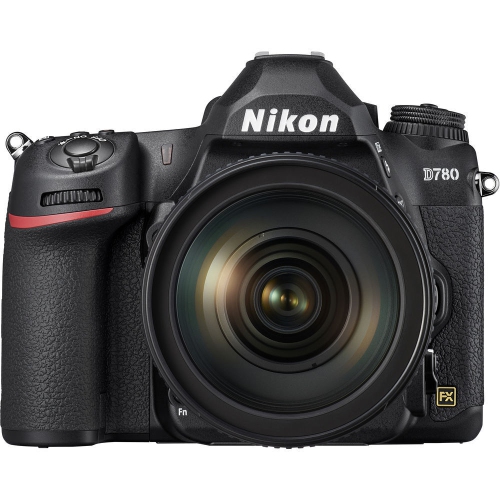
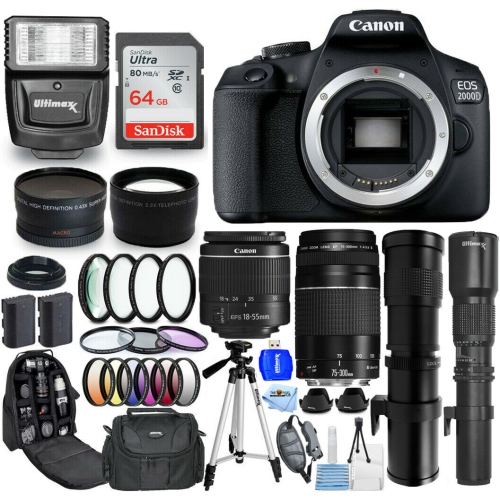
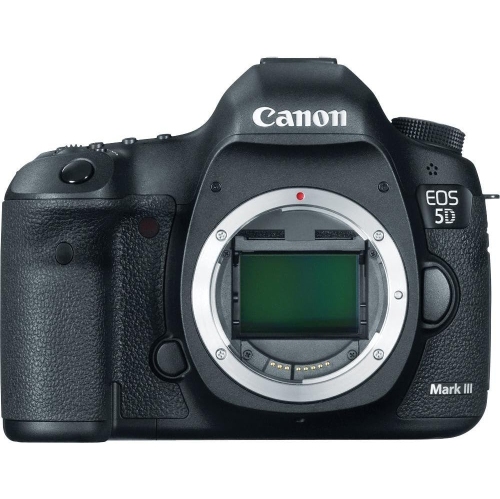

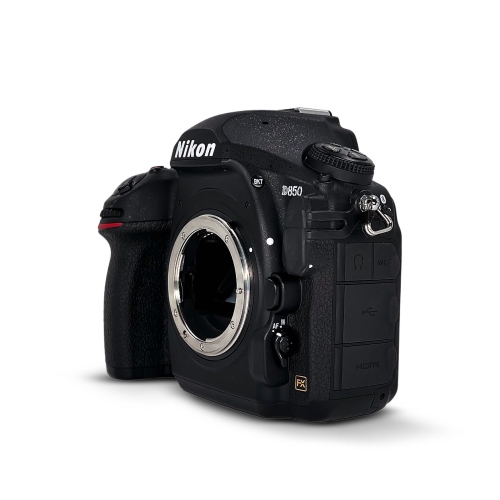
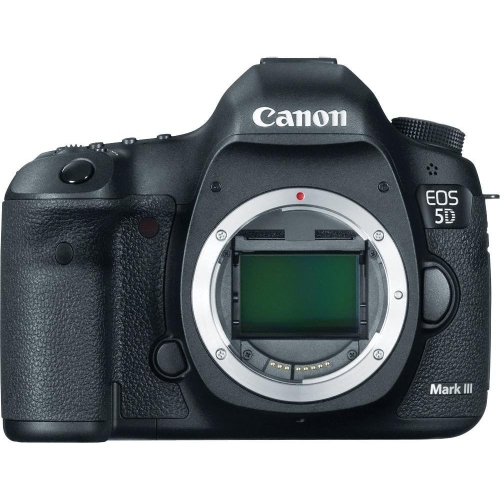
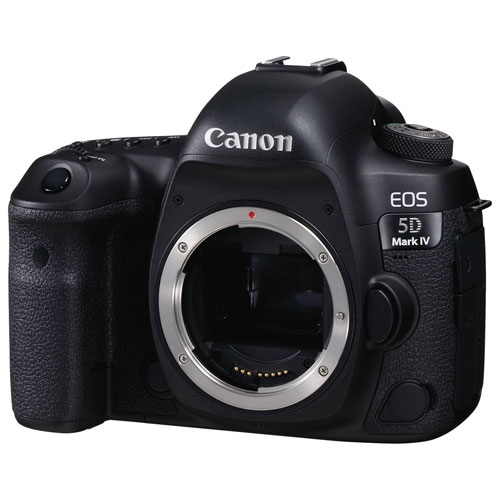
Why sharp stars depend on more than megapixels
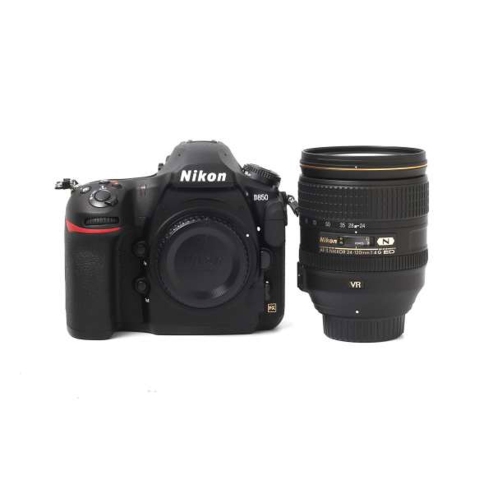
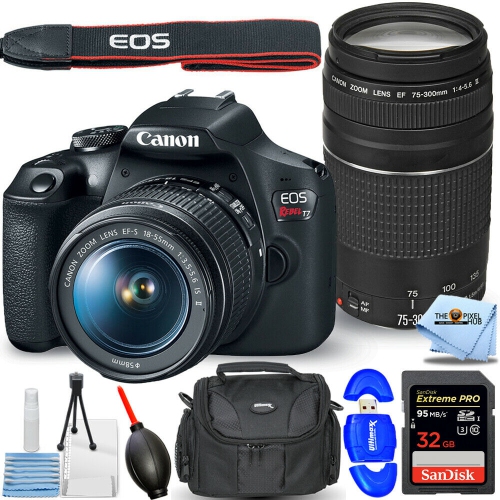
DSLR cameras for astrophotography combine interchangeable lenses, manual exposure control, and large imaging sensors for photographing subjects that range from moonlit landscapes to distant star fields. They suit photographers who want one camera body for both night-sky images and everyday photography, as well as astronomy enthusiasts interested in recording what they observe. A wide view of the Milky Way above a shoreline calls for different equipment than a close-up of lunar craters, so the intended subject matters as much as the camera’s specifications. Full-frame DSLR sensors provide a wider field of view than smaller sensors when used with the same focal length, making them useful for expansive nightscapes. They can also offer strong low-light image quality, although sensor design, exposure, and lens performance all influence the result. APS-C DSLRs remain capable options for astrophotography, particularly when their smaller bodies fit comfortably into a kit carried to a dark viewing location. Their narrower field of view can help frame smaller subjects, but a crop sensor does not increase a lens’s actual focal length. Low noise and good dynamic range are valuable for preserving faint stars while retaining detail around brighter subjects. Higher ISO settings can make a recorded image appear brighter, but they do not increase the amount of light reaching the sensor; aperture and exposure time remain central to capturing faint detail. RAW recording preserves more flexibility for adjusting colour, white balance, and shadow detail during editing than JPEG alone. Resolution can support cropping and large prints, but megapixel count is only one part of night-sky performance. Lens choice is equally important. A wide-angle lens with a large maximum aperture is well suited to star-filled landscapes, while a longer lens can frame the Moon or tighter sections of the sky. Optical performance near the corners matters because stars reveal imperfections that may be less noticeable in daytime photographs. Good control of coma helps keep bright points near the frame edges from appearing stretched or wing-shaped, and stopping a lens down slightly can sometimes improve their shape.
The features most useful in a DSLR for astrophotography are those that make long exposures and precise focusing easier to manage. Manual exposure settings provide consistent control over shutter speed, aperture, and ISO, while manual focus avoids relying on autofocus to find detail in a mostly dark scene. Magnified live view, where available, can help reveal whether a bright star is sharply focused; a lens’s infinity marking is not always the exact setting that produces the clearest stars. An articulated screen makes composition more comfortable when the camera points overhead or sits low on a tripod, and clearly arranged controls are easier to operate without repeatedly disturbing the framing. Bulb mode allows exposures beyond the camera’s usual timed settings, often 30 seconds, although longer exposures are not automatically better. Earth’s rotation causes stars to move across the frame, and the point at which that movement becomes visible depends on focal length, sensor resolution, and the intended viewing size. Shorter exposures can retain point-like stars on a stationary tripod, while deliberately extended exposures create star trails. A compatible tracking mount follows the sky’s apparent movement and can support longer exposures of faint subjects when properly aligned. Remote shutter releases and intervalometers make it easier to start exposures without touching the camera and to record a repeatable sequence for later stacking. Some bodies include interval shooting; others need a compatible external accessory, so connection type and supported functions are important considerations. Image stacking combines multiple exposures to reduce random noise and bring out faint detail, making reliable sequence capture useful even without a telescope. For telescope use, attachment depends on the camera mount, an appropriate adapter, and the telescope’s ability to reach focus with the camera attached. The combined weight also needs to remain within the support capacity of the mount. Mirror lock-up, where supported, can reduce vibration from the DSLR’s mirror mechanism during high-magnification work. Long-exposure noise reduction can help address certain image artefacts, but it may add a second processing period after each exposure, which affects the spacing and duration of a sequence.
A practical astrophotography kit also depends on how the DSLR handles, travels, and fits with equipment already owned. Camera bodies may use engineered plastics, metal-alloy structures, or a combination of materials; construction quality, secure mount fittings, and comfortable controls matter more than appearance alone. A substantial grip can make a camera easier to handle when a larger lens is attached, while a lighter body reduces the load on a compact tracking setup. A rigid tripod, secure tripod head, and correctly fitted mounting plate help keep framing steady throughout a sequence. Heavier lenses may need their own tripod support to balance the assembly and reduce strain on the camera mount. Battery endurance deserves attention because live view and repeated long exposures can draw more power than occasional daytime shooting. Compatible spare batteries and supported external power options can help maintain a planned session, while memory-card capacity and write performance should suit the camera’s RAW files and shooting sequence. A padded carrying bag with adjustable dividers helps protect the body, lenses, and small adapters in transit, with separate compartments keeping cables and releases organized. Routine care includes replacing lens and body caps when equipment is not in use, removing loose dust with suitable cleaning tools, and avoiding unnecessary contact with the sensor or optical surfaces. Sensor dust can become visible in photographs, and internal cleaning is best handled according to the manufacturer’s recommendations or by a qualified service provider. Some astronomy-focused camera modifications alter internal filtering to increase sensitivity to hydrogen-alpha light from emission nebulae. Those changes can affect normal daytime colour reproduction and warranty coverage, so an unmodified DSLR is often more straightforward for mixed use. For someone who enjoys astronomy, landscape photography, or recording a first successful image of the Milky Way, a DSLR can be a thoughtful gift when its lens mount and accessories match their interests and existing equipment. The Best Cameras for Astrophotography page provides a broader view of camera options for night-sky imaging, while DSLR choices offer a familiar balance of photographic flexibility, hands-on control, and interchangeable-lens support.
Top selling and popular products
-
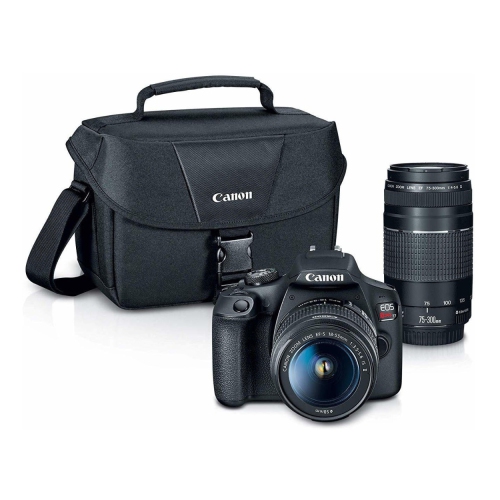 Your price for this item is $1039.95
-
 Your price for this item is $799.99
-
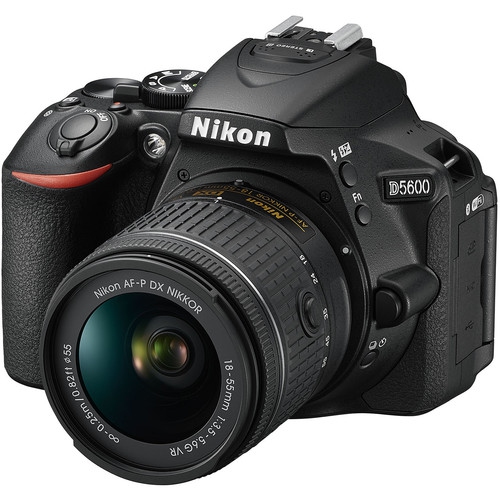 Your price for this item is $1309.95
-
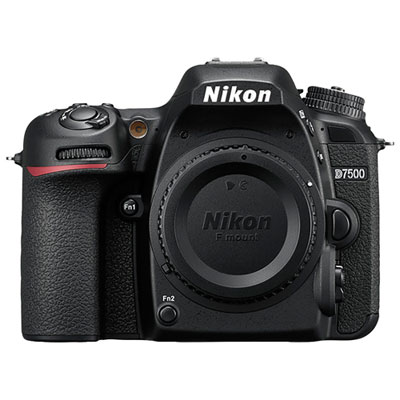 Your price for this item is $879.99
-
 Your price for this item is $1199.95
-
 Your price for this item is $1909.95
-
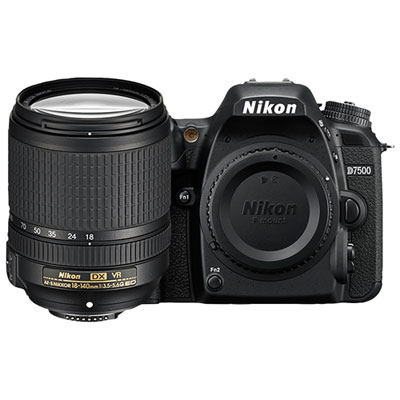 Your price for this item is $1279.99
-
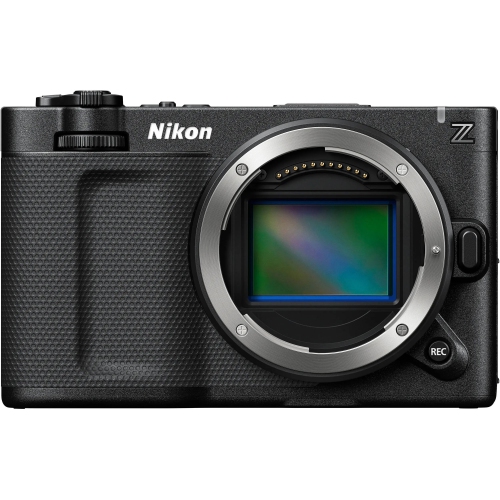 Your price for this item is $2889.99
Discover more categories related to DSLR Cameras for Astrophotography
Top Collections:
Pokemon Centers, Kindle Devices, Best Cameras for Sports Photography, Best Budget Office Chairs, Pokémon 30th Celebration Cards, Apple iPhones 16, Canon G7X Cameras, iPhone 15 Apple, Flip Phones, Samsung Galaxy Phones
Some products may be subject to Environmental Handling Fees
(EHF) depending on your province.
Learn more about EHFs.