Cameras for Astrophotography
Capture the wonders of the night sky with our selection of cameras for astrophotography. Whether you're an amateur stargazer or a seasoned astronomer, these powerful devices are designed to help you capture stunning images of celestial objects and phenomena. From capturing the vibrant colors of nebulae to documenting the intricate details of distant galaxies, our range of astrophotography cameras offers exceptional image quality, advanced features, and user-friendly interfaces.
Sort
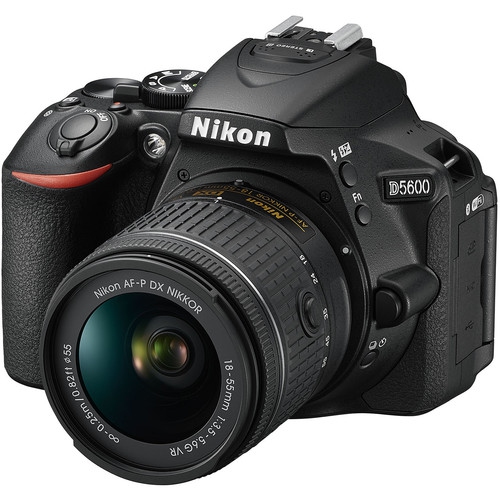
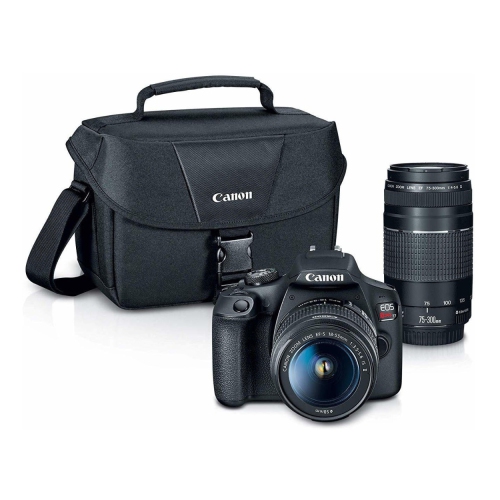
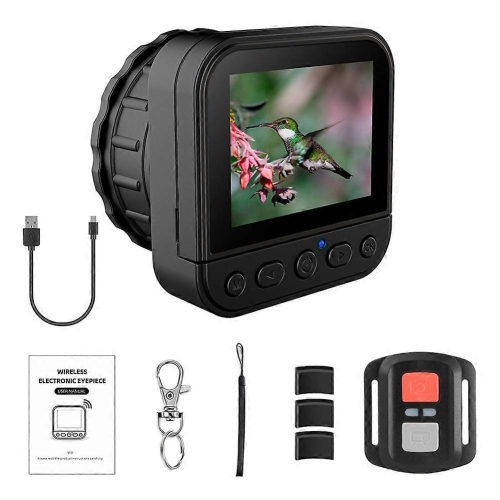
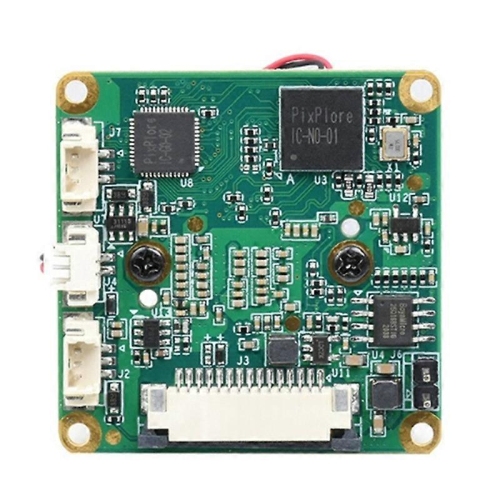
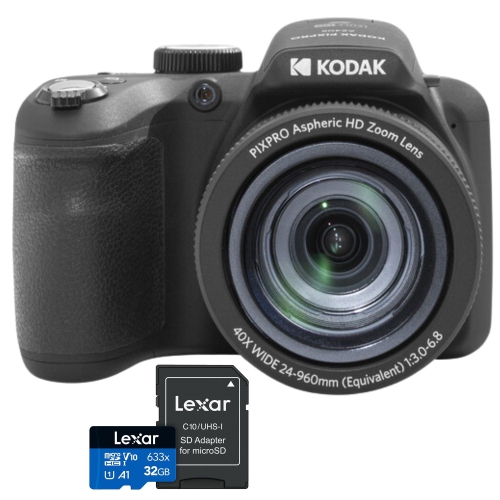
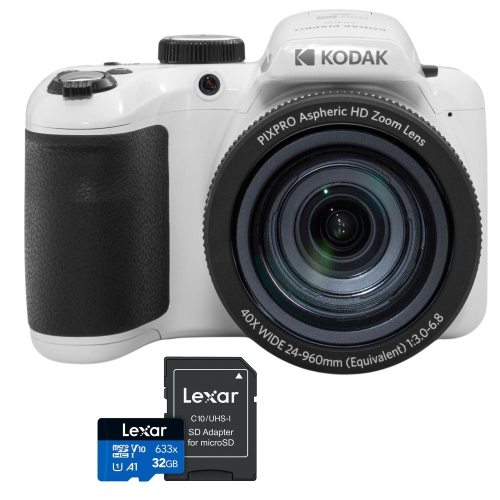
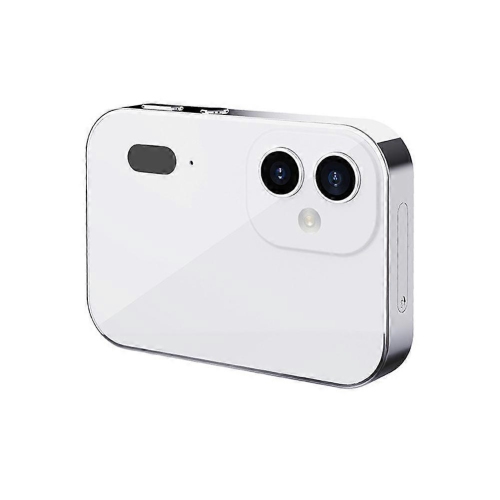
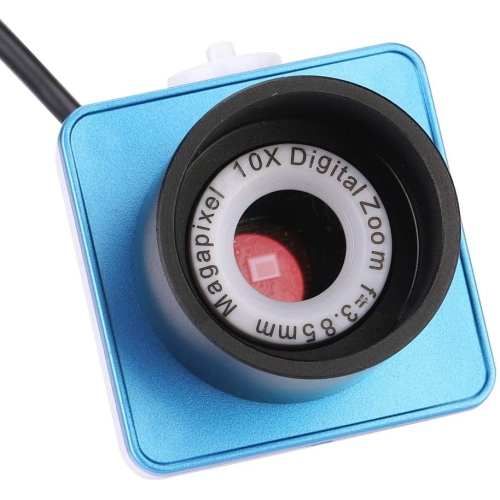
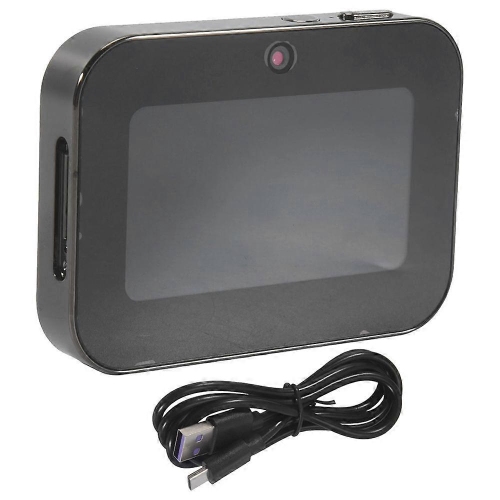
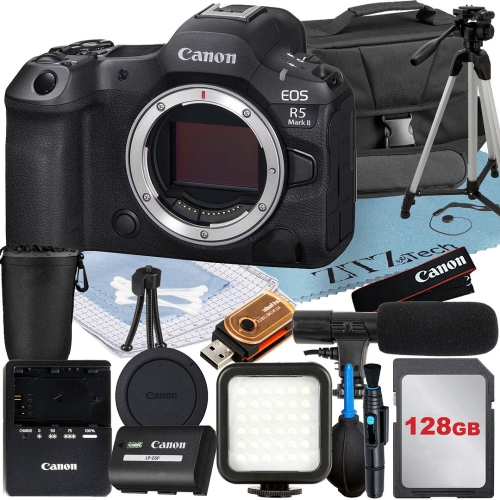
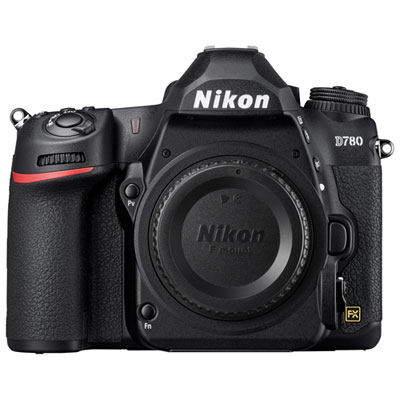
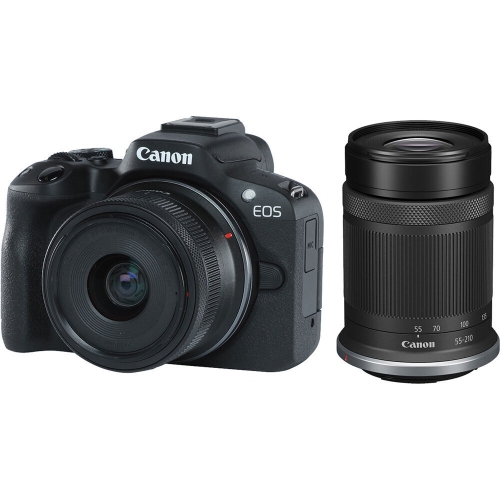
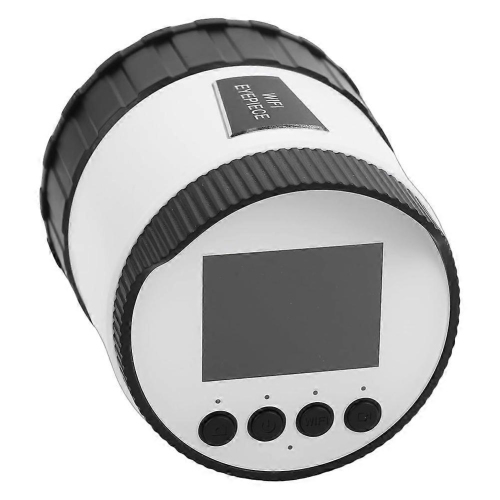
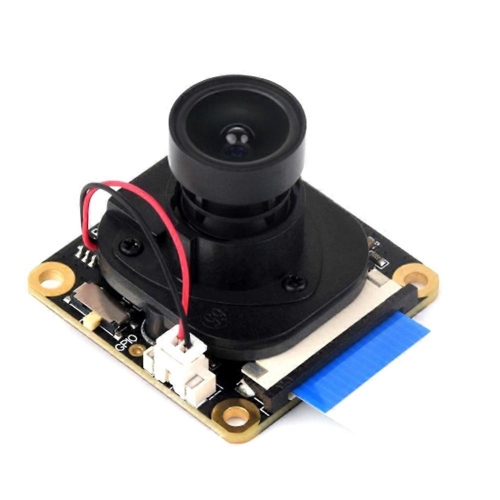

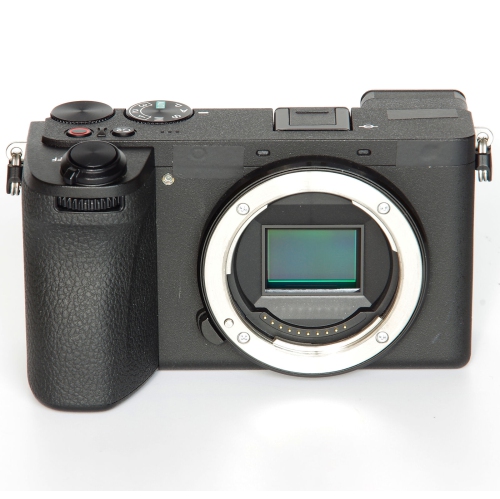
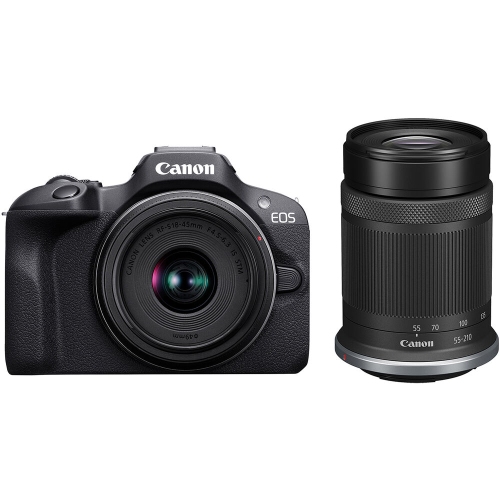
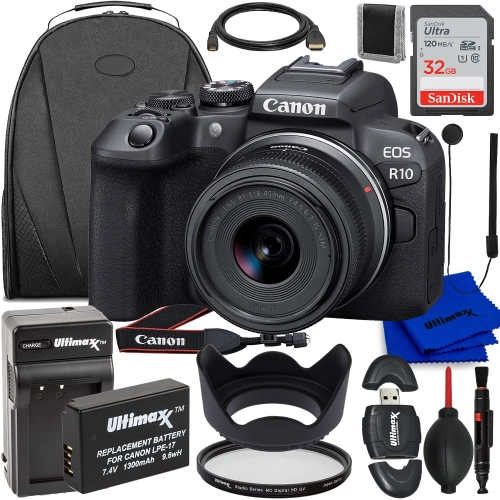
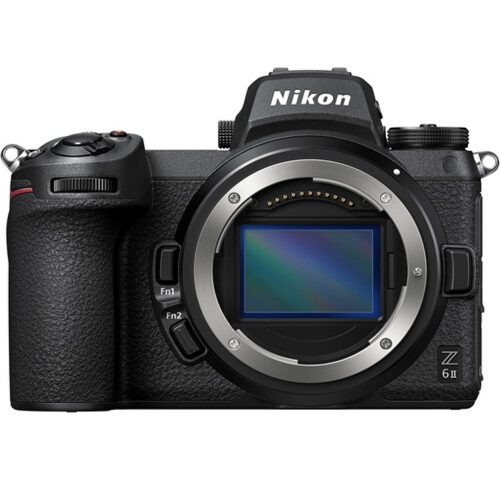
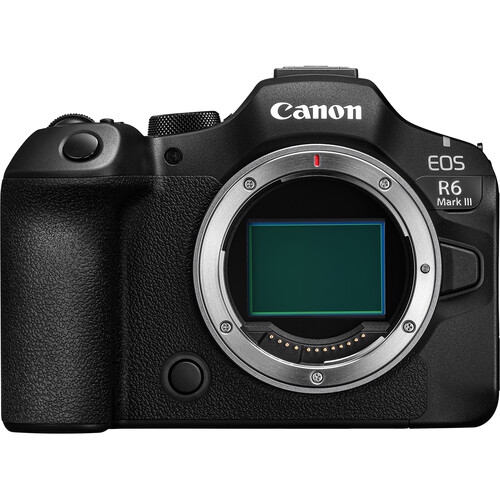
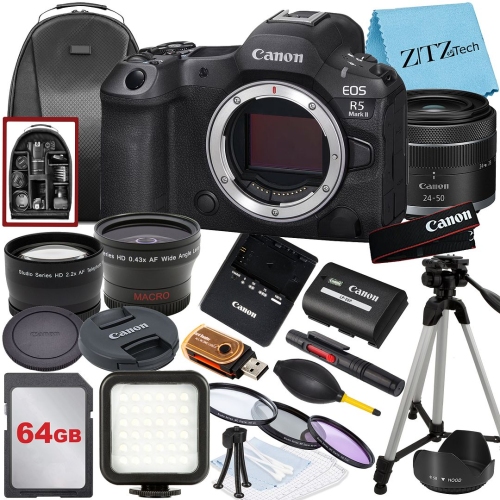
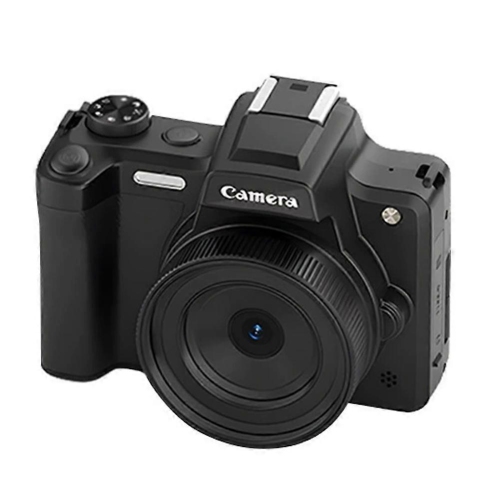
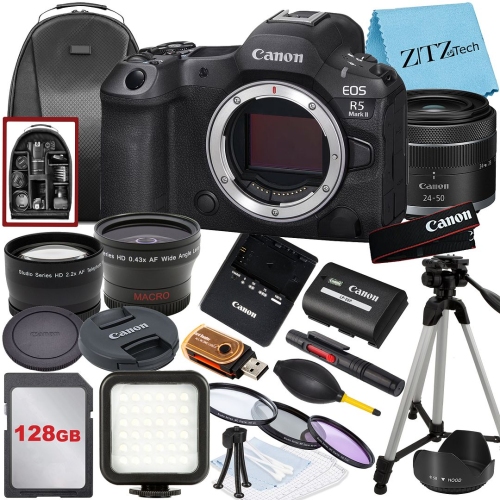
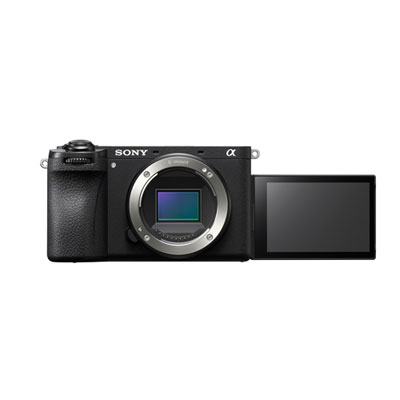
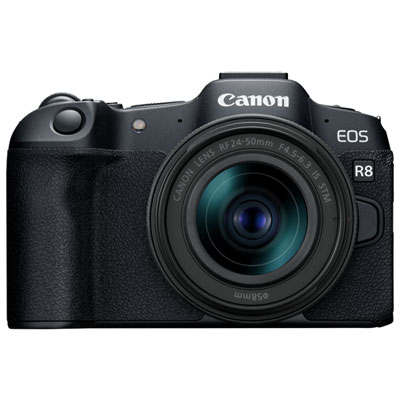
The right camera depends on your celestial subject
Cameras for astrophotography capture subjects that range from the Milky Way above a quiet lake to the fine structure of a distant nebula. The most suitable camera depends on the kind of image being made: mirrorless and DSLR cameras offer versatility for nightscapes, star trails, and lens-based photography, while dedicated astronomy cameras are designed for telescope imaging and more specialized capture workflows. A camera that photographs a family outing by day can also produce detailed night-sky images when it offers manual exposure control, RAW capture, and a suitable lens. Those features allow photographers to preserve faint detail and adjust brightness, colour balance, and noise during processing without relying entirely on the camera’s automatic decisions. For a broad view of the sky with trees, mountains, or buildings in the foreground, a wide-angle lens and a stable tripod are often more relevant than extreme magnification. Full-frame sensors can offer advantages in low-light image quality and wide-angle lens coverage, although results also depend on sensor design, exposure, and lens choice. APS-C and smaller sensors can form lighter systems and provide a narrower field of view with the same focal length, which may suit more tightly framed subjects. Sensor size alone does not determine image quality, and a high megapixel count is not a substitute for good light collection or accurate focus. Useful qualities include low read noise, strong dynamic range, and controls that remain easy to operate in darkness. A tilting or fully articulating screen is particularly helpful when the camera points high overhead, sparing the photographer from crouching beneath the viewfinder. Magnified live view can make a bright star easier to assess for manual focus, while compatible remote controls and interval timers support hands-off shooting. These cameras suit photography enthusiasts expanding into night work, travellers who want to bring home a sky-filled landscape, and experienced observers seeking a camera that remains useful beyond astronomy. For a gift recipient, compatibility with lenses and accessories they already own can matter more than an unfamiliar set of advanced features.
Dedicated astronomy cameras serve a different purpose from general-use camera bodies. Many connect directly to a telescope and rely on a computer or compatible controller for image capture rather than an onboard viewfinder and conventional shutter controls. Within this category, cameras intended for faint deep-sky subjects have different priorities from those used for the Moon and planets. Deep-sky imaging often combines many long exposures to reveal galaxies, star clusters, and nebulae, making low noise, consistent performance, and reliable capture software important. Active sensor cooling in some dedicated cameras reduces thermal noise during long exposures; it does not remove every source of noise or replace careful image calibration. Planetary imaging typically favours fast capture of many short exposures, with selected frames combined to bring out detail. A camera suited to one task is not automatically the strongest choice for the other. Colour astronomy cameras capture colour information in a single exposure sequence and can simplify the equipment setup. Monochrome cameras can offer greater flexibility with separate filters, but producing full-colour images usually requires additional exposures, filter handling, and processing. Narrowband imaging is another specialized approach, using filters that isolate particular wavelengths emitted by certain celestial objects. Some astronomy-focused or modified general-use cameras have increased sensitivity to hydrogen-alpha light, which can help reveal emission nebulae, though their daytime colour rendering may need additional attention. Matching the camera to a telescope involves more than finding an adapter that attaches securely. Sensor dimensions, pixel size, telescope focal length, and the telescope’s illuminated image circle all affect framing and the detail the system can capture. Required adapter spacing, often called back focus, also matters when using optical accessories such as field flatteners or focal reducers. For photographers working with interchangeable lenses instead of a telescope, telephoto camera lenses for astrophotography can provide tighter framing of suitable celestial subjects. Longer focal lengths also make tracking accuracy and support more demanding, so the lens, camera, and mount need to work as a balanced system rather than as separate purchases.
Practical details become especially noticeable during an extended imaging session. A lightweight camera body is easier to carry to a dark observing site, but the total load includes the lens, adapters, mounting hardware, cables, and any accessories attached to the system. The tripod or tracking mount must support that combined load with enough stability for the intended exposure and focal length. A small vibration that goes unnoticed in an everyday photograph can turn a pinpoint star into a short streak. Long-exposure capability, an accessible manual mode, and support for external power can therefore be more useful than features centred on fast daytime action. Battery endurance deserves attention for repeated exposures, and dedicated cameras may need separate power connections for their capture electronics and cooling systems. Cable routing also matters when a tracking mount moves across the sky; secure connections with sufficient slack help prevent interruptions without pulling on the camera. Body construction, lens-mount rigidity, and well-fitted ports contribute to durability through repeated setup and packing. Metal-alloy housings can offer strength, while well-designed polymer bodies may reduce carrying weight; neither material alone guarantees a more dependable camera. A padded case with compartments keeps the body, adapters, and small fittings from knocking together in transit. Lens caps and port covers help keep dust away from exposed surfaces, and a suitable blower can remove loose particles without unnecessary contact with glass. Sensor cleaning should follow the manufacturer’s guidance, particularly on cameras with exposed sensors during lens changes. File storage is another practical consideration because RAW sequences and high-frame-rate planetary captures can accumulate quickly. Compatible memory cards, adequate computer storage, and dependable transfer connections support a smoother capture and processing workflow. For someone photographing star trails from a fixed tripod, straightforward controls and a familiar lens system may be the best fit. For someone building a telescope-based setup, software compatibility, mounting connections, and calibration support may take priority. A well-matched astrophotography camera brings those practical requirements together, giving its owner a dependable way to turn faint points of light into images with shape, texture, and colour.
Top selling and popular products
-
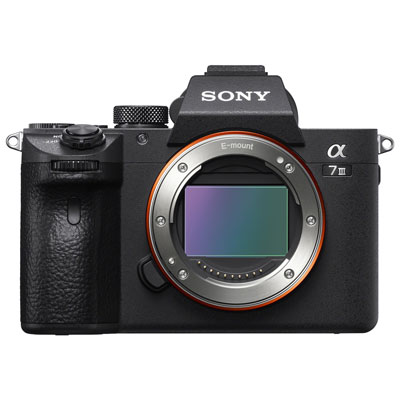 Your price for this item is $1899.99
-
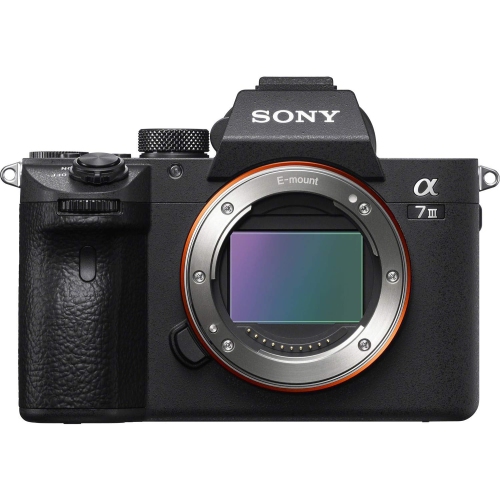 Your price for this item is $1899
-
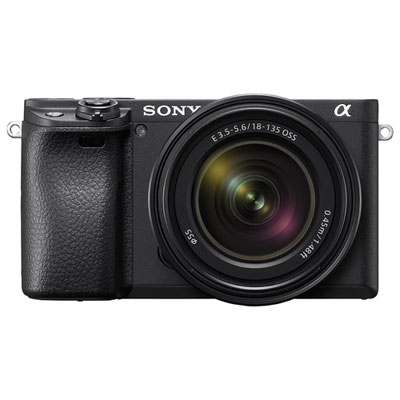 Your price for this item is $1749.99
-
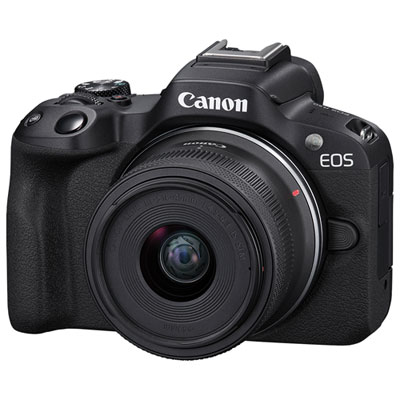 Your price for this item is $999.99
-
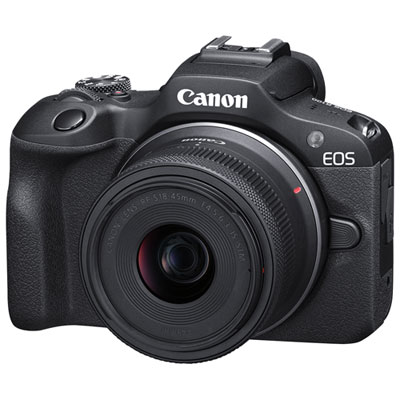 Your price for this item is $749.99
-
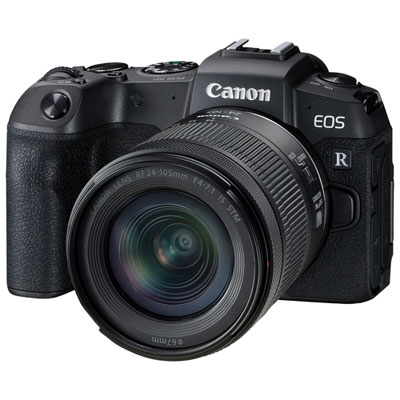 Your price for this item is $1499.99
-
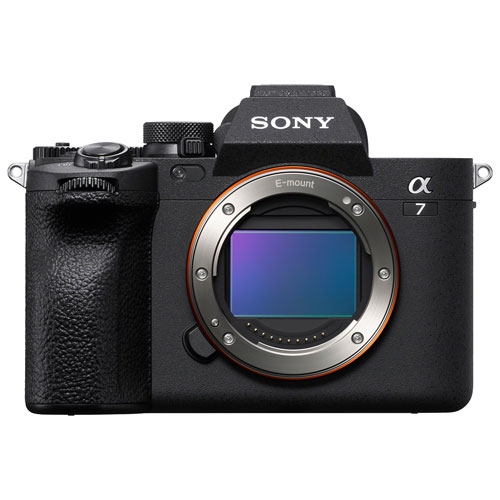 Your price for this item is $2419.99
-
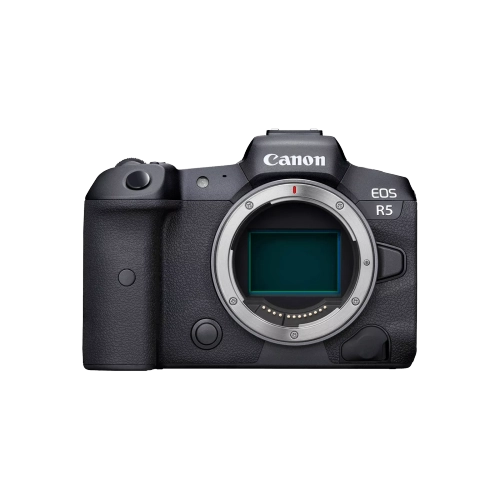 Your price for this item is $3299.9
Discover more categories related to Cameras for Astrophotography
Top Collections:
Pokemon Centers, Kindle Devices, Best Cameras for Sports Photography, Best Budget Office Chairs, Pokémon 30th Celebration Cards, Apple iPhones 16, Canon G7X Cameras, iPhone 15 Apple, Flip Phones, Samsung Galaxy Phones
Some products may be subject to Environmental Handling Fees
(EHF) depending on your province.
Learn more about EHFs.