Best Drones for Beginners

Take to the skies with the best drones for beginners, ranked based on user review ratings to help you compare options with confidence. Whether you’re learning the basics of flight or trying aerial photography, explore drones with beginner-friendly features such as easy-to-use controls, stable hovering, and helpful flight modes to find the right fit for your first takeoff.

What to look for in drones for beginners

1. Ease of Use

Look for features such as automatic takeoff and landing, altitude hold and beginner flight modes to help you learn the controls. Propeller guards can offer added protection during practice flights.

2. Flight Safety Features

GPS positioning and return-to-home functions can help make outdoor flying more manageable, while obstacle sensors may help reduce collisions. Check the conditions and limitations of these features, as they do not replace careful piloting.

3. Battery Life and Camera Quality

Compare flight time per charge and consider spare batteries for longer practice sessions, keeping in mind that wind and flying style affect battery life. If you want aerial photos or videos, look for camera resolution and gimbal stabilization that suit your needs.

4. Weight and Flying Requirements

Check the drone’s takeoff weight, including batteries and accessories, before buying. In Canada, drones weighing 250 g or more generally require registration and an appropriate pilot certificate; lighter drones still need to be flown safely and in accordance with applicable rules.
  1. 1

    THE BIGLY BROTHERS - E58 Falcon Mark Iii Drone, Drone w Camera, Ready to Fly, Below 249G . 4K Drone, No Assembly Required Ready to Fly Mini Pocket

    About this product

    A ready-to-fly camera drone under 249g with 4K video, foldable design, gesture selfies, and app integration.

    (5)
    $129.99
    SAVE $70
    Your price for this item is $129.99
  2. 2

    POTENSIC Atom 3-Axis Gimbal 4K Gps Drone, Under 249G, 64 Mins Flight, 6Km Long Range Transmission, Visual Tracking, 4K/30Fps Quickshots, Foldable

    About this product

    A foldable drone with 3-axis gimbal, 4K camera, 64-minute flight time, and 6km video transmission.

    (1)
    $389.99
    SAVE $160
    Your price for this item is $389.99
  3. 3

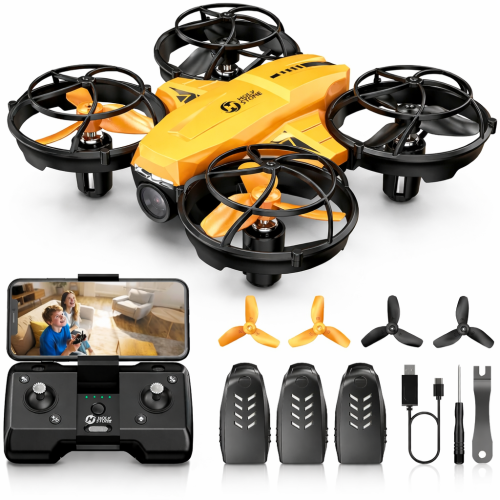
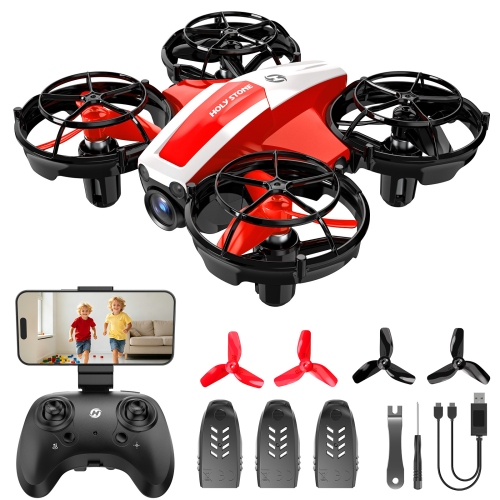
    HOLY STONE Hs420 1080P Fpv Camera Mini Drone for Kids & Beginners, 3 Batteries, Toss-To-Launch & Gesture Selfie - In Orange

    About this product

    A pocket-sized drone with 1080P HD camera, gesture control, Wi-Fi FPV, and beginner-friendly flight modes.

    (5)
    $69.99
    SAVE $60
    Your price for this item is $69.99
  4. 4

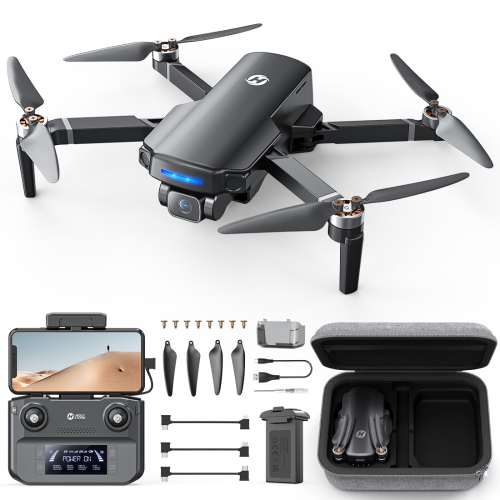
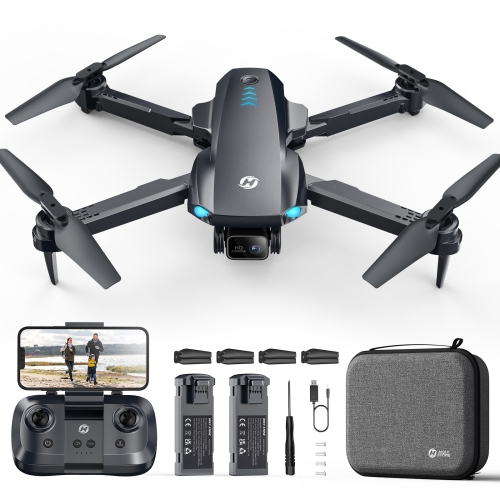
    Holy Stone HS360S 249 g GPS Drone for Adult Beginners with 4K UHD Camera, Controller Included, 10,000-ft Range & Auto Return - Black

    About this product

    A lightweight foldable drone featuring a 4K UHD camera, 10,000-foot range, and advanced GPS safety.

    (6)
    $198.99 Your price for this item is $198.99
  5. 5

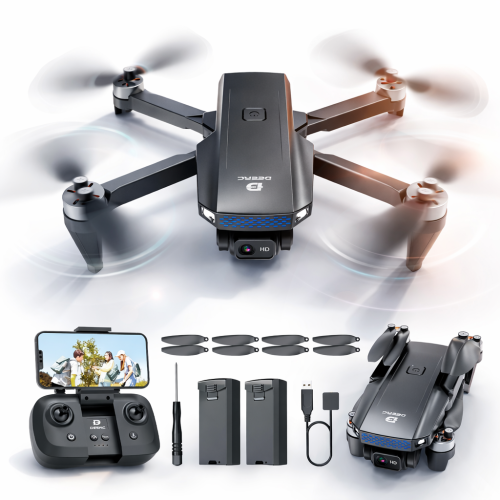
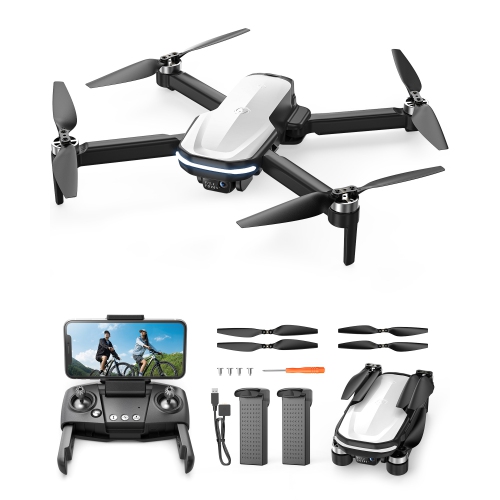
    DEERC D20S Under 249G Foldable Fpv Drone With 1080P Camera, Brushless Motor & 2 Batteries

    About this product

    A foldable mini drone featuring a 1080P camera, brushless motor, altitude hold, and two batteries.

    (1)
    $89.99
    SAVE $20
    Your price for this item is $89.99
  6. 6

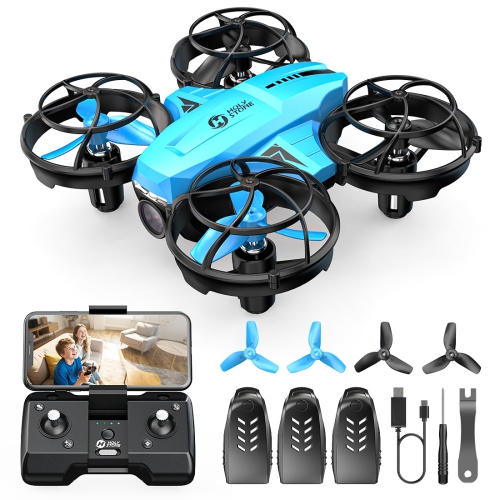
    HOLY STONE Hs420 1080P Fpv Camera Mini Drone for Kids & Beginners, 3 Batteries, Toss-To-Launch & Gesture Selfie -Blue

    About this product

    A compact quadcopter featuring a 1080P HD camera, gesture controls, and beginner-friendly flight modes.

    (2)
    $69.99
    SAVE $60
    Your price for this item is $69.99
  7. 7

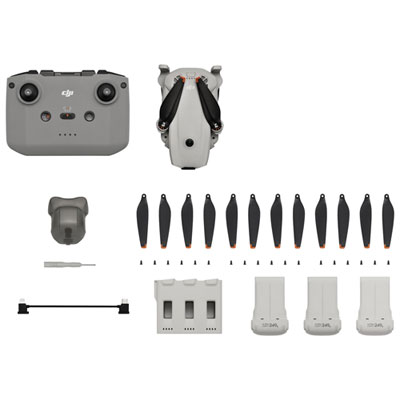
    DJI Lito 1 Fly More Combo Drone (Updated Version of Mini 4K) with 4K Camera, RC-N3 Remote, <249g, Obstacle Sensing

    About this product

    A beginner-friendly drone featuring 4K HDR imaging, omnidirectional obstacle sensing, and precise remote control.

    (8)
    $615.99 Your price for this item is $615.99
  8. 8

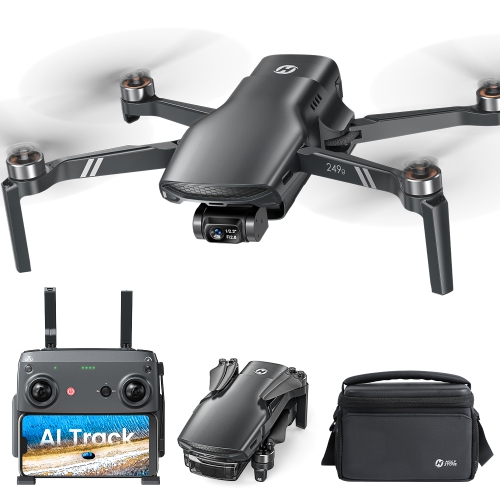
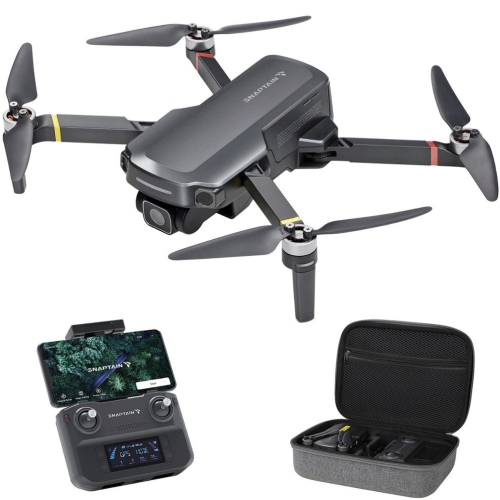
    HOLY STONE Hs900 Drones Under 249G for Adults w Camera 4K, 3 Axis Brushless Gimbal Drone w 20000Ft Range, Visual Tracking, 4K/30Fps Video, 8K

    About this product

    A lightweight drone featuring a 4K camera, 3-axis brushless gimbal, GPS, and visual tracking technology.

    (3)
    $389.99
    SAVE $190
    Your price for this item is $389.99
  9. 9

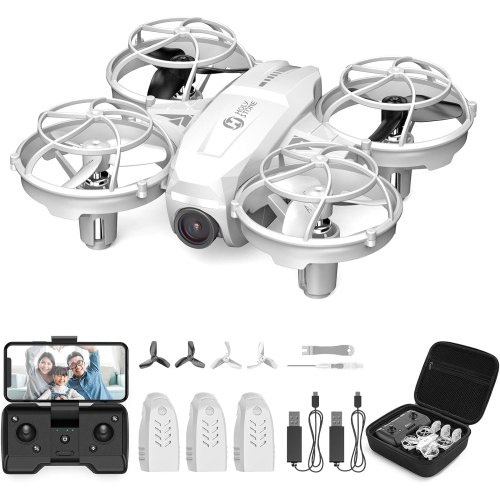
    HOLY STONE Hs420 1080P Fpv Camera Mini Drone for Kids & Beginners, 3 Batteries, Toss-To-Launch & Gesture Selfie - In White

    About this product

    A white mini quadcopter featuring a 1080P HD FPV camera, gesture selfie, and three modular batteries.

    (1)
    $69.99
    SAVE $60
    Your price for this item is $69.99
  10. 10

    Holy Stone HS280D Under 249g Foldable FPV Drone with 4K HD Camera, Brushless Motor & 2 Batteries

    About this product

    A foldable FPV drone with a 4K camera, brushless motors, optical-flow positioning, and two batteries.

    (1)
    $88.99 Your price for this item is $88.99

Simple controls and steady hovering support confident first flights

The best drones for beginners combine predictable handling, straightforward controls, and features that make early flights easier to manage. A lightweight frame, steady hovering, adjustable flight speeds, and clearly displayed battery information can matter more to a new pilot than a long list of advanced shooting modes. Beginner-friendly drones suit several kinds of users: someone curious about flying, a traveller interested in aerial views, a hobby photographer exploring a different perspective, or a family looking for an outdoor activity with appropriate adult supervision. The right fit depends on where the drone will fly and what its owner wants to do with it. Compact models designed for indoor use can be useful for practising small movements in a clear room, while camera-equipped outdoor drones offer room to develop both flying and photography skills. These uses are not interchangeable; an outdoor drone may be unsuitable for a living room, and a tiny indoor flyer may struggle in even a light breeze. Propeller guards can help reduce accidental contact with the blades, though they do not make a drone harmless or replace careful handling. Altitude hold can simplify hovering, while satellite positioning on compatible outdoor models can help a drone maintain its position when reception is strong. Neither feature guarantees that the aircraft will stay perfectly still in every setting. A slower control mode gives new pilots more time to respond when learning to turn, move sideways, or bring the drone back towards a landing spot. Clearly marked controller buttons and comfortable thumb sticks also make a difference during those first short flights. For gifting, the recipient’s age, interest in photography, access to a suitable flying area, and willingness to learn the controls are more useful considerations than appearance alone. A beginner drone should feel approachable on its first outing while offering enough control for its owner to build confidence over time.

For beginners interested in aerial photography, camera quality is about more than the resolution printed on the packaging. A mechanically stabilized camera can help keep the horizon level and smooth out small aircraft movements, while electronic stabilization may crop the image and produce different results depending on the shooting conditions. Clear, steady footage of a winding trail or a tree-lined shoreline often depends as much on controlled movement and suitable light as on the camera’s pixel count. Higher video resolutions provide more detail and flexibility for cropping, but they also call for compatible storage and enough space for larger files. Some entry-level drones save images to an onboard memory card, while others rely on a phone connection; supported storage formats and transfer methods vary. The selection of Drone Cameras for Beginner brings the photography side of beginner flying into focus for shoppers whose main interest is capturing stills and video. A live camera view can make composition easier, but the aircraft still needs to remain within the pilot’s visual line of sight for ordinary recreational flying. Phone compatibility, controller grip, screen visibility outdoors, and the time needed to connect the aircraft are all part of everyday usability. Automated shooting patterns and subject tracking can make repeatable camera movements simpler, although these features are not included on every beginner drone and do not remove the need for active supervision. Obstacle sensing also varies considerably: some aircraft detect objects only in certain directions, and thin branches, wires, poor light, or reflective surfaces can be difficult for sensors to identify. Return-to-home functions can be reassuring when properly configured, but their operation depends on the model, positioning accuracy, remaining battery power, and surrounding obstacles. Features that support flight should complement clear controls rather than create the impression that a drone can look after itself. For a first-time camera user, a reliable connection and predictable response often contribute more to an enjoyable flight than complex automation.

Physical construction and ongoing care have a strong influence on how well a beginner drone fits into regular use. Lightweight plastic housings help keep aircraft portable, but low weight does not mean a drone will withstand repeated impacts. Folding arms are convenient for packing, provided the hinges are handled gently and the aircraft is unfolded as directed before flight. Propellers are wear parts: chips, cracks, or distortion can affect balance and handling, making inspection especially important after a rough landing. Correctly matched replacement propellers, secure fasteners, and a protective carrying case help support dependable use without adding much complexity. Battery performance deserves similar attention. Published flight times are usually measured under specified test conditions, while wind, temperature, flight speed, and accessories can shorten a real outing. A few brief practice flights with a comfortable landing reserve are often more manageable than trying to stretch a battery to its limit. During the cooler months, batteries may deliver less flight time, and wet grass, frost, or snow can make an otherwise convenient landing spot unsuitable. Unless a drone is expressly rated for those conditions, keeping it dry and away from precipitation helps protect its electronics. Batteries should cool before charging and be charged, stored, and transported according to the manufacturer’s directions; damaged or swollen packs should not be used. Aircraft weight also has practical implications in Canada. Drones weighing less than 250 g generally do not require registration or a drone pilot certificate, but they are still subject to safety requirements and applicable airspace restrictions. Drones weighing 250 g or more generally require registration and an appropriate pilot certificate, with requirements depending on the operation. Accessories can change takeoff weight, so the ready-to-fly configuration matters. Transport Canada’s rules, local restrictions, privacy considerations, and permission to use a takeoff or landing area all remain relevant. With a suitable space, sensible care, and features matched to the intended use, beginner drones can offer a satisfying introduction to hands-on flying and aerial image-making.

FAQ

Some products may be subject to Environmental Handling Fees (EHF) depending on your province. Learn more about EHFs.