Drone Cameras for Beginner
Explore the world of aerial photography and videography with our selection of drone cameras for beginners. Whether you're an aspiring filmmaker, a photography enthusiast, or simply looking to capture stunning shots from above, we have the perfect drone cameras to suit your needs. Check out these great options for you.
Sort

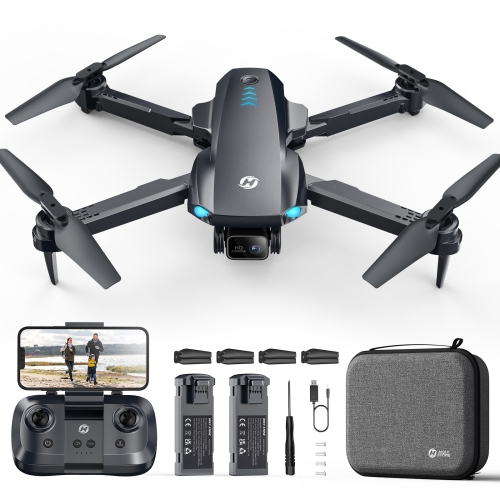
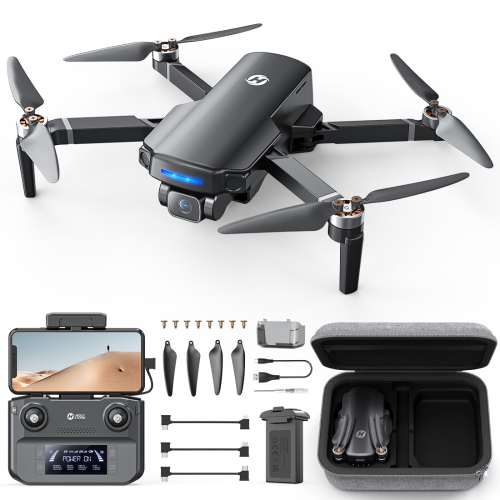
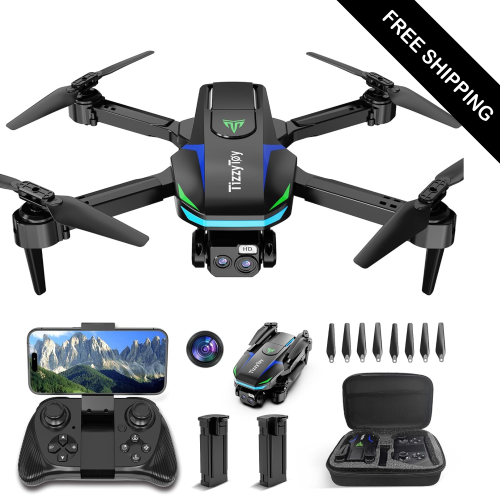
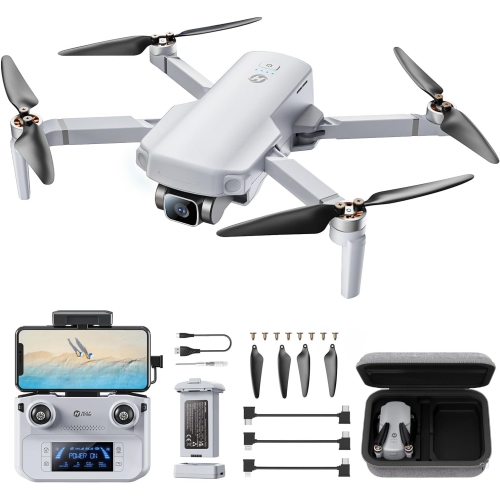
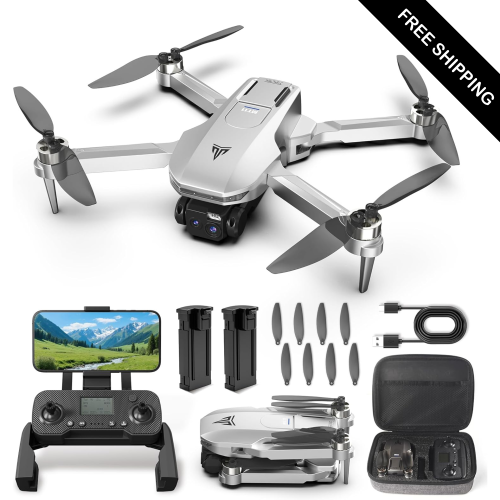
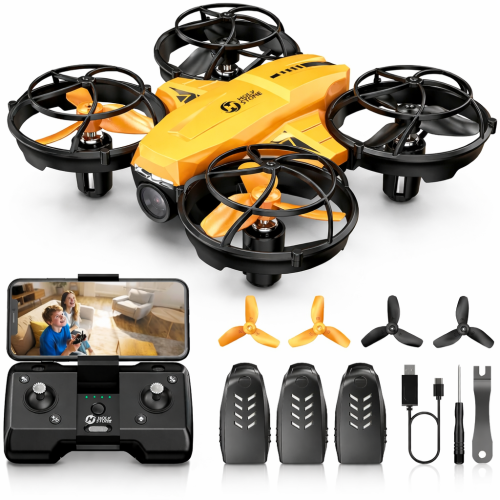
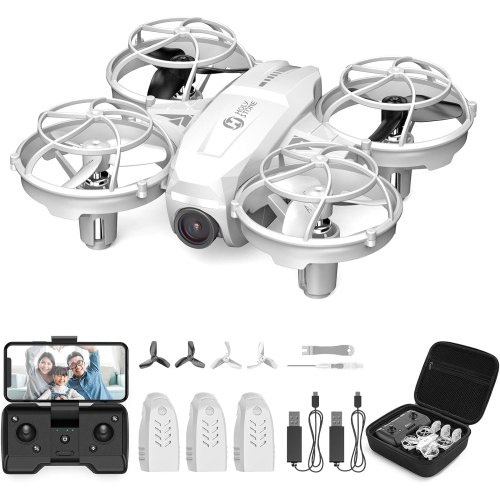
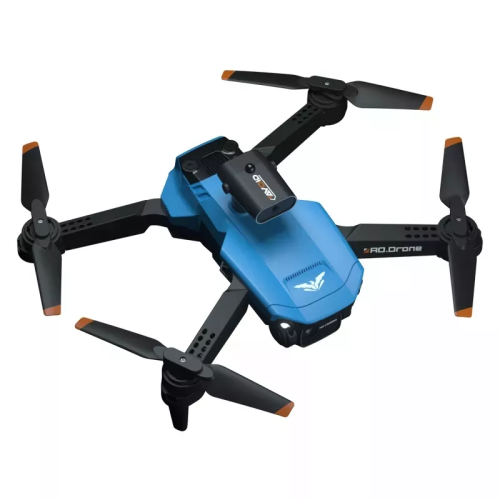
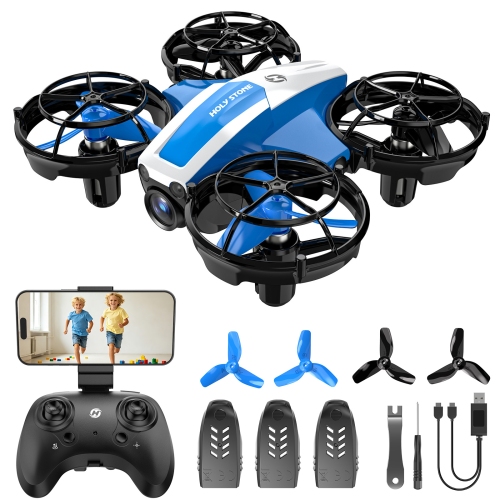
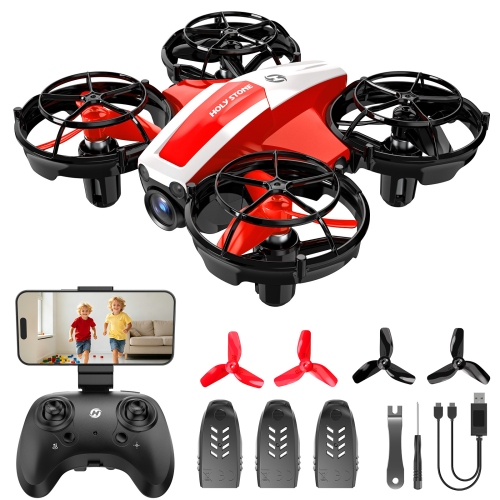
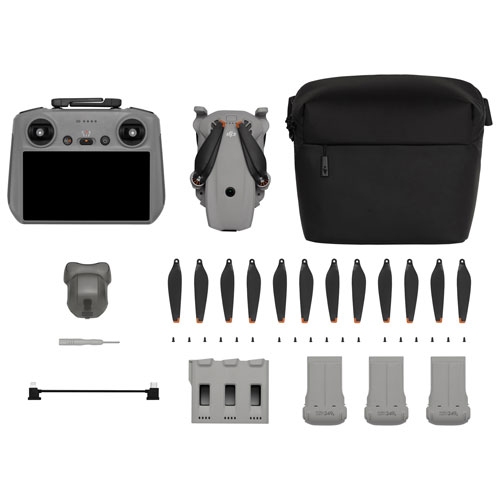
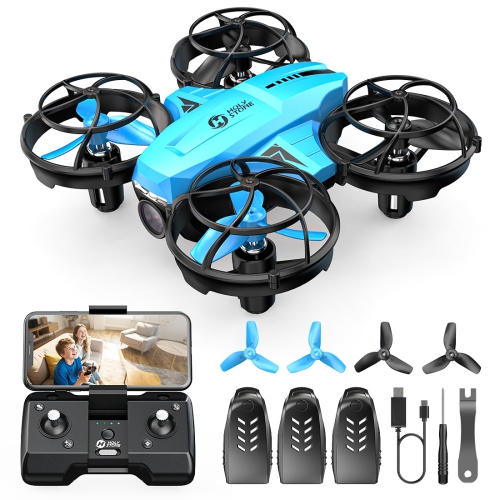
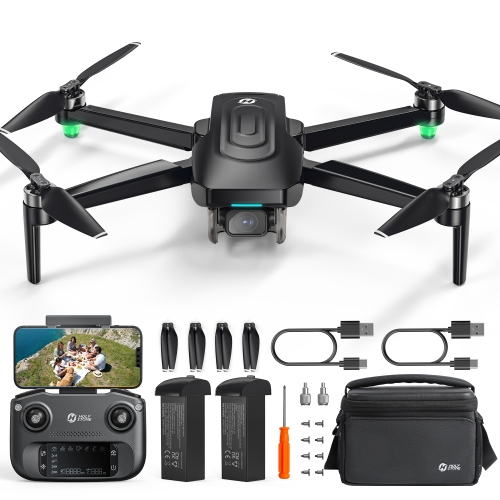
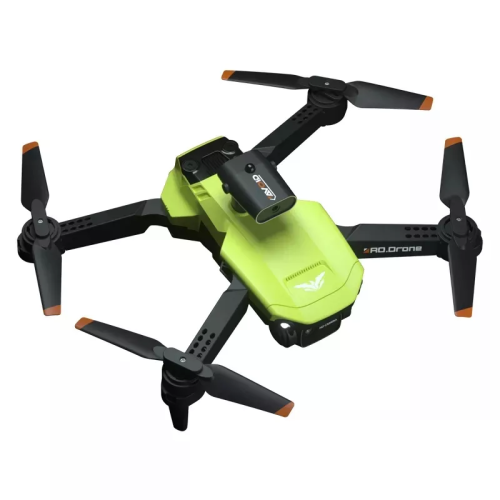
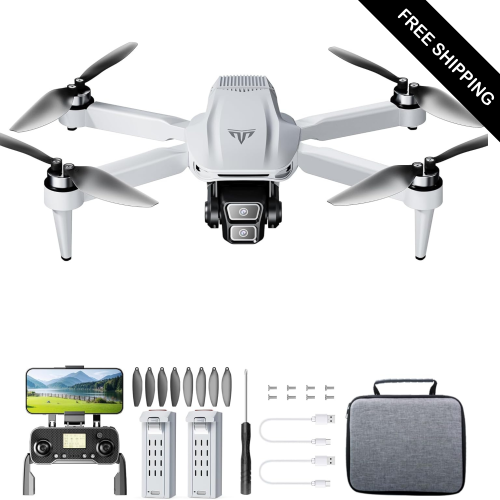
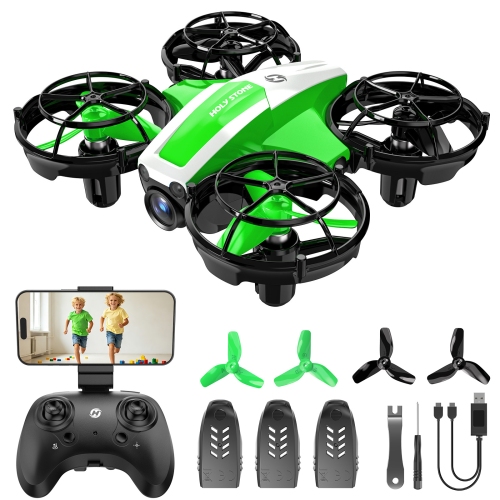
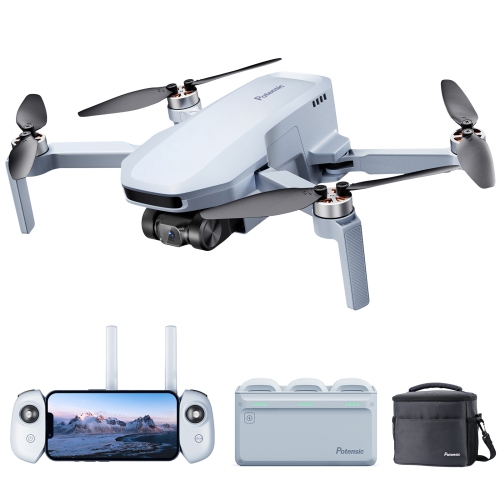
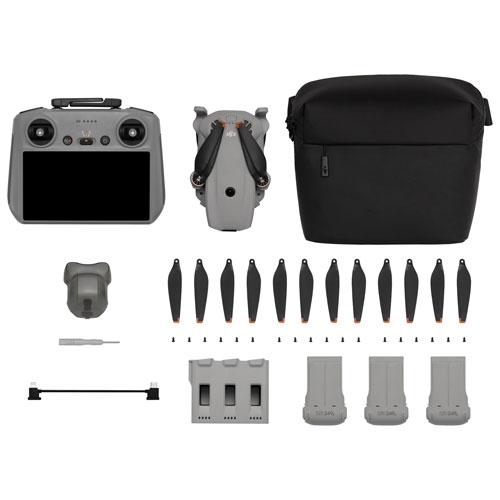
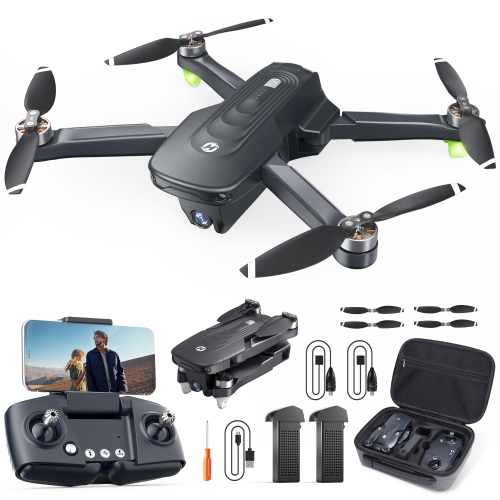
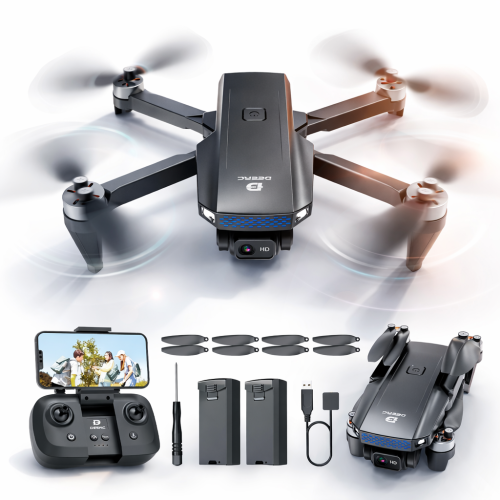
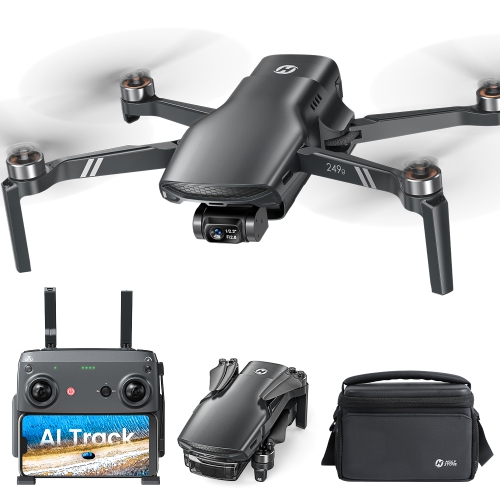
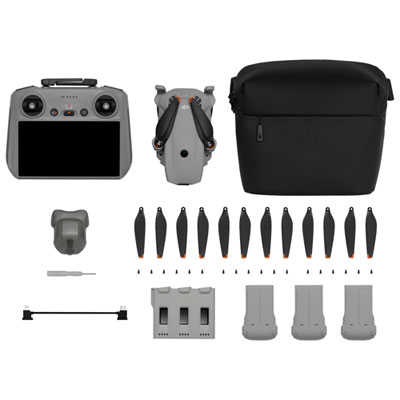
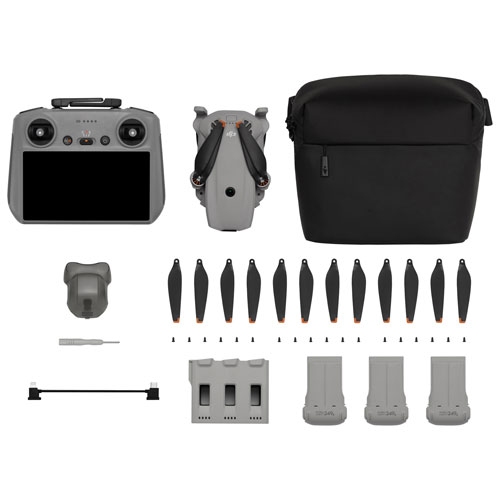
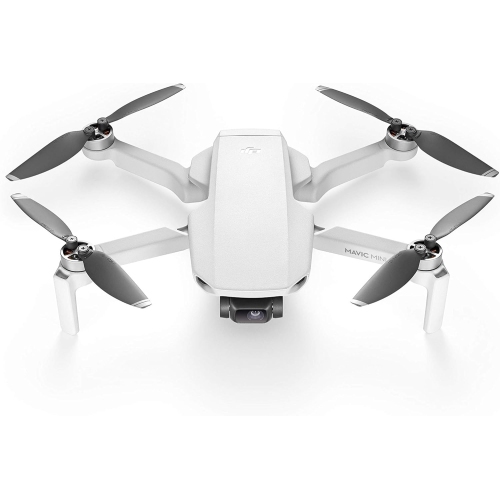

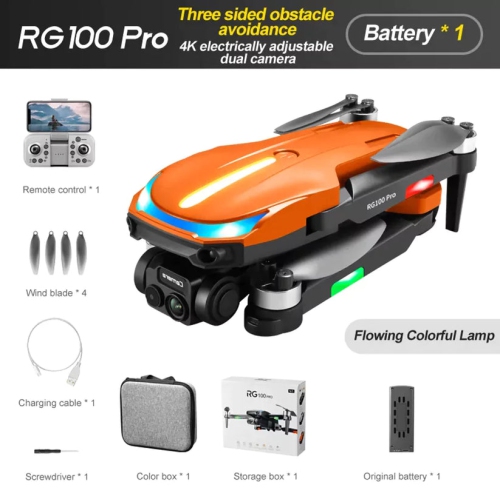
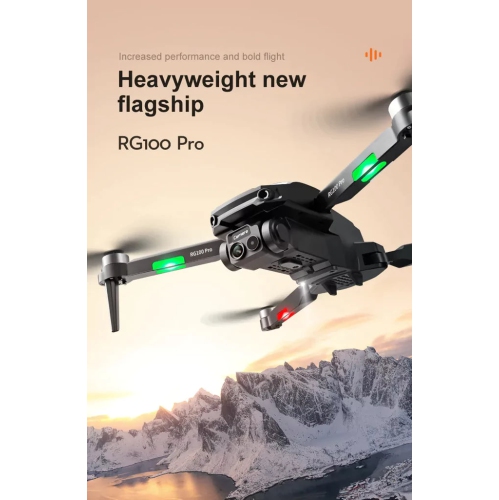
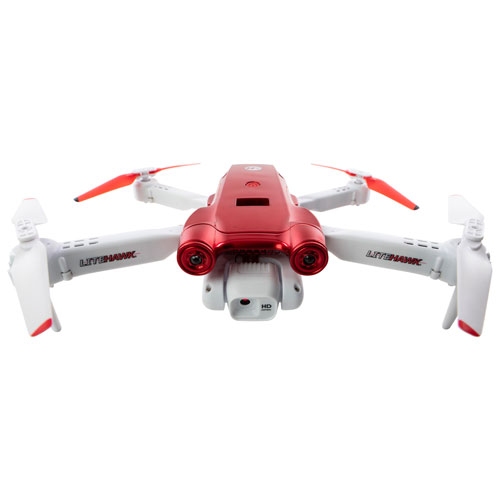
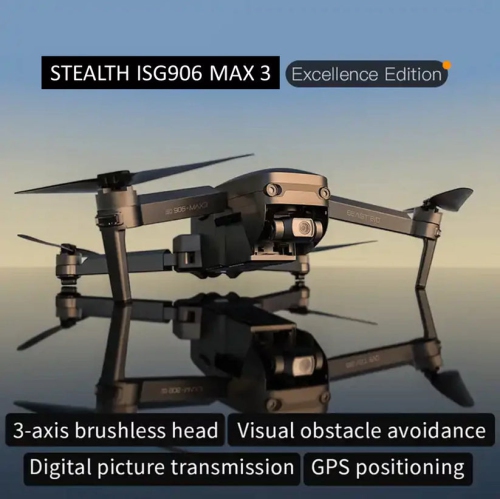
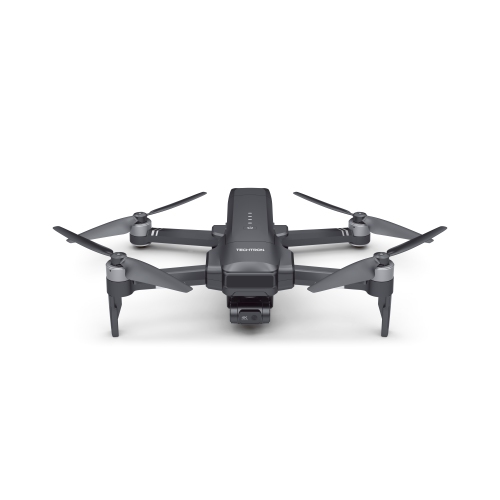
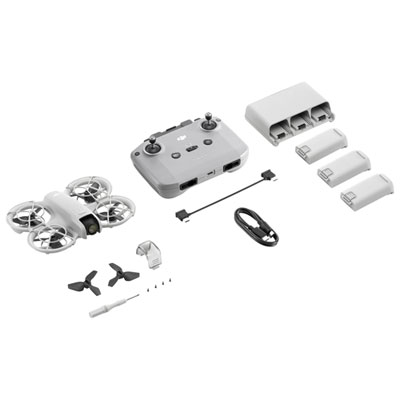
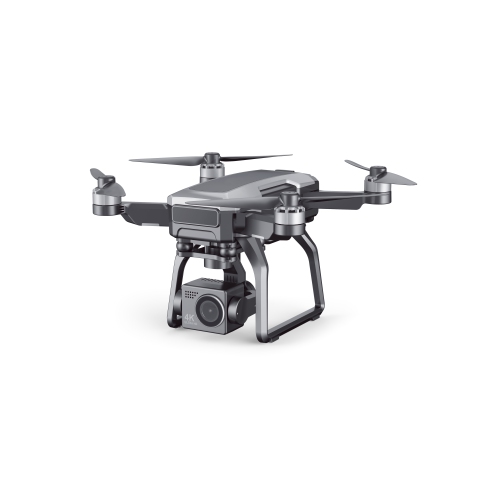
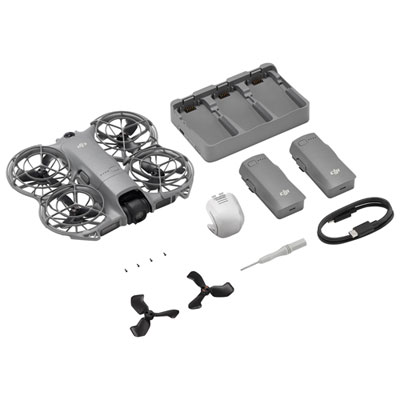
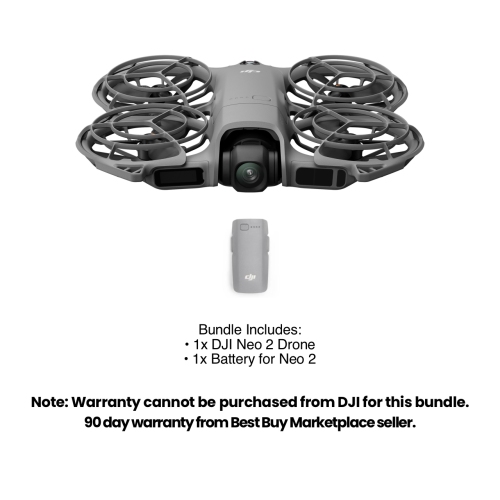
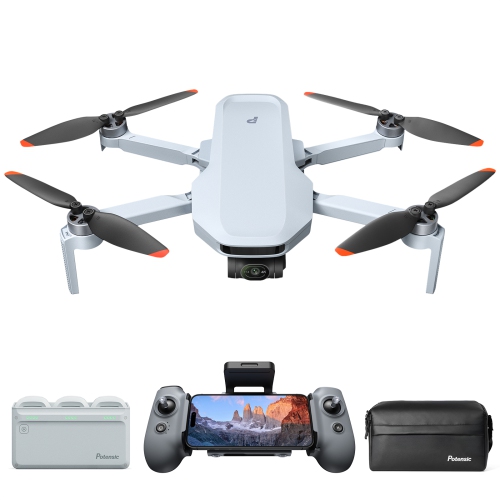
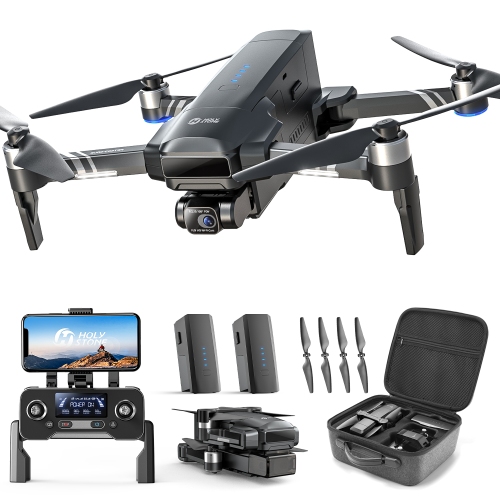


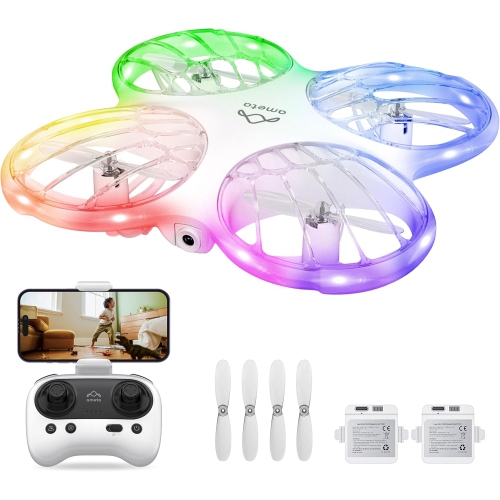
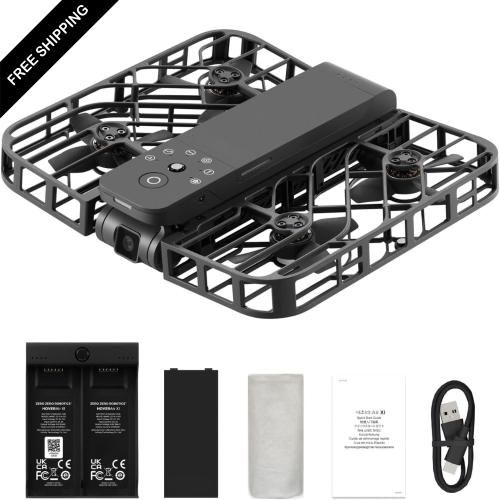
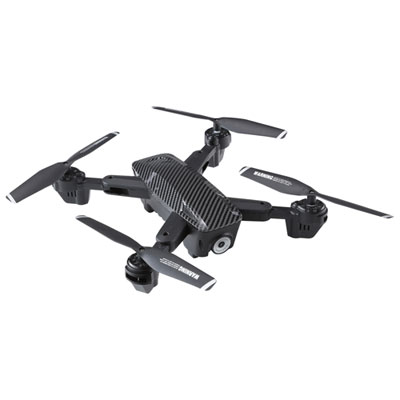
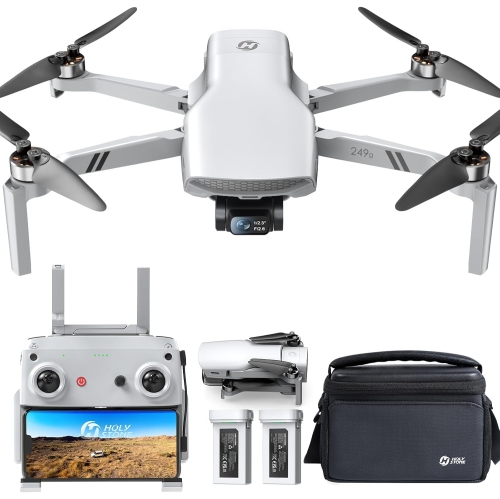
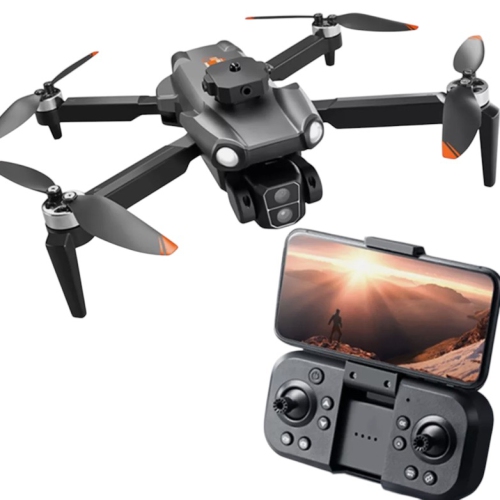
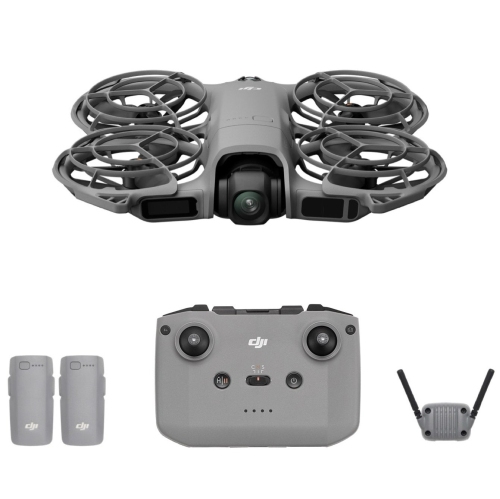
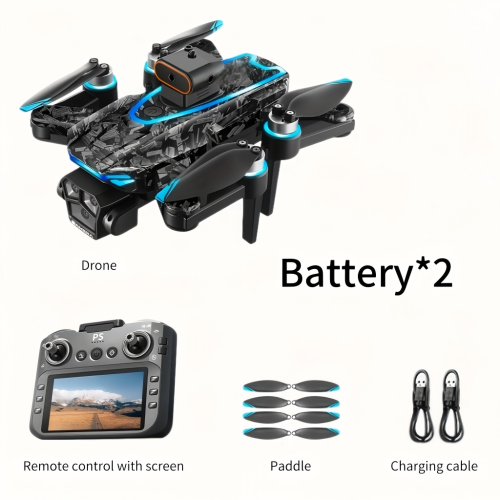
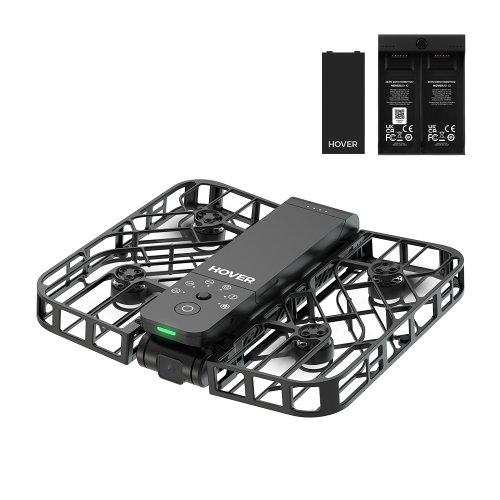
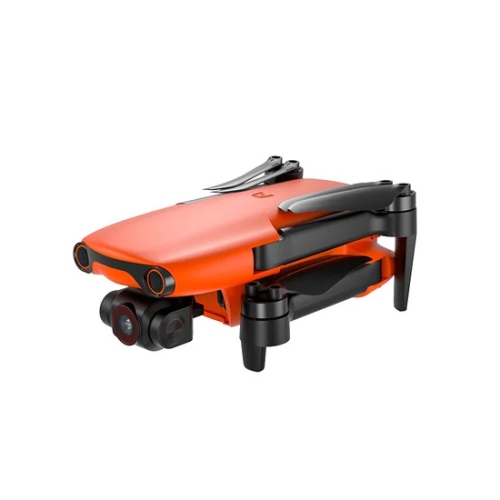
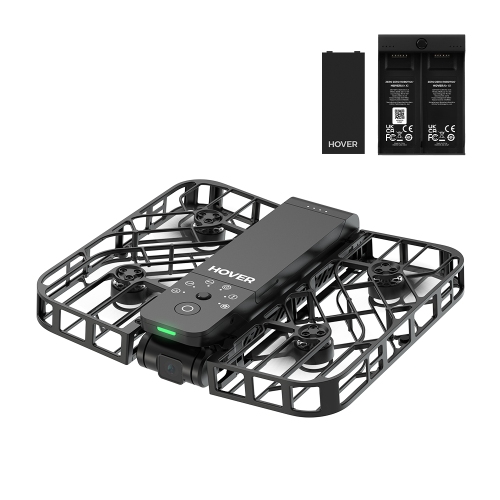
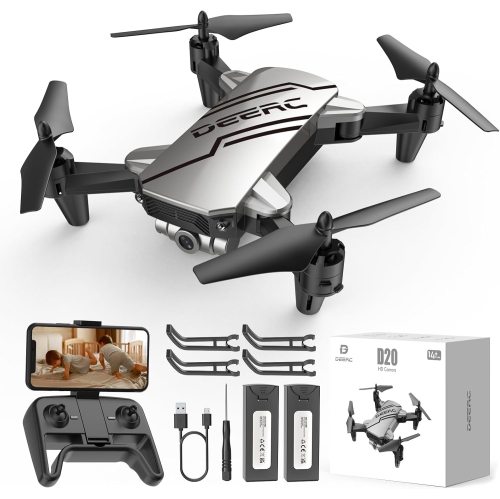
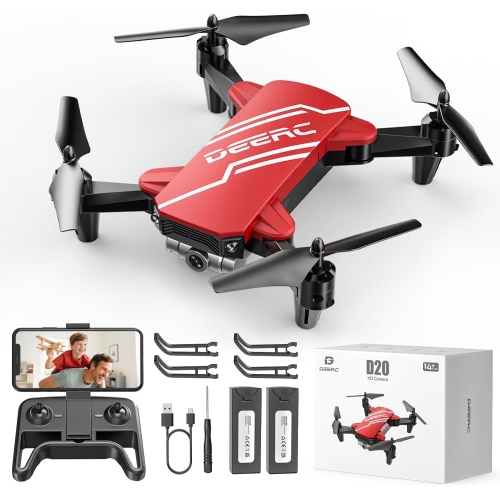
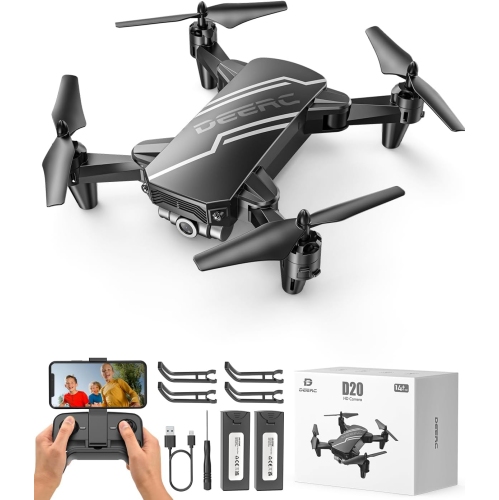
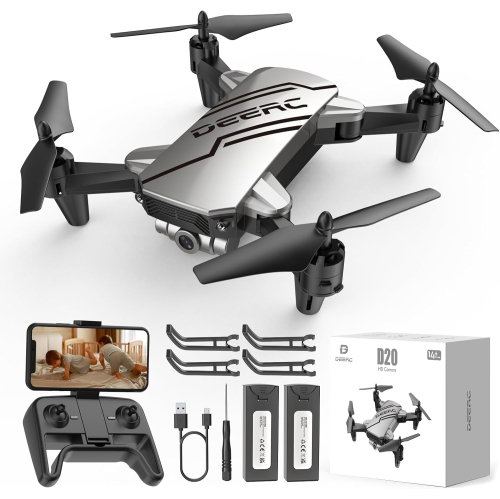
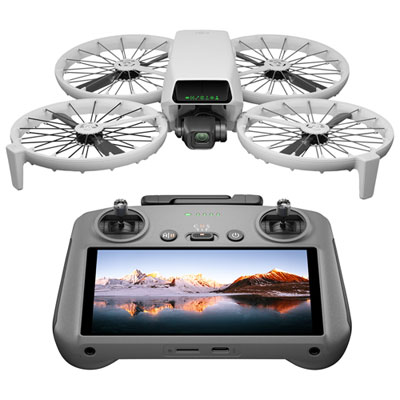
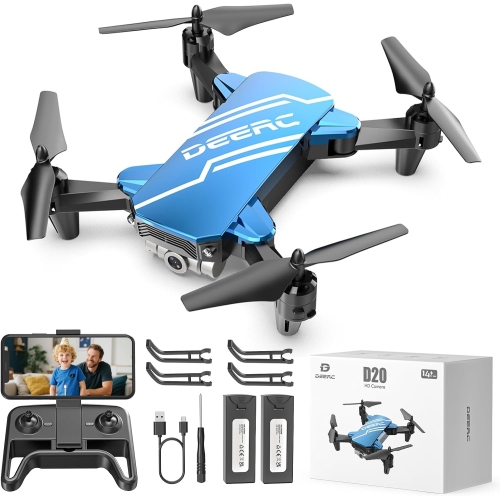
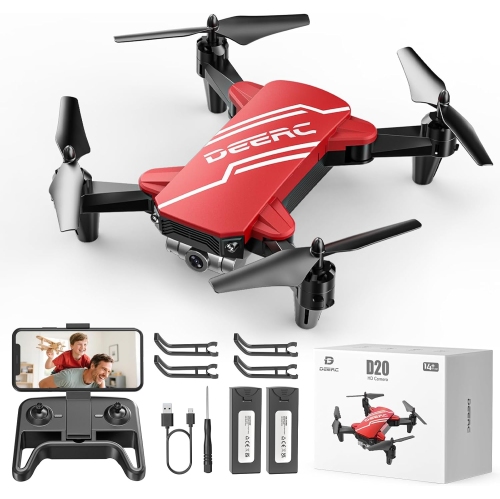
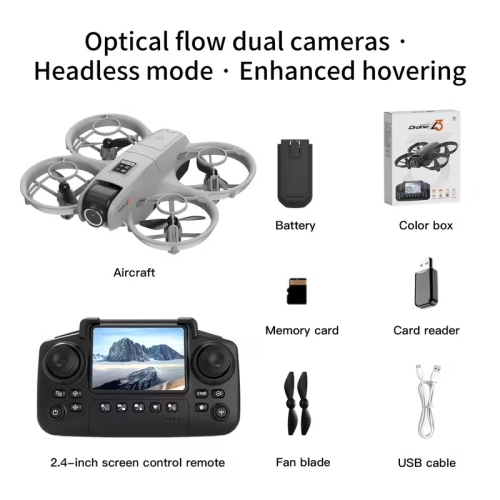
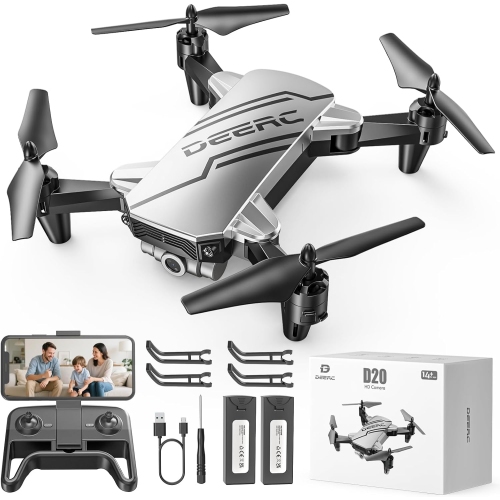
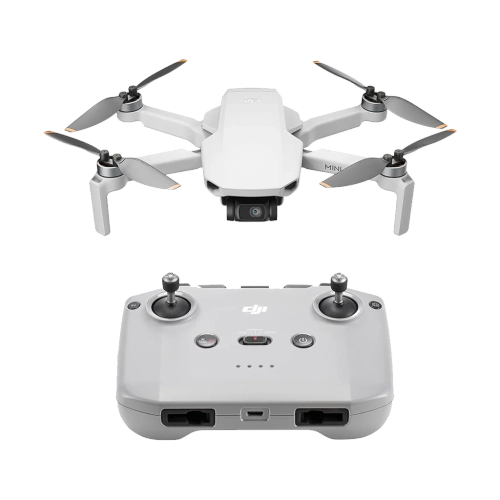
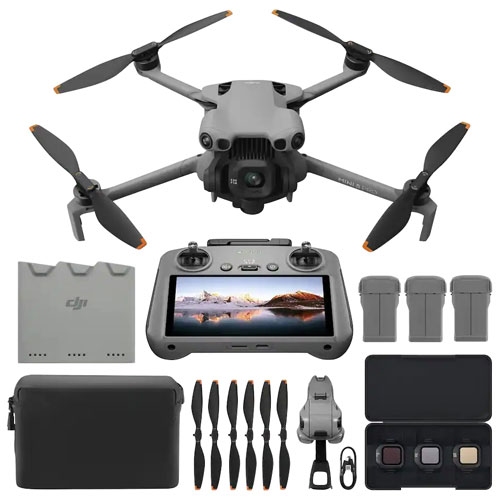
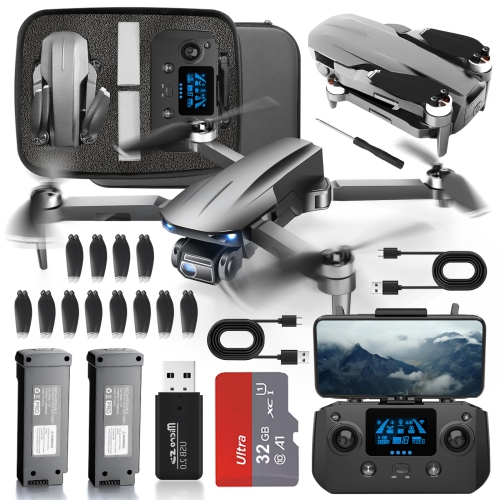
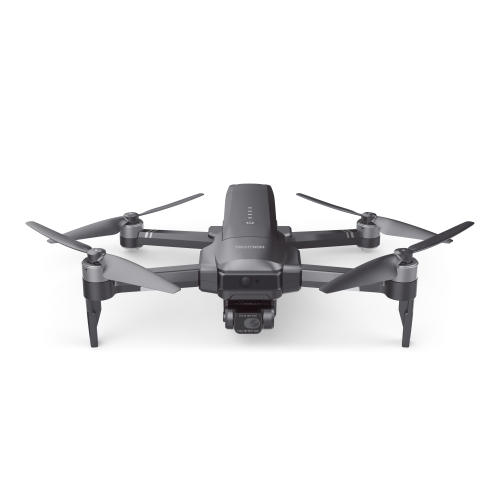
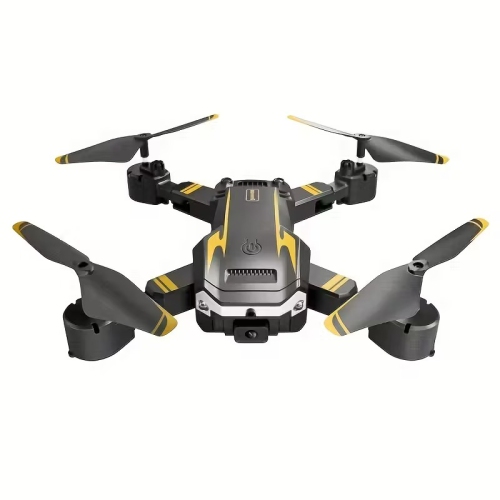
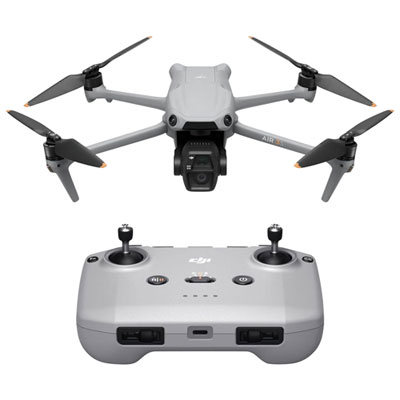
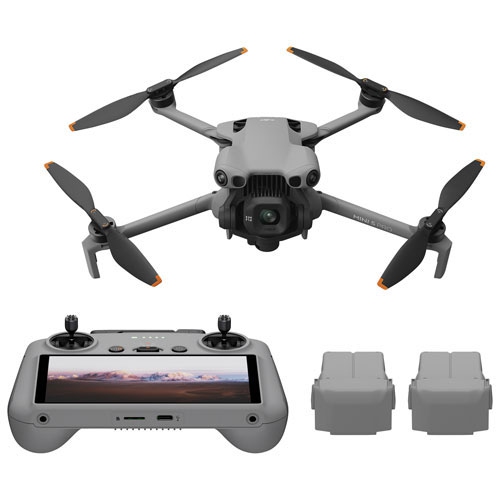
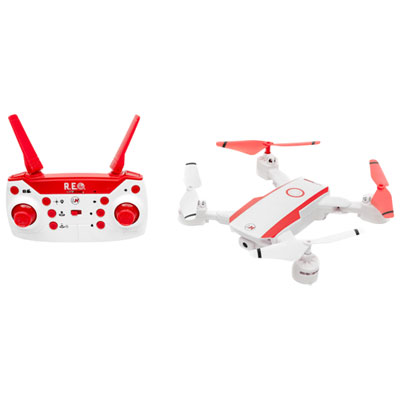
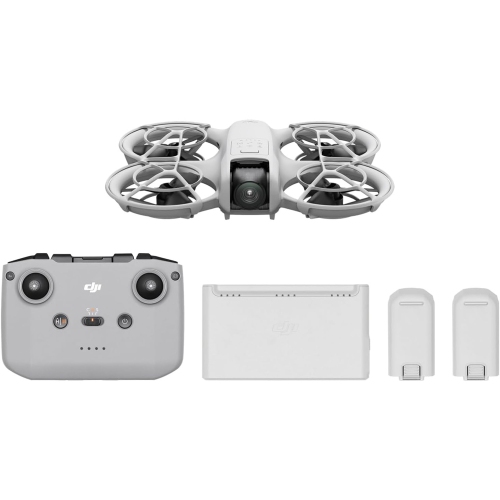
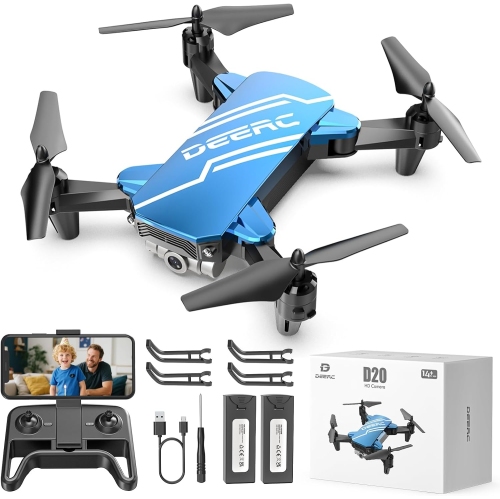
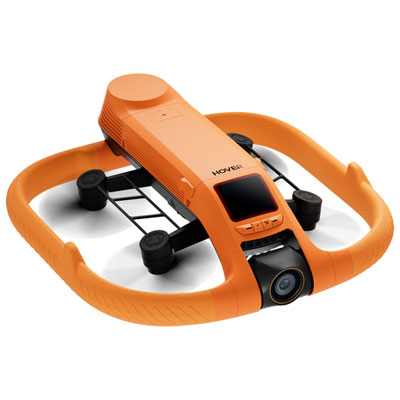
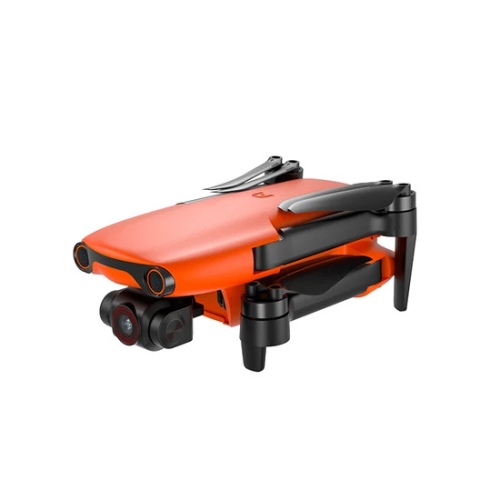
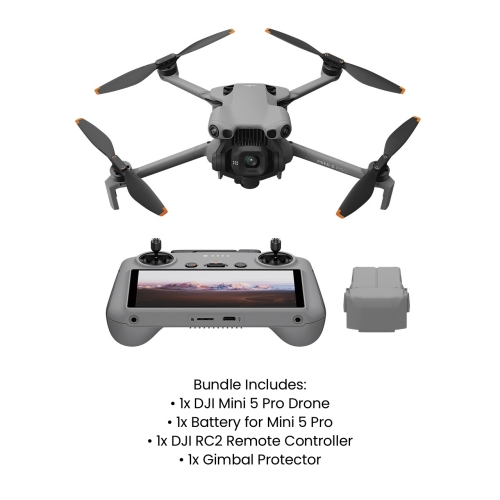
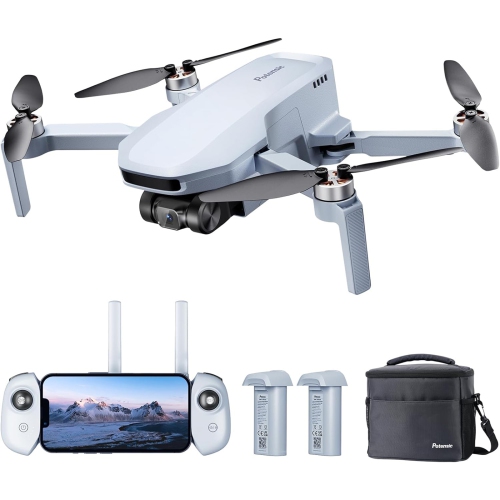
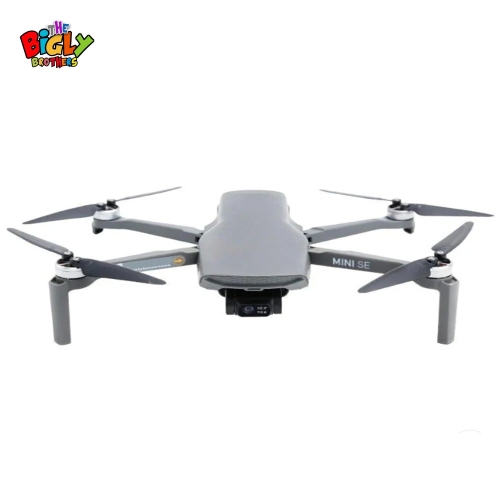


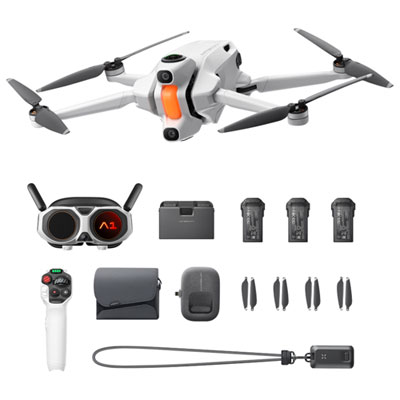
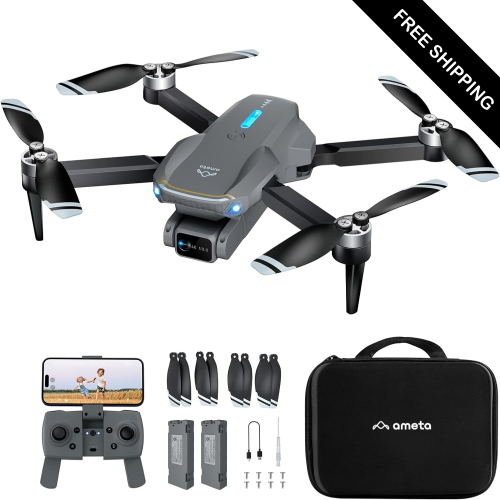
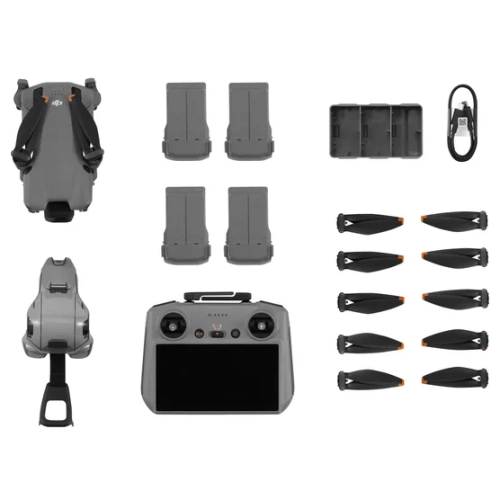
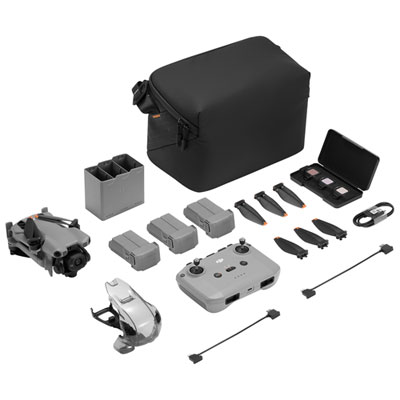
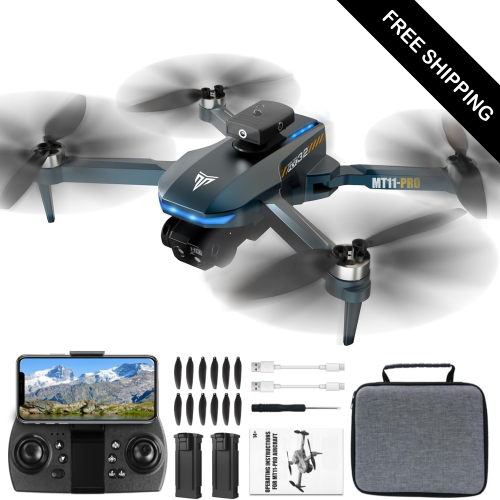
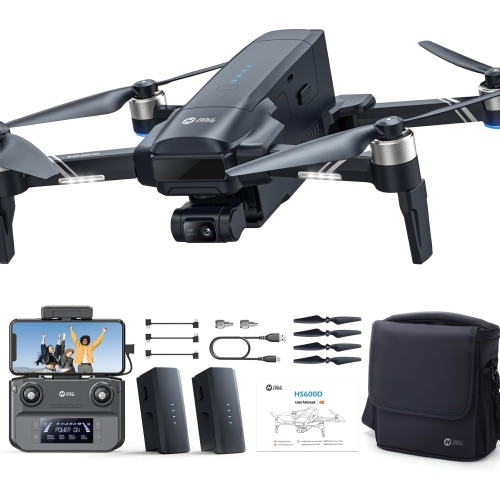
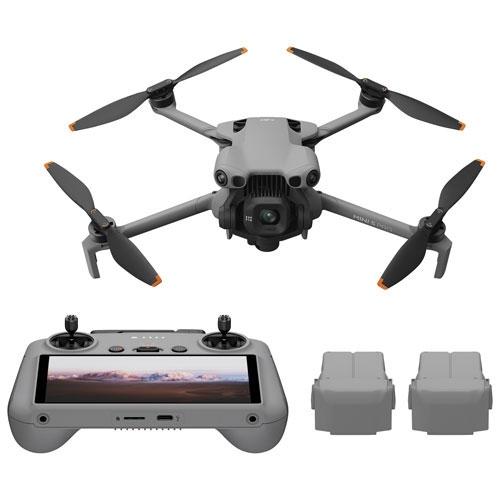
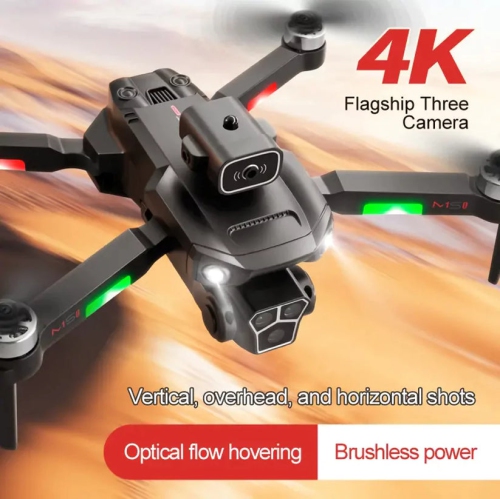
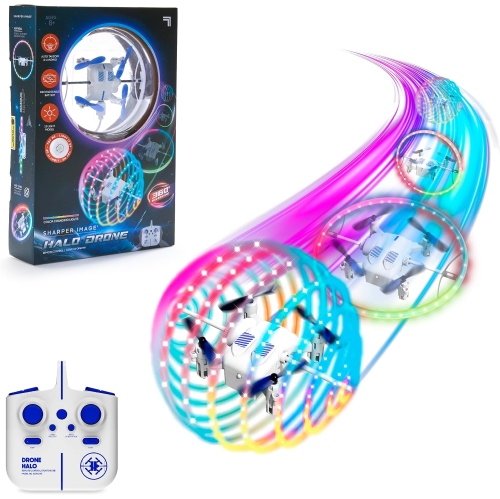
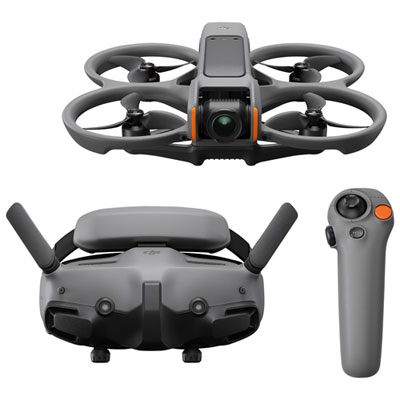
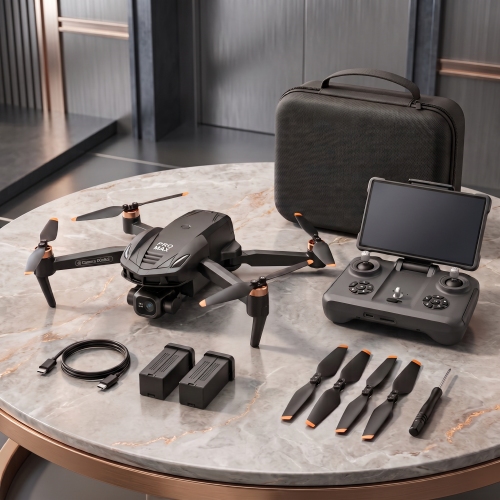
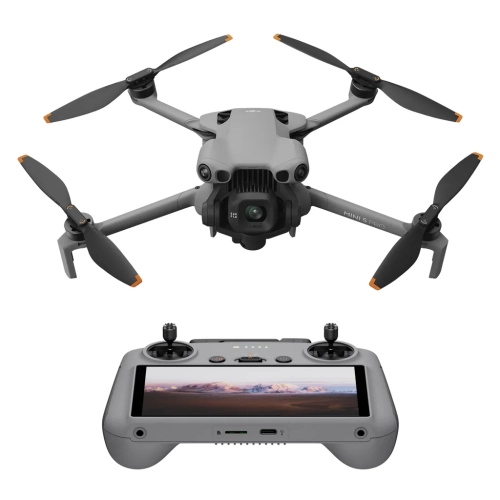
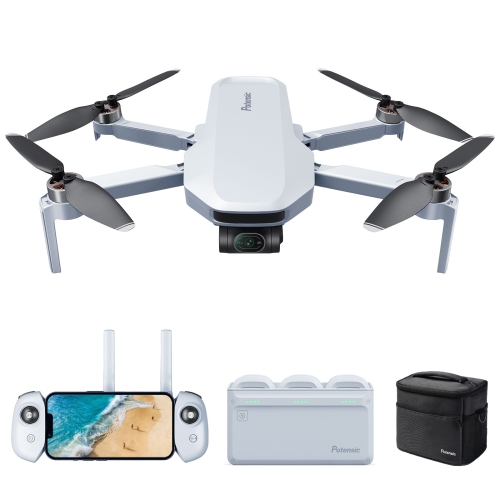
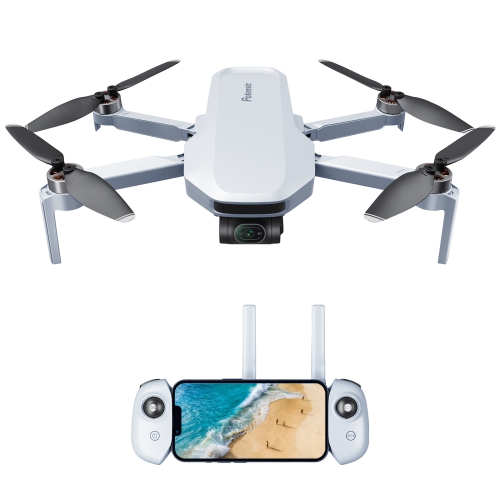
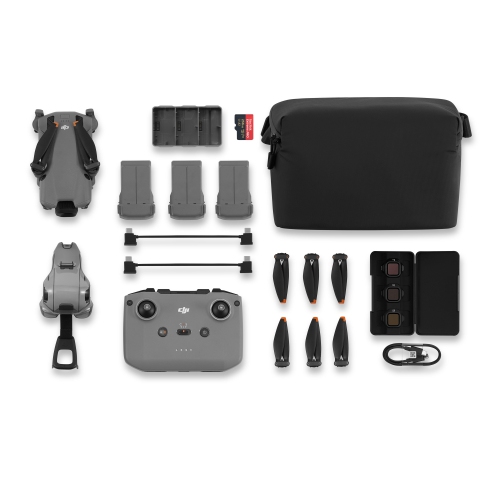
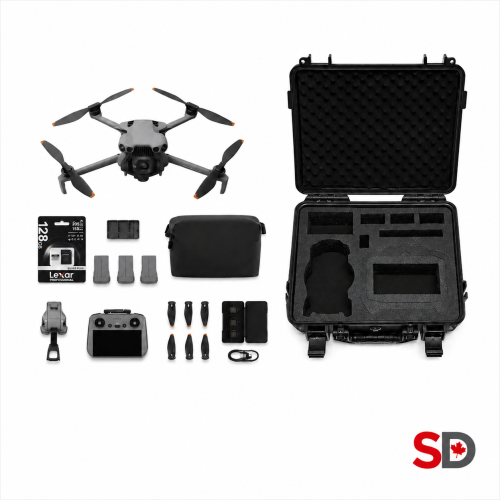
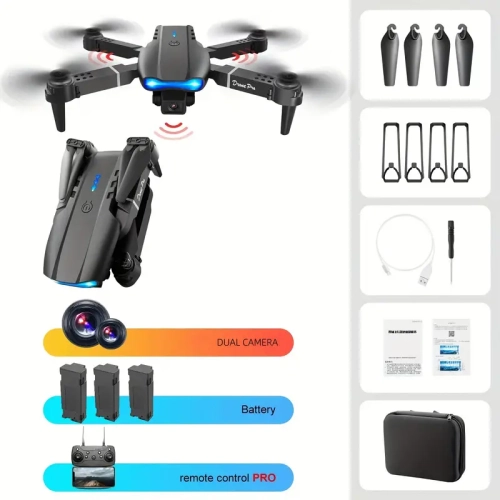
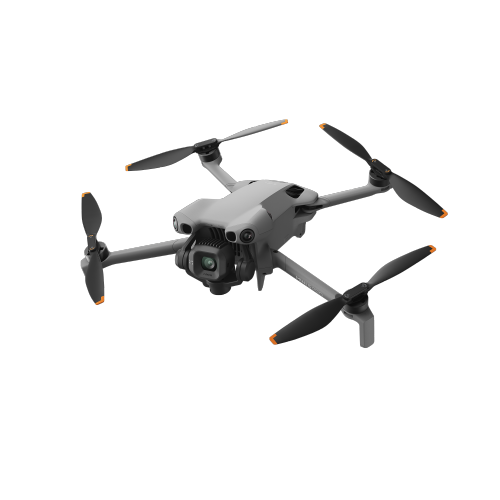
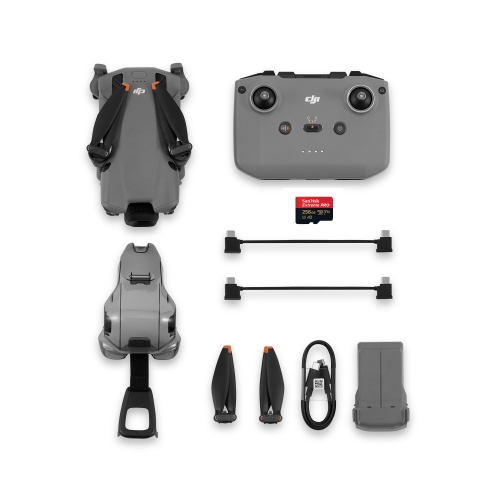
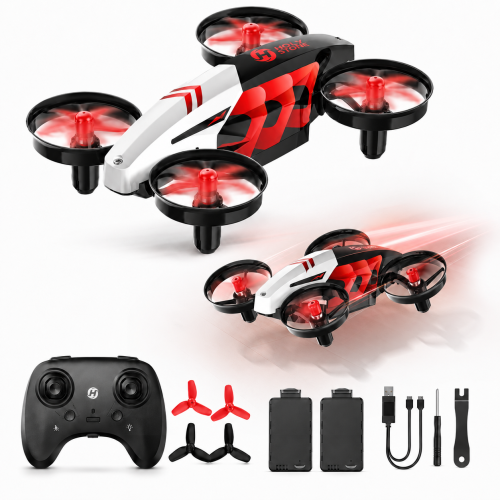
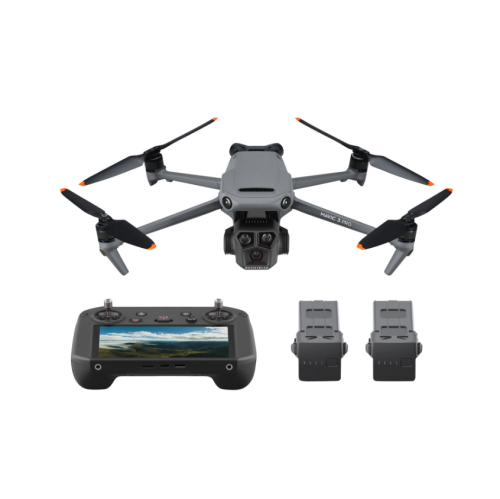
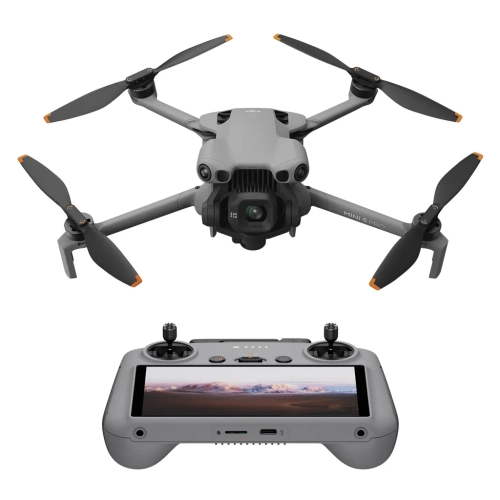
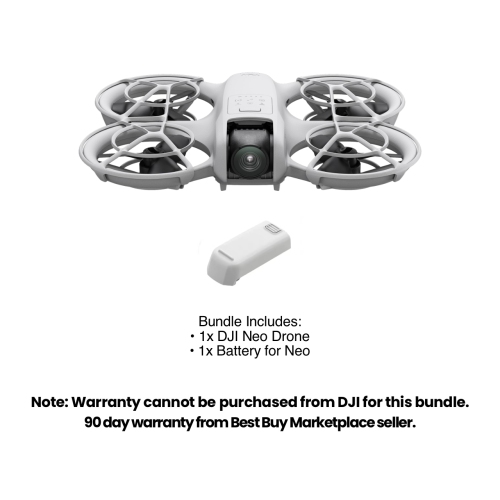

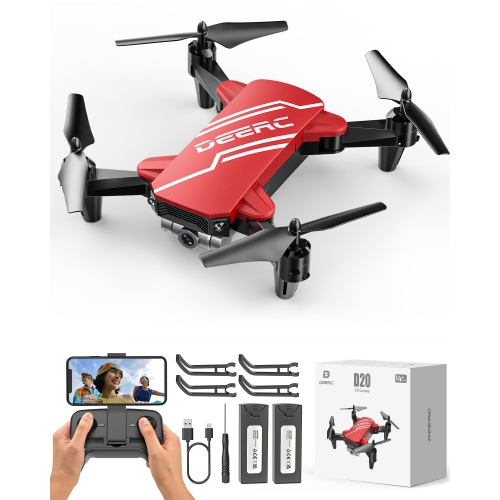
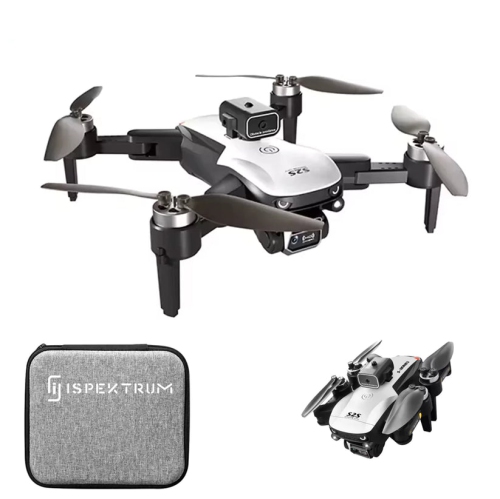
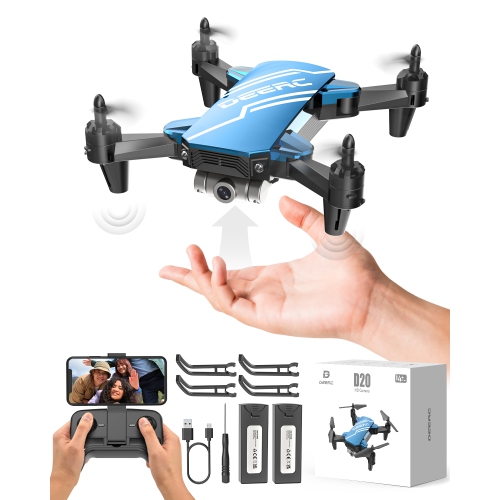
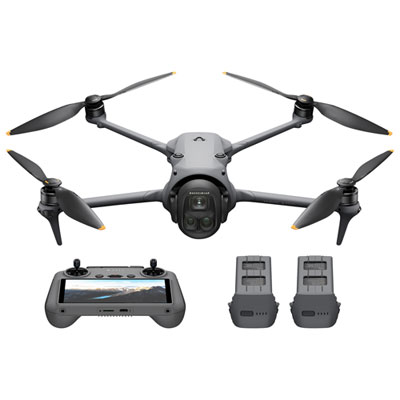
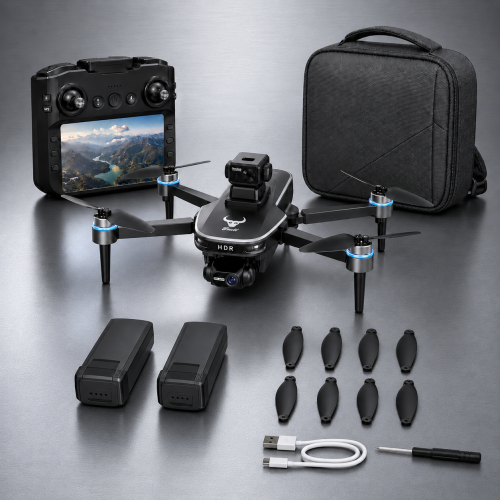
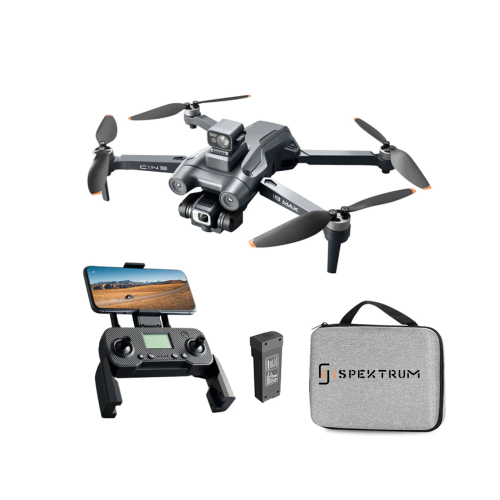
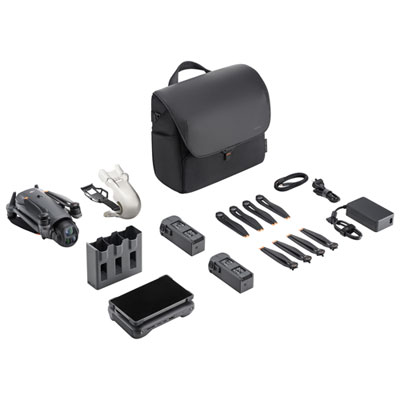
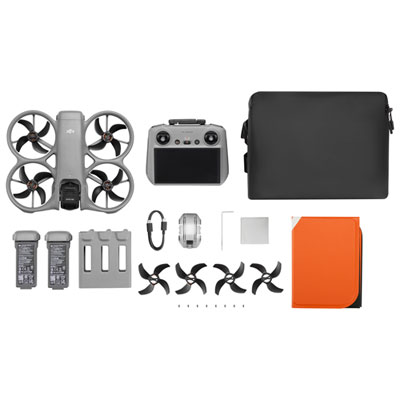
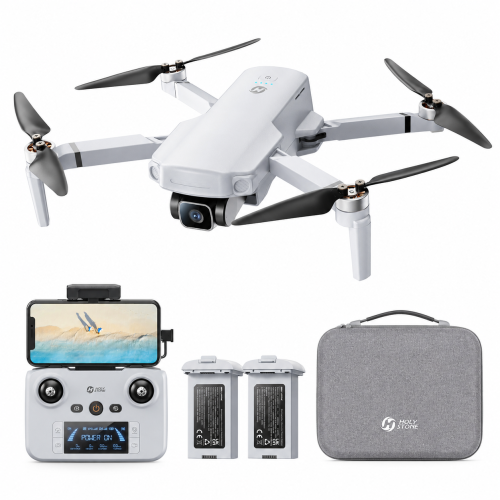
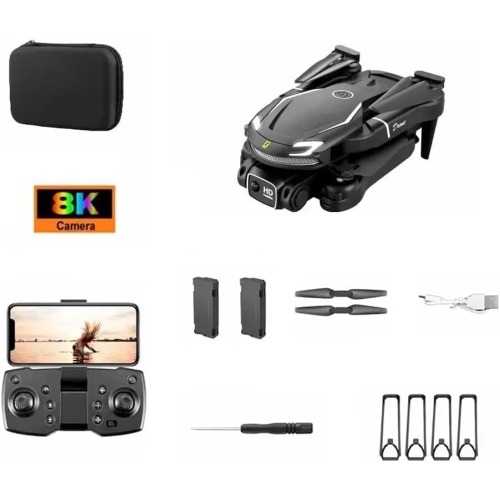
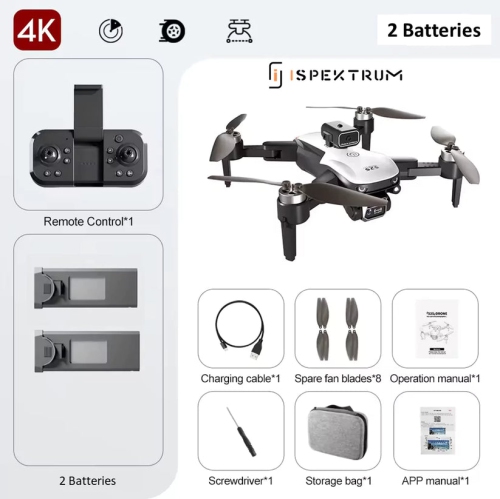
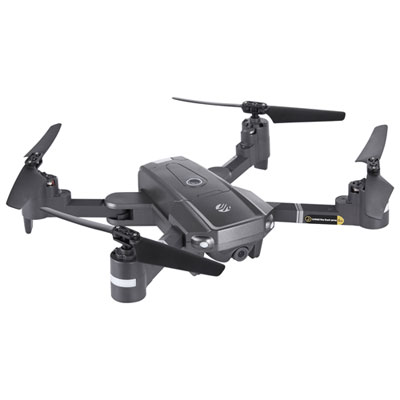
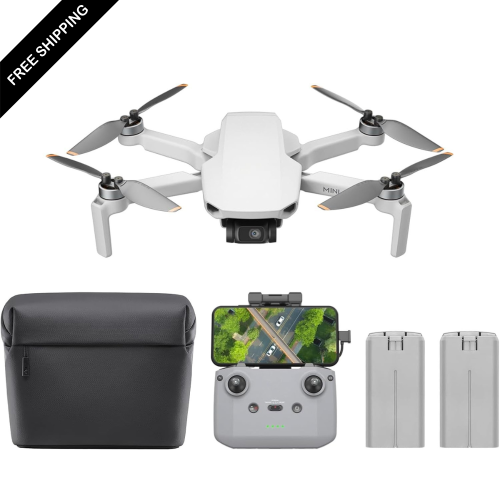
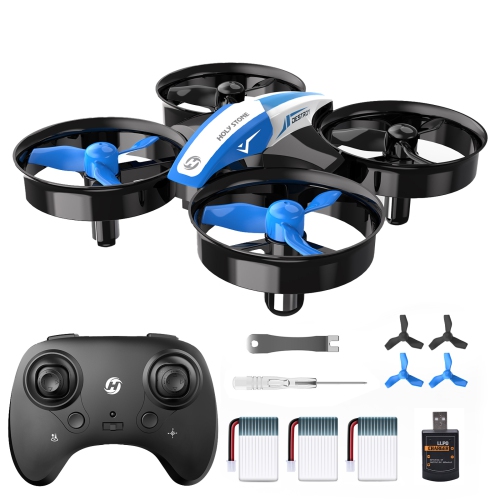
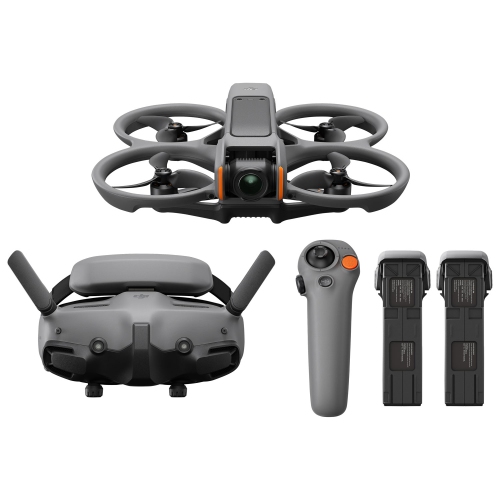
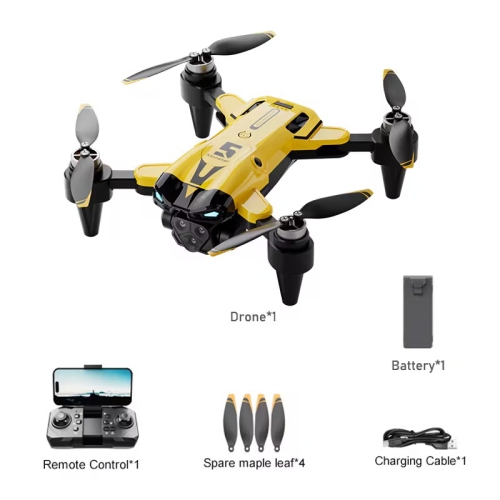
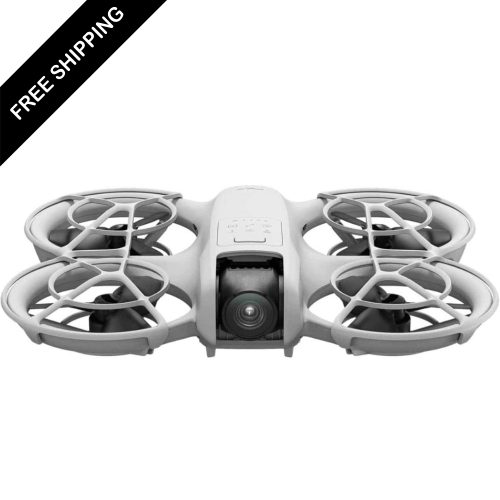
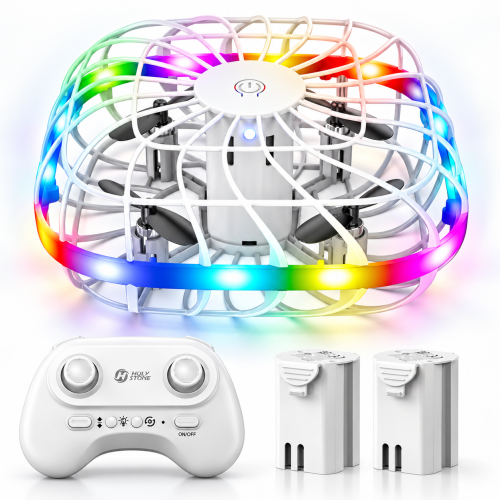
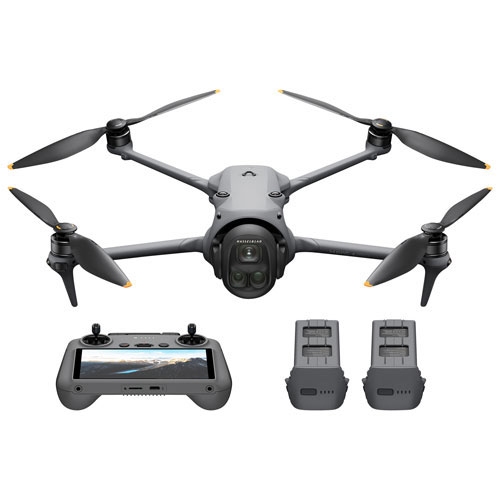
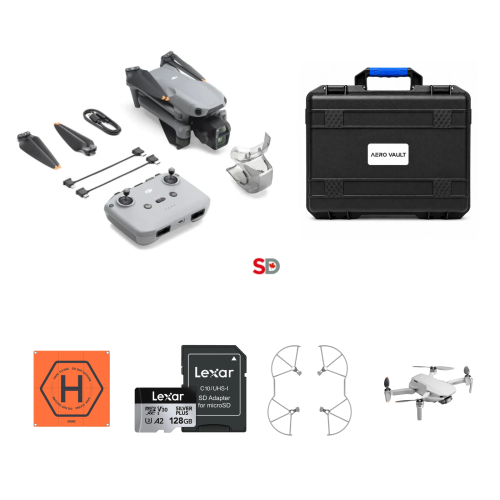
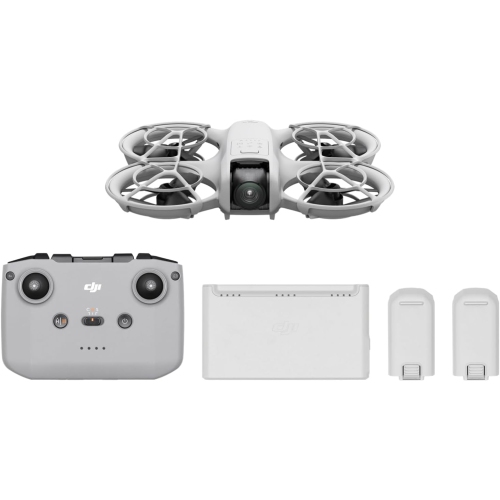
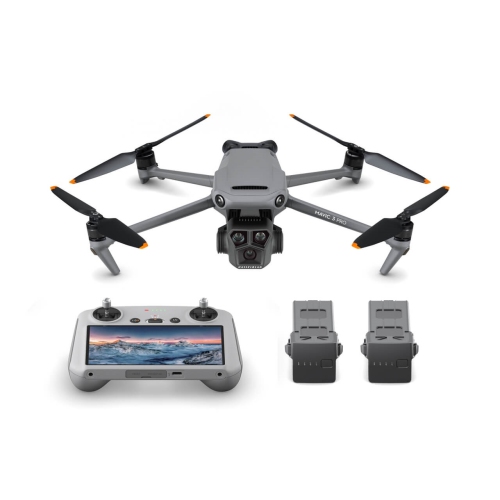
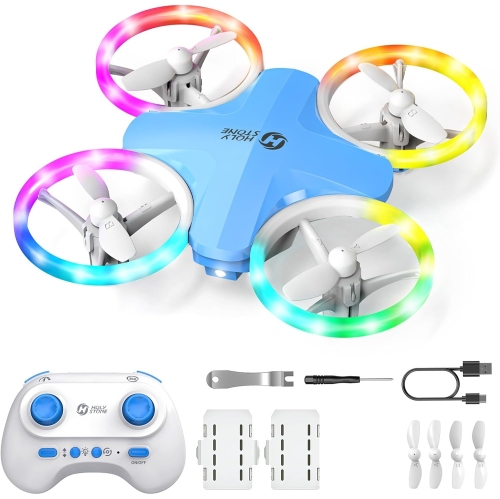
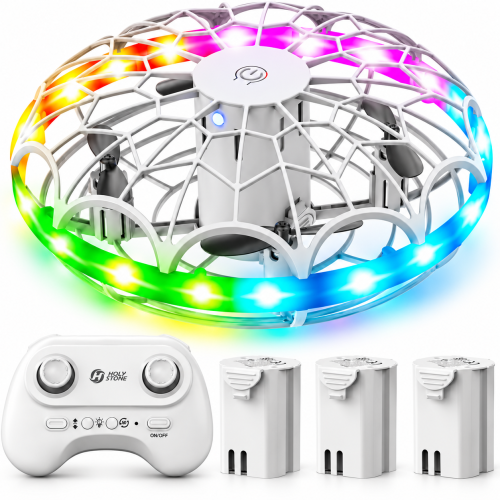
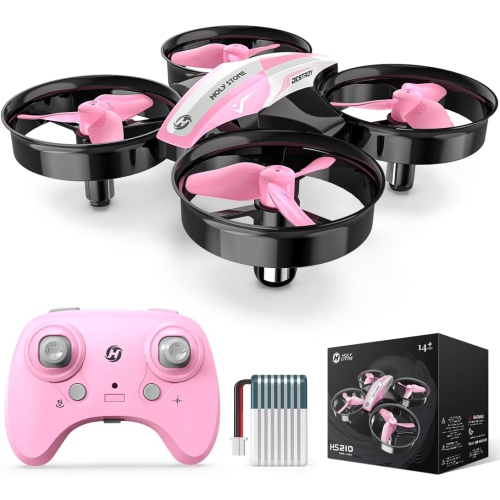
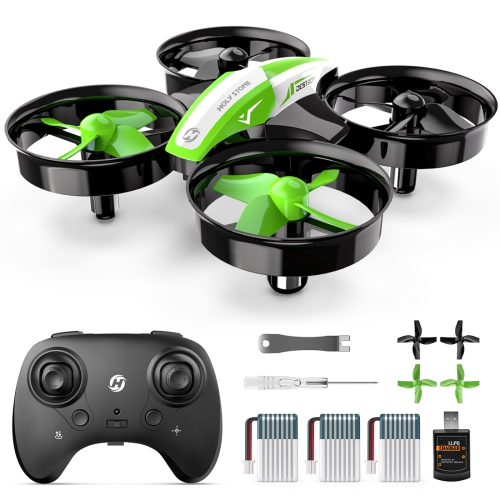
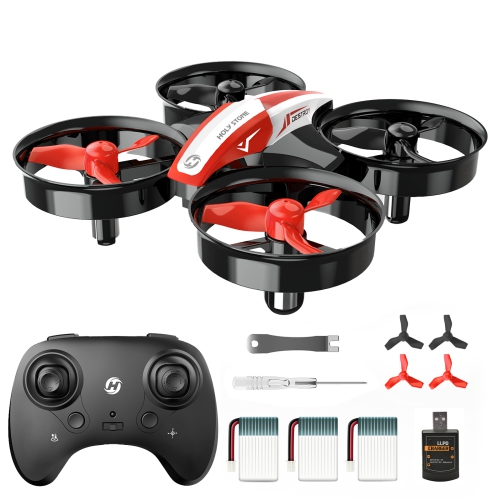
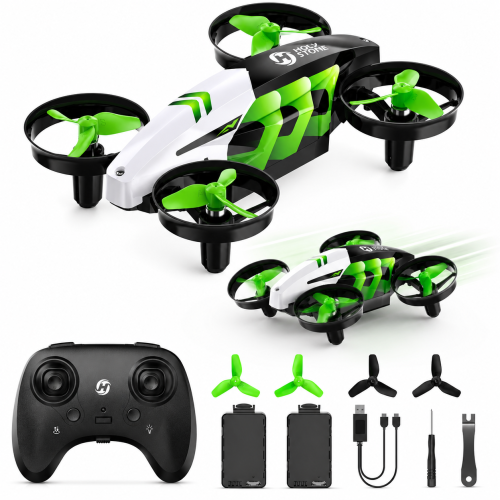
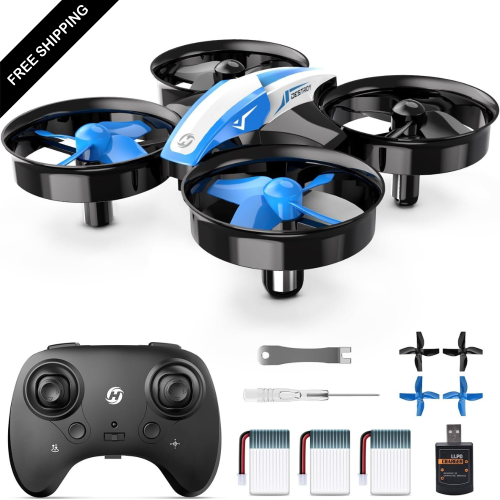
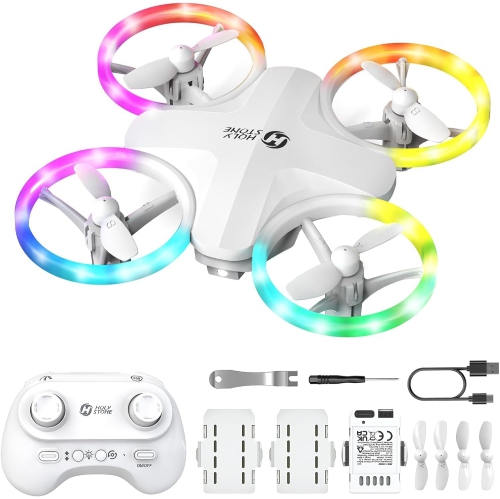
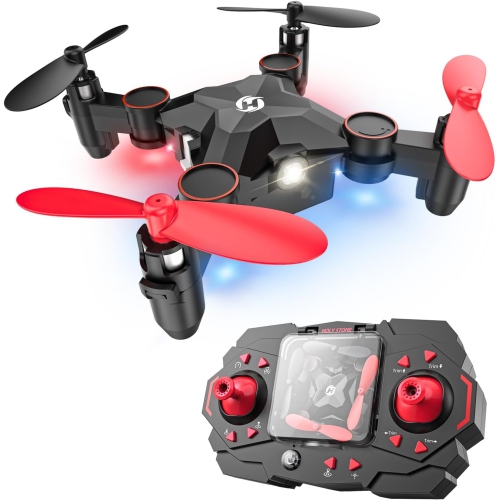
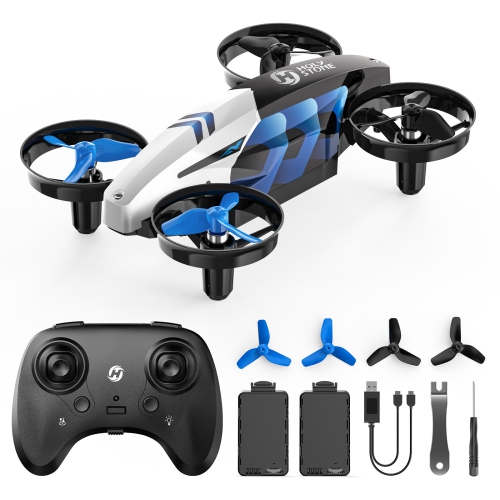
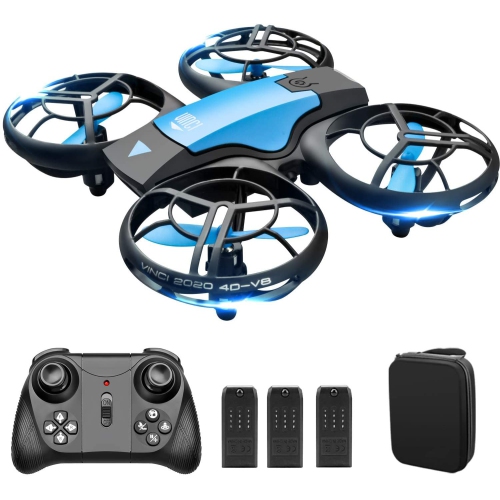
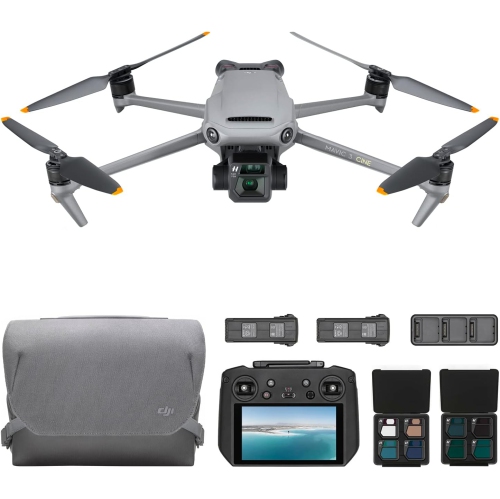
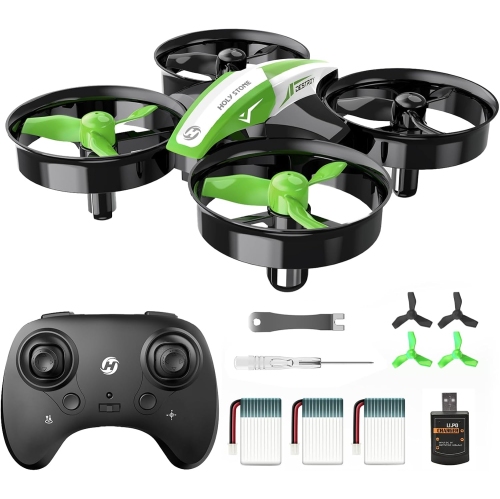
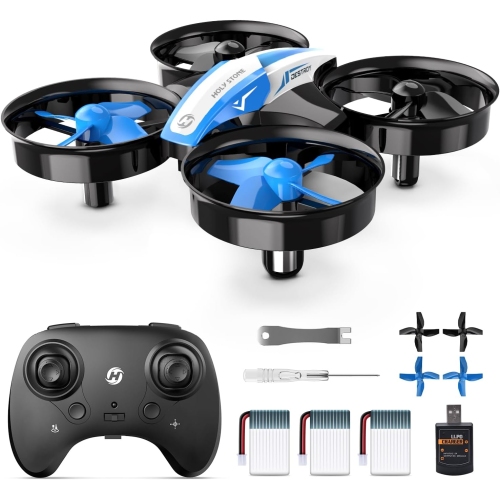
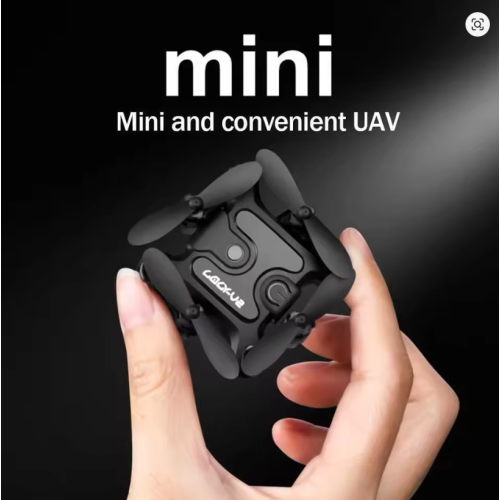
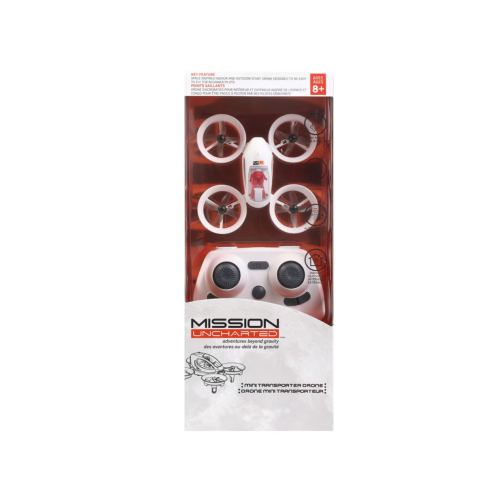
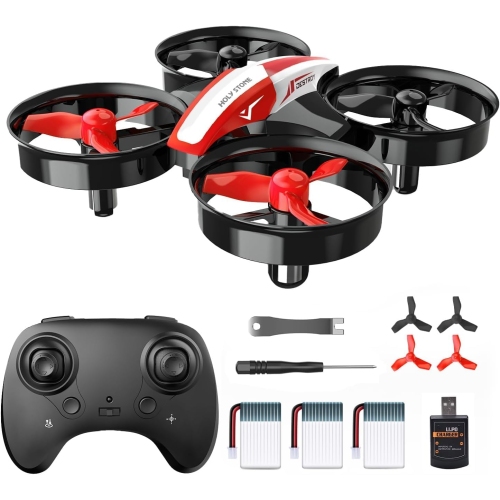
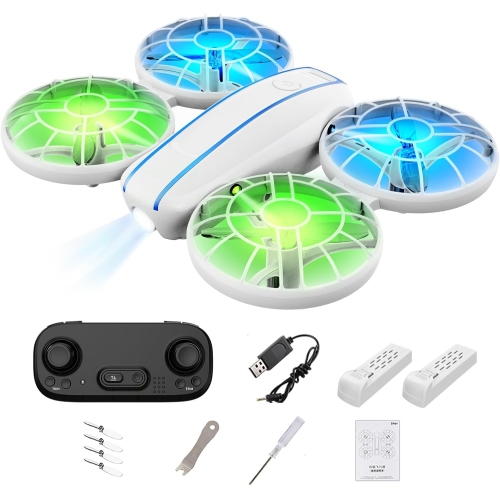
Better aerial footage takes more than camera resolution
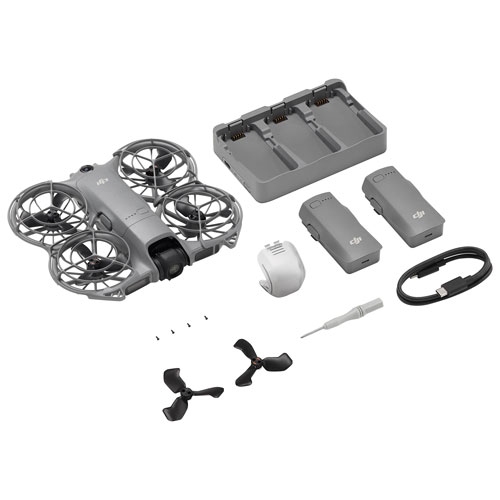
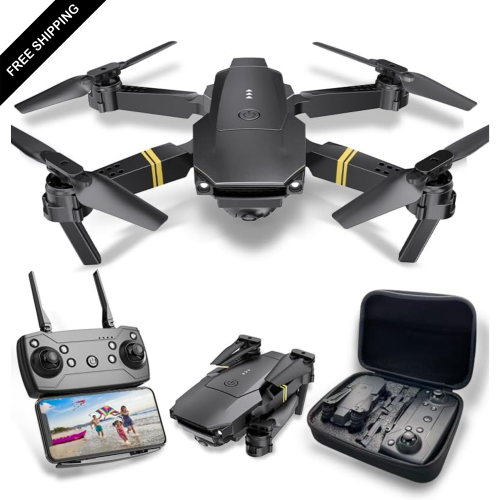
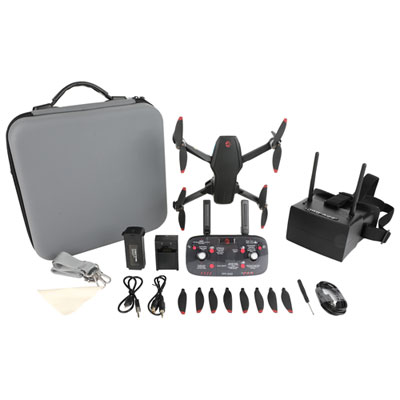
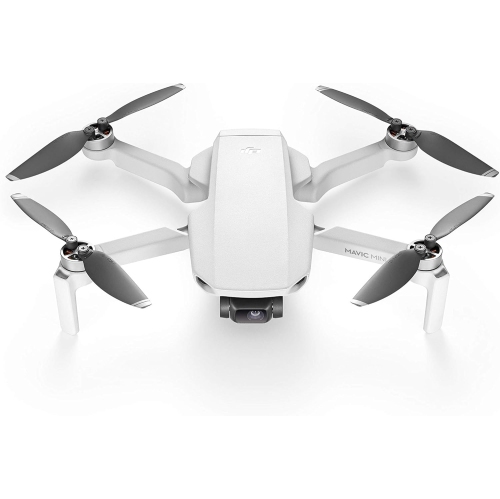
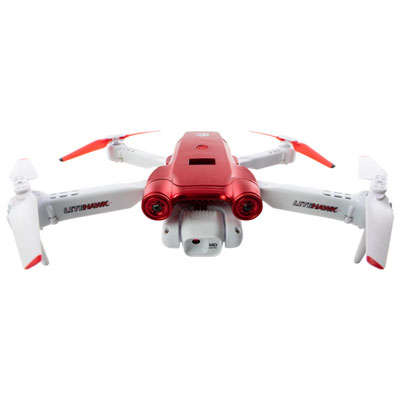
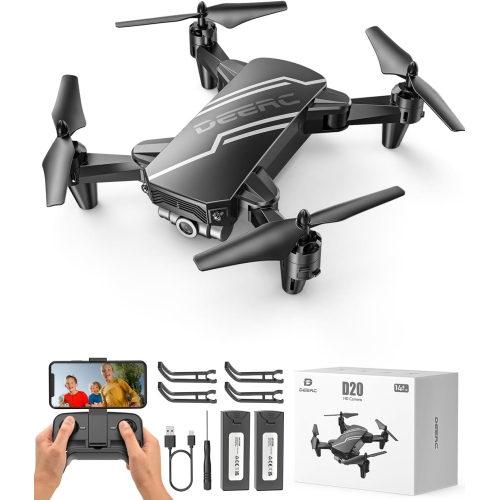
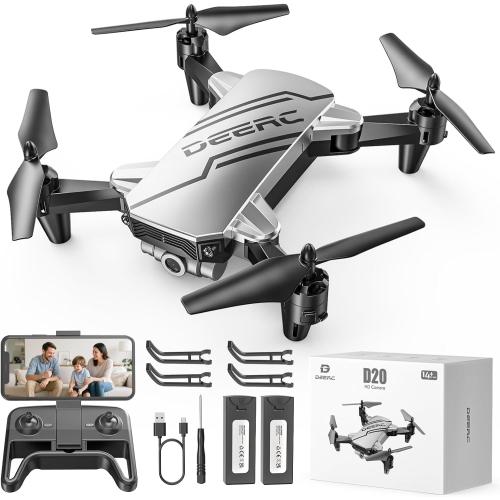
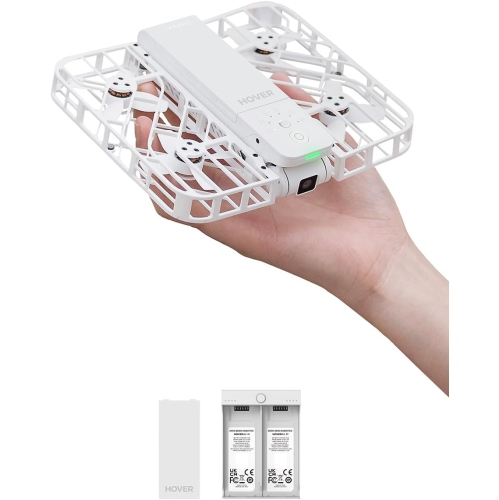
Drone cameras for beginners combine approachable flight controls with the ability to capture photos and video from a fresh perspective. A beginner-friendly camera drone should feel manageable to fly, provide a clear view of what the camera sees, and suit the kinds of footage its owner wants to create. For someone interested in travel photography, that might mean a foldable design that fits beside a camera bag; for an aspiring video creator, it might mean smooth camera movement and footage that is easy to transfer and edit. Camera resolution is one consideration, but it does not tell the whole story. Full HD can suit casual viewing and sharing, while 4K recording offers more detail and flexibility for cropping when the recording quality supports it. Sensor size, exposure control, lens quality, and stabilization also influence how clean and detailed the results look. A mechanical gimbal physically steadies the camera as the aircraft moves, helping reduce abrupt tilts and shakes. Electronic image stabilization uses image processing and may crop the frame, so the two approaches are worth distinguishing when comparing features. An adjustable camera angle adds flexibility, whether the goal is a broad landscape view or a downward-looking composition filled with paths, patterns, and shapes. Creators who mainly share phone-friendly clips may appreciate vertical recording, although some drones create that format by cropping rather than rotating the camera. Storage matters, too: onboard memory, compatible memory cards, and file-transfer options determine how easily footage moves from a flight to an editing app. The live image on a phone or controller can also differ in resolution from the saved recording. For shoppers drawn to a smaller aircraft, Compact Drones for Beginners brings the focus to easy-to-carry designs. Size alone does not define ease of use, however; responsive controls, readable flight information, and dependable hovering can make a greater difference to a new pilot’s confidence.
The flying experience depends as much on the controls and positioning systems as it does on the camera. A dedicated controller provides physical sticks for making small, deliberate adjustments, while a compatible smartphone may display the live camera view, battery level, and flight settings. Some drones rely mainly on a phone app, and certain designs offer simplified automatic capture modes. Phone compatibility, controller layout, screen visibility, and access to essential functions all affect how comfortable the setup feels in practice. GPS-assisted positioning can help a drone hold its location outdoors when satellite reception is adequate. Optical positioning uses downward-facing cameras or sensors to support hovering, but its performance can depend on lighting and the texture of the surface below. Neither feature makes an aircraft motionless in every situation. Automatic takeoff and landing, adjustable control sensitivity, and beginner flight modes can reduce the number of tasks a new pilot handles at once. Return-to-home is another useful consideration, although its behaviour varies: it may depend on a recorded home point, adequate positioning information, the selected return height, and sufficient battery power. It should not be treated as a guarantee that the aircraft can navigate around everything in its path. Obstacle sensing is similarly specific to the design, with coverage that may face forward, downward, or in several directions. Thin branches, wires, transparent surfaces, and objects outside the sensors’ coverage can still be difficult to detect. Subject tracking and preset camera movements offer creative possibilities, but they still require attentive supervision and suitable clearance. Advertised transmission distance is not a substitute for maintaining the visual contact required for safe operation. In Canada, drones weighing less than 250 g generally do not require registration or a drone pilot certificate, but safe flying obligations, applicable airspace restrictions, privacy requirements, and local rules still matter. Added batteries, guards, or other accessories can change operating weight. Transport Canada’s requirements and the rules for the intended flying location remain important considerations, regardless of how small or simple the drone appears.
Construction and everyday care help determine how well a beginner camera drone fits into regular use. Lightweight plastic housings keep many small aircraft portable, while folding arms make packing easier; both benefit from careful handling around hinges, motor mounts, and exposed camera components. A compact body is not necessarily impact-resistant, and a protected camera still needs room to move freely during operation. Propeller guards can provide a barrier around spinning blades on compatible designs, but they do not make contact with people, pets, or objects safe. Replaceable propellers and accessible maintenance parts are practical considerations for an aircraft that may experience an awkward landing while its owner is learning. Damaged blades, loose fittings, and debris around a motor can affect flight, making a brief inspection before use worthwhile. A fitted carrying case helps keep pressure off delicate parts and prevents loose accessories from rubbing against the lens. The lens itself benefits from gentle cleaning with suitable optical-cleaning materials rather than a rough cloth. Battery handling deserves similar attention: compatible charging equipment, undamaged battery packs, and storage according to the manufacturer’s directions support dependable use. Published flight times are measured under specified test conditions, and actual usable time varies with flight style, recording activity, accessories, and the reserve needed for landing. Extra compatible batteries can allow separate flight sessions, but each still needs appropriate charging and handling. For a gift recipient, the most useful fit depends on interests and experience rather than camera specifications alone. A photography enthusiast may value stabilized footage and manual exposure options, while someone new to remote-controlled aircraft may appreciate clear controls and a straightforward setup. These are flying cameras rather than ordinary toys, so age guidance, supervision needs, and the space required for operation deserve attention. A well-matched beginner drone leaves room to develop both piloting and photography skills, from holding a steady composition to capturing a smooth reveal without relying entirely on automatic modes.
Top selling and popular products
-
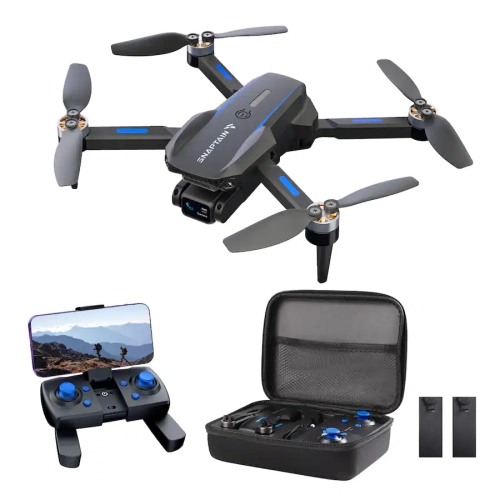 Your price for this item is $109.98
-
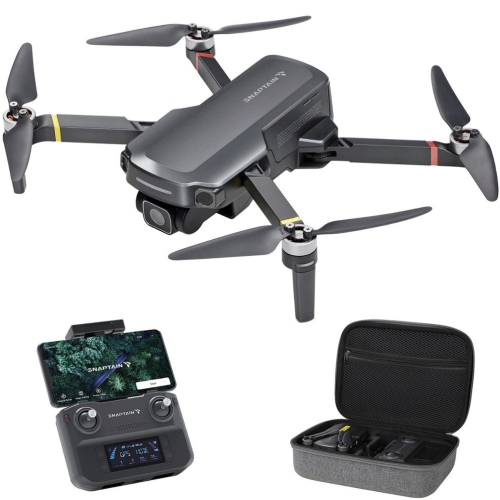 Your price for this item is $279.9
-
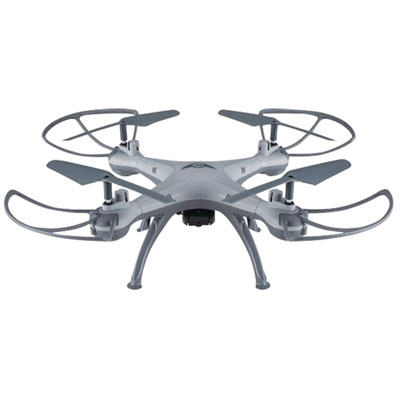 Your price for this item is $64.99
-
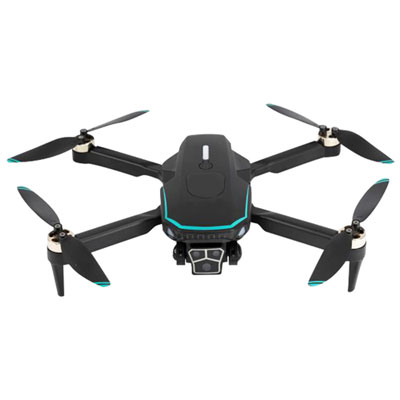 Your price for this item is $99.99
-
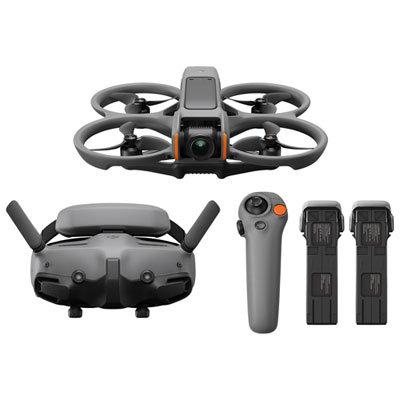 Your price for this item is $1279.99
-
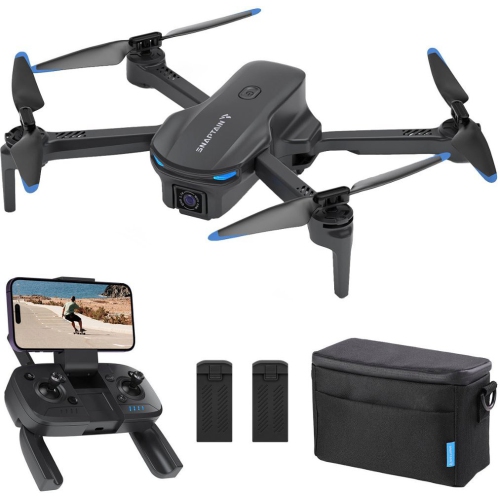 Your price for this item is $189.9
-
 Your price for this item is $205.99
-
 Your price for this item is $15.38
Discover more categories related to Drone Cameras for Beginner
Top Collections:
Best Black Friday Deals This Year, Best Black Friday Deals On Electronics, Kindle Devices, Pokemon Centers, Best Black Friday Deals On Apple Products, Best Cameras for Sports Photography, Dyson Airwrap, Pokémon 30th Celebration Cards, Apple iPhone 17 Pro, Canon G7X Cameras
Some products may be subject to Environmental Handling Fees
(EHF) depending on your province.
Learn more about EHFs.