Bike Camera Mounts
Capture every thrilling moment of your bike adventures with this wide selection of bike camera mounts. Whether you're cruising through scenic trails or tackling challenging terrains, these versatile mounts allow you to securely attach your camera to your bike, ensuring stable footage that perfectly captures the excitement and adrenaline of your rides. From handlebar mounts to helmet mounts, these mounts offer a variety of options to suit your preferences and filming needs.
Sort

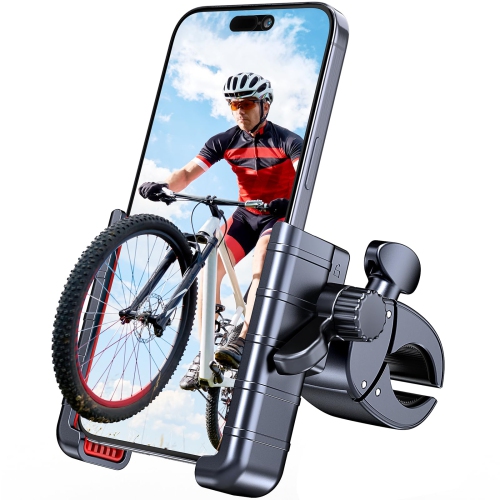
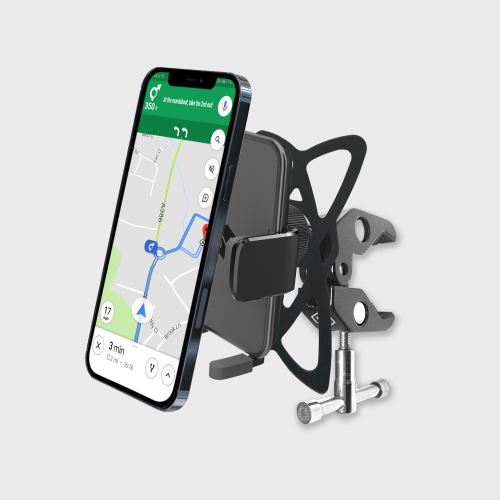
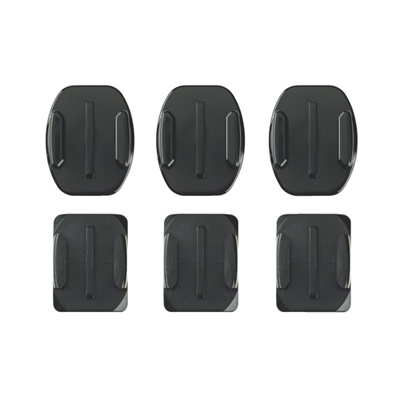
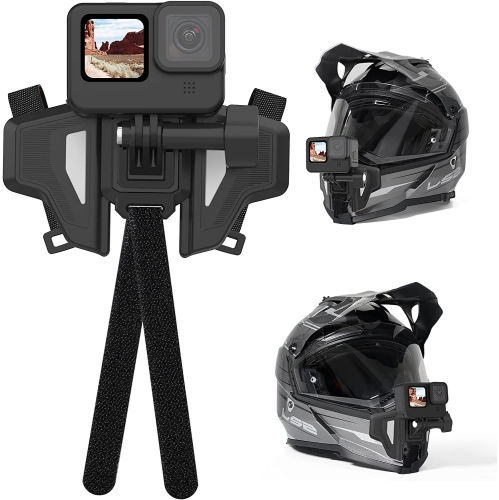

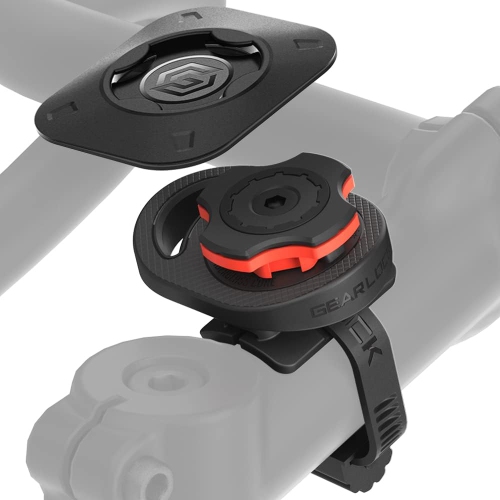
How mounting position shapes your view of the ride
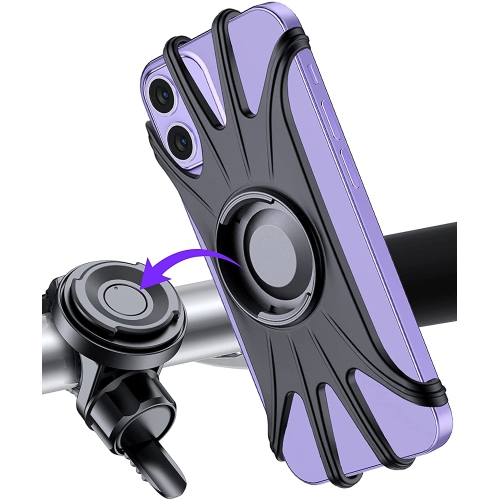
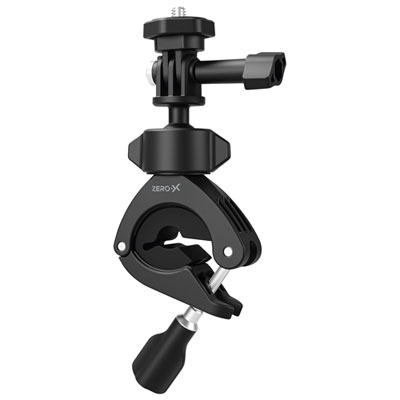
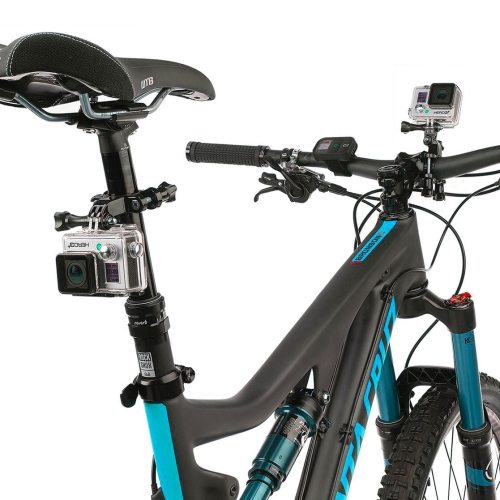
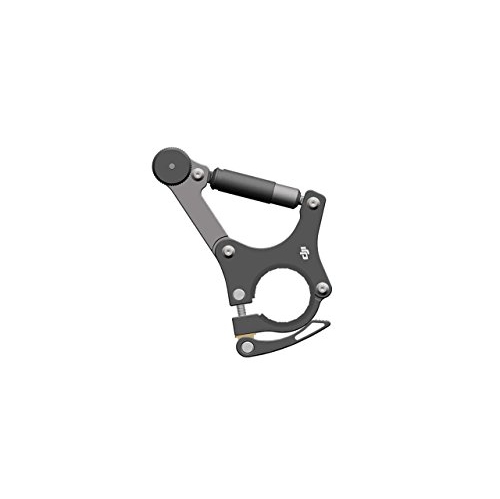
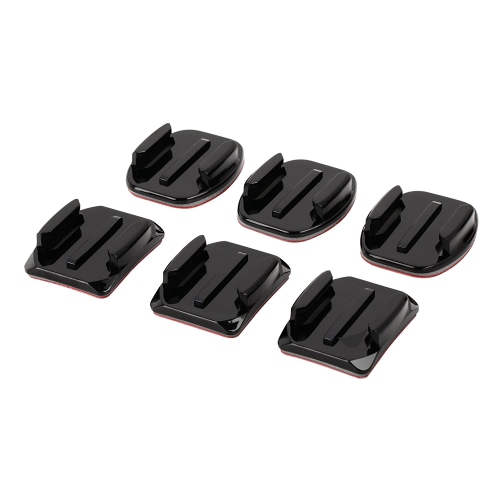
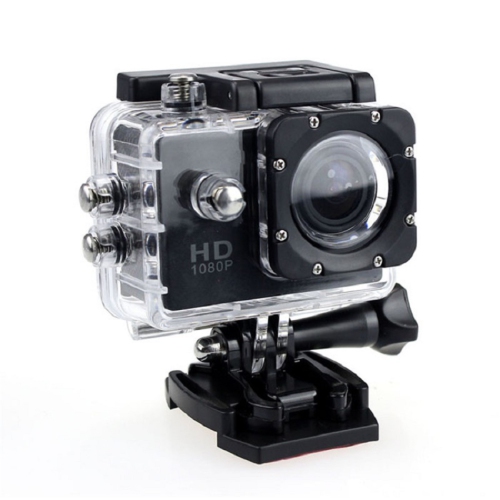
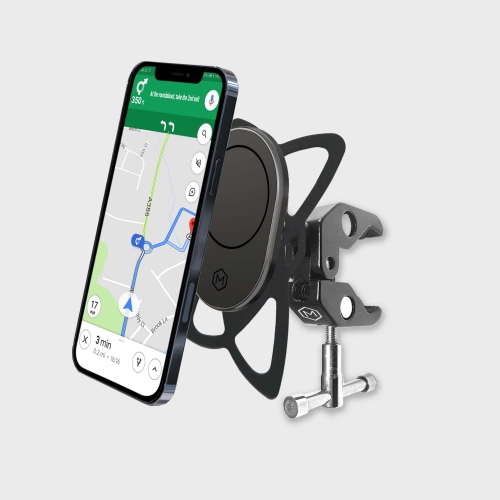
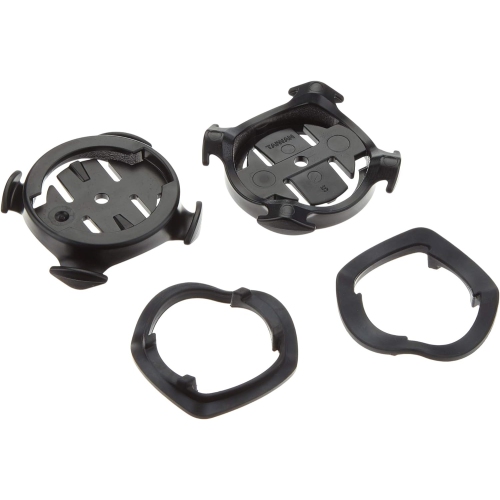
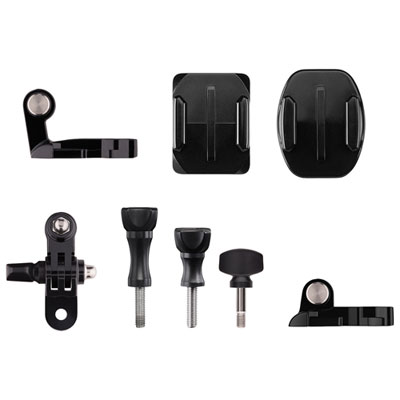
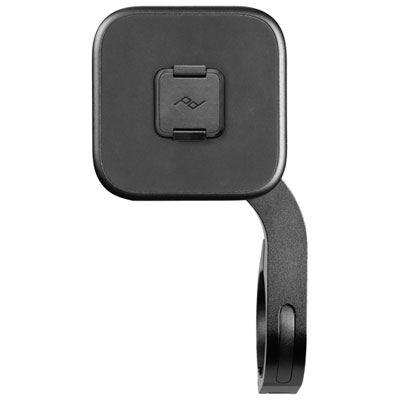
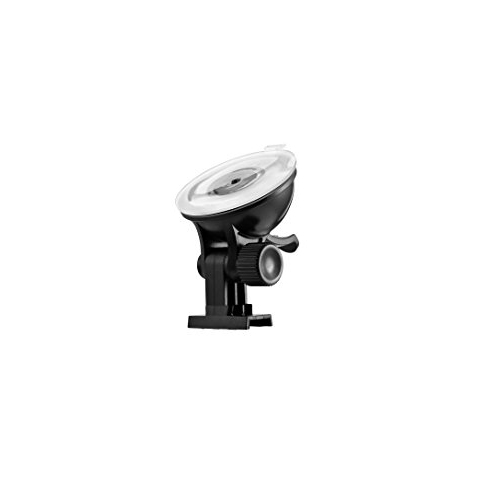
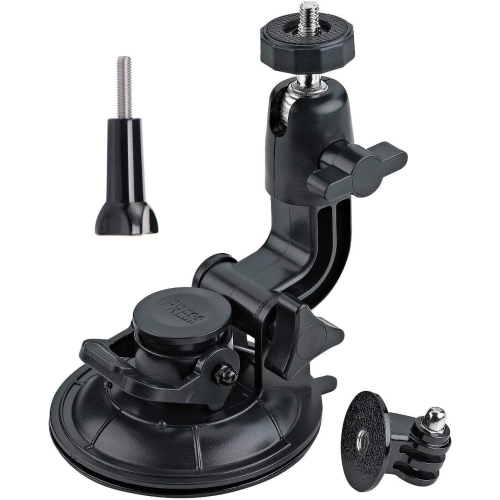
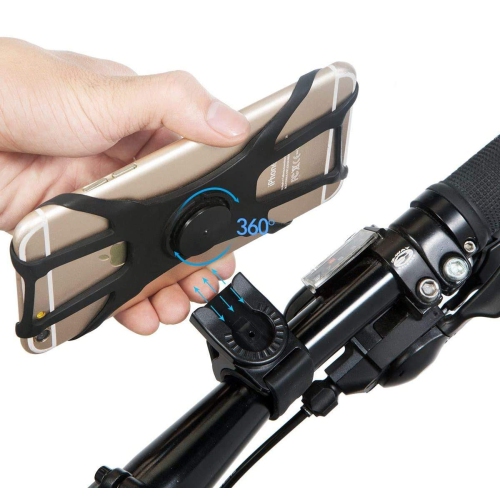
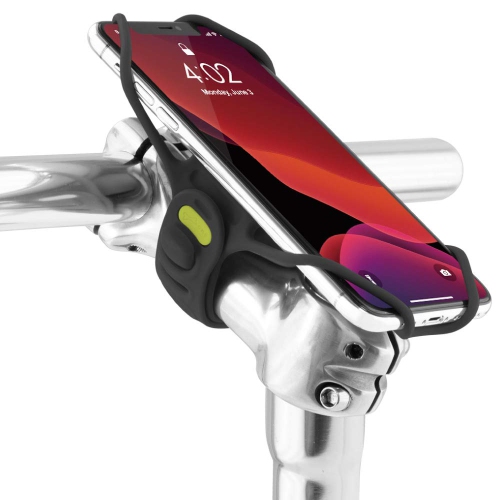
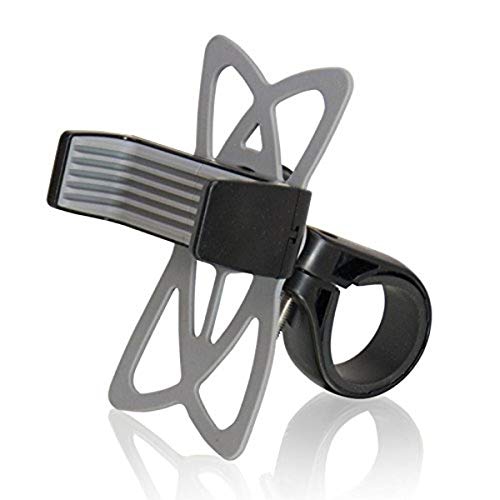
Bike camera mounts attach an action camera or cycling camera to a bicycle, providing a fixed viewpoint for capturing rides while keeping the camera out of the rider’s hands. Common mounting locations include the handlebars, seatpost, and suitable sections of the frame, with each position offering a different perspective. A handlebar camera mount gives a forward-facing view of the route, whether that means a quiet neighbourhood street, a winding gravel path, or a wooded trail. An out-front mount extends ahead of the handlebars and, in compatible configurations, can support a cycling computer above an action camera for a compact cockpit layout. Seatpost mounts can provide a rear-facing view, although saddle bags, rear lights, and the position of the rear wheel may affect placement. Frame-mounted options offer other angles, but their suitability depends on tube shape, clearance, and the mounting locations permitted by the bicycle manufacturer. For commuters, a consistent camera position can help capture the route and surrounding traffic, though footage quality still depends on the camera, lighting, and viewing angle. Recreational riders may want to preserve the changing scenery along a favourite waterfront path, while mountain bikers often value a secure attachment that stands up to repeated bumps and vibration. Riders exploring Action Cameras for Bike will find that the attachment interface matters as much as the intended viewpoint: the camera or its protective housing must connect properly to the mount. Some mounts use a pronged action-camera fitting, while others use a threaded connection or a dedicated quick-release interface. Adapters may connect different systems, but they can also add height, weight, and another joint that needs to remain secure. The right arrangement brings together the camera connection, the bicycle attachment point, and the intended riding conditions without crowding the controls or obstructing a light.
Fit is one of the most important differences between bike camera mounts, particularly when a clamp wraps around a handlebar or seatpost. Bicycle tubes vary in diameter and shape, and a mount designed for a round tube may not suit an oval or aerodynamic profile. The stated clamping range should match the exact attachment point rather than the bicycle’s general size or style. Included inserts or shims may help a clamp fit specified tube sizes, while rubber or silicone liners can improve grip and reduce direct contact between the clamp and the bicycle’s finish. Those liners do not make every clamp suitable for every surface, especially carbon components, which require attention to the component manufacturer’s mounting restrictions and tightening limits. Materials also influence how a mount feels and performs. Aluminium designs can provide a rigid structure with relatively little bulk, while reinforced plastic designs may offer a lighter attachment for a small camera. Fasteners, hinges, and adjustment joints deserve equal attention because a solid clamp is only part of the connection. A short mount generally places less leverage on its attachment point than a long extension holding the same camera. Extended arms can create a wider range of views, but bumps and camera weight place greater demands on the assembly, making stated load limits and intended use particularly important. On smooth pavement, a compact handlebar setup may capture a steady view of the road ahead; on root-covered trails, repeated impacts can expose looseness in adjustable joints. Some mounts incorporate vibration-damping features, but a mount alone cannot guarantee smooth footage or replace the camera’s own stabilization. Tilt adjustment helps set the horizon, while rotating joints can make it easier to change the direction of the shot when stopped. A quick-release connection is useful when moving the camera between compatible mounts or removing it at the end of a commute. Its locking mechanism should engage fully, with any secondary catch secured. In every configuration, the camera needs room to sit clear of brake levers, shift controls, cables, wheels, and the rider’s knees throughout normal steering and movement.
Everyday usability becomes especially noticeable when a camera stays on the bicycle for more than a short outing. A mount that leaves the battery door or charging port accessible may simplify routine use, although access depends on the camera housing and its orientation. A compact attachment can also make it easier to park the bicycle, carry it up stairs, or load it onto a rack without the camera protruding into an awkward spot. For riders who use gloves during the cooler months, the size and shape of adjustment knobs and release tabs can affect how comfortably the camera can be removed while stopped. Rain, trail grit, and road salt call for regular care, even when the camera itself has a weather-resistant housing. Dirt caught inside a clamp liner can mark a finish, and grit around a hinge or quick-release mechanism can interfere with movement. Cleaning should follow the mount manufacturer’s directions, with attention to contact surfaces, fasteners, and joints, followed by thorough drying where appropriate. Periodic checks for cracks, worn liners, loose screws, and damaged threads help identify a connection that is no longer dependable. After a fall or a hard impact, the mount and its attachment point deserve inspection before the next ride. Where permitted by the manufacturer, a short safety tether attached to a suitable point can provide backup retention, but it should not be able to reach moving parts or interfere with steering. Helmet-mounted camera accessories require separate care: compatibility with the helmet manufacturer’s guidance matters, and drilling or otherwise modifying a helmet can compromise its protection. For most bicycle-mounted setups, a clear line of sight and an unobtrusive position matter more than a dramatic angle. Adjustments belong at a safe stop, not while navigating traffic or a narrow trail. Bike camera mounts can also make thoughtful gifts for cyclists who already enjoy filming their rides, provided the camera interface, bicycle dimensions, and riding style are known. A well-matched mount becomes a practical part of the bicycle setup, holding a useful viewpoint through familiar commutes, weekend outings, and longer days exploring new routes.
Fit is one of the most important differences between bike camera mounts, particularly when a clamp wraps around a handlebar or seatpost. Bicycle tubes vary in diameter and shape, and a mount designed for a round tube may not suit an oval or aerodynamic profile. The stated clamping range should match the exact attachment point rather than the bicycle’s general size or style. Included inserts or shims may help a clamp fit specified tube sizes, while rubber or silicone liners can improve grip and reduce direct contact between the clamp and the bicycle’s finish. Those liners do not make every clamp suitable for every surface, especially carbon components, which require attention to the component manufacturer’s mounting restrictions and tightening limits. Materials also influence how a mount feels and performs. Aluminium designs can provide a rigid structure with relatively little bulk, while reinforced plastic designs may offer a lighter attachment for a small camera. Fasteners, hinges, and adjustment joints deserve equal attention because a solid clamp is only part of the connection. A short mount generally places less leverage on its attachment point than a long extension holding the same camera. Extended arms can create a wider range of views, but bumps and camera weight place greater demands on the assembly, making stated load limits and intended use particularly important. On smooth pavement, a compact handlebar setup may capture a steady view of the road ahead; on root-covered trails, repeated impacts can expose looseness in adjustable joints. Some mounts incorporate vibration-damping features, but a mount alone cannot guarantee smooth footage or replace the camera’s own stabilization. Tilt adjustment helps set the horizon, while rotating joints can make it easier to change the direction of the shot when stopped. A quick-release connection is useful when moving the camera between compatible mounts or removing it at the end of a commute. Its locking mechanism should engage fully, with any secondary catch secured. In every configuration, the camera needs room to sit clear of brake levers, shift controls, cables, wheels, and the rider’s knees throughout normal steering and movement.
Everyday usability becomes especially noticeable when a camera stays on the bicycle for more than a short outing. A mount that leaves the battery door or charging port accessible may simplify routine use, although access depends on the camera housing and its orientation. A compact attachment can also make it easier to park the bicycle, carry it up stairs, or load it onto a rack without the camera protruding into an awkward spot. For riders who use gloves during the cooler months, the size and shape of adjustment knobs and release tabs can affect how comfortably the camera can be removed while stopped. Rain, trail grit, and road salt call for regular care, even when the camera itself has a weather-resistant housing. Dirt caught inside a clamp liner can mark a finish, and grit around a hinge or quick-release mechanism can interfere with movement. Cleaning should follow the mount manufacturer’s directions, with attention to contact surfaces, fasteners, and joints, followed by thorough drying where appropriate. Periodic checks for cracks, worn liners, loose screws, and damaged threads help identify a connection that is no longer dependable. After a fall or a hard impact, the mount and its attachment point deserve inspection before the next ride. Where permitted by the manufacturer, a short safety tether attached to a suitable point can provide backup retention, but it should not be able to reach moving parts or interfere with steering. Helmet-mounted camera accessories require separate care: compatibility with the helmet manufacturer’s guidance matters, and drilling or otherwise modifying a helmet can compromise its protection. For most bicycle-mounted setups, a clear line of sight and an unobtrusive position matter more than a dramatic angle. Adjustments belong at a safe stop, not while navigating traffic or a narrow trail. Bike camera mounts can also make thoughtful gifts for cyclists who already enjoy filming their rides, provided the camera interface, bicycle dimensions, and riding style are known. A well-matched mount becomes a practical part of the bicycle setup, holding a useful viewpoint through familiar commutes, weekend outings, and longer days exploring new routes.
Top selling and popular products
-
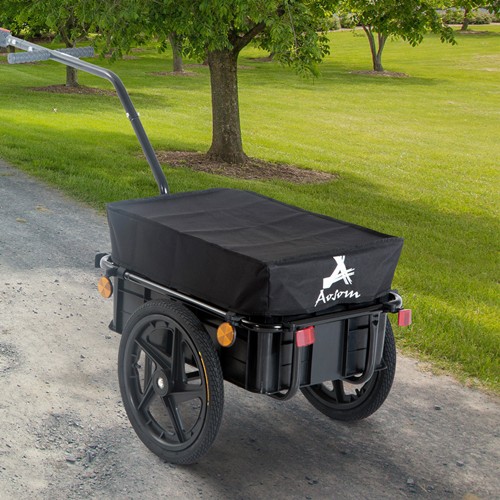 Your price for this item is $155.44
 -
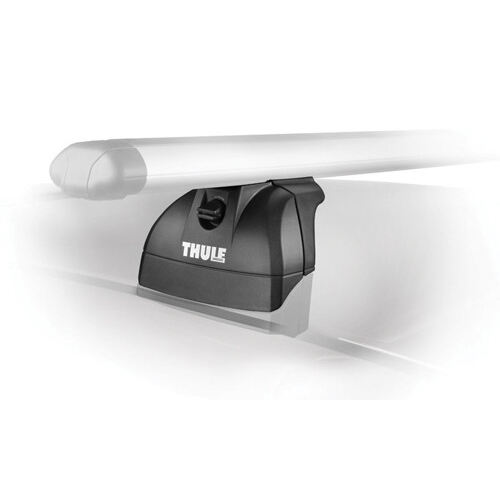 Your price for this item is $285
 -
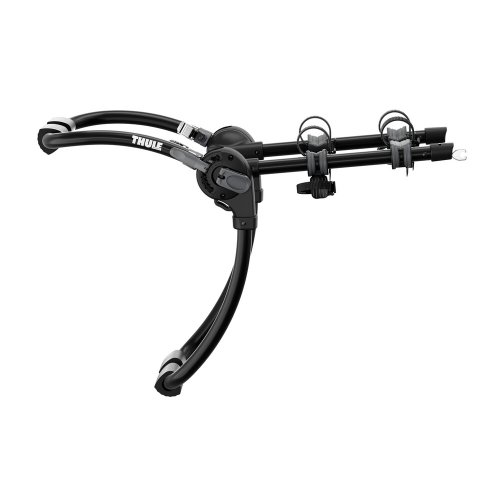 Your price for this item is $499
 -
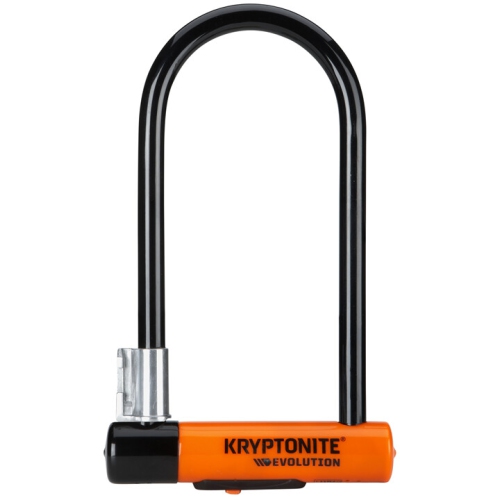 Your price for this item is $209.99
 -
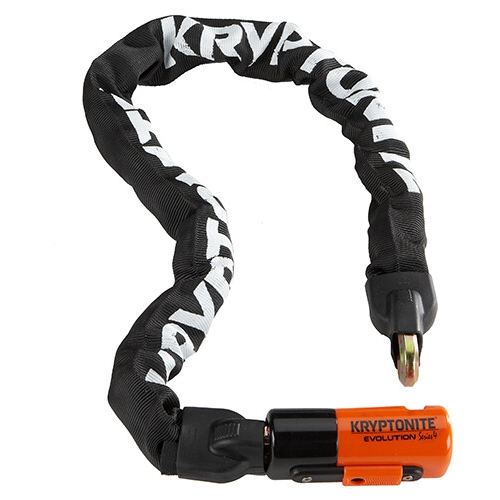 Your price for this item is $199.99
 -
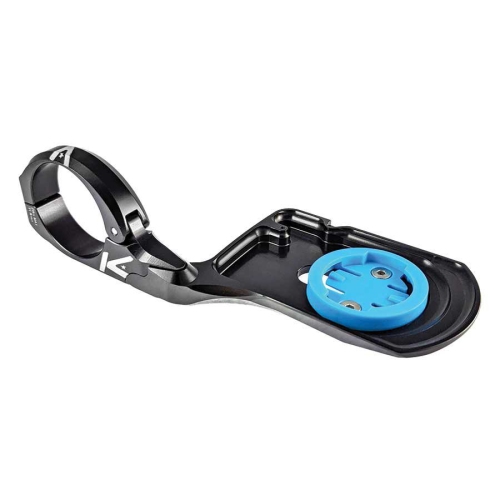 Your price for this item is $134.99
 -
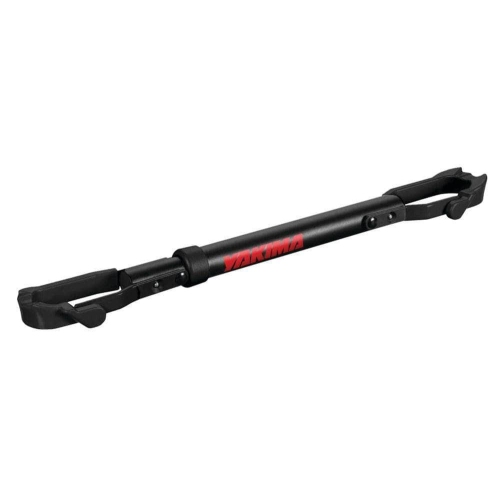 Your price for this item is $96.99
 -
 Your price for this item is $120.99
Discover more categories related to Bike Camera Mounts
Top Collections:
Pokemon Centers, Kindle Devices, Best Budget Office Chairs, Apple iPhones 16, Best Laptops for Writers, iPhone 15 Apple, Canon G7X Cameras, Refurbished Apple Laptops, Alarm Clock, Motorola Razr Phones
Some products may be subject to Environmental Handling Fees
(EHF) depending on your province.
Learn more about EHFs.