Boxing Day Deals Coming Soon
Our Boxing Day Sale returns in December 2026. In the meantime, shop our current top deals below.

Boxing Day Sale On DSLR Cameras
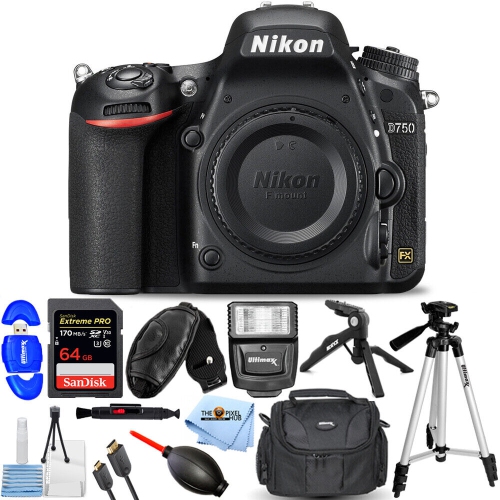
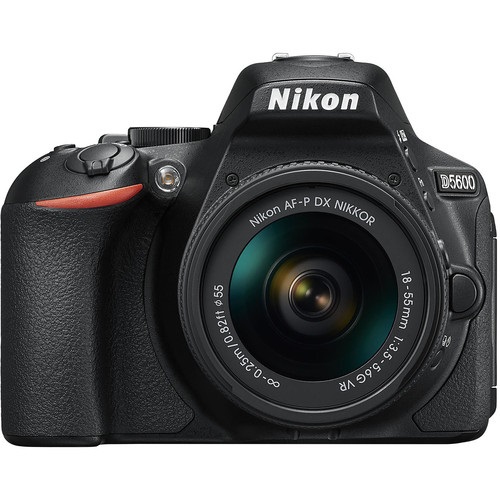
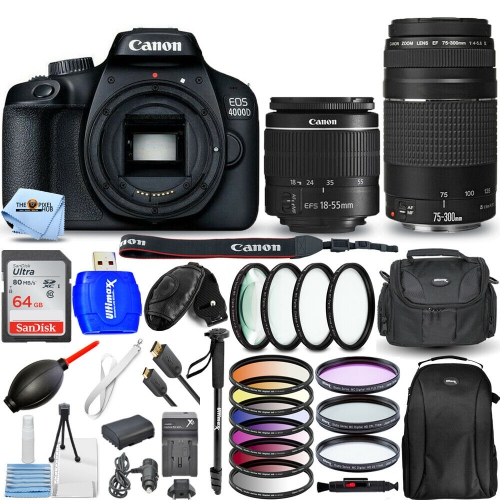
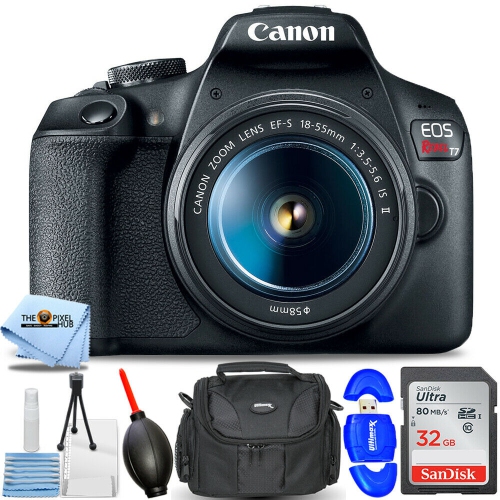
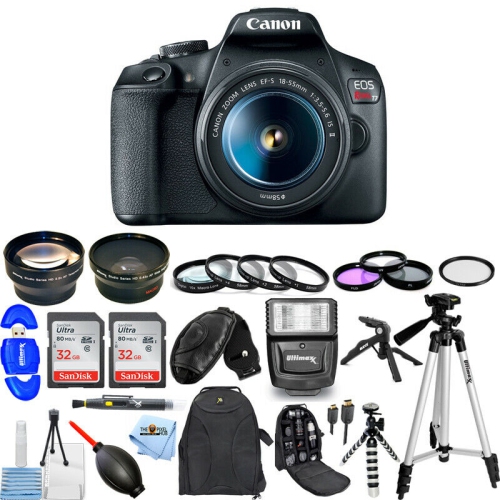
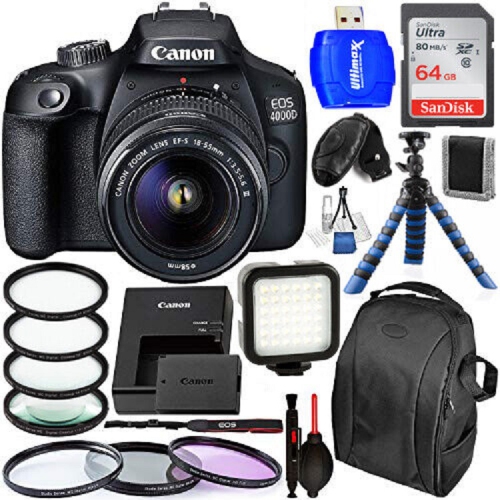
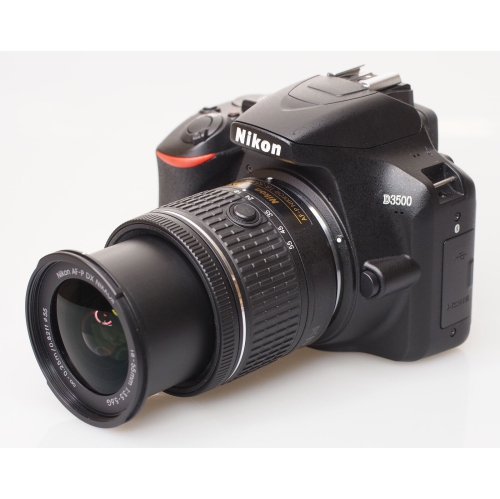
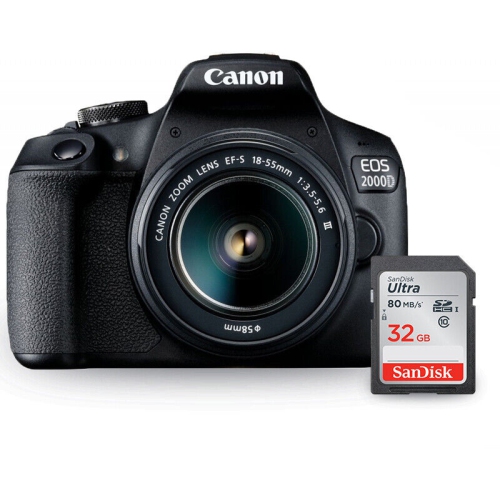
Get ready to capture every moment with incredible savings during the Boxing Day sale on DSLR cameras. Whether you’re a photography enthusiast or just starting out, now is the perfect time to upgrade your gear and explore new creative possibilities. Take advantage of unbeatable deals on a wide selection of DSLR cameras and find the ideal model to suit your needs and budget. Don’t miss out—shop the Boxing Day sale on DSLR camera and snap up exceptional offers while they last. Remember, our Low Price Guarantee means you can shop confidently knowing that you'll find the best price at Best Buy, all year round. We encourage you to check our website frequently for the most up-to-date information on our latest offers and savings opportunities.

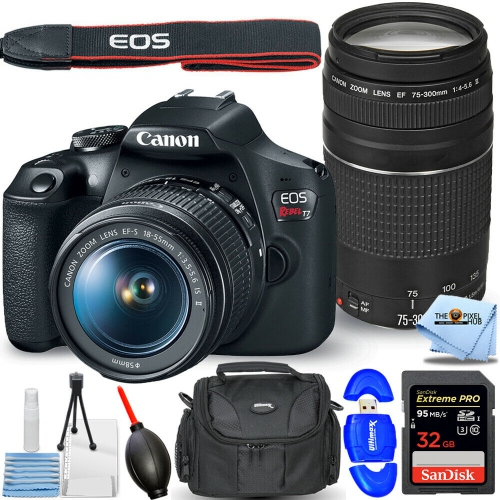
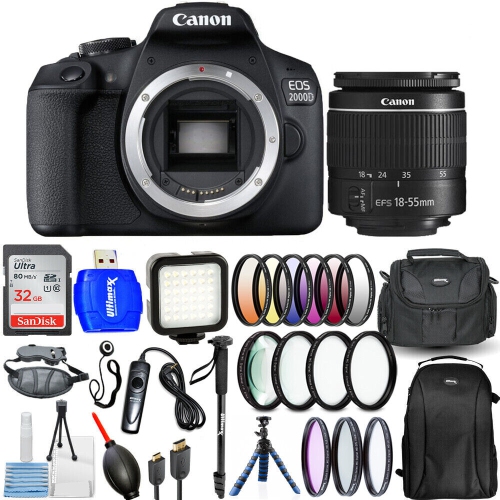
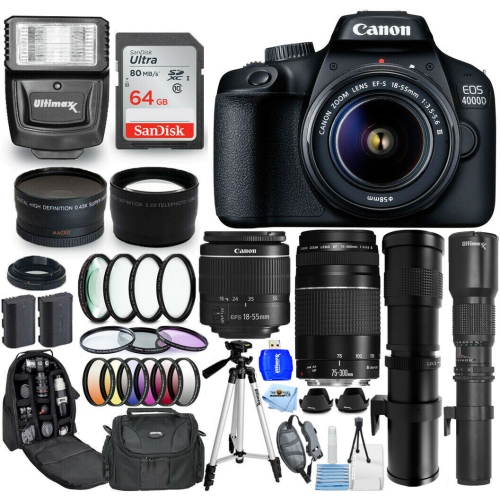
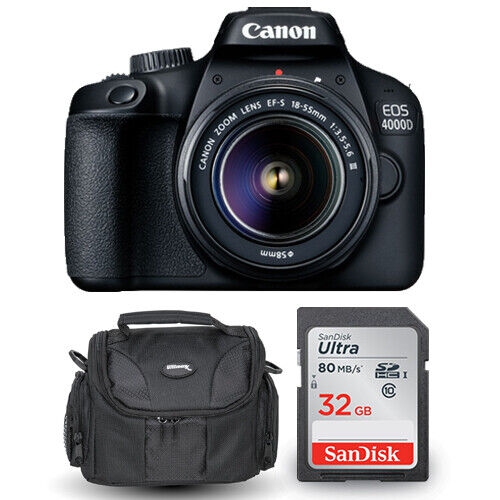
Why DSLR photography feels different from using a phone
The right DSLR setup depends on what will be photographed and how the camera will be carried and handled. A smaller body with a modest lens may be comfortable for sightseeing or family outings, while a deeper grip and more direct controls can feel reassuring during a long portrait session. Body construction varies, with materials such as engineering plastics and metal alloys contributing to differences in weight and rigidity. Weather sealing, where specified, can add protection against dust and moisture, but it does not make a camera waterproof. Grip shape, button placement, and the visibility of viewfinder information all influence comfort, particularly for photographers wearing glasses or holding a camera for extended periods. A rear screen that tilts or articulates can make a low-angle photograph of a pet or an overhead view of a craft project easier to frame. Lens choice shapes the results at least as much as the camera body. A standard zoom covers a useful range of everyday perspectives, a wide-angle lens can include more of an interior or landscape, and a telephoto lens helps frame distant subjects more tightly. A prime lens with a wide maximum aperture can soften distracting backgrounds and admit more light, though precise focus becomes especially important when depth of field is shallow. Compatibility involves more than whether a lens physically attaches: the mount, sensor coverage, autofocus support, and any limitations of adapted lenses deserve attention. For recipients who already own camera equipment, compatibility with their existing lenses is particularly important. Fast-moving subjects introduce different priorities. Autofocus tracking, continuous shooting speed, and buffer capacity affect how a camera handles a sequence of a skater turning or a bird taking flight. Low-light indoor scenes place more emphasis on lens aperture, sensor performance, and usable shutter speed. Image stabilization can help reduce blur from camera movement when supported by the body or lens, but it cannot freeze a moving subject. These differences make intended use more informative than a single headline specification.
Living with a DSLR also means considering the small practical details that support regular use. Photographers who enjoy editing may appreciate RAW capture, which retains more image information for adjustments to white balance and exposure, while JPEG files are convenient for straightforward sharing and printing. RAW files generally require more storage and processing, so file format affects memory card needs and the time spent at a computer. Card format, supported capacity, and speed requirements vary by camera, especially when capturing long bursts or video. Video capabilities also differ substantially across DSLRs: resolution alone does not describe autofocus behaviour, audio connections, recording limits, or how easy the screen is to view while filming. For a household that wants both still photographs and occasional clips, those everyday handling details can matter more than an advanced feature that rarely gets used. Wi-Fi or Bluetooth connectivity, where supported, may simplify transferring images to a compatible phone, although setup and transfer options depend on the camera and its companion software. Battery life varies with shooting habits, and extended screen use or wireless connections can change how long a charge lasts. A comfortable strap and a padded bag with adjustable dividers help make the camera easier to carry while keeping the body and lenses from knocking together. Care is generally straightforward but benefits from patience: lens caps protect exposed glass, a clean blower removes loose dust, and a suitable lens cloth helps lift smudges without abrasive rubbing. Lens changes are best kept brief in a clean, sheltered space, with the camera opening angled downward to reduce falling dust. Sensor cleaning requires particular care and should follow the manufacturer’s directions or be handled professionally when needed. For storage, a dry location away from excessive heat helps protect both optical and electronic components. As a gift, a DSLR is well suited to someone who enjoys observing details, documenting family stories, or spending time on a creative pursuit. A manageable setup that fits their hands and interests can be more rewarding than a complicated one. From candid Boxing Day gatherings to ongoing projects throughout the year, a DSLR offers a deliberate, versatile way to preserve the people, places, and details that matter.
Top selling and popular products
-
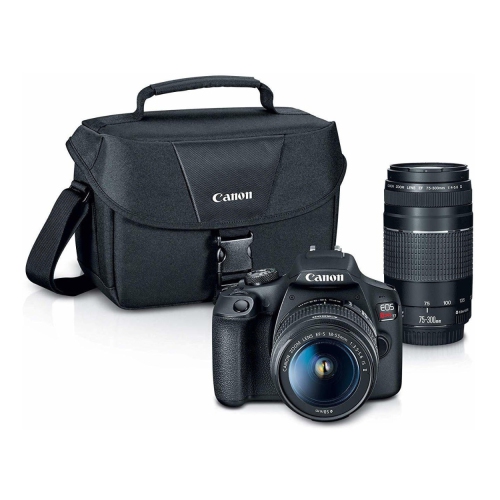 Your price for this item is $1039.95
 -
 Your price for this item is $799.99
 -
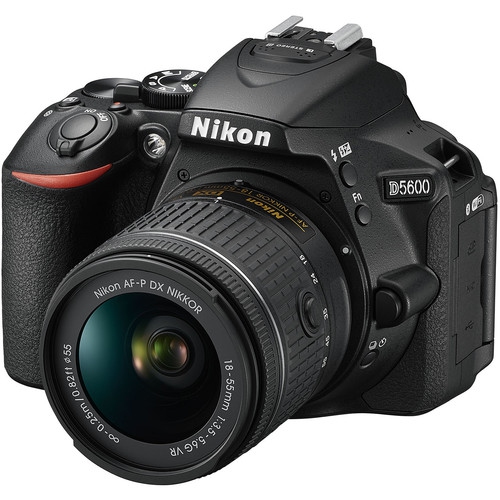 Your price for this item is $1309.95
 -
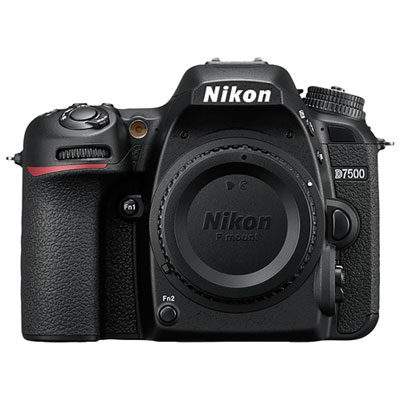 Your price for this item is $1279.99
 -
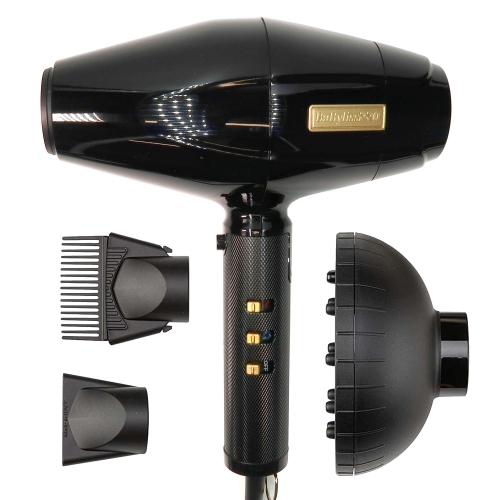 Your price for this item is $1199.95
 -
 Your price for this item is $1909.95
 -
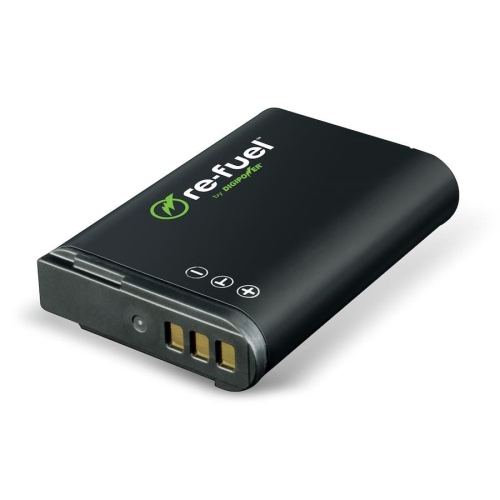 Your price for this item is $66.99
 -
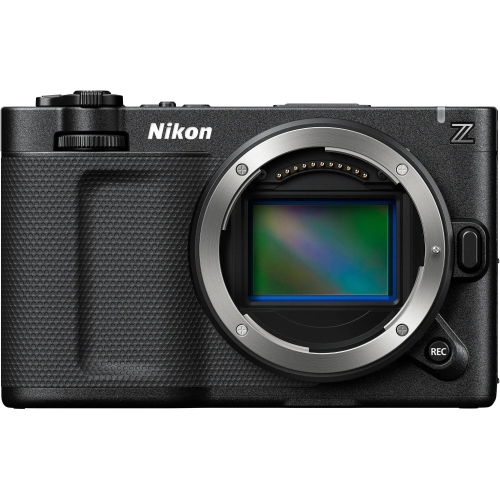 Your price for this item is $2889.99