Broadcast Cameras
Capture every moment in stunning detail with our selection of broadcast cameras. Whether you're a professional videographer, a content creator, or simply a passionate hobbyist, these cameras are designed to deliver exceptional image quality and performance. From capturing breathtaking landscapes to documenting fast-paced action, our range of broadcast cameras offers the latest technology and features to help you bring your vision to life. With options suited for every budget and level of expertise, you'll find the perfect camera to suit your needs.
Sort




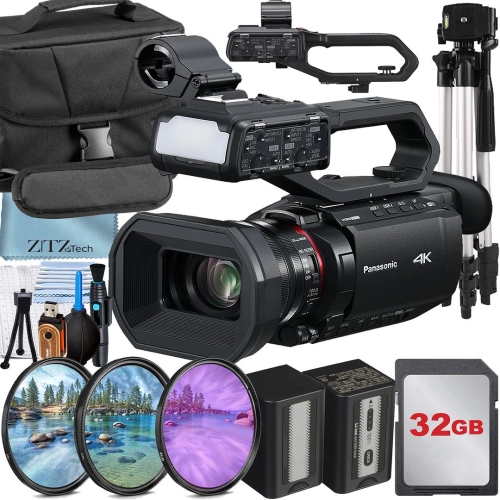
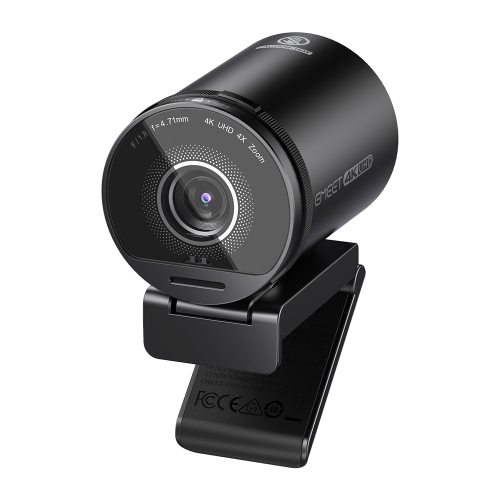
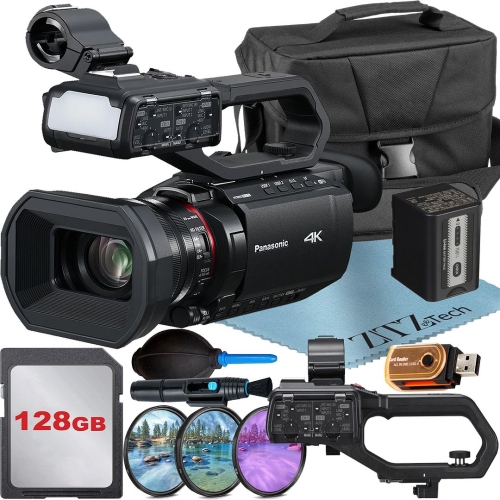
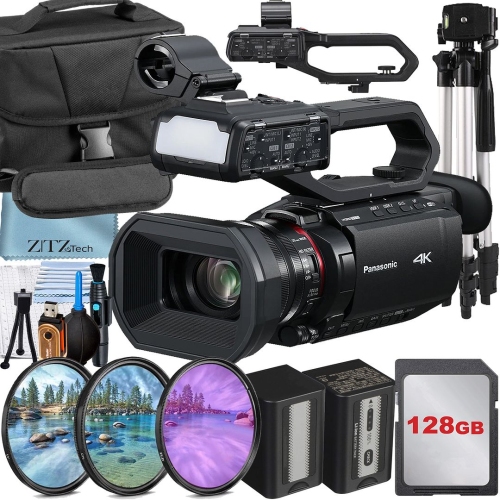
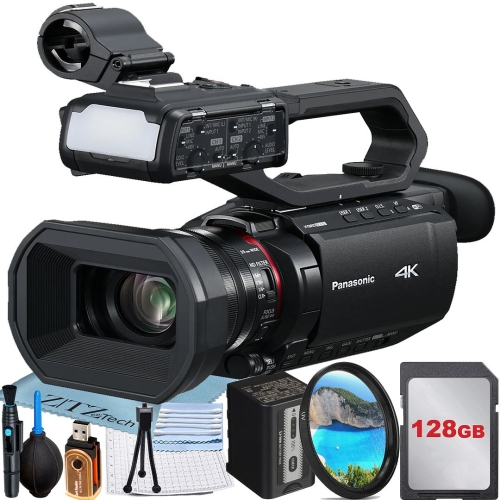
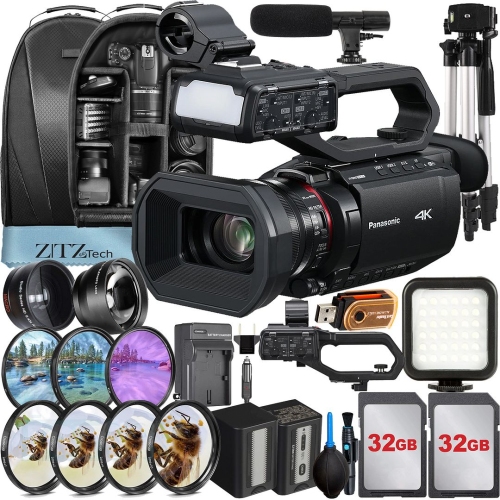
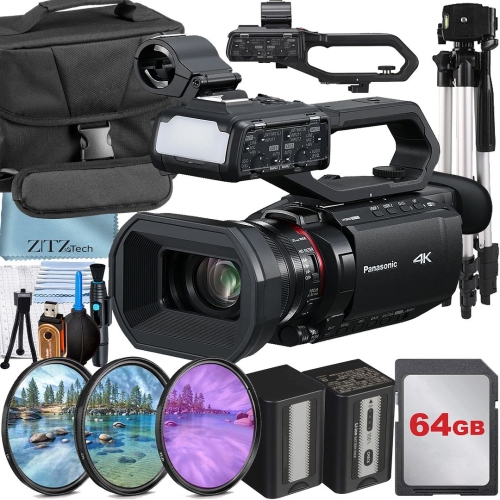
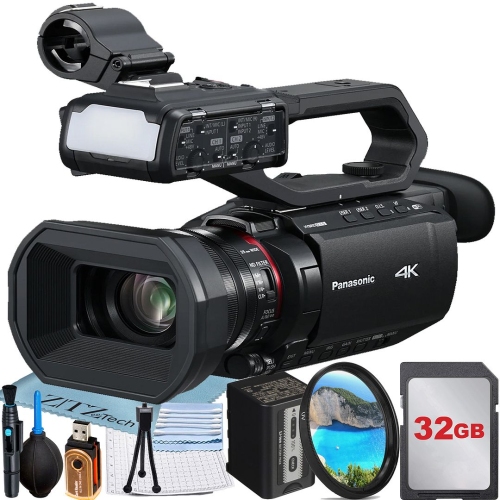
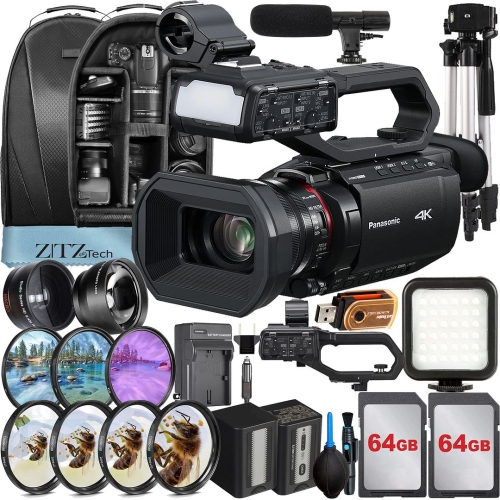
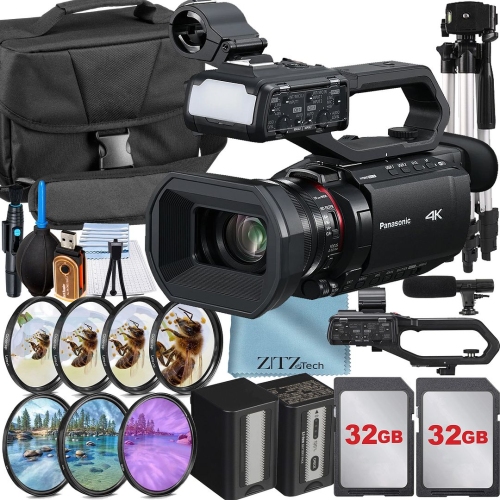
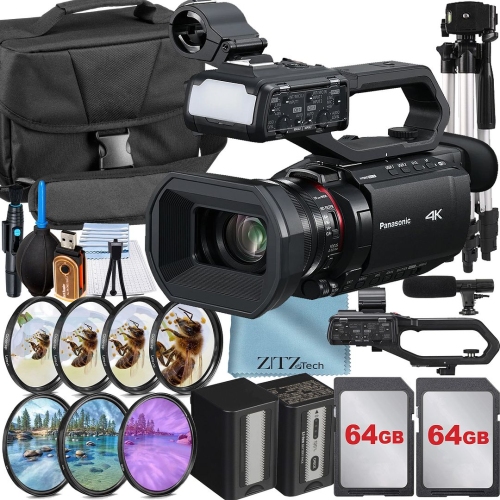

Why live production needs more than a sharp picture
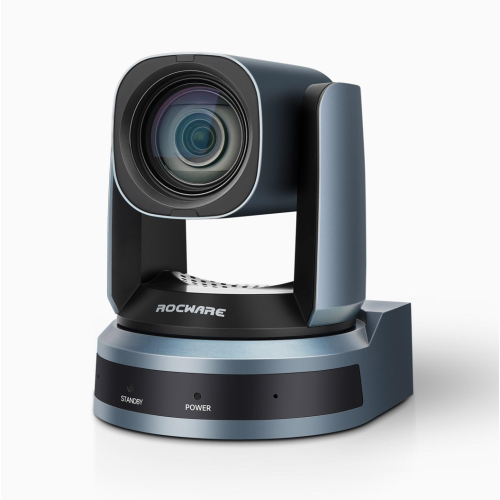
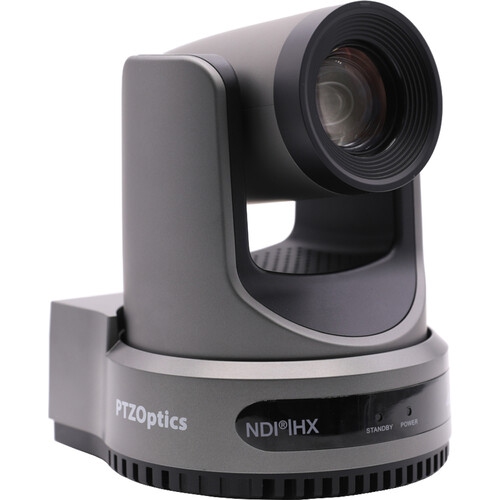
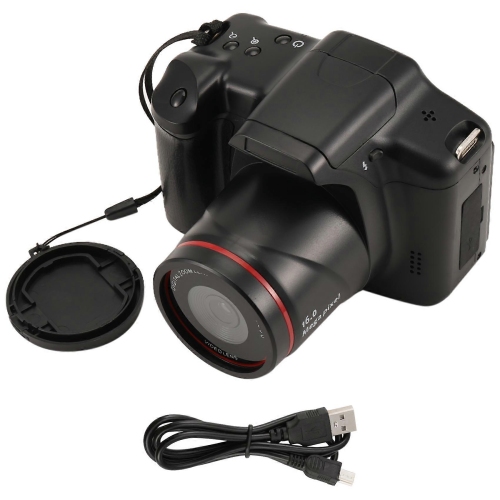
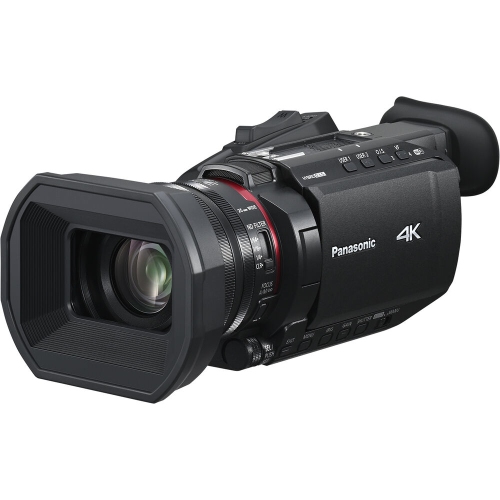
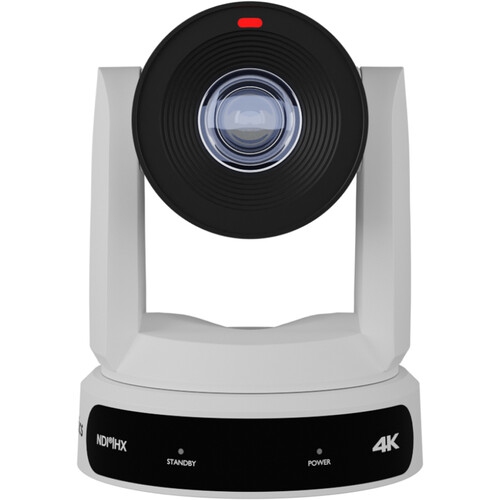
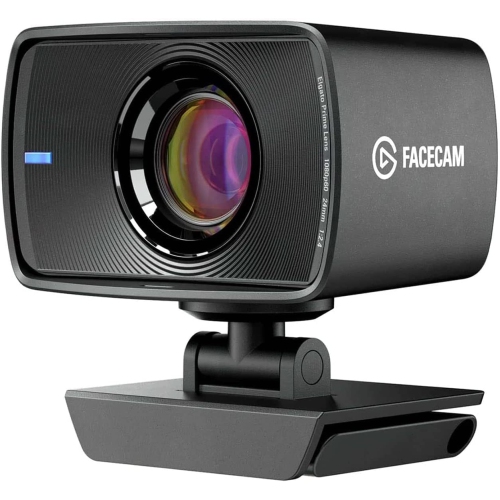
Broadcast cameras are professional video cameras designed for live television, studio production, news gathering, and coverage of events such as sports, concerts, and conferences. Their role goes beyond capturing a sharp picture: they need to deliver a dependable video signal, support precise operation, and fit into a production system where sound, timing, and camera control work together. A presenter at a studio desk, a speaker moving across a stage, and a player sprinting towards the goal each place different demands on the camera. Studio cameras often connect to a control room for remote adjustments, while shoulder-mounted cameras give field operators direct access to lens, audio, and exposure controls. Compact box-style cameras suit fixed installations, and pan-tilt-zoom cameras allow an operator to adjust framing remotely, making them useful in lecture halls, council chambers, and smaller production spaces. Image sensors help determine how each camera handles detail, movement, and depth of field. Many traditional broadcast systems use three 2/3-inch sensors, separating red, green, and blue light for colour capture. This format can also make it easier to keep moving subjects acceptably sharp than a larger-sensor setup with comparable framing and aperture. Larger-sensor broadcast cameras offer another approach, including more scope for shallow-focus interviews and cinematic footage, depending on the lens and settings. Resolution, frame rate, and dynamic range matter alongside sensor size. HD may meet an established production workflow, while 4K can provide additional detail or room to crop when the recording and delivery systems support it. Higher frame rates can help represent fast action smoothly, but camera output, recording equipment, and the final broadcast format need to agree. Consistent colour between cameras is particularly valuable during live switching: a close-up of a host should not suddenly look warmer or darker than the wide shot. White balance, exposure controls, and compatible colour settings help maintain that continuity throughout a programme.
Lenses and connections have a major influence on how broadcast cameras perform during a production. A long zoom range lets an operator move from a wide view of an auditorium to a tight shot of a speaker without changing lenses. Servo zoom controls provide smooth, repeatable changes in framing, while a lens designed to hold focus through a zoom helps keep the subject sharp as the shot tightens. B4 lens mounts are common on traditional 2/3-inch broadcast systems, but mount type, sensor coverage, power connections, and electronic control support all affect compatibility. Some cameras use fixed lenses; others accept interchangeable lenses that may need adapters or additional support. Built-in neutral-density filters, where included, help manage exposure without forcing an unwanted change to shutter speed or aperture. For live work, the signal leaving the camera can be as important as what it records internally. SDI is widely used for professional video connections, with locking connectors that help prevent accidental disconnection. Certain formats, including many 4K signals at higher frame rates, require the bandwidth of connections such as 12G-SDI or another compatible transport system. Supported formats and cable-distance limits vary, so the entire signal path matters, from the camera output to the switcher and recorder. Fibre connections can support longer cable runs and, in compatible systems, carry video alongside control and communication signals. Network-based video is another option for installations built around compatible IP infrastructure. Audio inputs such as XLR can connect professional microphones, with features including phantom power and manual level adjustment depending on the camera. Tally indicators show when a camera is live, while talkback lets operators hear direction without interrupting the programme audio. Genlock, when supported, helps synchronize camera signals for production, and timecode helps identify corresponding moments in recorded footage. These features serve practical needs: a camera operator can follow a director’s cue, hold a close-up through an applause break, and return to a wide shot with confidence that the picture and sound remain part of a coordinated production.
Physical design becomes especially noticeable during long recording sessions and repeated setup. Broadcast camera bodies may use metal alloys, reinforced polymers, or a combination of materials to balance rigidity and weight. Strong mounting points, secure connectors, and accessible controls are useful when cameras move regularly between a storage case, a tripod, and a production position. Durability also depends on how the complete system is supported. A camera with a large lens, viewfinder, microphone, and battery can be substantially heavier than its body alone, so tripod payload capacity and balance range need to suit the assembled rig. A fluid head helps an operator follow a walking speaker without abrupt starts or stops. For shoulder-mounted use, an adjustable shoulder pad, reachable handgrip, and well-positioned viewfinder can reduce awkward posture and make manual operation more comfortable. Remote-controlled cameras have different fit requirements, including suitable mounting hardware, an unobstructed view, and access for servicing. Power arrangements deserve equal attention: a studio installation may use continuous power, while a mobile crew needs compatible batteries with enough capacity for the planned recording time. Where internal recording is supported, media format, write speed, and recording settings affect both reliability and the length of a take. Routine care helps protect these working tools. Lens surfaces benefit from appropriate optical cleaning supplies, ports should be protected during transport, and cables need enough slack and strain relief to avoid pulling on connectors. Padded cases with properly fitted compartments help keep the body, lens, and accessories secure between assignments. Broadcast cameras serve television crews, event production teams, educators, corporate video departments, and community organizations producing regular live coverage. Productions that combine live work with location interviews and observational storytelling may also find Documentary Cameras relevant to their recording needs. The most useful setup brings image quality, handling, lens reach, audio, and system compatibility into balance, giving operators the controls they need without complicating the work happening behind the scenes.
Top selling and popular products
-
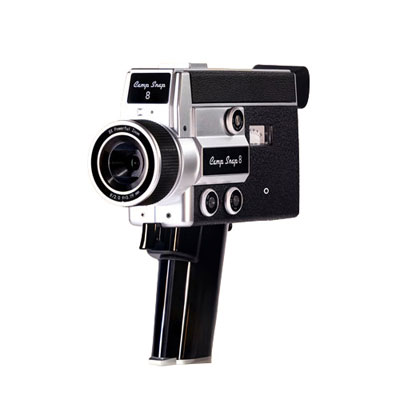 Your price for this item is $199.99
-
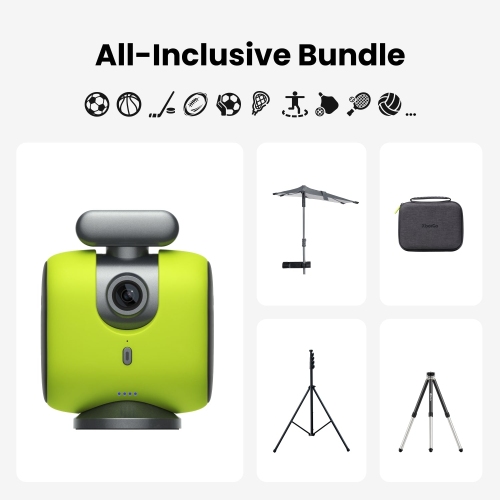 Your price for this item is $859.99
-
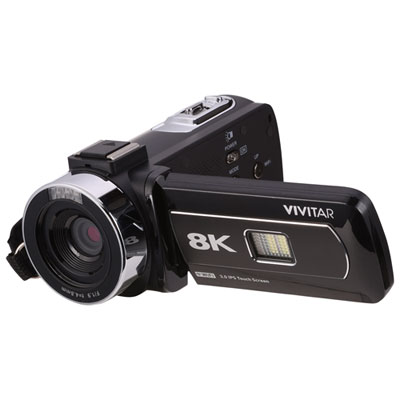 Your price for this item is $249.99
-
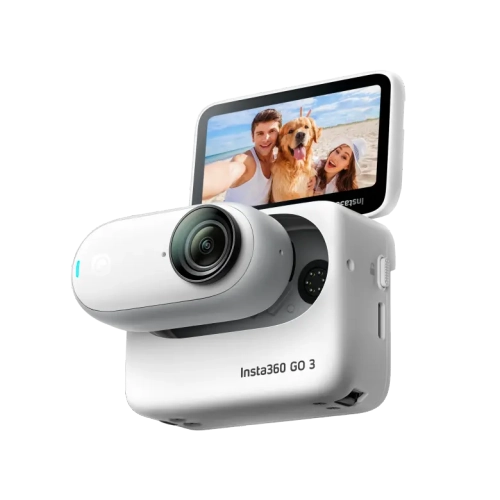 Your price for this item is $522.37
-
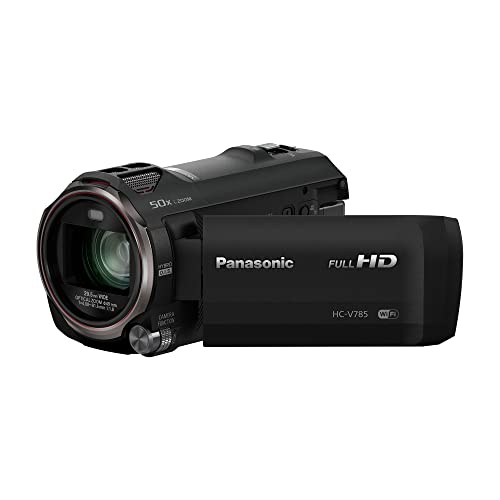 Your price for this item is $839.98
-
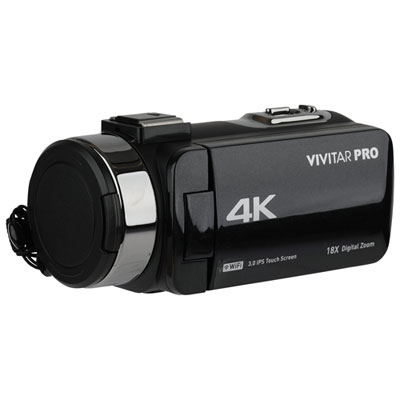 Your price for this item is $199.99
-
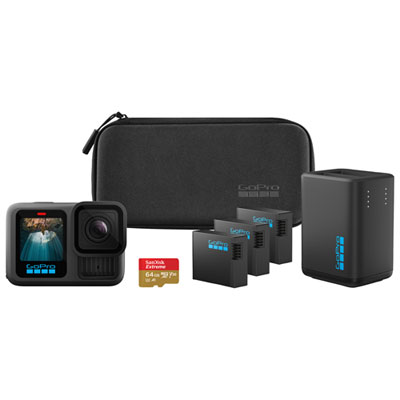 Your price for this item is $679.97
-
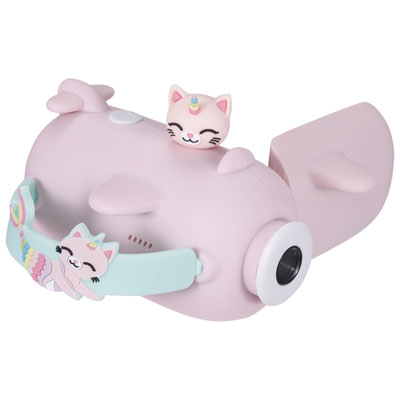 Your price for this item is $69.99
Discover more categories related to Broadcast Cameras
Top Collections:
Pokemon Centers, Best Cameras for Sports Photography, Kindle Devices, Samsung Galaxy Phones, Canon G7X Cameras, Pokémon 30th Celebration Cards, Refurbished Apple Laptops, iPhone 15 Apple, Laptops for Students, Budget Smartphones
Some products may be subject to Environmental Handling Fees
(EHF) depending on your province.
Learn more about EHFs.