Camera L Brackets
Discover the perfect solution for enhancing your photography setup with a camera l bracket. Ideal for both amateur and professional photographers, a camera l bracket offers reliable support during shoots and helps streamline your workflow. Whether you're capturing landscapes, portraits, or action shots, explore a wide selection of camera l brackets designed to fit various camera models and shooting styles. Find the right accessory to complement your gear and elevate your creative possibilities.
Sort
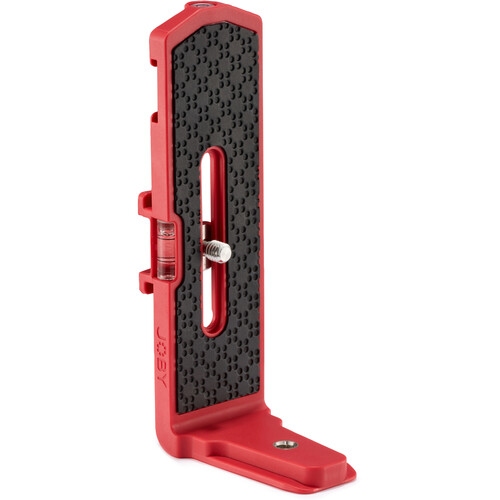
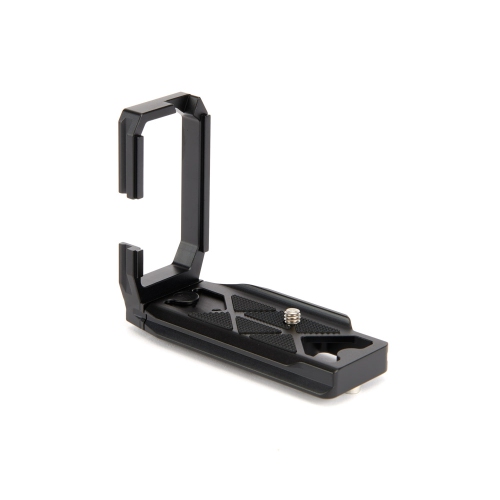
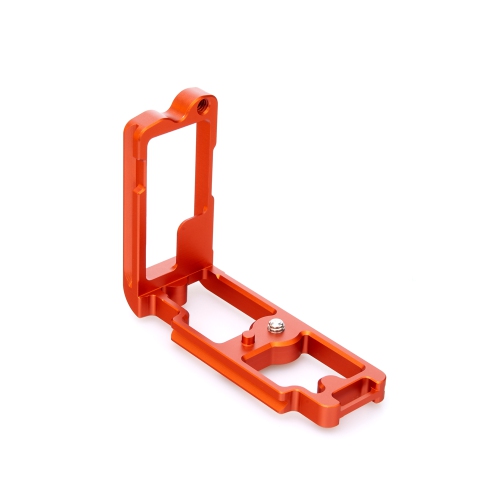
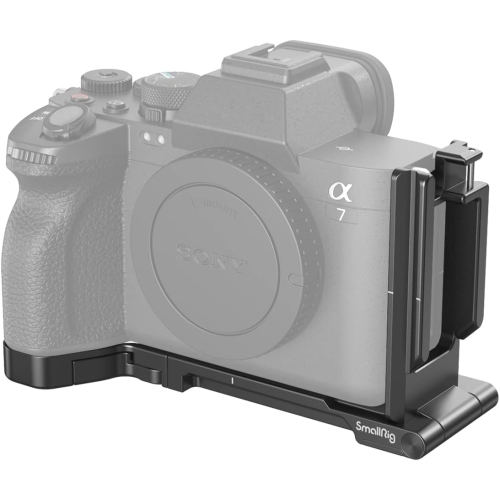
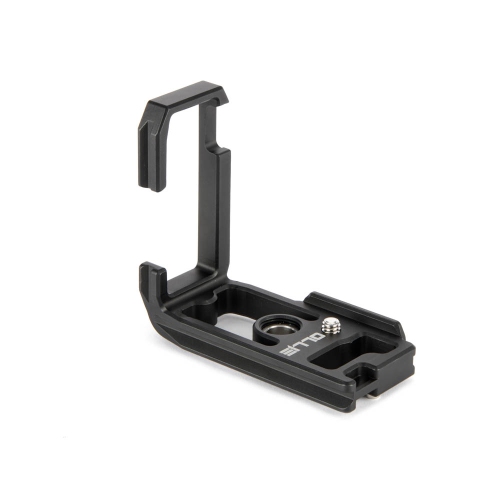
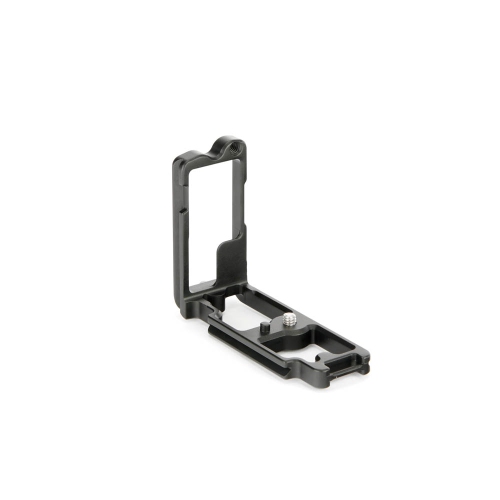

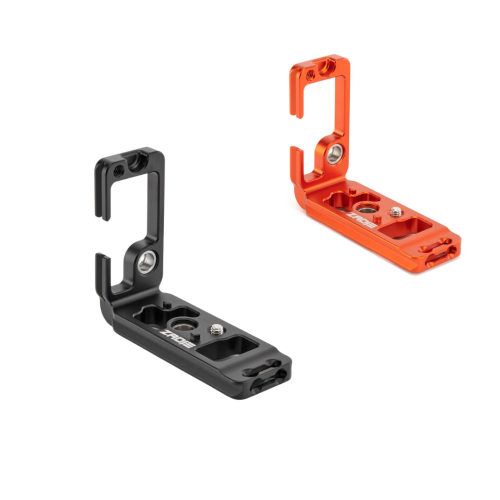
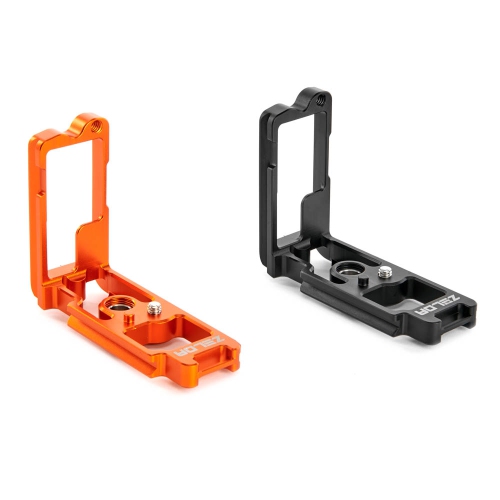
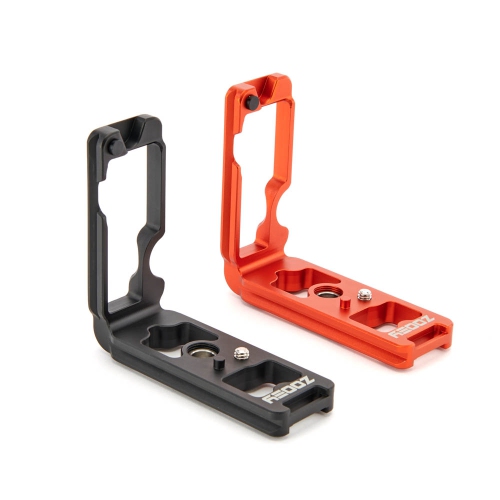
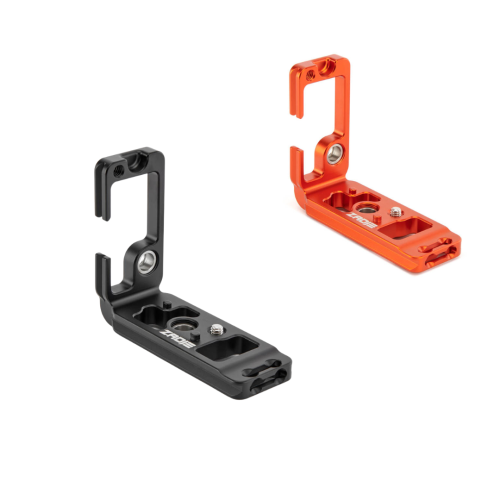
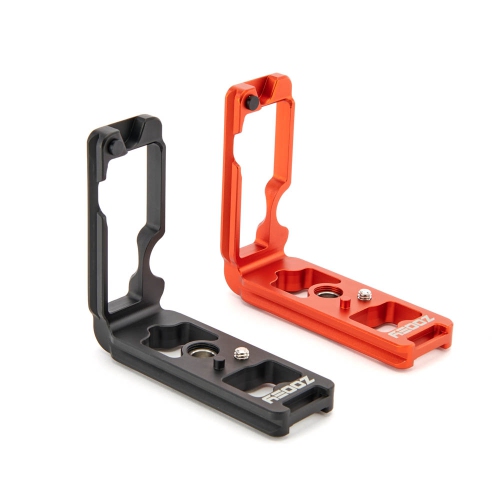
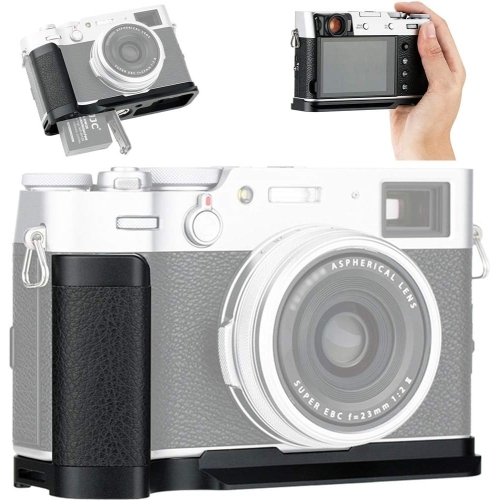
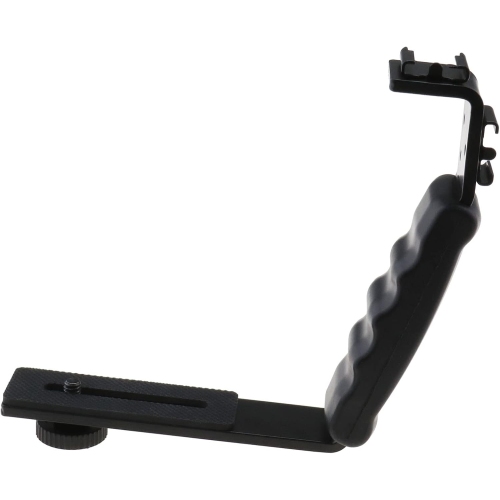
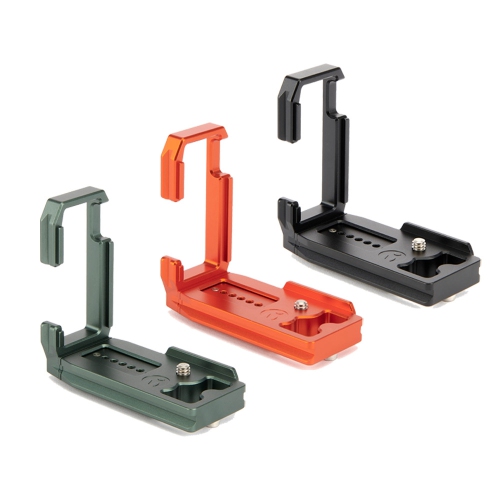
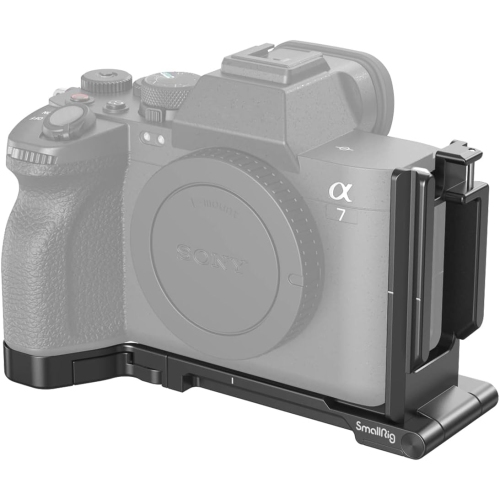
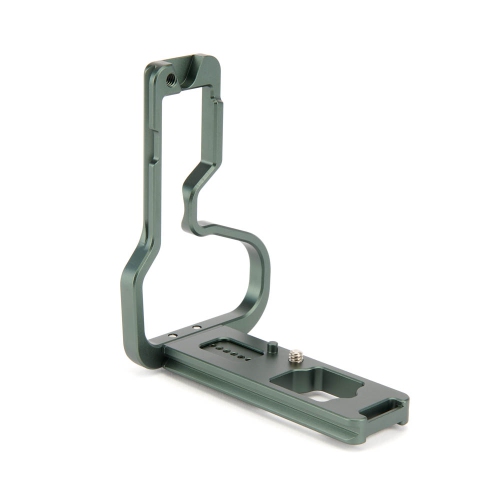
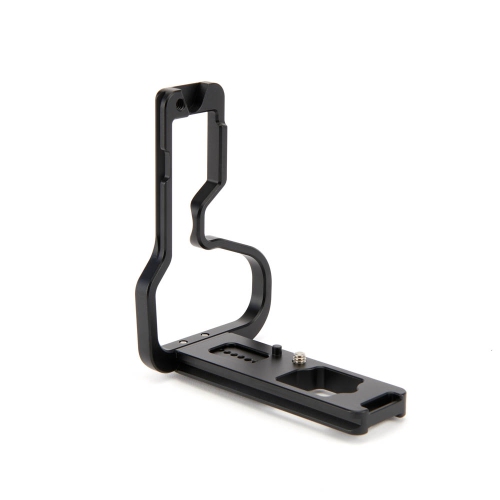
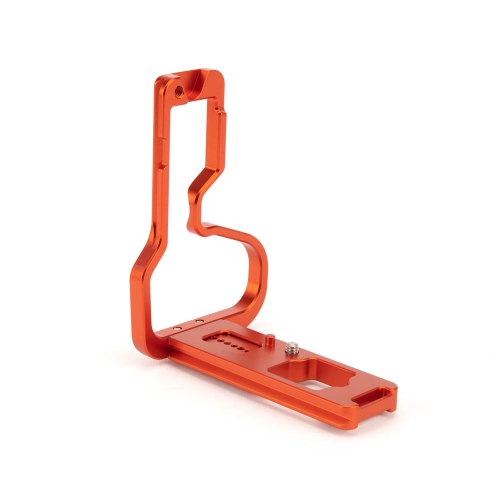
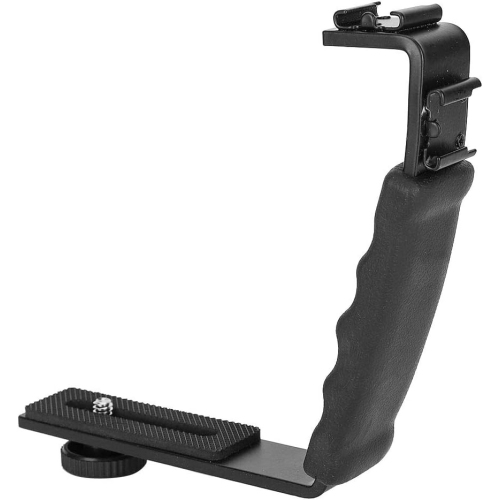
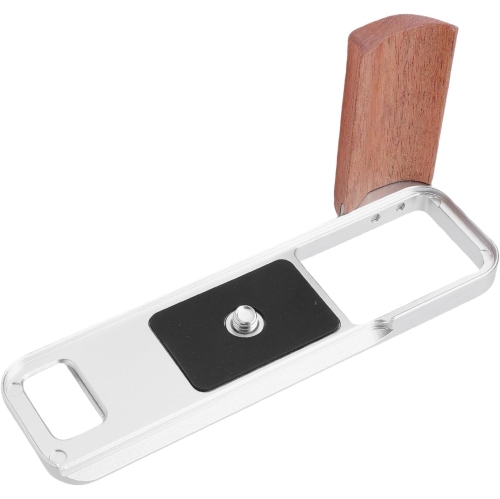
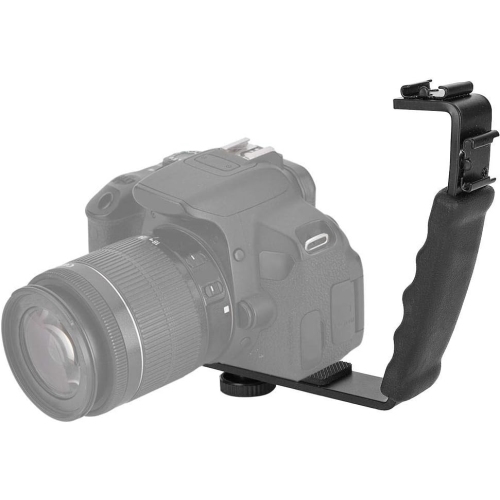
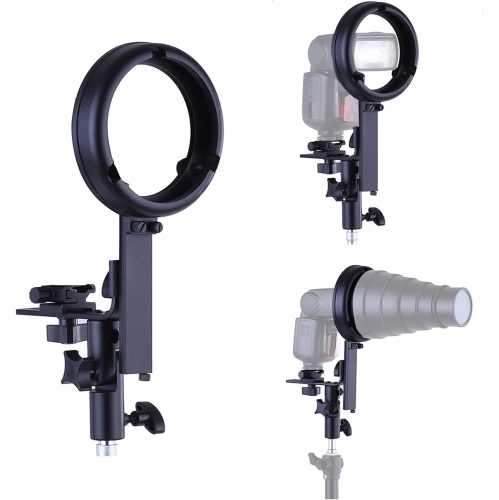
Better balance when switching between portrait and landscape
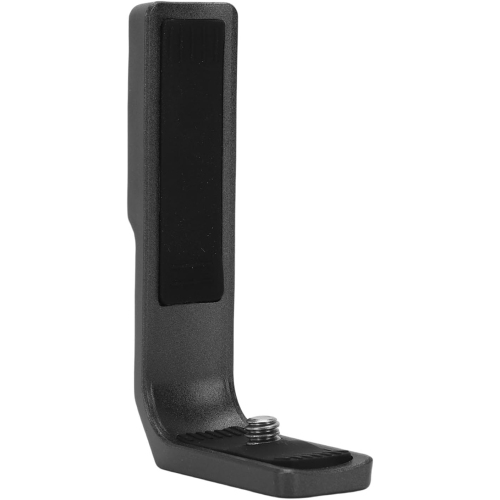
Camera L brackets are right-angled mounting plates that attach to a camera body and provide mounting surfaces along its base and one side. Used with a compatible tripod clamp, they let photographers change between horizontal and vertical compositions without tipping the tripod head into its side notch. The camera is released, turned, and secured using the other mounting surface, keeping its weight more directly above the tripod rather than hanging off to one side. This arrangement can make portrait-orientation shooting feel better balanced and reduce the amount of repositioning needed between compositions, although small framing adjustments may still be necessary. For a photographer capturing a wide view of a room followed by a vertical image of a doorway, that consistency helps preserve a carefully chosen viewpoint. It is equally useful when photographing artwork, creating product images, or making a series of portraits with both orientations in mind. Many camera L brackets have dovetail rails along both mounting surfaces, allowing them to connect directly to compatible quick-release clamps. Compatibility depends on the rail profile and clamp design, not simply on whether both parts are described as quick release. A bracket also does not replace the tripod head: the head still handles levelling, tilt, and other positioning adjustments. Its role is to make the connection between camera and support more practical when orientation changes are part of the work. Mirrorless and DSLR users can both benefit, provided the bracket suits the camera body and support system. Photographers who work slowly with deliberate framing often appreciate the reduced disruption, while those photographing several subjects in succession may value having a repeatable mounting position. The advantage is particularly noticeable when a tripod head’s side notch would otherwise leave a grip, cable, or camera control awkwardly close to the head itself.
Fit is one of the most important differences among camera L brackets. A camera-specific bracket is shaped around a particular body, with contours, openings, and mounting points intended to accommodate its construction. A universal bracket generally uses adjustable sections or an elongated mounting slot to suit a broader range of bodies. Neither approach guarantees that every control and connection will remain accessible; the position of the mounting socket, the depth of the grip, and the shape of the camera base all affect the result. Even closely related camera bodies can have different battery doors or side-panel layouts. A battery grip changes the dimensions again and may require a different bracket arrangement. A good fit allows the bracket to sit firmly against the camera without covering the battery compartment, obstructing a memory card door, or pressing against controls. Articulating screens deserve particular attention because a side plate can restrict their movement, especially when the screen swings outward before rotating. Cable clearance matters for tethered studio work, external microphones, remote releases, and other connected accessories. Some bracket designs have an adjustable side section that creates extra room for plugs, but extending it also changes the bracket’s overall width and handling. The camera mounting screw is commonly a 1/4"-20 thread, while additional threaded holes, where provided, may support compatible accessories. Those extra attachment points are useful only when their position and clearance suit the intended setup. Anti-twist lips, locating features, and protective contact pads can help limit movement between the bracket and camera, but their effectiveness depends on proper alignment. A bracket that shifts under light handling can undermine the repeatability it is meant to provide. Clamp engagement is equally important: both mounting surfaces need enough clearance to seat fully, without a screw head, strap fitting, or nearby camera component interfering. Safety-stop screws may help prevent a plate from sliding through some clamps, but they are not a substitute for a correctly secured connection.
Materials and construction influence how an L bracket feels in daily use. Machined aluminium is common because it combines relatively low weight with rigidity, while metal fasteners secure the camera and any adjustable sections. An anodized finish can help resist surface wear, though repeated clamping may still leave marks at contact points. Smooth edges are particularly valuable on a bracket that stays attached during handheld shooting, where the base rests against a palm and the side plate sits near the fingers. A compact profile can be easier to carry in a camera bag, while a larger or adjustable design may offer more room around ports and controls. The most useful balance depends on whether the camera spends most of its time on a tripod, moves frequently between handheld and supported work, or travels as part of a larger kit. Added mounting holes and strap attachment points can be convenient, but accessories should not interfere with the clamp or place unnecessary strain on the camera connection. With a heavy telephoto lens, a suitable lens collar and foot may provide a better-balanced support point than mounting the camera body alone; an L bracket does not increase the camera socket’s load tolerance. Routine care is straightforward: clean contact surfaces help the bracket sit properly, and grit caught between the plate and camera can mark the finish. A soft cloth removes ordinary dust, while occasional checks of the mounting screw and adjustable joints help identify loosening before the next session. Storage with the appropriate tool makes small adjustments less troublesome when changing camera setups. For photographers considering a gift, compatibility with the recipient’s exact camera and tripod clamp is more useful than choosing by appearance alone. Where the goal is to position a camera around a railing, tabletop, or other support rather than switch tripod orientation, Flexible Camera Mounts offer a different mounting approach. An L bracket is most relevant when a secure, repeatable connection and convenient horizontal-to-vertical changes are central to the way the camera is used.
Top selling and popular products
-
 Your price for this item is $97.99
-
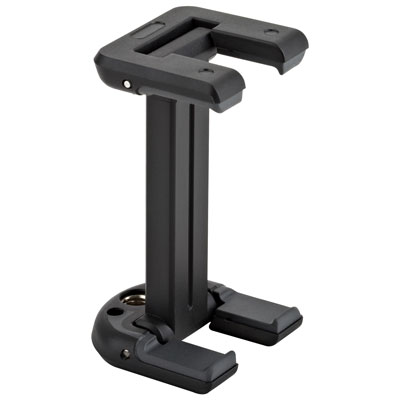 Your price for this item is $29.97
-
 Your price for this item is $204.68
-
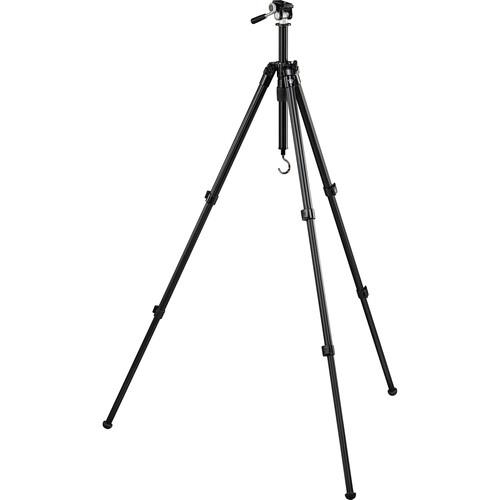 Your price for this item is $369
-
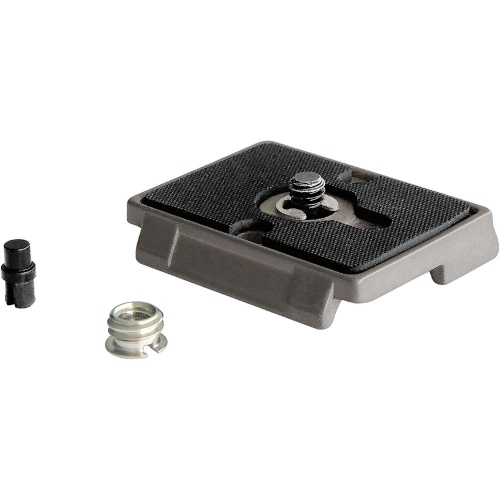 Your price for this item is $41.95
-
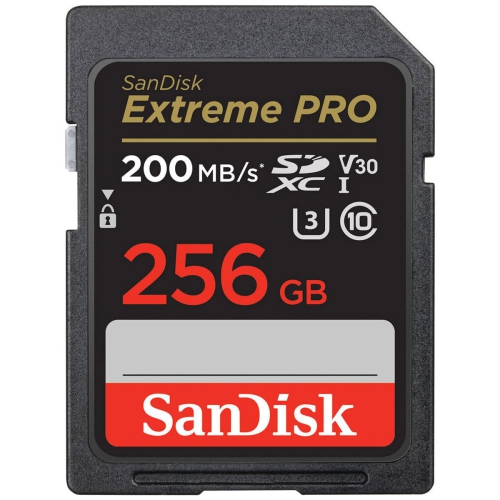 Your price for this item is $135.7
-
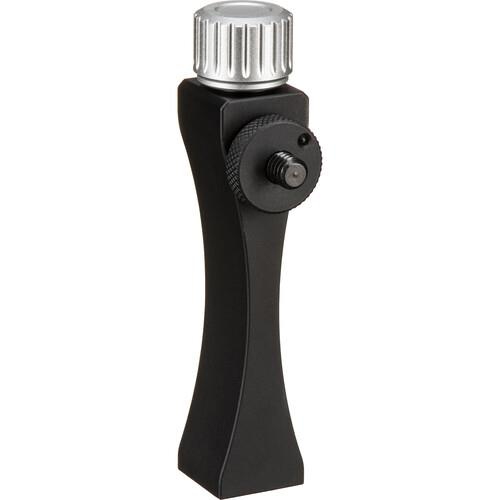 Your price for this item is $119
-
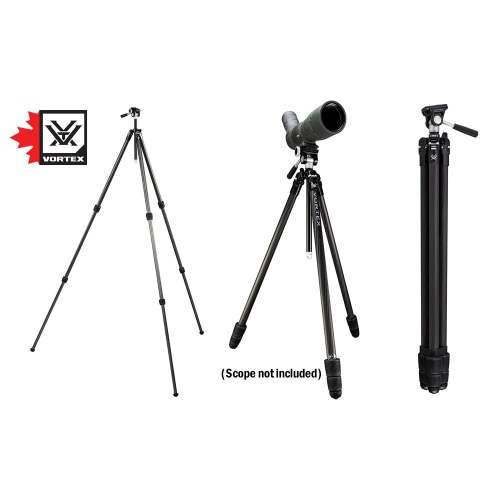 Your price for this item is $699
Discover more categories related to Camera L Brackets
Top Collections:
Best Black Friday Deals This Year, Best Black Friday Deals On Electronics, Kindle Devices, Pokemon Centers, Best Black Friday Deals On Apple Products, Best Cameras for Sports Photography, Dyson Airwrap, Pokémon 30th Celebration Cards, Apple iPhone 17 Pro, Canon G7X Cameras
Some products may be subject to Environmental Handling Fees
(EHF) depending on your province.
Learn more about EHFs.