Camera Lighting Kits
Upgrade your photography game with our wide selection of camera lighting kits. Whether you're a professional photographer or an enthusiastic hobbyist, having the right lighting equipment can make all the difference in capturing stunning images. Our camera lighting kits are designed to provide you with the perfect balance of light, allowing you to achieve professional-quality results in any setting. From portable LED panels to versatile ring lights, we have everything you need to enhance your photography skills and take your creativity to new heights. Explore our range of camera lighting kits today and illuminate your subjects like never before.
Sort
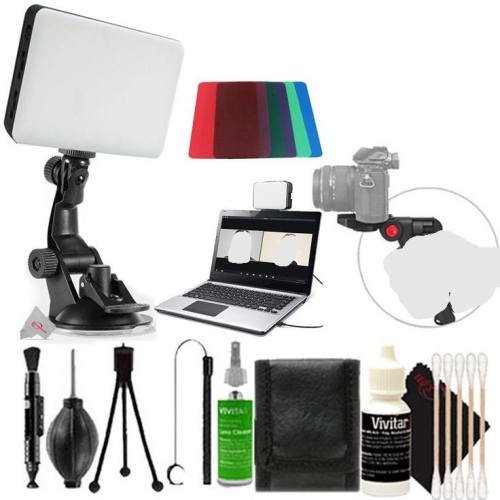
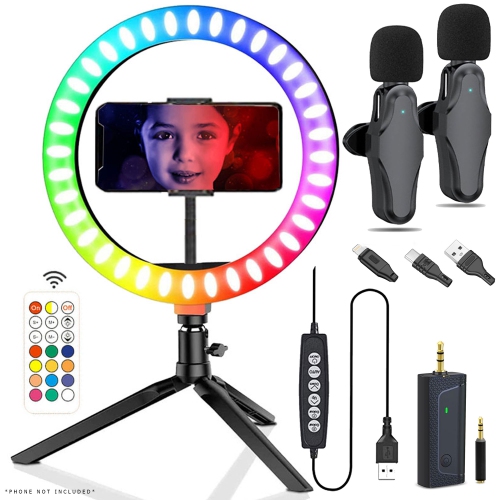
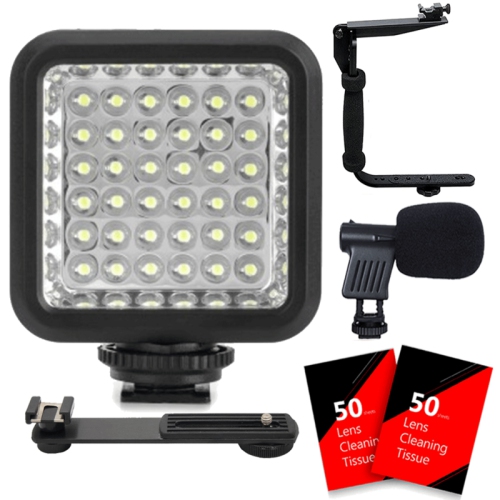
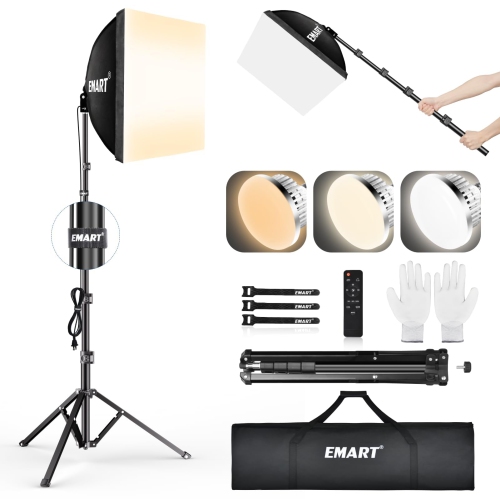
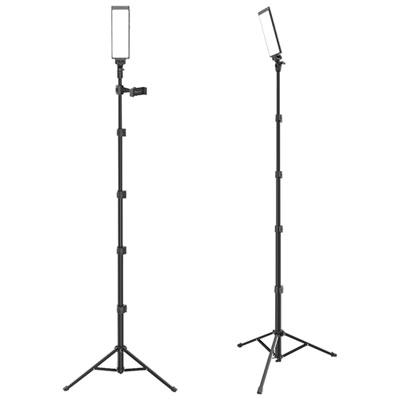
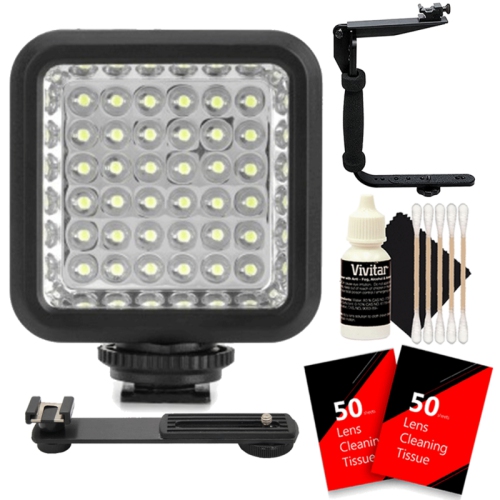
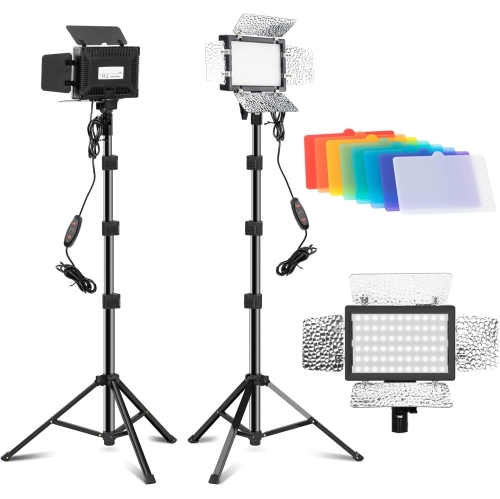
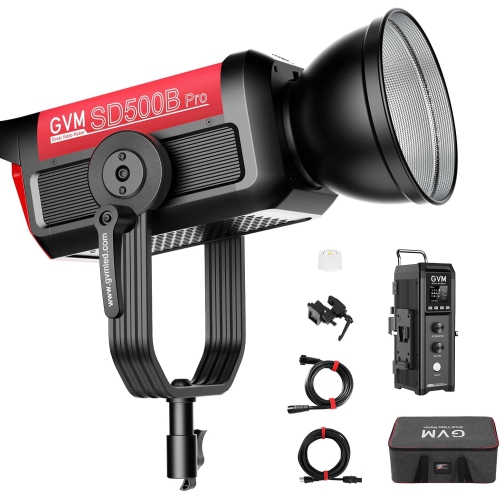
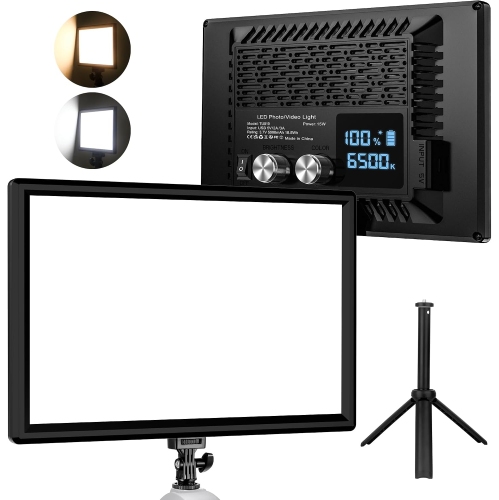
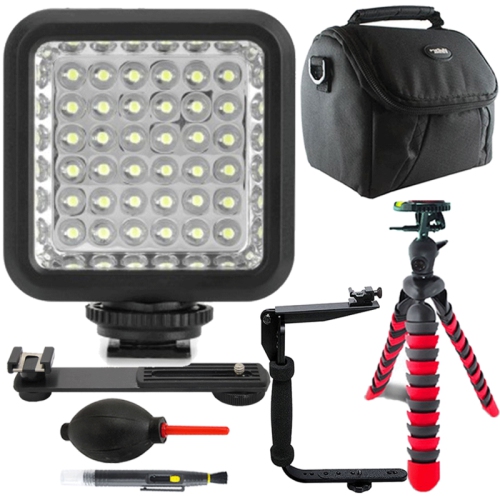
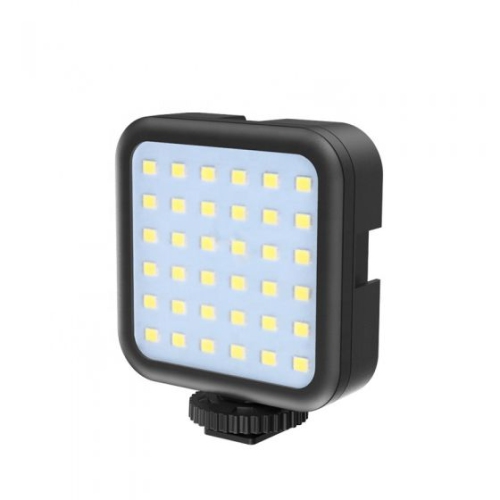
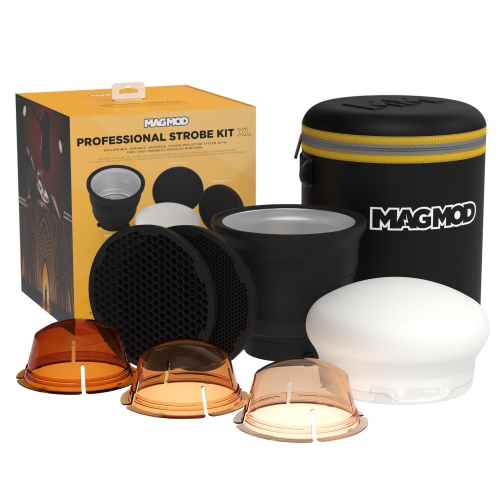
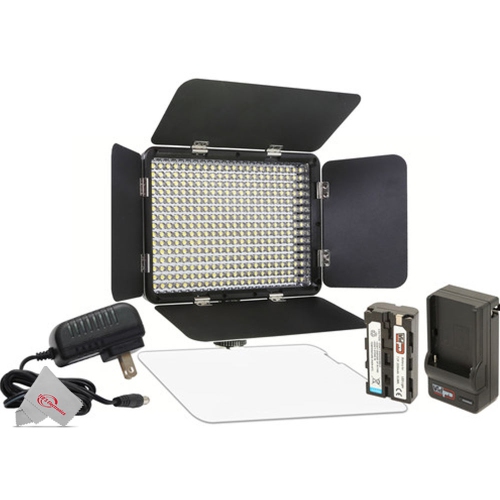
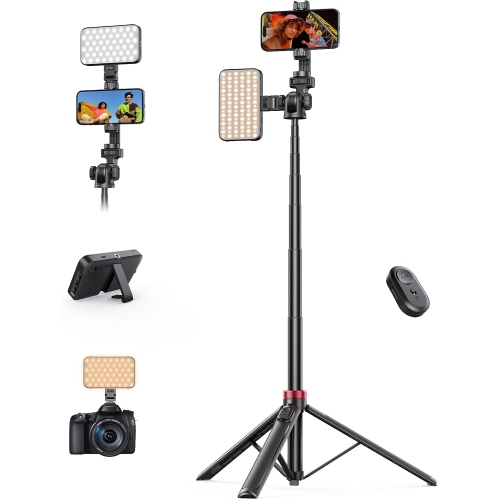
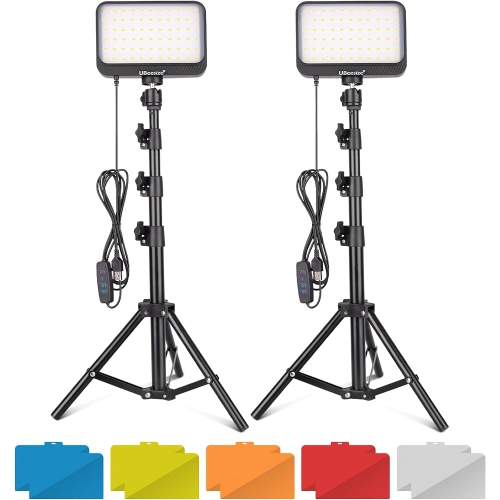
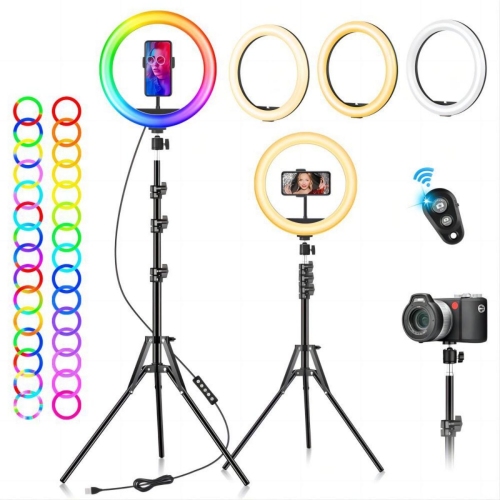
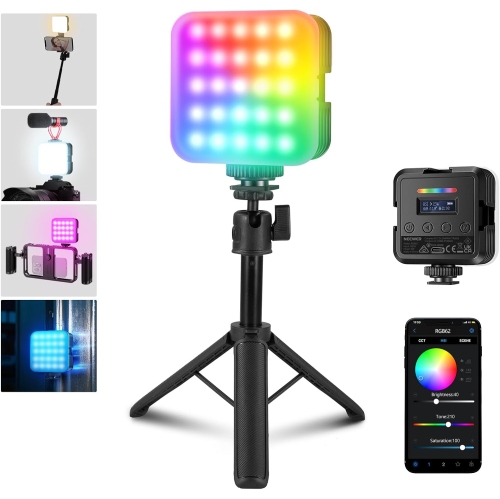
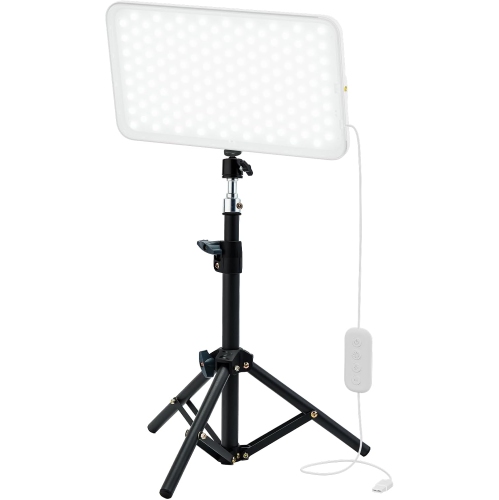
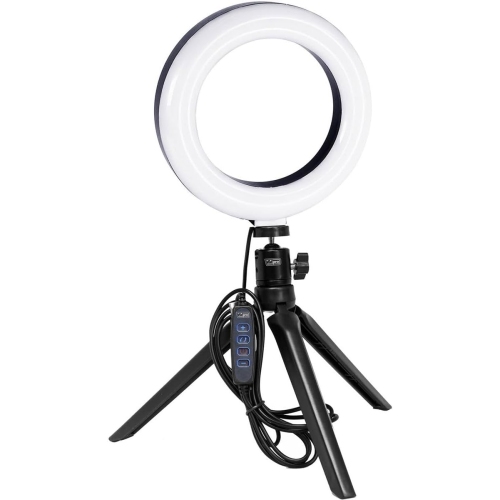
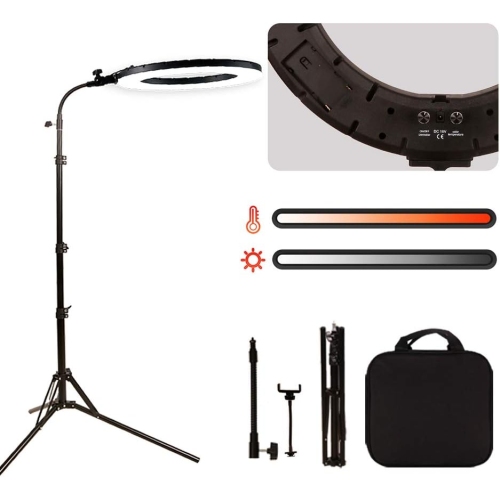
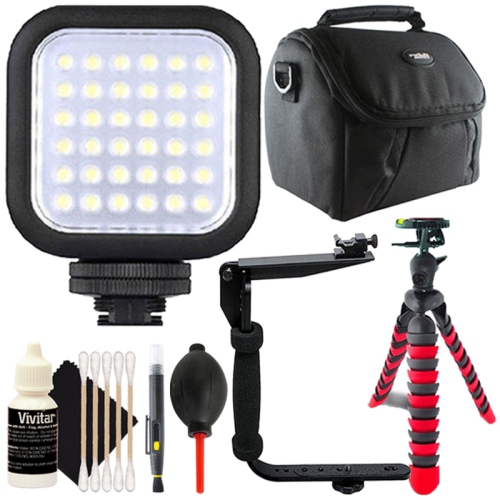
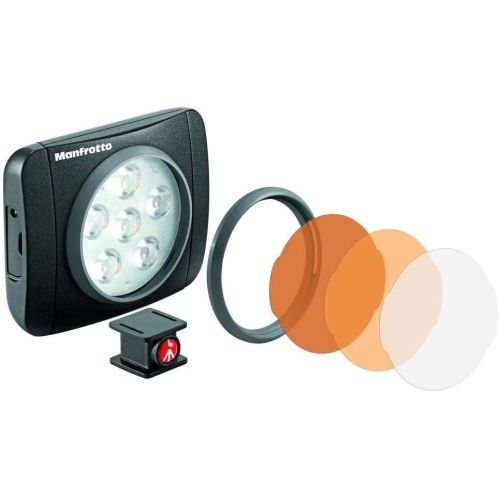
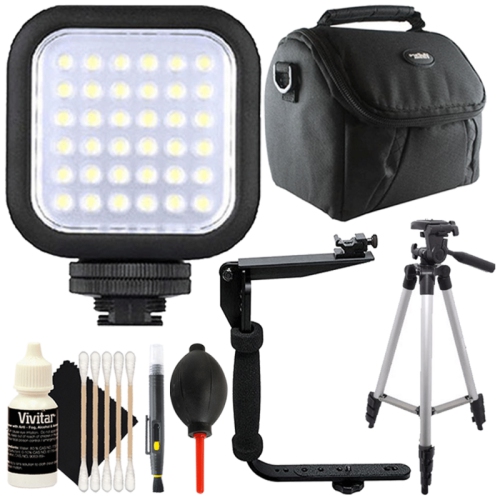

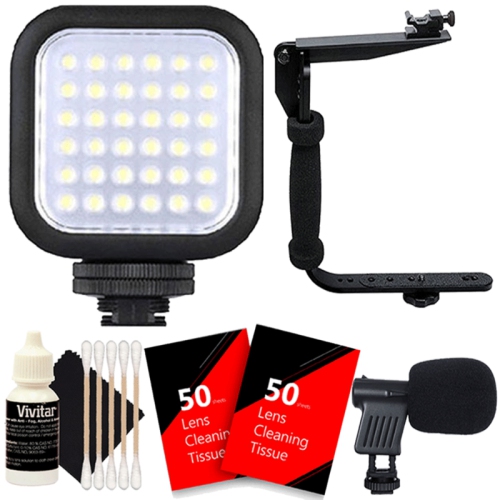
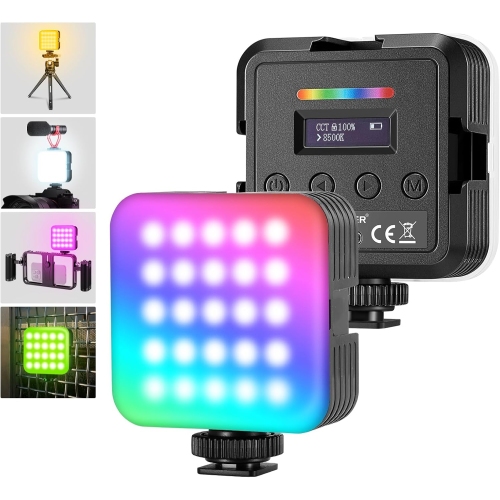

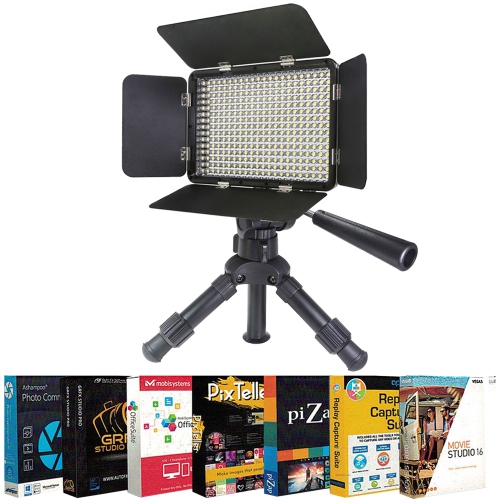
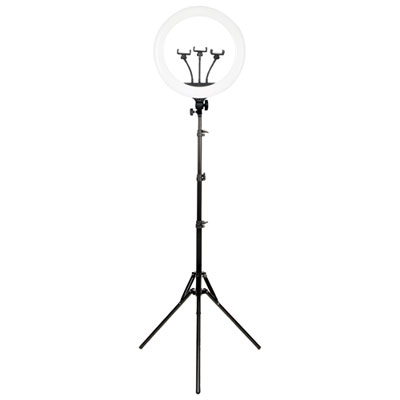
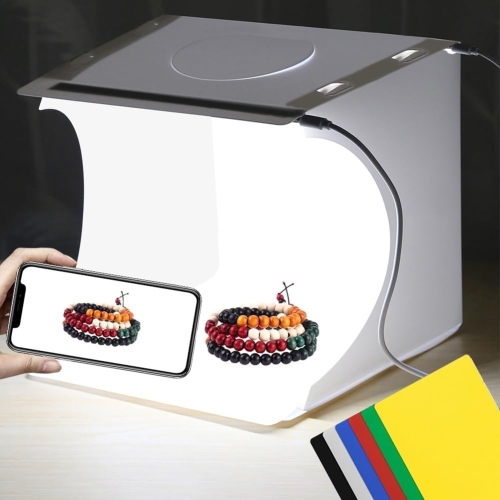
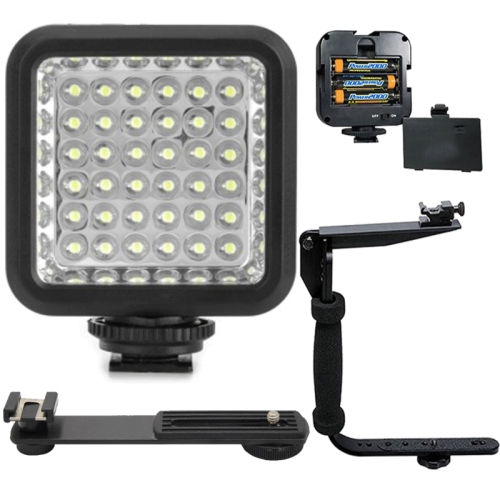
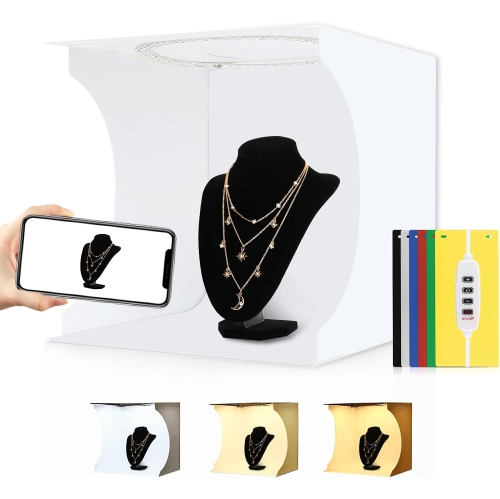
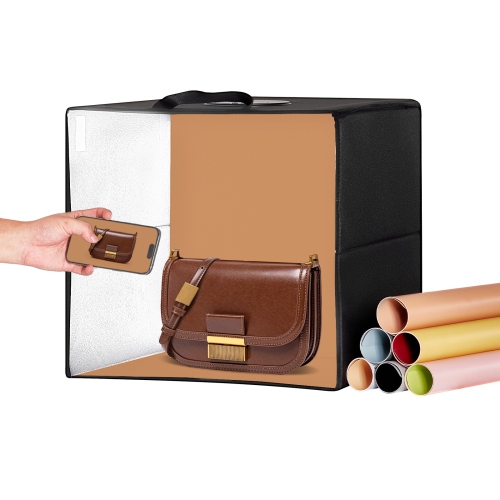

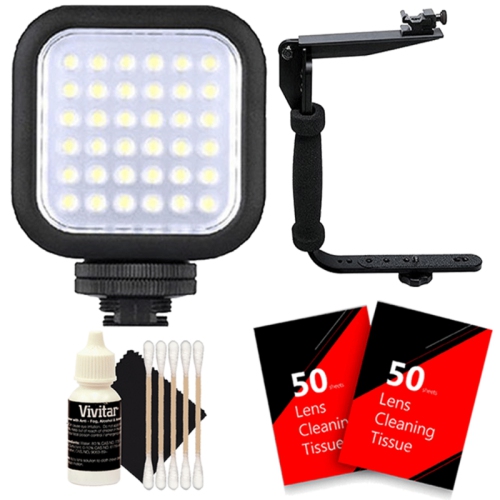
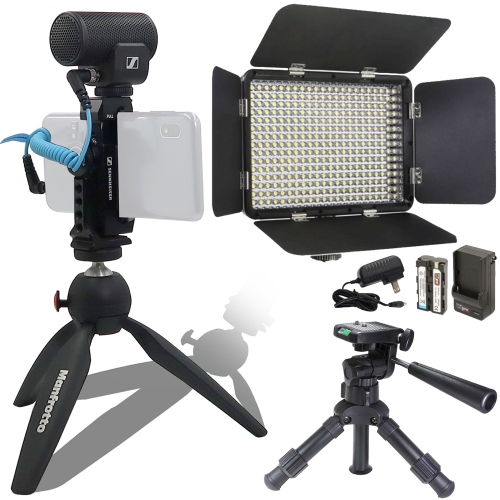
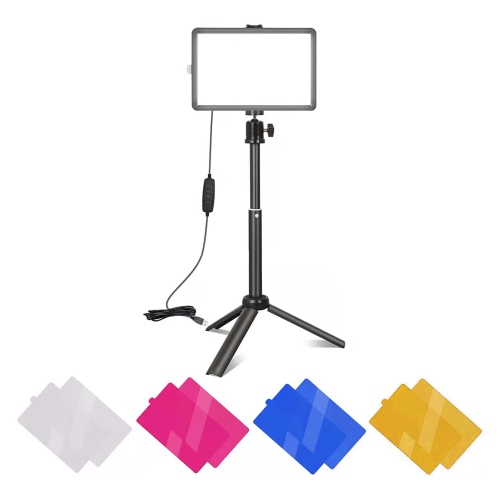
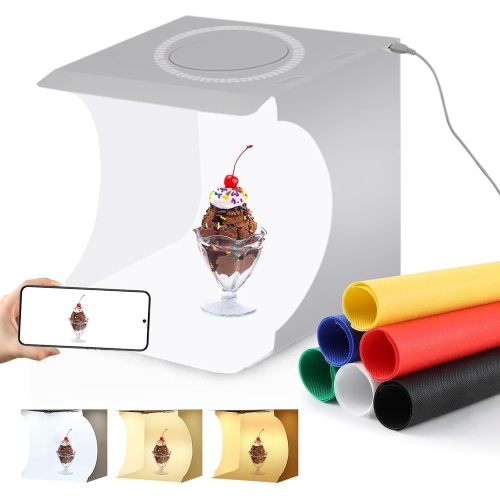
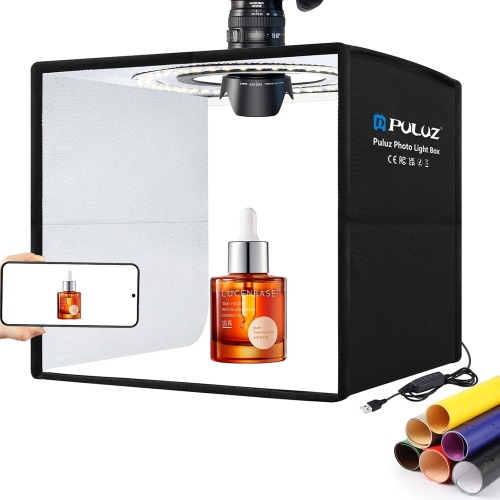

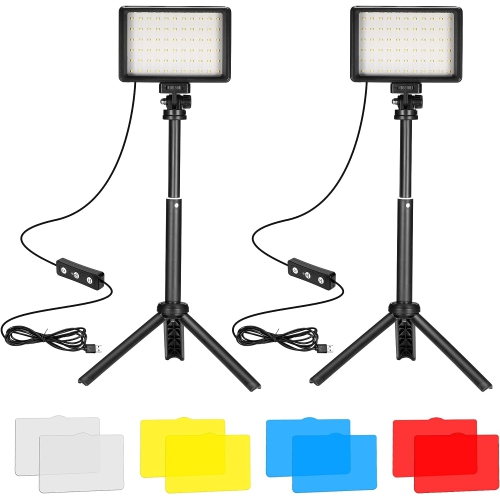
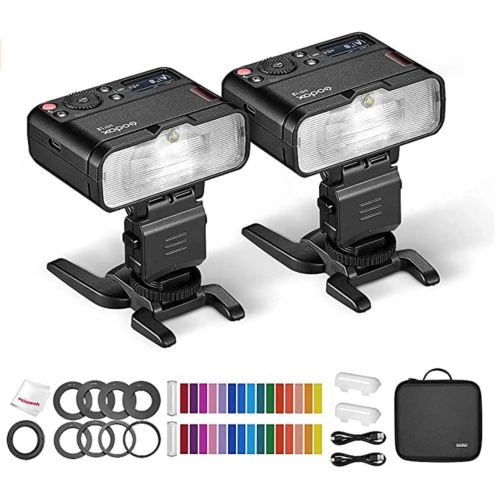
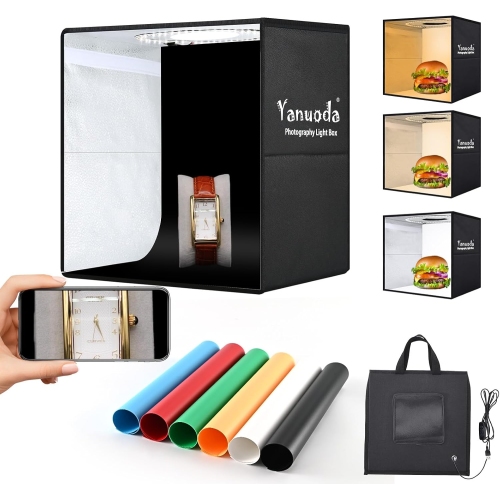
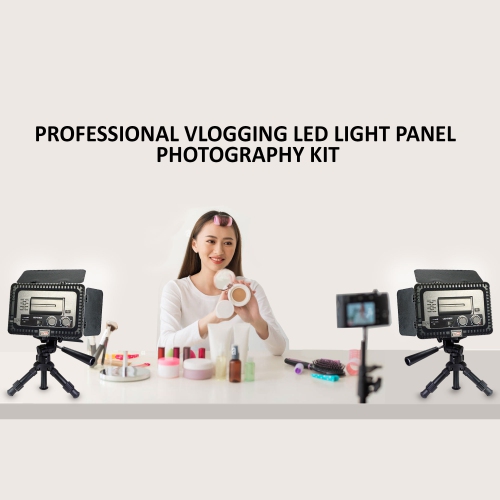

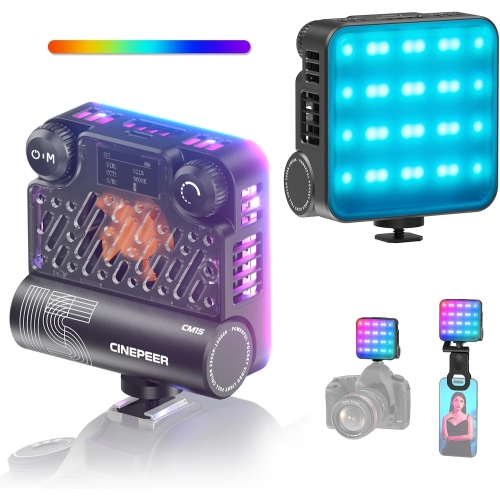
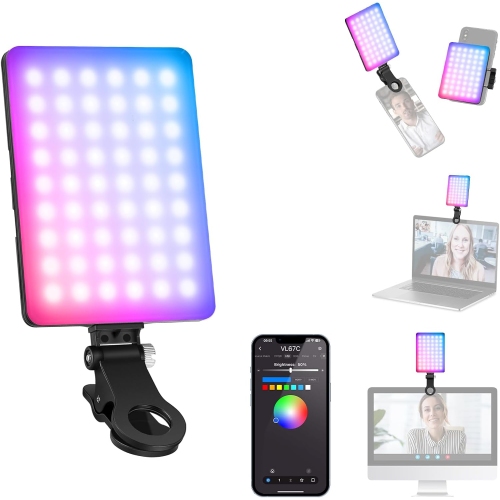
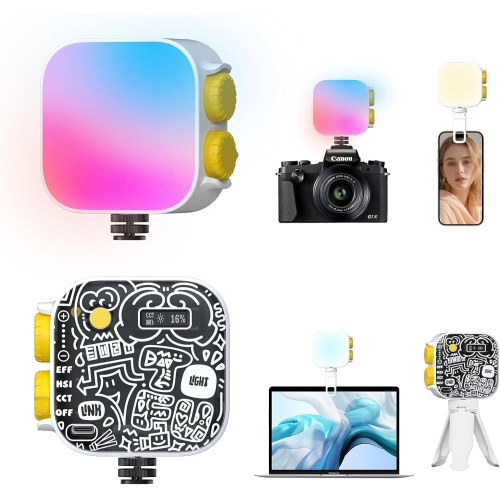
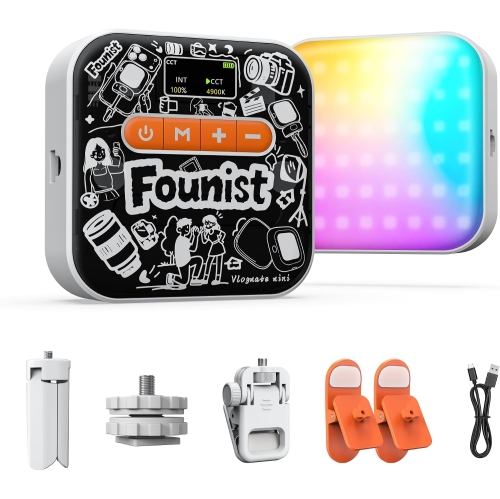
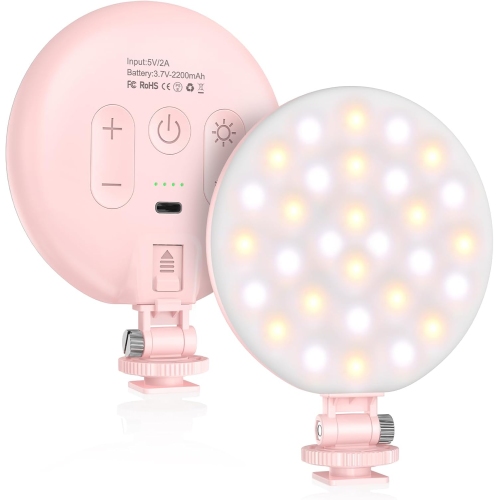
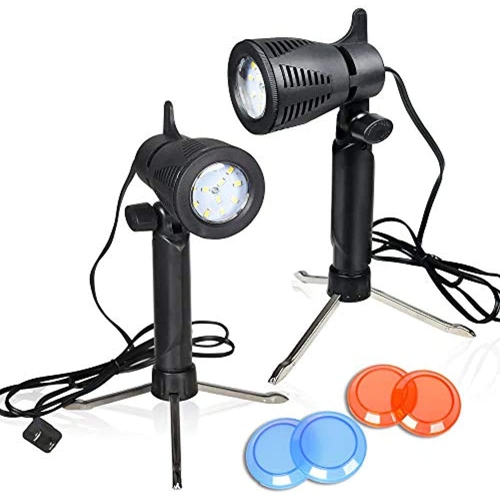


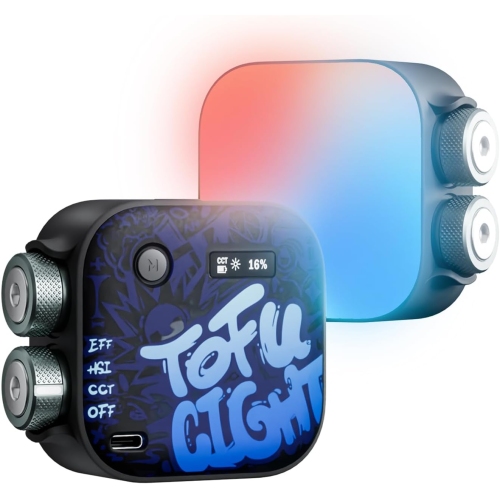
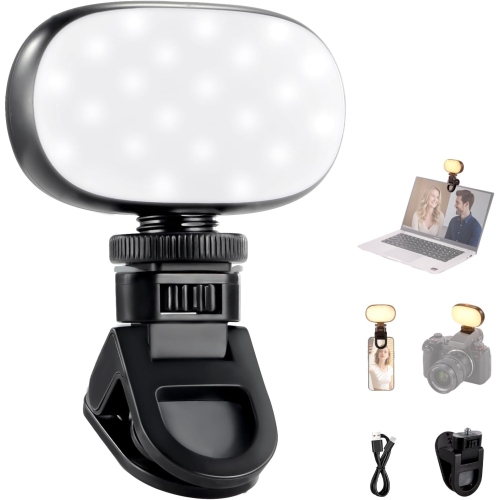
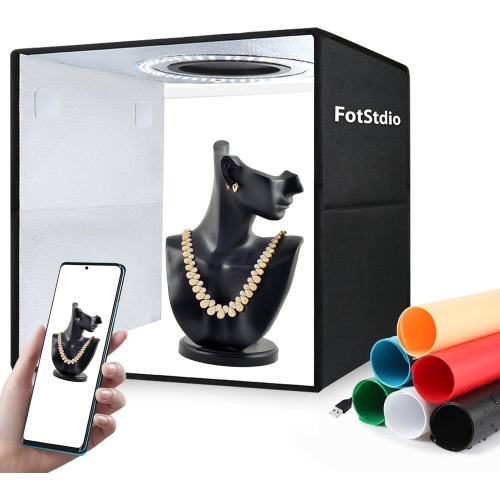
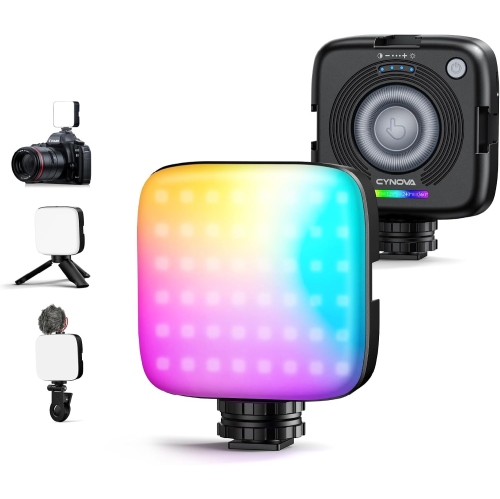
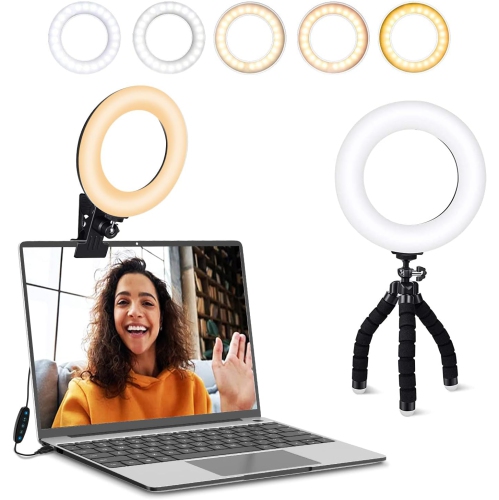

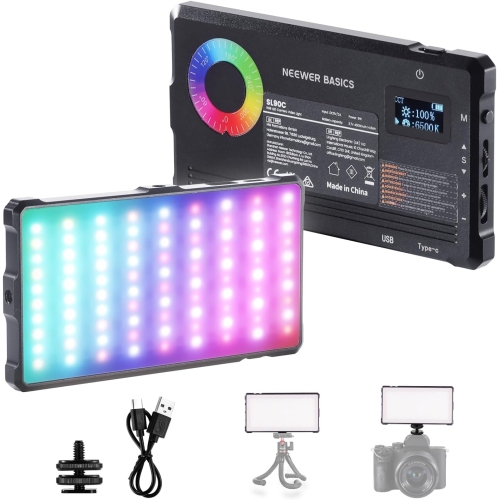
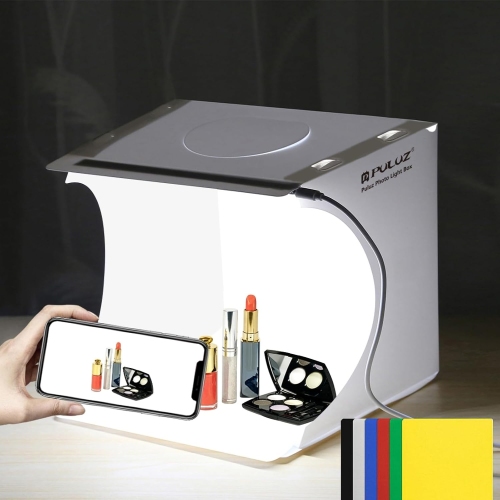
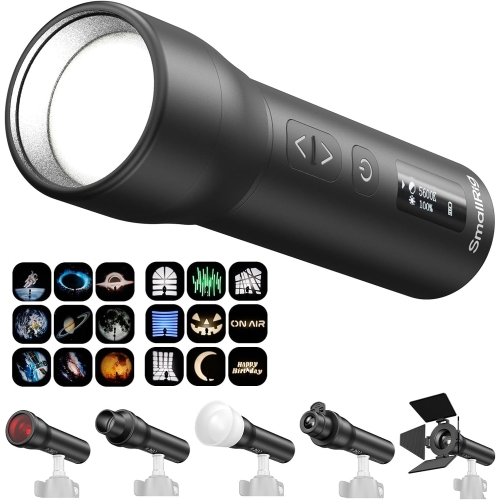
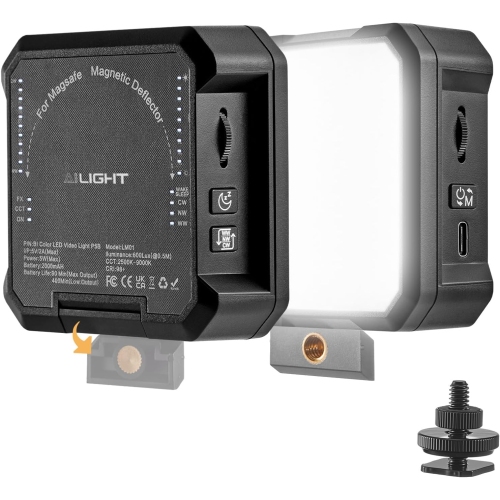
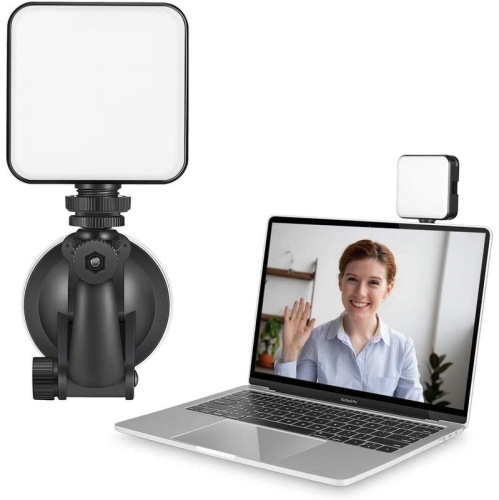
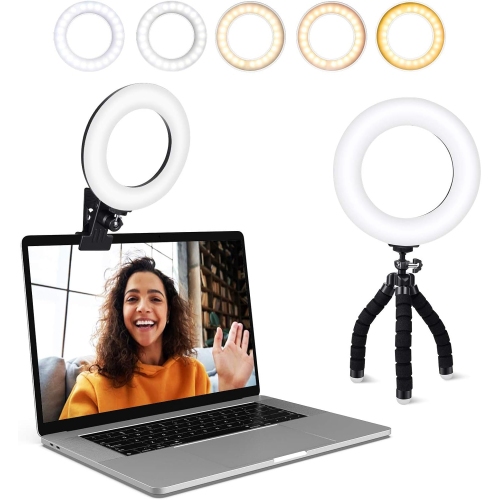
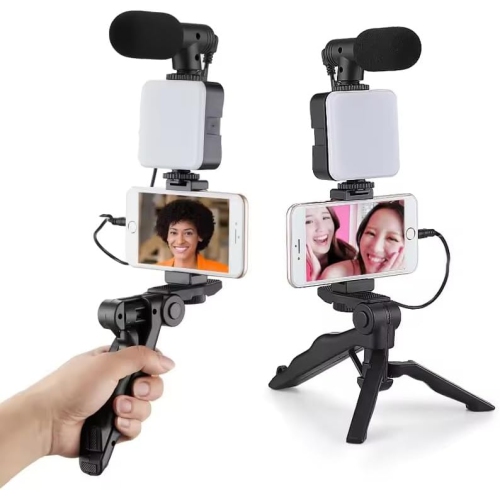
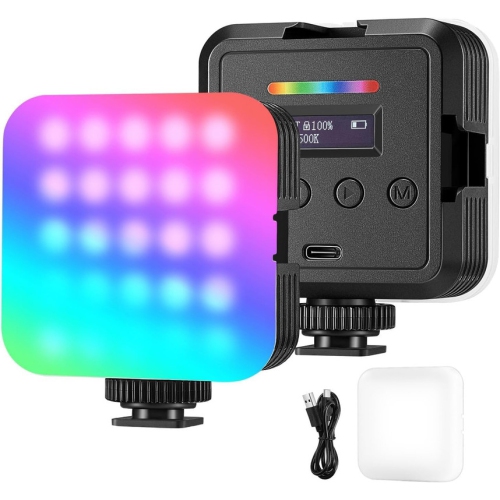
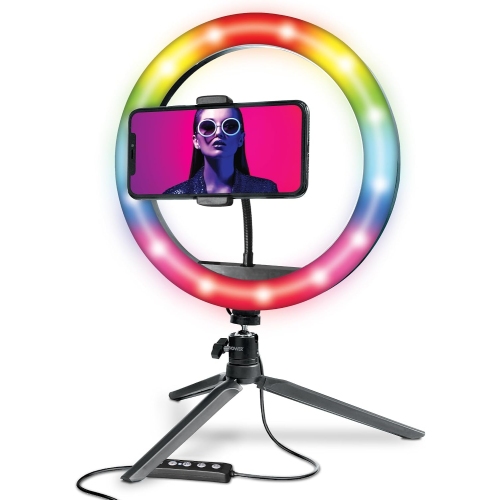
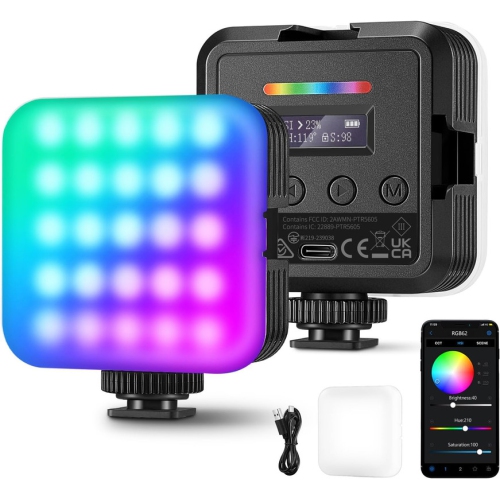
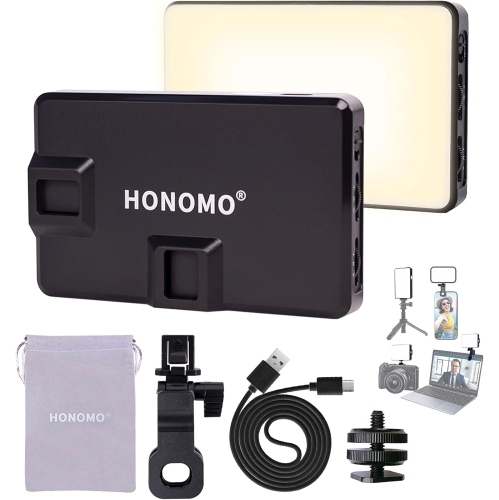
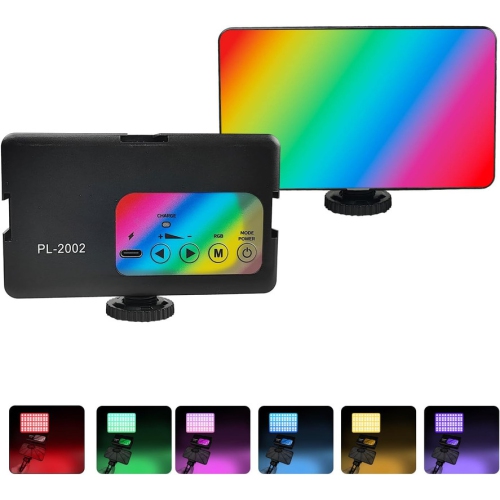


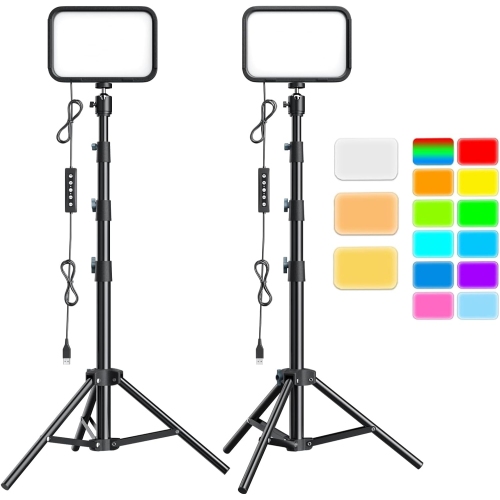
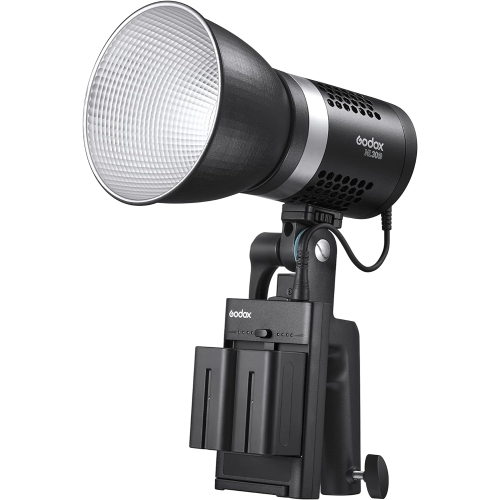
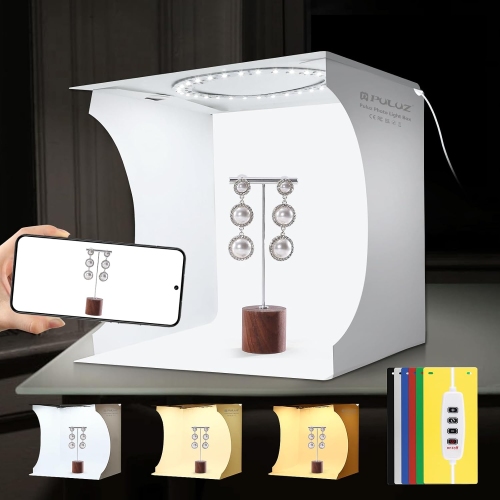
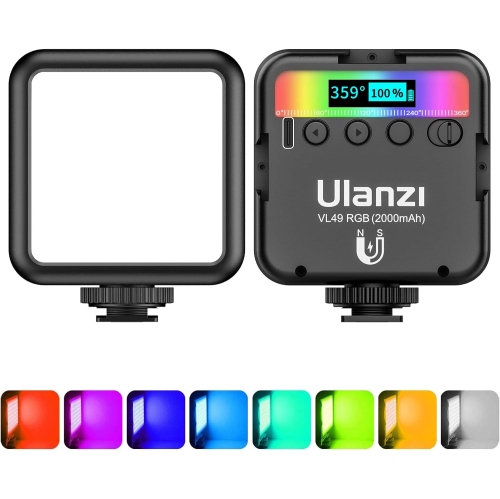
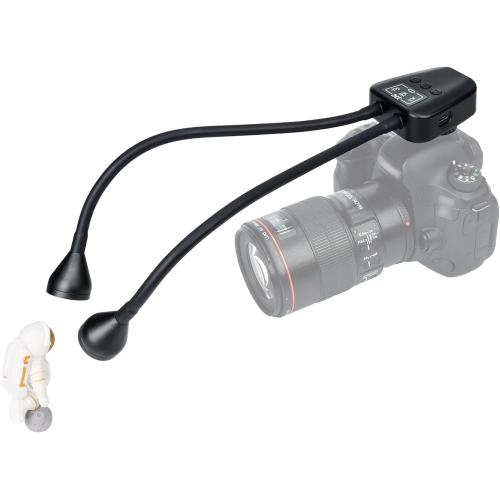
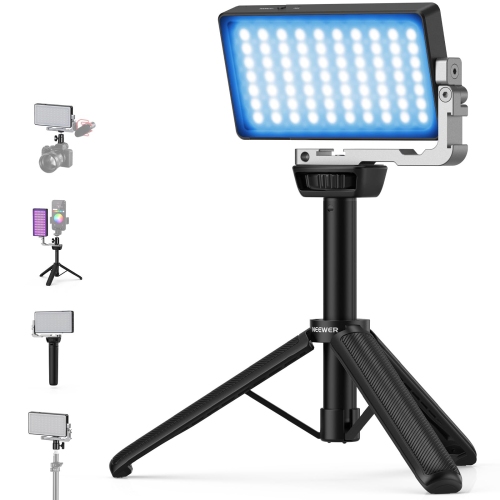

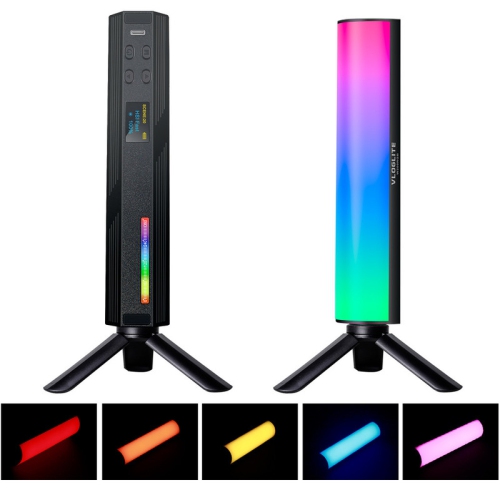
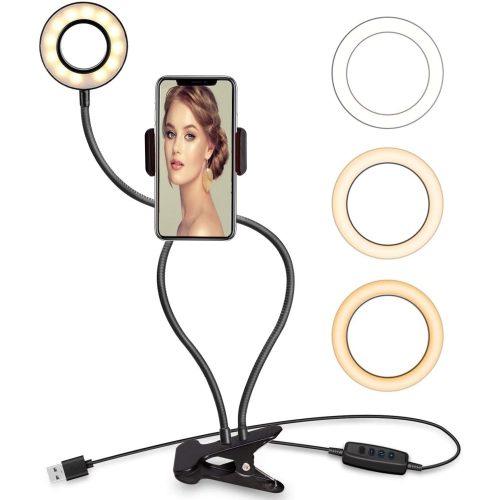



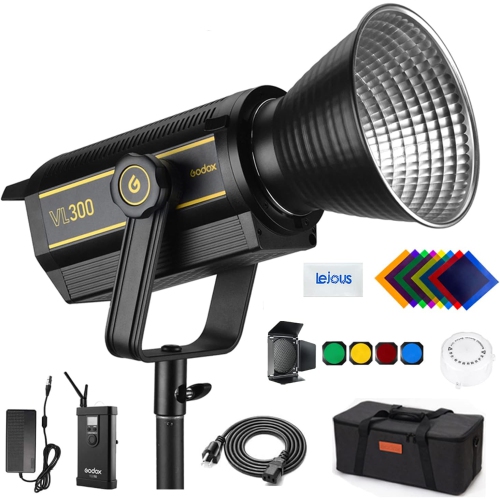
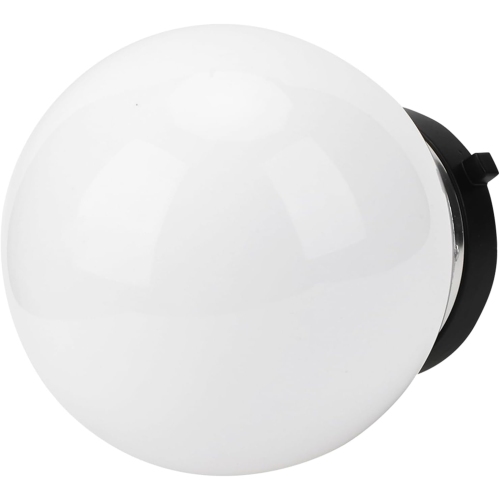

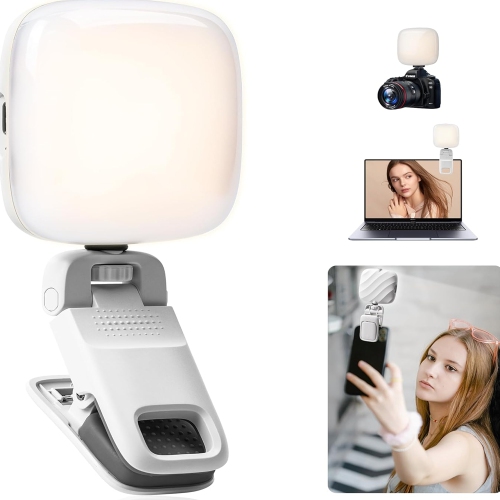
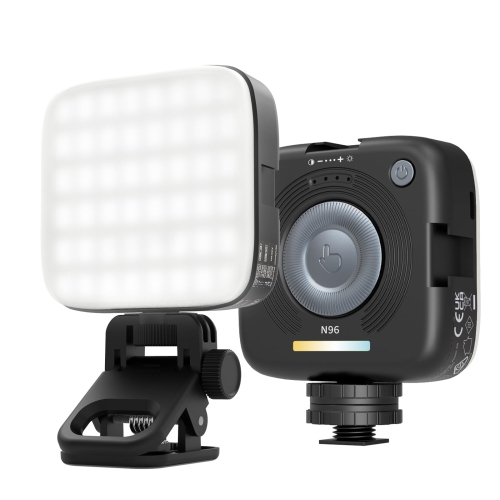
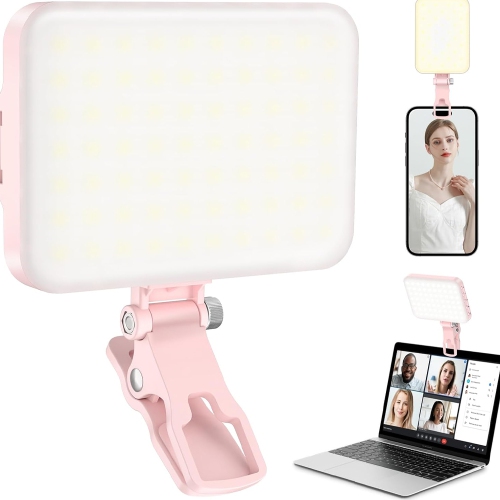
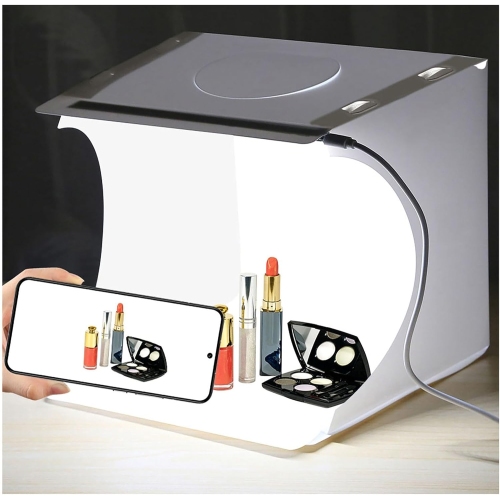
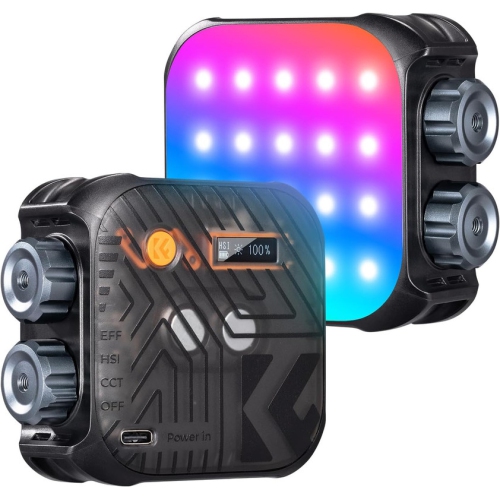
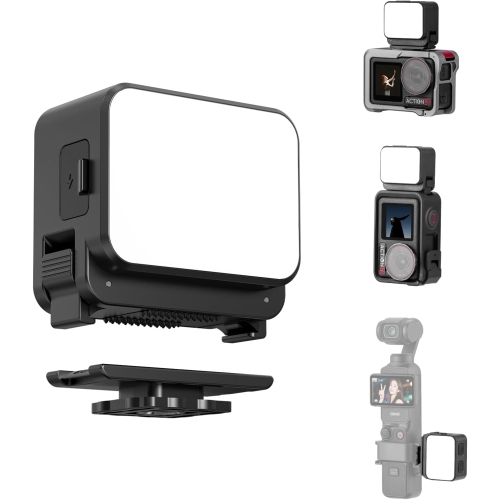
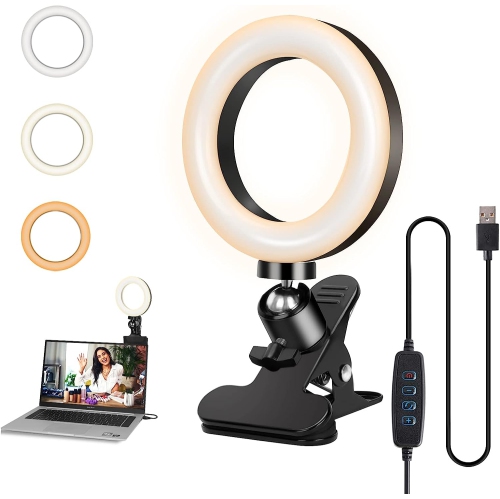

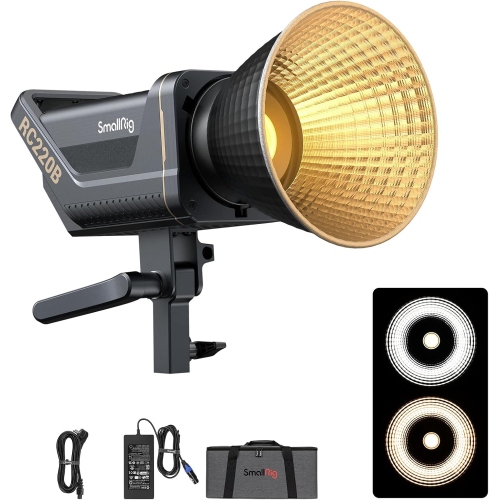
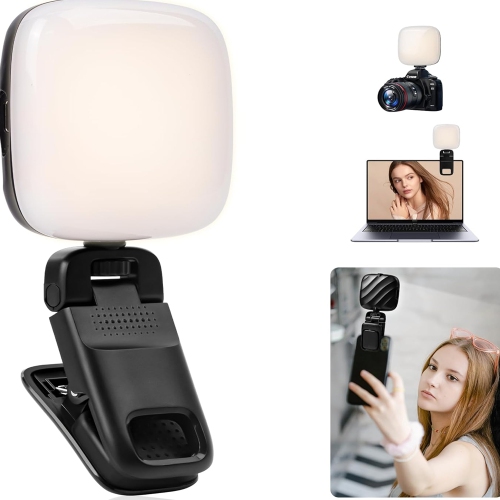
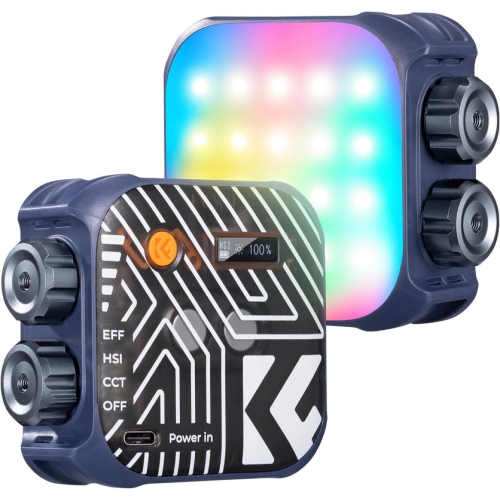
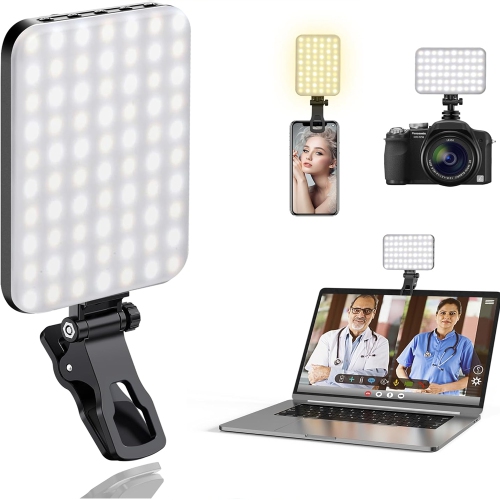
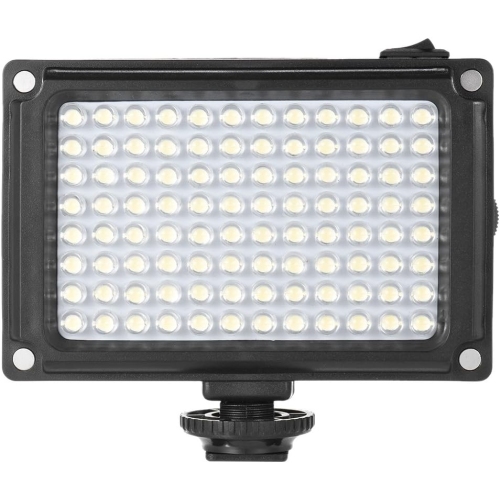
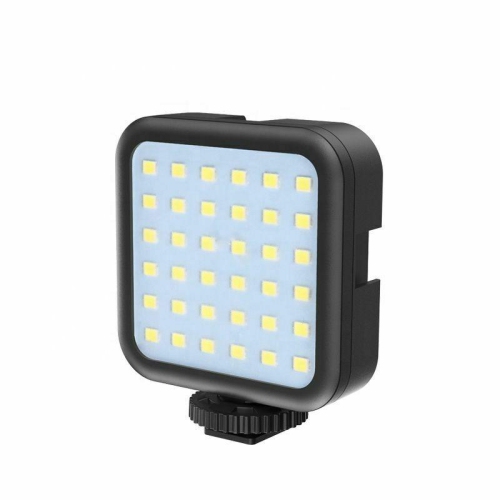
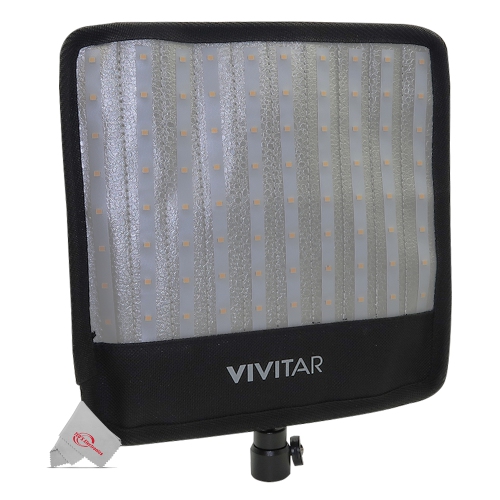

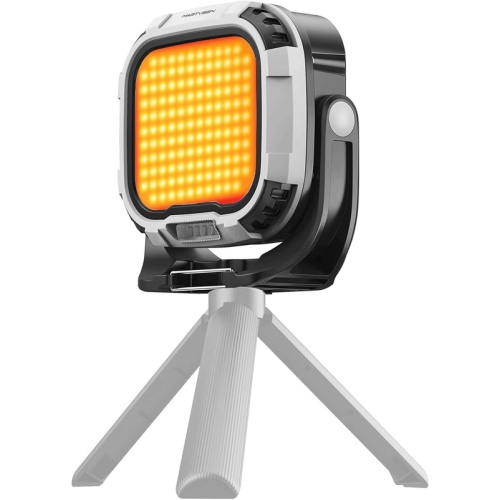
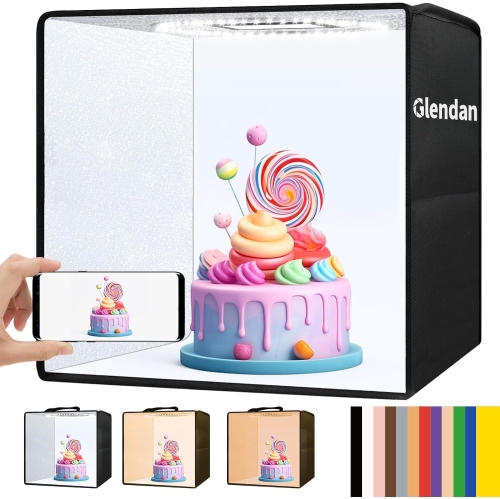
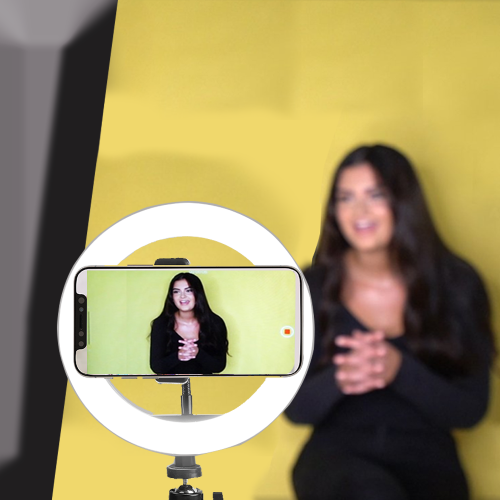
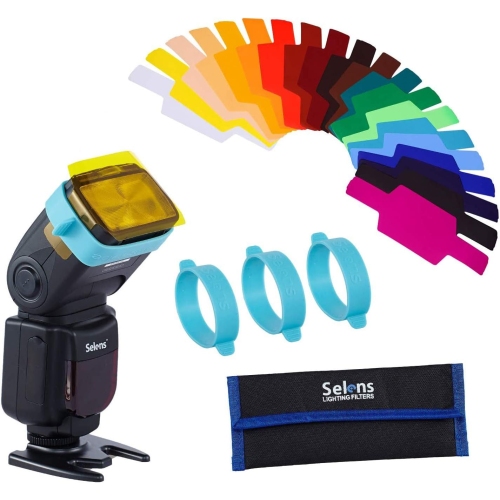
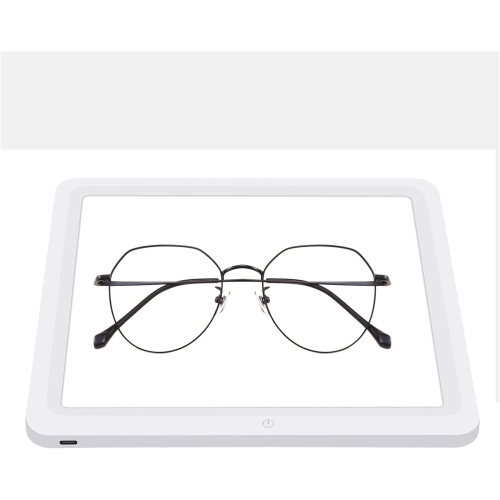
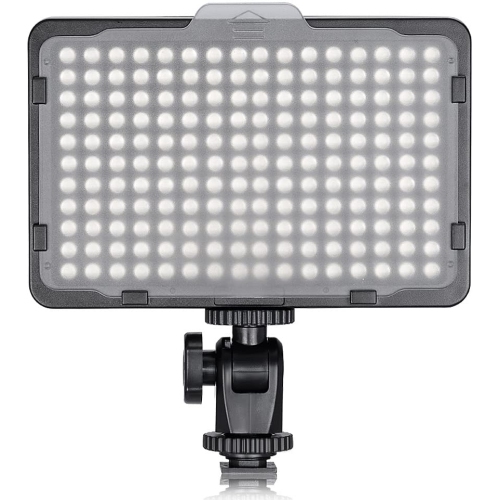
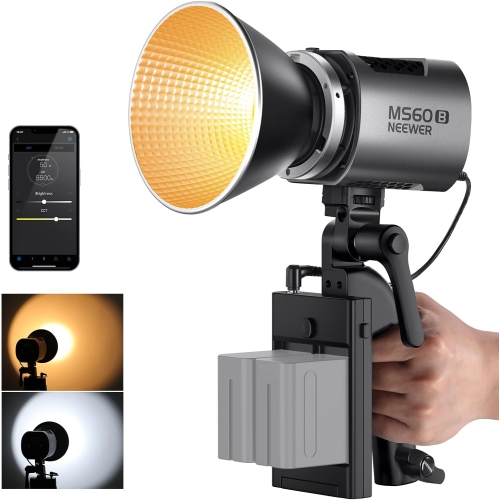
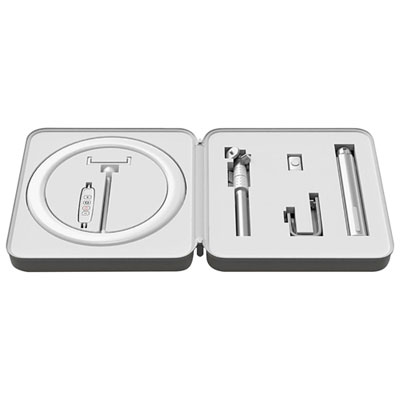
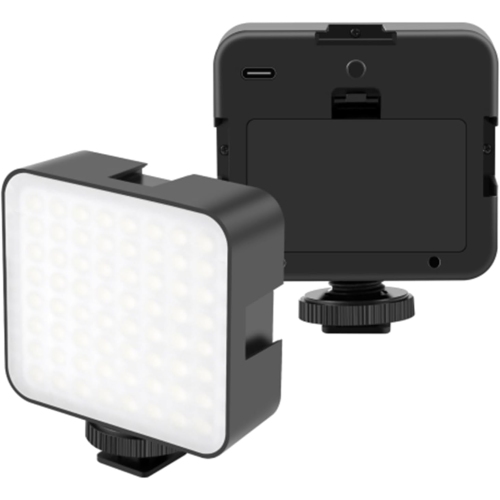

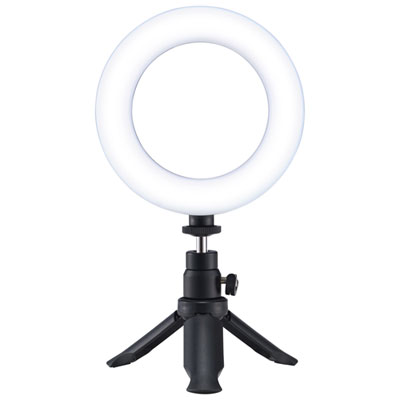
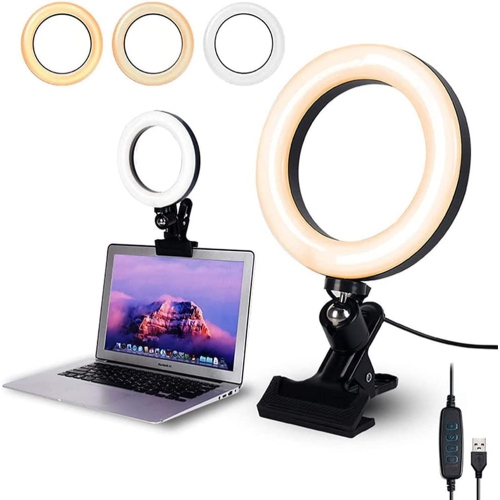
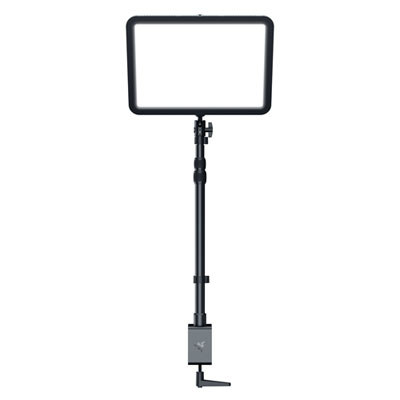

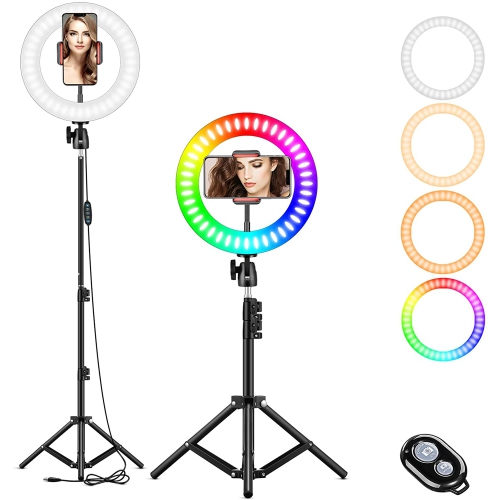

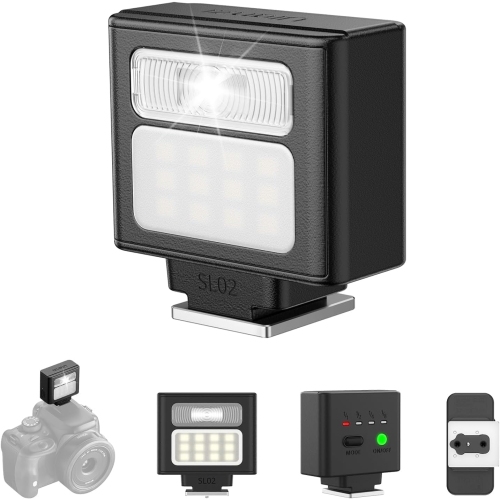
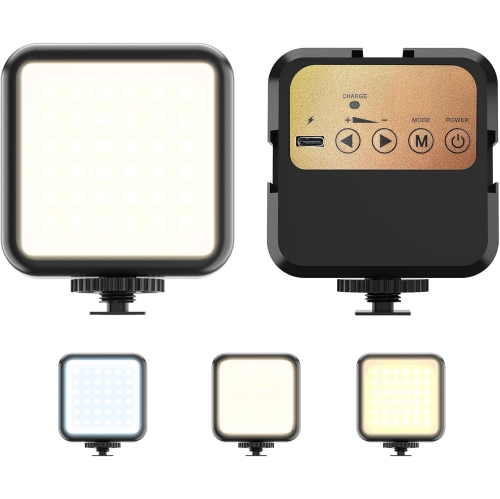
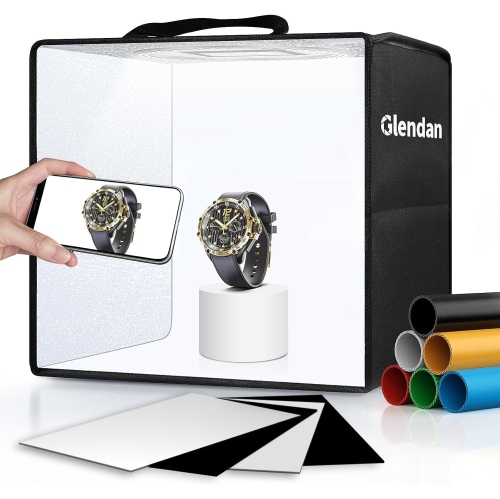


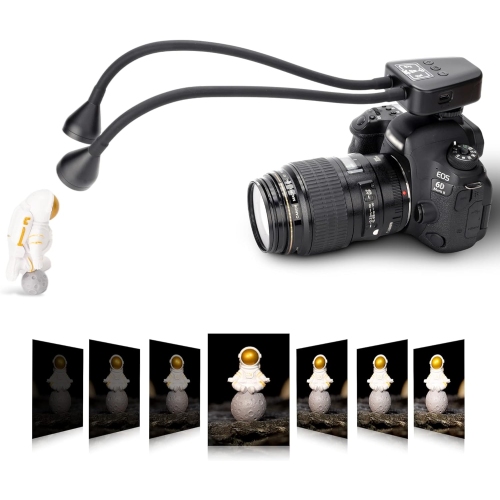
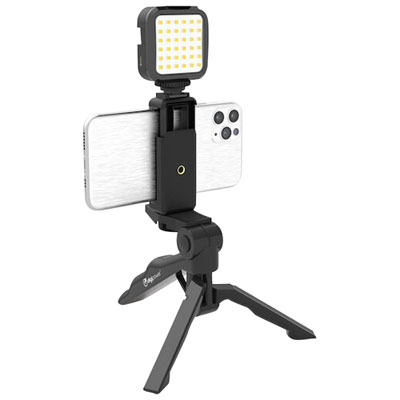
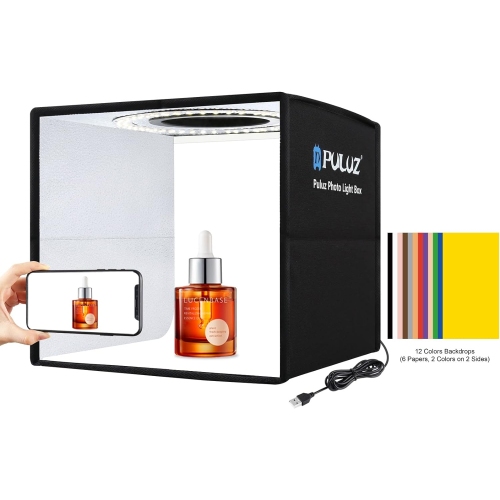



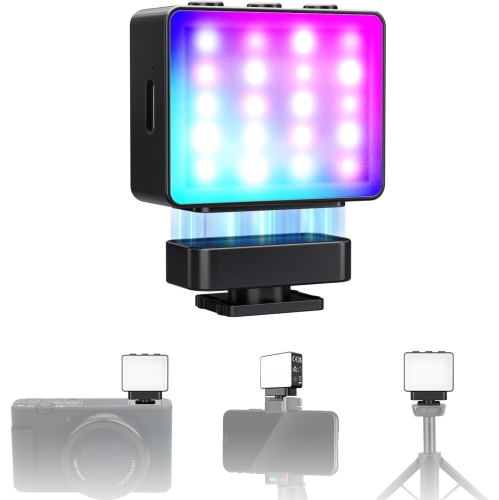

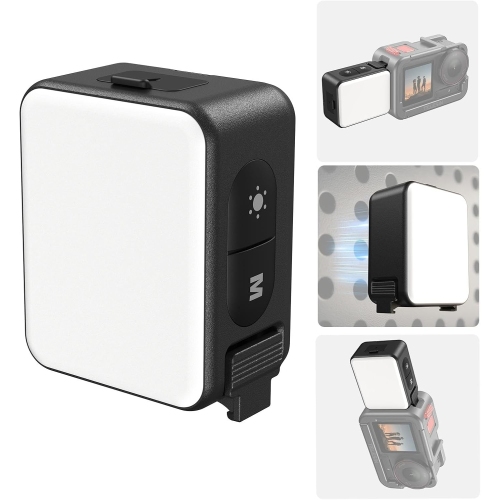
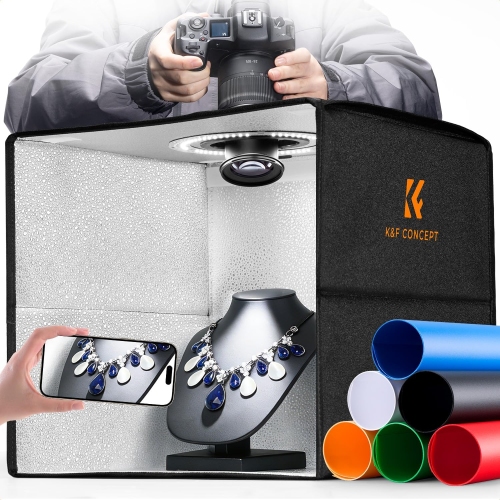

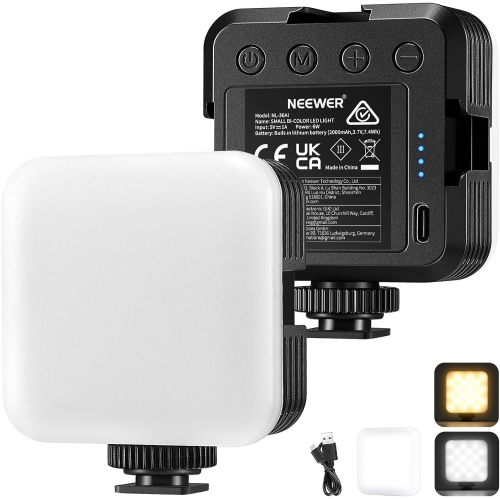
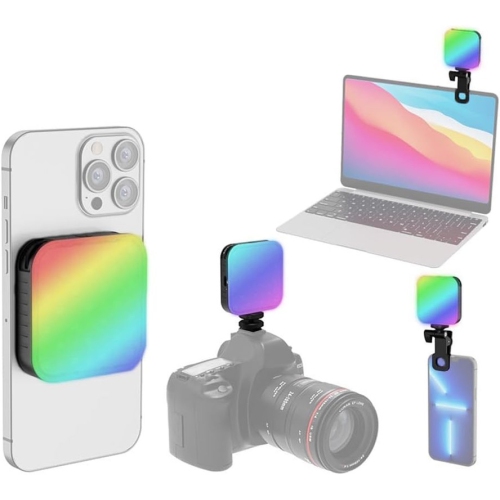
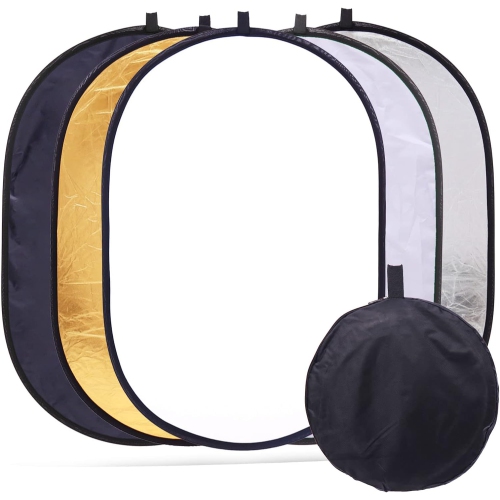

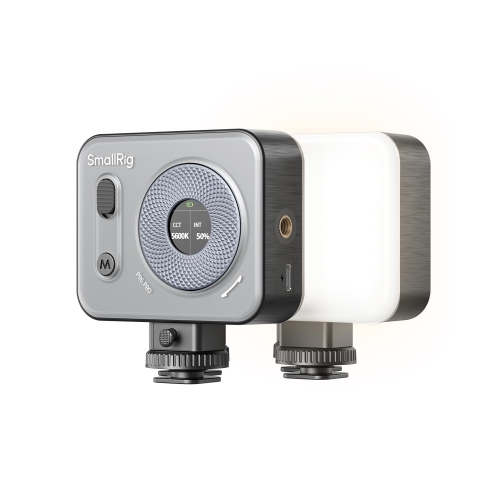
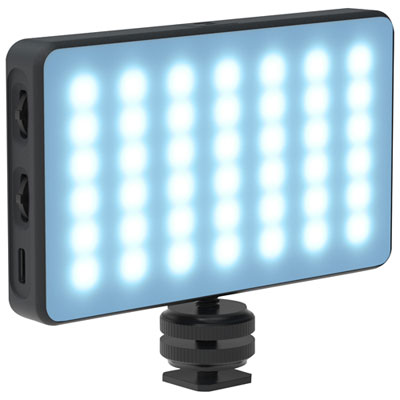





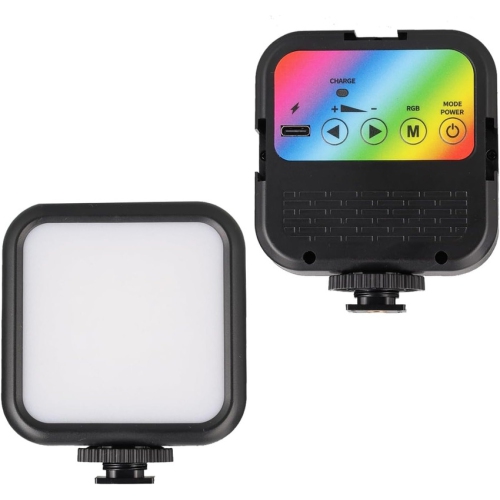
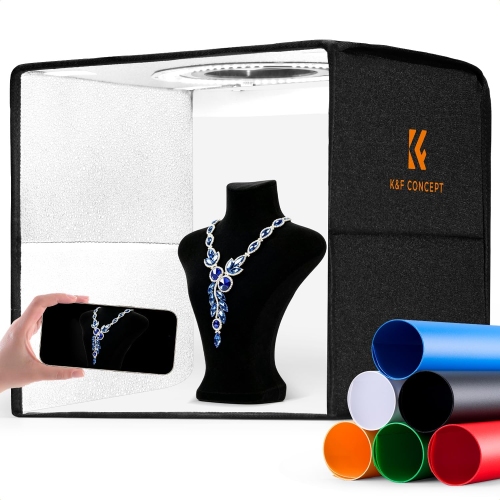

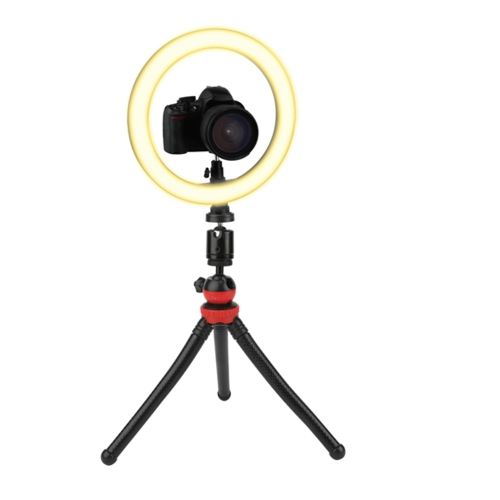
The right light depends on what you shoot
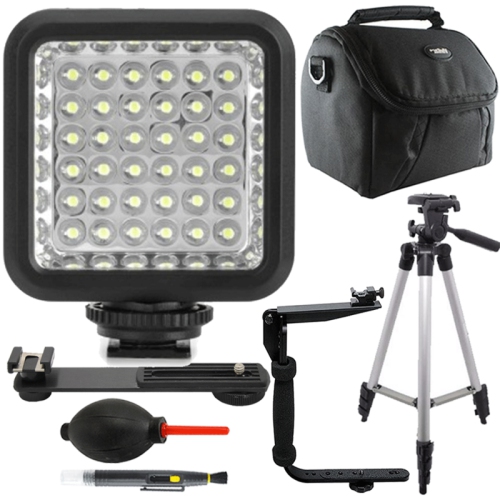
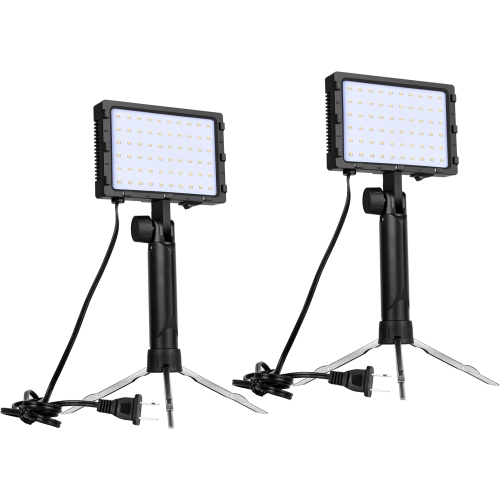
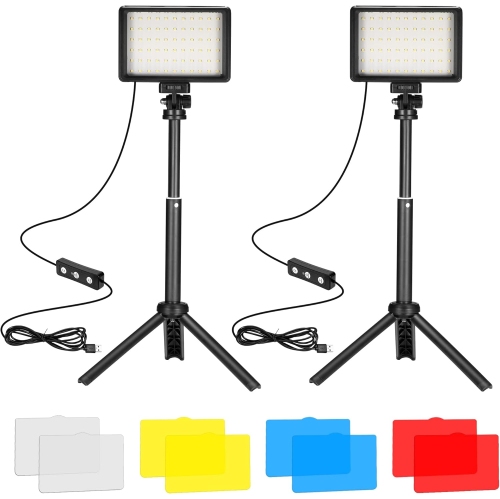
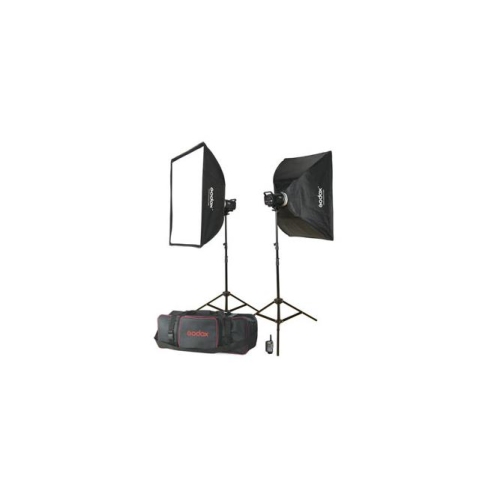
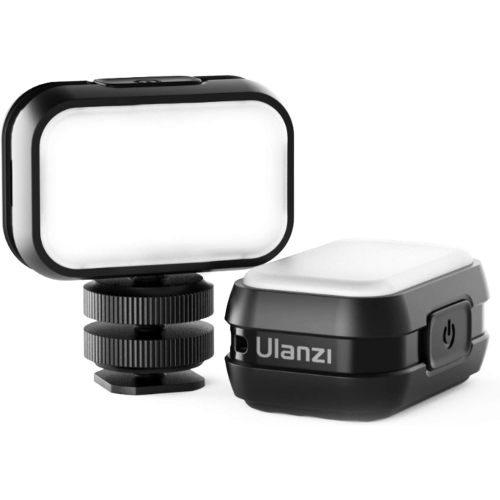
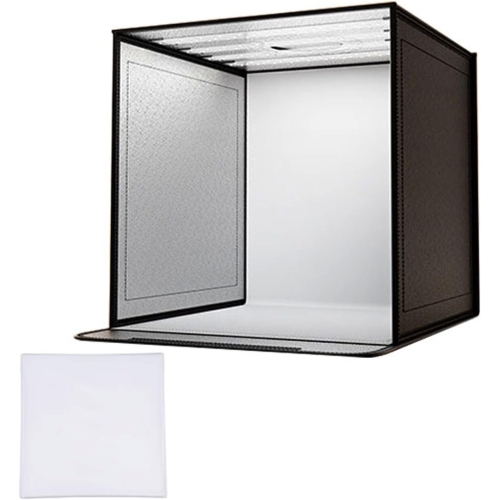
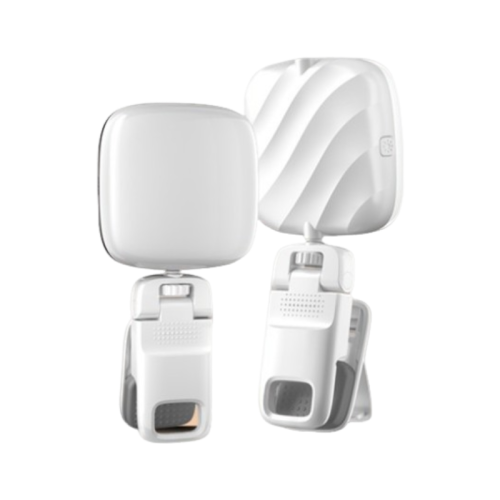
Camera lighting kits bring together lights and supporting accessories to create more controlled illumination for photography, video, live streaming, and content creation. A kit may include LED panels, continuous lights with softboxes, studio strobes, light stands, modifiers, power cables, or a carrying bag, with the combination shaping how and where it can be used. Continuous lighting stays on throughout a shoot, making it possible to see shadows, reflections, and the balance of light before taking a photograph or starting a video. This makes it practical for interviews, online presentations, tabletop photography, and creators who move between still images and video. Studio strobes produce a brief burst of light rather than constant illumination and are primarily intended for still photography. Their output can support smaller lens apertures, while a sufficiently short flash duration can help freeze movement when the flash is the dominant light source. A portrait session, for example, may benefit from the output and modifier options of strobes, while a cooking demonstration needs continuous light that remains consistent throughout the recording. Single-light setups can suit a compact desk or a simple portrait arrangement; two-light and three-light kits offer more flexibility for filling shadows, separating a subject from the background, or illuminating a wider scene. The number of lights is only part of the picture, since the size of each fixture, its usable brightness, and the included accessories also affect the result. A broad, diffused light can give a face gentle shadows, while a smaller, more concentrated source can emphasize the texture of fabric or the contours of a handmade object. The wider selection of Lighting Kits can support different working spaces and creative uses, from a home filming corner to a dedicated photography studio. Coordinated components can simplify setup, although kit contents vary and accessories such as batteries, flash triggers, or softboxes are not necessarily included.
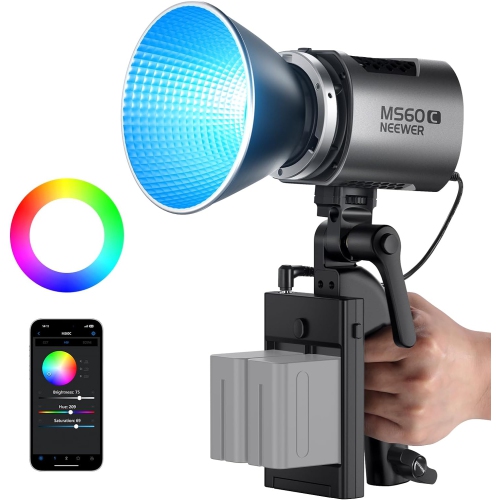
Light quality matters as much as brightness, particularly when skin tones, clothing colours, or product finishes need to appear natural. Bi-colour LED kits allow adjustment between warmer and cooler white light, often across a range such as 3200K to 5600K, although the available range varies by design. That flexibility helps a light blend with indoor lamps or daylight entering a room. Daylight-balanced lights use a fixed colour temperature, commonly around 5600K, and can suit setups where consistent white light is the priority. RGB lighting adds coloured illumination for backgrounds, accent lighting, and creative scenes; some fixtures also provide adjustable white light, but those capabilities depend on the design. Colour rendering specifications provide another useful point of comparison. A high colour rendering index, or CRI, indicates how closely a source renders colours relative to a reference light, though that rating alone does not guarantee identical results across cameras or fixtures. For video, stable output at the intended frame rate and shutter speed is important because flicker can become visible on camera even when it is not obvious to the eye. Dimming range and brightness at a stated distance are also more informative than power consumption alone. Softboxes and diffusion panels spread light over a larger apparent surface, helping soften shadows when positioned appropriately near the subject. Umbrellas offer broad coverage, while grids and barn doors help limit spill onto surrounding areas. In a small room, controlled spill can keep the background from becoming washed out; for a tabletop scene, a softbox may create a smoother highlight on glazed ceramics or polished packaging. Reflective surfaces still require thoughtful positioning, since a bright fixture can appear directly in glass or metal. Modifier fit is another consideration: mounting systems, attachment sizes, and weight limits need to match the light. Camera lighting kits work best as coordinated systems, with fixtures, modifiers, and supports suited to both the desired look and the available space.
Practical details determine how comfortably a camera lighting kit fits into everyday use. A home studio may have convenient access to wall power, while location photography or filming can benefit from lights that accept compatible batteries. Some fixtures support both options, and battery mounts, chargers, and batteries may be separate components. Runtime depends on battery capacity, brightness settings, and the light’s power requirements, so portability involves more than choosing a small fixture. Strobes also need a suitable triggering arrangement, with camera compatibility and supported synchronization features affecting how the system operates. For continuous lights used near microphones, cooling fan noise can matter during quiet interviews or voice recordings. Controls positioned within easy reach, clear displays, and supported remote adjustment can make a difference when a light is mounted above eye level or behind furniture. Stands need enough load capacity for the fixture and its modifier, as well as a stable footprint that fits the room. A large softbox extends beyond the stand and can shift the balance of the setup, making secure mounting and appropriate ballast important. Aluminium stands can keep transport weight manageable, while heavier supports may suit fixtures that remain in a dedicated studio. Durable hinges, reliable locking knobs, reinforced carrying bags, and well-finished cable connections are details that influence repeated setup and packing. Care typically involves keeping fixtures dry, removing dust gently, allowing lights to cool before storage, and following the manufacturer’s cleaning instructions for diffusion fabric and other modifiers. Cables routed away from walkways help keep a working area clear, especially in shared spaces. Camera lighting kits can be useful gifts for photography students, portrait enthusiasts, makers documenting their work, or creators developing a regular video setup, provided the kit suits their camera system and working style. A compact continuous-light arrangement may serve someone filming at a desk, while a photographer using larger modifiers may need stronger supports and different mounts. Matching the kit to those habits helps create a setup that is comfortable to use and practical to maintain.
Top selling and popular products
-
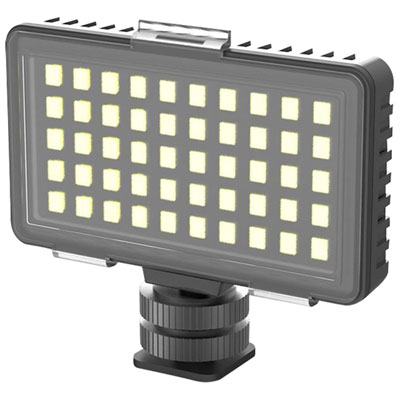 Your price for this item is $39.99
-
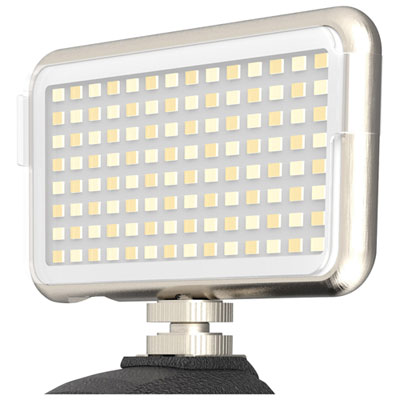 Your price for this item is $49.99
-
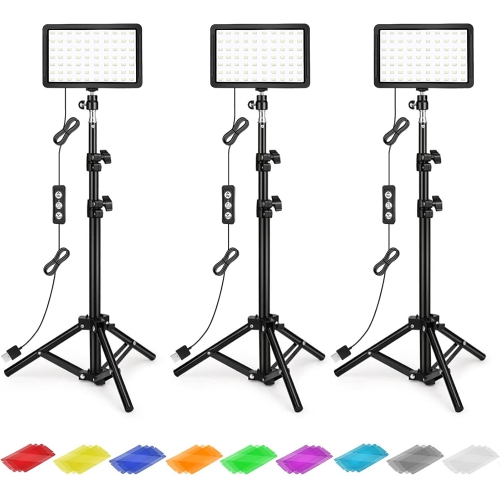 Your price for this item is $149.99
-
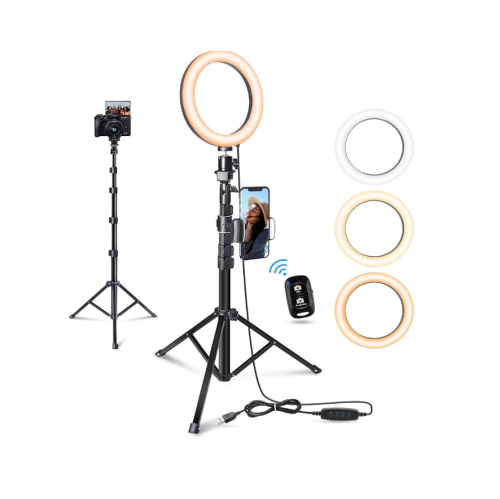 Your price for this item is $57.8
-
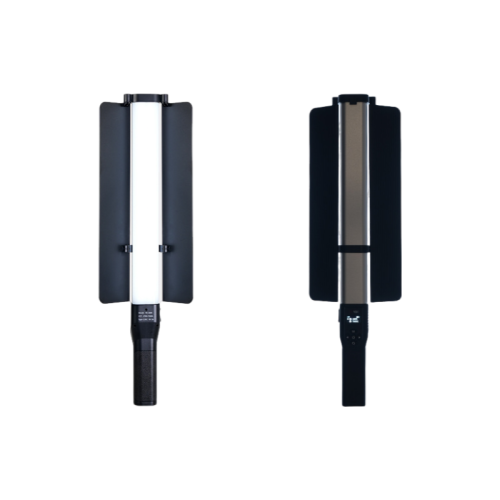 Your price for this item is $210.99
-
 Your price for this item is $58.96
-
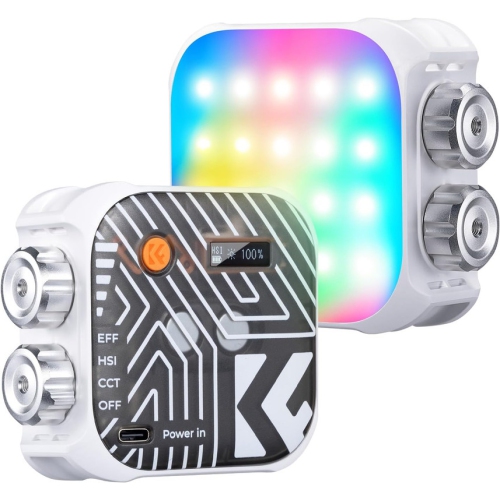 Your price for this item is $84.99
-
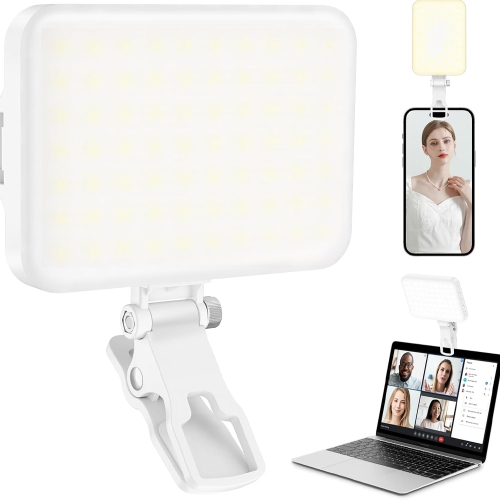 Your price for this item is $29.99
Discover more categories related to Camera Lighting Kits

Top Collections:
Best Black Friday Deals This Year, Best Black Friday Deals On Electronics, Kindle Devices, Pokemon Centers, Best Black Friday Deals On Apple Products, Best Cameras for Sports Photography, Dyson Airwrap, Pokémon 30th Celebration Cards, Apple iPhone 17 Pro, Canon G7X Cameras
Some products may be subject to Environmental Handling Fees
(EHF) depending on your province.
Learn more about EHFs.