Lighting Kits
Illuminate your space with our diverse selection of lighting kits at Best Buy Canada. Whether you're setting up a home studio, enhancing your living room ambiance, or adding flair to your outdoor events, our collection offers versatile solutions to meet your needs. Explore options that cater to various styles and purposes, ensuring you find the perfect lighting kit to brighten up any occasion. With quality and innovation at the forefront, these lighting kits are designed to effortlessly transform your environment into a vibrant and inviting space. Discover the ideal blend of functionality and aesthetics in our range today.
Sort
















































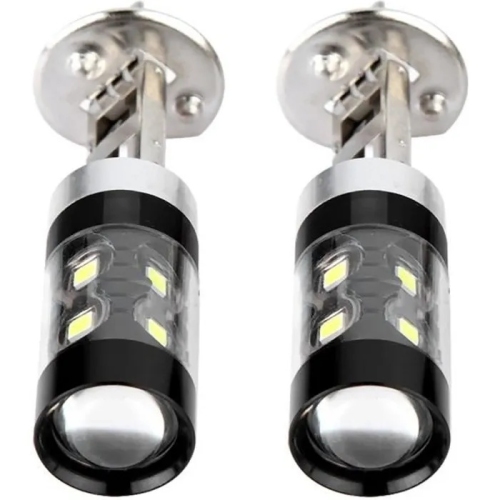
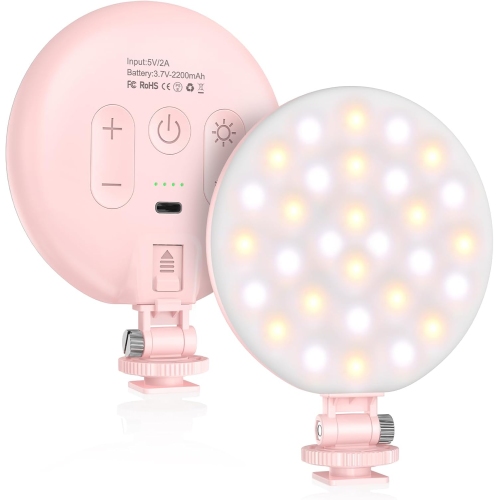
Good lighting depends on more than brightness
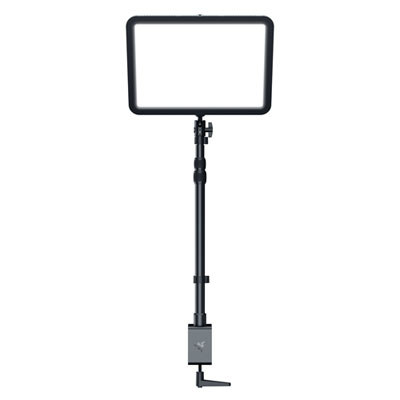
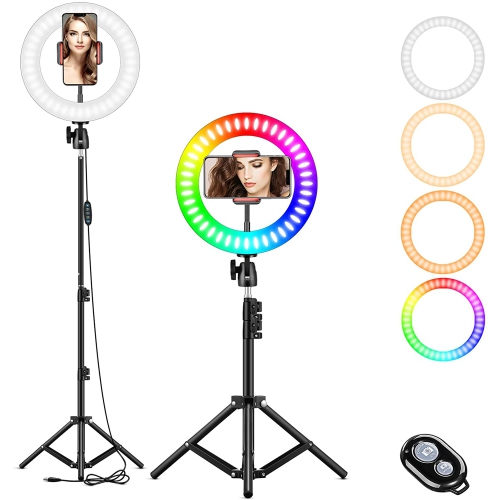
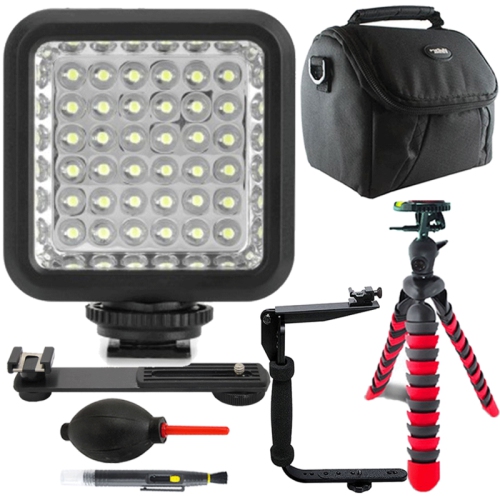
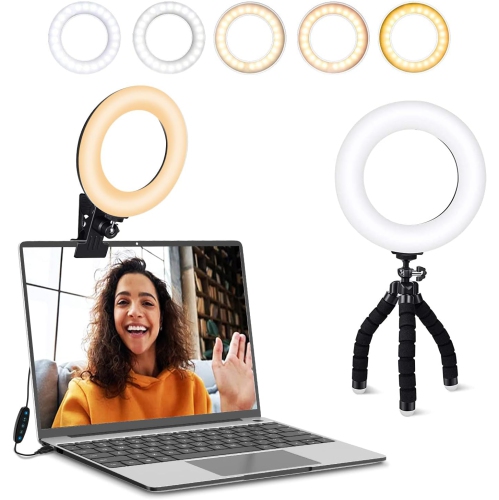
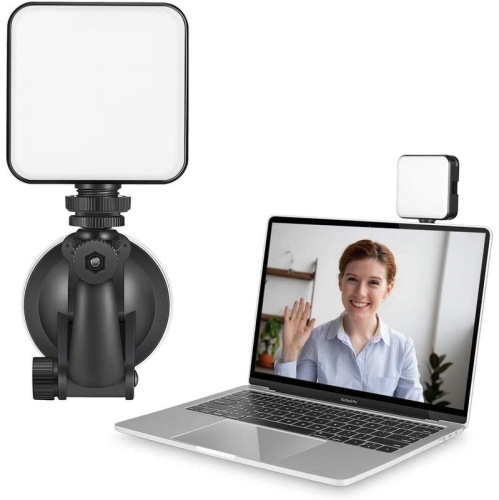
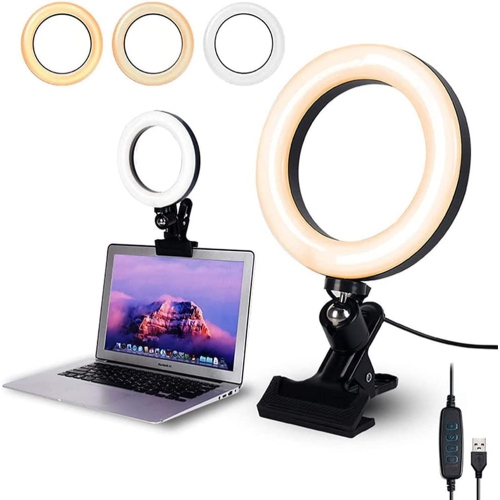
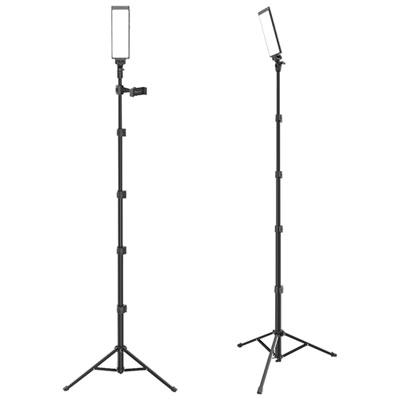
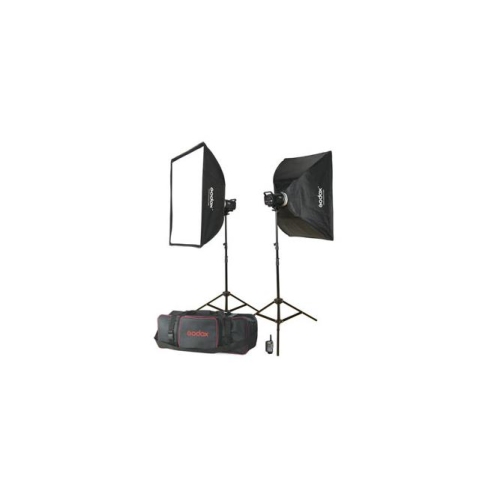
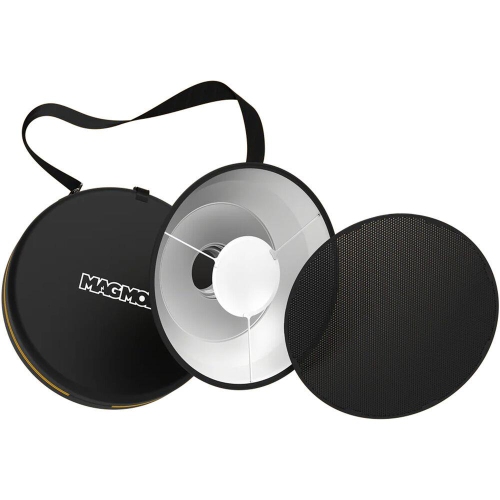
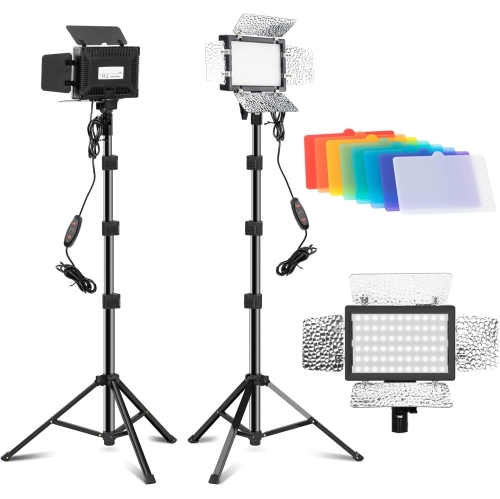
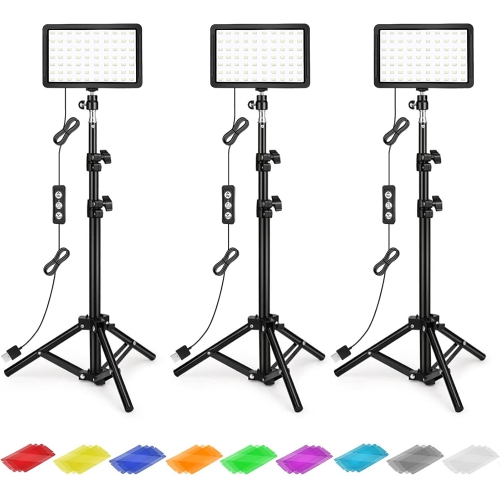
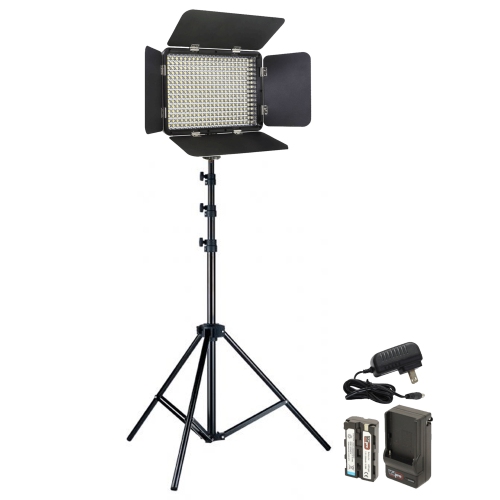
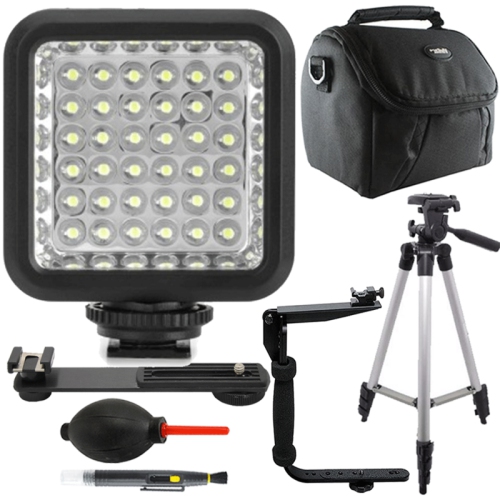
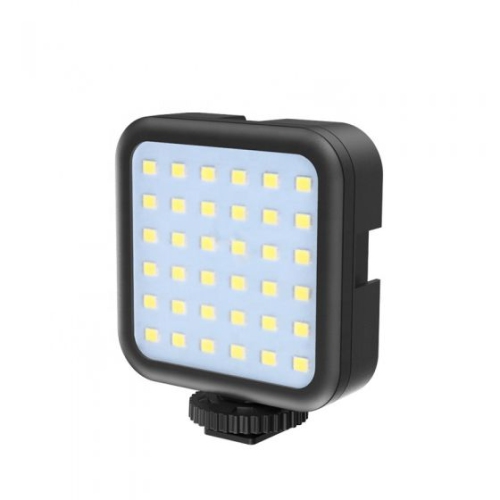
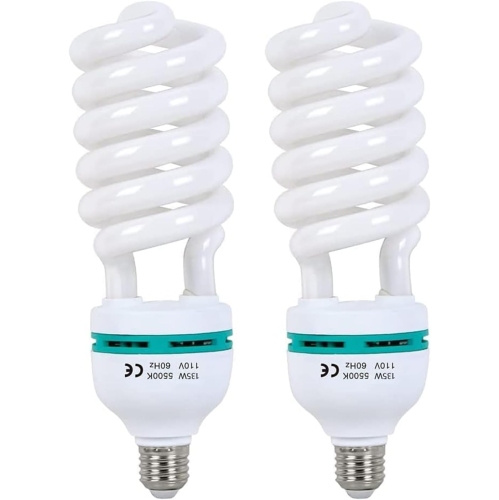
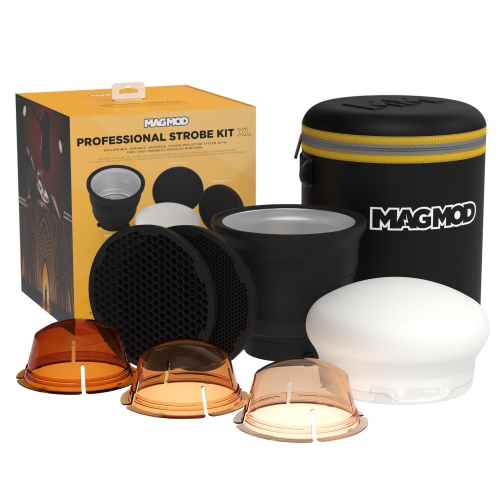
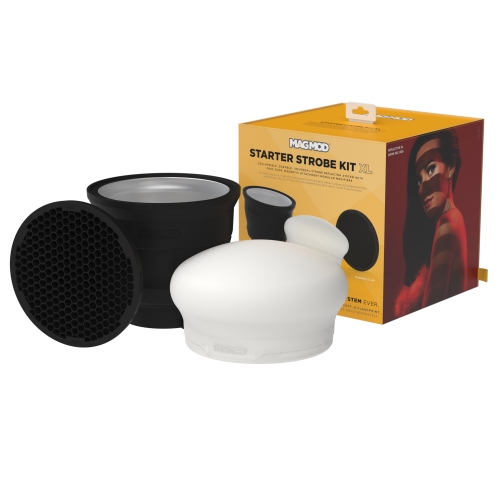
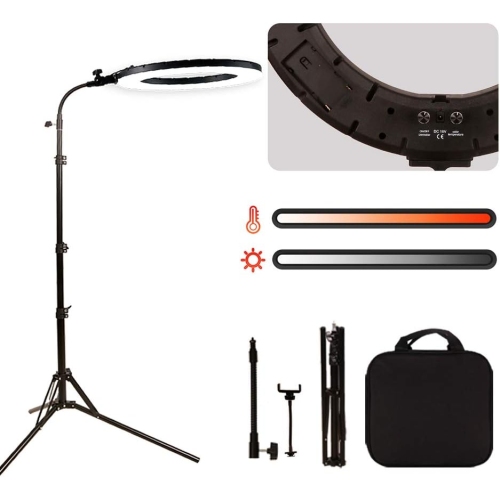
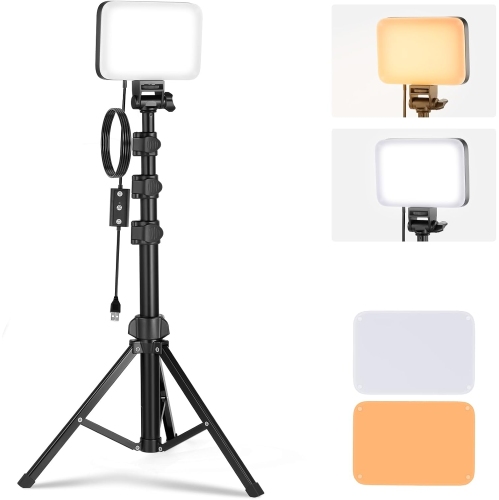
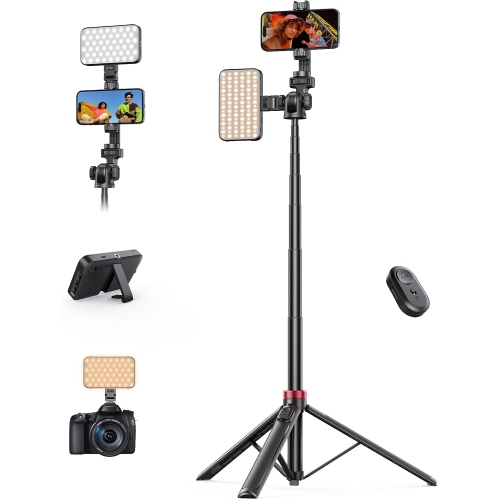
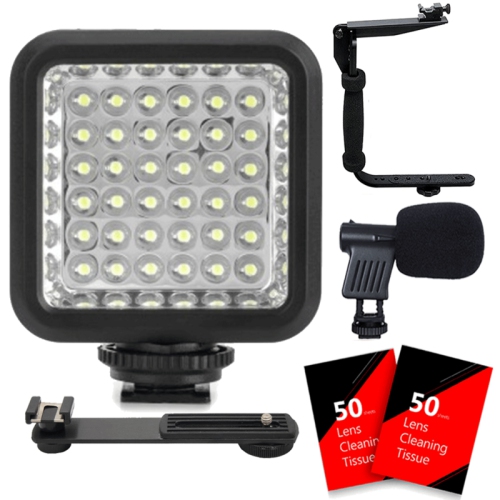
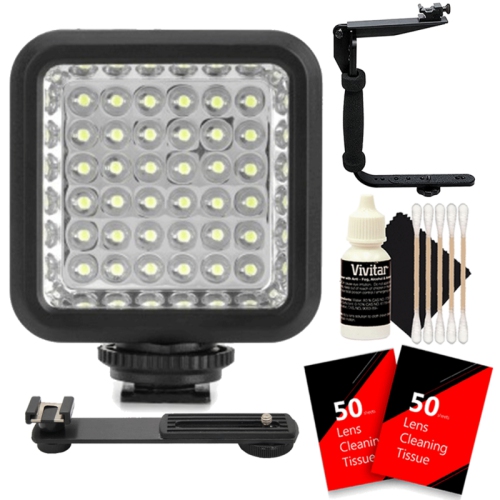
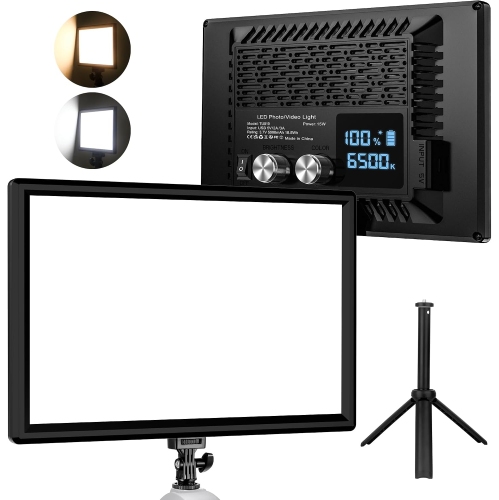
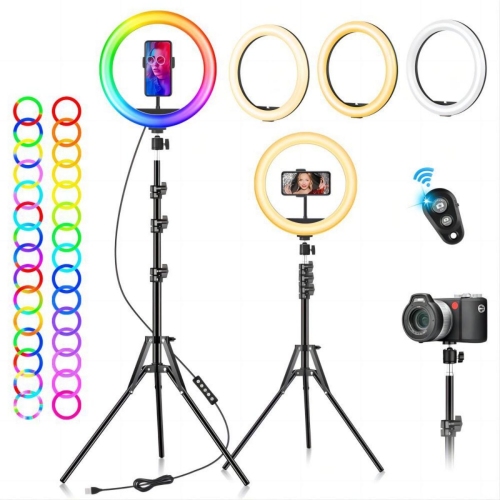
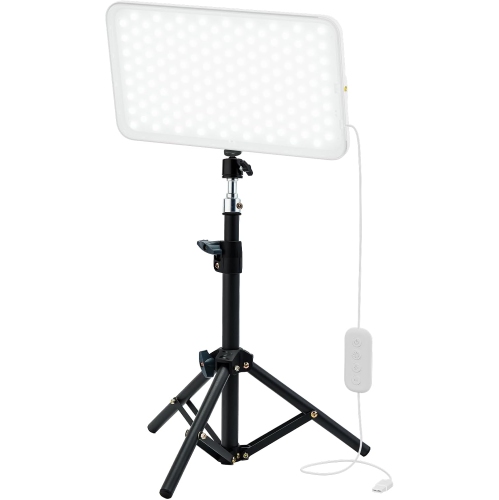
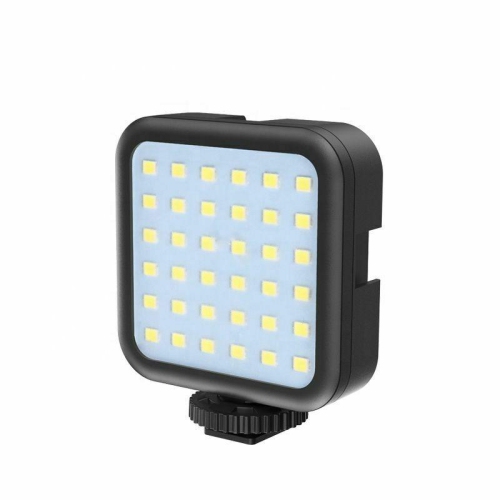
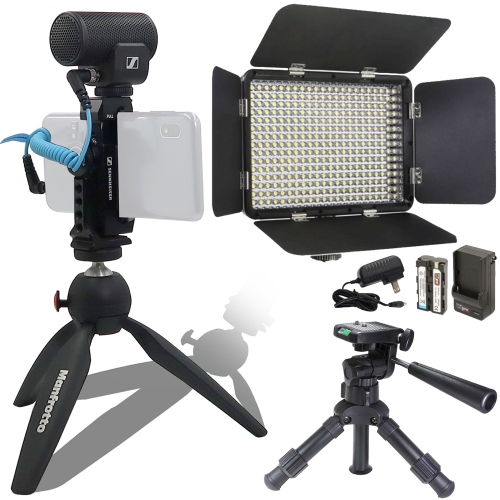
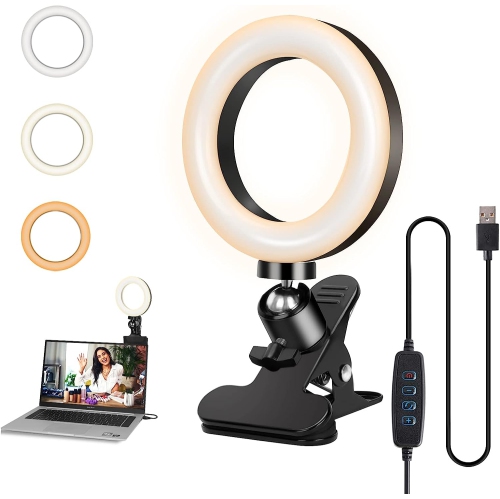
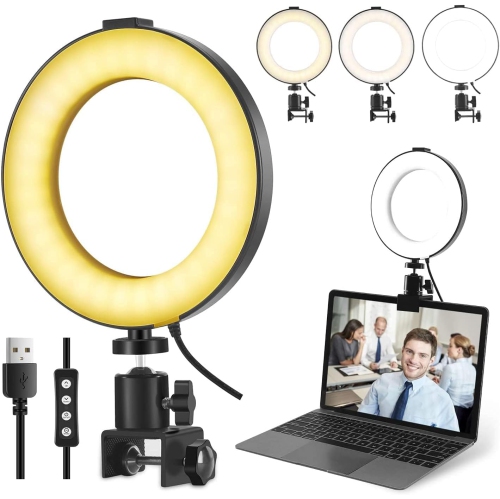
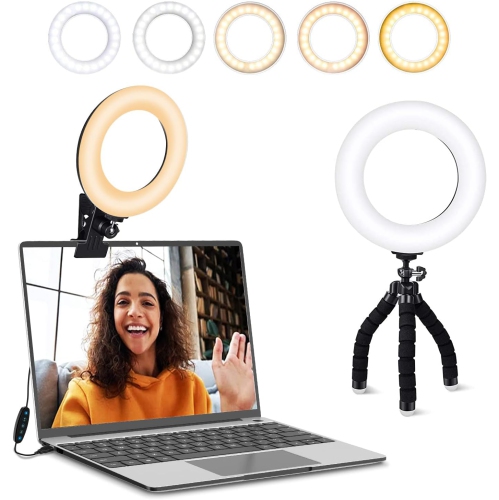
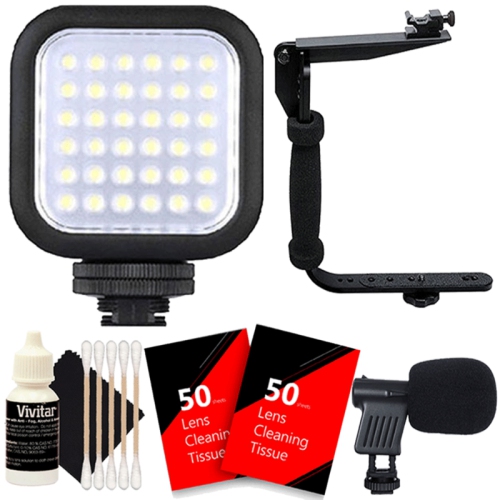
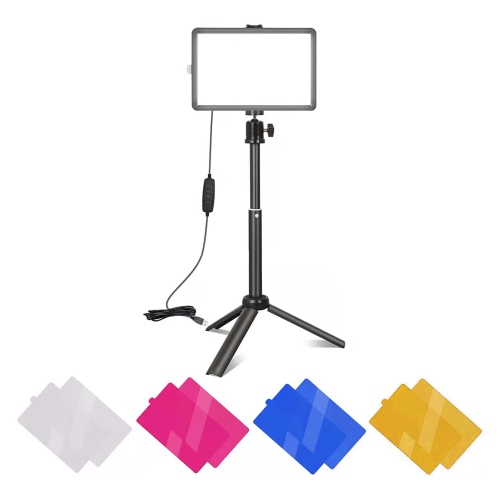
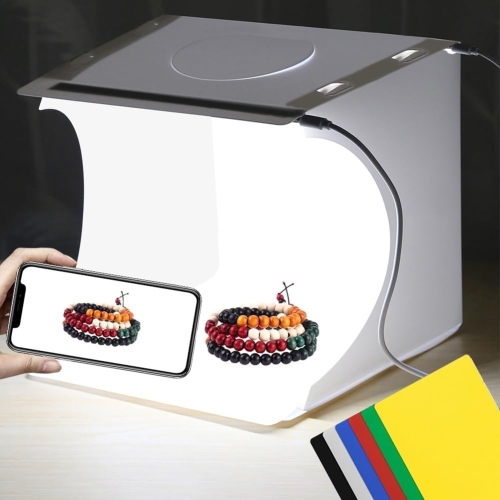
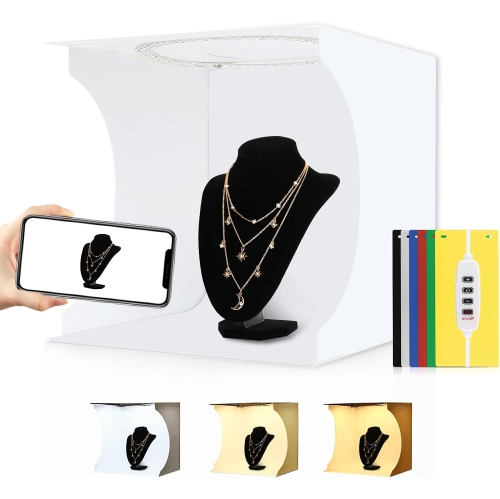
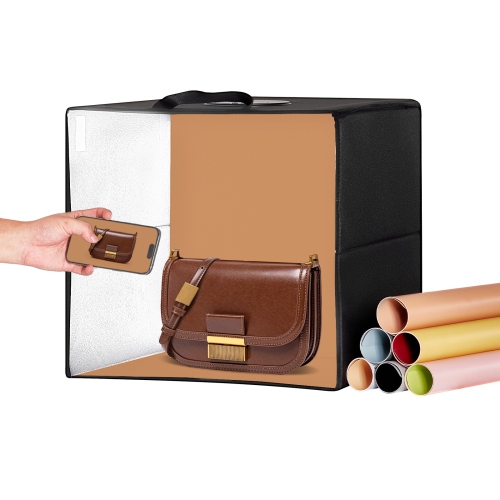
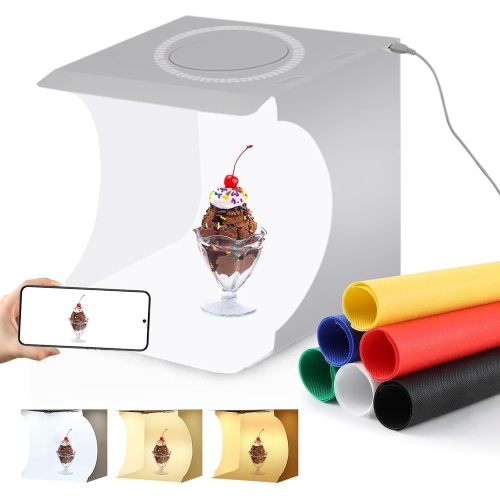
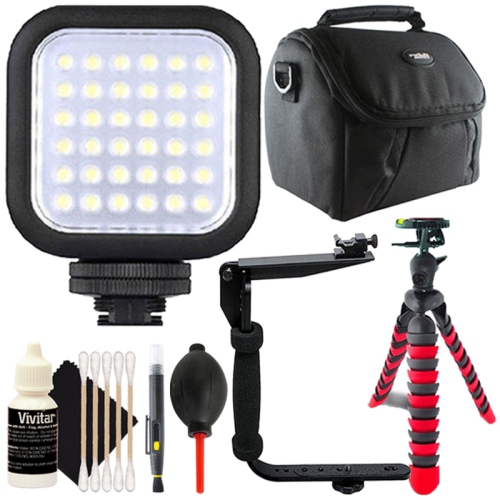
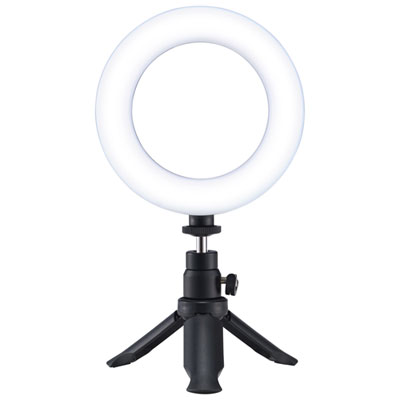
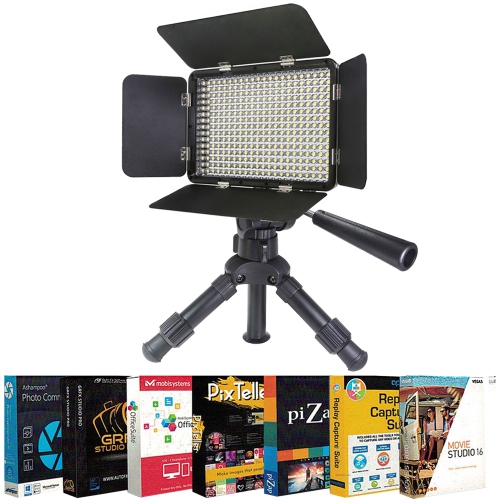
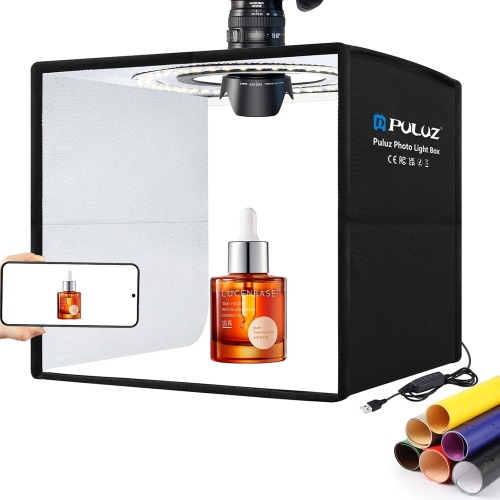
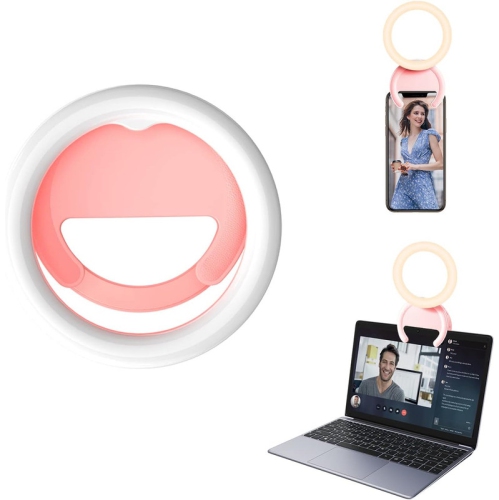
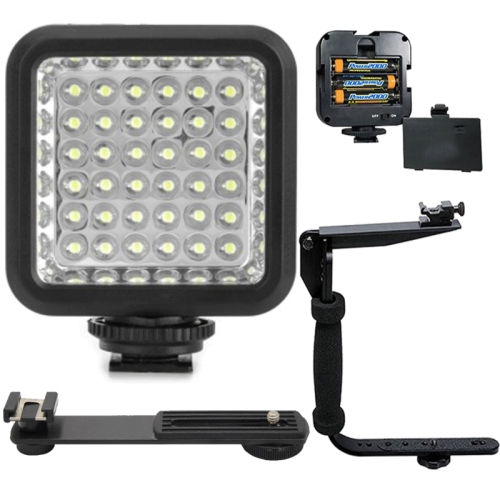
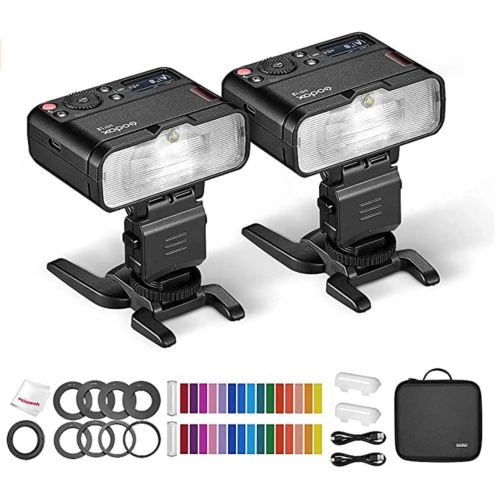
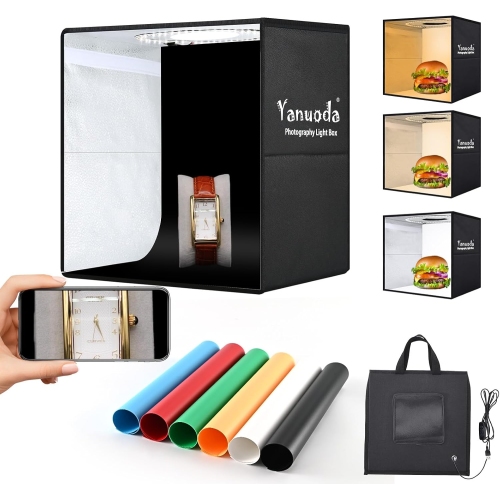
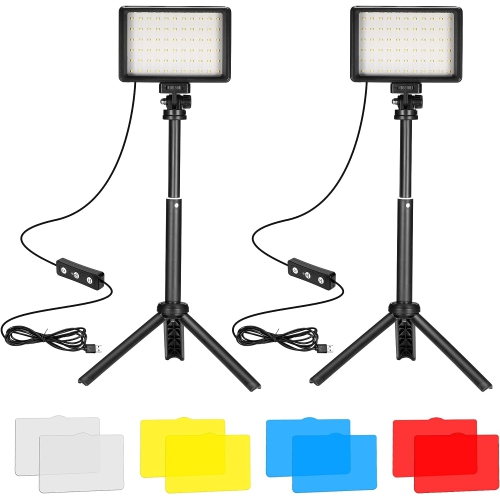
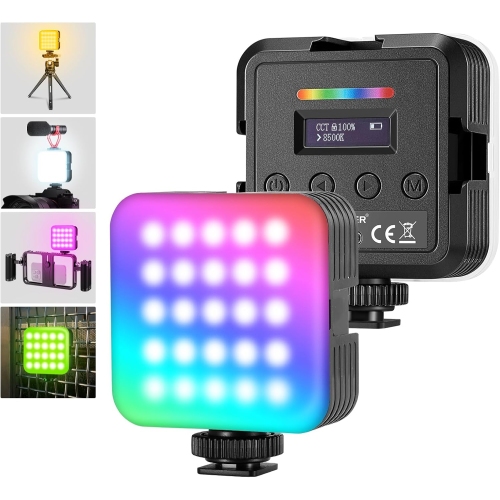
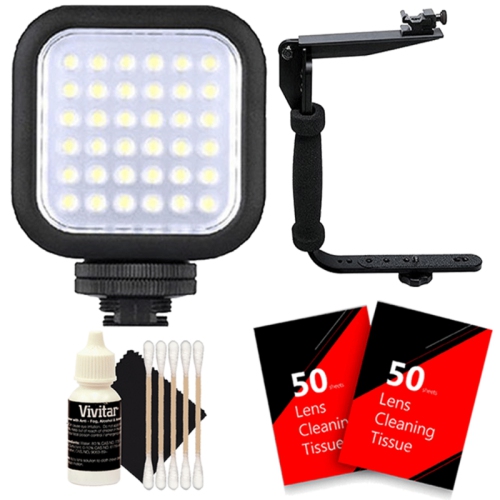
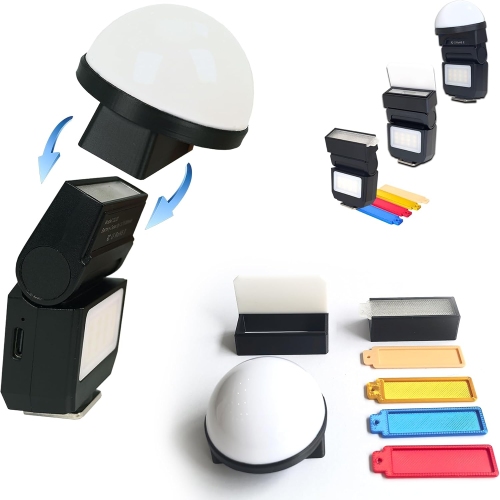
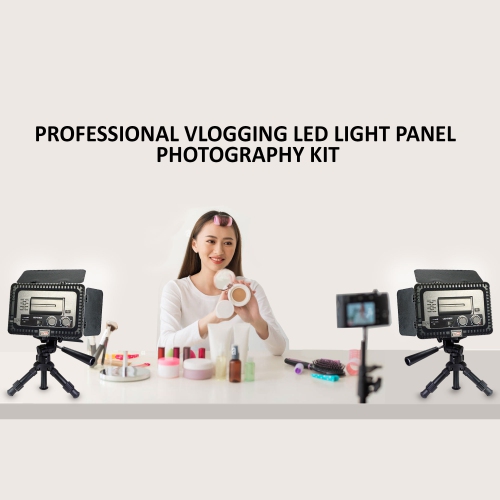
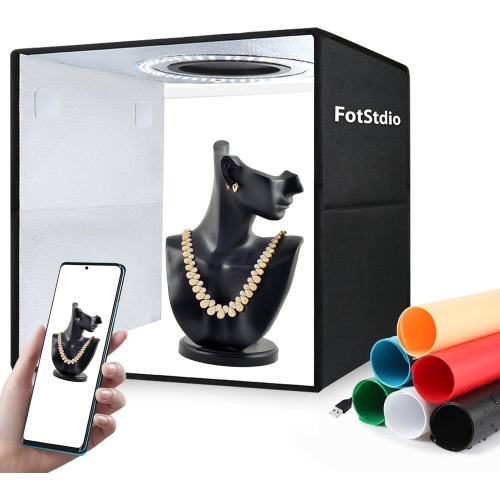
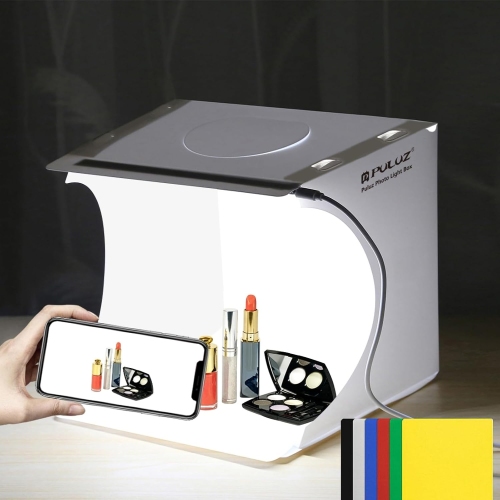
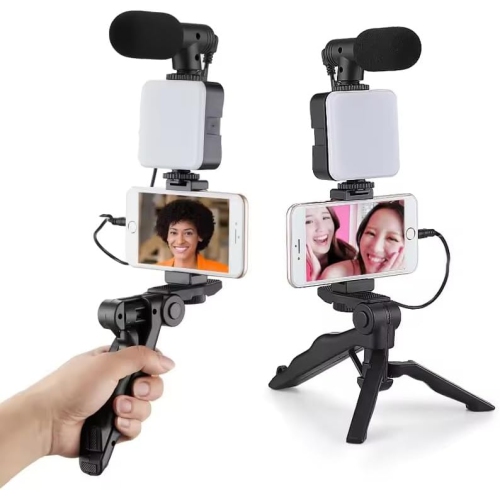
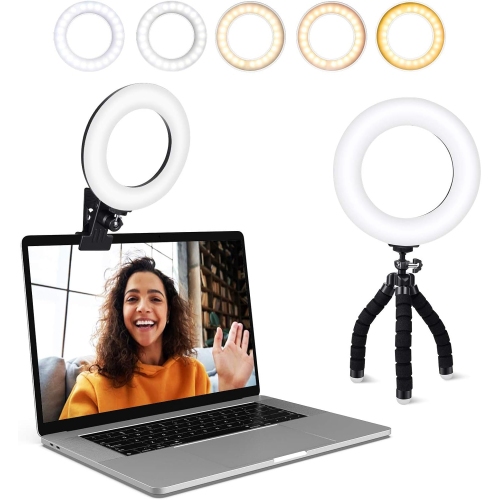
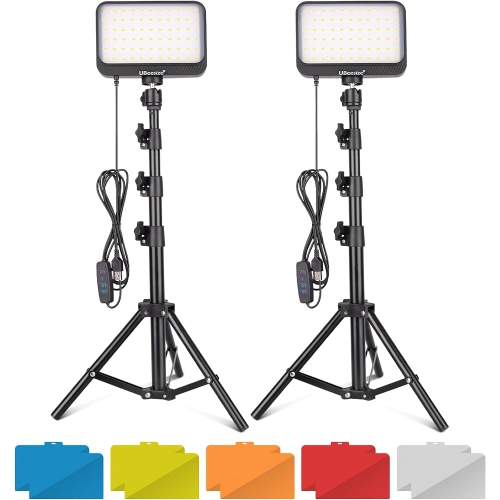
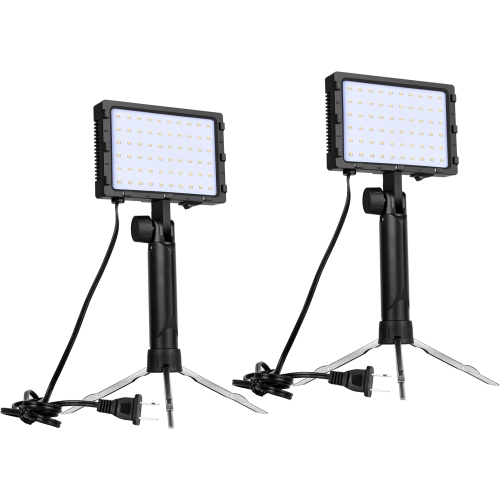
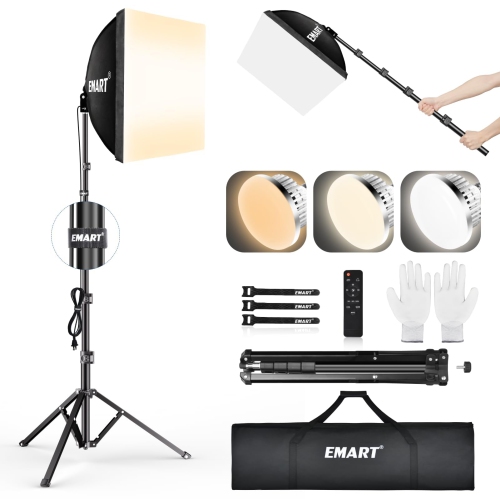
Lighting kits combine lights with supporting components to create a coordinated setup for photography, video, home lighting or outdoor spaces. Depending on their intended use, they may include stands, diffusers, mounting hardware, power supplies, connectors or controls. The main difference between kits is not simply brightness: it is how they shape light, where they can be installed and how easily they adapt to the space. For photography and video, a lighting kit helps make faces, objects and backgrounds look consistent from one session to the next. A softbox spreads light through fabric diffusion, creating gentle transitions between bright areas and shadows. LED panels offer a compact option for a desktop recording area, while ring lights provide frontal illumination that can suit video calls, makeup demonstrations and close-up content. A portrait setup might place one light beside the camera and another farther to the side to soften shadows without making the face look flat. For photographing jewellery, crafts or food, adjustable positioning helps reveal texture while controlling reflections on polished surfaces. Brightness adjustment and colour temperature controls are useful when matching the light to an existing room, although the range and controls differ between kits. A high colour rendering index, or CRI, can help colours appear more faithful; camera settings and surrounding light still affect the final image. Flicker performance also matters for video, particularly when recording at different frame rates or shutter speeds. Physical fit deserves equal attention. Fully extended stands need floor space, and a large softbox can crowd a small room even when the light itself is compact. Aluminium supports are generally easier to move, while sturdy joints, secure locks and well-balanced bases help keep the setup stable. The weight of each light and modifier must stay within the support’s stated capacity. For creators who pack equipment away between sessions, folding stands, removable diffusion panels and a fitted carrying case can make a shared living space easier to use.
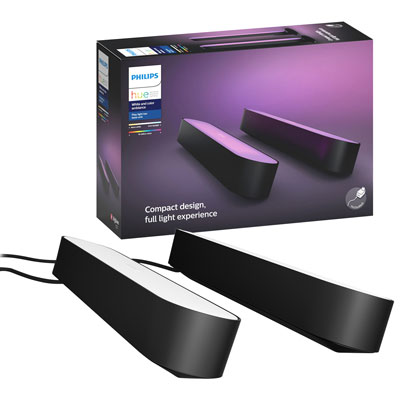
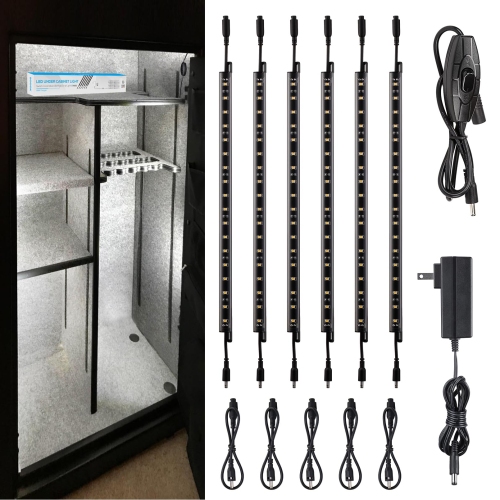
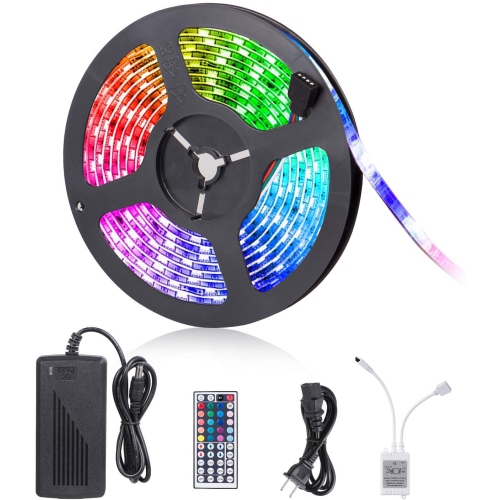
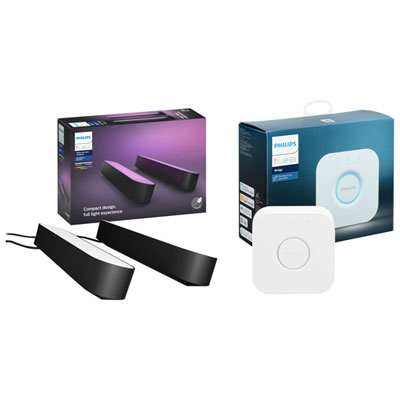
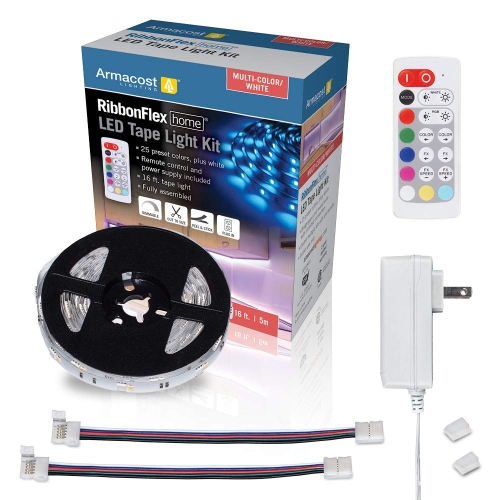
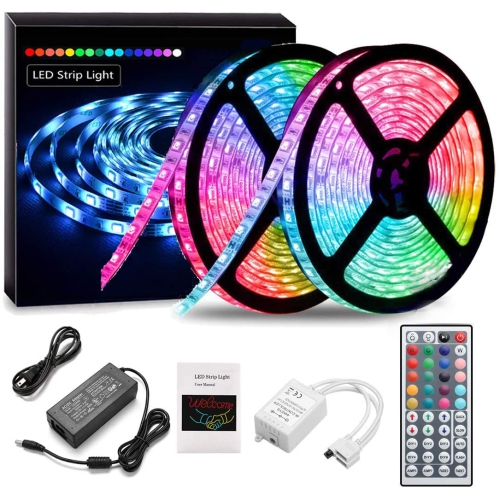
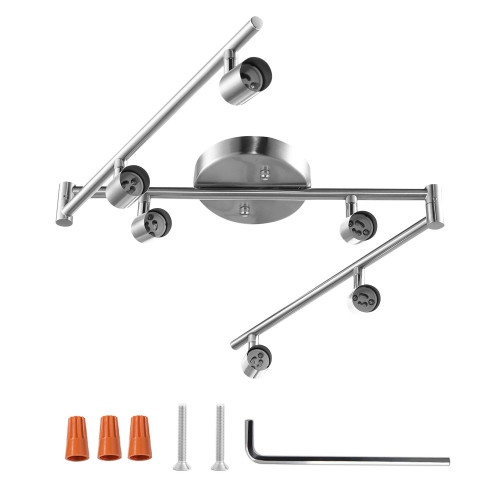
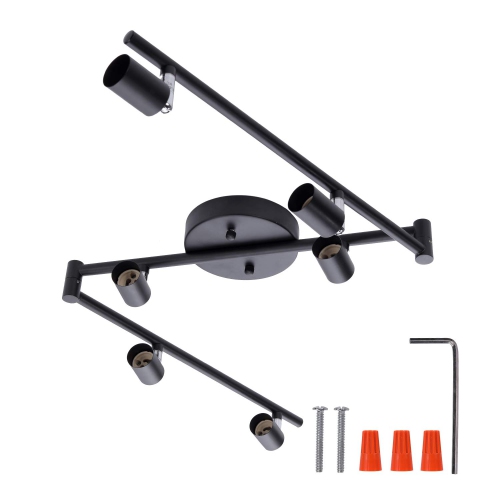
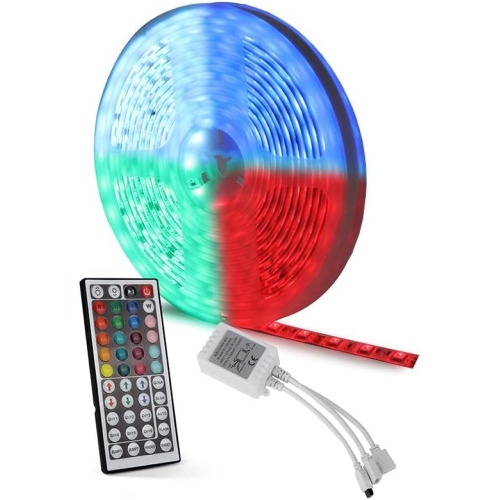
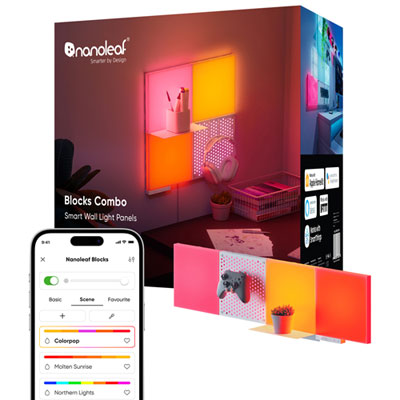
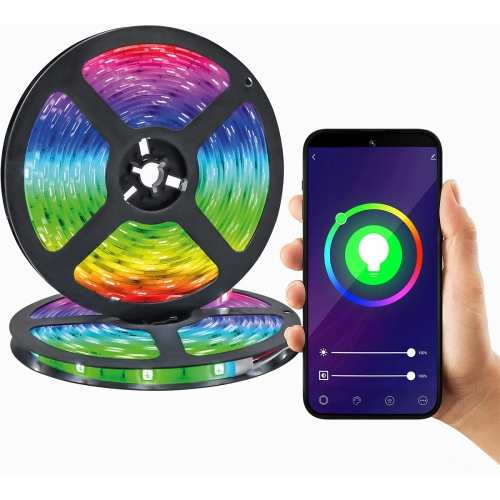
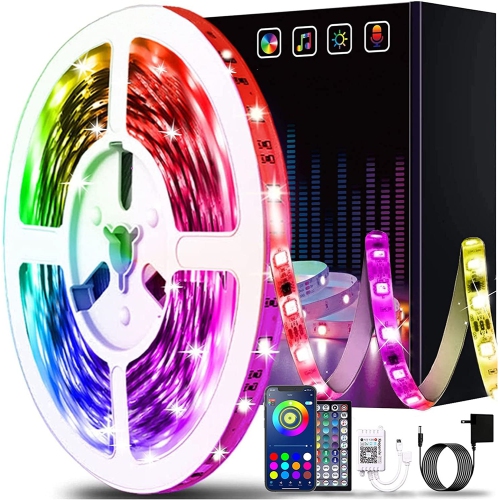
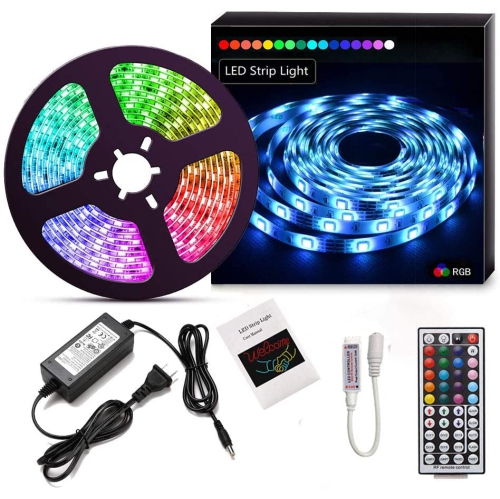
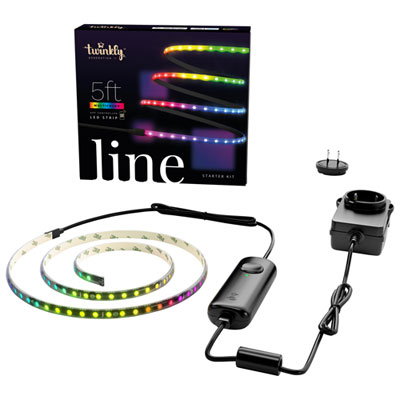
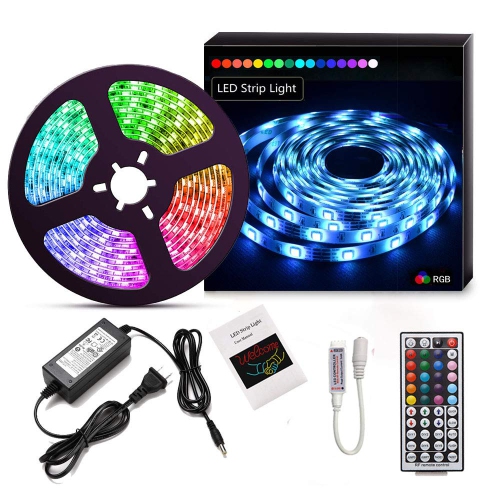
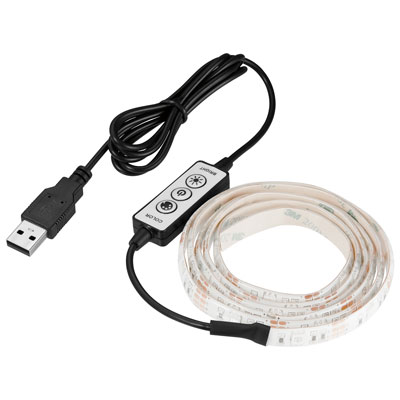
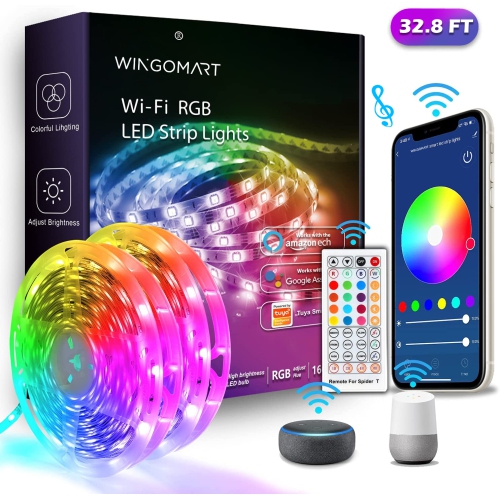
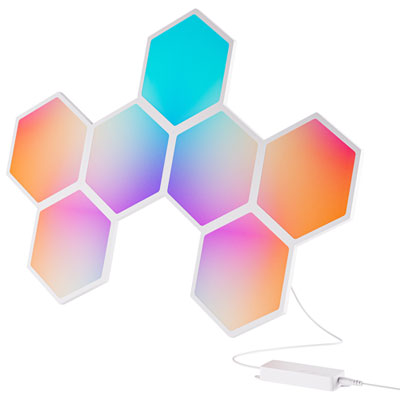
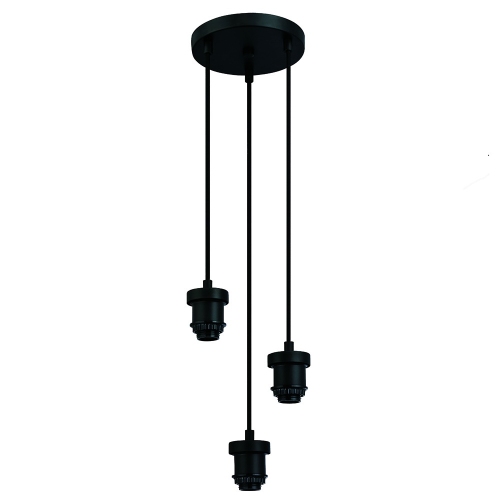
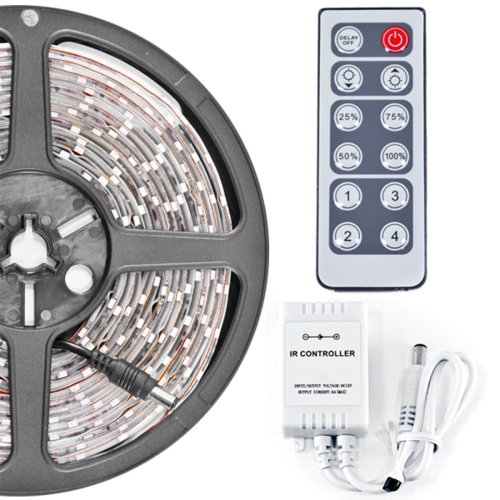
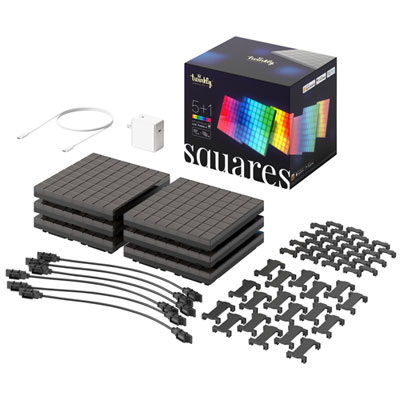
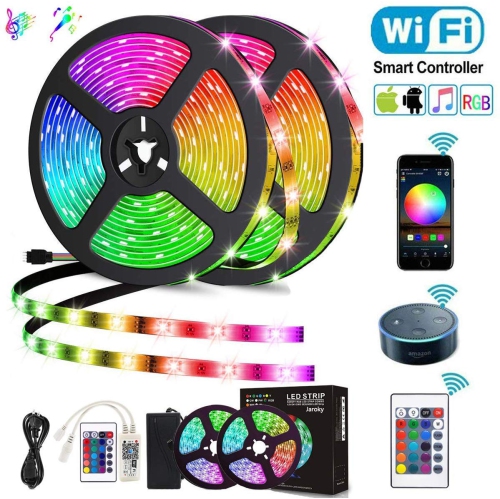
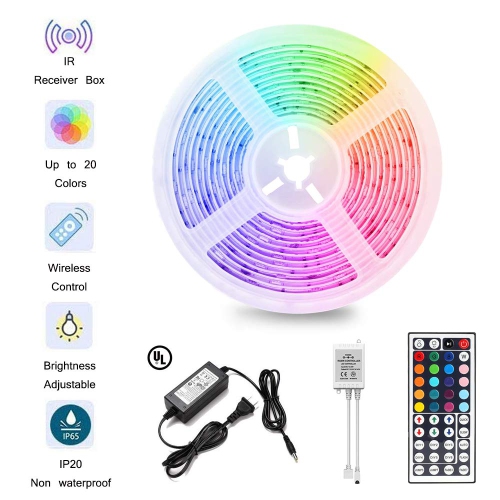
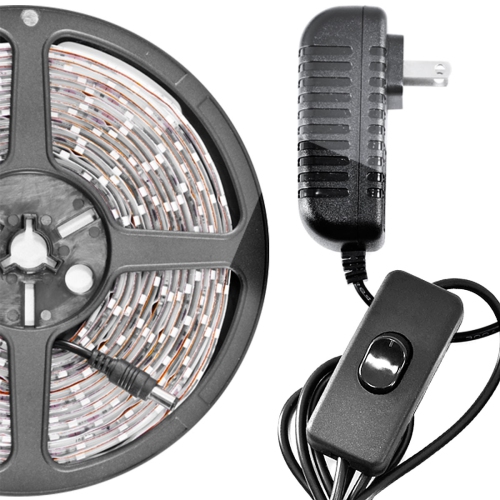
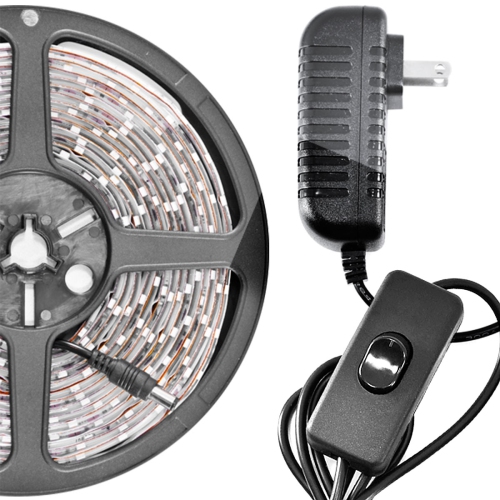
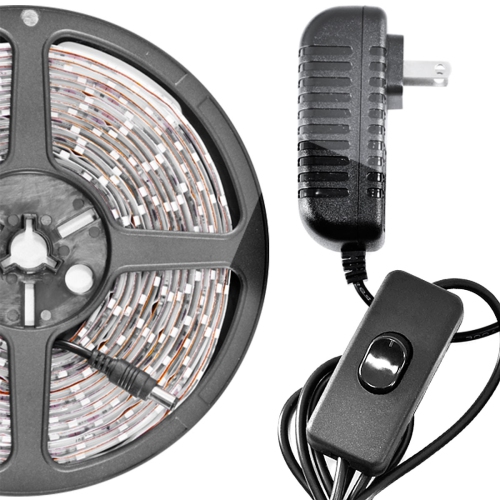
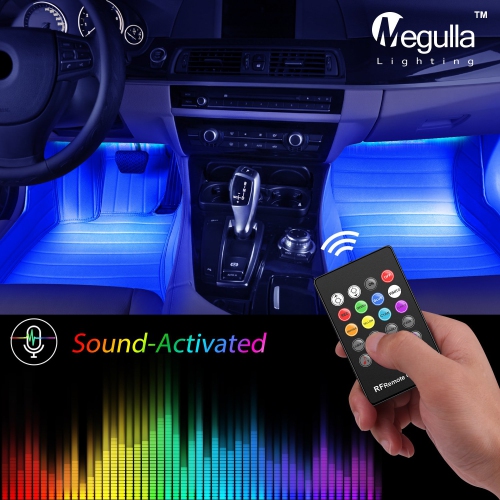
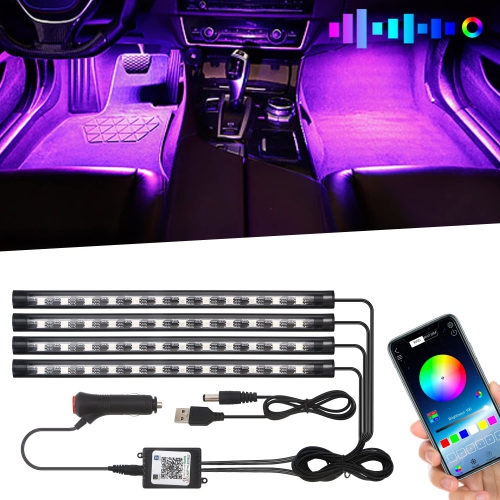
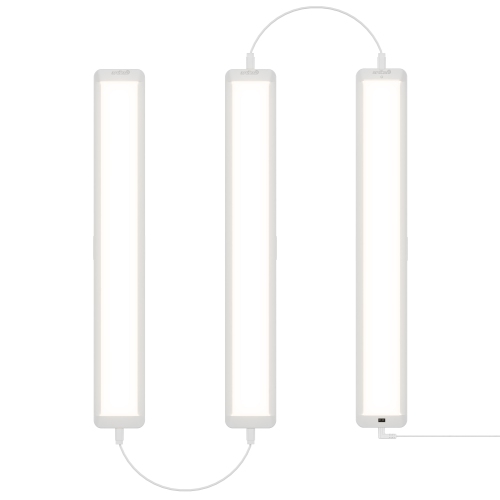
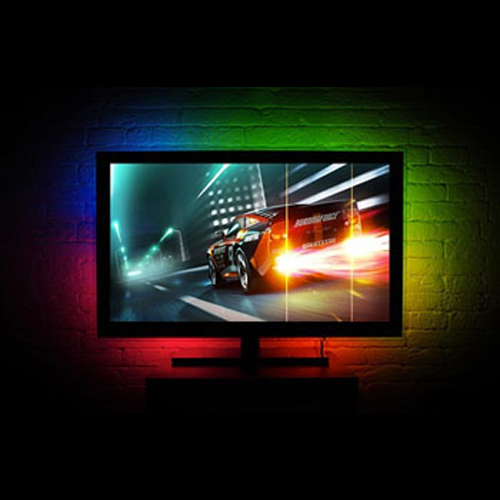
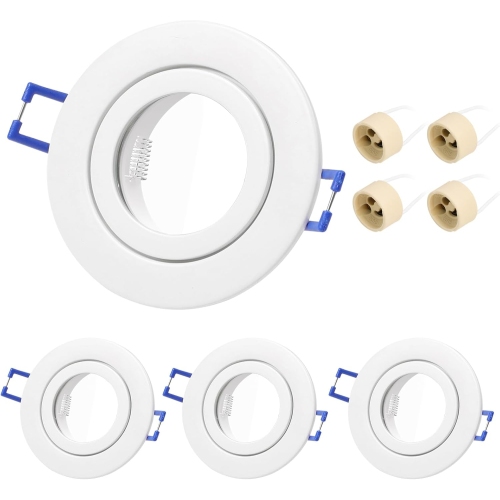
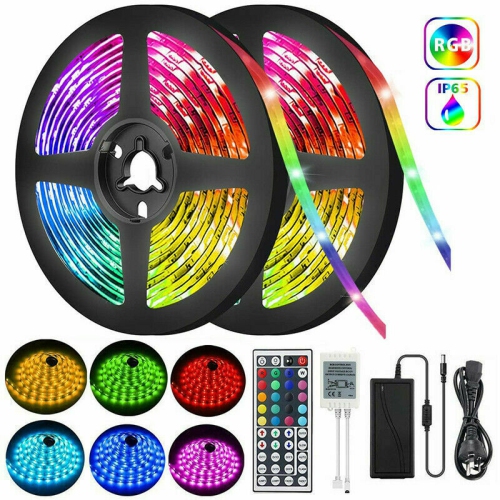
For the home, lighting kits are often designed around a particular task or visual effect rather than a camera setup. Under-cabinet lighting can brighten a kitchen countertop so that a cutting board is easier to see without relying entirely on overhead fixtures. Accent lighting behind a television or along shelving adds a soft outline, while coordinated ceiling or wall fixtures can bring more consistent illumination to a room. LED strip kits are useful for following the edges of furniture or cabinetry, but their suitability depends on the strip’s dimensions, mounting surface and permitted installation method. Some strips can be shortened only at marked cut points, and not every design supports extensions or sharp bends. Measuring the full route, including corners and the distance to power, helps avoid a layout that leaves a dark gap or stretches a cable across a walkway. Light placement makes a noticeable difference, too: a strip tucked behind a lip can produce a smooth glow, whereas exposed LEDs may create distracting bright points in a seated person’s line of sight. Diffusing channels can soften that appearance when they are compatible with the strip. Materials such as metal housings, plastic covers and adhesive backing each have practical implications. Metal channels provide a rigid mounting surface, covers protect the light source from everyday contact, and adhesive requires a clean surface suited to the manufacturer’s directions. Painted, textured or unfinished surfaces may need a different fastening approach. Controls should also fit everyday habits. A simple switch may suit a utility area, while dimming or app controls can be useful in a living room. Smart features may require a compatible hub, a particular Wi-Fi band or a supported voice platform. Compatible Lighting Accessories, including mounting clips, connectors and controls, can help adapt an installation, provided their electrical ratings and connections match the lighting system. A dimmable light also needs a compatible dimmer; the feature is not interchangeable across every fixture or power supply.
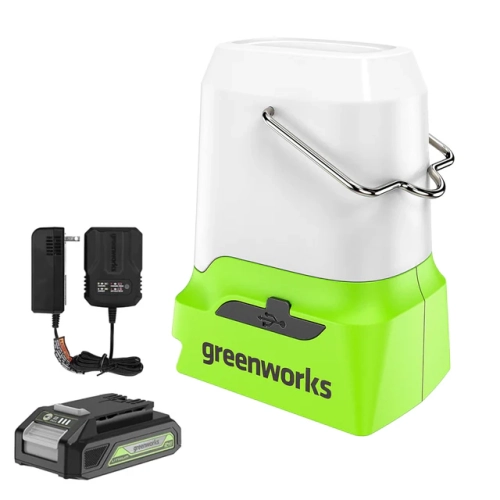
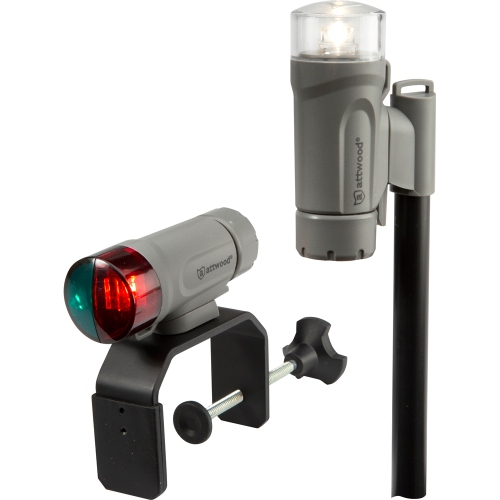
Outdoor lighting kits serve a different purpose, helping define paths, illuminate steps or add a welcoming glow around a seating area. Pathway lights direct attention towards the walking surface, while spotlights can highlight a tree, wall or architectural detail. String lighting offers a more decorative effect above a patio or along a railing, though it should not be treated as the only light source for stairs or changes in level. Placement works best when the light reaches its intended target without shining directly into someone’s eyes or a neighbouring window. Before installation, check that each component is rated for its location and expected exposure to moisture. An outdoor-rated light does not automatically mean that its controller, connector or power adapter can be left exposed. Low-voltage systems require a compatible transformer with enough capacity for the connected lights, and any extension must remain within the system’s limits. Cable routes should avoid pinch points, tripping hazards and areas where routine yard work could damage them. Hardwired installations may require a qualified electrician and must follow applicable local requirements. Across indoor, outdoor and studio kits, durability depends on more than the housing material. Secure connections, protected cables, replaceable components and accessible controls all contribute to a setup that remains practical over time. Integrated LED designs can be compact, while fixtures with replaceable lamps offer a different approach to maintenance; checking how the light source is serviced helps set expectations. Care is usually straightforward but should follow the included directions. Disconnect power before cleaning, allow lights to cool, and remove dust with a soft, dry cloth where permitted. Fabric diffusers need handling that avoids tears, while cords and stands should be stored without sharp bends or pressure on adjustment knobs. Lighting kits can also make thoughtful gifts for someone building a video workspace, photographing handmade work or personalizing a room. The most useful choice reflects the recipient’s available space, mounting options and preferred controls, with components suited to the way the lights will actually be used.
Top selling and popular products
-
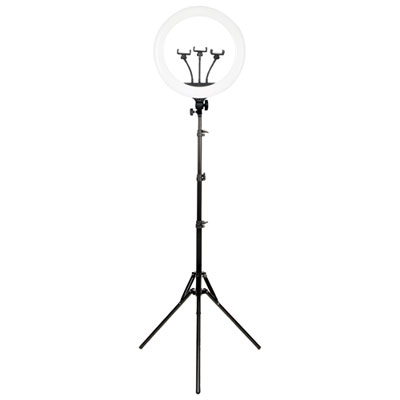 Your price for this item is $79.99
-
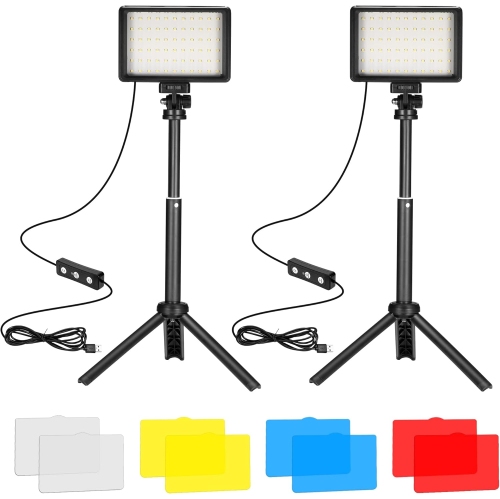 Your price for this item is $79.57
-
 Your price for this item is $69.99
-
 Your price for this item is $89.99
-
 Your price for this item is $279.99
-
 Your price for this item is $102.99
-
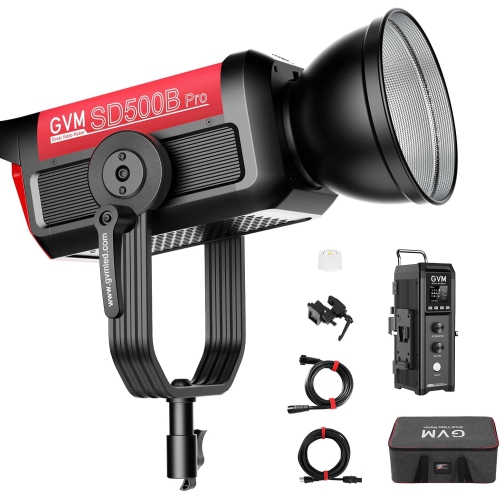 Your price for this item is $509.32
-
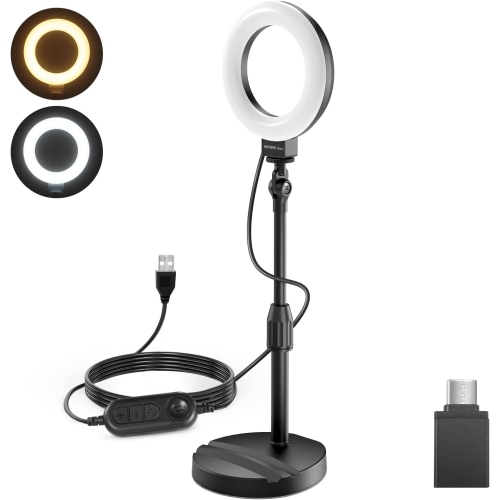 Your price for this item is $28.99
Discover more categories related to Lighting Kits

Top Collections:
Best Black Friday Deals This Year, Best Black Friday Deals On Electronics, Kindle Devices, Pokemon Centers, Best Black Friday Deals On Apple Products, Best Cameras for Sports Photography, Dyson Airwrap, Pokémon 30th Celebration Cards, Apple iPhone 17 Pro, Canon G7X Cameras
Some products may be subject to Environmental Handling Fees
(EHF) depending on your province.
Learn more about EHFs.