Cameras for Adventure
Capture the thrill of your next adventure with this wide selection of cameras designed for the outdoors. Whether you're scaling mountains, diving into the depths of the ocean, or exploring remote landscapes, this range of adventure-ready cameras will ensure you never miss a moment. With rugged and durable designs, advanced imaging technologies, and versatile features, these cameras are built to withstand the toughest conditions while delivering stunning image quality.
Sort
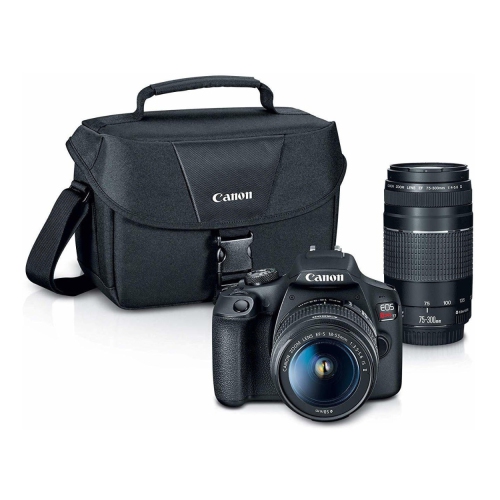
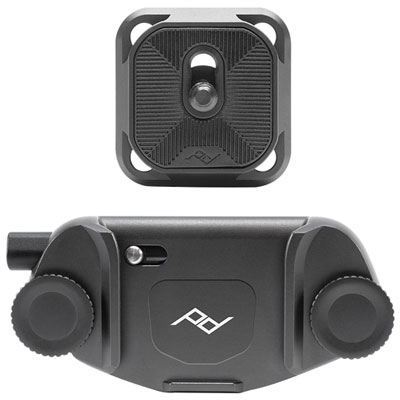
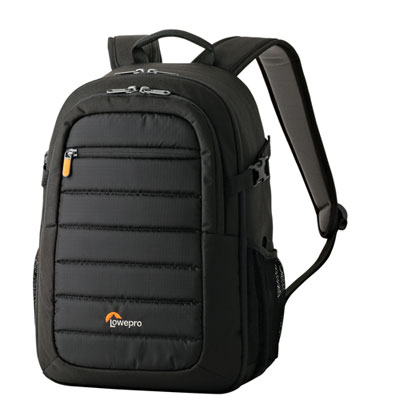
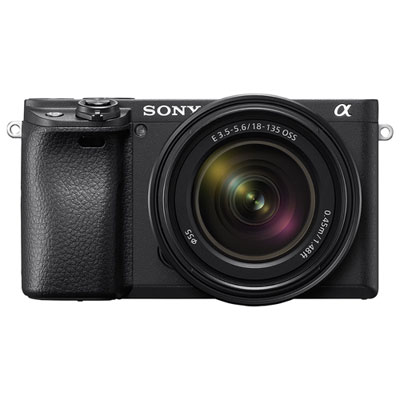
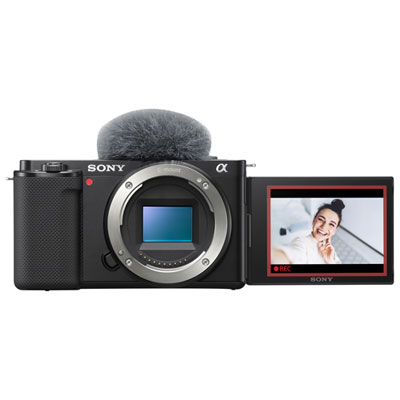
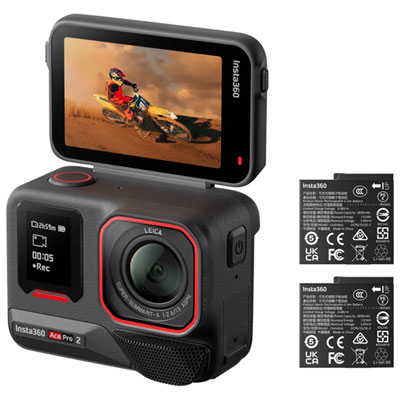
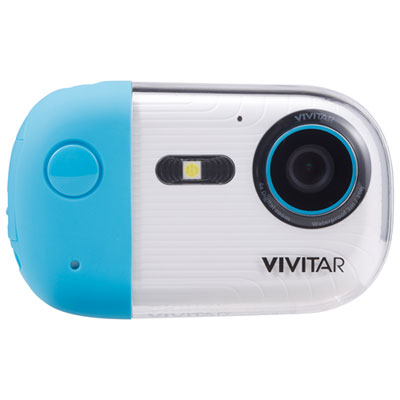
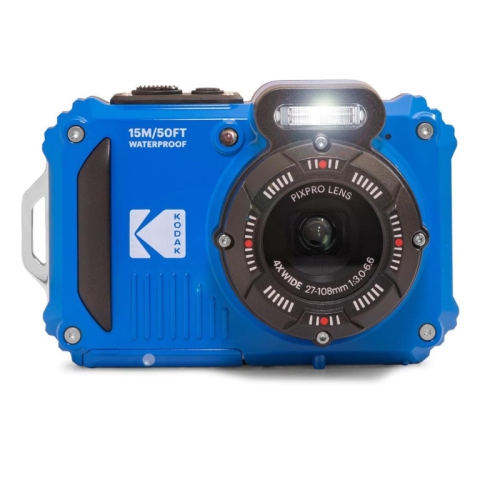
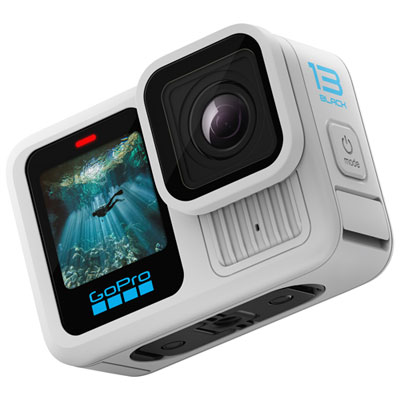
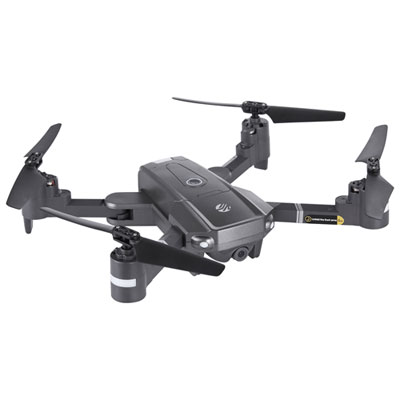
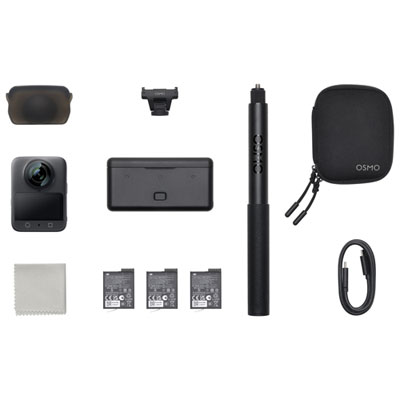
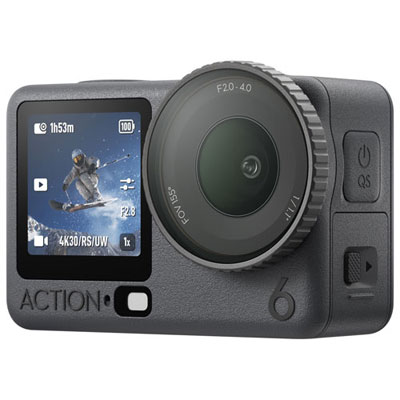
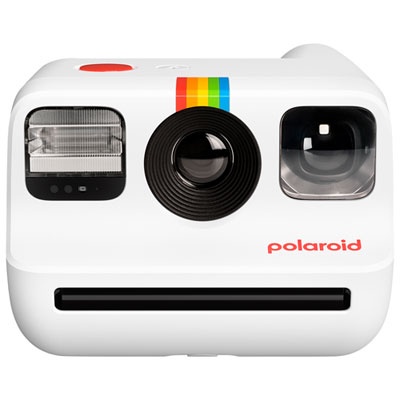
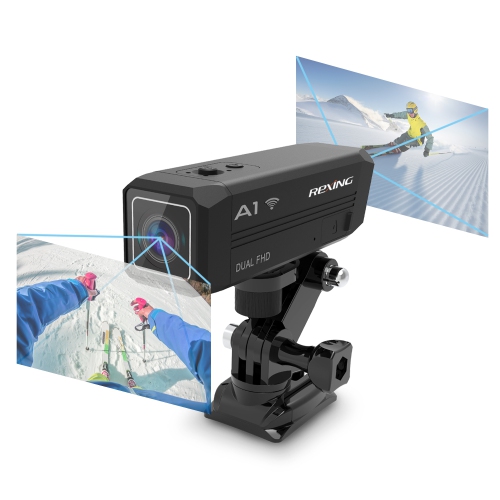
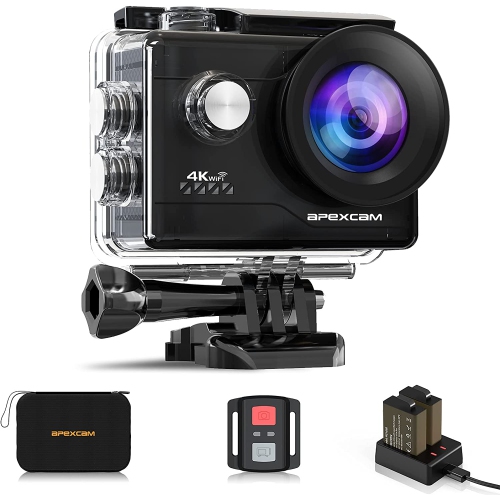
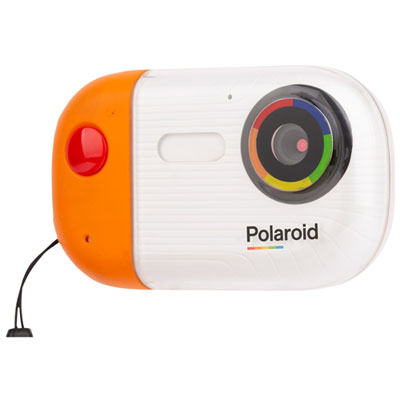
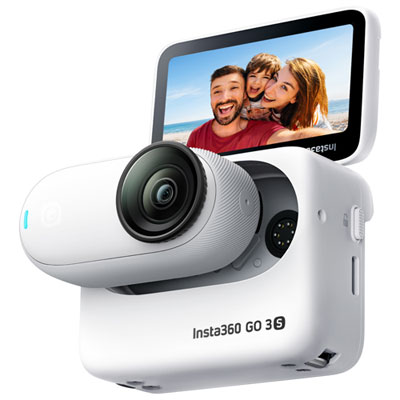
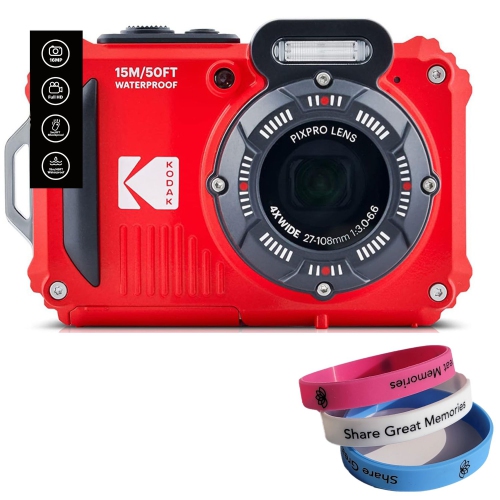
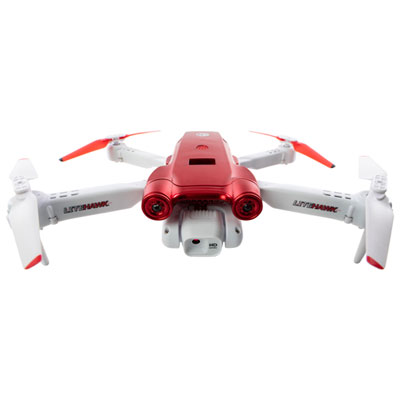
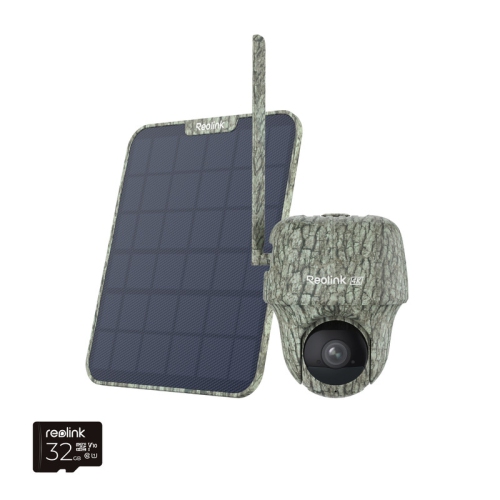
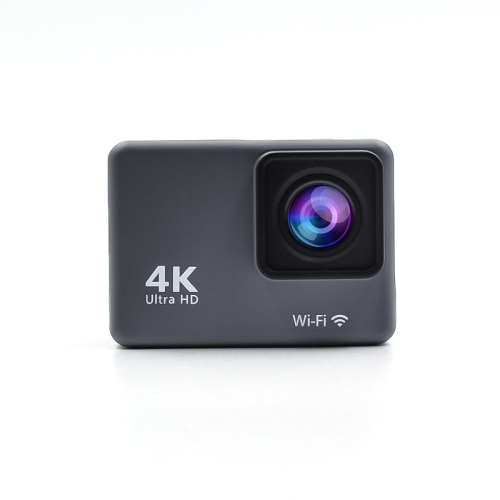
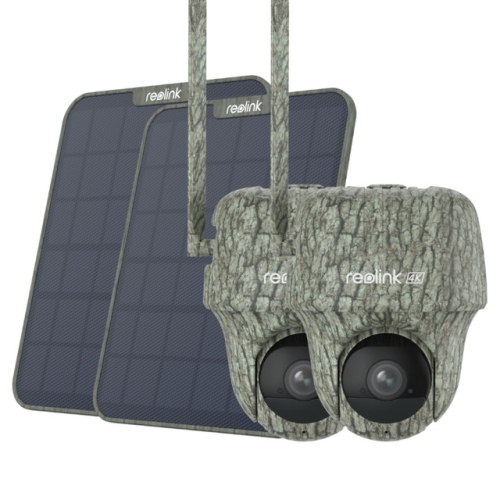
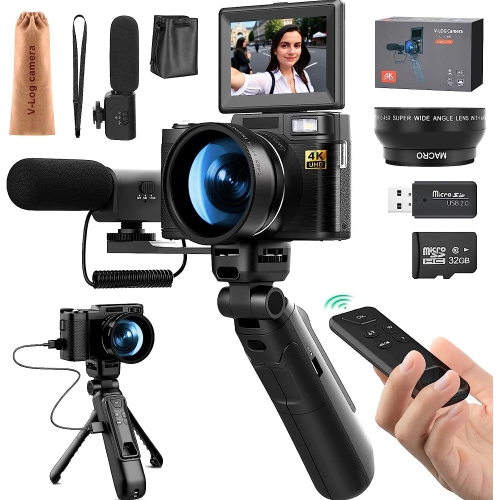
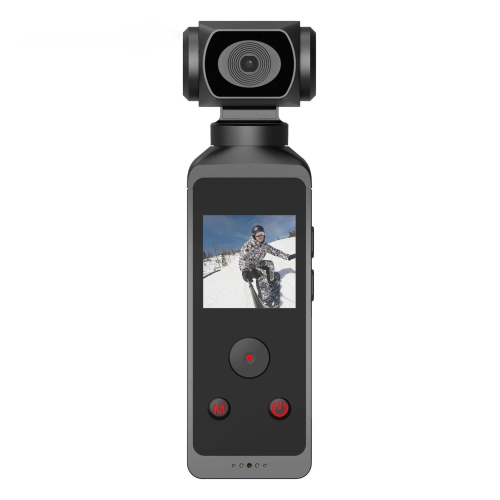
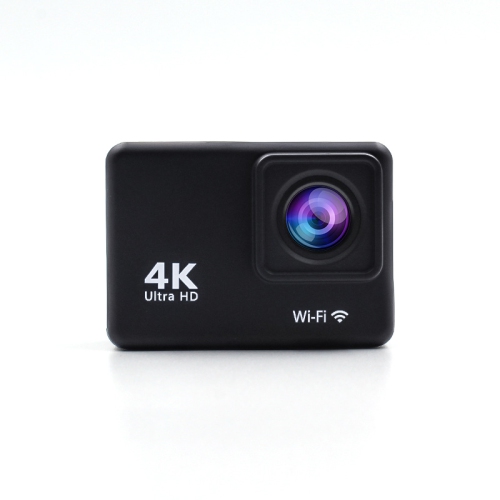
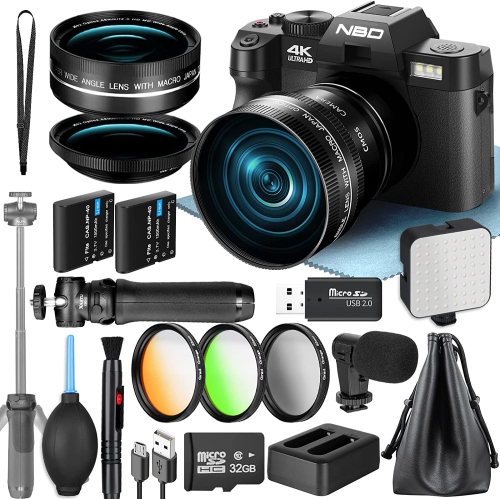
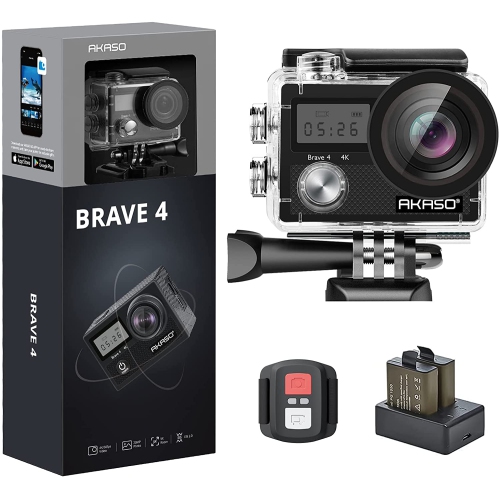
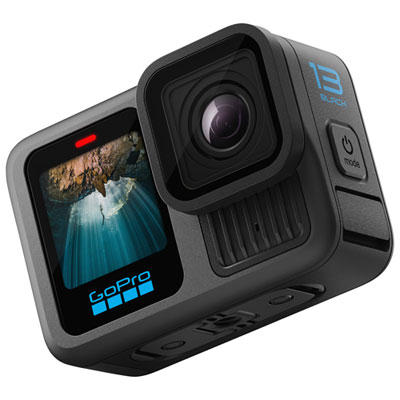
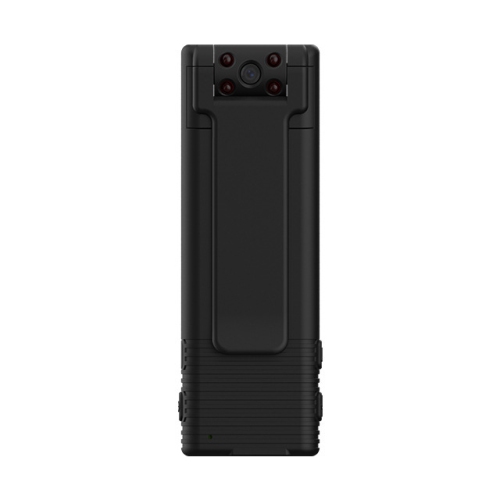
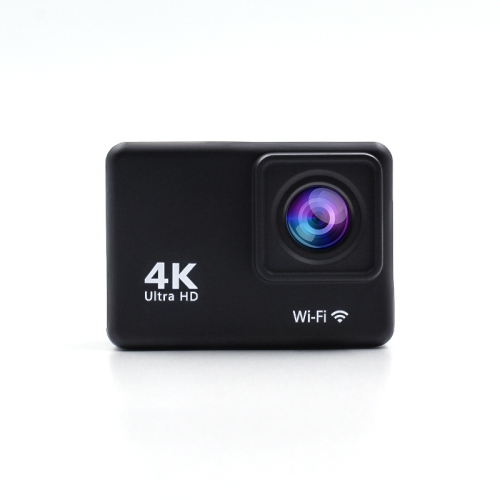
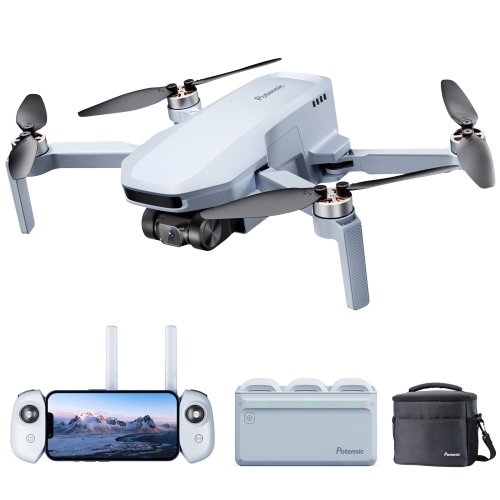
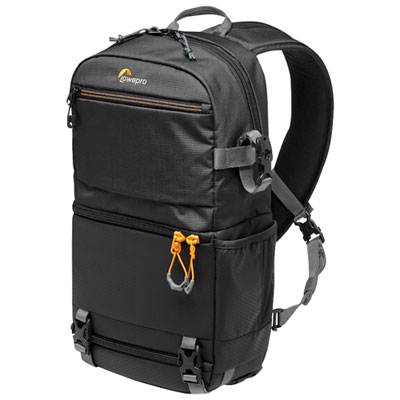
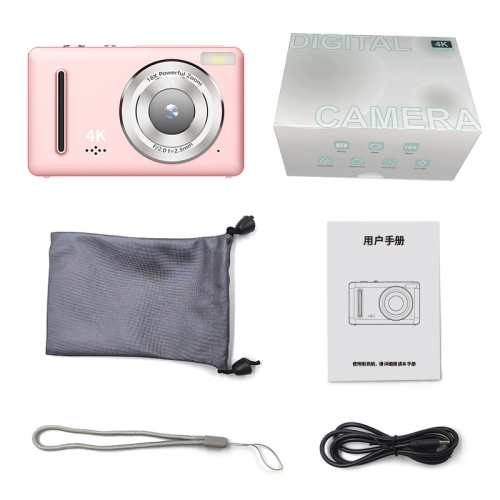
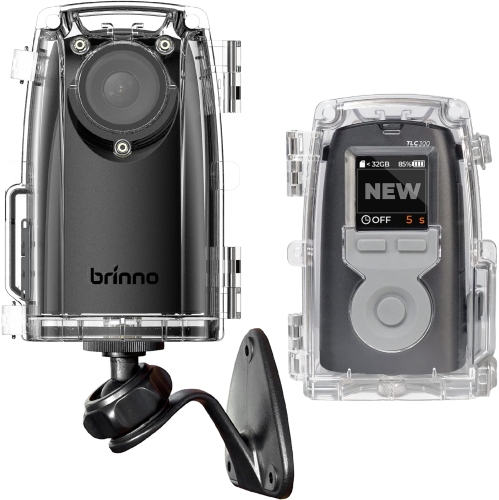
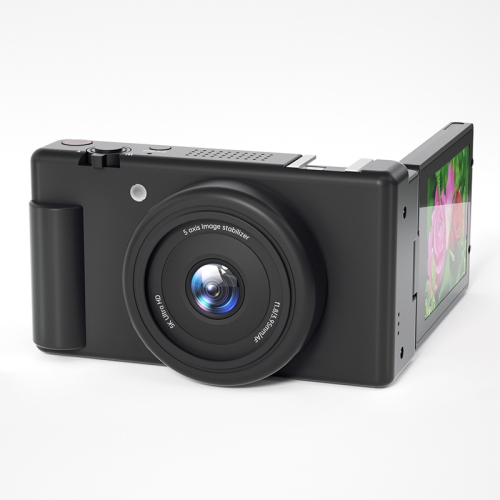
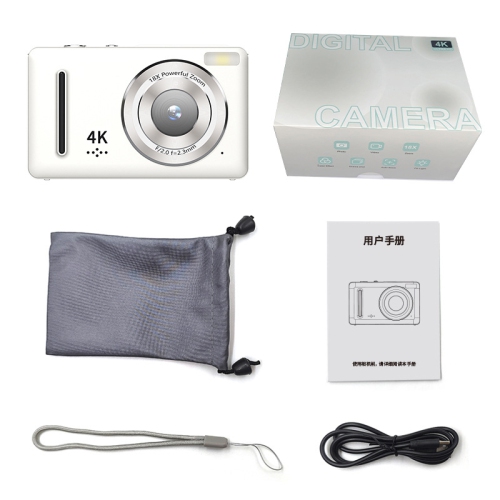
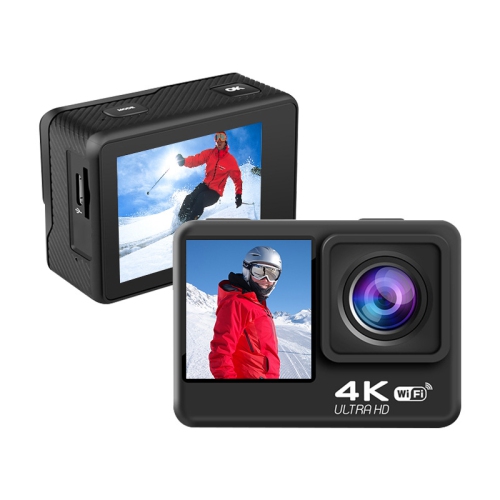
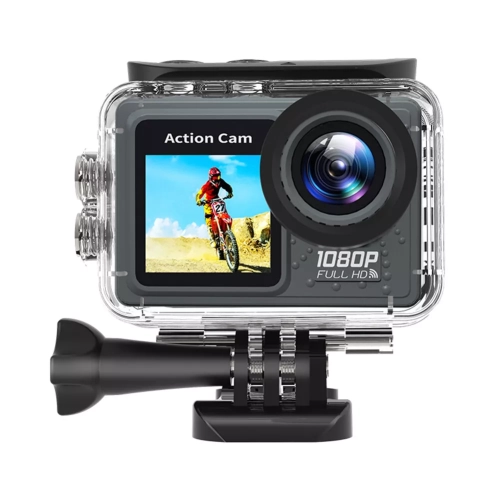
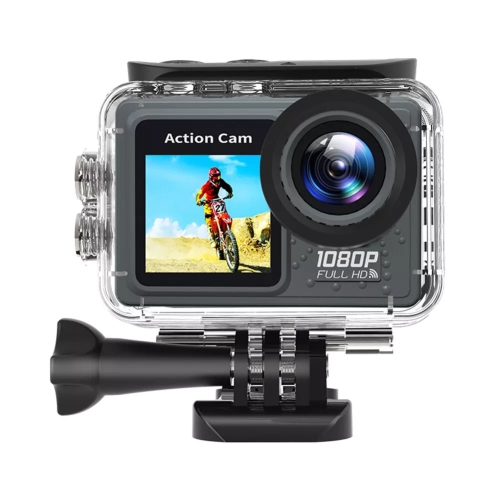
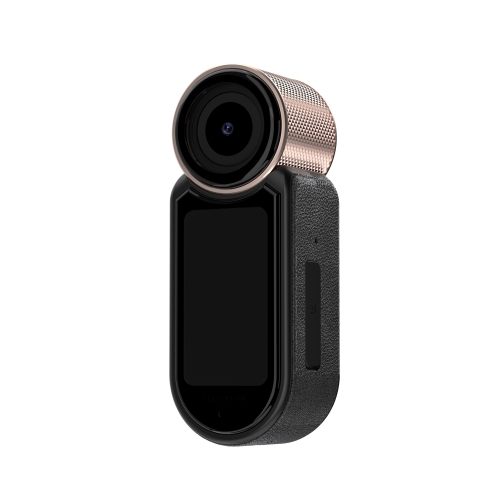
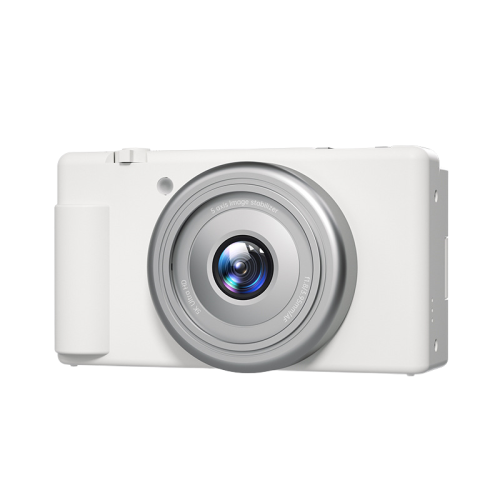

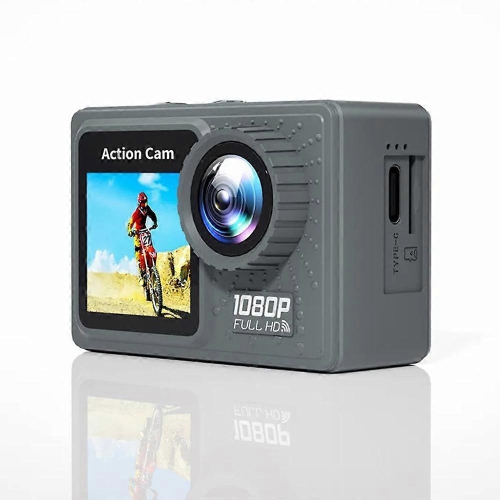
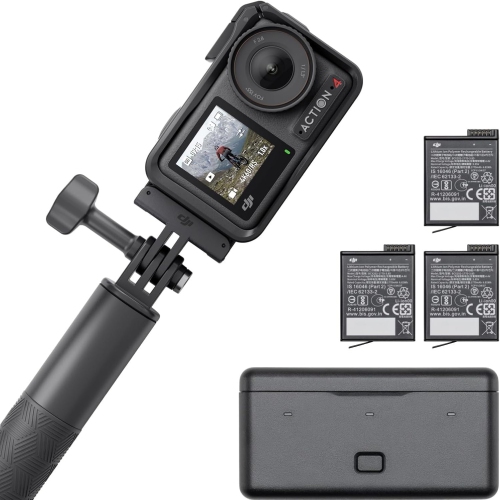
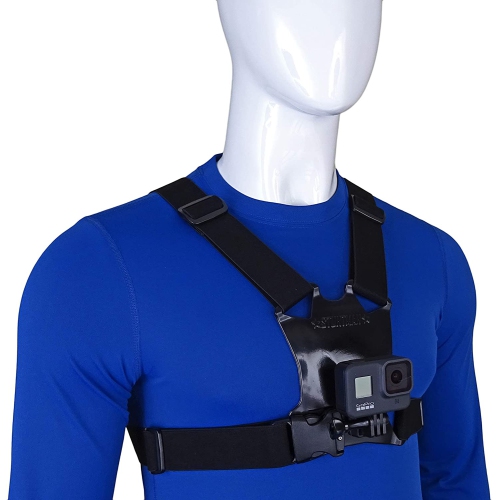

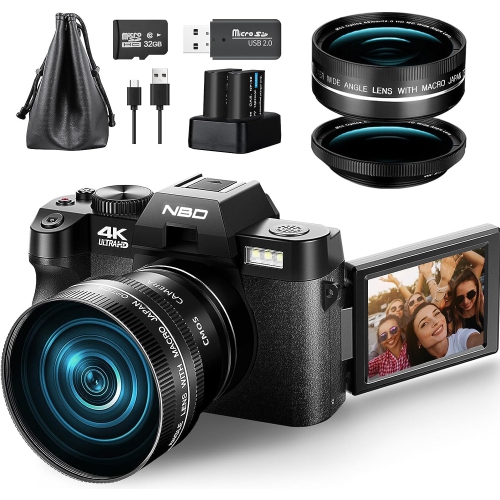
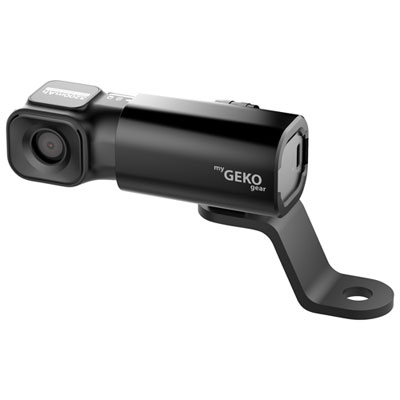
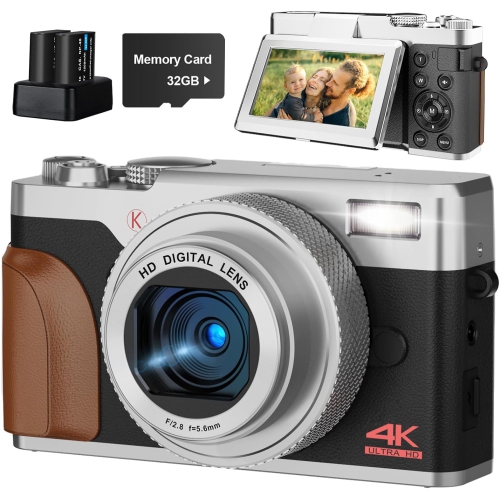
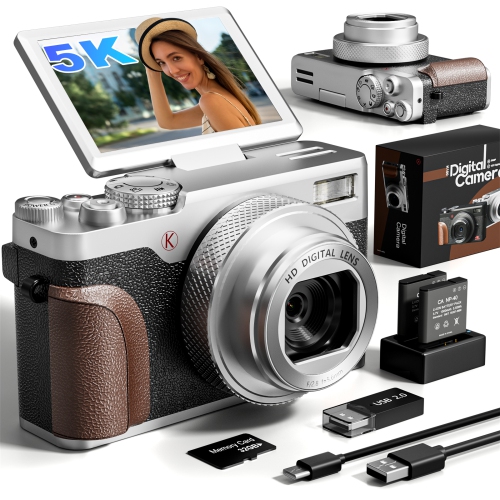
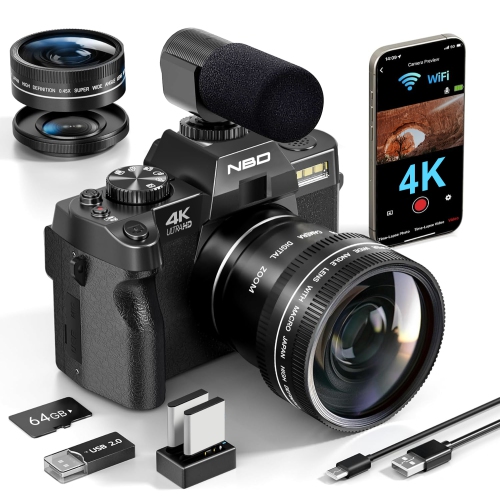
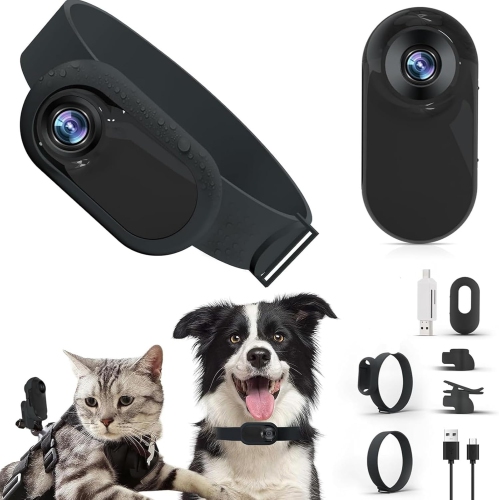
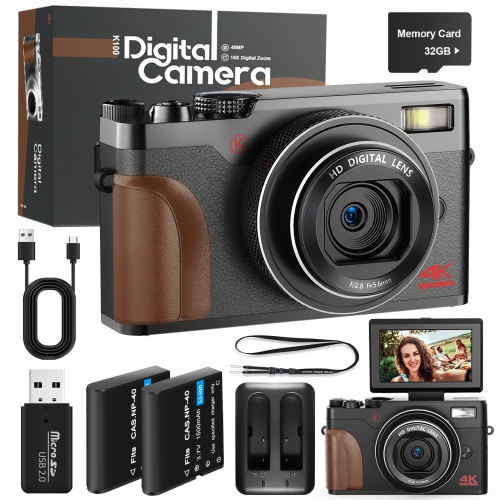
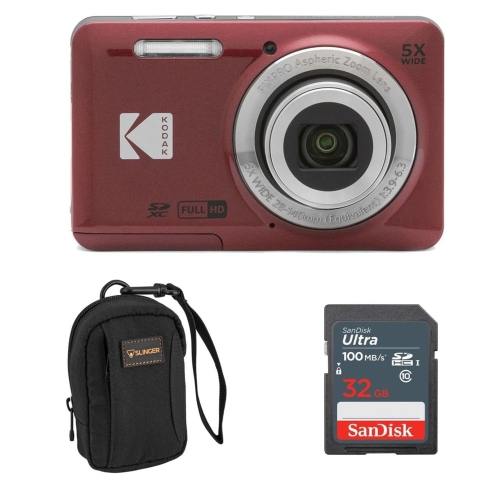
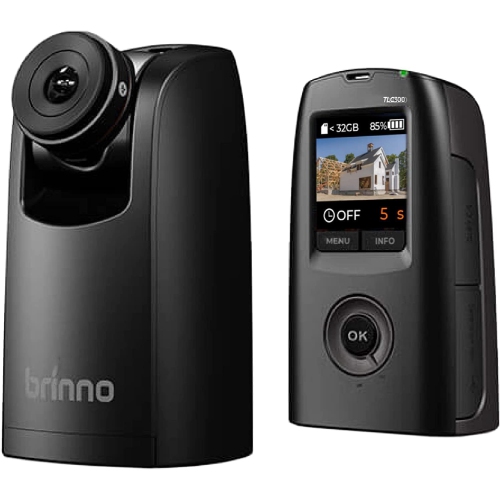
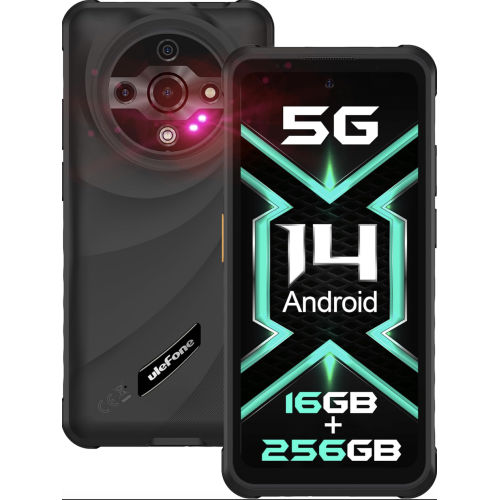
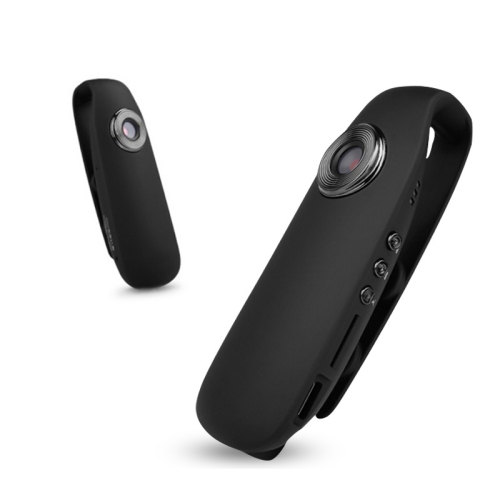
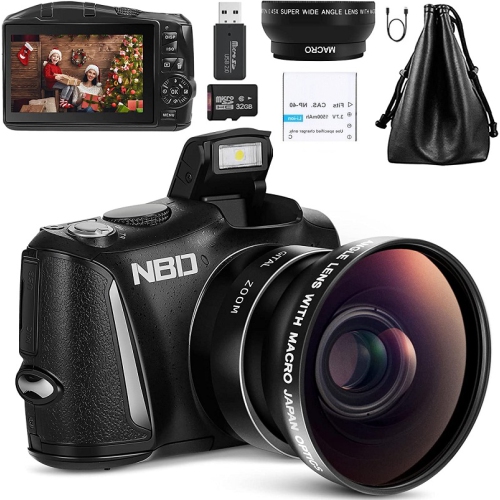
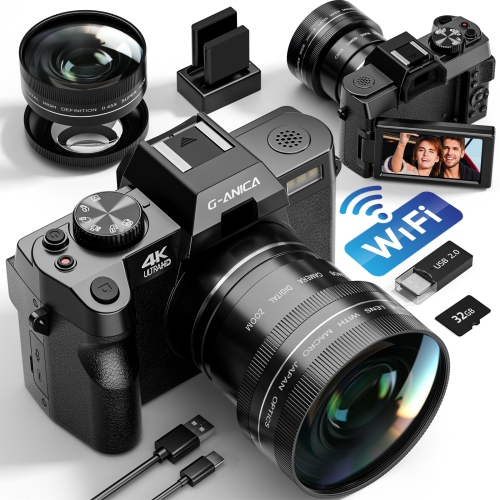
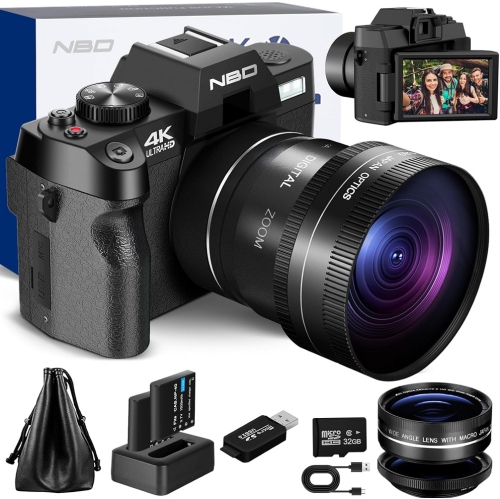
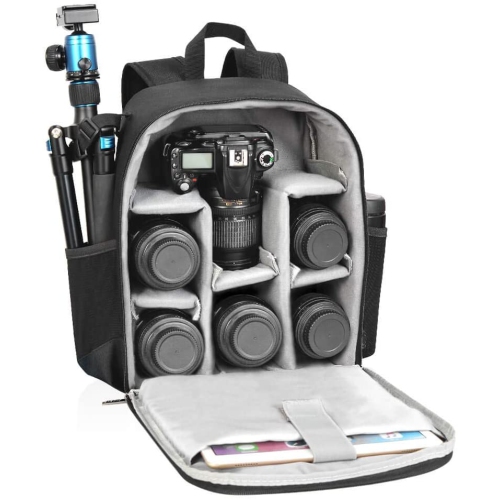
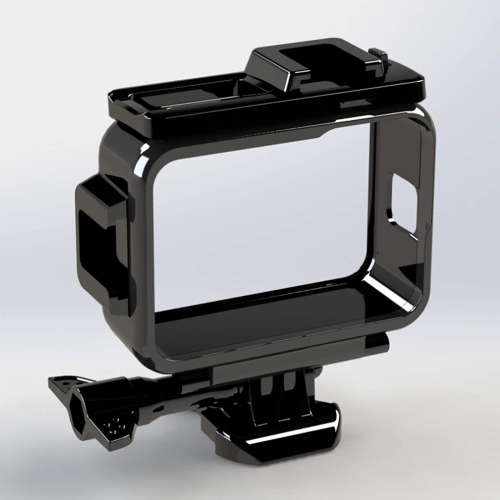
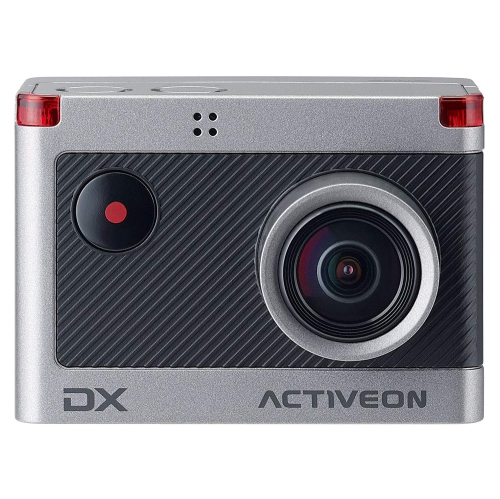
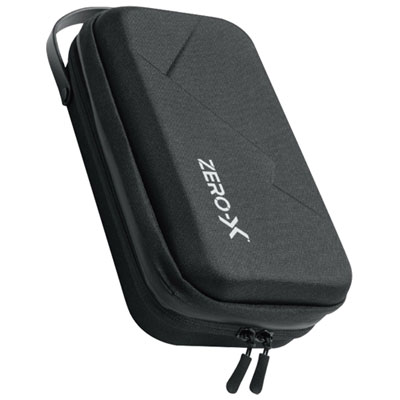
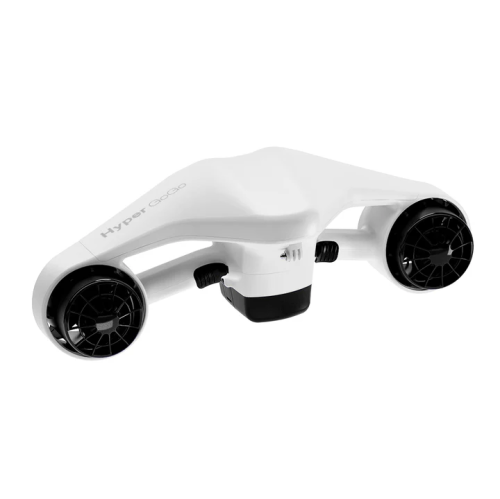
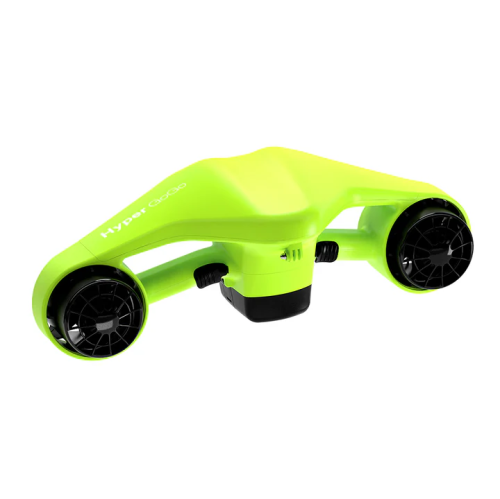
Features that help capture movement in changing conditions
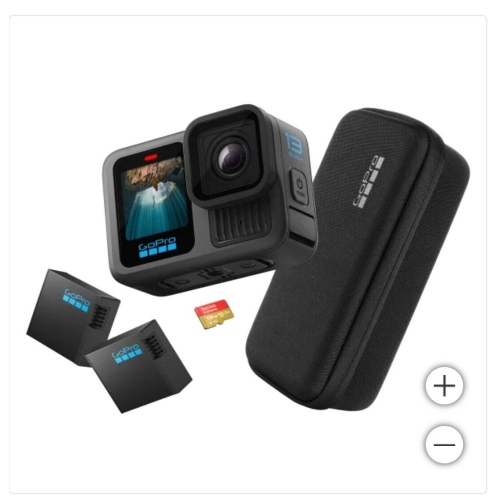
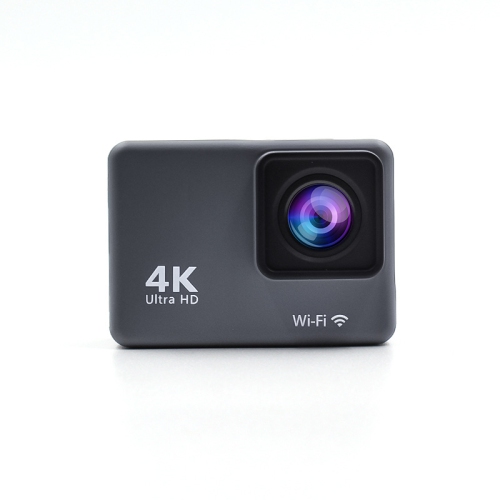
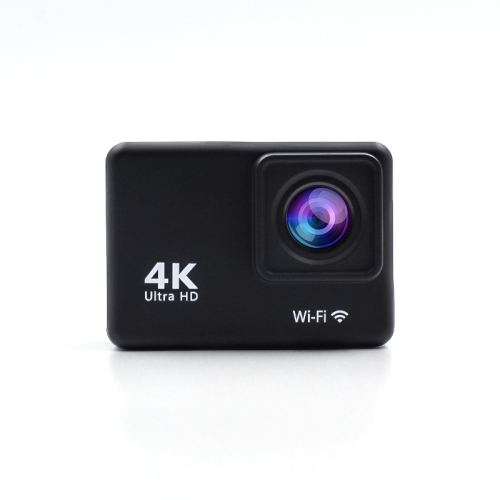
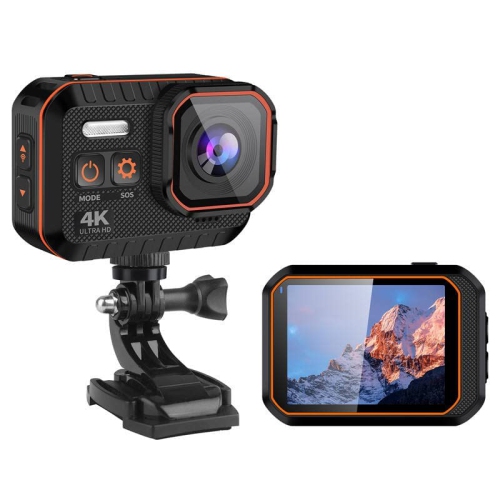
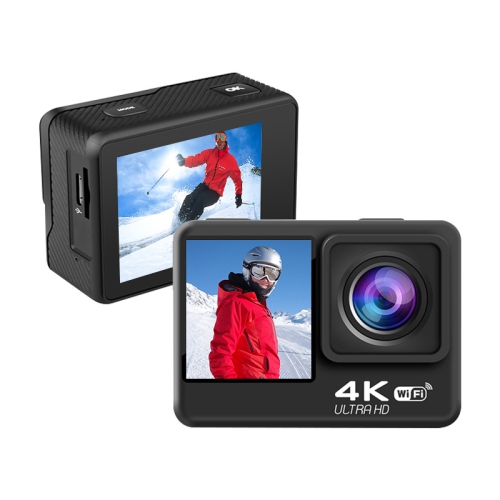
Cameras for adventure are designed to capture the places, movement, and small discoveries that make time outdoors memorable. They are a practical choice for hikers, cyclists, paddlers, skiers, climbers, travellers, and anyone who prefers to experience the outdoors with both hands free. Unlike a larger camera setup, a compact action camera can often be mounted to a helmet, chest harness, handlebar, backpack strap, vehicle, or other compatible support, making it easier to record a hands-on climb, a winding trail, a fast descent, or a quiet view from a lookout. Many models are built with rugged housings and durable exterior materials to help withstand bumps, dust, splashes, and changing conditions. Waterproof designs can be useful for canoeing, kayaking, swimming, snorkelling, and rainy-day hikes, while cold-weather capability matters for snowshoeing, skiing, skating, and winter travel. When comparing cameras for adventure, consider the type of activity you enjoy most, the conditions you expect to encounter, and how you plan to use the footage afterwards. A camera with effective electronic image stabilization can help smooth out vibration from a bike trail or a brisk walk, while a wide-angle lens can capture more of a mountain ridge, forest canopy, or open-water horizon in a single frame. Some cameras offer multiple viewing angles, horizon levelling, slow motion, time-lapse, or hands-free voice controls, which can make recording easier when adjusting a pack, holding a paddle, or wearing gloves. If your outings often continue into the evening, look for a model with strong low-light performance and settings that preserve detail when the sun drops behind the trees. Battery capacity, charging options, removable storage, built-in storage, and the availability of spare batteries can also make a noticeable difference on longer excursions.
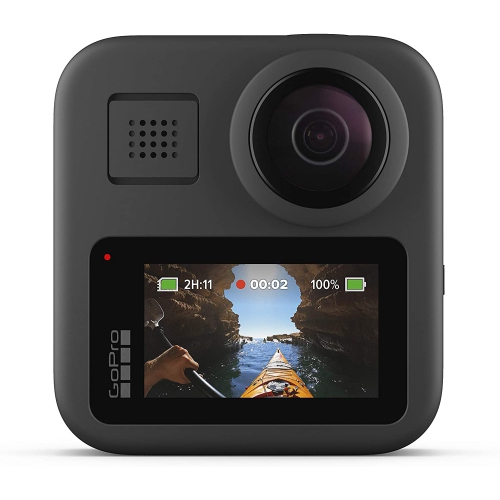
The right camera can be matched to the way you move through the outdoors. A lightweight model with dependable stabilization may suit a trail runner who wants smooth footage without carrying extra equipment, while a durable waterproof camera can be a natural fit for a family that spends weekends near lakes, rivers, or the coast. Cyclists may appreciate mounting options that keep the camera secure on a helmet or handlebars, along with a broad field of view that shows both the route and the surrounding landscape. Travellers can use a compact camera to record city walks, scenic drives, wildlife sightings, and spontaneous moments without relying on a phone for every shot. A 360-degree camera can record a full view around the device, allowing you to select the most interesting angle later during editing; this can be especially useful when the action is unpredictable or when you want to revisit the entire scene. High-resolution video can provide sharper detail and more flexibility when cropping or reframing clips, while slow-motion recording can highlight the spray from a paddle stroke, the turn of a mountain bike, or the landing of a jump. Mounting accessories, protective cases, floating grips, extension handles, remote controls, and additional batteries can expand how a camera is used, but it is worth confirming compatibility before adding accessories to your setup. For those planning a multi-day hike, pay close attention to charging and file-management needs. A power bank, spare memory card, and weather-resistant storage pouch can help keep a recording setup ready when access to a wall outlet is limited. For more ideas suited to trail-based trips, explore Action Cameras For Hiking Expeditions.
Cameras for adventure also make thoughtful gifts for graduates, frequent travellers, outdoor enthusiasts, and families who enjoy building a shared collection of memories. They are simple enough for a first-time creator to start using, yet versatile enough to support more experienced photography and video projects as skills develop. A young cyclist might use one to review a route or create clips with friends, while a parent may use a rugged camera to record a child’s first ski lesson, canoe outing, or camping weekend. A traveller could document changing scenery through a train window, a guided excursion, or a walk through unfamiliar streets, and an experienced creator may appreciate advanced controls for adjusting exposure, colour, framing, and recording modes. Before choosing, think about the balance between simplicity and control. Touchscreen controls and automatic modes can be convenient when the camera needs to be operated quickly, whereas manual settings may appeal to users who want to shape the look of each scene. Audio quality is another consideration, particularly for travel diaries, narrated trail videos, or clips recorded in windy areas; microphone placement, wind reduction, and support for compatible external microphones can affect how clearly voices and surroundings are captured. A sturdy design is helpful, but even rugged cameras benefit from sensible handling: rinse away salt or sand after use, close ports securely before exposure to water, and follow the manufacturer’s depth and temperature limits. During the warmer part of the year, adventure cameras can follow beach days, camping trips, cycling routes, and water activities; as conditions become cooler, they can continue documenting fall walks, rainy excursions, snowy landscapes, and indoor-outdoor travel. Choosing a camera that fits the activity, mounting style, recording needs, and storage routine will make it more likely to be carried often and used long after the first outing.
The right camera can be matched to the way you move through the outdoors. A lightweight model with dependable stabilization may suit a trail runner who wants smooth footage without carrying extra equipment, while a durable waterproof camera can be a natural fit for a family that spends weekends near lakes, rivers, or the coast. Cyclists may appreciate mounting options that keep the camera secure on a helmet or handlebars, along with a broad field of view that shows both the route and the surrounding landscape. Travellers can use a compact camera to record city walks, scenic drives, wildlife sightings, and spontaneous moments without relying on a phone for every shot. A 360-degree camera can record a full view around the device, allowing you to select the most interesting angle later during editing; this can be especially useful when the action is unpredictable or when you want to revisit the entire scene. High-resolution video can provide sharper detail and more flexibility when cropping or reframing clips, while slow-motion recording can highlight the spray from a paddle stroke, the turn of a mountain bike, or the landing of a jump. Mounting accessories, protective cases, floating grips, extension handles, remote controls, and additional batteries can expand how a camera is used, but it is worth confirming compatibility before adding accessories to your setup. For those planning a multi-day hike, pay close attention to charging and file-management needs. A power bank, spare memory card, and weather-resistant storage pouch can help keep a recording setup ready when access to a wall outlet is limited. For more ideas suited to trail-based trips, explore Action Cameras For Hiking Expeditions.
Cameras for adventure also make thoughtful gifts for graduates, frequent travellers, outdoor enthusiasts, and families who enjoy building a shared collection of memories. They are simple enough for a first-time creator to start using, yet versatile enough to support more experienced photography and video projects as skills develop. A young cyclist might use one to review a route or create clips with friends, while a parent may use a rugged camera to record a child’s first ski lesson, canoe outing, or camping weekend. A traveller could document changing scenery through a train window, a guided excursion, or a walk through unfamiliar streets, and an experienced creator may appreciate advanced controls for adjusting exposure, colour, framing, and recording modes. Before choosing, think about the balance between simplicity and control. Touchscreen controls and automatic modes can be convenient when the camera needs to be operated quickly, whereas manual settings may appeal to users who want to shape the look of each scene. Audio quality is another consideration, particularly for travel diaries, narrated trail videos, or clips recorded in windy areas; microphone placement, wind reduction, and support for compatible external microphones can affect how clearly voices and surroundings are captured. A sturdy design is helpful, but even rugged cameras benefit from sensible handling: rinse away salt or sand after use, close ports securely before exposure to water, and follow the manufacturer’s depth and temperature limits. During the warmer part of the year, adventure cameras can follow beach days, camping trips, cycling routes, and water activities; as conditions become cooler, they can continue documenting fall walks, rainy excursions, snowy landscapes, and indoor-outdoor travel. Choosing a camera that fits the activity, mounting style, recording needs, and storage routine will make it more likely to be carried often and used long after the first outing.
Top selling and popular products
-
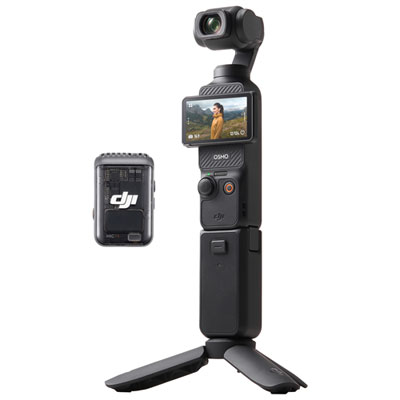 Your price for this item is $649.99
 -
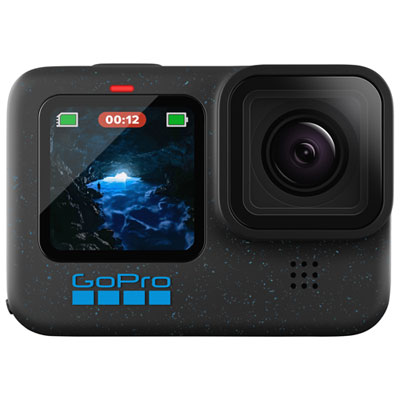 Your price for this item is $479.97
 -
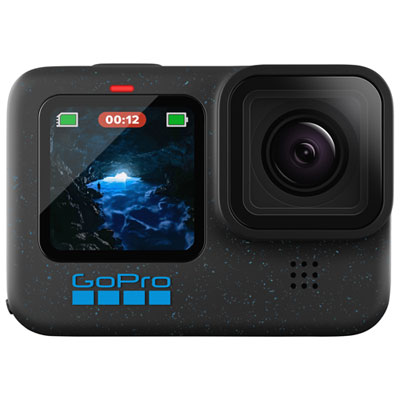 Your price for this item is $399.97
 -
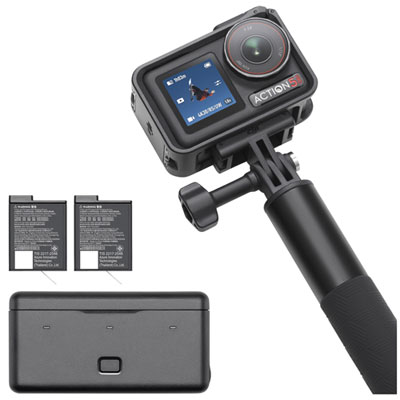 Your price for this item is $585.99
 -
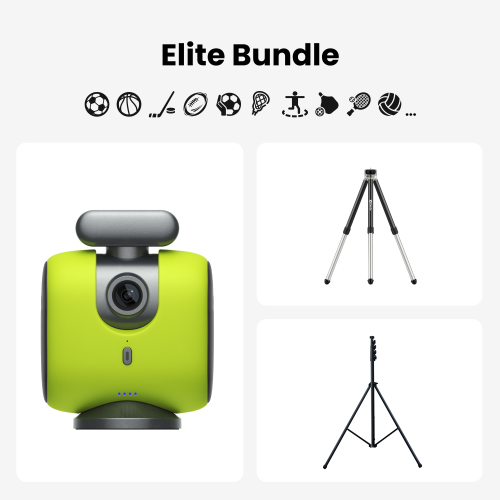 Your price for this item is $719.99
 -
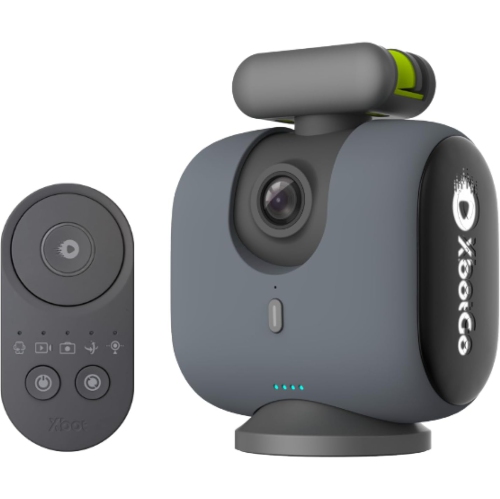 Your price for this item is $439.99
 -
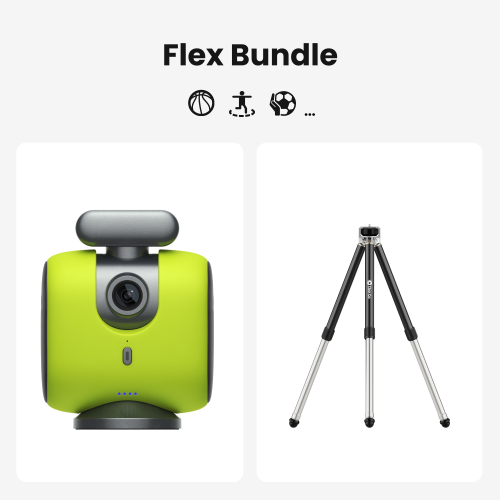 Your price for this item is $499.99
 -
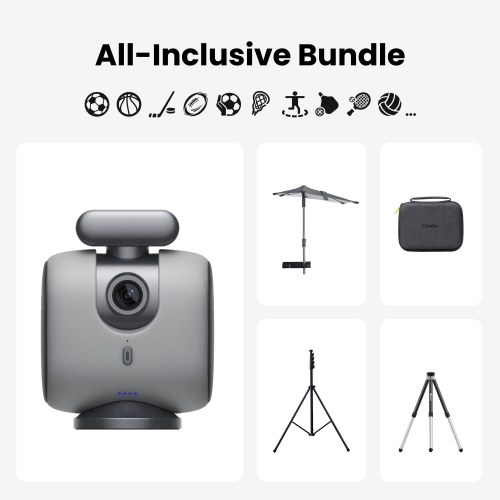 Your price for this item is $859.99
Discover more categories related to Cameras for Adventure
Top Collections:
Pokemon Centers, Kindle Devices, Best Budget Office Chairs, Apple iPhones 16, Best Laptops for Writers, iPhone 15 Apple, Canon G7X Cameras, Refurbished Apple Laptops, Alarm Clock, Motorola Razr Phones
Some products may be subject to Environmental Handling Fees
(EHF) depending on your province.
Learn more about EHFs.