Cameras With Film
Capture timeless moments with our selection of cameras and film. Whether you're a photography enthusiast or simply looking to add a touch of nostalgia to your snapshots, these cameras offer a unique way to capture memories. With their classic designs and the unmistakable charm of film photography, these cameras allow you to experiment with different film types and enjoy the anticipation of developing your photos.
Sort
![Fujifilm Instax Mini 2-Pack Instant Film - 20 Sheets [Employee of bestbuy] Great product great service love shopping at Best Buy](https://multimedia.bbycastatic.ca/multimedia/products/400x400/101/10166/10166488.jpg)
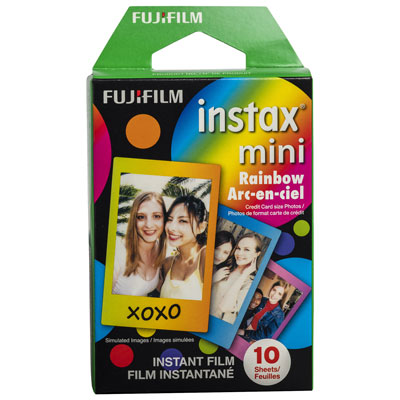
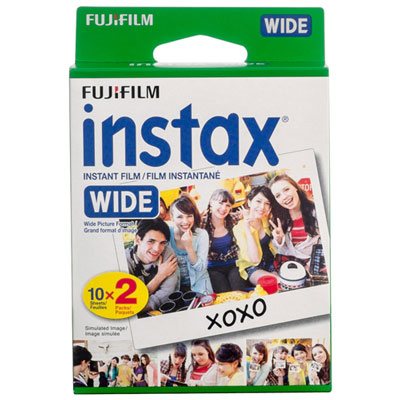
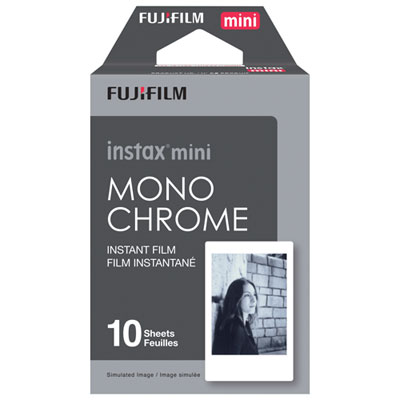
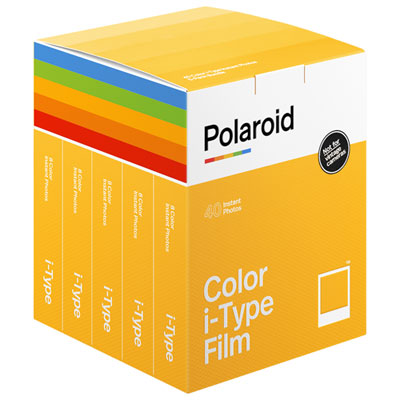
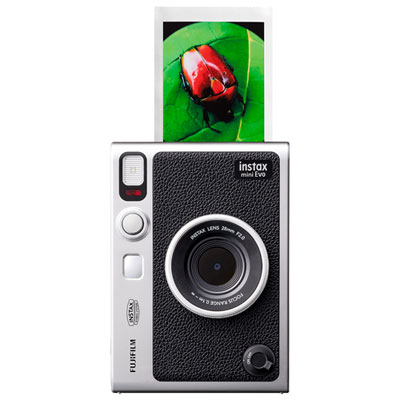
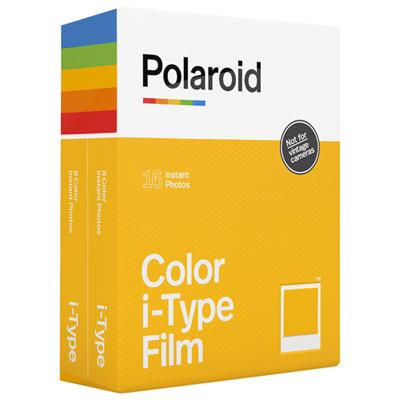
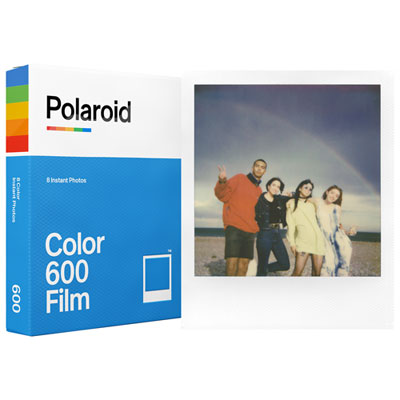
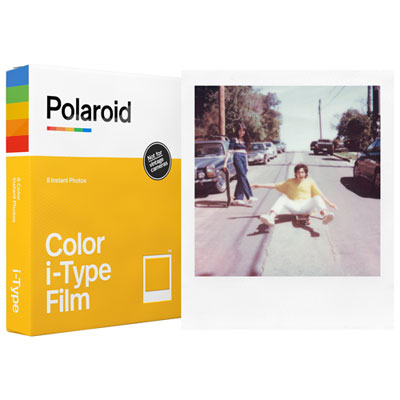
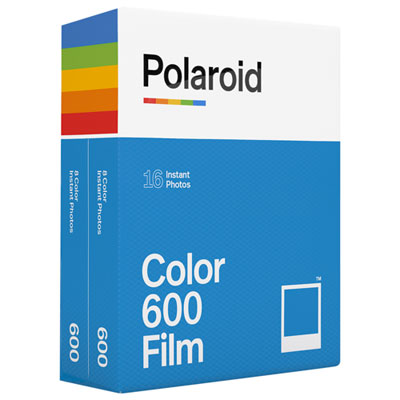
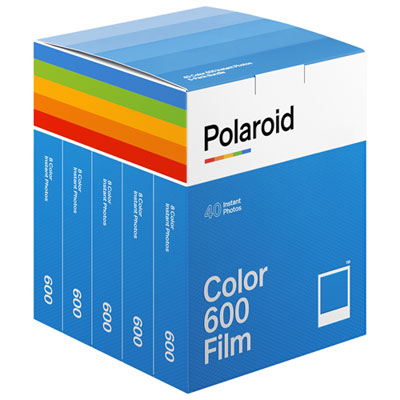
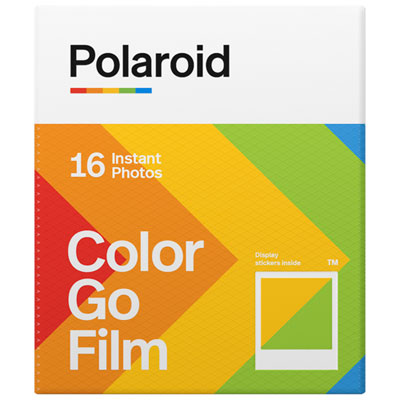
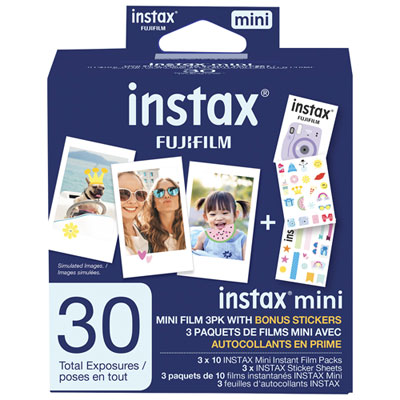
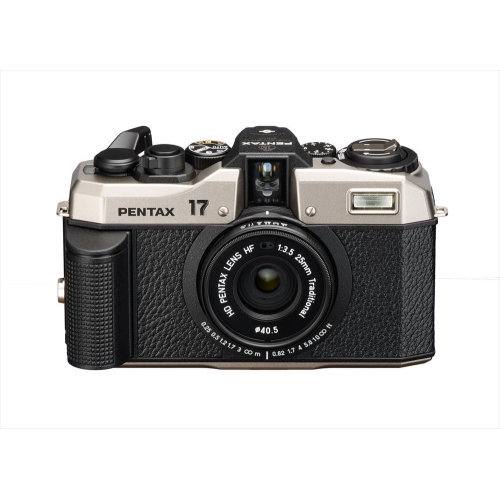
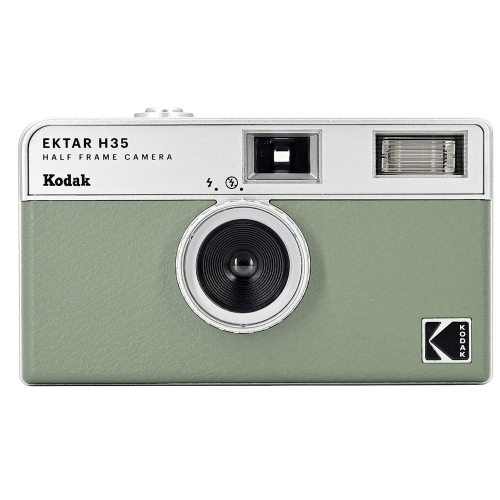
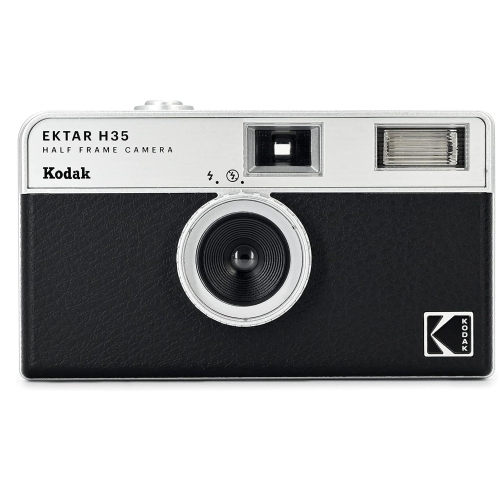

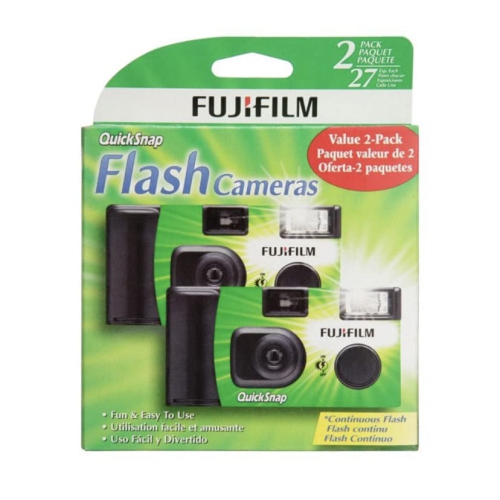
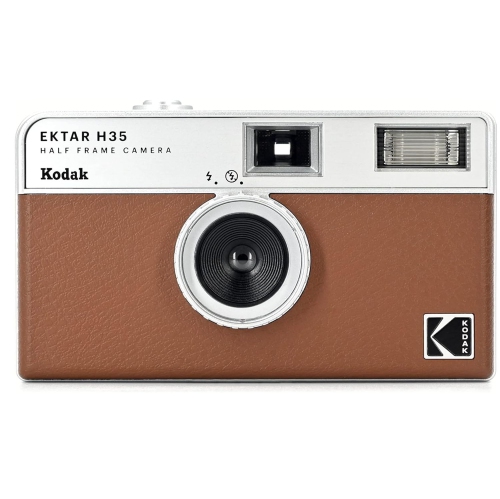
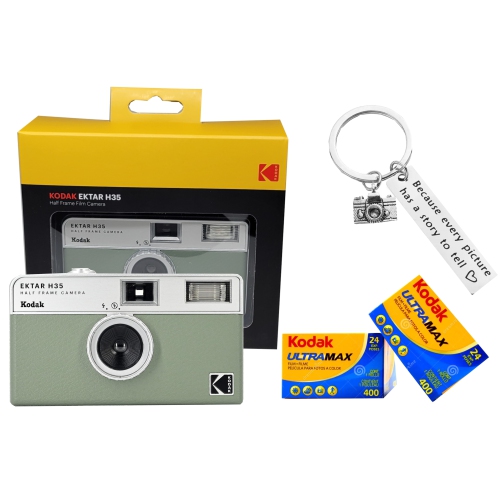
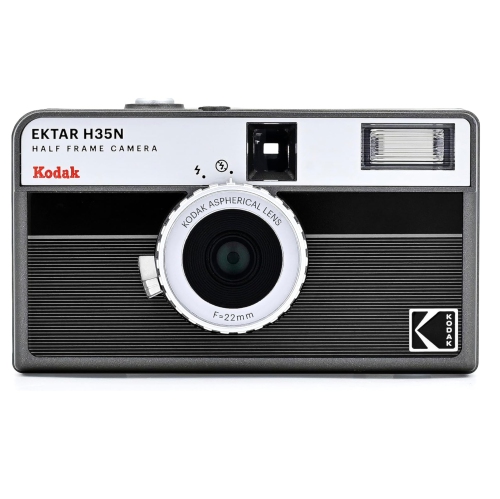
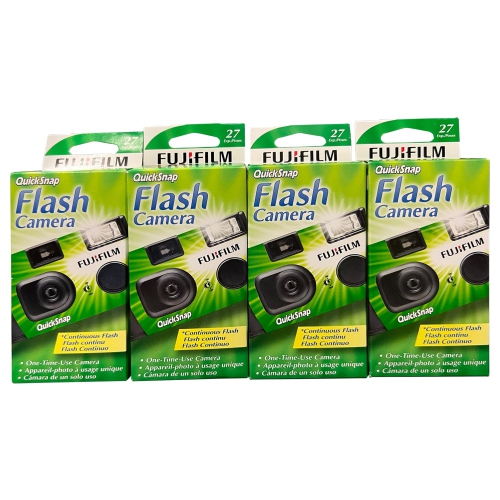
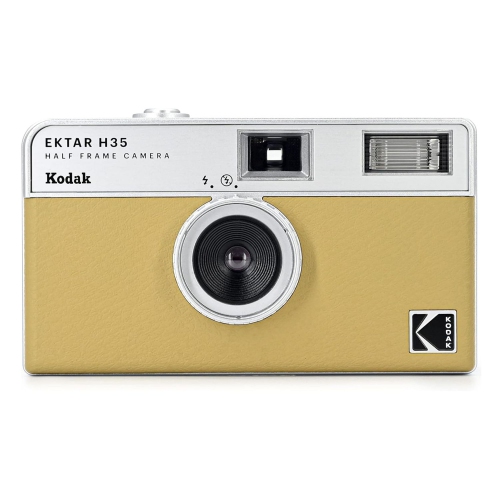
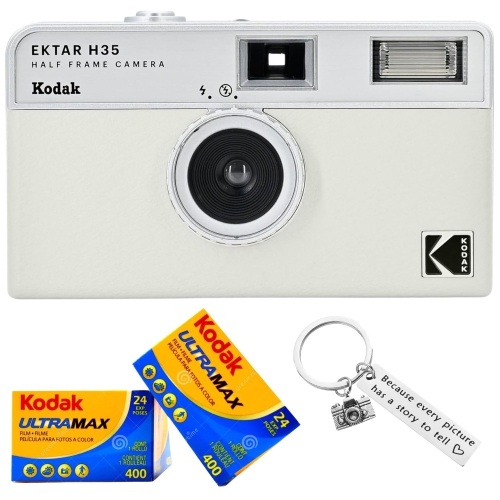
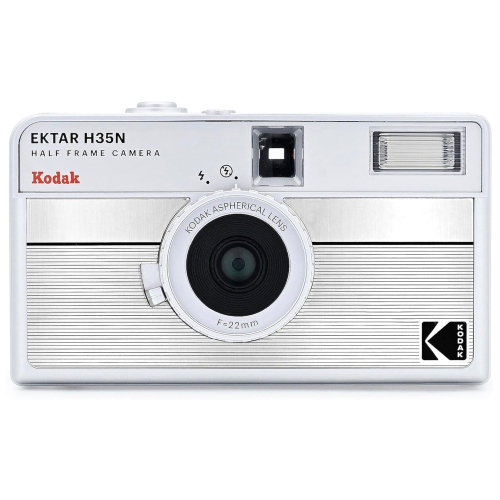
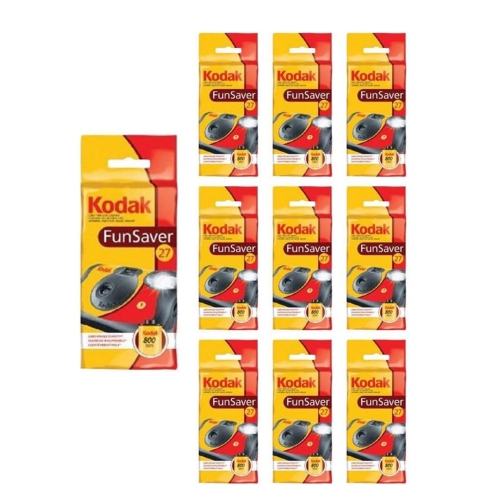
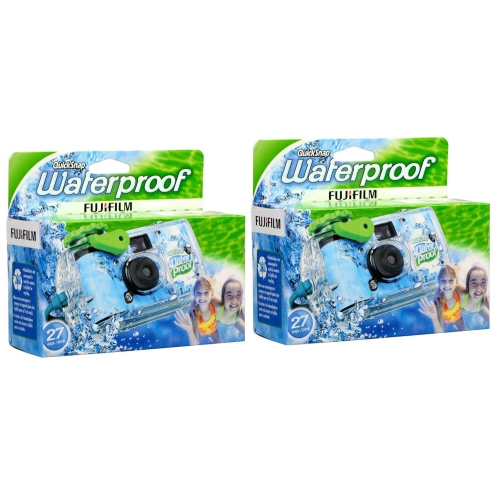
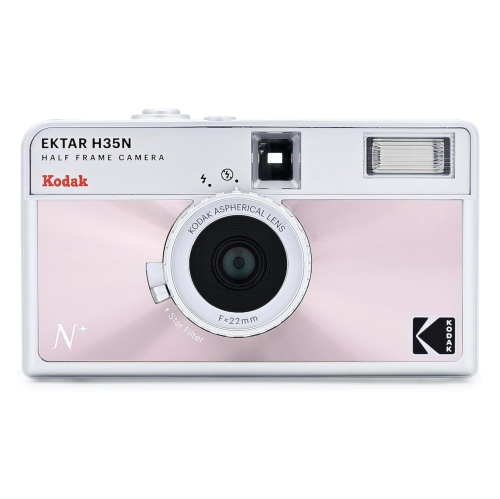
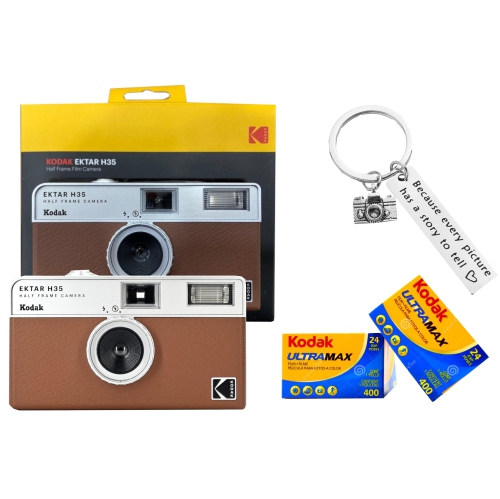
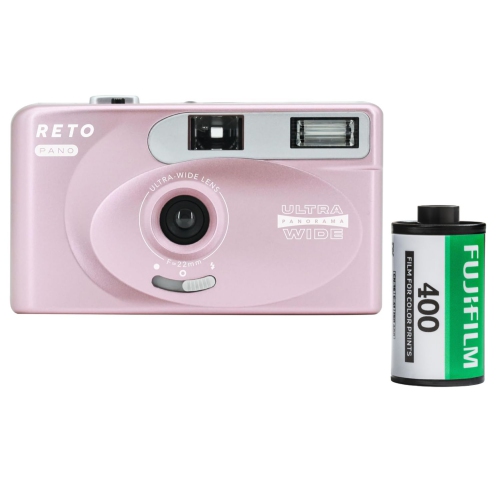
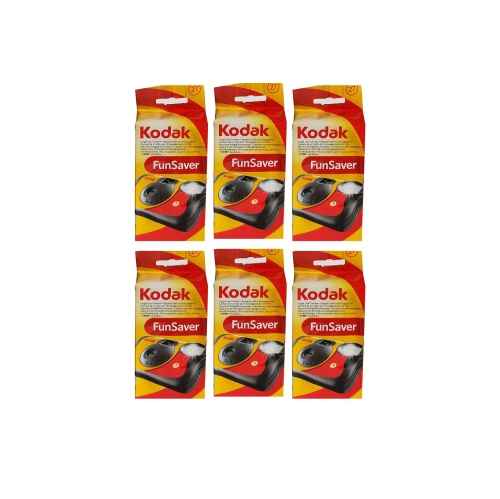
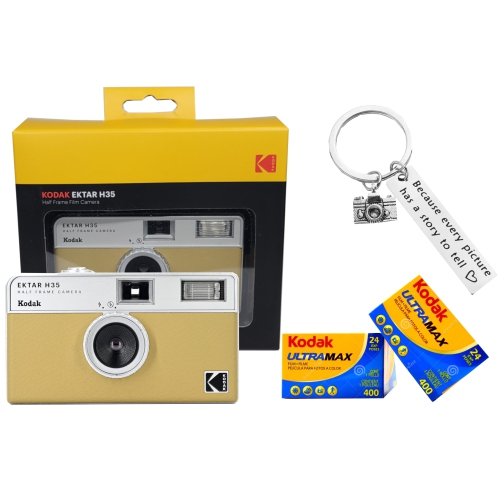
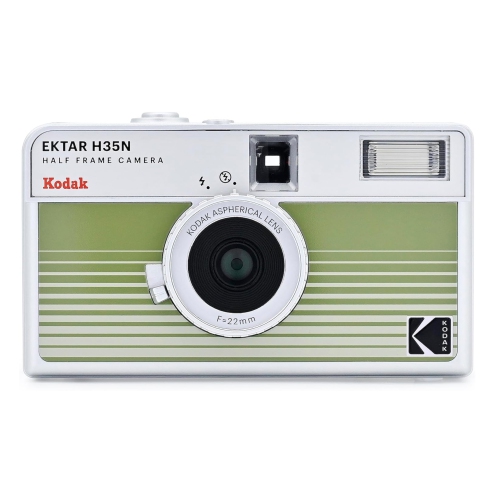
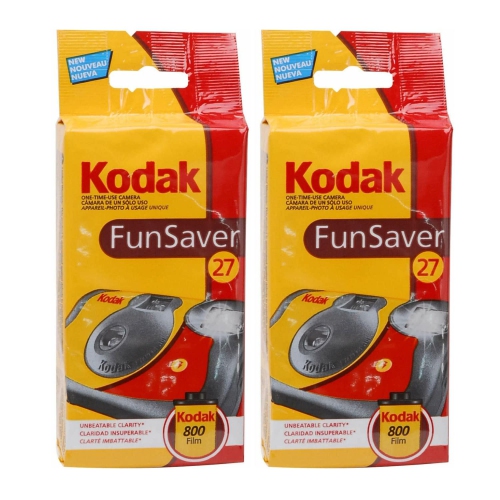
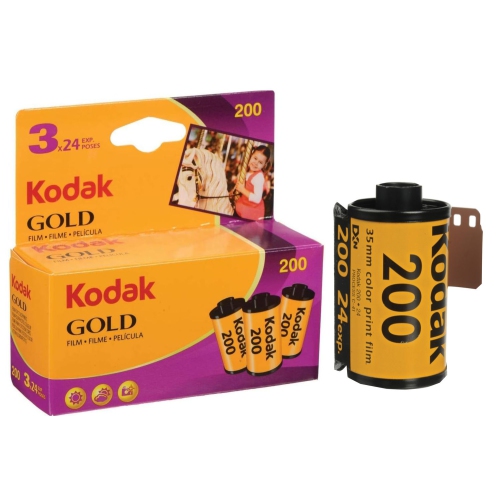
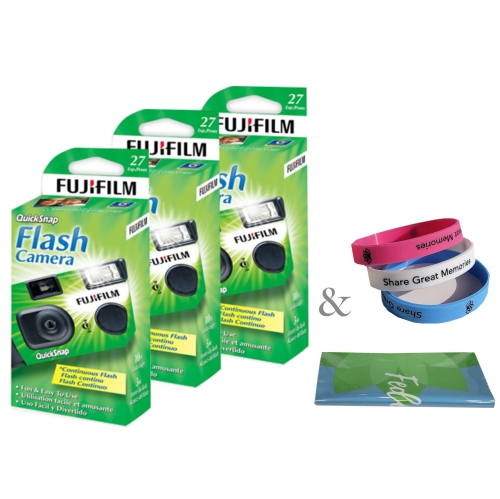
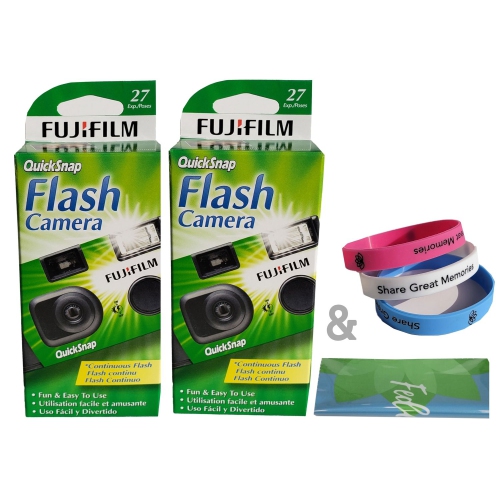
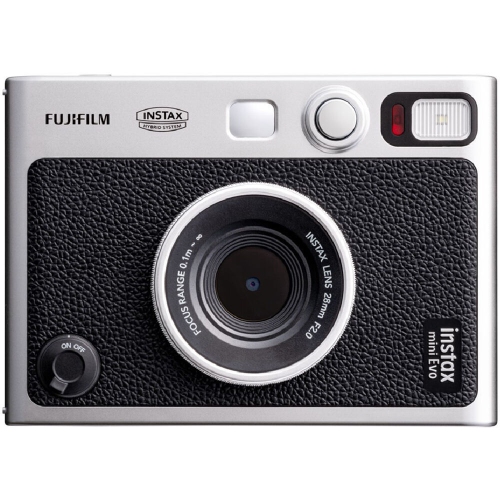
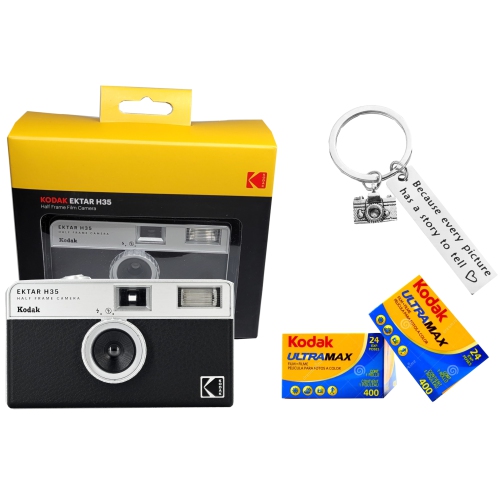
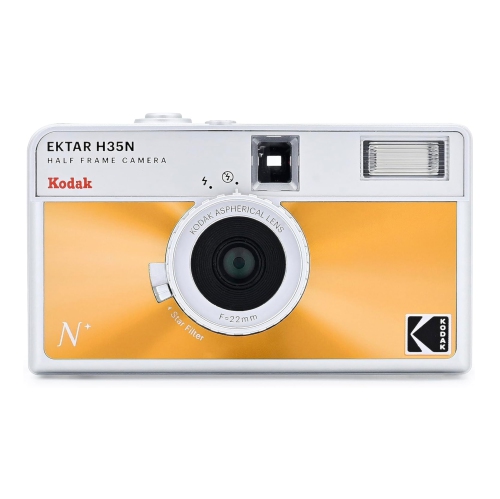
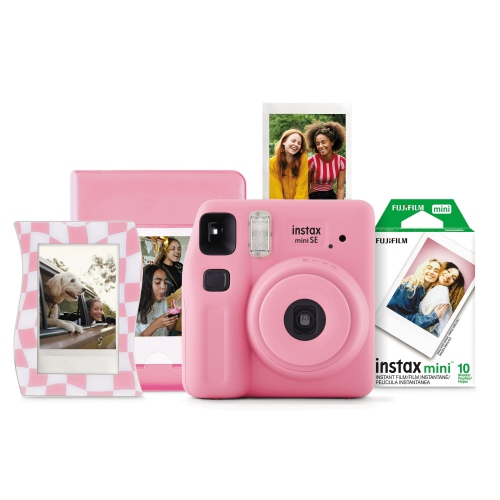
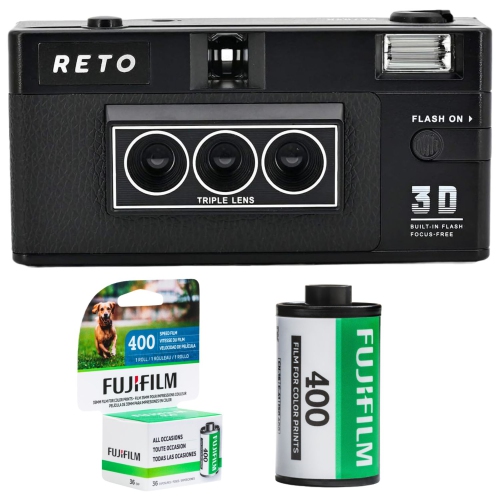
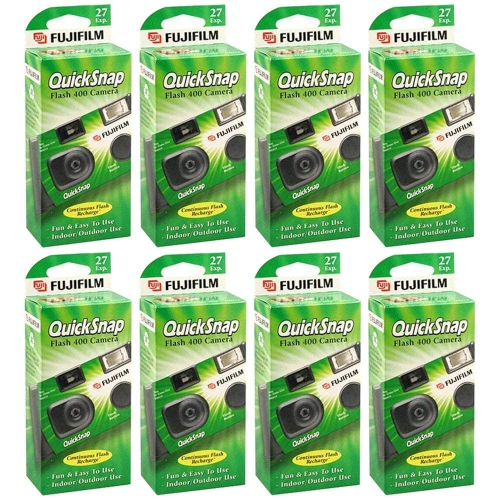
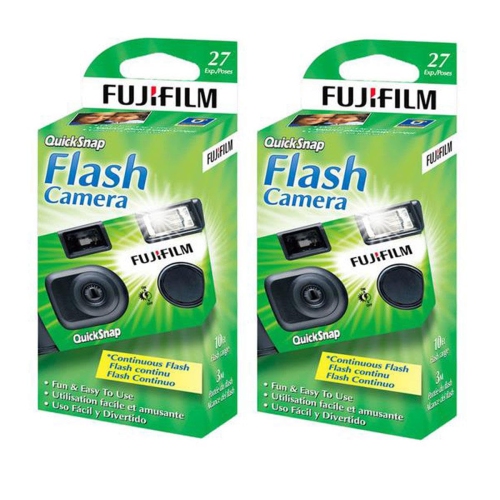
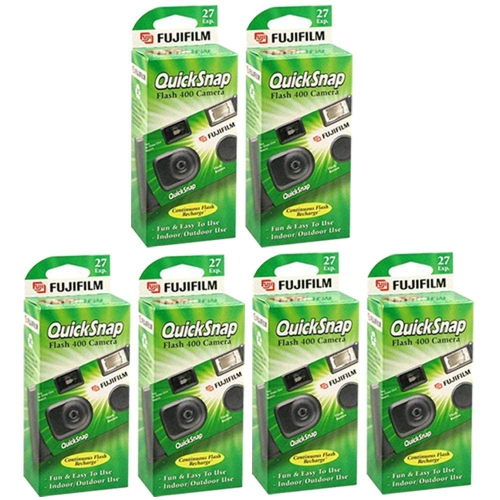
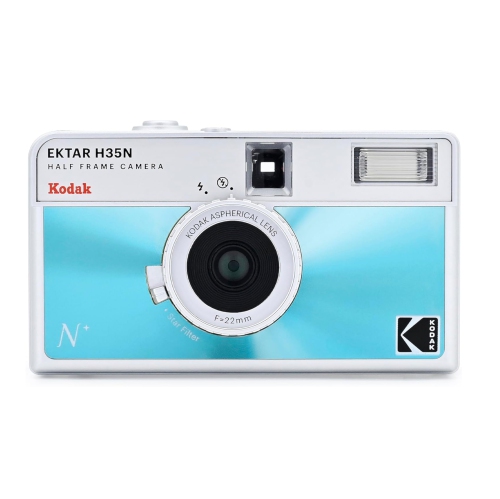
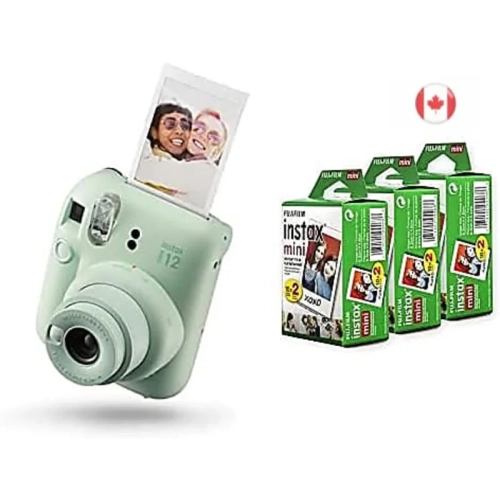
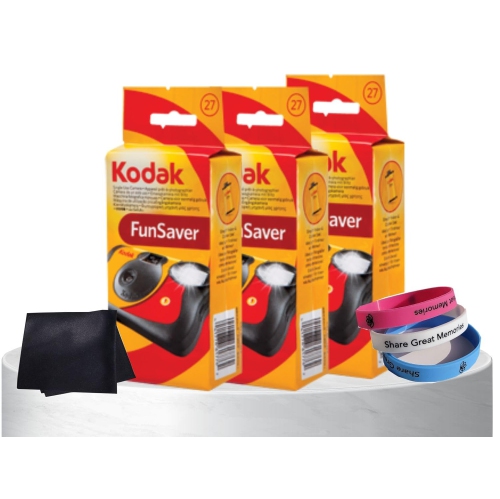
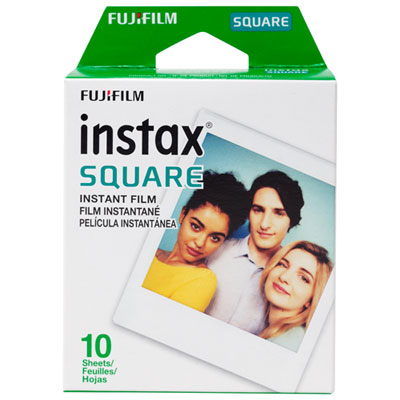
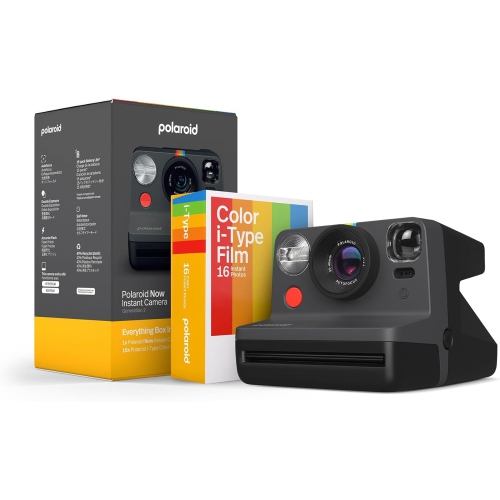
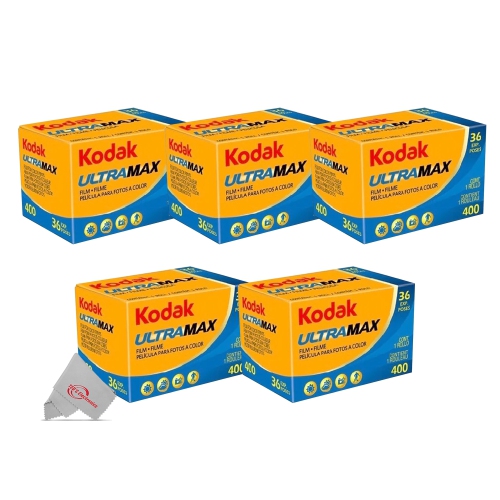
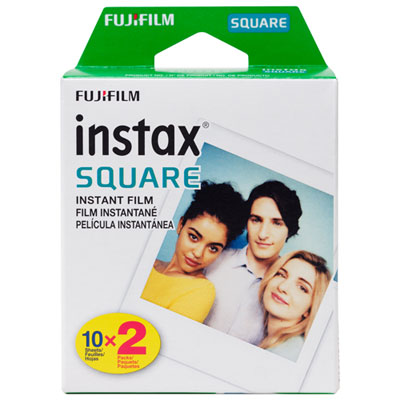
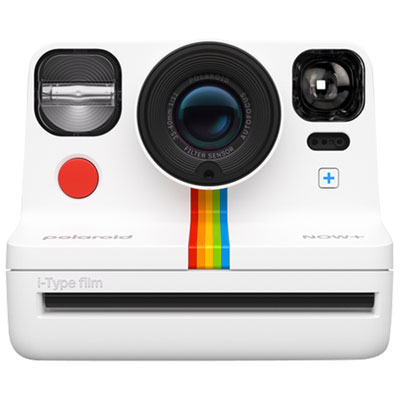
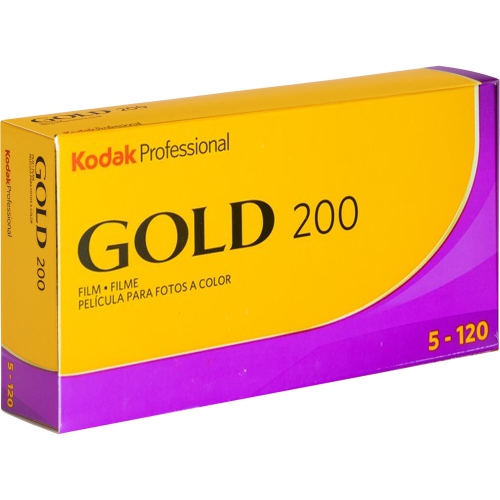
A slower, hands-on approach to tangible photographs
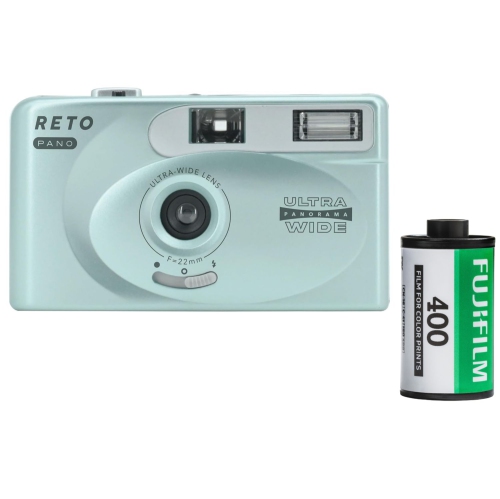
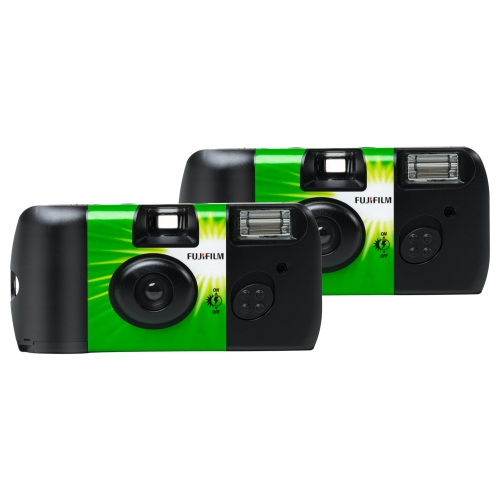
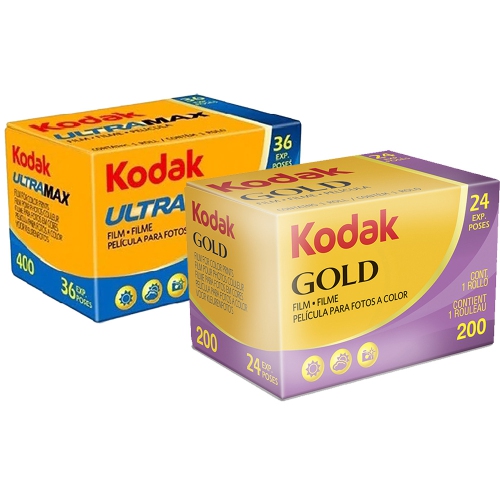
Cameras with film offer a distinctive way to photograph everyday moments, travel, celebrations and creative projects. Unlike digital cameras, which display an image almost instantly, a film camera encourages a slower, more intentional approach: compose the scene, check the light, press the shutter and let the finished photograph reveal itself after the roll has been developed. The result can have a warm, tactile character, with natural grain, gentle contrast and colours that feel different from images captured on a phone. Many of the cameras in this category are reusable 35mm point-and-shoot models designed for straightforward operation. Their focus-free designs make them approachable for beginners, while built-in flashes help brighten indoor scenes, evening gatherings and shaded subjects. A standard 35mm roll commonly provides 24 or 36 exposures, depending on the film selected. Half-frame models divide each frame in two and can capture up to 72 images on a 36-exposure roll, making them useful for documenting a longer trip, a full day of celebrations or a series of small details without changing film as often. When browsing cameras with film, consider the type of photography you enjoy, the amount of control you want and the conditions in which you expect to use the camera. A simple point-and-shoot is easy to carry in a coat pocket or small bag and is well suited to street scenes, family gatherings, school events and casual snapshots. A vintage-style or more advanced camera may offer additional settings for photographers who want greater control over focus, exposure or lens choices, although it can require more practice and care. For a convenient starting point, explore Reusable Film Cameras for reloadable options that can be used with compatible 35mm film.
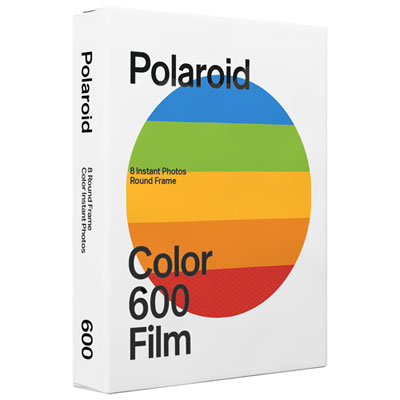
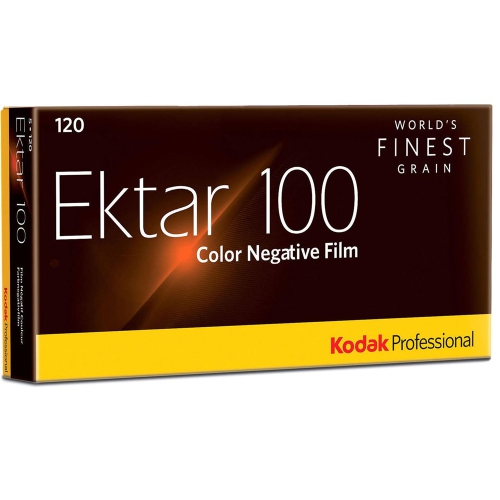
Film choice plays an important role in the look and flexibility of your photographs. ISO 400 film is a popular all-purpose option because it balances detail and sensitivity for a range of conditions, from bright outdoor walks to indoor rooms with moderate light. Lower-ISO film can produce fine detail in strong daylight, while higher-ISO film may be more helpful in dimmer settings, though the final results can include more visible grain. Always check the camera’s compatibility and loading instructions before inserting a roll, and keep the film protected from heat, moisture and prolonged direct sunlight. A built-in flash can be valuable when the light fades during the cooler months, when an afternoon walk turns into an evening outing or when indoor celebrations take place away from large windows. Flash photography works best when the subject is within the camera’s recommended range; getting too close can create a bright, washed-out image, while standing too far away may leave the scene underexposed. Since film cannot be reviewed immediately, thoughtful framing matters. Look for uncluttered backgrounds, face your subjects toward available light and hold the camera steady when using it indoors. It is also worth remembering that film cameras are not always fully automatic in the way a modern digital camera is. Some models use fixed focus and simple exposure settings, while others may require manual adjustments. Reading the instructions, practising with a roll in familiar surroundings and keeping spare batteries or film on hand can make the experience more enjoyable. After the roll is finished, it can be taken to a photo lab for developing and scanning, or processed at home by photographers with the appropriate equipment and experience. Development and scanning costs vary, so include them in the overall budget when comparing film photography with other camera formats.
Cameras with film can make thoughtful gifts for creative friends, students, travellers and anyone who enjoys tangible keepsakes. They are especially well suited to someone who likes journalling, scrapbooking, decorating a room with printed photographs or creating a visual record of a special occasion. A compact reusable camera can accompany a weekend away, a walk through a busy neighbourhood or a family visit during the holiday season, capturing small details such as handwritten menus, snowy streets, bright shop windows or friends gathered around a kitchen table. Because each exposure is limited, photographers often become more observant, noticing expressions, shadows and unexpected compositions that might otherwise be overlooked. A film camera can also be a practical introduction to photography basics, including light direction, distance, composition and patience. For a first-time user, look for a camera with clear controls, a comfortable grip, a built-in flash and simple film loading. For a more experienced photographer, consider the appeal of manual settings, interchangeable lenses or a classic body with a wider creative range. Check whether film is included, whether batteries are required and whether the camera uses standard 35mm rolls or another format. It is helpful to think about portability as well: a lightweight point-and-shoot suits travel and spontaneous snapshots, while a larger camera may be better for planned photography sessions. Whether used to preserve a gathering, experiment with analogue techniques or give a loved one a new creative pastime, a film camera brings a deliberate, hands-on quality to photography that can turn ordinary scenes into memorable physical photographs.
Film choice plays an important role in the look and flexibility of your photographs. ISO 400 film is a popular all-purpose option because it balances detail and sensitivity for a range of conditions, from bright outdoor walks to indoor rooms with moderate light. Lower-ISO film can produce fine detail in strong daylight, while higher-ISO film may be more helpful in dimmer settings, though the final results can include more visible grain. Always check the camera’s compatibility and loading instructions before inserting a roll, and keep the film protected from heat, moisture and prolonged direct sunlight. A built-in flash can be valuable when the light fades during the cooler months, when an afternoon walk turns into an evening outing or when indoor celebrations take place away from large windows. Flash photography works best when the subject is within the camera’s recommended range; getting too close can create a bright, washed-out image, while standing too far away may leave the scene underexposed. Since film cannot be reviewed immediately, thoughtful framing matters. Look for uncluttered backgrounds, face your subjects toward available light and hold the camera steady when using it indoors. It is also worth remembering that film cameras are not always fully automatic in the way a modern digital camera is. Some models use fixed focus and simple exposure settings, while others may require manual adjustments. Reading the instructions, practising with a roll in familiar surroundings and keeping spare batteries or film on hand can make the experience more enjoyable. After the roll is finished, it can be taken to a photo lab for developing and scanning, or processed at home by photographers with the appropriate equipment and experience. Development and scanning costs vary, so include them in the overall budget when comparing film photography with other camera formats.
Cameras with film can make thoughtful gifts for creative friends, students, travellers and anyone who enjoys tangible keepsakes. They are especially well suited to someone who likes journalling, scrapbooking, decorating a room with printed photographs or creating a visual record of a special occasion. A compact reusable camera can accompany a weekend away, a walk through a busy neighbourhood or a family visit during the holiday season, capturing small details such as handwritten menus, snowy streets, bright shop windows or friends gathered around a kitchen table. Because each exposure is limited, photographers often become more observant, noticing expressions, shadows and unexpected compositions that might otherwise be overlooked. A film camera can also be a practical introduction to photography basics, including light direction, distance, composition and patience. For a first-time user, look for a camera with clear controls, a comfortable grip, a built-in flash and simple film loading. For a more experienced photographer, consider the appeal of manual settings, interchangeable lenses or a classic body with a wider creative range. Check whether film is included, whether batteries are required and whether the camera uses standard 35mm rolls or another format. It is helpful to think about portability as well: a lightweight point-and-shoot suits travel and spontaneous snapshots, while a larger camera may be better for planned photography sessions. Whether used to preserve a gathering, experiment with analogue techniques or give a loved one a new creative pastime, a film camera brings a deliberate, hands-on quality to photography that can turn ordinary scenes into memorable physical photographs.
Top selling and popular products
-
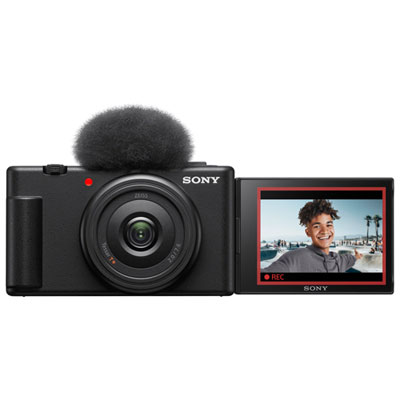 Your price for this item is $649.99
 -
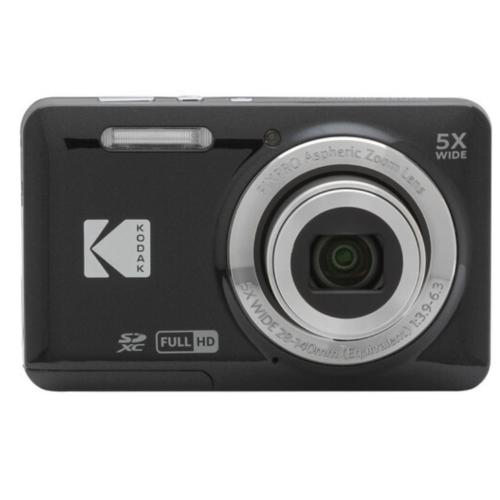 Your price for this item is $253
 -
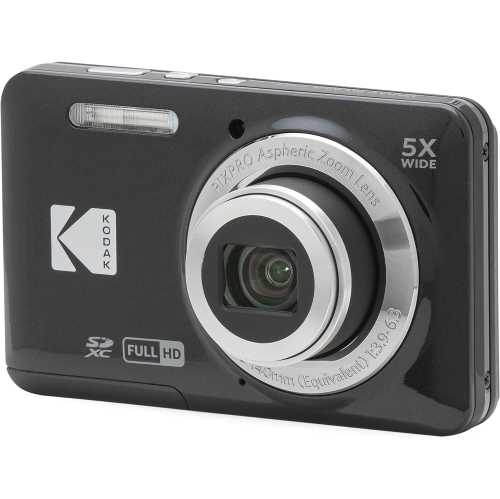 Your price for this item is $255
 -
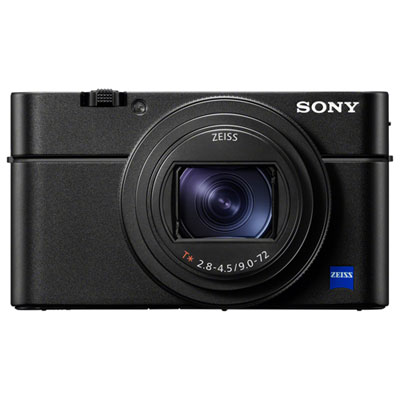 Your price for this item is $1999.99
 -
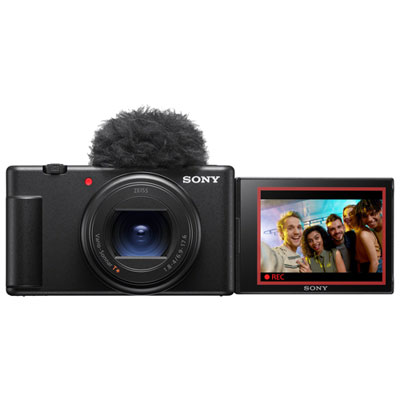 Your price for this item is $1199.99
 -
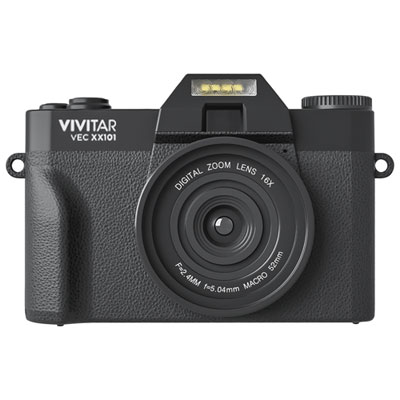 Your price for this item is $199.99
 -
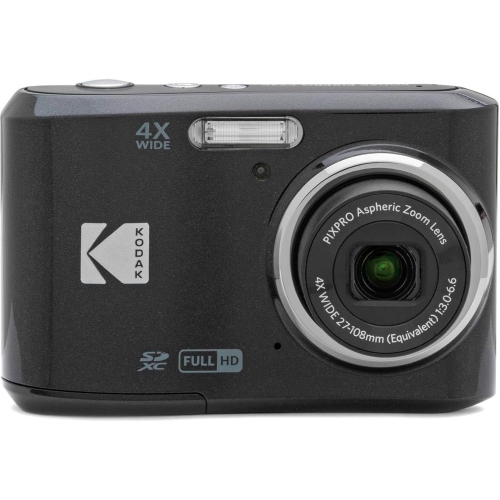 Your price for this item is $185
 -
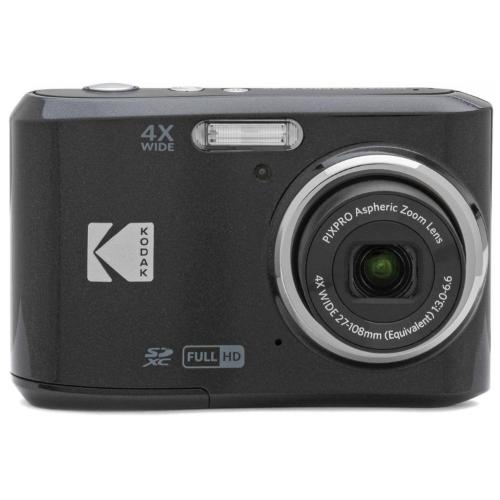 Your price for this item is $278
Discover more categories related to Cameras With Film
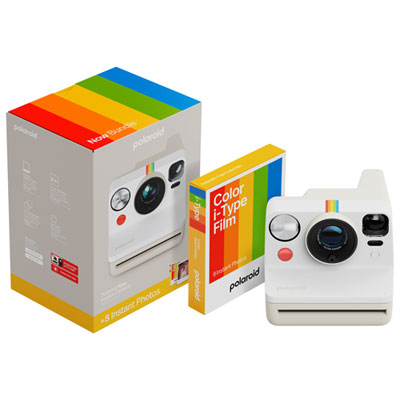
Top Collections:
Pokemon Centers, Kindle Devices, Best Budget Office Chairs, Apple iPhones 16, Best Laptops for Writers, iPhone 15 Apple, Canon G7X Cameras, Refurbished Apple Laptops, Alarm Clock, Motorola Razr Phones
Some products may be subject to Environmental Handling Fees
(EHF) depending on your province.
Learn more about EHFs.