Compact Digital Cameras
Capture life’s moments with ease using compact digital cameras, designed for portability and convenience wherever you go. Whether you’re looking to document travels, family gatherings, or everyday adventures, these lightweight options fit effortlessly into your bag or pocket. Explore a wide selection of compact digital cameras that offer simple operation and versatile shooting capabilities, making it easy to preserve memories in stunning detail. Find the perfect camera to suit your needs and start taking photos with confidence.
Sort
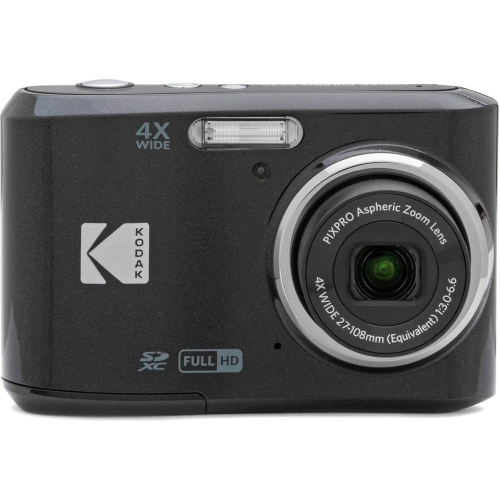
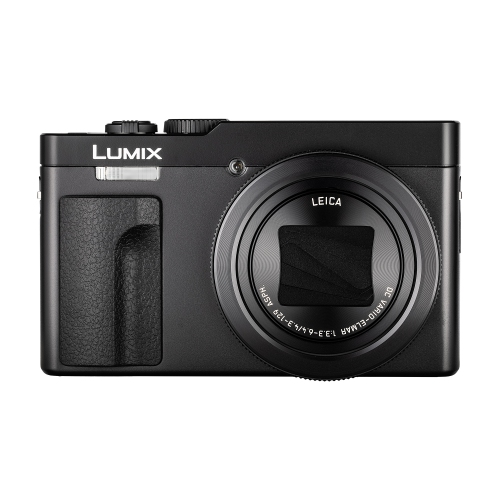
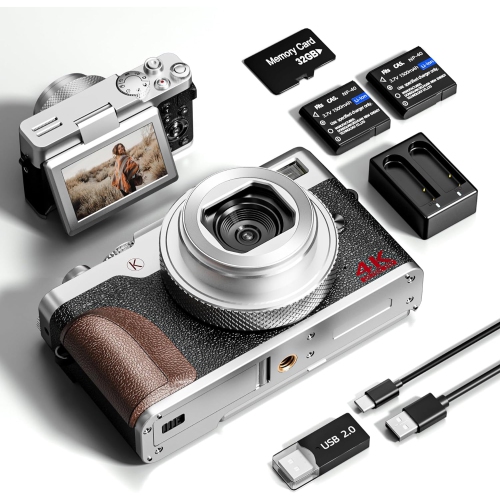

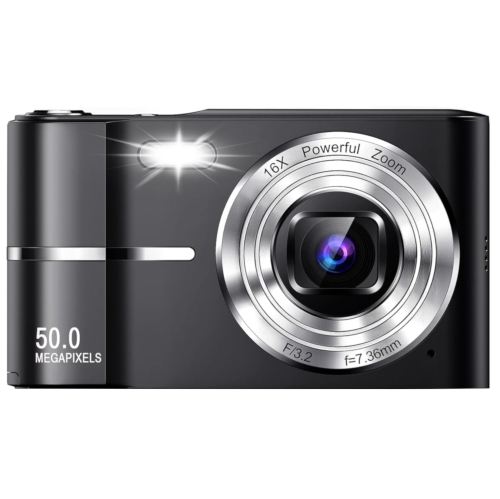
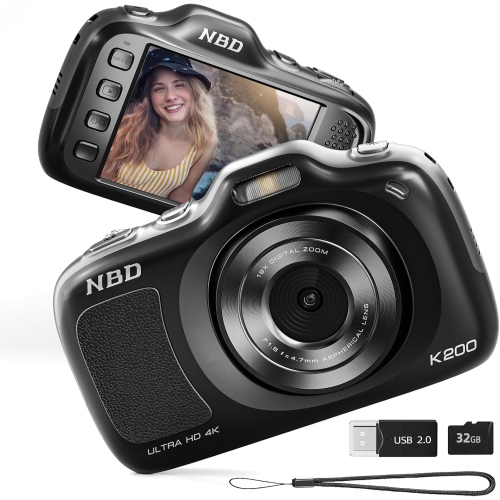
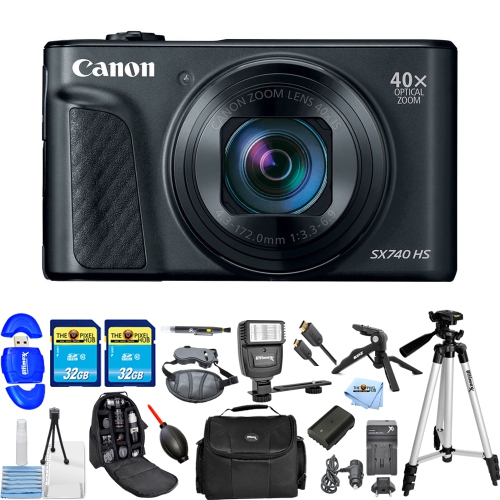
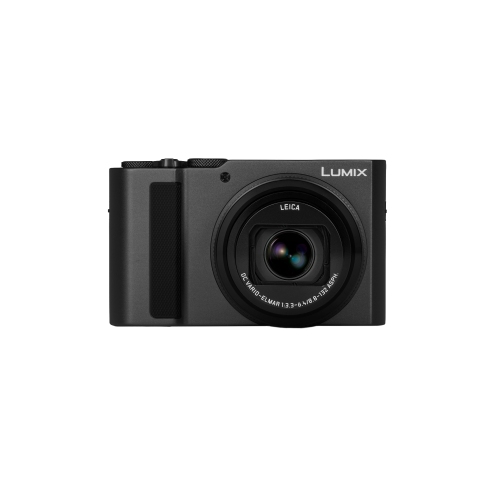
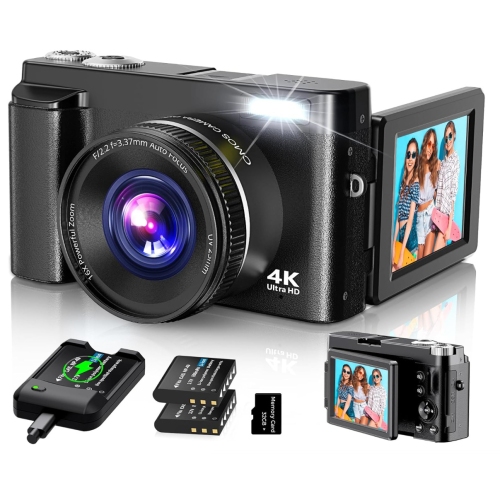
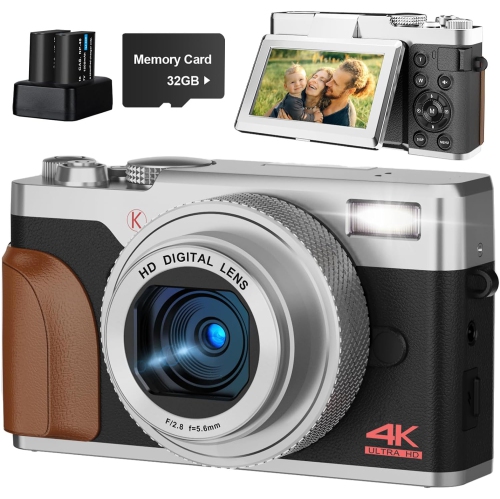
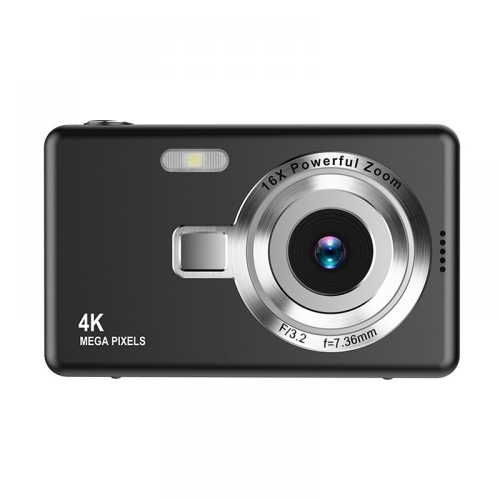
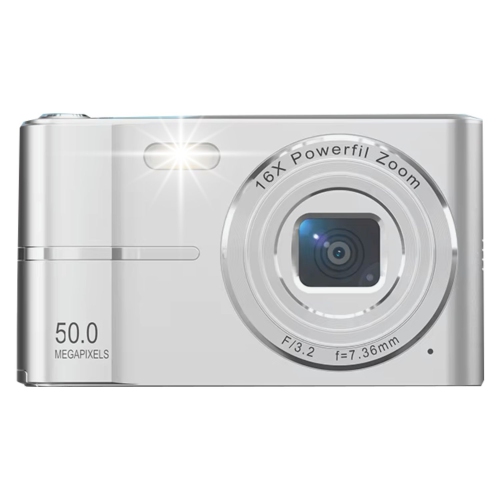

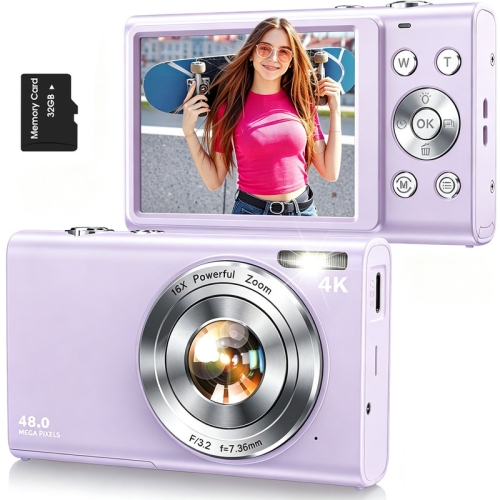


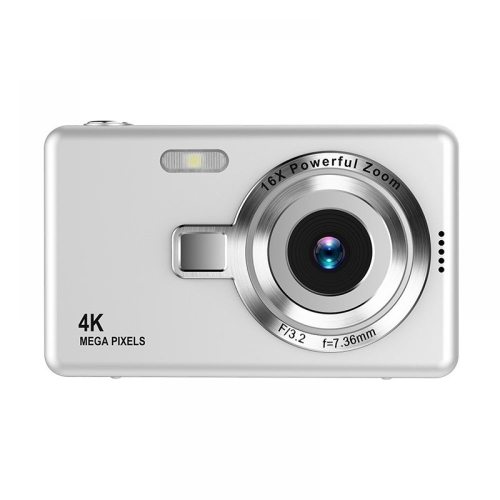
How a small camera fits the way you shoot
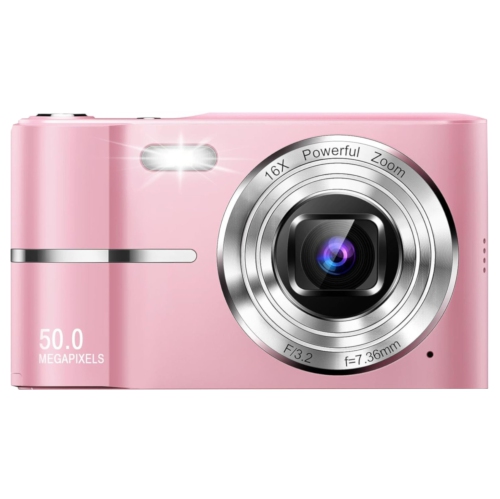
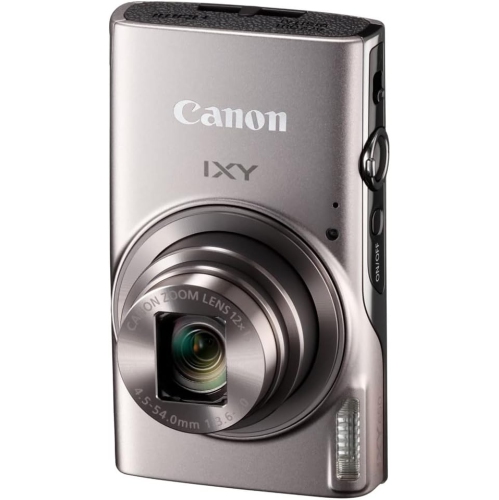
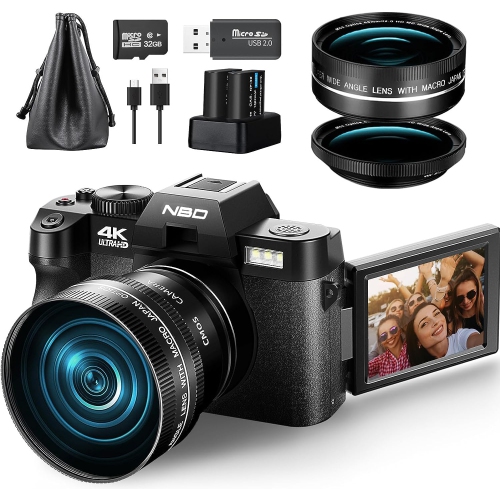
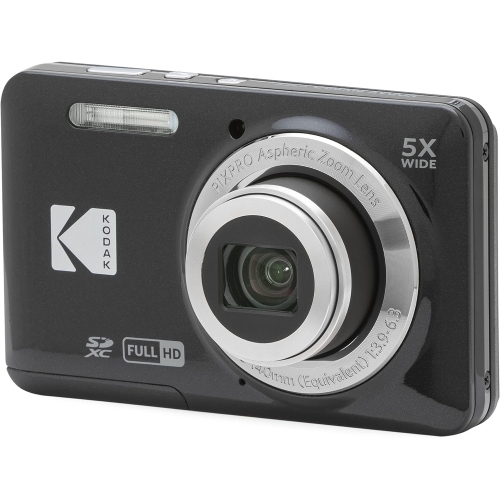
Compact digital cameras combine a built-in lens, a screen and dedicated shooting controls in a body that generally takes up less room than an interchangeable-lens setup. The category includes simple point-and-shoot cameras for everyday photos, travel compacts with longer optical zooms, video-focused models for vlogging and enthusiast compacts with larger sensors or more manual controls. The differences are easy to picture in use. A slim point-and-shoot with automatic exposure and a clearly marked shutter button suits a family gathering where the camera gets passed from one person to another. A travel zoom comes in handy when a photographer wants to fit an entire building in the frame, then pick out a carved detail above the entrance without crossing the street. Optical zoom changes the framing through the lens, while digital zoom typically crops and enlarges part of the image without capturing more detail. Some compact cameras skip the zoom altogether. A lens with a fixed focal length gives a consistent angle of view, which can suit street photography or a visual diary where the photographer moves closer or farther away to frame each shot. For indoor photos without flash, a larger sensor and a lens with a wide maximum aperture can help preserve detail, though a brighter lens may add depth to the camera body. Compact vlogging cameras put the emphasis elsewhere: a wide angle of view helps keep a face in frame at arm’s length, and a screen that faces forward makes it easier to spot a distracting background before filming. Some stills-focused compacts offer these features as well, so a single camera can handle both photos and short clips on the same outing. For a closer look at straightforward options for casual photography, browse Budget Digital Cameras.
A camera’s dimensions tell only part of the story of how it fits. A flat body with a lens that retracts when switched off can slip into a small bag without snagging. A deeper grip takes up more space, but it may feel more secure for someone who often shoots one-handed or carries the camera for hours at a time. Plastic shells can help keep weight down, while metal panels can add rigidity. Neither material alone says much about how well the lens mechanism or screen will stand up to a knock. The placement of the shutter button, the size of the controls and the amount of space for a thumb to rest all affect how steady the camera feels. A viewfinder lets the photographer brace the camera against the face for a little extra support, while a tilting screen makes it easier to frame a picture at a child’s eye level without having to kneel. The subject often matters more than the megapixel count. Autofocus that follows a moving subject can be more useful than extra resolution when a pet rarely sits still, while a short minimum focusing distance helps fill the frame with the texture of a coin or the brushwork on a miniature. Image stabilization helps reduce blur from shaky hands at longer zoom settings, but it takes a fast shutter speed to freeze a dancer mid-step. For video, sound and framing deserve as much attention as resolution. An input for an external microphone is useful when filming an interview, while a standard tripod socket makes it easier to set up a stable shot for a demonstration at a desk. Some electronic stabilization modes narrow the angle of view, which can make a noticeable difference when filming at arm’s length or trying to fit two people into the frame in a small room.
A compact camera can make a thoughtful gift for a first-time photographer learning how to compose a picture, a traveller who prefers to leave a larger kit at home or a family member who likes to take photos without reaching for a phone. An automatic mode and an easy-to-read screen free a beginner to pay attention to where people are standing and what’s in the background. Someone who already enjoys photography may appreciate a control ring or dial that makes it possible to adjust exposure without digging through menus. What happens to the photos afterwards matters, too. Wireless transfer can make it easier to send a few favourites to a phone, while a compatible memory card and card reader are useful for moving a large batch of photos and clips to a computer. A spare battery can come in handy on days spent filming or frequently reviewing shots on the screen. For a camera that charges over USB, it helps to know whether it can keep shooting while plugged in or has to be switched off to charge. A few simple habits can help a compact camera hold up to regular use. A wrist strap is useful when leaning over a table for a close-up, and a padded pouch keeps keys from rubbing against the screen or lens cover. With a retracting lens, it’s worth waiting for the barrel to close completely before putting the camera away and keeping loose grit out of the pouch so it doesn’t find its way into the mechanism. A hand blower can lift loose dust from the lens before a clean microfibre lens cloth is used to remove fingerprints. Backing up photos before clearing the memory card keeps a favourite frame from being lost when it’s time to make room for more.
Top selling and popular products
-
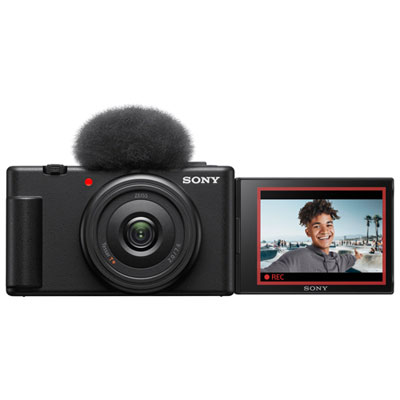 Your price for this item is $599.99
-
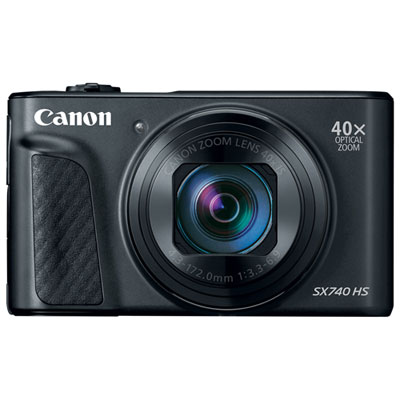 Your price for this item is $799.99
-
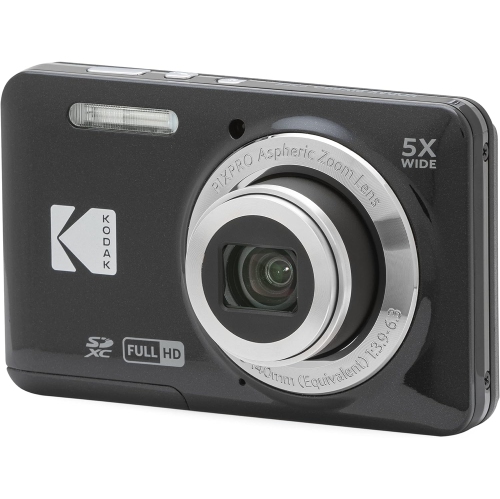 Your price for this item is $255
-
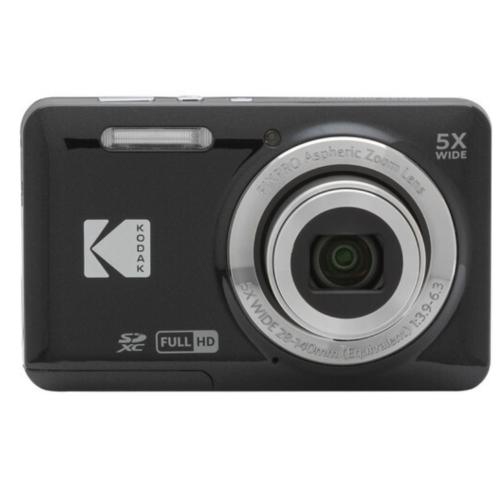 Your price for this item is $253
-
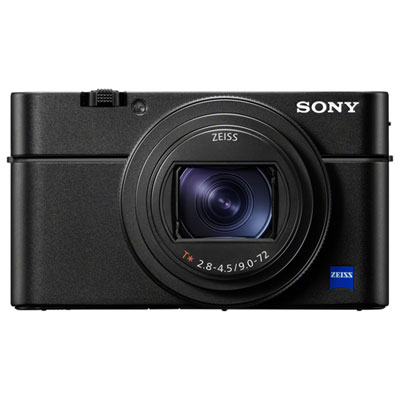 Your price for this item is $1799.99
-
 Your price for this item is $1999.99
-
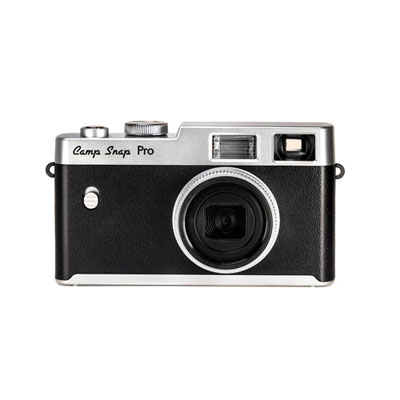 Your price for this item is $149.99
-
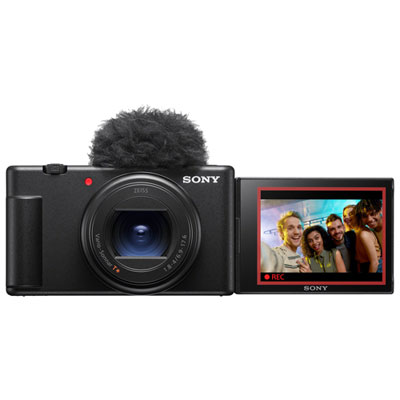 Your price for this item is $1099.99
Discover more categories related to Compact Digital Cameras
Top Collections:
Best Black Friday Deals This Year, Best Black Friday Deals On Electronics, Kindle Devices, Pokemon Centers, Best Black Friday Deals On Apple Products, Best Cameras for Sports Photography, Dyson Airwrap, Pokémon 30th Celebration Cards, Apple iPhone 17 Pro, Canon G7X Cameras
Some products may be subject to Environmental Handling Fees
(EHF) depending on your province.
Learn more about EHFs.