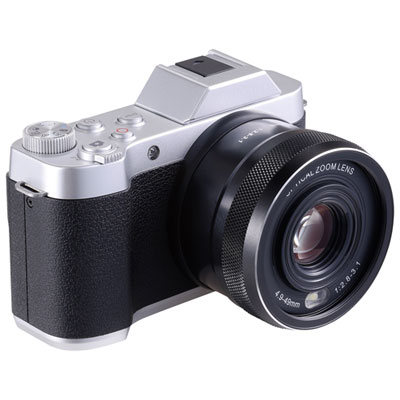
Compact Zoom Cameras
Capture every moment with the perfect balance of convenience and quality with these compact zoom cameras. Designed for those who want to elevate their photography game without sacrificing portability, these versatile cameras offer powerful zoom capabilities in a sleek and compact form factor. Whether you're capturing stunning landscapes, close-up shots, or candid moments, a compact zoom camera is your go-to companion for capturing life's most precious memories. With advanced features and intuitive controls, these cameras are perfect for both beginners looking to explore their creative side and seasoned photographers seeking a convenient travel companion. Discover the world of possibilities that await you with these compact zoom cameras today.
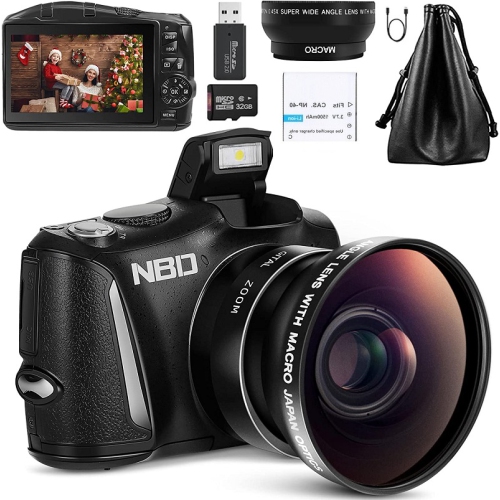

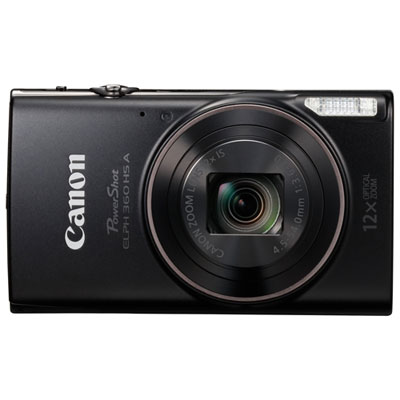

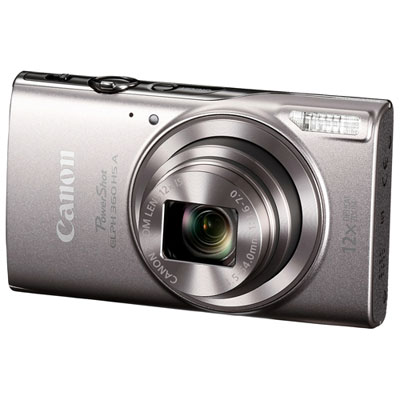
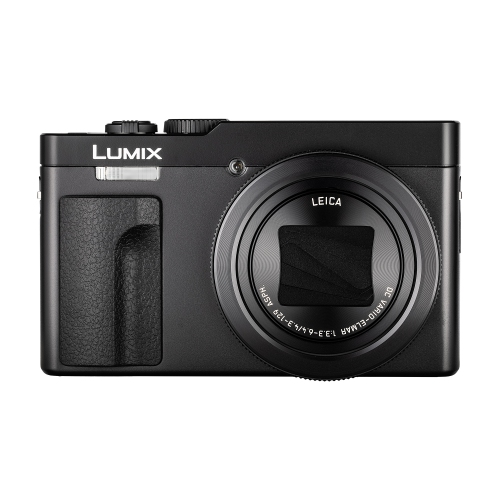


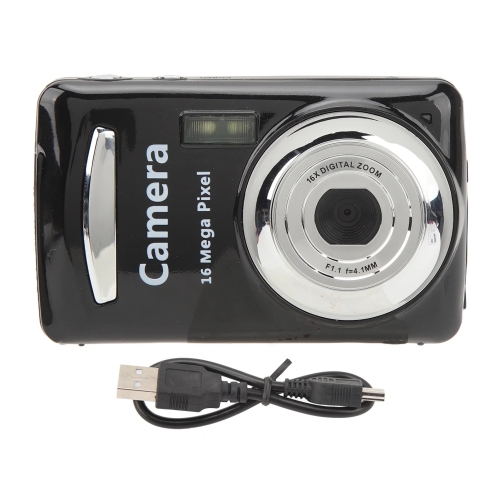

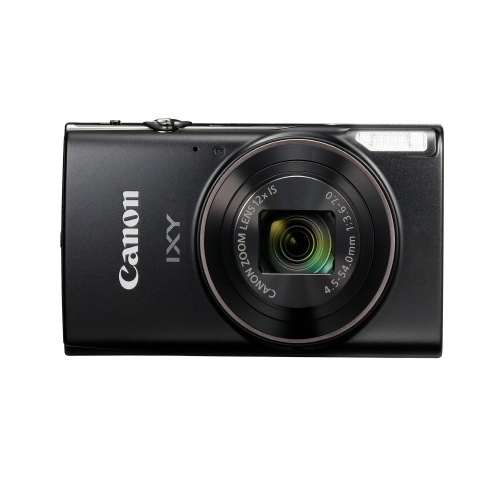

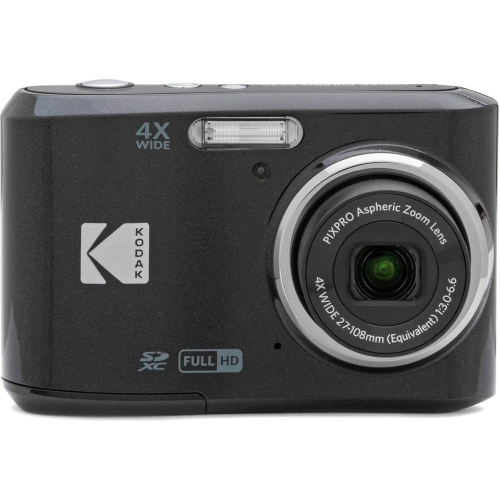



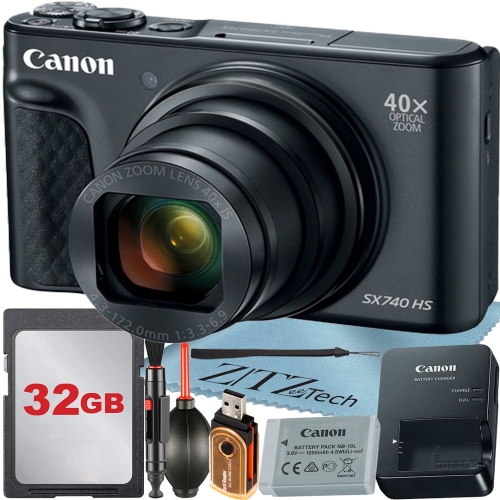



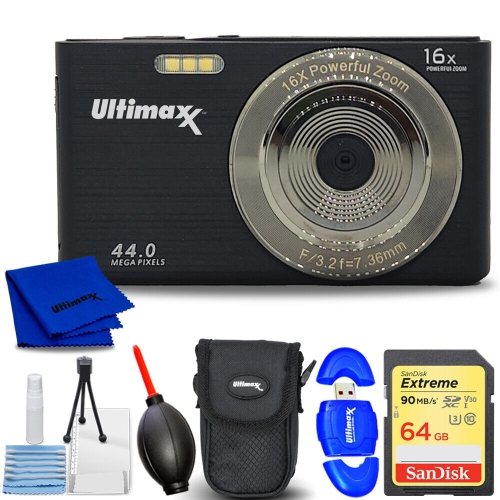
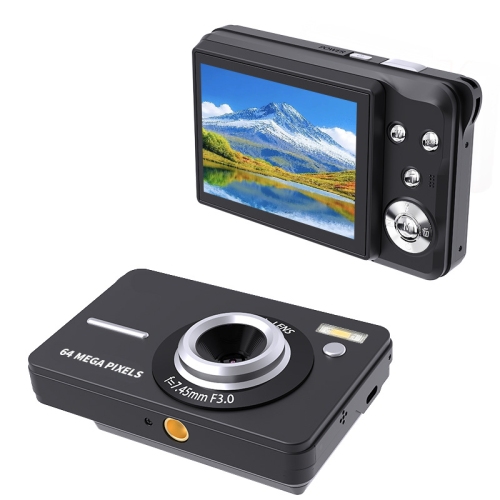
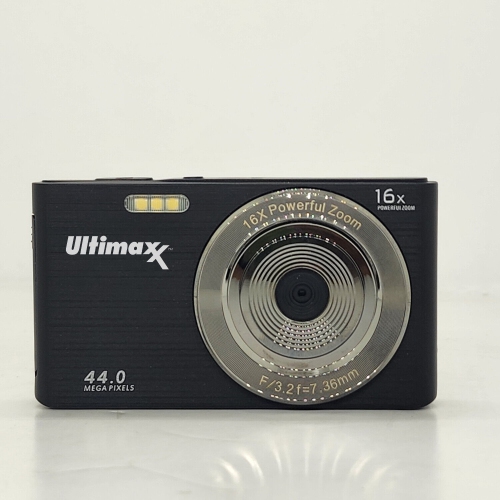
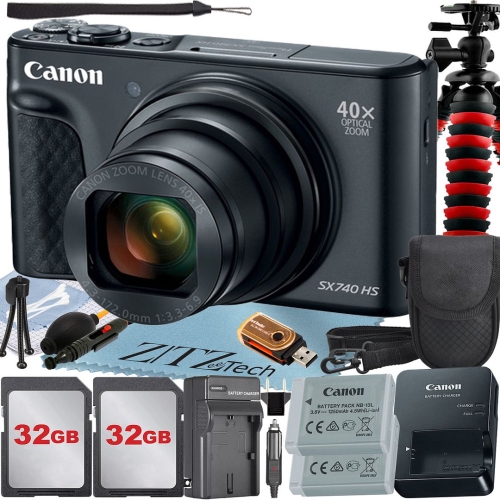
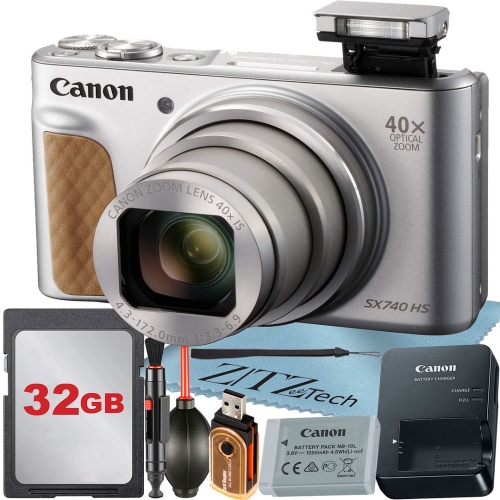
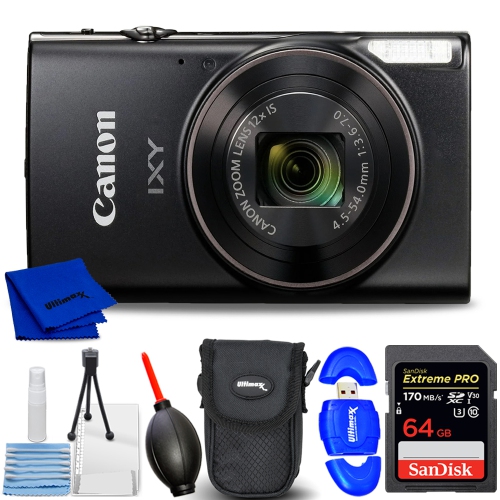

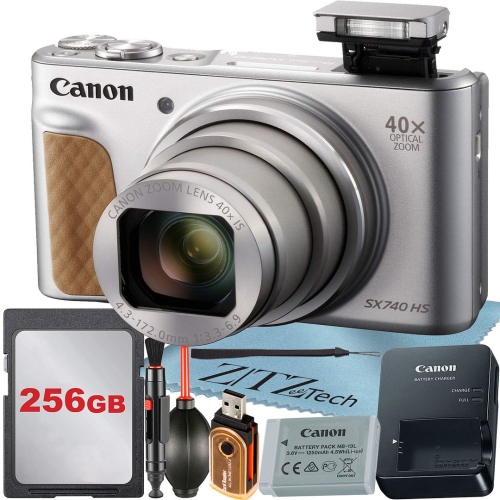

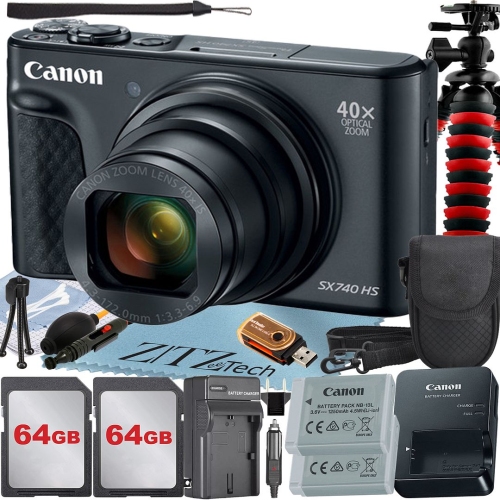
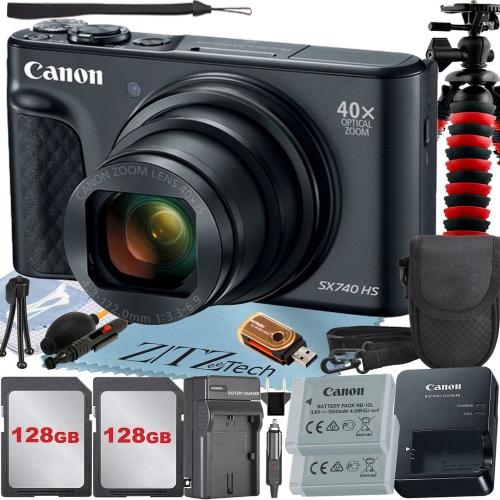
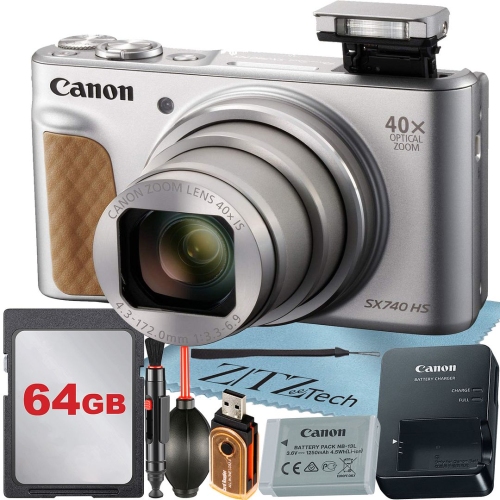
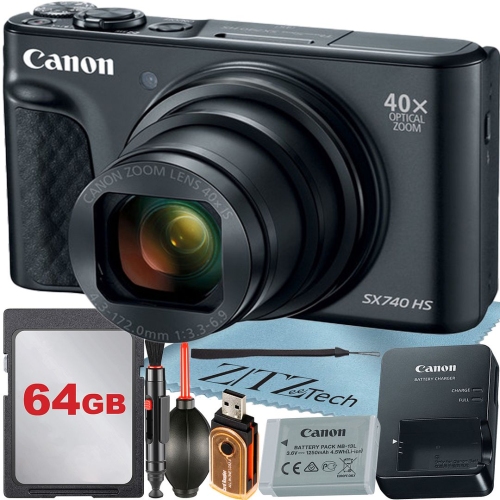
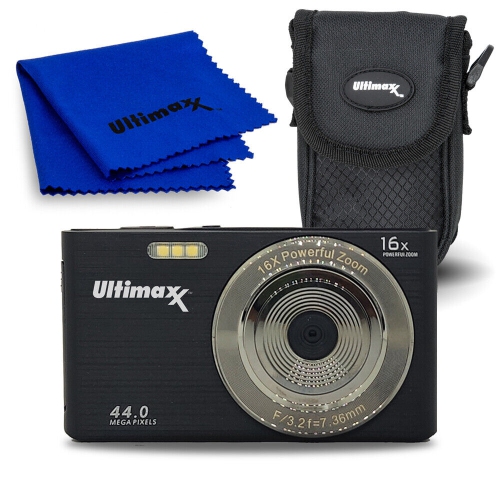
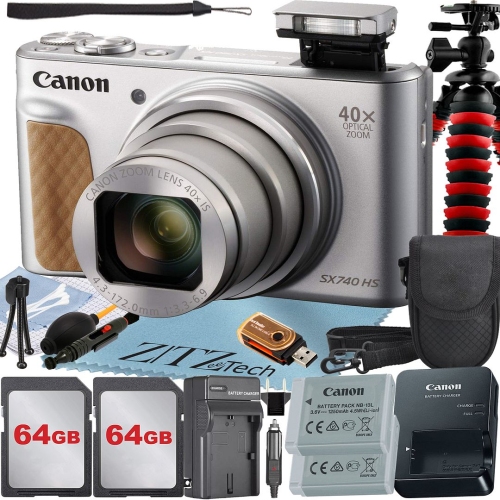
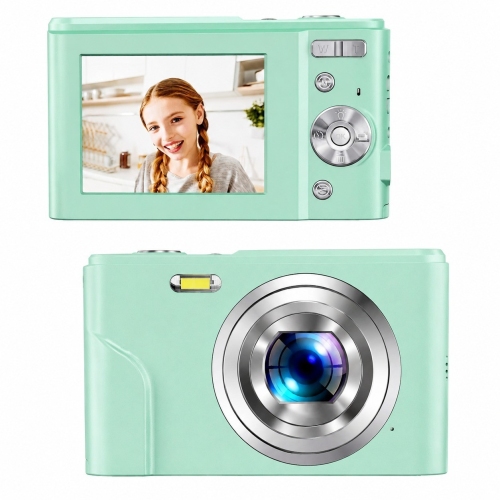
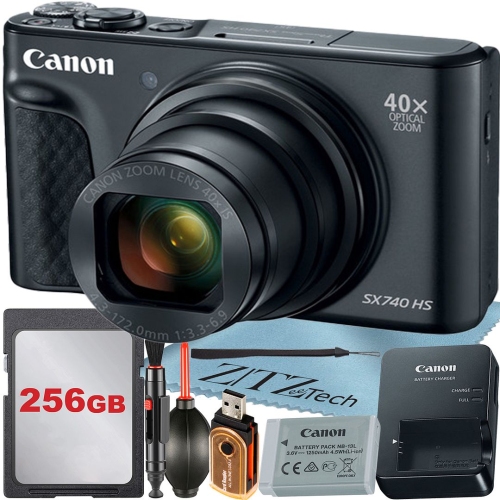
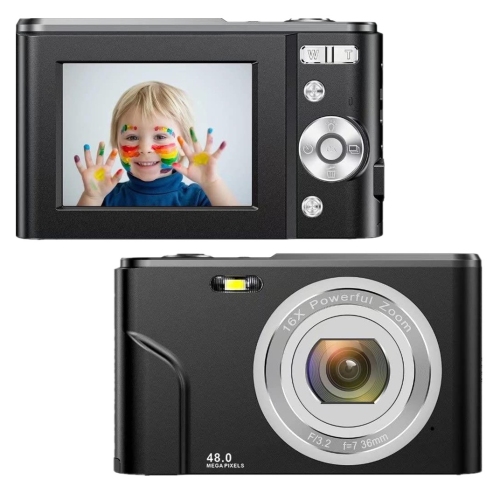
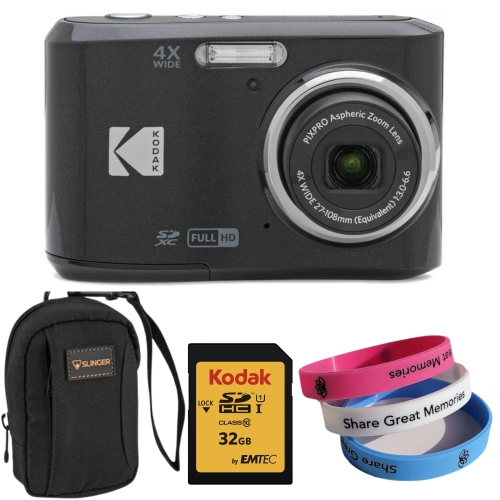
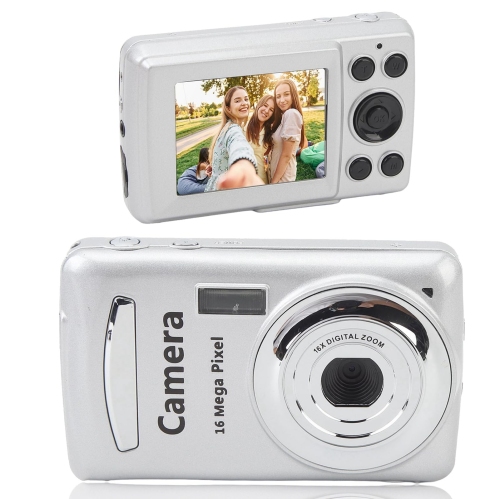
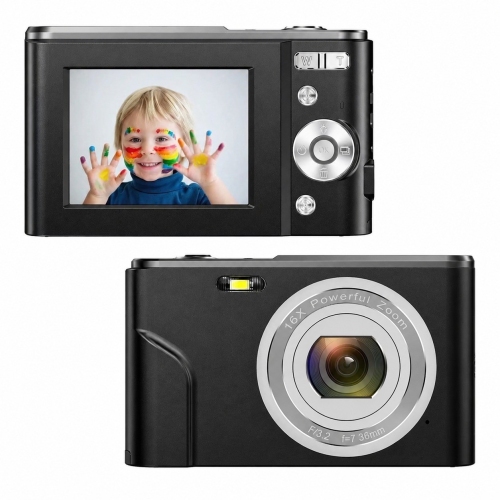
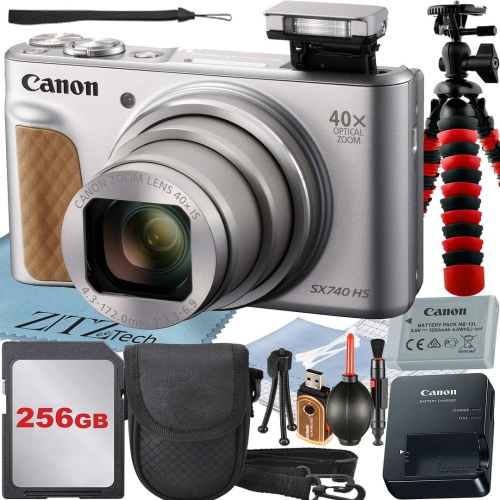

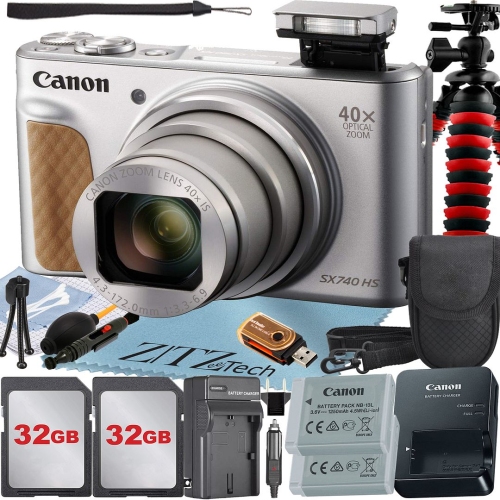
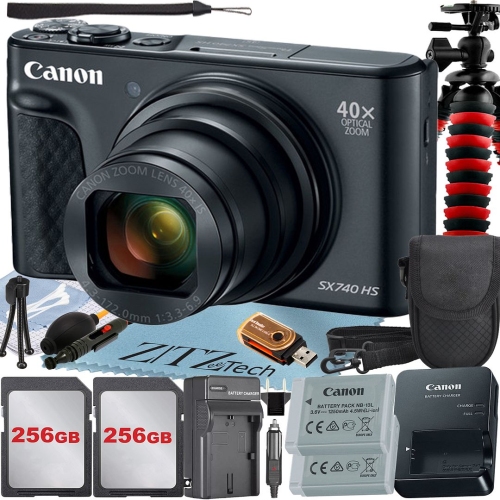

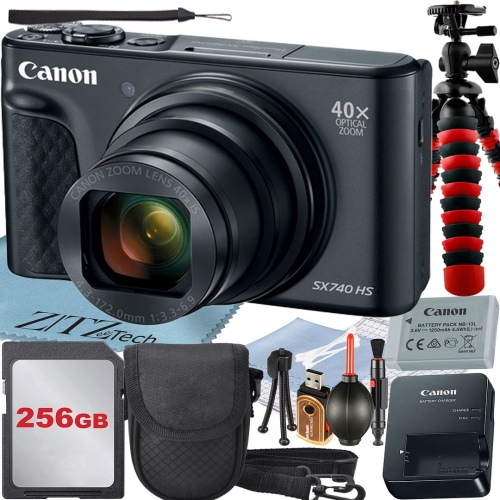
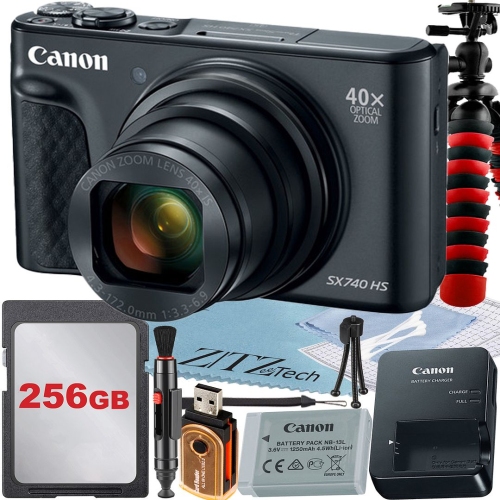
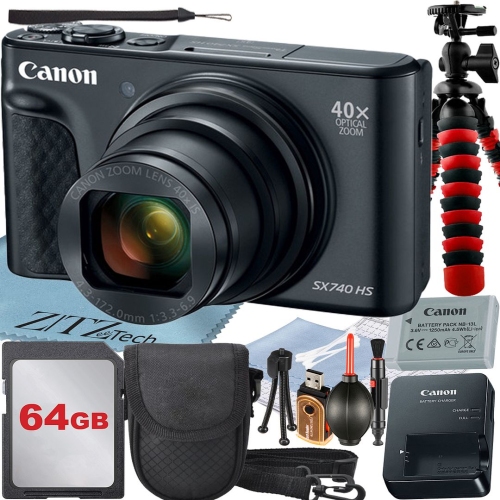
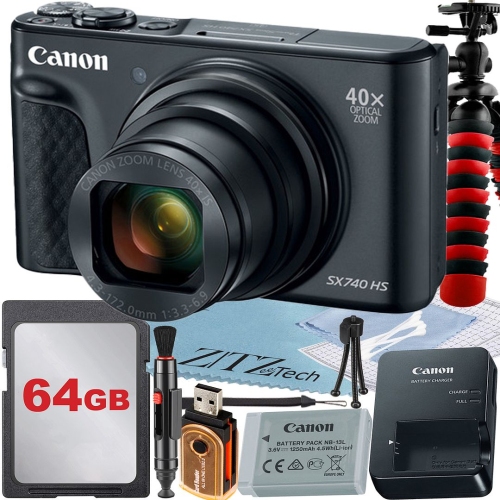
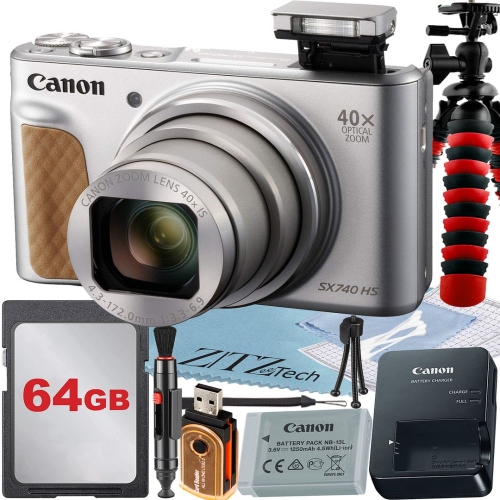
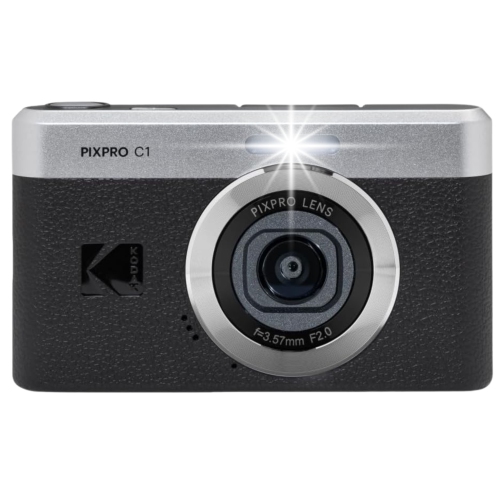

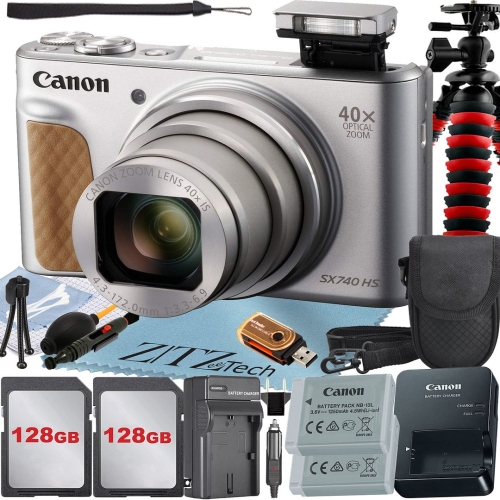
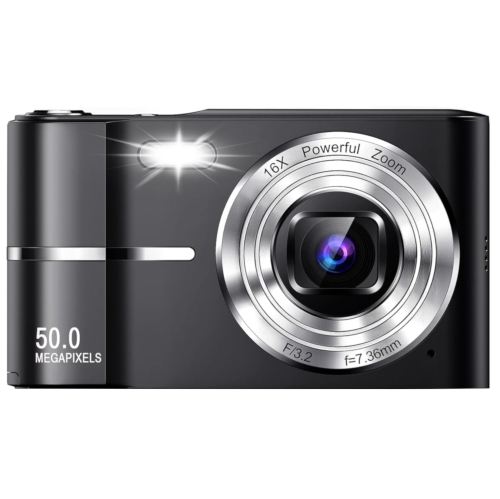
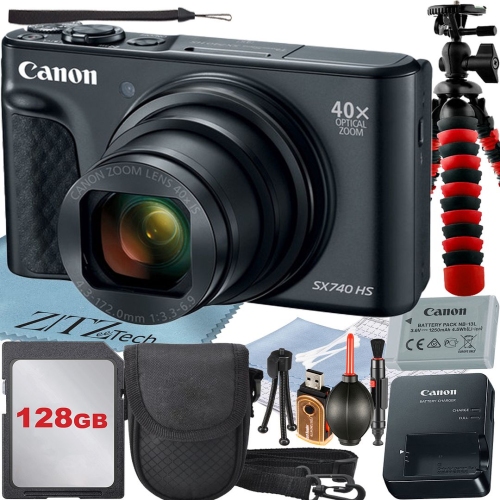
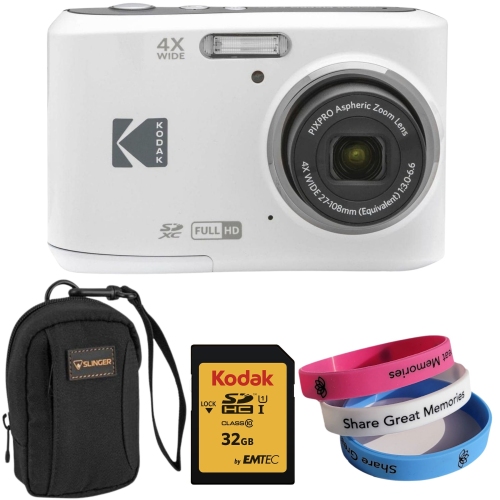
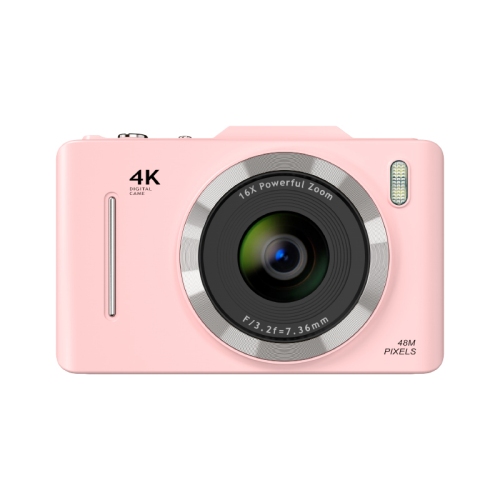
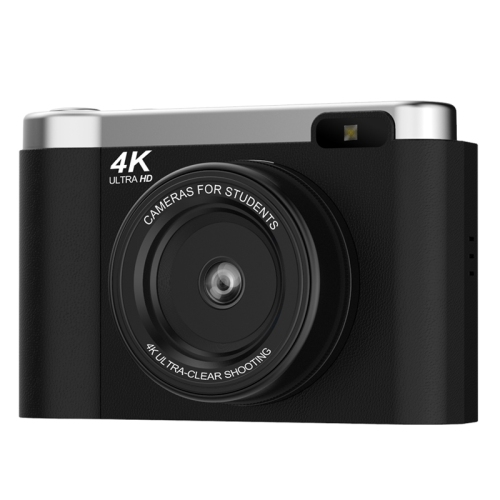
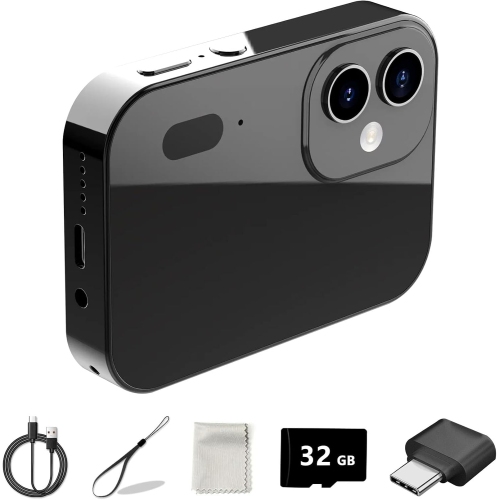
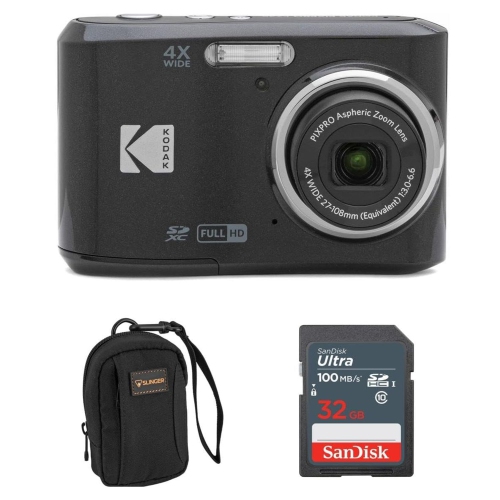
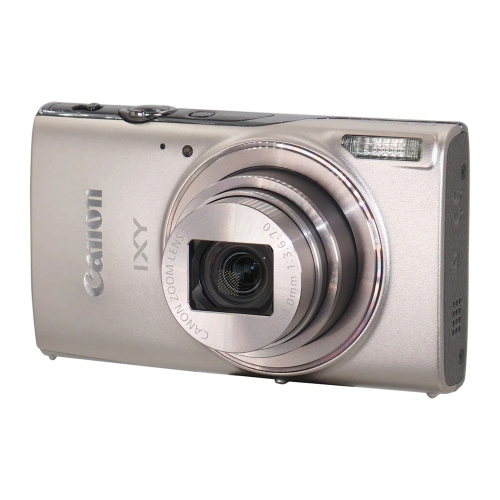


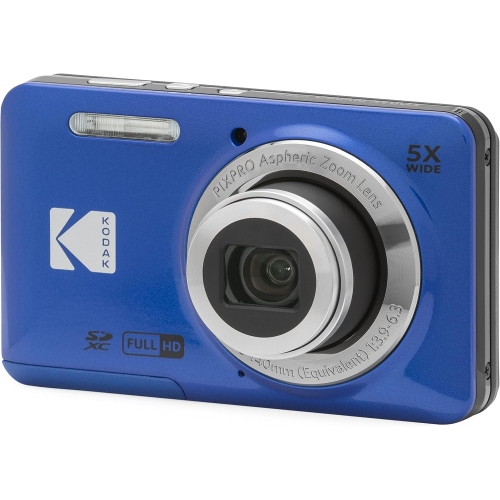
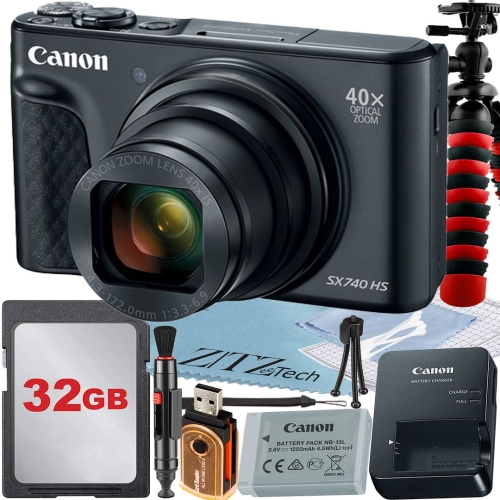
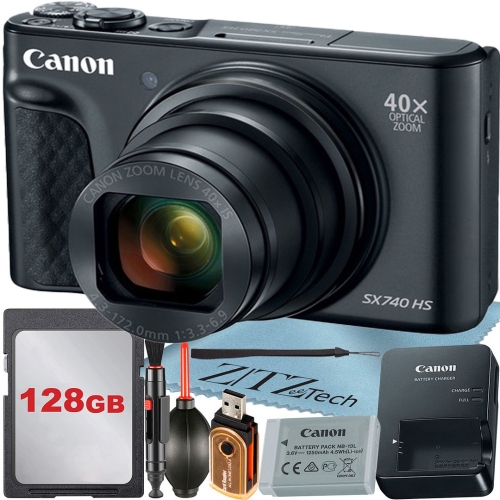
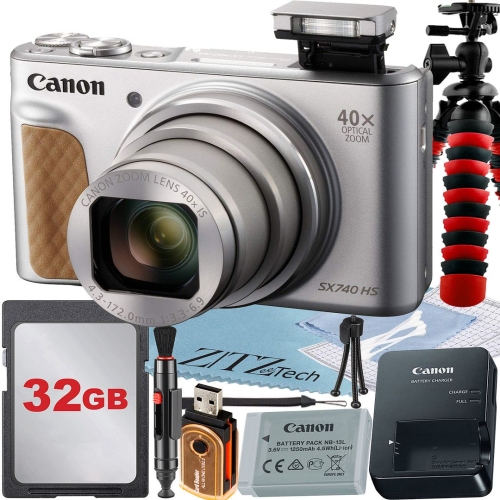

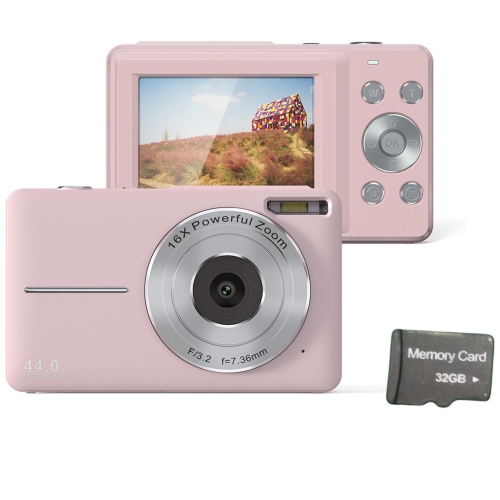
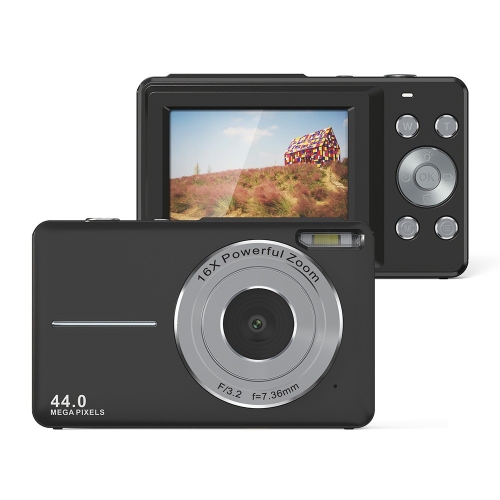
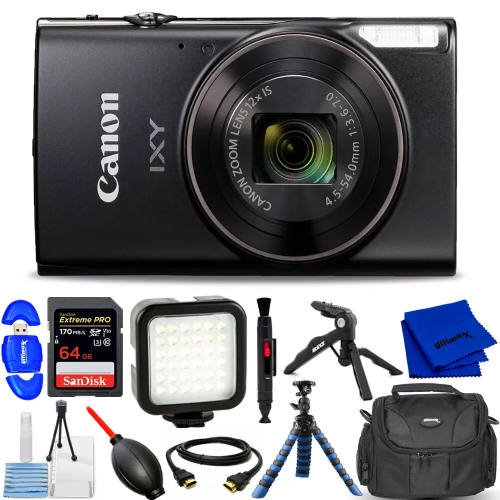
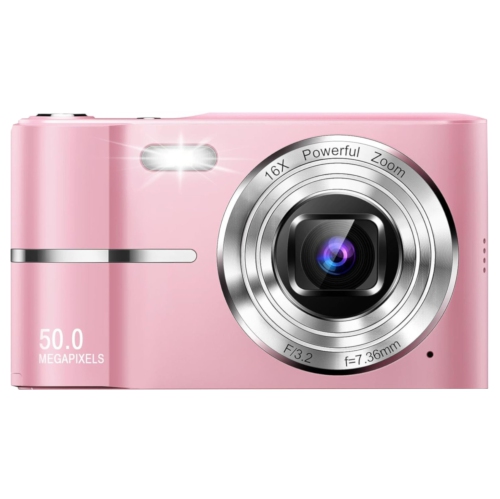
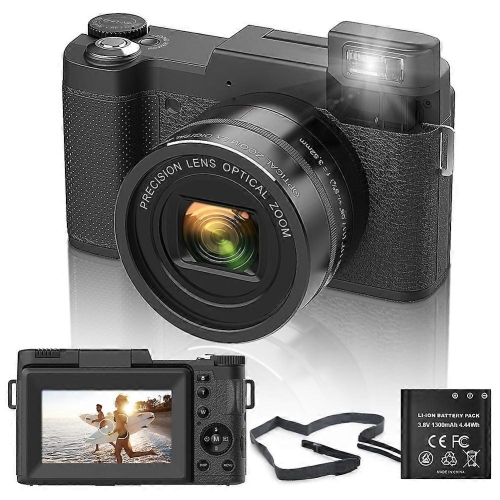
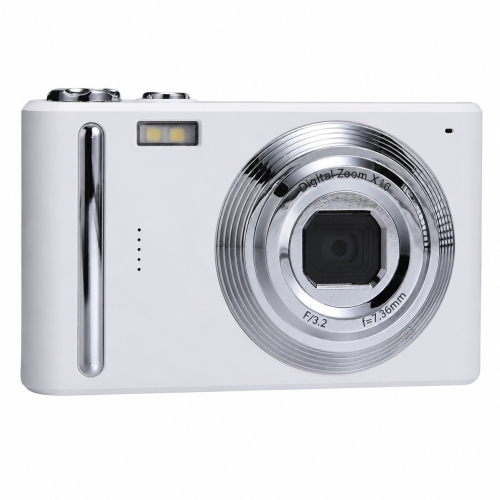

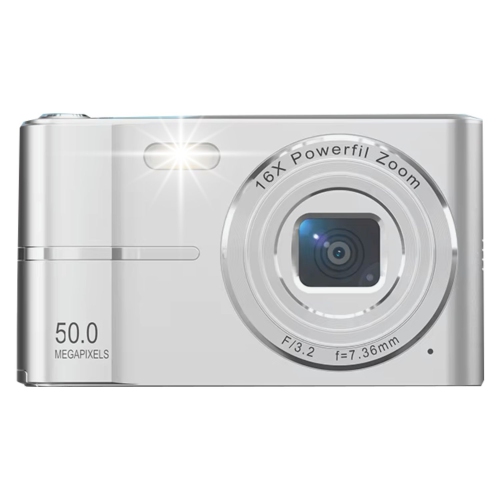
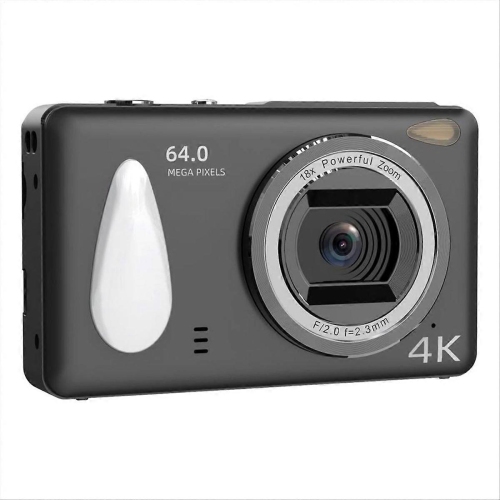
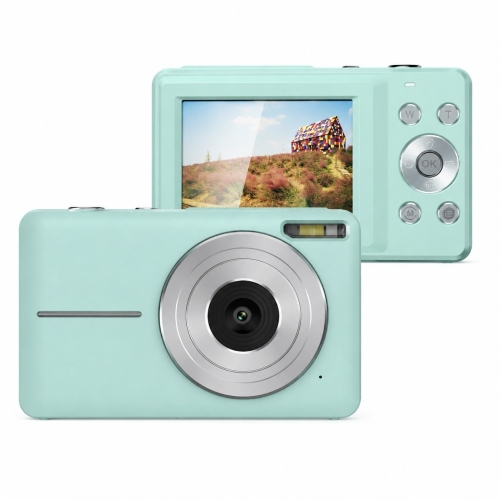
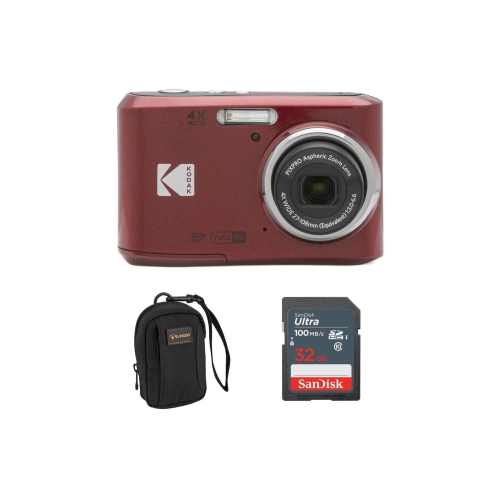




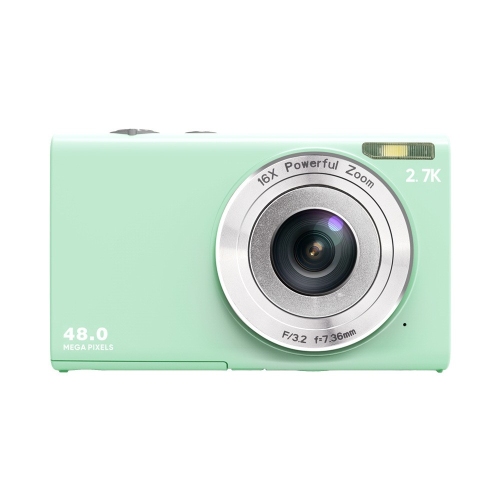
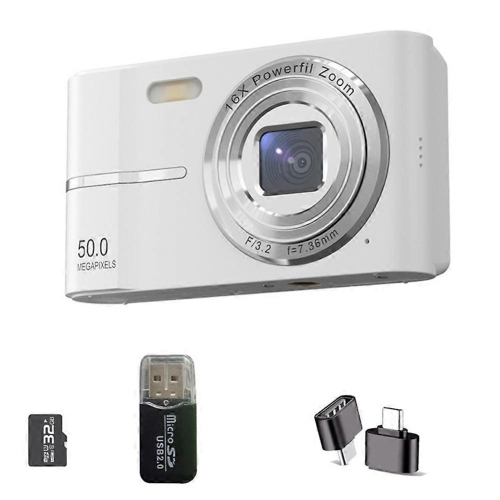
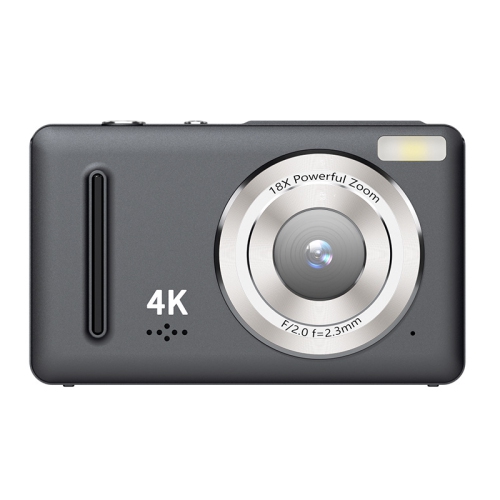
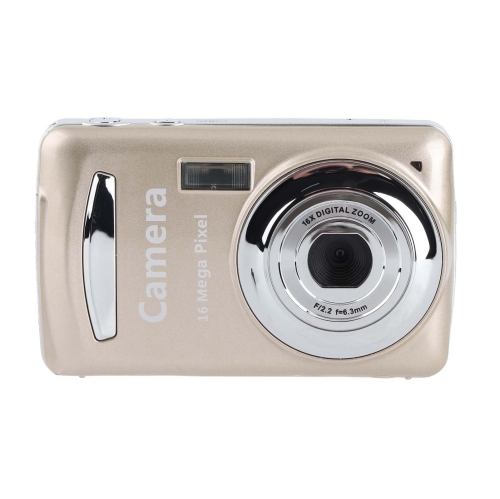
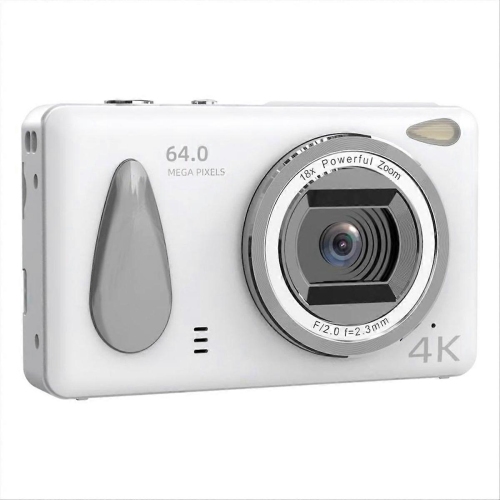
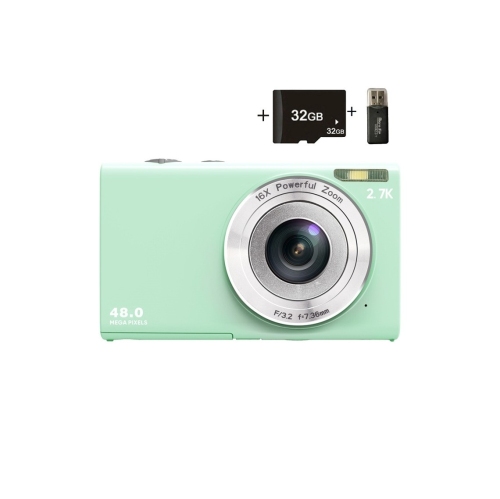

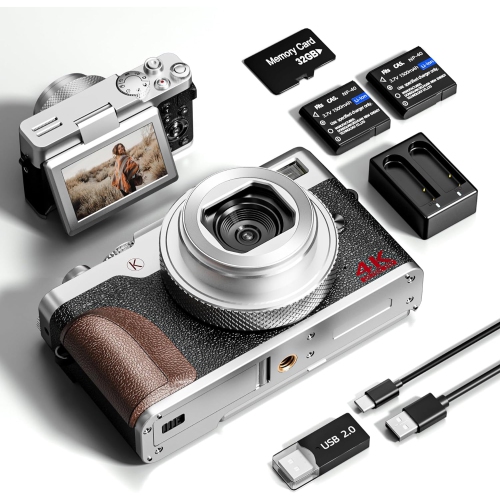

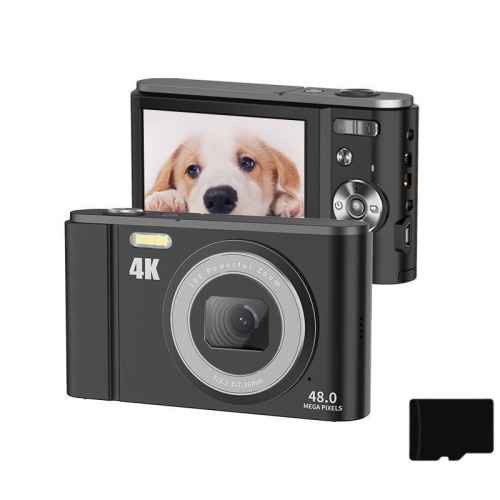



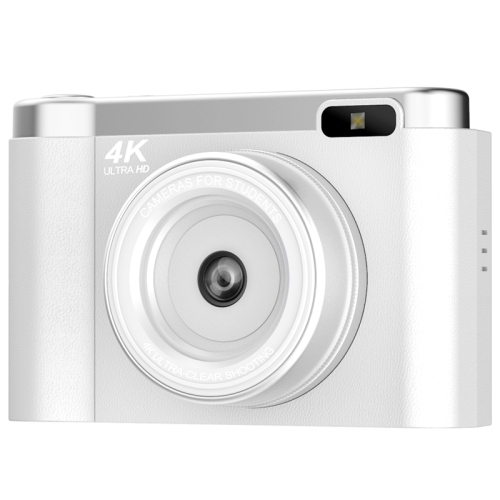
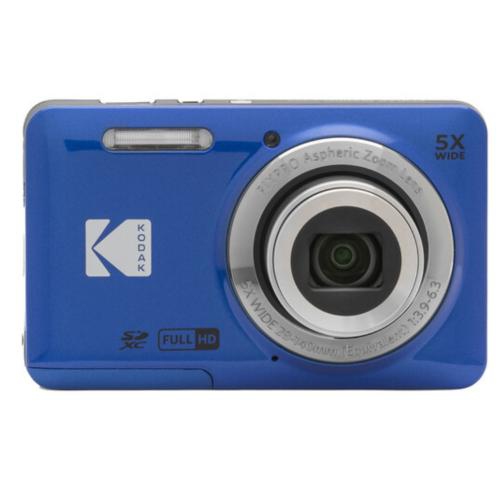
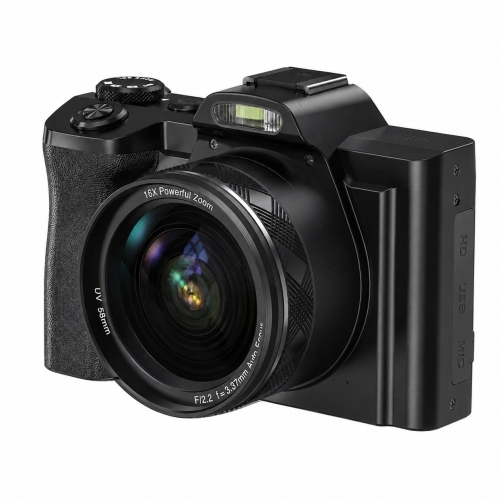
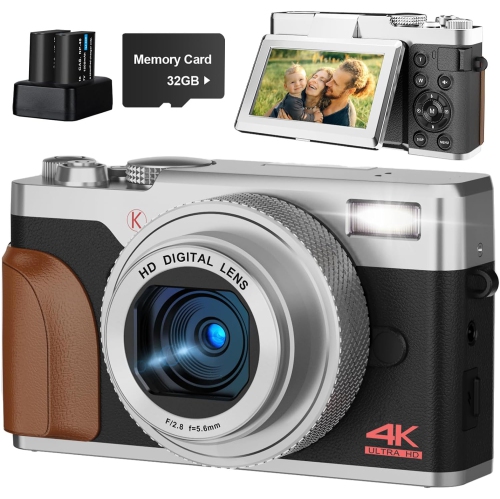

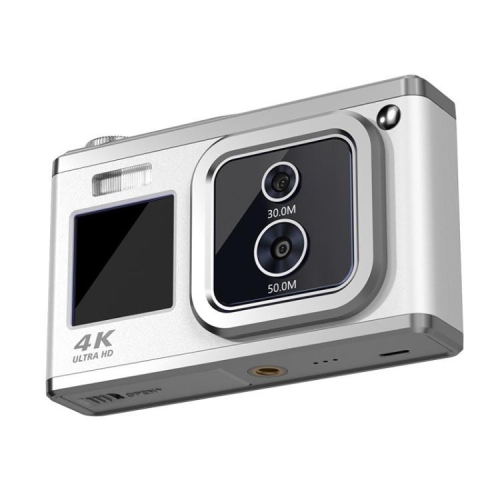
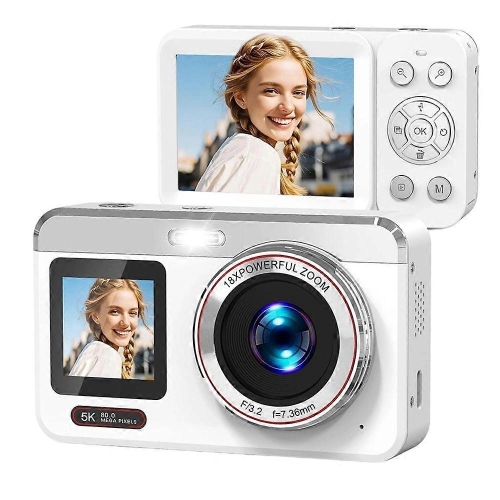
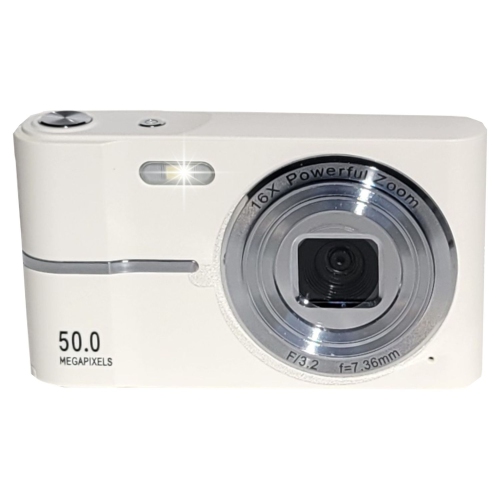

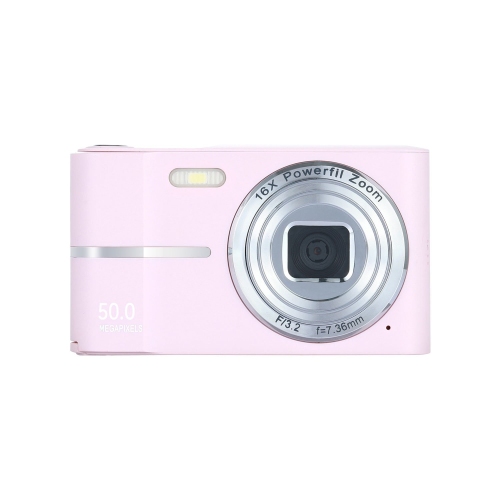
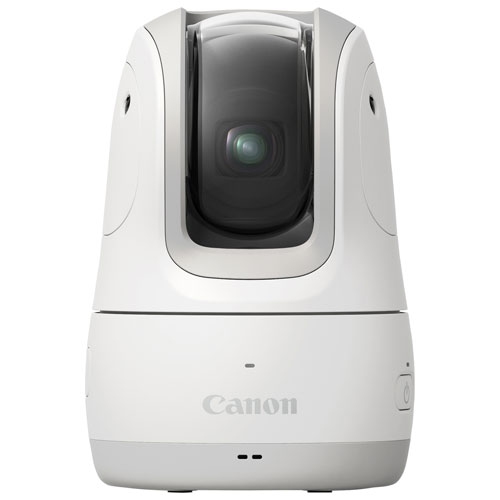
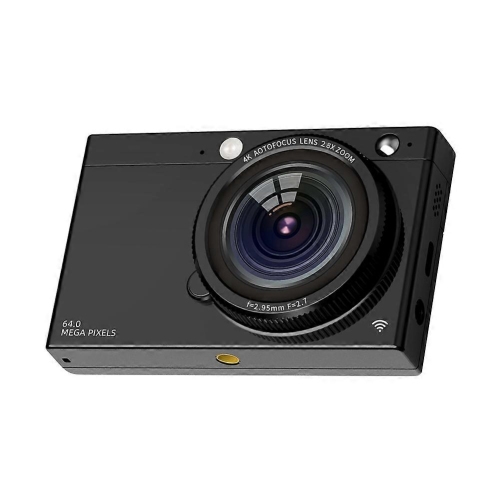
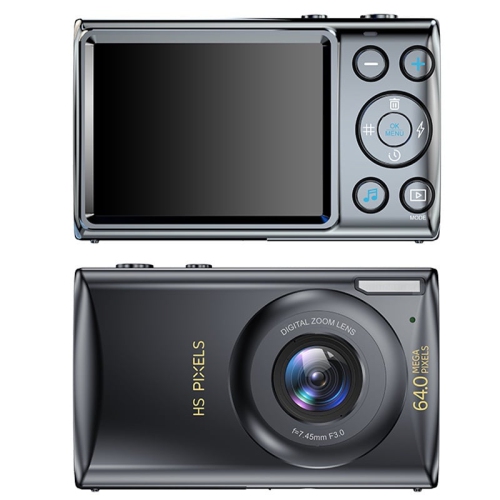
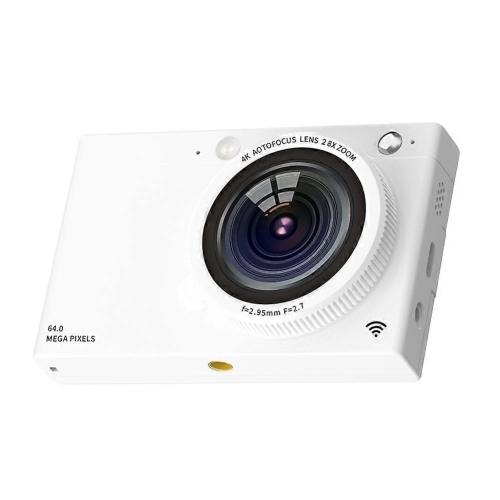



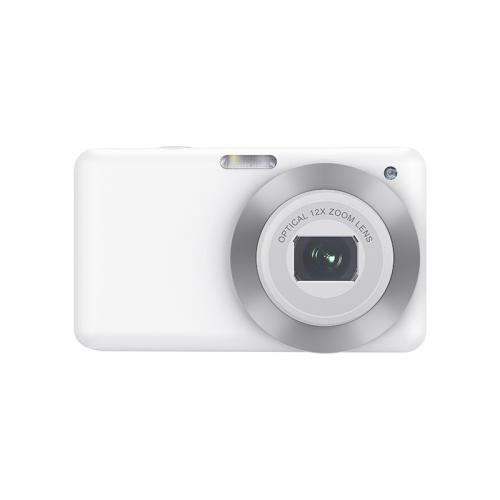
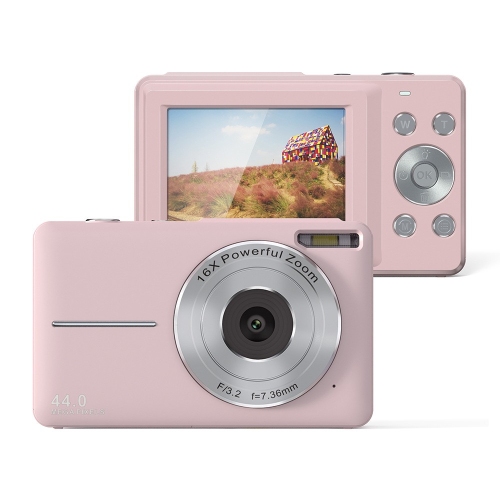
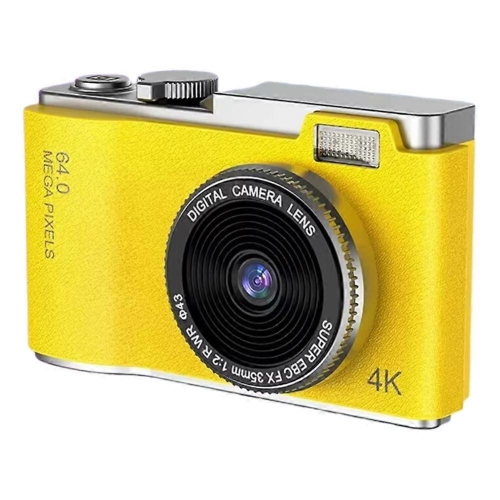
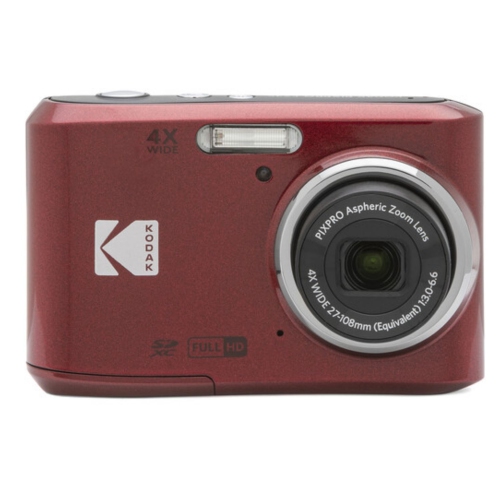
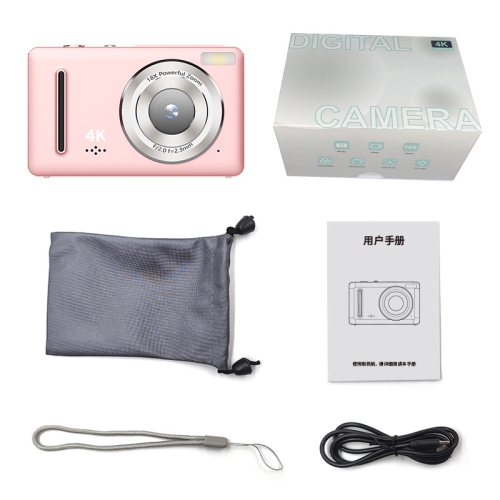
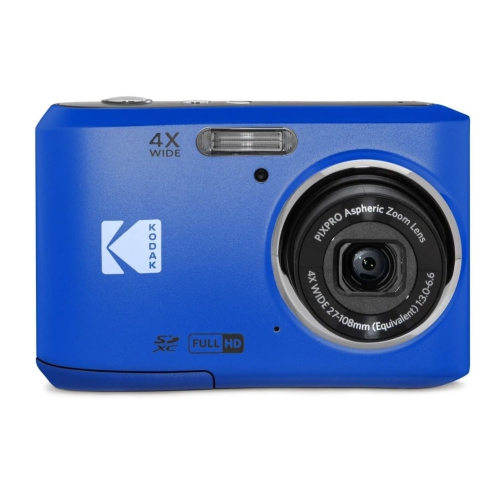
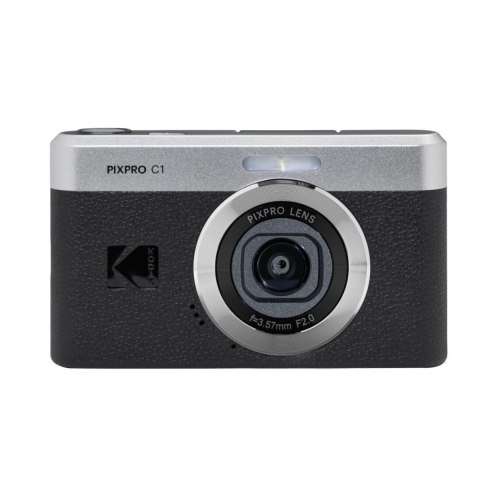
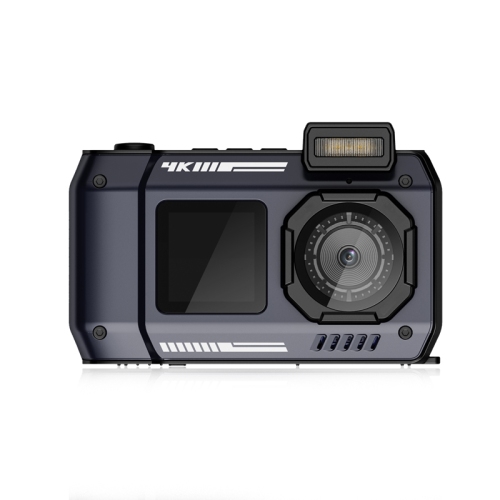
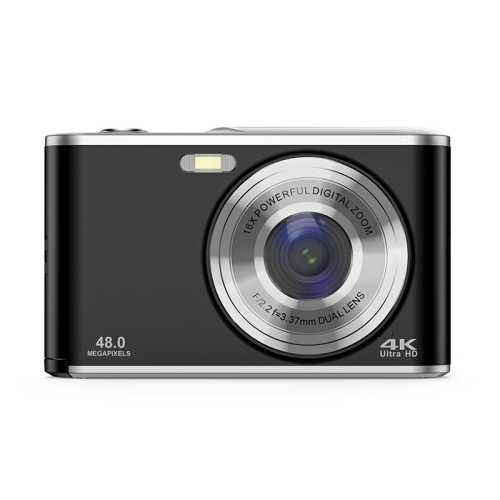
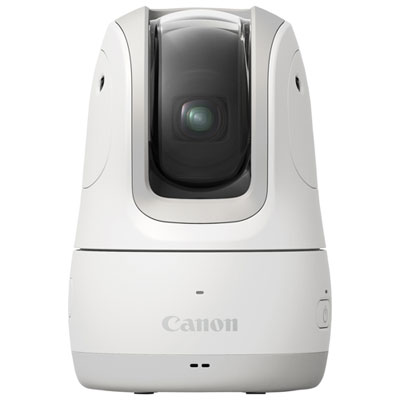
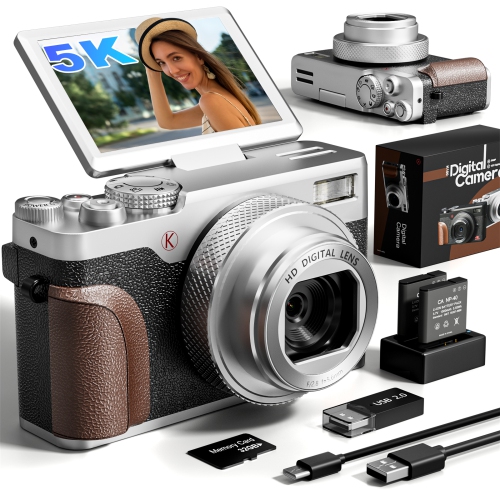
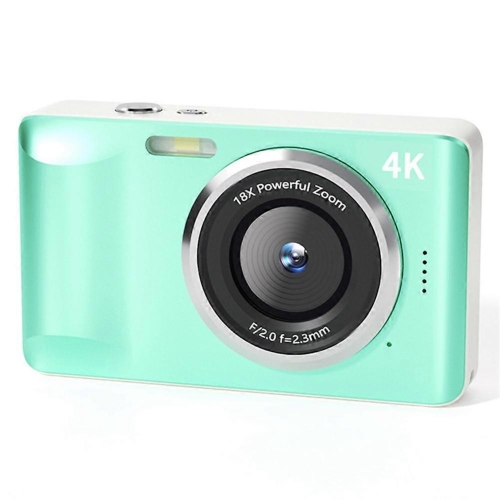
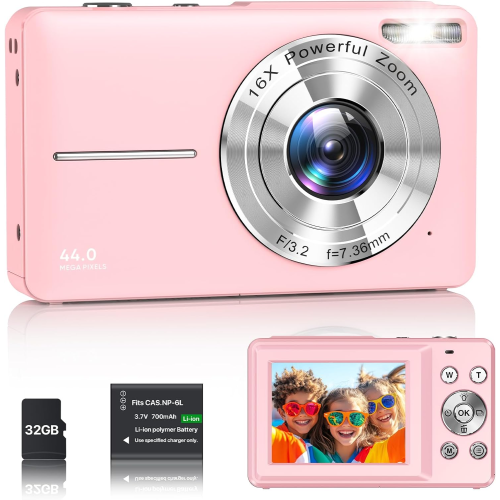
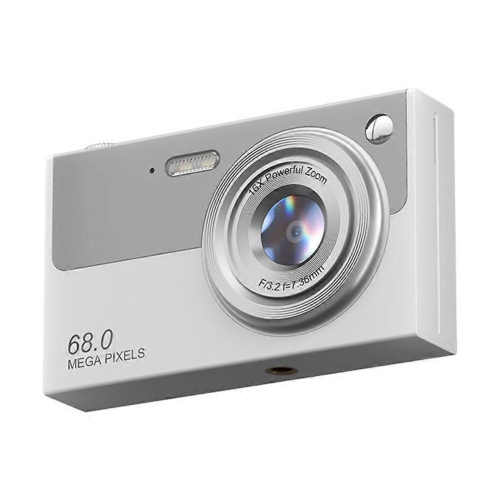


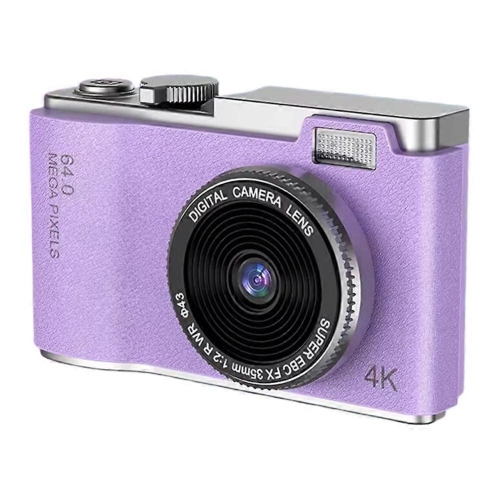
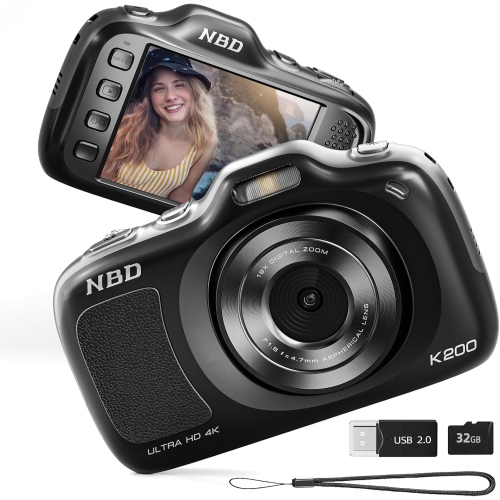
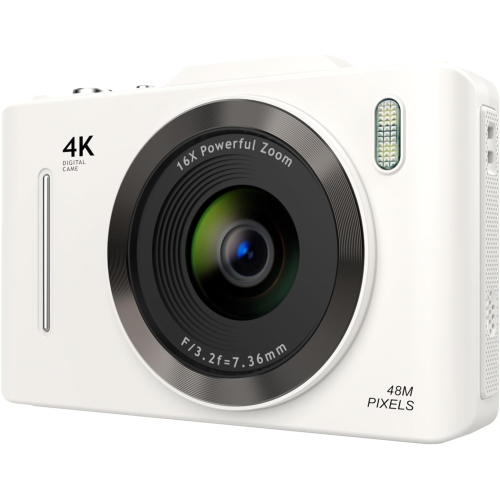
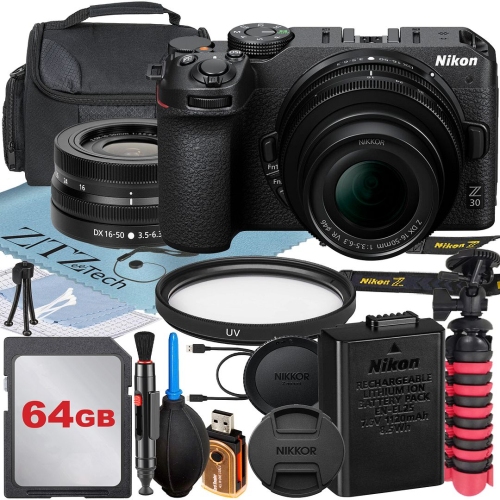
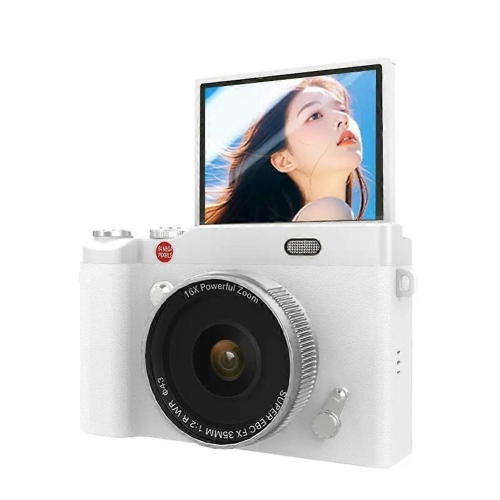
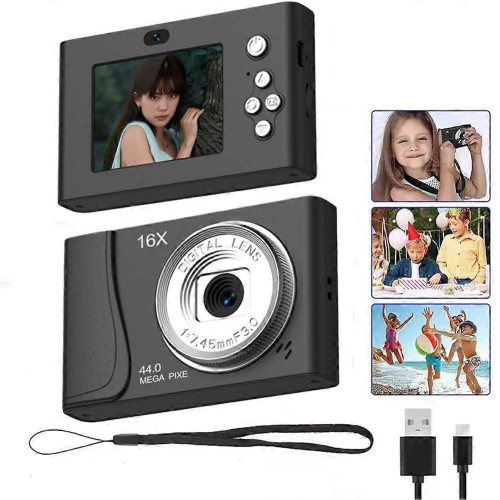
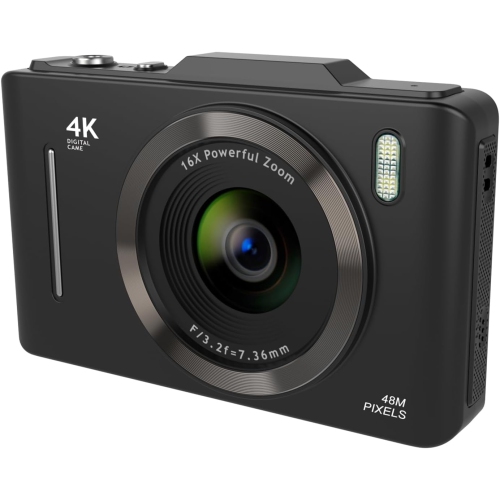
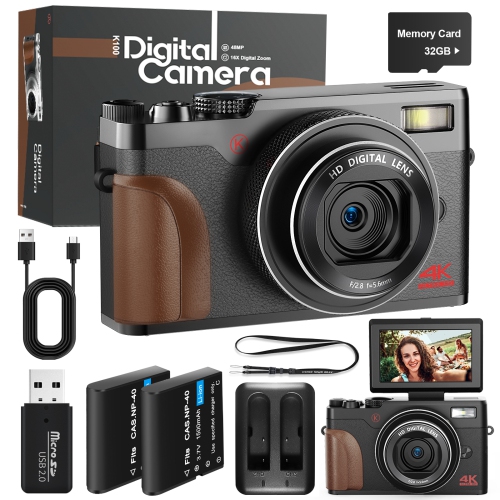
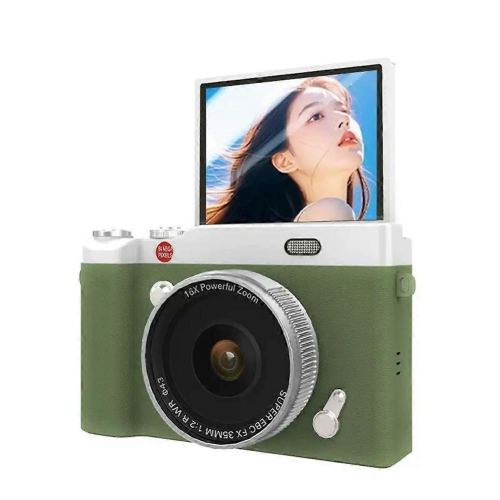

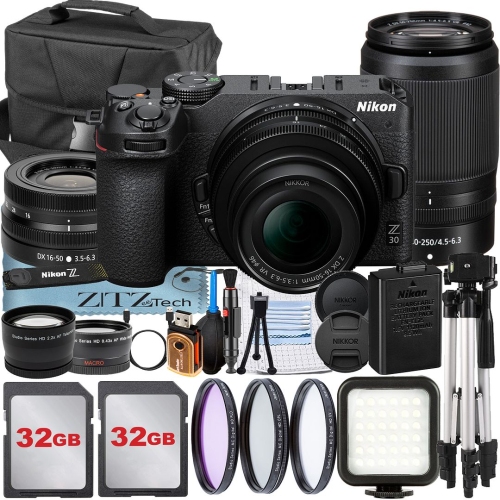
Wide views and distant details without changing lenses
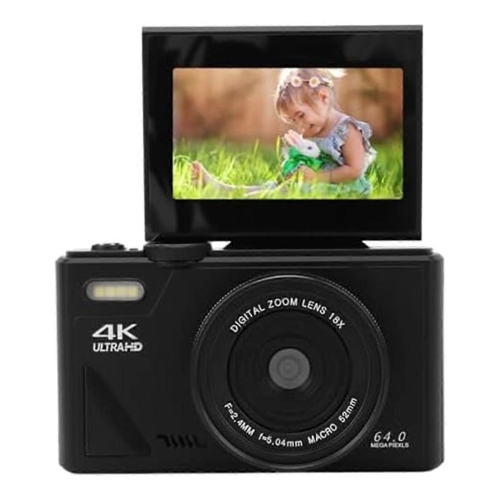
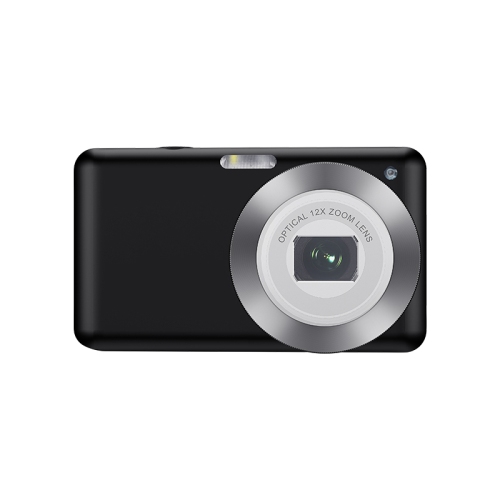
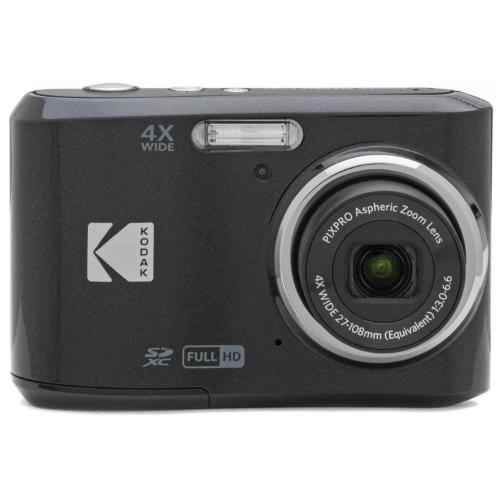
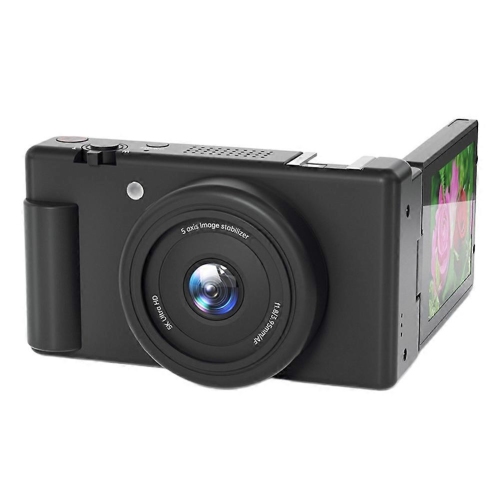
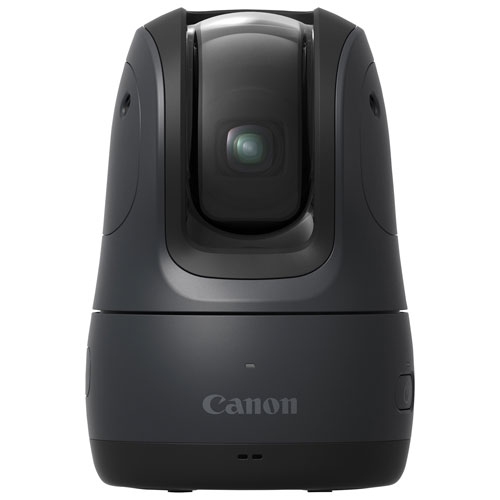
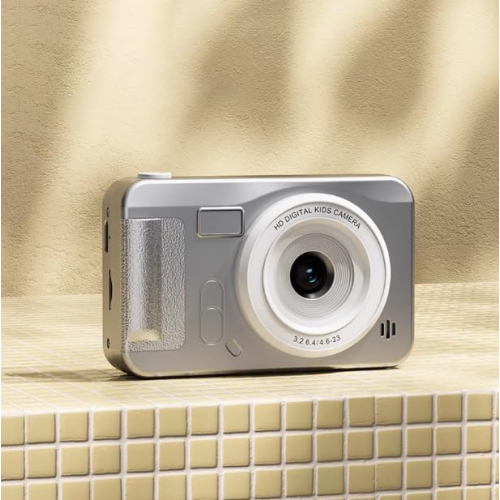
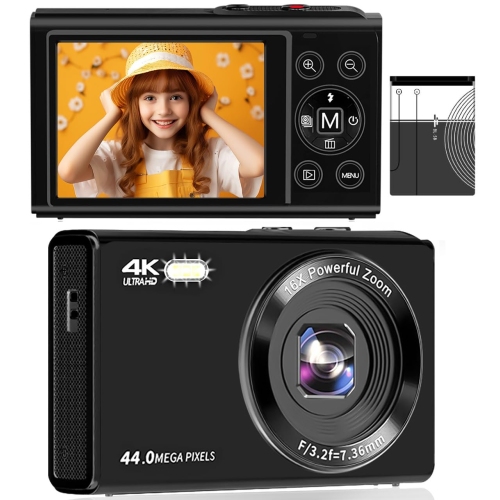
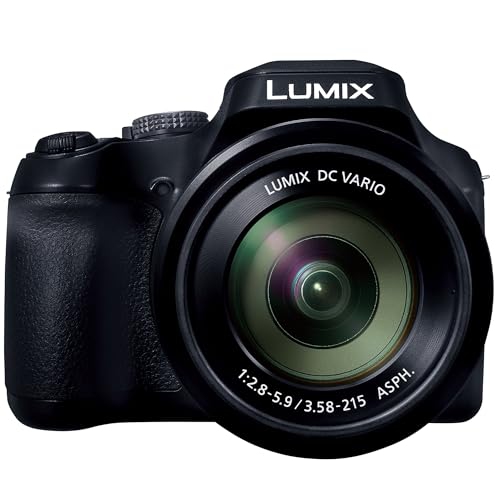
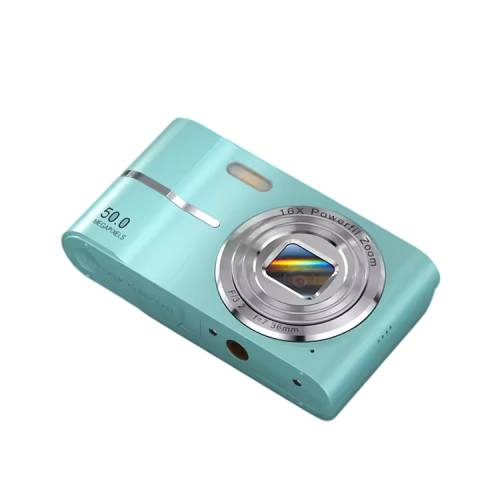
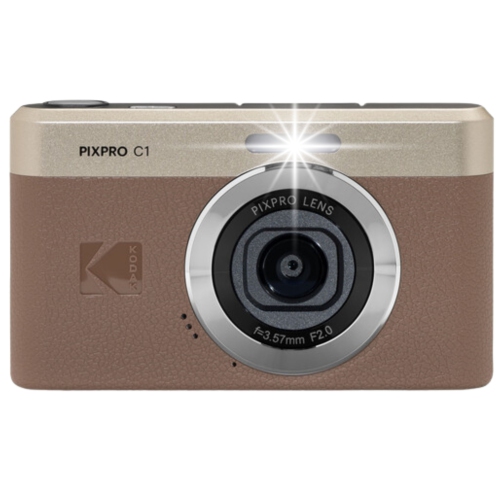
Image quality in a compact zoom camera comes from the combination of sensor, lens, focus performance and processing rather than megapixel count alone. A larger sensor generally offers advantages in dim light and in scenes containing both bright highlights and deep shadows, although it may be paired with a shorter zoom range or a larger body. Smaller sensors can allow considerable telephoto reach in a compact package, making them useful for daylight sightseeing and distant subjects. Lens aperture is another part of that balance. A wider maximum aperture admits more light, helping the camera use a faster shutter speed indoors or as daylight fades. On many compact zoom lenses, the maximum aperture becomes narrower as the lens zooms in, so a camera that handles a wide indoor scene comfortably may need more light for a tightly framed portrait from across the room. Optical image stabilization helps reduce blur caused by small hand movements, especially at longer focal lengths, but it cannot freeze a moving child or a running pet. Those subjects still need a sufficiently fast shutter speed and responsive autofocus. Face and eye detection, where supported, can help keep attention on a person rather than the background, while subject tracking can be useful when movement is less predictable. Continuous shooting provides several frames of a fleeting expression or action, though sustained shooting speed and autofocus behaviour vary. An electronic viewfinder can make composition easier in bright sunlight and offers another point of contact for steadier handling; a tilting screen is useful for photographing a pet at floor level or framing a shot above a crowd. Touch controls may feel familiar to phone photographers, whereas dedicated dials offer direct access to exposure settings. Automatic modes suit quick snapshots, and manual exposure controls or RAW capture give interested photographers more room to develop their skills. For shoppers whose main priority is reaching distant subjects, Superzoom Cameras offer a related category to explore, with attention to the trade-offs between lens reach, body size and low-light performance.
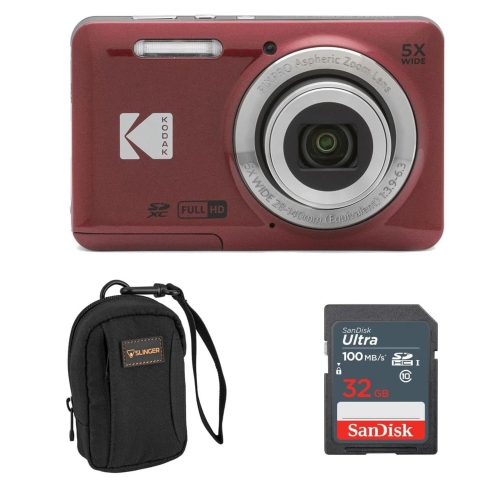
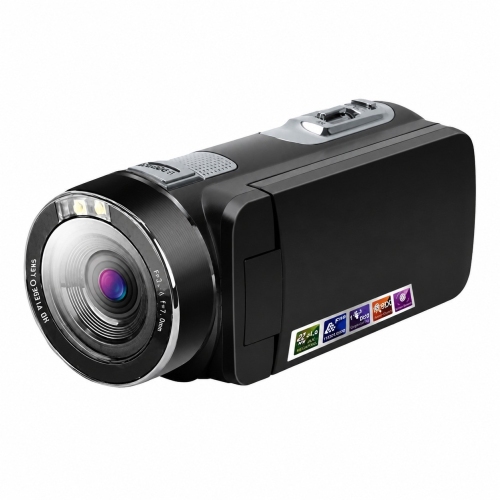
Everyday comfort and care have a lasting effect on how enjoyable a compact zoom camera is to use. Bodies may combine metal panels, engineered plastics and textured grip surfaces, but the material alone does not establish durability or weather resistance. A secure grip, a comfortable wrist strap and buttons that can be operated without accidental presses often matter more during a long afternoon of photography. During the cooler months, smaller controls may be awkward with gloves, and keeping a spare battery protected in an inner pocket can be helpful because cold conditions can temporarily reduce battery performance. Weather sealing should never be assumed: a compact camera is not necessarily protected against rain, snow, blowing sand or splashes simply because it feels solid. A padded pouch helps keep grit away from the lens mechanism and prevents loose keys from scratching the screen. Retractable lenses are particularly vulnerable to pressure and obstruction, so the camera should be switched off and the lens fully retracted before being packed away. Dust is best lifted gently with a suitable blower before a clean lens cloth is used, rather than rubbed across the glass with a sleeve. After moving from cold outdoor air into a warm room, allowing the camera to warm gradually inside a closed bag can help limit condensation. Practical features also shape its role beyond still photography. Video resolution is only one consideration; autofocus transitions, stabilization, microphone options and any recording limits influence footage of a school performance or a walk through a busy market. Wireless transfer through Wi-Fi or Bluetooth, when supported, can simplify sharing with a compatible phone, though app requirements and transfer capabilities differ. Battery charging methods, memory card compatibility and the location of the card slot are worth considering alongside the camera’s size, especially for travel or tripod use. A small tabletop tripod can steady a group portrait, while a spare compatible battery and card support longer outings without adding much bulk. The right balance is personal: a genuinely pocketable camera encourages everyday use, while a slightly larger grip or longer lens may better suit someone who enjoys taking time over distant details. Compact zoom cameras bring those choices together in a self-contained format that can stay close from an afternoon walk to an evening gathering.
Top selling and popular products
-
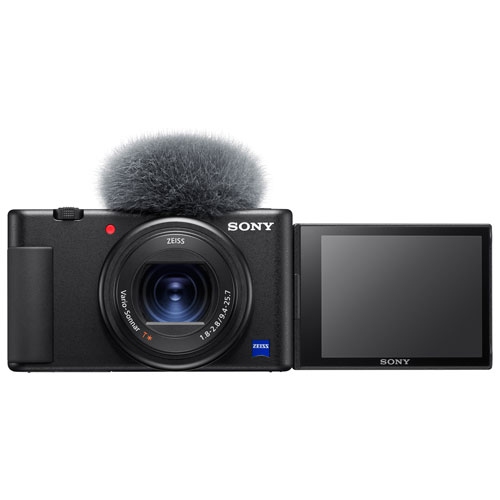 Your price for this item is $804.97
-
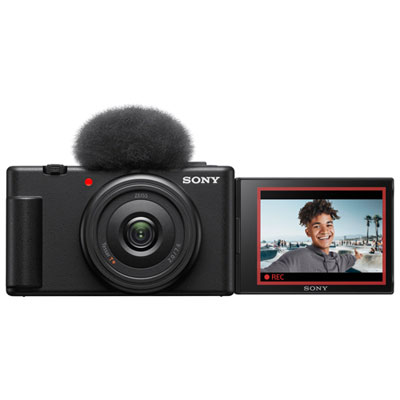 Your price for this item is $649.99
-
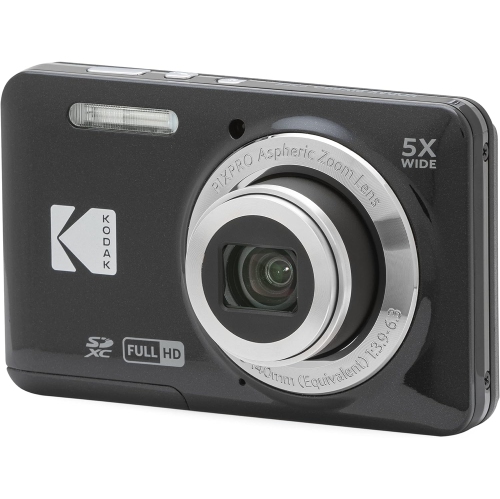 Your price for this item is $255
-
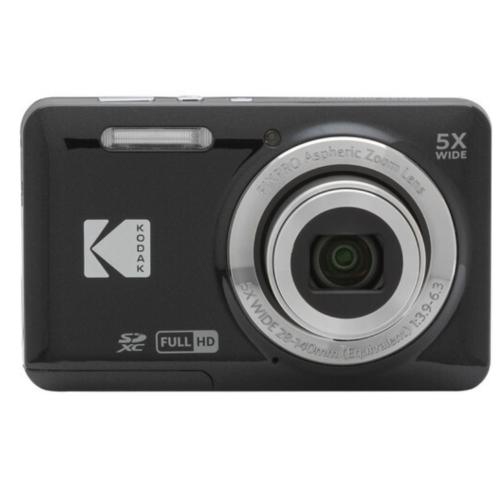 Your price for this item is $253
-
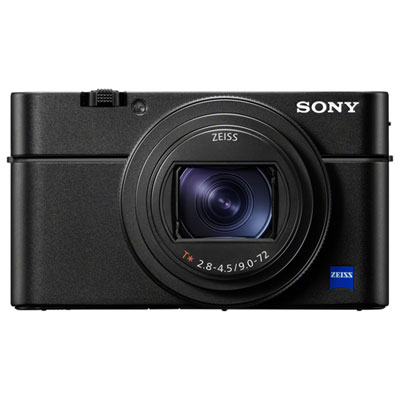 Your price for this item is $1999.99
-
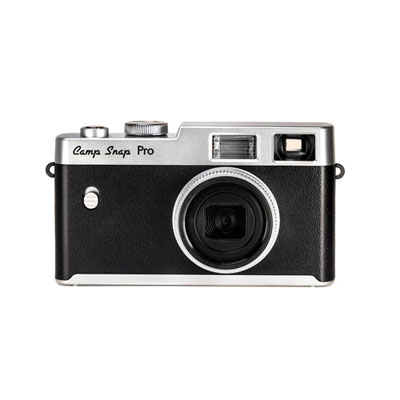 Your price for this item is $99.99
-
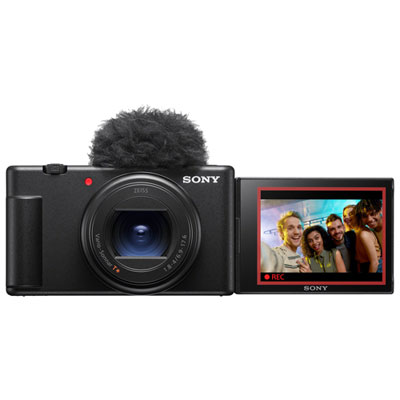 Your price for this item is $1199.99
-
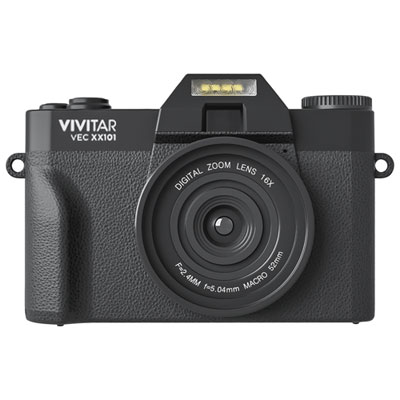 Your price for this item is $249.99