Cool Camera Backpacks
If you're a photographer, you know that the right bag can make all the difference. Whether you're carrying a DSLR, an iPhone, or a point-and-shoot, your camera equipment deserves the best protection it can get. The best camera backpack for photographers has to be comfortable, durable, and stylish, and it should have plenty of pockets for all your gear.
Sort
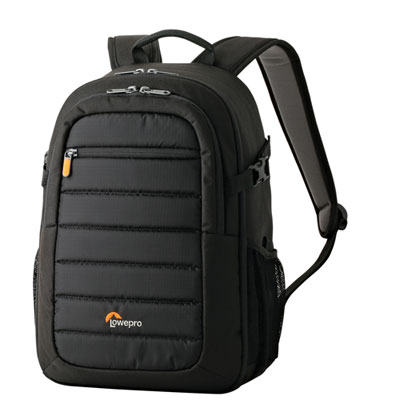
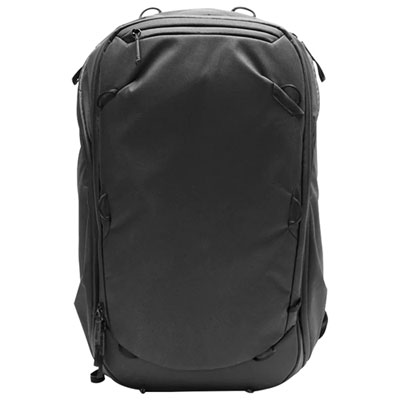
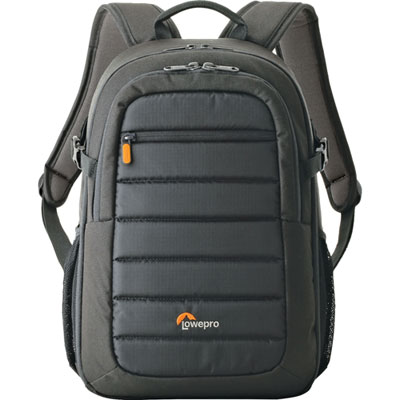
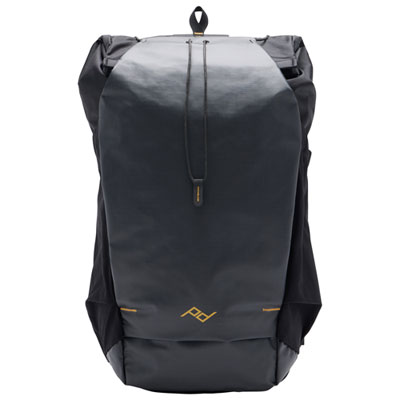
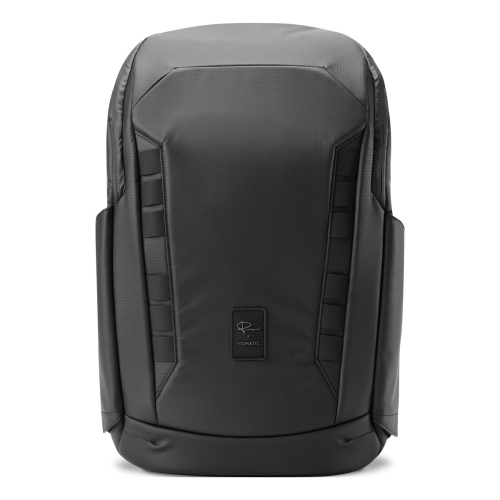
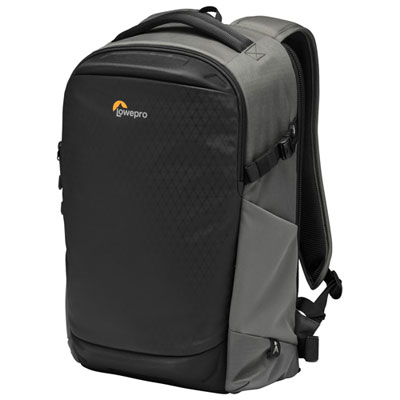
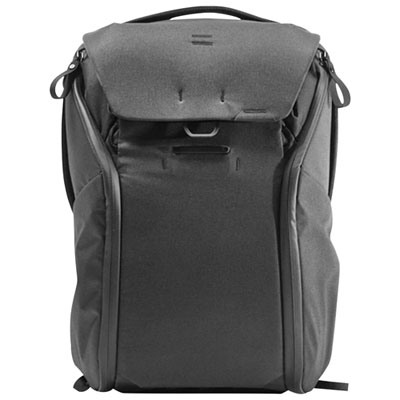
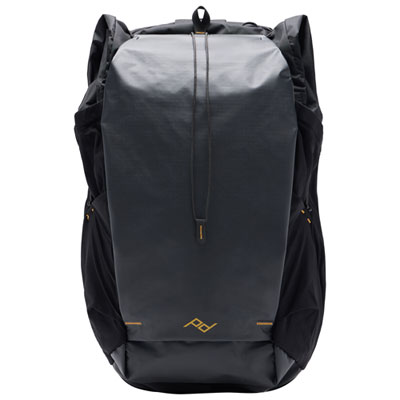
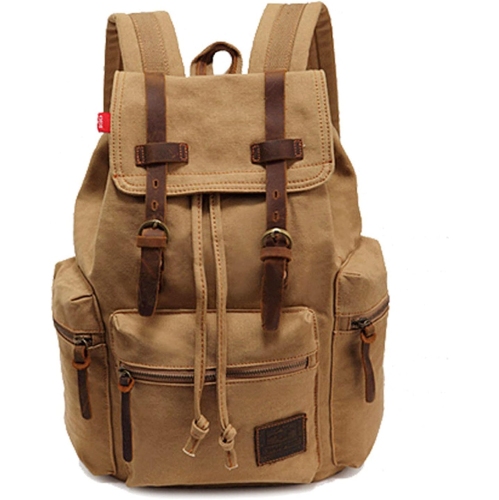
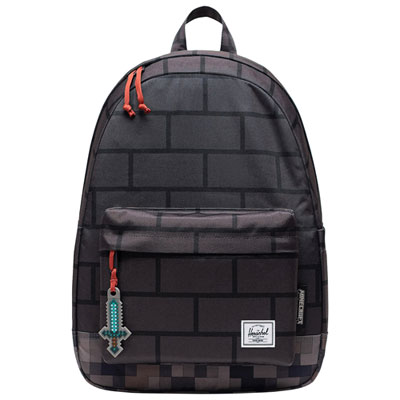
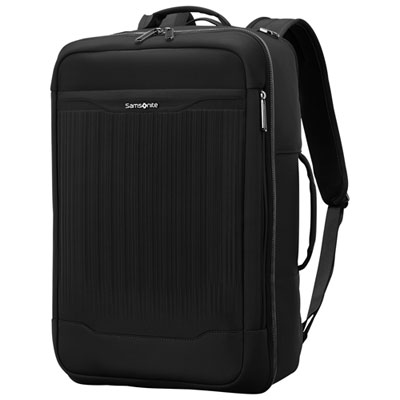
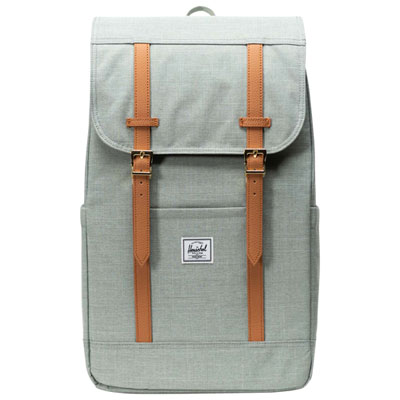
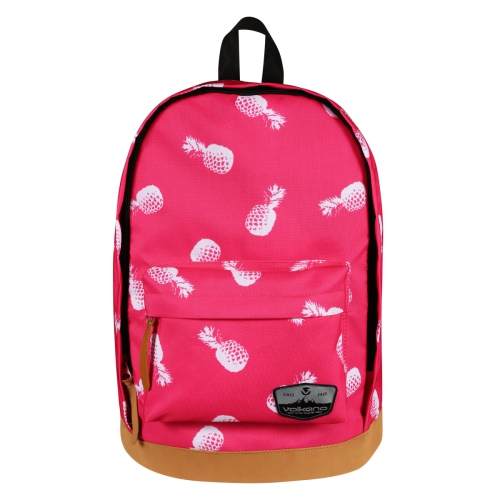

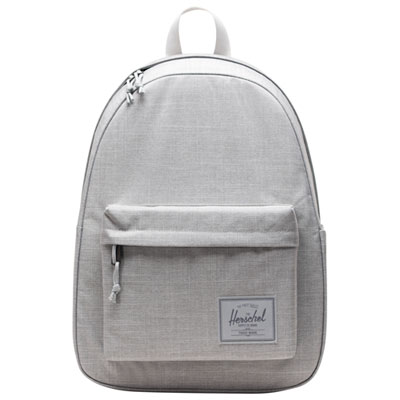

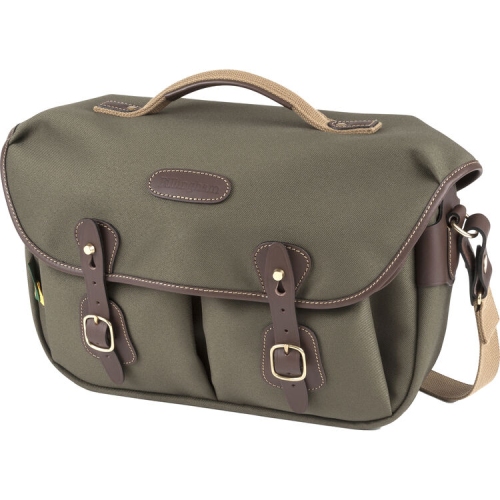
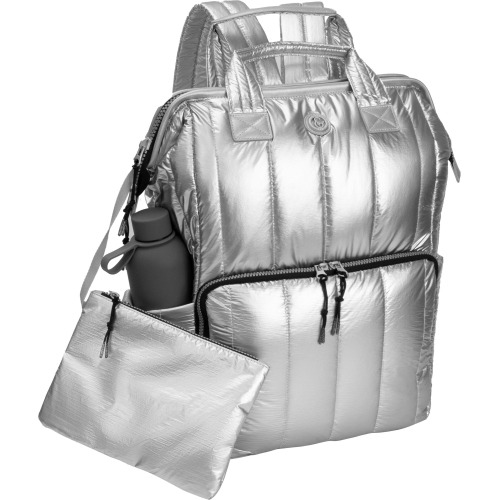

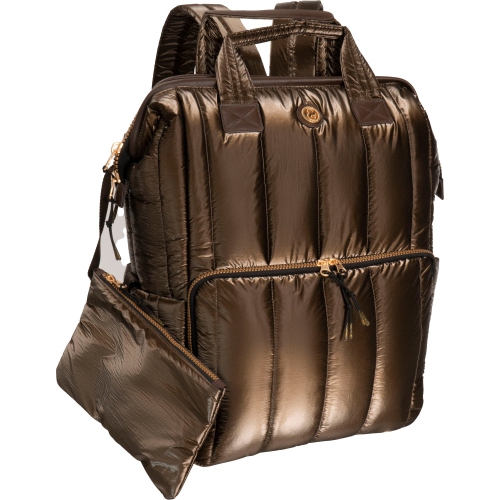
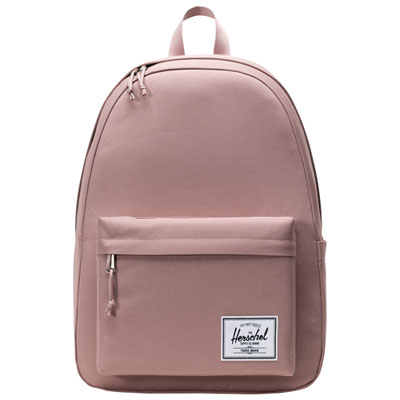
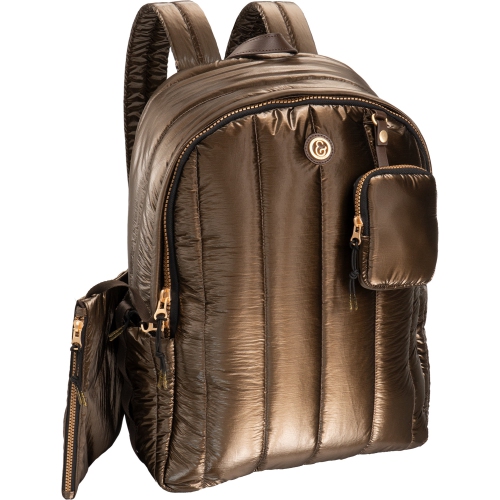

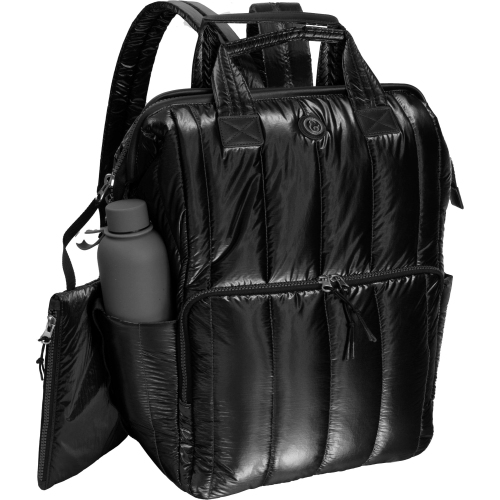

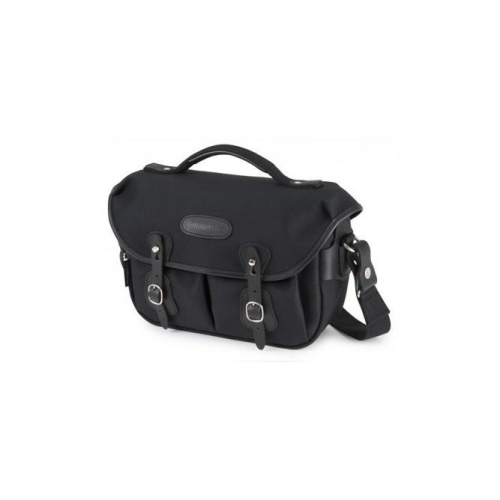
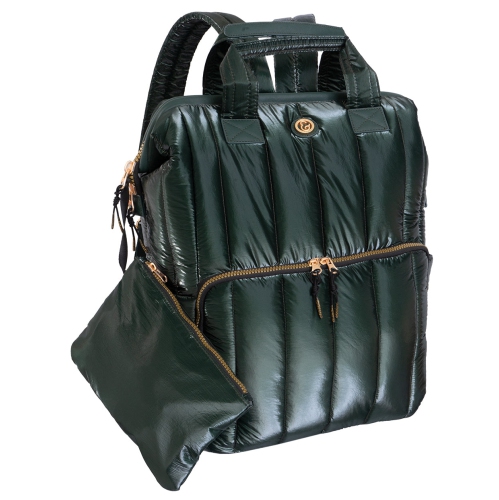
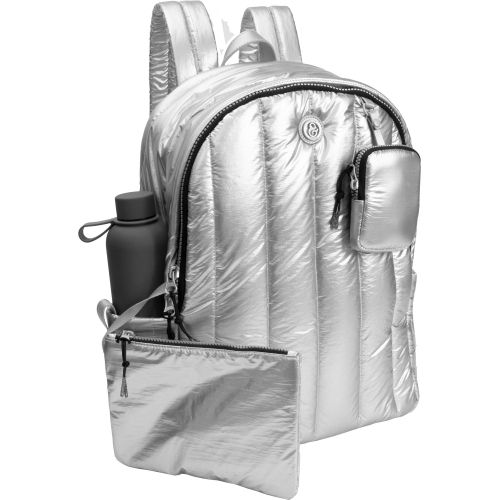
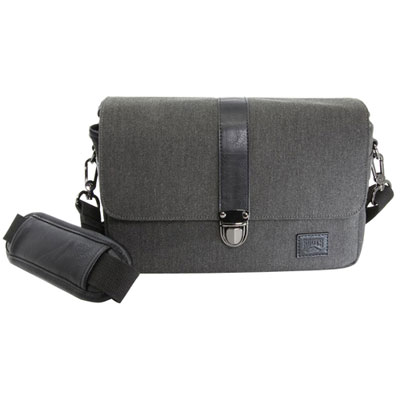
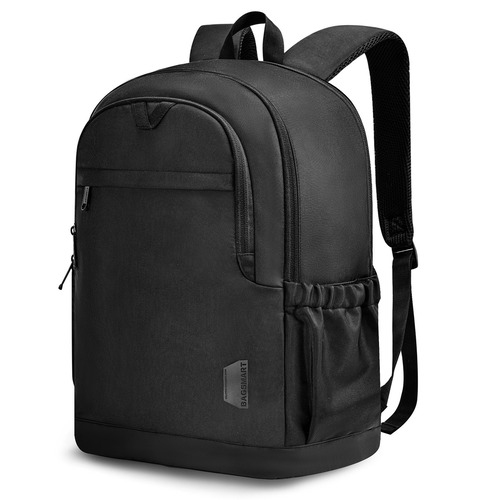

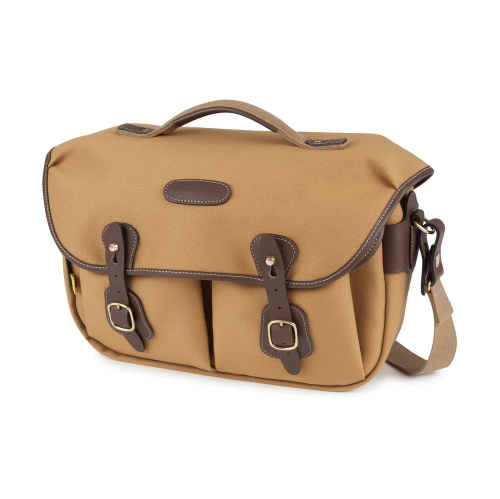


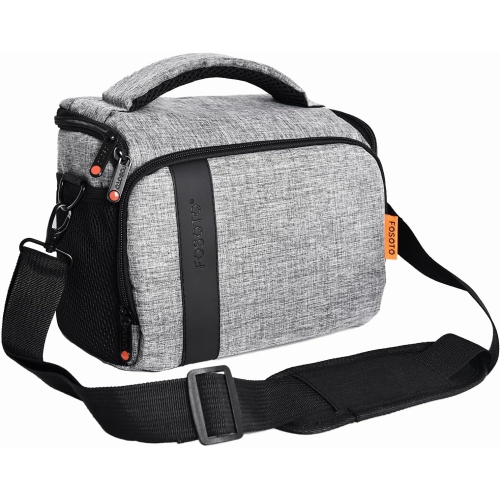

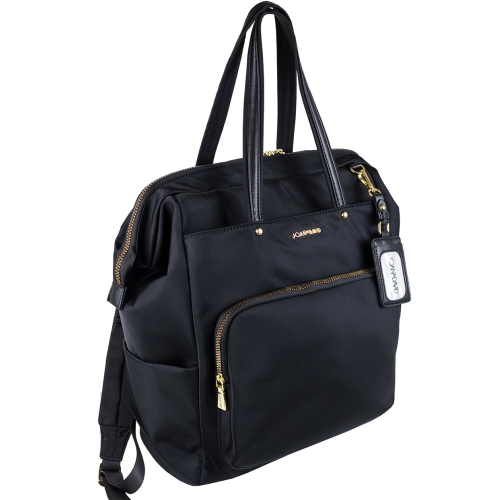


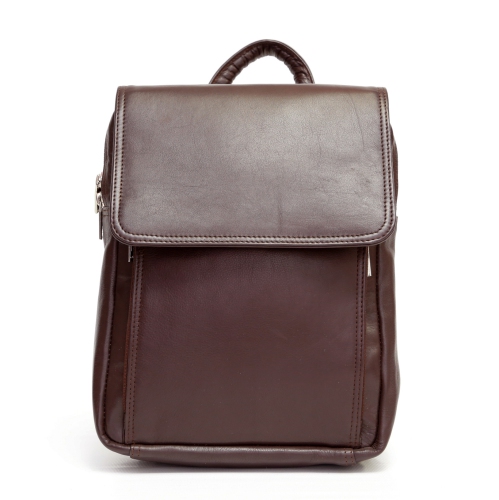
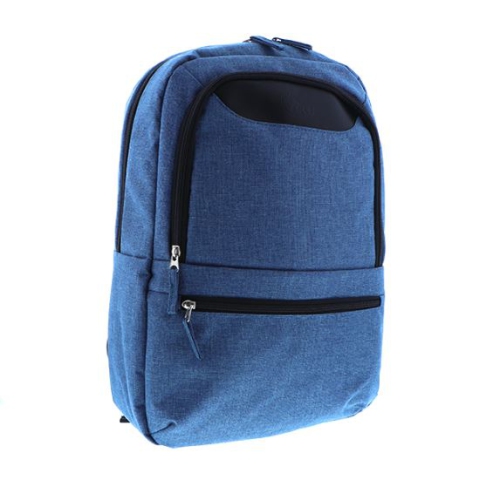
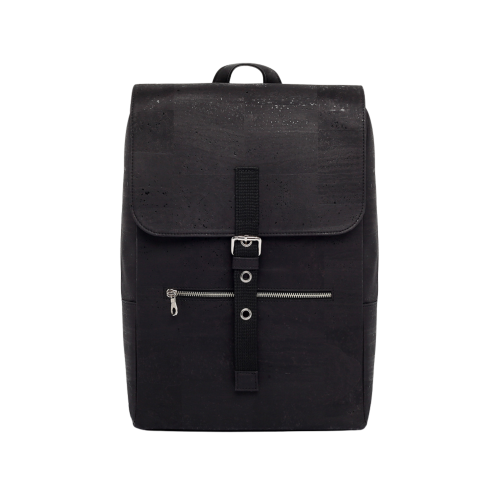
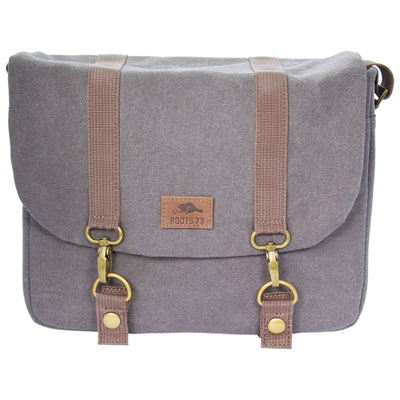


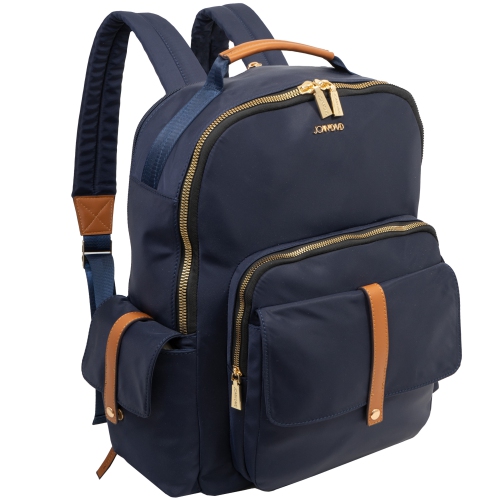

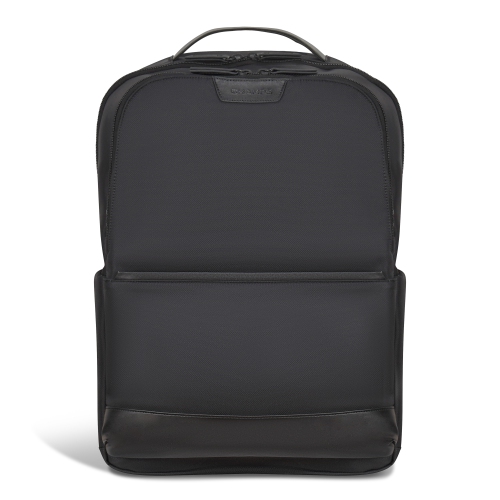
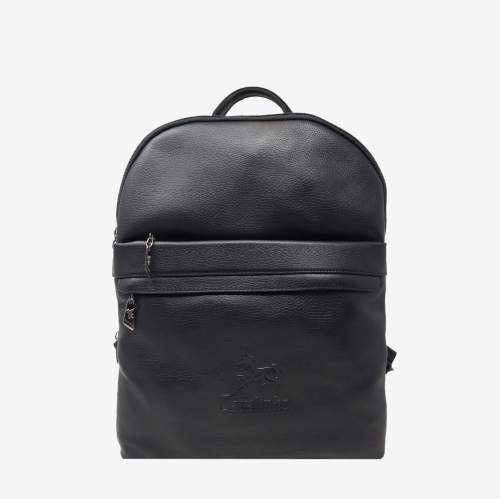
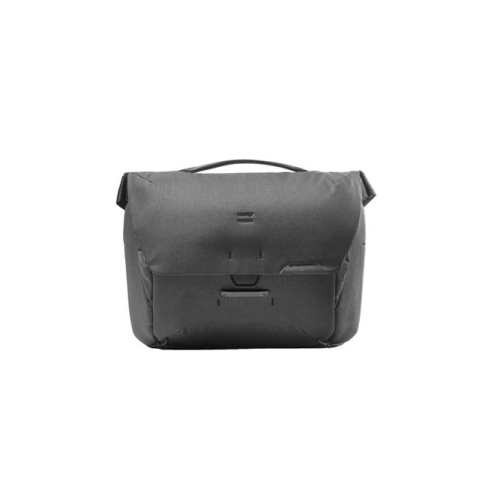
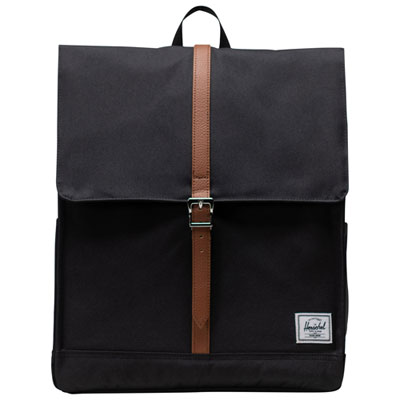

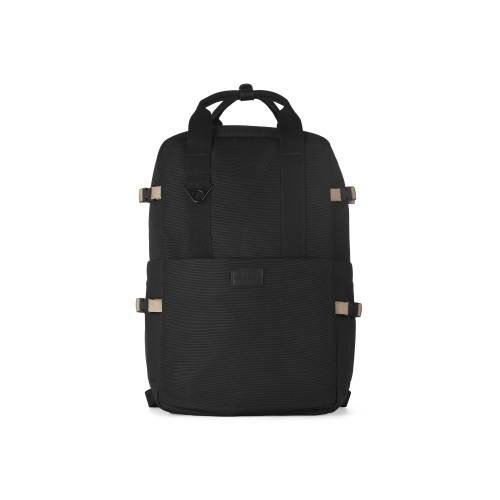
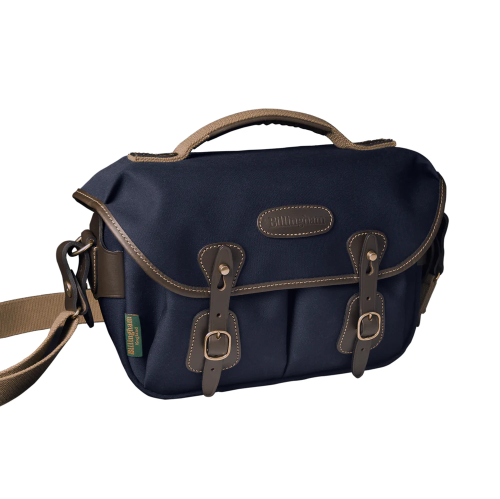
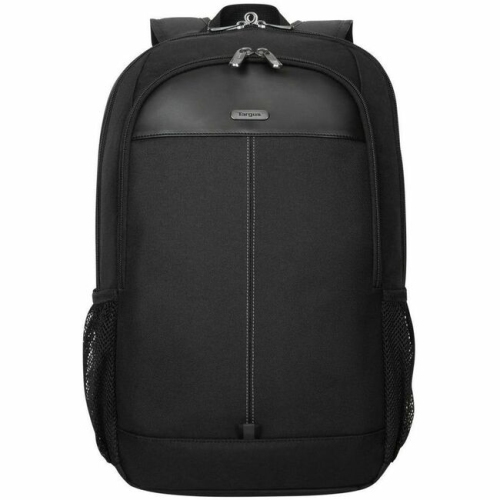
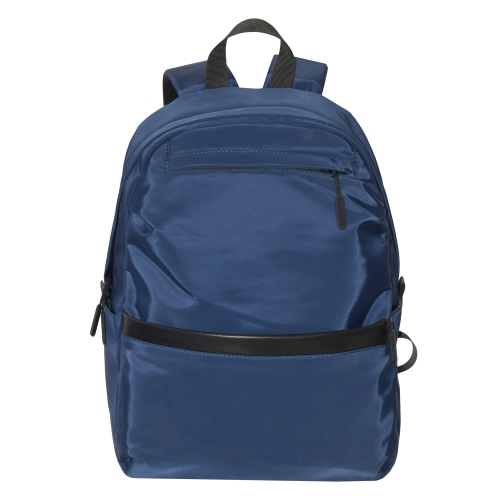
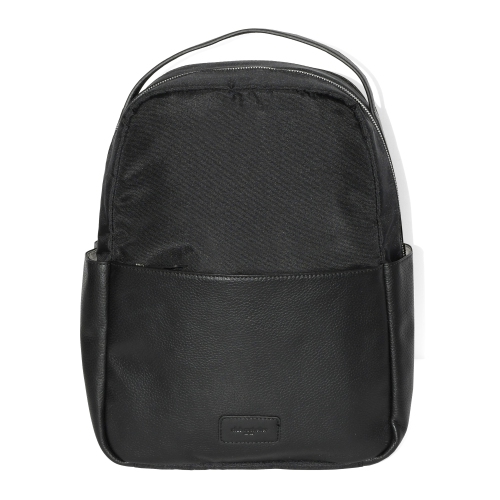
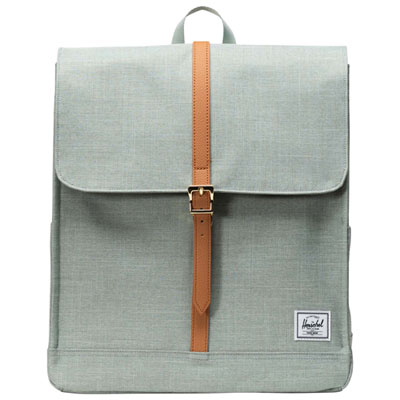
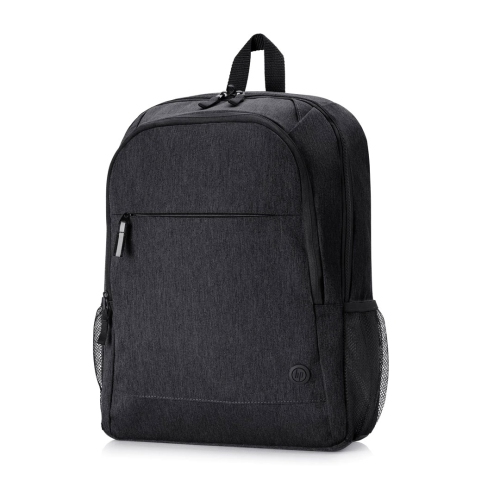
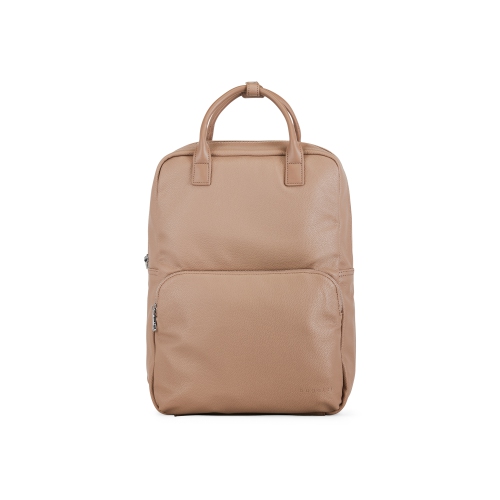
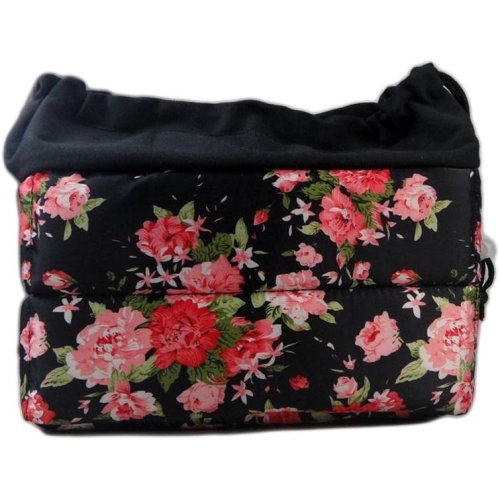

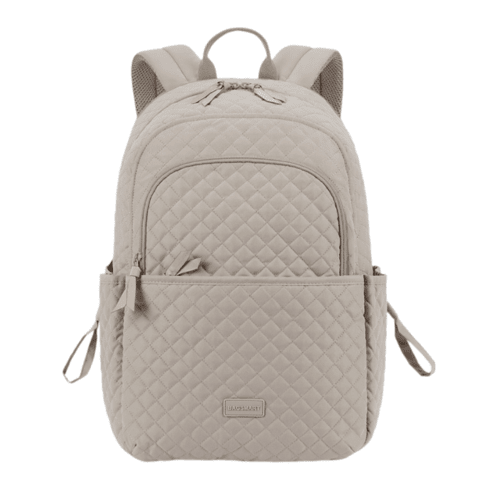
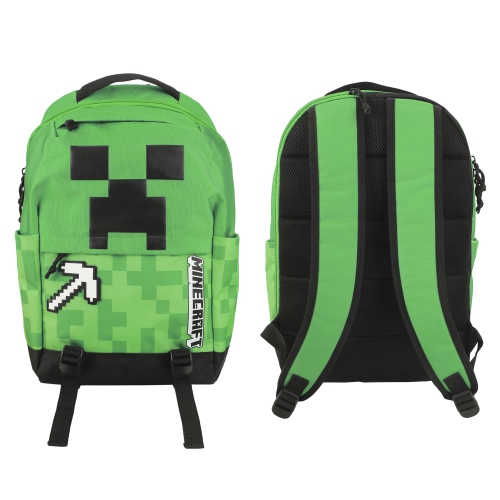
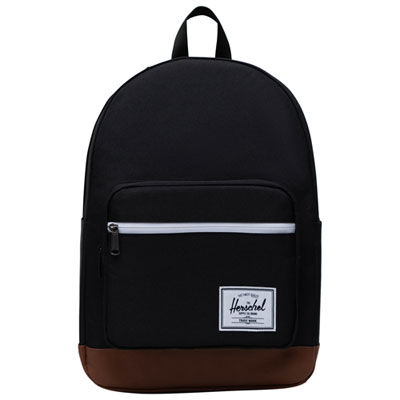
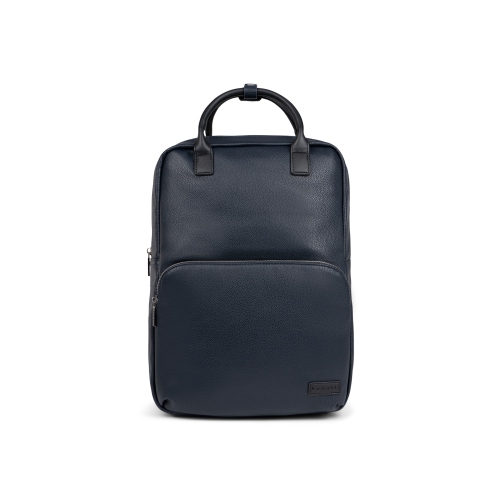
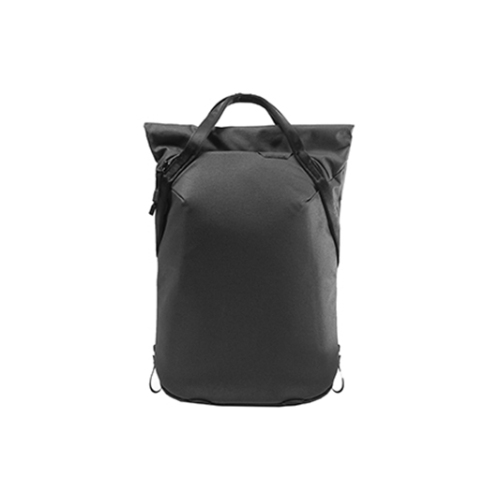
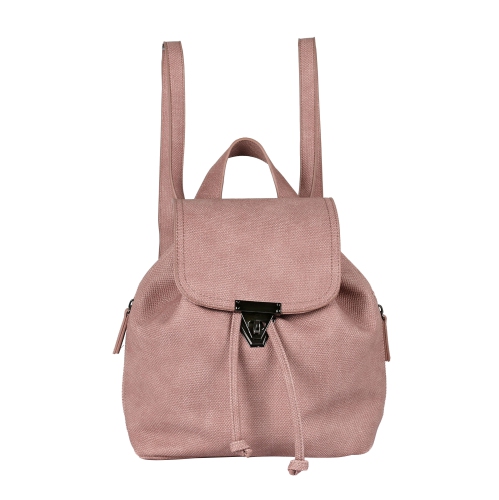
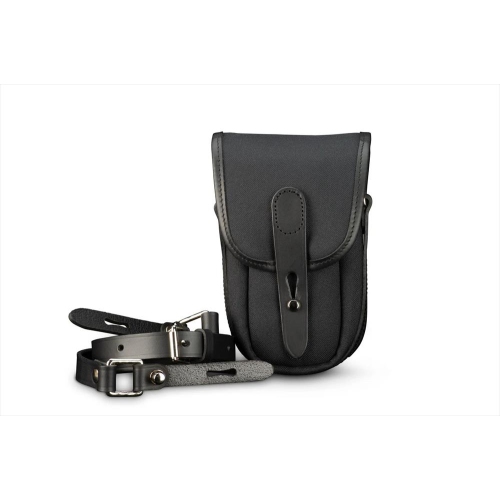
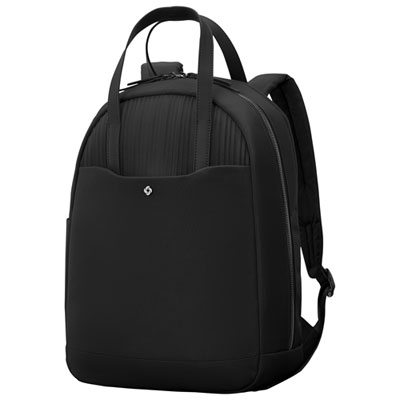
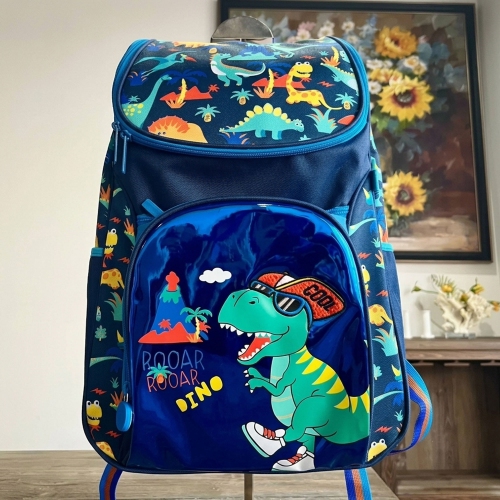
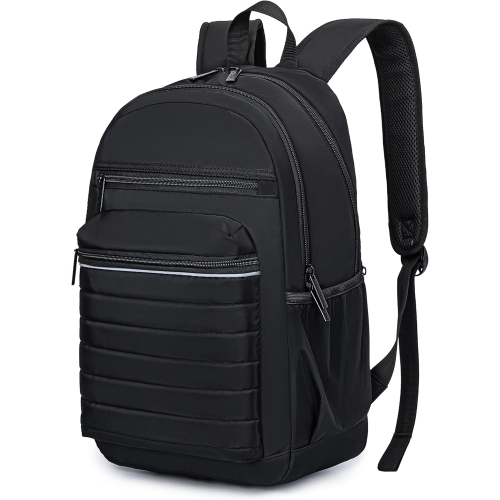
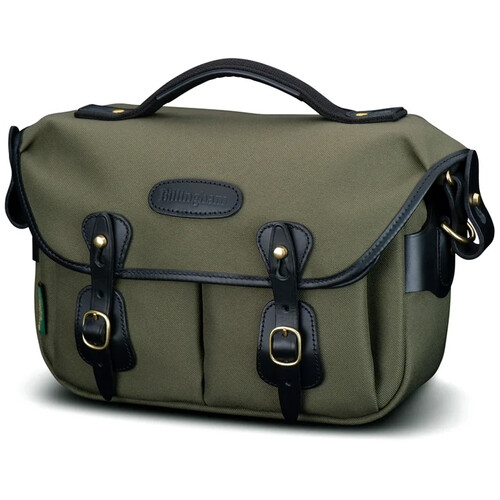
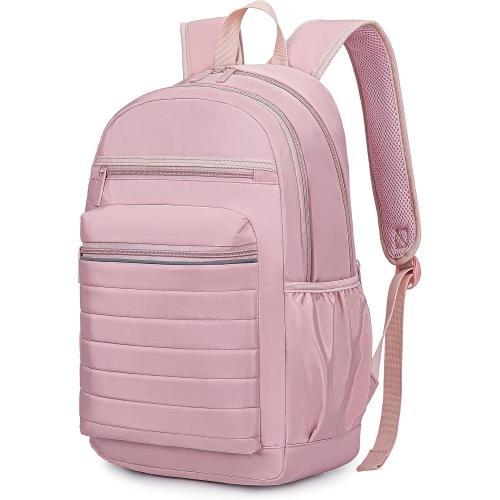
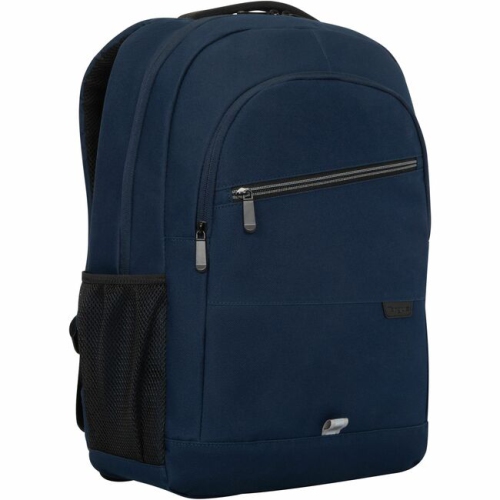
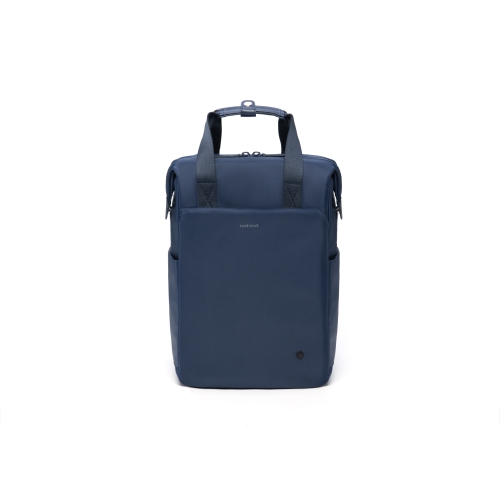
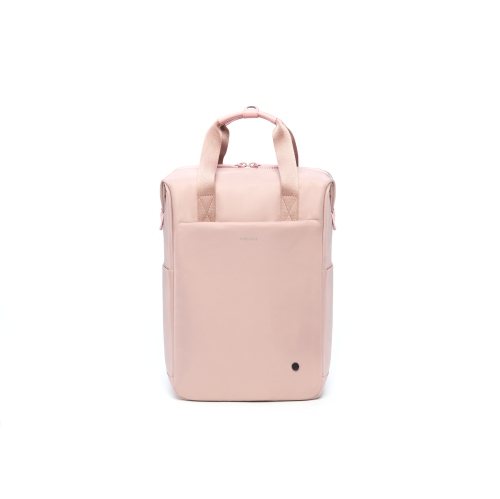
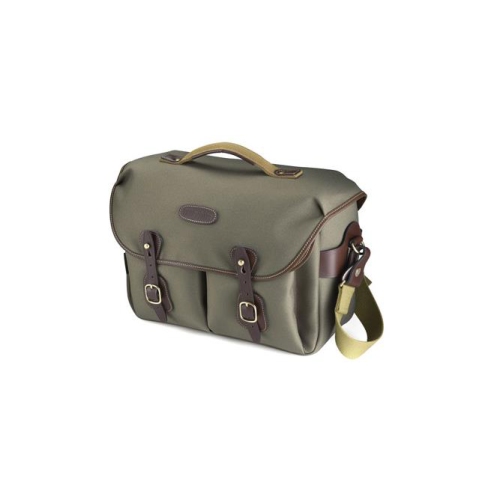
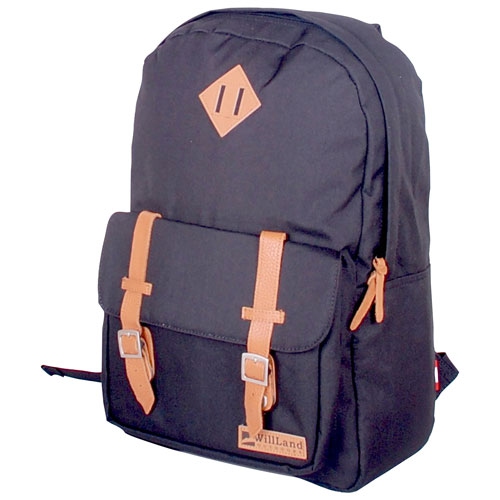
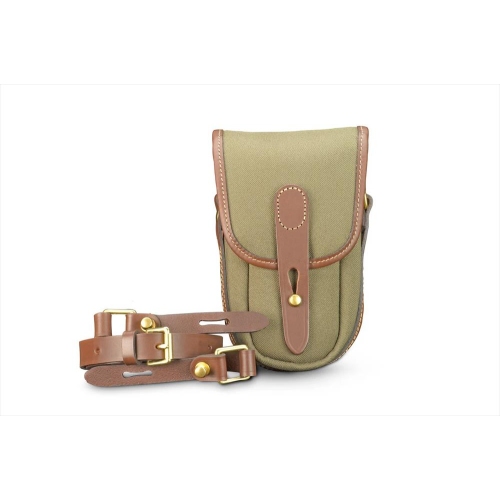


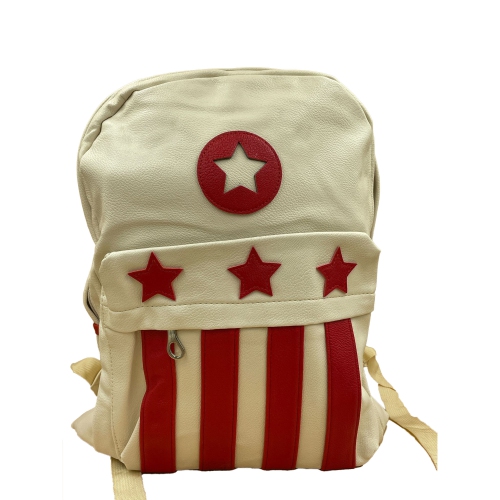
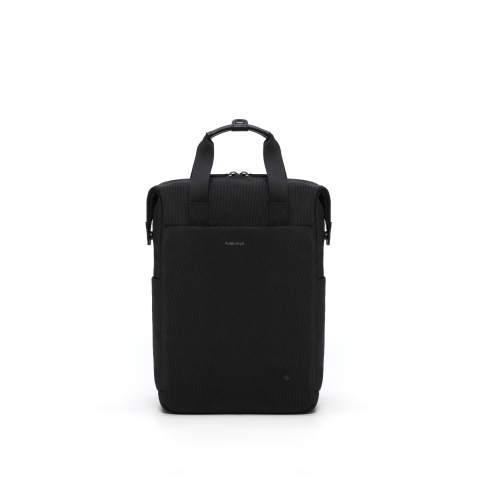
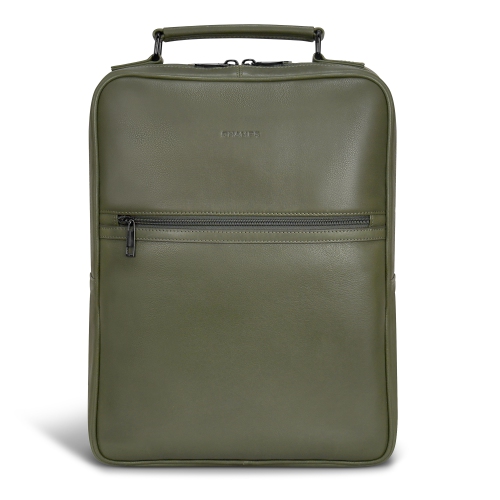
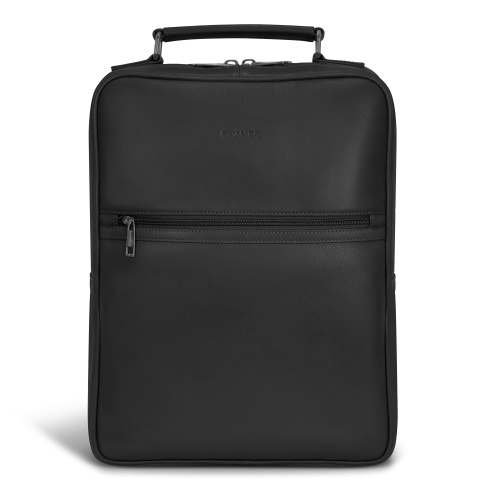
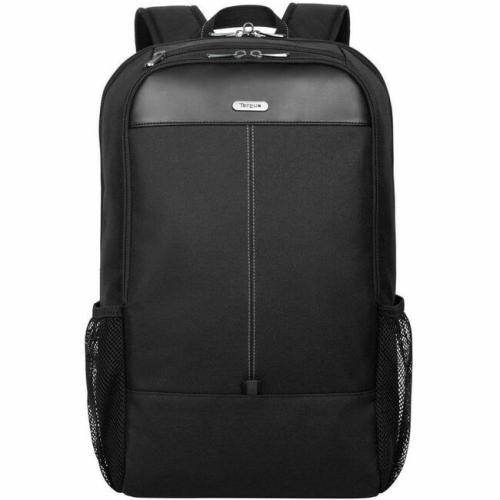

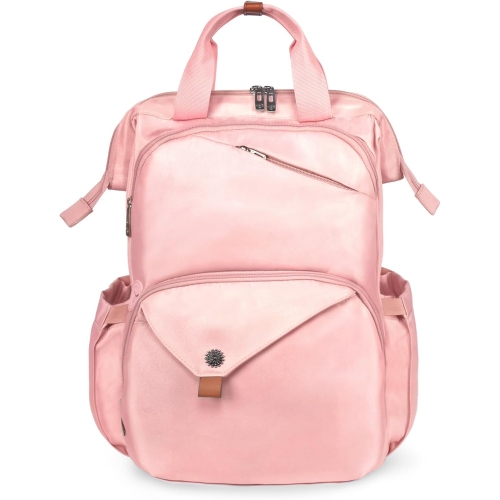
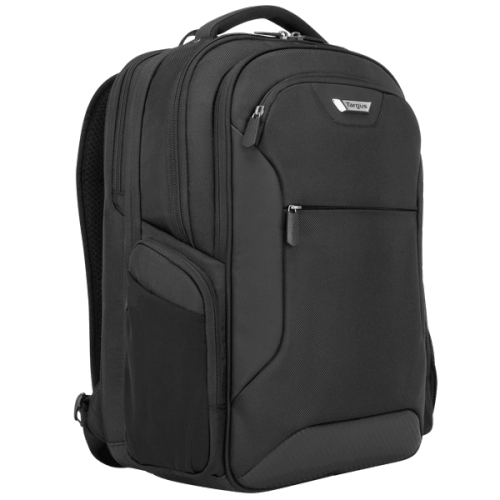
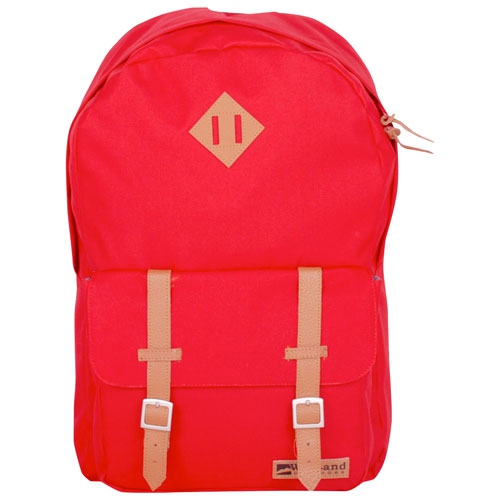
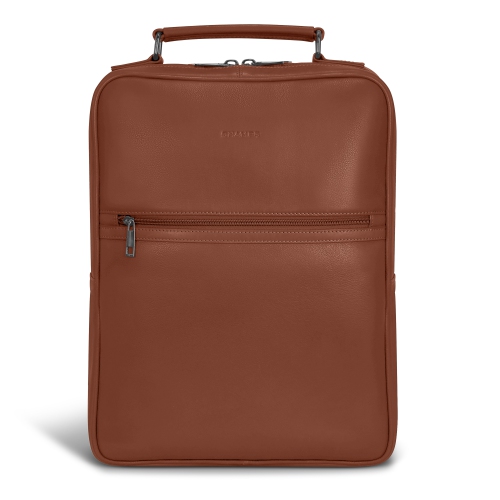
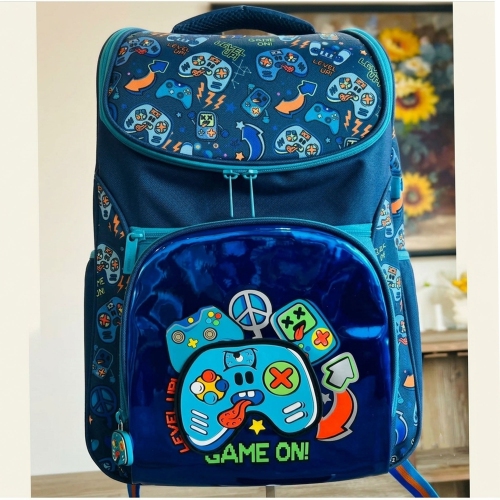
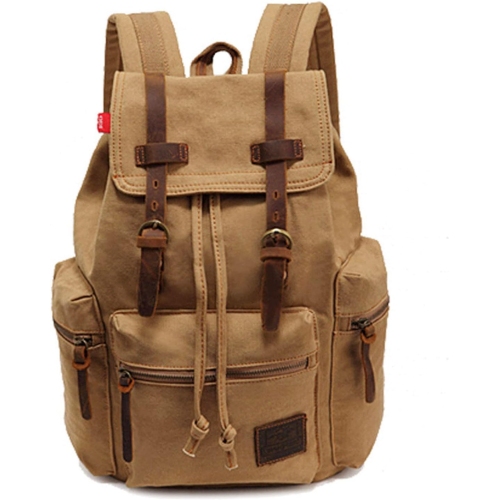
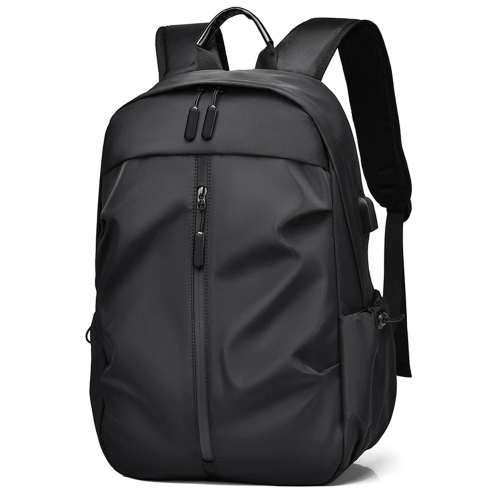
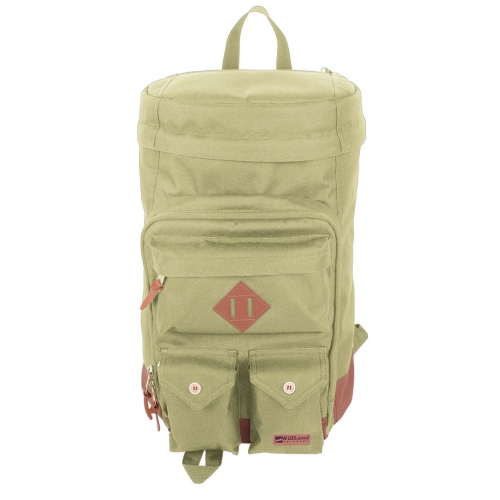
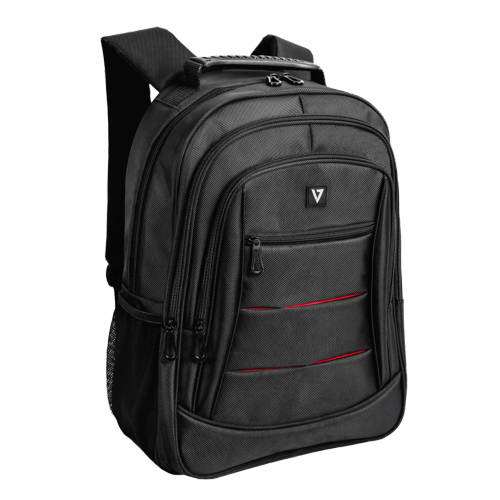
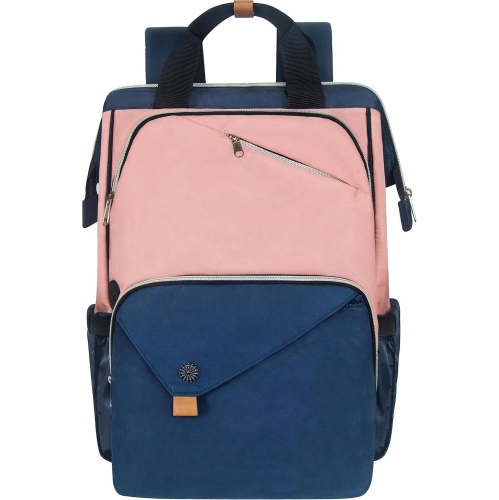
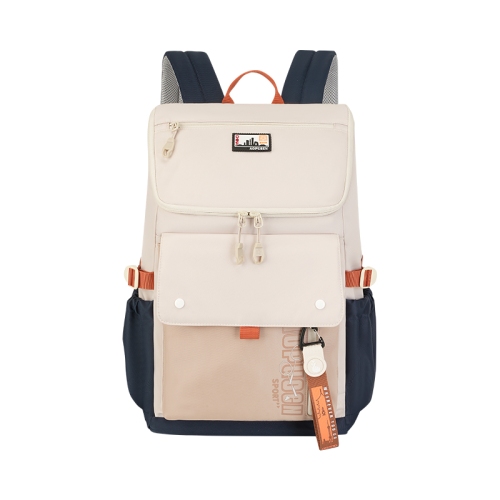
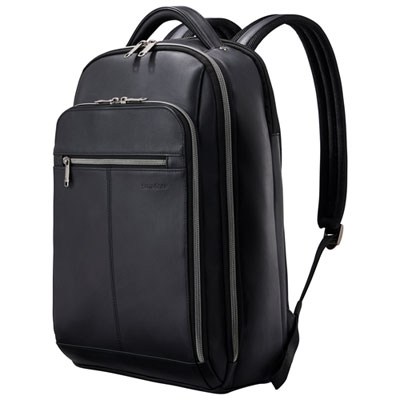
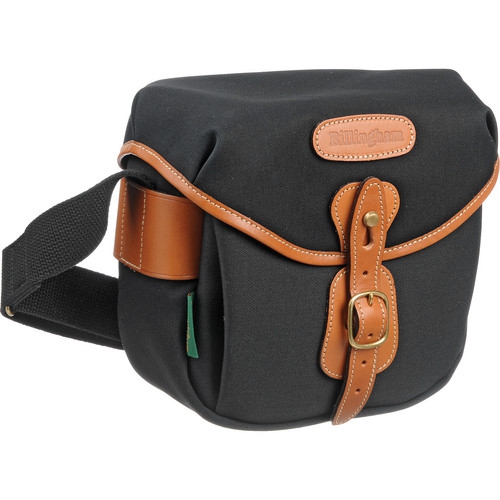
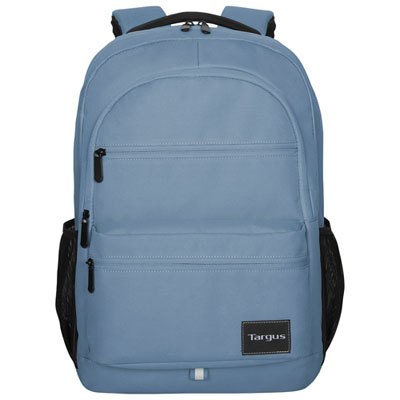
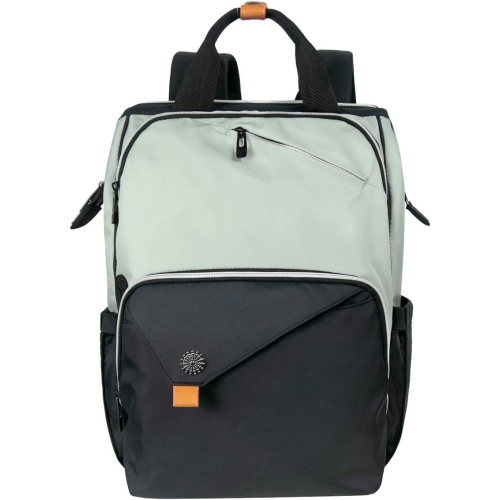
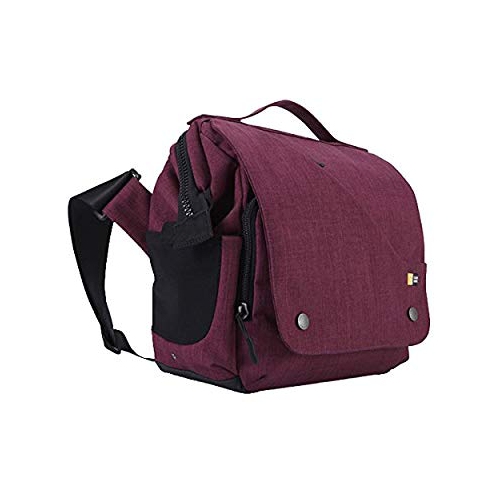
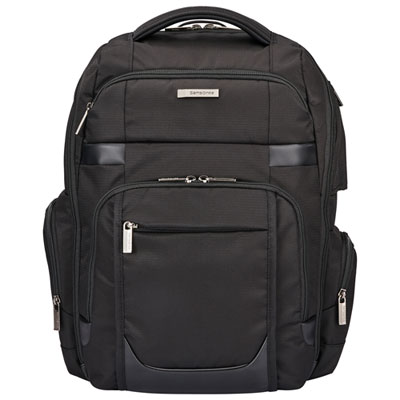
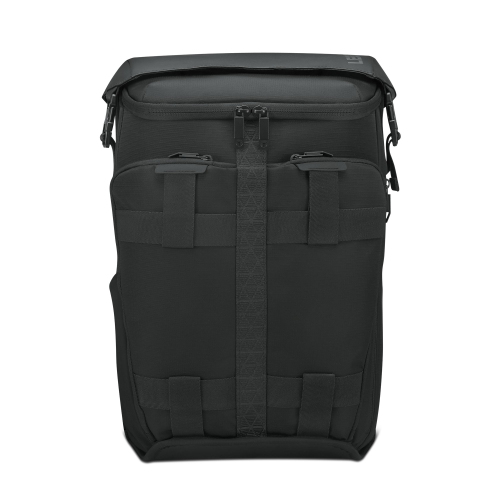
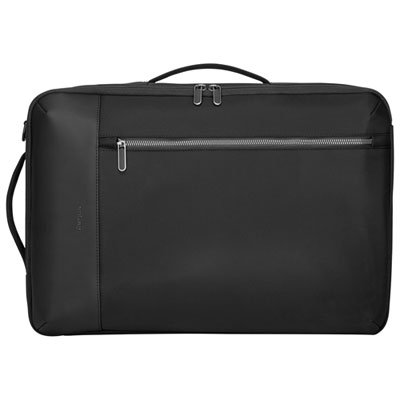
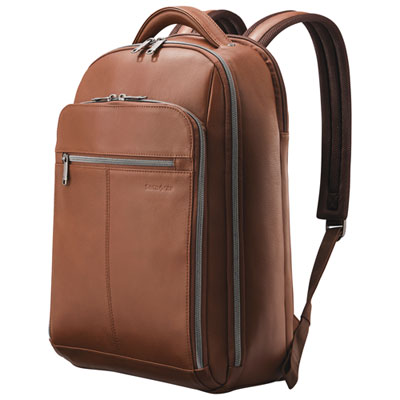
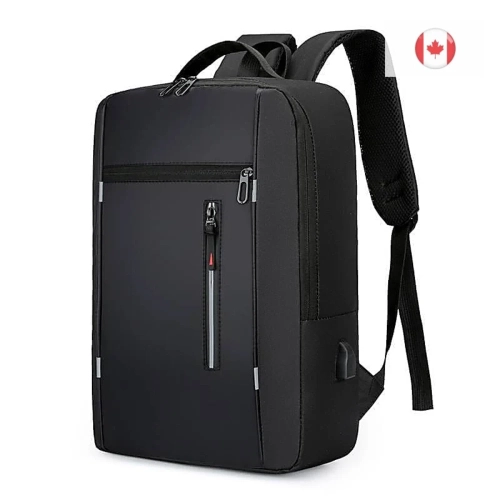
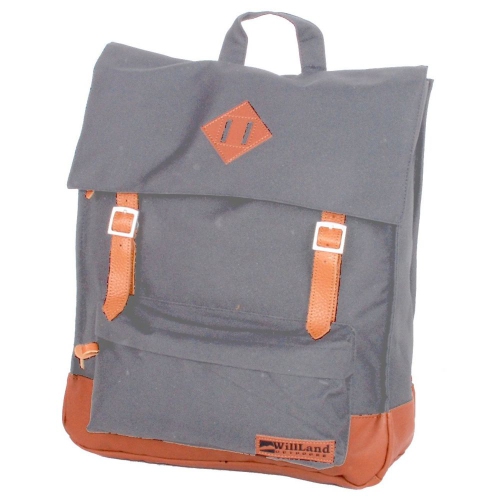
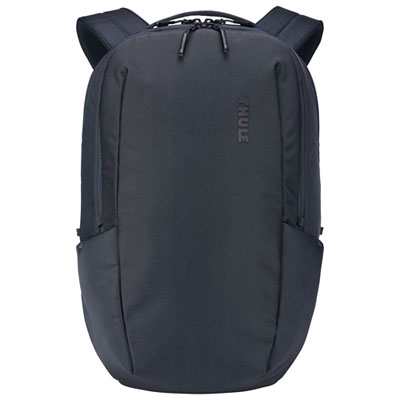
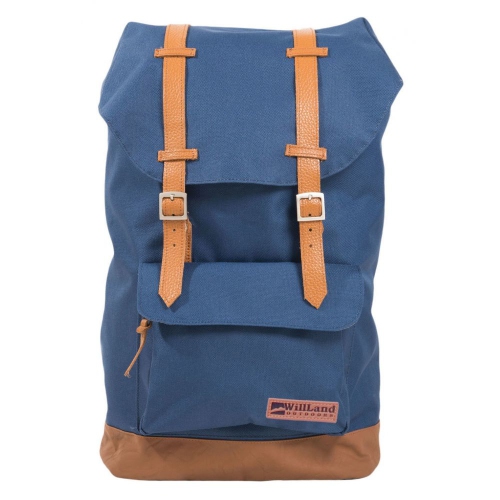
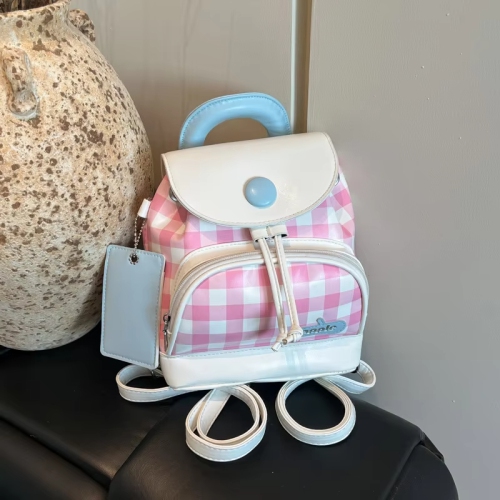
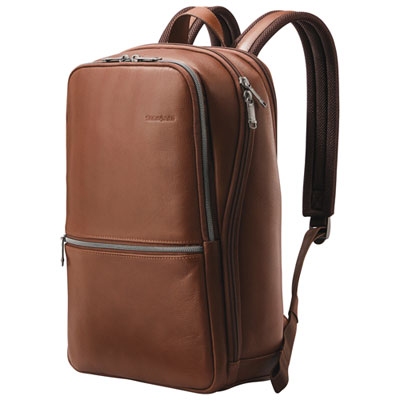
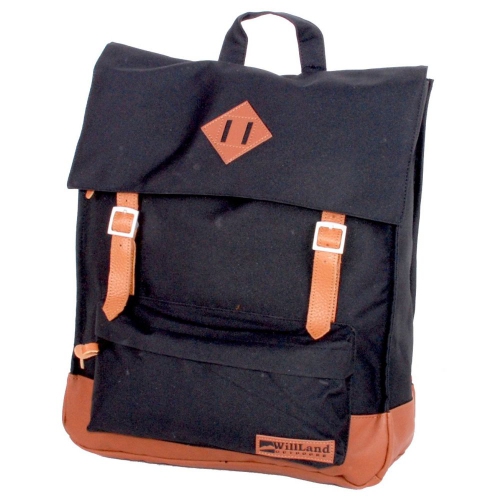
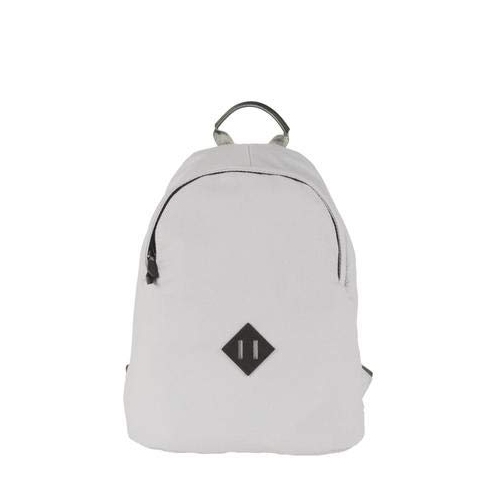

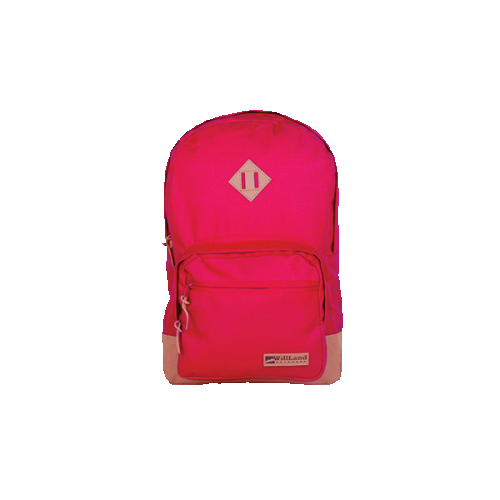
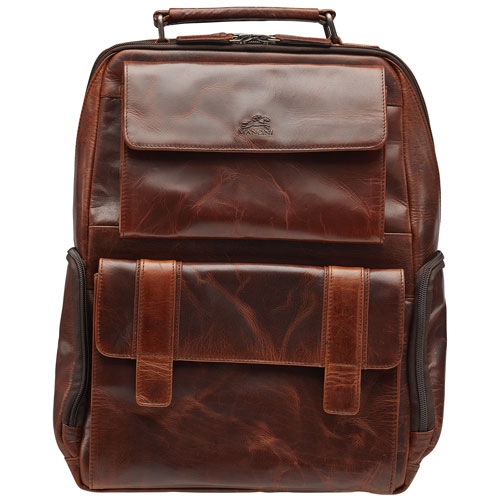
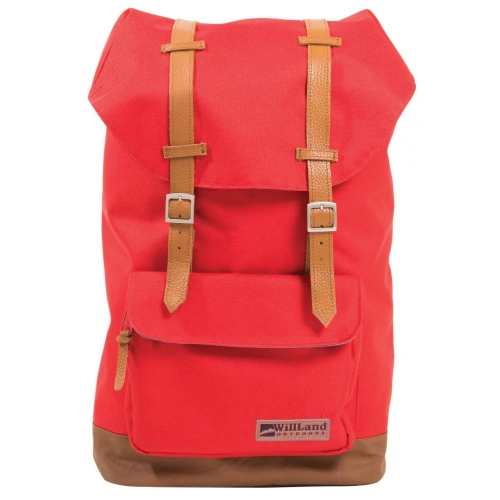
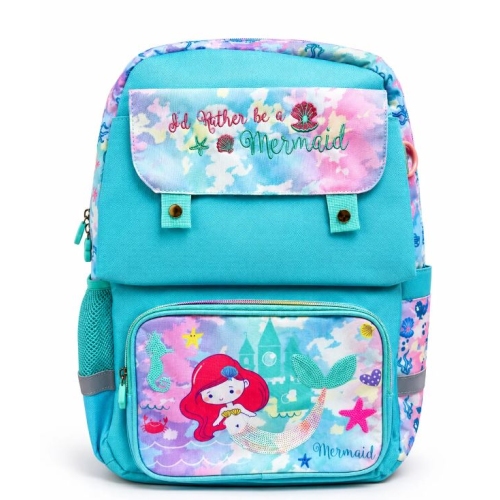
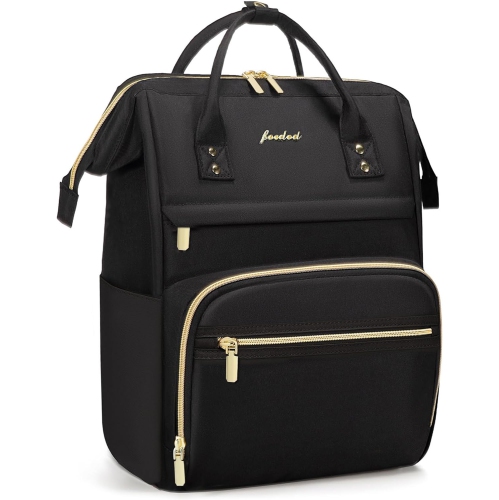
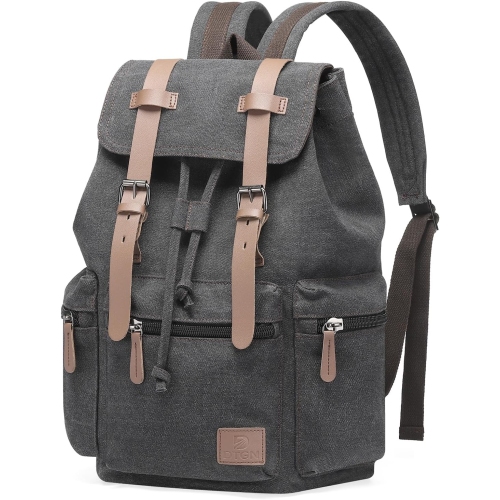
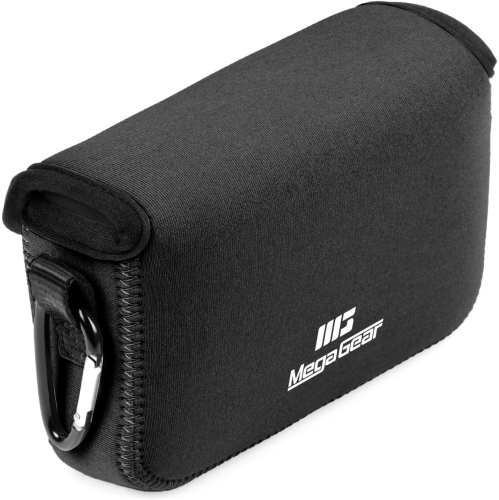
Everyday style with a dedicated place for camera gear
Cool camera backpacks combine camera-specific storage with a look that feels at home beyond a photo shoot. Clean lines, understated colours, textured fabrics, and thoughtfully placed pockets can make a camera bag feel more like an everyday backpack, while a structured shape or bold colour gives it a more distinctive presence. The appeal is practical as well as visual: dedicated padding and adjustable compartments help keep a camera body, lenses, and small accessories separated instead of jostling together in a single open space. For someone carrying a mirrorless camera and a compact lens, a slim profile may leave enough room for a notebook, headphones, and a few personal essentials. A larger setup with multiple lenses, a flash, or audio equipment calls for more internal structure and careful separation. Capacity alone does not tell the whole story, since a long lens and a short, wide lens occupy space differently. Interior dimensions, divider placement, and the shape of the main opening all affect how naturally a kit fits. Removable camera inserts add flexibility by creating a padded compartment that can be lifted out when the backpack is needed for other activities. Access also changes the experience of carrying a camera through a gallery district, walking between portrait locations, or spending an afternoon photographing street scenes. Side access can put a camera within reach without fully unpacking the bag, while a wide rear opening makes it easier to see and arrange an entire kit. Top openings are useful for reaching personal belongings stored above a camera compartment. Separate sections help prevent a jacket or charging cable from getting tangled around a lens, and a clearly arranged interior makes a missing lens cap easier to spot. The coolest design is not necessarily the most elaborate one; it is often the backpack whose layout keeps familiar equipment easy to find and whose appearance suits the person carrying it.
Materials and construction shape how a camera backpack feels, holds its form, and stands up to repeated use. Nylon and polyester fabrics are common choices for their relatively low weight and resistance to everyday abrasion, while canvas offers a more textured appearance and often a softer feel. Leather trim can add visual character, though it may call for different care than the surrounding fabric. A fabric specification alone does not establish durability: reinforced stitching at shoulder-strap attachments, neatly finished seams, a sturdy base, and zippers that move smoothly around corners are equally important details. Padding should cushion equipment without making the interior so tight that a camera has to be forced into place. Adjustable dividers work best when they create snug spaces that limit movement while leaving room for fingers to lift equipment safely. More rigid panels can help a backpack maintain its shape, but no camera bag should be treated as crush-proof or as a replacement for careful handling. Comfort depends on the complete packed load, not just the backpack's empty weight. A camera, two lenses, a laptop, and a tripod can add up quickly during a long walk between locations. Broad, adjustable shoulder straps, a supportive back panel, and a sternum strap can help stabilize the load; a well-fitted hip belt may transfer some weight away from the shoulders on longer outings. The backpack should sit close to the body rather than sag away from the back, with heavier equipment positioned securely near the centre. Exterior dimensions matter for smaller frames and narrow spaces, while strap adjustment determines whether the bag sits comfortably over everyday clothing. A laptop sleeve deserves its own fit check, since a stated screen size does not guarantee that every device with that screen measurement will fit. External tripod straps are most useful when they hold the legs securely and keep the load balanced rather than allowing it to swing against the bag.
A well-organized camera backpack supports the small routines that make photography more enjoyable, whether the owner is learning manual settings, documenting family outings, studying visual arts, or creating photos and video for work. Zipped pockets can separate charged batteries from used ones, while dedicated card storage helps keep tiny memory cards from disappearing into the bottom of the bag. Small pouches are useful for cables, microphone adapters, and cleaning supplies that otherwise collect in corners. A separate bottle pocket or closed compartment can keep drinks away from camera equipment, and an accessory loop provides a convenient place for keys without leaving them loose beside a lens. For photographers moving between stations, hotels, and shooting locations, Travel Camera Backpacks offer a closely related way to think about carrying camera equipment alongside personal essentials. Features such as a luggage pass-through, discreet exterior pockets, and space for travel documents can be useful on those journeys, although cabin-baggage requirements still need to be checked with the carrier. Everyday care helps preserve the backpack's appearance and function wherever it goes. Removing equipment before cleaning, shaking out loose debris, and gently brushing grit away from zippers can prevent dirt from building up around moving parts. Spot cleaning should follow the care label, particularly when a bag combines fabric, coated panels, and leather details; machine washing can damage padding or finishes unless the manufacturer specifically permits it. The interior should be completely dry before equipment is packed away, and storing the bag without unnecessary weight helps avoid prolonged strain on straps. As a gift, a camera backpack is most useful when it suits the recipient's actual kit, carrying habits, and personal style rather than simply offering the largest capacity. A compact, understated bag may suit a photography student or casual creator, while a more structured layout can serve someone who regularly carries several lenses. Thoughtful proportions, accessible storage, and comfortable support give a good-looking backpack lasting everyday value.
Top selling and popular products
-
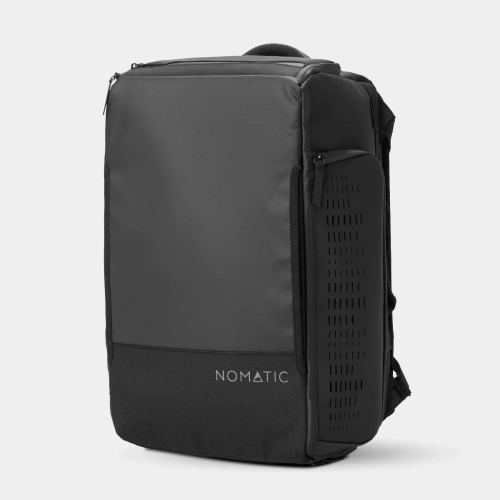 Your price for this item is $294.99
-
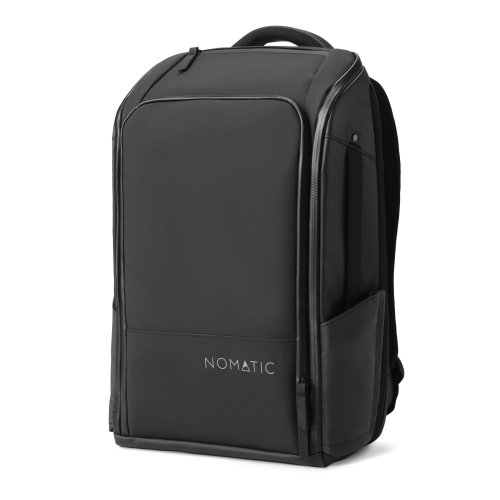 Your price for this item is $279.99
-
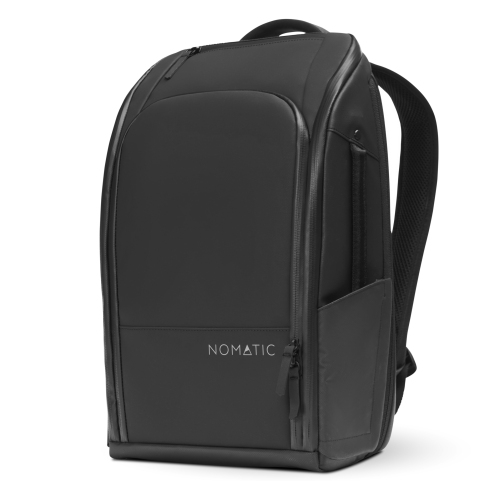 Your price for this item is $259.99
-
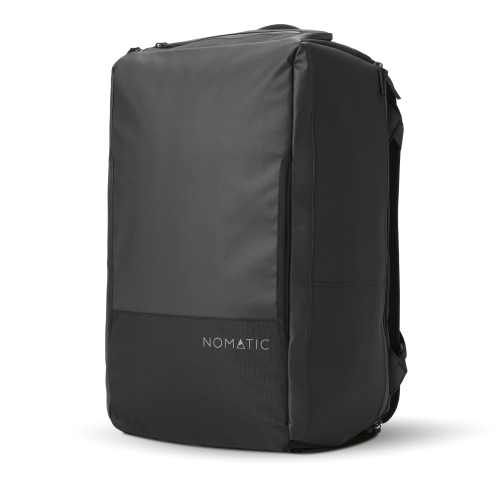 Your price for this item is $299.99
-
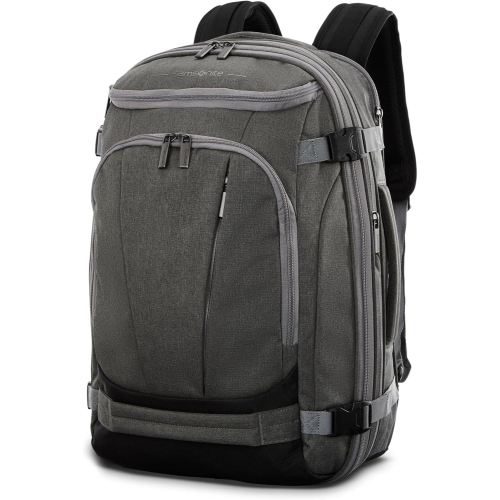 Your price for this item is $218.48
-
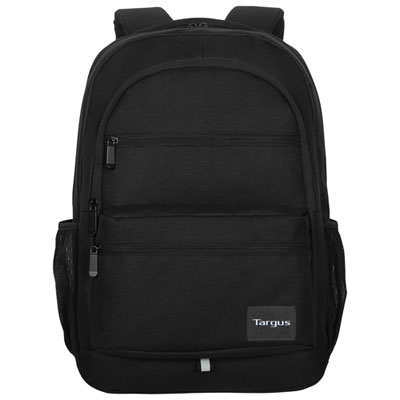 Your price for this item is $39.97
-
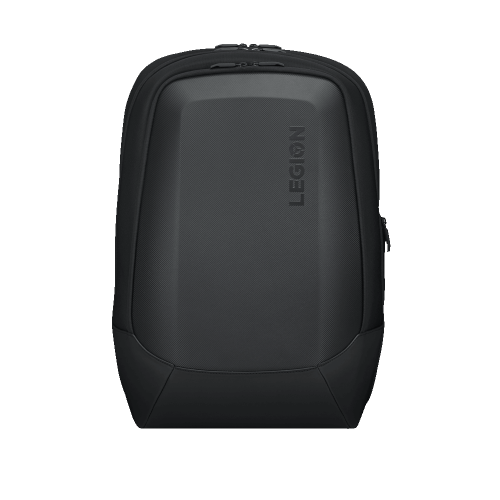 Your price for this item is $124.99
-
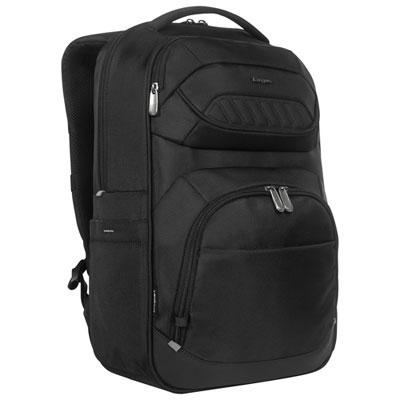 Your price for this item is $79.99
Discover more categories related to Cool Camera Backpacks
Top Collections:
Best Black Friday Deals This Year, Best Black Friday Deals On Electronics, Kindle Devices, Pokemon Centers, Best Black Friday Deals On Apple Products, Best Cameras for Sports Photography, Dyson Airwrap, Pokémon 30th Celebration Cards, Apple iPhone 17 Pro, Canon G7X Cameras
Some products may be subject to Environmental Handling Fees
(EHF) depending on your province.
Learn more about EHFs.