Large Photography Backpacks

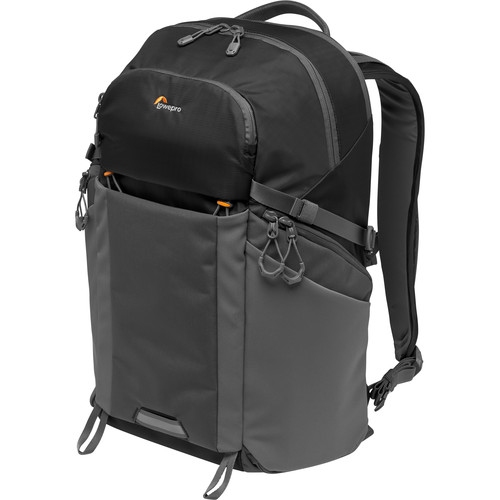
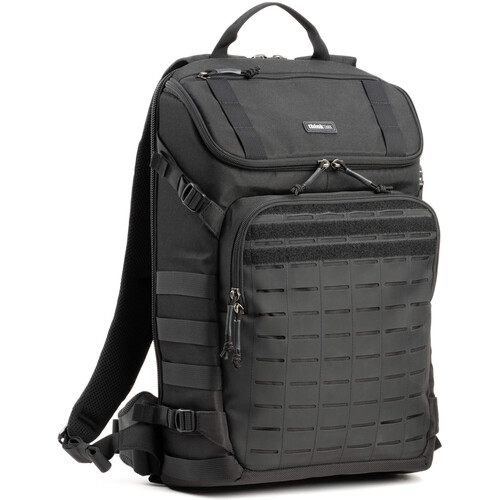
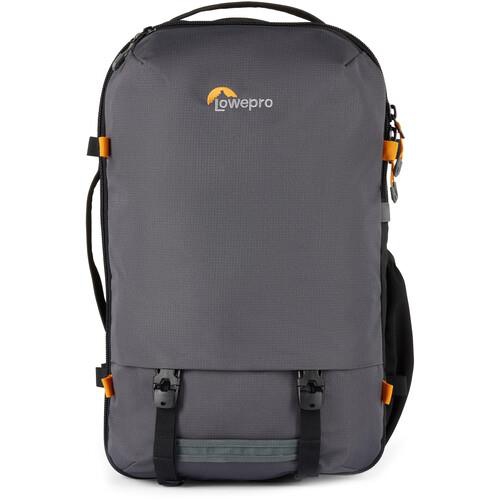
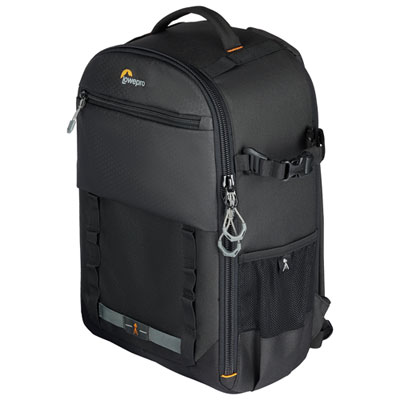
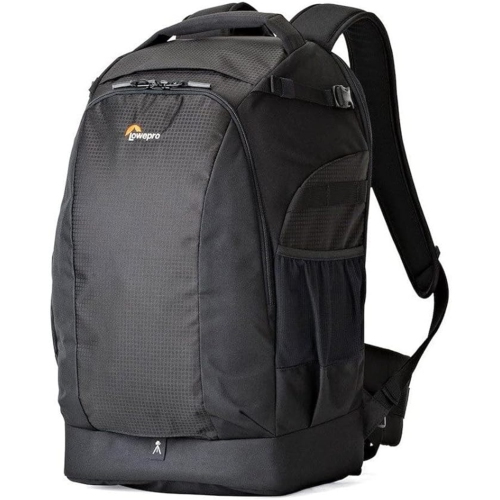
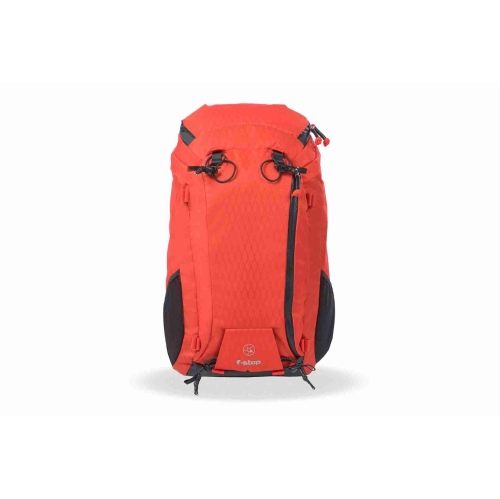
Large photography backpacks offer room for camera bodies, lenses, and accessories when you need to carry a larger kit. Compare capacity, bag dimensions, and carrying features to find a camera backpack that fits your gear and suits how you travel.
Sort

A full camera kit needs more than space

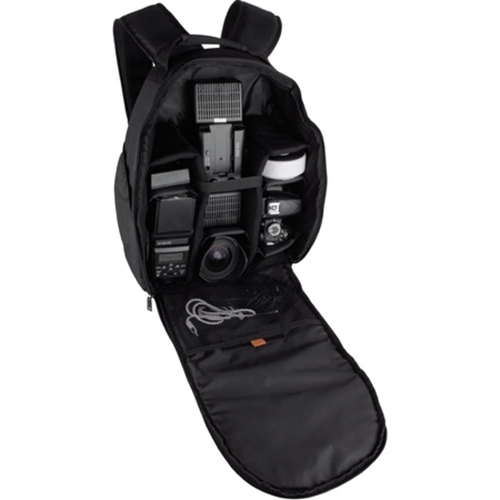
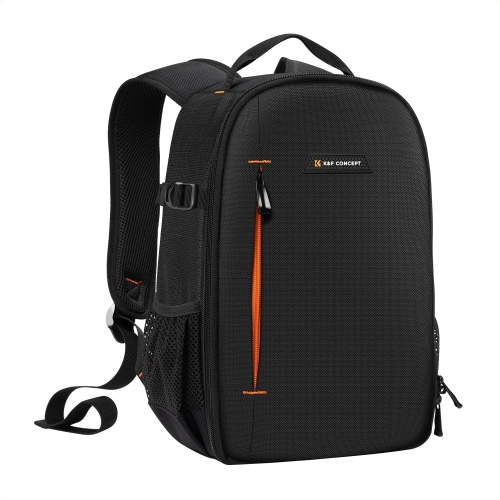
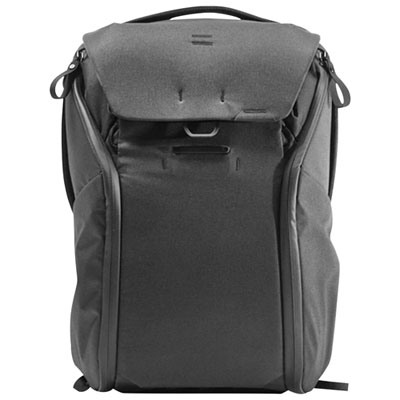
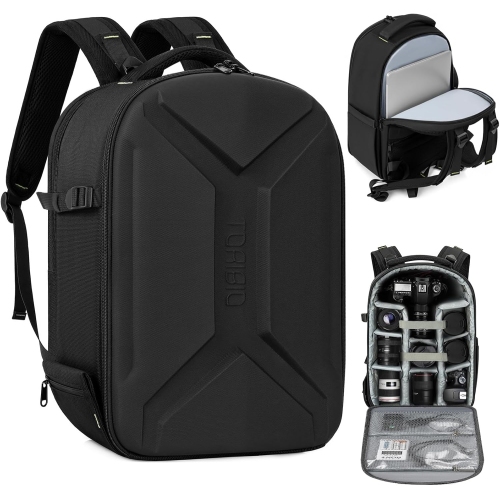
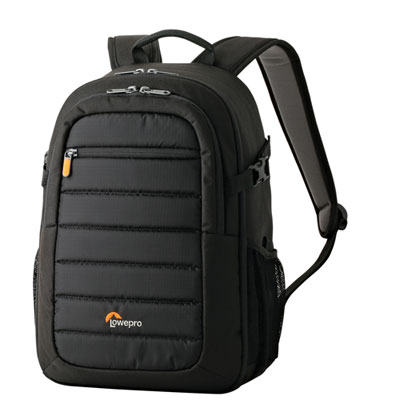
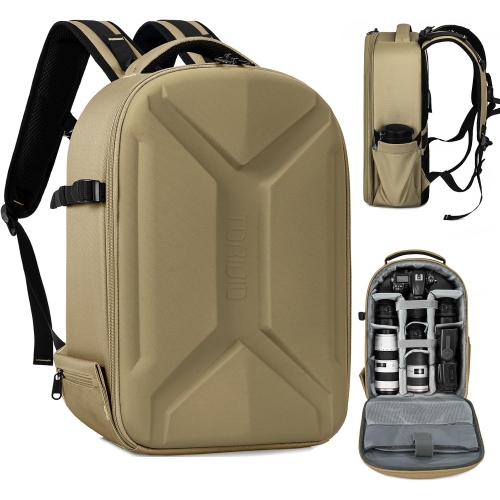
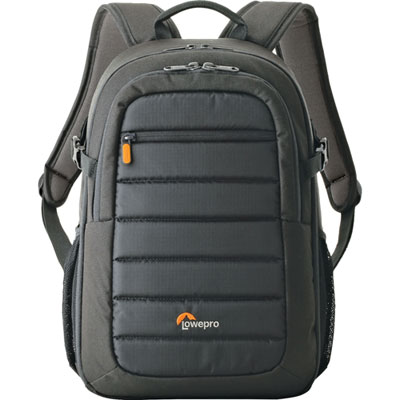
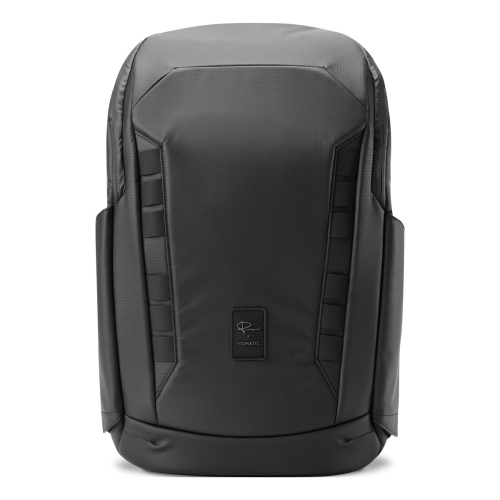
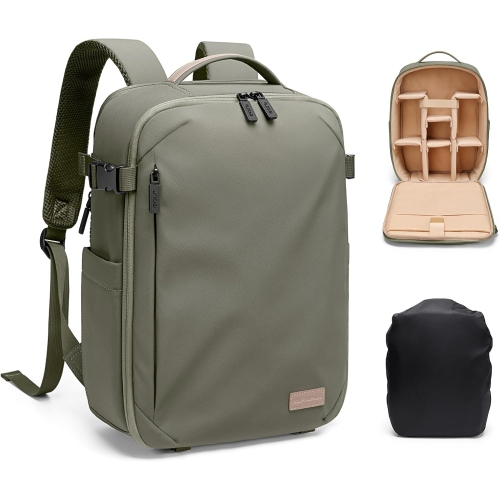
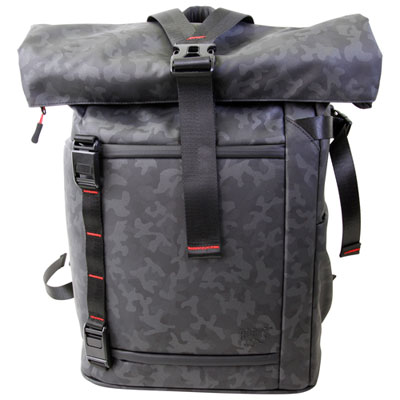
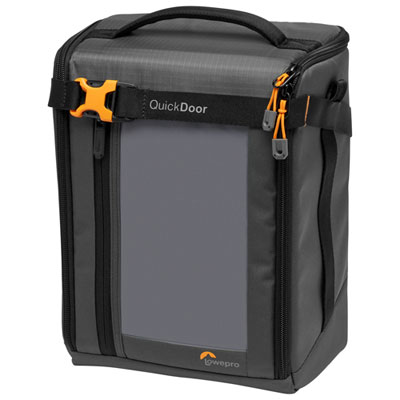
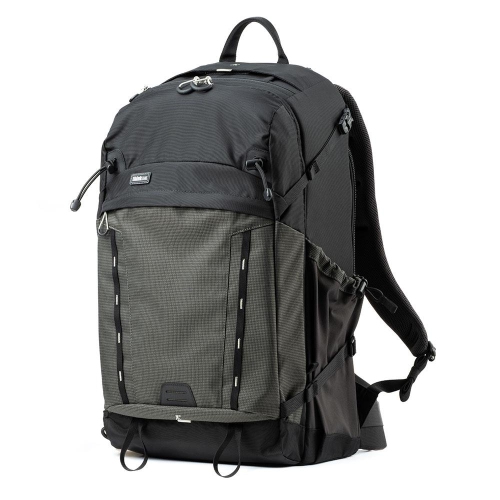
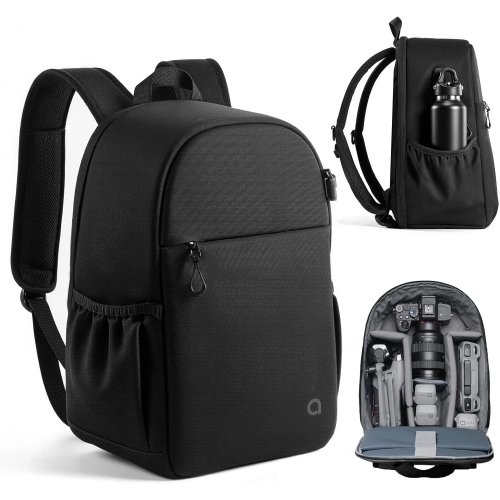
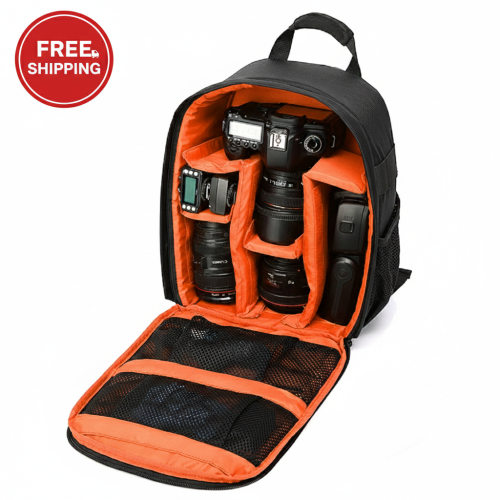
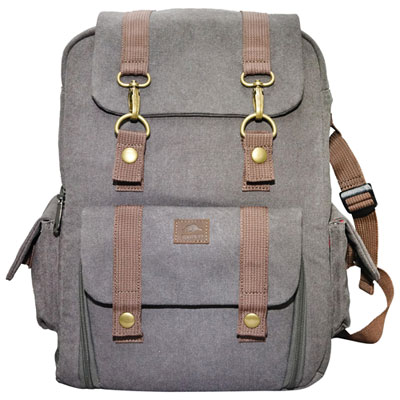
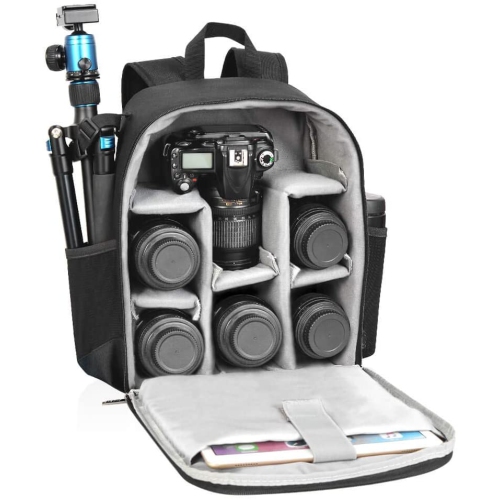
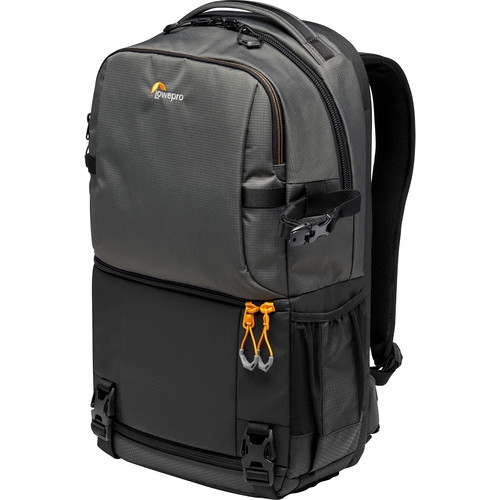
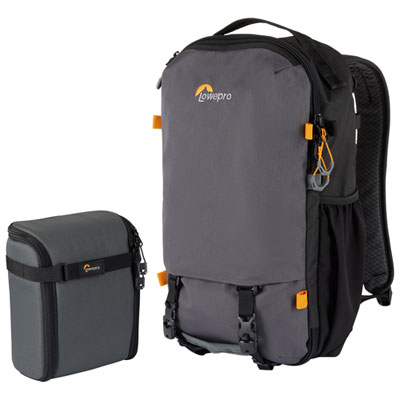
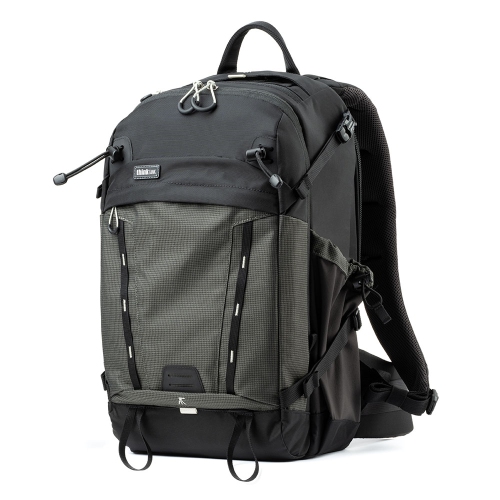
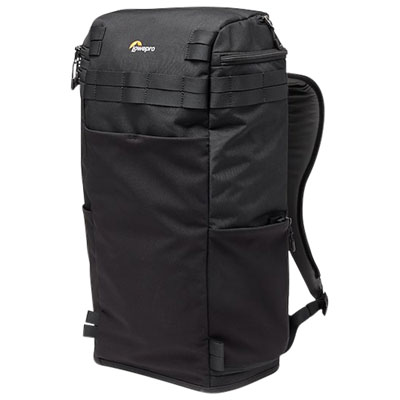
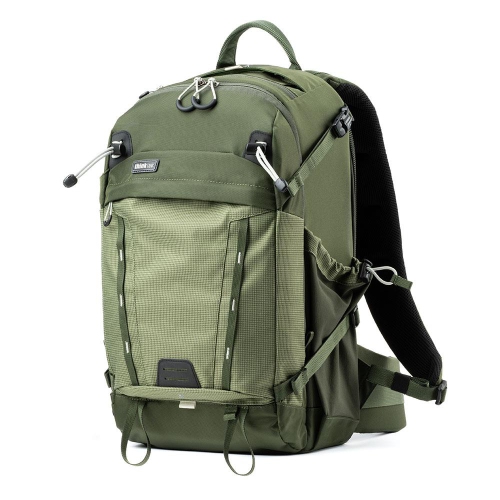
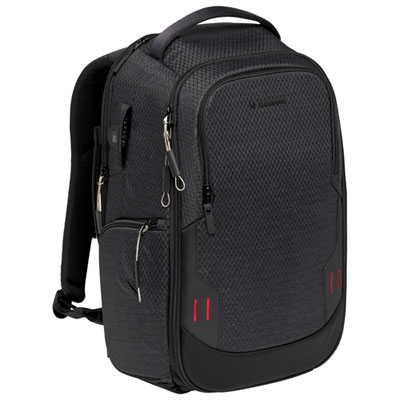
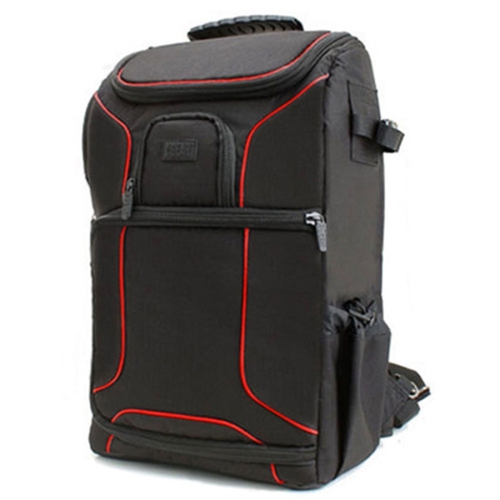
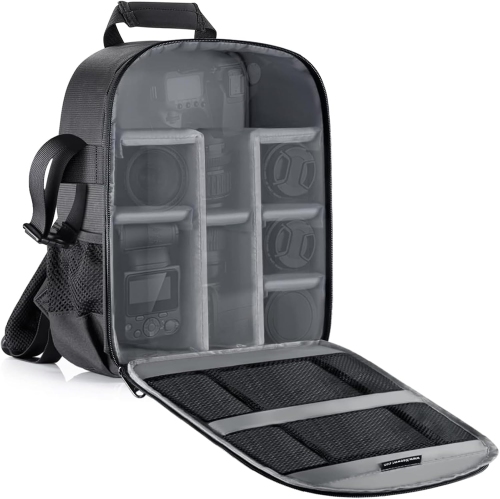
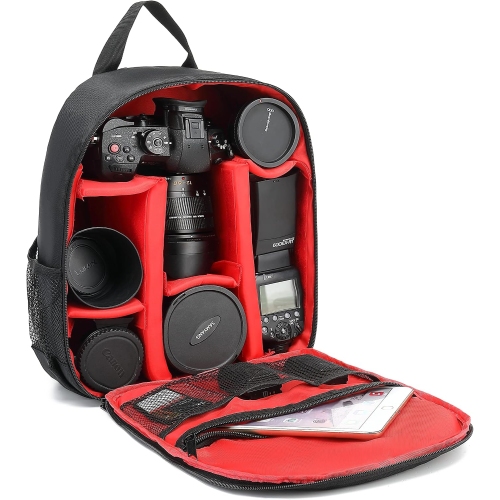
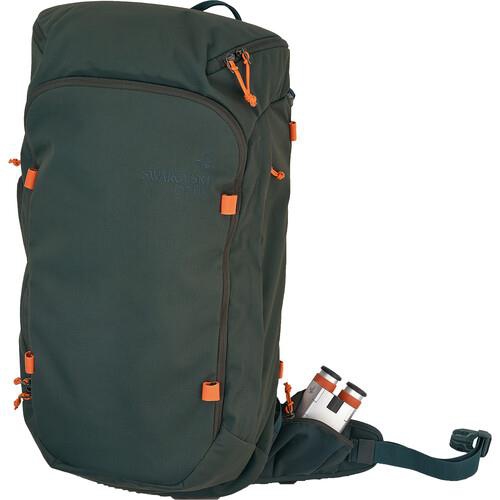
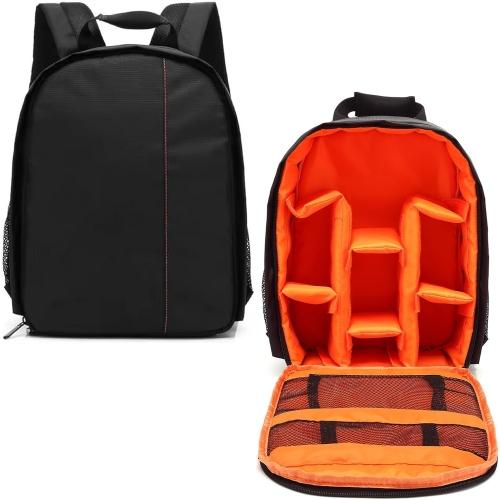
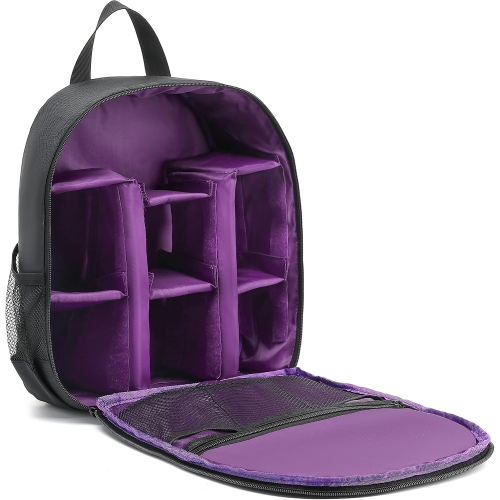
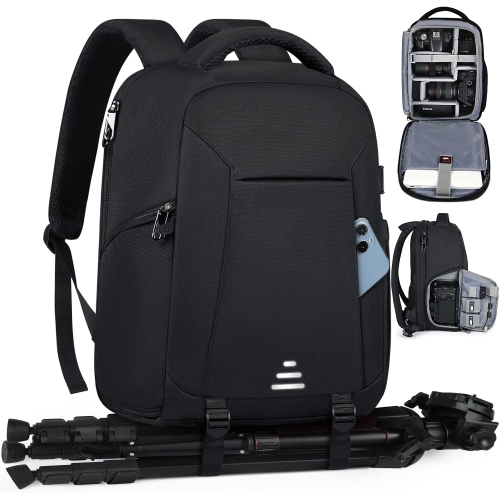
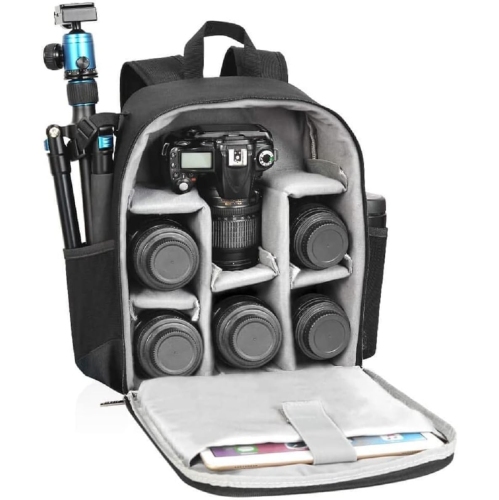
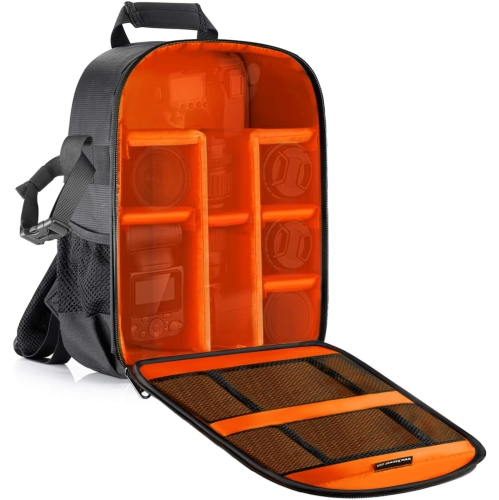
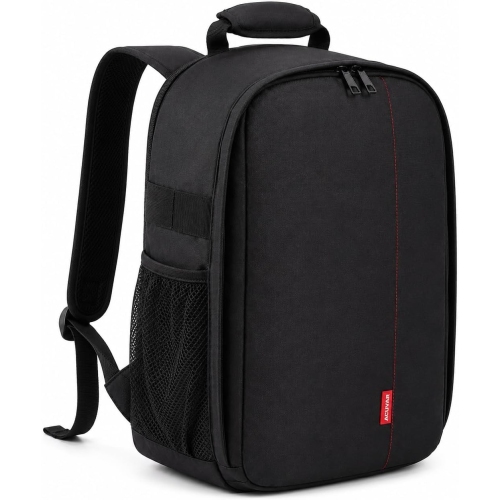
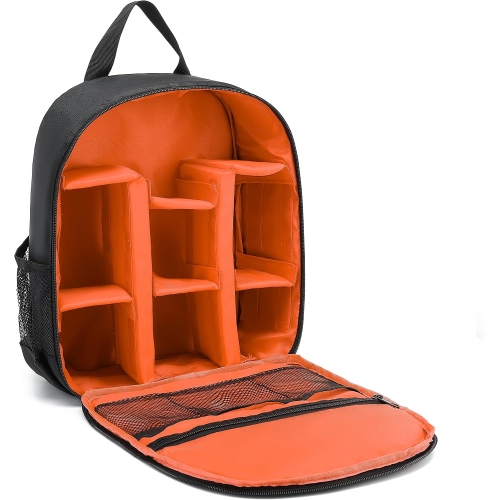
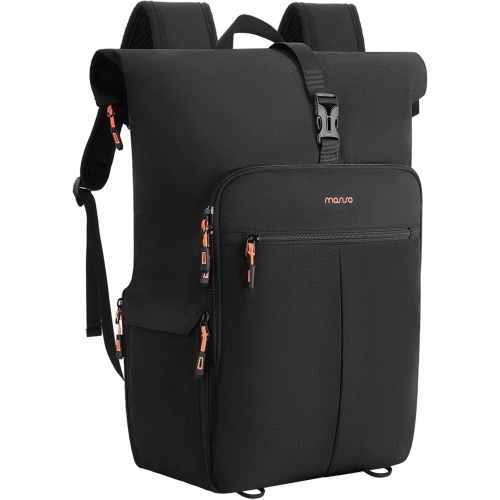
Large photography backpacks bring camera storage, carrying support, and space for everyday essentials into one bag. Their main advantage is room for a complete shooting setup: multiple camera bodies, several lenses, batteries, memory cards, and accessories that would crowd a smaller camera bag. Larger camera packs often fall in the 25- to 50-litre range, although litre capacity alone does not reveal how much photography equipment will fit. The shape of the main compartment, the thickness of its padding, and the arrangement of internal dividers all affect usable space. A deep compartment may accommodate a camera with a lens attached, while a wider layout can make it easier to arrange two bodies beside shorter lenses. Long telephoto lenses need particular attention to internal dimensions, especially when the lens hood or tripod collar remains attached. For photographers covering a sporting event, that extra depth can mean keeping a long lens assembled between shooting locations rather than repeatedly packing it away. For portrait and event photography, separate padded sections can keep a second body and an alternative lens close at hand. Some large camera backpacks dedicate most of their interior to equipment; others divide the space between a padded camera section and a compartment for clothing, snacks, or personal belongings. Neither arrangement is inherently better, but each suits a different kind of working day. A photographer moving between indoor locations may value maximum equipment storage, while someone walking to a distant viewpoint may need a more balanced mix of camera and personal storage. Laptop and tablet sleeves add another consideration for editing, image review, and file transfers away from a desk. A stated screen-size fit is useful, but the sleeve’s actual dimensions matter when a device has a thick case or a larger chassis. Separating a computer from the camera compartment also helps keep its flat surface away from lens barrels and other hard accessories.

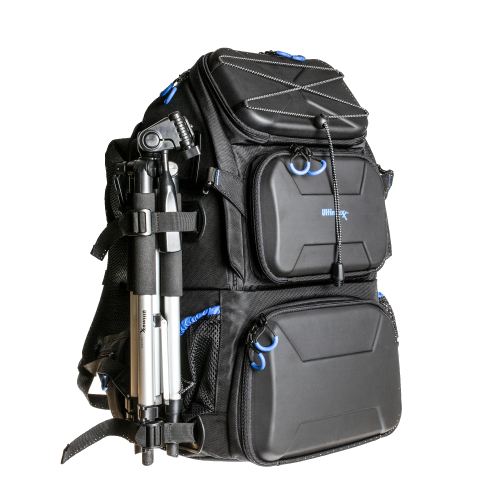
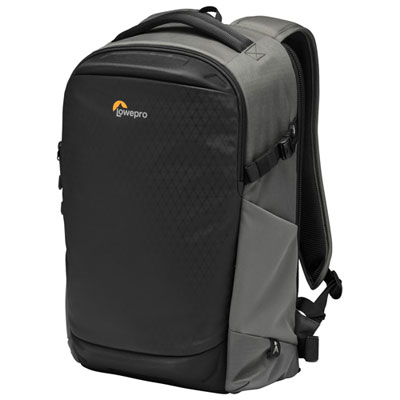
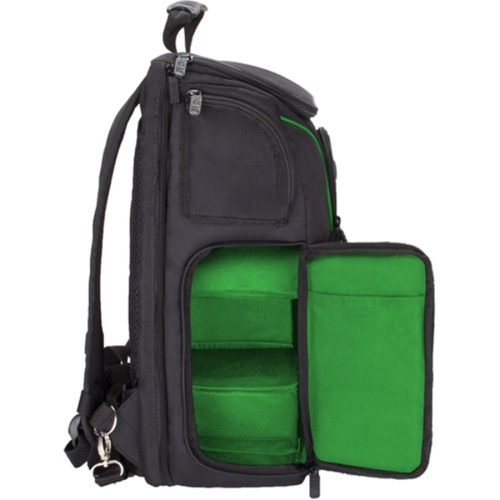
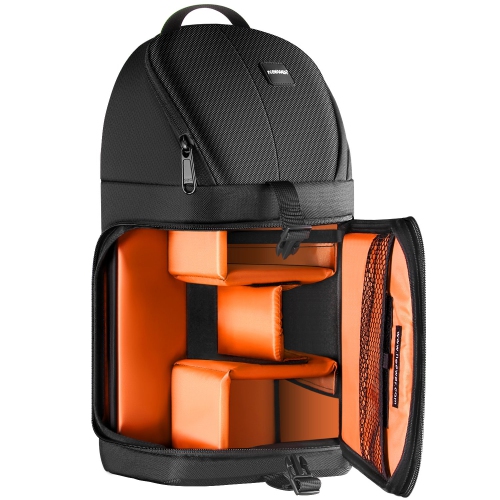
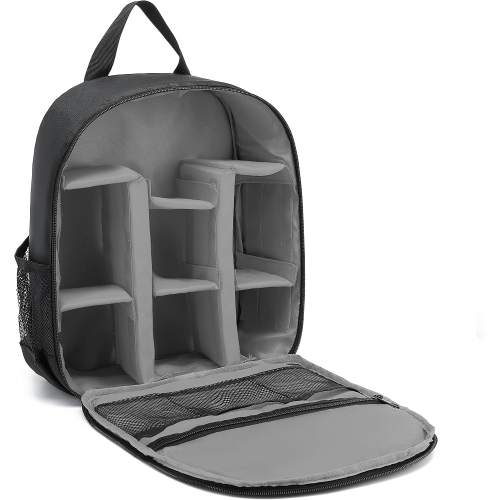
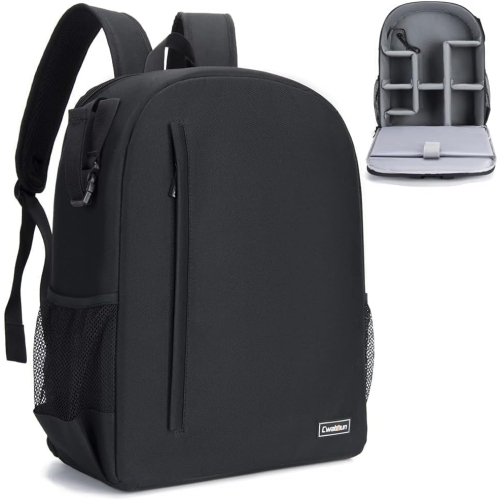
Carrying comfort becomes especially important when a large photography backpack holds dense equipment rather than lightweight personal belongings. Broad, padded shoulder straps distribute pressure across a larger area, while an adjustable sternum strap helps keep them positioned during movement. On designs with a supportive hip belt, some of the load can sit on the hips instead of pulling entirely through the shoulders. The belt needs to meet the wearer at the right height to perform that role, making torso fit just as important as overall bag capacity. A tall pack that suits one person may sit awkwardly on another, particularly when fully loaded. Contoured back panels, cushioning, and harness adjustment can improve the fit, but the most useful arrangement is one that stays stable without forcing an unnatural posture. Keeping heavier equipment close to the back and balanced from side to side can reduce the sensation of the bag pulling backwards. External tripod attachments also influence balance: a tripod secured centrally behaves differently from one carried along a side panel. Secure attachment points and compression straps help limit movement, provided the tripod’s weight and dimensions suit the bag’s design. Access is another defining feature of a practical camera backpack. Rear-opening compartments expose the equipment section when the bag is laid down, while side openings can provide access to a camera without opening the entire main compartment. Full front openings offer a broad view of the layout, useful when arranging several lenses before a session. Adjustable padded dividers make those layouts more flexible, but their position matters as much as their number. Each compartment should support its contents without squeezing controls, pushing against a lens mount, or leaving room for equipment to knock together. Small zipped pockets help separate charged batteries from used ones and keep memory card cases, cables, and cleaning cloths from slipping beneath larger pieces. Clear organization is particularly valuable during a busy event, when finding a spare battery should take only a moment rather than require unpacking the bag.
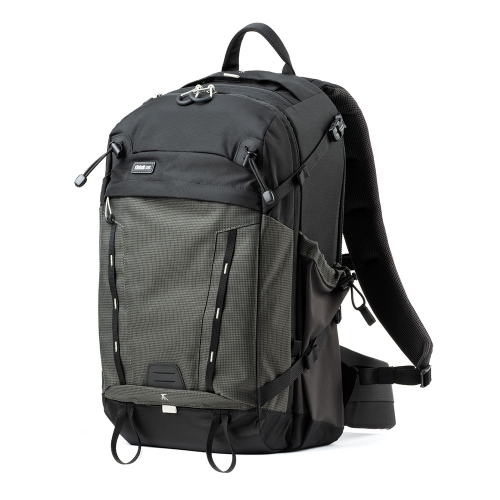
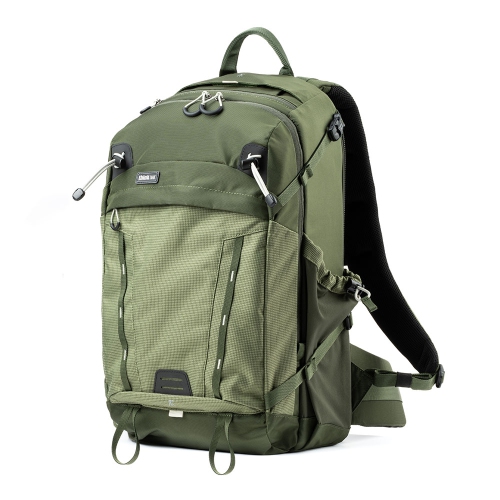
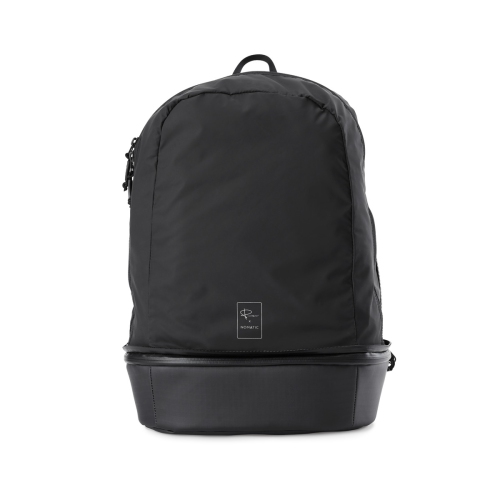
Materials and construction determine how well a large photography backpack handles repeated loading, travel, and everyday handling. Tightly woven nylon and polyester are common outer fabrics, with different weights and finishes offering different levels of flexibility and abrasion resistance. Reinforced bases, bound seams, substantial stitching around grab handles, and securely attached strap anchors are useful details on a bag intended to carry a heavy kit. Structured panels and padded inserts help separate equipment from bumps, but a soft camera backpack should not be treated as a crushproof case. Pressure from stacked luggage or a hard impact can still reach the contents. Smooth-running zippers are particularly important around curved openings, where an overfilled compartment can place extra strain on the closure. Leaving enough room to close the bag without force helps protect both the zipper and the equipment inside. For air travel, external measurements matter more than the word “large”: airline cabin-baggage dimensions and weight allowances vary, and protruding pockets, handles, and attached tripods can affect the overall size. Removable camera inserts can add flexibility when equipment needs to move between bags, while a luggage pass-through can simplify movement through terminals. Care is usually straightforward when it follows the manufacturer’s directions. Emptying loose debris, wiping the exterior with a soft damp cloth, and allowing all components to dry fully before storage helps keep the bag ready for its next outing. Removable dividers and inserts may need separate cleaning, and machine washing should not be assumed suitable. Large photography backpacks can also make practical gifts for photography students, dedicated hobbyists, and working photographers whose equipment has outgrown a compact bag. Knowing the recipient’s camera dimensions, typical lens selection, and preferred carrying style makes the gift more useful than capacity alone. For a broader look at visual styles and carrying layouts, Cool Camera Backpacks offers a related collection to explore alongside the space and support of larger photography packs.

FAQ

Some products may be subject to Environmental Handling Fees (EHF) depending on your province. Learn more about EHFs.