Camera Backpacks for DSLR
Whether you're a professional photographer or a hobbyist, having a reliable and functional camera backpack is essential for protecting your valuable DSLR equipment while on the go. With a wide range of options available, finding the perfect camera backpack can be overwhelming. That's why we've curated this collection of camera backpacks designed specifically for DSLRs. From spacious compartments to customizable dividers, these backpacks offer the ideal combination of style and functionality to keep your gear safe and organized during your photography adventures. Explore our selection below and find the perfect camera backpack to suit your needs.
Sort
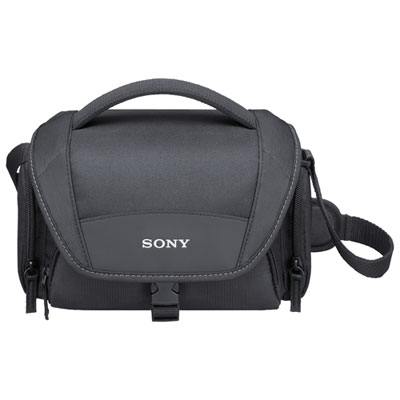
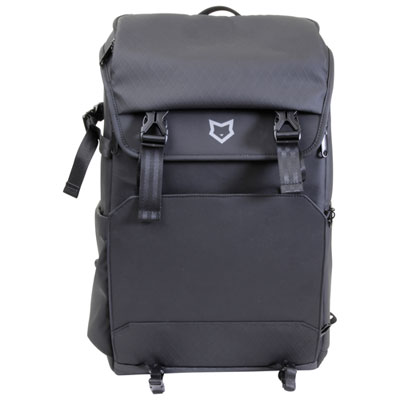
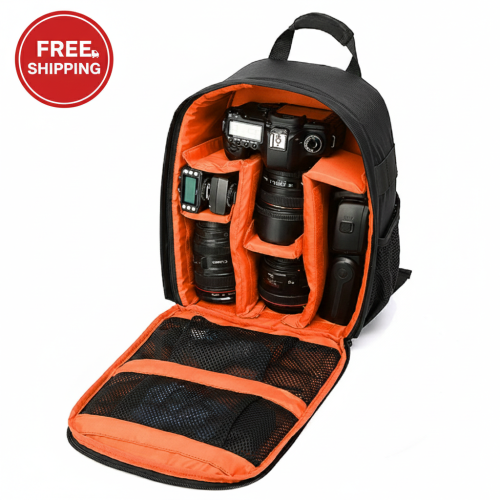
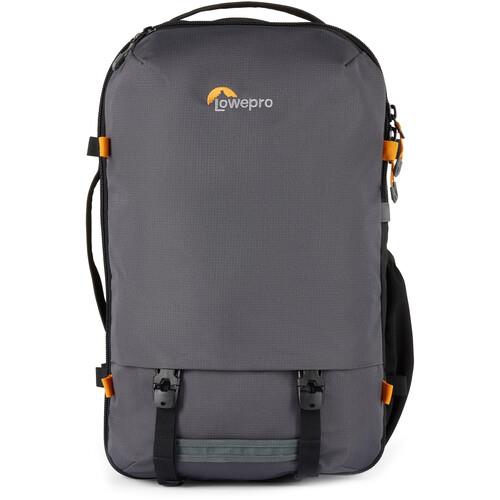
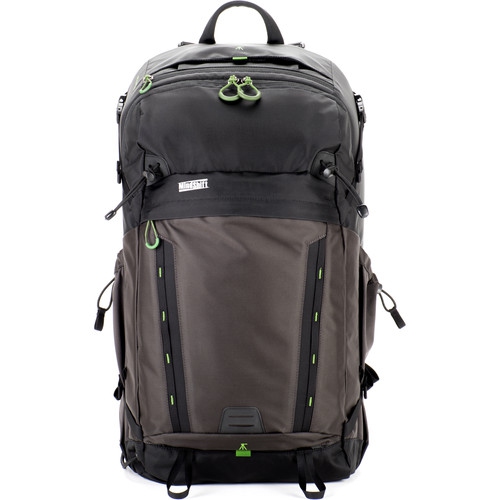
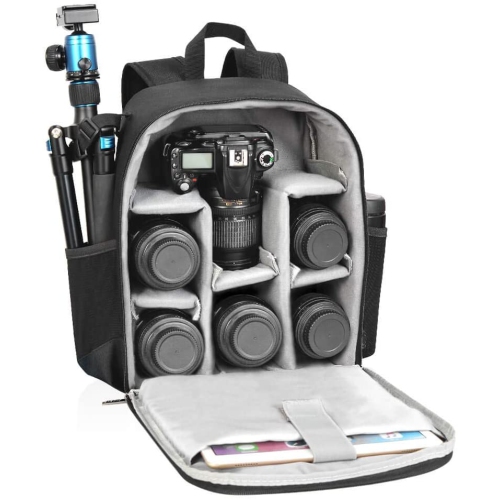
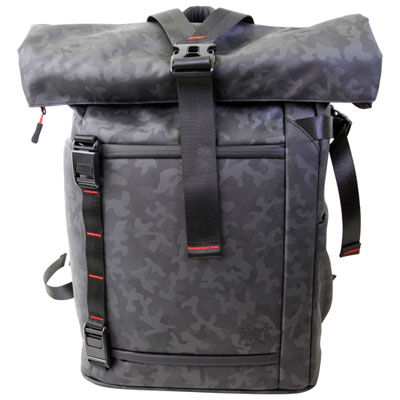
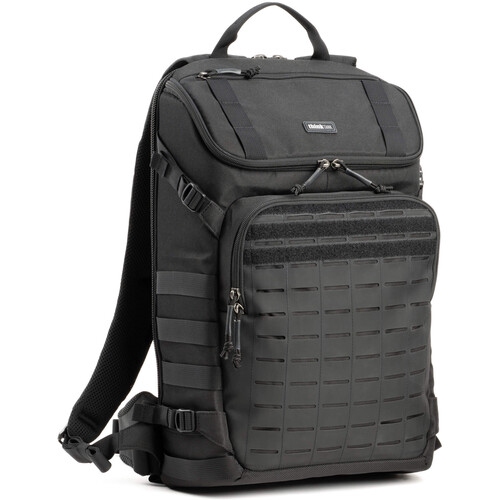
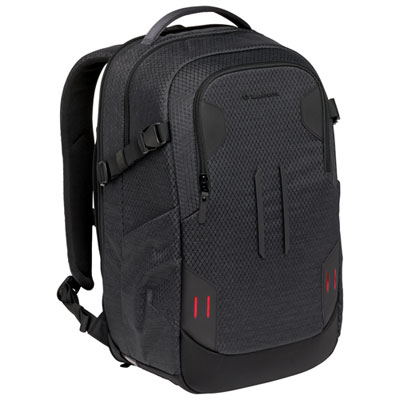
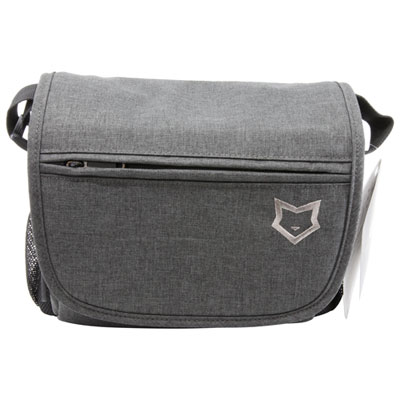
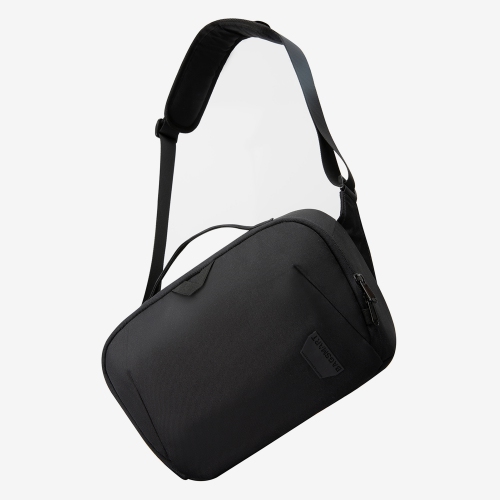
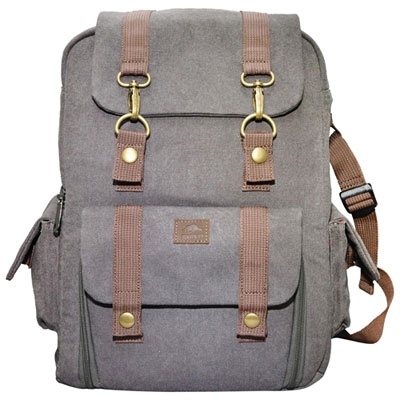
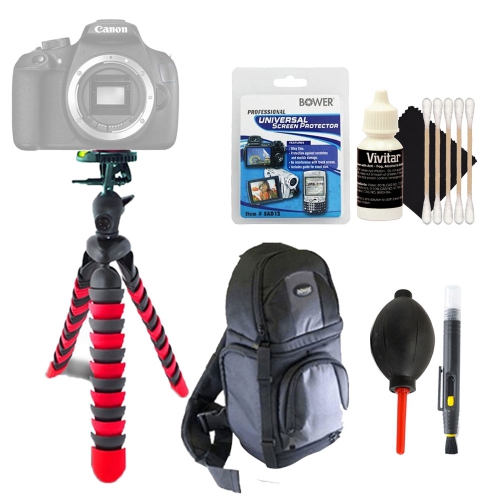
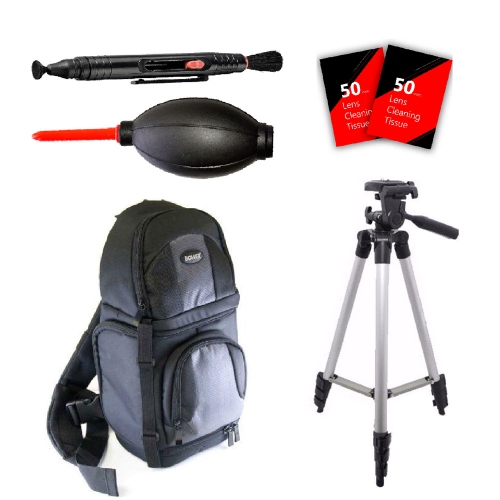
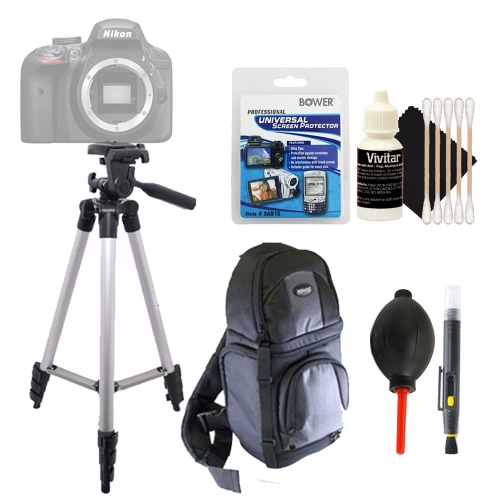
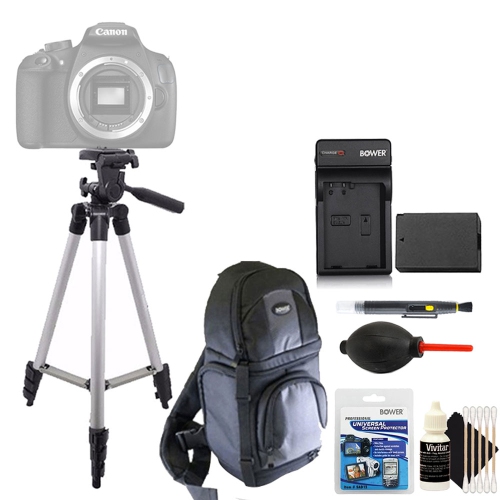
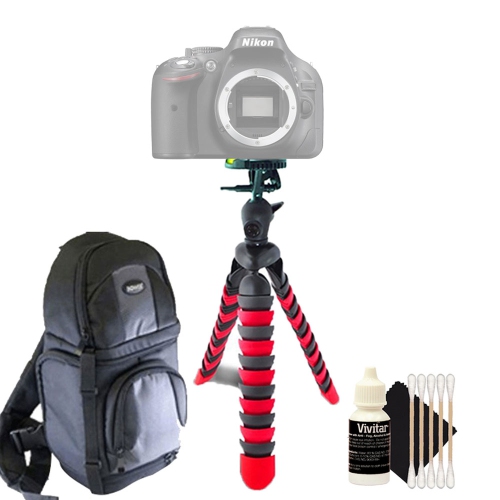
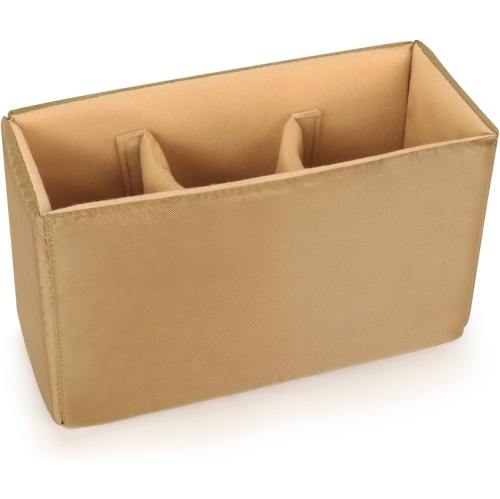
Protection, access, and comfort for every photography outing
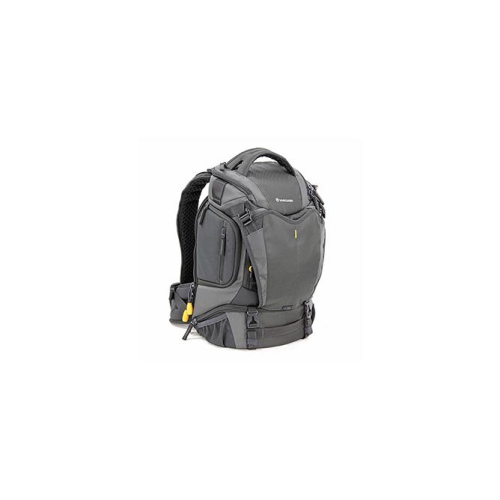
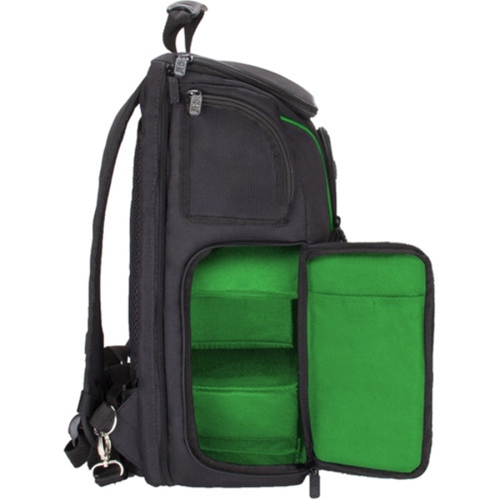
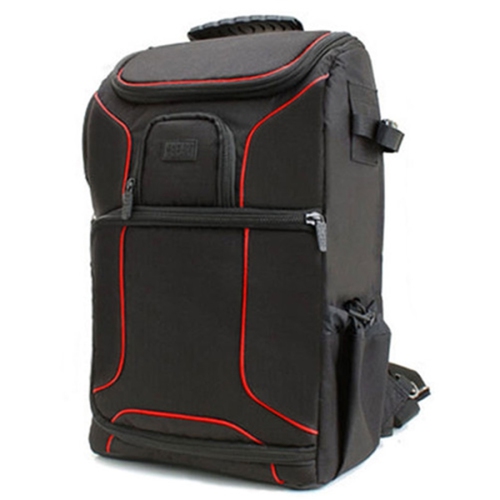
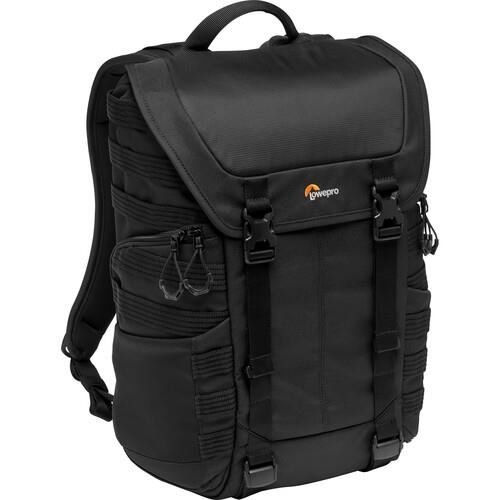
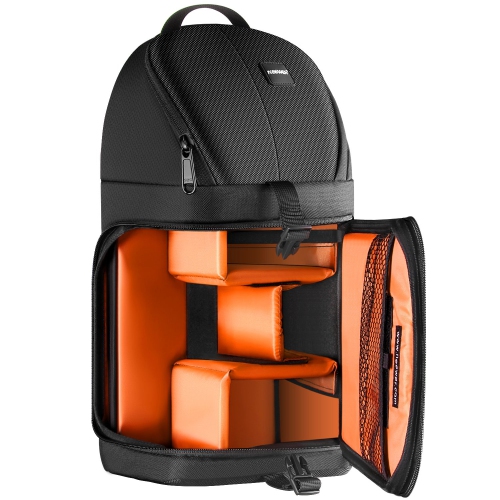
Camera backpacks for DSLR cameras offer a practical way to carry a camera body, lenses, accessories, and personal essentials in one comfortable load. Unlike a standard backpack, a dedicated camera bag uses padded compartments and adjustable dividers to help keep delicate equipment separated and secure while you move between locations. Many designs can hold a DSLR camera with two or three additional lenses, while larger options may accommodate two camera bodies, several lenses, a flash, extra batteries, memory cards, and other accessories. The right capacity depends on the way you shoot. A compact backpack may suit a photographer who carries one camera and a standard zoom lens for walks, family gatherings, or casual travel, while a larger model can be useful for wildlife, sports, weddings, events, or landscape photography where changing lenses throughout the day is part of the process. Look for a main compartment with flexible, padded dividers that can be repositioned around your particular DSLR body and lenses. This allows the interior to adapt as your kit changes, whether you add a wide-angle lens, telephoto lens, external flash, or compact drone. Some backpacks feature a bright or contrasting interior lining that makes small accessories easier to spot, especially in low light or inside a crowded bag. Separate pockets for batteries, chargers, filters, cables, and memory cards can also make a noticeable difference when you need to find one item without unpacking everything. For photographers who bring a laptop or tablet along with their camera equipment, a dedicated sleeve helps keep the computer protected and separate from the padded camera compartment. Depending on the design, laptop storage may fit devices up to 13, 15, or 15.6 inch, so checking the listed dimensions against your device is an important part of choosing a suitable bag.
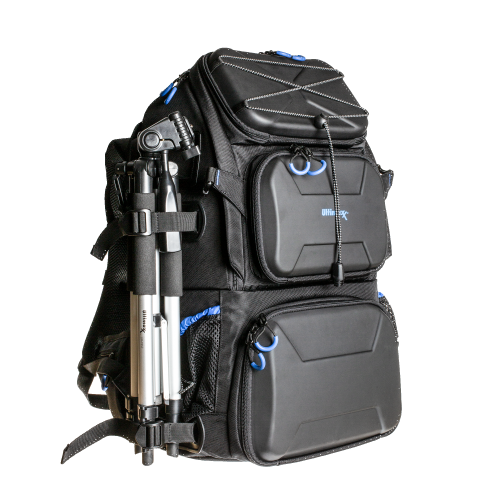
Comfort and access are just as important as capacity when comparing camera backpacks for DSLR. Padded shoulder straps, a supportive back panel, and an adjustable sternum or waist strap can help distribute the weight of a full kit more evenly, which is especially helpful during long walks, hikes, city tours, or outdoor photo sessions. A bag that feels manageable when empty may feel very different once it contains a DSLR, several lenses, a laptop, water, and personal items, so consider the total load you expect to carry. A 50/50 layout can divide the backpack between camera gear and everyday belongings, leaving room for a light jacket, snacks, a notebook, or other essentials. Some designs open fully from the rear, giving you a clear view of the contents when the bag is placed down, while others use a top opening or front panel for broader access. Side-access compartments are useful when your camera is stored inside the bag but you want to take it out without removing the backpack completely. This can be convenient during a walk when a bird lands nearby, a changing cloud pattern transforms a landscape, or a family moment unfolds unexpectedly. Secure zippers, durable buckles, and reinforced handles are helpful details for frequent travel, while a luggage pass-through can make airport transfers easier by allowing the backpack to slide over the handle of a rolling suitcase. Photographers who use a tripod should look for a dedicated tripod holder or exterior attachment points. These features can keep the tripod balanced against the outside of the bag instead of forcing it into the main compartment, leaving valuable space for camera equipment. For an overview of different sizes, layouts, and features, explore Best Camera Backpacks before narrowing your selection to the capacity and carrying style that match your routine.
Weather protection is another key consideration, particularly for anyone who photographs outdoors during changing conditions. A water-resistant exterior can help protect the contents from light rain or splashes, while an included rain cover offers an additional layer of protection when the weather turns wet. A cover that fits over the entire backpack, including exterior pockets and tripod attachments, can be especially useful during hikes, travel, and outdoor events. It is also worth checking whether the zippers are protected by flaps and whether the seams and base are designed to handle damp ground or accidental spills. Camera backpacks for DSLR are useful for more than professional photographers. Students building a photography kit, content creators heading to a location, parents documenting family trips, and hobbyists exploring parks or neighbourhoods can all benefit from a purpose-built bag. They can also make thoughtful gifts for someone who has recently purchased a DSLR, joined a photography class, started photographing nature, or wants a more organised way to carry equipment. During the warmer season, a camera backpack can hold gear for day trips, waterfront walks, festivals, and outdoor portraits; during the cooler months, it can provide room for gloves, a hat, or an extra layer alongside the camera kit. Before choosing one, count the equipment you normally carry rather than selecting solely by exterior size. Measure your camera with its largest attached lens, check the dimensions of your laptop if applicable, and consider whether you need space for personal items or a tripod. Think about how you access your gear as well: side access may suit quick shooting, a full-opening design may make packing easier, and a removable or highly adjustable divider system may offer more flexibility over time. A well-fitted DSLR camera backpack should protect equipment, keep frequently used accessories within reach, and remain comfortable enough that carrying your camera feels natural from the first step to the final shot.
Comfort and access are just as important as capacity when comparing camera backpacks for DSLR. Padded shoulder straps, a supportive back panel, and an adjustable sternum or waist strap can help distribute the weight of a full kit more evenly, which is especially helpful during long walks, hikes, city tours, or outdoor photo sessions. A bag that feels manageable when empty may feel very different once it contains a DSLR, several lenses, a laptop, water, and personal items, so consider the total load you expect to carry. A 50/50 layout can divide the backpack between camera gear and everyday belongings, leaving room for a light jacket, snacks, a notebook, or other essentials. Some designs open fully from the rear, giving you a clear view of the contents when the bag is placed down, while others use a top opening or front panel for broader access. Side-access compartments are useful when your camera is stored inside the bag but you want to take it out without removing the backpack completely. This can be convenient during a walk when a bird lands nearby, a changing cloud pattern transforms a landscape, or a family moment unfolds unexpectedly. Secure zippers, durable buckles, and reinforced handles are helpful details for frequent travel, while a luggage pass-through can make airport transfers easier by allowing the backpack to slide over the handle of a rolling suitcase. Photographers who use a tripod should look for a dedicated tripod holder or exterior attachment points. These features can keep the tripod balanced against the outside of the bag instead of forcing it into the main compartment, leaving valuable space for camera equipment. For an overview of different sizes, layouts, and features, explore Best Camera Backpacks before narrowing your selection to the capacity and carrying style that match your routine.
Weather protection is another key consideration, particularly for anyone who photographs outdoors during changing conditions. A water-resistant exterior can help protect the contents from light rain or splashes, while an included rain cover offers an additional layer of protection when the weather turns wet. A cover that fits over the entire backpack, including exterior pockets and tripod attachments, can be especially useful during hikes, travel, and outdoor events. It is also worth checking whether the zippers are protected by flaps and whether the seams and base are designed to handle damp ground or accidental spills. Camera backpacks for DSLR are useful for more than professional photographers. Students building a photography kit, content creators heading to a location, parents documenting family trips, and hobbyists exploring parks or neighbourhoods can all benefit from a purpose-built bag. They can also make thoughtful gifts for someone who has recently purchased a DSLR, joined a photography class, started photographing nature, or wants a more organised way to carry equipment. During the warmer season, a camera backpack can hold gear for day trips, waterfront walks, festivals, and outdoor portraits; during the cooler months, it can provide room for gloves, a hat, or an extra layer alongside the camera kit. Before choosing one, count the equipment you normally carry rather than selecting solely by exterior size. Measure your camera with its largest attached lens, check the dimensions of your laptop if applicable, and consider whether you need space for personal items or a tripod. Think about how you access your gear as well: side access may suit quick shooting, a full-opening design may make packing easier, and a removable or highly adjustable divider system may offer more flexibility over time. A well-fitted DSLR camera backpack should protect equipment, keep frequently used accessories within reach, and remain comfortable enough that carrying your camera feels natural from the first step to the final shot.
Top selling and popular products
-
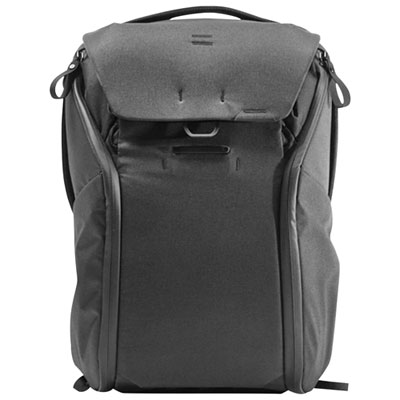 Your price for this item is $389.99
 -
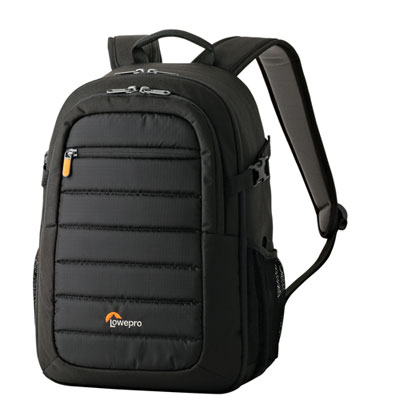 Your price for this item is $98.98
 -
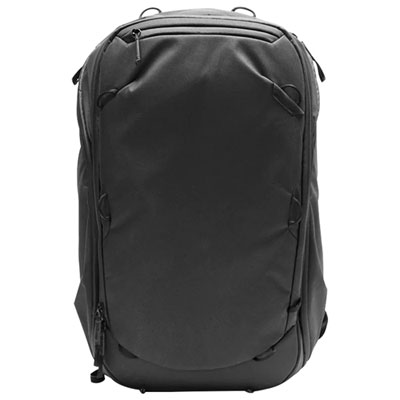 Your price for this item is $399.97
 -
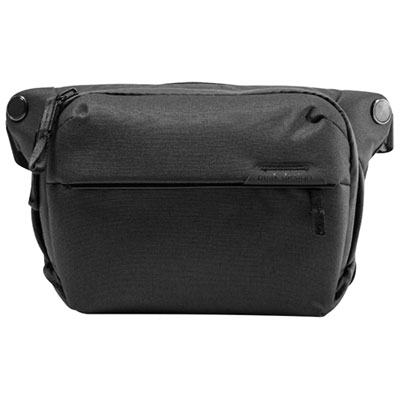 Your price for this item is $139.99
 -
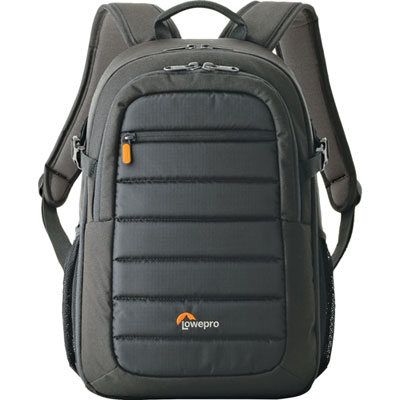 Your price for this item is $119.99
 -
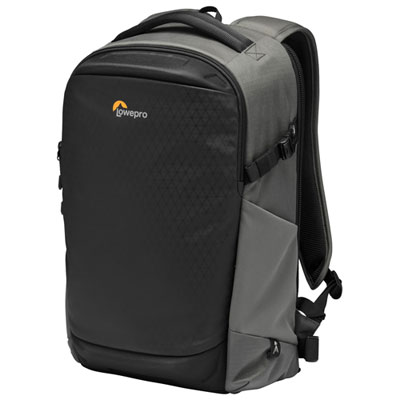 Your price for this item is $229.99
 -
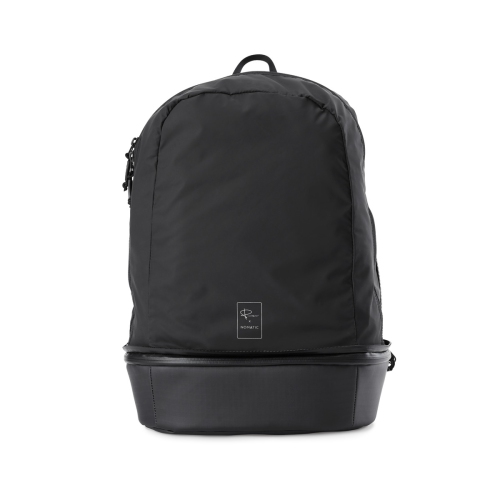 Your price for this item is $179.99
 -
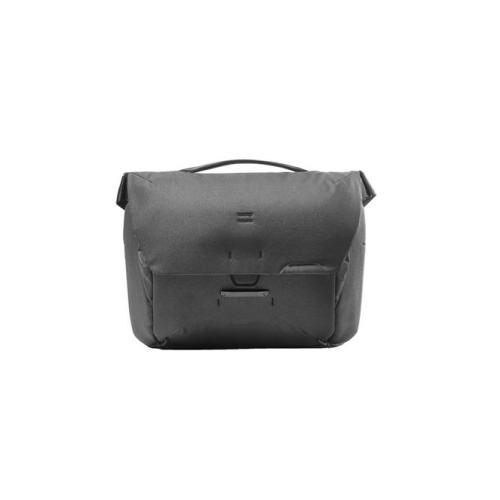 Your price for this item is $349
Discover more categories related to Camera Backpacks for DSLR
Top Collections:
Pokemon Centers, Kindle Devices, Best Budget Office Chairs, Apple iPhones 16, Best Laptops for Writers, iPhone 15 Apple, Canon G7X Cameras, Refurbished Apple Laptops, Alarm Clock, Motorola Razr Phones
Some products may be subject to Environmental Handling Fees
(EHF) depending on your province.
Learn more about EHFs.