Digital Cameras With SD Card
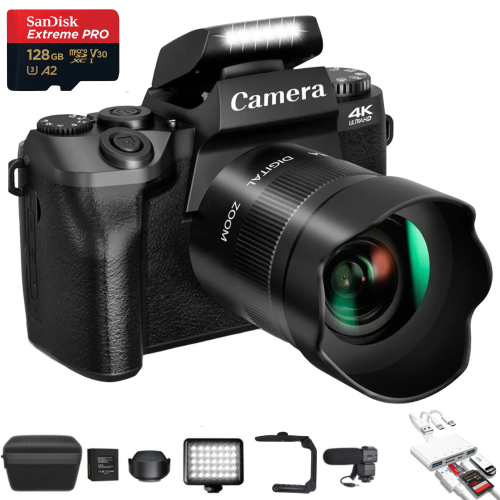
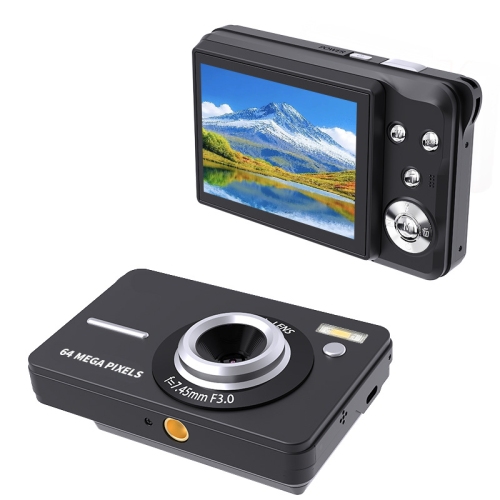
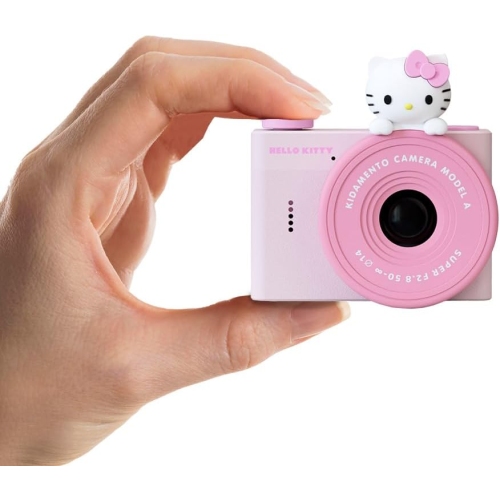
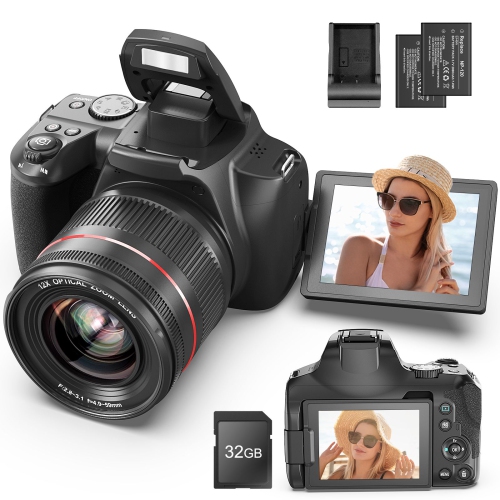
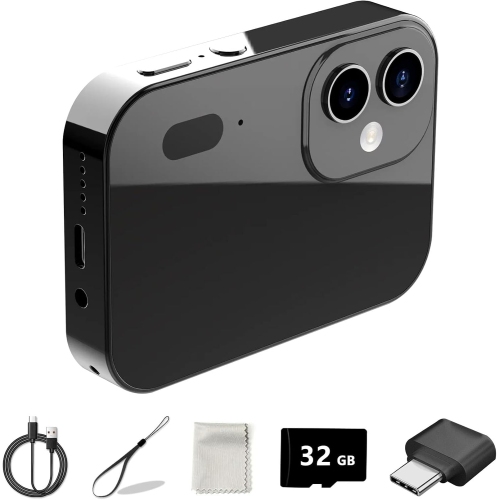
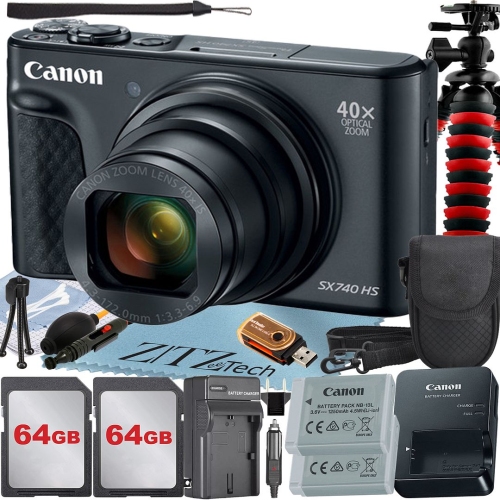
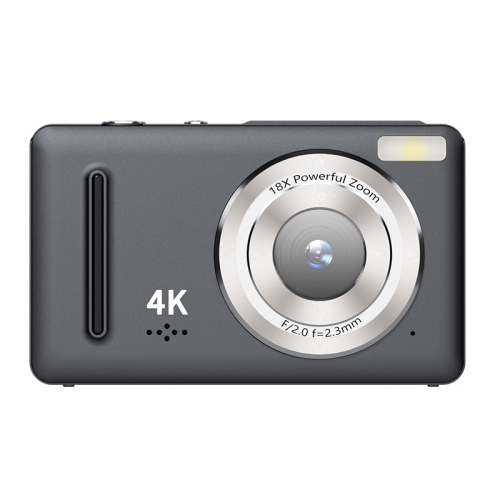
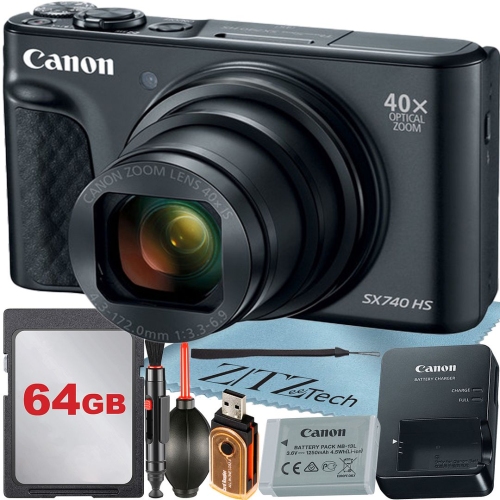
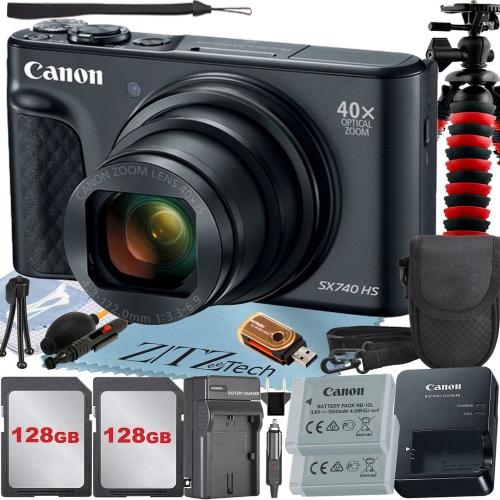
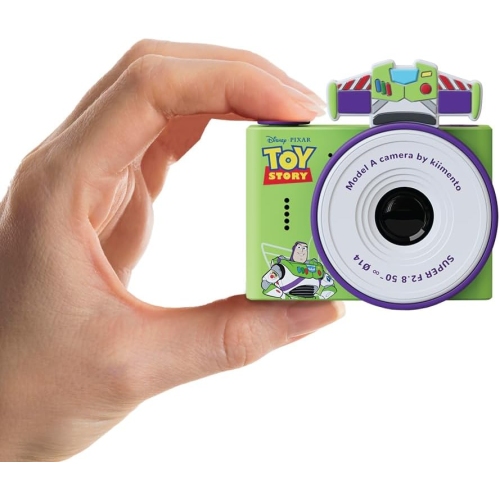
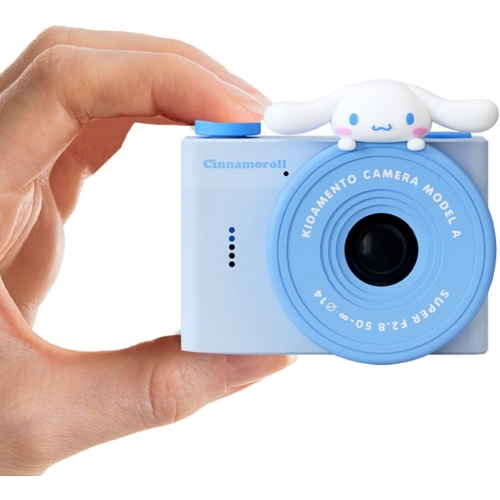
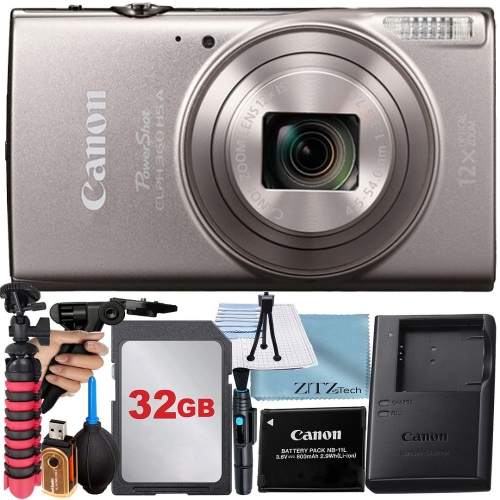
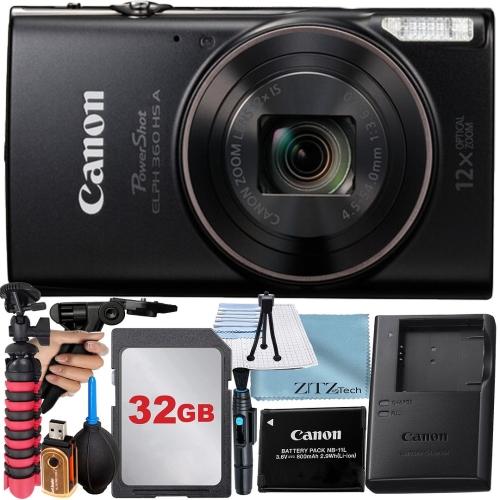
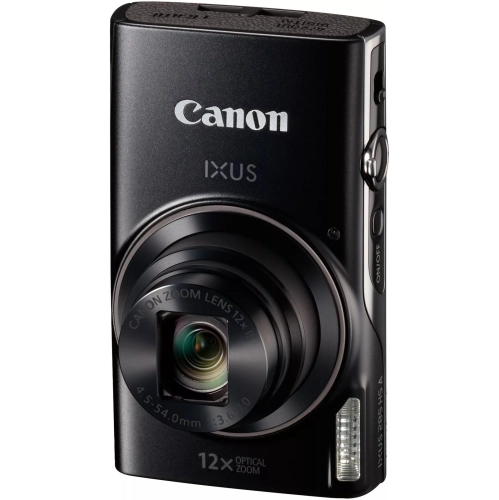
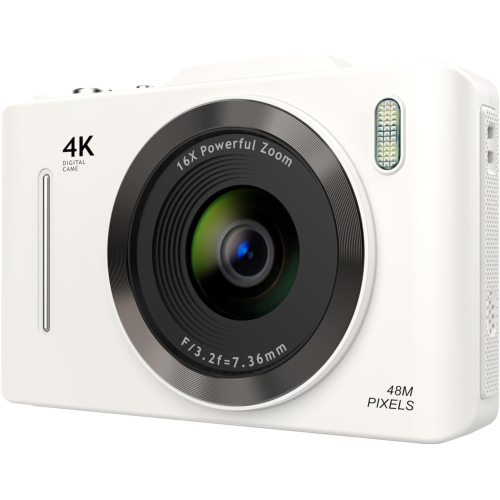
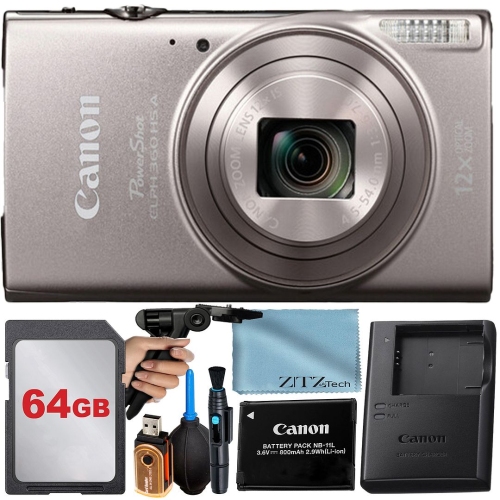
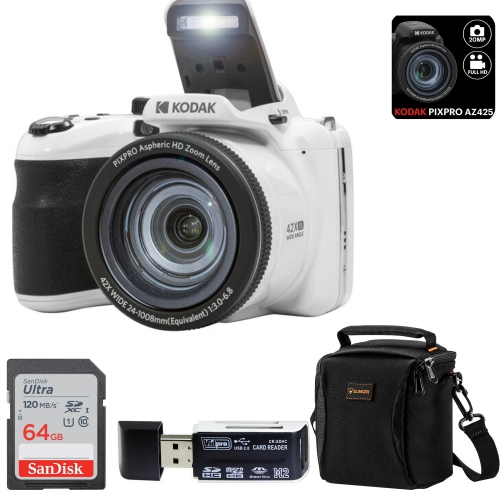
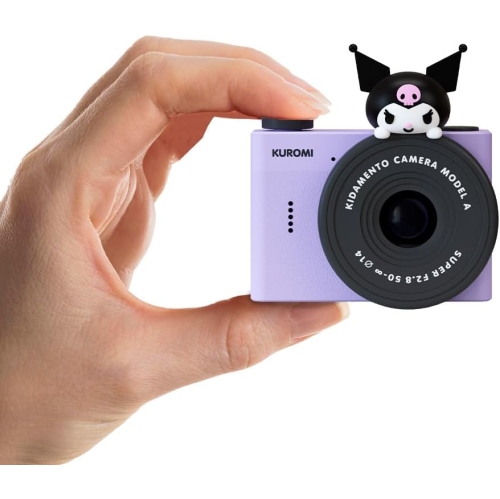
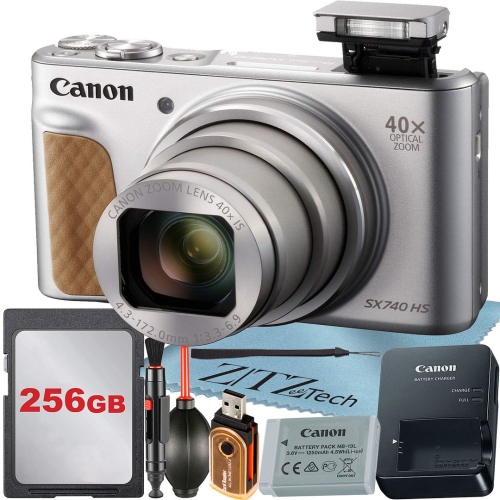
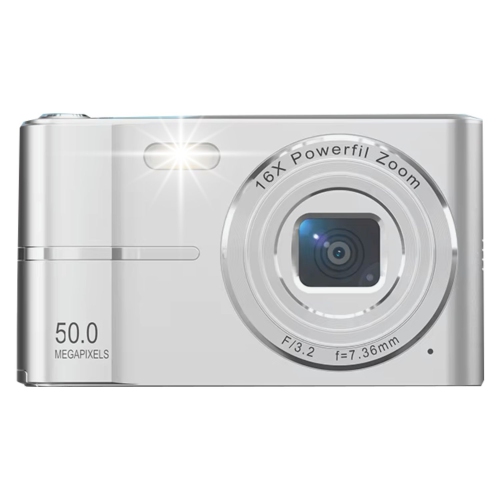
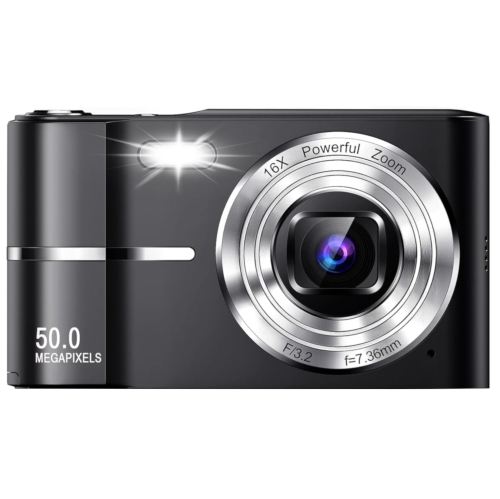
The best digital cameras for most people are the ones that take the kind of pictures they want to take. If you're looking for a camera that will let you capture your kids' soccer games or your friend's wedding, you'll find plenty of options that can handle high-resolution images and video. If you're more interested in shooting landscapes or architecture, you'll find plenty of cameras that can handle high megapixel counts and fast frame rates. But no matter what kind of photography you're into, one must-have feature for almost any digital camera is an SD card slot. SD cards are the most widely used memory format for digital cameras, and they offer a range of benefits that make them the perfect choice for almost any photographer. Here is the digital camera with an SD card.
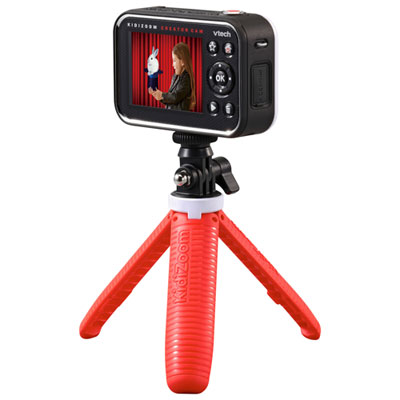
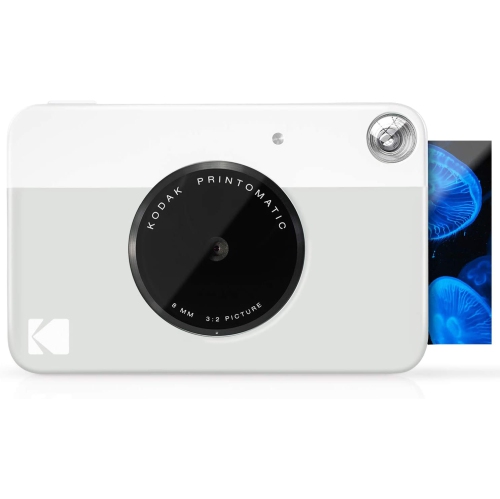
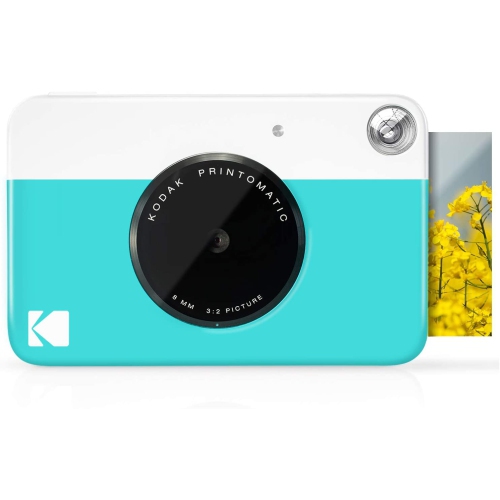

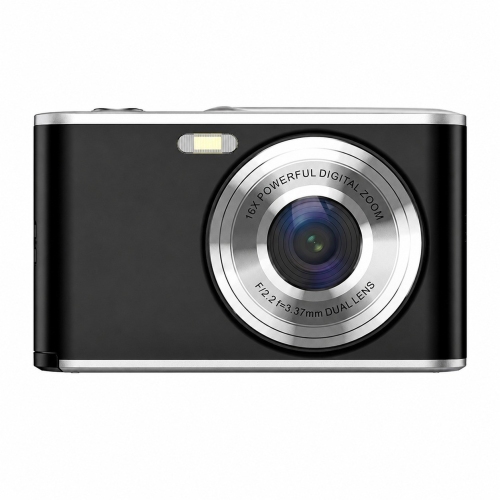


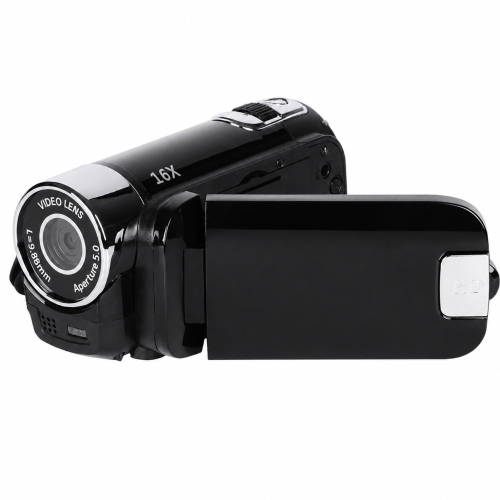
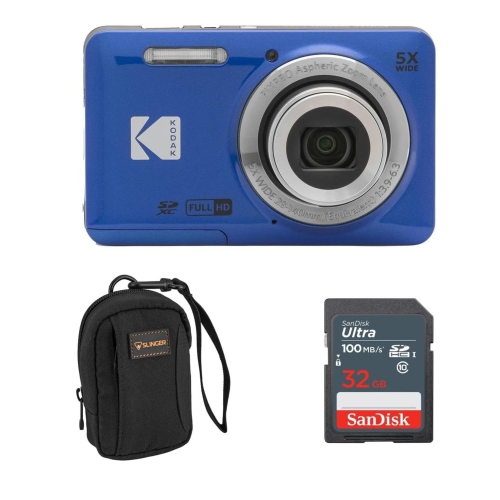
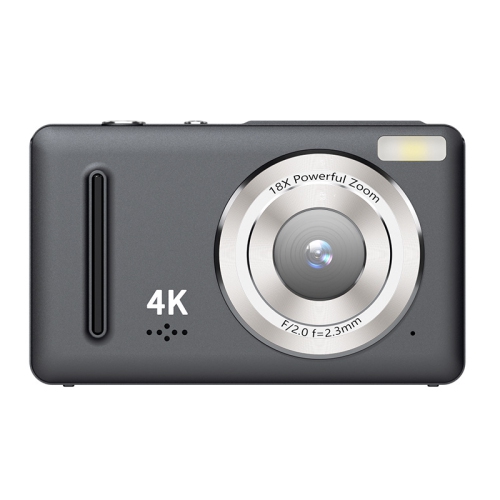
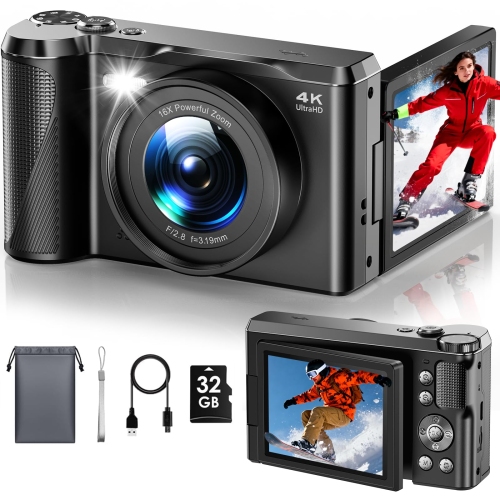
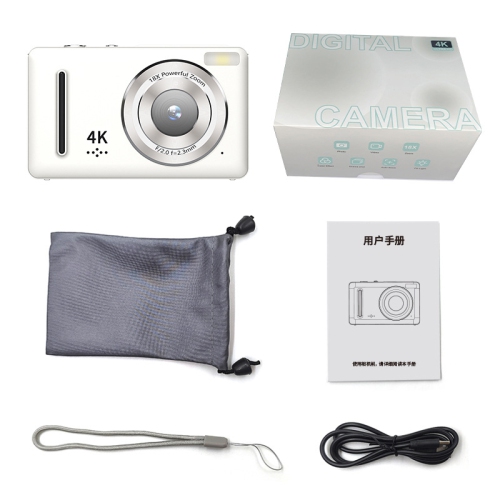
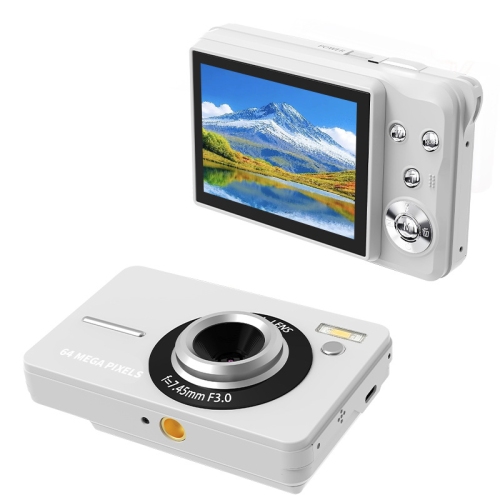

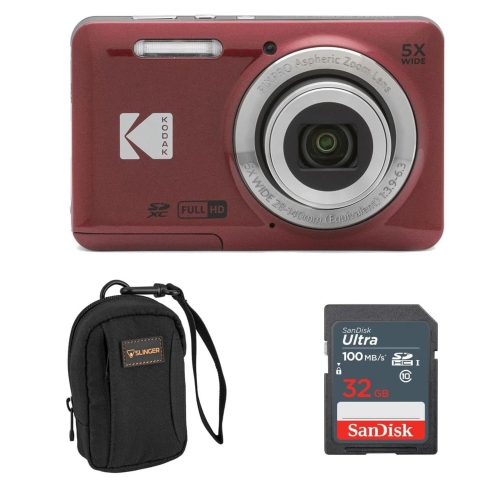
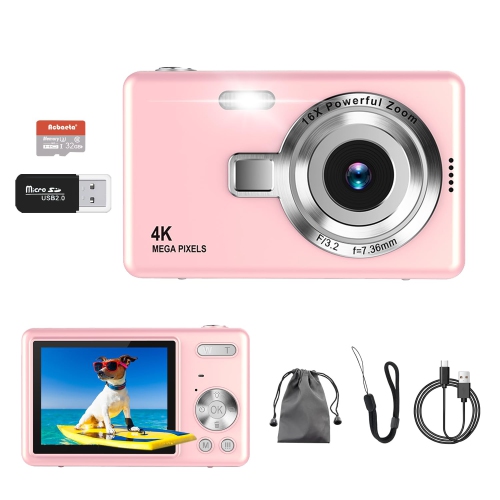
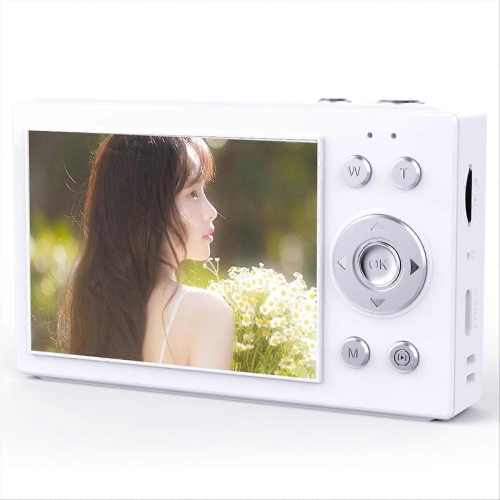
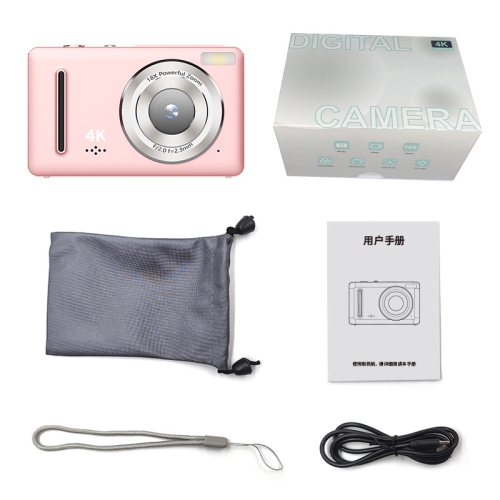


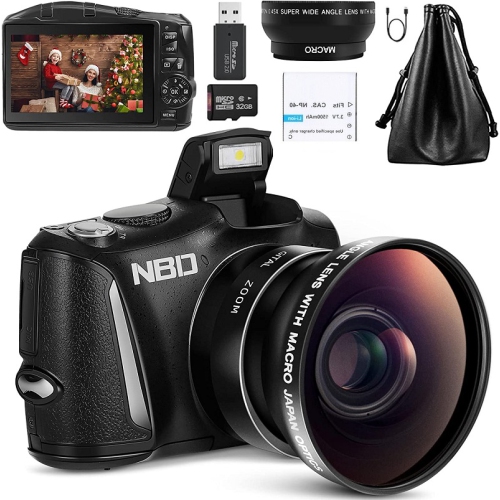
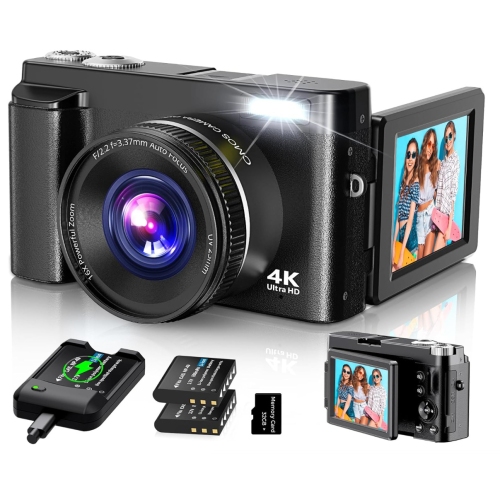
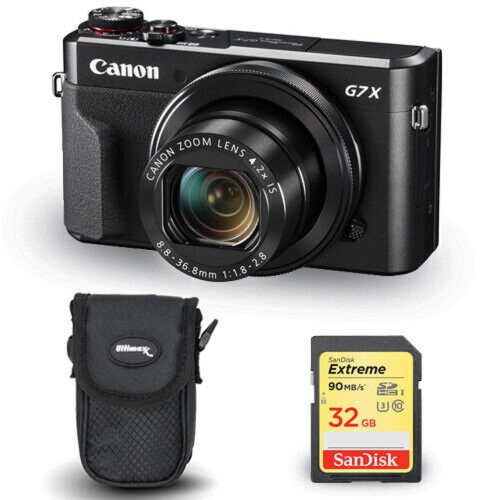
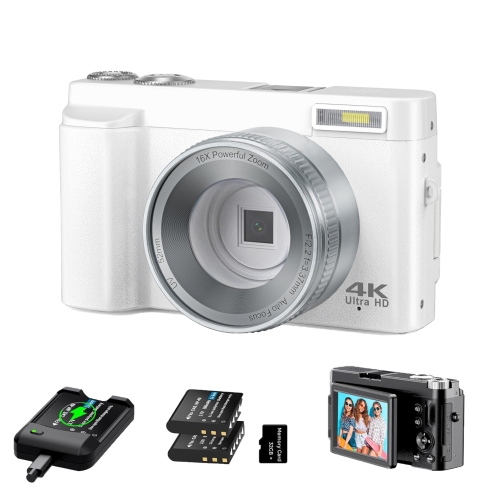
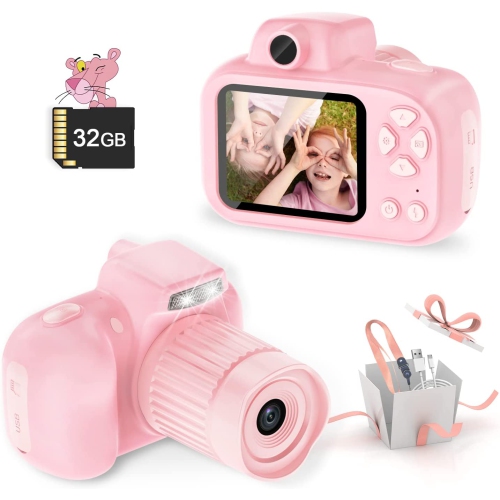
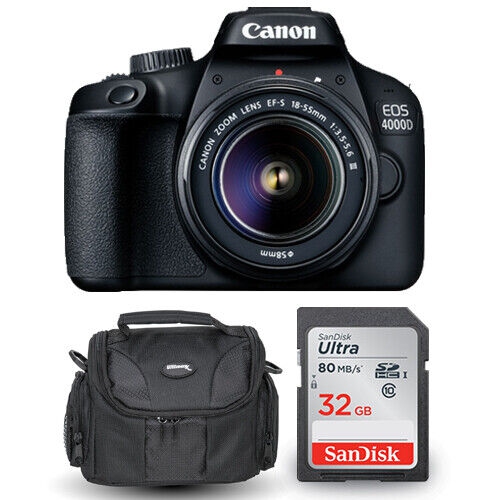
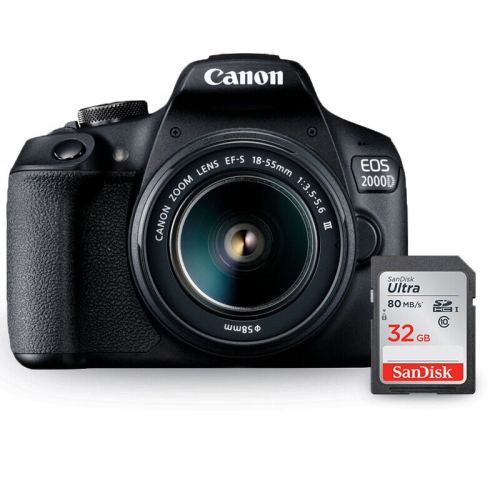
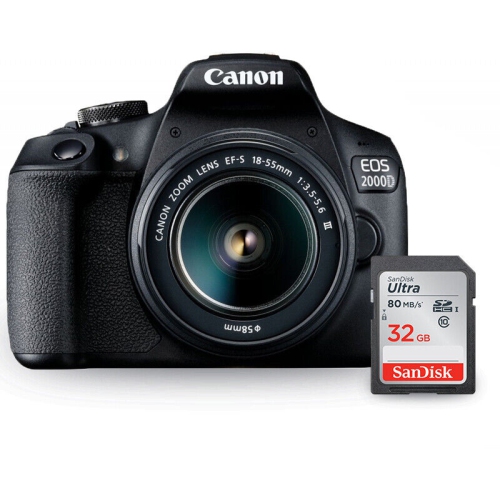
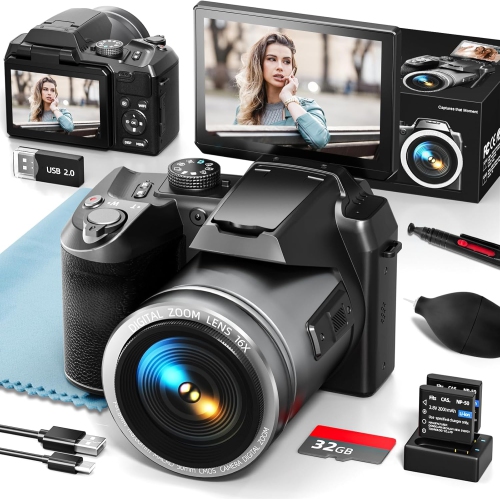

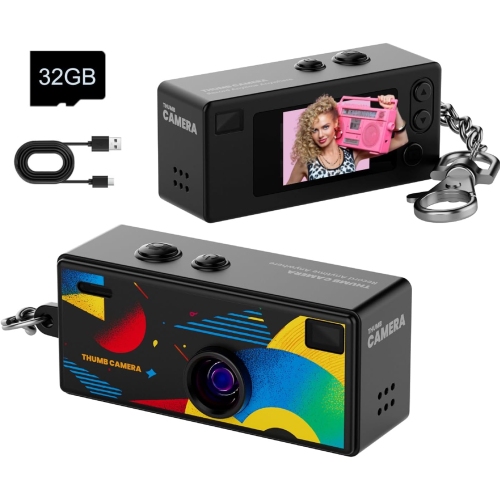

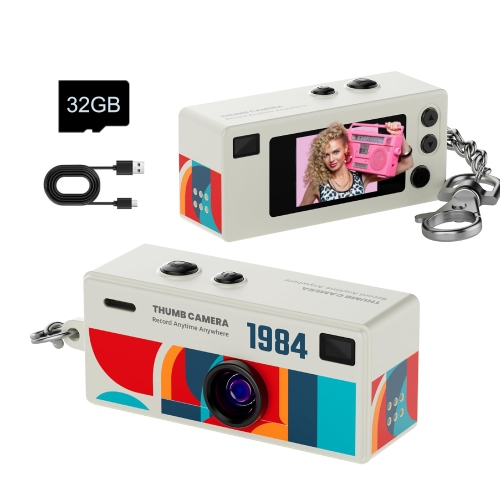
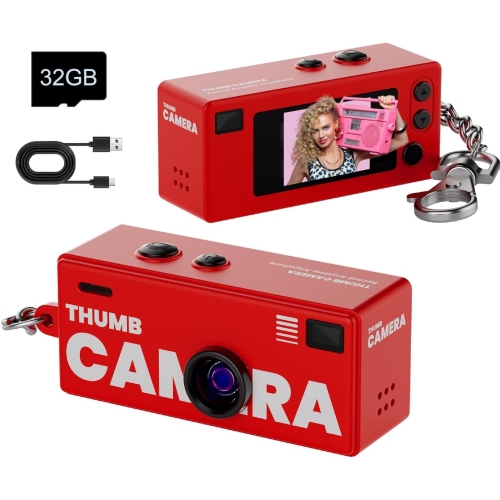
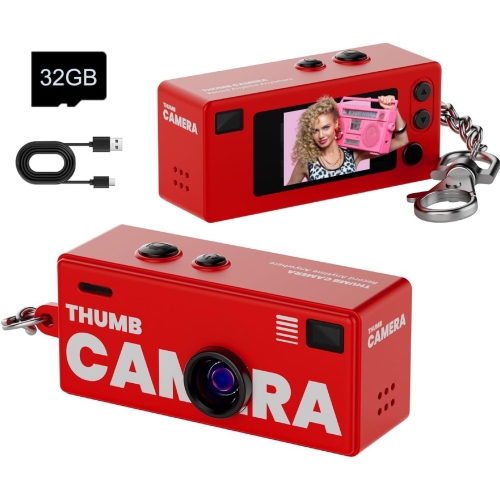
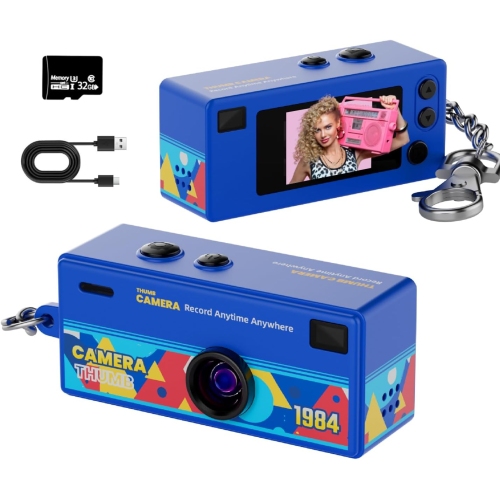
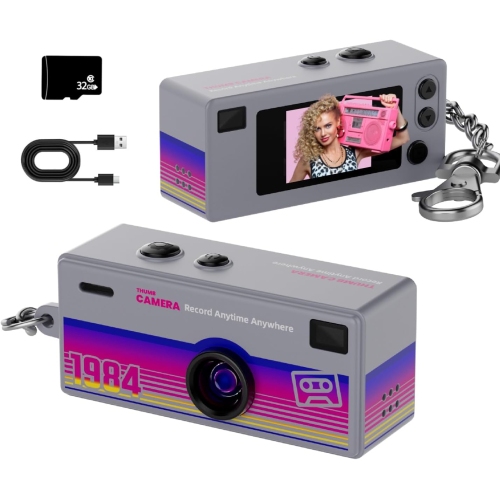
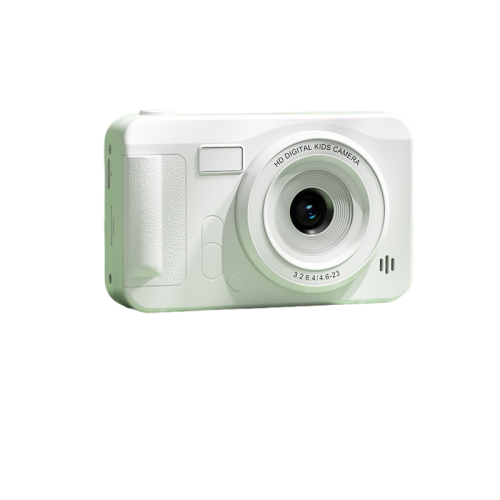
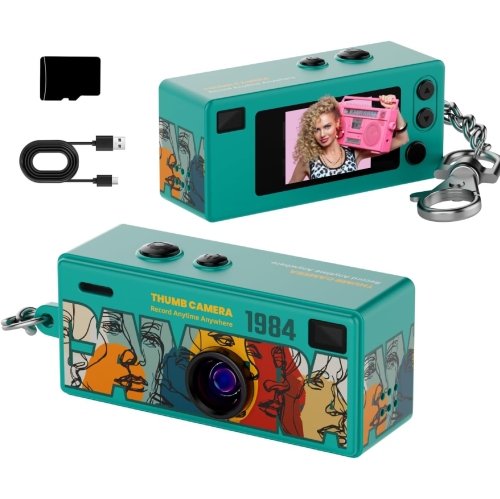
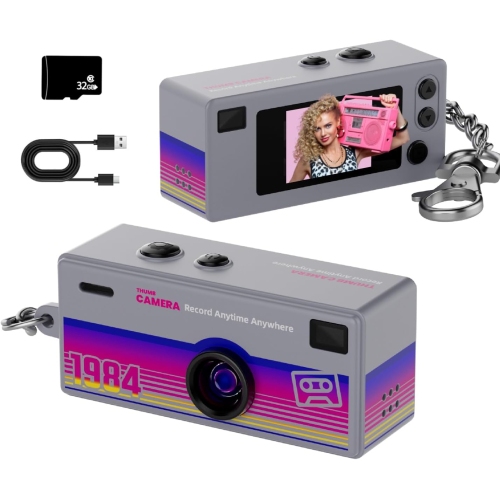

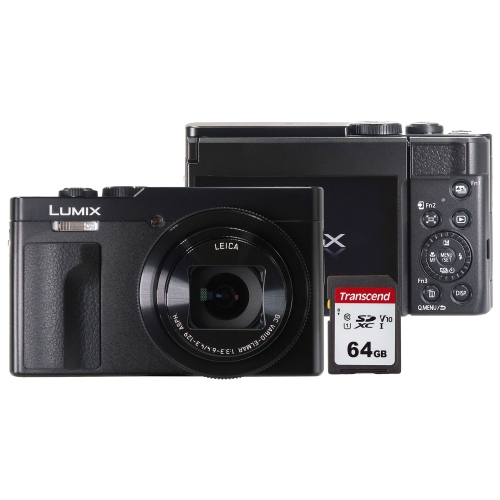
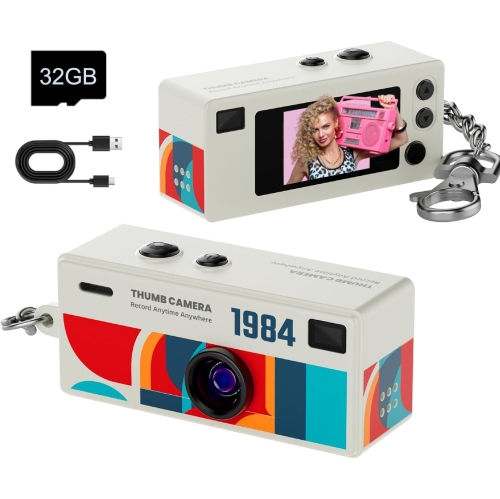

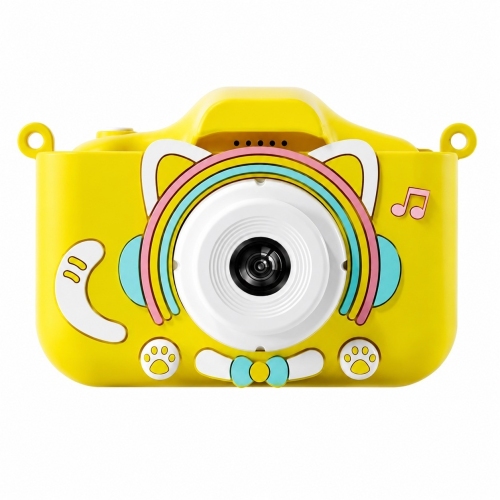
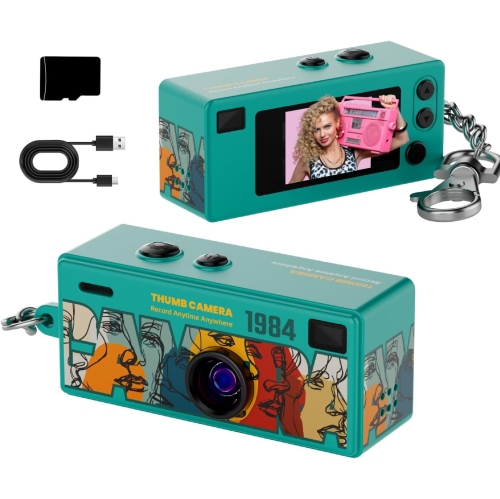
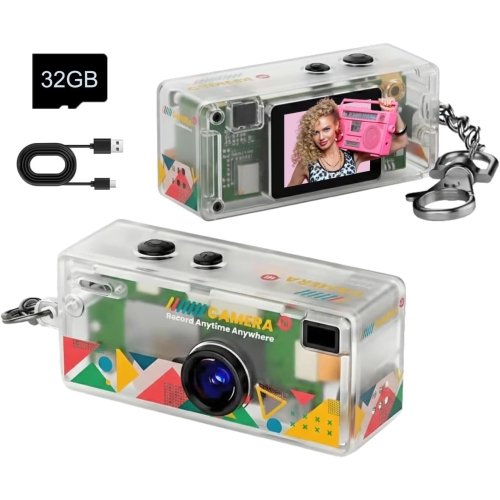
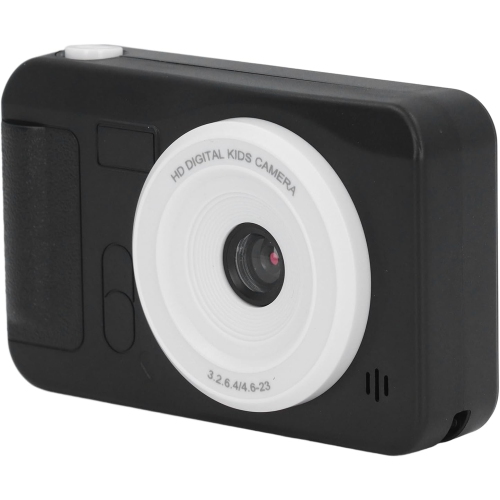
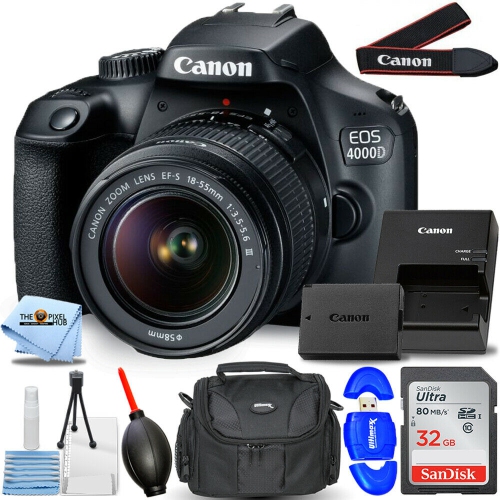
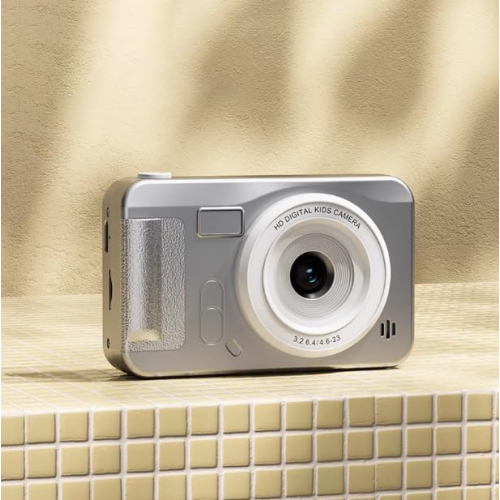

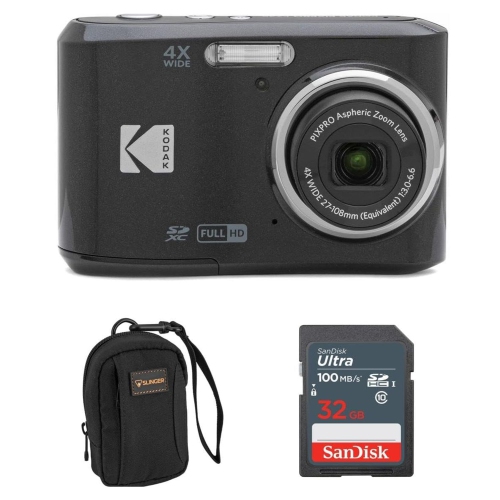
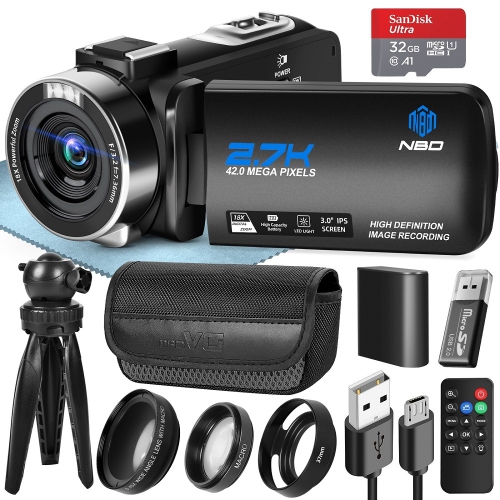
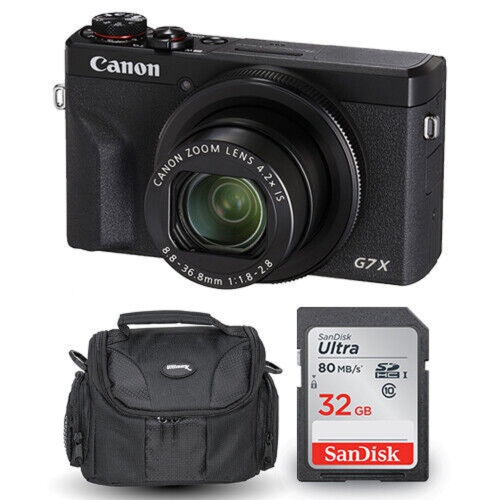
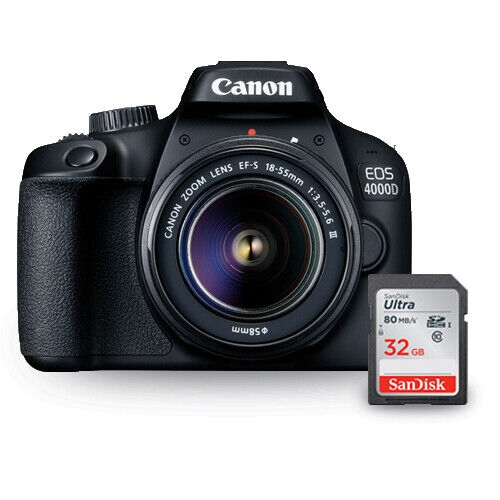
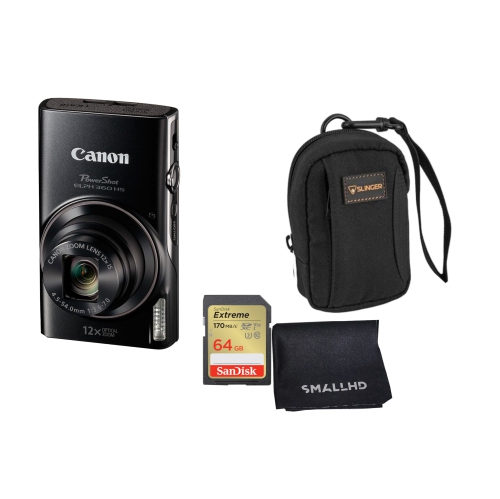
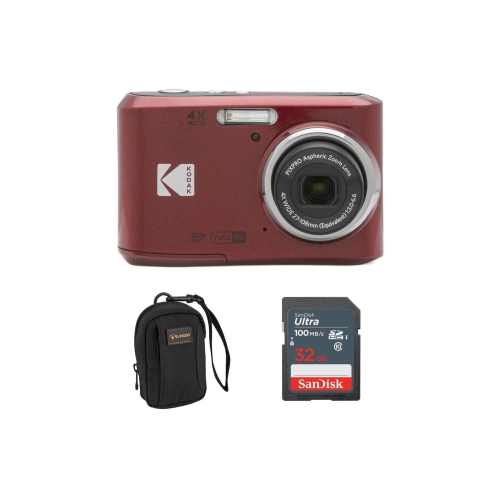

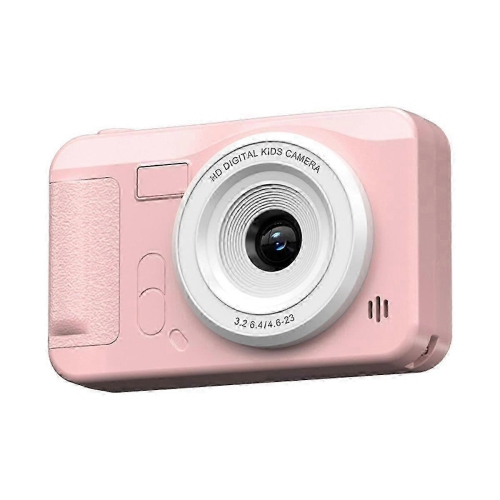

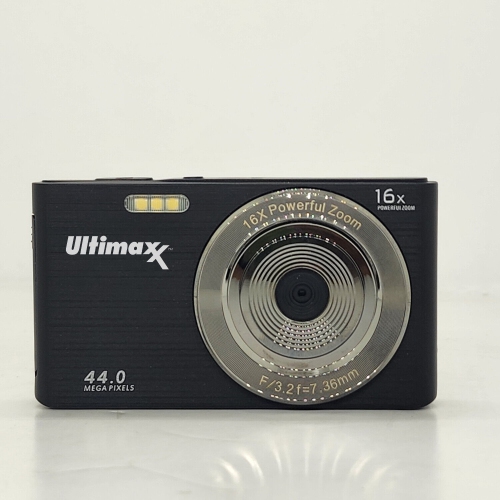
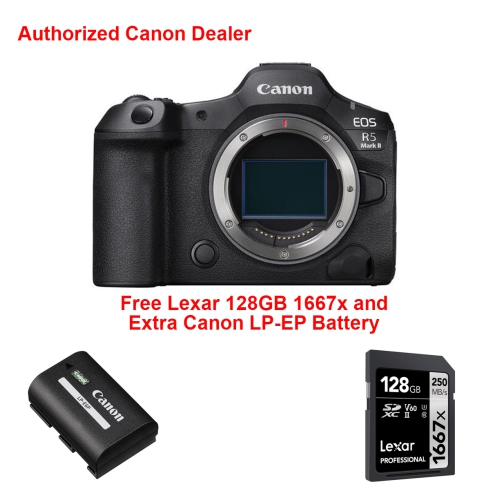

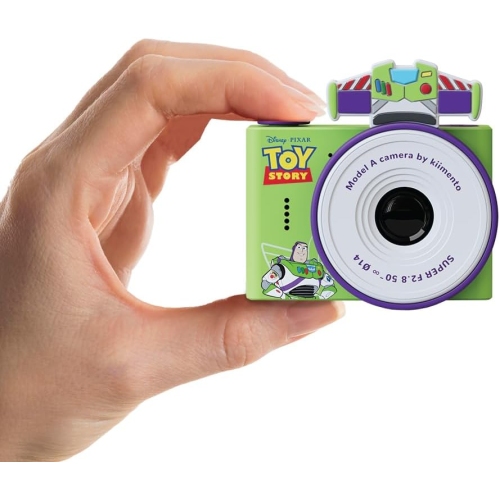
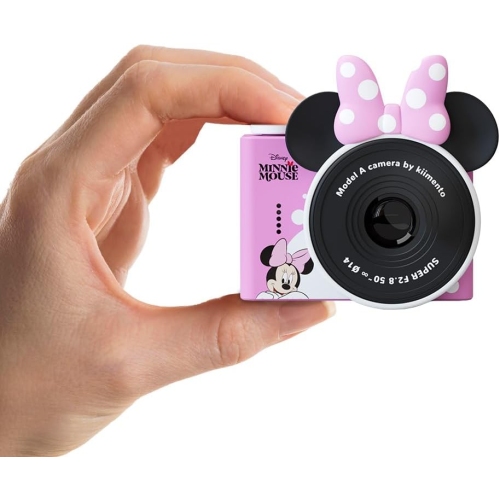
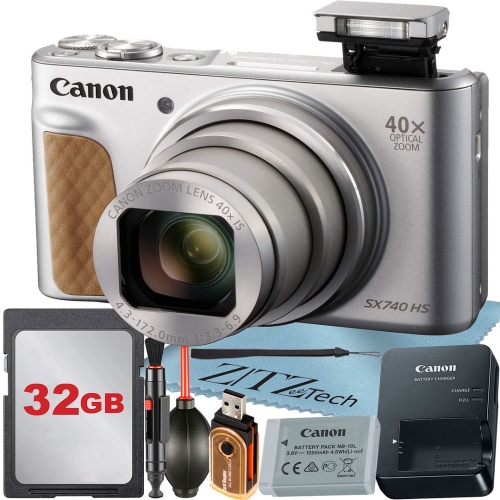
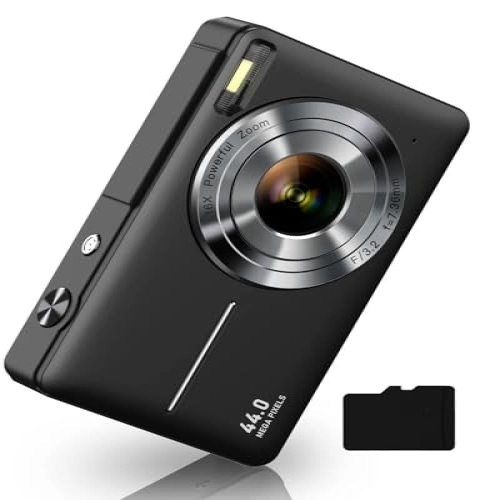
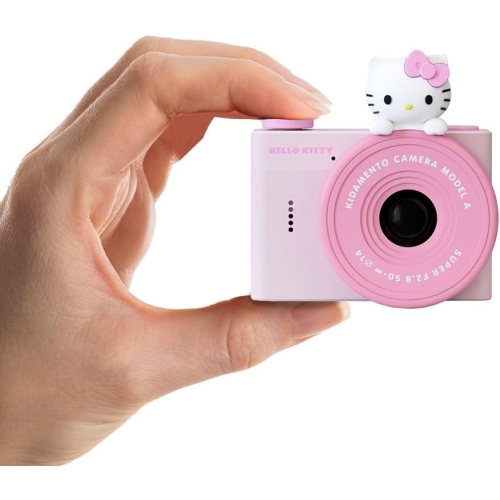
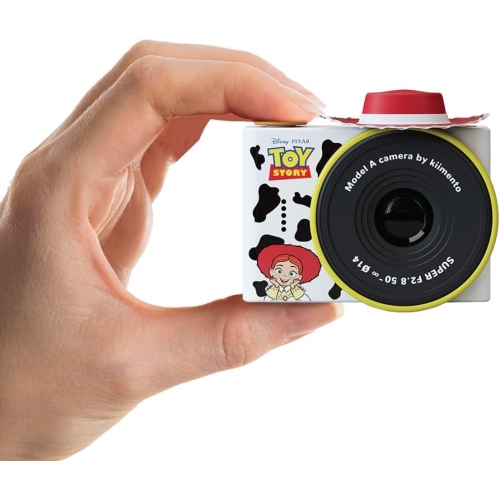
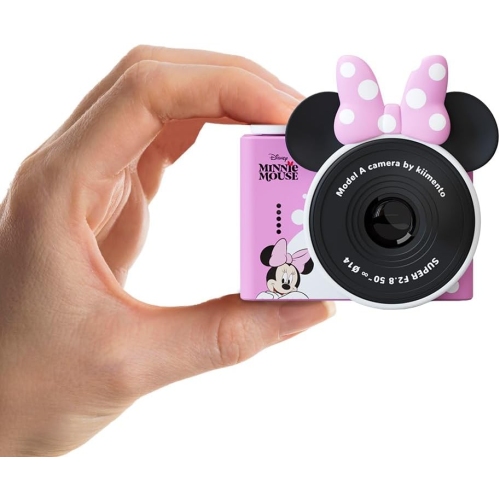
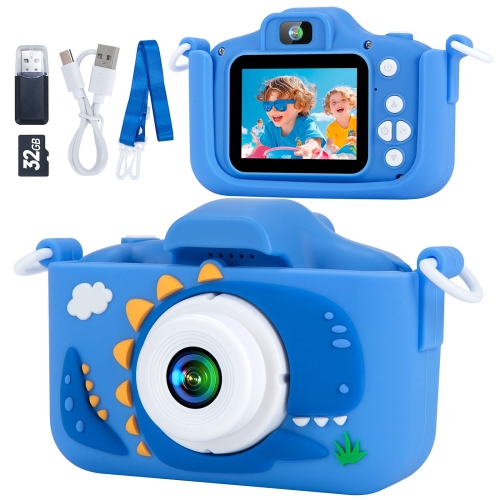
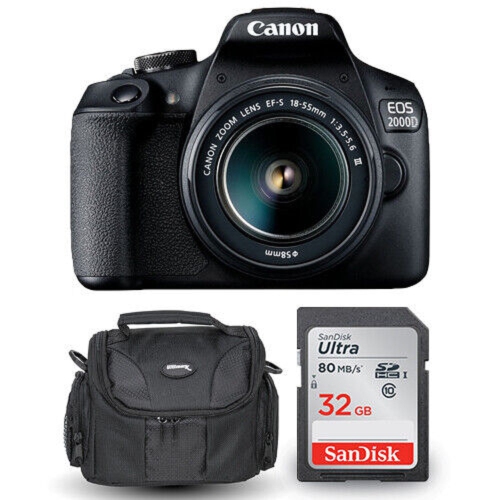
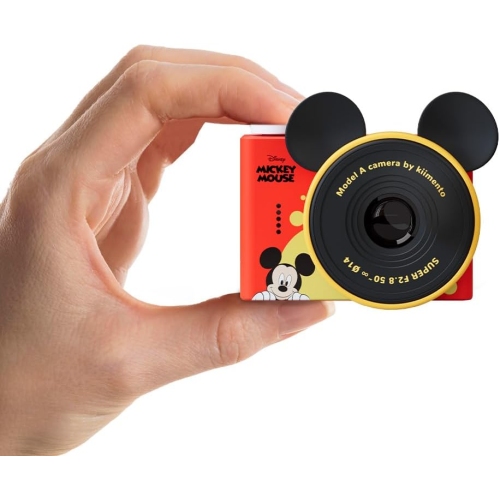
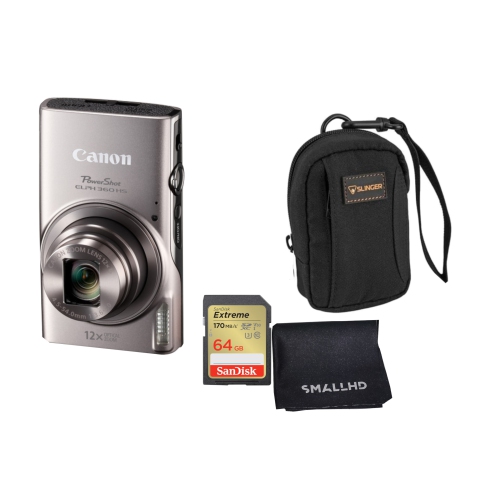
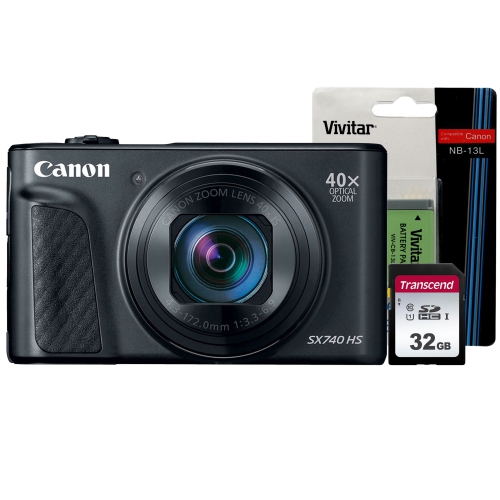


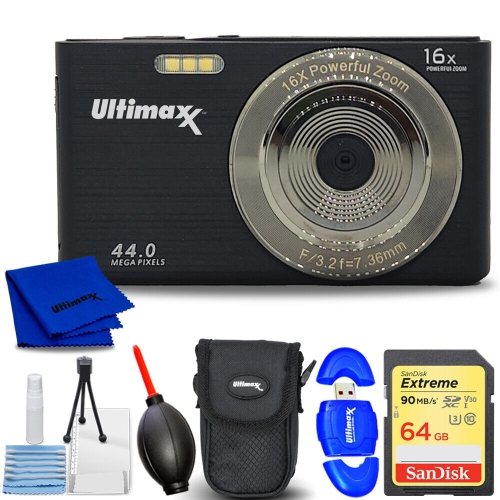
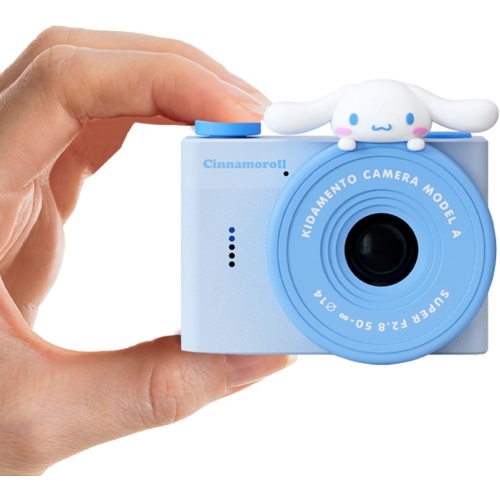
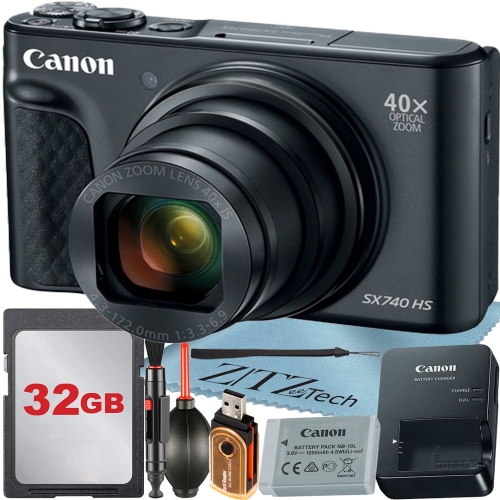
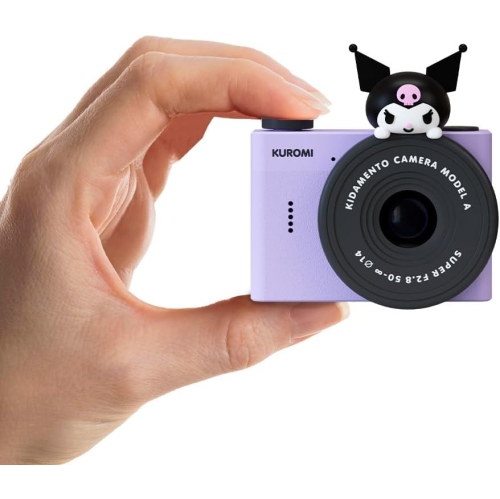

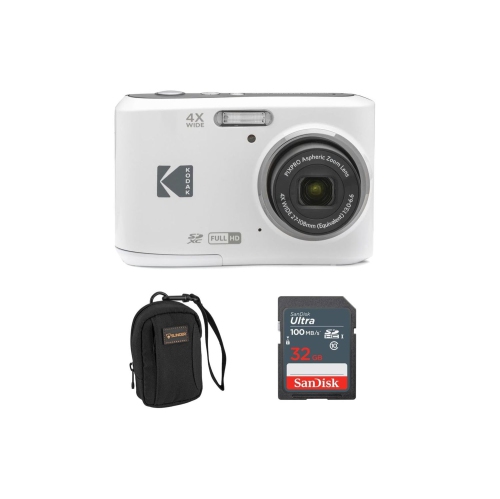
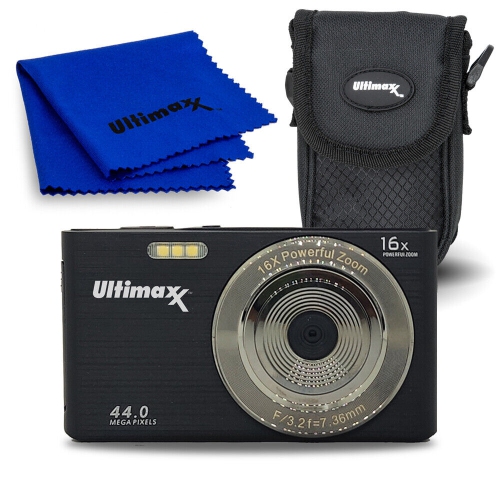






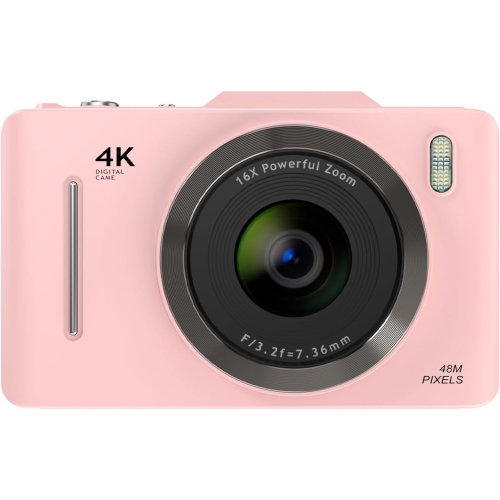
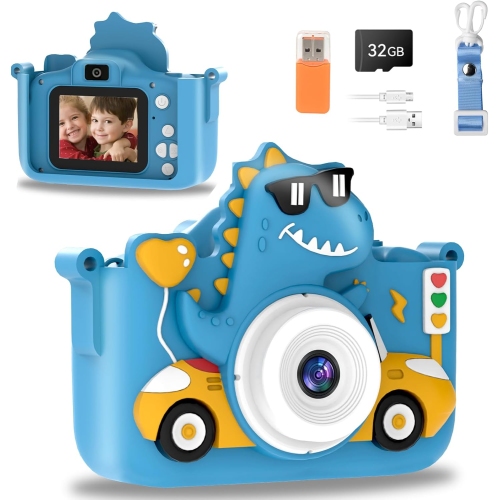
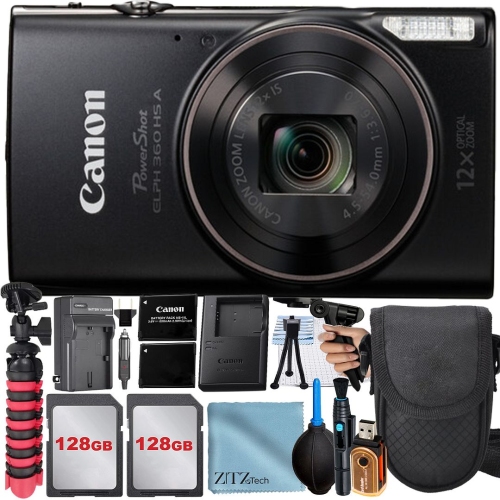

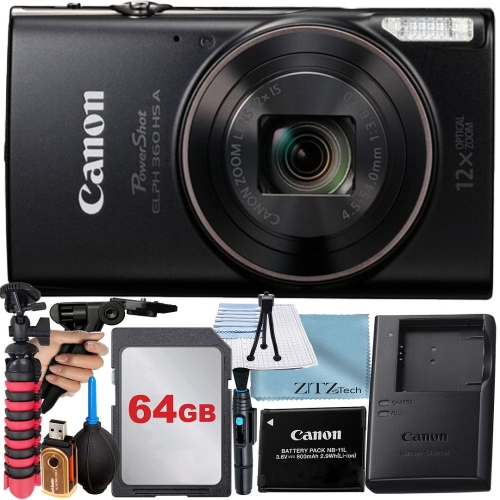
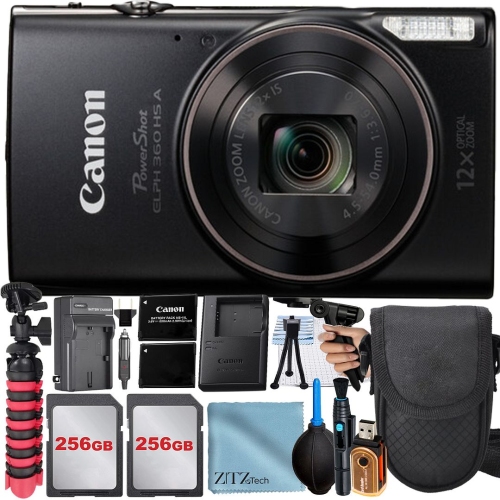

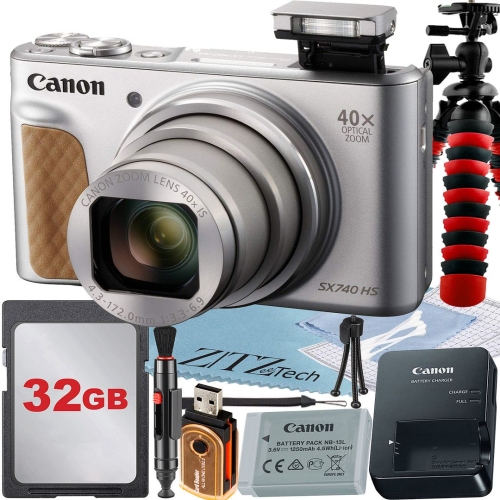
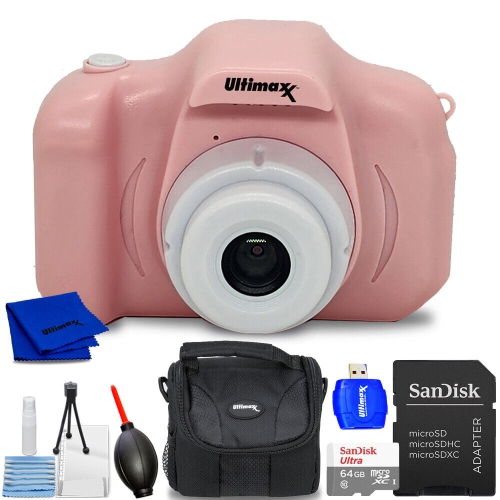
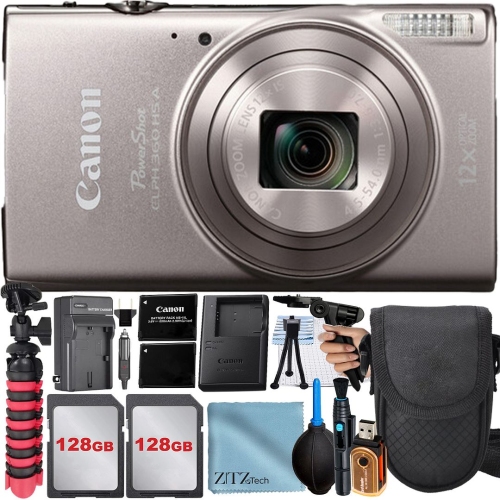
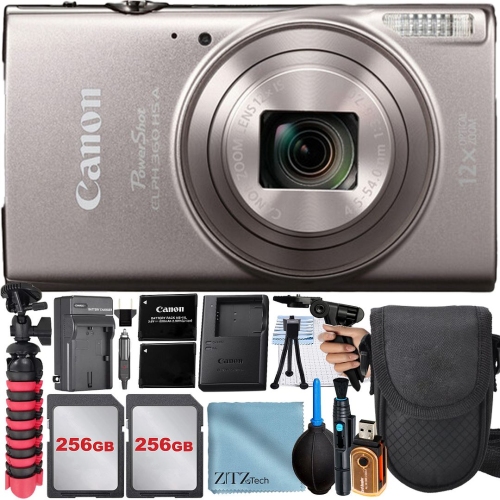
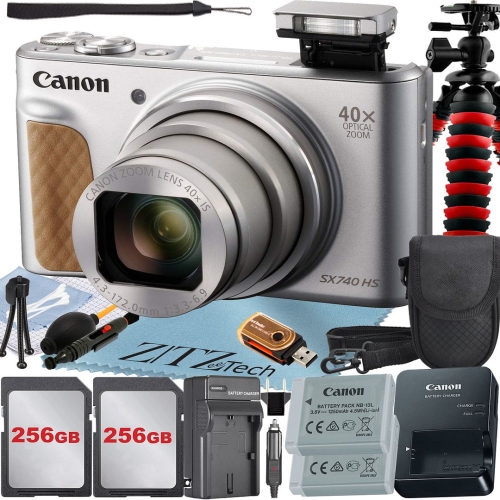
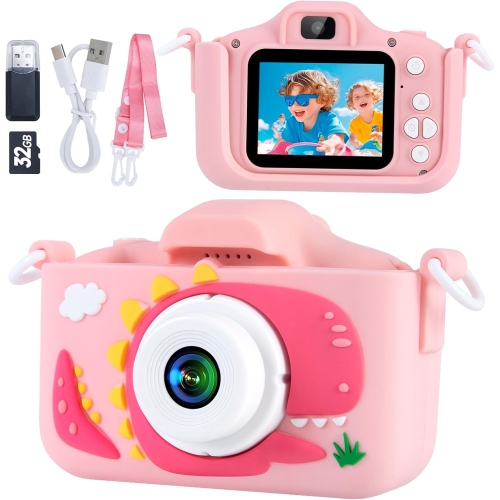
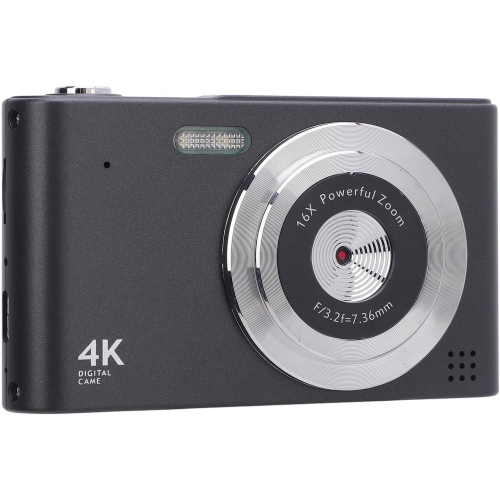
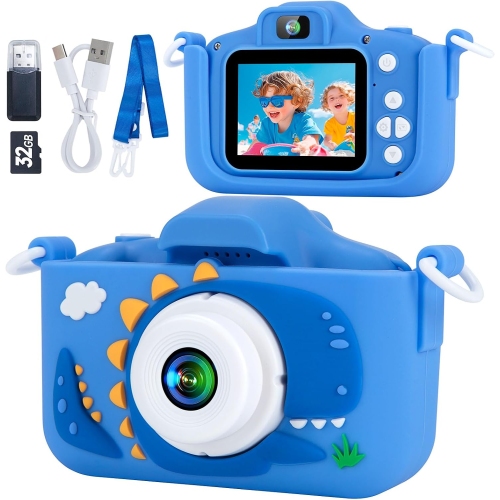
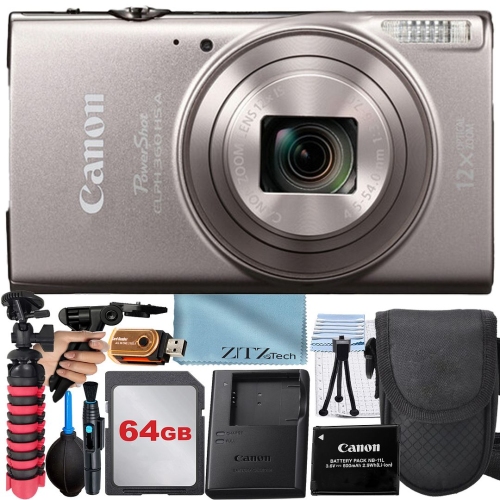
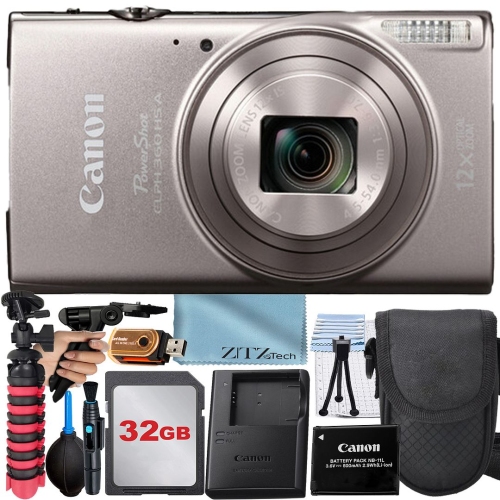
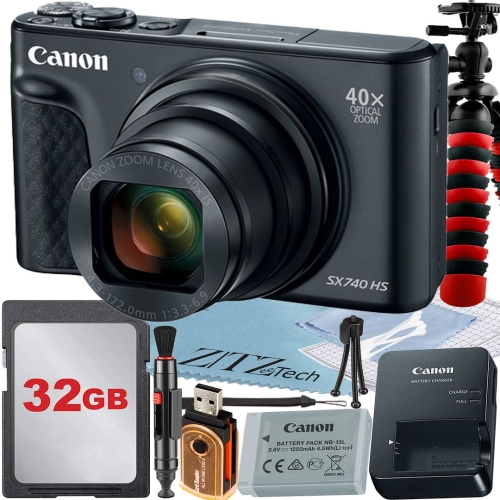
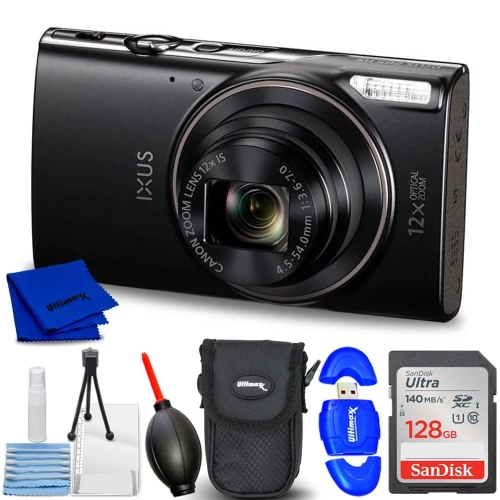


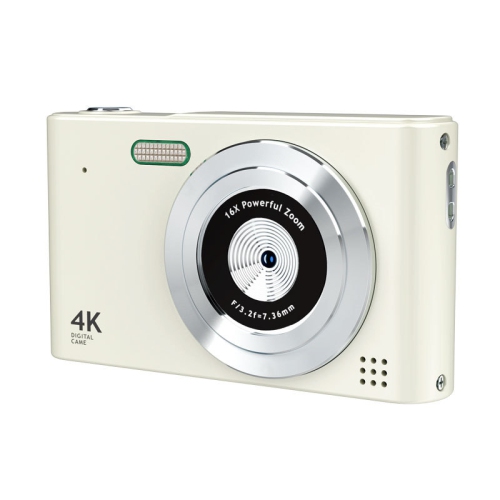

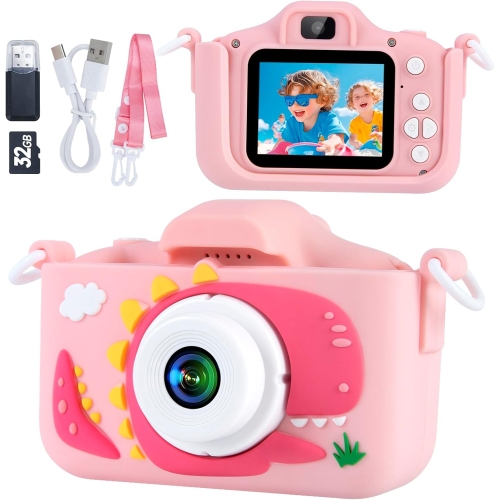
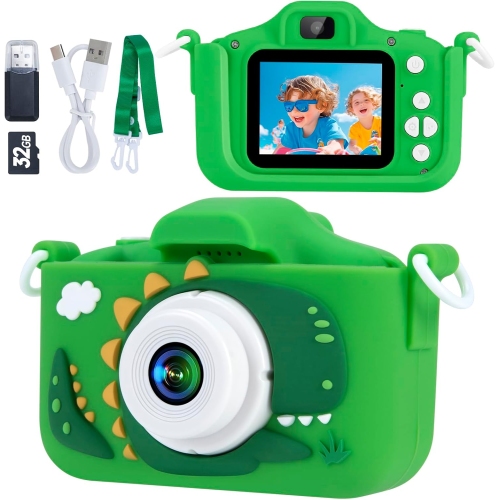
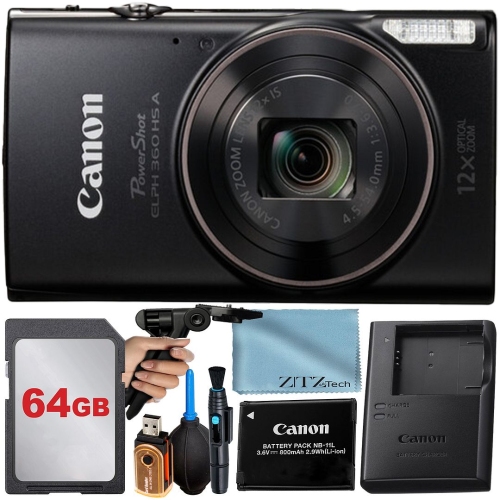
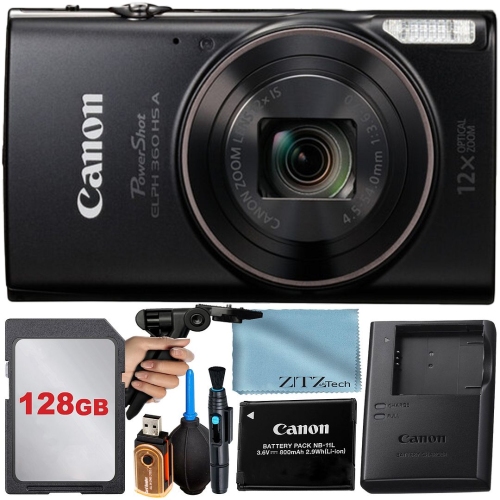
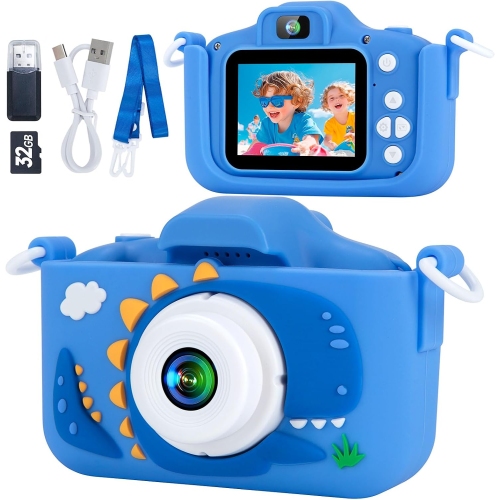
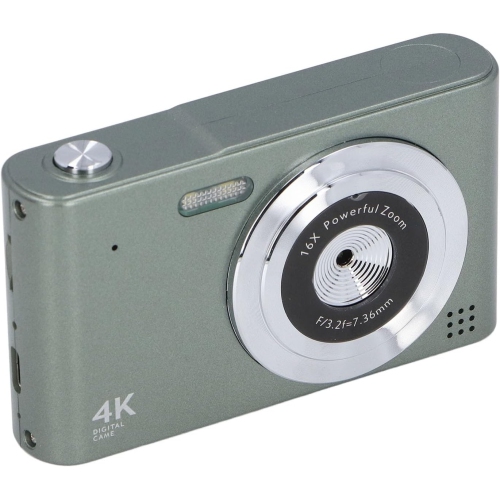
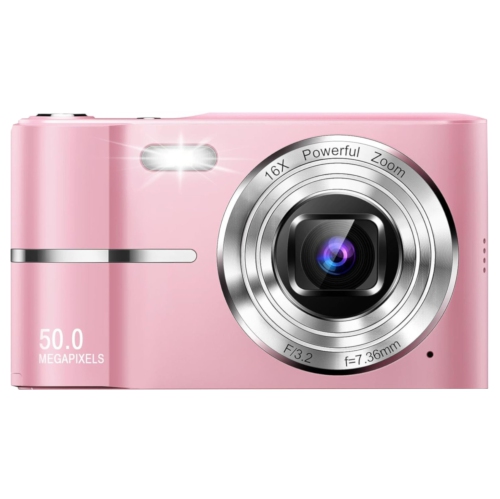


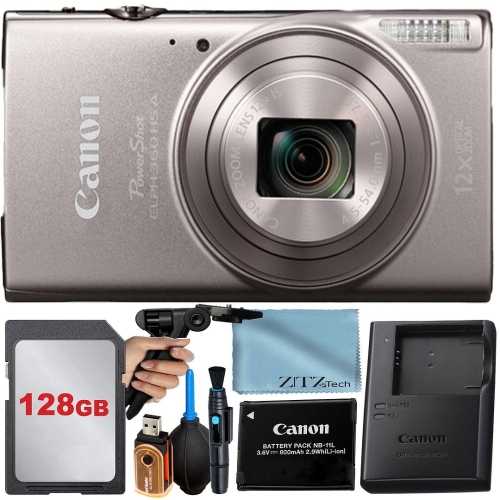
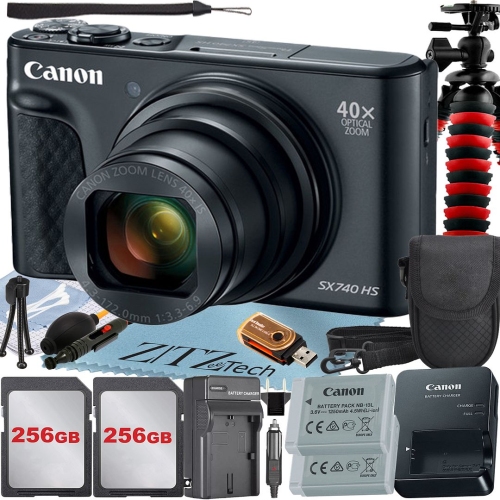

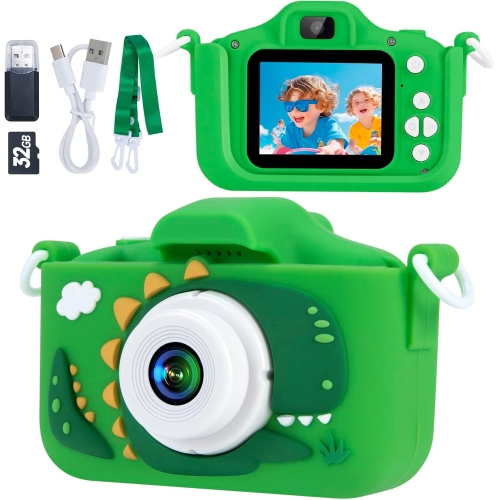
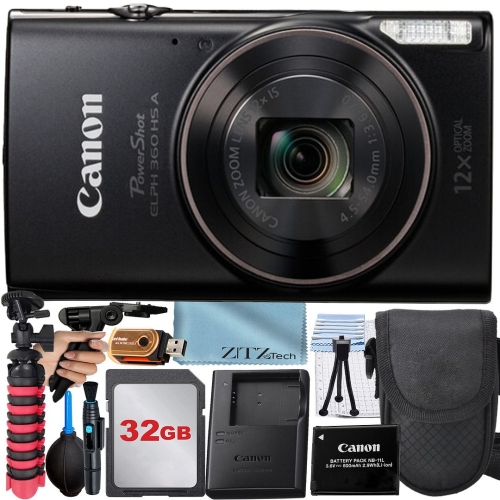
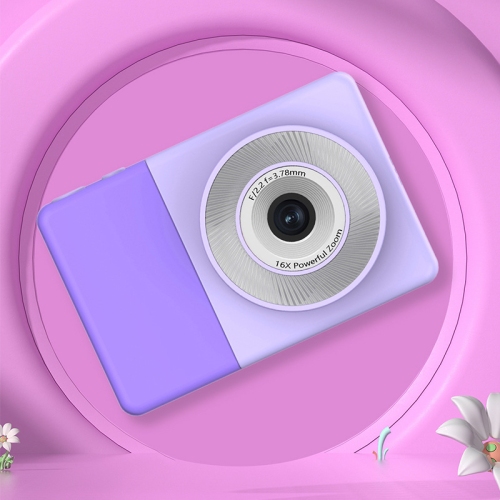
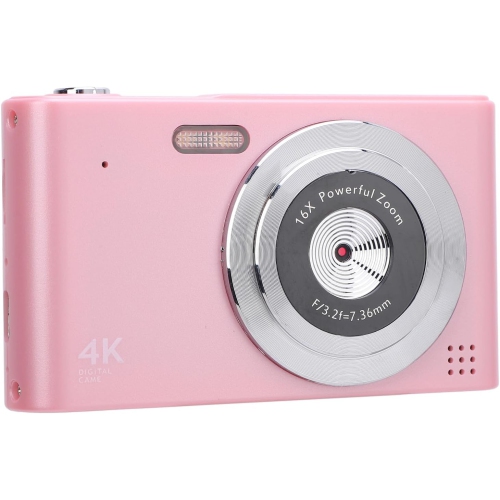
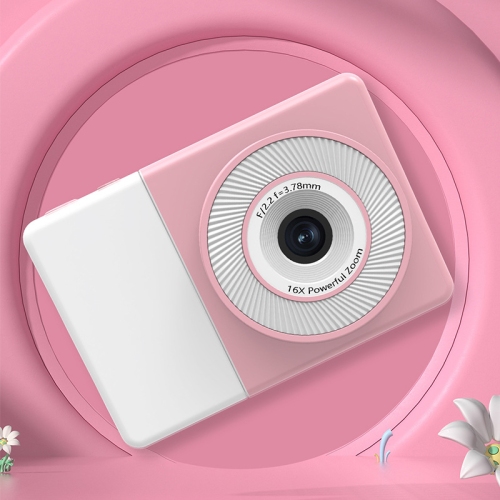
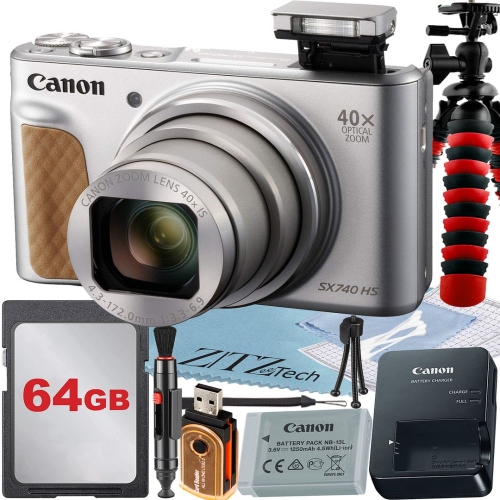
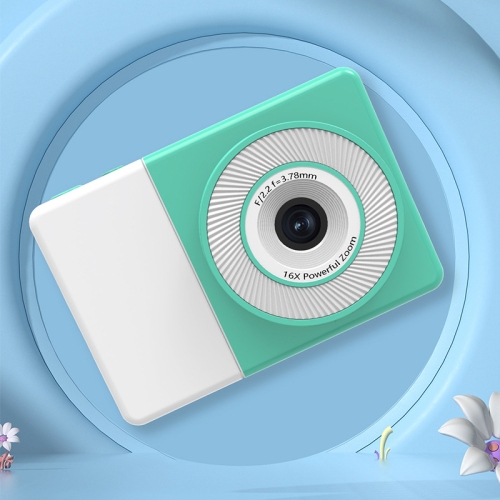
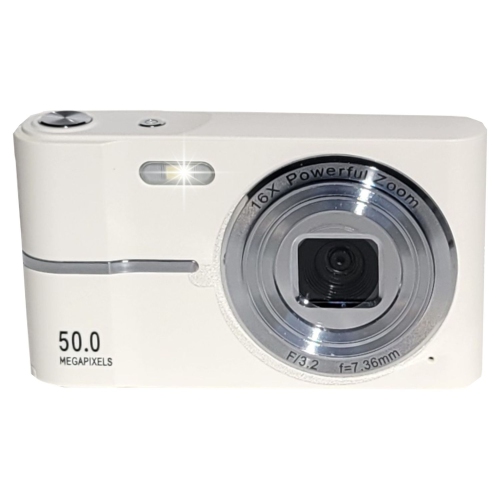


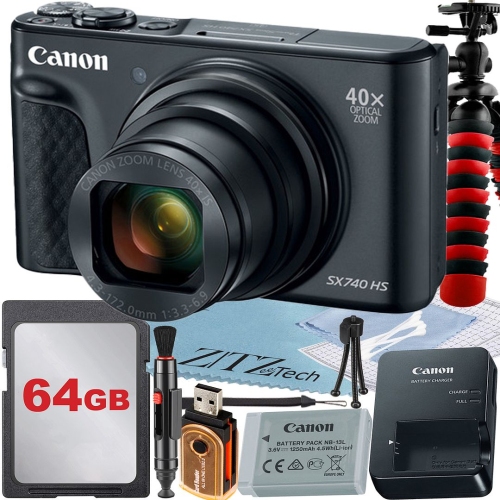

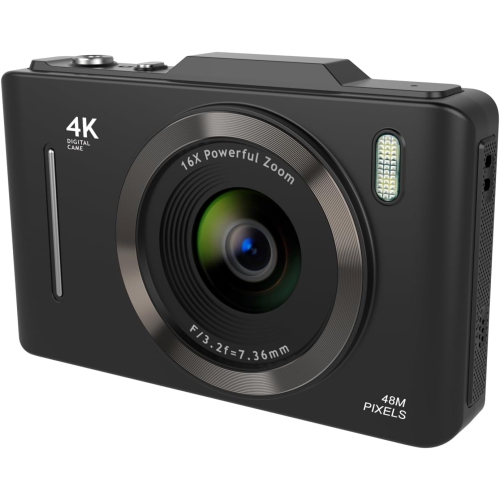
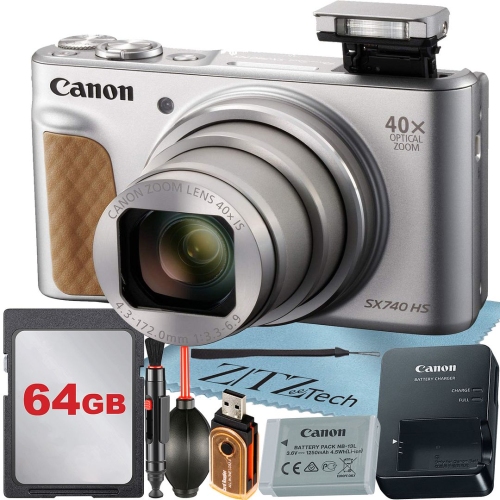
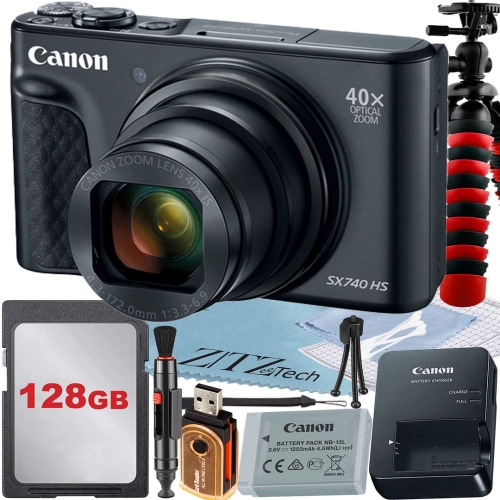

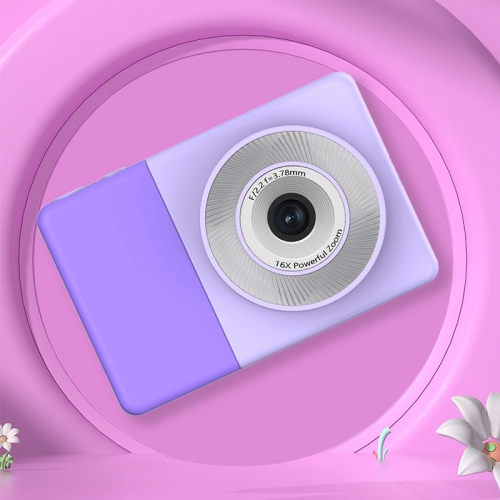
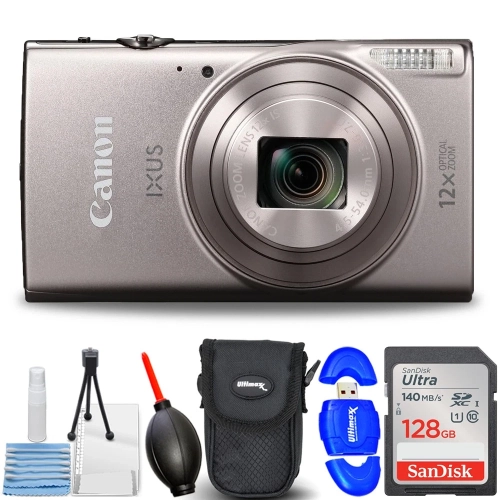
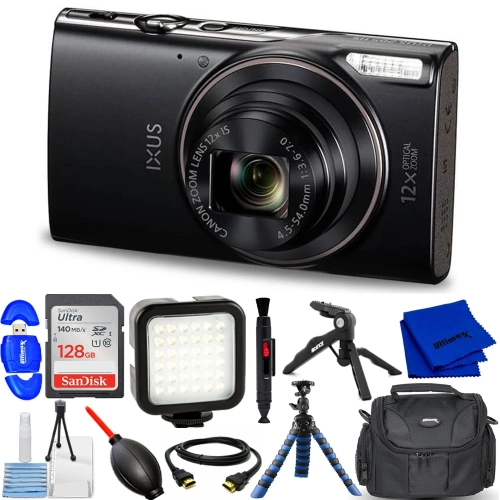
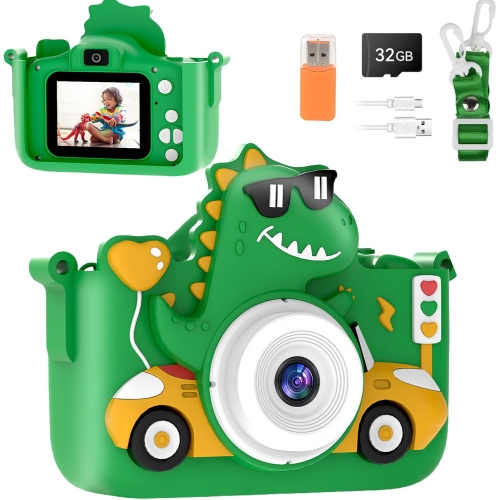


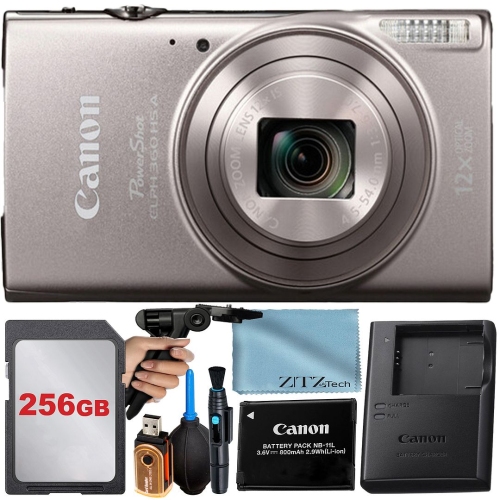

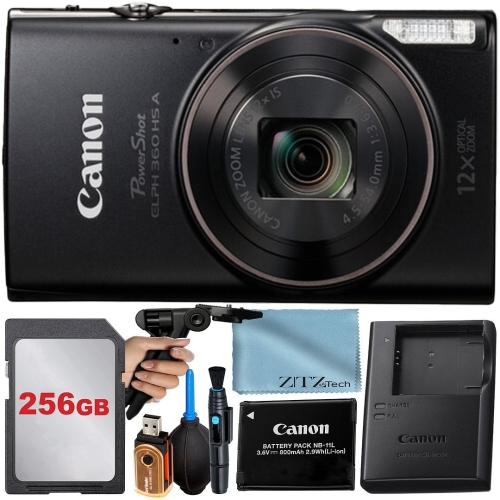

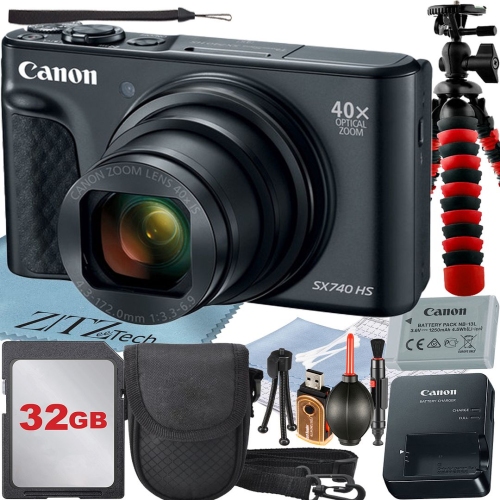
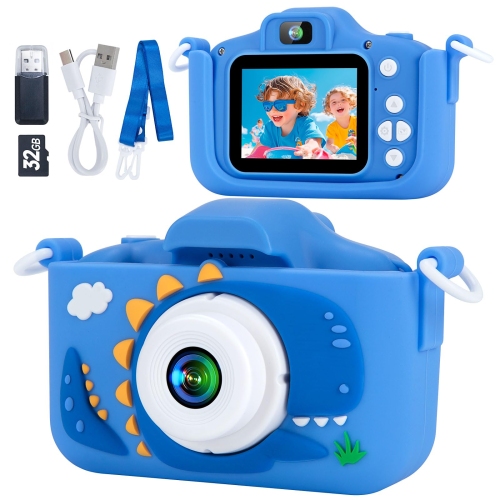
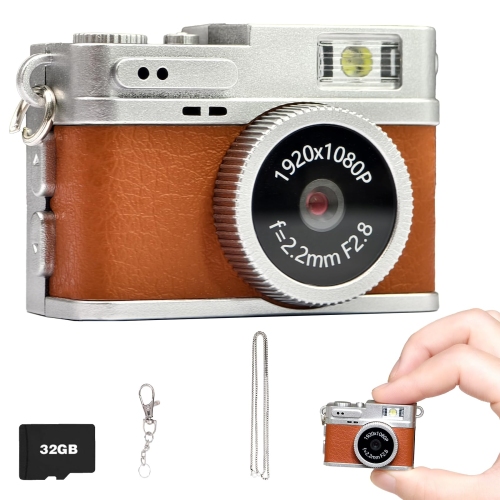


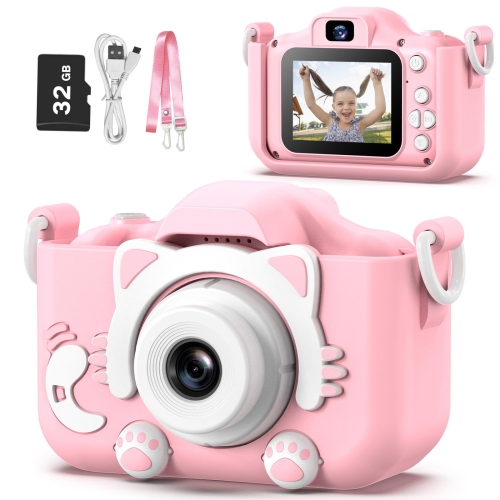
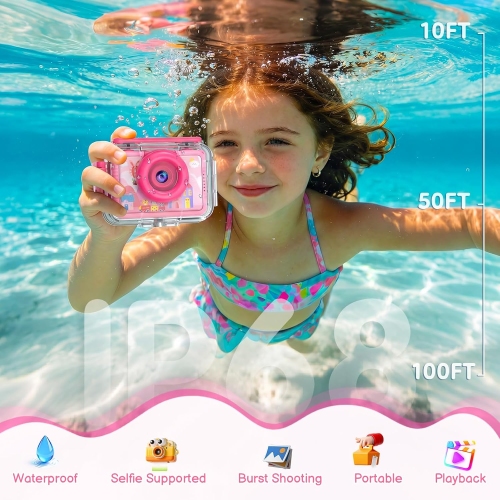

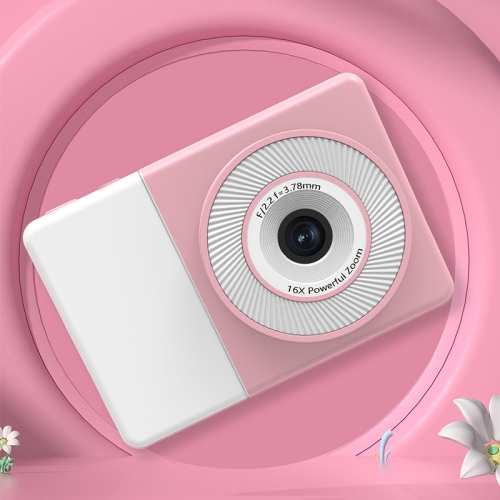
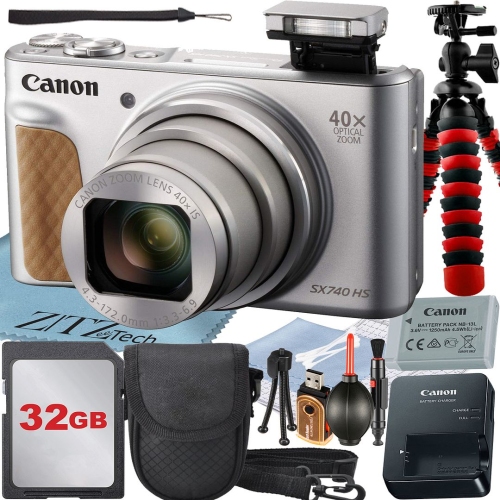
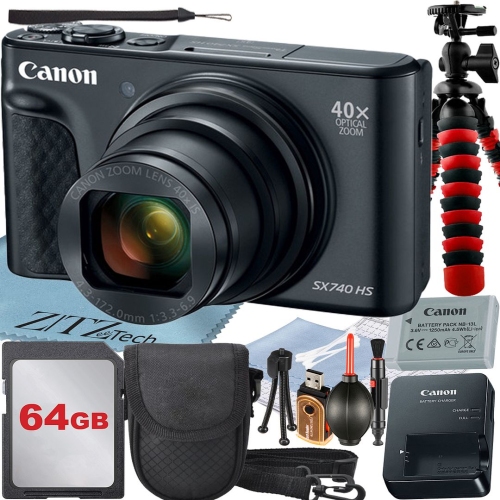
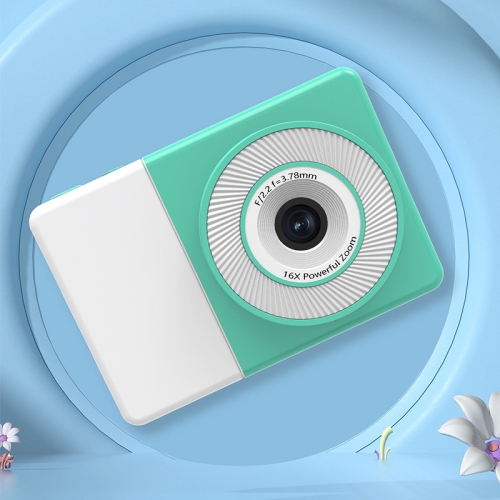

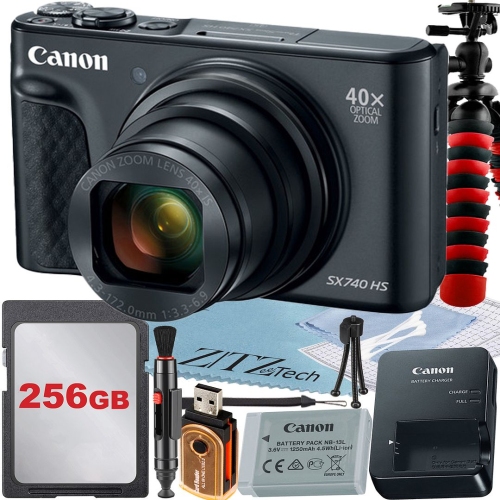
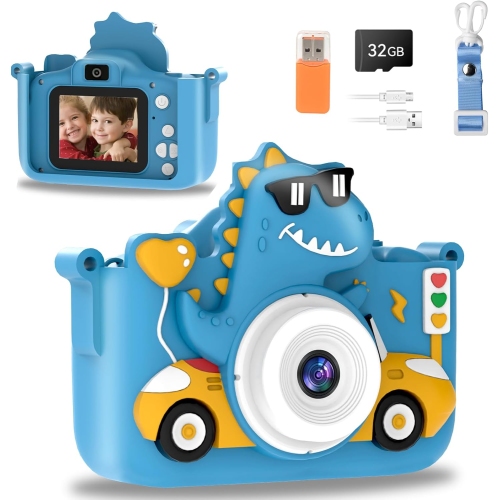
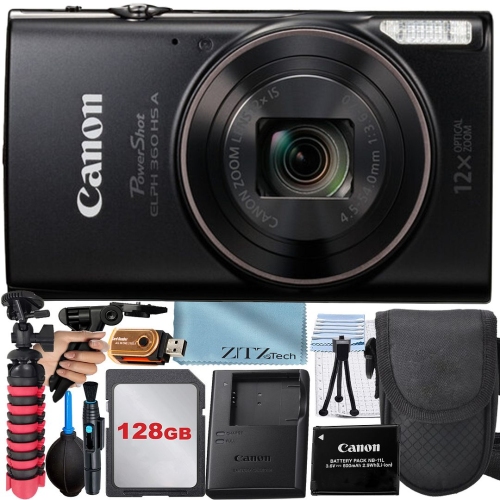
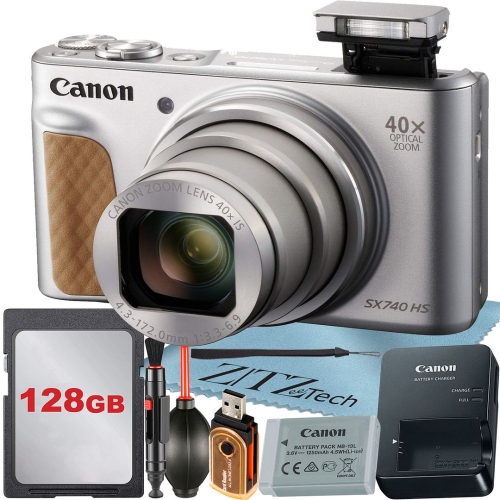
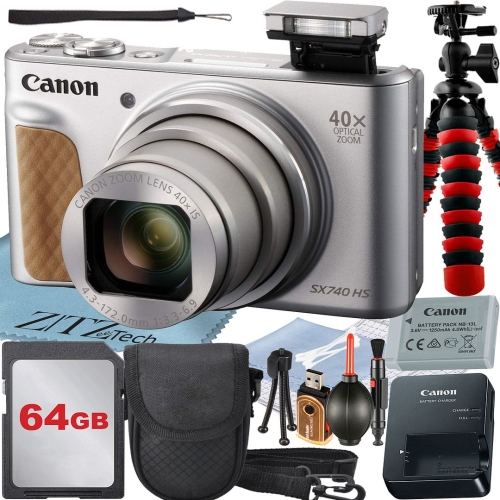
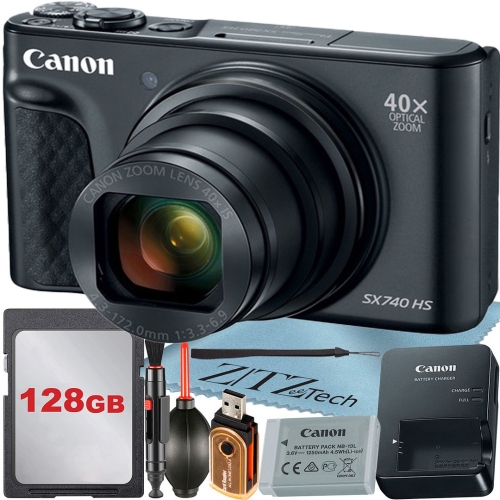
Storage, compatibility, and features for every shooting occasion
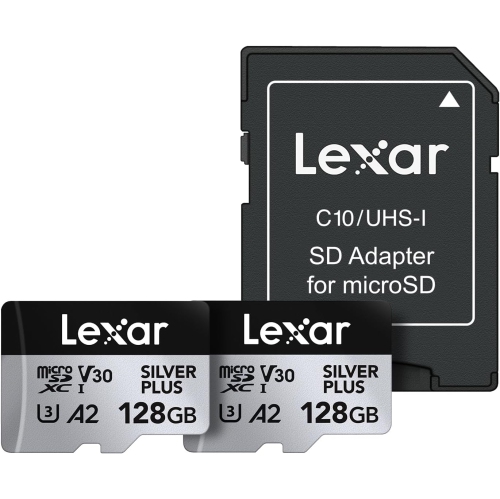
When choosing digital cameras with SD card support, consider how the camera will be carried and used as well as how much control you want over the final image. Compact cameras are convenient for travel, family outings, gatherings, and everyday photography because they are light, straightforward, and often include built-in zoom lenses. A longer optical zoom can help frame distant subjects at a wildlife park, sports field, sightseeing stop, or school performance without moving closer, while a wider angle can be useful for landscapes, architecture, group portraits, and indoor scenes. Beginner-friendly point-and-shoot models may offer automatic scene settings, face detection, built-in flash, self-timers, and simple controls that make them approachable for first-time photographers. Some are especially useful for children, teens, grandparents, or anyone who prefers taking pictures with a dedicated camera rather than managing phone storage and notifications. Cameras designed for more experienced users may provide manual exposure controls, interchangeable lenses, larger sensors, electronic viewfinders, and faster continuous shooting. These features can help photographers adjust brightness, background blur, motion capture, and focus with greater precision. If you are comparing a camera body with a model that includes a lens, explore Digital Cameras With Lens to find options that are ready to use with a compatible lens. For video, pay attention to the camera’s recording resolution, microphone options, stabilization, and card speed requirements. High-resolution video and rapid burst photography create large files and need a card with a suitable write speed. Speed ratings such as UHS-I, UHS-II, and Video Speed Class markings such as V30 can help indicate whether a card is built to handle sustained recording. The fastest card is not always necessary for casual photography, but a card that meets or exceeds the camera manufacturer’s recommendation can reduce the chance of recording interruptions, especially during long clips or repeated bursts.
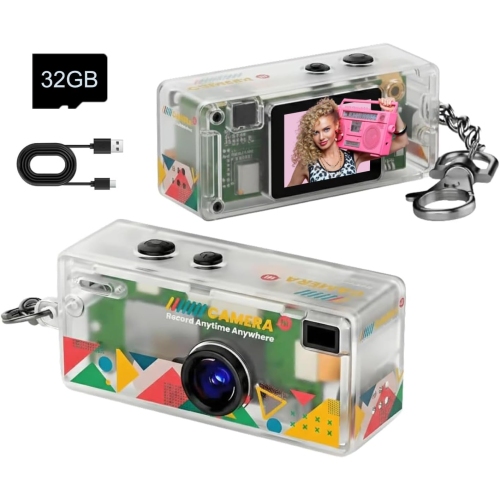
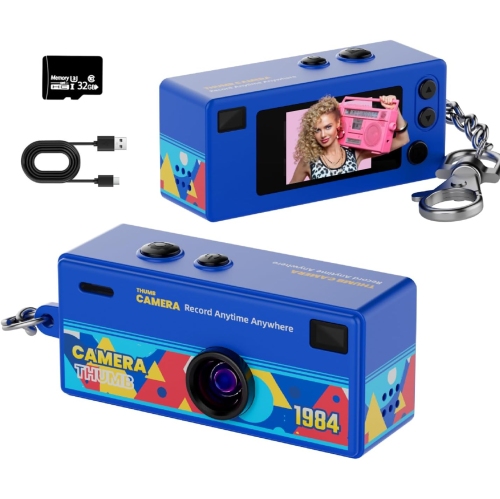
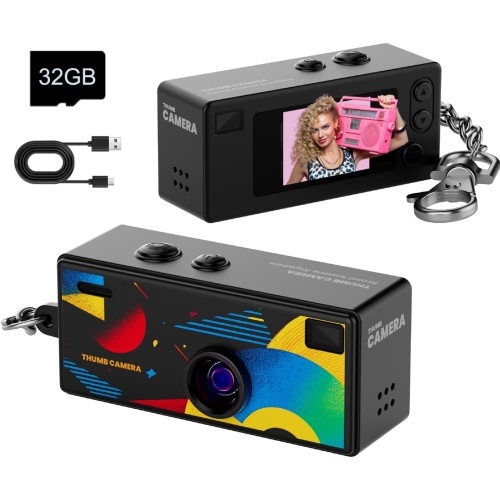
Digital cameras with SD cards can also make thoughtful gifts for travellers, students, families, hobby photographers, and anyone who enjoys recording experiences in a more deliberate way. A compact camera can be a useful companion during a road trip, a walk through a lively neighbourhood, a visit to a museum, or an afternoon spent outdoors as the weather warms. During the cooler months, a dedicated camera can preserve indoor celebrations, seasonal decorations, family meals, craft projects, and the small details of everyday life that are easy to overlook. For a student, a camera may support photography assignments, creative projects, school events, or a growing interest in editing and composition. For a traveller, a removable SD card makes it easier to carry extra storage, transfer images at the end of the day, and keep a backup card separate from the camera. Gift-givers may want to look for bundles that include a memory card, protective case, rechargeable battery, charger, wrist strap, or card reader, while photographers who already own accessories may prefer to select the camera alone. It is also helpful to consider battery life, charging methods, screen size, weather protection, camera dimensions, and the availability of a compatible replacement battery. A card reader or adapter can simplify transfers, although some cameras support wireless sharing or direct connections to mobile devices. Before using a new card, format it in the camera when instructed by the manufacturer, and avoid removing it while the camera is saving a photo or video. Keeping an additional card on hand is useful for travel, long events, and busy shooting days, while regularly transferring important files helps protect treasured memories if a card is lost or damaged. Whether the goal is simple point-and-shoot convenience, close-up travel photography, family videos, or more controlled creative work, matching the camera’s features and SD card requirements to the way it will be used makes the experience more enjoyable from the first captured frame.
Top selling and popular products
-
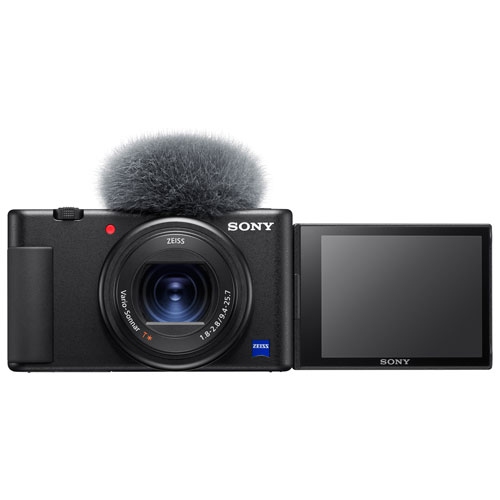 Your price for this item is $804.97
-
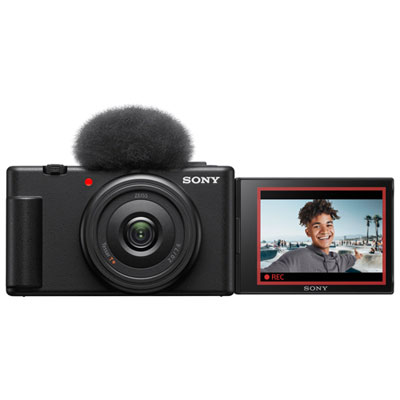 Your price for this item is $649.99
-
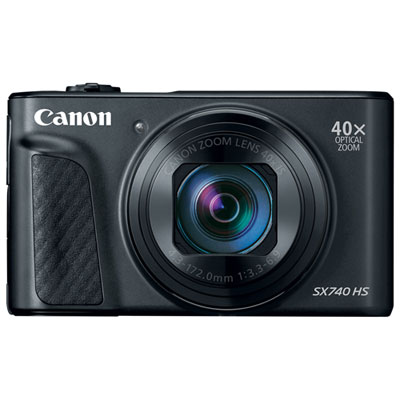 Your price for this item is $749.99
-
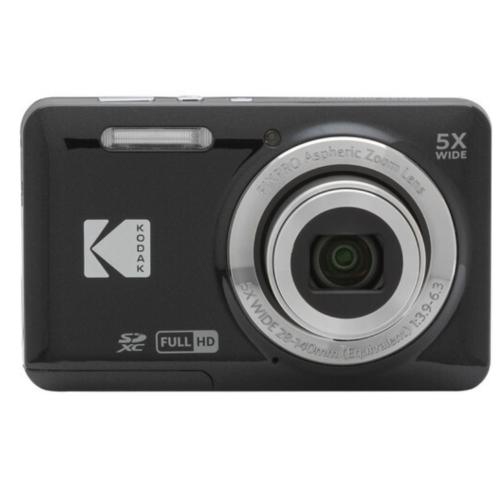 Your price for this item is $253
-
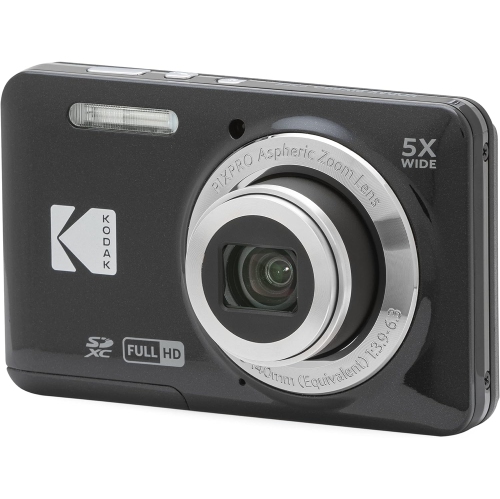 Your price for this item is $255
-
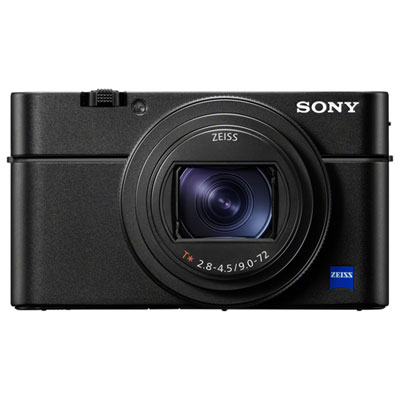 Your price for this item is $1999.99
-
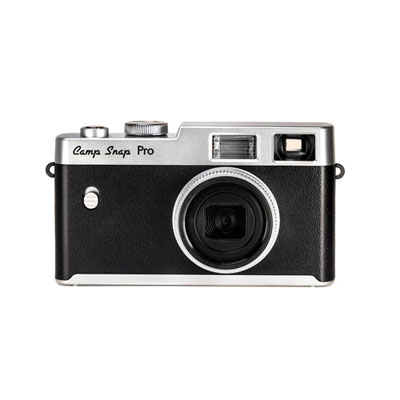 Your price for this item is $99.99
-
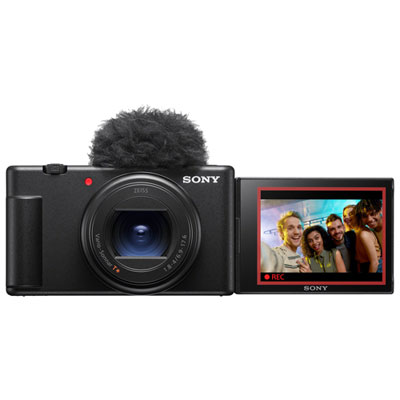 Your price for this item is $1199.99