Digital Cameras for Sports
Capture every thrilling moment with digital cameras for sports, designed to help you keep up with fast-paced action and dynamic environments. Whether you're photographing intense games, outdoor adventures, or energetic training sessions, these cameras offer the performance needed for sports enthusiasts and photographers alike. Explore a wide selection of digital cameras for sports to find the perfect match for your active lifestyle and never miss a winning shot.
Sort

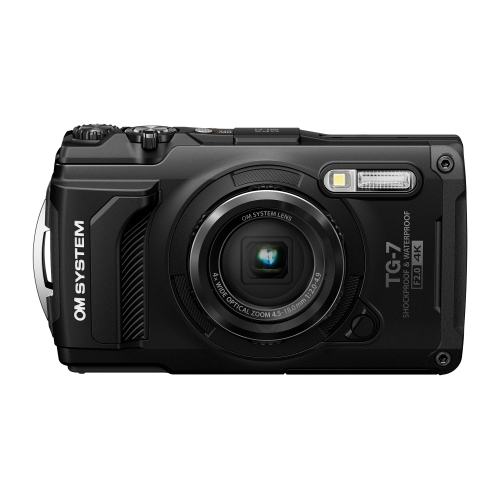
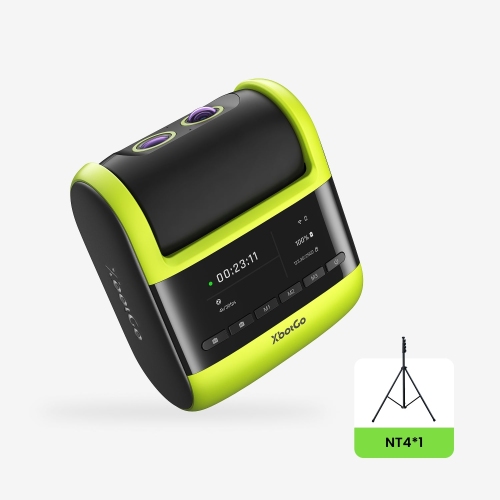
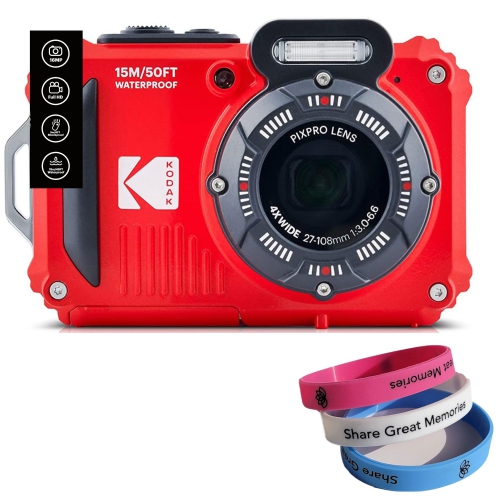
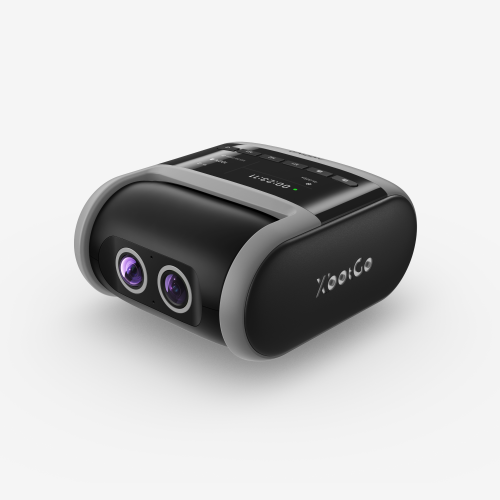

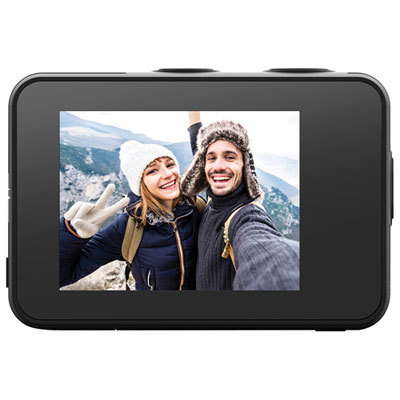
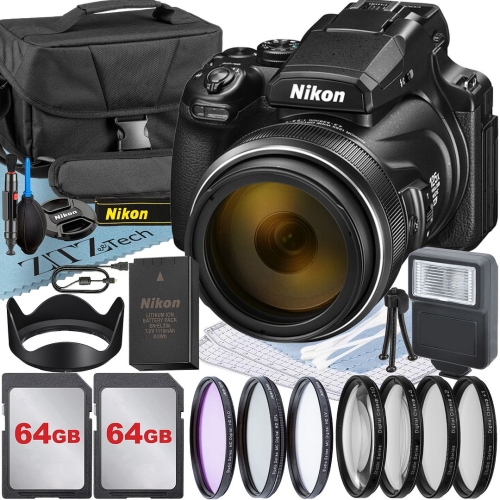
What helps cameras keep pace with fast-moving athletes
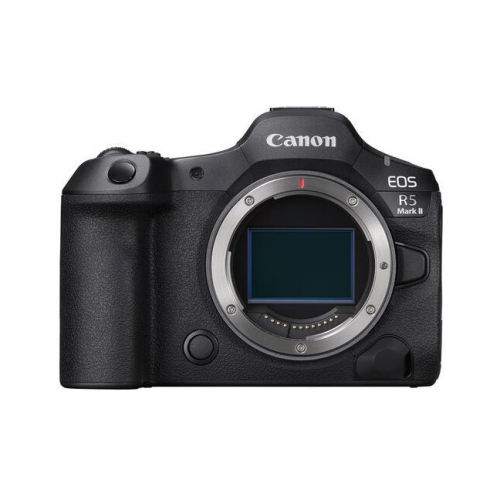
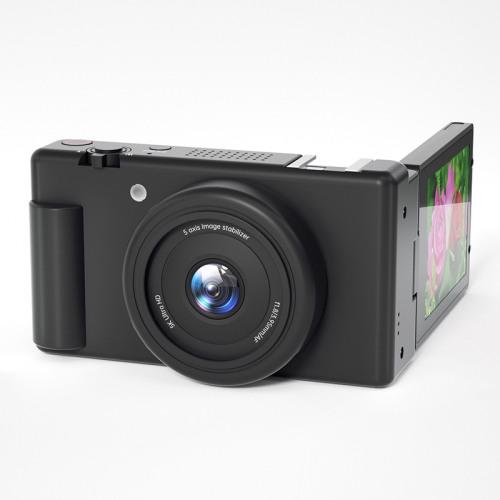
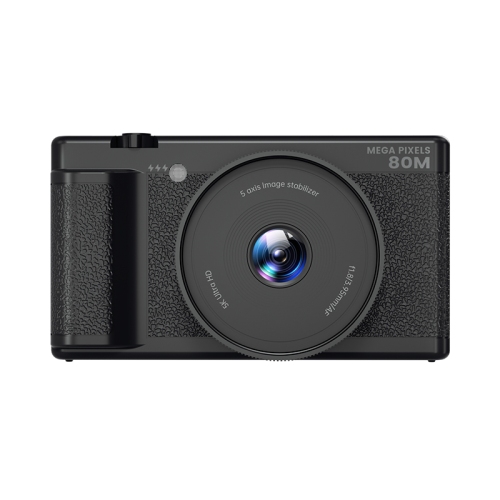
Digital cameras for sports help capture moments that are difficult to repeat: a goalkeeper stretching towards the corner of the net, a runner breaking away from the pack, or a basketball player rising above the defence. Fast autofocus, responsive continuous shooting, and a lens suited to the distance between photographer and athlete are central considerations for sports photography. Mirrorless cameras and digital SLR cameras with interchangeable lenses offer flexibility for different venues, while compact and bridge cameras can provide a simpler setup with a built-in zoom. Autofocus tracking helps maintain focus as a subject moves across the frame, and some cameras include subject recognition that can detect people, faces, or eyes. Tracking performance depends on the camera, lens, lighting, and how clearly the athlete stands out from the background; no system can guarantee every frame will be sharp. Burst shooting captures a sequence of images during a sprint, jump, or tackle, making it easier to find the instant when the ball meets the racket or both feet leave the ground. Alongside frames per second, buffer capacity matters because it determines how many images a camera can capture before its shooting speed slows. File format, memory card performance, and autofocus settings can also affect a burst. A fast shutter speed helps freeze movement, while a deliberately slower shutter can convey speed through a blurred background when panning with a cyclist or runner. Image stabilization reduces the effects of camera shake, but it does not freeze a moving athlete. Electronic shutters can offer quiet shooting and high burst rates, although some cameras may show distortion with rapid movement or banding under artificial lighting. Mechanical shutter options and flicker-reduction settings can be useful in gyms and arenas. A clear viewfinder, responsive controls, and dependable autofocus can make a greater practical difference than a high megapixel count alone, especially when the action changes direction without warning.
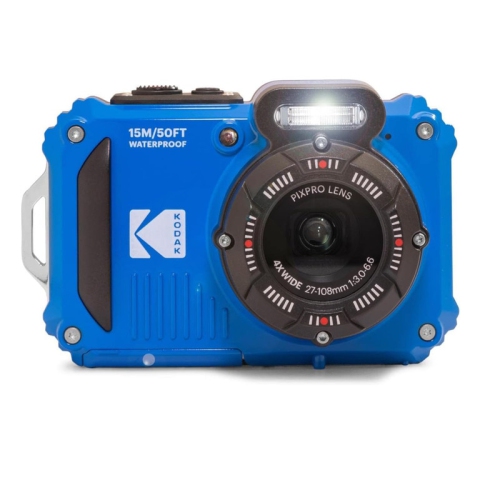
The lens and camera body work together to determine how comfortably a sports setup handles a particular event. From the edge of a soccer field, a telephoto lens can bring distant players into a tighter composition without requiring the photographer to move closer. In a smaller gym, a shorter zoom may provide enough reach while leaving room to photograph several players around the basket. Focal length needs depend on the playing area, the camera’s sensor size, and the photographer’s permitted position. A lens with a wider maximum aperture lets in more light, helping support faster shutter speeds indoors, and can soften a distracting background behind an athlete. Larger sensors can offer advantages in image quality at higher ISO settings, though lens choice, exposure, and image processing also influence the result. Smaller camera systems may be easier to carry through a tournament or hold ready throughout a long match. Fit matters here: a grip that feels secure, buttons that are easy to reach, and a viewfinder that remains comfortable with glasses can all affect everyday use. Lightweight composite bodies reduce carrying weight, while metal-alloy construction can add rigidity; actual durability depends on the design rather than the material alone. A comfortable strap, protective bag, and secure lens mount help protect equipment between shooting positions. Longer lenses may benefit from a monopod where venue rules permit, particularly when following play for extended periods. Routine care includes removing dust with suitable tools, keeping fingerprints off the lens, and replacing caps before packing equipment away. Lens changes are best kept brief and made away from airborne debris. A protective body is not necessarily waterproof, so handling and cleaning should follow the manufacturer’s instructions. These practical details matter to parents photographing school teams, students developing an interest in photography, club volunteers documenting competitions, and enthusiasts building a sports portfolio. As a gift, a camera that suits the recipient’s preferred sport, carrying comfort, and existing lenses can be more useful than one chosen for specifications alone.
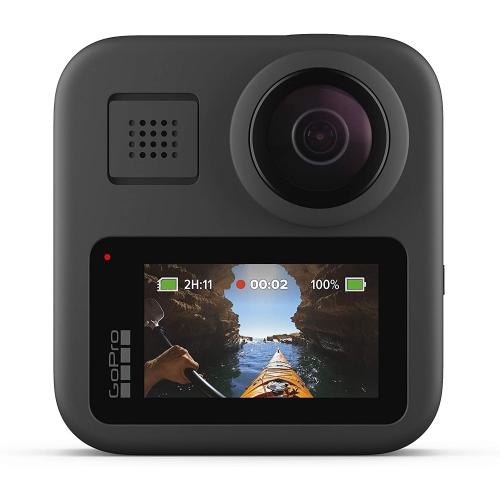
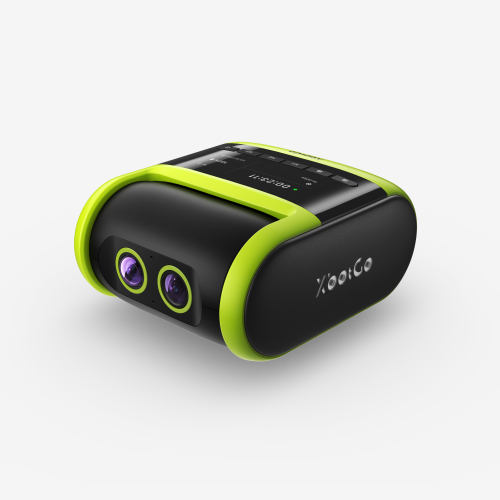
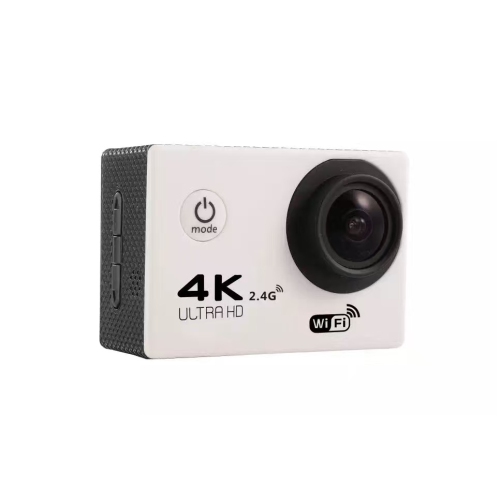
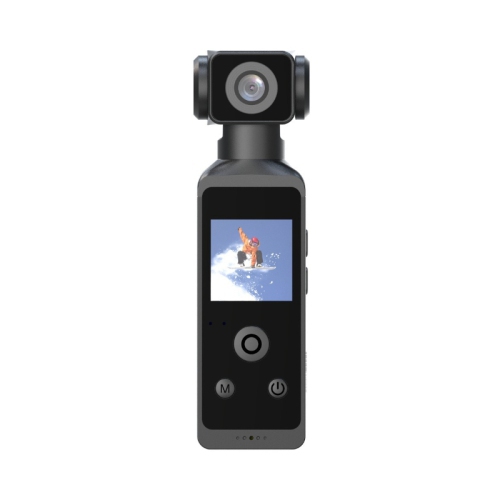
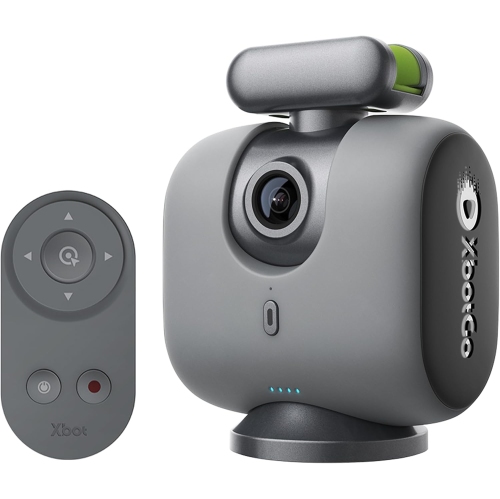
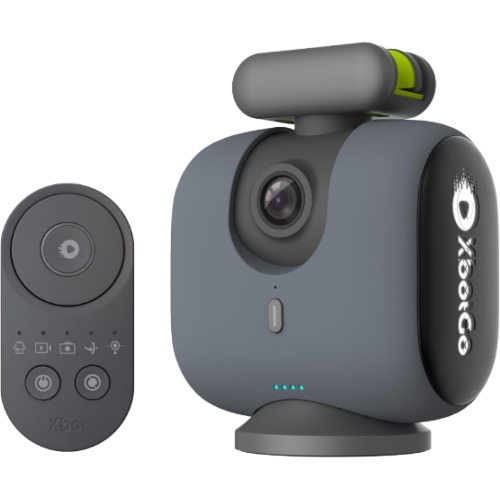
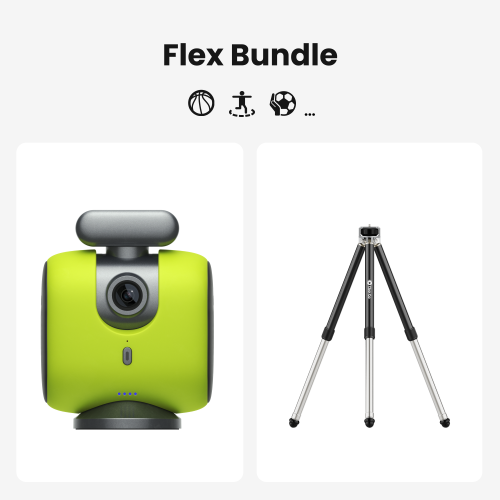
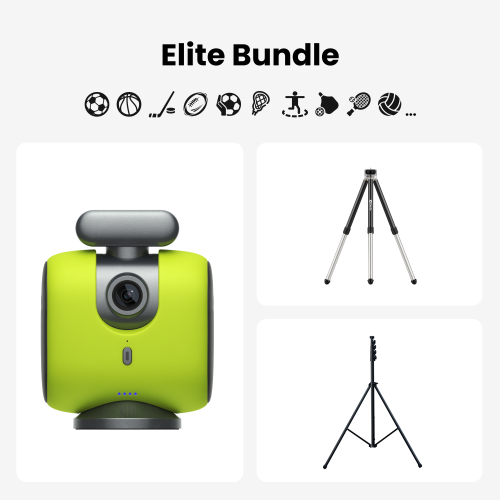
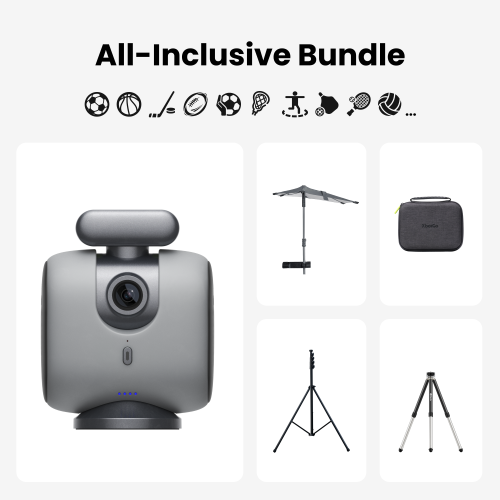
Sports coverage can also involve video, whether the goal is a short highlight reel, a complete game, or an athlete’s view of a ride. A digital camera that produces strong still images may also record detailed video, but recording features deserve separate attention when both formats matter. Resolution affects the detail available for viewing and cropping, while frame rate influences how motion is represented and whether footage can be slowed down during editing. Higher resolutions and frame rates generally demand more storage and may increase power use. Autofocus transitions, recording limits, heat management, and battery runtime all matter when a match continues without a convenient break. Continuous power options, where supported, can help with longer sessions, while accessible microphone connections can improve commentary or interviews. For recording-focused setups, Video Cameras for Sports covers a closely related category with different shooting needs. Automated tracking systems can follow play with less manual panning, although performance depends on positioning, visibility, and the sports each system supports. Action cameras serve a different purpose from a sideline camera with a long lens: their compact shapes and wide views suit securely mounted, close-to-the-action footage. Mount compatibility, attachment security, and the rules of the activity are important, particularly when equipment is worn on a helmet or attached to sporting gear. Some 360-degree cameras capture a broad view that can be reframed after recording, offering flexibility when the action moves unpredictably. They do not replace the reach of a telephoto lens for distant detail. For still photographs, video clips, or a mixture of both, the most useful sports camera setup balances focusing performance, reach, handling, and recording needs. That balance makes room for both the decisive action and the quieter moments around it, from a coach’s reaction on the sideline to teammates celebrating at the final whistle.
Top selling and popular products
-
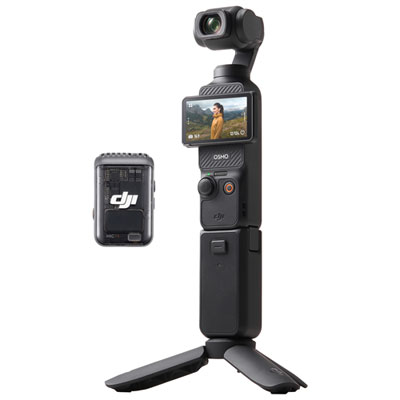 Your price for this item is $649.99
-
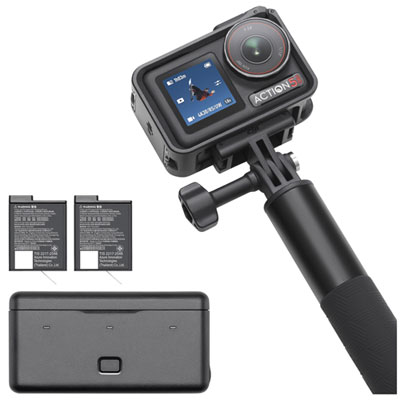 Your price for this item is $585.99
-
 Your price for this item is $489.99
-
 Your price for this item is $433.99
-
 Your price for this item is $653.99
-
 Your price for this item is $719.99
-
 Your price for this item is $859.99
-
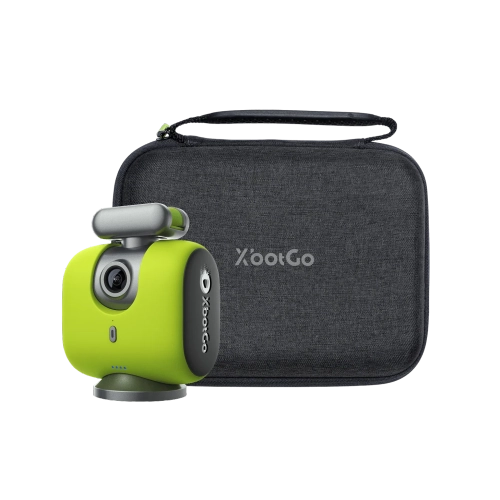 Your price for this item is $489.99
Discover more categories related to Digital Cameras for Sports
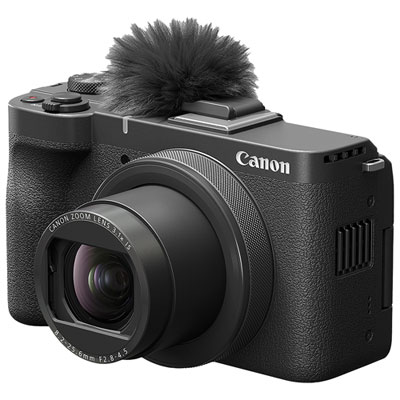
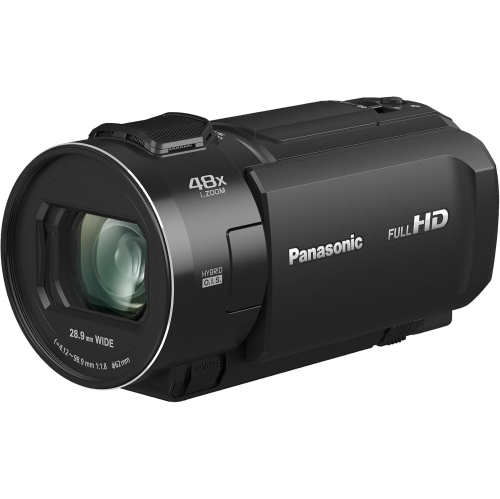
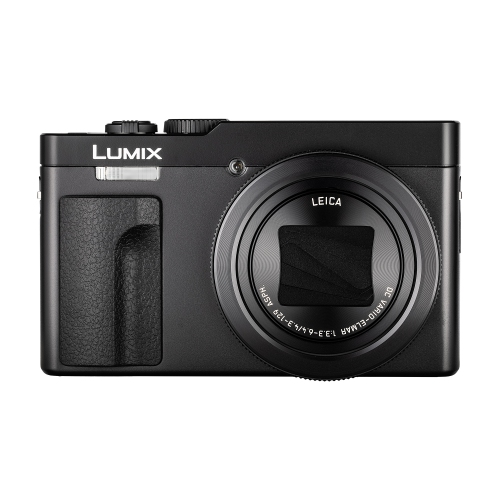
Top Collections:
Best Black Friday Deals This Year, Best Black Friday Deals On Electronics, Kindle Devices, Pokemon Centers, Best Black Friday Deals On Apple Products, Best Cameras for Sports Photography, Dyson Airwrap, Pokémon 30th Celebration Cards, Apple iPhone 17 Pro, Canon G7X Cameras
Some products may be subject to Environmental Handling Fees
(EHF) depending on your province.
Learn more about EHFs.