Drones Under $300
Looking to take your aerial photography and videography skills to new heights without breaking the bank? Look no further than our selection of drones under $300. Whether you're a beginner looking to dip your toes into the world of drone flying or a seasoned pro in need of an affordable backup, we've got you covered. Explore our range of feature-packed drones that offer impressive flight stability, high-quality cameras, and intuitive controls. With these budget-friendly options, capturing stunning aerial shots has never been more accessible.
Sort
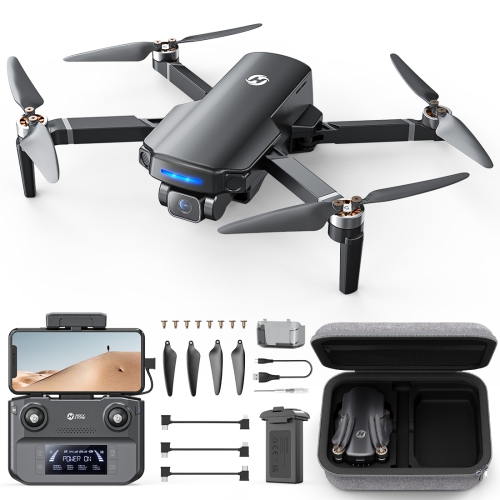

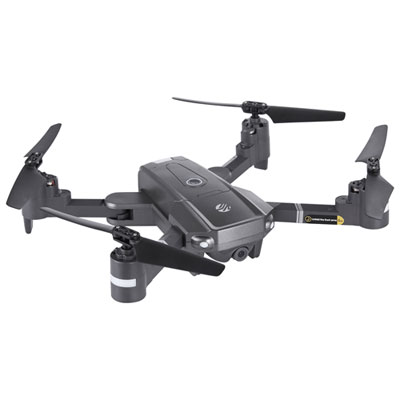
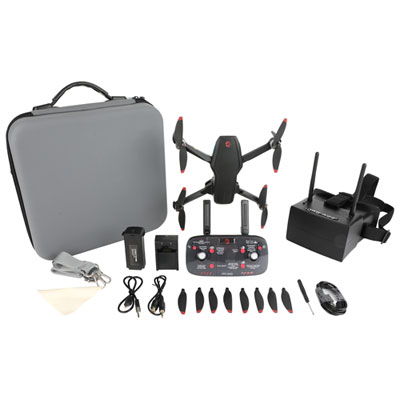
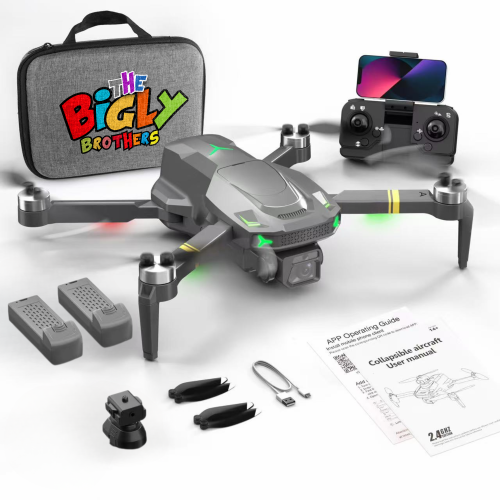
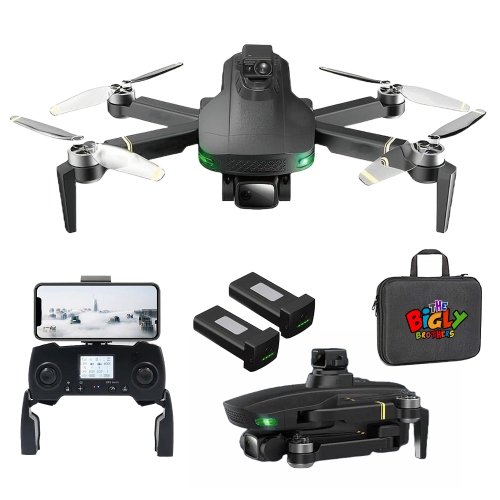
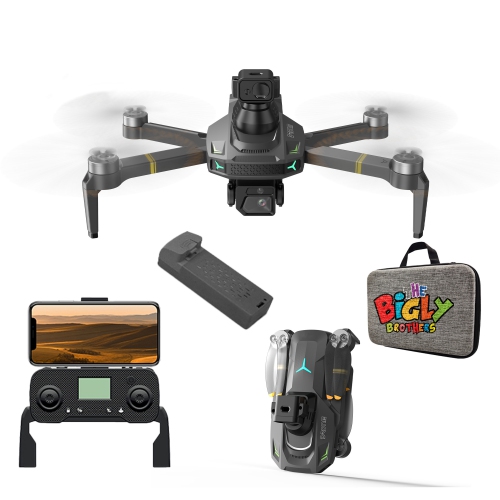
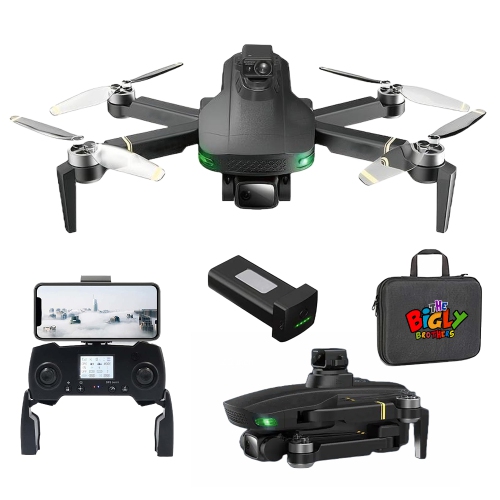
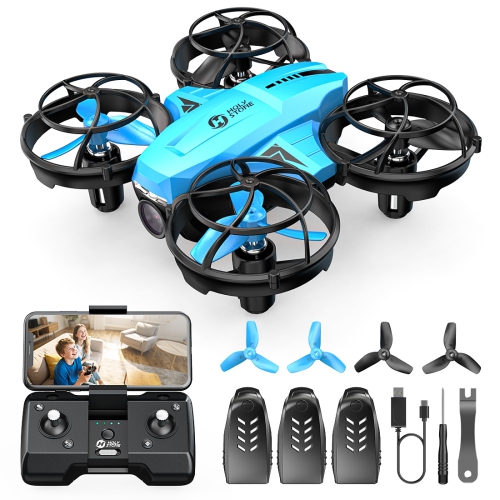
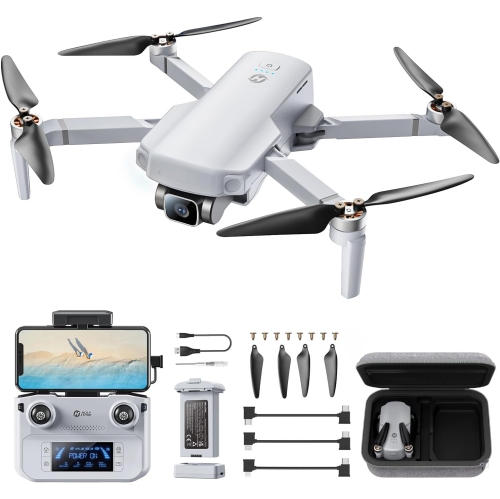
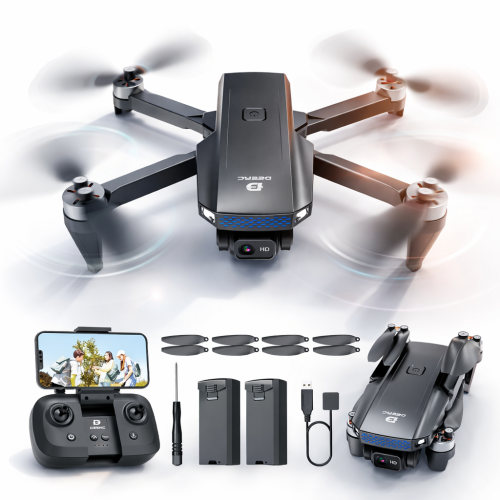
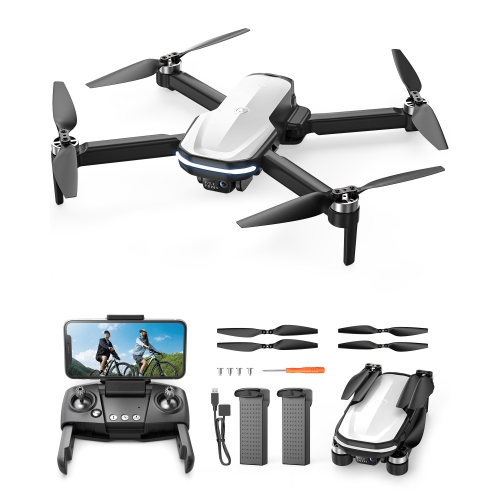
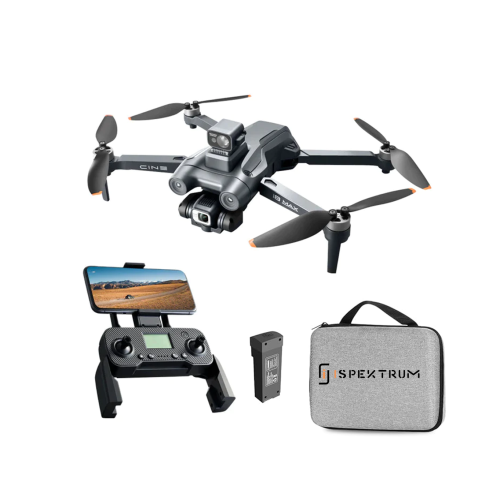
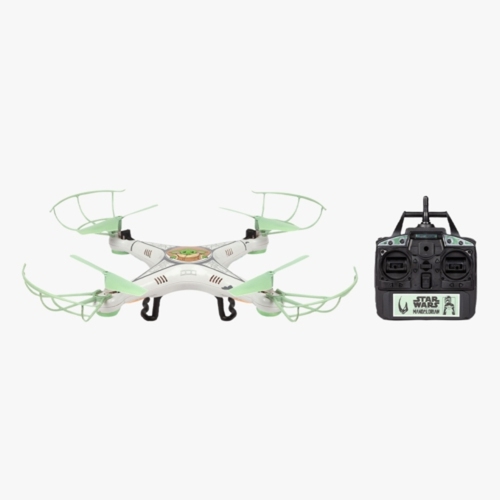
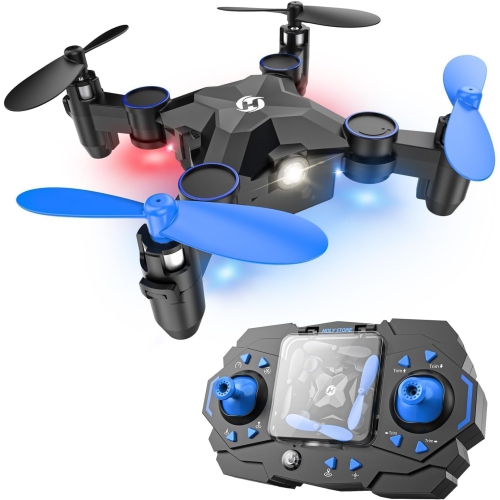

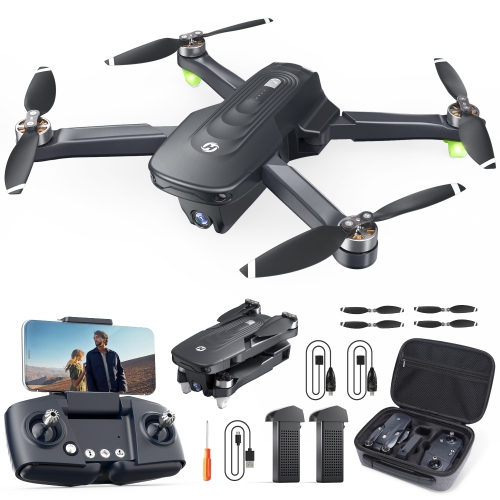
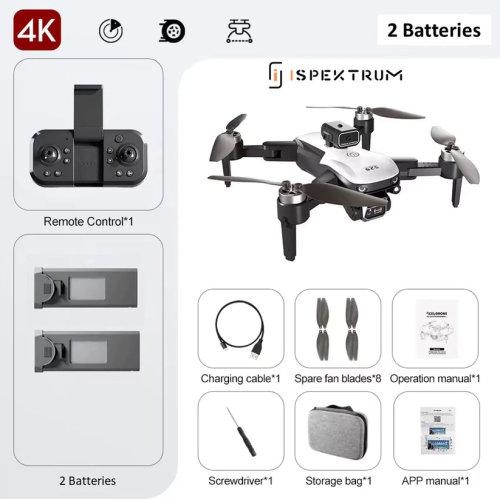
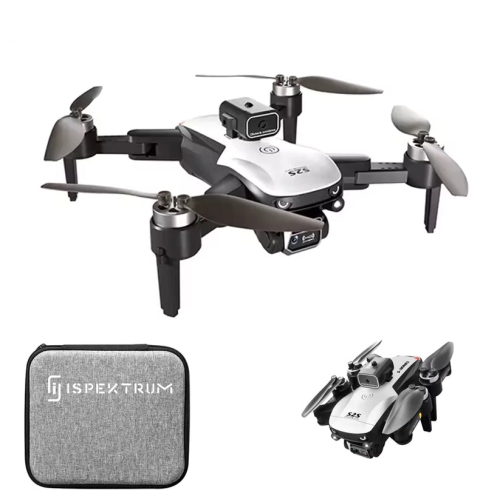
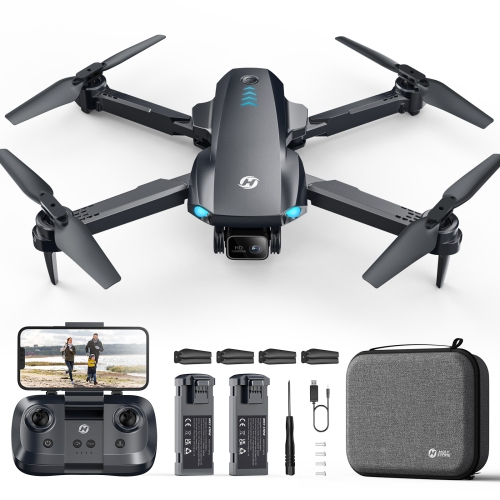
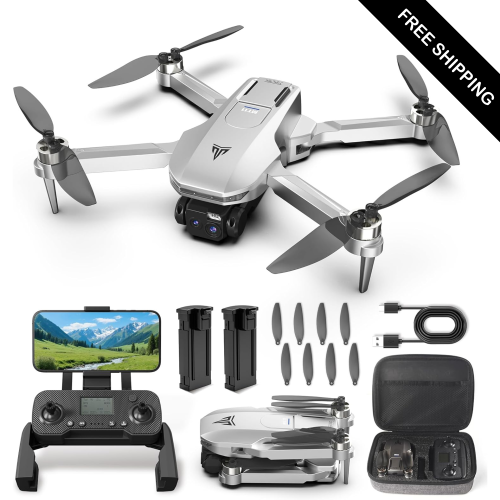
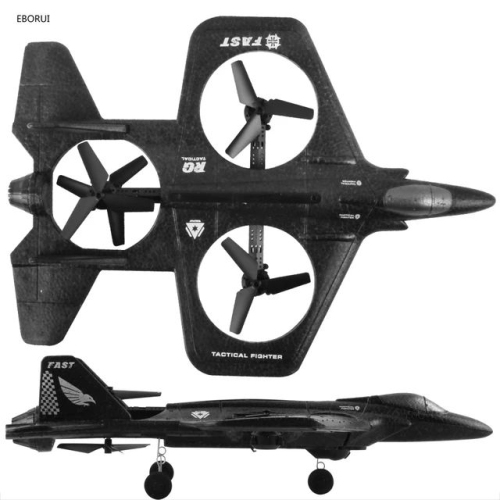
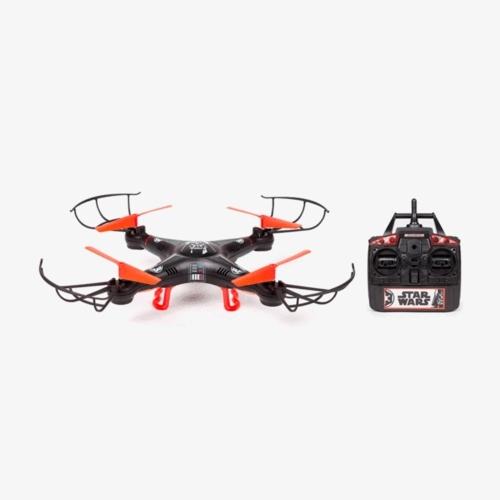
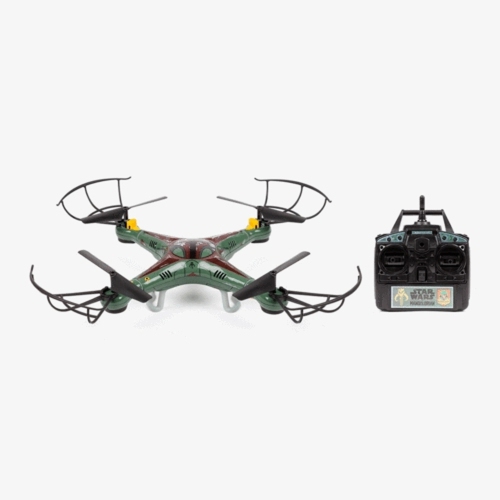
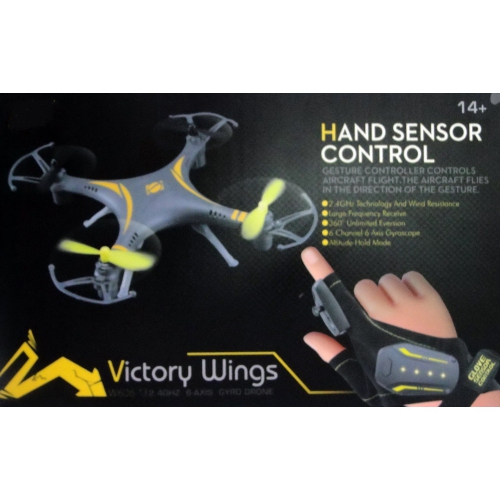
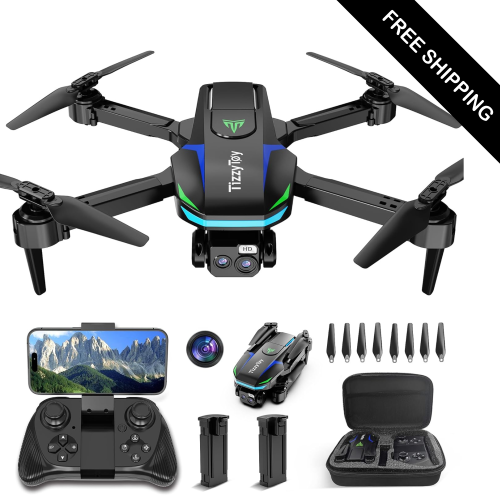
What to know about cameras, flight time, and safety
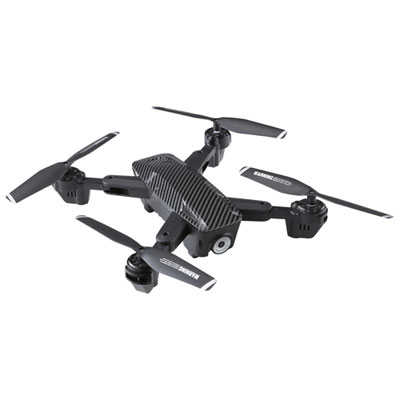
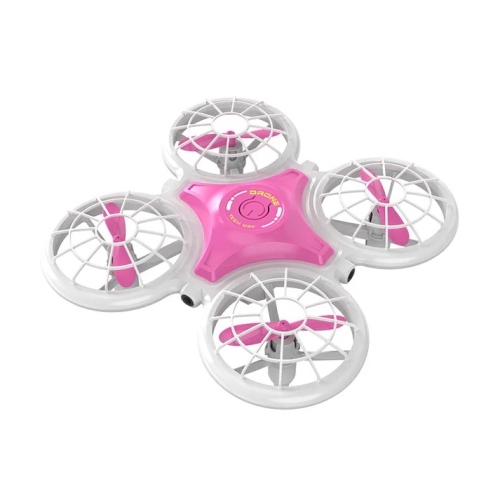
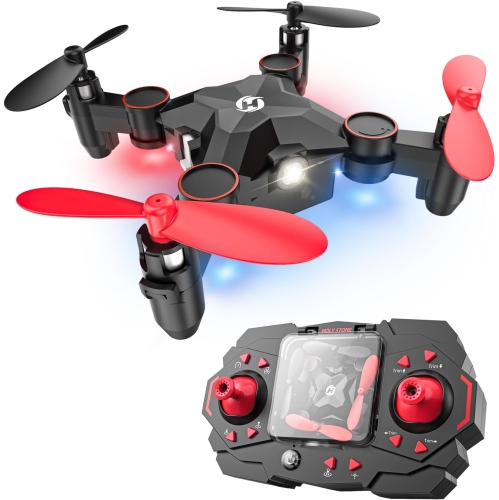
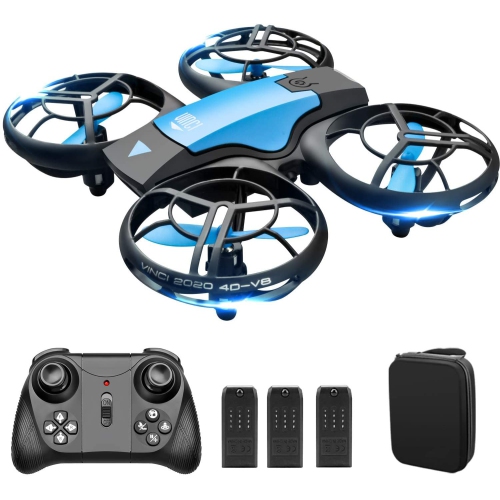
Drones under $300 offer an accessible way to explore aerial photography, practise flight skills, and enjoy a fresh perspective on familiar places without moving into professional-level equipment. Within this price range, you can find compact camera drones designed for casual photos and video, beginner-friendly models with simplified controls, and lightweight flyers that are easy to pack for a weekend away. Some are small enough to carry in a backpack, making them convenient for recording scenic walks, cottage surroundings, sports practice, or family gatherings from above, while others focus more on learning the basics of takeoff, hovering, steering, and landing. Camera quality can vary considerably, so it helps to consider how the footage will be used. A drone with a higher-resolution camera and electronic or mechanical stabilization can produce smoother clips of coastlines, trails, rooftops, and open fields, while a simpler camera may be better suited to quick snapshots or experimenting with aerial views. A gimbal can help keep the horizon steady as the drone moves, and features such as automatic takeoff and landing, altitude hold, GPS positioning, and Return-to-Home functionality can make the first flights feel more manageable. For shoppers working with a tighter budget, the selection of Drones Under $100 provides another place to browse entry-level options. Comparing the intended use, included accessories, battery capacity, and control method can help narrow the choices, especially when several models appear similar at a glance.
Flight time is another practical detail to review before choosing a drone under $300. A quoted maximum flight time is generally measured in ideal conditions, so real-world use may be shorter when the drone is recording video, flying against a breeze, or operating in cooler weather. An extra battery can make a noticeable difference during an afternoon outdoors, although batteries may need to be purchased separately. Charging time, the type of charging cable, and whether the package includes spare propellers are also worth checking. Lightweight drones are particularly portable, but their small size can make them more sensitive to gusts, so calm, open areas are usually the best places to begin. Larger or more robust designs may feel steadier outside, while propeller guards can offer added reassurance when flying near a porch, fence, or indoor room. Beginners may appreciate optical flow or GPS-assisted hovering, headless mode, speed settings, and one-button landing, while more experienced users may prefer adjustable flight controls and the ability to frame shots manually. App compatibility matters as well: a phone-connected controller may provide a live view, flight settings, and simple editing tools, but it is important to confirm that the required app works with the device being used. Storage requirements should not be overlooked, since high-resolution video can fill a phone or memory card quickly. For a first flight, a broad grassy area with clear visibility is more forgiving than a crowded park or narrow backyard. Watching the drone rise above the trees, hearing the motors settle into a steady hum, and seeing the live camera view reveal a familiar landscape can be an especially rewarding introduction to the hobby.
Drones under $300 can be a thoughtful gift for teens, adults, photography enthusiasts, travellers, and anyone who enjoys hands-on technology. They can turn a family outing into a chance to document a lakeside picnic, give a budding content creator a new way to capture short clips, or provide a practical way for a beginner to develop piloting confidence before considering more advanced equipment. When selecting a gift, think about the recipient’s experience level and where they are most likely to fly. A compact, guarded design may suit someone who wants casual use and easy storage, whereas a GPS-enabled camera drone may appeal to a person interested in outdoor footage and more controlled flight. It is also helpful to consider the surrounding environment: apartment dwellers may favour a small model for occasional use in permitted outdoor spaces, while cottage owners or hikers may value portability and battery options. Before flying, users should review the instructions, inspect the propellers, fully charge the battery, and check local rules and airspace restrictions. Canadian drone requirements can vary according to the drone’s weight and how it is operated, so checking current guidance from Transport Canada is an important part of responsible use. Flights should stay within the pilot’s visual line of sight, away from people, airports, emergency response areas, and other restricted locations, unless the appropriate permissions apply. During the warmer season, early mornings and calm evenings can provide clearer, steadier conditions; during the cooler months, batteries may perform differently and gloves can make small controls harder to manage. With sensible preparation, realistic expectations about wind and battery life, and a clear understanding of the features that matter most, a drone under $300 can deliver memorable aerial views and an engaging way to learn, create, and spend time outdoors.
Flight time is another practical detail to review before choosing a drone under $300. A quoted maximum flight time is generally measured in ideal conditions, so real-world use may be shorter when the drone is recording video, flying against a breeze, or operating in cooler weather. An extra battery can make a noticeable difference during an afternoon outdoors, although batteries may need to be purchased separately. Charging time, the type of charging cable, and whether the package includes spare propellers are also worth checking. Lightweight drones are particularly portable, but their small size can make them more sensitive to gusts, so calm, open areas are usually the best places to begin. Larger or more robust designs may feel steadier outside, while propeller guards can offer added reassurance when flying near a porch, fence, or indoor room. Beginners may appreciate optical flow or GPS-assisted hovering, headless mode, speed settings, and one-button landing, while more experienced users may prefer adjustable flight controls and the ability to frame shots manually. App compatibility matters as well: a phone-connected controller may provide a live view, flight settings, and simple editing tools, but it is important to confirm that the required app works with the device being used. Storage requirements should not be overlooked, since high-resolution video can fill a phone or memory card quickly. For a first flight, a broad grassy area with clear visibility is more forgiving than a crowded park or narrow backyard. Watching the drone rise above the trees, hearing the motors settle into a steady hum, and seeing the live camera view reveal a familiar landscape can be an especially rewarding introduction to the hobby.
Drones under $300 can be a thoughtful gift for teens, adults, photography enthusiasts, travellers, and anyone who enjoys hands-on technology. They can turn a family outing into a chance to document a lakeside picnic, give a budding content creator a new way to capture short clips, or provide a practical way for a beginner to develop piloting confidence before considering more advanced equipment. When selecting a gift, think about the recipient’s experience level and where they are most likely to fly. A compact, guarded design may suit someone who wants casual use and easy storage, whereas a GPS-enabled camera drone may appeal to a person interested in outdoor footage and more controlled flight. It is also helpful to consider the surrounding environment: apartment dwellers may favour a small model for occasional use in permitted outdoor spaces, while cottage owners or hikers may value portability and battery options. Before flying, users should review the instructions, inspect the propellers, fully charge the battery, and check local rules and airspace restrictions. Canadian drone requirements can vary according to the drone’s weight and how it is operated, so checking current guidance from Transport Canada is an important part of responsible use. Flights should stay within the pilot’s visual line of sight, away from people, airports, emergency response areas, and other restricted locations, unless the appropriate permissions apply. During the warmer season, early mornings and calm evenings can provide clearer, steadier conditions; during the cooler months, batteries may perform differently and gloves can make small controls harder to manage. With sensible preparation, realistic expectations about wind and battery life, and a clear understanding of the features that matter most, a drone under $300 can deliver memorable aerial views and an engaging way to learn, create, and spend time outdoors.
Top selling and popular products
-
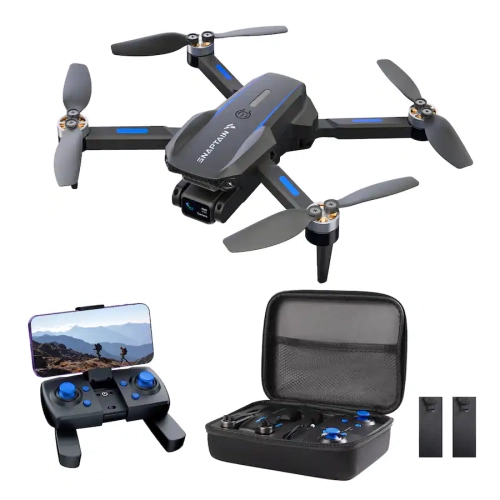 Your price for this item is $109.98
 -
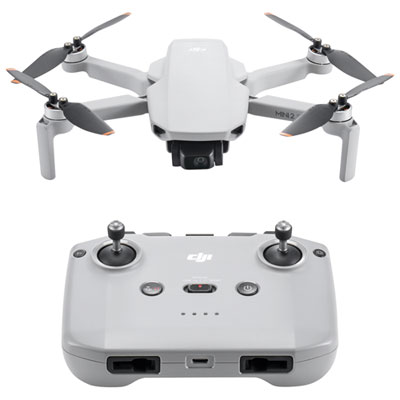 Your price for this item is $359.99
 -
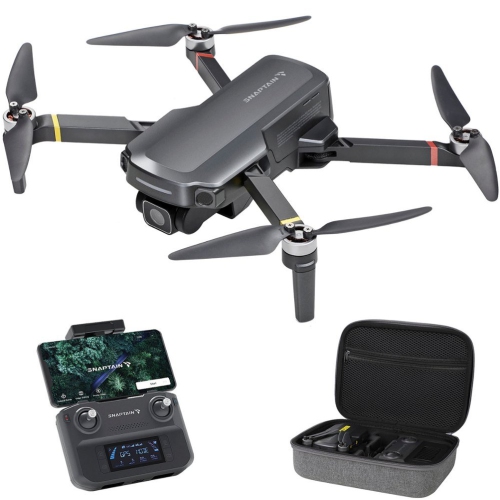 Your price for this item is $279.9
 -
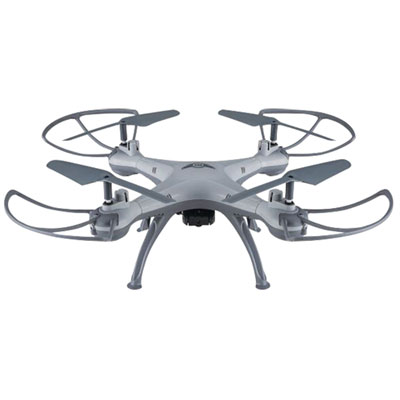 Your price for this item is $49.99
 -
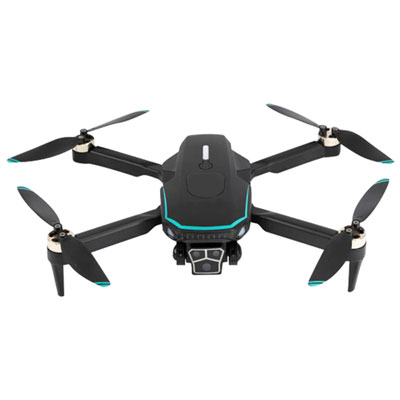 Your price for this item is $79.99
 -
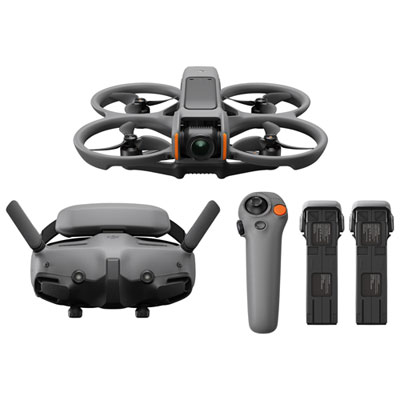 Your price for this item is $1279.99
 -
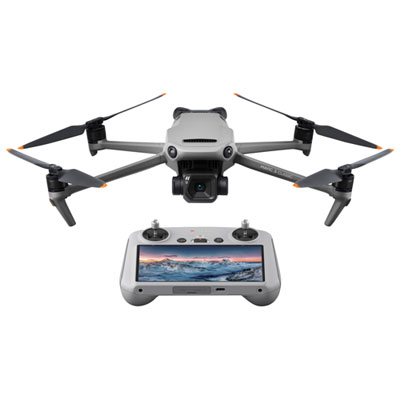 Your price for this item is $1759.99
 -
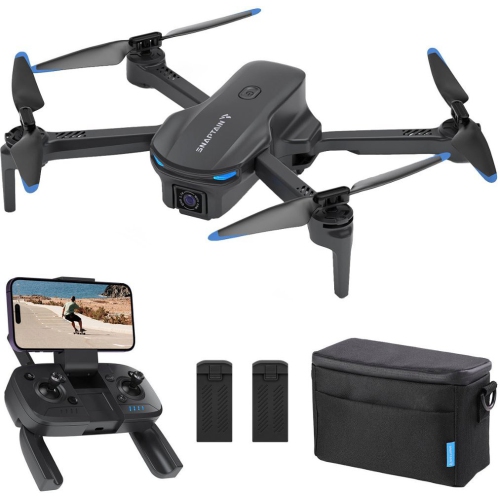 Your price for this item is $189.9
Discover more categories related to Drones Under $300
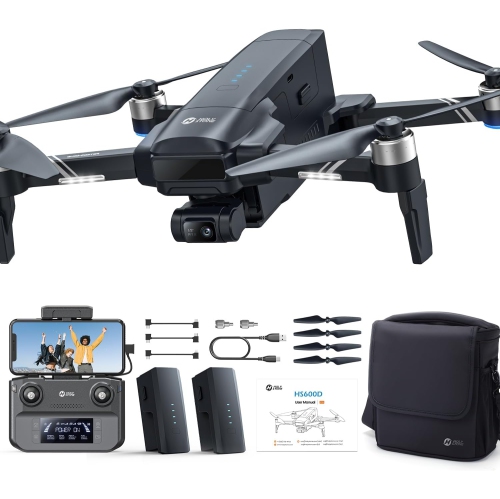
Top Collections:
Pokemon Centers, Kindle Devices, Best Budget Office Chairs, Apple iPhones 16, Best Laptops for Writers, iPhone 15 Apple, Canon G7X Cameras, Refurbished Apple Laptops, Alarm Clock, Motorola Razr Phones
Some products may be subject to Environmental Handling Fees
(EHF) depending on your province.
Learn more about EHFs.