Drones for Landscape Photography
Drones for Landscape Photography open up a world of creative possibilities, making it easier than ever to capture breathtaking aerial views and sweeping panoramas. Whether you’re a seasoned photographer or just starting to explore aerial imaging, these drones offer an exciting way to elevate your outdoor photography. Discover options designed to help you frame stunning vistas, highlight natural beauty, and bring new perspectives to your portfolio with Drones for Landscape Photography.
Sort

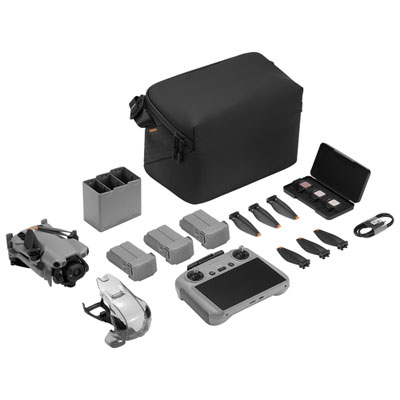
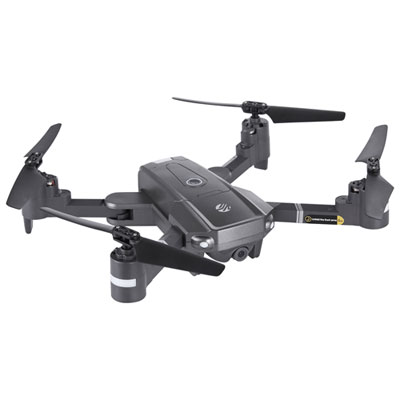
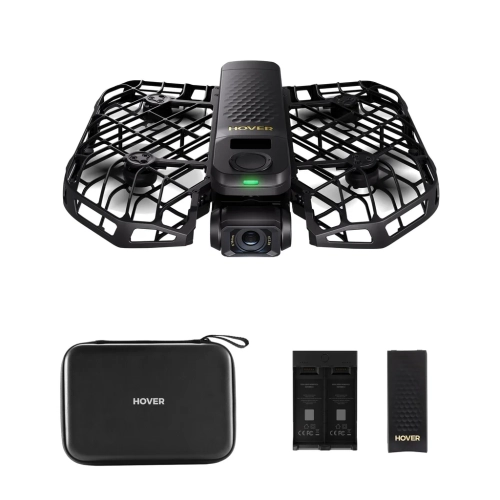
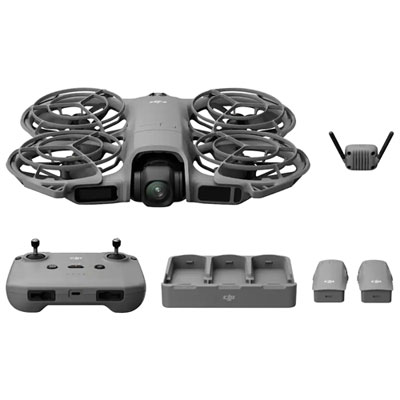

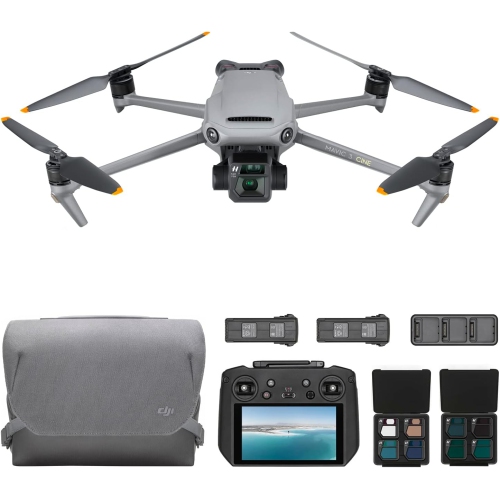
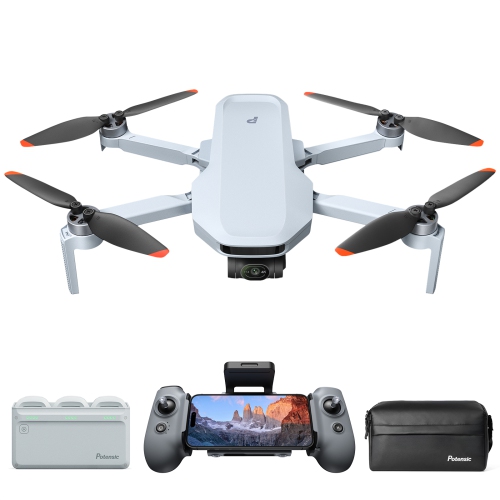
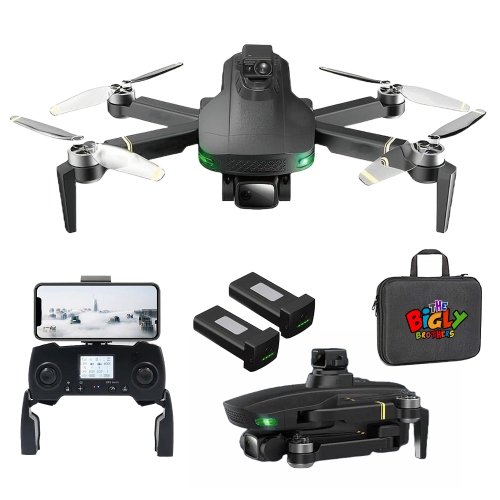
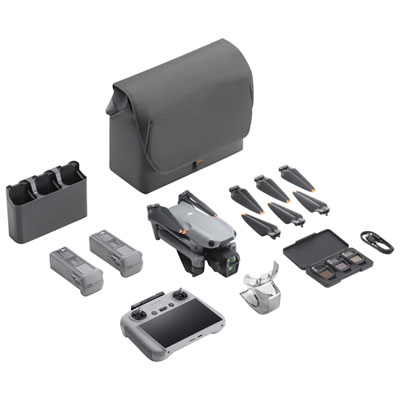
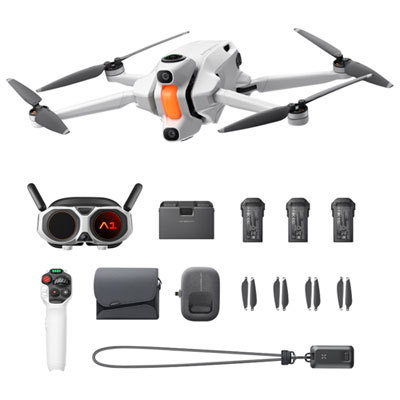
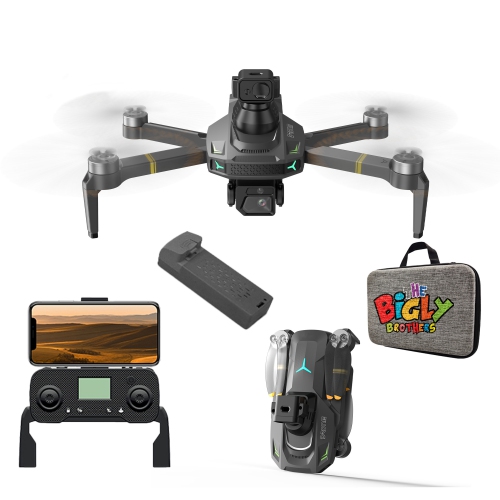
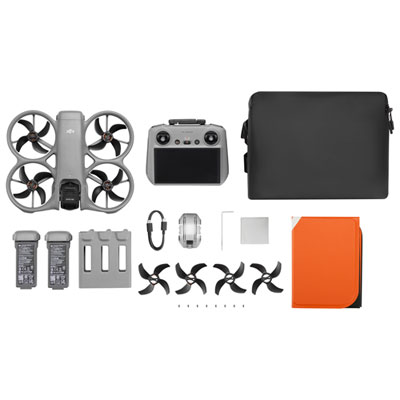
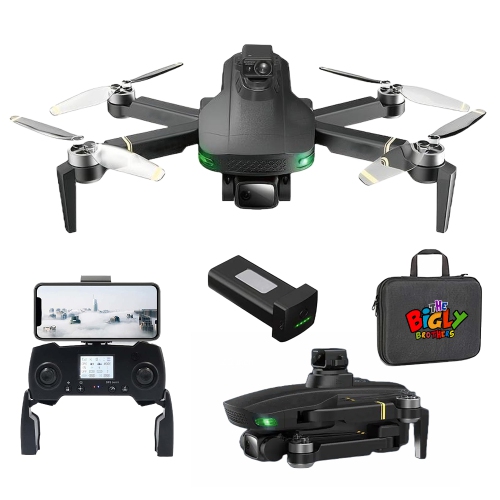
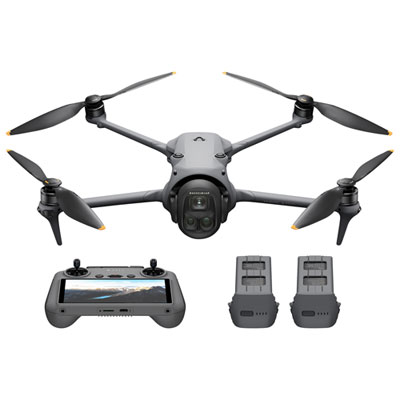
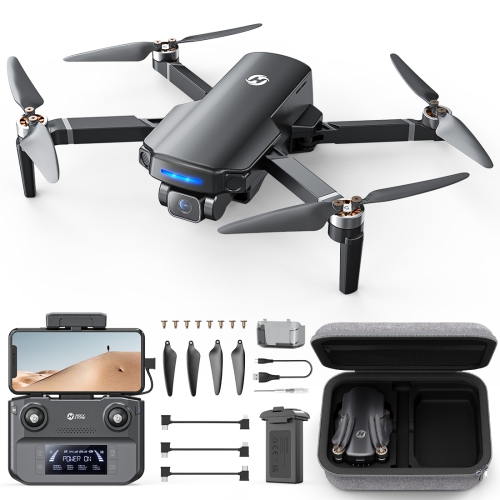
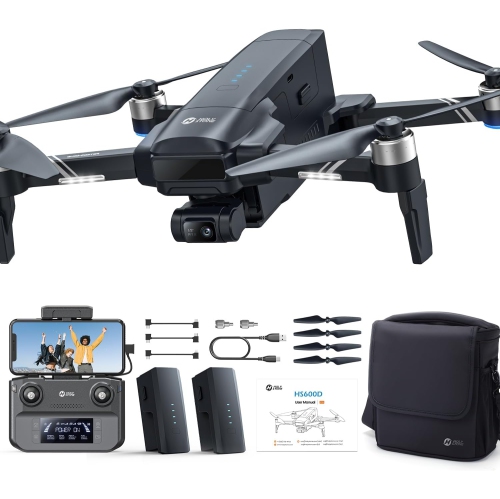
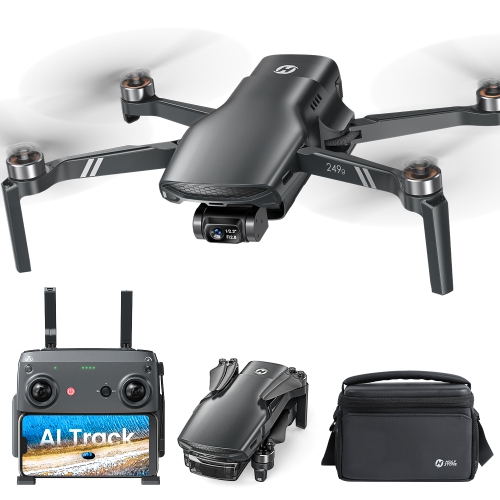
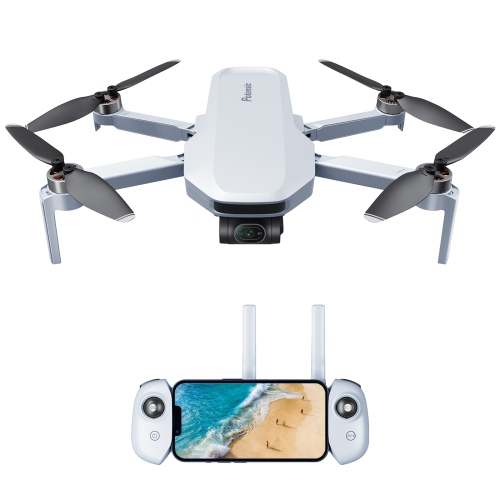
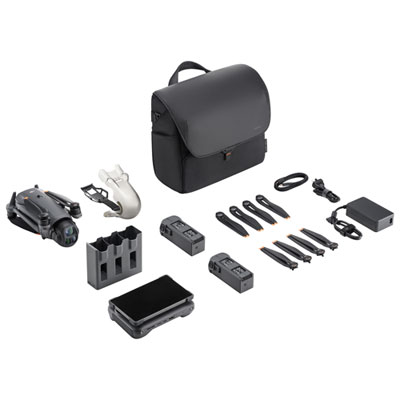
Aerial perspectives reveal landscapes in stunning new detail
Drones for landscape photography have transformed the way both hobbyists and professionals capture the natural world, offering an entirely new perspective that was once reserved for those with access to helicopters or small planes. As the weather warms and landscapes burst into vibrant colour, these drones become invaluable tools for exploring vast forests, shimmering lakes, mountain ranges, and coastal vistas from unique aerial vantage points. Whether you are a seasoned photographer seeking to add dynamic, high-resolution images to your portfolio, or an outdoor enthusiast looking to document your summer hiking adventures, the right drone can unlock creative possibilities, allowing you to experiment with panoramic sweeps, top-down compositions, and dramatic elevation changes that reveal patterns and textures invisible from the ground. Gift-givers will also find drones for landscape photography to be thoughtful presents for birthdays, graduations, or special occasions, especially for those passionate about travel, outdoor activities, or visual storytelling. The thrill of piloting a drone over a golden meadow at sunrise or tracing the winding path of a river through autumn foliage is an experience that resonates with anyone who appreciates the beauty of the Canadian outdoors.
When selecting a drone for landscape photography, there are several key features and considerations to keep in mind. Image quality is paramount; look for models equipped with large sensors—ideally 1-inch CMOS or bigger—and the ability to shoot in RAW format, which captures more detail and allows for greater flexibility in post-processing. High-resolution cameras (4K or higher) are essential for producing sharp, detailed prints or digital images, and features like auto-exposure bracketing and D-Log profiles can help manage challenging lighting conditions, such as the bright highlights and deep shadows often found in outdoor scenes. Flight stability is crucial, especially when capturing images in windy conditions or at higher altitudes, so drones with advanced obstacle avoidance and robust GPS systems are highly recommended. Battery life is another important factor, as longer flight times mean more opportunities to frame the perfect shot without constant interruptions for recharging. Portability should also be considered—lightweight, foldable drones are easier to carry in a backpack and less cumbersome during long hikes or travel, making them ideal companions for spontaneous shoots in remote locations. Remember to always check local regulations regarding drone use, as certain parks and protected areas may have restrictions, and to prioritize safety by flying in suitable weather and carrying extra batteries for extended sessions.
Landscape photographers often find inspiration in the interplay of light, shadow, and scale that drones can capture from above. The ability to experiment with altitude and composition—whether skimming treetops, hovering over a tranquil lake, or soaring above rugged cliffs—enables creators to produce images that stand apart from traditional ground-based photography. These drones are not only tools for capturing beautiful scenery but also for telling compelling visual stories, documenting seasonal changes, and sharing the majesty of the Canadian wilderness with friends, family, or a wider audience online. For those interested in expanding their aerial photography skills beyond landscapes, there are also opportunities to explore related fields such as real estate, where specialized drones are used to showcase properties from unique perspectives. To learn more about this application, visit the Drones for Real Estate Photography page for additional information and product recommendations. With the right drone and a spirit of adventure, the possibilities for capturing the world from above are as limitless as the landscapes themselves.
When selecting a drone for landscape photography, there are several key features and considerations to keep in mind. Image quality is paramount; look for models equipped with large sensors—ideally 1-inch CMOS or bigger—and the ability to shoot in RAW format, which captures more detail and allows for greater flexibility in post-processing. High-resolution cameras (4K or higher) are essential for producing sharp, detailed prints or digital images, and features like auto-exposure bracketing and D-Log profiles can help manage challenging lighting conditions, such as the bright highlights and deep shadows often found in outdoor scenes. Flight stability is crucial, especially when capturing images in windy conditions or at higher altitudes, so drones with advanced obstacle avoidance and robust GPS systems are highly recommended. Battery life is another important factor, as longer flight times mean more opportunities to frame the perfect shot without constant interruptions for recharging. Portability should also be considered—lightweight, foldable drones are easier to carry in a backpack and less cumbersome during long hikes or travel, making them ideal companions for spontaneous shoots in remote locations. Remember to always check local regulations regarding drone use, as certain parks and protected areas may have restrictions, and to prioritize safety by flying in suitable weather and carrying extra batteries for extended sessions.
Landscape photographers often find inspiration in the interplay of light, shadow, and scale that drones can capture from above. The ability to experiment with altitude and composition—whether skimming treetops, hovering over a tranquil lake, or soaring above rugged cliffs—enables creators to produce images that stand apart from traditional ground-based photography. These drones are not only tools for capturing beautiful scenery but also for telling compelling visual stories, documenting seasonal changes, and sharing the majesty of the Canadian wilderness with friends, family, or a wider audience online. For those interested in expanding their aerial photography skills beyond landscapes, there are also opportunities to explore related fields such as real estate, where specialized drones are used to showcase properties from unique perspectives. To learn more about this application, visit the Drones for Real Estate Photography page for additional information and product recommendations. With the right drone and a spirit of adventure, the possibilities for capturing the world from above are as limitless as the landscapes themselves.
Top selling and popular products
-
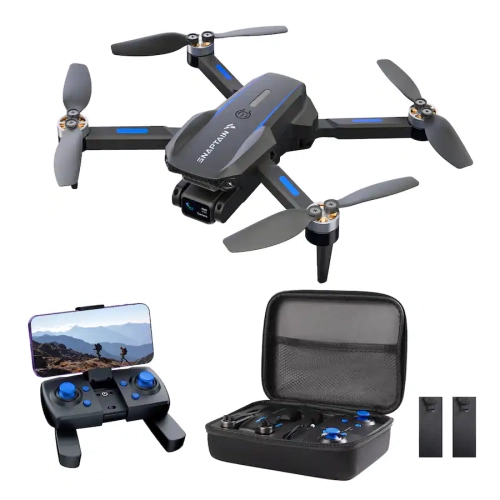 Your price for this item is $109.98
 -
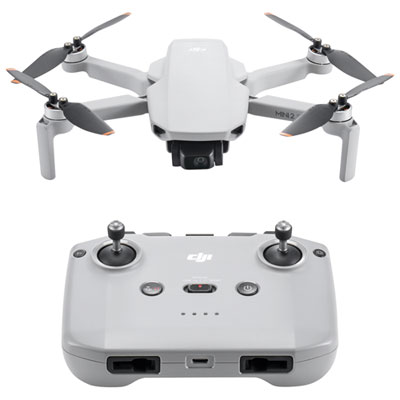 Your price for this item is $359.99
 -
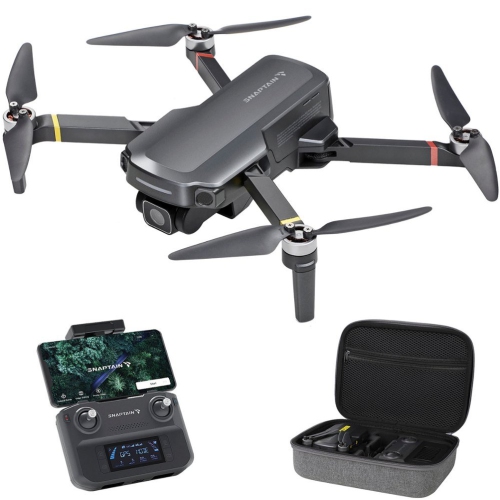 Your price for this item is $279.9
 -
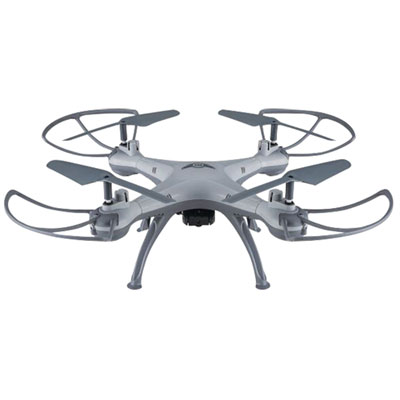 Your price for this item is $49.99
 -
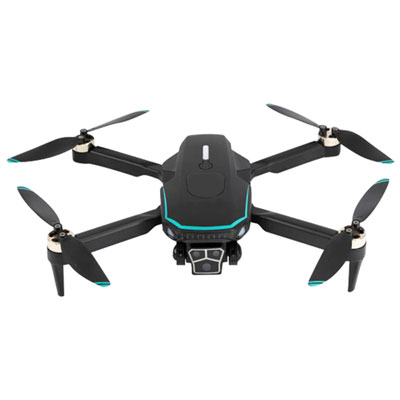 Your price for this item is $79.99
 -
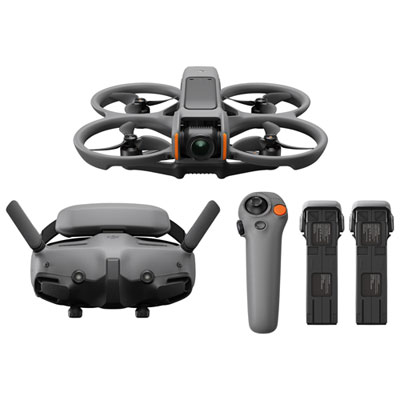 Your price for this item is $1279.99
 -
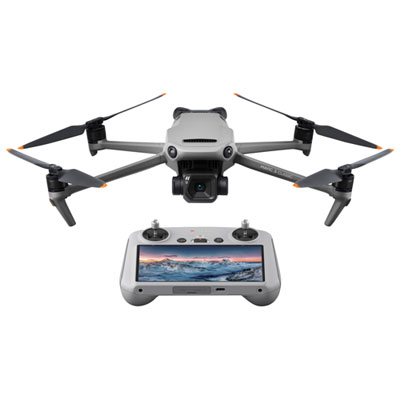 Your price for this item is $1759.99
 -
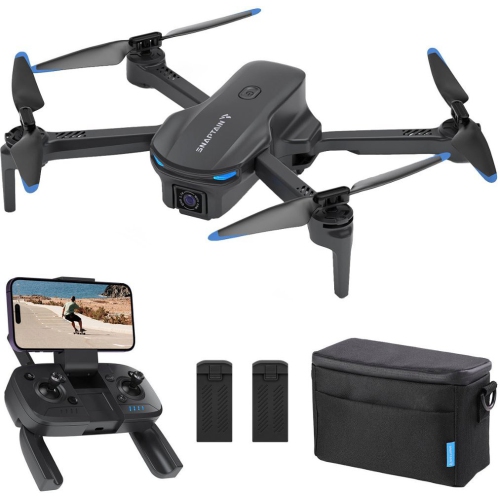 Your price for this item is $189.9
Discover more categories related to Drones for Landscape Photography
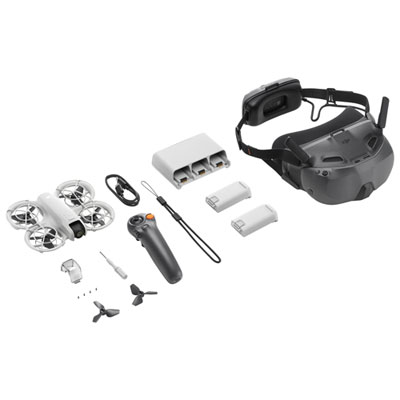
Top Collections:
Pokemon Centers, Kindle Devices, Best Budget Office Chairs, Apple iPhones 16, Best Laptops for Writers, iPhone 15 Apple, Canon G7X Cameras, Refurbished Apple Laptops, Alarm Clock, Motorola Razr Phones
Some products may be subject to Environmental Handling Fees
(EHF) depending on your province.
Learn more about EHFs.