Drones for Real Estate Photography
Capture stunning aerial shots and elevate your real estate photography game with our selection of drones designed specifically for capturing breathtaking images and videos. Whether you're a professional real estate photographer looking to showcase properties from a unique perspective or a homeowner wanting to add a wow factor to your listings, these drones offer advanced features and high-quality cameras to help you achieve stunning results. Explore our range of drones tailored for real estate photography and take your visuals to new heights.
Sort
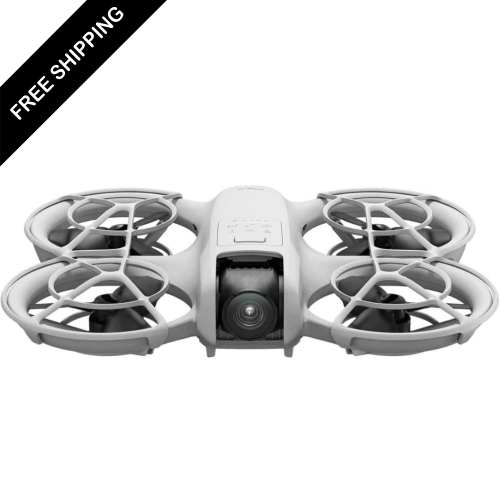

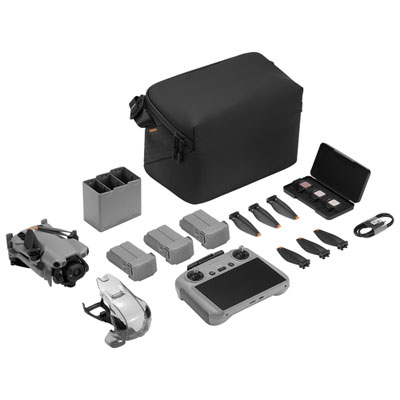
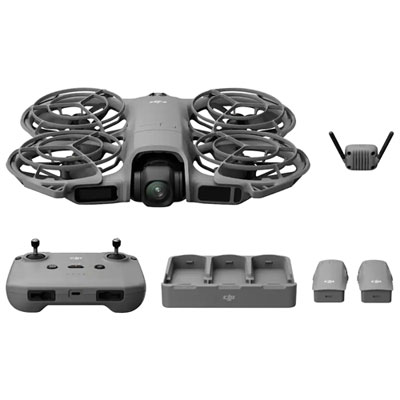

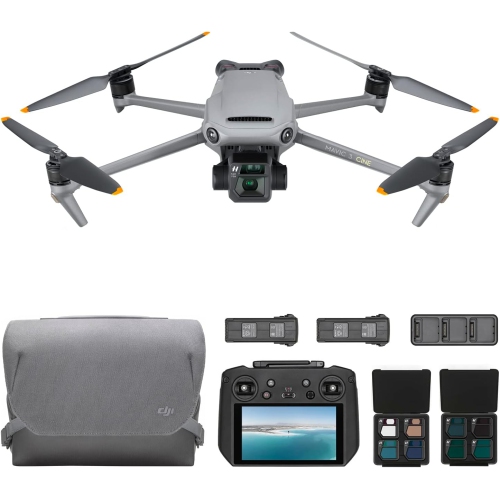
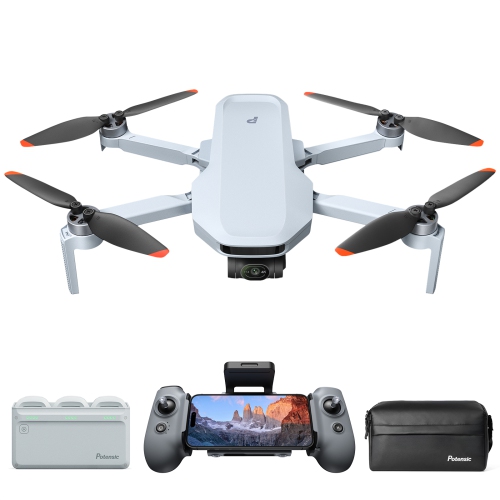
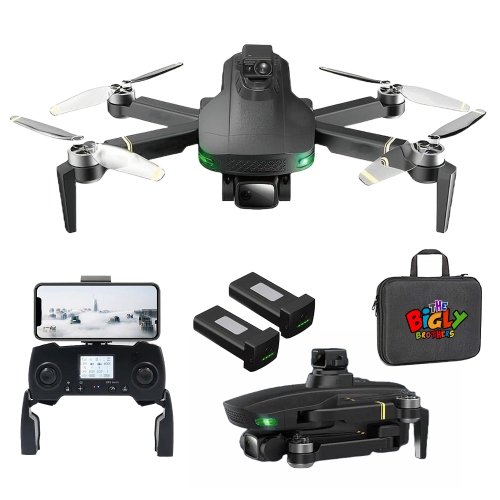
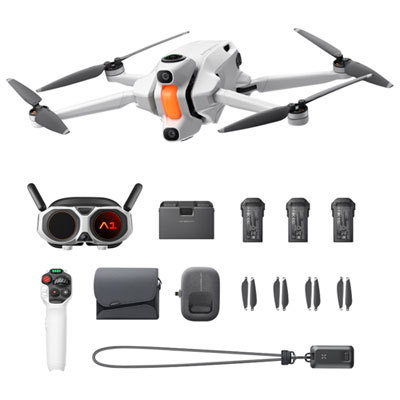
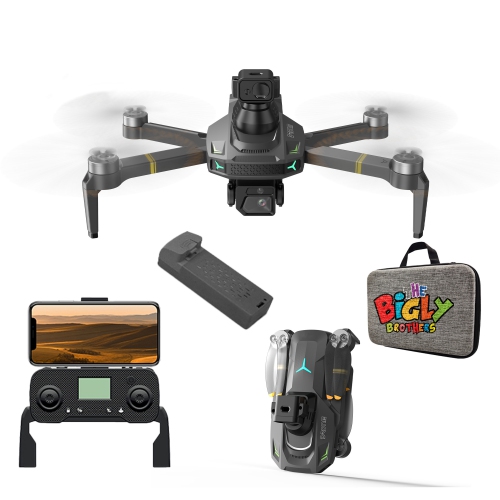
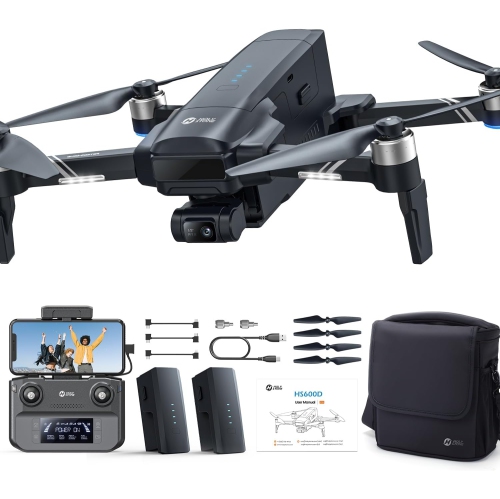
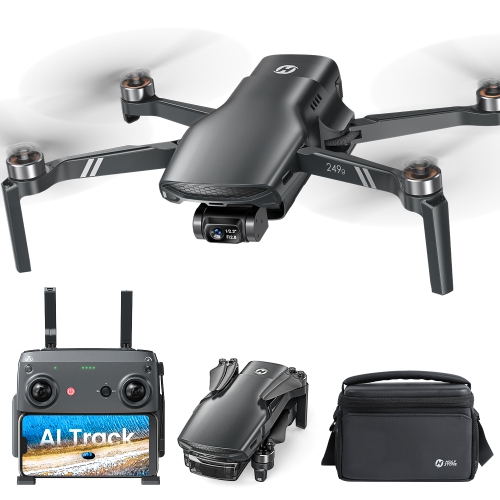
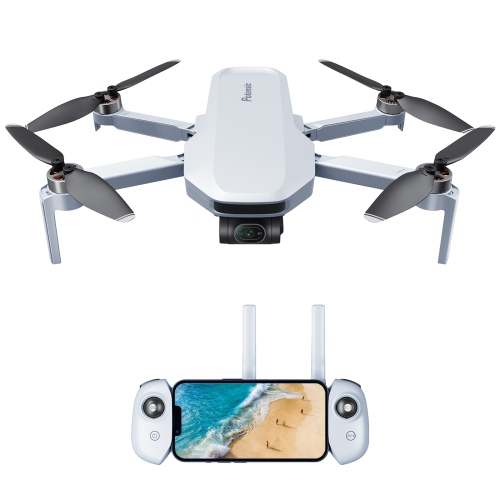
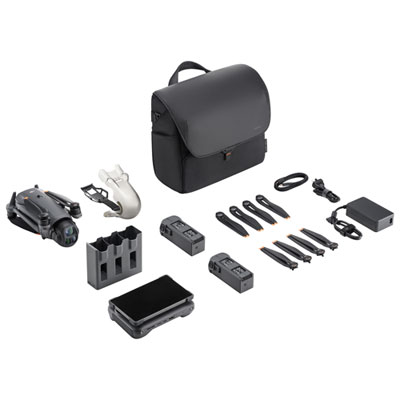
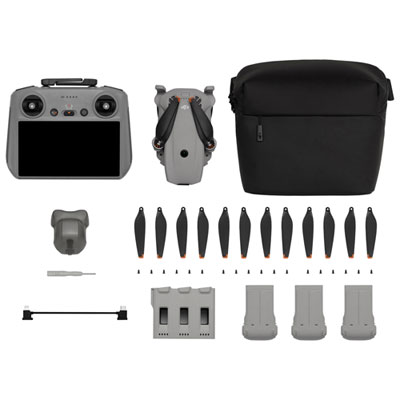
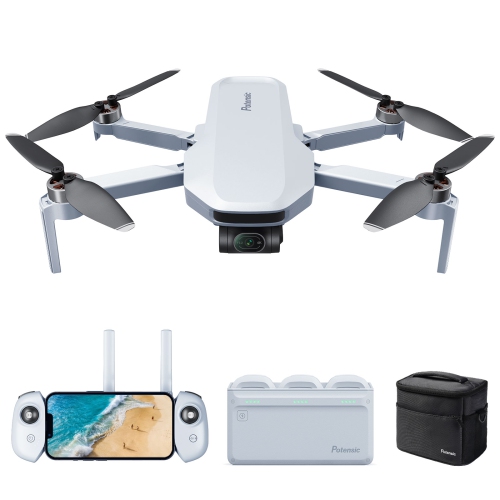
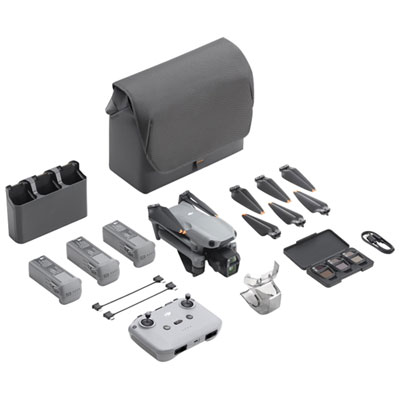
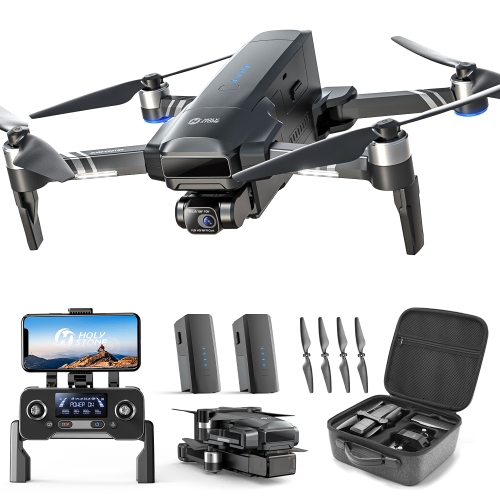
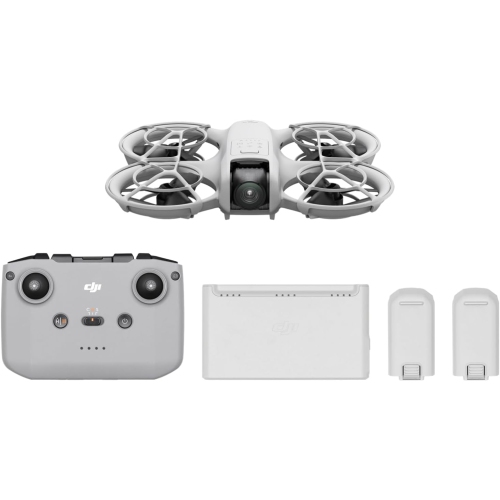
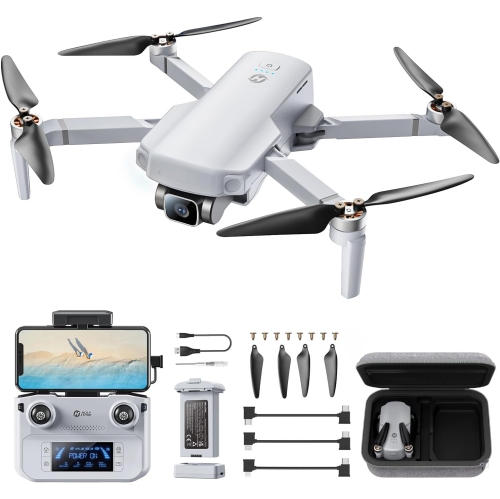
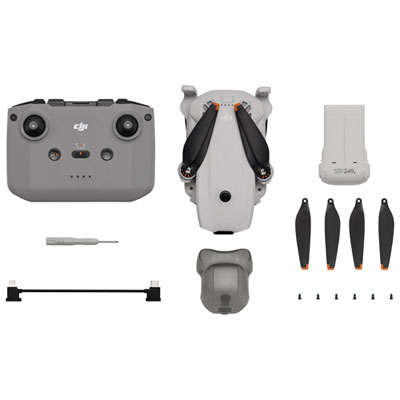
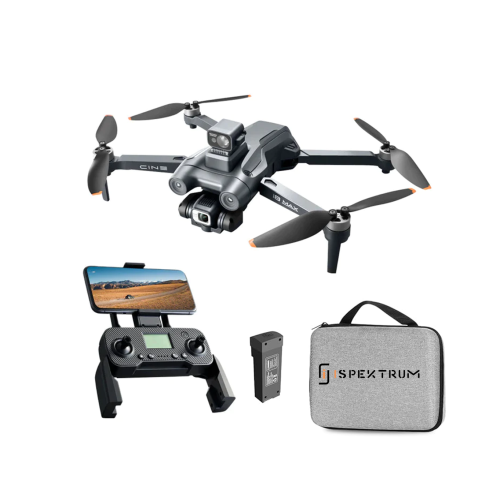
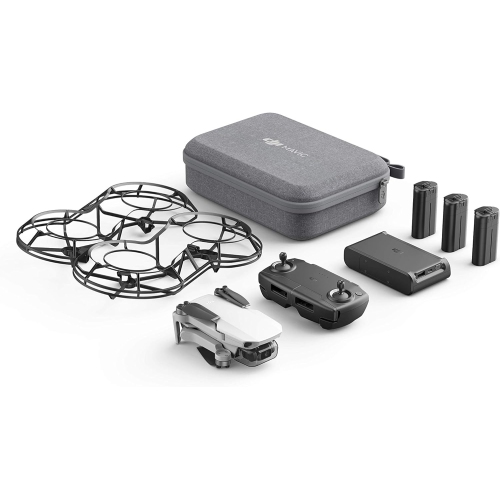
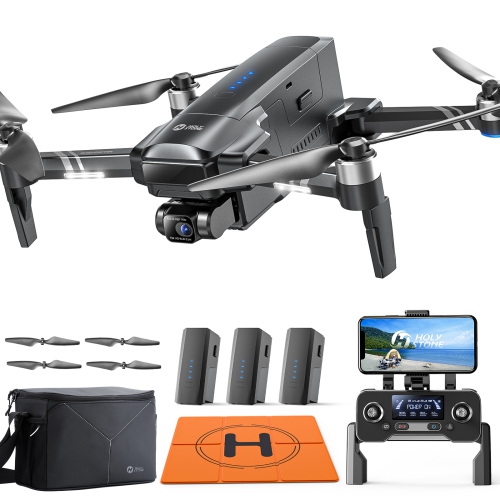

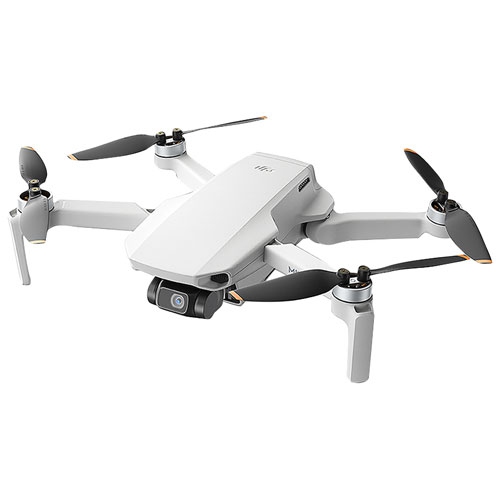
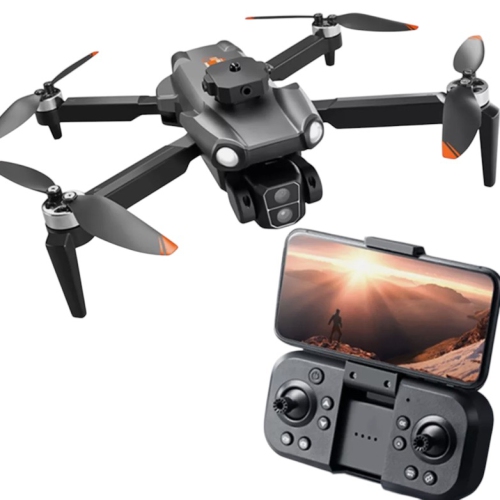
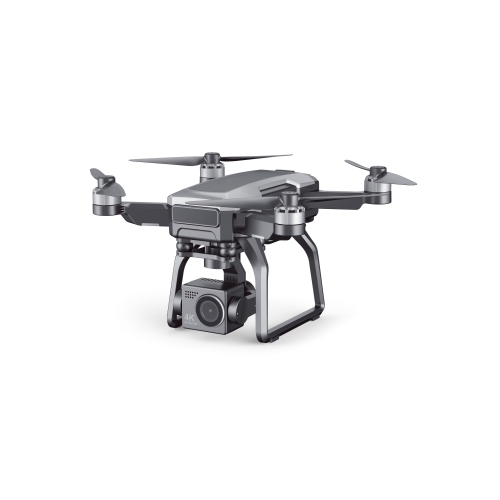
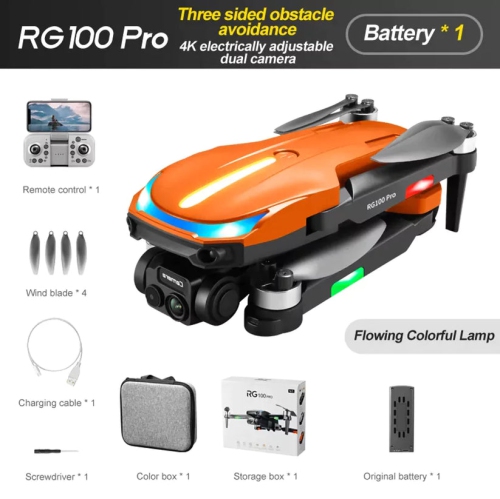
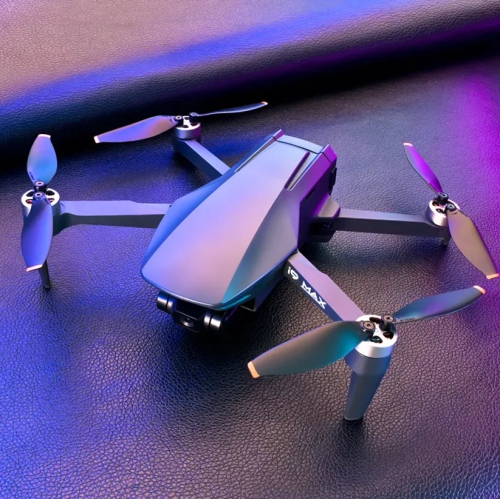
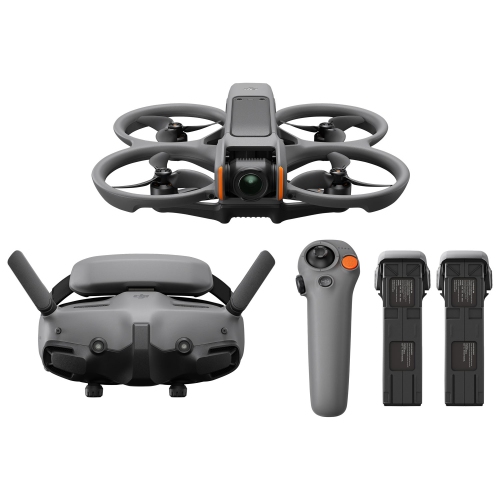
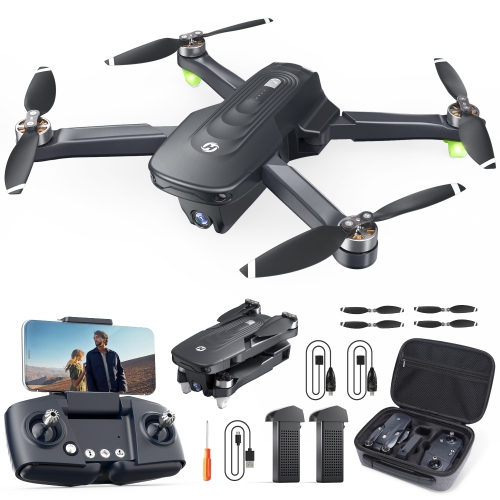
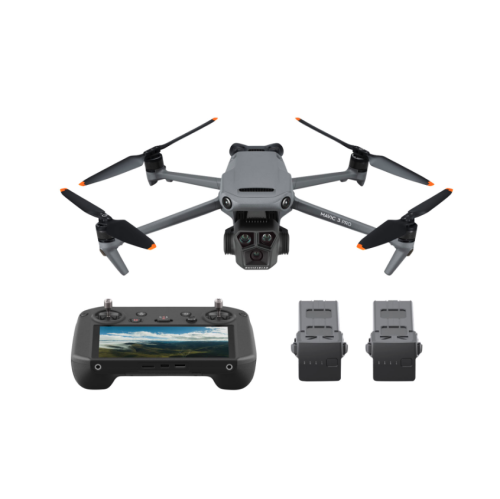
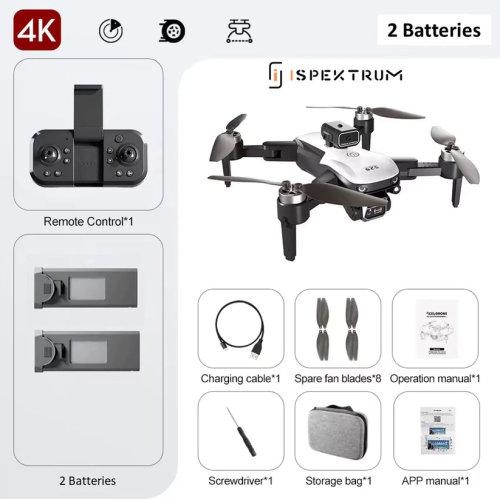
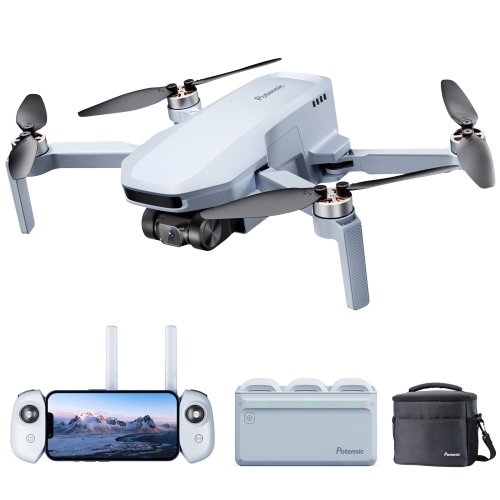
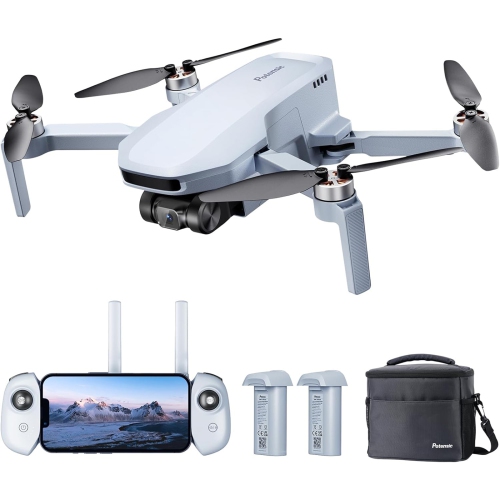
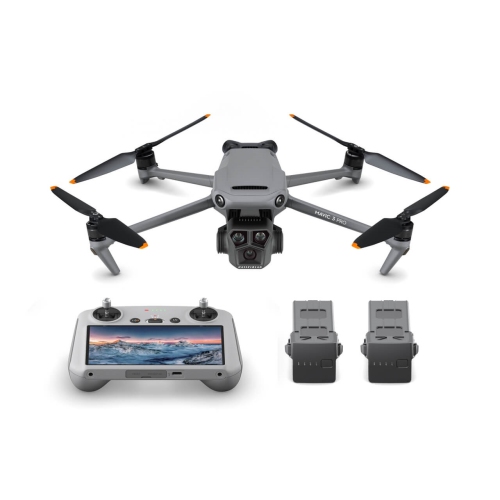
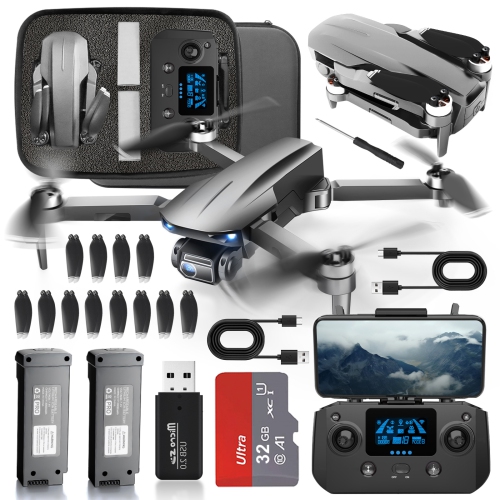
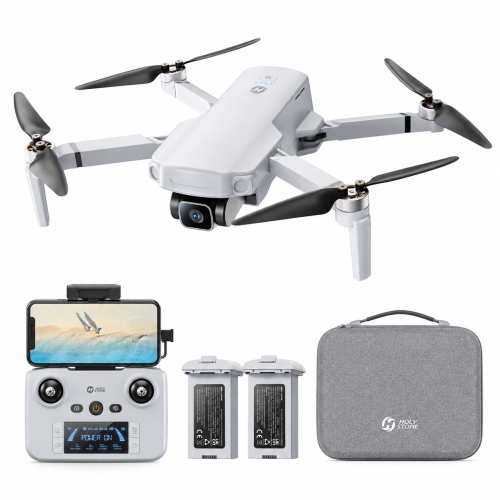

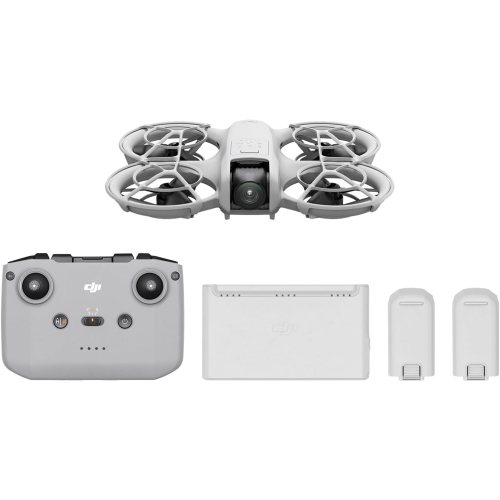

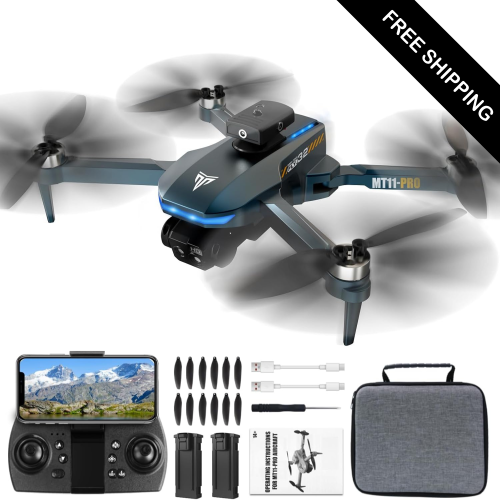
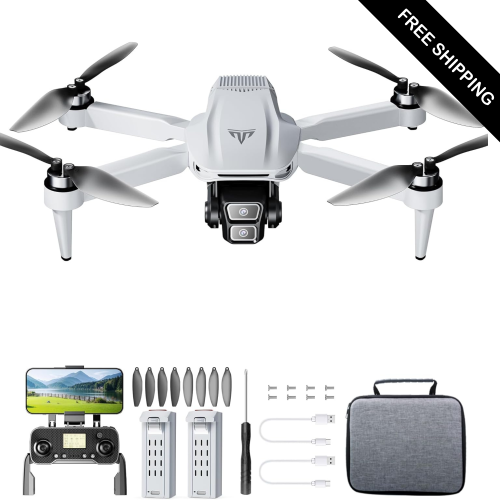
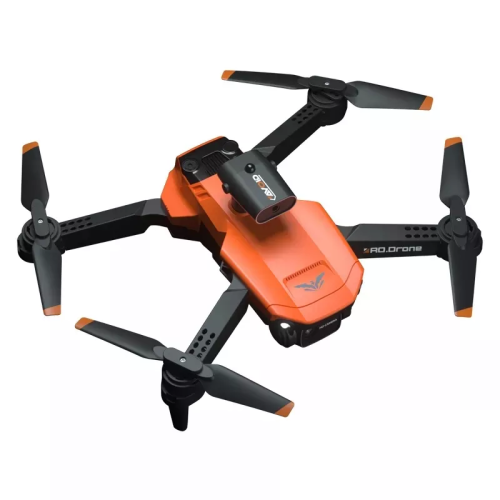

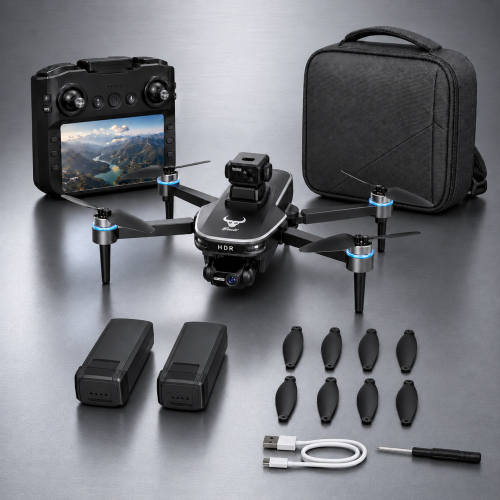
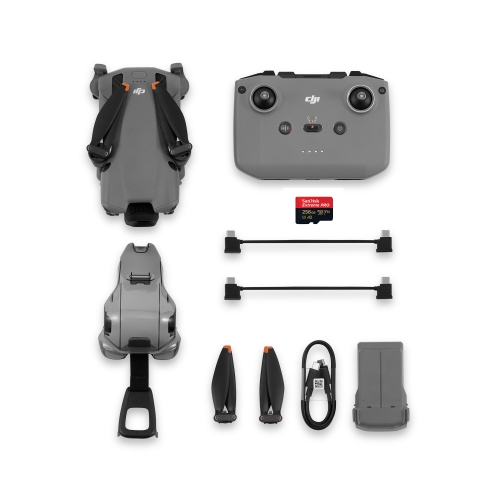
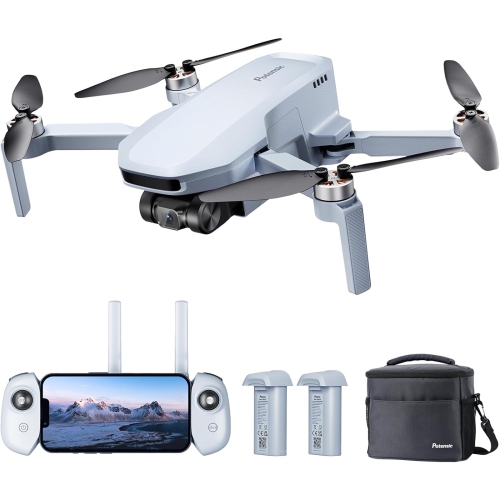
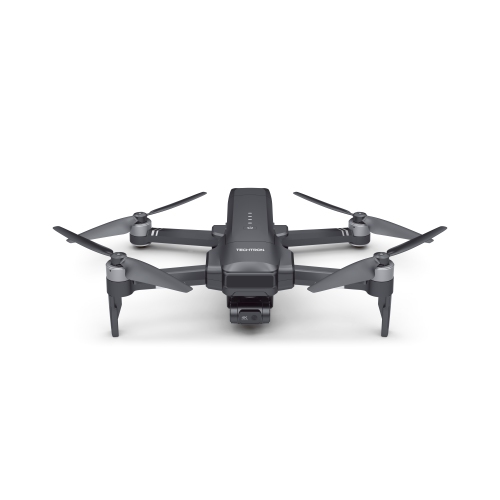
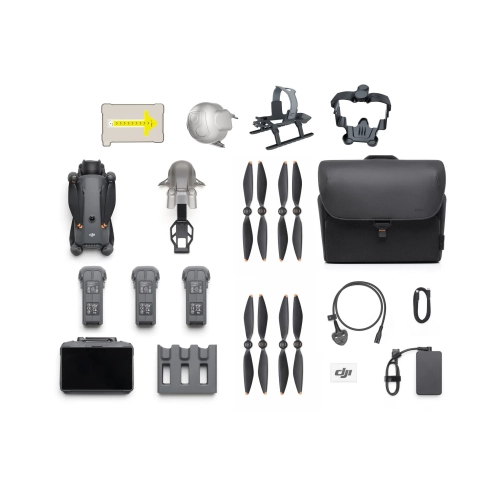
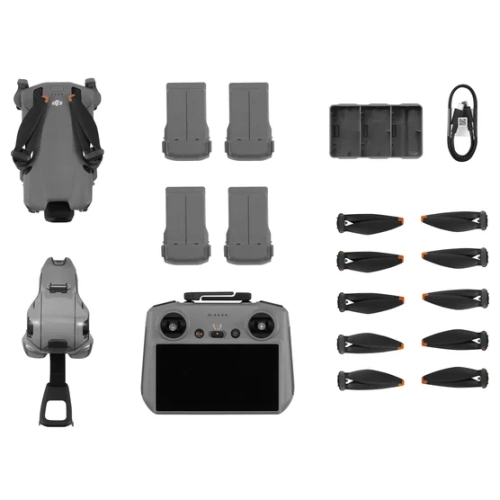
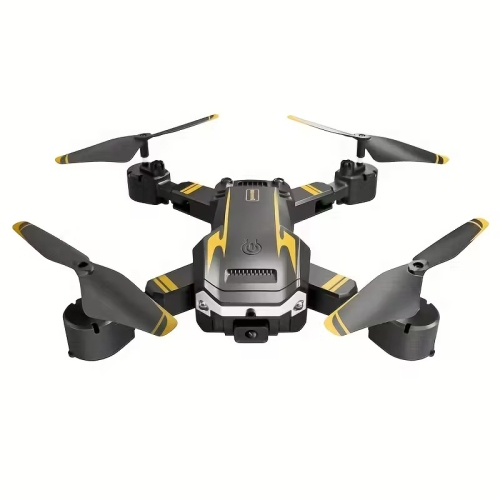
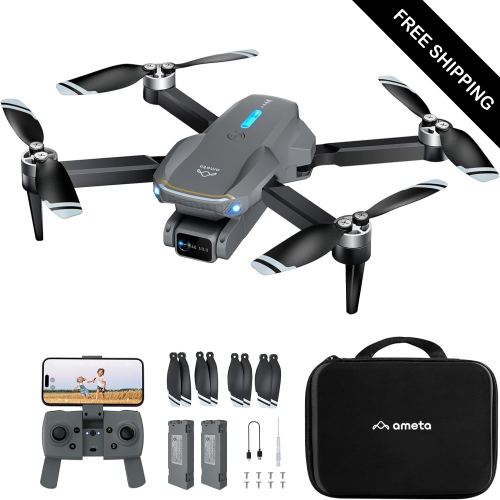
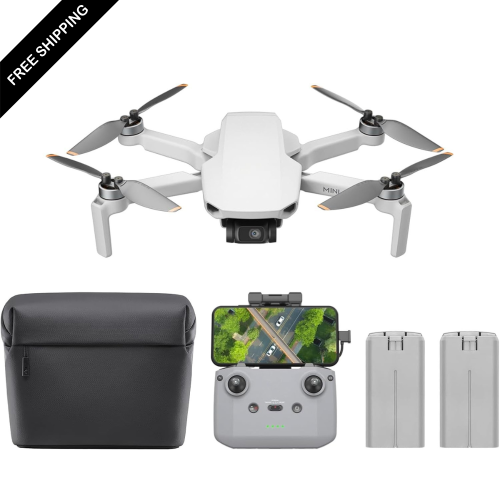
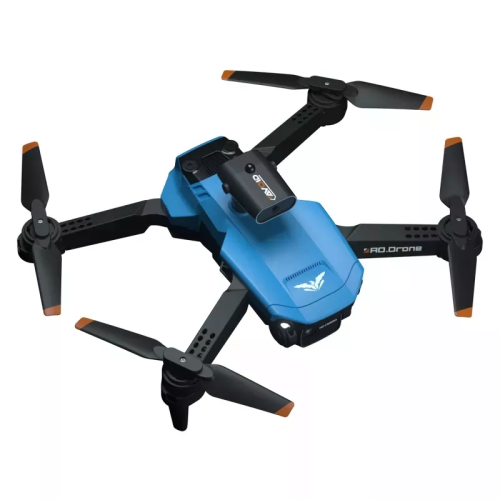
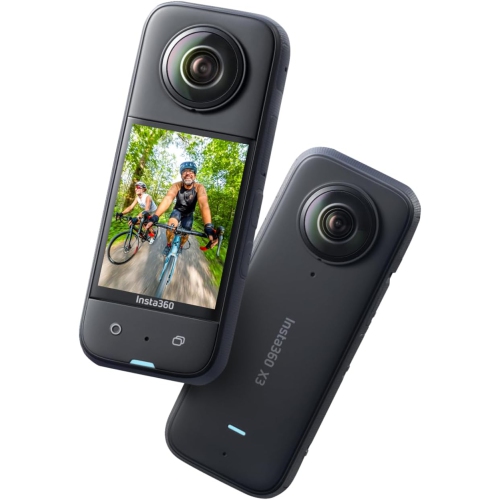
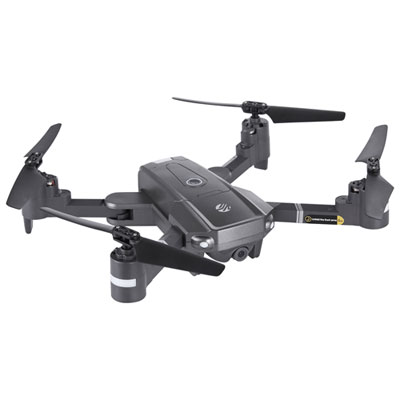
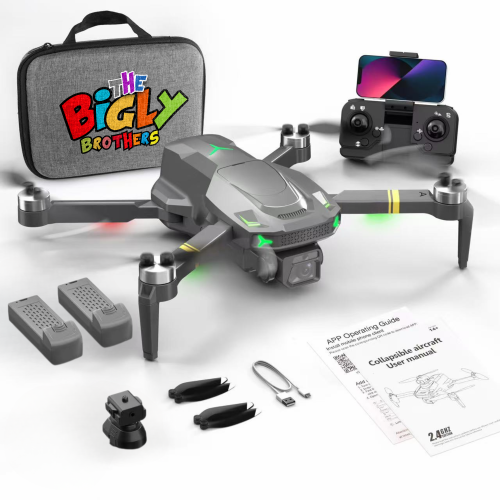
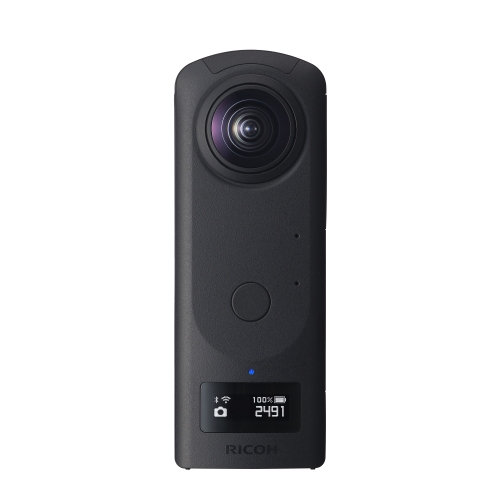
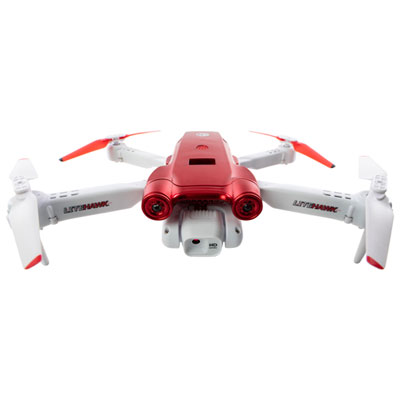
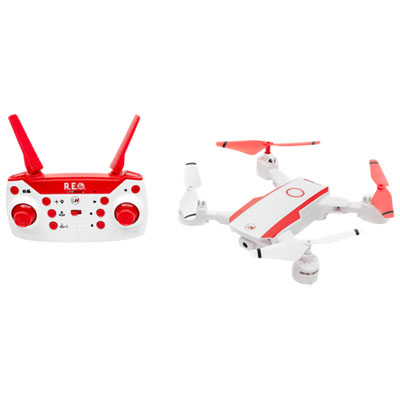
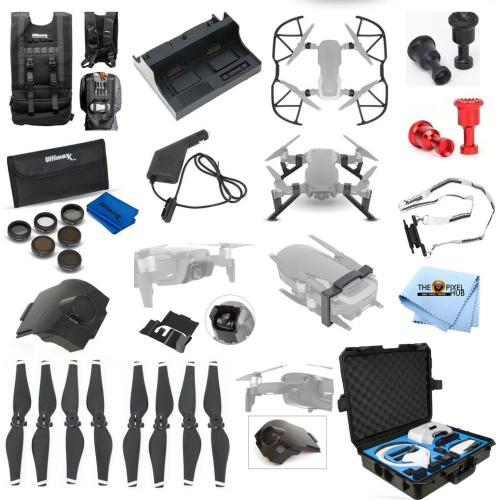
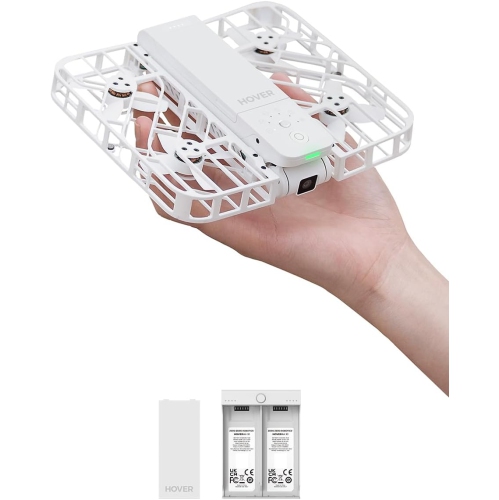
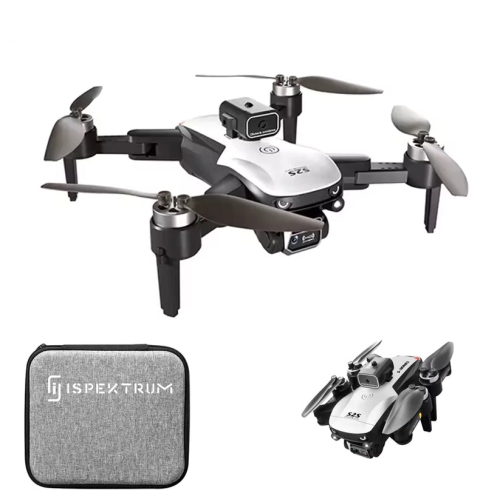
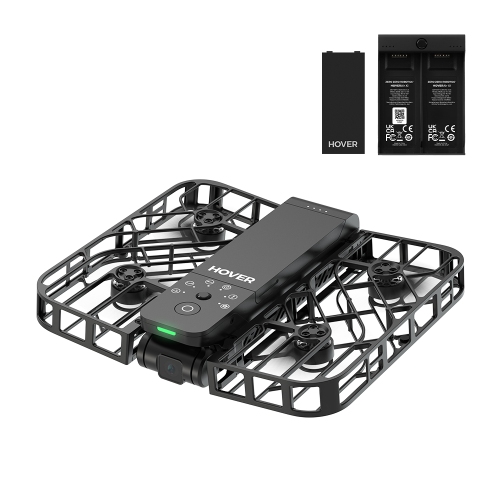
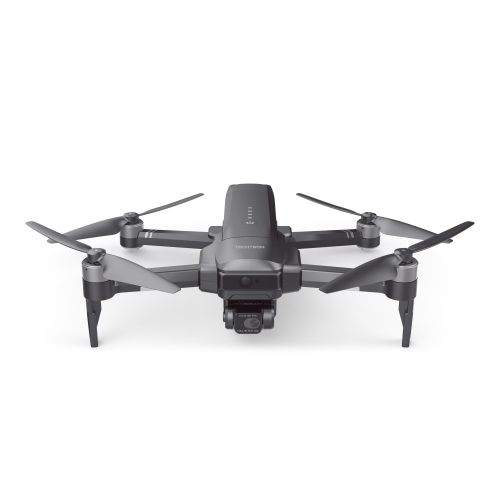
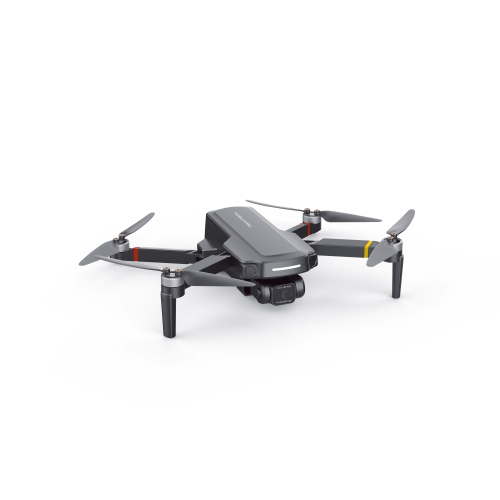
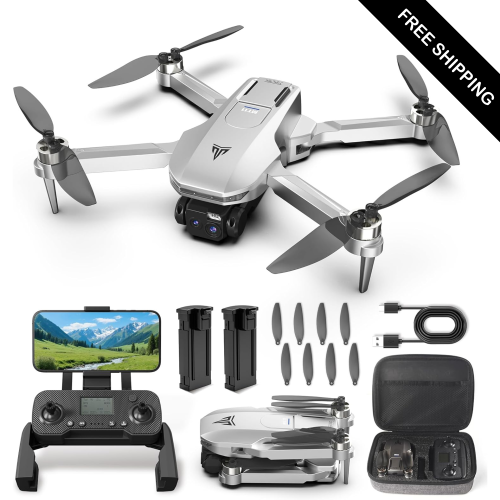
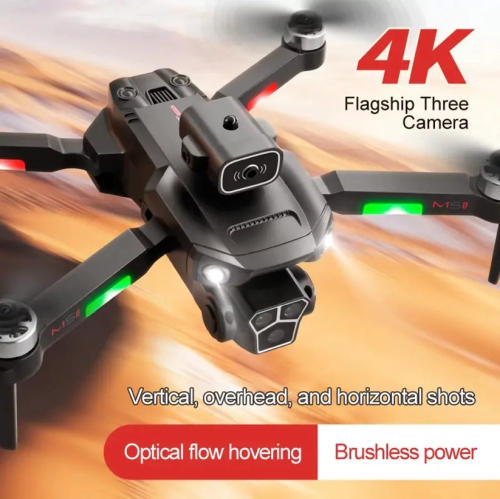
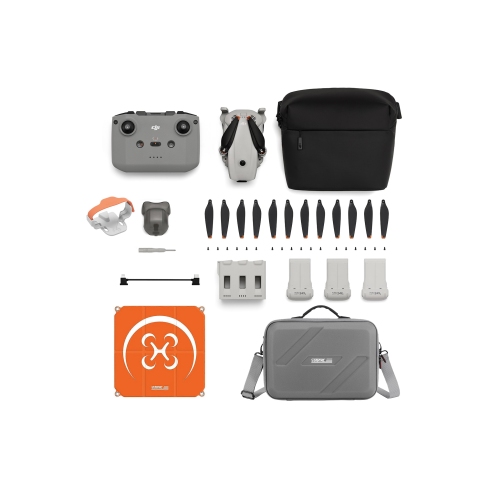
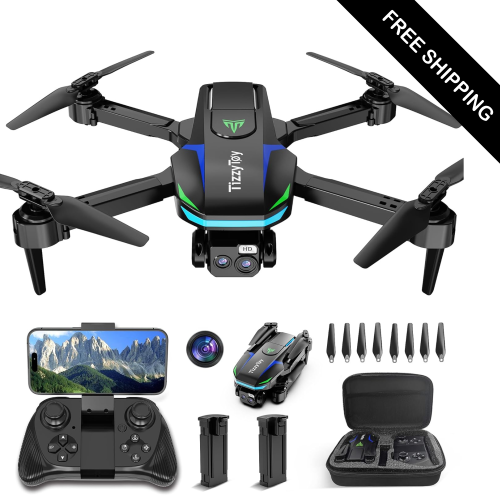
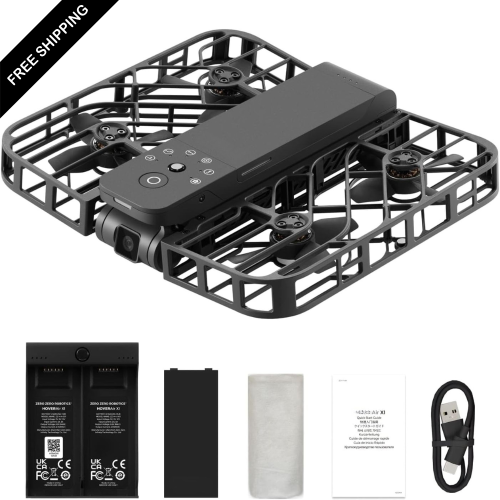
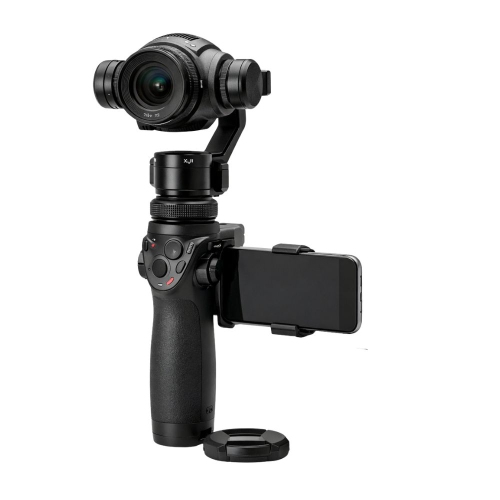
Aerial tools for polished property views and listing videos
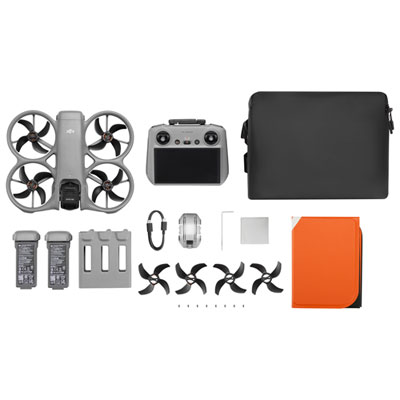
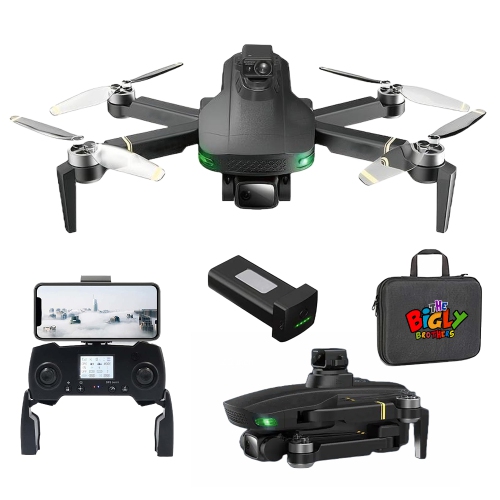
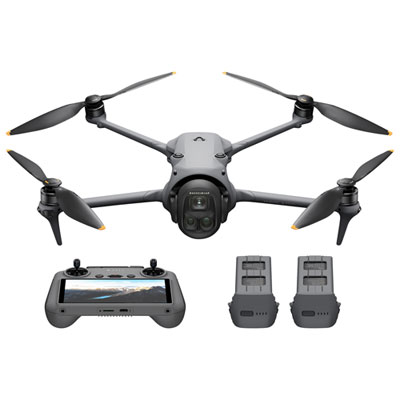
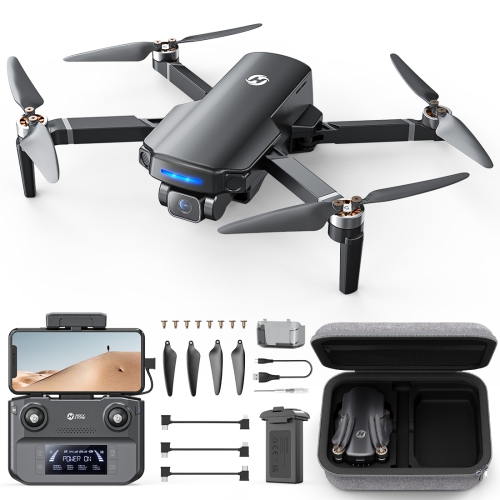
Drones for real estate photography help create the wide, polished views that ground-based cameras cannot easily capture. Aerial images can show a property’s relationship to nearby parks, waterfronts, golf courses, roads, mature trees and surrounding homes, while smooth overhead video can give prospective buyers a stronger sense of the lot, roofline, outdoor living areas and overall setting. They are useful for detached homes, rural properties, farms, waterfront residences, new developments and commercial spaces, as well as for agents who want a memorable opening or closing shot in a listing video. When choosing a drone for this type of work, start with the camera rather than the aircraft’s appearance. A minimum of 4K video is a practical baseline for sharp listing footage, while high-resolution stills and RAW photo support give photographers more flexibility when adjusting highlights, shadows and colour during editing. A larger image sensor can help preserve detail in difficult lighting, such as a bright sky above a shaded backyard, and a second camera with a telephoto perspective can make it easier to frame architectural details or compress the view of a long driveway without flying closer to the property. If you are comparing equipment for a broader range of outdoor shooting, explore Drones for Aerial Photography for additional options suited to elevated images and video.
Flight performance is just as important as image quality when a drone is being used to capture a complete property. A battery providing roughly 25 to 45 minutes of flight time can offer enough breathing room to photograph the front approach, rear elevation, yard, outbuildings and nearby features without rushing through every movement. Real-world flight time varies with wind, temperature, speed and the amount of hovering, so spare batteries and a charging solution can be valuable additions for a full day of appointments. Obstacle sensing in multiple directions is particularly helpful around suburban trees, utility lines, fences, roof peaks and unfamiliar buildings. Automated return-to-home functions, precise positioning and a stable connection can also make a shoot feel more controlled, although they do not replace attentive piloting. A heavier aircraft may hold its position more confidently when gusts move across an open field or waterfront, while a compact sub-250-gram model is easier to carry between appointments and may be more convenient in dense neighbourhoods. Weight can affect the rules that apply to a flight, but it does not remove the need to understand Canadian requirements. Pilots should review Transport Canada guidance, including registration, pilot certification, airspace restrictions, privacy considerations and rules for flying near people, airports and other sensitive locations. Local bylaws, property permissions and condominium policies may also affect where a drone can be launched or operated. Checking conditions before each flight is a sensible part of the shot list, particularly during the cooler months when shorter daylight, colder batteries and changing wind can alter the plan.
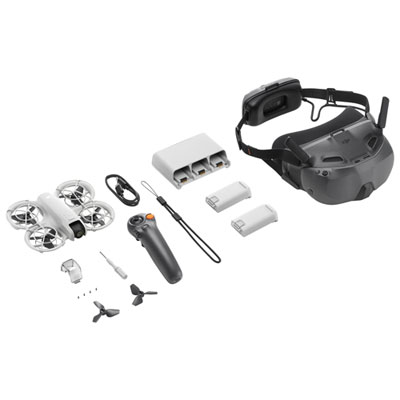
These drones can suit professional real estate photographers, agents who produce their own listing content, property managers, builders, appraisers and small creative teams that need flexible equipment for repeat assignments. They may also be a thoughtful gift for a licensed hobbyist or an aspiring photographer who already understands the responsibilities that come with operating an aircraft, provided the recipient has a suitable place to practise and is prepared to follow local rules. Beginners often appreciate a smaller, quieter drone with straightforward controls, dependable automatic flight features and a camera that can produce ready-to-share results without a complicated setup. More experienced users may prefer a model with stronger wind resistance, longer endurance, manual exposure controls, multiple focal lengths and higher-quality files for detailed post-production. Before buying, consider the complete kit: extra batteries, propeller guards where appropriate, spare propellers, a remote controller, memory cards with sufficient write speed, a carrying case and a tablet or phone that is compatible with the flight app. It is also worth considering how the footage will be used. Bright midday flights can reveal landscaping and roof details, while softer light near the beginning or end of the day can add depth to façades and patios; an aircraft with reliable exposure control and a gimbal that keeps the camera level will help maintain a professional look in either situation. Keep movements deliberate, leave generous space around the home and capture a mixture of establishing views and closer details rather than relying on one dramatic pass. With the right combination of camera capability, flight time, safety features and operator preparation, a drone can become a practical part of a real estate content workflow, helping buyers understand not only what a property looks like, but how it feels within its surroundings.
Flight performance is just as important as image quality when a drone is being used to capture a complete property. A battery providing roughly 25 to 45 minutes of flight time can offer enough breathing room to photograph the front approach, rear elevation, yard, outbuildings and nearby features without rushing through every movement. Real-world flight time varies with wind, temperature, speed and the amount of hovering, so spare batteries and a charging solution can be valuable additions for a full day of appointments. Obstacle sensing in multiple directions is particularly helpful around suburban trees, utility lines, fences, roof peaks and unfamiliar buildings. Automated return-to-home functions, precise positioning and a stable connection can also make a shoot feel more controlled, although they do not replace attentive piloting. A heavier aircraft may hold its position more confidently when gusts move across an open field or waterfront, while a compact sub-250-gram model is easier to carry between appointments and may be more convenient in dense neighbourhoods. Weight can affect the rules that apply to a flight, but it does not remove the need to understand Canadian requirements. Pilots should review Transport Canada guidance, including registration, pilot certification, airspace restrictions, privacy considerations and rules for flying near people, airports and other sensitive locations. Local bylaws, property permissions and condominium policies may also affect where a drone can be launched or operated. Checking conditions before each flight is a sensible part of the shot list, particularly during the cooler months when shorter daylight, colder batteries and changing wind can alter the plan.
These drones can suit professional real estate photographers, agents who produce their own listing content, property managers, builders, appraisers and small creative teams that need flexible equipment for repeat assignments. They may also be a thoughtful gift for a licensed hobbyist or an aspiring photographer who already understands the responsibilities that come with operating an aircraft, provided the recipient has a suitable place to practise and is prepared to follow local rules. Beginners often appreciate a smaller, quieter drone with straightforward controls, dependable automatic flight features and a camera that can produce ready-to-share results without a complicated setup. More experienced users may prefer a model with stronger wind resistance, longer endurance, manual exposure controls, multiple focal lengths and higher-quality files for detailed post-production. Before buying, consider the complete kit: extra batteries, propeller guards where appropriate, spare propellers, a remote controller, memory cards with sufficient write speed, a carrying case and a tablet or phone that is compatible with the flight app. It is also worth considering how the footage will be used. Bright midday flights can reveal landscaping and roof details, while softer light near the beginning or end of the day can add depth to façades and patios; an aircraft with reliable exposure control and a gimbal that keeps the camera level will help maintain a professional look in either situation. Keep movements deliberate, leave generous space around the home and capture a mixture of establishing views and closer details rather than relying on one dramatic pass. With the right combination of camera capability, flight time, safety features and operator preparation, a drone can become a practical part of a real estate content workflow, helping buyers understand not only what a property looks like, but how it feels within its surroundings.
Top selling and popular products
-
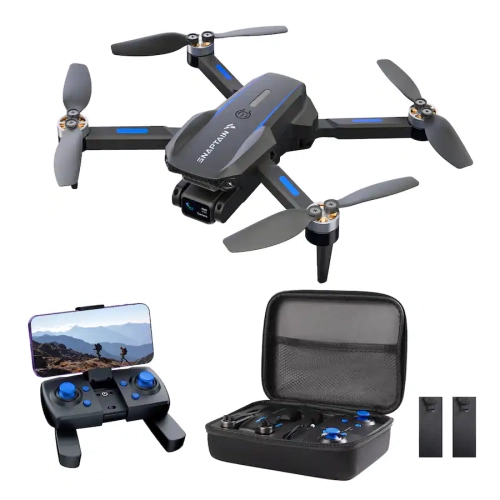 Your price for this item is $109.98
 -
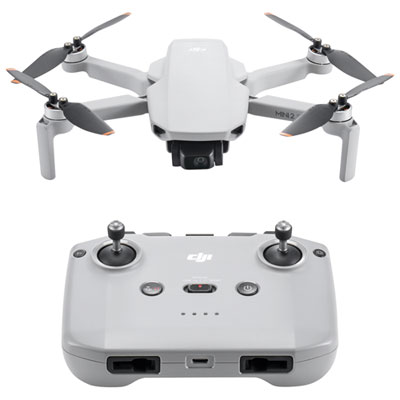 Your price for this item is $359.99
 -
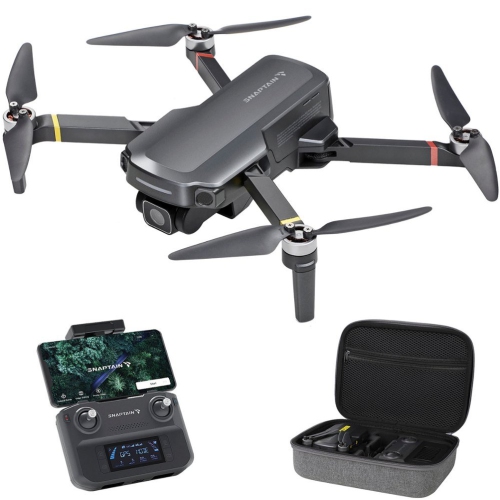 Your price for this item is $279.9
 -
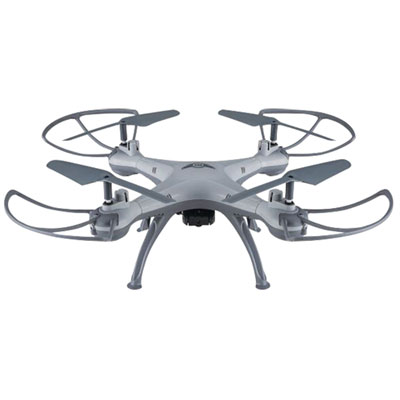 Your price for this item is $49.99
 -
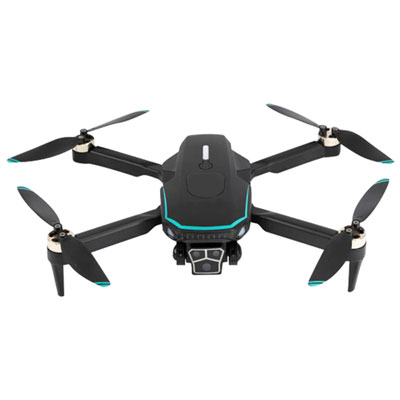 Your price for this item is $79.99
 -
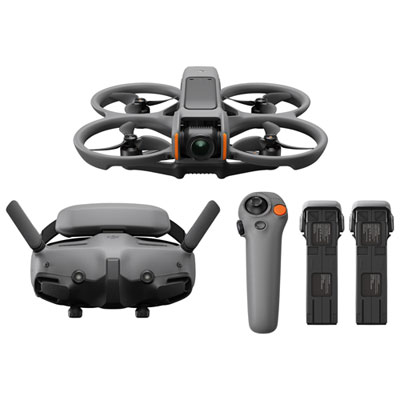 Your price for this item is $1279.99
 -
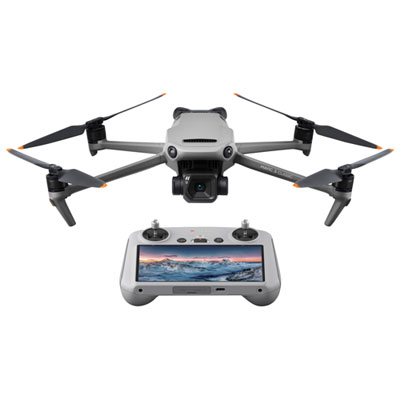 Your price for this item is $1759.99
 -
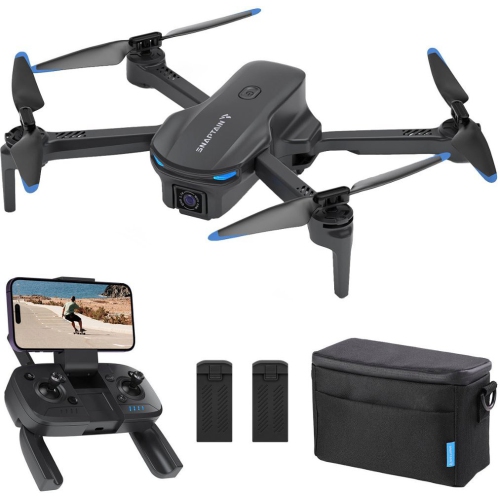 Your price for this item is $189.9
Discover more categories related to Drones for Real Estate Photography
Top Collections:
Pokemon Centers, Kindle Devices, Best Budget Office Chairs, Apple iPhones 16, Best Laptops for Writers, iPhone 15 Apple, Canon G7X Cameras, Refurbished Apple Laptops, Alarm Clock, Motorola Razr Phones
Some products may be subject to Environmental Handling Fees
(EHF) depending on your province.
Learn more about EHFs.