DSLR Cameras With Optical Viewfinders
DSLR Cameras With Optical Viewfinders offer photography enthusiasts and professionals a classic shooting experience with precise framing and real-time image composition. Whether capturing stunning landscapes, fast-moving action, or memorable portraits, these cameras provide the reliability and control that photographers value. Explore a wide selection of DSLR Cameras With Optical Viewfinders to find the perfect match for your creative vision and photography needs.
Sort
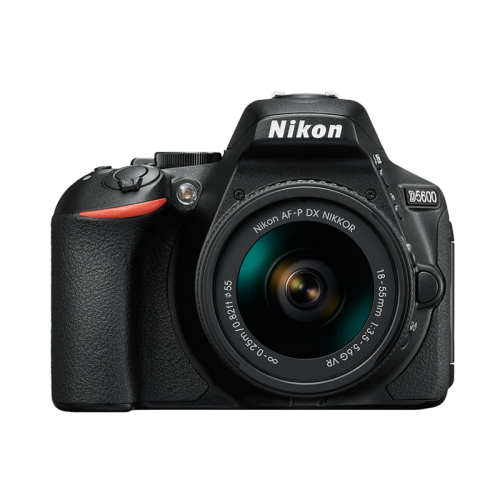

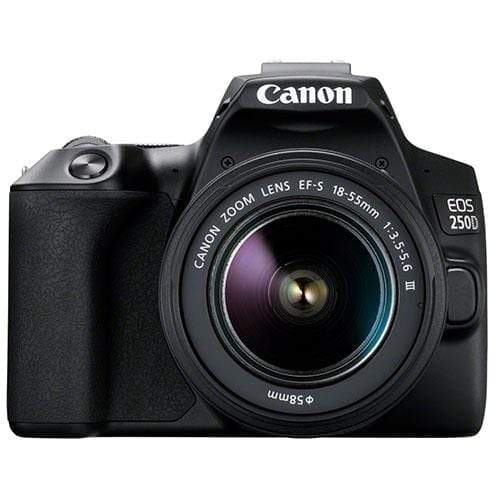

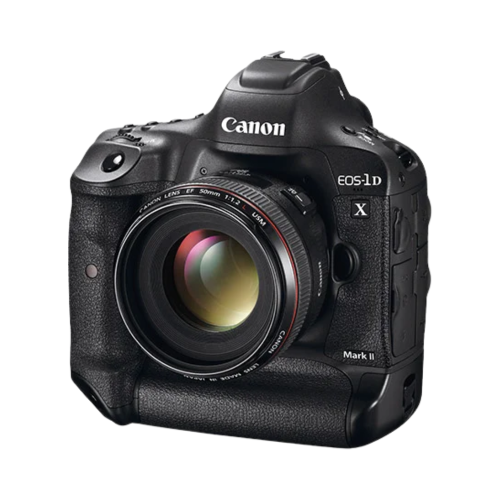
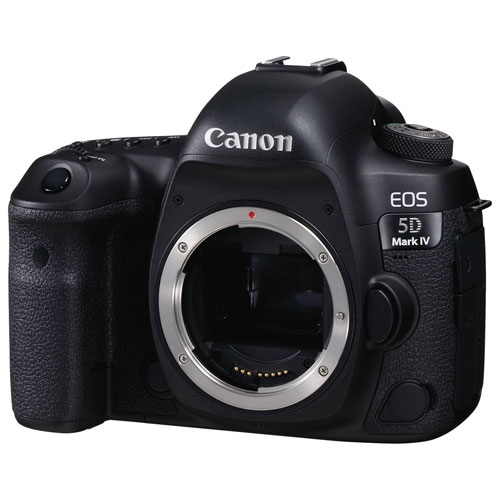
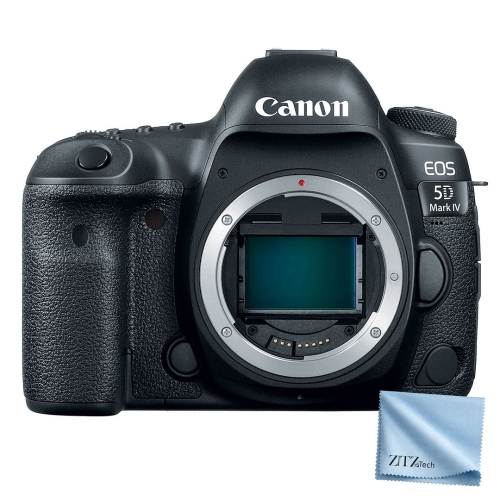
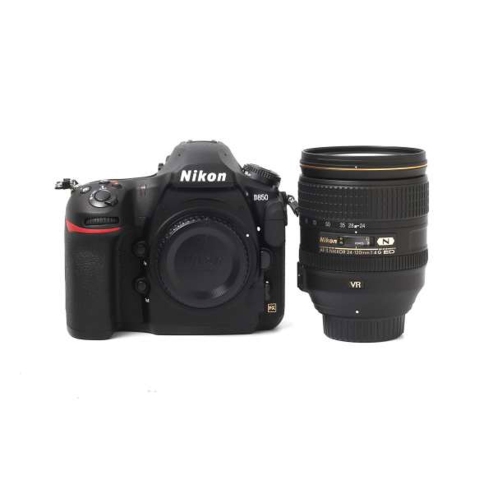

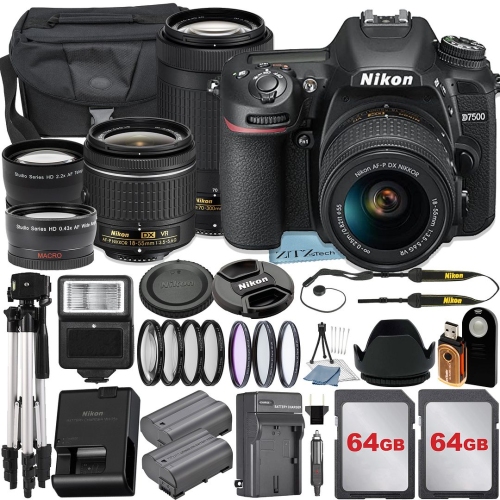
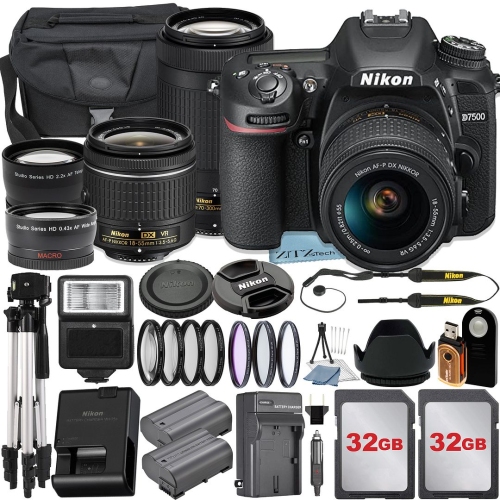
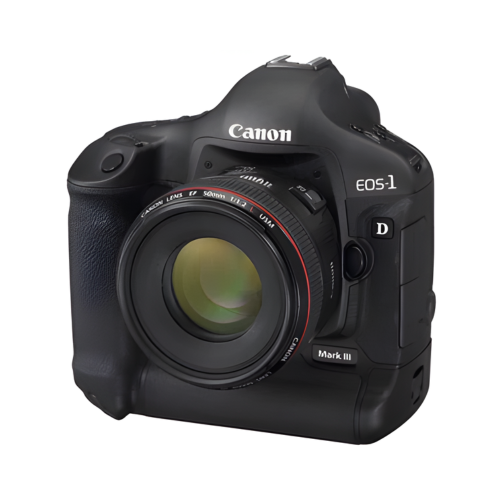
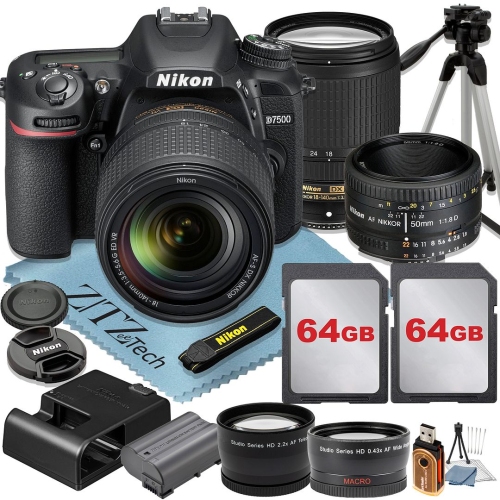
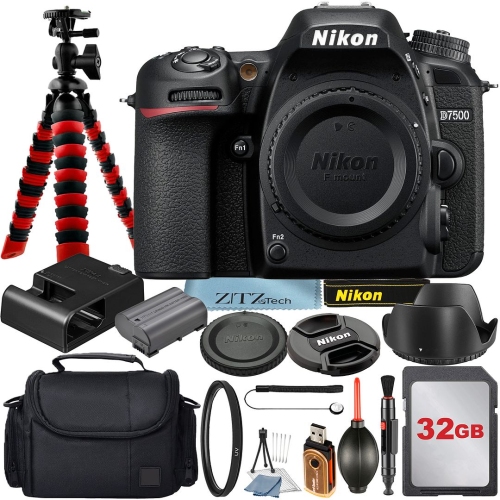
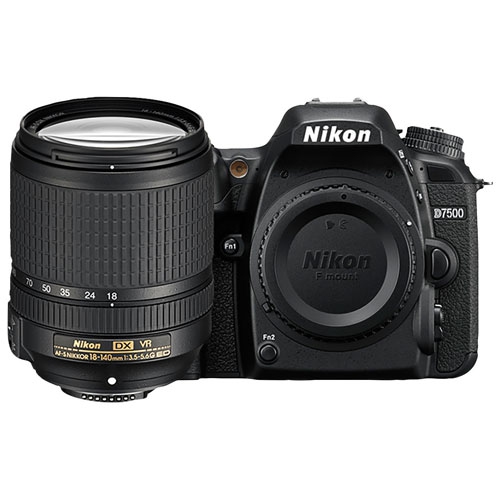
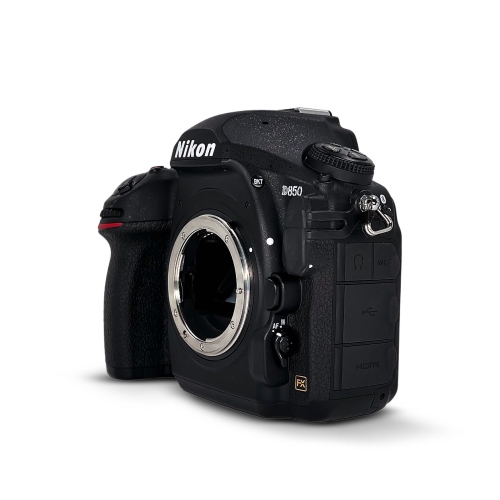

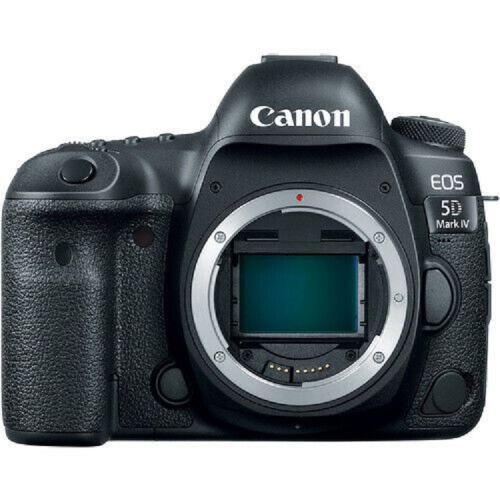
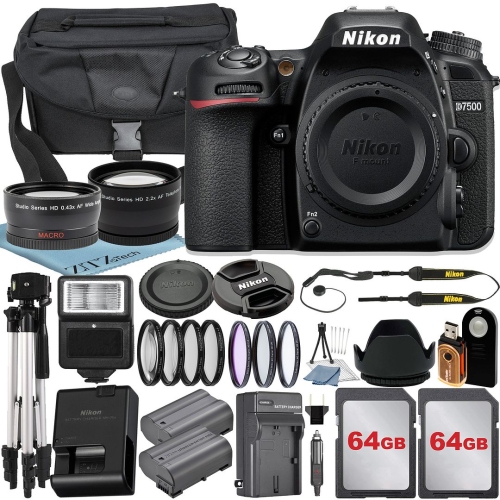
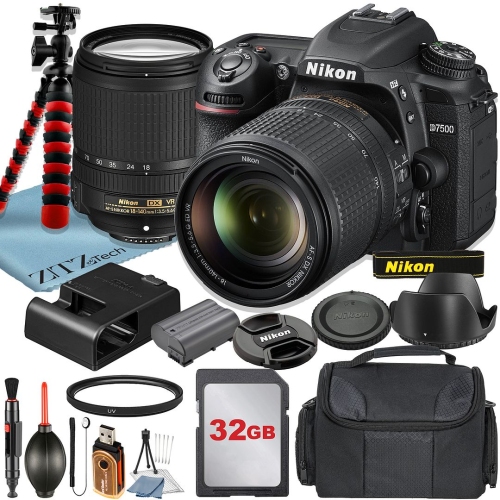
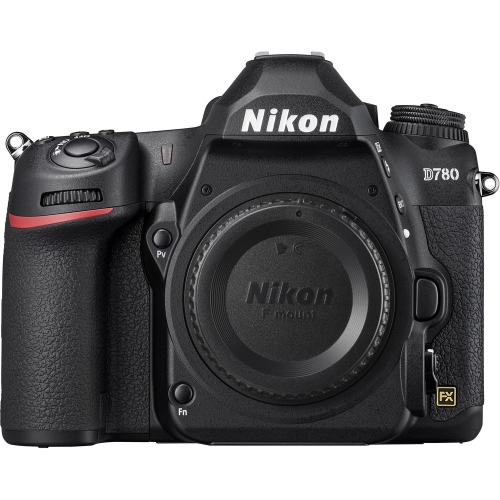
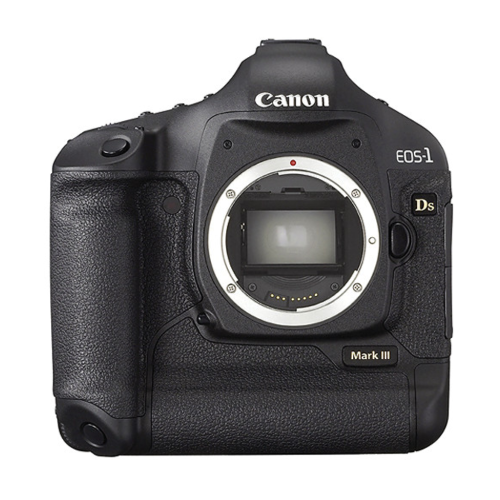
A direct optical view of moments in motion
DSLR cameras with optical viewfinders provide a direct, through-the-lens view for composing photographs. A DSLR, short for digital single-lens reflex camera, uses a mirror and an optical viewing system to direct light from the lens to the photographer’s eye. During a photograph, the mirror lifts so light can reach the image sensor, briefly interrupting the view through the finder. Unlike an electronic viewfinder, which displays a digital image, an optical viewfinder shows the scene without electronic display lag. That distinction appeals to photographers who prefer watching expressions, gestures, and movement through an optical image rather than a screen. At a family gathering, it can make it comfortable to follow a child moving between relatives; beside a basketball court, it gives a clear view of players approaching the basket. Optical viewing does not eliminate shutter delay or guarantee sharp action photographs, but it offers a familiar, responsive way to follow a subject. Viewfinder coverage, magnification, and eye relief all influence the experience. Coverage describes how much of the captured image is visible before taking the photograph. With less than full coverage, small details near the edges may appear in the finished image even though they were outside the visible frame. Magnification affects the apparent size of the view, while eye relief matters for seeing the corners comfortably, particularly when wearing glasses. An adjustable dioptre helps bring viewfinder markings into focus for different eyesight needs. Exposure information and autofocus indicators are commonly visible within the finder, although their layout varies. The optical image itself does not preview white balance, picture styles, or exposure adjustments in the same way an electronic display can. Meter readings, image playback, and the histogram therefore remain useful companions to optical composition, especially when photographing a person against a bright window or preserving detail in a pale subject.
Sensor format and lens choice shape what a DSLR can do just as much as its viewfinder. APS-C sensors capture a narrower angle of view than full-frame sensors when using the same focal length, which can be useful for framing distant action or wildlife. Full-frame sensors can offer advantages for managing image noise and creating shallow depth of field, although results also depend on sensor design, the lens, exposure settings, and shooting technique. Neither format makes every photograph better automatically. A high-resolution sensor provides room for cropping and detailed prints, but larger files also require more storage and can make camera movement or missed focus more noticeable. Lens compatibility deserves particular attention because matching a mount does not always establish complete compatibility. The lens’s image circle, autofocus operation, and any required adapters all matter. A general-purpose zoom suits outings where subjects range from a wide group photograph to a closer portrait. A longer lens helps frame a performer from the audience, while a wide-aperture lens can separate a face from a busy background or admit more light indoors. Close-up photography benefits from a lens designed to focus at short distances. Image stabilization may be provided in the lens or camera body, depending on the system; it can reduce blur from hand movement but cannot freeze a moving subject. For action photography through the optical finder, autofocus point coverage, subject tracking, and continuous shooting performance are useful considerations alongside lens choice. Widely spaced focus points can make off-centre compositions easier, while accessible controls help when a subject changes direction unexpectedly. Many DSLRs also offer rear-screen live view, sometimes with a tilting or articulated display for low angles and overhead framing. Autofocus behaviour can differ between viewfinder shooting and live view. During normal video recording, the mirror remains raised, so framing takes place on the rear screen or a connected display rather than through the optical viewfinder.
Comfort and construction become especially noticeable when a DSLR is carried for several hours or paired with a substantial lens. Bodies may use reinforced polymers, metal alloys, or a combination of materials, with differences in weight, rigidity, and grip shape. A deeper handgrip can feel reassuring with a longer lens, while a lighter body may be easier to carry through a museum or on a walking tour. The best fit depends on the complete camera-and-lens combination, not the body alone. Button spacing, dial placement, and access to frequently used settings matter for small and large hands alike. A clear rear display is helpful for reviewing focus, and a comfortable strap or supportive carrying system can make longer sessions less tiring. Optical composition generally draws less power than keeping a rear screen active for continuous framing, though autofocus, image review, wireless functions, and video recording still affect battery life. Careful handling helps protect both image quality and durability. A padded bag with fitted compartments prevents lenses and bodies from knocking together, while lens and body caps help keep dust away from exposed surfaces. Changing lenses in a clean location, keeping the camera opening pointed downward, and avoiding unnecessary contact with the mount area can reduce the chance of dust reaching the sensor. Exterior glass benefits from gentle cleaning with suitable optical tools rather than clothing or household cleaners. Sensor cleaning requires particular care, and professional servicing is sensible when marks persist or the procedure is unfamiliar. For a photography student, an experienced hobbyist, or someone receiving a camera as a gift, existing lenses, preferred subjects, and handling preferences are more useful starting points than megapixel count alone. A DSLR can suit someone who enjoys learning exposure through physical controls and building a lens collection around particular interests. When comparing digital cameras with viewfinders, the distinction between optical and electronic viewing is important: not every camera with an eye-level finder uses a reflex mirror or provides an optical view.
Top selling and popular products
-
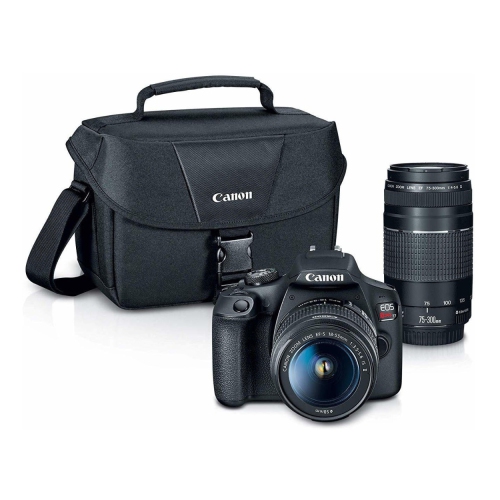 Your price for this item is $1039.95
-
 Your price for this item is $799.99
-
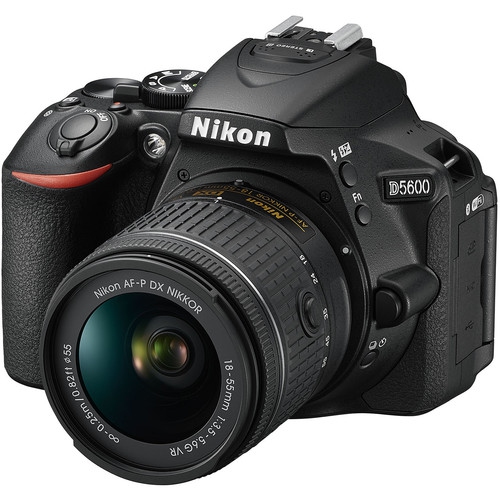 Your price for this item is $1309.95
-
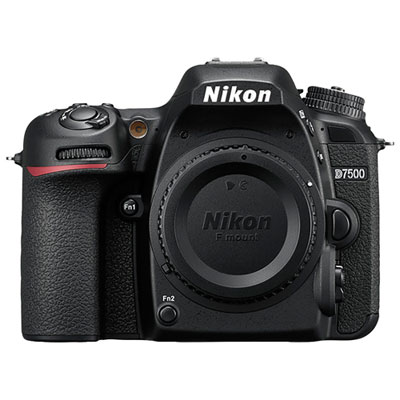 Your price for this item is $879.99
-
 Your price for this item is $1199.95
-
 Your price for this item is $1919.95
-
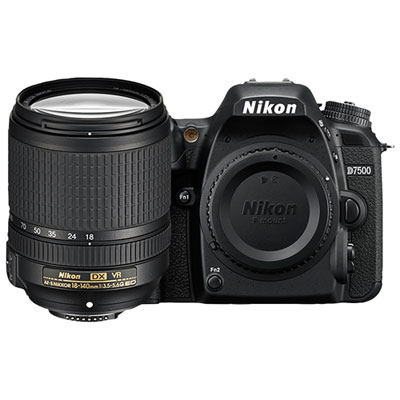 Your price for this item is $1279.99
-
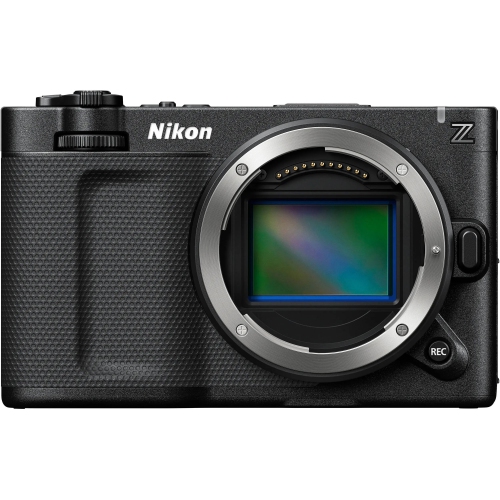 Your price for this item is $2889.99
Discover more categories related to DSLR Cameras With Optical Viewfinders
Top Collections:
Pokemon Centers, Kindle Devices, Best Cameras for Sports Photography, Pokémon 30th Celebration Cards, Apple iPhones 16, Canon G7X Cameras, iPhone 15 Apple, Flip Phones, Samsung Galaxy Phones, Alarm Clock
Some products may be subject to Environmental Handling Fees
(EHF) depending on your province.
Learn more about EHFs.