DSLR for Photography
Capture stunning moments with our range of DSLR cameras designed for photography enthusiasts and professionals alike. Elevate your creativity and unleash your artistic vision with the power and precision of these advanced imaging tools. Whether you are a seasoned photographer looking to upgrade or a beginner eager to explore the world of photography, our selection of DSLRs offers cutting-edge technology, exceptional image quality, and user-friendly features to help you capture every detail with clarity and finesse. Discover the perfect companion for your photographic journey and bring your vision to life with our diverse collection of DSLR cameras.
Sort
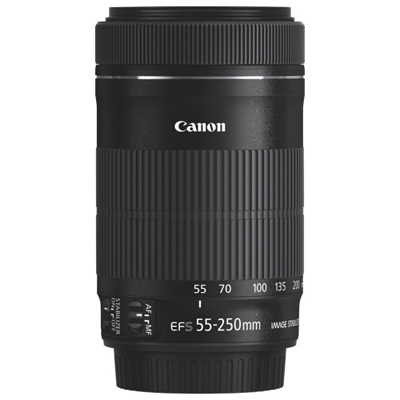
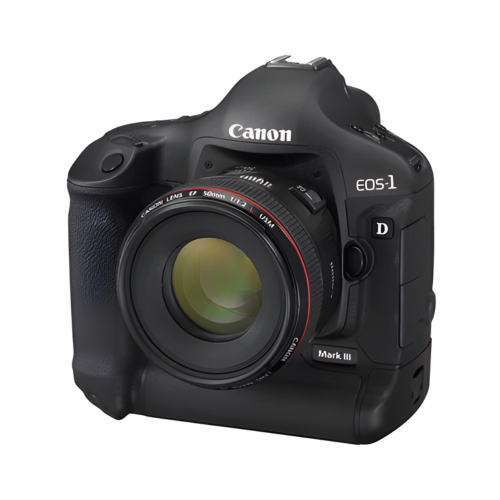
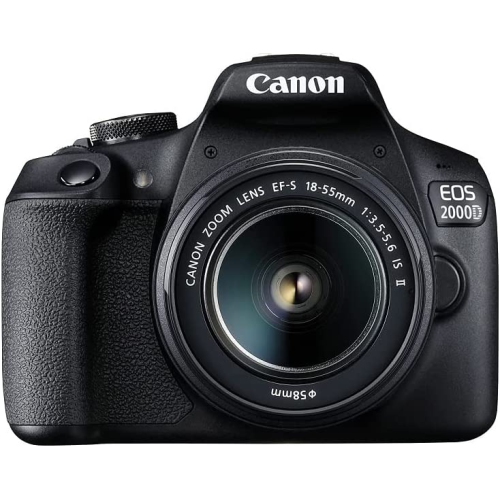
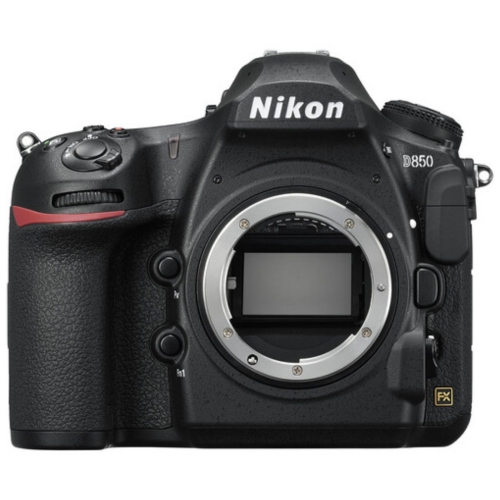
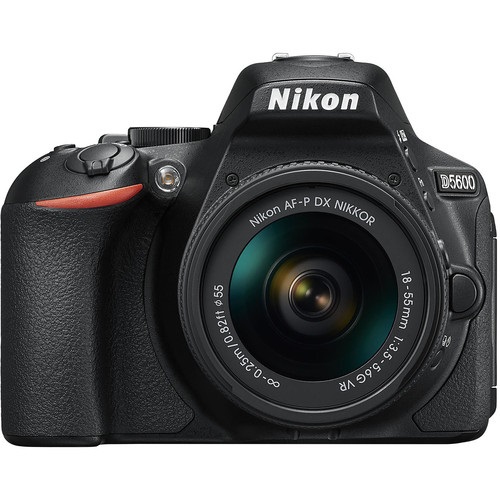
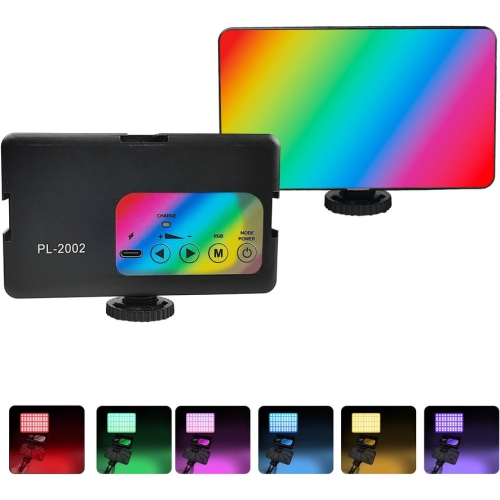
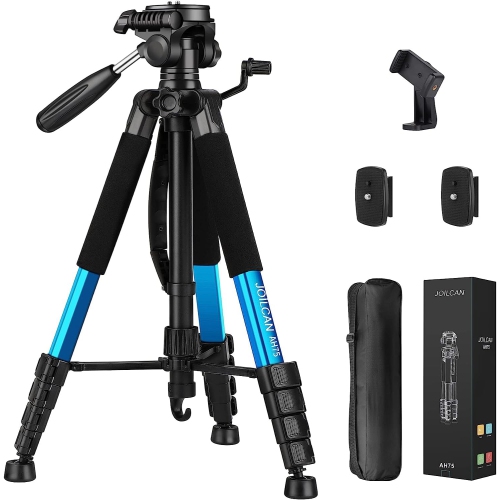
More control and creative flexibility beyond smartphone photography
DSLR cameras for photography remain a dependable choice for anyone who wants more control, detail, and creative flexibility than a phone or basic point-and-shoot camera can provide. A DSLR uses a mirror mechanism to direct light from the lens to an optical viewfinder, allowing you to see the scene through the lens before capturing it. When you press the shutter button, the mirror moves aside and the camera records the image on its sensor. This design gives photographers a direct, natural view of a subject and makes it easier to follow movement, frame a composition, or anticipate a fleeting moment. DSLR cameras for photography are available in a range of sizes and capabilities, from approachable models suited to learning manual settings to advanced cameras designed for demanding professional work. They can be used for family portraits, travel photography, landscapes, architecture, food, pets, wildlife, sports, and everyday snapshots. A camera with a 24-megapixel-class sensor can provide ample detail for prints, photo books, and online galleries, while higher-resolution options can preserve fine textures in expansive landscapes or allow more flexibility when cropping. Resolution is only one part of image quality, however. Sensor size, lens quality, autofocus performance, image processing, and the photographer’s technique all influence the final result. A beginner may appreciate a straightforward control layout, helpful scene modes, and a comfortable grip, while an experienced photographer may place greater importance on custom buttons, a bright viewfinder, fast continuous shooting, and precise control over exposure. The right DSLR should feel inviting enough to pick up regularly, because familiarity with its controls often matters just as much as the specifications printed on the box.
Choosing a DSLR for photography starts with considering the subjects you expect to capture and the conditions in which you will use the camera. For portraits, look for a camera that works well with lenses offering a wide aperture, which can create a softly blurred background while keeping a face or pair of eyes sharply defined. For landscapes, strong detail, reliable metering, and compatibility with wide-angle lenses can help preserve the layered look of distant hills, open water, and dramatic skies. Photographing birds, pets, or sports places greater emphasis on autofocus tracking, shutter response, burst speed, and comfortable handling with a longer lens. If you often take pictures indoors, during the cooler months, or at evening gatherings, check the camera’s low-light performance and usable ISO range. Higher ISO settings can help you photograph a child blowing out birthday candles or friends gathered around a warmly lit table without relying entirely on flash, although a tripod, faster lens, or additional lighting may still be useful. Lens compatibility deserves careful attention. Many DSLR camera bodies are sold with a versatile starter lens that covers common everyday perspectives, while separate wide-angle, telephoto, macro, or portrait lenses can expand what you are able to create later. A kit that includes a memory card, spare battery, camera bag, and cleaning supplies may be convenient for someone building a first setup, but photographers who already own compatible lenses may prefer a body-only option. Other practical details include the weight of the camera and lens together, the size and brightness of the rear display, the number of memory card slots, battery life, built-in flash availability, and whether the body offers protection against dust or light moisture. These details become noticeable during real use: a well-balanced camera is easier to carry along a long walking route, while a clear viewfinder and responsive controls can make the difference when a fox pauses at the edge of a field or sunlight briefly reaches a mountain ridge.
DSLR cameras for photography can be a thoughtful gift for a new hobbyist, a student studying visual arts, a parent documenting family milestones, or an experienced photographer ready to replace an older camera body. For a first-time user, an accessible camera with automatic modes can make the transition from smartphone photography less intimidating, while manual exposure controls provide room to learn how aperture, shutter speed, and ISO work together. A faster shutter speed can freeze a cyclist in motion; a slower shutter speed can turn moving water into a smooth, misty stream; and a wider aperture can separate a subject from a busy background. Many photographers begin by keeping the camera in an automatic or semi-automatic mode, then gradually experiment with exposure compensation, aperture priority, shutter priority, and full manual operation as their confidence grows. RAW capture can preserve more editing information for photographers who plan to adjust highlights, shadows, colour, and white balance, while JPEG files are convenient for quick sharing and everyday use. A sturdy tripod can help with landscapes, night scenes, and family self-portraits, and an external flash or reflector can provide more flattering light for indoor portraits. Those interested in creating moving images may also want to browse DSLR Cameras for Video Shooting to compare options suited to video recording. Before choosing, consider the complete system rather than only the camera body: the lenses you may add, the accessories you will carry, the storage space required for high-resolution files, and the learning curve that matches your experience. The best choice is one that feels comfortable in your hands and supports the images you are eager to make, whether that means capturing crisp details in a snowy trail, warm portraits indoors, or spontaneous moments during a weekend away.
Choosing a DSLR for photography starts with considering the subjects you expect to capture and the conditions in which you will use the camera. For portraits, look for a camera that works well with lenses offering a wide aperture, which can create a softly blurred background while keeping a face or pair of eyes sharply defined. For landscapes, strong detail, reliable metering, and compatibility with wide-angle lenses can help preserve the layered look of distant hills, open water, and dramatic skies. Photographing birds, pets, or sports places greater emphasis on autofocus tracking, shutter response, burst speed, and comfortable handling with a longer lens. If you often take pictures indoors, during the cooler months, or at evening gatherings, check the camera’s low-light performance and usable ISO range. Higher ISO settings can help you photograph a child blowing out birthday candles or friends gathered around a warmly lit table without relying entirely on flash, although a tripod, faster lens, or additional lighting may still be useful. Lens compatibility deserves careful attention. Many DSLR camera bodies are sold with a versatile starter lens that covers common everyday perspectives, while separate wide-angle, telephoto, macro, or portrait lenses can expand what you are able to create later. A kit that includes a memory card, spare battery, camera bag, and cleaning supplies may be convenient for someone building a first setup, but photographers who already own compatible lenses may prefer a body-only option. Other practical details include the weight of the camera and lens together, the size and brightness of the rear display, the number of memory card slots, battery life, built-in flash availability, and whether the body offers protection against dust or light moisture. These details become noticeable during real use: a well-balanced camera is easier to carry along a long walking route, while a clear viewfinder and responsive controls can make the difference when a fox pauses at the edge of a field or sunlight briefly reaches a mountain ridge.
DSLR cameras for photography can be a thoughtful gift for a new hobbyist, a student studying visual arts, a parent documenting family milestones, or an experienced photographer ready to replace an older camera body. For a first-time user, an accessible camera with automatic modes can make the transition from smartphone photography less intimidating, while manual exposure controls provide room to learn how aperture, shutter speed, and ISO work together. A faster shutter speed can freeze a cyclist in motion; a slower shutter speed can turn moving water into a smooth, misty stream; and a wider aperture can separate a subject from a busy background. Many photographers begin by keeping the camera in an automatic or semi-automatic mode, then gradually experiment with exposure compensation, aperture priority, shutter priority, and full manual operation as their confidence grows. RAW capture can preserve more editing information for photographers who plan to adjust highlights, shadows, colour, and white balance, while JPEG files are convenient for quick sharing and everyday use. A sturdy tripod can help with landscapes, night scenes, and family self-portraits, and an external flash or reflector can provide more flattering light for indoor portraits. Those interested in creating moving images may also want to browse DSLR Cameras for Video Shooting to compare options suited to video recording. Before choosing, consider the complete system rather than only the camera body: the lenses you may add, the accessories you will carry, the storage space required for high-resolution files, and the learning curve that matches your experience. The best choice is one that feels comfortable in your hands and supports the images you are eager to make, whether that means capturing crisp details in a snowy trail, warm portraits indoors, or spontaneous moments during a weekend away.
Top selling and popular products
-
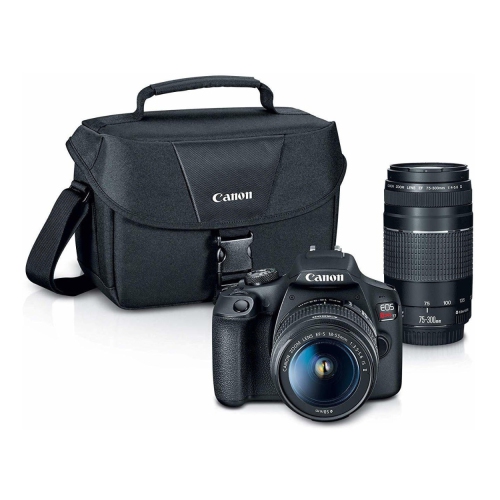 Your price for this item is $1039.95
 -
 Your price for this item is $549.99
 -
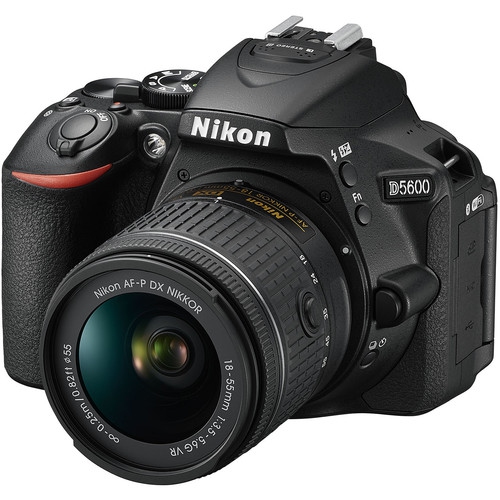 Your price for this item is $1309.95
 -
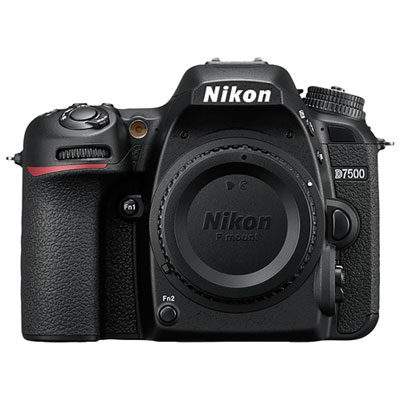 Your price for this item is $1279.95
 -
 Your price for this item is $1199.95
 -
 Your price for this item is $1909.95
 -
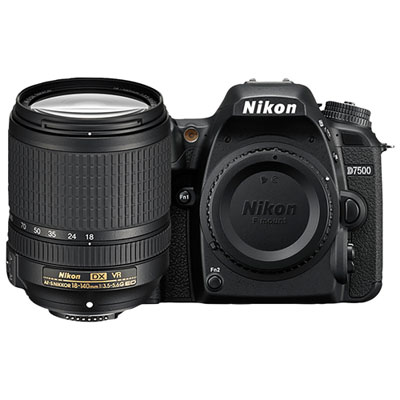 Your price for this item is $1679.95
 -
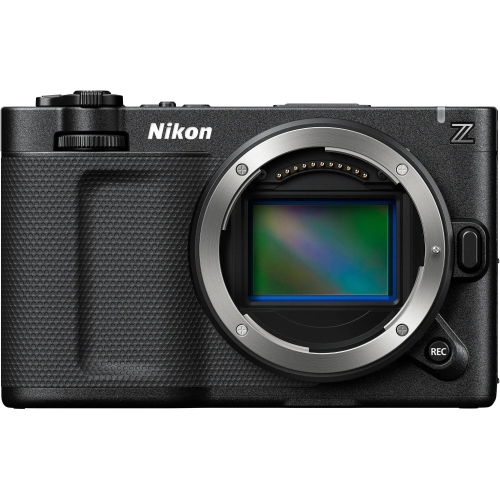 Your price for this item is $2754.95
Discover more categories related to DSLR for Photography
Top Collections:
Pokemon Centers, Kindle Devices, Best Cell Phones Under $500, Alarm Clock, Canon G7X Cameras, iPhone 15 Apple, Laptops for Students, Budget Smartphones, iPhone 14 256GB, Best Camera Tripods Under $100
Some products may be subject to Environmental Handling Fees
(EHF) depending on your province.
Learn more about EHFs.