DSLR Cameras for Video Shooting
Capture stunning videos with the help of these DSLR cameras designed for video shooting. Whether you're an aspiring filmmaker, a content creator, or simply want to elevate your vlogging game, these DSLR cameras offer unparalleled versatility and exceptional image quality. With advanced features like manual controls, interchangeable lenses, and superior low-light performance, these cameras empower you to unleash your creativity and produce professional-looking videos that leave a lasting impression. Discover the perfect DSLR cameras for your video shooting needs and take your videography skills to new heights.
Sort

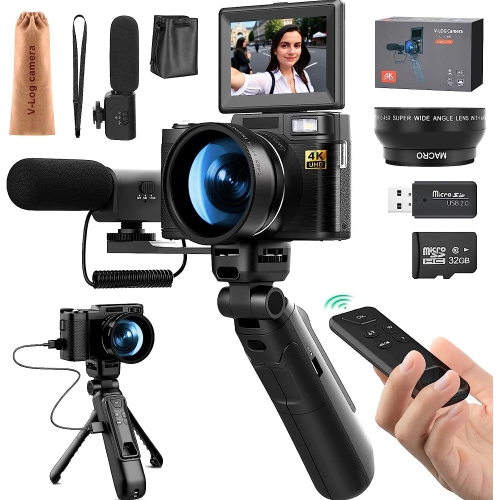
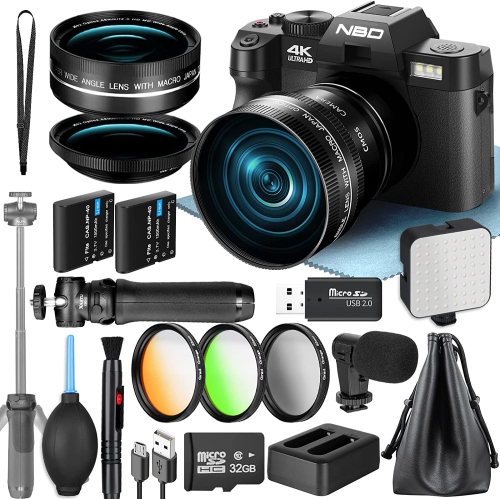

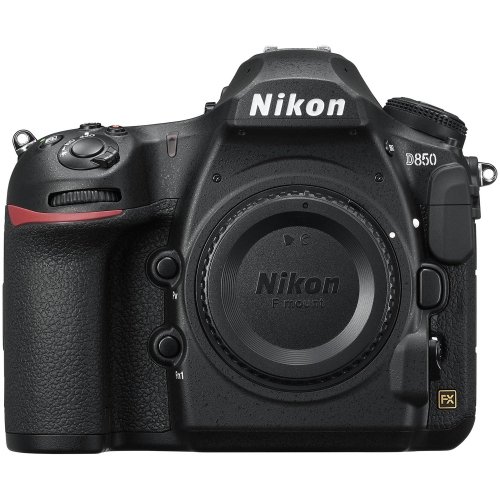
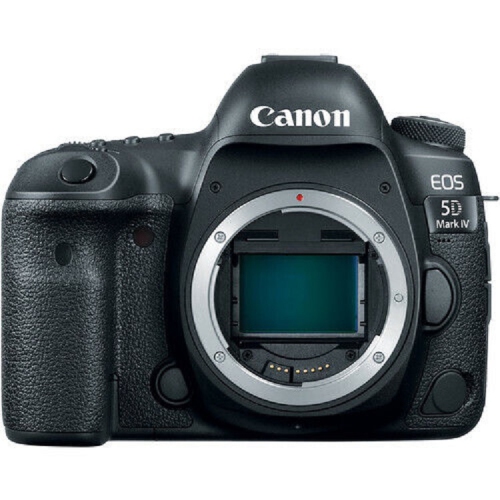

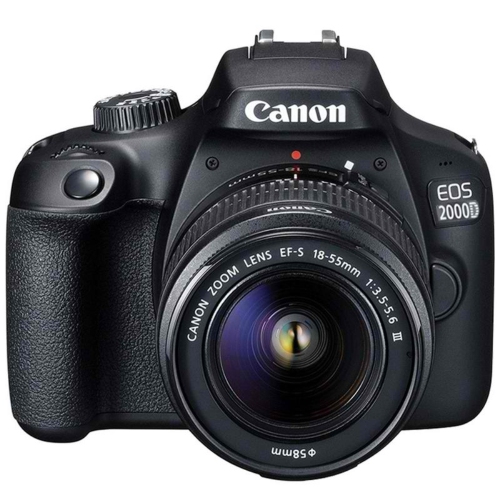
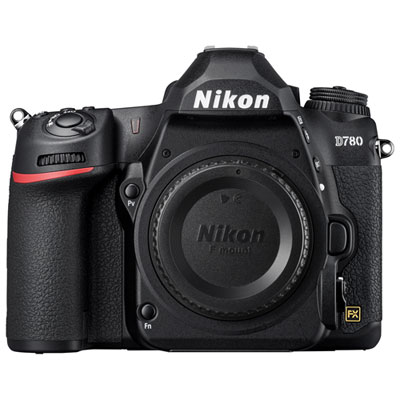
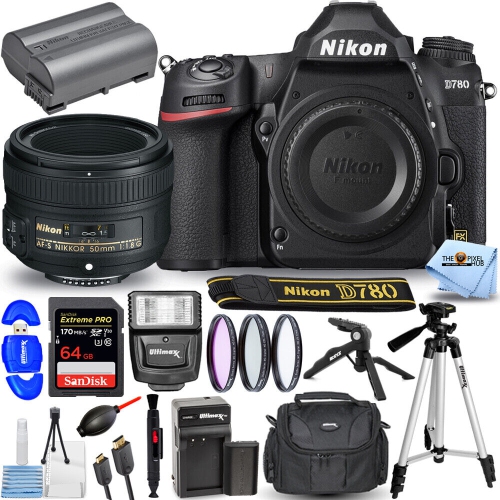
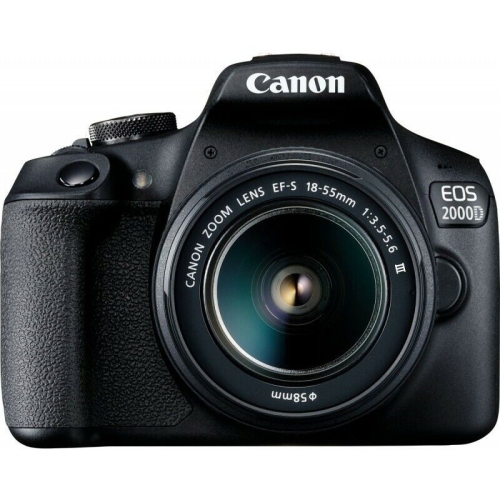
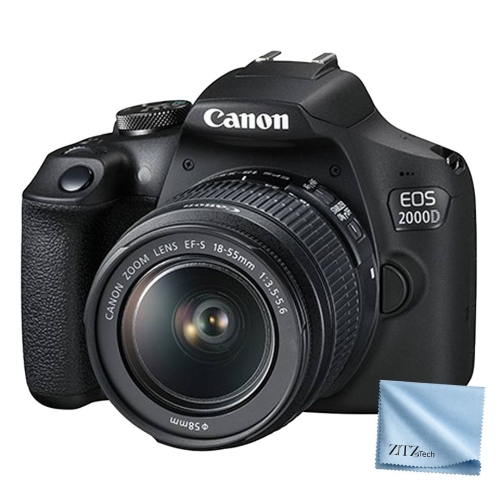
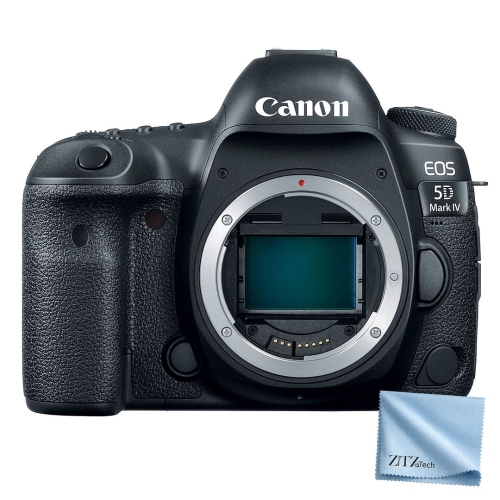
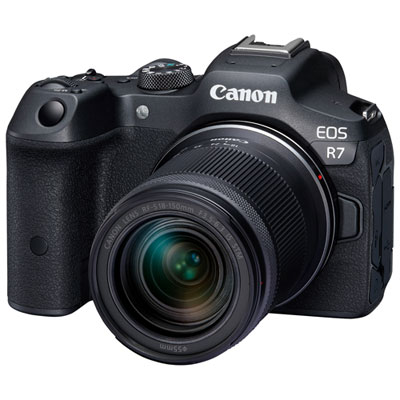
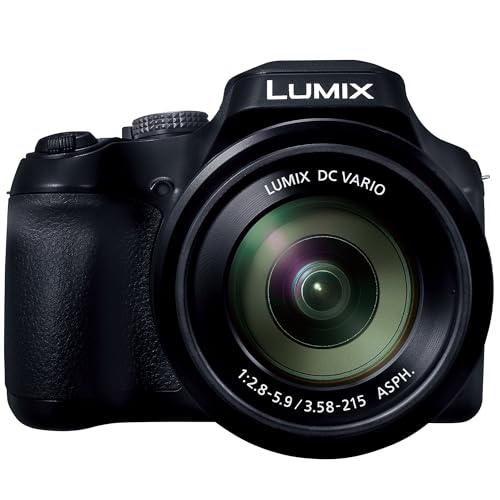
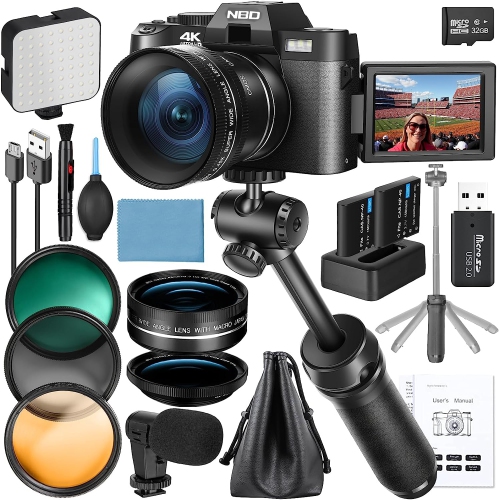
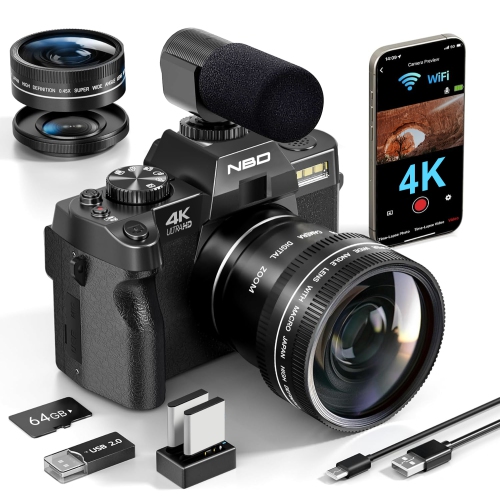
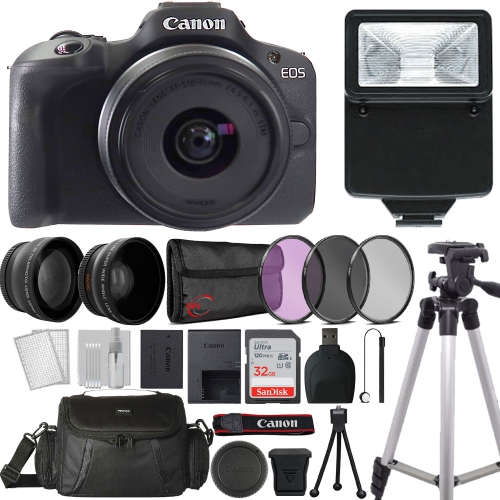
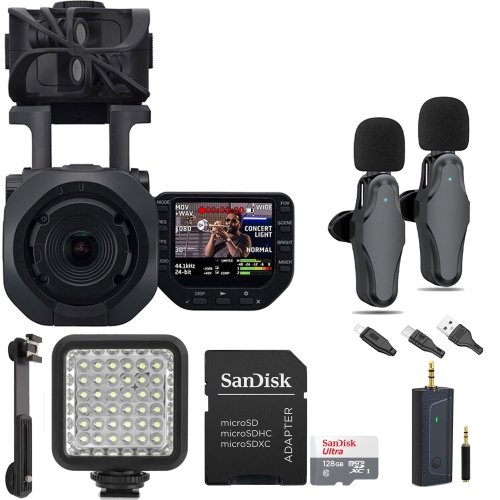

Why DSLR video quality goes beyond resolution
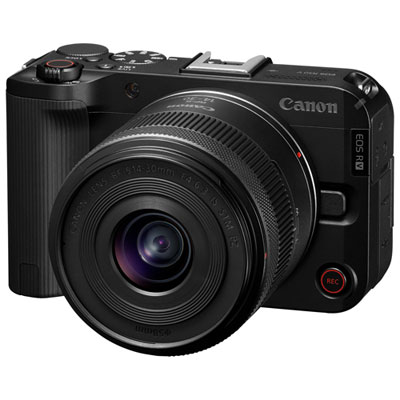
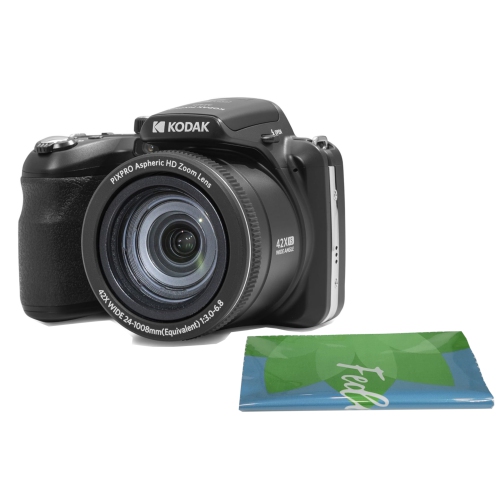
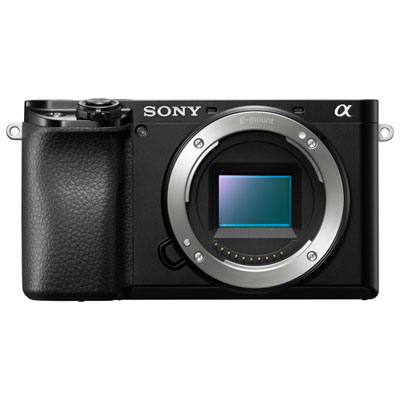
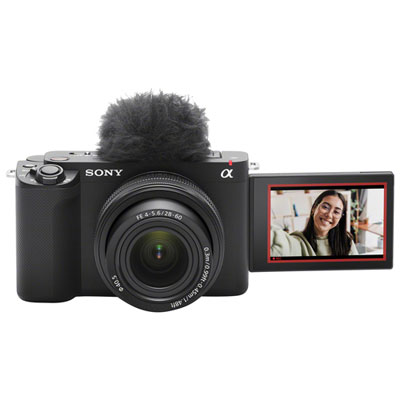
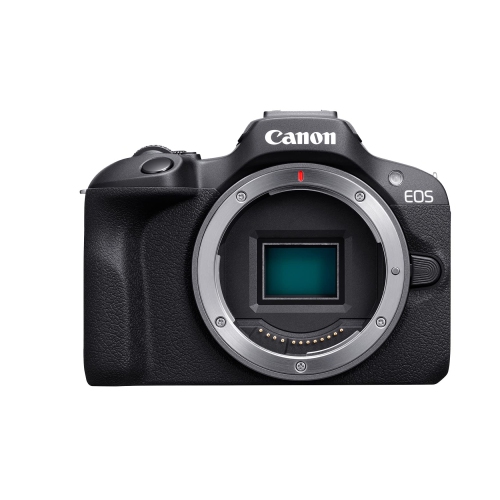
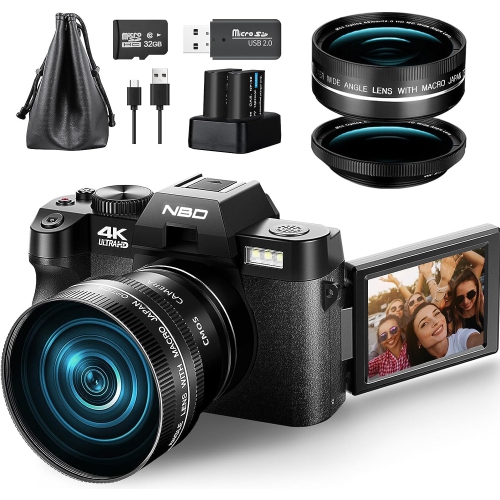
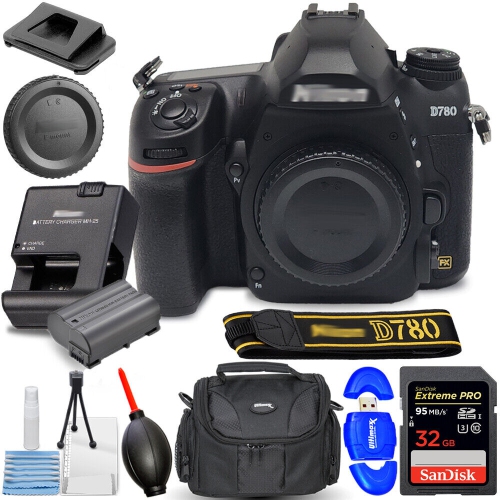
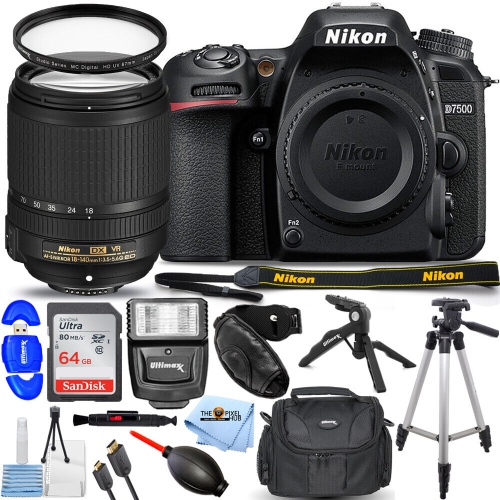
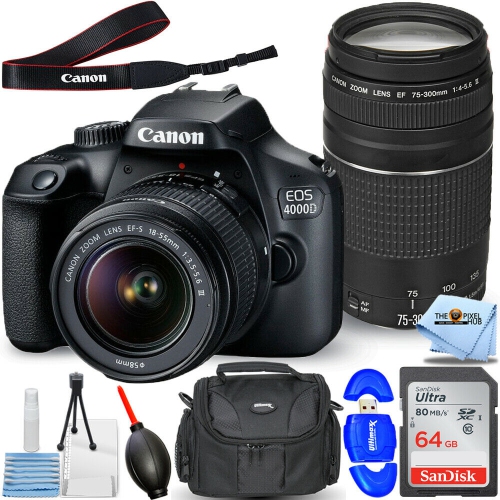
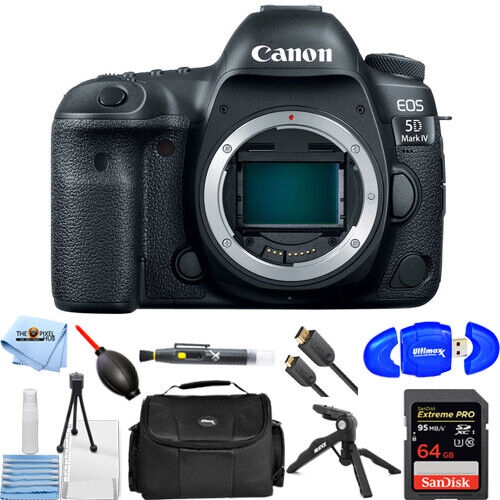
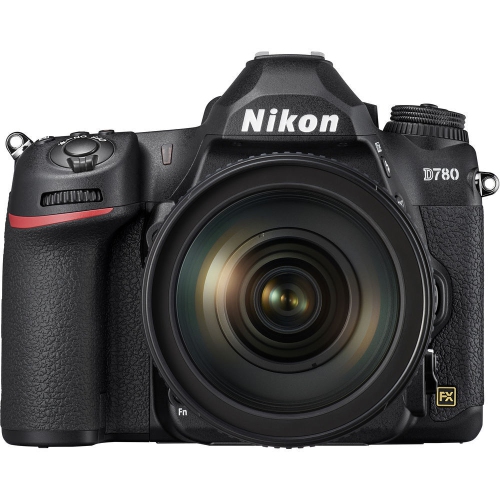
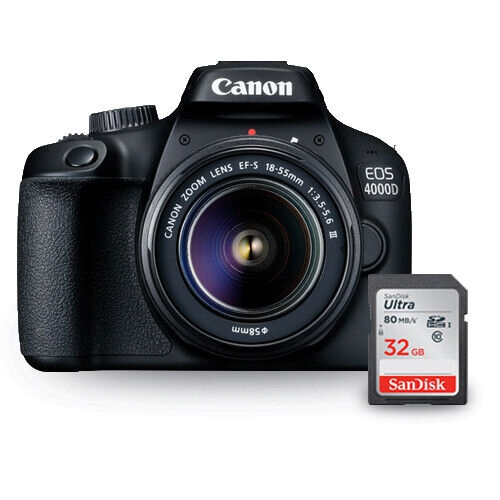
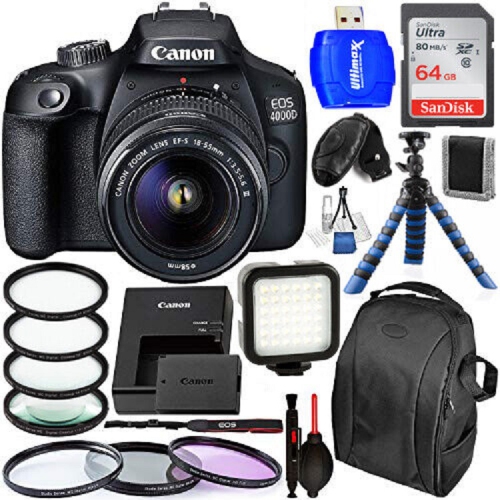
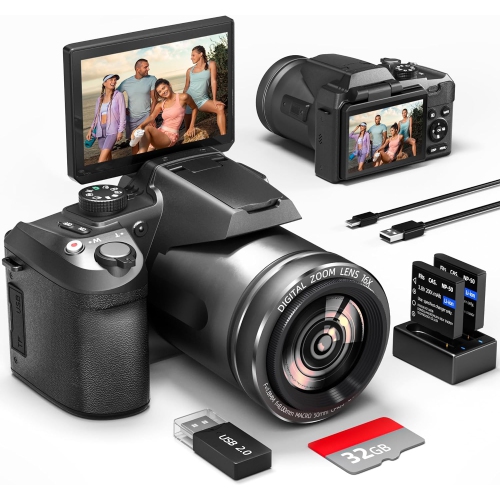
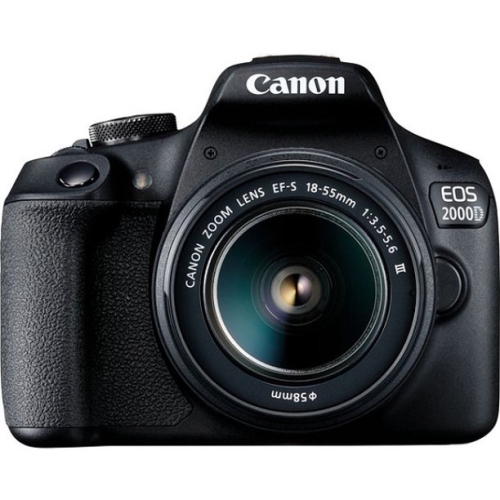
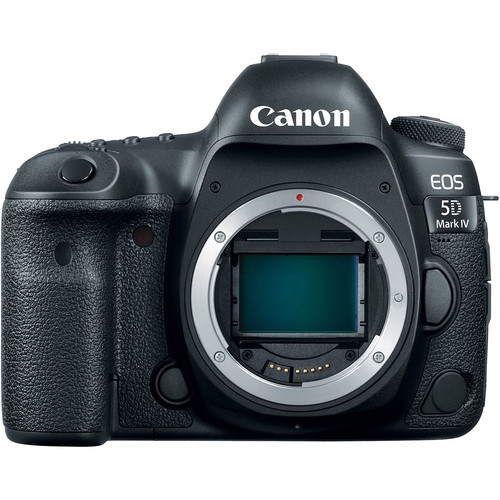
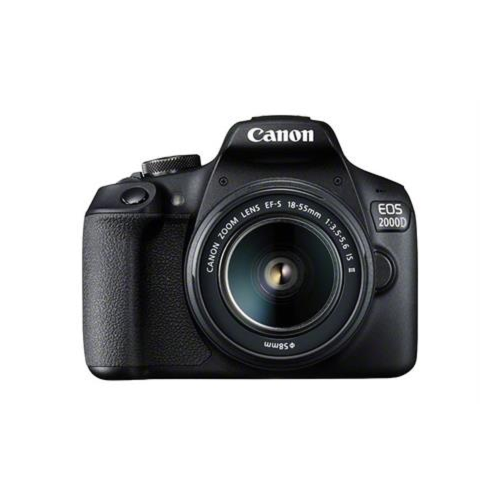
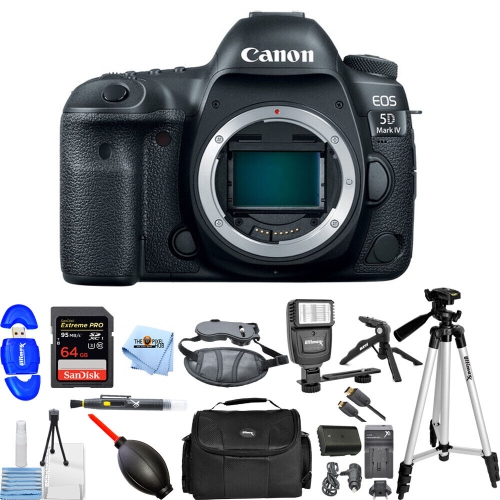
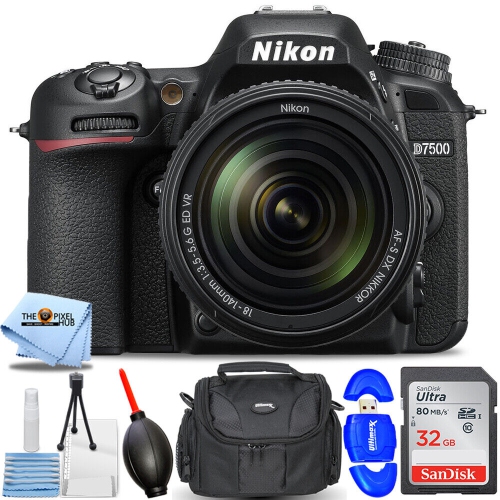
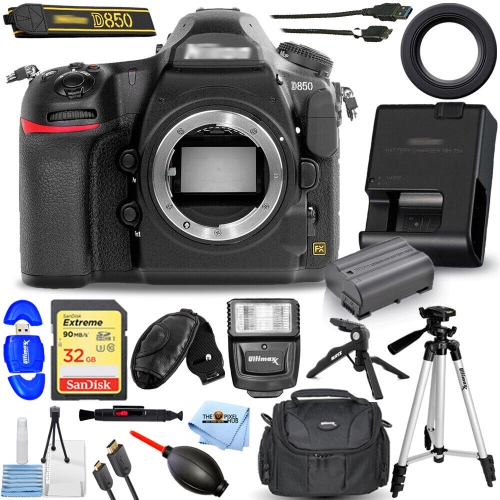
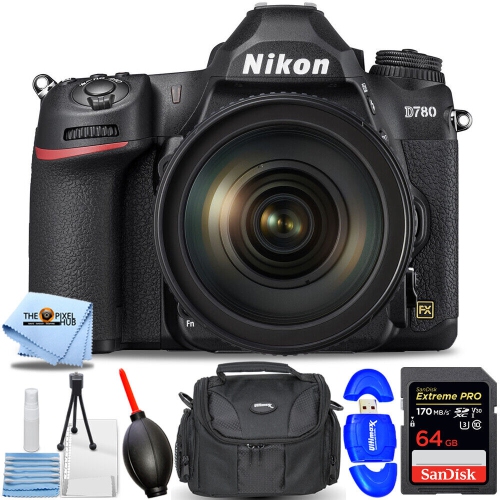
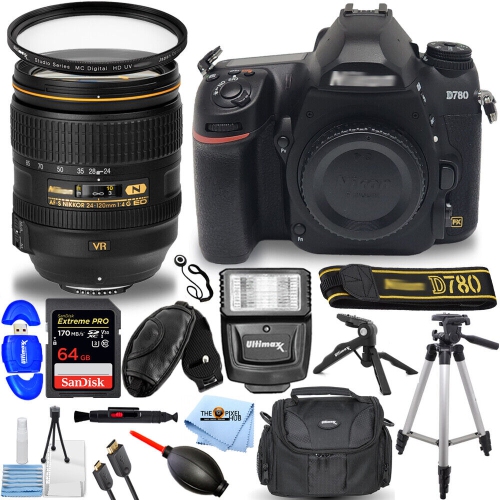
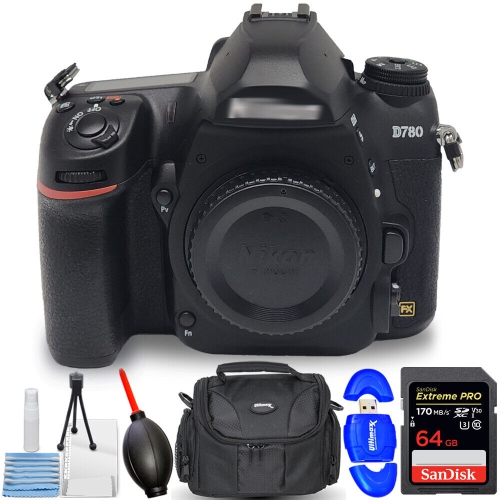
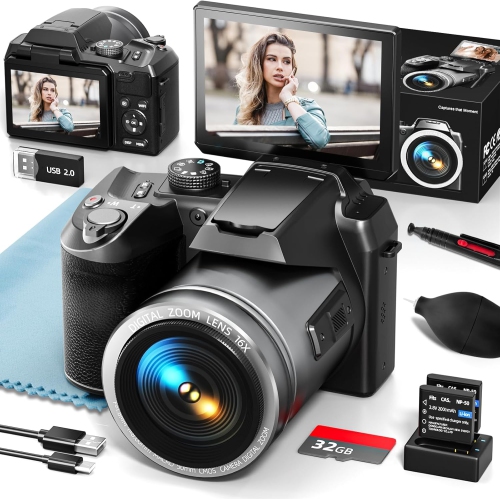
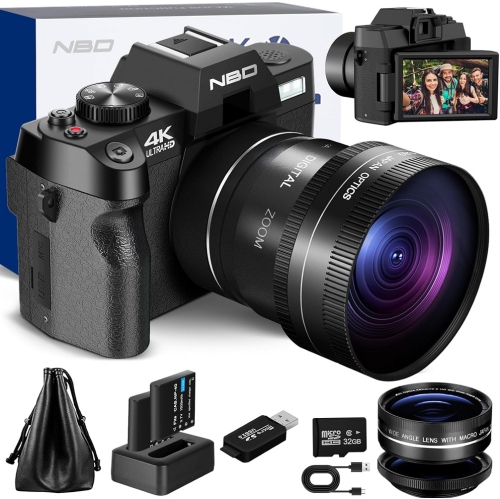
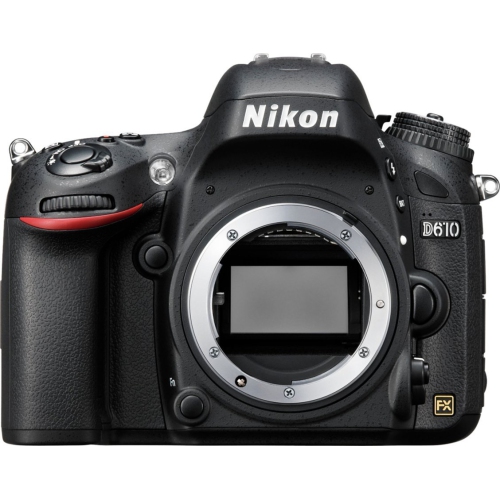
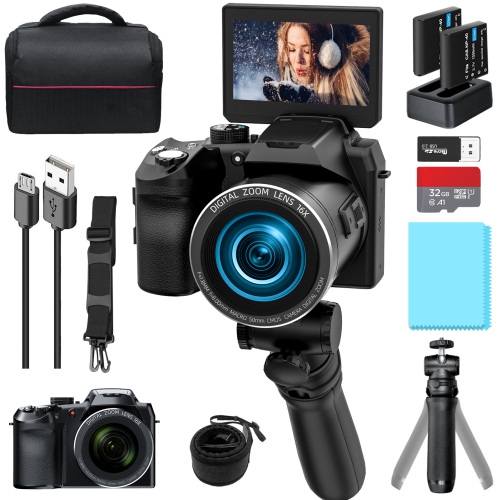
DSLR cameras for video shooting combine interchangeable lenses, hands-on controls, and strong still-photo capabilities in a single camera body. They suit creators who move between photography and filming, whether capturing an interview, documenting a dance performance, recording a cooking demonstration, or building a short film around carefully composed scenes. The DSLR format uses a mirror and optical viewfinder for still photography; during video capture, the mirror lifts and framing generally moves to the rear screen or a connected monitor. That makes the quality and movement of the screen especially important for video work. A vari-angle touchscreen can help a solo presenter check framing from in front of the lens, while a tilting display makes low-angle shots easier without crouching behind the camera. Useful video features include dependable autofocus during recording, an external microphone input, adjustable exposure settings, and resolution and frame-rate options that match the intended project. Full HD can be well suited to everyday clips, presentations, and online lessons, while 4K captures additional detail and provides room to crop when the finished video will be delivered in Full HD. Resolution alone does not determine the result: lens quality, lighting, focus accuracy, and the camera’s processing all contribute to how footage looks. Some DSLRs apply an additional crop in 4K, narrowing the field of view and making a small room feel tighter on screen. Others offer different autofocus functions depending on the recording mode. These distinctions matter for a presenter filming at arm’s length or a musician trying to fit both a keyboard and their hands into the frame. Frame rates also shape the look and purpose of a clip. Options such as 24 or 30 frames per second work well for dialogue and everyday movement, while higher frame rates, where supported, can capture smoother action or support slow-motion playback. A DSLR’s appeal is the flexibility to handle these different tasks while remaining a capable camera for portraits, event photography, and detailed still images.
Lens choice has a major influence on how a DSLR video setup feels to use and what it can capture. A wide-angle lens provides breathing room for an indoor tutorial or a group gathered around a table, while a standard zoom can move between a speaker’s face and a closer view of their work without a lens change. A telephoto lens brings a distant performer or athlete closer, although its narrower view makes camera movement more noticeable. Prime lenses with wide maximum apertures can create a softly blurred background and admit more light, but shallow depth of field leaves less margin for a subject who leans towards or away from the camera. Sensor size affects framing and depth of field too. Both APS-C and full-frame DSLRs can produce detailed footage, with differences in lens coverage, body size, and the combinations of settings needed for a particular look. Lens-mount compatibility is essential, especially for photographers adding video to an existing kit; physical fit does not always guarantee every autofocus or exposure function will work as expected. For shoppers interested in a particular camera system, Canon Cameras for Video Shooting offers a more focused browsing option. During filming, continuous autofocus and face tracking can help keep a moving presenter sharp, but performance varies by body, lens, resolution, and recording mode. Smooth focus transitions are often more useful than abrupt shifts that pull attention away from the scene. Manual focus remains valuable for a fixed interview position or a planned transition between foreground and background. Where available, focus magnification or peaking can make that work easier, though some focus aids may have restrictions during recording. Stabilization deserves similar attention: many DSLR setups rely on stabilization in the lens, camera support, or mode-dependent electronic stabilization rather than in-body stabilization. A tripod suits a locked-off interview, while a properly balanced gimbal can support moving shots. For handheld filming, the combined weight of the body and lens, grip shape, and access to controls all affect comfort over a longer session.
Sound, handling, and practical durability matter just as much as the image when a camera becomes part of a regular recording routine. Built-in microphones are convenient for reference audio and casual clips, but they may also pick up lens motors, button presses, and handling noise. A 3.5 mm microphone input allows a compatible external microphone to capture clearer dialogue closer to the speaker. Manual audio-level controls help manage louder passages, and a headphone output, when included, makes it possible to hear distracting noise before an entire take is finished. This is particularly helpful for interviews, spoken tutorials, and performances where an otherwise sharp image cannot make up for unclear sound. Longer sessions also put attention on battery endurance, memory-card requirements, and recording limits. Still-photo battery ratings do not translate directly to video runtime, and continuous clip limits vary between cameras and modes. Compatible power accessories may suit a fixed recording space, while spare batteries support shoots away from a convenient outlet. Memory cards need to meet the camera’s stated capacity and write-speed requirements for the selected format; higher-resolution footage also takes more space to store and edit. For cameras used with an external recorder or livestreaming setup, HDMI output capabilities, display overlays, and connection compatibility are worth checking rather than assuming. Camera bodies commonly combine engineered plastics, metal components, and textured grip surfaces, with construction and sealing varying by model. A larger grip may feel secure with a heavier lens, while a smaller body can be easier to carry between locations. A padded bag, fitted lens caps, and careful cable handling help protect the kit during transport and use. Routine care includes removing loose dust with a suitable blower, cleaning lens glass with appropriate materials, and keeping the camera mount covered when no lens is attached. For a photography student, an aspiring filmmaker, or someone recording family stories, a DSLR can be a thoughtful gift when its lens system and controls match the recipient’s experience and intended projects. The most useful setup is one that feels comfortable to handle and supports the pictures and sound its owner wants to capture.
Lens choice has a major influence on how a DSLR video setup feels to use and what it can capture. A wide-angle lens provides breathing room for an indoor tutorial or a group gathered around a table, while a standard zoom can move between a speaker’s face and a closer view of their work without a lens change. A telephoto lens brings a distant performer or athlete closer, although its narrower view makes camera movement more noticeable. Prime lenses with wide maximum apertures can create a softly blurred background and admit more light, but shallow depth of field leaves less margin for a subject who leans towards or away from the camera. Sensor size affects framing and depth of field too. Both APS-C and full-frame DSLRs can produce detailed footage, with differences in lens coverage, body size, and the combinations of settings needed for a particular look. Lens-mount compatibility is essential, especially for photographers adding video to an existing kit; physical fit does not always guarantee every autofocus or exposure function will work as expected. For shoppers interested in a particular camera system, Canon Cameras for Video Shooting offers a more focused browsing option. During filming, continuous autofocus and face tracking can help keep a moving presenter sharp, but performance varies by body, lens, resolution, and recording mode. Smooth focus transitions are often more useful than abrupt shifts that pull attention away from the scene. Manual focus remains valuable for a fixed interview position or a planned transition between foreground and background. Where available, focus magnification or peaking can make that work easier, though some focus aids may have restrictions during recording. Stabilization deserves similar attention: many DSLR setups rely on stabilization in the lens, camera support, or mode-dependent electronic stabilization rather than in-body stabilization. A tripod suits a locked-off interview, while a properly balanced gimbal can support moving shots. For handheld filming, the combined weight of the body and lens, grip shape, and access to controls all affect comfort over a longer session.
Sound, handling, and practical durability matter just as much as the image when a camera becomes part of a regular recording routine. Built-in microphones are convenient for reference audio and casual clips, but they may also pick up lens motors, button presses, and handling noise. A 3.5 mm microphone input allows a compatible external microphone to capture clearer dialogue closer to the speaker. Manual audio-level controls help manage louder passages, and a headphone output, when included, makes it possible to hear distracting noise before an entire take is finished. This is particularly helpful for interviews, spoken tutorials, and performances where an otherwise sharp image cannot make up for unclear sound. Longer sessions also put attention on battery endurance, memory-card requirements, and recording limits. Still-photo battery ratings do not translate directly to video runtime, and continuous clip limits vary between cameras and modes. Compatible power accessories may suit a fixed recording space, while spare batteries support shoots away from a convenient outlet. Memory cards need to meet the camera’s stated capacity and write-speed requirements for the selected format; higher-resolution footage also takes more space to store and edit. For cameras used with an external recorder or livestreaming setup, HDMI output capabilities, display overlays, and connection compatibility are worth checking rather than assuming. Camera bodies commonly combine engineered plastics, metal components, and textured grip surfaces, with construction and sealing varying by model. A larger grip may feel secure with a heavier lens, while a smaller body can be easier to carry between locations. A padded bag, fitted lens caps, and careful cable handling help protect the kit during transport and use. Routine care includes removing loose dust with a suitable blower, cleaning lens glass with appropriate materials, and keeping the camera mount covered when no lens is attached. For a photography student, an aspiring filmmaker, or someone recording family stories, a DSLR can be a thoughtful gift when its lens system and controls match the recipient’s experience and intended projects. The most useful setup is one that feels comfortable to handle and supports the pictures and sound its owner wants to capture.
Top selling and popular products
-
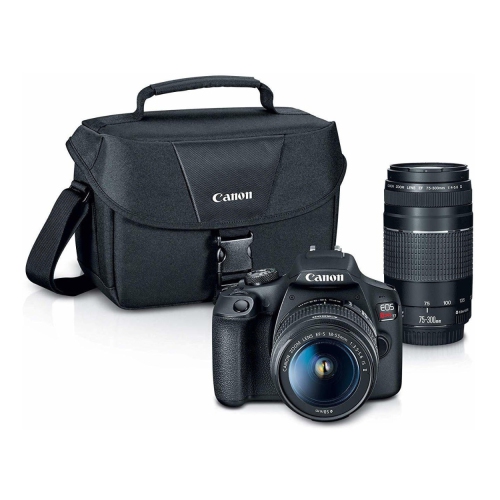 Your price for this item is $1039.95
 -
 Your price for this item is $549.99
 -
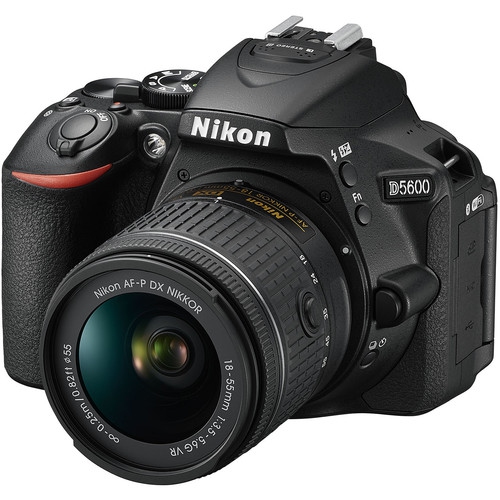 Your price for this item is $1309.95
 -
 Your price for this item is $1199.95
 -
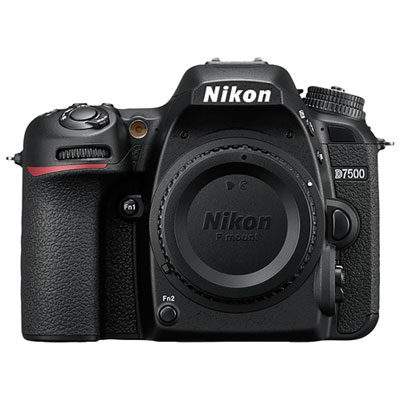 Your price for this item is $1279.99
 -
 Your price for this item is $1909.95
 -
 Your price for this item is $2889.99
 -
 Your price for this item is $3144.99
Discover more categories related to DSLR Cameras for Video Shooting
Top Collections:
Pokemon Centers, Kindle Devices, Best Budget Office Chairs, Apple iPhones 16, Best Laptops for Writers, iPhone 15 Apple, Canon G7X Cameras, Refurbished Apple Laptops, Alarm Clock, Motorola Razr Phones
Some products may be subject to Environmental Handling Fees
(EHF) depending on your province.
Learn more about EHFs.