Best DSLR for Photography

Capture sharp portraits, sweeping landscapes, and everyday moments with some of the best DSLR cameras for photography, ranked by customer review ratings. Whether you’re learning the basics or refining your skills, explore options with the image quality, manual controls, and lens flexibility to support your style. Compare customer feedback to help find the right DSLR camera for your needs and budget.

Read More

What to look for in the best DSLRs for photography

1. Sensor and Image Quality

Full-frame sensors generally offer better low-light image quality, while APS-C models often provide a smaller, more affordable starting point. Consider resolution for cropping and large prints, but also look at dynamic range and high-ISO performance.

2. Lens Compatibility

Choose a DSLR system with lenses that suit your interests, such as wide-angle lenses for landscapes or telephoto lenses for wildlife. Check the camera’s lens mount and sensor compatibility before buying, especially if you already own lenses.

3. Autofocus and Shooting Speed

For sports, wildlife, or other moving subjects, look for dependable autofocus tracking and fast continuous shooting. Buffer capacity also matters because it affects how many photos you can take in a burst before the camera slows down.

4. Handling and Durability

Look for a comfortable grip, accessible controls, and an optical viewfinder that makes framing easy. Consider battery life, camera weight, and weather sealing if you plan to photograph outdoors, noting that weather sealing does not make a camera waterproof.
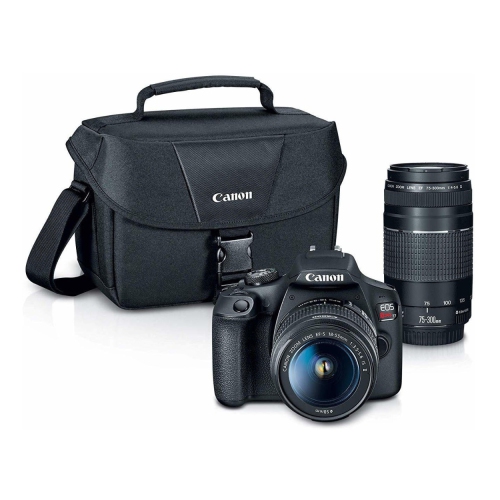
  1. 1

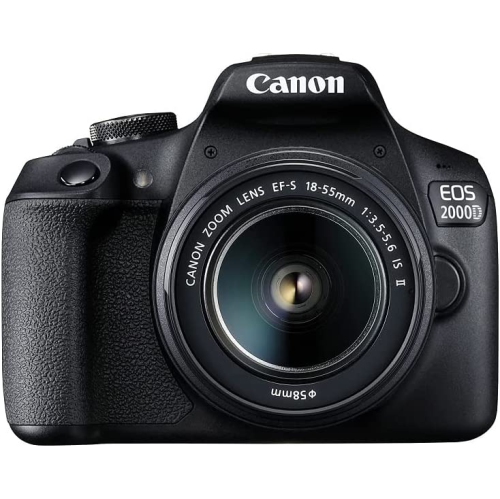
    CANON Eos Rebel T7 / 2000D Ef-S 18-55MM Is Ii Usm & 75-300MM Iii Kit With Case - Us Version W/ Seller Warranty

    About this product

    A 24.1 Megapixel CMOS camera with built-in Wi-Fi, 9-point AF system, and Full HD 30p video capabilities.

    What customers like

    • Good value for the price
    • Great image quality and sharpness
    • Versatile camera with multiple lens options
    • Easy to use and learn for beginners
    • Durable and long battery life
    (4,799)
    $1,039.95
    SAVE $158
    Your price for this item is $1039.95
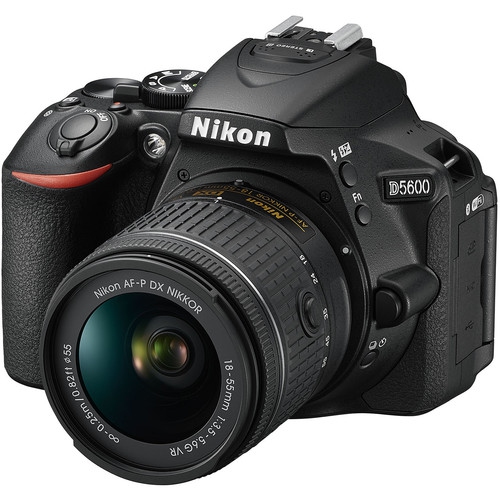
  2. 2

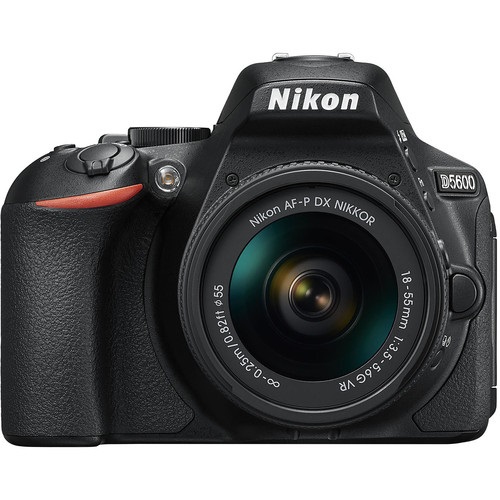
    NIKON D5600 Dslr Camera With 18-55MM Vr Lens - Us Version W/seller Warranty

    About this product

    A 24.2 megapixel DSLR camera with EXPEED 4 processor for high image quality and speed.

    What customers like

    • Compact size with good battery life and affordability
    • Versatile camera with easy settings and auto features
    • Great for learning and growth with online education and close-up lens
    • Excellent picture quality with multiple lens options and snapbridge feature
    • Easy to use for beginners with potential for professional-looking photos
    (1,451)
    $1,309.95
    SAVE $189
    Your price for this item is $1309.95
  3. 3

    Canon EOS Rebel T7 DSLR Camera with 18-55mm IS Lens Kit

    About this product

    A user-friendly DSLR with a 24.1MP sensor and 18-55mm IS lens for crisp, vibrant photos.

    What customers like

    • Affordable price and great value
    • Excellent image and video quality
    • Versatile lens and shooting features
    • Lightweight and portable design
    • Easy to use and beginner-friendly
    (1,628)
    $799.99 Your price for this item is $799.99
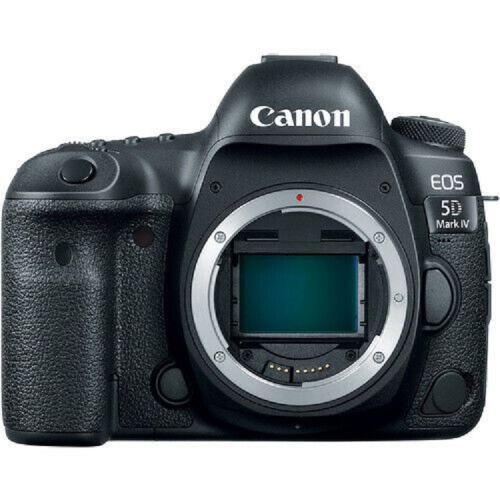
  4. 4

    CANON Eos 5D Mark Iv Dslr Camera (Body Only) - With Seller's Warranty

    About this product

    A professional DSLR featuring a 30.4MP full-frame sensor, 4K video, Wi-Fi, NFC, and GPS connectivity.

    $3,310.95 Your price for this item is $3310.95
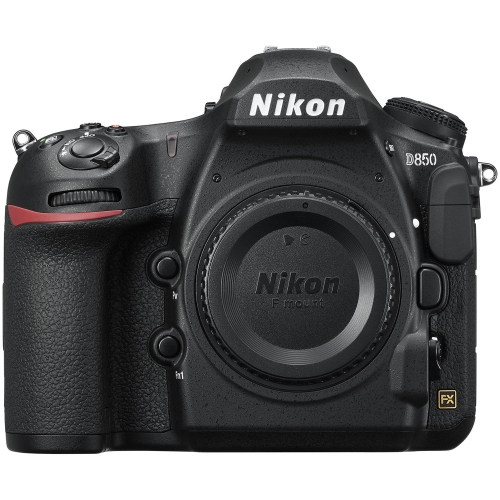
  5. 5

    NIKON D850 Dslr Camera Body - Us Version W/ Seller Warranty

    About this product

    A high-resolution DSLR with a 45.7MP sensor, 4K video, tilting touchscreen, and advanced autofocus system.

    $3,599.90
    SAVE $999
    Your price for this item is $3599.90
  6. 6

    NIKON D750 Dslr Camera (Body Only, Black) 1543 + Ext Batt + Sandisk 32GB Sd

    About this product

    A black DSLR camera bundle featuring a 24.3MP sensor, tilting LCD, Wi-Fi, and 32GB SD card.

    $1,759.95
    SAVE $240
    Your price for this item is $1759.95
  7. 7

    NIKON D5600 Dslr Camera With 18-55MM Lens

    About this product

    A versatile DSLR camera kit featuring an 18-55mm lens for capturing high-quality photos and videos.

    $1,074.99
    SAVE $125
    Your price for this item is $1074.99
  8. 8

    CANON Eos 2000D (Rebel T7) Dslr Camera + 18-55MM Iii Kit

    About this product

    A powerful DSLR camera kit with 18-55mm lens for stunning photography.

    $859.99 Your price for this item is $859.99
  9. 9

    NIKON D5600 Camera 18-55MM + 500Mm/1000MM Lens - 32GB Outdoor Photography Bundle

    About this product

    An outdoor photography bundle featuring a 24.2MP camera with versatile lenses and 32GB storage.

    $1,489.95
    SAVE $490
    Your price for this item is $1489.95
  10. 10

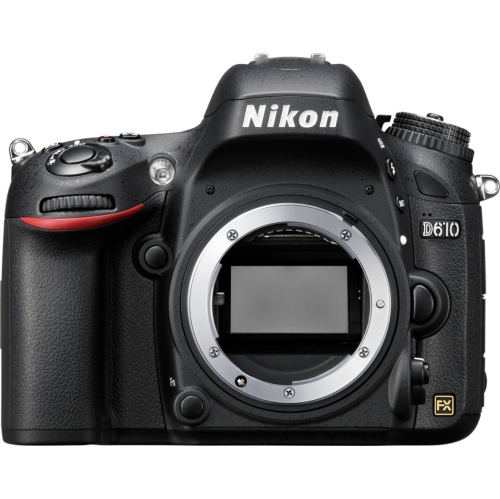
    NIKON Refurbished (Good) - D610 Dslr Camera (Body Only)

    About this product

    A refurbished DSLR camera body with a 24.3MP full-frame sensor and EXPEED 3 image processor.

    $1,257.25
    SAVE $132
    Your price for this item is $1257.25

Why your subjects matter more than megapixels

The best DSLR for photography is a camera that matches the subjects being photographed, the level of detail needed, and the photographer’s preferences for handling and lens choice. Portraits, wildlife, sports, landscapes, and everyday family photographs place different demands on a camera, so no single specification determines the best fit. A DSLR, or digital single-lens reflex camera, uses a mirror system to direct the view through the lens to an optical viewfinder. This gives photographers a direct view of the scene, while interchangeable lenses and manual controls provide room to develop different shooting styles. For portraits, pleasing skin tones, accurate focus on the eyes, and control over background blur are often more useful than a very fast burst rate. For action, dependable subject tracking and responsive controls can matter more than maximum image resolution. Landscapes and architectural details benefit from strong image detail and the ability to retain information in bright and dark areas. Sensor size is another important distinction. Full-frame DSLRs can offer advantages for low-light image quality and shallow depth of field, although results also depend on the lens, exposure, and camera design. APS-C DSLRs generally provide a tighter field of view with the same focal length, which can be useful when framing distant birds or activity across a playing field. Many also offer a relatively compact starting point for an interchangeable-lens system. Higher megapixel counts leave more room for cropping and large prints, but they also produce larger files and make accurate focus and steady technique especially important. For photographs shared digitally or printed at everyday sizes, a balanced combination of image quality, comfortable handling, and a suitable lens may be more valuable than the highest resolution alone. Beginners may appreciate clear menus and automatic shooting modes, while experienced photographers often place greater emphasis on direct access to exposure settings. Both benefit from a camera that feels predictable when a fleeting expression or unexpected movement leaves little time to adjust.

A DSLR’s lens has a major influence on what fits in the frame, how the background looks, and how easily the camera works with available light. A standard zoom suits everyday scenes, from a group gathered around a table to a child playing across the room. A wide-angle lens includes more of an interior or sweeping view, while a telephoto lens frames distant subjects more tightly. A prime lens has a fixed focal length and may offer a wide maximum aperture, useful for separating a face from a busy background or photographing indoors without flash. For close-up subjects such as jewellery, flowers, or handmade details, a macro lens provides the focusing capability needed to show small features clearly. Lens compatibility deserves attention because mounts, sensor coverage, and autofocus support are not universal. The camera body and lens also need to work comfortably together: a small body paired with a heavy telephoto lens can feel quite different from the same body with a compact prime. Grip depth, button spacing, and the position of the shutter release affect comfort during longer sessions. A clear viewfinder helps with composition, and an articulated rear screen can make low-angle or overhead framing easier where that feature is included. Autofocus performance should suit the intended subject, particularly when movement is unpredictable. A person walking towards the camera presents a different challenge from a stationary object on a tabletop. Continuous shooting can help capture a precise moment, but burst speed, buffer capacity, and memory card performance all influence how long a sequence can continue. Image stabilization, whether provided by a compatible lens or camera body, helps reduce blur from camera movement; it does not freeze a moving subject. Faster shutter speeds remain important for active children, performers, and animals. These practical differences explain why the best DSLR cameras for photography are not necessarily those with the longest feature lists, but those whose strengths support the pictures a photographer actually wants to make.

Construction, care, and the supporting accessories all contribute to how useful a DSLR remains over time. Camera bodies may use reinforced polycarbonate, metal alloy, or a combination of materials, balancing weight, rigidity, and durability. A heavier body can feel reassuring with a substantial lens, while a lighter setup may be more comfortable for a day spent walking between locations. Neither weight nor exterior material alone establishes how well a camera will withstand regular use. Secure straps, a padded camera bag, and properly fitted lens and body caps help protect equipment from bumps and dust. Lens surfaces benefit from a blower and lens-safe cleaning materials rather than clothing or household cleaners, which can leave residue or scratch coatings. Keeping lens changes brief and choosing a clean place to make them helps limit dust entering the body; persistent marks caused by sensor dust may require professional cleaning. A compatible spare battery and suitable memory cards support longer sessions, while a tripod is useful for careful compositions, close-up work, and exposures too long for steady handheld shooting. RAW capture gives greater flexibility when adjusting white balance and recovering tonal detail, whereas JPEG files are convenient for straightforward sharing. Photographers who enjoy editing may value a camera that can save both formats, along with a manageable process for transferring and backing up photographs. The Top DSLR Cameras collection provides another place to explore options with these priorities in mind. As a gift, a DSLR can suit a photography student, a traveller who enjoys documenting places in detail, or someone ready to move beyond automatic snapshots. For a recipient who already owns lenses, compatibility with that existing equipment is especially important. For someone starting fresh, a comfortable body and versatile lens can provide a practical foundation without adding unnecessary complexity. The strongest match is a camera system that makes familiar subjects rewarding to photograph and offers the controls, lenses, and handling needed as those interests grow.
Read More

FAQ

Some products may be subject to Environmental Handling Fees (EHF) depending on your province. Learn more about EHFs.