Film Camera Tripods
Capture every moment with precision and stability using a film camera tripod. Whether you're a seasoned photographer or just starting your journey into the world of analog photography, a reliable tripod is essential for achieving sharp, professional-quality images. Designed to support your creative vision, film camera tripods offer the stability needed for long exposure shots, time-lapses, and capturing stunning landscapes. Explore our selection of tripods that cater to various needs and preferences, ensuring that you find the perfect match for your film photography adventures.
Sort

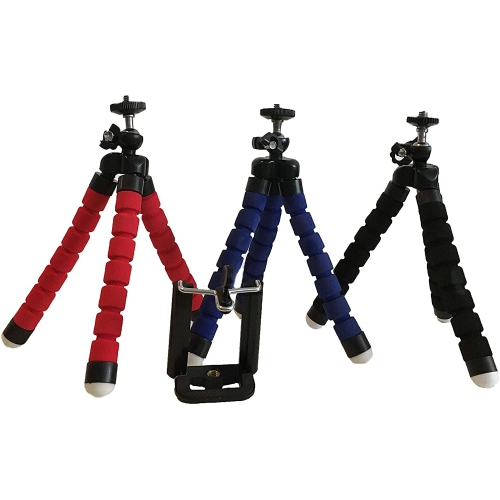
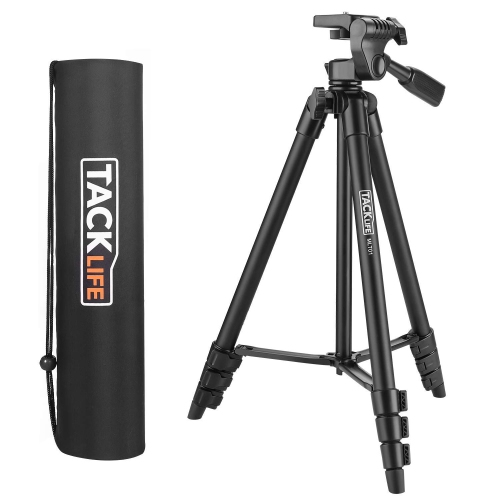
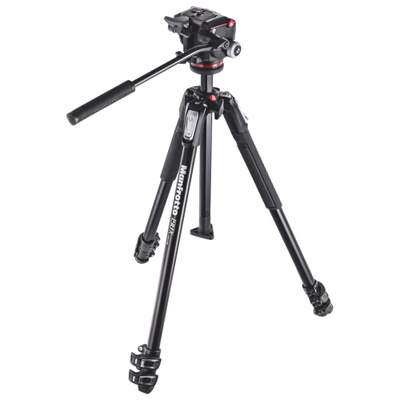
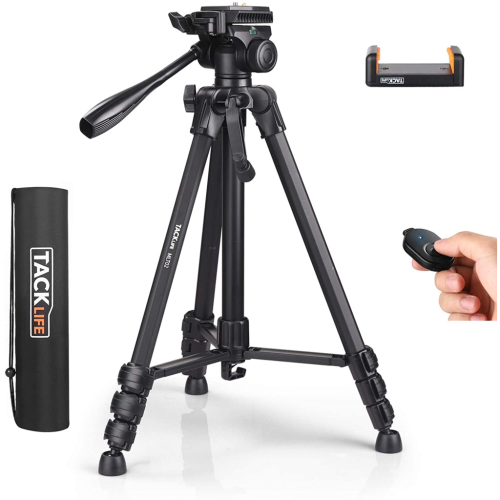
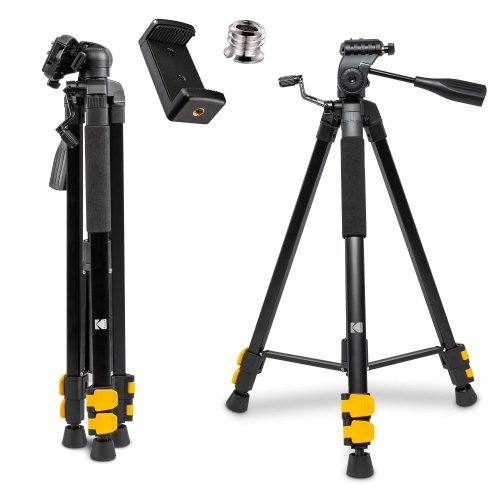
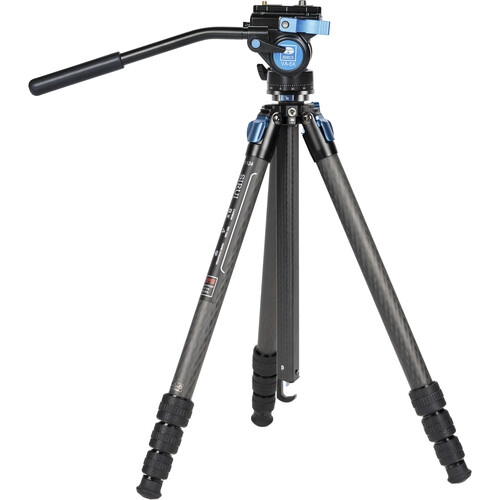
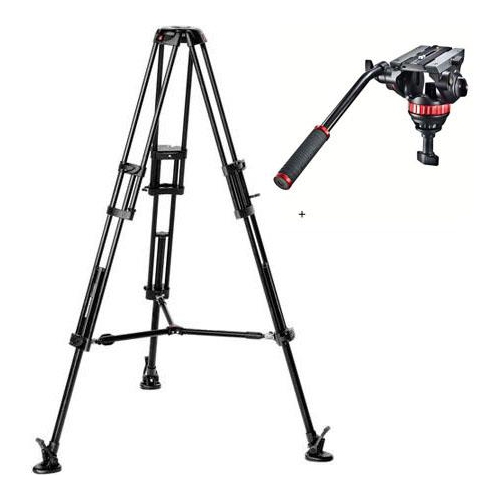
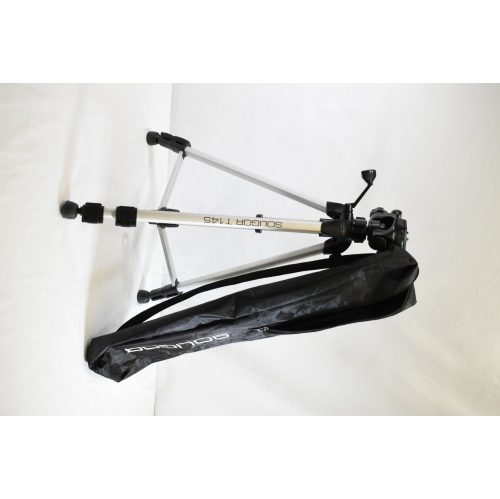
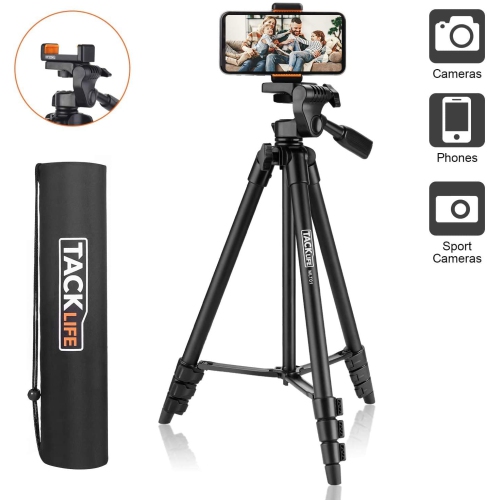
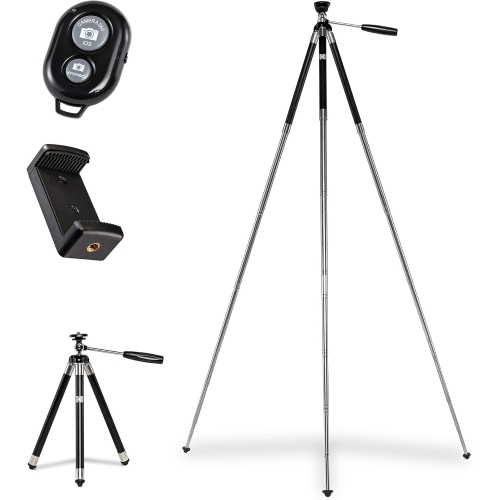
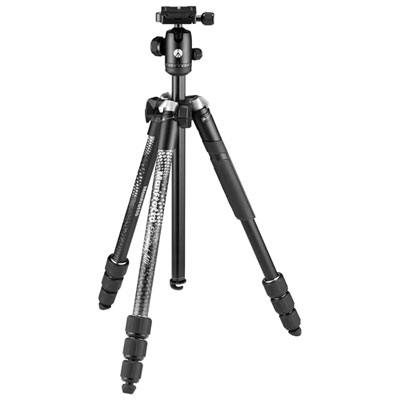
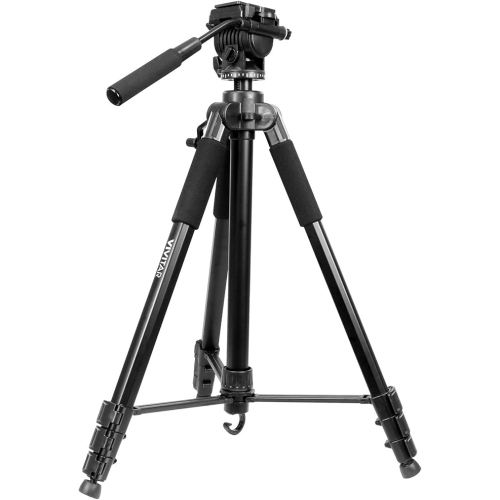
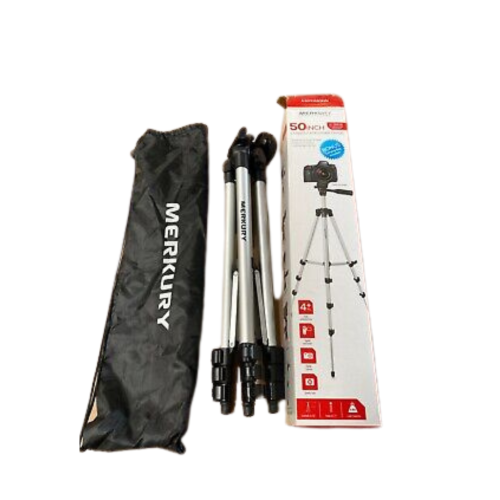

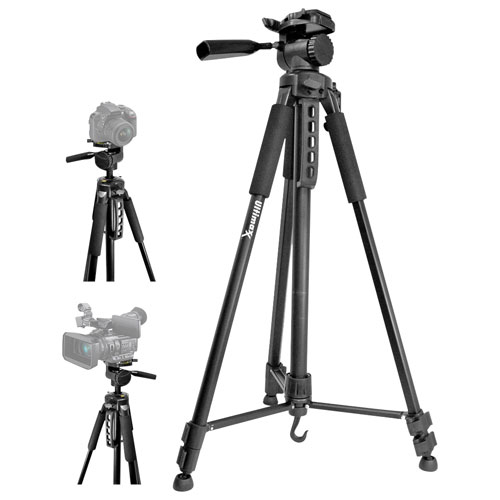
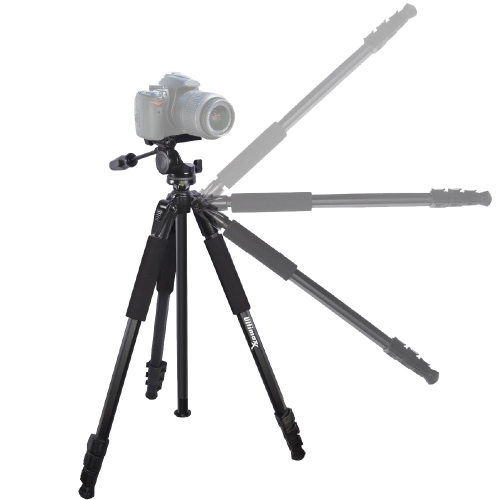
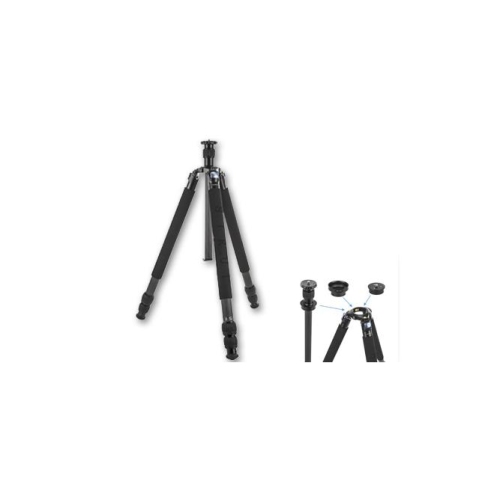
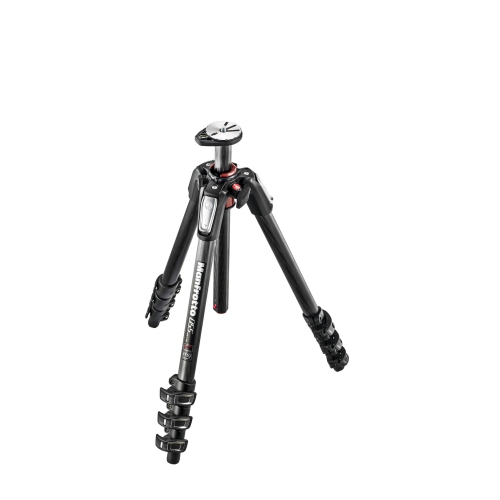
Stable support for still photography and smooth film production
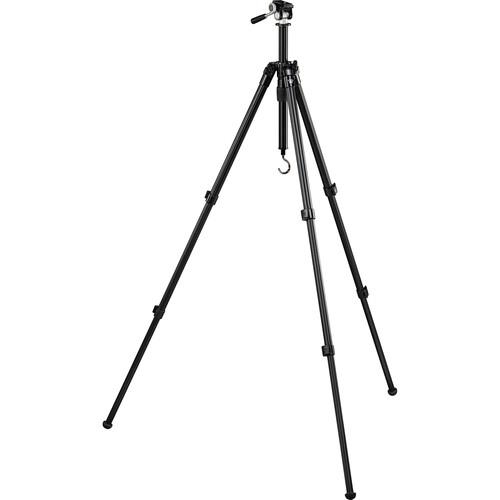
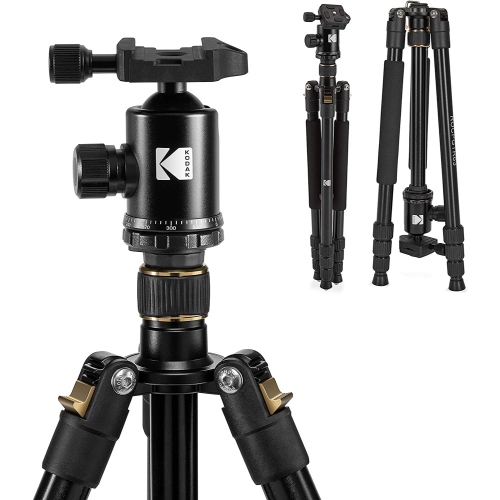
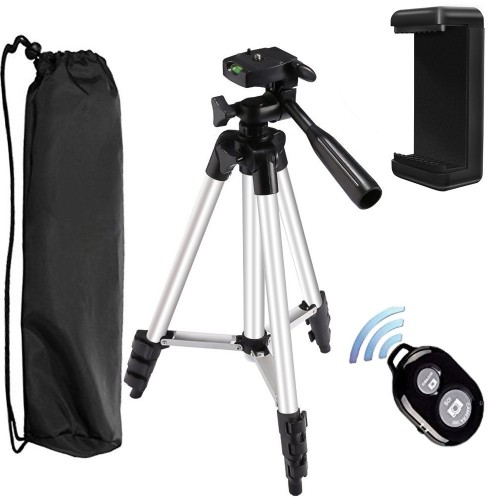
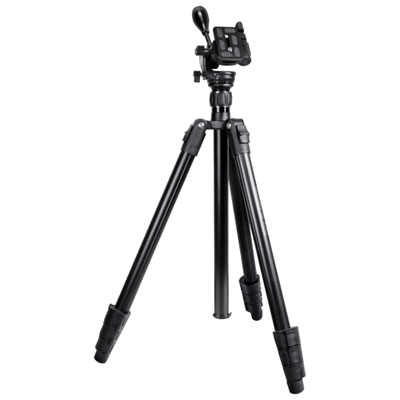
Film camera tripods provide the steady foundation needed to frame, focus, and capture images with confidence. For still-film photography, a tripod can make the difference between a carefully composed exposure and a soft image caused by camera movement, especially when working with slower shutter speeds, longer lenses, or low available light. For motion-picture film cameras, stable support is even more important: a solid tripod helps maintain a level horizon, reduces distracting vibration, and allows smooth pans and tilts that would be difficult to achieve handheld. When choosing among film camera tripods, begin by identifying the type of camera and shooting style involved. A compact 35mm camera with a small prime lens has very different support requirements from a medium-format body, a large-format camera, or a cinema rig with a heavy zoom lens, film magazine, matte box, follow-focus system, and other accessories. Add the weight of every component that will sit on the tripod, then choose a support system with a payload capacity comfortably above that total. This extra capacity helps the tripod remain stable when the camera is repositioned and prevents the head from feeling strained during operation. It also gives the setup room to accommodate a different lens or accessory later. Height matters as well. A tripod that reaches a comfortable standing position can be useful for portraits, landscapes, and production work, while a lower minimum height suits tabletop scenes, close-ups, and unusual perspectives. The folded length is worth checking for travel, and a centre column can add useful height, though extending it fully may reduce stability compared with keeping the camera closer to the leg assembly.
The tripod head should match the way the camera will be used. Fluid heads are designed for controlled motion, with damping that helps create smooth pans and tilts for film production. They are especially useful when the camera needs to move slowly across a landscape, follow a subject walking through a scene, or tilt from a foreground detail to a wider view. Look for a head with a payload rating that matches the complete camera setup, an adjustable pan and tilt drag, a secure quick-release plate, and a counterbalance system that helps keep the camera from tipping forward or backward. A ball head is generally better suited to still photography, where quick framing and precise positioning are more important than continuous camera movement. It can be convenient for landscape photographers working with long exposures, architectural images, or carefully arranged studio scenes because one control can release and lock the camera’s position. Three-way heads offer separate adjustments for horizontal, vertical, and rotational alignment, which can be valuable for product photography, copy work, and compositions where a level frame is essential. Heavier cinema-style systems may use a bowl or Mitchell mount for a more rigid connection and fast levelling, particularly with larger cameras and professional accessories. The mounting plate should be checked carefully before purchase; a camera that uses a larger cinema plate may not be compatible with a small still-camera plate. Leg design also affects the shooting experience. Flip locks are quick to open and close when moving between locations, while twist locks can provide a clean profile and fine height adjustment. Independent leg angles help on stairs, rocky ground, and uneven trails. A centre spreader can improve stability on smooth floors, while removable or adjustable feet may provide better traction on grass, gravel, or packed earth. Aluminium tripods tend to offer substantial stability and a reassuring sense of solidity, while carbon fibre models are often easier to carry during long walks or location shoots. The best choice balances weight, rigidity, packed size, operating speed, and the demands of the camera being supported.
Film camera tripods can be useful for a wide range of photographers, filmmakers, collectors, students, and creative hobbyists. They make thoughtful gifts for someone developing film at home, learning cinematography, building a portrait setup, or planning a photography trip during the warmer and cooler parts of the year. A tripod can encourage slower, more deliberate photography: setting up beside a quiet lake, waiting for soft evening light, or composing a still life near a window while making small adjustments to focus and framing. For travel, prioritise a manageable folded size, comfortable carrying weight, durable locks, and a head that can be operated quickly when the light changes. For studio work, a heavier base and precise controls may be more valuable than portability. Landscape photographers should consider the stability of the legs, the ease of levelling, and whether the head can hold a camera securely during a long exposure. Portrait photographers may prefer fast deployment and smooth height adjustment, while filmmakers should pay close attention to fluid movement, counterbalance, and the ability to make repeatable pans and tilts. Those comparing options with a still-photography setup can also browse Photography Tripods for support systems suited to camera-based compositions and long exposures. Before using any tripod, extend the thickest leg sections first, lock each section firmly, and check that the feet are planted evenly. Keep the centre column low whenever possible, avoid placing one leg where it could slip, and test the head with the camera attached before beginning a critical exposure or take. A remote shutter release, self-timer, or other hands-off trigger can further reduce vibration for still photography. With the right combination of payload capacity, head style, leg construction, mounting system, and working height, film camera tripods help turn a carefully planned shot into a stable, repeatable, and more enjoyable part of the creative process.
The tripod head should match the way the camera will be used. Fluid heads are designed for controlled motion, with damping that helps create smooth pans and tilts for film production. They are especially useful when the camera needs to move slowly across a landscape, follow a subject walking through a scene, or tilt from a foreground detail to a wider view. Look for a head with a payload rating that matches the complete camera setup, an adjustable pan and tilt drag, a secure quick-release plate, and a counterbalance system that helps keep the camera from tipping forward or backward. A ball head is generally better suited to still photography, where quick framing and precise positioning are more important than continuous camera movement. It can be convenient for landscape photographers working with long exposures, architectural images, or carefully arranged studio scenes because one control can release and lock the camera’s position. Three-way heads offer separate adjustments for horizontal, vertical, and rotational alignment, which can be valuable for product photography, copy work, and compositions where a level frame is essential. Heavier cinema-style systems may use a bowl or Mitchell mount for a more rigid connection and fast levelling, particularly with larger cameras and professional accessories. The mounting plate should be checked carefully before purchase; a camera that uses a larger cinema plate may not be compatible with a small still-camera plate. Leg design also affects the shooting experience. Flip locks are quick to open and close when moving between locations, while twist locks can provide a clean profile and fine height adjustment. Independent leg angles help on stairs, rocky ground, and uneven trails. A centre spreader can improve stability on smooth floors, while removable or adjustable feet may provide better traction on grass, gravel, or packed earth. Aluminium tripods tend to offer substantial stability and a reassuring sense of solidity, while carbon fibre models are often easier to carry during long walks or location shoots. The best choice balances weight, rigidity, packed size, operating speed, and the demands of the camera being supported.
Film camera tripods can be useful for a wide range of photographers, filmmakers, collectors, students, and creative hobbyists. They make thoughtful gifts for someone developing film at home, learning cinematography, building a portrait setup, or planning a photography trip during the warmer and cooler parts of the year. A tripod can encourage slower, more deliberate photography: setting up beside a quiet lake, waiting for soft evening light, or composing a still life near a window while making small adjustments to focus and framing. For travel, prioritise a manageable folded size, comfortable carrying weight, durable locks, and a head that can be operated quickly when the light changes. For studio work, a heavier base and precise controls may be more valuable than portability. Landscape photographers should consider the stability of the legs, the ease of levelling, and whether the head can hold a camera securely during a long exposure. Portrait photographers may prefer fast deployment and smooth height adjustment, while filmmakers should pay close attention to fluid movement, counterbalance, and the ability to make repeatable pans and tilts. Those comparing options with a still-photography setup can also browse Photography Tripods for support systems suited to camera-based compositions and long exposures. Before using any tripod, extend the thickest leg sections first, lock each section firmly, and check that the feet are planted evenly. Keep the centre column low whenever possible, avoid placing one leg where it could slip, and test the head with the camera attached before beginning a critical exposure or take. A remote shutter release, self-timer, or other hands-off trigger can further reduce vibration for still photography. With the right combination of payload capacity, head style, leg construction, mounting system, and working height, film camera tripods help turn a carefully planned shot into a stable, repeatable, and more enjoyable part of the creative process.
Top selling and popular products
-
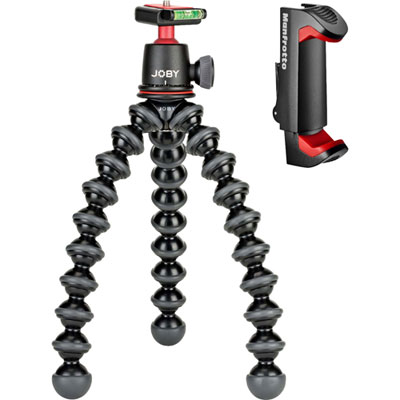 Your price for this item is $99.99
 -
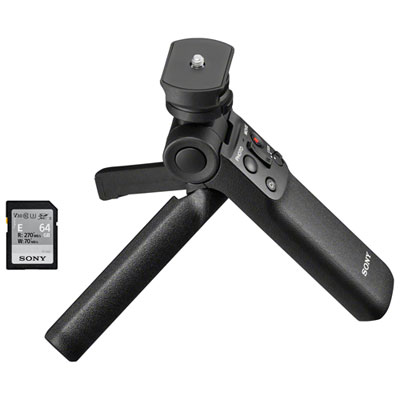 Your price for this item is $199.97
 -
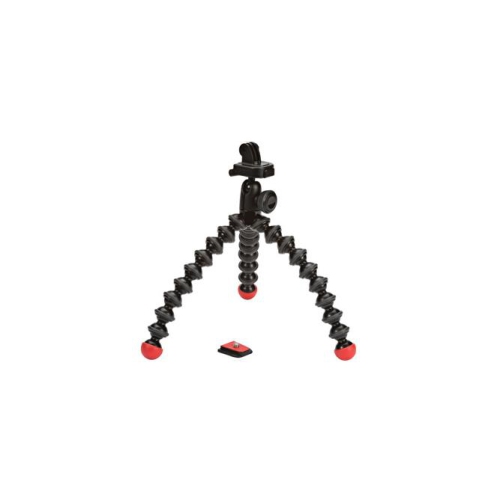 Your price for this item is $126.91
 -
 Your price for this item is $79.99
 -
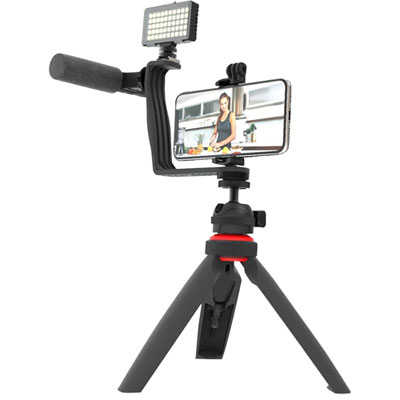 Your price for this item is $59.99
 -
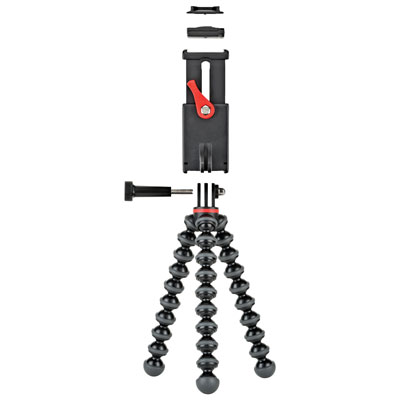 Your price for this item is $59.95
 -
 Your price for this item is $229.99
 -
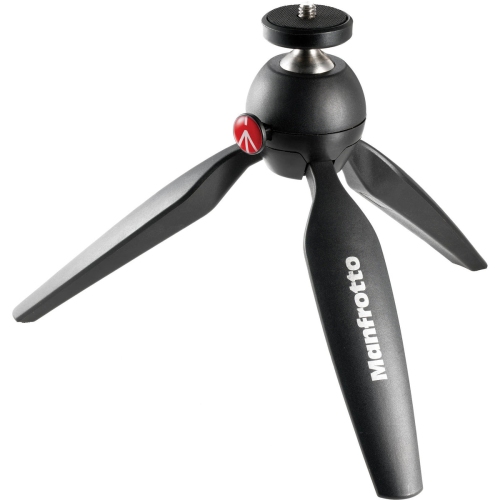 Your price for this item is $83.53
Discover more categories related to Film Camera Tripods

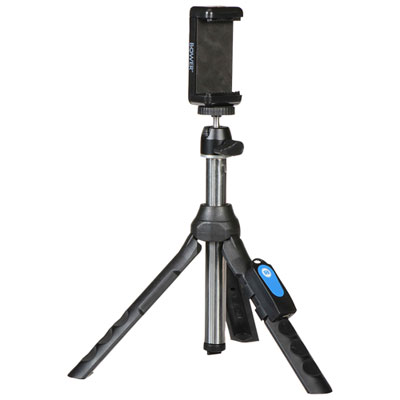
Top Collections:
Pokemon Centers, Kindle Devices, Best Budget Office Chairs, Apple iPhones 16, Best Laptops for Writers, iPhone 15 Apple, Canon G7X Cameras, Refurbished Apple Laptops, Alarm Clock, Motorola Razr Phones
Some products may be subject to Environmental Handling Fees
(EHF) depending on your province.
Learn more about EHFs.