Travel Video Tripods
A tripod is a must-have for any traveler who wants to capture high-quality video on the go. Whether you're shooting a documentary about your trip or just want to capture some great shots of your friends at the beach, a tripod will help ensure that your video is crisp and clear. Here are some great options available.
Sort
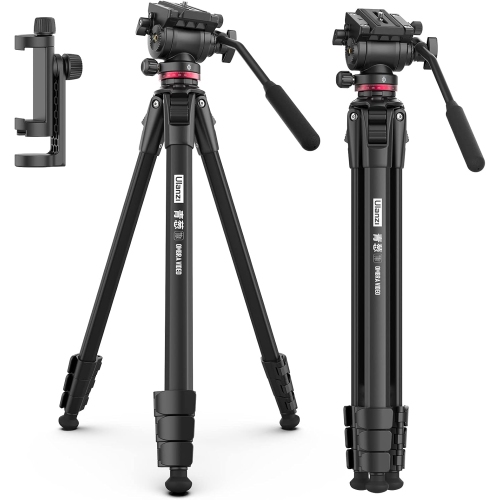
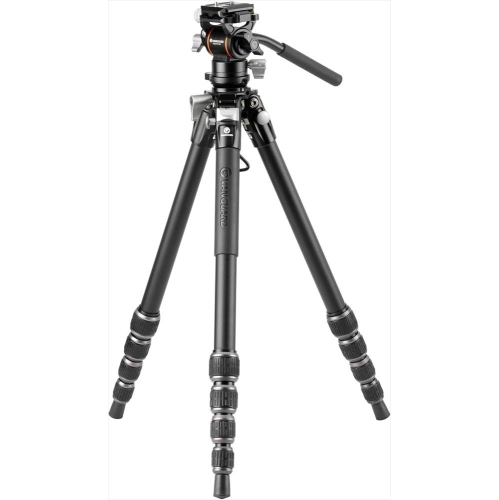
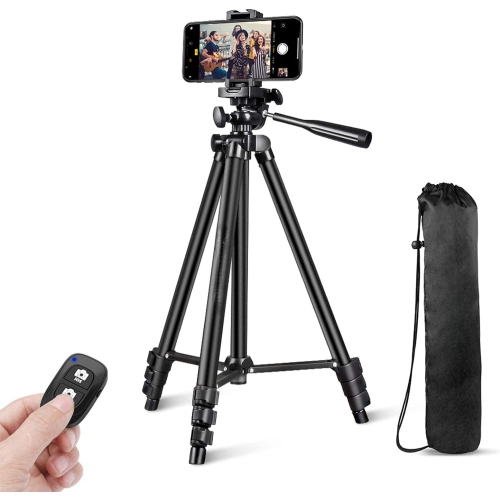

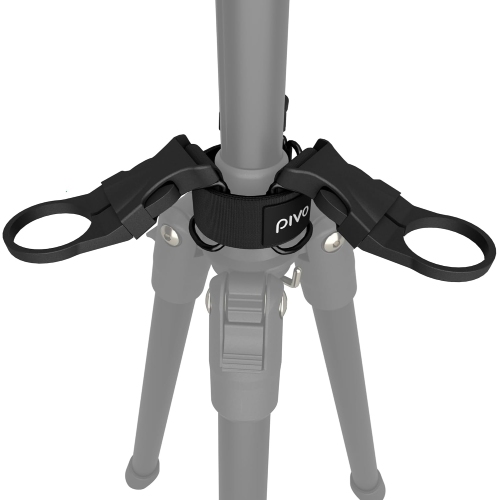
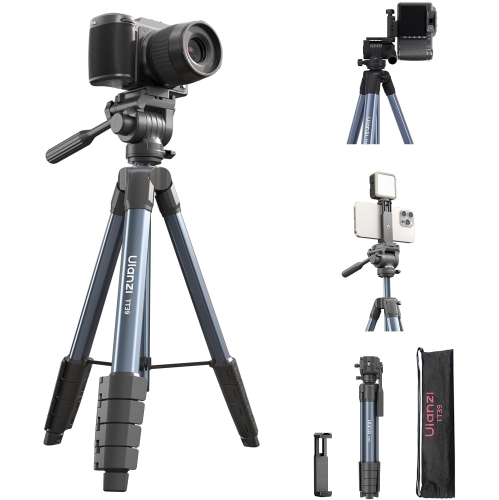
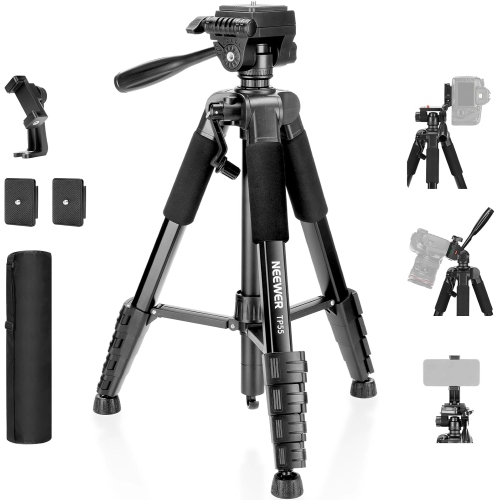

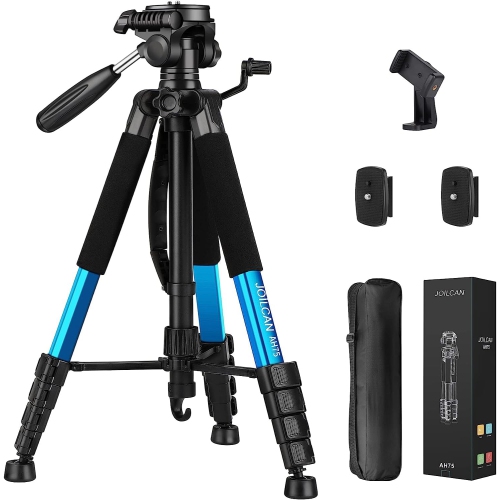
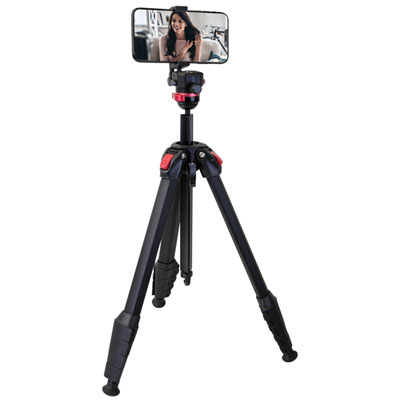
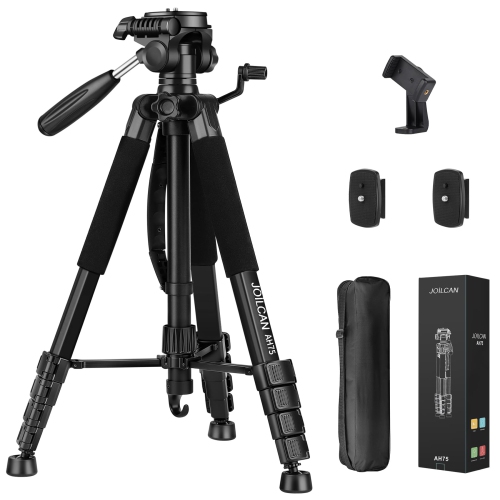
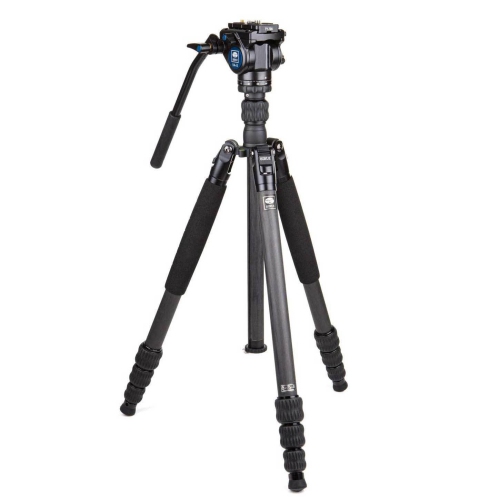
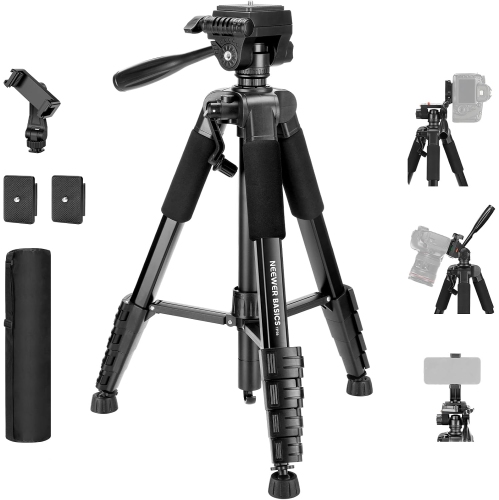
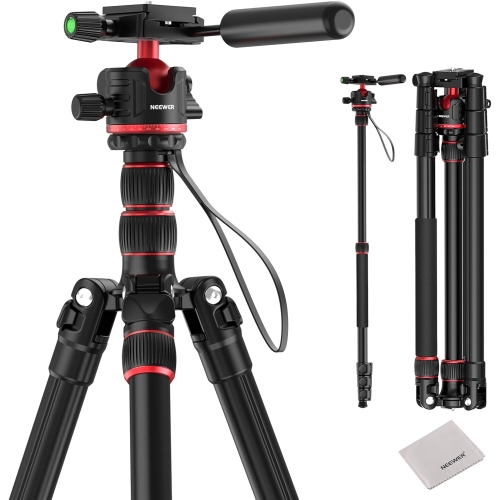
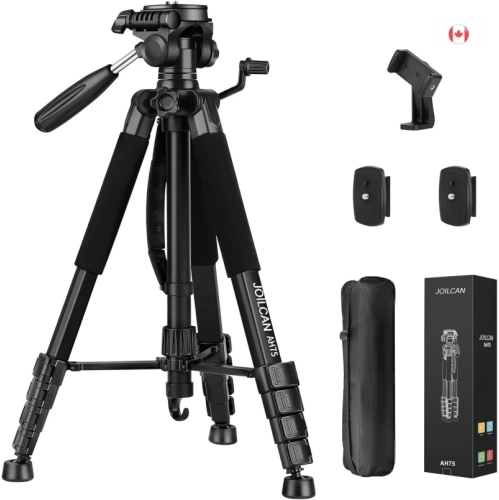
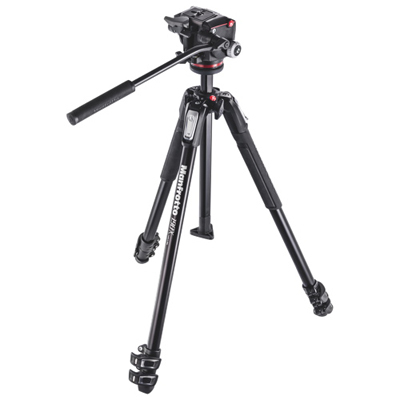
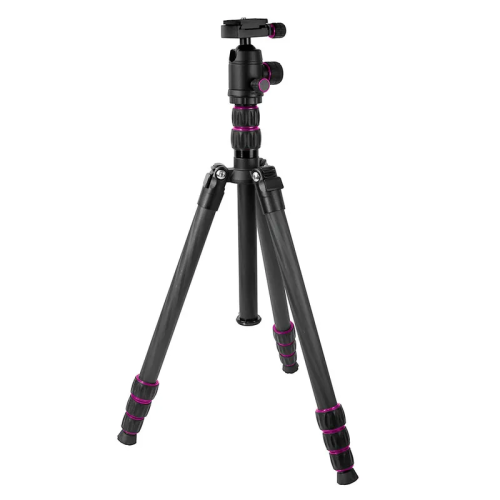

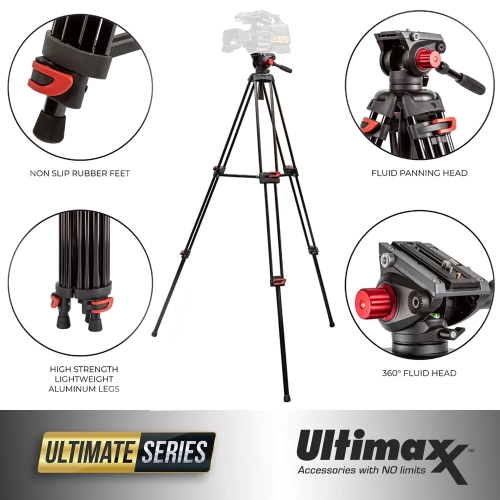
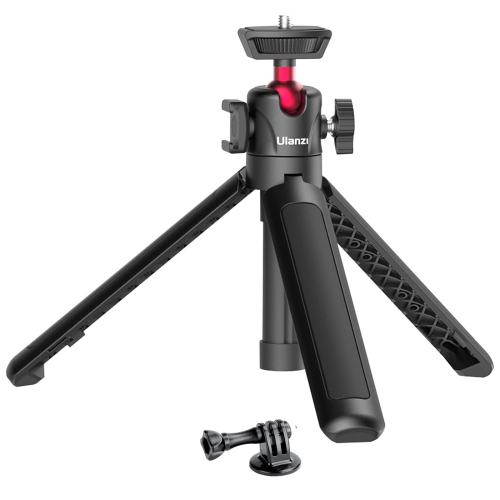
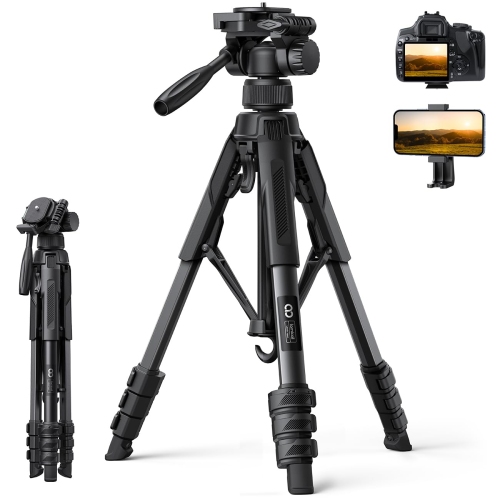


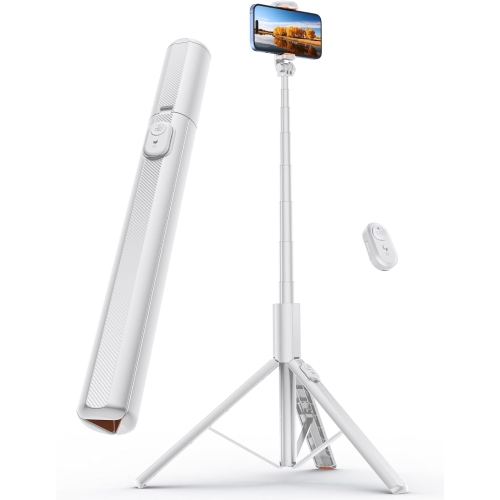
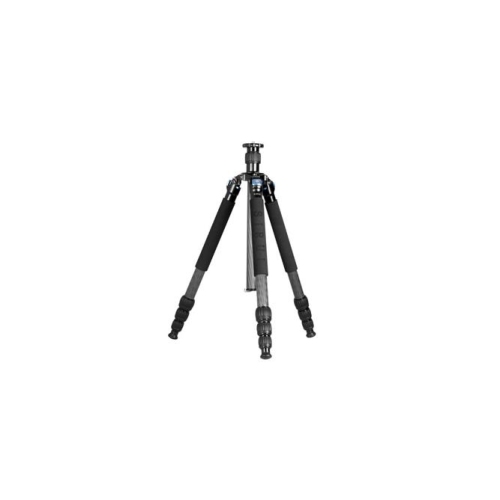
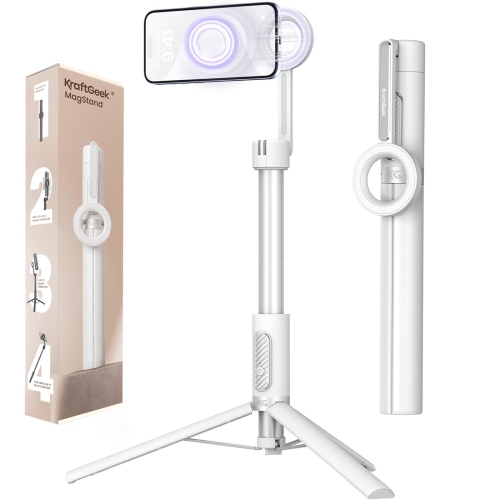
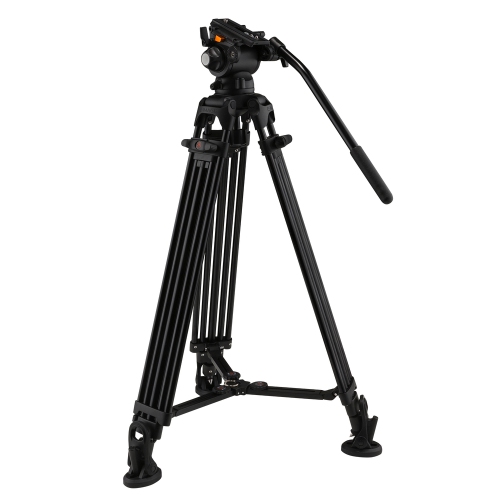
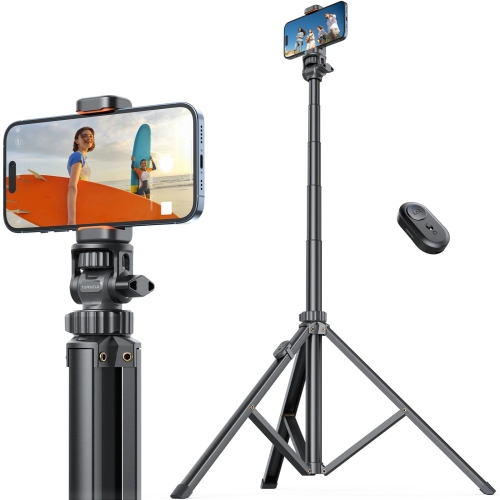

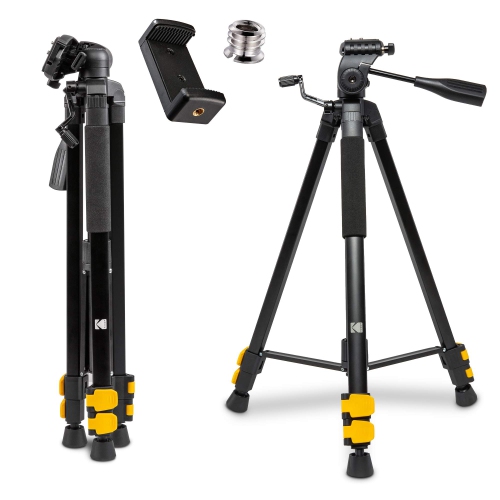
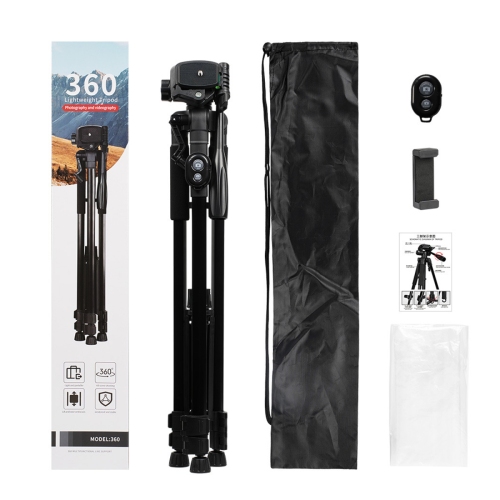
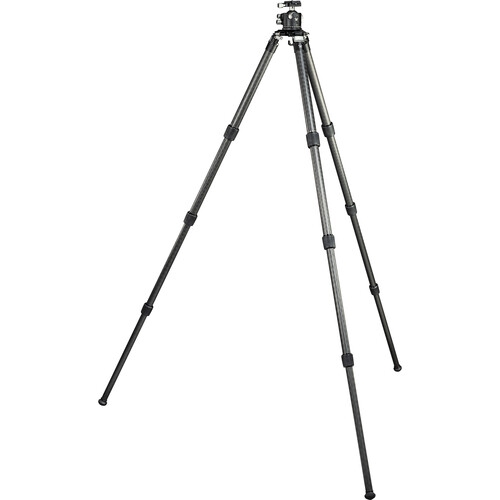
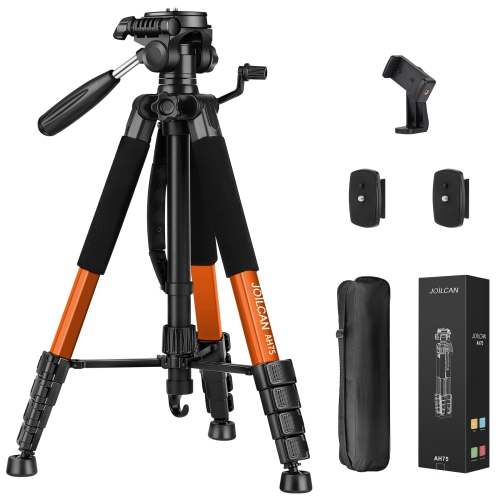
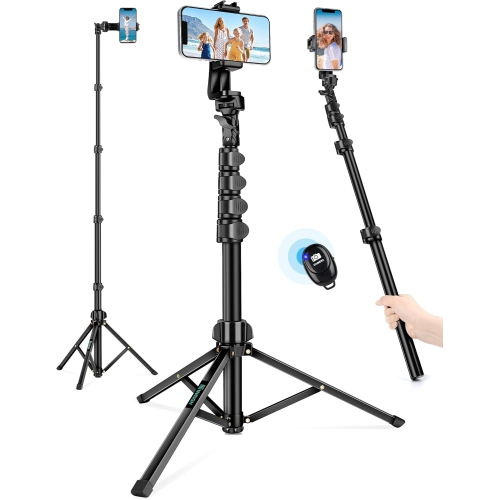
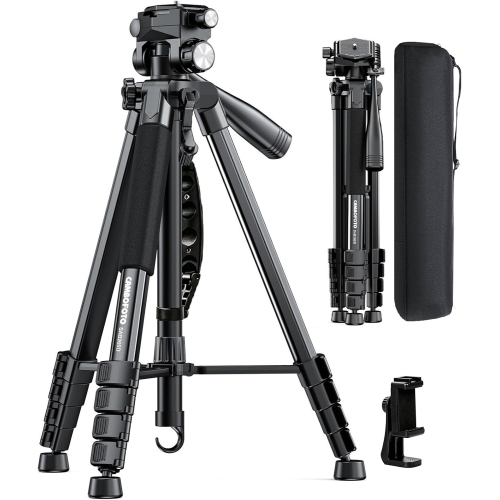
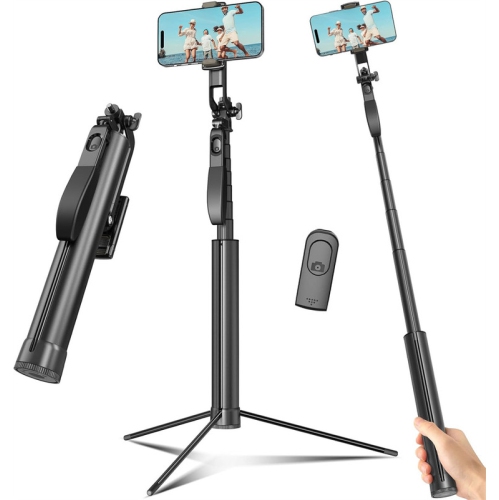
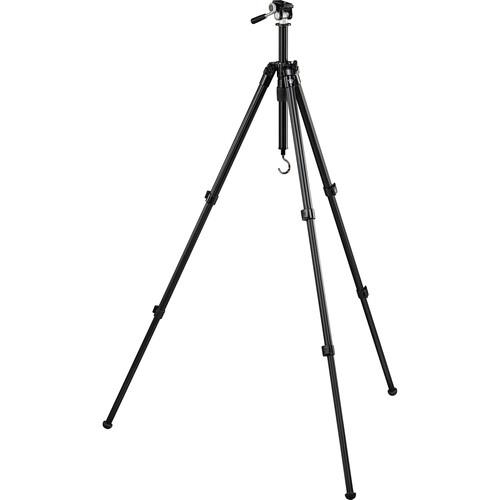

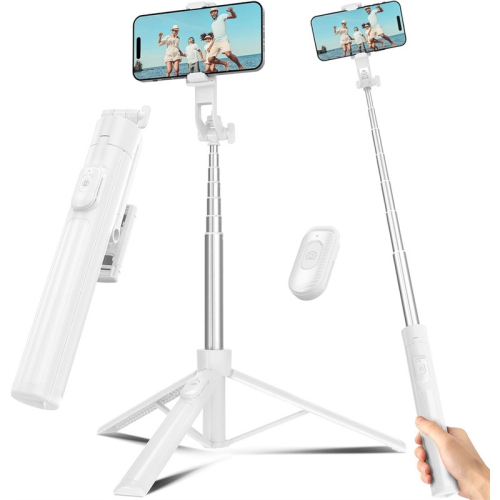

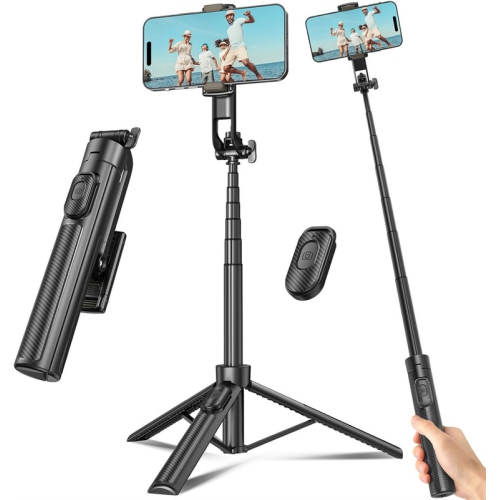
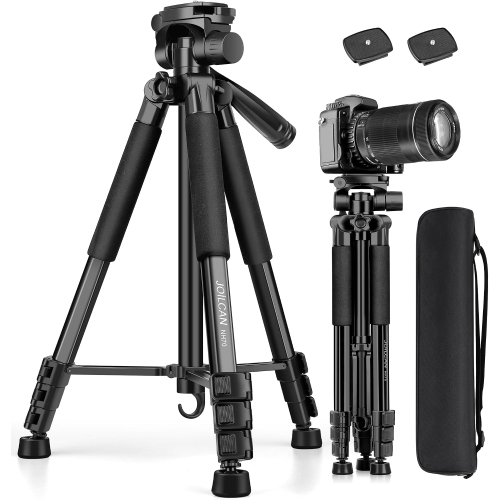
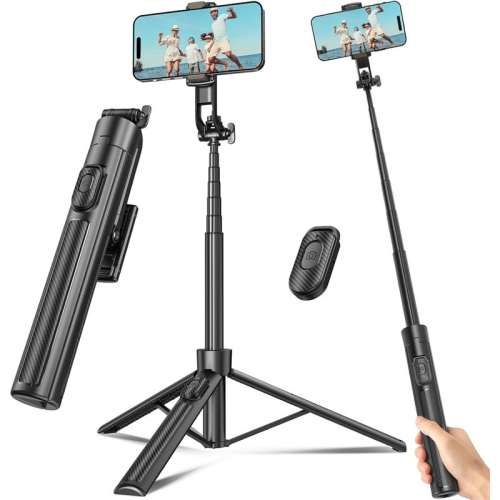
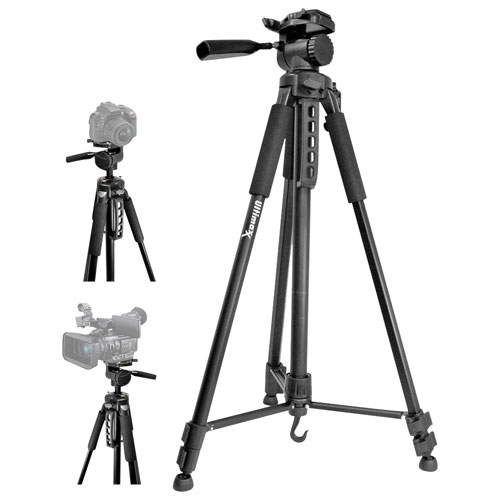
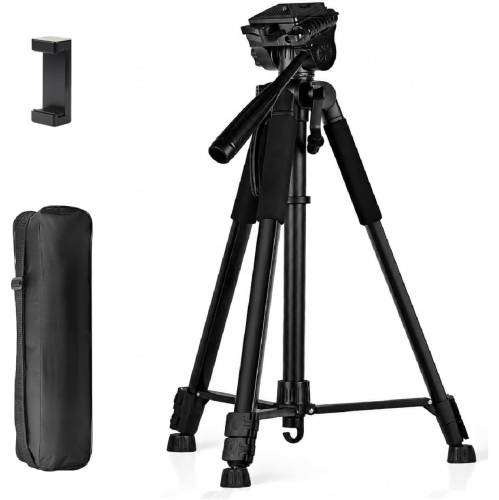
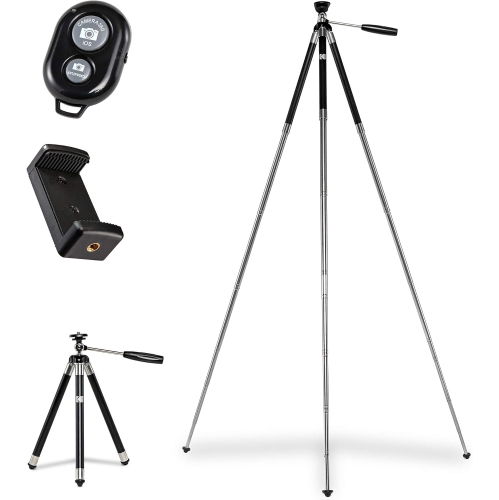
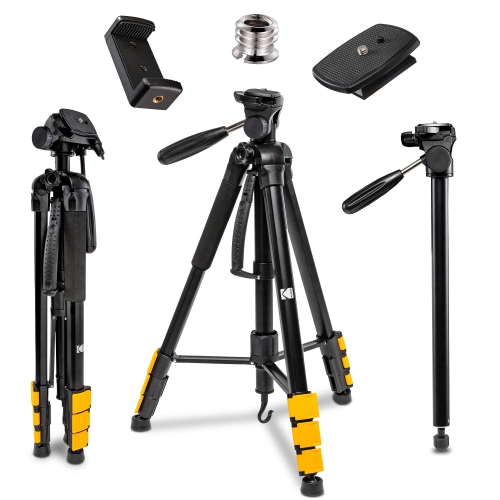
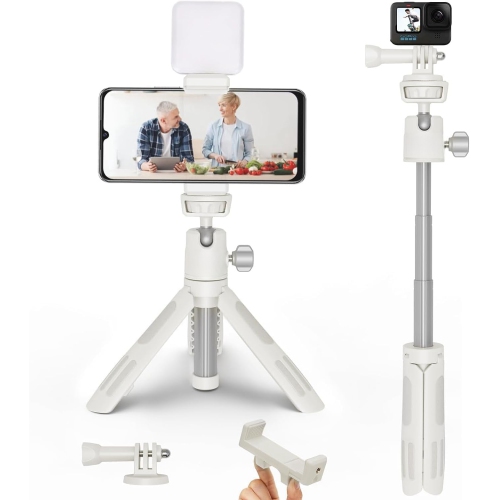
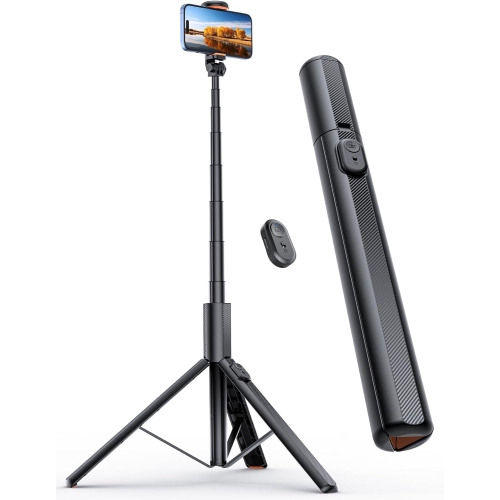
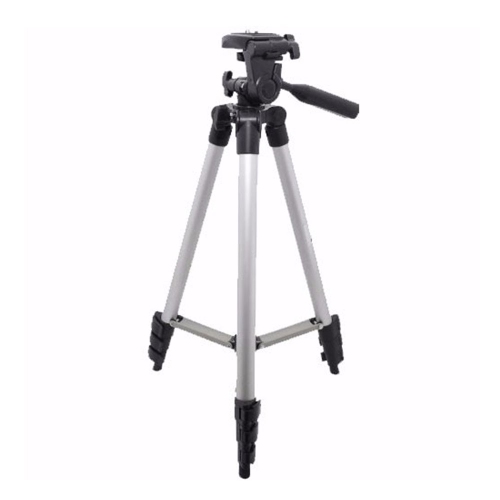
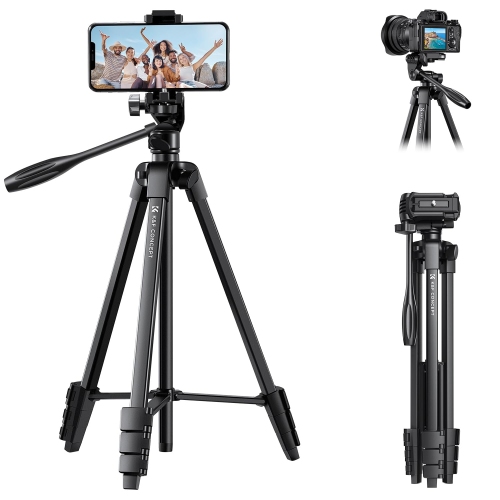
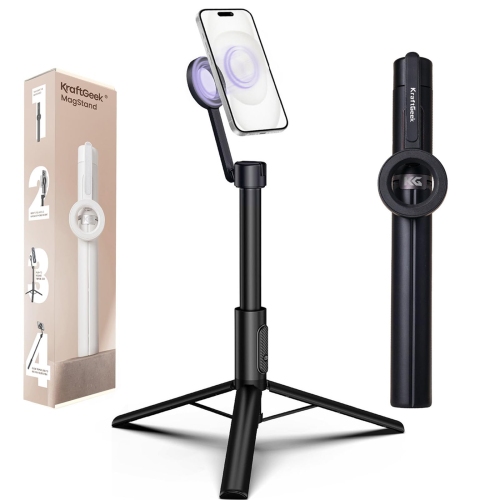
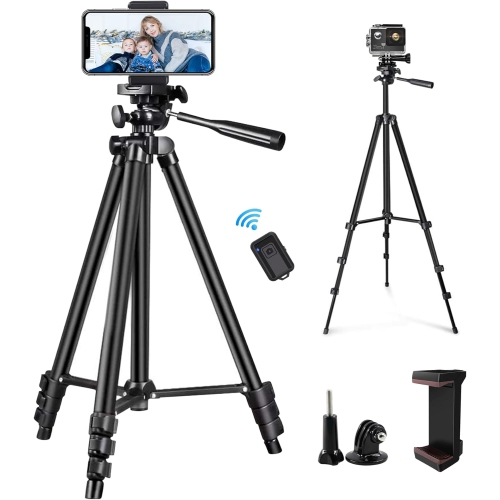
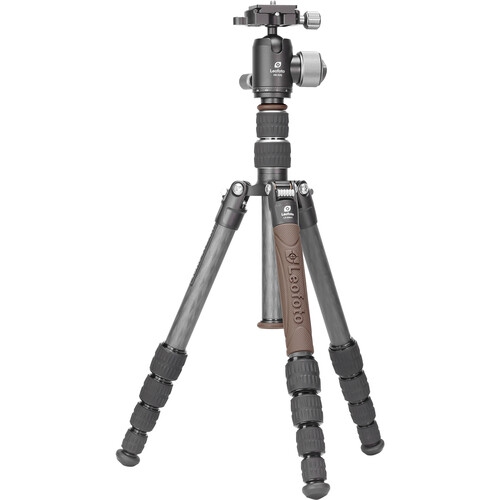
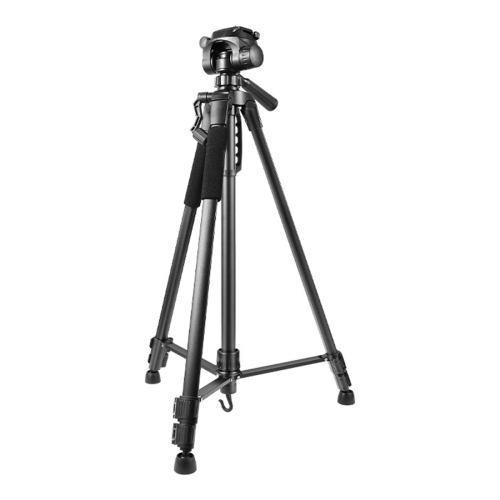
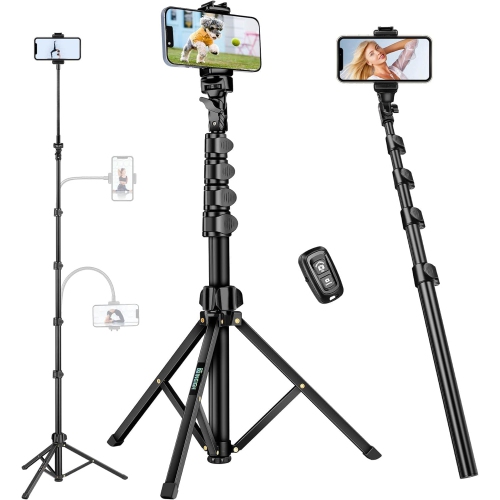

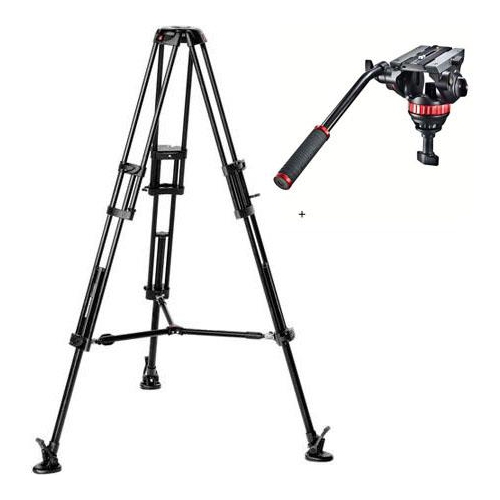
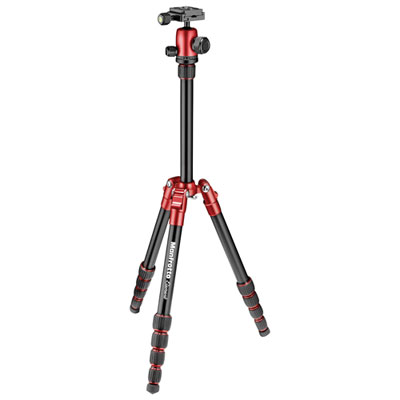
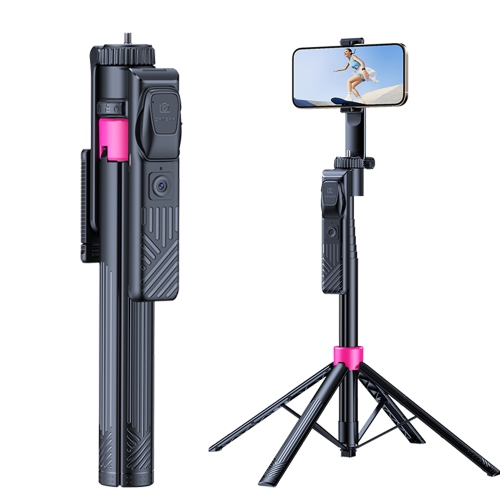
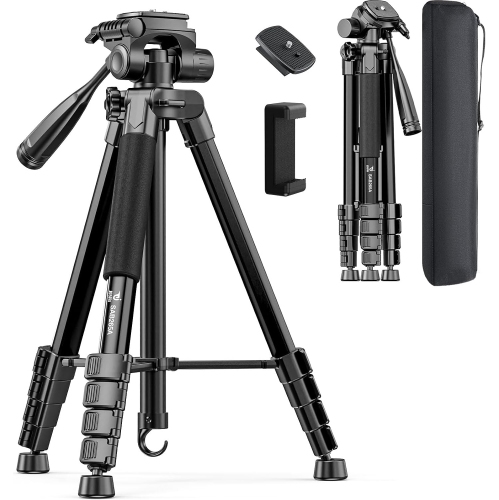
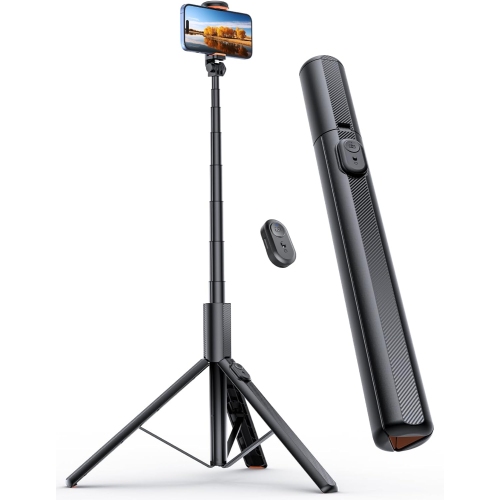
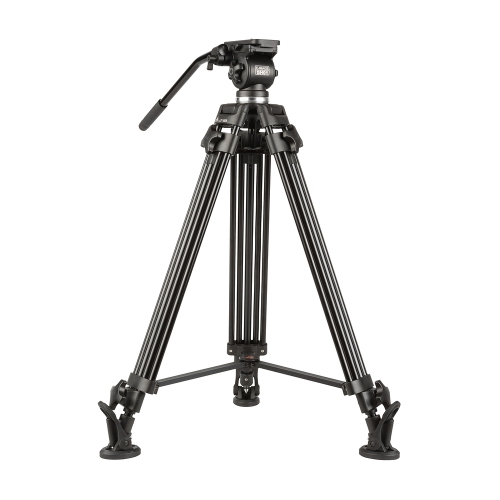
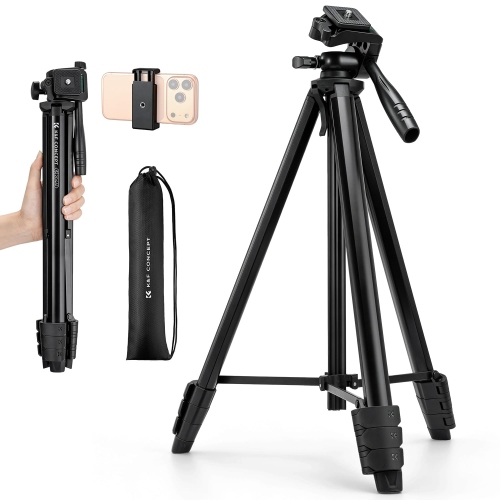
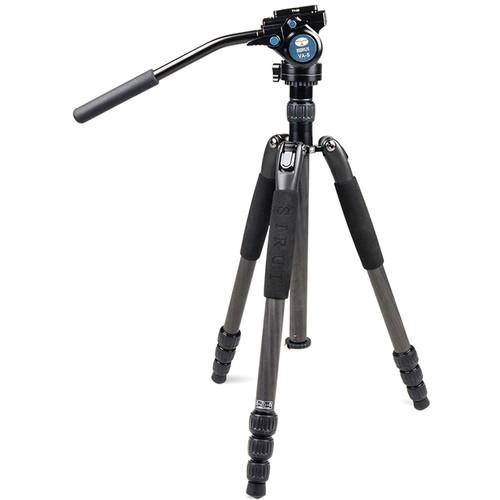
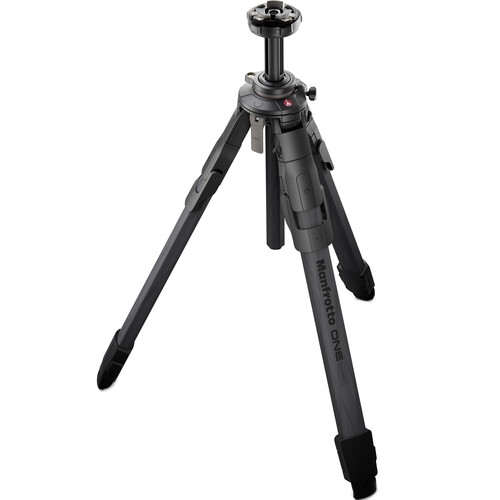
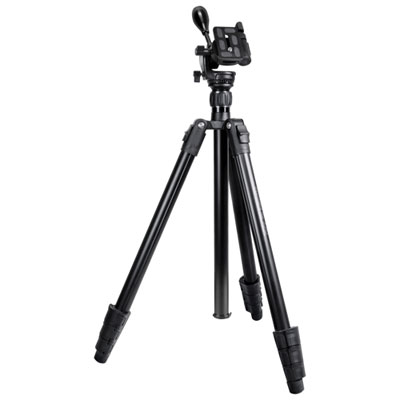
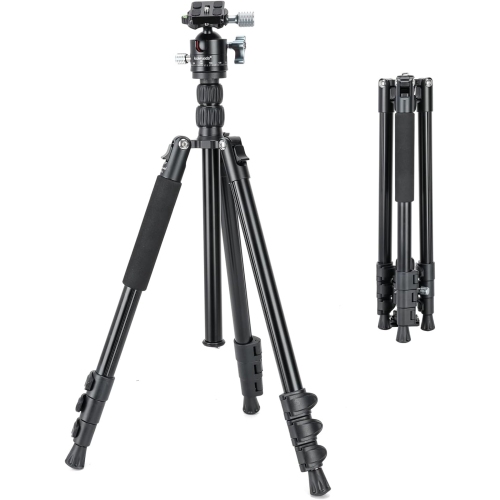
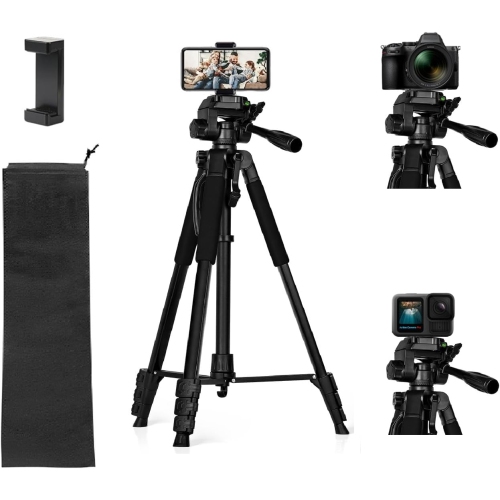
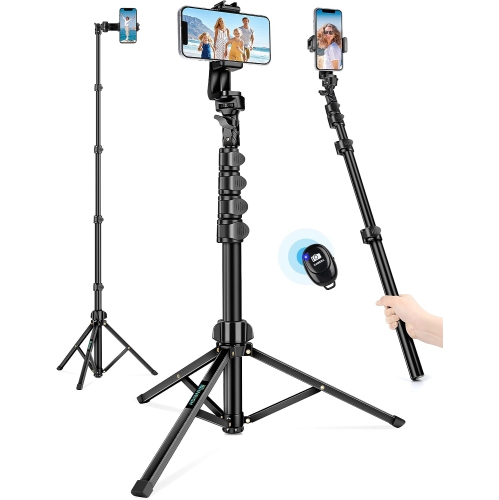
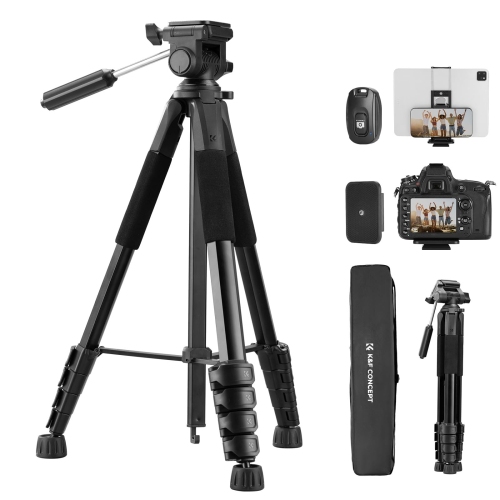
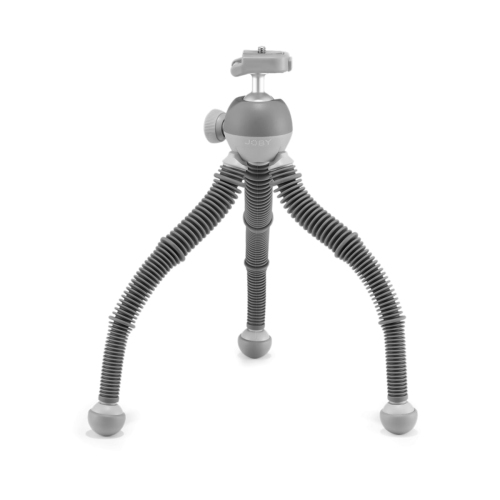
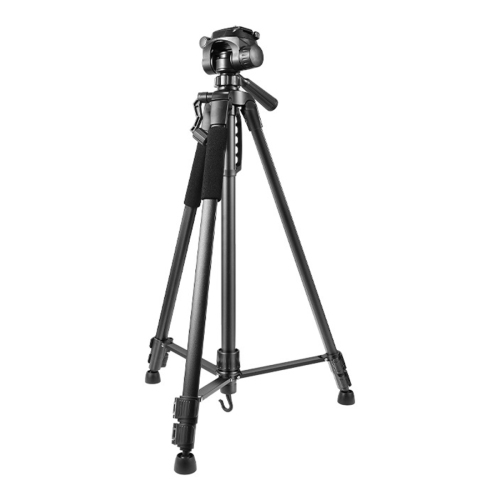
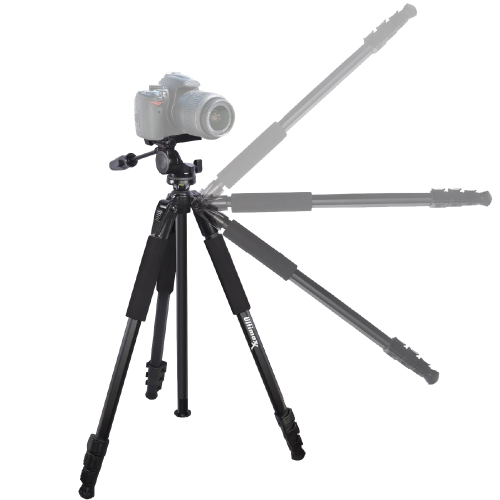
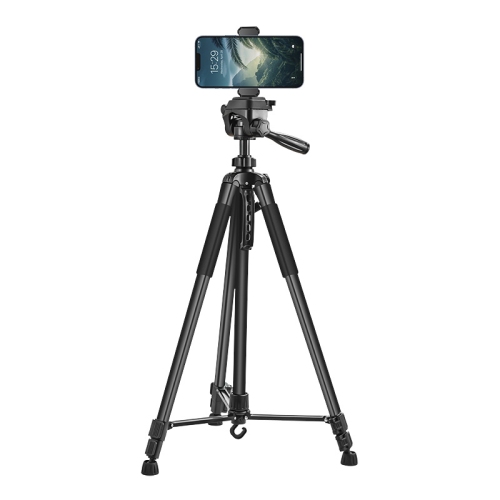
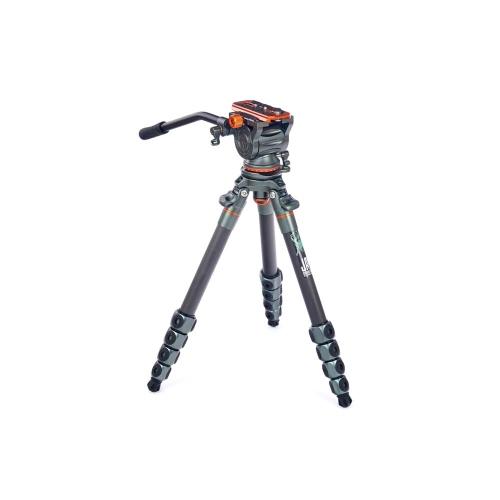
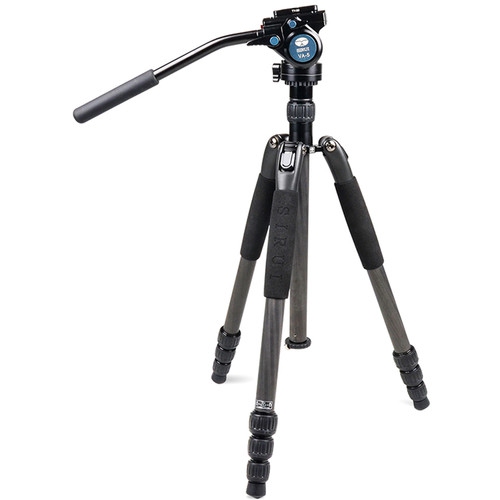
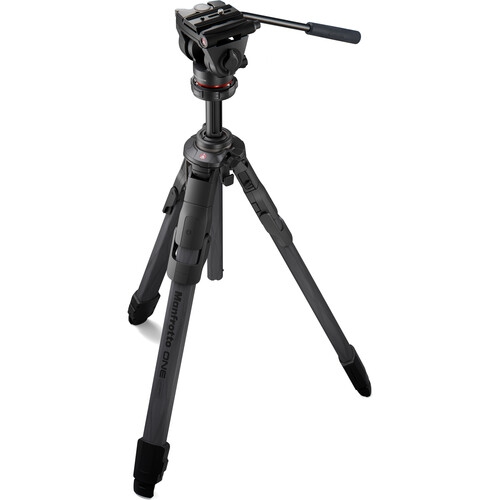
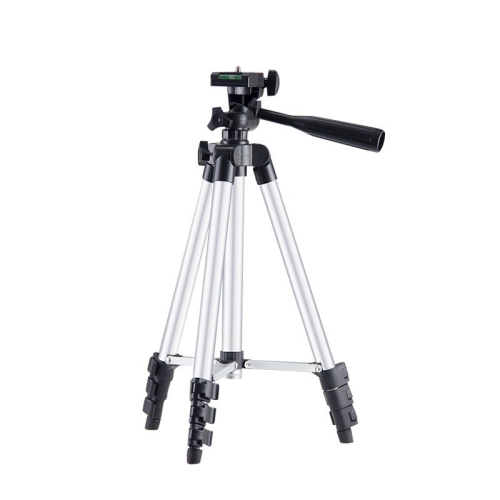
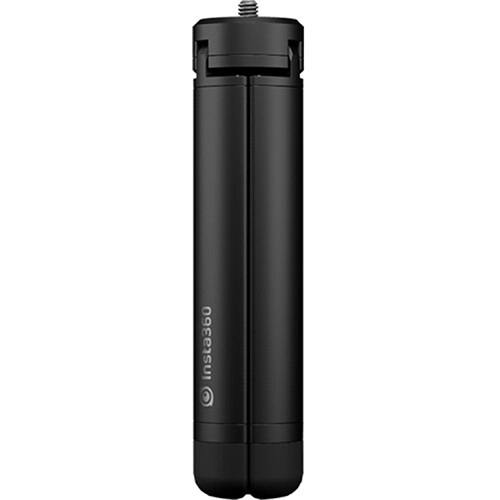
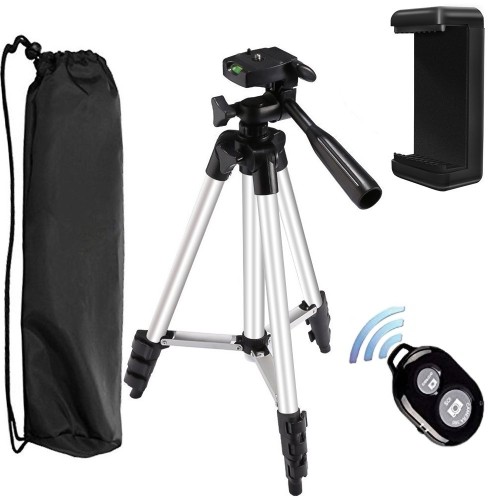


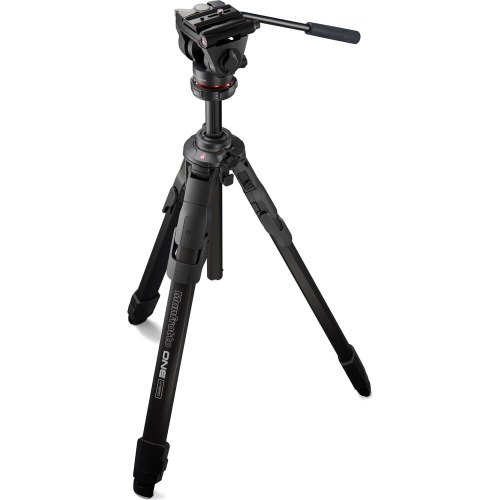
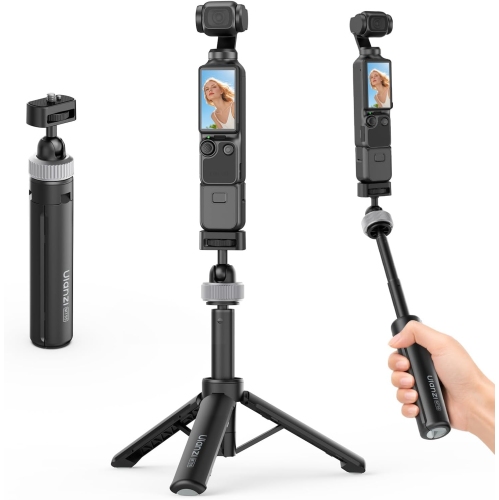
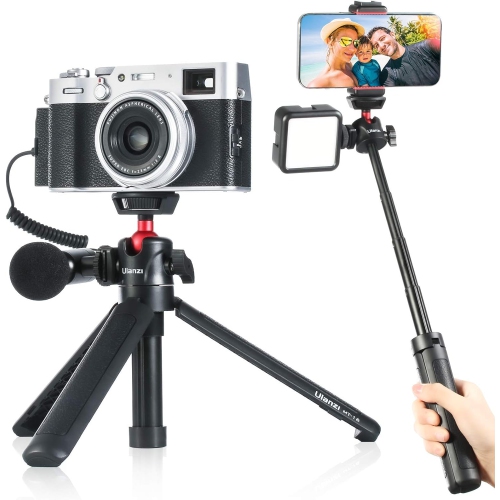
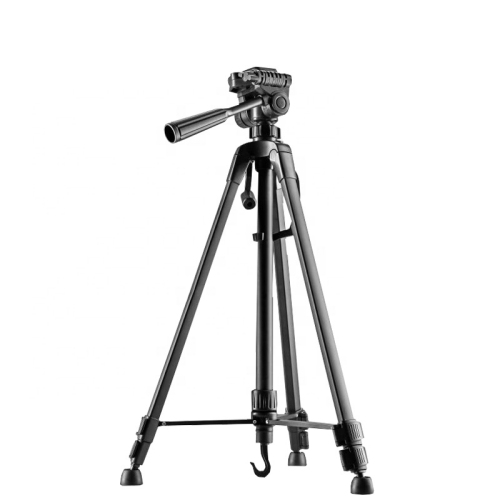

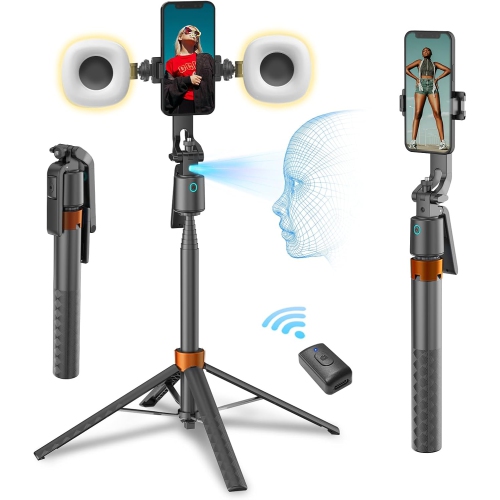
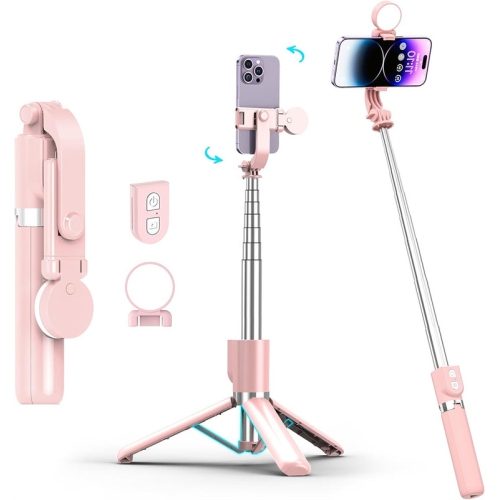
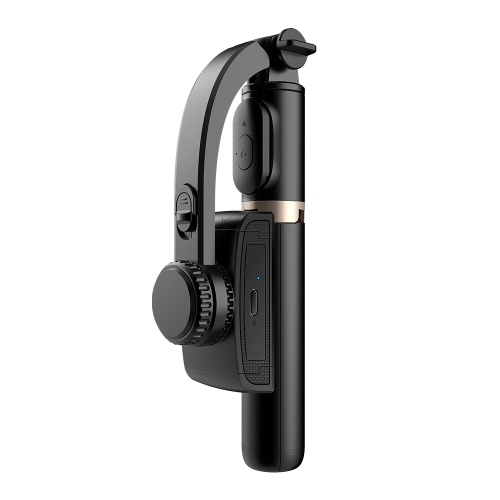
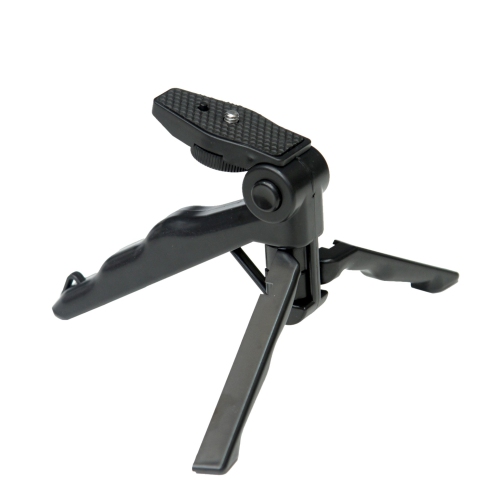
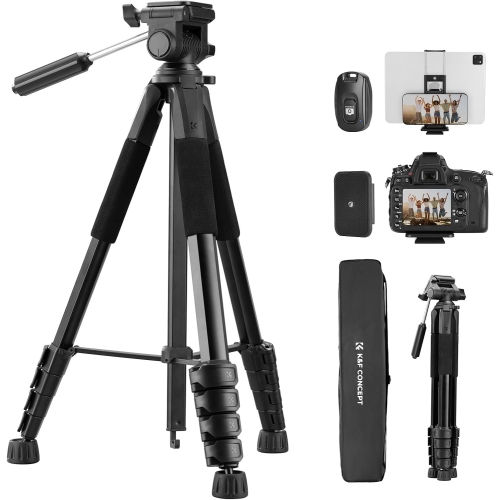
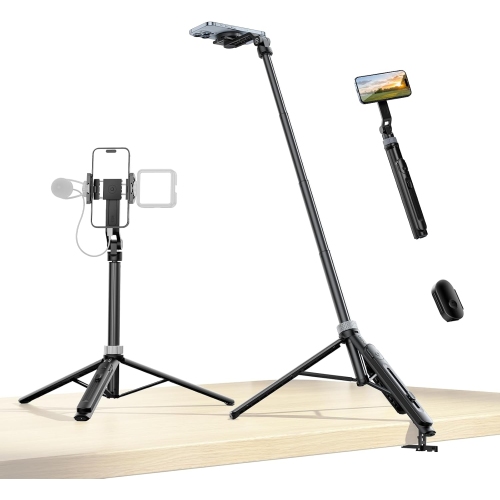
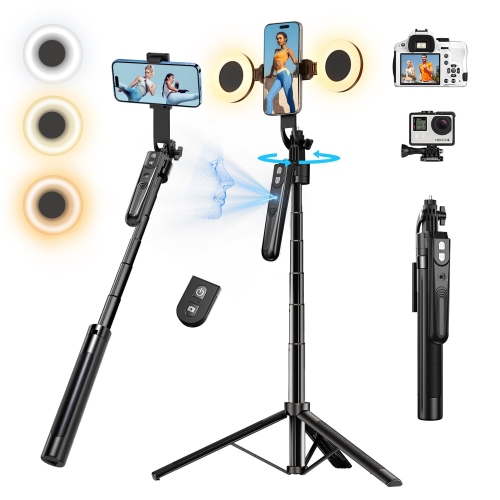
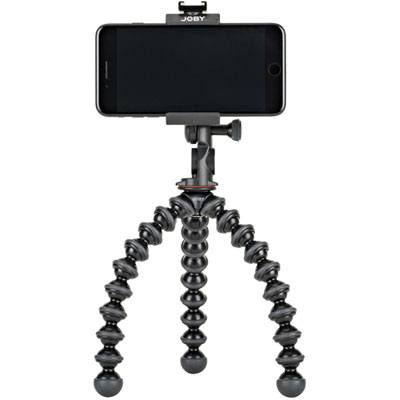
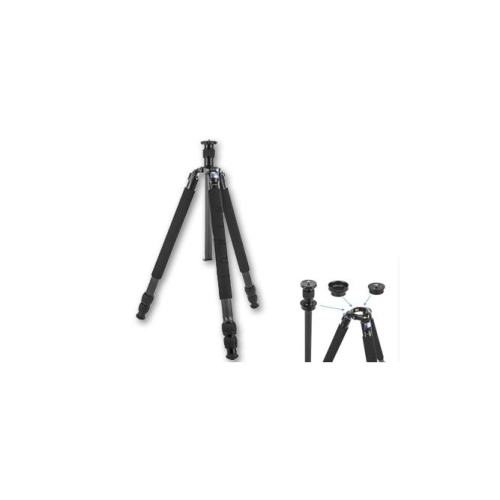
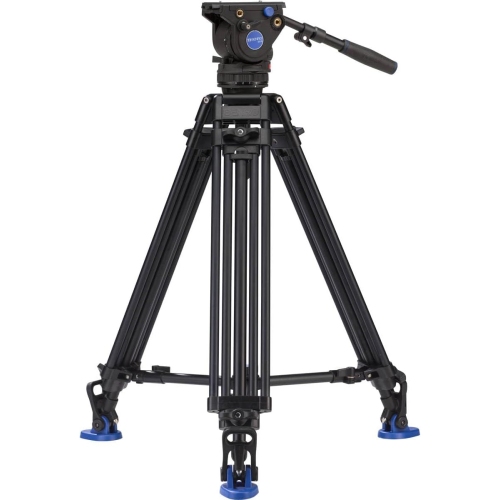
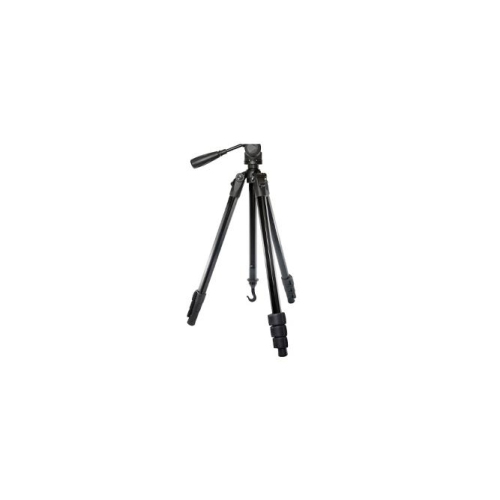

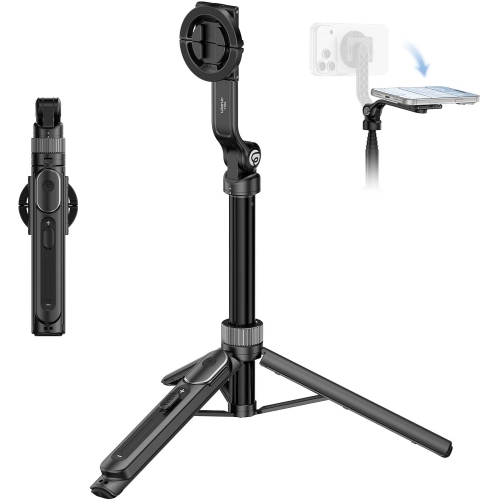
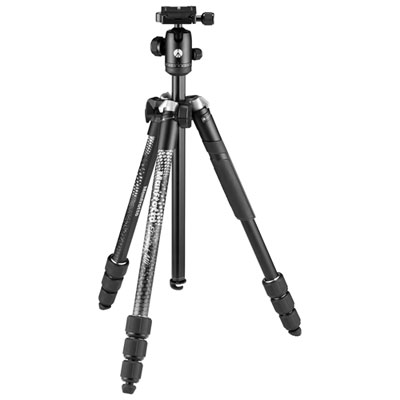

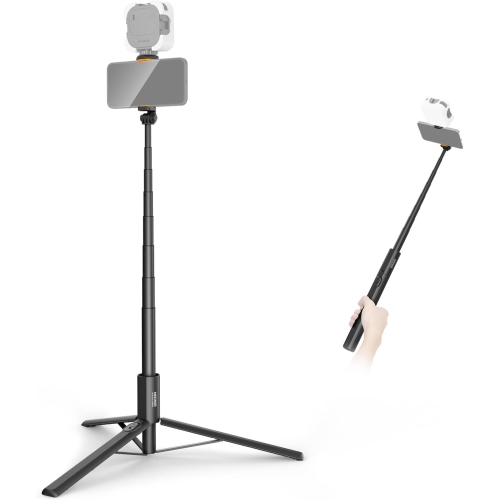
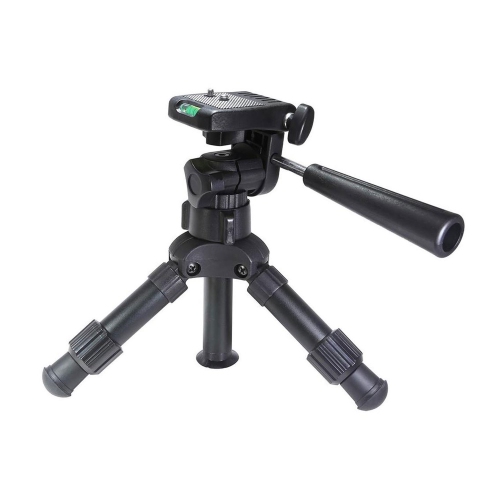
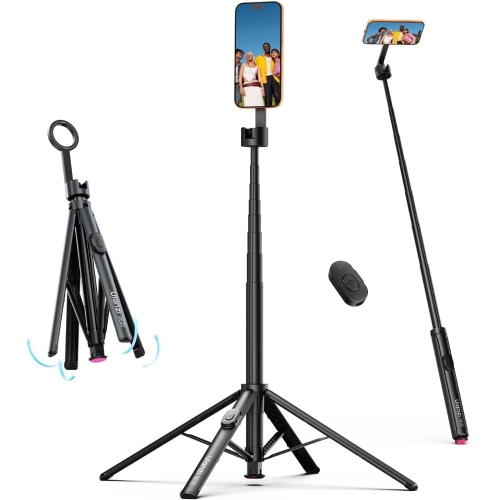
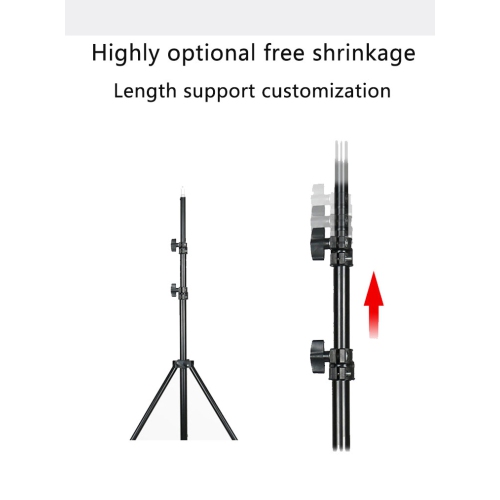
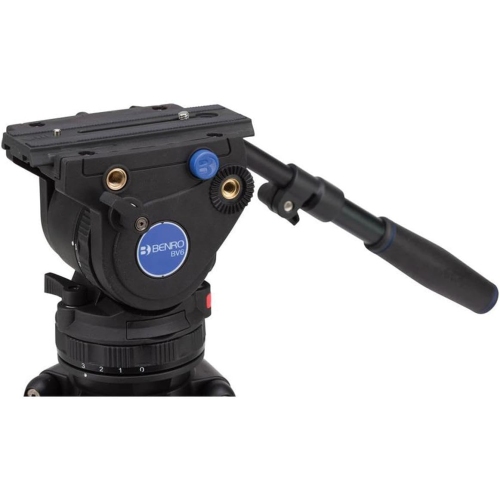
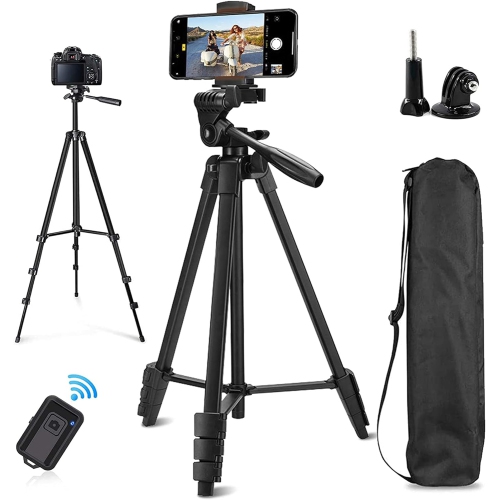
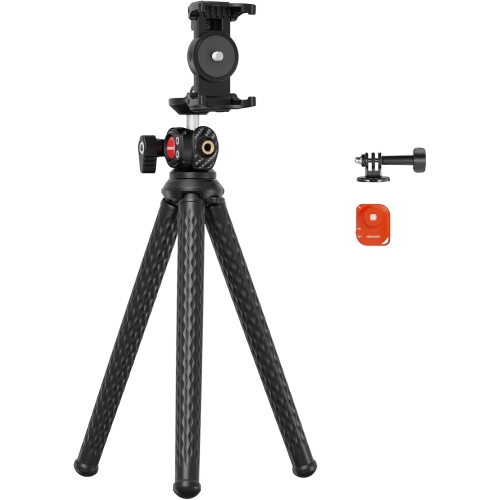
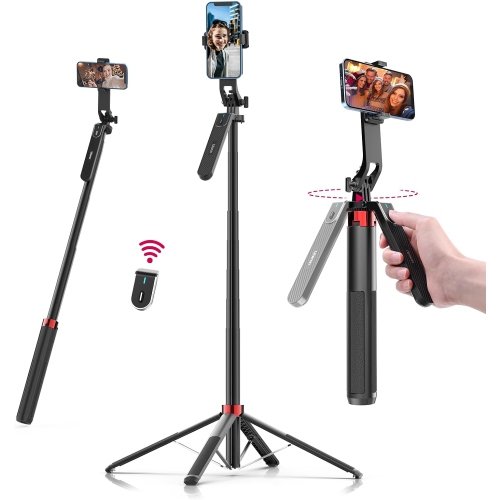
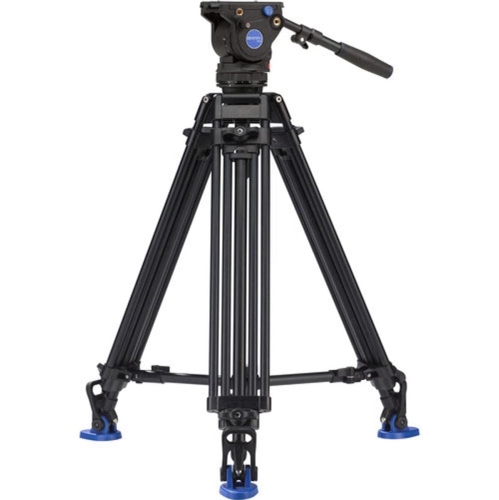
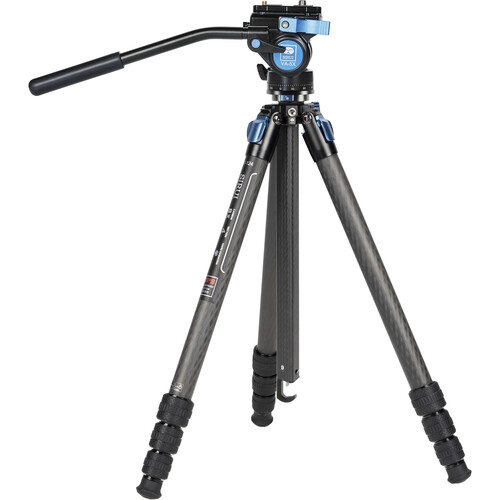
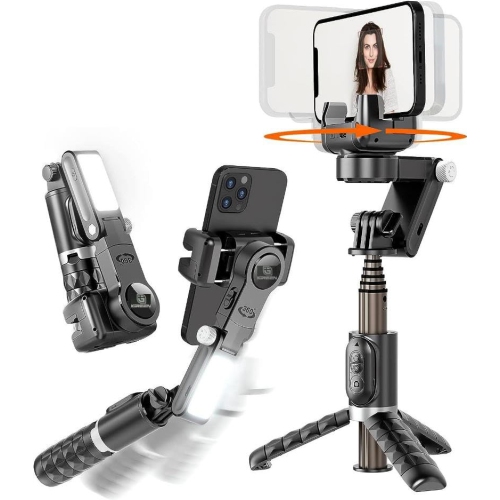
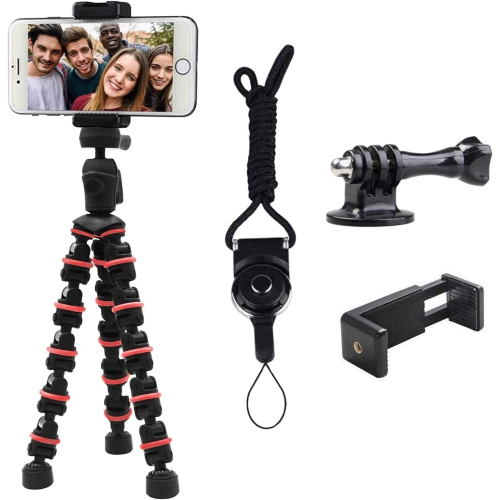

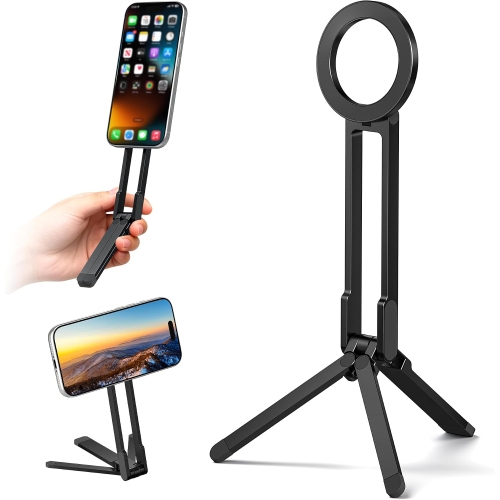
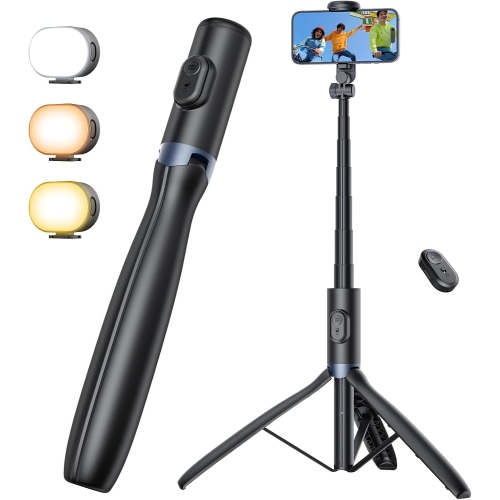
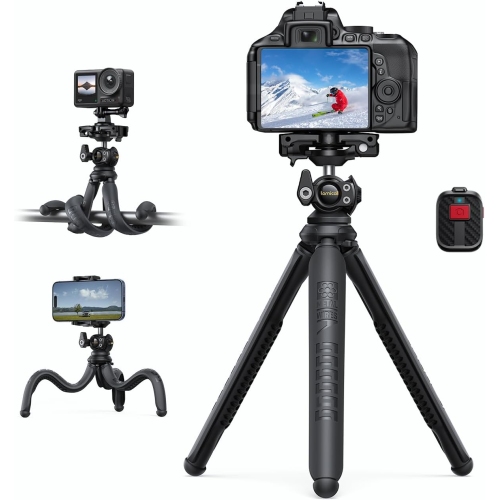


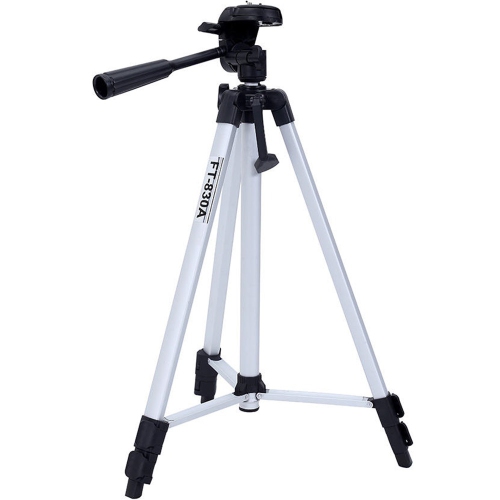
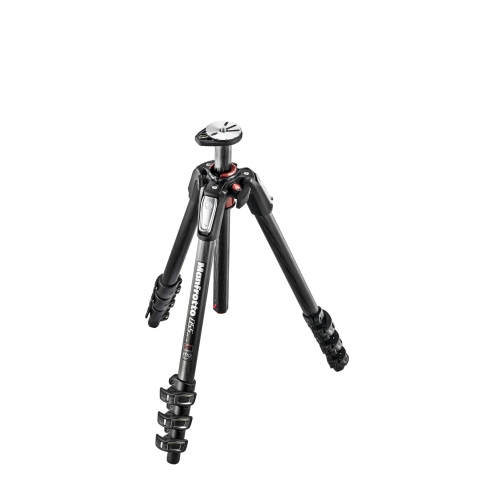
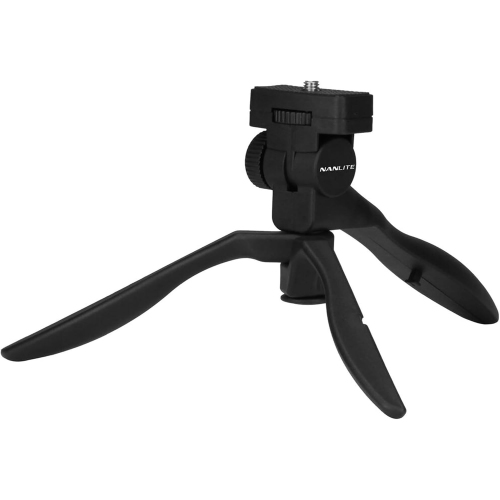
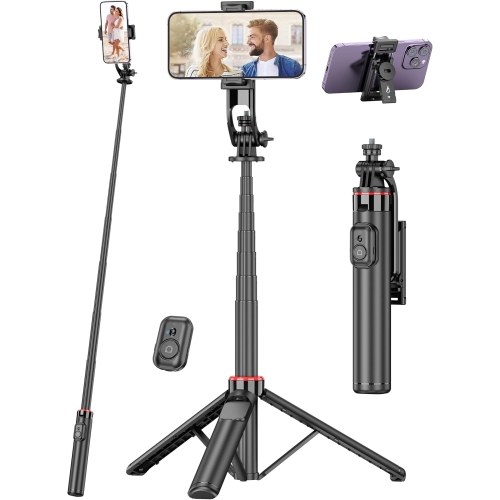
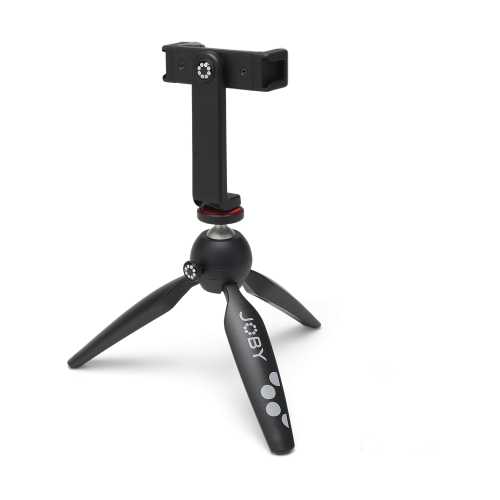
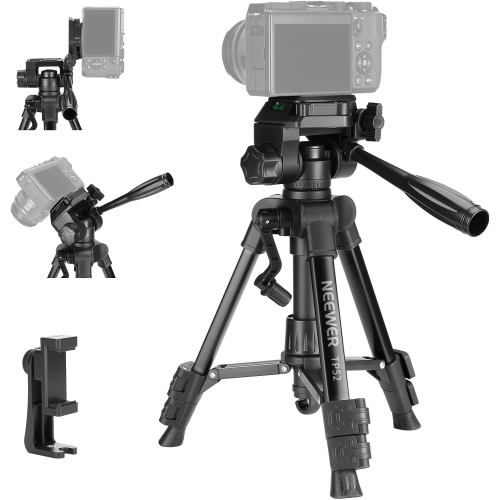
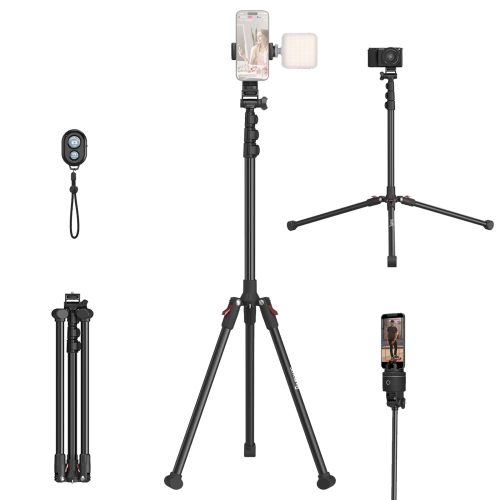
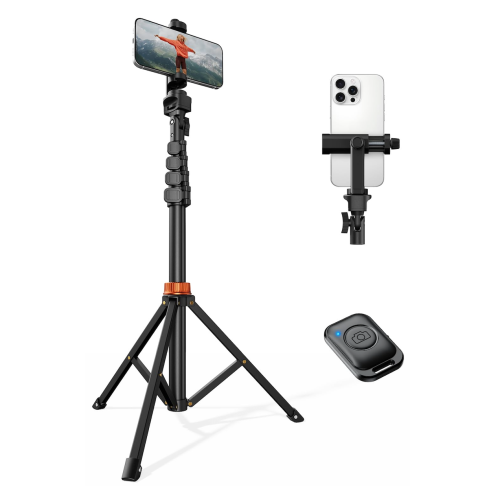
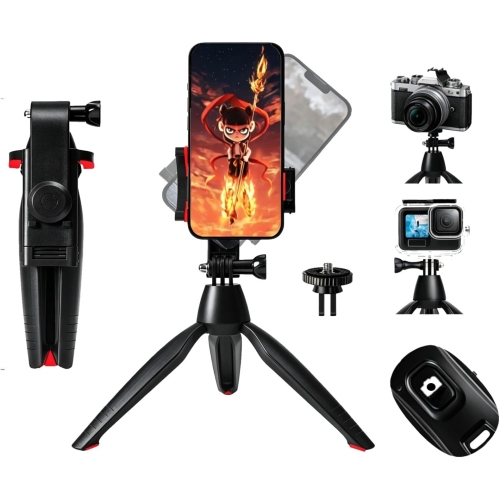
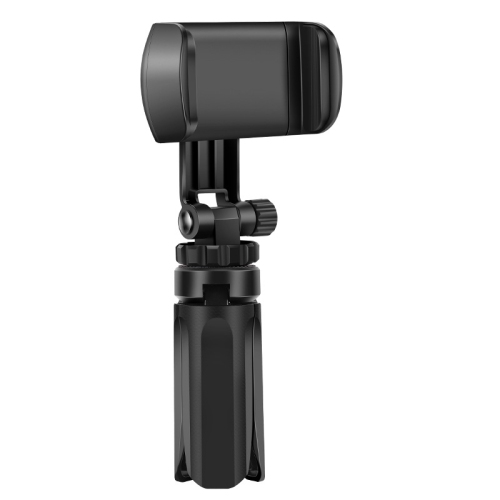
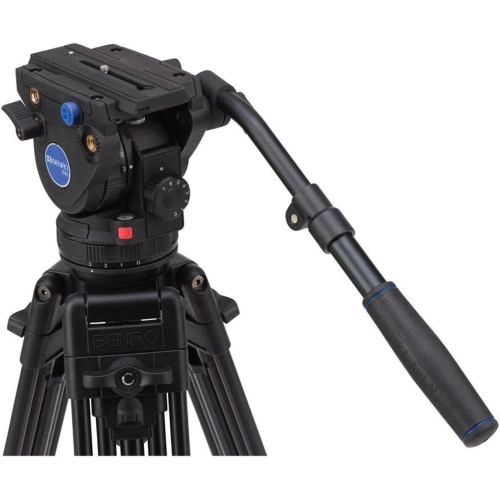

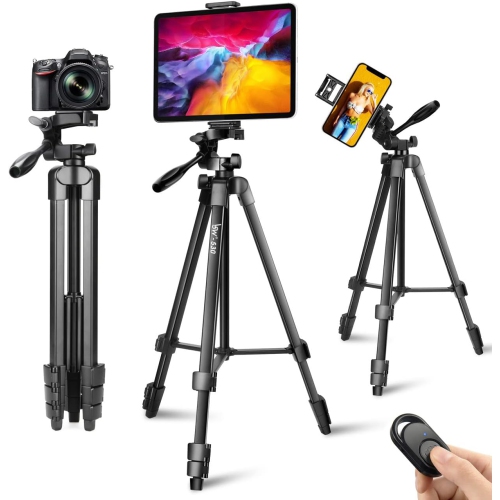
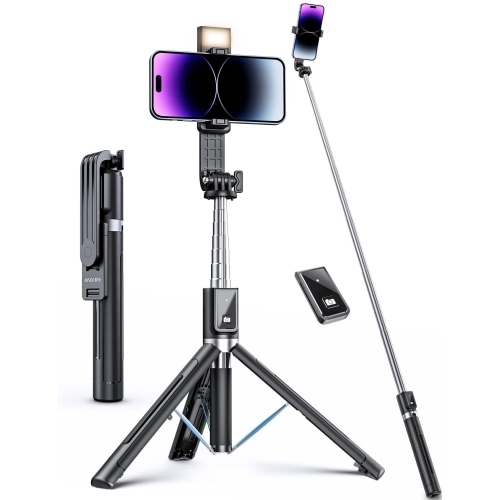
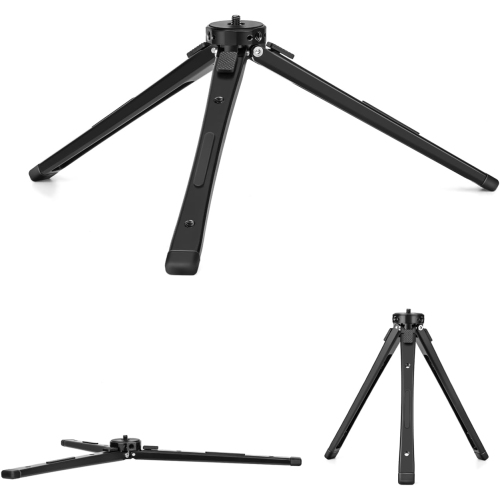
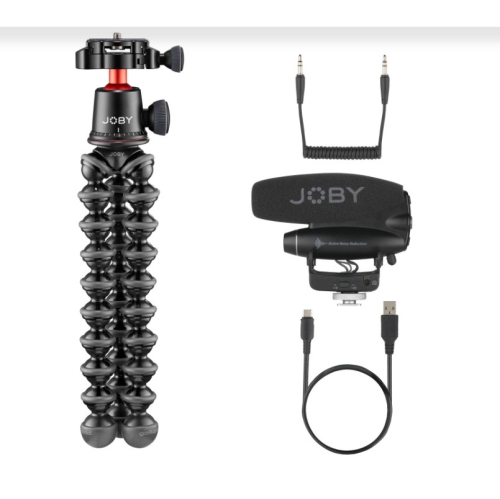

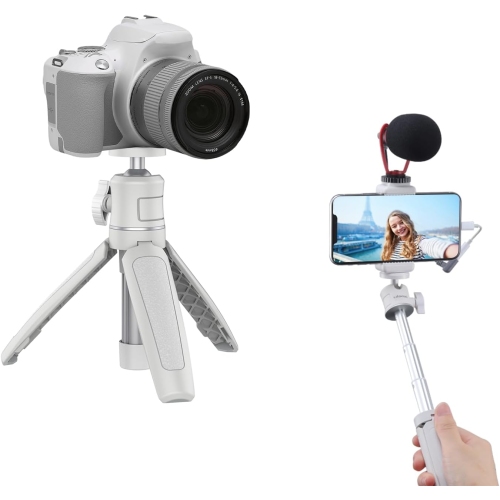
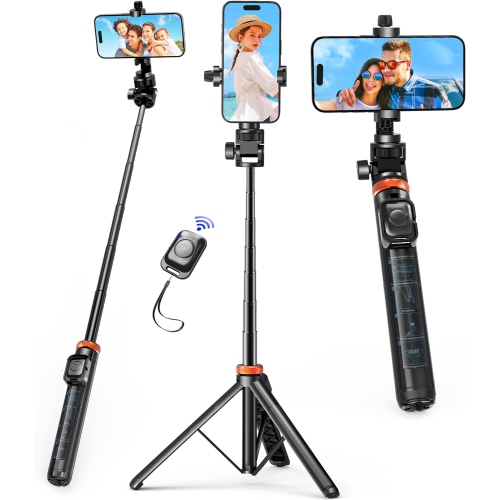
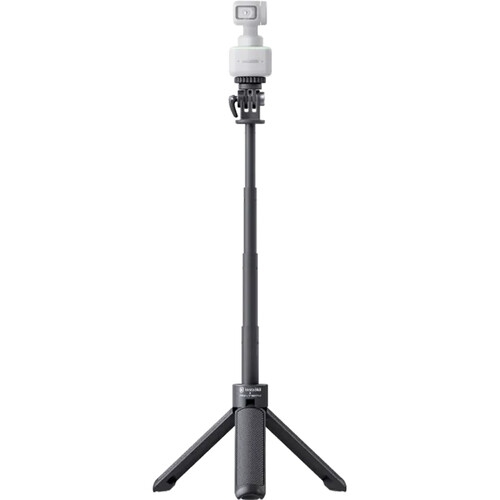
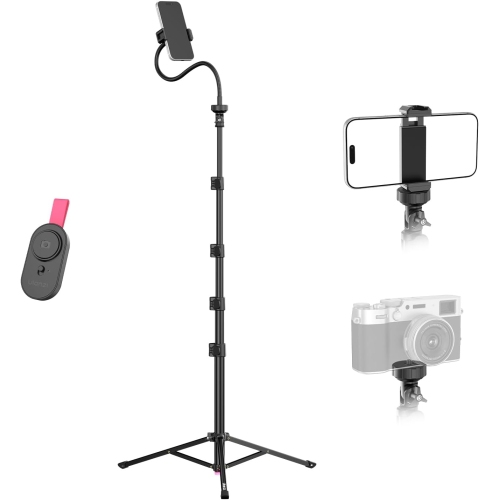
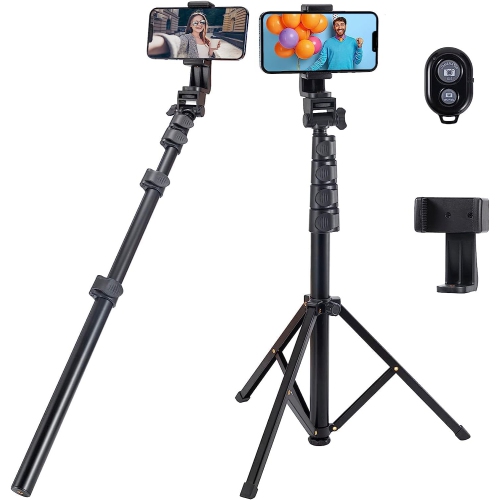
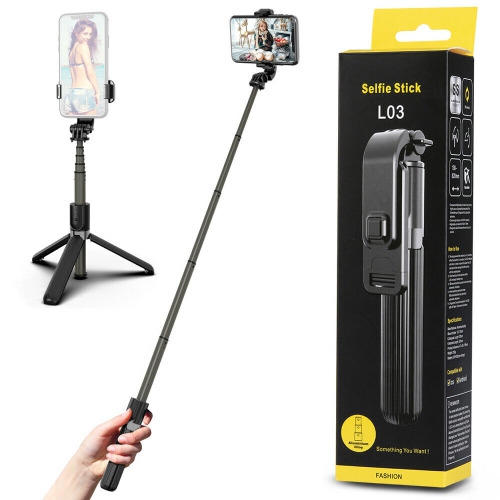
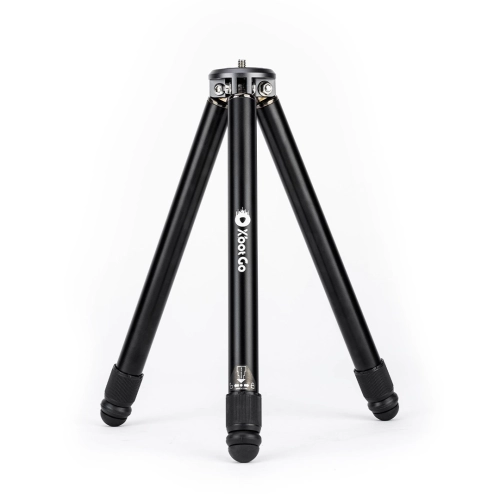
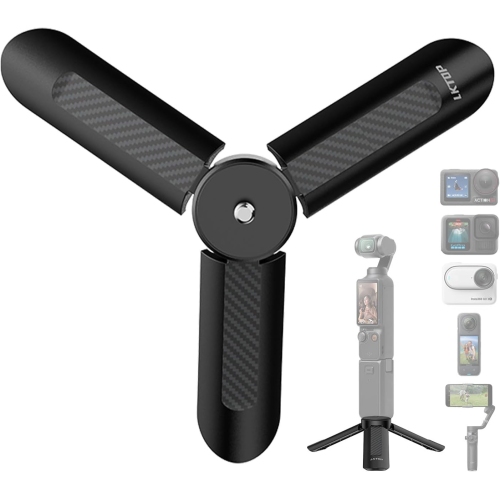
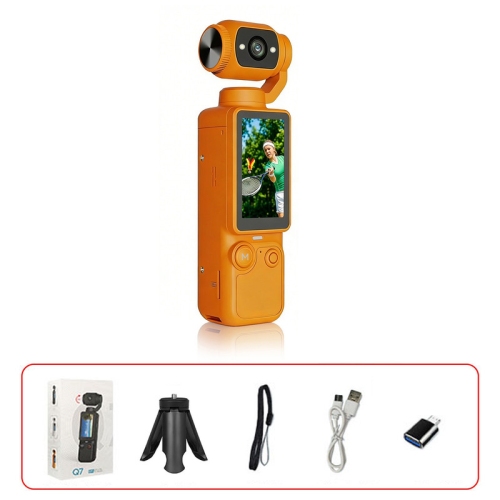
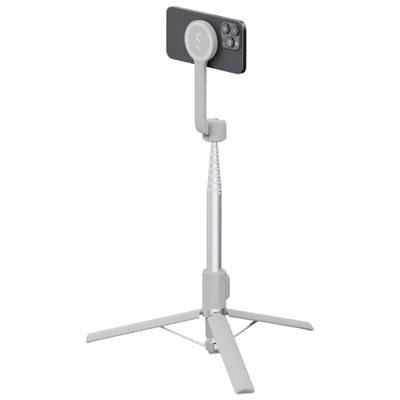
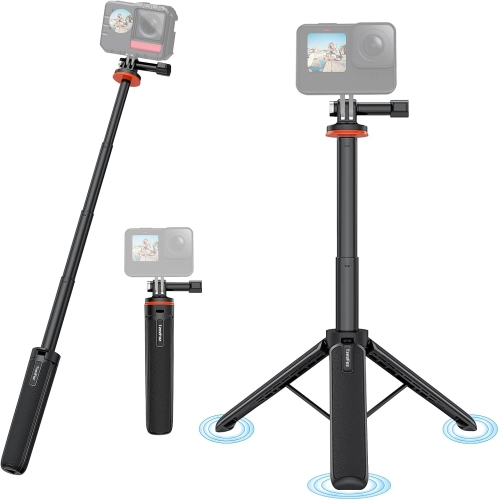

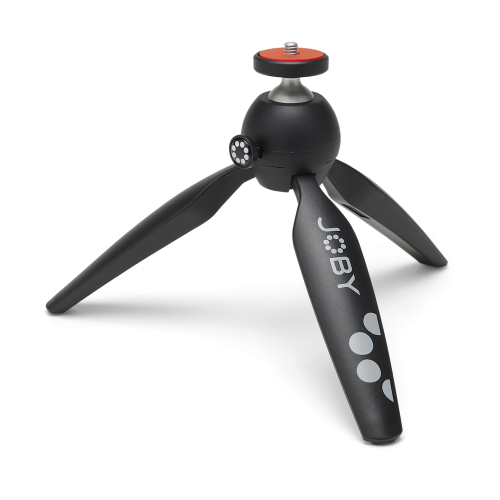
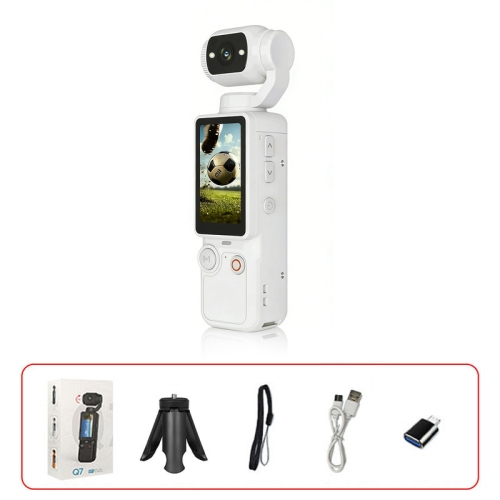
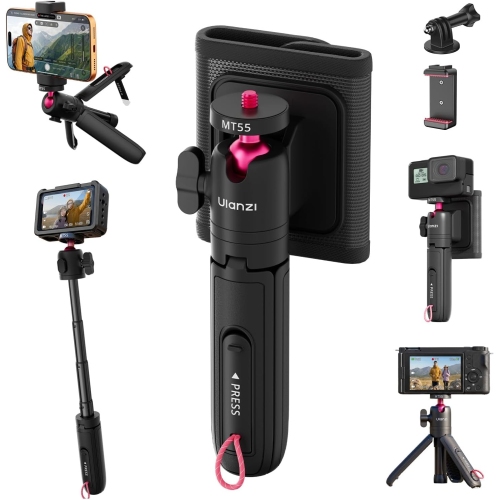
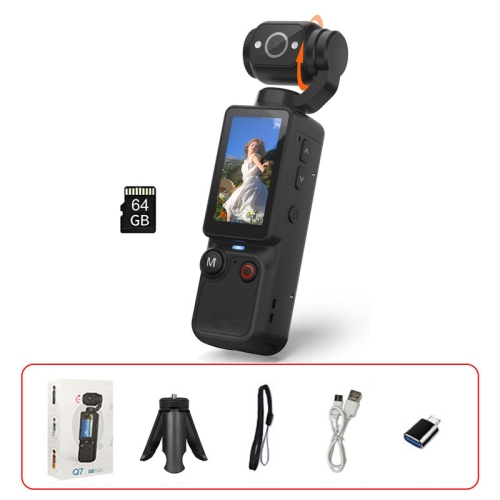

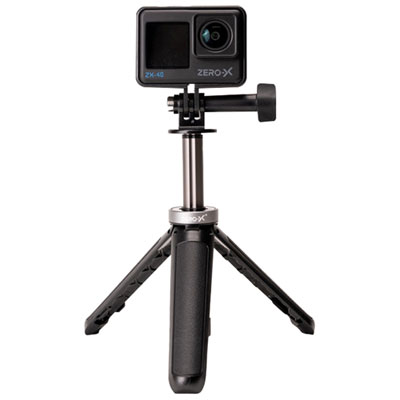
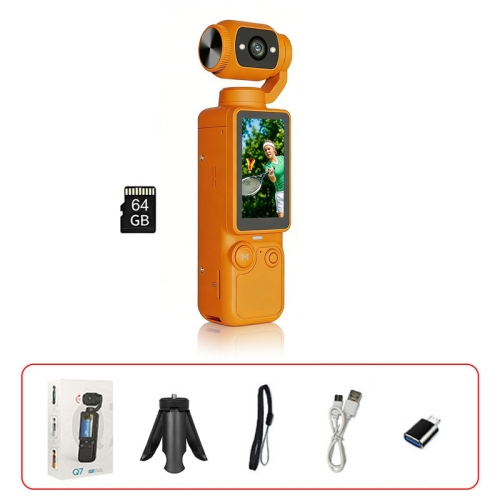
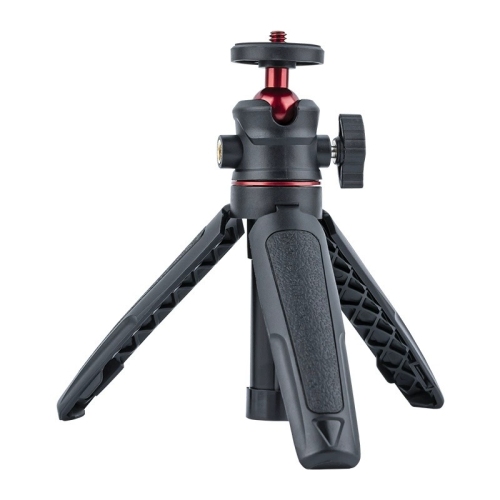
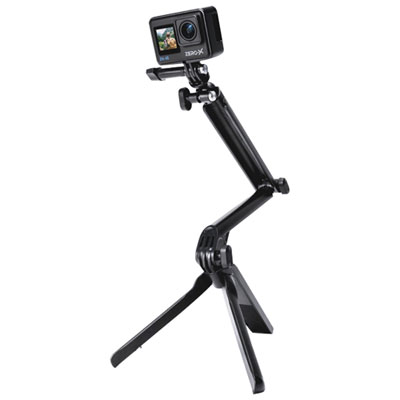
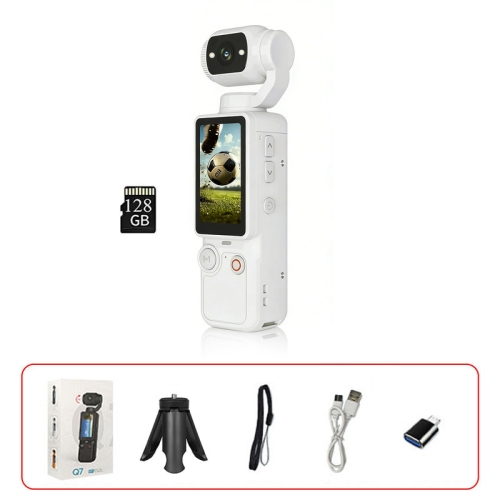
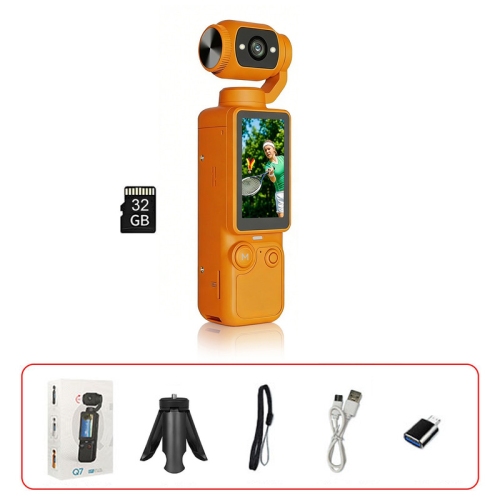
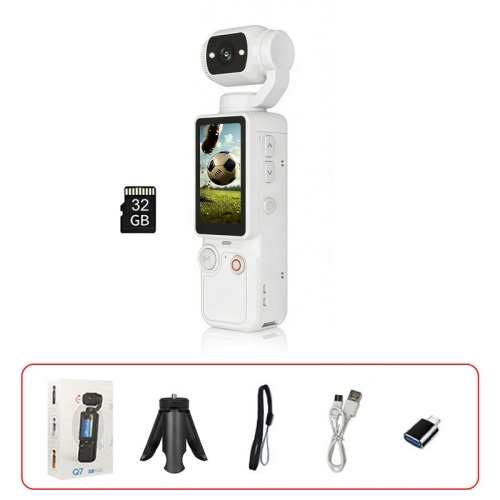
Steady footage and smooth pans on the road
Travel video tripods are compact camera supports designed to make steady footage and controlled camera movements easier to achieve away from a fixed filming location. They combine the portability needed for a camera bag or suitcase with features suited to video, such as a pan handle, a levelling mechanism, or a head that supports smooth horizontal and vertical movement. Their appeal goes beyond keeping a camera still: a stable frame lets a street scene unfold naturally, holds an interview composition between takes, and keeps the horizon consistent while following a subject. The main considerations are folded size, total carrying weight, working height, camera compatibility, and the type of movement the head allows. A fluid video head uses damping to smooth pans and tilts, while adjustable drag, where included, changes the resistance felt through the handle. A ball head offers flexible positioning for still photography and locked-off video, but generally provides less control over a continuous pan or tilt. Hybrid creators may value that flexibility, while travellers filming longer moving shots may prefer dedicated video controls. Counterbalance is another useful distinction: on heads equipped with it, a counterbalance mechanism helps offset the camera’s tendency to tip forward or backward as the head tilts. Its effective range needs to suit the camera setup rather than simply exceed its weight. Payload capacity matters too, but it describes supported weight, not a guarantee of vibration-free footage with every lens. The complete setup includes the camera body, lens, microphone, mounting plate, and any other attached accessories. A longer lens can make small vibrations more visible and shift the balance forward, even when the combined weight remains within the stated limit. A sliding camera plate helps position that load over the head. For scenes that need a straight horizon, a levelling base or bowl can simplify adjustment without repeatedly changing individual leg lengths, although this feature is not included on every travel-oriented design.
Portability depends on more than the number shown for tripod weight. Folded length, folded diameter, the shape of the head, and whether the pan handle detaches all affect how comfortably a tripod fits alongside lenses and other travel essentials. A slim set of legs may slide into a backpack’s side pocket, while a larger video head can make the same support better suited to a separate carrying bag. The most useful weight comparison includes both the legs and the head, since specifications may describe them separately. Aluminium and carbon fibre are common leg materials. Aluminium offers dependable rigidity, while carbon fibre can reduce carrying weight in comparable designs; actual stiffness and durability also depend on tube diameter, construction, joints, and locking hardware. More leg sections can help reduce folded length, but they also introduce additional joints, and the thinnest lower sections may be more susceptible to flex. Working height deserves similar attention. A tripod that reaches a comfortable viewing position without fully raising its centre column can offer a steadier platform than one that depends heavily on column extension. Low-angle capability is useful for footage taken close to a pathway or tabletop, while independently adjustable leg angles help accommodate steps and uneven surfaces. Flip locks provide visible closure, and twist locks keep the leg profile relatively streamlined; secure engagement and comfortable operation matter more than the style alone. Rubber feet are well suited to many finished floors, whereas interchangeable pointed feet require an appropriate surface and permission to use them. A compact footprint can be helpful in a small room or at a busy viewpoint, but narrowing the leg spread reduces resistance to tipping. For an interview in a hotel room or a static view from a lookout, sufficient leg spread and a balanced camera position remain important even when space is limited. Removable handles, replaceable feet, and serviceable locking parts can also make a frequently packed tripod easier to maintain over time.
Camera fit involves the mounting system as well as the weight rating. The plate must attach securely to the camera or cage, and its shape needs to match the head’s clamp; quick-release plates are not universally interchangeable, even when they appear similar. Anti-twist features can help prevent a camera from rotating on its mounting screw, and a plate with enough adjustment can make balancing different lenses easier. Clearance around the mounting point also matters when accessing a battery compartment, opening an articulated screen, or connecting a microphone cable. Creators who alternate between horizontal footage and vertical clips may benefit from a compatible orientation bracket or a head designed for that change, rather than assuming every video head can tilt sideways. Phones and action cameras need suitable mounts of their own, and those mounts should hold the device securely without obstructing controls or lenses. Travel video tripods suit a broad range of uses, from a solo creator filming a piece to camera to a family member capturing a performance from an approved position. They can also be thoughtful gifts for someone building a compact filming kit, provided the camera system and carrying preferences are known. For photography-led trips or mixed stills and video use, Travel Tripods offer a related category to consider alongside video-focused supports. Care is generally straightforward but should follow the manufacturer’s directions: remove loose grit before collapsing the legs, wipe away surface dirt with an appropriate cloth, and let damp components dry before storage. Lubricants and cleaning fluids should only be used where specifically approved, particularly around head mechanisms and leg locks. During transport, securing the legs, protecting exposed mounting surfaces, and storing a detached handle safely can reduce snagging and accidental damage. Periodic checks of screws, clamps, and locks help keep the setup dependable, while a brief balance and stability check before filming helps prevent a carefully framed shot from being spoiled by gradual movement.
Top selling and popular products
-
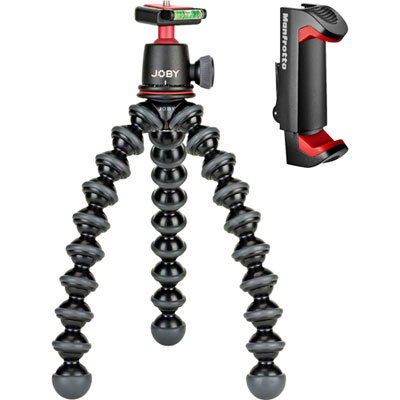 Your price for this item is $144.99
-
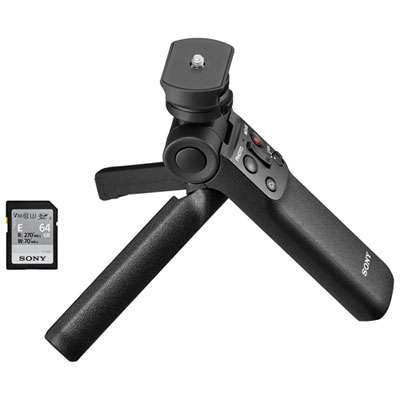 Your price for this item is $199.97
-
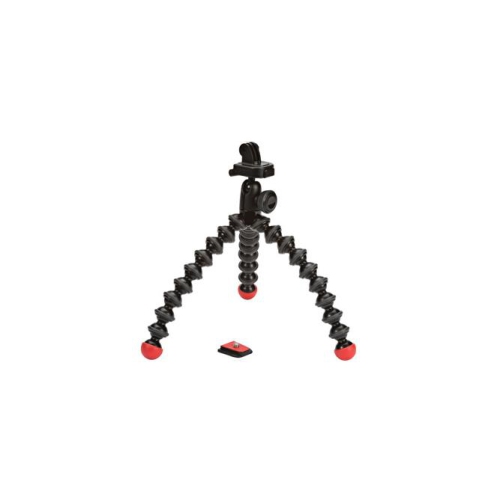 Your price for this item is $126.91
-
 Your price for this item is $139.99
-
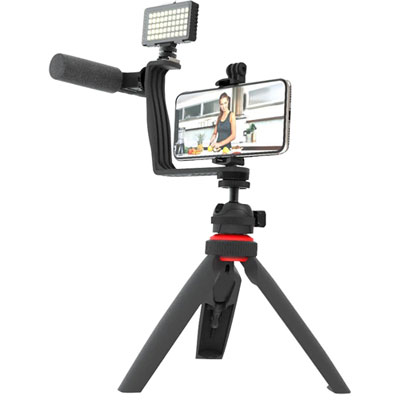 Your price for this item is $69.99
-
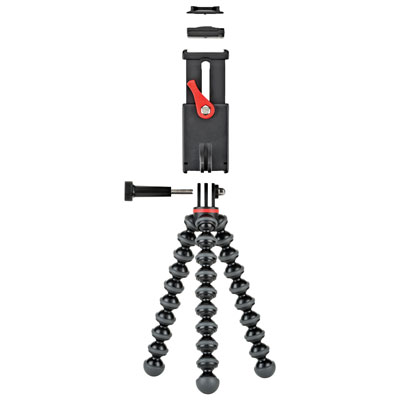 Your price for this item is $78.97
-
 Your price for this item is $259.99
-
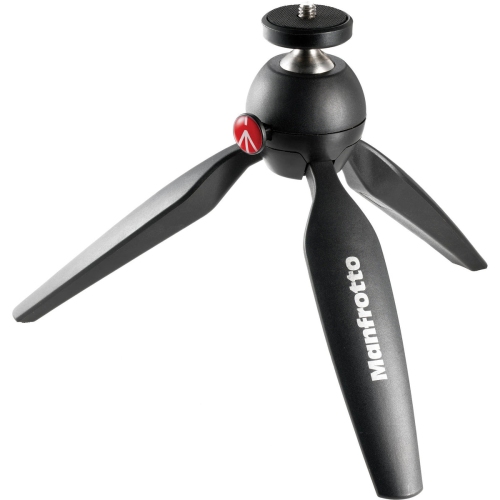 Your price for this item is $83.53
Discover more categories related to Travel Video Tripods
Top Collections:
Best Black Friday Deals This Year, Best Black Friday Deals On Electronics, Kindle Devices, Pokemon Centers, Best Black Friday Deals On Apple Products, Best Cameras for Sports Photography, Dyson Airwrap, Pokémon 30th Celebration Cards, Apple iPhone 17 Pro, Canon G7X Cameras
Some products may be subject to Environmental Handling Fees
(EHF) depending on your province.
Learn more about EHFs.