Film Cameras For Media Students
Film Cameras For Media Students offer a hands-on way to explore the fundamentals of photography and visual storytelling. Whether you are capturing scenes for class projects or building your portfolio, these cameras provide an excellent foundation for learning key techniques. Browse a variety of film cameras that support creativity and skill development, making them a valuable tool for anyone studying media or photography.
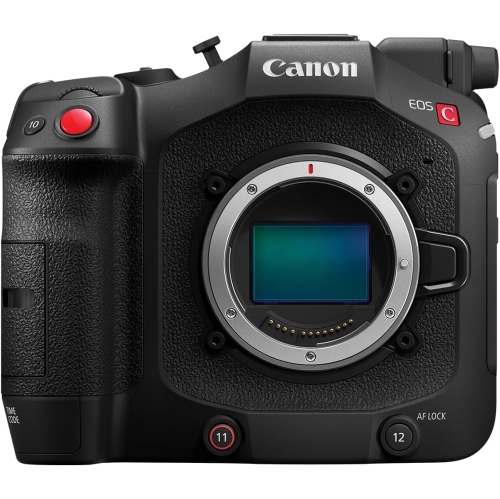
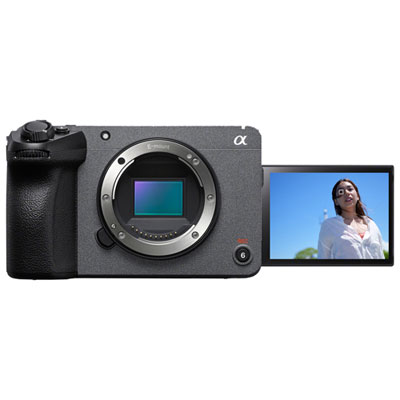
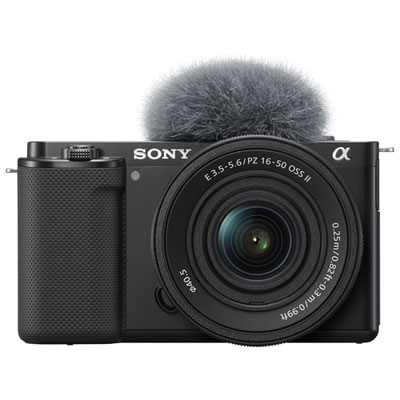
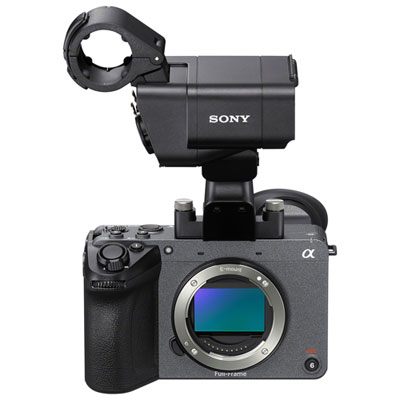
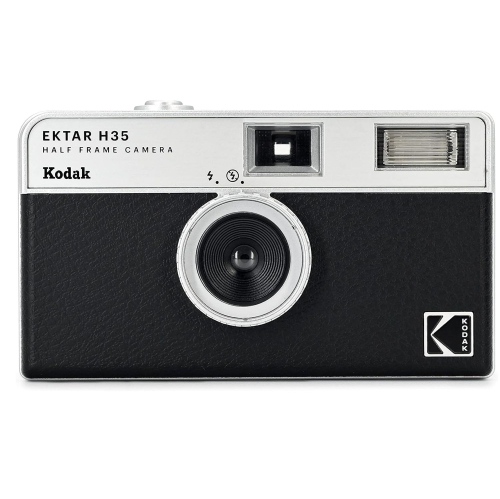
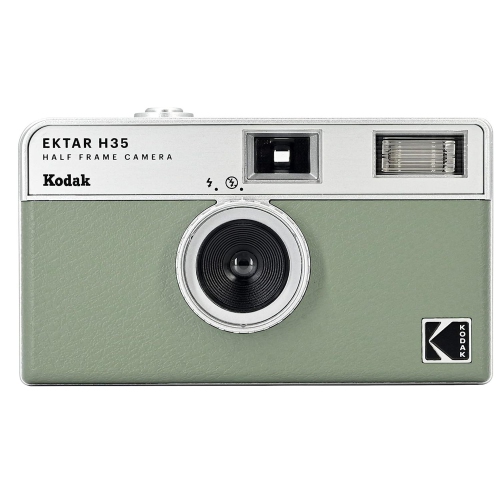

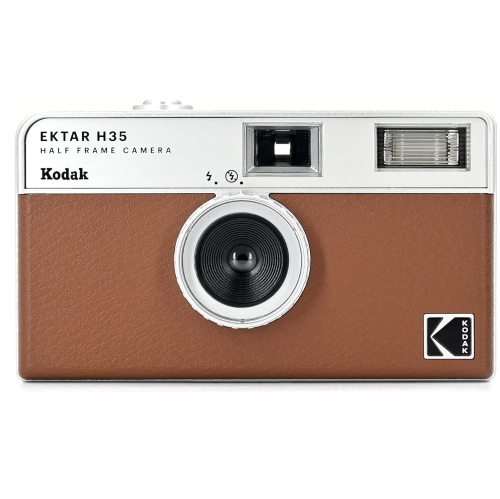
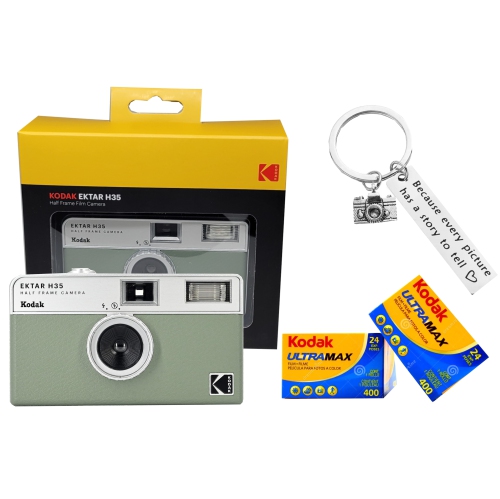
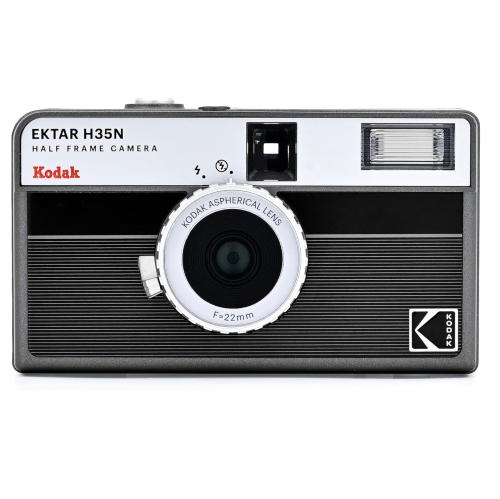

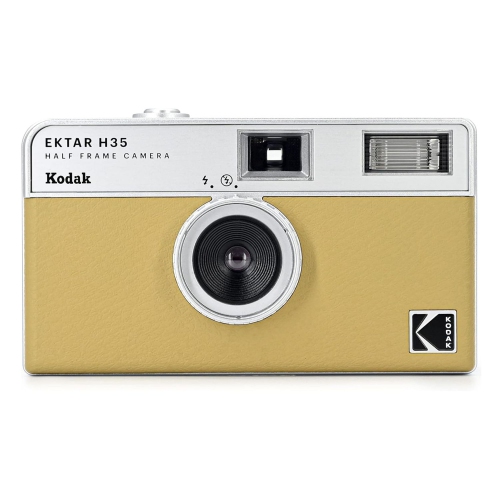

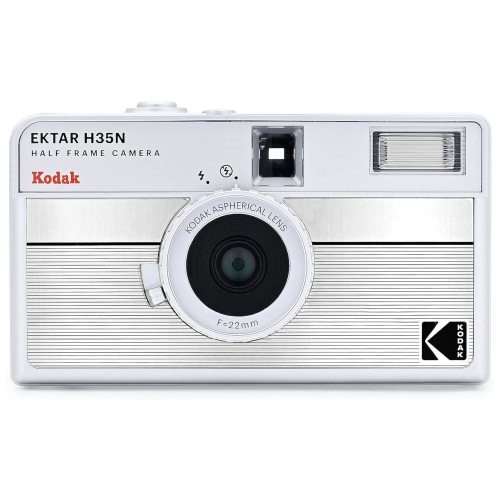
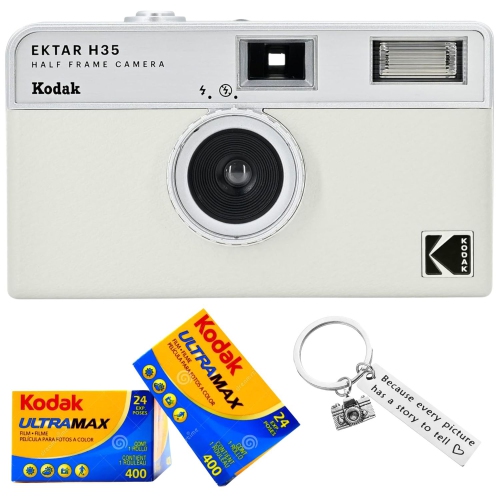
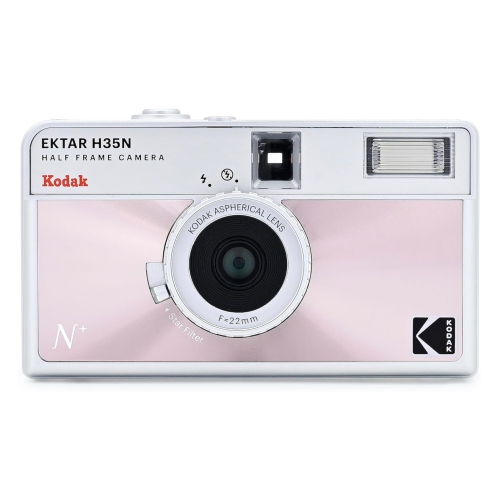
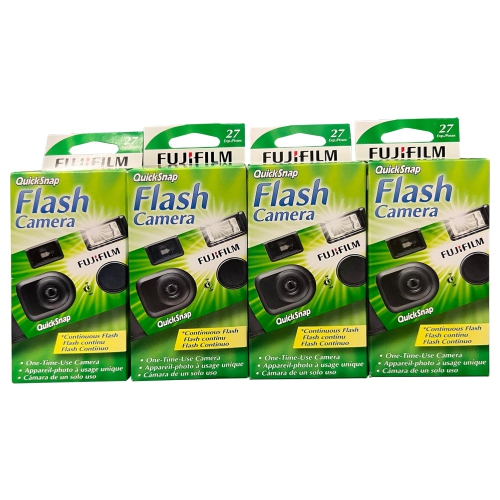

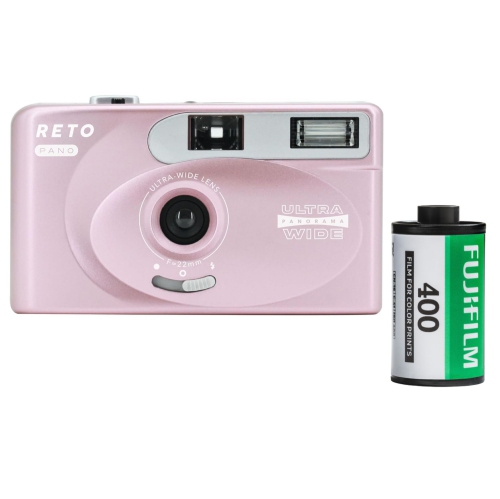
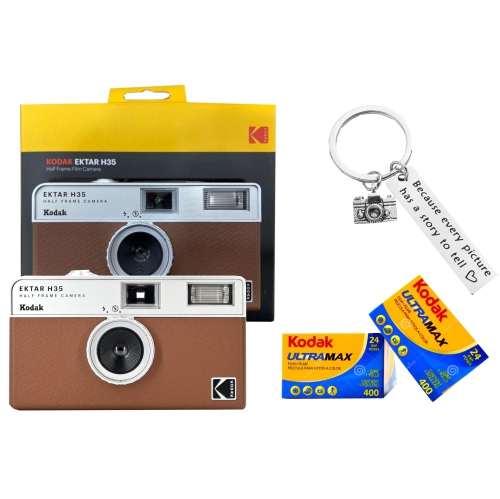
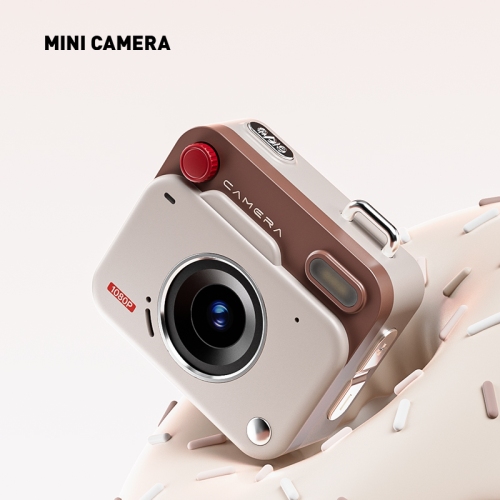
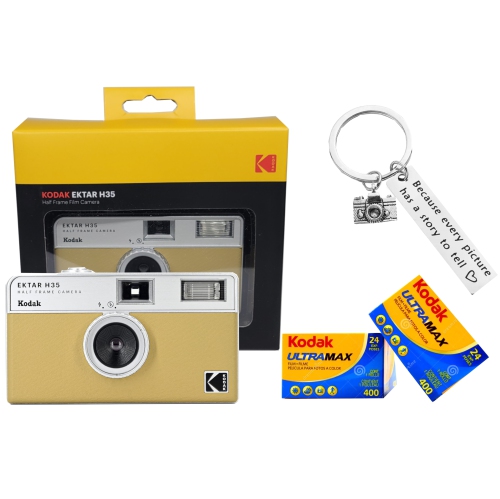
Hands-on film photography builds skills beyond the classroom
Choosing a film camera involves several important considerations, especially for media students who may be balancing coursework, personal projects, and extracurricular activities. Durability and ease of use are often top priorities, as students need equipment that can withstand the rigours of daily use, whether in a bustling classroom or out on location. Features such as manual controls, interchangeable lenses, and reliable metering systems can make a significant difference in the learning process, helping students experiment and refine their craft. Portability is another key factor, as lightweight and compact models are easier to carry between classes, photo shoots, and field trips. For those just starting out, it can be helpful to explore resources tailored to newcomers, such as the Film Cameras for Beginners page, which provides practical guidance and recommendations. As the academic year unfolds and creative projects take shape, film cameras offer media students the chance to build a tangible portfolio, develop technical skills, and create lasting memories—whether capturing the energy of a summer festival or the golden hues of fall foliage.
FAQ
What are the benefits of using film cameras for media students?
Film cameras help media students develop a strong understanding of photography fundamentals, such as exposure, composition, and manual settings. They also encourage careful planning and creativity since each shot counts.
How do film cameras differ from digital cameras in terms of learning experience?
Film cameras require manual adjustments for focus, exposure, and film loading, which helps students learn technical skills. Unlike digital cameras, film does not offer instant previews, encouraging thoughtful shooting and patience.
What types of film cameras are suitable for beginners in media studies?
Manual 35mm SLRs and point-and-shoot film cameras are popular choices for beginners. These models offer a balance between ease of use and hands-on learning opportunities.
Can film cameras be used for both photography and filmmaking projects?
Yes, certain film cameras are designed for still photography while others, like Super 8 or 16mm movie cameras, are made for filmmaking. Media students can explore both formats depending on their project needs.
What should media students consider when choosing a film camera?
Students should consider factors such as camera type (SLR vs. rangefinder), lens compatibility, availability of film stock, ease of use, and access to developing resources when selecting a film camera.
Top selling and popular products
-
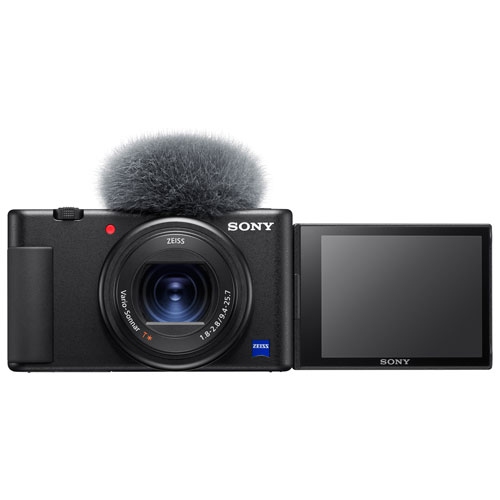 Your price for this item is $804.97
-
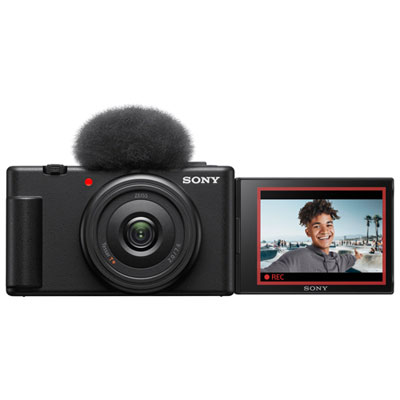 Your price for this item is $649.99
-
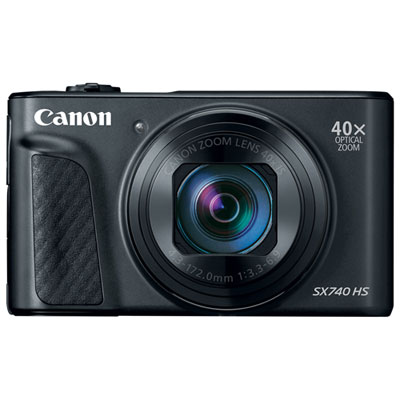 Your price for this item is $749.99
-
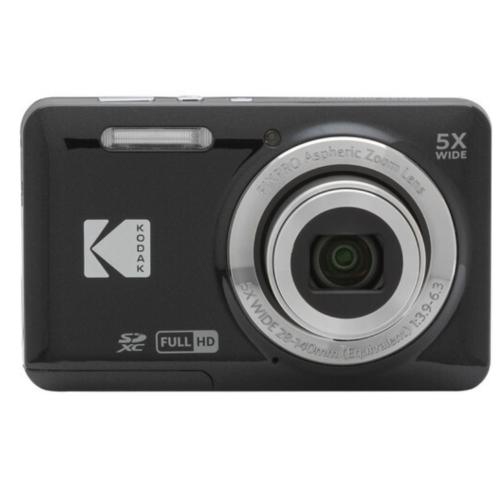 Your price for this item is $253
-
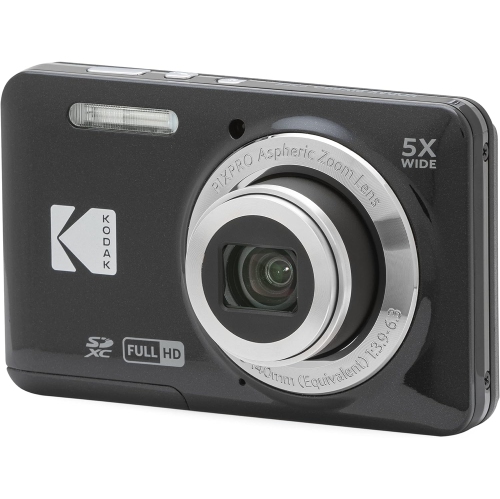 Your price for this item is $255
-
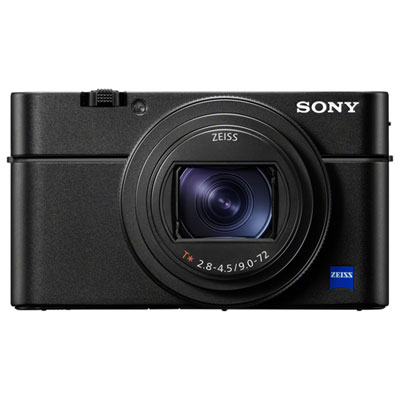 Your price for this item is $1999.99
-
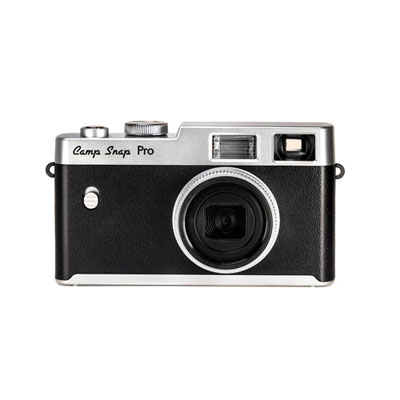 Your price for this item is $99.99
-
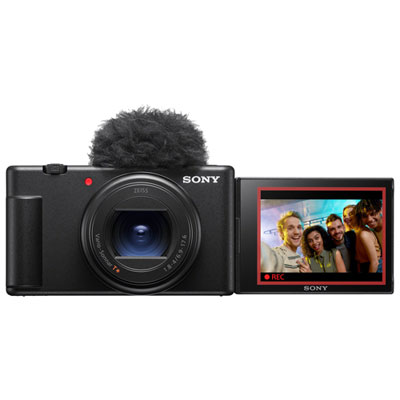 Your price for this item is $1199.99