Generic Camcorder Batteries
Find the right power solution for your recording needs with a Generic Camcorder Battery. Whether you're capturing family moments, documenting events, or working on creative projects, having a reliable battery ensures you never miss an important shot. Browse a variety of options designed to fit different camcorder models and keep your device running longer. Shop for a Generic Camcorder Battery and enjoy uninterrupted filming sessions wherever your adventures take you.
Sort
Why the right battery fit goes beyond the latch
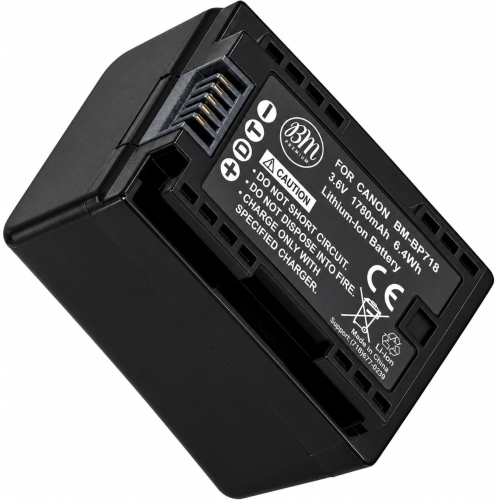
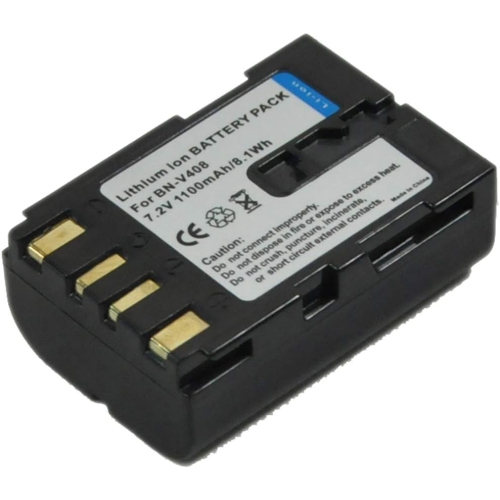
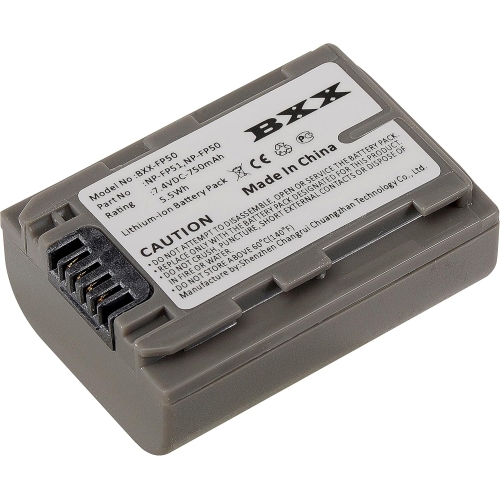
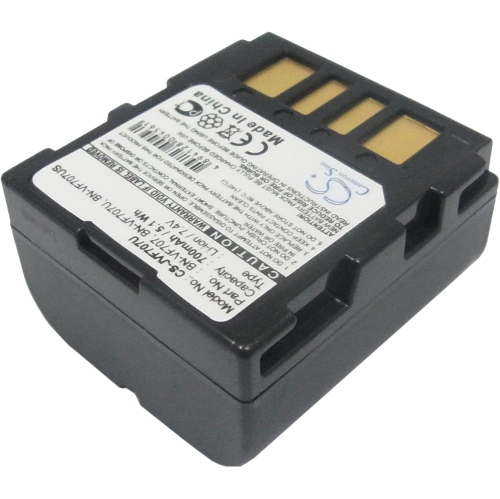
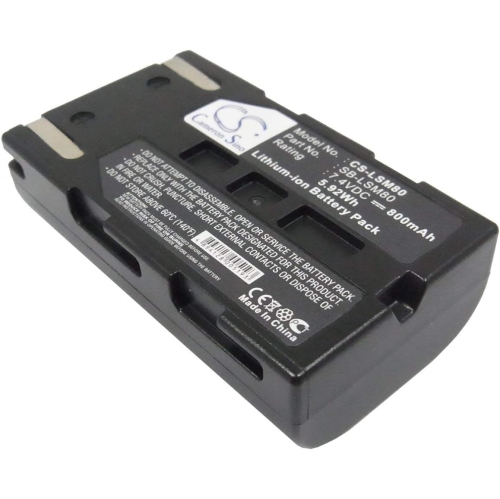
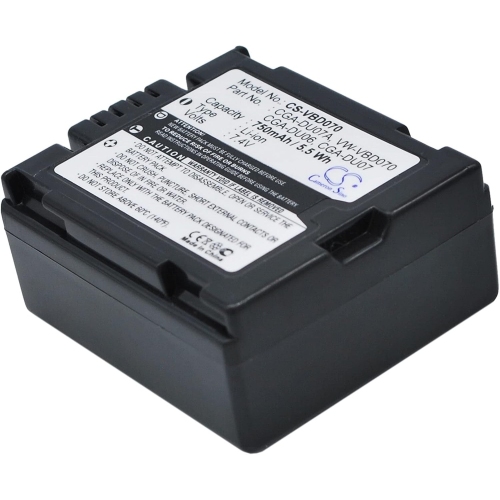
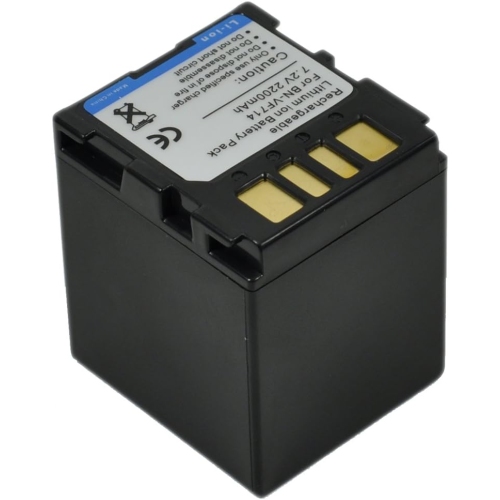
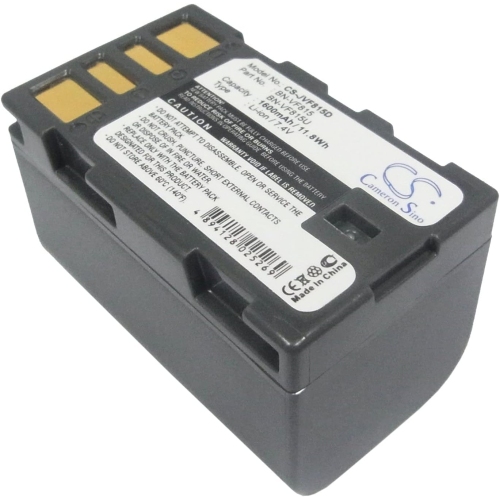
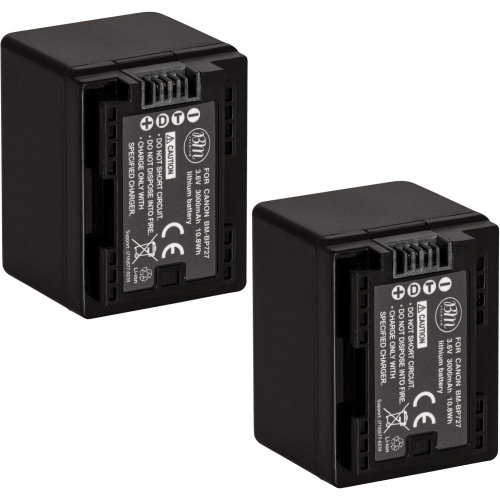
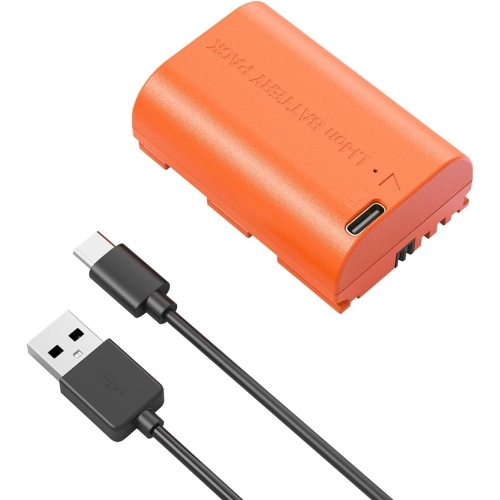
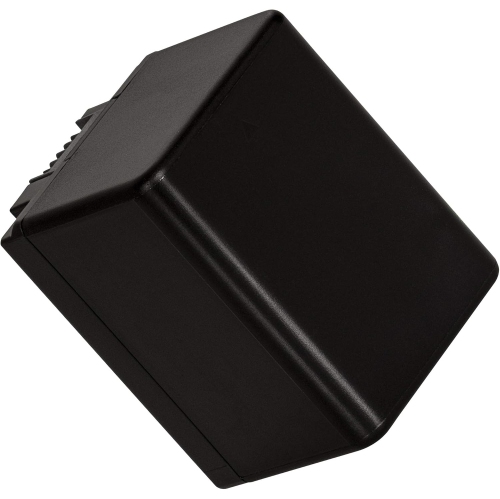
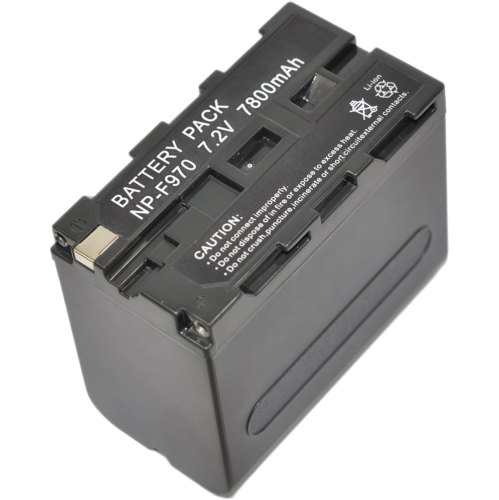
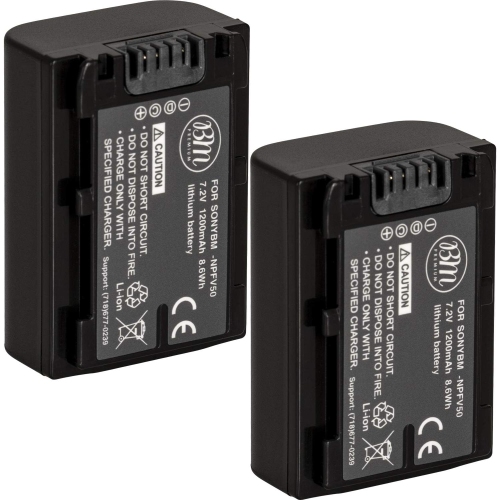
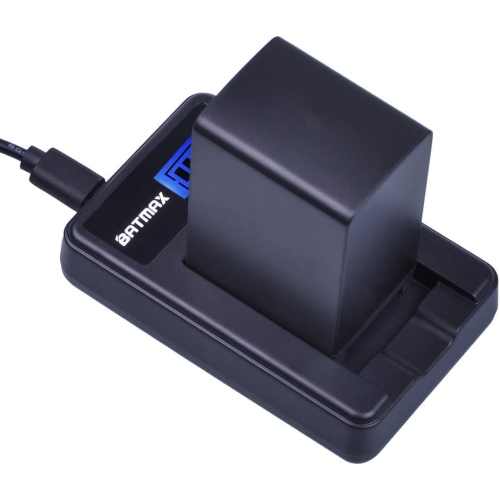
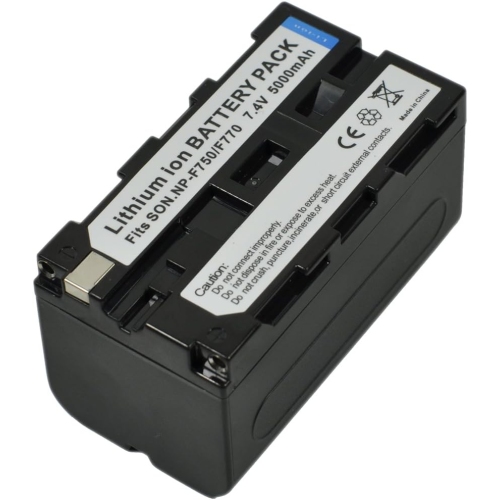
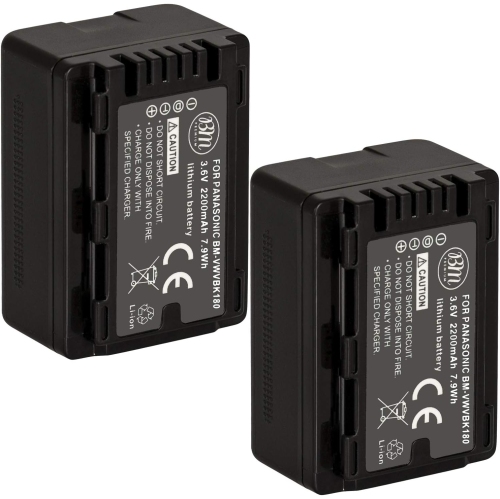
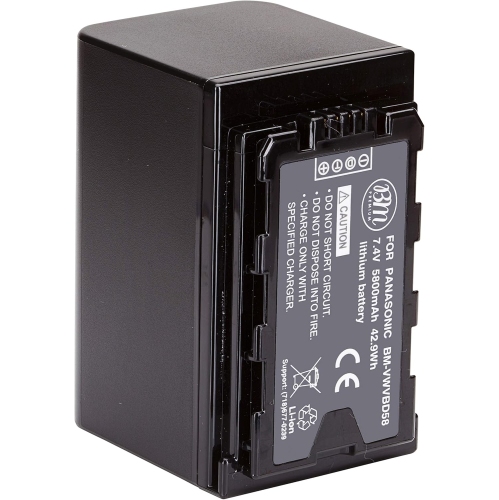
Generic camcorder batteries are third-party power packs designed to replace the original battery or serve as a spare for compatible video cameras. They can be useful for an older tape-based camcorder brought out to play family footage as well as for a newer digital model used to film interviews or school performances. Generic does not mean universal: two camcorders from the same series can take different batteries, and packs that look alike can have different contacts, latches or electrical specifications. The full camcorder model number and the part number printed on the original battery are the most useful details to match against a pack’s compatibility list. The listed voltage and battery chemistry should meet the camera maker’s specifications, and the pack should mount securely without forcing the latch or putting pressure on a battery door. The JVC Camcorder Batteries collection provides a narrower starting point for that camera family, though fit still depends on the exact model. Charging compatibility matters separately from camera fit. A pack that powers the camcorder may not support charging through the camera, and an external charger that worked with the original pack should only be used if it is specified for the replacement. Some camcorders also rely on communication with the battery to show an estimate of the time remaining. A compatible pack may power the camera without supporting that display, a difference that matters more when filming a full performance than when taking a few short clips around the house.
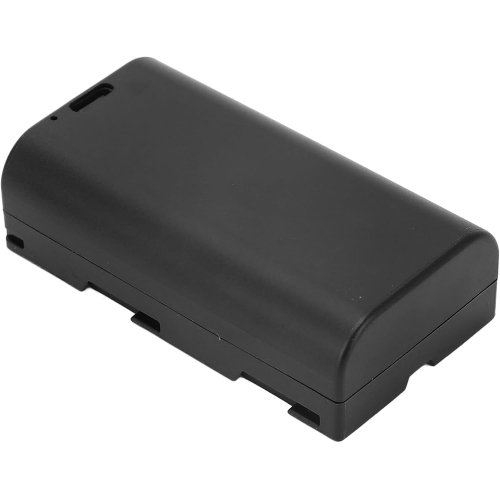
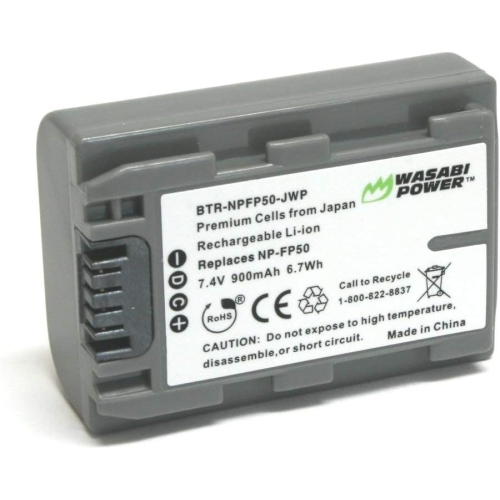
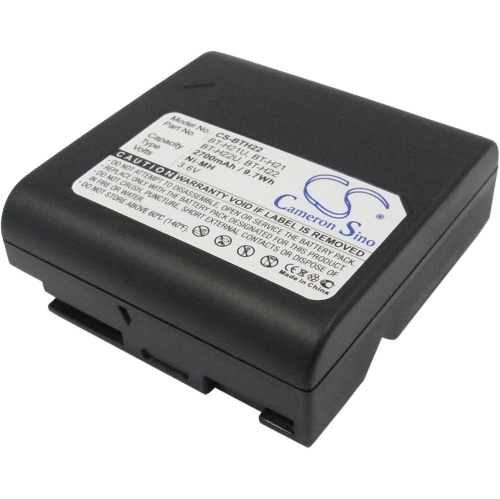
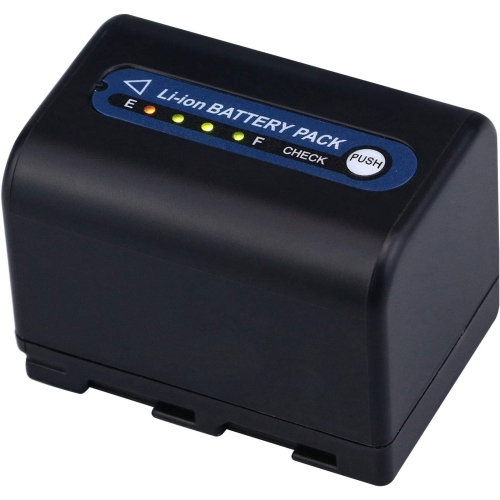
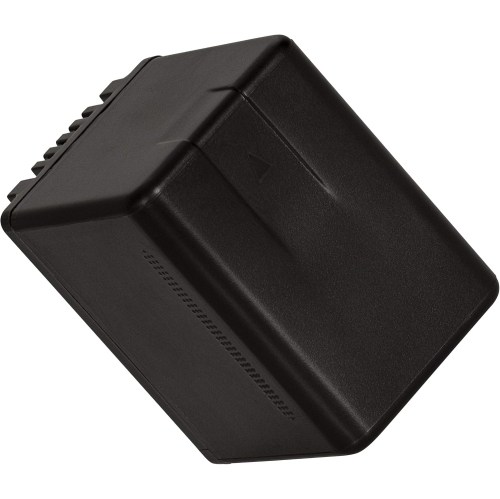
Capacity helps distinguish packs made for the same camcorder. Milliamp-hours, shown as mAh, are useful for comparing packs at the same voltage, while watt-hours, shown as Wh, describe how much energy a pack can hold. A higher capacity can mean more time between battery changes, but it does not promise a specific number of filming hours. A bright flip-out screen, frequent zooming and playback between takes can all draw on the same charge. Physical size can change with capacity, too. A larger pack may extend farther from the back of the camera, which might go unnoticed on a tripod but feel bulky when filming handheld or looking through a rear viewfinder. A compact spare can be a better fit for short clips or a tight camera bag, while a larger compatible pack can make sense for a school play where there is no convenient pause to swap batteries. Most newer camcorders use lithium-ion packs with cells housed in a rigid plastic shell and metal contacts that line up with the camera or charger. Some older models use a different battery chemistry, so the type shown on the original pack is a better reference than its shape. A well-fitting shell and a firm latch matter when a camcorder is carried from room to room or passed from one person to another. For a long shoot, it helps to try the replacement in the camera beforehand, check that it charges fully with the specified charger and see how it holds up during a typical stretch of filming. That gives a more useful sense of runtime than a capacity figure alone.
A spare battery suits anyone who uses a camcorder often enough to notice when the original pack no longer lasts through a familiar routine. A parent filming from the back row of a gym may want a charged spare within reach, while a community theatre volunteer may prefer a pack that stays mounted from the opening scene to the curtain call. For someone sorting through old tapes, a replacement can keep a compatible camcorder running long enough to cue a clip and review the footage. A battery can also be a practical gift for a relative who still uses a camcorder or a student who borrows one for video projects, provided the camera model and battery part number are known. A photo of the labels is more useful than a description of the camera body, especially when similar models use different packs. Day-to-day care is mainly about protecting the case and contacts. A pouch or terminal cover keeps a loose battery from rubbing against other gear or coming into contact with keys or coins. Contacts should stay clean and dry, and a battery that is cracked, swollen or leaking should no longer be used or charged. For longer periods between uses, follow the pack maker’s storage and charging directions rather than leaving the battery attached to the camcorder indefinitely. Keeping charged spares apart from depleted ones is a small habit that pays off when footage matters. The best fit is a pack that works with both the camcorder and its charging setup, with enough capacity for the way the camera is actually used and a shape that does not get in the way while filming.
Top selling and popular products
-
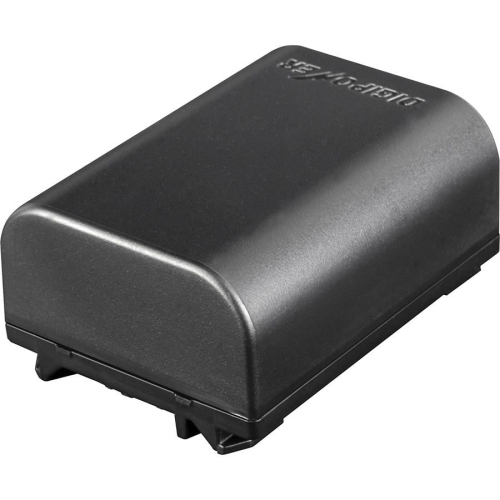 Your price for this item is $72.99
-
 Your price for this item is $39.99
-
 Your price for this item is $87.95
-
 Your price for this item is $22
-
 Your price for this item is $38.99
-
 Your price for this item is $127.99
-
 Your price for this item is $103.99
-
 Your price for this item is $50.99
Discover more categories related to Generic Camcorder Batteries



Top Collections:
Best Black Friday Deals This Year, Best Black Friday Deals On Electronics, Kindle Devices, Pokemon Centers, Best Black Friday Deals On Apple Products, Best Cameras for Sports Photography, Dyson Airwrap, Pokémon 30th Celebration Cards, Apple iPhone 17 Pro, Canon G7X Cameras
Some products may be subject to Environmental Handling Fees
(EHF) depending on your province.
Learn more about EHFs.