Sony Camcorder Batteries
Capture every moment with the Sony Camcorder Batteries available at Best Buy Canada. Whether you're a professional videographer or a passionate hobbyist, having reliable and long-lasting batteries for your camcorder is essential. With our wide selection of Sony camcorder batteries, you can power up your device and ensure that you never miss a single shot. Designed to deliver optimal performance and durability, these batteries are the perfect companion for capturing all your special memories. Explore our range of Sony camcorder batteries today and elevate your filming experience to new heights. Also check out our assortment of the Best Sony Cameras for Videography for even more options!
Sort

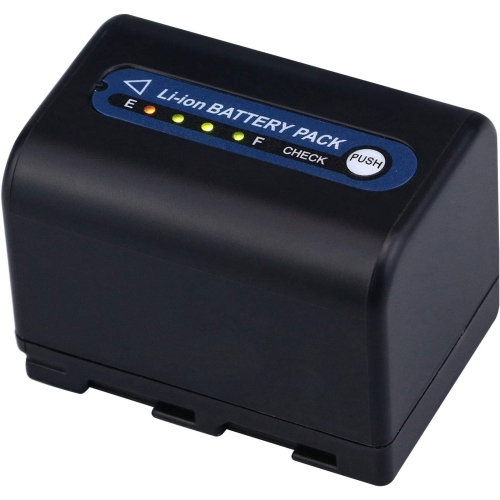


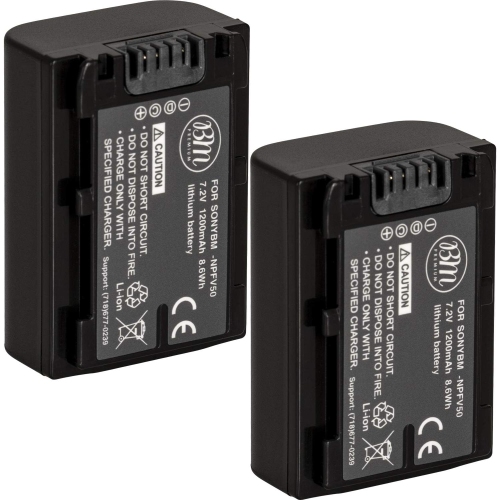


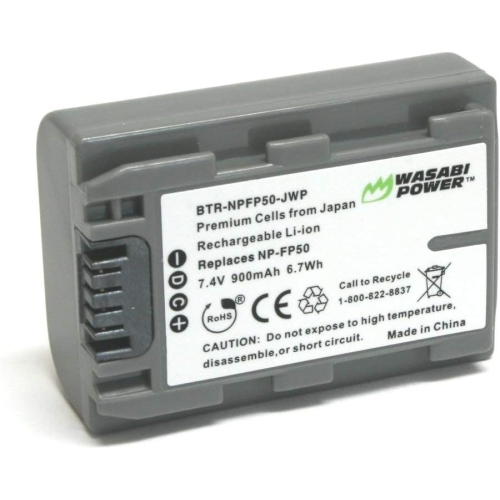


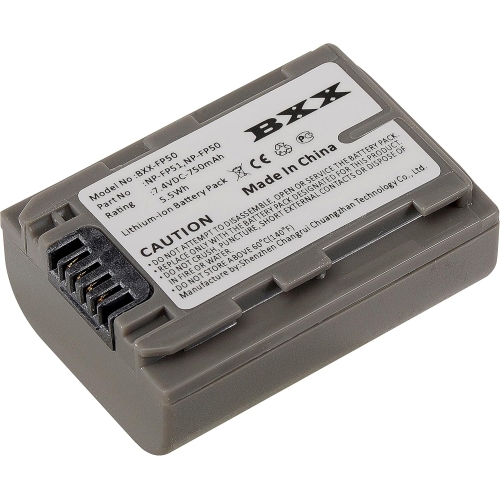
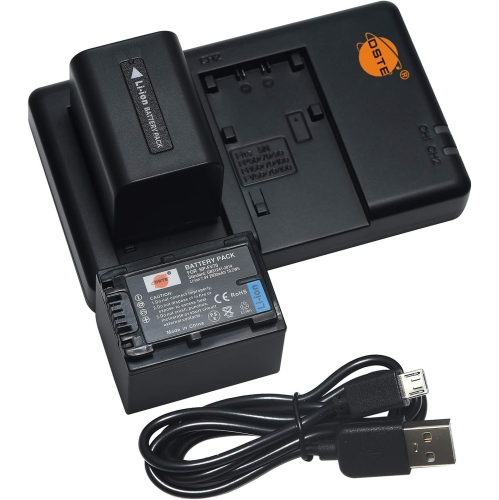

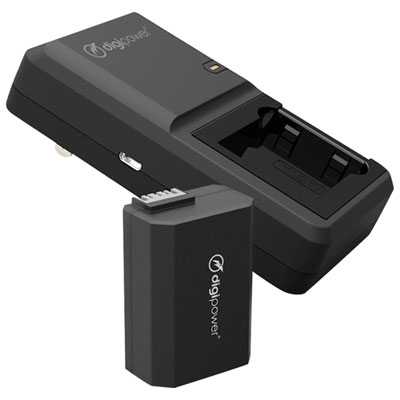


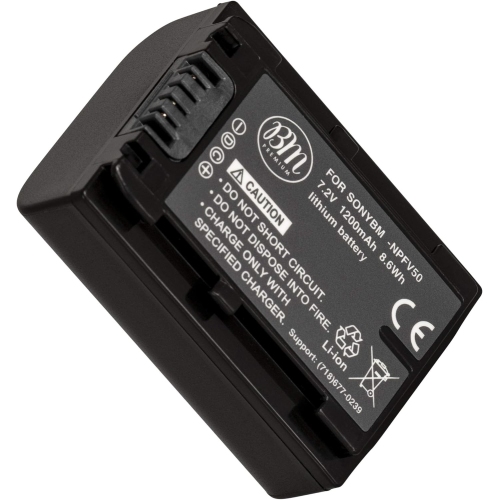
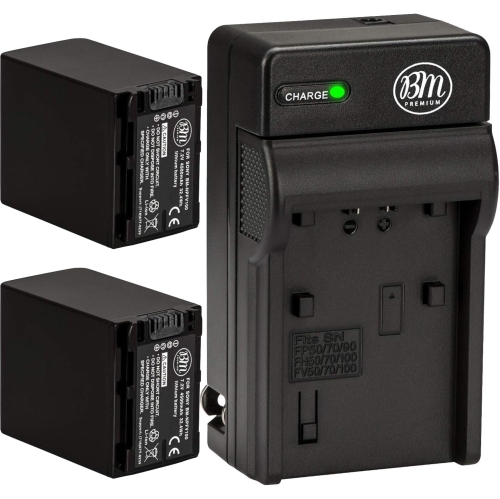

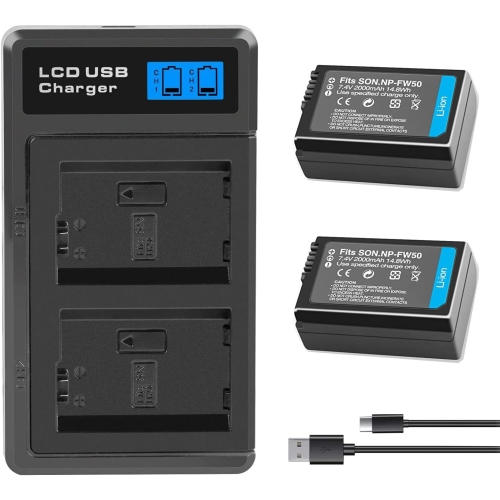


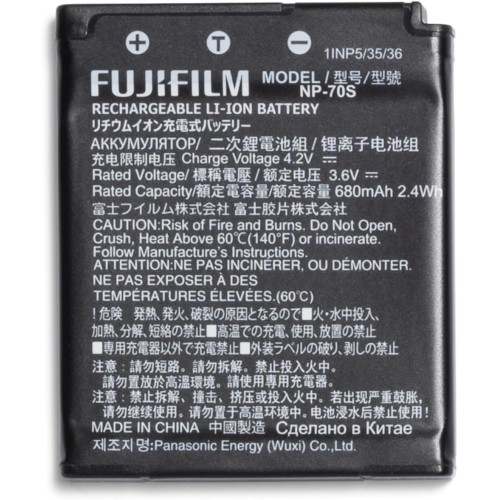
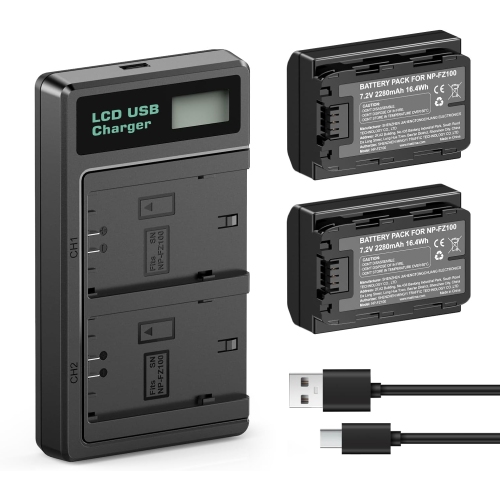
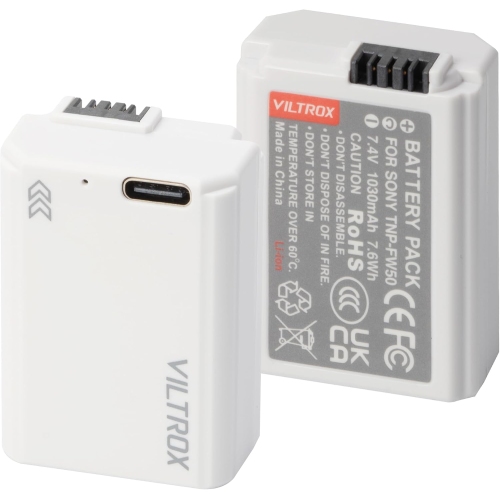
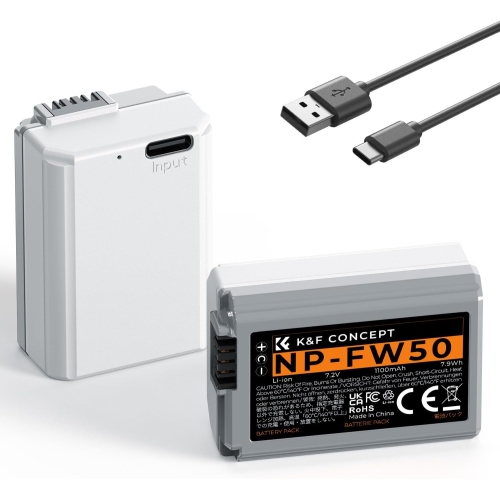
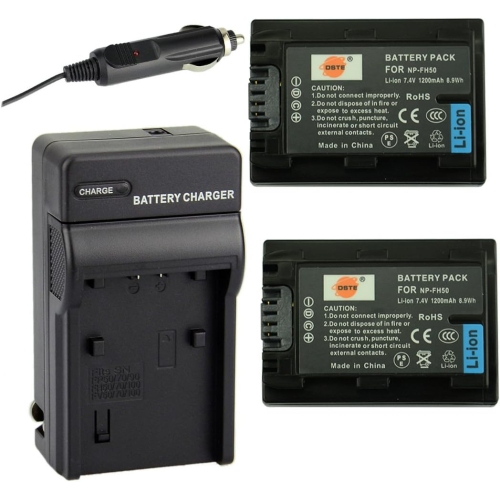


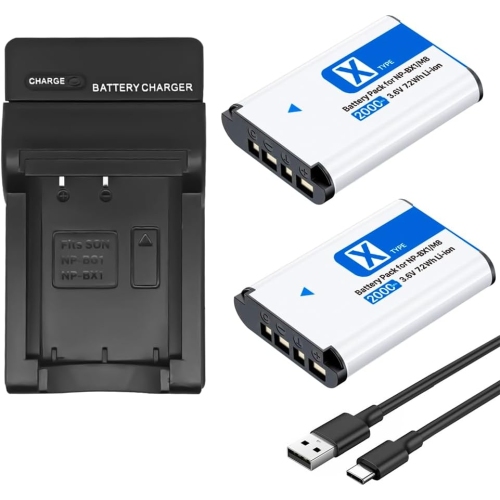


Why camcorder battery compatibility goes beyond physical fit
Camcorder batteries provide the portable power that keeps a recording session moving, whether the camera is capturing a family celebration, a classroom presentation, or a carefully framed interview. Most rechargeable packs used in modern camcorders rely on lithium-ion cells, which store power in a relatively compact housing and can be recharged between sessions. The right fit depends on more than the shape of the battery: the camcorder model, supported battery family, nominal voltage, contact arrangement, and mounting mechanism all matter. Two packs can look nearly identical yet differ in their electrical connections or the way they communicate with the camera. A compatible battery should slide or click into place as intended, lock securely, and leave the contacts properly aligned without forcing the latch. Checking the model number on the camcorder and the compatibility information for the battery is more reliable than choosing by appearance alone. Original-manufacturer packs and third-party replacements may both be options, but any replacement needs documented compatibility with the particular camera and its charging system. Some packs also exchange information with the camcorder to support a remaining-charge display or an estimated recording time. Those features depend on the combination of battery and camera, so they should not be assumed from physical fit alone. A remaining-time reading is an estimate rather than a guarantee, especially when recording habits change during a session. For someone replacing an ageing pack, the aim is usually to restore dependable recording time without changing the familiar feel of the camera. For someone adding a spare, it is about having a charged backup ready before an important moment begins. A ceremony, a child's recital, or an interview often has natural pauses for a battery change, but the most memorable part may happen without warning. Reliable compatibility and a secure connection help make the battery a quiet part of the setup rather than a distraction from what is being filmed. Keeping a record of the camcorder's model number also makes future battery and charger purchases easier, particularly when the original packaging is no longer at hand.
Battery capacity is commonly expressed in milliamp-hours, written as mAh, or in watt-hours, written as Wh. When comparing compatible packs with the same nominal voltage, a higher capacity generally means more stored energy and the potential for longer recording time. Watt-hours provide a measure of stored energy that accounts for both capacity and voltage, although compatibility still comes first. A higher capacity rating does not make an unsuitable voltage, connector, or battery family safe to use. Actual runtime depends on the camcorder and how it is operated, not just the number printed on the pack. Screen brightness, frequent zooming, autofocus activity, image stabilization, recording settings, and powered accessories can all affect consumption. A camera recording a fixed view of a presentation may use power differently from one following fast-moving subjects with repeated zoom adjustments. Published runtime figures are therefore most useful when considered alongside the conditions under which they were measured. Larger-capacity batteries may also extend farther from the camera body or add noticeable weight. That extra size can be worthwhile for a long interview or a performance, but a smaller pack may feel more comfortable during handheld filming. Clearance around the battery compartment, tripod plate, cables, and nearby controls deserves attention, particularly with compact camcorder bodies. Several compatible packs can offer flexibility across a full day of filming, allowing a depleted battery to be replaced during a suitable break. In most setups, changing the battery interrupts recording unless the camera specifically supports another power arrangement, so a spare is not a substitute for planning around an uninterrupted take. Charging compatibility matters just as much as camera compatibility. Some batteries charge while attached to the camcorder, while others can be charged in a suitable external charger; the supported method depends on the equipment. An external charger can be useful when one pack needs charging while another is in use. Charging time varies with capacity, remaining charge, and the charger itself, so a charge indicator is more dependable than assuming every pack will be ready after the same interval.
Everyday handling has a direct effect on how well a camcorder battery holds up. The outer housing is typically rigid moulded plastic designed to protect the cells and provide a stable mounting surface, while exposed contacts carry power and, on some packs, exchange data with the camera. A sound casing, intact locking surfaces, and clean contacts are important for consistent operation. Loose batteries are best carried in a protective case or with an appropriate terminal cover, rather than left beside keys, coins, or other metal objects that could bridge the contacts. Keeping packs dry and free from grit helps protect both the battery and the camera's battery compartment. Contact cleaning should follow the manufacturer's directions, and a battery should never need to be forced into place to make a connection. Cracks, swelling, leakage, damaged terminals, or an unusual smell are reasons to stop using a pack and follow the manufacturer's handling instructions. Rechargeable batteries also wear gradually: a pack that once covered an entire event may eventually need replacing even if it still accepts a charge. Tracking typical recording time can help distinguish normal ageing from an unexpected change in performance. For longer storage, the recommended charge level and storage method should come from the battery manufacturer, since leaving a pack unused requires different care from using and charging it regularly. Simple habits such as marking charged and used packs, keeping compatible batteries together, and checking charge before leaving help reduce mix-ups on busy filming days. These accessories can also make practical gifts for a student working on video assignments, a relative preserving family memories, or a creator who regularly records away from a power outlet. The recipient's exact camcorder model is essential, because a thoughtful spare is only useful when it fits and functions correctly. The broader Sony Batteries category can provide context for related battery needs, while camcorder compatibility remains the deciding factor for this type of use. A well-matched pack, a suitable charging method, and careful handling support dependable power without adding unnecessary complexity to the recording setup.
Top selling and popular products
-
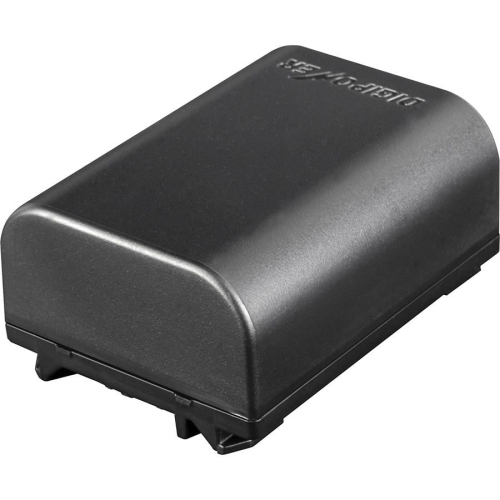 Your price for this item is $72.99
-
 Your price for this item is $39.99
-
 Your price for this item is $87.95
-
 Your price for this item is $22
-
 Your price for this item is $38.99
-
 Your price for this item is $127.99
-
 Your price for this item is $103.99
-
 Your price for this item is $50.99
Discover more categories related to Sony Camcorder Batteries
Top Collections:
Best Black Friday Deals This Year, Best Black Friday Deals On Electronics, Kindle Devices, Pokemon Centers, Best Black Friday Deals On Apple Products, Best Cameras for Sports Photography, Dyson Airwrap, Pokémon 30th Celebration Cards, Apple iPhone 17 Pro, Canon G7X Cameras
Some products may be subject to Environmental Handling Fees
(EHF) depending on your province.
Learn more about EHFs.