Go Pro for Motorcycle Helmet
Go Pro cameras are great for recording your rides, hikes, and other outdoor adventures. Whether you’re a professional athlete or just looking to capture your memories, these cameras are sure to provide the best quality footage while riding your motorcycle. With their high-definition video, waterproof capabilities, and wide range of mounting options, Go Pro cameras are the perfect choice for any outdoor enthusiast. Here are some of the great options for you.
Sort
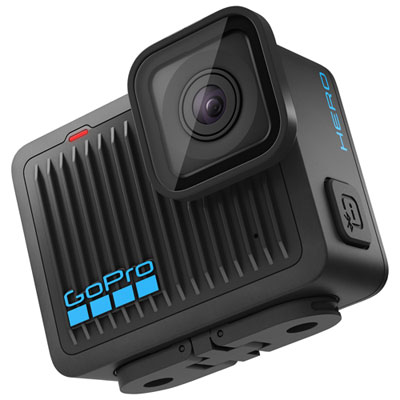
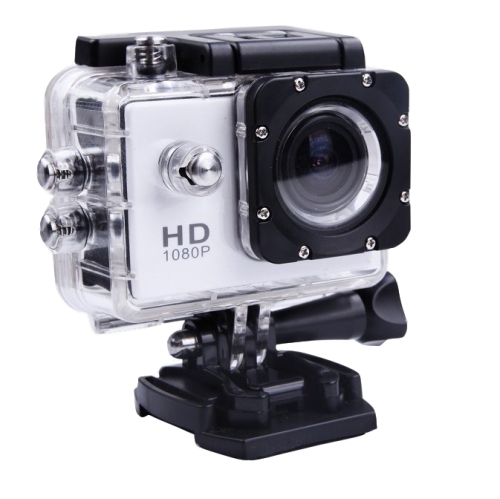
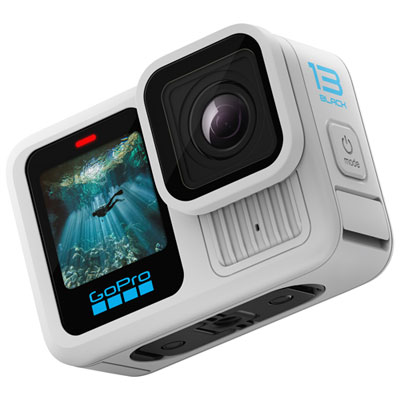
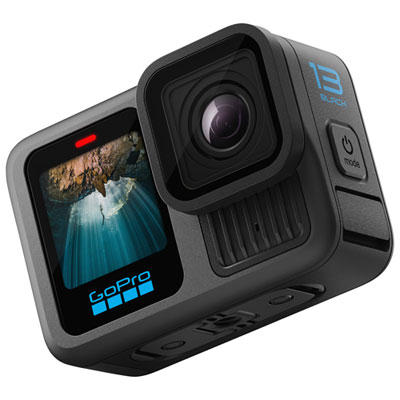
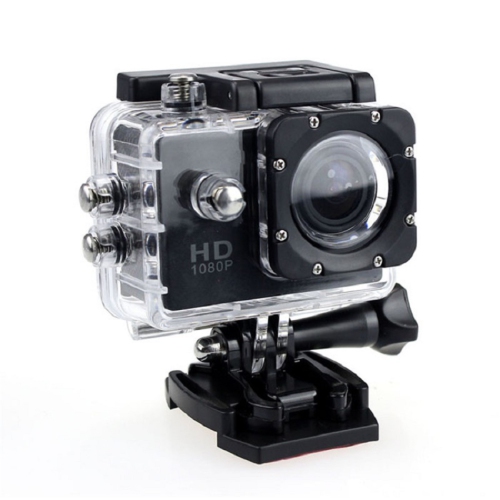
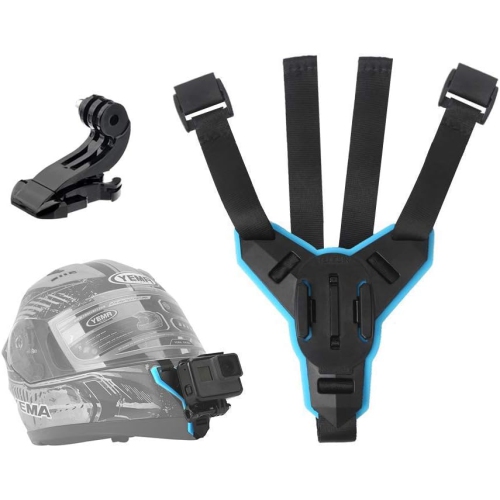
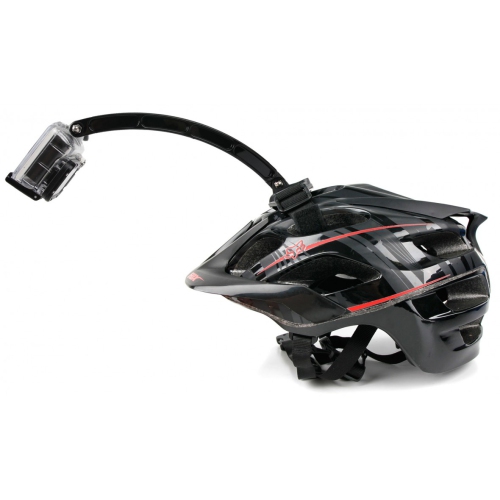
Stable first-person footage for scenic motorcycle journeys
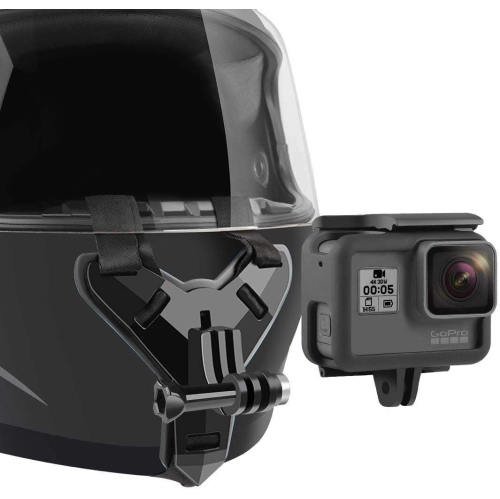
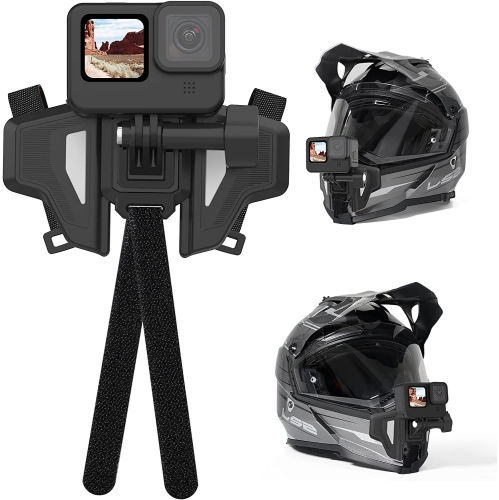
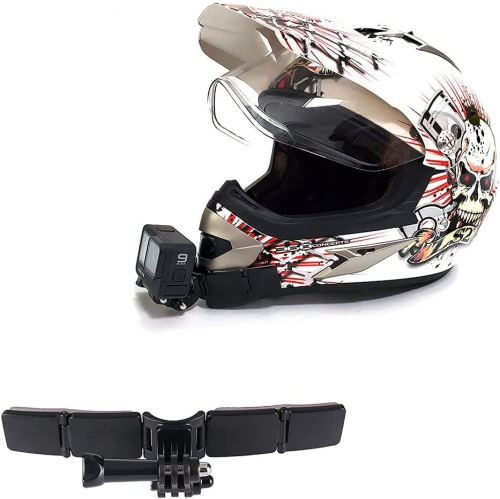
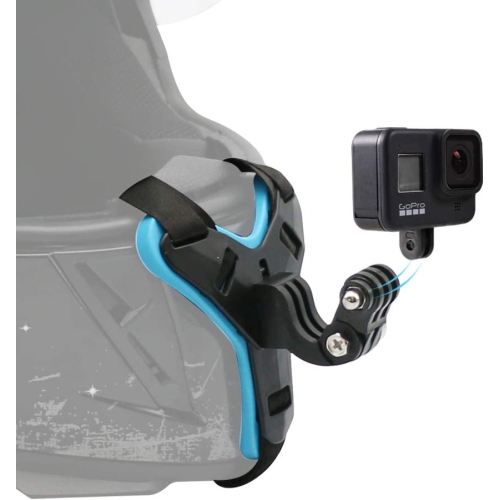
A motorcycle helmet camera can turn an ordinary ride into a first-person record of winding roads, changing weather, city traffic and memorable destinations. Mounted correctly, an action camera captures the view from the rider’s perspective, including the lean into a sweeping bend, the changing light under a canopy of trees and the open road stretching towards the horizon. The products in this collection are suited to riders who want to document touring routes, create motovlog content, review their riding technique or keep a visual record of meaningful trips. They can also be a thoughtful gift for a motorcyclist who enjoys photography, video editing or sharing rides with friends and family. When choosing equipment, start with the camera and the type of footage you want to create, then consider the mount, audio setup, storage and power accessories that will help it perform reliably on the road. A compact camera with effective image stabilization is particularly useful on a motorcycle, where engine vibration, uneven pavement and wind buffeting can make handheld or poorly supported footage difficult to watch. High-resolution recording can preserve fine details such as road markings and scenery, while higher frame rates can make fast-moving footage appear smoother. For many riders, 4K recording at 50 or 60 frames per second is a practical choice for fluid motion, especially when filming a spirited stretch of road or reviewing footage later on a larger screen. A wide digital lens can show more of the route and handlebars, although a narrower view may produce a more natural sense of distance with less pronounced fisheye distortion.
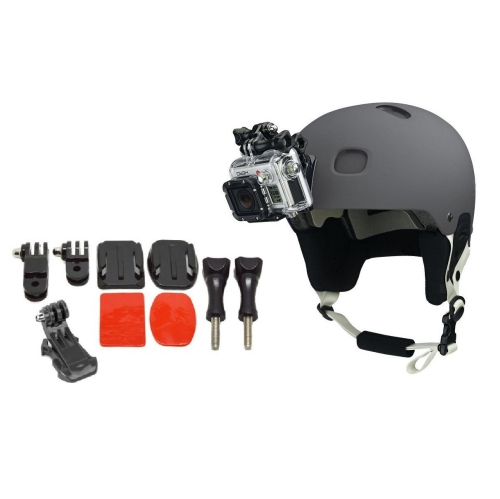
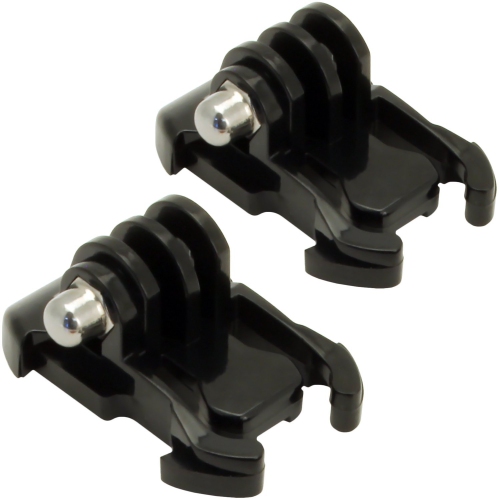
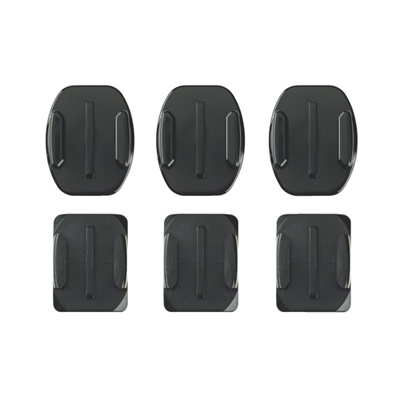
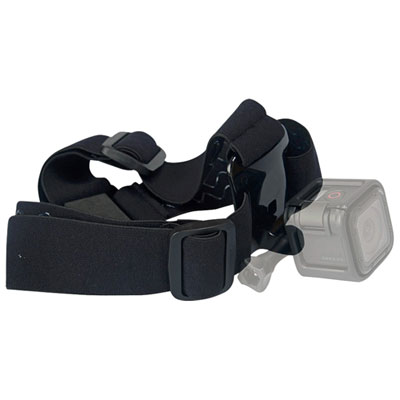
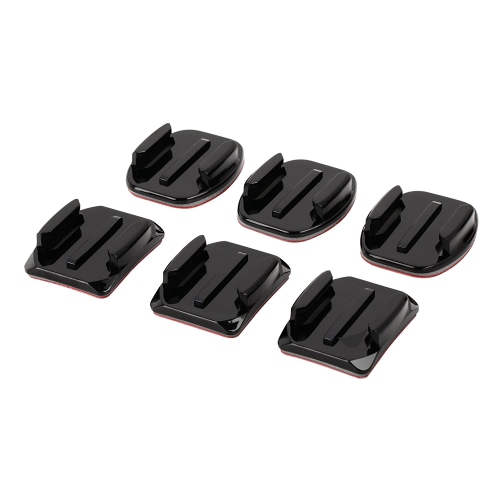
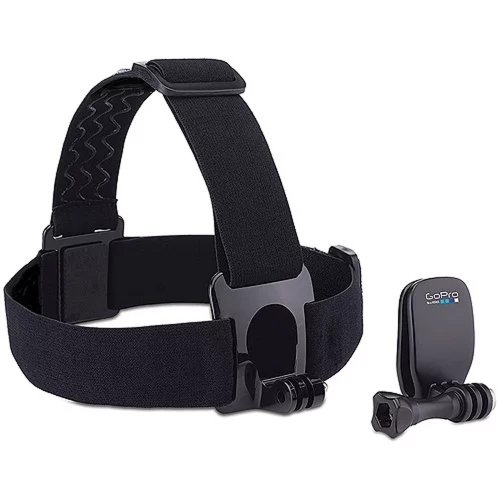
The mounting position has a major effect on both the appearance and stability of the finished video. A chin mount generally places the camera close to eye level and centred with the rider’s direction of travel, creating a natural point-of-view perspective that follows head movement. This position can be well suited to touring videos, riding commentary and footage where the road ahead is the main subject. A strap-style chin mount can be useful for riders who prefer a removable setup or do not want to apply adhesive directly to the helmet, provided it fits securely around the helmet’s chin area without interfering with the visor, ventilation or protective structure. Front and side adhesive mounts offer other perspectives: a front position keeps the view centred, while a side position creates a profile angle that can show more of the rider, helmet and surrounding landscape. Curved adhesive bases should match the helmet surface as closely as possible, and installation is best done on a clean, dry area after checking that the selected location does not obstruct the visor or alter the helmet’s intended fit. Allowing adhesive to bond fully before riding is essential, as is checking the mount, buckle and camera housing before every outing. A camera should sit firmly without excessive movement, and the completed setup should not catch on clothing, straps or branches. It is also worth checking local rules and manufacturer instructions, since regulations and recommendations can vary regarding cameras, helmet modifications and attachments. Riders who travel during the cooler months may appreciate a compact setup that is easy to operate with gloves, while those riding as the weather warms may place greater importance on ventilation, quick access and protection from dust or sudden showers. For a selection focused on this style of riding, explore GoPro Helmet Cameras.
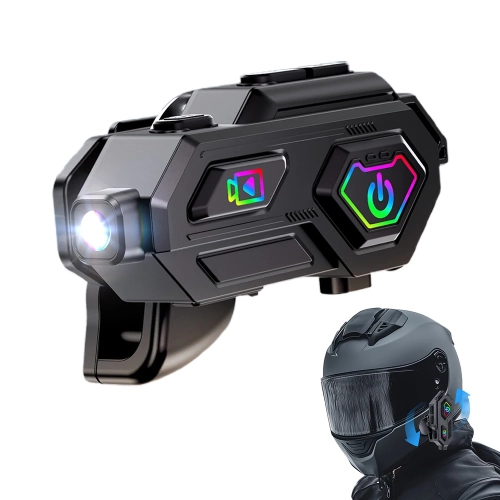
Audio and everyday usability are just as important as the image. Wind rushing across a helmet can easily overwhelm speech, engine sound and the small details that make a ride feel immediate when it is replayed later. Riders who plan to speak while filming may want an external microphone compatible with their camera, positioned inside the helmet padding or near the mouth without pressing uncomfortably against the face. A small lavalier microphone can capture clearer speech, while a windscreen helps reduce the constant hiss created by airflow. Cable routing deserves attention: wires should stay clear of the visor mechanism, chin strap and moving padding, with enough slack for normal head movement but no loose loop that could snag. Battery capacity is another practical consideration, particularly on long day rides where charging may not be convenient. Spare batteries, a compact power bank or a vehicle charging solution can extend recording time, while high-capacity memory cards prevent a scenic route from being cut short by a full card. Before leaving, riders can format the card in the camera, charge all batteries, select the desired resolution and frame rate, and make a short test recording to confirm that the picture, sound and mounting angle are right. A few minutes spent checking the frame can prevent hours of footage showing too much sky, the edge of the helmet or a poorly positioned visor. It is also wise to review recordings after wet or dusty rides and dry the equipment according to its care instructions before storing it. Whether the goal is to share a coastal road with friends, preserve the sound of a favourite motorcycle or revisit a quiet ride through the countryside, the right camera and helmet mounting accessories make it easier to capture stable, useful footage without taking attention away from the road.
The mounting position has a major effect on both the appearance and stability of the finished video. A chin mount generally places the camera close to eye level and centred with the rider’s direction of travel, creating a natural point-of-view perspective that follows head movement. This position can be well suited to touring videos, riding commentary and footage where the road ahead is the main subject. A strap-style chin mount can be useful for riders who prefer a removable setup or do not want to apply adhesive directly to the helmet, provided it fits securely around the helmet’s chin area without interfering with the visor, ventilation or protective structure. Front and side adhesive mounts offer other perspectives: a front position keeps the view centred, while a side position creates a profile angle that can show more of the rider, helmet and surrounding landscape. Curved adhesive bases should match the helmet surface as closely as possible, and installation is best done on a clean, dry area after checking that the selected location does not obstruct the visor or alter the helmet’s intended fit. Allowing adhesive to bond fully before riding is essential, as is checking the mount, buckle and camera housing before every outing. A camera should sit firmly without excessive movement, and the completed setup should not catch on clothing, straps or branches. It is also worth checking local rules and manufacturer instructions, since regulations and recommendations can vary regarding cameras, helmet modifications and attachments. Riders who travel during the cooler months may appreciate a compact setup that is easy to operate with gloves, while those riding as the weather warms may place greater importance on ventilation, quick access and protection from dust or sudden showers. For a selection focused on this style of riding, explore GoPro Helmet Cameras.
Audio and everyday usability are just as important as the image. Wind rushing across a helmet can easily overwhelm speech, engine sound and the small details that make a ride feel immediate when it is replayed later. Riders who plan to speak while filming may want an external microphone compatible with their camera, positioned inside the helmet padding or near the mouth without pressing uncomfortably against the face. A small lavalier microphone can capture clearer speech, while a windscreen helps reduce the constant hiss created by airflow. Cable routing deserves attention: wires should stay clear of the visor mechanism, chin strap and moving padding, with enough slack for normal head movement but no loose loop that could snag. Battery capacity is another practical consideration, particularly on long day rides where charging may not be convenient. Spare batteries, a compact power bank or a vehicle charging solution can extend recording time, while high-capacity memory cards prevent a scenic route from being cut short by a full card. Before leaving, riders can format the card in the camera, charge all batteries, select the desired resolution and frame rate, and make a short test recording to confirm that the picture, sound and mounting angle are right. A few minutes spent checking the frame can prevent hours of footage showing too much sky, the edge of the helmet or a poorly positioned visor. It is also wise to review recordings after wet or dusty rides and dry the equipment according to its care instructions before storing it. Whether the goal is to share a coastal road with friends, preserve the sound of a favourite motorcycle or revisit a quiet ride through the countryside, the right camera and helmet mounting accessories make it easier to capture stable, useful footage without taking attention away from the road.
Top selling and popular products
-
 Your price for this item is $649.99
 -
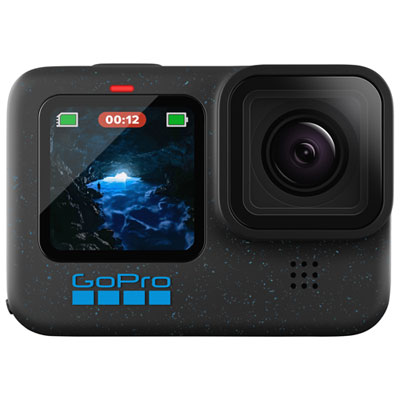 Your price for this item is $479.97
 -
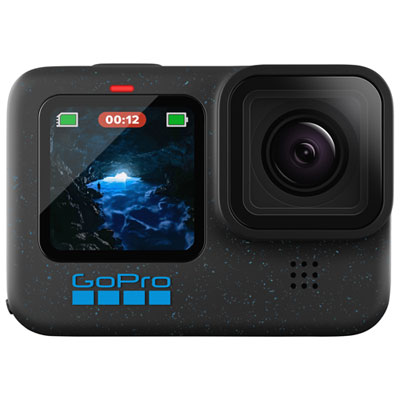 Your price for this item is $399.97
 -
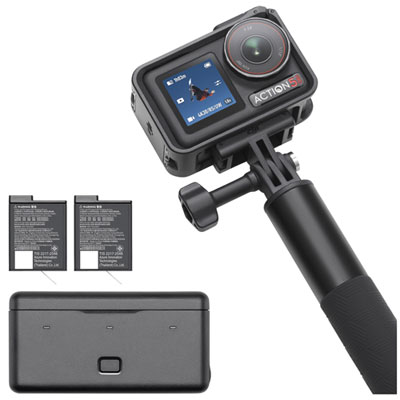 Your price for this item is $585.99
 -
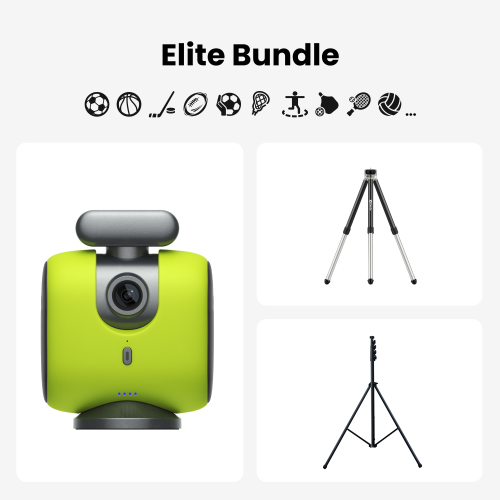 Your price for this item is $719.99
 -
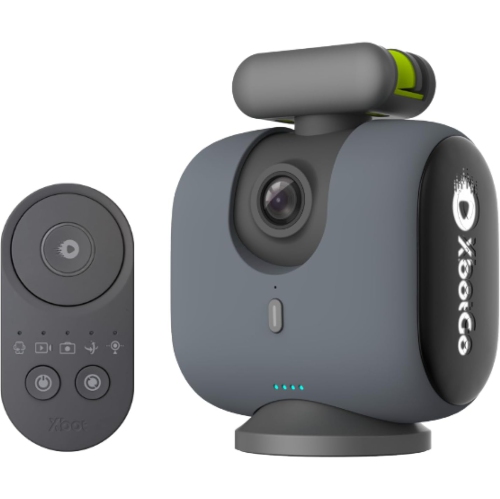 Your price for this item is $439.99
 -
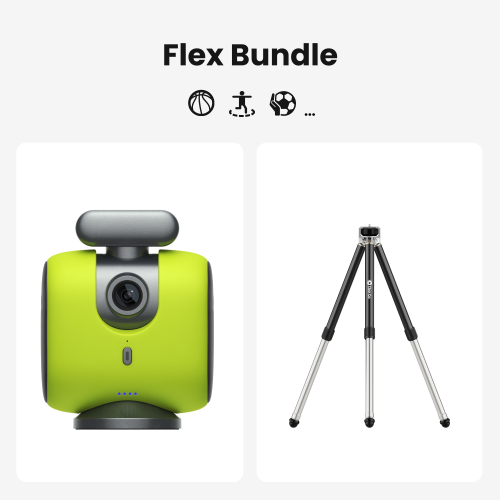 Your price for this item is $499.99
 -
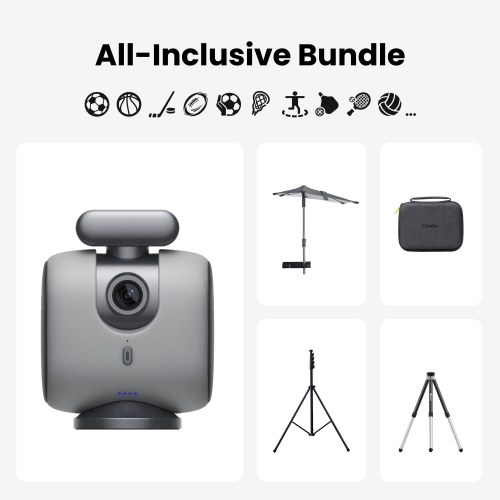 Your price for this item is $859.99
Discover more categories related to Go Pro for Motorcycle Helmet
Top Collections:
Pokemon Centers, Kindle Devices, Best Budget Office Chairs, Apple iPhones 16, Best Laptops for Writers, iPhone 15 Apple, Canon G7X Cameras, Refurbished Apple Laptops, Alarm Clock, Motorola Razr Phones
Some products may be subject to Environmental Handling Fees
(EHF) depending on your province.
Learn more about EHFs.