GoPro Mount Kits
Capture all the action-packed moments with this extensive selection of GoPro mount kits. Whether you're an adrenaline junkie looking to document your extreme sports adventures or a travel enthusiast wanting to capture stunning footage on your next vacation, these mount kits are essential accessories for your GoPro camera. With a variety of options available, you can easily attach your GoPro to helmets, bikes, surfboards, and more, ensuring that you never miss a single thrilling moment.
Sort
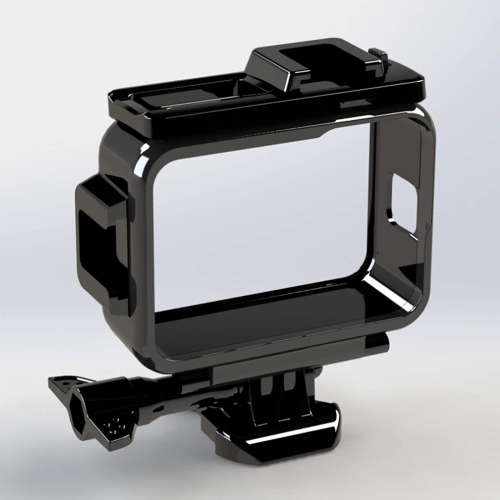
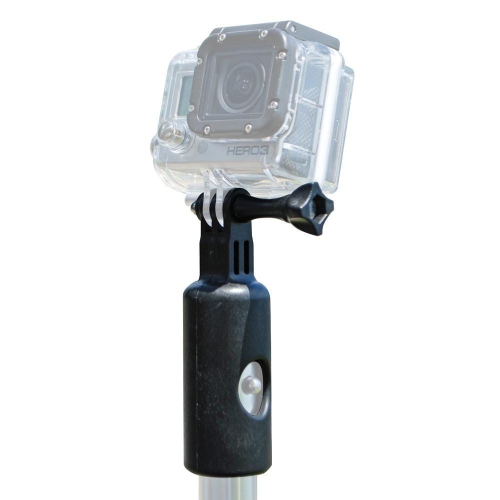
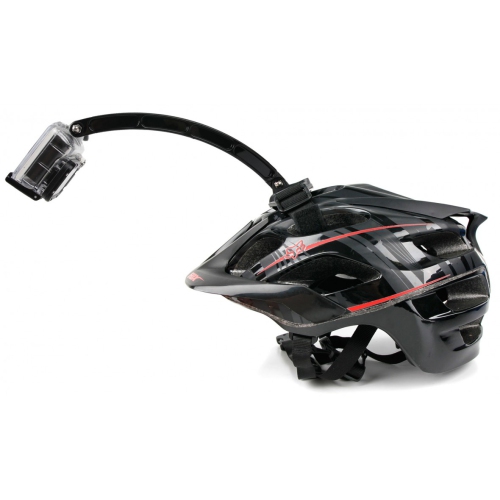
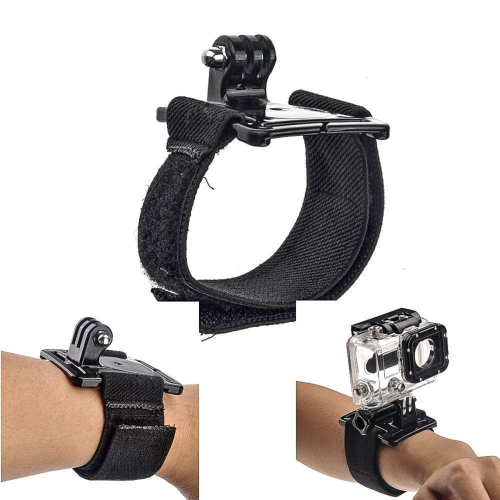

The right attachments matter more than the piece count
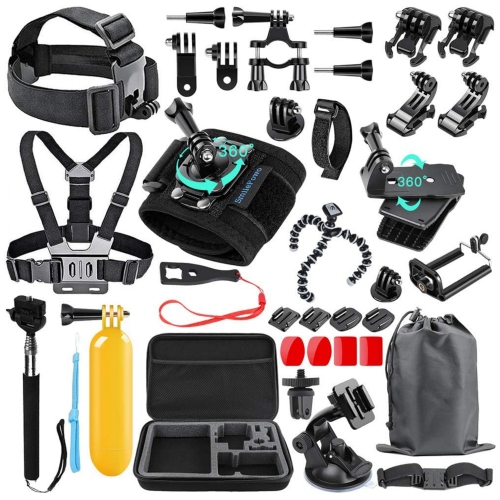
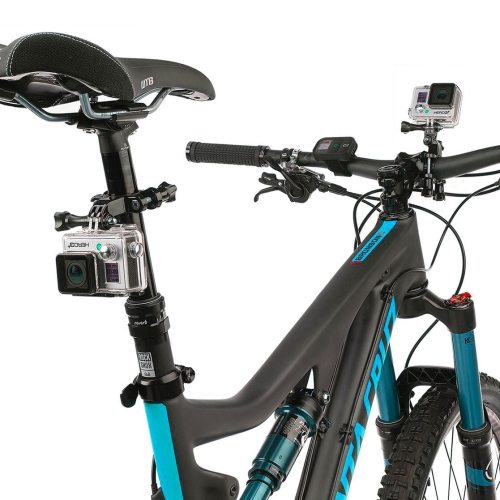
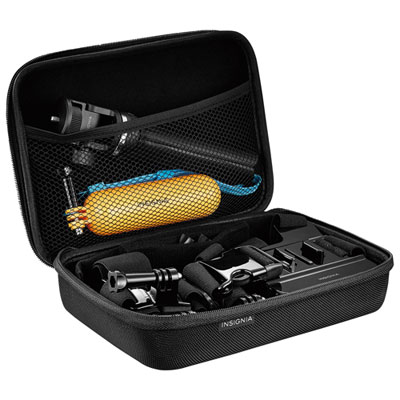
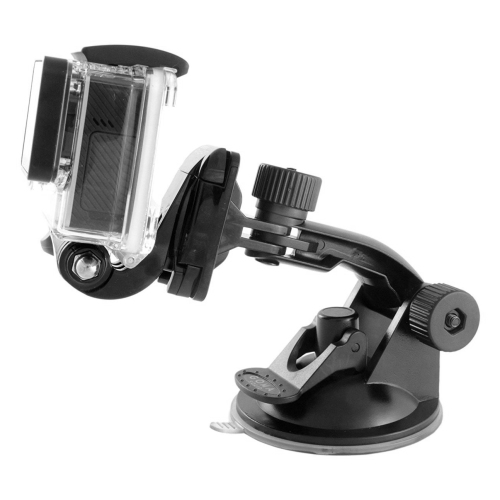
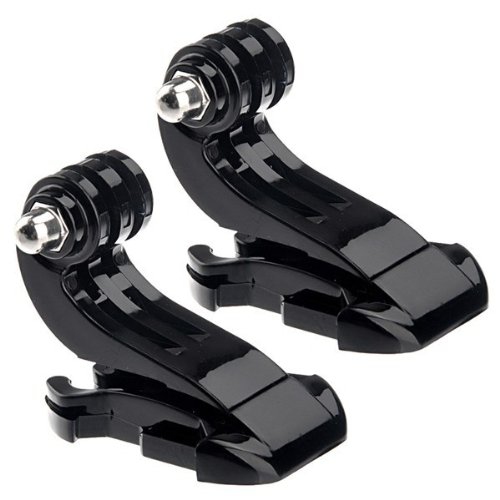
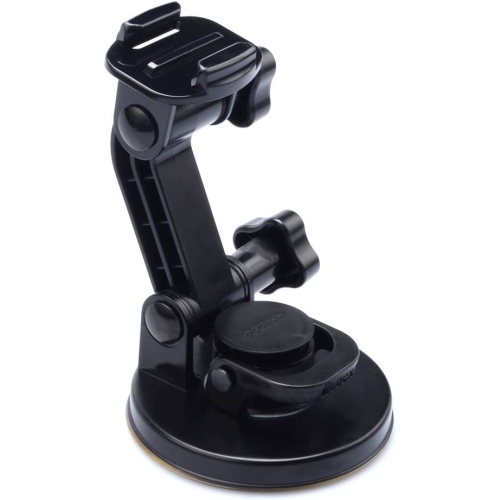
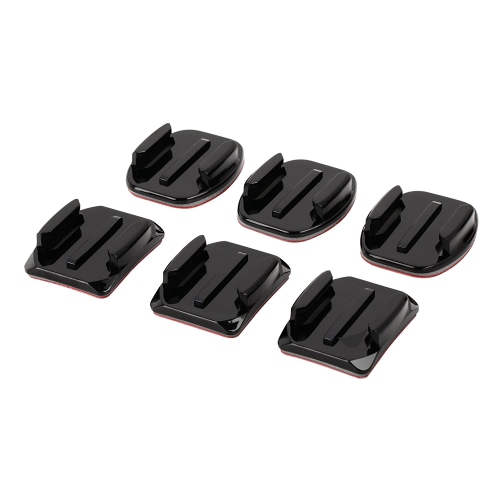
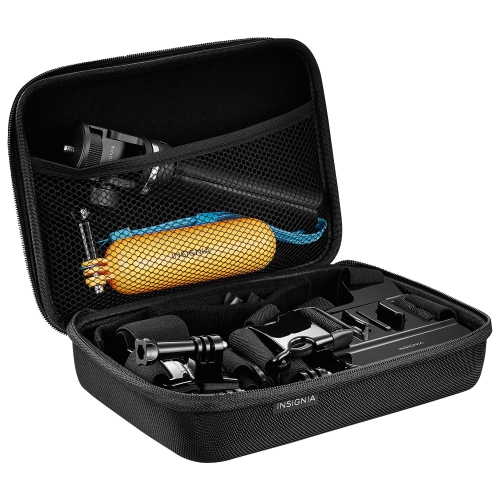
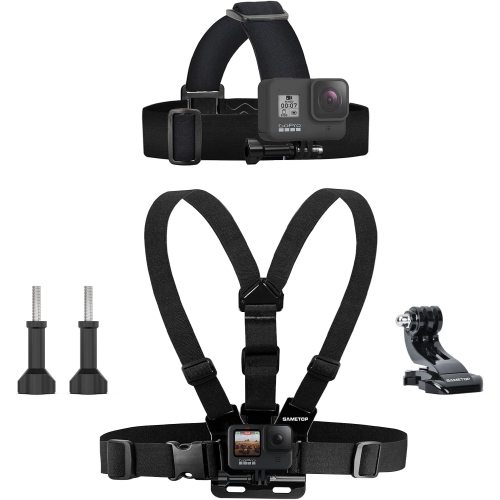
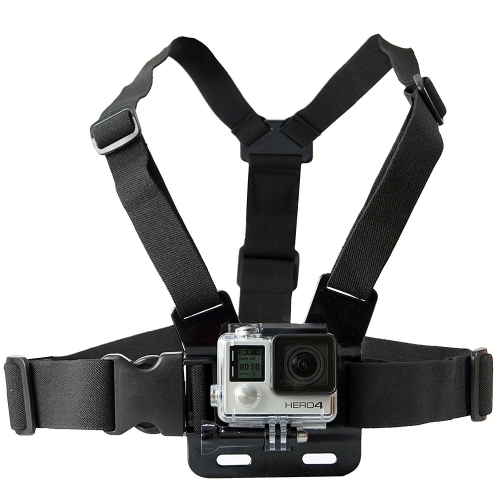
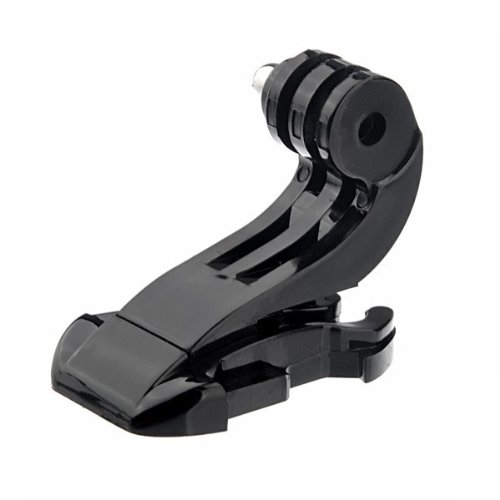
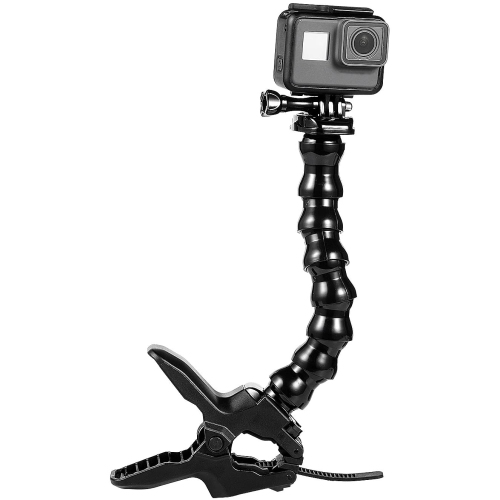
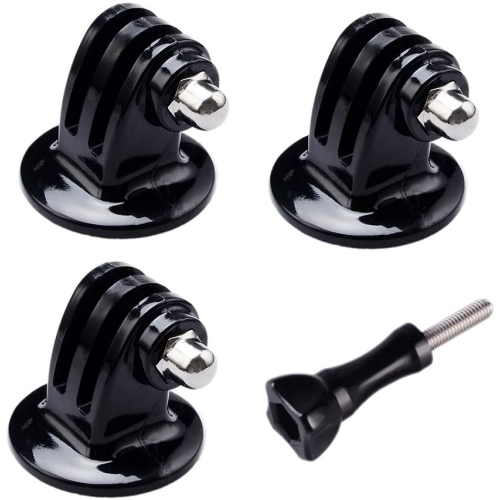
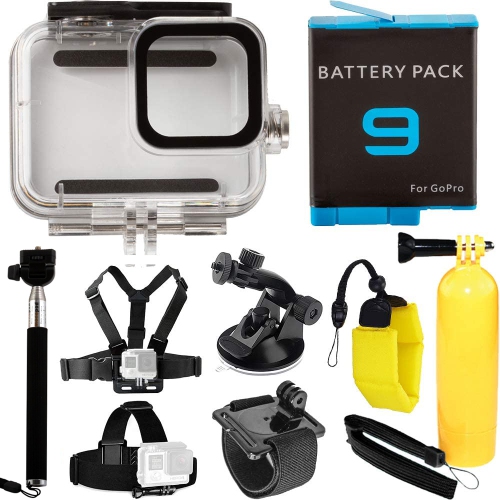
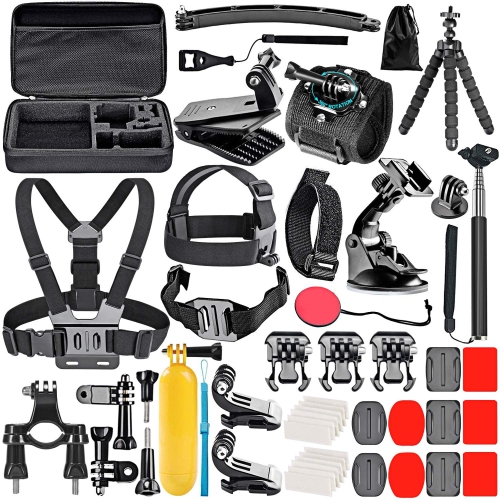
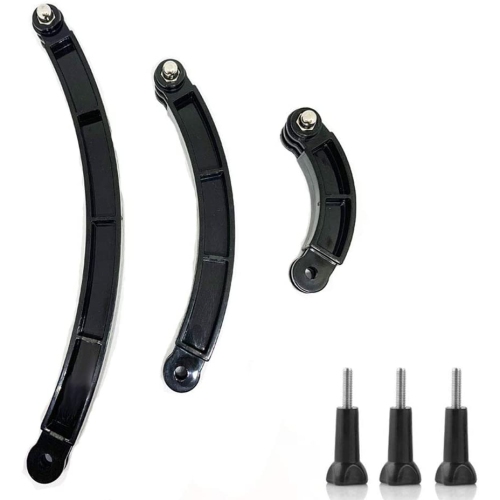
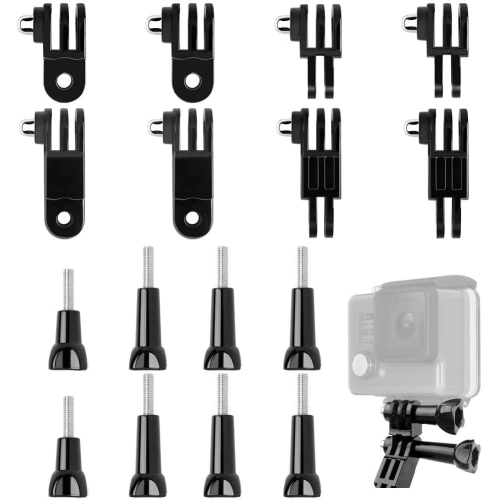
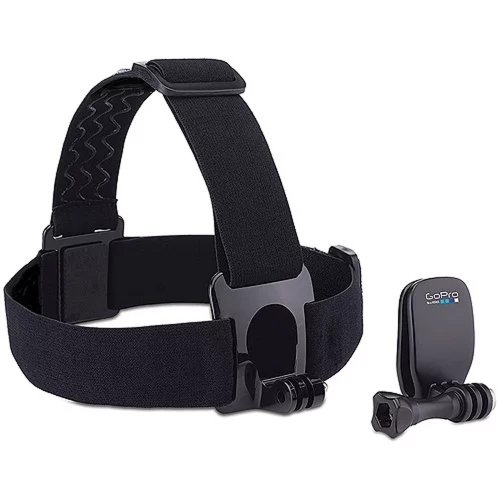
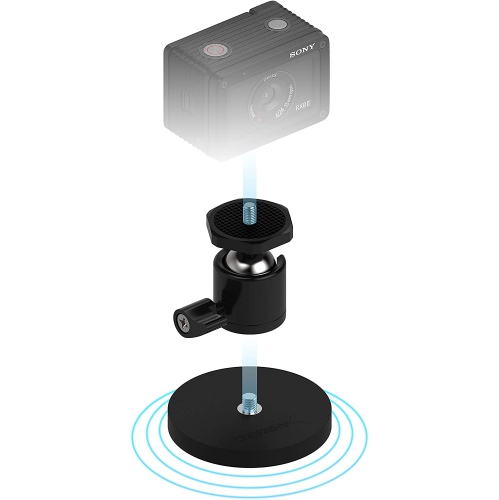
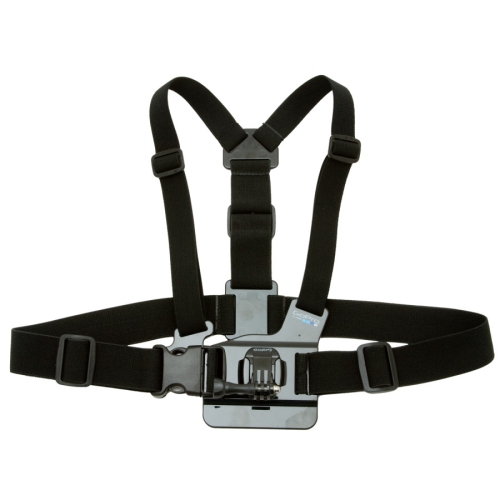
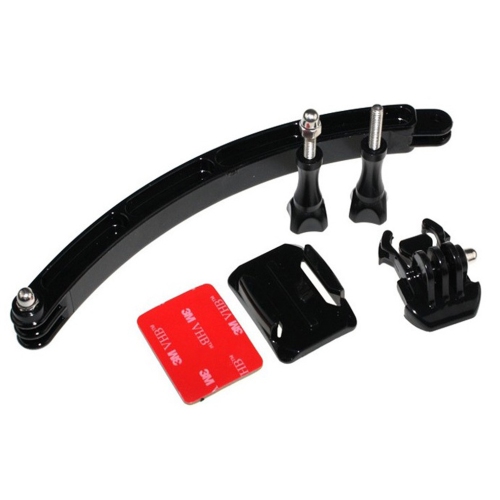
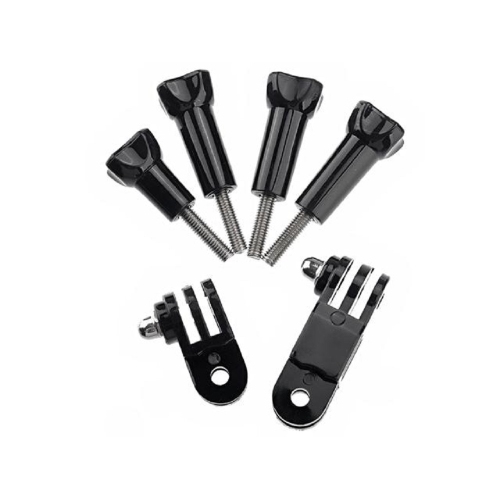
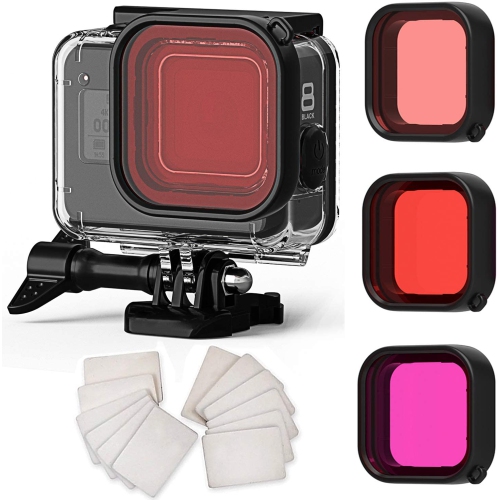
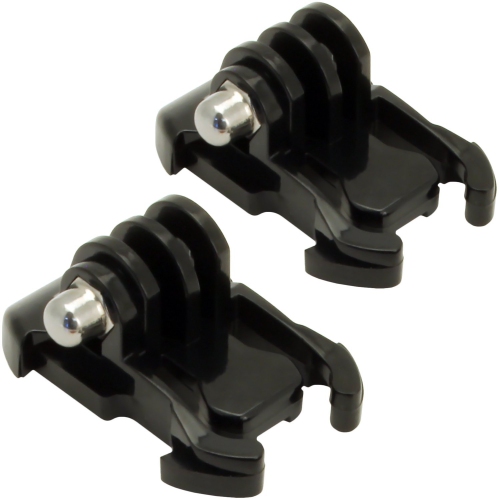
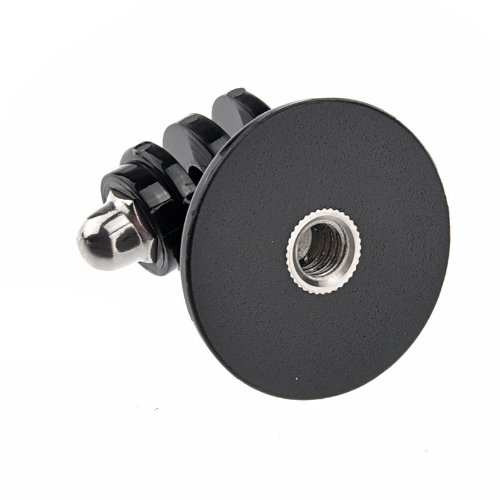
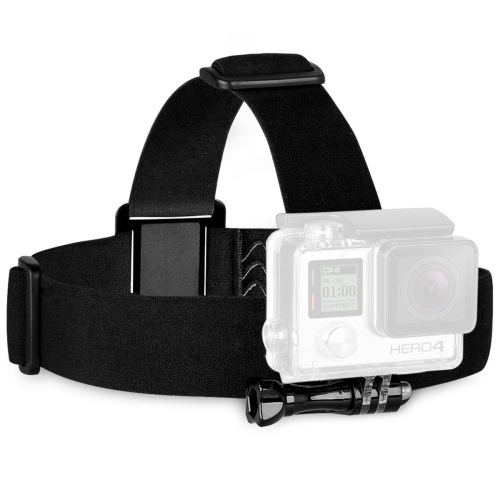
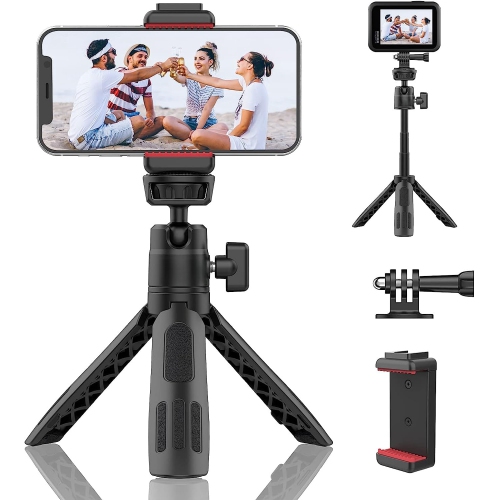
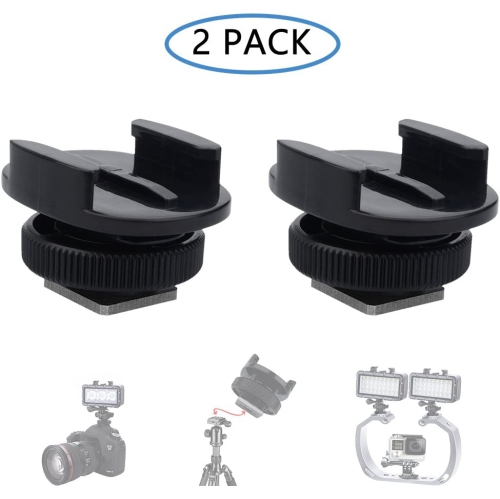
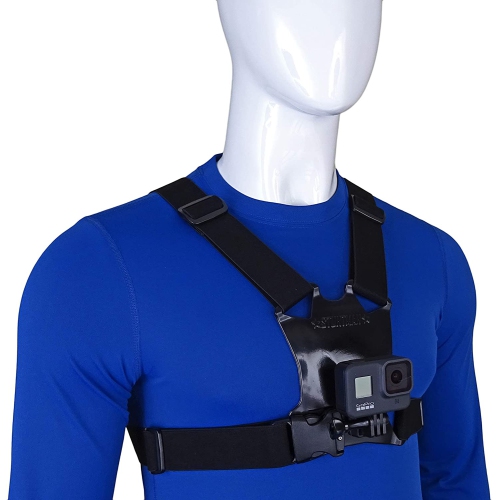
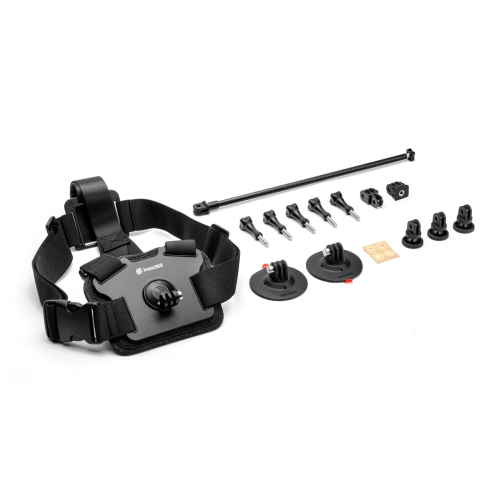
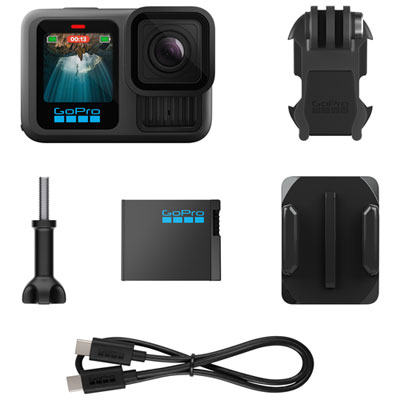
Action camera mount kits bring together the hardware needed to attach a compact camera to clothing, equipment, or a stable surface, making it easier to capture hands-free footage from different perspectives. A bundle may include a chest harness, strap mounts, adhesive bases, a handlebar clamp, pivot arms, mounting buckles, and fastening screws, although the contents vary from kit to kit. The most useful combination depends on where the camera will sit and what the footage should show. A chest-mounted camera can frame a cyclist’s hands and handlebars, giving viewers a sense of the rider’s movements along a trail. A handlebar mount places the camera directly on the bike, while a backpack strap clip can keep it within reach during a walking tour. Compact tripod adapters and short extension grips serve a different purpose, supporting group photos, stationary shots, or handheld video between activities. These differences make the type of attachment more important than the total number of pieces in a bundle. Several well-matched components can be more useful than a large assortment of fittings that never leave the carrying case. For someone filming regular rides, a secure clamp with suitable inserts and an adjustable pivot may cover the essentials. A traveller who alternates between sightseeing and short video updates might prefer a clip, a small grip, and a tabletop support. Mount kits can also make thoughtful gifts for people who already own an action camera, particularly when the camera model and favourite activities are known. The camera itself, protective housing, and any adapters required for a particular connection may be separate purchases, so the included components deserve a close look. A carrying case with fitted compartments or dividers helps keep small screws and buckles organized, while a compact pouch may suit someone who carries only a few attachments. The aim is a setup that supports the intended activity without adding unnecessary bulk or getting in the way of normal movement.
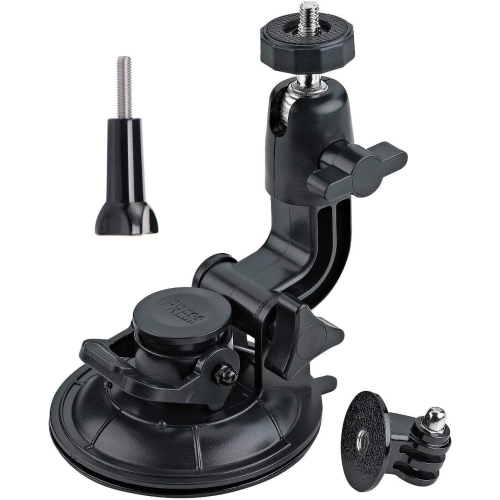
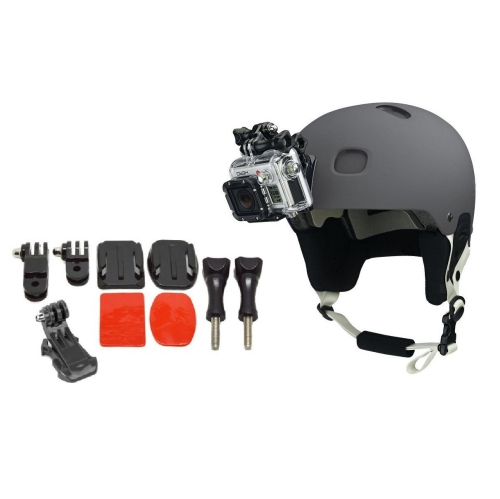
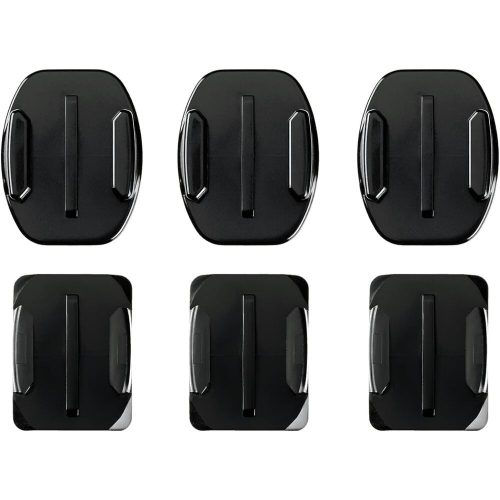
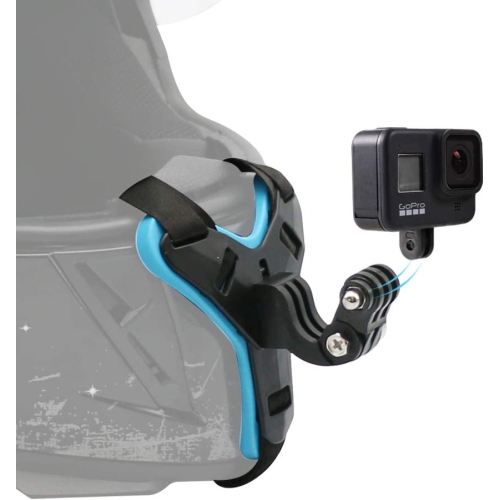
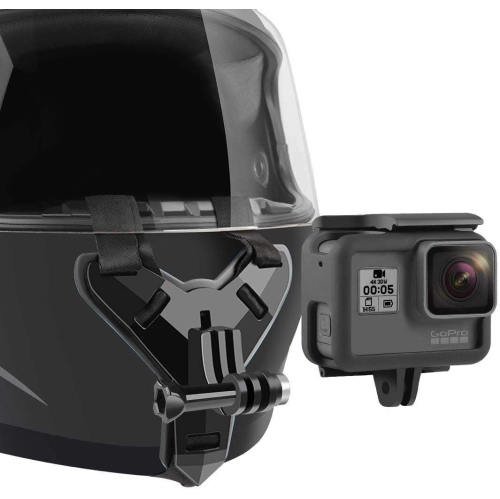
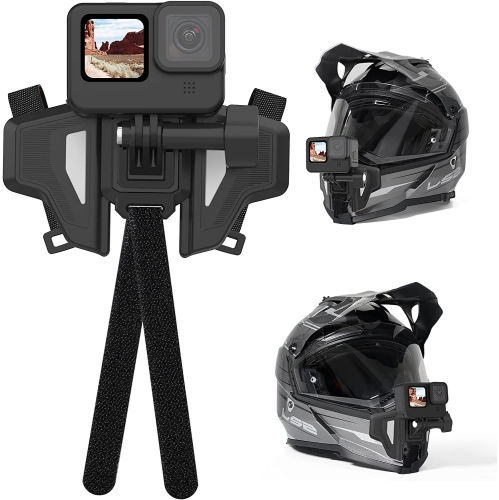
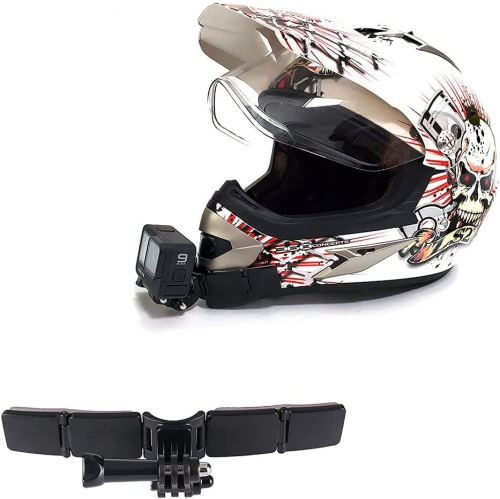
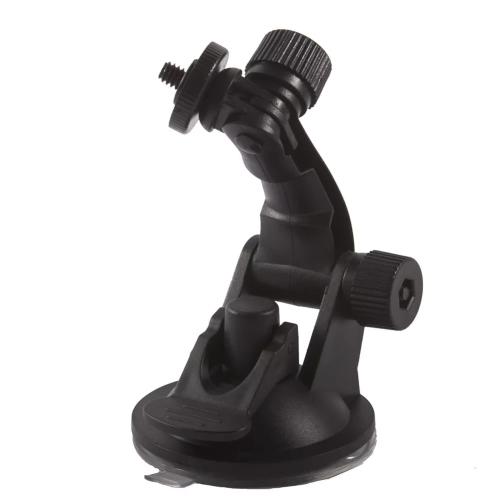
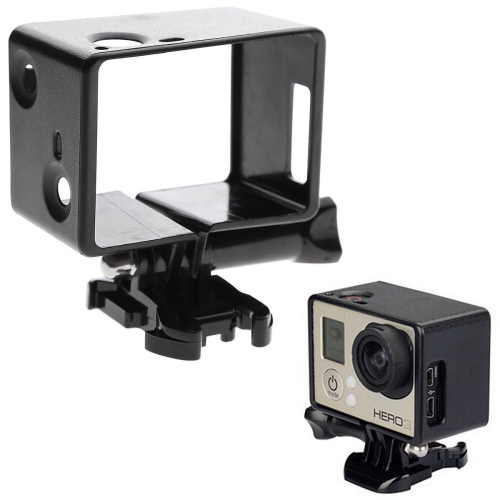
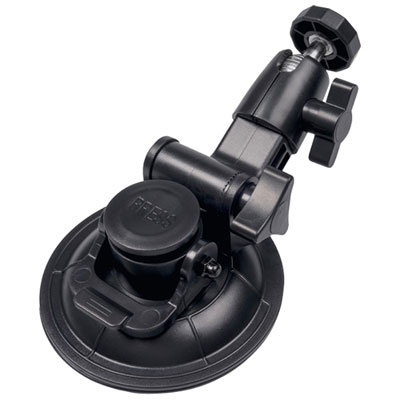
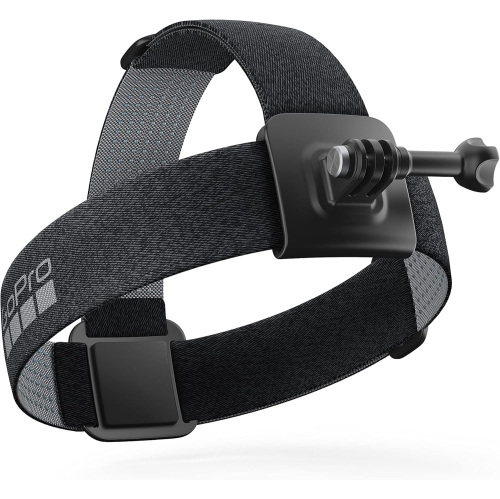
Fit begins with the camera’s mounting interface, not simply its size or appearance. Many action cameras use interlocking mounting fingers secured with a thumb screw, but others need a frame, housing, or adapter to connect to that hardware. A tripod thread, quick-release fitting, and magnetic attachment are distinct connections and should not be treated as interchangeable. Compatibility information should cover the camera model, any required housing, and the mount’s supported load, including accessories attached to the camera. Extra arms can offer more freedom to adjust the angle, but each joint adds another connection to check, and a longer assembly can increase leverage and vibration. Keeping the camera close to its mounting point often produces a more manageable setup. Materials also affect how a mount feels and performs. Moulded plastic components can keep weight down, metal fasteners provide threaded connections, and rubber inserts help compatible clamps grip their intended surfaces while reducing direct contact with the underlying finish. No single material makes every attachment suitable for every activity; the design, fit, and stated use matter together. Handlebar and pole mounts have specific diameter ranges, and the supplied inserts may be essential to achieving a secure fit. Strap mounts need enough adjustment to sit firmly without restricting movement, while chest harnesses should remain comfortable across the shoulders and torso. For head-mounted footage, Helmet Camera Mounts offer attachment styles intended for compatible helmets, subject to both the helmet and mount manufacturers’ guidance. A mount should never require drilling into protective equipment or obstruct its straps, vents, or adjustment system unless expressly permitted by its manufacturer. Adhesive bases need the specified surface shape, preparation, and bonding time; curved and flat bases are not substitutes for one another. Suction attachments likewise depend on an appropriate smooth, non-porous surface and the stated use limits. A clip designed for a backpack strap should not be assumed to hold securely on a bicycle or another moving platform simply because it can close around part of it.
Everyday usability often comes down to details that are easy to overlook in a collection of small parts. A quick-release buckle can make it convenient to move a camera between compatible bases, but it still needs to lock fully into place. A pivot joint should offer the angle needed for the shot without forcing the camera against the mounting surface. Access to the shutter button, screen, battery door, and charging connection can vary once a camera is attached, especially when a protective housing is involved. A short test clip before an activity can reveal whether a chest harness points too far down, a strap enters the frame, or a handlebar mount captures more cable than trail. Adjusting the angle while stationary is simpler and safer than trying to reposition equipment while riding. Where appropriate and permitted, a compatible safety tether provides a secondary attachment, though its routing must not create a snagging hazard or interfere with controls. Durability depends partly on care: screws, buckles, straps, and adhesive bases should be checked for looseness, cracks, fraying, or damage before use. Fasteners need to be tightened according to the manufacturer’s directions rather than forced, since excessive pressure can damage threads or mounting fingers. Dust and grit around joints can affect movement and fit, so cleaning should follow the care instructions for each component. Fabric straps should be allowed to dry fully before storage, and adhesive contact surfaces should be kept free of oils and debris before installation. Removable adhesive pads may need replacement after removal rather than being reapplied. Keeping spare compatible screws and buckles in a separate compartment makes it easier to spot missing hardware before leaving home. For frequent users, a kit that packs neatly and assembles predictably can be just as valuable as one with numerous attachment options. Whether the footage follows a daily bike ride, a paddling outing, or a family visit, well-chosen mounting hardware helps position the camera securely and frame the experience with less handling during the activity.
Fit begins with the camera’s mounting interface, not simply its size or appearance. Many action cameras use interlocking mounting fingers secured with a thumb screw, but others need a frame, housing, or adapter to connect to that hardware. A tripod thread, quick-release fitting, and magnetic attachment are distinct connections and should not be treated as interchangeable. Compatibility information should cover the camera model, any required housing, and the mount’s supported load, including accessories attached to the camera. Extra arms can offer more freedom to adjust the angle, but each joint adds another connection to check, and a longer assembly can increase leverage and vibration. Keeping the camera close to its mounting point often produces a more manageable setup. Materials also affect how a mount feels and performs. Moulded plastic components can keep weight down, metal fasteners provide threaded connections, and rubber inserts help compatible clamps grip their intended surfaces while reducing direct contact with the underlying finish. No single material makes every attachment suitable for every activity; the design, fit, and stated use matter together. Handlebar and pole mounts have specific diameter ranges, and the supplied inserts may be essential to achieving a secure fit. Strap mounts need enough adjustment to sit firmly without restricting movement, while chest harnesses should remain comfortable across the shoulders and torso. For head-mounted footage, Helmet Camera Mounts offer attachment styles intended for compatible helmets, subject to both the helmet and mount manufacturers’ guidance. A mount should never require drilling into protective equipment or obstruct its straps, vents, or adjustment system unless expressly permitted by its manufacturer. Adhesive bases need the specified surface shape, preparation, and bonding time; curved and flat bases are not substitutes for one another. Suction attachments likewise depend on an appropriate smooth, non-porous surface and the stated use limits. A clip designed for a backpack strap should not be assumed to hold securely on a bicycle or another moving platform simply because it can close around part of it.
Everyday usability often comes down to details that are easy to overlook in a collection of small parts. A quick-release buckle can make it convenient to move a camera between compatible bases, but it still needs to lock fully into place. A pivot joint should offer the angle needed for the shot without forcing the camera against the mounting surface. Access to the shutter button, screen, battery door, and charging connection can vary once a camera is attached, especially when a protective housing is involved. A short test clip before an activity can reveal whether a chest harness points too far down, a strap enters the frame, or a handlebar mount captures more cable than trail. Adjusting the angle while stationary is simpler and safer than trying to reposition equipment while riding. Where appropriate and permitted, a compatible safety tether provides a secondary attachment, though its routing must not create a snagging hazard or interfere with controls. Durability depends partly on care: screws, buckles, straps, and adhesive bases should be checked for looseness, cracks, fraying, or damage before use. Fasteners need to be tightened according to the manufacturer’s directions rather than forced, since excessive pressure can damage threads or mounting fingers. Dust and grit around joints can affect movement and fit, so cleaning should follow the care instructions for each component. Fabric straps should be allowed to dry fully before storage, and adhesive contact surfaces should be kept free of oils and debris before installation. Removable adhesive pads may need replacement after removal rather than being reapplied. Keeping spare compatible screws and buckles in a separate compartment makes it easier to spot missing hardware before leaving home. For frequent users, a kit that packs neatly and assembles predictably can be just as valuable as one with numerous attachment options. Whether the footage follows a daily bike ride, a paddling outing, or a family visit, well-chosen mounting hardware helps position the camera securely and frame the experience with less handling during the activity.
Top selling and popular products
-
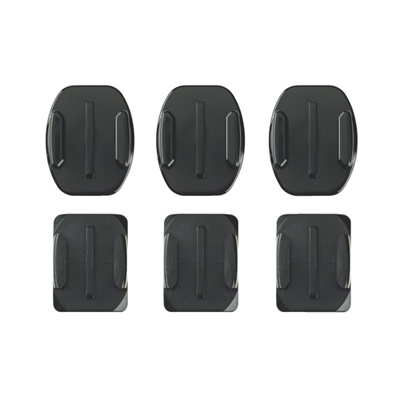 Your price for this item is $32.97
 -
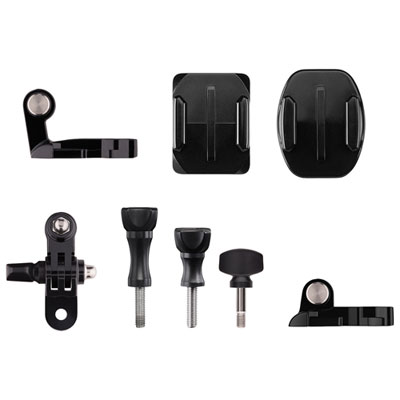 Your price for this item is $32.95
 -
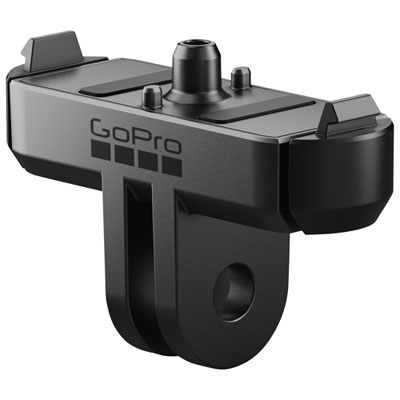 Your price for this item is $36.97
 -
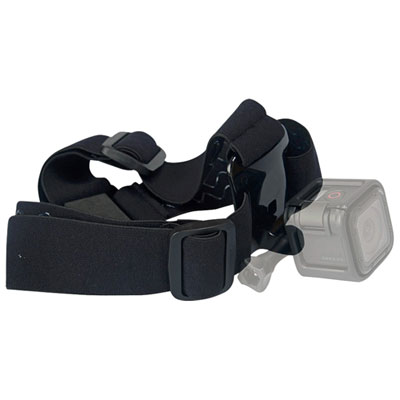 Your price for this item is $4.97
 -
 Your price for this item is $18.99
 -
 Your price for this item is $89.85
 -
 Your price for this item is $18.99
 -
 Your price for this item is $32.49
Discover more categories related to GoPro Mount Kits
Top Collections:
Pokemon Centers, Kindle Devices, Best Budget Office Chairs, Apple iPhones 16, Best Laptops for Writers, iPhone 15 Apple, Canon G7X Cameras, Refurbished Apple Laptops, Alarm Clock, Motorola Razr Phones
Some products may be subject to Environmental Handling Fees
(EHF) depending on your province.
Learn more about EHFs.