GoPro Helmet Mounts
Capture every moment of your adventure with a GoPro Helmet Mount, designed to keep your camera secure while you focus on the action. Whether you’re cycling, skiing, or exploring rugged trails, these mounts offer a convenient way to record hands-free footage from your point of view. Explore a variety of options that make it easy to attach your camera to different helmet types, ensuring you never miss an exciting moment. Find the ideal GoPro Helmet Mount to enhance your next outdoor experience and relive your favorite memories anytime.
Sort
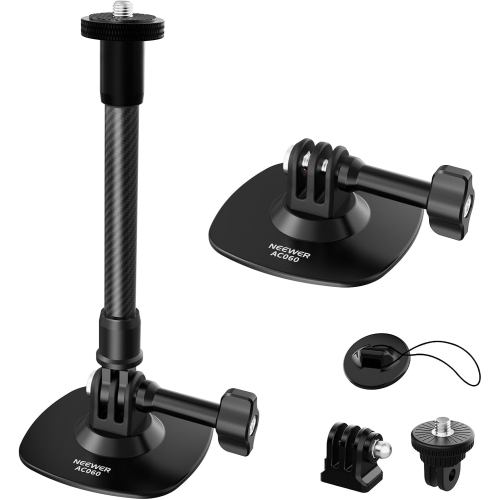
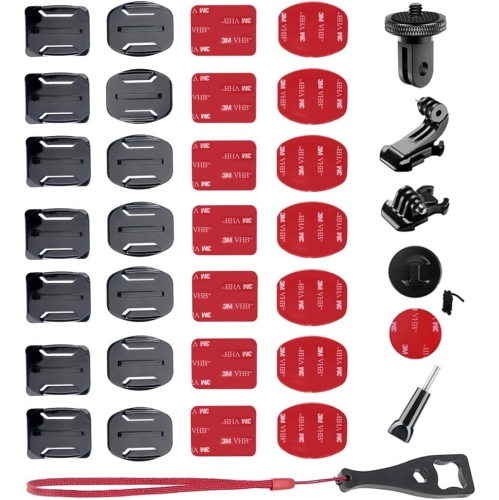
How helmet mount placement shapes your footage
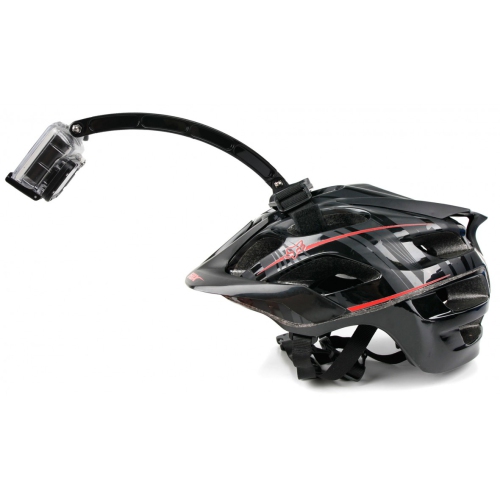
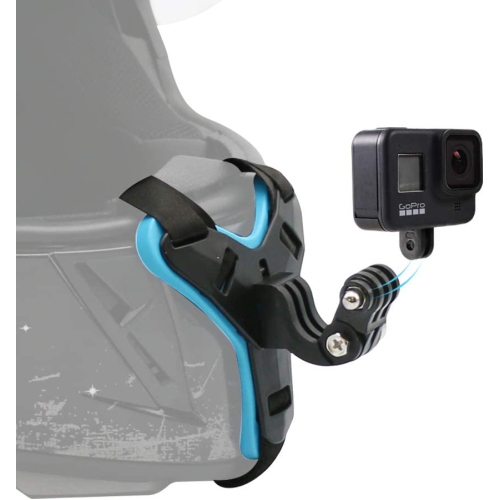
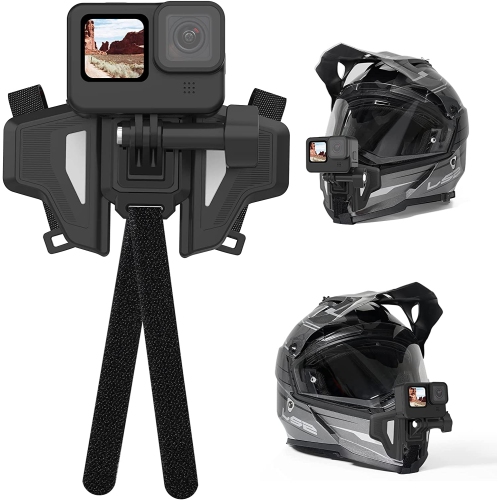
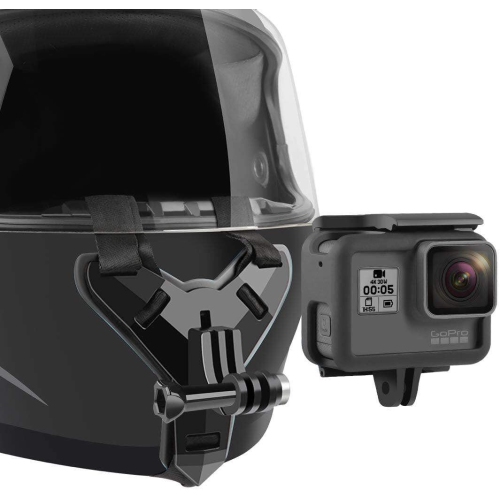
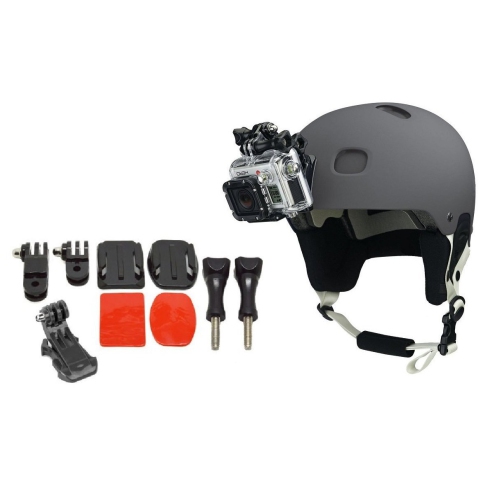
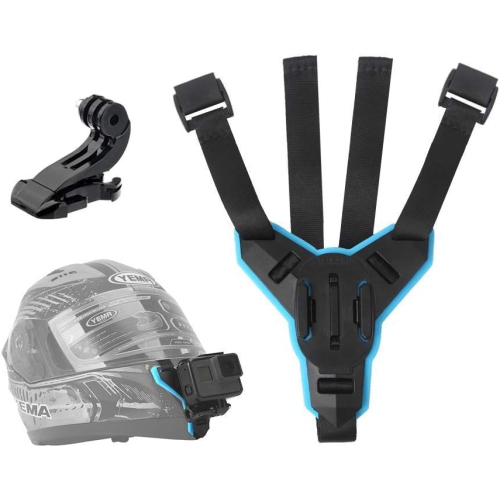
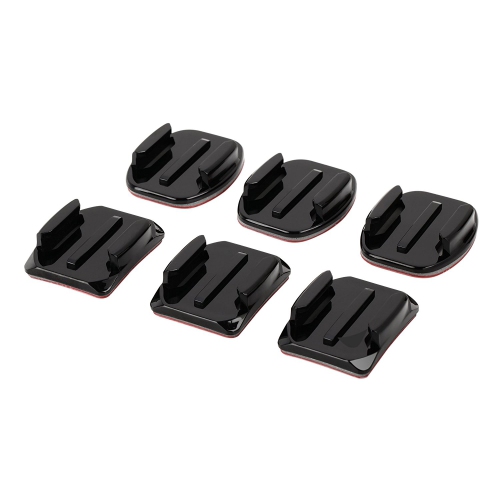
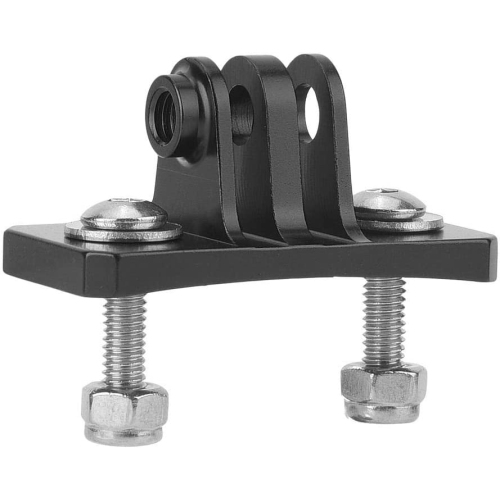
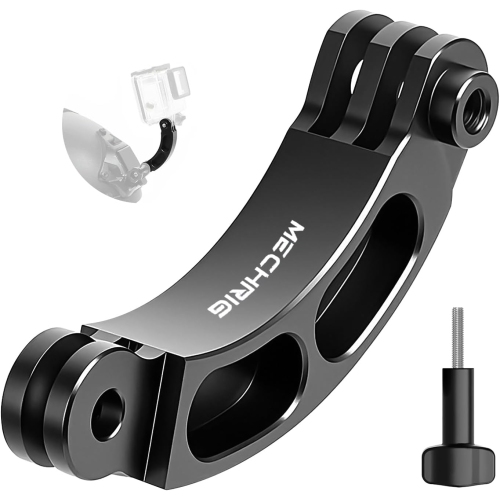
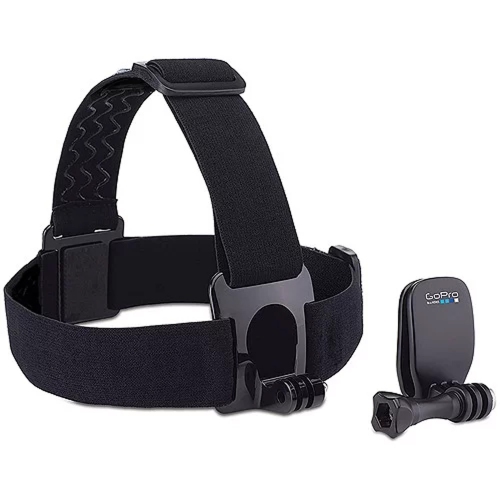
Helmet camera mounts connect a compact action camera to a helmet, creating a hands-free viewpoint that follows the direction of the wearer’s head. They are used by cyclists, motorcyclists and other riders who want to capture a route, review a practice session or share a memorable stretch of trail without holding a camera. The mounting position shapes the footage as much as the camera angle does. A front mount can provide a forward-facing view close to the centre of the helmet, while a side mount places the camera off to one side and may include part of the helmet in the frame. A top mount offers a higher viewpoint but also adds height, which matters around branches and other overhead obstacles. Chin mounts, designed for compatible full-face helmets, position the camera near the rider’s line of sight and can include the handlebars or controls in the lower part of the image. Their suitability depends on the shape of the chin bar and whether the attachment leaves the visor, vents and helmet closures unobstructed. No single position is best for every helmet or activity. A cyclist recording a winding trail may want enough downward angle to show the path ahead, whereas a motorcyclist may prefer a level horizon with less of the motorcycle filling the frame. Adjustable arms, pivot joints and swivel connections provide different ways to refine that view, though extra joints also create more places for movement to develop. A compact setup with minimal overhang generally places less leverage on the attachment than a long extension. The camera’s weight, its housing and the mount’s position all contribute to how the helmet feels when worn. A useful helmet mount balances the desired perspective with secure attachment, manageable weight and access to the camera controls, without interfering with the helmet’s intended protective function.
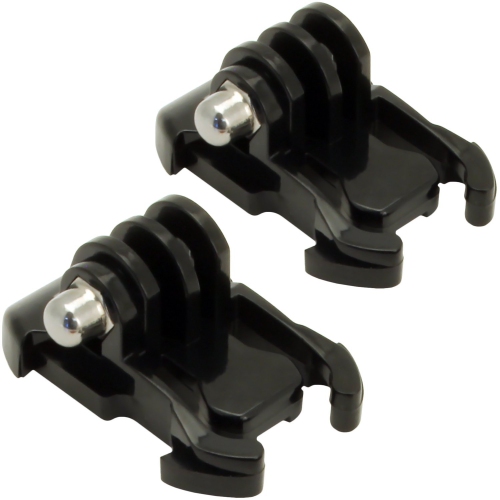
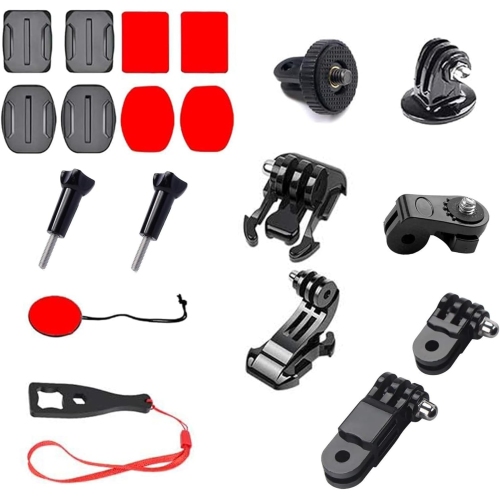
Compatibility involves more than whether a camera can physically connect to a mounting buckle. The connection style, adapter requirements, camera dimensions and clearance around the mounting point all affect fit. For cameras featured on the GoPro Helmet Cameras page, the camera’s own specifications and the mount’s compatibility details remain important, particularly when a protective housing or additional adapter is involved. Common helmet attachment methods include adhesive bases, straps for vented helmets and shaped fittings intended for particular helmet profiles. Curved adhesive bases suit some rounded surfaces, while flatter bases require a matching contact area; a base that rocks or leaves gaps is not a dependable fit simply because its outline looks close. Adhesive attachments need a clean, dry, compatible surface and the full curing period stated by the manufacturer. Many require at least 24 hours before use, but the supplied instructions determine the actual waiting time and application method. Helmet shell materials, coatings, graphics and surface texture can also affect whether an adhesive attachment is permitted or effective. Vented helmet straps pass through suitable openings and secure the mount without an adhesive base, making vent layout, strap routing and buckle placement central to the fit. These straps should not interfere with the helmet’s retention system or cover openings in a way the helmet manufacturer does not permit. Mount materials commonly include moulded plastics, metal fasteners and woven webbing. Plastic components can keep weight down, metal hardware provides adjustable clamping points, and webbing accommodates certain helmet shapes, but material alone does not establish durability. Joint design, sound threads, intact buckles and the correct fit matter just as much. A quick-release connection can make it easier to detach the camera between recordings, while a thumb screw allows angle adjustment without specialized tools on many designs. Neither feature replaces a secure locking mechanism, and any adapter or extension needs to be rated for the intended camera and activity.
Regular care helps keep helmet mounts dependable through repeated use. Dust and grit can collect around pivot joints, buckles and strap hardware, making adjustment rough or preventing a latch from seating fully. Cleaning methods should follow the mount’s instructions, with components allowed to dry before storage and adhesive surfaces protected from contamination. Cracks, stretched straps, damaged threads or a joint that no longer holds its position are reasons to stop using the affected component rather than tighten it harder. After an impact or a dropped camera, both the mount and the helmet need attention according to their manufacturers’ guidance, even when damage is not obvious. Adhesive bases should not be assumed to be reusable, and removal needs to follow guidance for both the attachment and the helmet; improvised heat, solvents or scraping can damage shell materials or finishes. Helmet safety takes priority over the shot. Drilling into a shell, cutting padding or altering retention straps can compromise protection, and some helmets or activities do not permit camera attachments at all. Any secondary retention tether should be used only where approved and routed so it does not introduce an entanglement hazard. Camera positioning and recording controls are best settled before setting off, rather than adjusted while riding. For everyday use, convenient details include enough room to open a visor, a camera position that does not obstruct vision, and a release that remains accessible without disturbing the helmet’s fit. Helmet mounts can also be a thoughtful gift for someone who already records rides or wants a hands-free perspective, provided the attachment matches their camera, helmet and preferred activity. Knowing whether the recipient uses a vented cycling helmet or a full-face motorcycle helmet is more useful than choosing by appearance alone. The strongest match is a mount that fits the equipment properly, supports the intended viewpoint and remains straightforward to inspect, adjust and care for.
Top selling and popular products
-
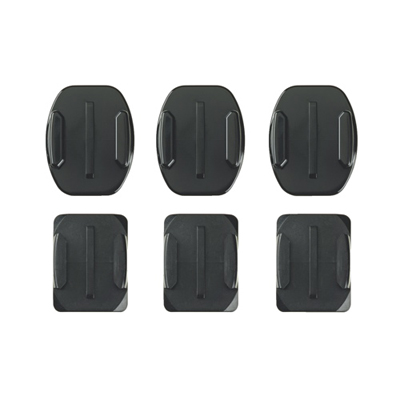 Your price for this item is $32.97
-
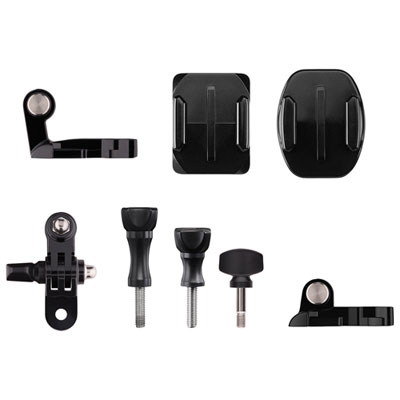 Your price for this item is $32.95
-
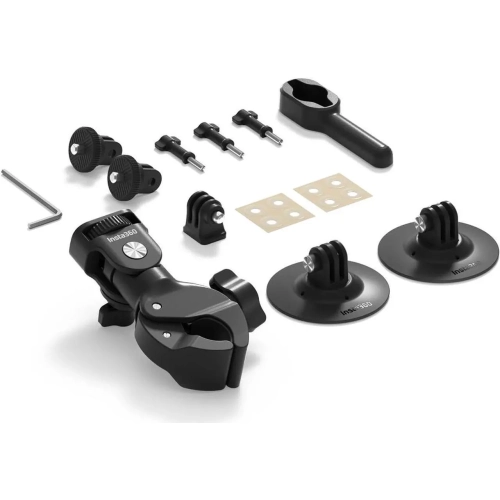 Your price for this item is $83.49
-
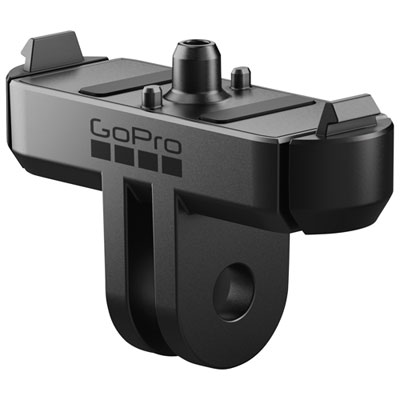 Your price for this item is $36.97
-
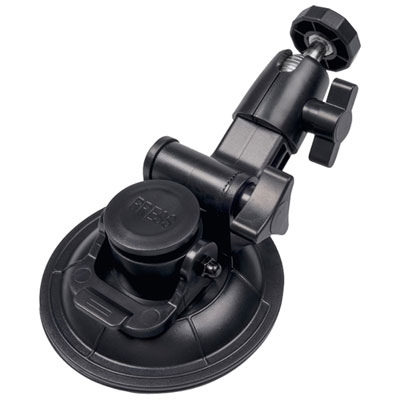 Your price for this item is $29.99
-
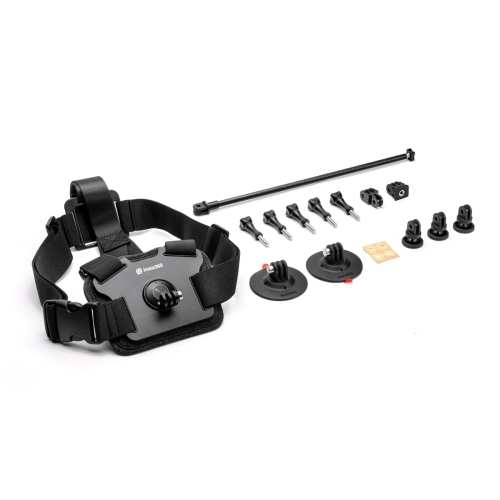 Your price for this item is $77.37
-
 Your price for this item is $29.99
-
 Your price for this item is $32.49
Discover more categories related to GoPro Helmet Mounts
Top Collections:
Best Black Friday Deals This Year, Best Black Friday Deals On Electronics, Kindle Devices, Pokemon Centers, Best Black Friday Deals On Apple Products, Best Cameras for Sports Photography, Dyson Airwrap, Pokémon 30th Celebration Cards, Apple iPhone 17 Pro, Canon G7X Cameras
Some products may be subject to Environmental Handling Fees
(EHF) depending on your province.
Learn more about EHFs.